
Search History
Popular Searches
English
Dealer Login / Sign Up
Wrong-way driving should be an exceptionally rare traffic violation in Hong Kong, a city with a well-established right-hand drive, left-side traffic rule for over a century. Yet recently, such incidents have frequently made headlines – from a legislator's official car to a regular taxi, from the Central Kowloon Route to rural New Territories roads. Wrong-way driving seems to have become a perplexing "trend." While we might mock those involved for "not knowing how to drive," perhaps we should ask a deeper question: What is really going on?
A Century-Old Rule, Why Does It Become a Trap?
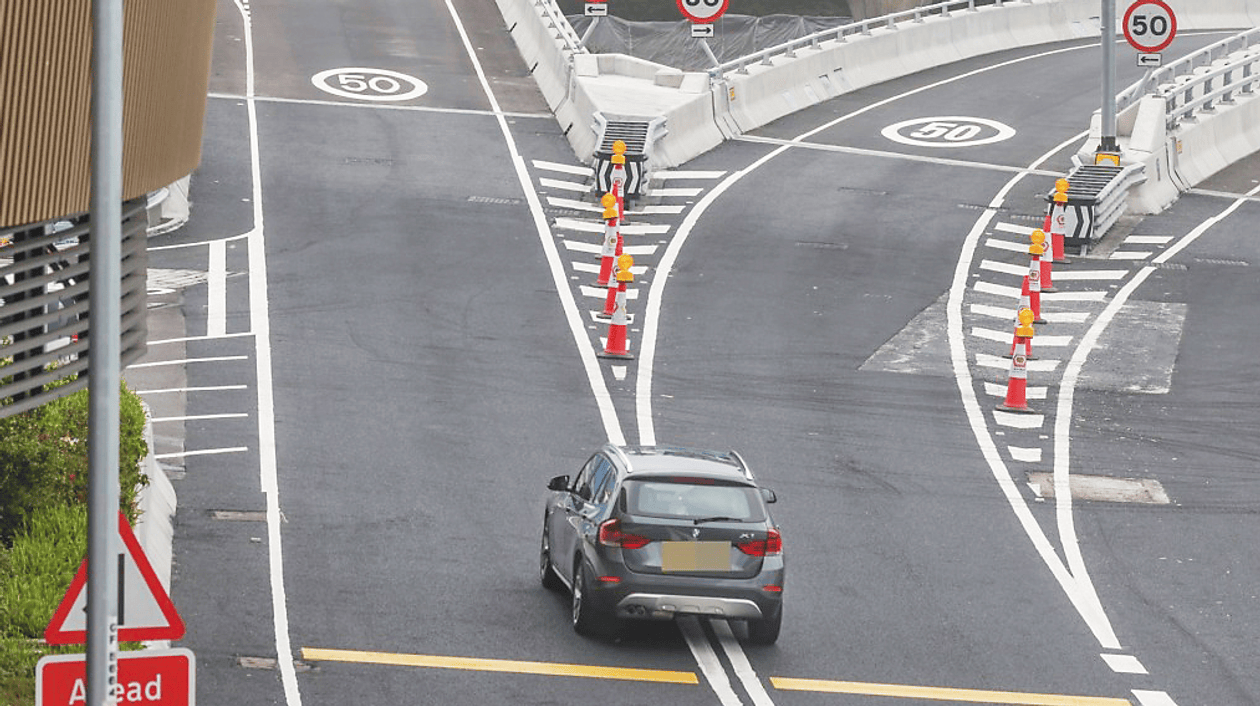
Hong Kong has used the right-hand drive, left-side traffic system since its early days – over a hundred years unchanged. For local drivers, these rules are ingrained. However, a taxi driver friend pointed out a paradox: "We're on the road every day; the chance of us entering the wrong lane should be minimal." This hints at a deeper issue: when driving becomes instinct, we might lose vigilance at critical moments.
Another driver who frequently travels between Hong Kong and the mainland offered another perspective: "Switching between left and right-side driving requires absolute clarity. A lapse in concentration, a moment of distraction, and it's easy to get it wrong." This highlights the challenge for cross-border drivers – toggling between two driving norms demands immense focus. Fatigue, stress, or distraction can lead even experienced drivers to make basic errors.
Virtual "Veterans," Real-World "Novices"
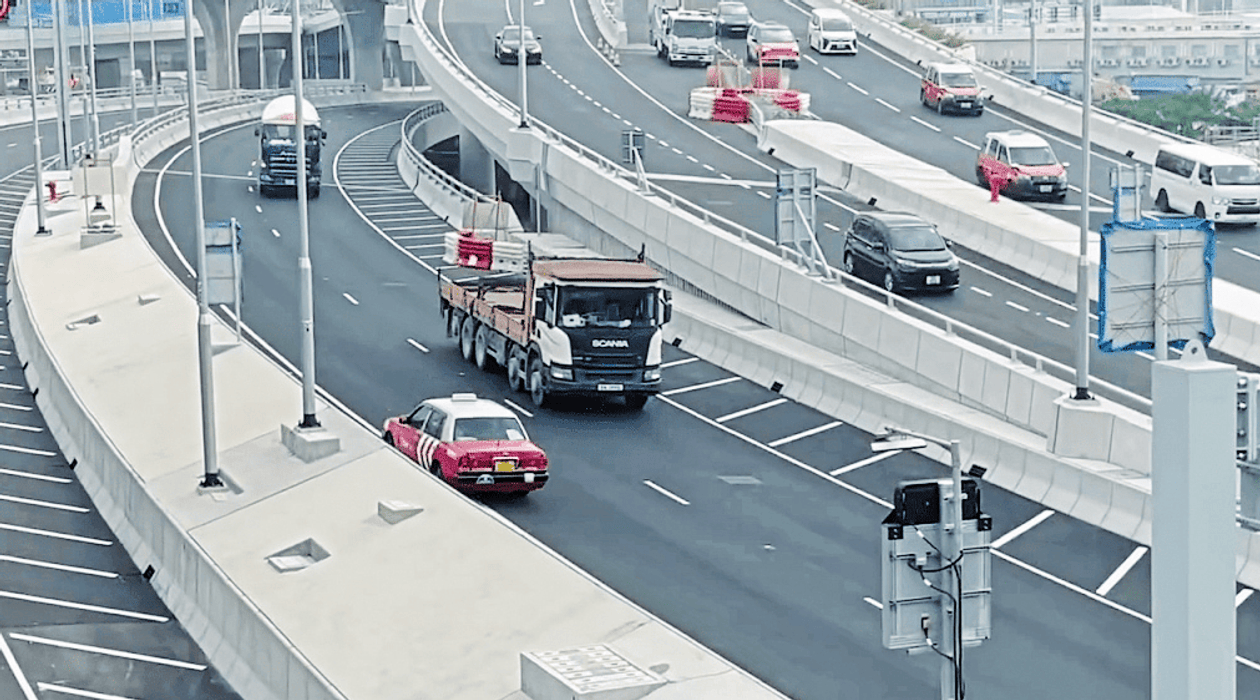
A driving instructor's observation is even sharper: "Lately, some young learner drivers lack a sense of direction or hand-foot coordination." When asked why he still teaches them, his reply was telling: "My job is to teach driving skills; the examiner decides if they're qualified." This points to a systemic issue: instructors teach skills; they don't filter for aptitude. As long as the fee is paid, lessons are given. Whether a student is truly suitable is ultimately the examiner's call.
More concerning is that these young people often gain "significant experience" from virtual racing games. "They think playing games means they can drive, but in a real car, they panic – they get traffic lights wrong and enter wrong lanes frequently." When there's a vast gap between game simulation and real-world driving, these "virtual experts" overestimate their abilities, dangerously underestimating the complexity of real roads. This "virtual confidence" is a breeding ground for wrong-way driving.
Mainland Drivers' "Culture Shock"
Mainland drivers in Hong Kong are also among those occasionally caught driving the wrong way. Often, they are unfamiliar with the routes or struggle to adapt to Hong Kong's narrower roads compared to the mainland. When the mainland's left-hand drive, right-side traffic rule clashes with Hong Kong's system, and wide highways contrast with narrow city streets, even experienced mainland drivers can become disoriented.
However, this is not an excuse. Wrong-way driving is illegal and risks causing accidents, injuries, or fatalities. The responsibility for adapting to Hong Kong's roads rests squarely with the cross-border driver.
Systemic Gaps and Driving Culture
The rise in wrong-way driving reveals several systemic issues. First, the licensing system's leniency. Anyone over 18 can obtain a license after passing written and practical tests. But there's a gap between a controlled test route and real-world complexity. A driver who passes a set route may not cope with unexpected hazards. Second, a lack of driver education. Instructors focus on technical skills, not cultivating safe attitudes. When "knowing how to drive" is confused with "driving well," road safety suffers.
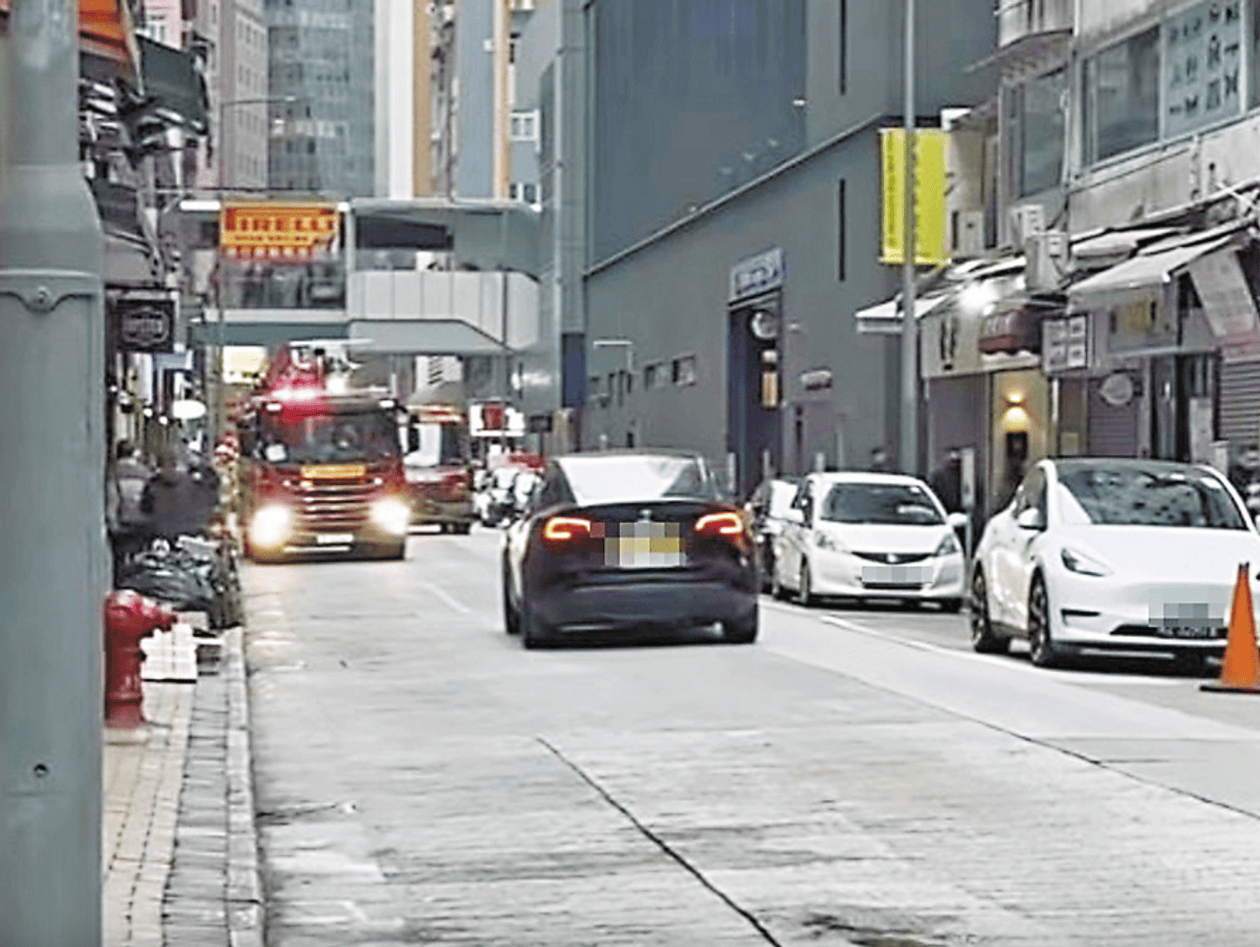
A deeper issue is the changing driving culture. Once seen as a serious skill requiring practice, driving is now perceived as a routine, low-barrier activity. With the influence of gaming, the threshold seems lower. When more people treat driving as "habit" rather than "skill," and virtual gaming experience equates to real-world ability, basic errors like wrong-way driving will increase.
Personal Opinion: No Shortcuts to Road Safety
Reflecting on these discussions, the key takeaway is to "stay sharp." Whether a seasoned taxi driver, a novice, a cross-border veteran, or a mainland driver new to Hong Kong, there are no shortcuts to road safety.
The prevalence of wrong-way driving reminds us that driving is not a game; the road is not a track. As we criticize offenders, we must also reflect on our own moments of distraction, fatigue, or underestimating driving's demands. Instructors should instill respect for the road alongside technical skills. Examiners must ensure standards reflect real-world conditions. And every driver should ask themselves before starting the engine: Am I truly ready today?
Wrong-way driving may be just the visible symptom. Beneath it lie a collective laxity in driving culture, a slow erosion of systemic safeguards, and a dangerous blurring between virtual simulation and physical reality. When driving is no longer treated with the respect it demands, and "habit" replaces "skill," the next wrong-way driver could be any one of us.

香港汽車內容平台 🚗 新車・買車・玩車・用車 用香港視角,睇世界嘅車
+ Follow 【新車速報】兩座車又殺返嚟?smart精靈#2今次有啲料喎
鍾意細車嘅香港車迷留意!全新 smart 精靈#2 配置公布,採用 ECA 電動緊湊型架構,搭載 35.8kWh 磷酸鐵鋰電池,CLTC 續航 410km,30%-80% 快充最快15分鐘。
車長約 2.75米、轉彎半徑僅3.35米,仲有前麥弗遜+後五連桿獨立懸架;安全配備最多7個氣袋及 ACC、盲區監測等功能。
0-50km/h 3.8秒,10月12日巴黎車展全球首發!
兩座純電+細車身,放落香港街道會唔會幾對味?
#smart #smart精靈2 #純電車 #BitAutoHongKong 1小时前
【新車速報】兩座車又殺返嚟?smart精靈#2今次有啲料喎
鍾意細車嘅香港車迷留意!全新 smart 精靈#2 配置公布,採用 ECA 電動緊湊型架構,搭載 35.8kWh 磷酸鐵鋰電池,CLTC 續航 410km,30%-80% 快充最快15分鐘。
車長約 2.75米、轉彎半徑僅3.35米,仲有前麥弗遜+後五連桿獨立懸架;安全配備最多7個氣袋及 ACC、盲區監測等功能。
0-50km/h 3.8秒,10月12日巴黎車展全球首發!
兩座純電+細車身,放落香港街道會唔會幾對味?
#smart #smart精靈2 #純電車 #BitAutoHongKong 1小时前  【揀車有路數】日產新車賣比亞迪價?仲有激光雷達
今集試一台好特別嘅日產新車——NX8,中國特供增程SUV。外觀似熟悉嘅日產味,但內籠同科技配備竟然唔晒傳統日產套路,駕乘感受又有幾多轉變?到底仲係咪你認識嗰部日產?一齊試畀你睇。
#日產 #NX8 #增程 #BitAutoHongKong #揀車有路數 1天前
【揀車有路數】日產新車賣比亞迪價?仲有激光雷達
今集試一台好特別嘅日產新車——NX8,中國特供增程SUV。外觀似熟悉嘅日產味,但內籠同科技配備竟然唔晒傳統日產套路,駕乘感受又有幾多轉變?到底仲係咪你認識嗰部日產?一齊試畀你睇。
#日產 #NX8 #增程 #BitAutoHongKong #揀車有路數 1天前  【新車速報】T-Top 回歸?Nissan Z Kaze 概念車現身!
90年代 JDM 味返晒嚟?Nissan 最近喺美國 ZCON 公開 Z Kaze 概念車,以現款 Nissan Z 為基礎,換上全新 T-Top 可拆式車頂,向經典 300ZX 等 Z 系列致敬。
配合碳纖維空力套件、NISMO LMGT2 18吋輪圈,以及 GReddy 排氣、進氣同 intercooler 升級,成部車都充滿 JDM 改裝味。
「Kaze」即係日文「風」,而呢部車係 one-off 概念作品,並非量產車。10月3日仲會現身加州長灘 Japanese Classic Car Show。
如果 T-Top Z 真係量產,你會唔會心動?
#NissanZ #ZKaze #TTop #JDM #BitAutoHongKong 1天前
【新車速報】T-Top 回歸?Nissan Z Kaze 概念車現身!
90年代 JDM 味返晒嚟?Nissan 最近喺美國 ZCON 公開 Z Kaze 概念車,以現款 Nissan Z 為基礎,換上全新 T-Top 可拆式車頂,向經典 300ZX 等 Z 系列致敬。
配合碳纖維空力套件、NISMO LMGT2 18吋輪圈,以及 GReddy 排氣、進氣同 intercooler 升級,成部車都充滿 JDM 改裝味。
「Kaze」即係日文「風」,而呢部車係 one-off 概念作品,並非量產車。10月3日仲會現身加州長灘 Japanese Classic Car Show。
如果 T-Top Z 真係量產,你會唔會心動?
#NissanZ #ZKaze #TTop #JDM #BitAutoHongKong 1天前 Get the latest car news first!
【新車速報】兩座車又殺返嚟?smart精靈#2今次有啲料喎
鍾意細車嘅香港車迷留意!全新 smart 精靈#2 配置公布,採用 ECA 電動緊湊型架構,搭載 35.8kWh 磷酸鐵鋰電池,CLTC 續航 410km,30%-80% 快充最快15分鐘。
車長約 2.75米、轉彎半徑僅3.35米,仲有前麥弗遜+後五連桿獨立懸架;安全配備最多7個氣袋及 ACC、盲區監測等功能。
0-50km/h 3.8秒,10月12日巴黎車展全球首發!
兩座純電+細車身,放落香港街道會唔會幾對味?
#smart #smart精靈2 #純電車 #BitAutoHongKong 1小时前 【揀車有路數】日產新車賣比亞迪價?仲有激光雷達
今集試一台好特別嘅日產新車——NX8,中國特供增程SUV。外觀似熟悉嘅日產味,但內籠同科技配備竟然唔晒傳統日產套路,駕乘感受又有幾多轉變?到底仲係咪你認識嗰部日產?一齊試畀你睇。
#日產 #NX8 #增程 #BitAutoHongKong #揀車有路數 1天前 【新車速報】T-Top 回歸?Nissan Z Kaze 概念車現身!
90年代 JDM 味返晒嚟?Nissan 最近喺美國 ZCON 公開 Z Kaze 概念車,以現款 Nissan Z 為基礎,換上全新 T-Top 可拆式車頂,向經典 300ZX 等 Z 系列致敬。
配合碳纖維空力套件、NISMO LMGT2 18吋輪圈,以及 GReddy 排氣、進氣同 intercooler 升級,成部車都充滿 JDM 改裝味。
「Kaze」即係日文「風」,而呢部車係 one-off 概念作品,並非量產車。10月3日仲會現身加州長灘 Japanese Classic Car Show。
如果 T-Top Z 真係量產,你會唔會心動?
#NissanZ #ZKaze #TTop #JDM #BitAutoHongKong 1天前  BAWToyotaBYDZeekrGACDongfengXPengMGMaxusLeapmotorDenzaIMiCAURDeepalWulingOraJuneyao AutoKYCSkyworthAvatrFotonFordGeelyHongqiJAECOOKGMOMODADFSKTeslaHondaBMWMercedes-BenzsmartMINIPorscheNissanLexusSuzukiVolvoSubaruMazdaKiaHyundaiLand RoverRolls-RoyceFerrariAudiLamborghiniRiddaraSeresFarizonfireflyLingboxKaiyiVoyahHIMAM-HeroIsuzuBentleyPolestarMcLarenMitsubishiMaseratiPeugeotAston MartinAcuraJeepJaguarLotusVolkswagenEpiclandJACLepasLi
 © 2024 Bitauto.com. All Rights Reserved.
Bitauto (www.yiche.com and www.bitauto.com) is one of the most visited automotive websites in China. We provide detailed info on Chinese car brands available in your area. Please note that the information provided on this website is based on publicly available data and is for reference only. It may not be fully updated or accurate at all times.
Help us improve our website


