
Search History
Popular Searches
English
Dealer Login / Sign Up
On March 29, GAC Toyota's bZ7 will officially launch. This large electric sedan, which began pre-sales on March 5 with five variants priced between RMB 156,800 and RMB 209,800, features a full version of the Huawei HarmonyOS cockpit, intelligent preview dual-chamber air suspension, Momenta R6 ADAS, and dual-motor zero-gravity seats. The combination of these features almost makes one forget it's a Toyota.
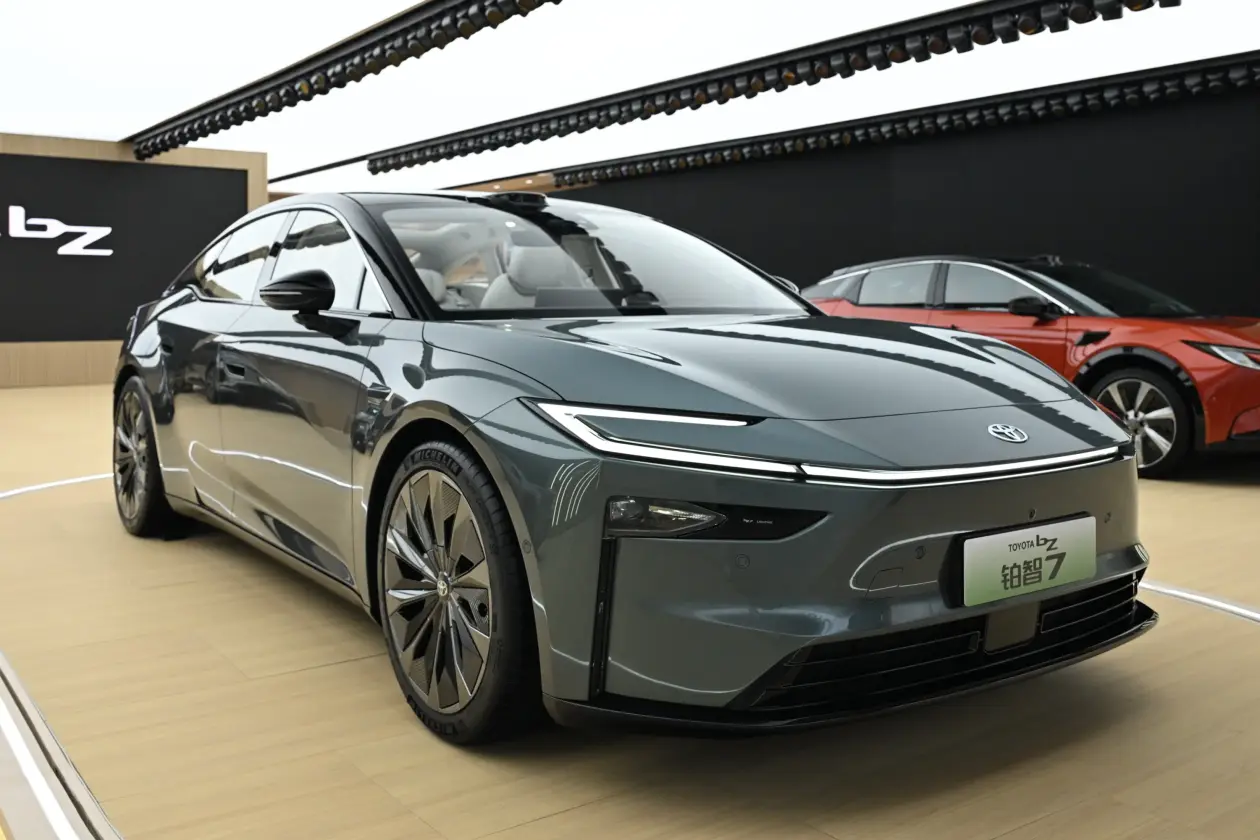
For Hong Kong users, the bZ7's arrival raises a pertinent question: When a joint venture brand enters the market with the specifications and pricing of leading domestic players, is this a counterattack by joint ventures, or another victory for China's supply chain?
Product Analysis: A Shift from "Toyota-like" to "Huawei-like"
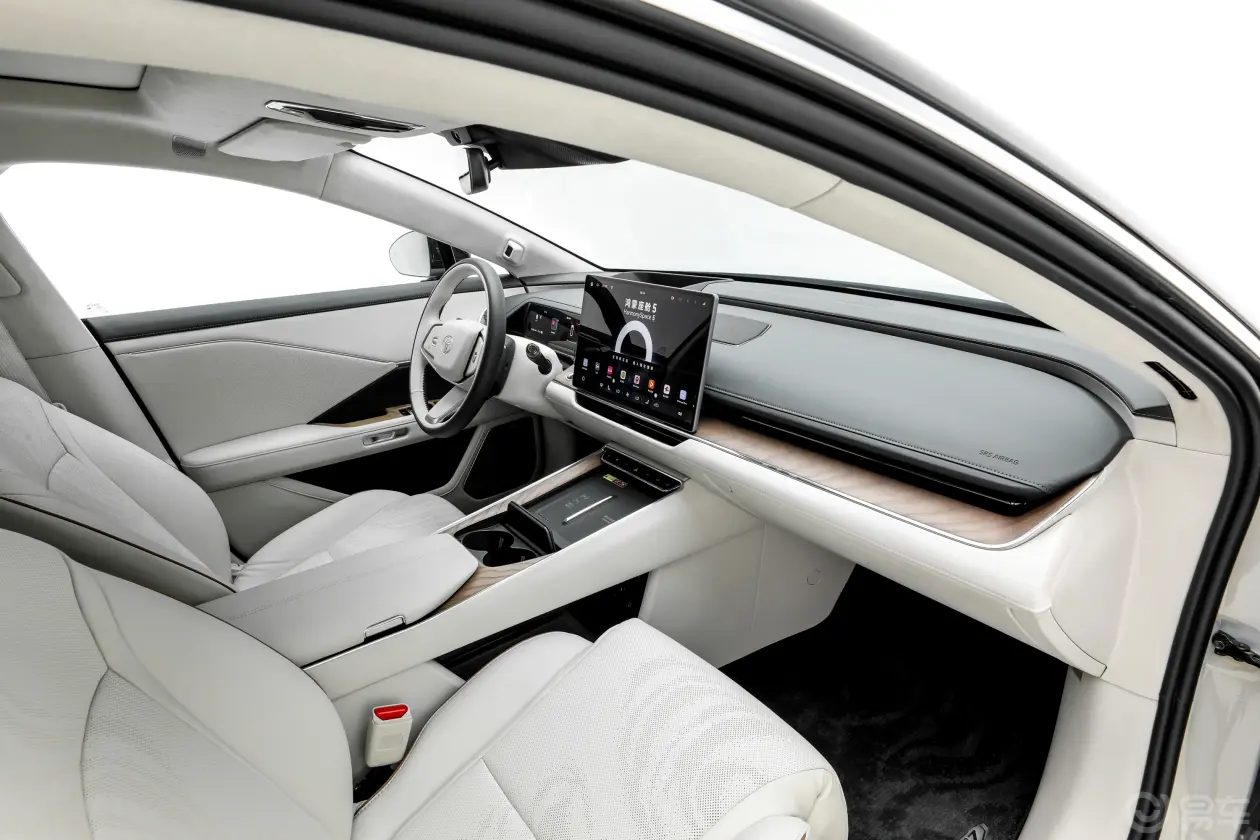
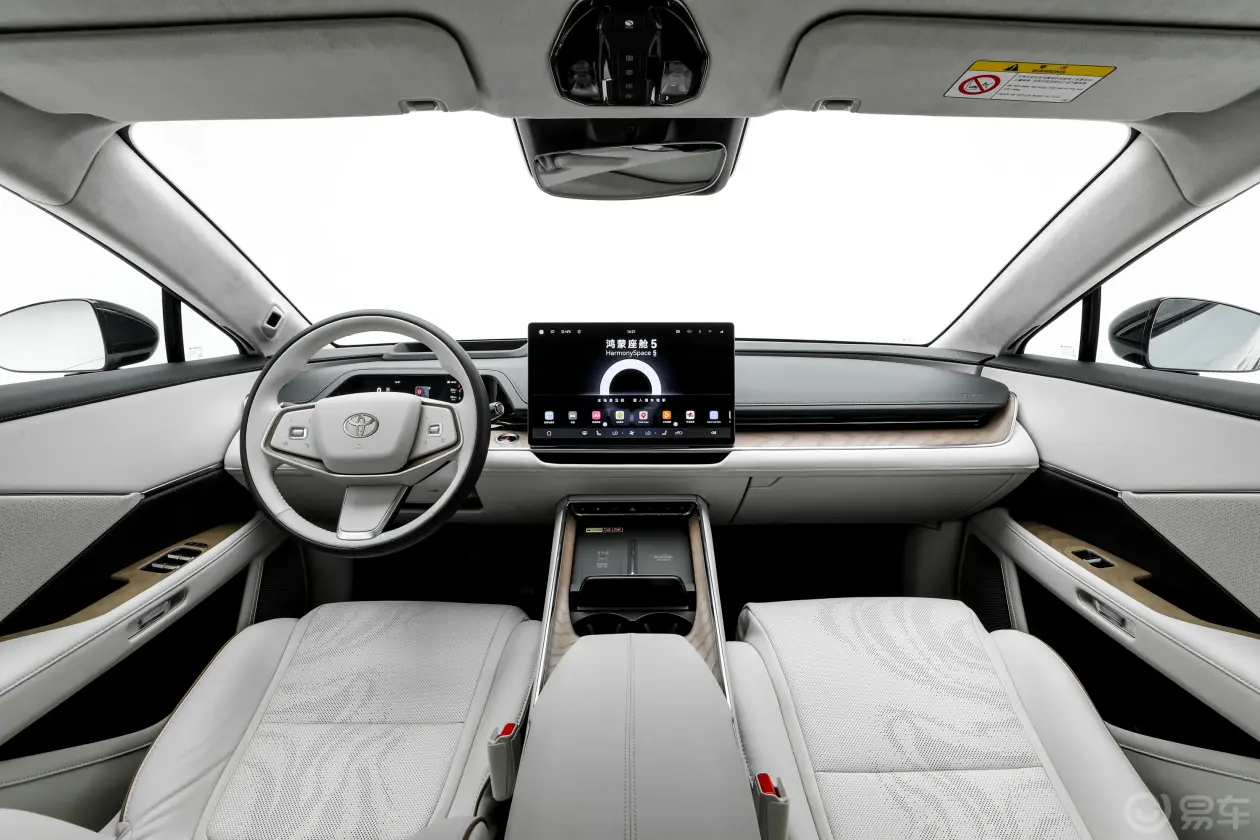
The bZ7's standout feature is its "full version" Huawei HarmonyOS cockpit. This marks Toyota's first application of Huawei's system in a mass-produced vehicle, signaling a strategic shift in the Japanese giant's approach to intelligence. With a large central screen, facial recognition, head-up display, a premium sound system, and the seamless connectivity of the HarmonyOS ecosystem, the in-car experience is expected to rival top domestic brands.
For driver assistance, the bZ7 uses the Momenta R6 system, featuring an integrated end-to-end large model supporting all-scenario navigation assist. This ensures a reliable assisted driving experience whether on highways or in complex city traffic.
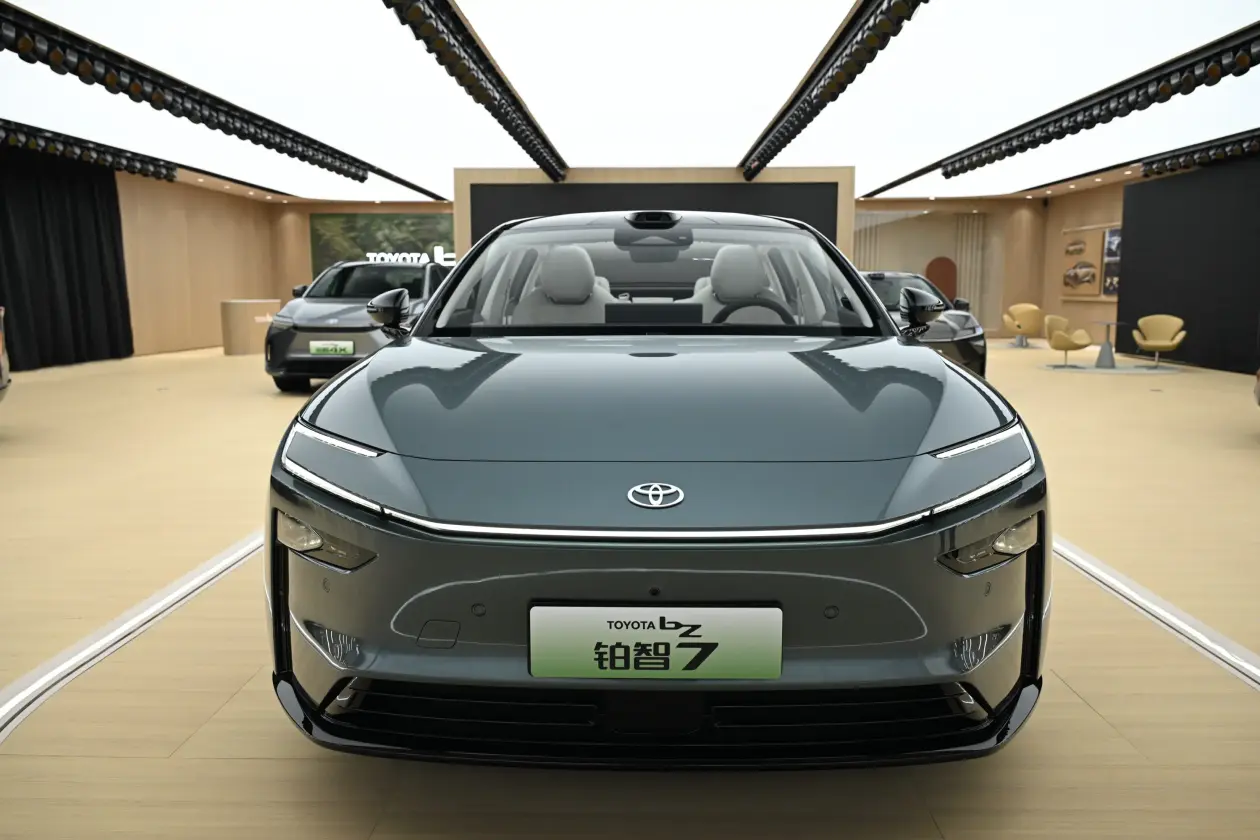
The chassis is equipped with intelligent preview dual-chamber air suspension, which adjusts ride height and damping in real-time based on road conditions, balancing comfort and handling. Dual-motor zero-gravity seats, with heating, ventilation, and massage functions, significantly reduce long-distance driver fatigue.
Power comes from a Huawei-supplied motor producing 207kW, with a top speed of 180km/h. Two battery packs are available (71.35kWh and 88.13kWh), providing ranges of 600km and 700km respectively. The 700km range easily covers a round trip from Hong Kong to Guangzhou, and fast charging ensures efficient replenishment.
Dimensions and Space: A Class-Above Experience
The bZ7 measures 5,130mm in length, 1,965mm in width, and 1,506mm in height, with a 3,020mm wheelbase. This places it firmly in the large luxury sedan segment, comparable to the BMW 5 Series or Mercedes E-Class. The generous wheelbase provides ample rear passenger space.
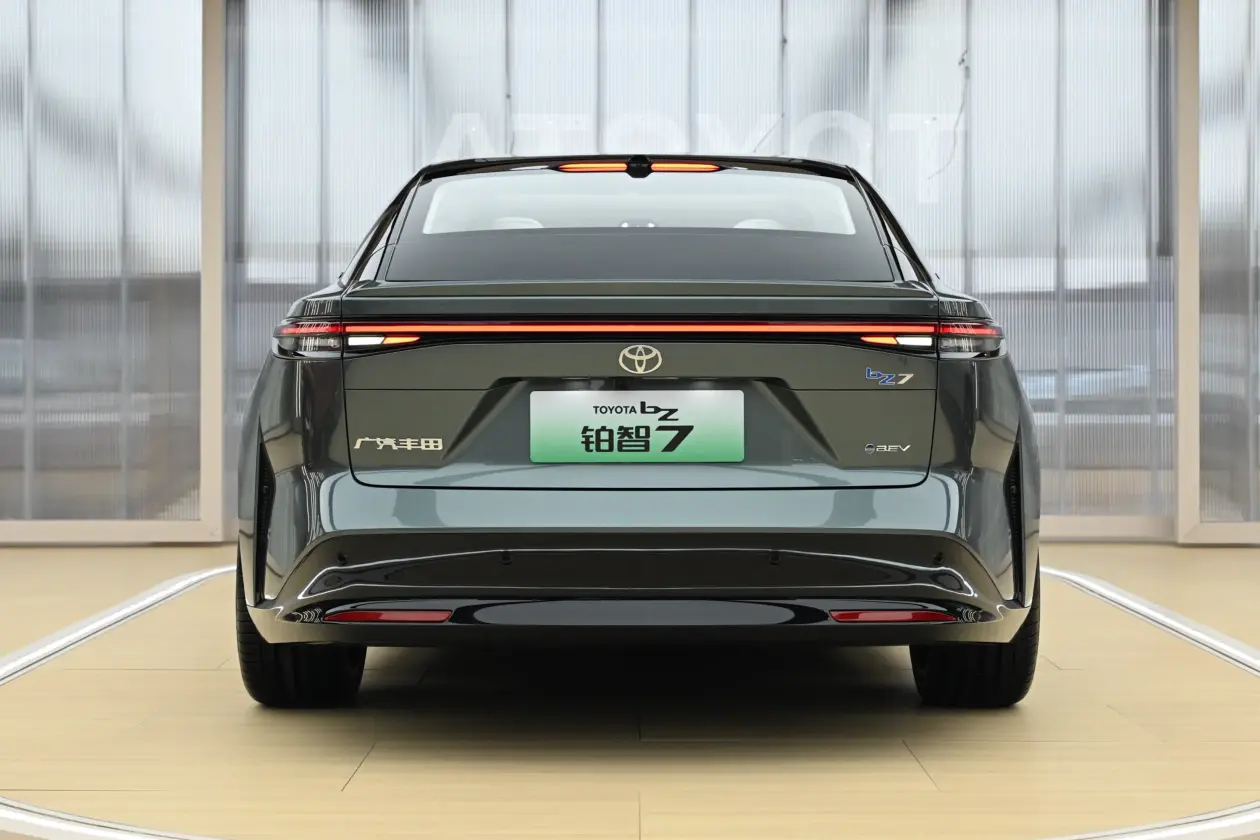
The design features a closed front fascia, C-shaped full-width headlights, a fastback profile, and semi-concealed door handles, creating a sleek and dynamic look. The full-width taillights echo the front, and the panoramic roof extends to the rear window. Seven exterior colors, including Daxia Red and Haohan Black, cater to personalization.
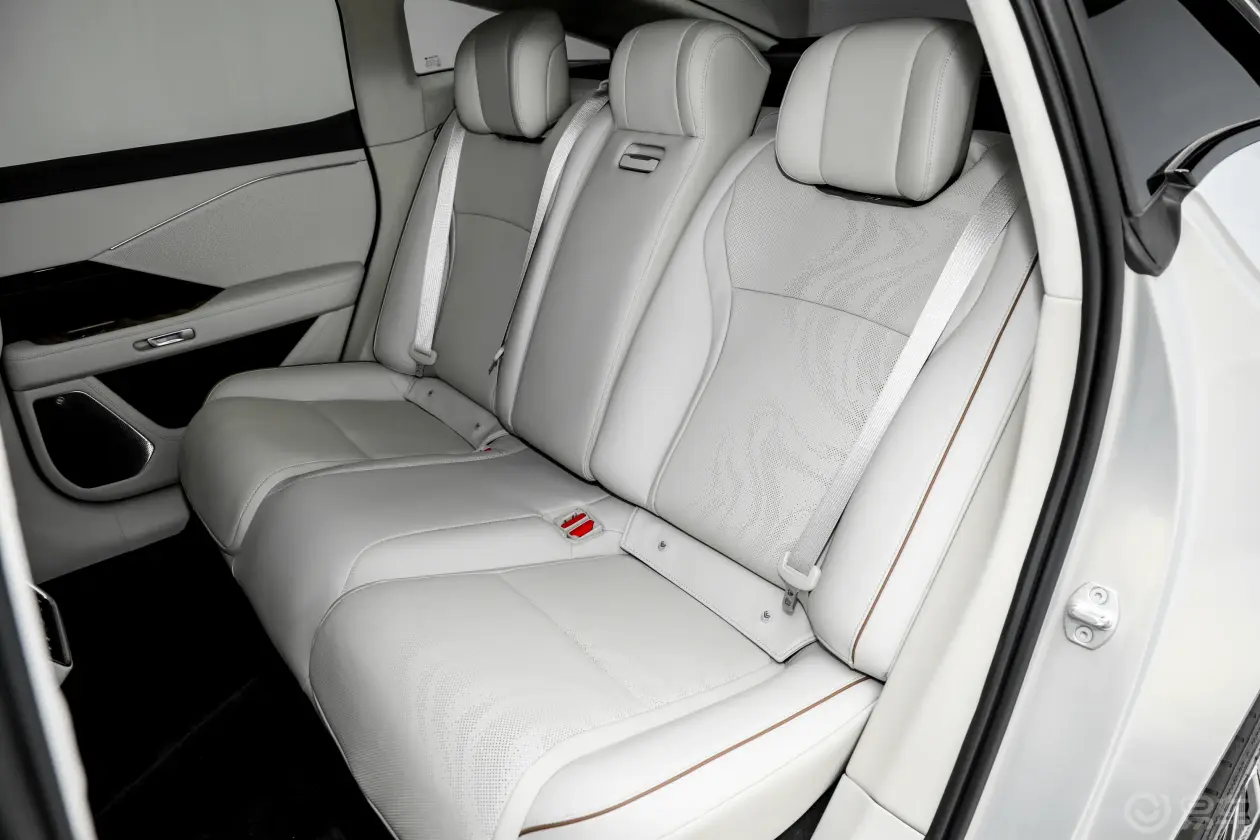
The minimalist interior features bold color schemes, with wood grain trim and soft-touch materials enhancing the tech-luxury ambiance. A column-mounted shift lever frees up center console space, which includes a wireless charging pad and a large storage area.
Market Positioning: A Joint Venture Counterattack Starts with Price
The bZ7's pre-sale price range of RMB 156,800 to 209,800 is highly competitive. In comparison, the BYD Han EV starts around RMB 179,800, the Zeekr 001 starts around RMB 269,000, and the Xpeng P7i starts around RMB 223,900. The bZ7's entry price undercuts key domestic competitors.
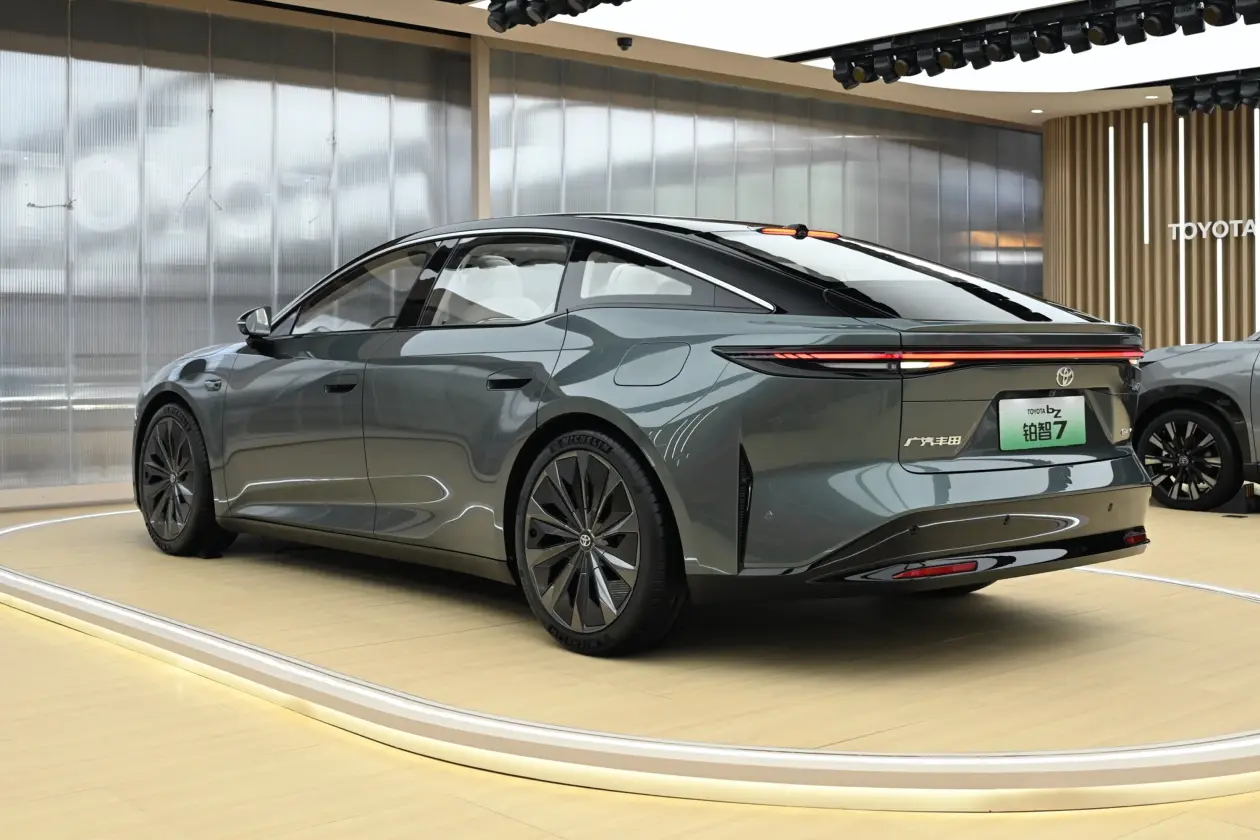
Its feature set is also impressive: HarmonyOS cockpit, Momenta ADAS, dual-chamber air suspension, zero-gravity seats – specifications typically found in top domestic offerings. This signals a breakdown of the traditional "joint venture premium."
The key question is whether consumer perception of Toyota's brand, particularly its reputation for reliability, translates effectively into the new energy era. The market will decide.
A Hong Kong Perspective: Potential for the RHD Market
For Hong Kong users, the bZ7's debut raises several considerations.
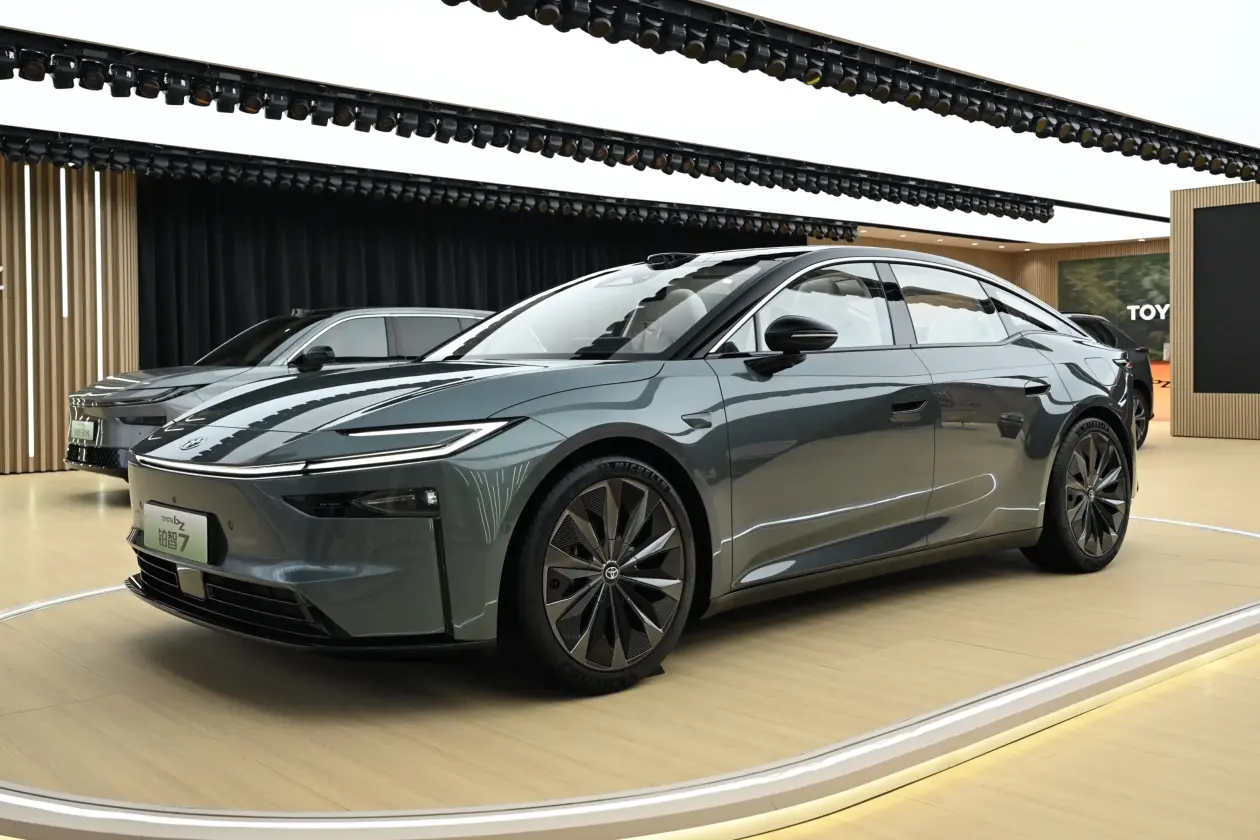
First, the possibility of an RHD version. As an established international brand with RHD production capabilities, a successful mainland launch could pave the way for an RHD introduction for markets like Hong Kong. A reasonable price point could significantly challenge the existing large electric sedan market.
Second, product-market fit. Hong Kong has consistent demand for large sedans. An NEV like the bZ7 at a competitive price offers a new alternative.
Third, charging infrastructure. Hong Kong's public charging network is still developing. The bZ7's 700km range comfortably covers weekly commutes and weekend trips, with fast charging ensuring convenience.
Fourth, localized intelligence. While the HarmonyOS and Momenta systems are proven in mainland China, their adaptation for Hong Kong—including map data, local road condition compatibility, and Cantonese voice support—will be crucial.
Personal Opinion: Toyota's "Breakthrough" and "Dilemma"
Looking at the bZ7, the strongest impression is of both a "breakthrough" and a "dilemma."
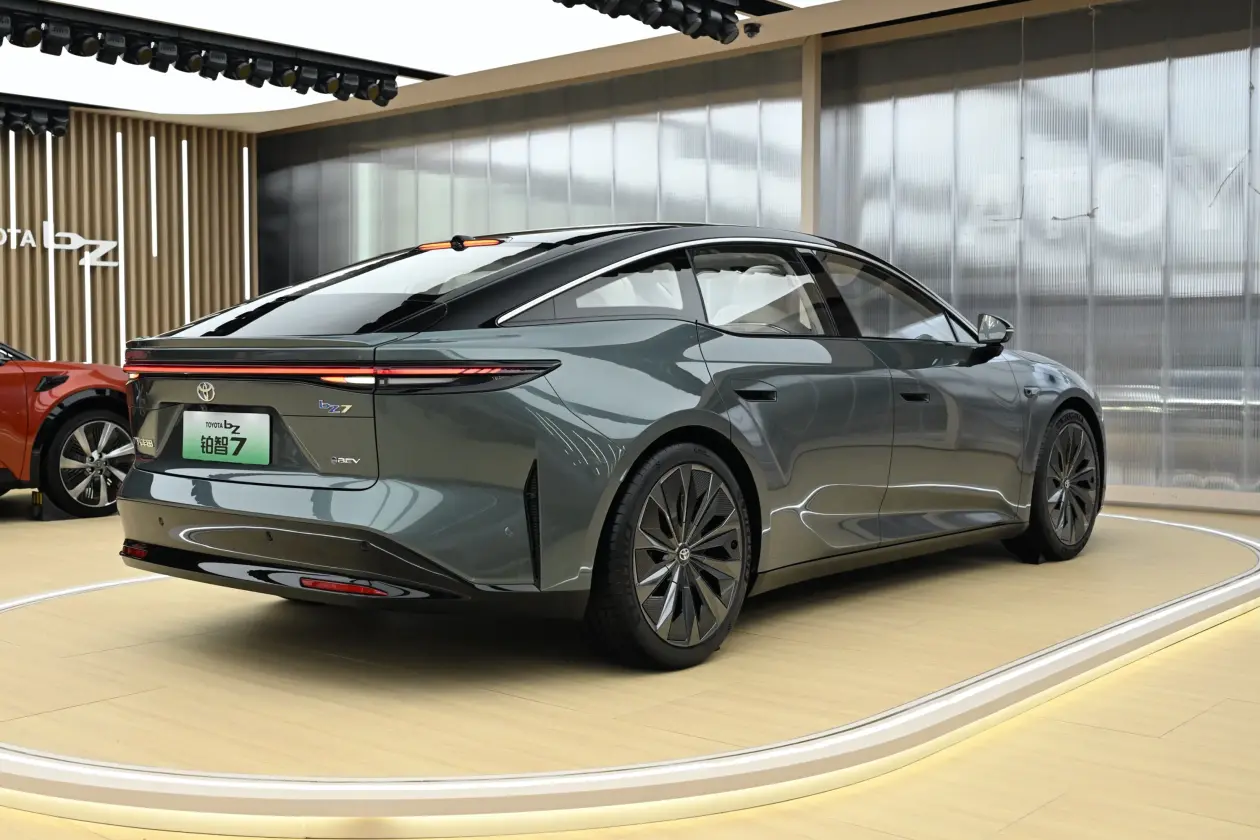
Its feature set and aggressive pricing represent a clear breakthrough – Toyota's commitment to competing seriously in the NEV market. Using a Huawei cockpit, Momenta ADAS, and Chinese supply chain batteries is a significant strategic shift.
However, the dilemma remains: can Toyota's brand image, built on reliability, retain its power in this new context? When a Toyota uses a Huawei system, what fundamentally distinguishes it from its domestic competitors? This is the core challenge.
For Hong Kong users, the bZ7 represents a direction. As joint venture brands accelerate their NEV efforts and embrace local technology, the market landscape diversifies. Ultimately, consumers benefit.
The final pricing on March 29th is worth watching. When a traditional giant like Toyota makes a "breakthrough," the market's rules could be rewritten once more.

香港汽車內容平台 🚗 新車・買車・玩車・用車 用香港視角,睇世界嘅車
+ Follow 【新車速報】兩座車又殺返嚟?smart精靈#2今次有啲料喎
鍾意細車嘅香港車迷留意!全新 smart 精靈#2 配置公布,採用 ECA 電動緊湊型架構,搭載 35.8kWh 磷酸鐵鋰電池,CLTC 續航 410km,30%-80% 快充最快15分鐘。
車長約 2.75米、轉彎半徑僅3.35米,仲有前麥弗遜+後五連桿獨立懸架;安全配備最多7個氣袋及 ACC、盲區監測等功能。
0-50km/h 3.8秒,10月12日巴黎車展全球首發!
兩座純電+細車身,放落香港街道會唔會幾對味?
#smart #smart精靈2 #純電車 #BitAutoHongKong 1小时前
【新車速報】兩座車又殺返嚟?smart精靈#2今次有啲料喎
鍾意細車嘅香港車迷留意!全新 smart 精靈#2 配置公布,採用 ECA 電動緊湊型架構,搭載 35.8kWh 磷酸鐵鋰電池,CLTC 續航 410km,30%-80% 快充最快15分鐘。
車長約 2.75米、轉彎半徑僅3.35米,仲有前麥弗遜+後五連桿獨立懸架;安全配備最多7個氣袋及 ACC、盲區監測等功能。
0-50km/h 3.8秒,10月12日巴黎車展全球首發!
兩座純電+細車身,放落香港街道會唔會幾對味?
#smart #smart精靈2 #純電車 #BitAutoHongKong 1小时前  【揀車有路數】日產新車賣比亞迪價?仲有激光雷達
今集試一台好特別嘅日產新車——NX8,中國特供增程SUV。外觀似熟悉嘅日產味,但內籠同科技配備竟然唔晒傳統日產套路,駕乘感受又有幾多轉變?到底仲係咪你認識嗰部日產?一齊試畀你睇。
#日產 #NX8 #增程 #BitAutoHongKong #揀車有路數 1天前
【揀車有路數】日產新車賣比亞迪價?仲有激光雷達
今集試一台好特別嘅日產新車——NX8,中國特供增程SUV。外觀似熟悉嘅日產味,但內籠同科技配備竟然唔晒傳統日產套路,駕乘感受又有幾多轉變?到底仲係咪你認識嗰部日產?一齊試畀你睇。
#日產 #NX8 #增程 #BitAutoHongKong #揀車有路數 1天前  【新車速報】T-Top 回歸?Nissan Z Kaze 概念車現身!
90年代 JDM 味返晒嚟?Nissan 最近喺美國 ZCON 公開 Z Kaze 概念車,以現款 Nissan Z 為基礎,換上全新 T-Top 可拆式車頂,向經典 300ZX 等 Z 系列致敬。
配合碳纖維空力套件、NISMO LMGT2 18吋輪圈,以及 GReddy 排氣、進氣同 intercooler 升級,成部車都充滿 JDM 改裝味。
「Kaze」即係日文「風」,而呢部車係 one-off 概念作品,並非量產車。10月3日仲會現身加州長灘 Japanese Classic Car Show。
如果 T-Top Z 真係量產,你會唔會心動?
#NissanZ #ZKaze #TTop #JDM #BitAutoHongKong 1天前
【新車速報】T-Top 回歸?Nissan Z Kaze 概念車現身!
90年代 JDM 味返晒嚟?Nissan 最近喺美國 ZCON 公開 Z Kaze 概念車,以現款 Nissan Z 為基礎,換上全新 T-Top 可拆式車頂,向經典 300ZX 等 Z 系列致敬。
配合碳纖維空力套件、NISMO LMGT2 18吋輪圈,以及 GReddy 排氣、進氣同 intercooler 升級,成部車都充滿 JDM 改裝味。
「Kaze」即係日文「風」,而呢部車係 one-off 概念作品,並非量產車。10月3日仲會現身加州長灘 Japanese Classic Car Show。
如果 T-Top Z 真係量產,你會唔會心動?
#NissanZ #ZKaze #TTop #JDM #BitAutoHongKong 1天前 Get the latest car news first!
【新車速報】兩座車又殺返嚟?smart精靈#2今次有啲料喎
鍾意細車嘅香港車迷留意!全新 smart 精靈#2 配置公布,採用 ECA 電動緊湊型架構,搭載 35.8kWh 磷酸鐵鋰電池,CLTC 續航 410km,30%-80% 快充最快15分鐘。
車長約 2.75米、轉彎半徑僅3.35米,仲有前麥弗遜+後五連桿獨立懸架;安全配備最多7個氣袋及 ACC、盲區監測等功能。
0-50km/h 3.8秒,10月12日巴黎車展全球首發!
兩座純電+細車身,放落香港街道會唔會幾對味?
#smart #smart精靈2 #純電車 #BitAutoHongKong 1小时前 【揀車有路數】日產新車賣比亞迪價?仲有激光雷達
今集試一台好特別嘅日產新車——NX8,中國特供增程SUV。外觀似熟悉嘅日產味,但內籠同科技配備竟然唔晒傳統日產套路,駕乘感受又有幾多轉變?到底仲係咪你認識嗰部日產?一齊試畀你睇。
#日產 #NX8 #增程 #BitAutoHongKong #揀車有路數 1天前 【新車速報】T-Top 回歸?Nissan Z Kaze 概念車現身!
90年代 JDM 味返晒嚟?Nissan 最近喺美國 ZCON 公開 Z Kaze 概念車,以現款 Nissan Z 為基礎,換上全新 T-Top 可拆式車頂,向經典 300ZX 等 Z 系列致敬。
配合碳纖維空力套件、NISMO LMGT2 18吋輪圈,以及 GReddy 排氣、進氣同 intercooler 升級,成部車都充滿 JDM 改裝味。
「Kaze」即係日文「風」,而呢部車係 one-off 概念作品,並非量產車。10月3日仲會現身加州長灘 Japanese Classic Car Show。
如果 T-Top Z 真係量產,你會唔會心動?
#NissanZ #ZKaze #TTop #JDM #BitAutoHongKong 1天前  BAWToyotaBYDZeekrGACDongfengXPengMGMaxusLeapmotorDenzaIMiCAURDeepalWulingOraJuneyao AutoKYCSkyworthAvatrFotonFordGeelyHongqiJAECOOKGMOMODADFSKTeslaHondaBMWMercedes-BenzsmartMINIPorscheNissanLexusSuzukiVolvoSubaruMazdaKiaHyundaiLand RoverRolls-RoyceFerrariAudiLamborghiniRiddaraSeresFarizonfireflyLingboxKaiyiVoyahHIMAM-HeroIsuzuBentleyPolestarMcLarenMitsubishiMaseratiPeugeotAston MartinAcuraJeepJaguarLotusVolkswagenEpiclandJACLepasLi
 © 2024 Bitauto.com. All Rights Reserved.
Bitauto (www.yiche.com and www.bitauto.com) is one of the most visited automotive websites in China. We provide detailed info on Chinese car brands available in your area. Please note that the information provided on this website is based on publicly available data and is for reference only. It may not be fully updated or accurate at all times.
Help us improve our website


