
Search History
Popular Searches
English
Dealer Login / Sign Up
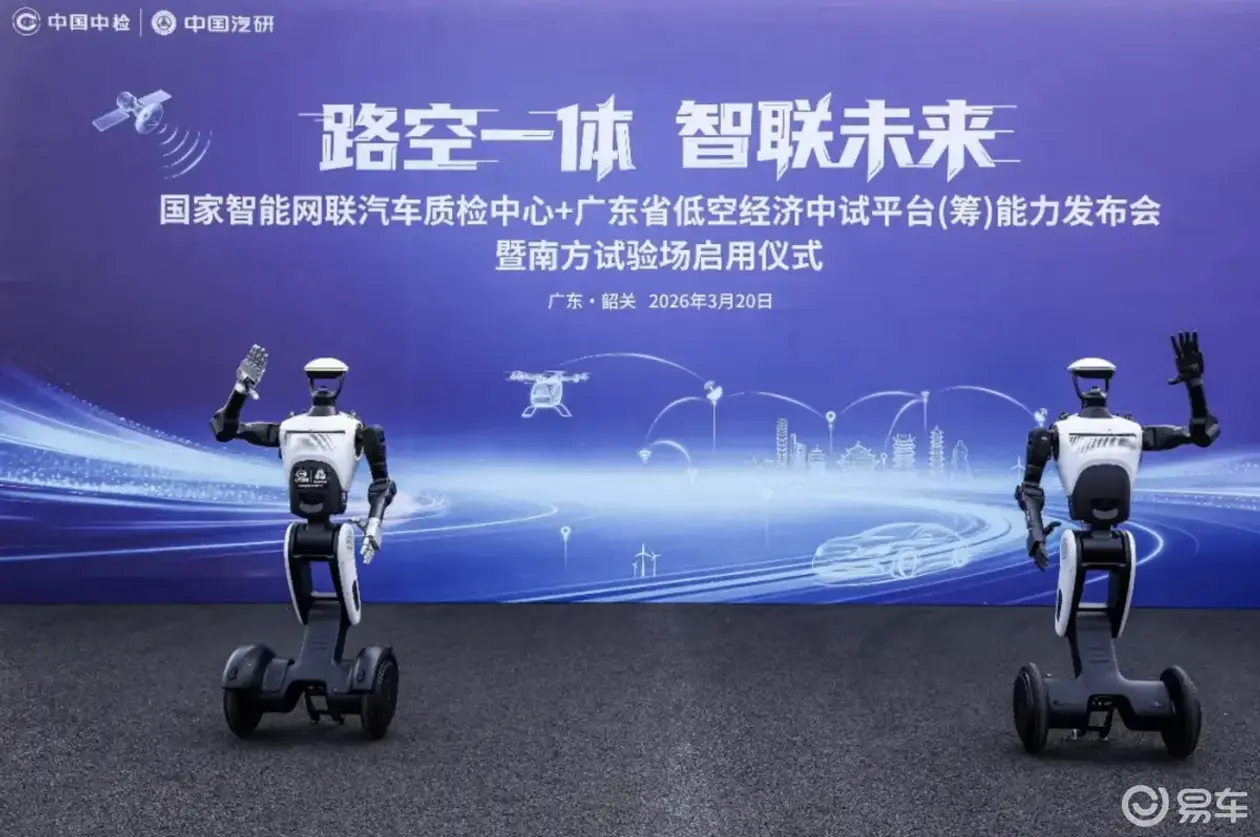
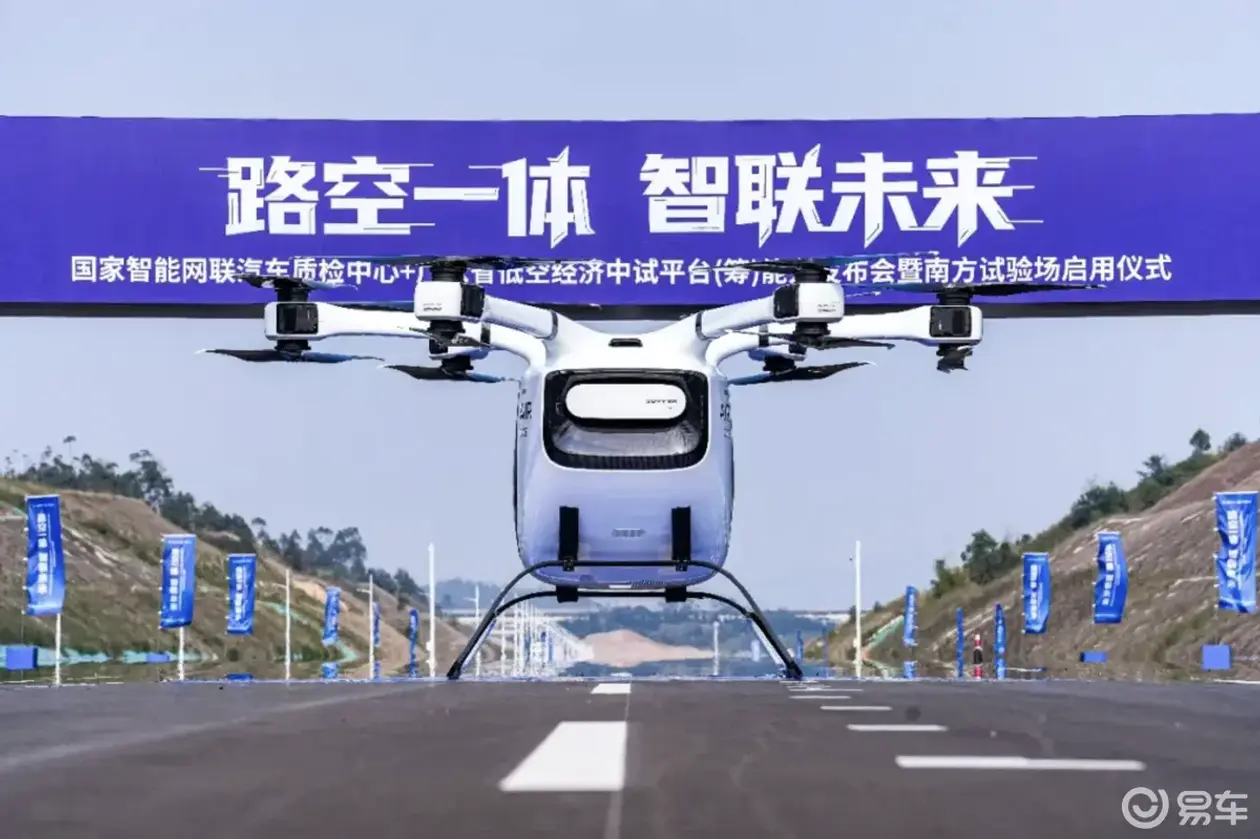
Recently, the China Automotive Engineering Research Institute (CAERI) announced the official opening of its Southern Proving Ground. Located in Guangdong Province, this facility is China's first national-level "Road-Air Integration" testing base. Its services cover four major product categories (intelligent connected vehicles, low-altitude aircraft, new energy vehicles, and complete vehicles) and over 100 testing scenarios, with testing capabilities up to a maximum speed of 280 km/h and a maximum altitude of 1,200 meters.
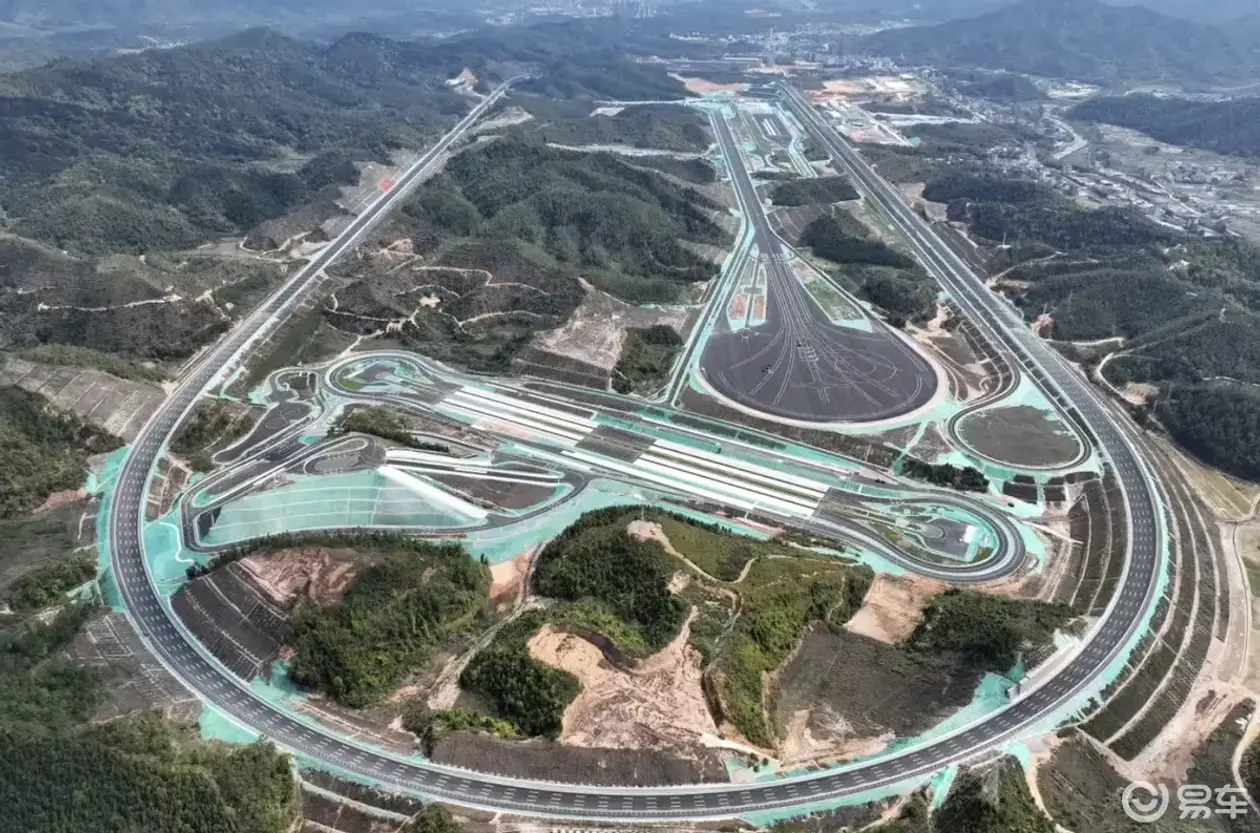
For Hong Kong users, the opening of this proving ground might seem distant, but it is highly relevant. As the "low-altitude economy" is mentioned in the government work report for the first time, as flying cars transition from science fiction to reality, and as Hong Kong actively explores its own path for developing the low-altitude economy, the Southern Proving Ground provides a crucial technology validation platform.
Technological Breakthrough: From Single-Domain Testing to Cross-Field Integration
The core innovation of the Southern Proving Ground is its "Road-Air Integration" positioning. Traditional automotive test tracks only test cars; aviation test fields only test aircraft. The Southern Proving Ground bridges these domains, enabling cross-field collaborative validation for hybrid products like intelligent connected vehicles, flying cars, and eVTOLs.
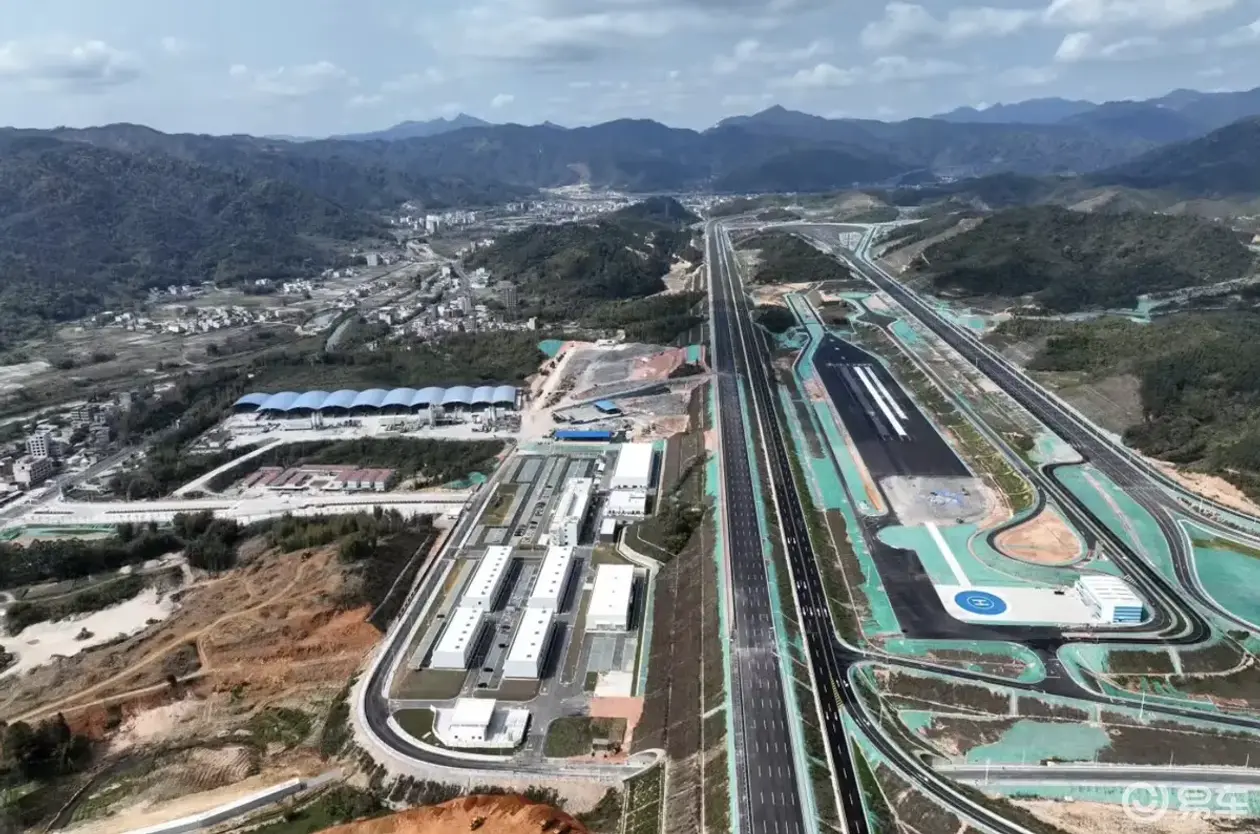
The facility's hardware is impressive: an 8.5 km high-speed oval track supporting speeds up to 280 km/h for extreme performance tests; a 300-meter-diameter dynamic plaza (China's largest) for handling and emergency maneuver tests; a 3,645 sqm integrated service hangar (a first for Chinese proving grounds) dedicated to low-altitude aircraft maintenance; plus six long taxiways, four or more vertical take-off and landing pads, 240kW ultra-fast chargers, 5G-A base stations, and a digital low-altitude supervision platform. This creates a comprehensive "closed-track testing – semi-public exploration – public demonstration" validation system.
The significance lies not just in providing venues but in accelerating technological iteration. For example, DiDi Auto's next-gen Robotaxi completed the industry's first autonomous driving durability and reliability test at the proving ground last July, validating its performance in complex conditions. This "test before road" model is essential for commercializing technology.
Strategic Significance: Filling a Gap, Accelerating Tech Deployment
Fu Bingfeng, Executive Vice President of CAAM, noted the proving ground fills a critical infrastructure gap in airworthiness validation and integrated safety. It systematically addresses long-standing challenges like "incomplete testing, inaccurate testing, and unclear testing methods" for cross-field products through its "testing + R&D + pilot + incubation" innovation chain.
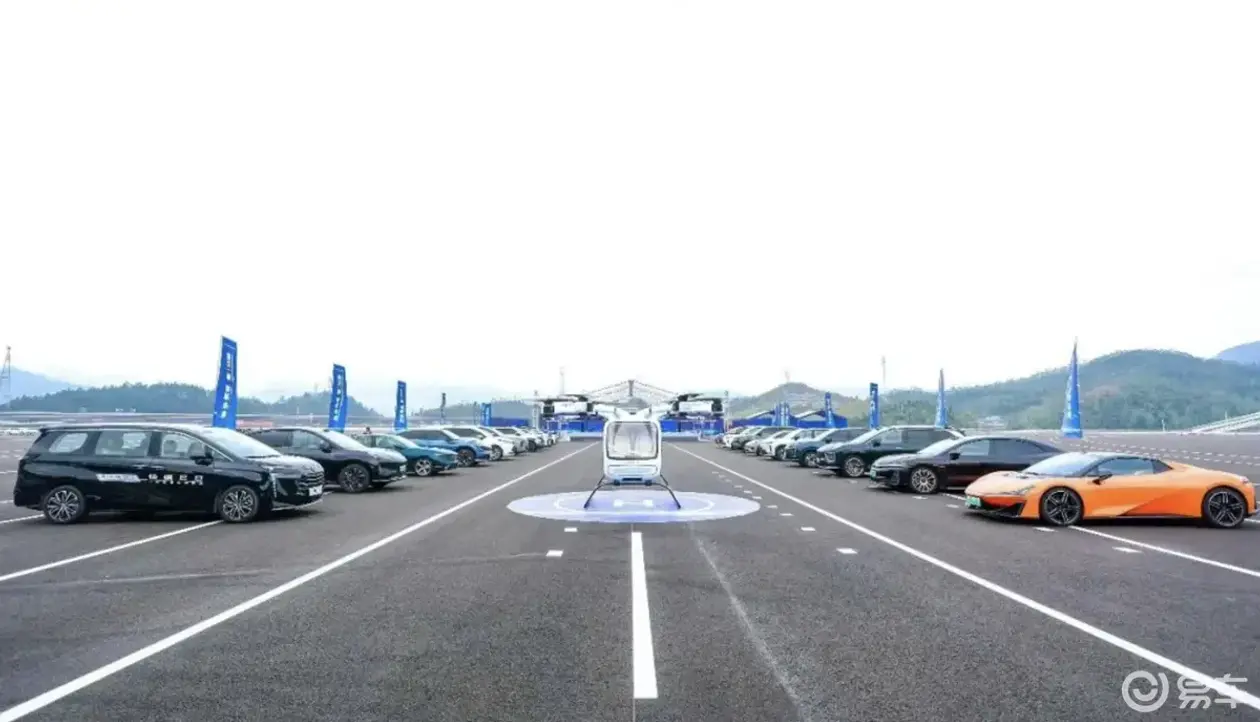
For the industry, the proving ground will accelerate the iteration of intelligent connected vehicles and low-altitude aircraft. Automakers can conduct full-process tests from components to vehicles. Aircraft manufacturers can validate ground and flight scenarios. For integrated products, it enables testing of vehicle-aircraft-network-airspace coordination. This "one-stop" service reduces R&D cycles and validation costs.
Policymakers also benefit. National standards and regulations for intelligent vehicle access and airworthiness certification rely on real-world test data. As the first national-level "Road-Air Integration" base, data generated here will directly support the refinement of relevant laws and standards.
A Hong Kong Perspective: A Key Piece for the Low-Altitude Economy
For Hong Kong, the Southern Proving Ground's opening holds significant implications for developing its low-altitude economy.
The "low-altitude economy" was first highlighted as a new growth engine in the 2025 government work report. Guangdong's 2026 work report further supports cities like Shenzhen, Guangzhou, and Zhuhai to build general aviation industry demonstration zones and establish a Greater Bay Area low-altitude economy industrial hub. As a key GBA city, Hong Kong is seeking its role in this emerging field.
Hong Kong's strengths include its international connectivity, advanced financial services, and strong research capabilities. However, its main weakness is the lack of adequate testing space and validation infrastructure. Land-scarce Hong Kong cannot easily build large-scale testing facilities – this is where the Southern Proving Ground becomes invaluable.
Located in Guangdong, just hours away, the proving ground offers Hong Kong institutions, manufacturers, and companies a readily available facility for testing and validation. This "Hong Kong R&D, Mainland Testing, GBA Application" model effectively addresses Hong Kong's spatial constraints.
Furthermore, the "Road-Air Integration" concept aligns well with Hong Kong's "Dual Cities, Three Circles" planning, particularly the "Innovation and Technology Zone" within the Northern Metropolis. Data and experience from the proving ground can inform Hong Kong's industrial strategy for low-altitude economy development.
Personal Opinion: From a Testing Facility to a Tech Ecosystem
The most striking aspect of the Southern Proving Ground is its evolution from a simple testing site into a "technology ecosystem."
Traditional proving grounds mainly served automakers. The Southern Proving Ground gathers a diverse community: automakers like GAC and BYD, mobility service providers like DiDi Auto, robotics firms like Huilun Technology, and various low-altitude aircraft manufacturers. This cross-field ecosystem embodies the core features of future transportation transformation.
For Hong Kong, the lesson is clear: developing a low-altitude economy requires a systemic view. It's not just about aircraft but about the coordinated "Road-Air Integration" system – the fusion of cars and aircraft, the interface between ground and air transport, the synergy between intelligent connected tech and airworthiness validation. This requires an open testing platform like the Southern Proving Ground.
On a broader scale, the proving ground's opening marks a crucial step in China's infrastructure development for intelligent connected vehicles and the low-altitude economy. For Hong Kong, this is both an opportunity and a challenge: an opportunity to leverage mainland facilities to accelerate its own tech deployment, and a challenge to expedite its own regulatory frameworks and supporting infrastructure.
The proving ground is open. Is Hong Kong's low-altitude economy ready?

香港汽車內容平台 🚗 新車・買車・玩車・用車 用香港視角,睇世界嘅車
+ Follow 【新車速報】兩座車又殺返嚟?smart精靈#2今次有啲料喎
鍾意細車嘅香港車迷留意!全新 smart 精靈#2 配置公布,採用 ECA 電動緊湊型架構,搭載 35.8kWh 磷酸鐵鋰電池,CLTC 續航 410km,30%-80% 快充最快15分鐘。
車長約 2.75米、轉彎半徑僅3.35米,仲有前麥弗遜+後五連桿獨立懸架;安全配備最多7個氣袋及 ACC、盲區監測等功能。
0-50km/h 3.8秒,10月12日巴黎車展全球首發!
兩座純電+細車身,放落香港街道會唔會幾對味?
#smart #smart精靈2 #純電車 #BitAutoHongKong 1小时前
【新車速報】兩座車又殺返嚟?smart精靈#2今次有啲料喎
鍾意細車嘅香港車迷留意!全新 smart 精靈#2 配置公布,採用 ECA 電動緊湊型架構,搭載 35.8kWh 磷酸鐵鋰電池,CLTC 續航 410km,30%-80% 快充最快15分鐘。
車長約 2.75米、轉彎半徑僅3.35米,仲有前麥弗遜+後五連桿獨立懸架;安全配備最多7個氣袋及 ACC、盲區監測等功能。
0-50km/h 3.8秒,10月12日巴黎車展全球首發!
兩座純電+細車身,放落香港街道會唔會幾對味?
#smart #smart精靈2 #純電車 #BitAutoHongKong 1小时前  【揀車有路數】日產新車賣比亞迪價?仲有激光雷達
今集試一台好特別嘅日產新車——NX8,中國特供增程SUV。外觀似熟悉嘅日產味,但內籠同科技配備竟然唔晒傳統日產套路,駕乘感受又有幾多轉變?到底仲係咪你認識嗰部日產?一齊試畀你睇。
#日產 #NX8 #增程 #BitAutoHongKong #揀車有路數 1天前
【揀車有路數】日產新車賣比亞迪價?仲有激光雷達
今集試一台好特別嘅日產新車——NX8,中國特供增程SUV。外觀似熟悉嘅日產味,但內籠同科技配備竟然唔晒傳統日產套路,駕乘感受又有幾多轉變?到底仲係咪你認識嗰部日產?一齊試畀你睇。
#日產 #NX8 #增程 #BitAutoHongKong #揀車有路數 1天前  【新車速報】T-Top 回歸?Nissan Z Kaze 概念車現身!
90年代 JDM 味返晒嚟?Nissan 最近喺美國 ZCON 公開 Z Kaze 概念車,以現款 Nissan Z 為基礎,換上全新 T-Top 可拆式車頂,向經典 300ZX 等 Z 系列致敬。
配合碳纖維空力套件、NISMO LMGT2 18吋輪圈,以及 GReddy 排氣、進氣同 intercooler 升級,成部車都充滿 JDM 改裝味。
「Kaze」即係日文「風」,而呢部車係 one-off 概念作品,並非量產車。10月3日仲會現身加州長灘 Japanese Classic Car Show。
如果 T-Top Z 真係量產,你會唔會心動?
#NissanZ #ZKaze #TTop #JDM #BitAutoHongKong 1天前
【新車速報】T-Top 回歸?Nissan Z Kaze 概念車現身!
90年代 JDM 味返晒嚟?Nissan 最近喺美國 ZCON 公開 Z Kaze 概念車,以現款 Nissan Z 為基礎,換上全新 T-Top 可拆式車頂,向經典 300ZX 等 Z 系列致敬。
配合碳纖維空力套件、NISMO LMGT2 18吋輪圈,以及 GReddy 排氣、進氣同 intercooler 升級,成部車都充滿 JDM 改裝味。
「Kaze」即係日文「風」,而呢部車係 one-off 概念作品,並非量產車。10月3日仲會現身加州長灘 Japanese Classic Car Show。
如果 T-Top Z 真係量產,你會唔會心動?
#NissanZ #ZKaze #TTop #JDM #BitAutoHongKong 1天前 Get the latest car news first!
【新車速報】兩座車又殺返嚟?smart精靈#2今次有啲料喎
鍾意細車嘅香港車迷留意!全新 smart 精靈#2 配置公布,採用 ECA 電動緊湊型架構,搭載 35.8kWh 磷酸鐵鋰電池,CLTC 續航 410km,30%-80% 快充最快15分鐘。
車長約 2.75米、轉彎半徑僅3.35米,仲有前麥弗遜+後五連桿獨立懸架;安全配備最多7個氣袋及 ACC、盲區監測等功能。
0-50km/h 3.8秒,10月12日巴黎車展全球首發!
兩座純電+細車身,放落香港街道會唔會幾對味?
#smart #smart精靈2 #純電車 #BitAutoHongKong 1小时前 【揀車有路數】日產新車賣比亞迪價?仲有激光雷達
今集試一台好特別嘅日產新車——NX8,中國特供增程SUV。外觀似熟悉嘅日產味,但內籠同科技配備竟然唔晒傳統日產套路,駕乘感受又有幾多轉變?到底仲係咪你認識嗰部日產?一齊試畀你睇。
#日產 #NX8 #增程 #BitAutoHongKong #揀車有路數 1天前 【新車速報】T-Top 回歸?Nissan Z Kaze 概念車現身!
90年代 JDM 味返晒嚟?Nissan 最近喺美國 ZCON 公開 Z Kaze 概念車,以現款 Nissan Z 為基礎,換上全新 T-Top 可拆式車頂,向經典 300ZX 等 Z 系列致敬。
配合碳纖維空力套件、NISMO LMGT2 18吋輪圈,以及 GReddy 排氣、進氣同 intercooler 升級,成部車都充滿 JDM 改裝味。
「Kaze」即係日文「風」,而呢部車係 one-off 概念作品,並非量產車。10月3日仲會現身加州長灘 Japanese Classic Car Show。
如果 T-Top Z 真係量產,你會唔會心動?
#NissanZ #ZKaze #TTop #JDM #BitAutoHongKong 1天前  BAWToyotaBYDZeekrGACDongfengXPengMGMaxusLeapmotorDenzaIMiCAURDeepalWulingOraJuneyao AutoKYCSkyworthAvatrFotonFordGeelyHongqiJAECOOKGMOMODADFSKTeslaHondaBMWMercedes-BenzsmartMINIPorscheNissanLexusSuzukiVolvoSubaruMazdaKiaHyundaiLand RoverRolls-RoyceFerrariAudiLamborghiniRiddaraSeresFarizonfireflyLingboxKaiyiVoyahHIMAM-HeroIsuzuBentleyPolestarMcLarenMitsubishiMaseratiPeugeotAston MartinAcuraJeepJaguarLotusVolkswagenEpiclandJACLepasLi
 © 2024 Bitauto.com. All Rights Reserved.
Bitauto (www.yiche.com and www.bitauto.com) is one of the most visited automotive websites in China. We provide detailed info on Chinese car brands available in your area. Please note that the information provided on this website is based on publicly available data and is for reference only. It may not be fully updated or accurate at all times.
Help us improve our website


