
Search History
Popular Searches
English
Dealer Login / Sign Up
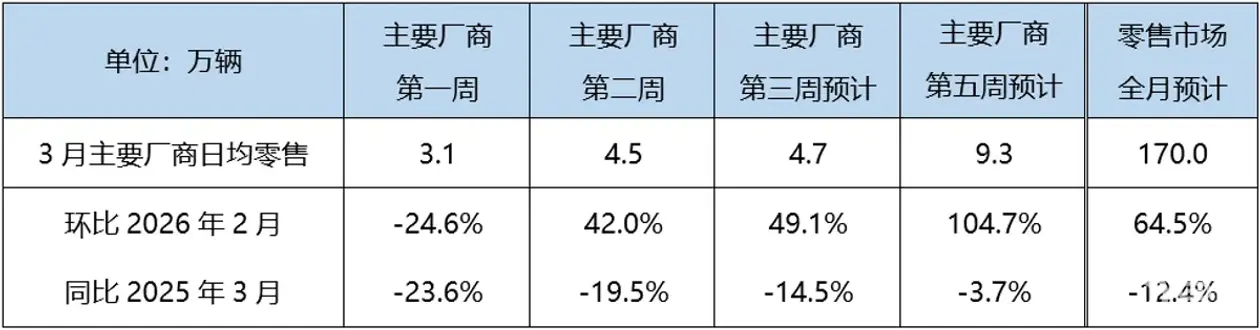
The tradition of quarter-end sales pushes in the Chinese automotive market encountered unprecedented divergence in the spring of 2026. On March 20, the China Passenger Car Association (CPCA) released its latest forecast: passenger car retail sales in March are projected to reach 1.70 million units, a 12.4% year-on-year decrease but a robust 64.5% month-on-month increase. More notably, new energy vehicle (NEV) retail sales are estimated at 900,000 units, pushing the penetration rate back to a critical 52.9% .
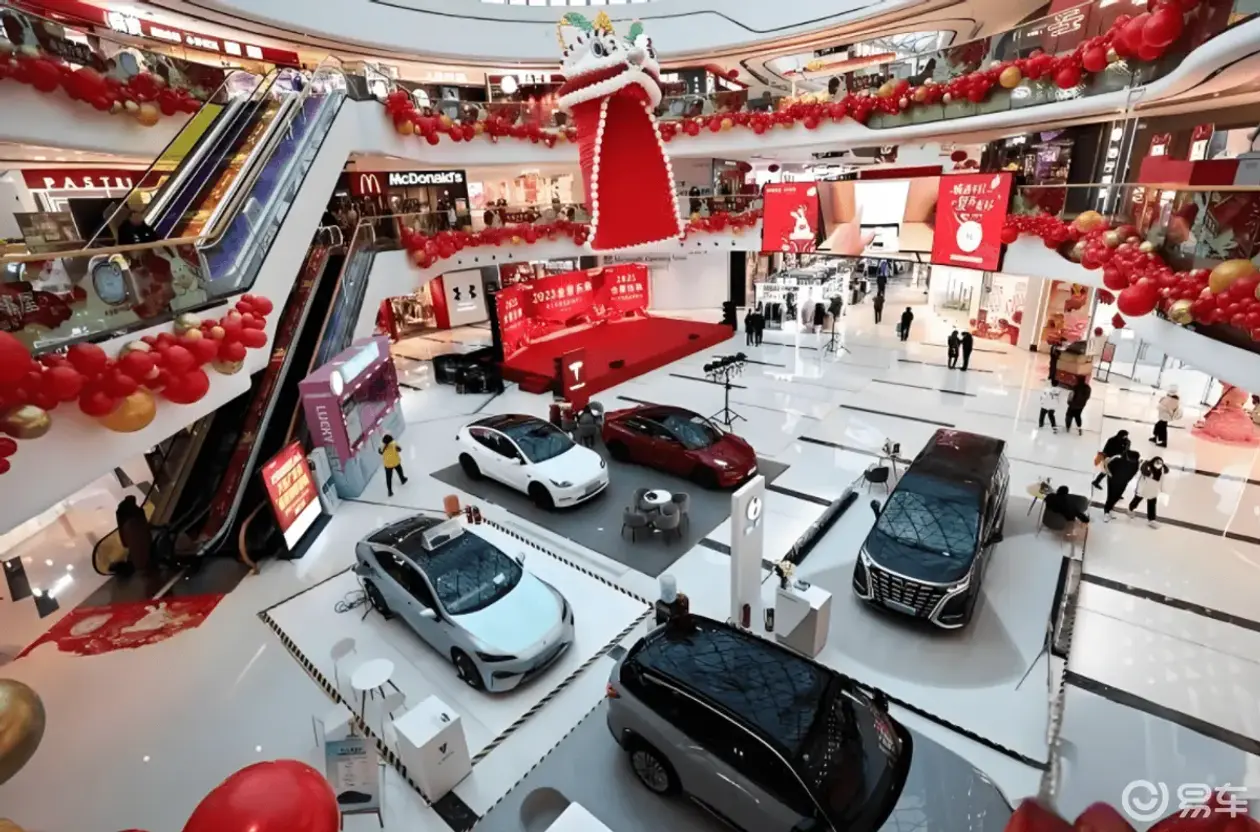
Behind these numbers lies a dual narrative of "recovery" and "stall." NEVs pulled their penetration rate back above 50% in just one month after dipping below it in February. Meanwhile, fuel vehicles faced the combined pressures of "discount rollbacks" and "rising fuel prices" during the traditional quarter-end sales window. As trade-in subsidy benefits materialize and a wave of new model launches stirs market enthusiasm, the structural transformation of China's auto market is accelerating.
The Truth Behind the "V-Shaped Recovery": A NEV-Driven Rally
The weekly data from the CPCA clearly shows the contours of March's market. The first week (March 1-8) saw average daily retail sales of 31,000 units, a 23.6% year-on-year decline, reflecting typical post-Lunar New Year sluggishness. In the second week, average daily sales recovered to 45,000 units, with the decline narrowing to 19.5%. Driven by pre-launch hype for new models, the third week's average daily sales are expected to reach 47,000 units, reducing the decline further to 14.5%. In the fourth week (March 23-31), propelled by quarter-end sales pushes and the availability of new models at dealerships, market momentum is expected to recover significantly, with average daily sales potentially surging to 93,000 units.
This "slow start, strong finish" trend is typical for March. However, the key difference this year is the fundamental shift in the forces driving this recovery. NEVs have seen their penetration rate increase week by week, ultimately stabilizing above 52.9%, becoming the core engine of the market recovery. Conversely, the performance of fuel vehicles is concerning. Terminal research indicates that the average discount for fuel vehicles in mid-March was -24.2%, which actually narrowed compared to the end of February, meaning transaction prices did not meet consumer expectations.
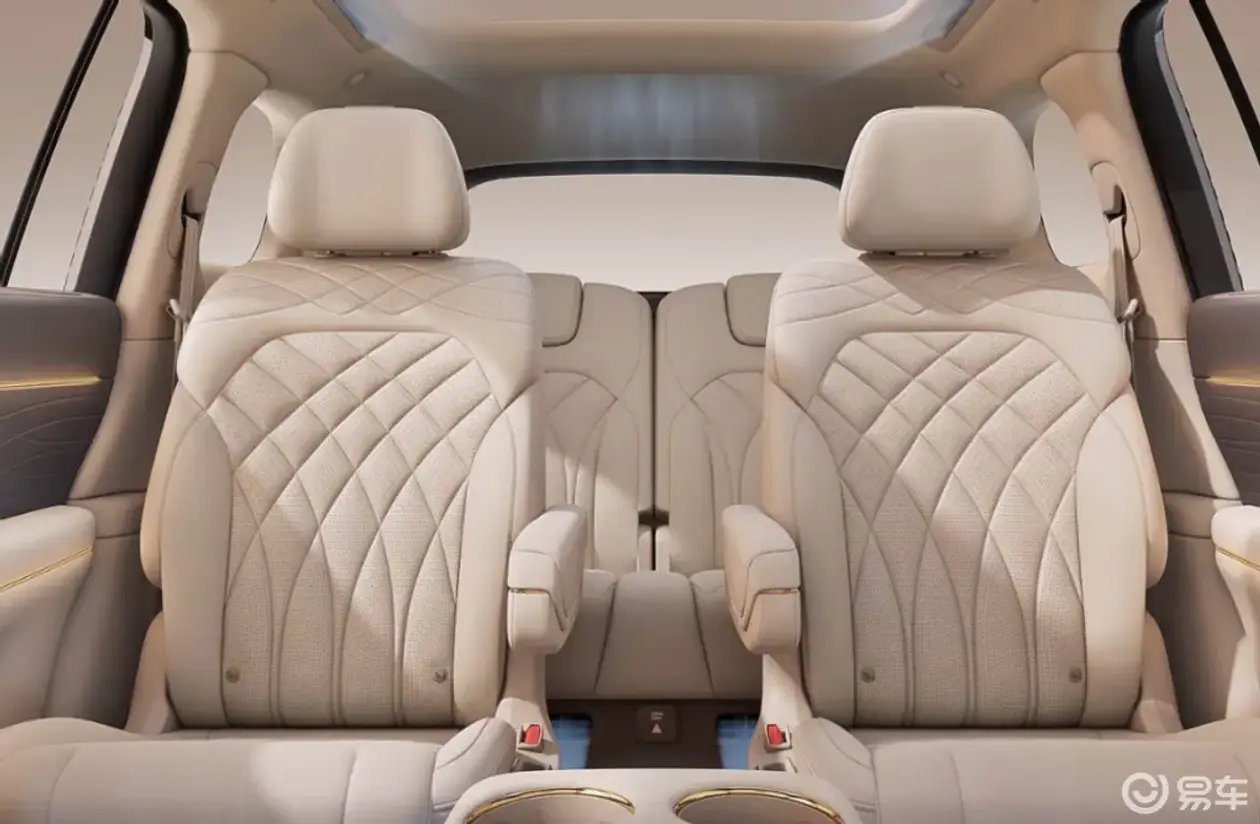
This suggests that fuel vehicle dealers, at a time when they traditionally would "trade volume for price" to meet quarterly targets, chose to roll back incentives. The logic is clear: after years of price wars, dealer profit margins are squeezed thin. Even facing quarterly sales pressure, they can no longer afford to sell at a loss. Consumers, sensing this stalemate, are holding out for better prices.
The Impact of Trade-in Policies: Who Benefits Most?
Trade-in policies are a significant factor in the 2026 market. In 2025, a joint action plan by multiple ministries aimed to roughly double the number of end-of-life vehicle recyclables by 2027 compared to 2023. The 2026 Government Work Report reiterated the importance of "stabilizing and expanding traditional consumption," listing trade-in programs as a key task.
The policy has indeed unlocked some potential in the existing vehicle stock. However, the benefits are unevenly distributed. NEVs, with their lower operating costs and stronger product appeal, are the primary beneficiaries. While fuel vehicles also qualify for scrappage subsidies, consumers often choose to upgrade directly to NEVs, seeking a "one-step" transition.
This preference is clear in March's data. With the post-holiday consumption scene normalizing and a flurry of new model launches ahead of spring auto shows, the NEV market gained new momentum. The fuel vehicle market, facing diminishing policy impact and weakening price competitiveness, finds itself struggling to gain traction.
The Ripple Effect of Rising Fuel Prices: The Final Straw
If price wars were a chronic ailment for the fuel vehicle market, rising fuel prices are the final straw. On March 9, China saw its largest fuel price hike in four years: gasoline increased by RMB 695 per ton, diesel by RMB 670 per ton. For a standard 50-liter tank, the cost rose by about RMB 27.5 .
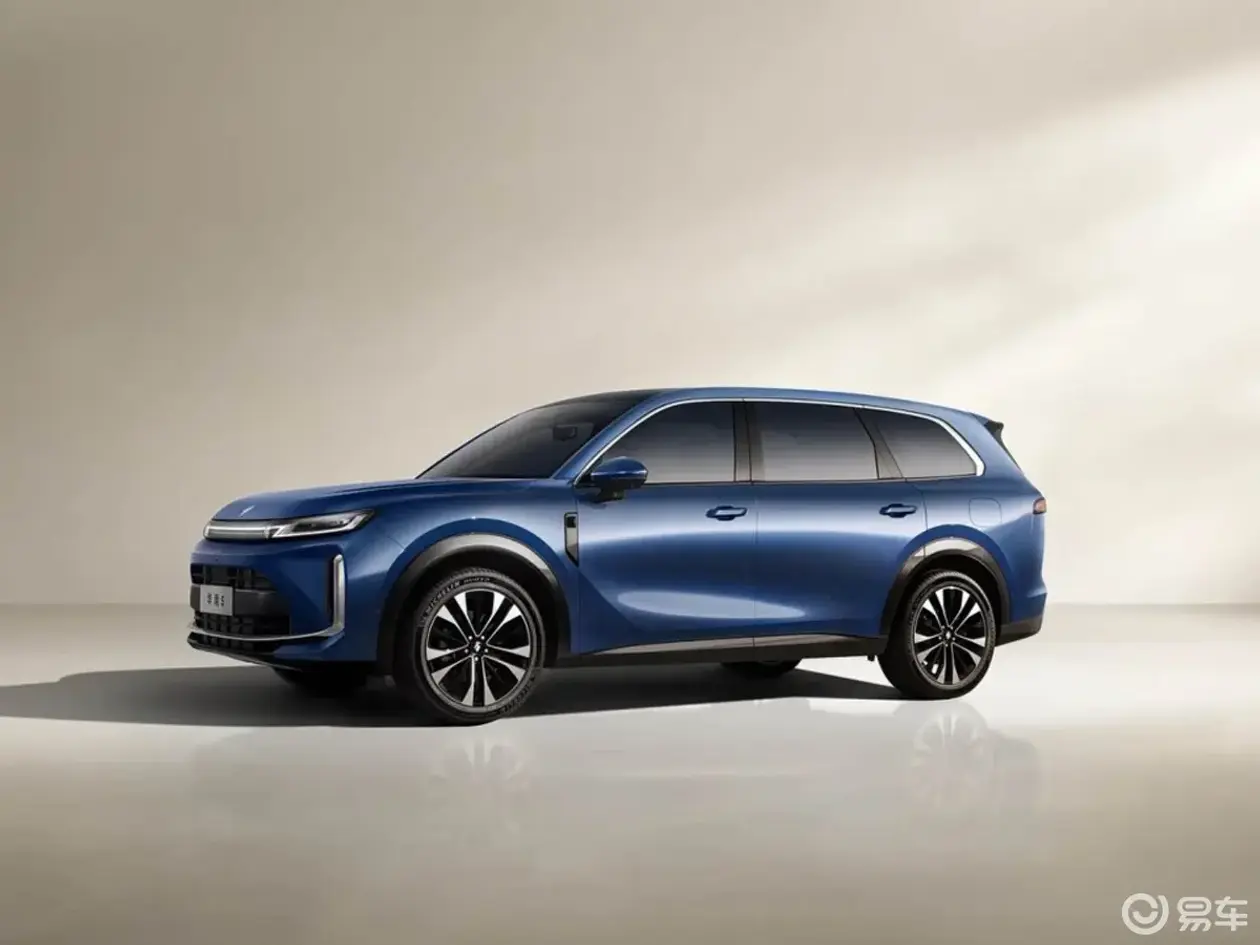
This translates to tens or even hundreds of yuan in extra monthly expenses for fuel car owners. For potential buyers, it adds another layer to their purchase decision. With fuel prices remaining high, the cost advantage of fuel vehicles erodes further, while the appeal of NEVs' predictable electricity costs grows.
The expectation of further price hikes compounds the issue. Geopolitical factors continue to influence global crude oil prices, and China's pricing mechanism suggests further increases are possible. This uncertainty is accelerating consumer preference for the stable operating costs of NEVs.
The Catalyst of New Model Launches: A Bumper Year for NEVs
2026 is a bumper year for new NEV models. From early 2026 onwards, dozens of models have launched or started pre-sales, from the BYD Song Ultra EV and Xiaomi SU7 to the Li L9 series, Denza N8L, Zeekr 8X, and AITO M6. These vehicles cover market segments from entry-level to premium, forming a dense product offensive.
These launches generate buzz and drive rapid technological iteration. Technologies like the second-generation Blade Battery, Flash Charging, 800V platforms, 896-line LiDAR, and steer-by-wire are rapidly trickling down to mainstream price points. For consumers, new models offer more advanced features at more reasonable prices, further boosting NEV competitiveness.
The pace of new fuel vehicle launches has notably slowed. As the transition to electrification accelerates, traditional automakers are cutting R&D investment in combustion engines, shifting focus to NEVs. This means the relative product disadvantage of fuel vehicles will widen, leaving price competition as their primary tool for market share.
The 50% Threshold: Significance and Challenges
NEV penetration returning above 50% is a symbolic milestone. It signifies that NEVs are no longer a niche choice in the Chinese auto market, but a mainstream option on par with fuel vehicles. Importantly, this milestone reflects genuine consumer preference, not just policy-driven adoption.
Penetration rates briefly crossed 50% in 2025 but fluctuated. A dip earlier in 2026 raised concerns. Its return to higher levels confirms the solid market position of NEVs. CPCA data shows NEV retail is expected to grow by about 40% year-on-year in March, vastly outperforming the overall market. NEVs are now the primary growth driver.
However, crossing 50% also signals a new competitive phase for NEVs. As the market shifts from growth to share-taking, competition among brands will intensify. Price wars, feature competition, and smart driving capabilities will test automakers' strength. For consumers, this means more choices, but also a greater need for informed purchasing decisions.
A Hong Kong Perspective: Similar Divergence, Different Tempo
Structural market changes are also evident in Hong Kong. In 2025, NEVs accounted for 73.4% of new private car registrations, with BYD leading at 9,751 units. This far exceeds the 50% level seen in the mainland, indicating Hong Kong's faster pace of electrification.
Like the mainland, Hong Kong faces high fuel prices. As of March 23, the retail price of premium unleaded petrol reached HKD 32.39 per liter, with diesel exceeding HKD 30. Persistent high fuel costs reinforce the economic advantage of NEVs.
However, Hong Kong's unique reliance on imports adds complexity. Both fuel vehicles and NEVs are almost entirely imported, making local prices susceptible to global supply chains, exchange rates, and shipping costs. Choosing an NEV is often a rational economic decision based on total cost of ownership, not just environmental concerns.
Politically, the expiry of Hong Kong's "One-for-One" EV tax concession scheme at the end of March will have a more direct impact on the EV market than on fuel vehicles. The future pace of EV adoption will hinge on a balance of product strength, charging infrastructure, and overall operating costs.
Personal Opinion: The End of "Golden March, Silver April"
The March data suggests the traditional "Golden March, Silver April" sales season logic is being rewritten. This seasonal peak was built on habits from the fuel vehicle era: post-holiday cash flow, increased travel in warmer weather, and quarter-end dealer promotions. In the spring of 2026, this logic is breaking down.
NEVs are creating their own growth curve with new products, technologies, and experiences. Fuel vehicles, caught between price wars and cost pressures, are struggling. When dealers can't afford to sell at a loss, and each fuel price hike deters potential buyers, the "Golden March" for fuel vehicles becomes a nostalgic term.
For consumers, market divergence means more choices. The best choice depends on your needs. If you prioritize the lowest operating costs, newest technology, and cutting-edge features, NEVs are the clear winner. If you remain loyal to fuel vehicles, be prepared for potential fuel price volatility, slower product updates, and possibly lower resale value.
The March market data tells us one thing: times have truly changed.

香港汽車內容平台 🚗 新車・買車・玩車・用車 用香港視角,睇世界嘅車
+ Follow 【新車速報】兩座車又殺返嚟?smart精靈#2今次有啲料喎
鍾意細車嘅香港車迷留意!全新 smart 精靈#2 配置公布,採用 ECA 電動緊湊型架構,搭載 35.8kWh 磷酸鐵鋰電池,CLTC 續航 410km,30%-80% 快充最快15分鐘。
車長約 2.75米、轉彎半徑僅3.35米,仲有前麥弗遜+後五連桿獨立懸架;安全配備最多7個氣袋及 ACC、盲區監測等功能。
0-50km/h 3.8秒,10月12日巴黎車展全球首發!
兩座純電+細車身,放落香港街道會唔會幾對味?
#smart #smart精靈2 #純電車 #BitAutoHongKong 1小时前
【新車速報】兩座車又殺返嚟?smart精靈#2今次有啲料喎
鍾意細車嘅香港車迷留意!全新 smart 精靈#2 配置公布,採用 ECA 電動緊湊型架構,搭載 35.8kWh 磷酸鐵鋰電池,CLTC 續航 410km,30%-80% 快充最快15分鐘。
車長約 2.75米、轉彎半徑僅3.35米,仲有前麥弗遜+後五連桿獨立懸架;安全配備最多7個氣袋及 ACC、盲區監測等功能。
0-50km/h 3.8秒,10月12日巴黎車展全球首發!
兩座純電+細車身,放落香港街道會唔會幾對味?
#smart #smart精靈2 #純電車 #BitAutoHongKong 1小时前  【揀車有路數】日產新車賣比亞迪價?仲有激光雷達
今集試一台好特別嘅日產新車——NX8,中國特供增程SUV。外觀似熟悉嘅日產味,但內籠同科技配備竟然唔晒傳統日產套路,駕乘感受又有幾多轉變?到底仲係咪你認識嗰部日產?一齊試畀你睇。
#日產 #NX8 #增程 #BitAutoHongKong #揀車有路數 1天前
【揀車有路數】日產新車賣比亞迪價?仲有激光雷達
今集試一台好特別嘅日產新車——NX8,中國特供增程SUV。外觀似熟悉嘅日產味,但內籠同科技配備竟然唔晒傳統日產套路,駕乘感受又有幾多轉變?到底仲係咪你認識嗰部日產?一齊試畀你睇。
#日產 #NX8 #增程 #BitAutoHongKong #揀車有路數 1天前  【新車速報】T-Top 回歸?Nissan Z Kaze 概念車現身!
90年代 JDM 味返晒嚟?Nissan 最近喺美國 ZCON 公開 Z Kaze 概念車,以現款 Nissan Z 為基礎,換上全新 T-Top 可拆式車頂,向經典 300ZX 等 Z 系列致敬。
配合碳纖維空力套件、NISMO LMGT2 18吋輪圈,以及 GReddy 排氣、進氣同 intercooler 升級,成部車都充滿 JDM 改裝味。
「Kaze」即係日文「風」,而呢部車係 one-off 概念作品,並非量產車。10月3日仲會現身加州長灘 Japanese Classic Car Show。
如果 T-Top Z 真係量產,你會唔會心動?
#NissanZ #ZKaze #TTop #JDM #BitAutoHongKong 1天前
【新車速報】T-Top 回歸?Nissan Z Kaze 概念車現身!
90年代 JDM 味返晒嚟?Nissan 最近喺美國 ZCON 公開 Z Kaze 概念車,以現款 Nissan Z 為基礎,換上全新 T-Top 可拆式車頂,向經典 300ZX 等 Z 系列致敬。
配合碳纖維空力套件、NISMO LMGT2 18吋輪圈,以及 GReddy 排氣、進氣同 intercooler 升級,成部車都充滿 JDM 改裝味。
「Kaze」即係日文「風」,而呢部車係 one-off 概念作品,並非量產車。10月3日仲會現身加州長灘 Japanese Classic Car Show。
如果 T-Top Z 真係量產,你會唔會心動?
#NissanZ #ZKaze #TTop #JDM #BitAutoHongKong 1天前 Get the latest car news first!
【新車速報】兩座車又殺返嚟?smart精靈#2今次有啲料喎
鍾意細車嘅香港車迷留意!全新 smart 精靈#2 配置公布,採用 ECA 電動緊湊型架構,搭載 35.8kWh 磷酸鐵鋰電池,CLTC 續航 410km,30%-80% 快充最快15分鐘。
車長約 2.75米、轉彎半徑僅3.35米,仲有前麥弗遜+後五連桿獨立懸架;安全配備最多7個氣袋及 ACC、盲區監測等功能。
0-50km/h 3.8秒,10月12日巴黎車展全球首發!
兩座純電+細車身,放落香港街道會唔會幾對味?
#smart #smart精靈2 #純電車 #BitAutoHongKong 1小时前 【揀車有路數】日產新車賣比亞迪價?仲有激光雷達
今集試一台好特別嘅日產新車——NX8,中國特供增程SUV。外觀似熟悉嘅日產味,但內籠同科技配備竟然唔晒傳統日產套路,駕乘感受又有幾多轉變?到底仲係咪你認識嗰部日產?一齊試畀你睇。
#日產 #NX8 #增程 #BitAutoHongKong #揀車有路數 1天前 【新車速報】T-Top 回歸?Nissan Z Kaze 概念車現身!
90年代 JDM 味返晒嚟?Nissan 最近喺美國 ZCON 公開 Z Kaze 概念車,以現款 Nissan Z 為基礎,換上全新 T-Top 可拆式車頂,向經典 300ZX 等 Z 系列致敬。
配合碳纖維空力套件、NISMO LMGT2 18吋輪圈,以及 GReddy 排氣、進氣同 intercooler 升級,成部車都充滿 JDM 改裝味。
「Kaze」即係日文「風」,而呢部車係 one-off 概念作品,並非量產車。10月3日仲會現身加州長灘 Japanese Classic Car Show。
如果 T-Top Z 真係量產,你會唔會心動?
#NissanZ #ZKaze #TTop #JDM #BitAutoHongKong 1天前  BAWToyotaBYDZeekrGACDongfengXPengMGMaxusLeapmotorDenzaIMiCAURDeepalWulingOraJuneyao AutoKYCSkyworthAvatrFotonFordGeelyHongqiJAECOOKGMOMODADFSKTeslaHondaBMWMercedes-BenzsmartMINIPorscheNissanLexusSuzukiVolvoSubaruMazdaKiaHyundaiLand RoverRolls-RoyceFerrariAudiLamborghiniRiddaraSeresFarizonfireflyLingboxKaiyiVoyahHIMAM-HeroIsuzuBentleyPolestarMcLarenMitsubishiMaseratiPeugeotAston MartinAcuraJeepJaguarLotusVolkswagenEpiclandJACLepasLi
 © 2024 Bitauto.com. All Rights Reserved.
Bitauto (www.yiche.com and www.bitauto.com) is one of the most visited automotive websites in China. We provide detailed info on Chinese car brands available in your area. Please note that the information provided on this website is based on publicly available data and is for reference only. It may not be fully updated or accurate at all times.
Help us improve our website


