English
Download App
Follow Us
  • Facebook
  • YouTube
  • Instagram
  • TikTok
  • X
HomeCompareLexus ES vs BYD Seal

Lexus ES vs BYD Seal: Price, Specs & Which to Buy

Last updated: 21 Nov 2026 · Hong Kong SAR China Market
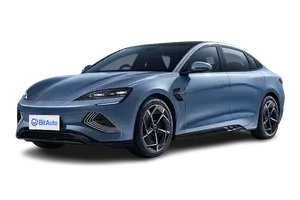
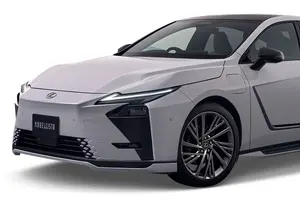
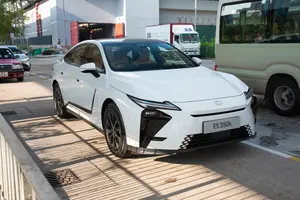
Lexus ES
Lexus ES
HK$ 579,700
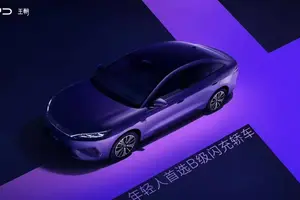
BYD Seal
BYD Seal
HK$ 421,740

Verdict: Which Car Should You Buy?

One is a pure electric, the other a non-plug-in hybrid — only one needs charging at all, which matters in a city where home charging is rare. The Seal is the cheaper way in at HK$ 421,740, undercutting the ES by HK$ 157,960 on-the-road. With no clear hardware advantage to justify the difference, the ES is harder to recommend.

Key Differences

  • Price (on-the-road, incl. first-registration tax): ES HK$ 579,700; Seal HK$ 421,740
  • Power: ES 188 hp; Seal 308 hp
  • 0–100 km/h: ES 7.7 s; Seal 5.9 s
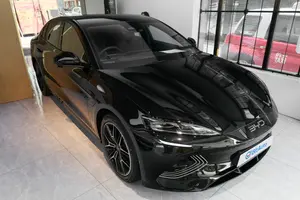
  • Length: ES 5145 mm; Seal 4800 mm

Pros & Cons

Lexus ES 350h (2026)

Pros

  • Competitive on price for what it offers

Cons

  • Higher on-the-road price
  • Less power

BYD Seal 650km RWD Extended Range (2025)

Pros

  • Lower list price at HK$ 421,740
  • Stronger 308 hp

Find the Right Car

Choose the ES if you want...

  • a 7.7 s 0-100 km/h time
  • a 2.5-litre engine
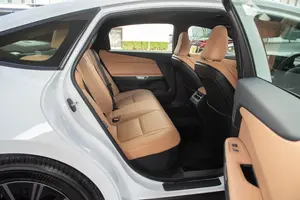
  • seating for 5

Choose the Seal if you want...

  • the lowest list price (HK$ 421,740)
  • a compact body that's easy to thread through Hong Kong traffic and car parks
  • stronger 308 hp performance and a 5.9 s sprint
  • low running cost where you can charge

Which car suits your lifestyle best?

  • Daily commuters: Seal — the lower list price and compact dimensions that are easy to park make it an easy car to live with in the city
  • Cross-border drivers: ES — refuels anywhere without hunting for a charger
  • Performance seekers: Seal — 308 hp and a 5.9 s sprint beats the ES's 188 hp
  • Budget-conscious buyers: Seal — saves HK$ 157,960 upfront

Price & Ownership Costs

ParameterLexus ESBYD Seal
Price HK$ 579,700HK$ 421,740 ✓
Body Type / Seats 4 door Sedan · 5 seats4 door Sedan · 5 seats

Energy & Consumption

ParameterLexus ESBYD Seal
Fuel Type HEVBEV
Consumption 3.8 L/100km · WLTP-
Max Range (Full Tank/Charge) -650 km · NEDC

The Seal runs on electricity alone; the ES pairs a petrol engine with a battery that recovers braking energy, so it never needs plugging in.

Power & Performance

ParameterLexus ESBYD Seal
Motor FrontRear
Max Power 188 Ps-
Max Torque 235 N·m-
Drivetrain FWDRWD
Transmission E-CVTFixed Gear Ratio

Dimensions

ParameterLexus ESBYD Seal
Length 5,145 mm ✓4,800 mm
Width 1,920 mm ✓1,875 mm
Height 1,555 mm ✓1,460 mm
Wheelbase 2,950 mm ✓2,920 mm
Boot Capacity -400 L

The ES is the longer car — 345 mm up at 5145 mm versus 4800 mm.

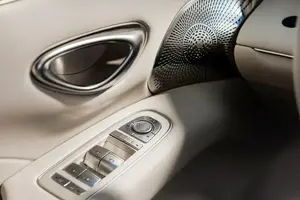
Comfort & Technology

ES

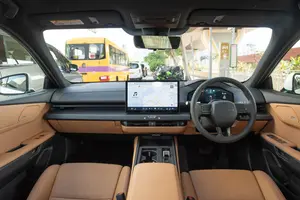
  • 14" central touchscreen + 12.3" digital cluster
  • Dual-zone automatic climate control
  • Ventilated front seats
  • Sunroof
  • Wireless phone charging

Seal

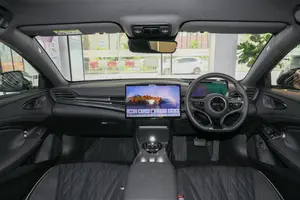
  • 15.6" central touchscreen + 10.25" digital cluster
  • Dual-zone automatic climate control
  • Ventilated front seats
  • Panoramic sunroof
  • Wireless phone charging

Key Specs Compared

ParameterLexus ESBYD Seal
Overview
Price HK$ 579,700HK$ 421,740 ✓
Body Type 4 door Sedan4 door Sedan
Seats 5 seats5 seats
Launch Year 2026-
Performance
Motor FrontRear
Max Power 188 Ps-
Max Power 139 kW-
Max Torque 235 N·m-
0–100 km/h 7.7 s5.9 s ✓
Drivetrain FWDRWD
Transmission E-CVTFixed Gear Ratio
Battery & Charging
Battery Type -LFP battery
Battery Capacity -82.56 kWh
Electric Range -650 km · NEDC
Dimensions
Length 5,145 mm ✓4,800 mm
Width 1,920 mm ✓1,875 mm
Height 1,555 mm ✓1,460 mm
Wheelbase 2,950 mm ✓2,920 mm
Kerb Weight 1,810 kg2,055 kg
Boot Capacity -400 L

Image Gallery

FAQs

Is the Seal or ES better?

The Seal is the cheaper pick at HK$ 421,740 and also adds power. The ES has to justify its premium elsewhere.

What is the price difference between the Seal and ES?

The Seal starts at HK$ 421,740, the ES at HK$ 579,700 — about HK$ 157,960 in favour of the Seal.

Which one is more powerful?

The Seal is more powerful — 308 hp against 188 hp.

Which is quicker from 0 to 100 km/h?

The Seal hits 100 km/h in 5.9 s versus 7.7 s.

Which is bigger?

The ES is longer, at 5145 mm against 4800 mm.

Do both cars come with advanced driver assistance?

Both list ADAS including autonomous emergency braking, lane-keeping assist and adaptive cruise control.
Feedback