首頁tea

搜尋歷史
熱門搜尋
經銷商登入 / 註冊

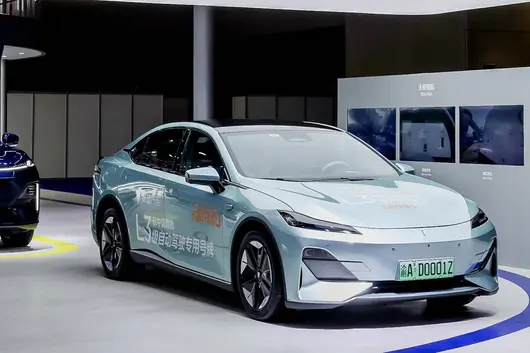
重慶車展深藍展台熱度唔低,唔係因為請咗明星。雖然明道真係嚟咗,都唔係因為展台佈置多炫酷。雖然嗰個葡萄牙國家隊主題空間真係幾有意思。真正令人多停落步嘅,係展台 C 位嗰台全新深藍 S07 華為乾崑激光版增程車型。
15.49 萬元起,帶華為乾崑 ADS 4 Pro 增強版,帶激光雷達。呢個價格一公布,現場唔少同行同觀眾嘅第一反應都差唔多:30 萬級嘅技術,真係被打落 15 萬級啦?

華為乾崑 + 激光雷達,呢次冇再「等等」
過去兩年,搭載華為智駕系統嘅車型唔少,但大多集中喺 20 萬甚至 30 萬以上嘅區間。消費者心裡都清楚:華為智駕好係好,但係門檻有啲高。
深藍 S07 呢次嘅做法好簡單,直接全系標配華為乾崑 ADS 4 Pro 增強版,將激光雷達、4D 毫米波雷達、高清攝像頭呢啲感知硬件一次性配齊。1 個激光雷達、3 個 4D 毫米波雷達、11 個高清攝像頭、12 個超聲波雷達,27 個傳感器組成嘅融合感知系統,喺呢個價位段,真係好少見。

唔係話其他品牌唔做到,而係大家普遍覺得 15 萬級嘅用戶對智駕冇咁高要求,或者覺得成本壓唔落嚟。深藍嘅態度更像係:呢個價位都应该享受好嘢。
具體到實際場景,複雜環島導航、無保護左轉禮讓、窄道會車控速呢啲日常高頻但比較考驗系統能力嘅場景,新车都可以覆蓋。呢個唔係「期貨」式嘅宣傳,而係交付即用。
新车提供咗三個版本:230Max+、230Ultra、300Ultra,限時價格由 15.49 萬元到 17.19 萬元。講句真話,就算唔睇權益,單單呢個定價已經有啲「唔講武德」咗。

增程版亦有裝激光雷達,呢個係重點
注意一個細節:呢次上市嘅係增程版,而且帶激光雷達。此前業界有個唔成文嘅「潛規則」,激光雷達往往優先畀純電車型,增程或者混動車型要么遲啲上,要么直接唔畀。深藍 S07 呢次打破咗呢種「區別對待」,增程版都能享受到完整嘅華為乾崑智駕能力。
呢度背後嘅邏輯好清晰:深藍唔想令用戶因為揀咗增程動力,就喺智能化上妥協。對於好多有長途需求、對充電便利性仲有顧慮嘅消費者嚟講,增程係目前更務實嘅選擇,但佢哋同樣值得擁有頂級嘅智駕體驗。

動力系統本身都有升級。超級增程 2.0 系統把百公里饋電油耗壓低到 3.8L,配合 3C 超充,補能速度明顯提升。CLTC 純電續航最高 300 公里,綜合續航 1385 公里。呢個續航水平,日常當純電車開問題唔大,跑長途都不用焦慮。
底盤方面,全系標配 FSD+HRS 可變自适应懸架。官方總結嘅「剎車唔點頭、過彎唔側傾、起伏唔拋跳、爛路唔顛簸、坑窪唔彈跳」,雖然聽落像順口溜,但核心意思好明確:深藍喺呢款車嘅行駛質感上下咗功夫,唔係只係堆智能配置。

將葡萄牙國家隊拉嚟,唔單止為咗蹭熱點
車展現場,深藍展台專門設置咗同葡萄牙國家隊嘅聯名互動區。車衣、定制周邊、足球雪糕盲盒,甚至仲有「藍牙」咖啡。一方面,2026 美加墨世界盃臨近,足球係全球共通語言,借勢體育賽事提升品牌聲量係好聰明嘅做法。更重要係,「滿電上場」呢個主題,既契合咗新车发布嘅狀態,亦暗合咗競技體育嘅精神,時刻準備,全力出擊。

而嗰個「葡萄牙隊進一球,深藍送一車(一年使用權)」嘅活動,確實能令線下門店喺世界盃期間有一個自然嘅引流話題。比起乾巴巴地喊「到店試駕」,呢個方式顯然更有趣、更容易令用戶記住。
深藍嘅產品陣列愈發完善
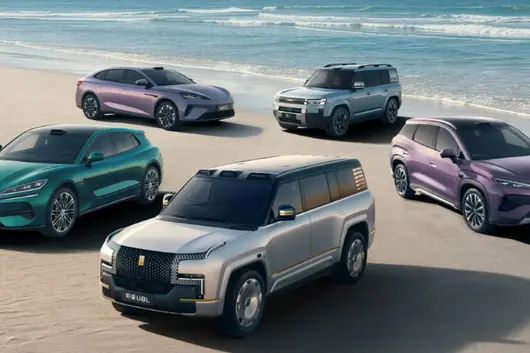
呢次重慶車展,深藍把全系 6 款車型都拉出嚟,由 10 萬級嘅 S05 到 30 萬級嘅 S09,產品線已經比較完整啦。
S05 嘅表現值得一講。全球 70 多個國家同地區,累計銷量突破 22 萬輛,拿過德國 iF 設計獎,喺泰國都拿過年度汽車大獎。5 月份喺國內純電緊湊型 SUV 市場拿咗銷量三連冠。呢個說明深藍嘅全球化唔單止係喊口號,係真係賣車。
L06 同 L07 則分別喺運動轎跑同科技智享兩個細分市場搵到自己嘅位置。L06 用咗磁流變懸架,L07 主打越級體驗,兩者喺 5 月份都拿咗細分市場嘅銷量冠軍。
往上走,S09 作為六座旗艦,兼顧家用同商務接待;G318 無憂穿越版則喺硬派越野同城市舒適之間搵到咗一個平衡點。可以話,深藍喺各個主流細分市場都已經有咗落子,而且唔係「為咗存在而存在」,每款車都有比較清晰嘅定位同賣點。

寫落去最後:
深藍 S07 呢款車增程版上激光雷達,其實反映咗一個趨勢:智能駕駛正從「高端專屬」變成「主流標配」。過去大家覺得智駕係錦上添花,30 萬以上嘅車先至需要認真考慮。但而家,15 萬級嘅消費者亦越來越在意車輛嘅智能化水平。呢個唔係消費升級,而係消費認知嘅正常演進,當手機由功能機變成智能機後,冇人願意再回去用功能機。汽車就係一樣。

深藍捉住嘅正係呢個窗口期。喺多數對手仲喺 20 萬以上佈局高阶智駕時,佢直接將門檻拉到咗 15 萬級。呢種「降維打擊」嘅策略,短期內可能會令利潤承壓,但從搶佔用戶心智同市場份額嘅角度睇,係值得嘅。
另外,深藍嘅全球化步伐亦喺加快。5 大區域、100 多個國家同地區,呢個規模喺自主品牌新勢力入面算走得比較快嘅。而「技術出海」取代「產品出海」,意味著深藍唔想只做一個賣車嘅品牌,而係希望喺更核心嘅層面參與全球競爭。
從產品定義同定價策略嚟睇,深藍呢次嘅態度好明確:唔玩虛嘅,用真本事話事。15 萬級上車華為激光雷達,呢個本身已經係一個足夠有說服力嘅開場。

In 2025, BYD Yuan family cumulative sales exceeded 430,000 units, accounting for about 9.3% of BYD's total annual sales, contributing greatly to BYD reaching the top five globally.
After entering 2026, BYD needed to find a carrier for the second-generation Blade Battery and new-generation Flash Charge technology within the Yuan family, so the Third-Generation Yuan PLUS was born.
This product with the largest iteration range in the history of the BYD Yuan family has maintained high discussion levels since its debut at the Beijing Auto Show.
At the same time of the new car launch, the 2025 model Yuan PLUS dropped prices wildly. Now, the naked car price has lowered to over 70,000 yuan. Comparing vertically with the previous generation Yuan PLUS and horizontally with competitors from other car companies, is the Third-Generation Yuan PLUS truly more worth buying?
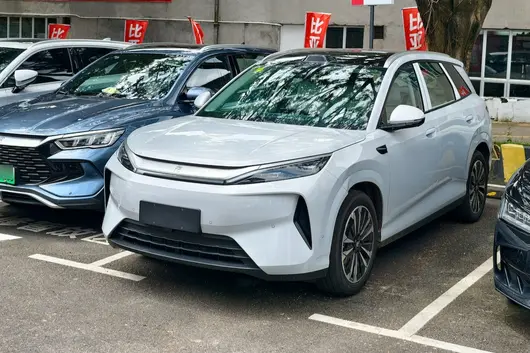
Size explosion, DiSus-C downshifted, BYD squeezes toothpaste dryWhen I arrived at the BYD store to experience the Third-Generation Yuan PLUS, coincidentally, a previous generation Yuan PLUS owner also came to see the car. Their car was parked next to the new model. In front of the massive body of the Third-Generation Yuan PLUS, the previous generation Yuan PLUS looked like an "elderly leisure vehicle".

(Image Source: EV Tong Photography)
The Third-Generation Yuan PLUS, with a 210mm increase in length and a 50mm increase in wheelbase, has a more majestic appearance, with an aura comparable to a mid-size SUV. The interior space has also increased significantly, with ample legroom in the rear and acceptable trunk capacity. It is worth noting that the Third-Generation Yuan PLUS supports an electric sunshade, protecting us from sunlight intrusion during hot summers.
"Large" is the most intuitive feeling the Third-Generation Yuan PLUS gives EV Tong (ID: dianchetong233), but as a product with huge upgrades, its highlights go far beyond this.
Although the experience time was not long, the details of the Third-Generation Yuan PLUS still made EV Tong very satisfied. For example, the front memory seats can adjust automatically, facilitating users getting on and off. The passenger leg rest, 12-inch HUD, hot and cold refrigerator, and other configurations show BYD's sincerity everywhere.
Regarding range, chassis suspension, power, etc., the Third-Generation Yuan PLUS has also been comprehensively upgraded. The downshift of DiSus-C, range up to 630 kilometers, and optional DiPilot 300 (except for the lowest trim) make its experience compared to the previous generation undergo a qualitative leap.

(Image Source: EV Tong Photography)
As the BYD Yuan family, and even the entire Dynasty series, the product with the largest upgrade range, Yuan PLUS performs better than the previous generation in all aspects. Especially after experiencing the comfort brought by large space, even though the previous generation product price dropped by tens of thousands of yuan directly, EV Tong still more recommends consumers buy the new generation product.
Moreover, the Third-Generation Yuan PLUS has no real cars in the showroom of this store, the only display car is the test drive car. Combining this car's orders breaking through 10,000 units in the first week of launch and orders breaking through 50,000 units in less than a month, EV Tong has reason to believe that BYD is too late to lay out more display cars in the store to deliver to consumers as soon as possible.
Both the experience of EV Tong (ID: dianchetong233) and the hot orders can prove the strength and market performance of the Third-Generation Yuan PLUS.
The Third-Generation Yuan PLUS perfectly carries the new generation of BYD's three-electric technology and flash charge technology, making up for the Yuan family's long-standing product shortcomings, enabling this popular home SUV to complete the transformation from "Qualified Commuter EV" to "All-around Home Pure Electric SUV". This car is expected to carry the sales banner of the Yuan family, continuously consolidating BYD's dominant position in the 100,000-150,000 RMB mainstream home pure electric SUV market.
Perhaps some people are curious, even if only upgrading size, battery, fast charging, Yuan PLUS is still highly competitive in the 100,000-150,000 price segment, why does BYD want to comprehensively upgrade this car from start to finish, even to the extent of downshifting DiSus-C, advanced intelligent driving, HUD, and other configurations. In the view of EV Tong, BYD might also want to make money lying down, but market changes are forcing BYD to change.
Facing double-sided clamping, BYD responds with "Change"BYD's Seagull, Dolphin, Yuan UP, Yuan PLUS and other models once had a dominant position in the A00 to A-class new energy vehicle market. However, the situation changed this year. Geely Galaxy Star Wish, Leapmotor A10, Changan Qiyuan Q05 and other products, relying on the characteristics of good quality and cheap price, conquered the mid-to-low-end market.
Not only that, joint venture brands also showed their fangs. Some joint venture models, using Chinese suppliers such as Momenta and Huawei, improved product hardness, and Volkswagen ID.3, Bozhi 3X and other products became increasingly competitive.
BYD is facing a double-sided clamp from independent brands and joint venture brands, needing stronger products to consolidate its dominant position in the 100,000-150,000 RMB SUV market. Although the previous generation Yuan PLUS had no inferior competitiveness, it showed weakness facing larger and smarter competitors.

(Image Source: EV Tong Photography)
Taking Bozhi 3X as an example, this car is equipped with Momenta intelligent driving technology, and the car length is as high as 4600mm, slightly higher competitiveness compared to the previous generation Yuan PLUS. The Third-Generation Yuan PLUS not only surpassed in size and led in range, but the price was also relatively affordable, capable of suppressing most peer products.
BYD's overseas strategy also needs the Third-Generation Yuan PLUS as a mainstay. Yuan PLUS is named ATTO 3 overseas, with excellent performance in many countries and regions such as South Korea, Thailand, Brazil, UK, New Zealand, etc., and is BYD's main export model.
After entering 2026, the domestic car market size declined year-on-year. Many car companies chose to break the game overseas. Changan, Geely, Great Wall, Li Auto, Leapmotor, Xiaomi and other car companies are all accelerating their layout of the overseas market. Multiple foreign-funded and joint venture brands will also use China as a production base, using China's complete industrial chain advantage to build cars and then transport them to the overseas market for sale.
In the past, BYD could use China's industrial chain advantage to form dimensional striking attacks in the overseas market. But with domestic car companies collectively accelerating the overseas layout pace, BYD will also face competition from independent brands in the overseas market.
For this reason, whether domestically or overseas, BYD needs products with stronger competitiveness to cope with models from global car companies. EV Tong (ID: dianchetong233) believes that the Third-Generation Yuan Plus is just the beginning. When BYD's other products are updated and iterated in the future, the upgrade range will also increase.

(Image Source: EV Tong Photography)
In the mid-to-high end and high-end markets, BYD is already laying out through the launch of new cars rather than upgrading original products, such as the Ocean Series's Seal 08, Sea Lion 08, Dynasty Network's Tang, Han models. In the mid-range market, Han, Tang, Song and other family mid-range models are expected to have comprehensive upgrades in configurations during the next update iteration.
What might make BYD feel the most tricky is the low-end market. The 100,000 yuan and below market, product profit space is small, but competition intensity is very high. BYD's Seagull, Dolphin, Yuan UP domestic market competitiveness continues to decline. Geely Galaxy Star Wish, Leapmotor A10 and other models have such high cost-performance ratio that BYD is helpless.
The reason why the Third-Generation Yuan PLUS upgrade range is unprecedented is mainly that BYD needs to respond to market changes through product configuration changes. The current 100,000 yuan to 150,000 yuan pure electric SUV track competition is white-hot, independent new cars continue to press down, joint venture models make up for intelligent shortcomings. The shortcomings of the old Yuan PLUS size, chassis, energy replenishment, intelligent driving are gradually exposed. The terminal can only rely on large price reductions to exchange for sales. The Third-Generation Yuan PLUS faces overseas and domestic dual competition through comprehensive upgrades with stronger product power.
Third-Generation Yuan PLUS, A High-Score Answer SheetBYD Dynasty Network Sales Division General Manager Lu Tian stated on Weibo that in May this year, the Yuan family cumulative delivery was 56,691 vehicles, among which Yuan PLUS delivered 15,277 vehicles, Yuan UP delivered 41,414 vehicles. Compared with the peak monthly delivery of over 40,000 units, even with overseas market assistance, Yuan PLUS sales still declined significantly.
The comprehensively upgraded Third-Generation Yuan PLUS is expected to achieve BYD's expected goals, defeating many competitors at home and abroad, but it is difficult to help Yuan PLUS return to the state of monthly delivery over 40,000 units.
On the one hand, new cars from other car companies are launched continuously, constantly competing with Yuan PLUS for the market. On the other hand, there is relatively obvious competition within BYD. Above is Song PLUS, Song Pro, below is Yuan UP. Many of Yuan PLUS's crises come from its own products.

(Image Source: EV Tong Photography)
It can also be seen from the sales released by Lu Tian that the Yuan family cumulative delivery is still very high, but among them, most delivery models are cheaper Yuan UP. In addition to improving product competitiveness, BYD may also need to re-organize the product line, reduce internal competition, and avoid internal friction.
Now the new energy market is no longer the era of BYD's exclusive dominance. Externally, competitors continue to engage in close-quarters combat, internally, its own models flow up and down. Even if product power fully crosses levels, Yuan PLUS is unlikely to replicate the brilliant sales of monthly breakthrough 40,000. After all, consumers are increasingly rational in buying cars now. Low-price commuter needs will directly choose the lower threshold Yuan UP. Pursuing larger space and higher specifications will directly choose the Song series step by step. Yuan PLUS exactly stays in the awkward interval in the middle.
The greater value of this car lies in undertaking two major tasks of technology popularization and overseas offensive: Internally, put the second-generation Blade Battery, 800V Flash Charge, DiSus-C and other high-end technologies down to mainstream home models, letting ordinary people also experience BYD's top-tier car building technology; Externally, iterate the overseas version ATTO 3, relying on stronger comprehensive product power, hold on to core overseas markets such as Southeast Asia, Europe, Japan & Korea, etc. In the wave of collective overseas rolling of independent brands, stabilize its own overseas basic disk.

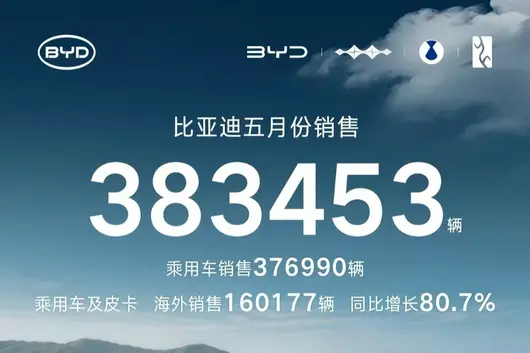
比亞迪正式發布 2026 年 5 月產銷快報,全品牌新能源汽車單月銷量 383453 輛,同比微增 0.26%,時隔十個月實現單月銷量同比轉正;其中乘用車交付 376990 輛,環比大漲 19.4%,一掃前期車型換代陣痛,呈現國內基本盤穩固、海外銷量狂飆、高端品牌全線放量的全新格局,在國內新能源內捲加劇、特斯拉 FSD 入華、自主新品密集上市的市場環境中,走出獨有的結構性增長路線。

王朝 + 海洋兩大主力品牌 5 月合計售出 330215 輛,佔據集團總銷量超八成,仍是比亞迪銷量壓艙石,全系列共 8 款車型單月銷量突破 2 萬台,產品從 5 萬入門代步到 20 萬家用 SUV 實現全覆蓋。

王朝網內部,元家族 56691 輛、宋家族 51370 輛。雙雙跨過五萬門檻,成為品牌兩大銷量支柱,兼顧家用代步與城鄉出行需求;秦家族緊隨其後交出 28360 台穩定表現,漢、唐系列月銷維持六千級體量,深耕中大型家用轎車、SUV 細分市場;全新車型夏處於市場培育期,單月交付 1810 台,後續隨渠道鋪開有望穩步上量。
海洋網增長勢頭更為迅猛,全系五款車型跨入兩萬俱樂部:海獅 42615 台、海豹 34117 台、海鷗 39919 台、海豚 22260 台、宋 PLUS 27755 台。其中海鷗憑藉 6-8 萬親民定價穩居入門代步銷冠,海獅作為全新走量車型上市即站穩四萬量級,補齊海洋網中型 SUV 產品空白,完善海洋產品梯隊佈局。從代步小車到緊湊 SUV,兩大主品牌依托 DM-i 混動與純電雙線技術,牢牢鎖住 15 萬以內國內主流家用市場份額。
方程豹同比暴漲 139.7% 品牌向上落地見效騰勢、方程豹、仰望組成的高端矩陣 5 月合計銷售 46489 輛,正式擺脫小眾定位,成為比亞迪品牌溢價與利潤增長新支點,打破自主品牌高端化難破局的行業魔咒。

越野品牌方程豹單月 30186 輛,同比暴漲 139.7%,創下品牌上市以來月度銷量新高,旗下鎦 7 單月 18280 台,豹 5、豹 8 穩定輸出,在 25-40 萬硬派越野細分市場持續擠壓合資、進口車型生存空間。

騰勢 5 月交付 16303 台,MPV 標桿 D9 售出 6721 台,Z9 系列近 6000 台,MPV、中大型轎車雙線發力,站穩豪華新能源賽道;百萬元級超豪華品牌仰望穩步爬坡,當月交付 286 台,同比增幅 105.8%,完成自主品牌天花板產品的市場驗證,形成從十幾萬家用、三四十萬越野、五十萬豪華 MPV 到百萬元級旗艦的全價格帶產品佈局。

5 月比亞迪乘用車和皮卡海外銷量 160177 輛,同比大漲 80.7%,出口佔全系總銷量突破 42%,創下品牌出海歷史新高,成為穩住 5 月整體銷量、實現同比轉正的核心驅動力。
東南亞、歐洲、拉美成為主力增量市場,海鷗、宋 PLUS、元系列持續登頂多國新能源熱銷榜單,SHARK 皮卡連續兩月單月出口突破 4000 台;依托泰國、巴西、匈牙利、烏茲別克斯坦四大海外整車工廠落地投產,本地化生產持續落地,規避關稅同時快速下沉終端渠道。在國內車市存量競爭、價格戰常態化背景下,高速擴容的海外市場有效對沖國內車型換代帶來的銷量波動,正式從補充市場升級為比亞迪核心增長引擎。截至當前,比亞迪新能源汽車全球累計銷量已經突破 1650 萬輛,全球化版圖持續拓寬。
智駕賦能產品迭代 下半年新品蓄力衝量5 月比亞迪智能化落地迎來關鍵節點,天神之眼智駕系統成為車型核心加分項:全品牌搭載高級智駕車型保有量突破 315 萬輛,日均路測數據超 2 億公里;當月比亞迪落地城市領航、智能泊車雙安全兜底服務,成為全球首家實現兩項智駕兜底的車企,政策落地三天後,搭載天神之眼系統車型的城市 NOA 激活率暴漲 50%,智能化體驗升級直接拉動終端到店訂單轉化,為後續車型持續走量築牢產品競爭力,直面 FSD 入華帶來的智駕市場衝擊。
從數據細節來看,2026 年 1-5 月比亞迪累計銷量 1405039 輛,同比下滑 20.32%,核心誘因是全系主力車型集中換代、第二代閃充刀片電池產能爬坡受限。新款閃充電池升級快充與低溫性能,全系換代車型優先換裝新電池,但產線改造拖累產能釋放,熱門車型訂單積壓、交付延後,一定程度壓縮 5 月交付體量。
隨著二季度末二代刀片電池產能持續釋放,疊加騰勢 N8L、方程豹鎦 7 純電版、海獅 05、夏 L 等多款新車陸續登陸市場,業內普遍預判比亞迪 6 月全品牌銷量有望突破 40 萬輛。依托低端走量鎖份額、高端提利潤、海外衝增量、智能化提產品力的四維發展邏輯,在國內新能源淘汰賽加劇的當下,比亞迪全品類佈局優勢持續放大,坐穩國內新能源龍頭,加速向著全球頭部車企穩步邁進。

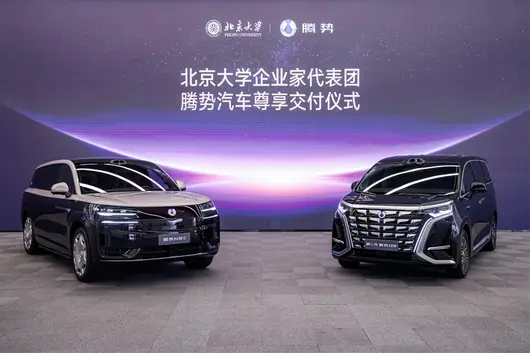
6月23日,北京大学企业家代表团腾势汽车尊享交付仪式在深圳比亚迪全球总部举行。比亚迪集团董事长兼总裁王传福亲自将第二代腾势D9与腾势N9闪充版交付给北京大学汇丰商学院的企业家。此次交付标志着腾势汽车在赢得广泛市场与口碑之后,再次获得中国顶级知识精英与商界领袖的集体认可,成为中国豪华品牌向上的又一重要注脚。

北大董事长严选,腾势精英朋友圈持续扩容
此次交付活动由北京大学原副校长、汇丰商学院创院院长海闻带队,汇集多位在各行各业极具影响力的北大汇丰杰出企业家学员。在现场,汇创达科技董事长李明、曼恩斯特董事长唐雪姣、跨越速运副董事长徐黧凤、岑科科技总裁柯珊、雄帝科技董事长高晶、得辉达董事长刘媖、喜盈资本董事长董月青等商界翘楚,将科技豪华旗舰MPV——第二代腾势D9收入囊中;伟维运通董事长刘伟则选择了科技驾控旗舰SUV——腾势N9闪充版,作为其新座驾。

这群运筹帷幄的企业家,选择座驾的严苛程度远超常人。对他们而言,座驾既要是移动办公室,能在通勤途中无缝接入全球会议、处理紧急公务;又要是移动起居室,能在高强度工作间隙快速回血,也能在周末假期化身为承载家人欢笑的舒适空间。
他们的选择,正是对腾势科技实力和产品价值的深度认同。比亚迪第二代刀片电池及闪充技术,让企业家们彻底告别里程焦虑与充电等待,一杯咖啡的时间,便能充饱电,把宝贵的时间交还给决策与生活;全球首创的易三方,赋予车辆极致转向、圆规掉头、智能蟹行等领先功能,让大尺寸座驾在狭窄车位与复杂路况中依然游刃有余;天神之眼 5.0辅助驾驶系统,则在长途奔波中分担驾驶压力,让每一段旅程都更轻松、更安心;而云辇智能车身控制系统配合路面预瞄2.0,从容化解路面颠簸,无论是后排办公,还是家人小憩,都能不被打扰。正是这份对全场景需求的精准满足,让腾势赢得这群商界名流的信任。

圈层价值共鸣,腾势成时代精英出行新标配
而这份信任,并非孤例。从政商舞台到科技前沿,再到文体聚光灯下,腾势已成为顶尖圈层的“标配”。选择腾势,已然成为精英圈层的共识。
在中国香港,腾势D9凭借领先的智能化、安全性以及豪华大气的形象,成为高端政务出行信赖之选,超过半数的司长都将其选为日常出行座驾。

在科技圈,腾势汽车则凭借科技旗舰的魅力,赢得中国科技圈“最强大脑”的青睐。Momenta CEO曹旭东、编程猫CEO李天驰、优必选科技CEO周剑、游戏科学创始人兼CEO&《黑神话:悟空》制作人冯骥等科技新贵,不约而同地选择腾势。这背后,是顶尖科技精英对腾势的高度认同,更是对“科技豪华”的深度共鸣。

作为豪华MPV价值标杆,腾势D9还深受商业领袖的认可。京东创始人刘强东、香港信和集团主席黄永光、福耀集团董事长曹晖、亚洲最年轻的纳斯达克上市公司创始人何猷君等商界大咖,纷纷选择腾势D9作为商务出行与高端接待的座驾,彰显了其在商务场景中的影响力。

不仅如此,腾势的科技豪华也席卷了文体圈,成为品位与身份的象征。从杨澜、高圆圆等知名媒体人、演员,到王力宏、胡海泉等实力音乐人,再到王皓、潘晓婷等世界冠军,腾势深入融入他们的工作与生活。


当中国最具智慧的头脑与最具影响力的企业家,将腾势选为他们出行的第一选择时,“中国豪华”便有了最有力的注脚。这次新车交付,不仅是北大精英与腾势的双向奔赴,更是中国高端智造强势崛起的生动缩影。未来,腾势还将继续与每一位时代引领者同行,共同书写属于中国的豪华出行新篇章。

In May, China's automotive market overall presented a gentle recovery trend, with domestic brands still being the sales backbone of the market. Recently, BYD, Geely, Chery, Changan, and Great Wall, the top 5 domestic automakers, successively released their monthly performance reports. From the data, these five companies show a general characteristic of "stable total growth, divergence between domestic and international markets, and accelerated new energy penetration". Overseas exports and new energy vehicles have become the most core growth engines; export business has evolved from a "bonus item" to the "core foundation" for some companies. BYD's "dominant leader" status is further consolidated, Chery achieved high growth via exports, Geely's new energy penetration rate broke 56%, Changan focused steadily on balanced development, while Great Wall appeared slightly under pressure during structural transformation.
BYD: Export Hits New High Becomes Biggest HighlightIn May, BYD stood firmly at the top of domestic brands with a monthly sales volume of 383,500 vehicles, maintaining positive growth both year-on-year and month-over-month under a large base. Its two main brands, Dynasty and Ocean, sold a combined 330,200 vehicles, contributing 86.1% of total sales; Fangchengbao's monthly sales broke 30,000 units to reach 30,200, a year-on-year increase of 139.7%, setting a new high for the year; Denza sold 16,300 vehicles, and Yangwang delivered 286 vehicles. From a model perspective, BYD had eight models in May with monthly sales exceeding 20,000 vehicles. The Song Family and Yuan Family both broke 50,000 units, selling 51,370 and 56,691 vehicles respectively. The Sea Lion Family followed closely with 42,615 vehicles, and Seagull sales were also close to 40,000 vehicles.

BYD's biggest highlight in May was exports. Overseas new energy vehicle sales reached 160,600 units, an 80.4% year-on-year increase, accounting for about 42%. The sharp expansion of export scale effectively countered the phased weakness in domestic demand. Cumulative exports from January to May exceeded 620,000 vehicles. High export growth mainly benefited from continued ramping up of overseas factory capacity, improved ocean shipping capacity, and accelerated channel network expansion. In the domestic market, BYD promoted Megawatt Super Charging and intelligent strategies simultaneously—Megawatt charging achieved about 90% charge in 9 minutes; 20,000 super charging stations are planned to be built by 2026; all series models are available with Sky Eye B intelligent driving solutions and city navigation safety fallback plans, accelerating the popularization of high-level intelligent driving. As Gen 2 Blade Battery capacity gradually releases, the company's orders are expected to continue rising.
Chery: Sales Growth Leads the Top 5Chery Group's total sales volume in May was 247,800 vehicles, a significant year-on-year increase of 20.5%, ranking first in growth speed among the top 5. Exports remained its most core growth engine—May exports reached 181,900 vehicles, an 80.5% year-on-year increase, accounting for 73.4% of total sales that month, continuously breaking the single-month export record for Chinese brands for three months. In terms of new energy, Chery New Energy sold 100,300 vehicles, a 58.8% year-on-year increase. April and May consecutively saw monthly new energy sales breaking 100,000 vehicles.

The strong performance in exports benefited from Chery's long-term deep cultivation of overseas channel advantages and localized operation capabilities. While overseas orders continued to rise, high export growth formed a sharp contrast with domestic sales—Chery's domestic sales in May were only 60,000 vehicles, accounting for one-quarter of total sales. From cumulative data, Chery Group accumulated 1.101 million sales from January to May, but against the annual goal of 3.2 million vehicles, monthly averages need to reach about 420,000 vehicles later, and pressure remains significant.
Geely: New Energy Penetration Rate Breaks 56%Geely Auto's total sales volume in May was 237,600 vehicles, a 1% year-on-year increase, achieving month-over-month double growth for three consecutive months. In terms of structure, Geely's "New Four Transformations" transformation showed significant results: new energy vehicle sales reached 133,400 units, accounting for 56% of total sales, with new energy share exceeding 50% for four consecutive months.

From sub-brands, performance was significantly divergent. Zeekr brand sales in May reached 34,400 vehicles, a 82% year-on-year increase; Zeekr 9 Series and 8 Series models combined sales approached 50% of total sales, showing bright performance in the high-end market; Galaxy brand sales were 81,700 vehicles; Geely brand sales were 182,500 vehicles, among which China Star Series sales reached 100,800 vehicles; Lynk & Co brand sales were 20,700 vehicles, with new energy vehicle sales share rising to 71%.
In terms of exports, Geely's overseas vehicle exports in May reached 85,100 vehicles, a explosive 184% year-on-year increase, setting a brand single-month export record high. Among exported products, new energy vehicles reached 40,800 units, accounting for nearly half; hybrid and pure electric products have successively landed in Southeast Asia, Middle East, Latin America, and other markets, highlighting the results of global strategy implementation.
Changan: Multi-brand Matrix Balanced EffortChangan Auto's delivery volume in May was 209,100 vehicles, among which new energy deliveries were 92,400 vehicles, a 5.8% year-on-year increase, with new energy share about 44%. In terms of exports, overseas deliveries reached 70,700 vehicles, a 38% year-on-year increase, becoming another major growth highlight for Changan in May.
In the sub-brand matrix, Changan Qiyuan delivered 34,500 vehicles in May; All-New Q05 delivered 15,800 units, with orders breaking 3,000 units within three days of listing in Thailand; Deepal sales in May were 33,200 vehicles, a 30% year-on-year increase; January to May overseas cumulative sales were 28,700 vehicles, a significant 167% year-on-year increase; Avatr delivered 7,336 vehicles in May; Changan Auto (Gravity) delivered nearly 49,000 vehicles in May.

Changan Auto's balanced layout was fully reflected in May: the fuel car base remained stable, new energy brands Deepal and Qiyuan accelerated volume growth, high-end brand Avatr continued to break through in technical cooperation, and overseas markets simultaneously achieved breakthrough growth. The pattern of five brands working together, driven by both new energy and exports, is initially taking shape.
Great Wall: Overseas Sales Growth Year-on-Year 46.75%Great Wall Motor's sales in May were 100,400 vehicles, slightly down compared to last May's 102,200 vehicles, making it the only company among the top 5 to show a year-on-year negative growth. From sub-brands, Haval brand sales in May were 55,500 vehicles, remaining Great Wall's most important sales pillar; Tank brand sales were 17,100 vehicles; both Haval and Tank brand sales showed year-on-year declines; Wey brand sold 8,119 vehicles, a 31.78% year-on-year increase, achieving growth against the trend; Ora brand performance was most stunning, with sales of 6,018 vehicles, a significant 206.88% year-on-year increase. In terms of new energy, Great Wall sold 30,400 new energy vehicles in May, with new energy vehicle transformation gradually accelerating.

The overseas market became Great Wall's biggest highlight in May, with overseas sales growing 46.75% year-on-year. Against the background of pressure on the domestic market, strong growth in overseas business effectively made up for the decline in the domestic market. Great Wall Motor's current core contradiction lies in: Haval and Tank, the two traditional main-selling brands, face weak growth, while Wey and Ora brands, although growing notably, have relatively small volume and are not yet enough to support overall growth. How to complete the "relay" between old and new brands is the key issue Great Wall must solve subsequently.
Final ThoughtsFrom May data, the growth pattern of the top 5 domestic brands has clearly diverged, but there are three common trends worth noting: First, exports have become a key engine for domestic brands to seek stability and growth. Second, new energy transformation is still accelerating, but paths differ among enterprises. Third, technological innovation continues to deepen brand moats. Looking ahead to the second half of the year, competition in the automotive industry will continue to upgrade around these three trends. Although everyone has a common direction, these three trends are all competing for the entire enterprise's industrial chain strength, and the strong will remain strong, which has almost become an inevitable outcome.

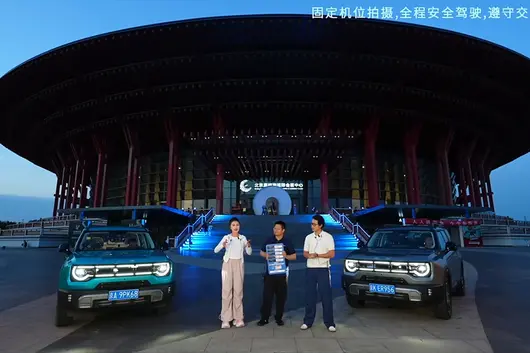
【先鋒汽車/原創】近日,BJ30 旅行家節油挑戰嘅直播實測,讓我哋對呢台 7 萬級輕越野 SUV 有咗全新看法。

除咗國內實景路況佐證,前期仲聯動南非、波蘭、印尼、阿聯酋、墨西哥五國汽車博主跨國長途試煉,跨唔同氣候、地貌完成整車同混動系統驗證,海內外雙向測試閉環,真真正正測出多種路況百公里油耗跌破 5L。實測驗證低油耗、三擎混動鑄就省油標竿。

整套測試遵循 GLTC 全球生活測試、OLTC 越野生活測試雙循環標準,直播拆分城市擠塞、高速長途、鄉道越野三大真實用車場景,全方位檢驗車輛“超省、超大、超野”三大產品屬性。先講大家最關心嘅油耗表現,城市擠塞路段係燃油車油耗重災區,頻繁啟停、低速蠕行極易增加能耗,而 BJ30 旅行家搭載專屬三擎 HEV 混動系統,採用三擎六模 + 電四驅組合,行車優先電機驅動,引擎按需介入做功,從根源規避怠速耗油問題。車型兩驅官方綜合油耗 5.85L/100km、四驅 6.45L/100km,實景城區擠塞實測直接突破 5L 大關,一改硬派方盒 SUV 高油耗嘅刻板印象,日常通勤能真真正正省下唔少養車開支。
空間層面,BJ30 旅行家依賴 2820mm 超長軸距,整車座艙空間越級優化,滿載出行前後排乘客冇局促感。方正車身最大化拓展儲物能力,露營帳篷、炊具等大件裝備輕鬆放進後尾箱,後排座椅放倒後形成 1.92 米平整大牀,此前波蘭海外博主實地裝車測試,滿載戶外物資後依舊可以喺後尾箱平躺,完美適配家庭自駕、近郊露營嘅裝載需求。

去到非鋪裝越野路段,BJ30 旅行家嘅 215mm 超高離地間隙搭配 ATS 全地形控制系統同專業四驅底盤,面對坑坑巴巴鄉道、碎石爛路、輕度爬坡,一鍵切換地形模式就合理分配四輪動力,輕鬆完成輕越野穿越,兼顧城市代步同野外娛樂雙重需求。
7 萬級嘅定價,集齊混動省油、大空間、全場景越野三大優勢,BJ30 旅行家呢款車連續 23 個月拿下自主輕混 SUV 銷量第一,三年 72% 保值率穩居同價位榜首,全國密集嘅售後網點亦為車主日常用車保駕護航。

最後拎重點,6 月 12 日 BJ30 旅行家高光版即將上市,新車動力、內飾、智能配備全面升級,高配下放仲新增專屬定制車漆。經歷五國長途試煉、國內全路況嚴苛實測,BJ30 旅行家靠住三擎混動硬實力,穩穩坐定 7 萬級省油方盒標竿位置。

When a car slowly drives towards the delivery stage, what people see might be an ordinary new car delivery; but when this car becomes the first hundred millionth vehicle in the development history of China's automotive industry, the meaning it carries far exceeds the product itself.

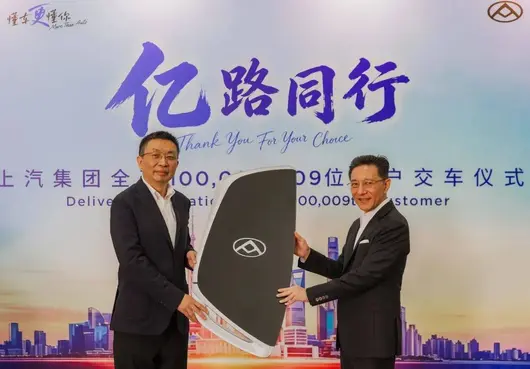
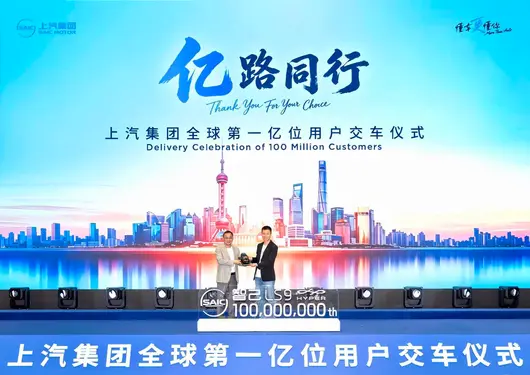
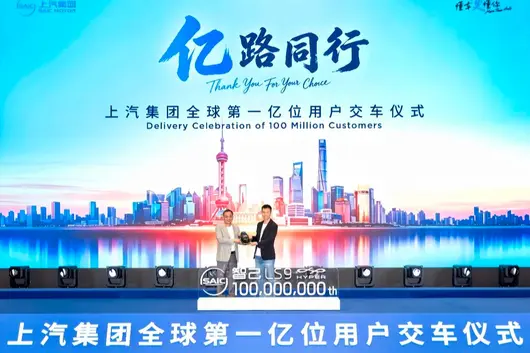
On May 28, SAIC Motor Group's "Global First Hundred Millionth User Delivery Ceremony" was held at the World Living Room at North Bund in Shanghai. With the completion of delivery to the world's first hundred millionth user, SAIC Motor Group has become the first automotive group in China to surpass 100 million cumulative production and sales. This is not only an important milestone in the company's development history, but also writes a new chapter for China's automotive industry.

100 million vehicles, is a number, and also a history of industrial growth spanning over seven decades. Looking back at the development history of China's automotive industry, SAIC has always been an important participant and witness. In 1955, the Shanghai Internal Combustion Engine Parts Manufacturing Company was established; in 1958, the "Phoenix" sedan was born, achieving an important breakthrough in Shanghai's sedan manufacturing field. From initial exploration and start-up, to the opening of the joint cooperation era, to the growth of independent brands and new energy transformation, SAIC's development trajectory is closely intertwined with the development context of China's automotive industry.
In 1983, the Santana rolled off the line, promoting the modernization process of China's automotive industry; in 1997, Shanghai GM was established, creating industry attention with "Shanghai Speed"; in 2006, the Roewe brand was born, opening a new stage for independent brand development; in 2016, the Internet car Roewe RX5 was launched; in 2020, IM Motors was established, further layout of the smart electric vehicle track.
In the constantly changing market environment, SAIC has always promoted technological innovation and product upgrades around the concept of "Understanding cars better, understanding you better". From localization system construction to Internet car exploration; from fully-by-wire chassis, solid-state and semi-solid-state battery R&D, to AI large models and intelligent driving technology applications, every technological iteration has become an important support for its stride to a new stage.

At this delivery ceremony, the highly anticipated first hundred millionth delivery model is the IM LS9 Hyper.
As an important manifestation of the phase results of SAIC's technology system, the IM LS9 Hyper is equipped with fully-by-wire four-wheel steering technology, 520-line ultra-vision LiDAR, and NVIDIA Thor chip, and adopts a global 800V high-voltage platform and Star Super Extended Range technology. At the same time, the new car is the first to be equipped with the SAIC Gold Label Hurricane Three-Motor, and jointly with Zijinshan Laboratory to first release "Intrinsic Safety" technology, further extending safety capabilities to the information and system levels.

It is worth noting that the world's first hundred millionth user is Momenta CEO Cao Xudong. As an important partner representative of SAIC's intelligent driving ecosystem, his conversion from partner to user identity also became a major highlight of this delivery ceremony. Both sides continue to carry out technical co-creation in the field of intelligent driving, and relevant results have been applied to multiple independent and joint venture brand models.
If the first hundred millionth vehicle reflects technical accumulation, then the delivery scenarios covering the global market demonstrate the results of SAIC's systematic development.
On the day of the event, more than ten whole vehicle brands under SAIC and nineteen car models participated in the "Global Relay Delivery" simultaneously. From Shangjie Z7, Huajing S, Roewe M7, MG4 semi-solid-state battery version, to Wuling Starlight 560, Maxus eDeliver5, Hongyan Heavy Truck, Yujin Dana T1, Sunwin Pure Electric Bus, and Iveco Juxing EV, different brands and products covered diverse scenarios such as personal travel, family cars, commercial logistics, and public transportation.

Meanwhile, models such as VW ID. ERA 9X, AUDI E7X, and Buick Zhijing E7 also made a joint appearance, showcasing the latest results of SAIC promoting technical synergy and product innovation in the "Joint Venture 2.0" stage.
Starting from the Shanghai main venue, the delivery scenes were successively presented in domestic cities such as Nanjing, Liuzhou, Taiyuan, as well as overseas areas such as the UK, Indonesia, and Singapore. This delivery activity spanning regions and time zones not only connected global users but also reflected the layout results of SAIC continuing to promote international development.
After years of development, SAIC has formed a global system covering R&D, manufacturing, logistics, sales, and services. Nowadays, its products and services cover over 170 countries and regions, with cumulative overseas sales exceeding 7 million units. Whether it is the layout of R&D and innovation centers, or the construction of production manufacturing and distribution service networks, all provide strong support for its global development.

In fact, the value behind 100 million vehicles is not only reflected in scale.
For the automotive industry, every vehicle corresponds to a real user, a life story, and a travel experience. From family users to corporate clients, from public welfare workers to logistics practitioners, users of different identities together constitute the vivid picture behind this "100 million vehicles".
And at the event scene, "users" also became the true protagonists. Whether they are pioneer users experiencing new technologies for the first time or ordinary consumers who have long followed the brand development, they jointly witnessed this historic moment, and gave the "100 million vehicles" a meaning with more warmth.
Standing at a new node looking back, SAIC completed a growth journey from chasing to running alongside, and then to participating in leading over seven decades; facing the future, 100 million vehicles is more like a new starting line.

Summary: Coming from the traditional automotive era, against the background of new energy, intelligence, and globalization accelerating continuously, China's automotive industry is welcoming a new competitive landscape. For SAIC which has already entered the "Hundred Million Era", how to continue promoting technological innovation, deepening global layout, and meeting users' constantly upgrading needs may become an important topic for the next stage.
From the starting exploration in 1955 to welcoming the world's first hundred millionth user in 2026; from the first car rolling off the production line to cumulative production and sales exceeding 100 million vehicles, this report records the development journey of an enterprise and also reflects the constant forward steps of China's automotive industry. So, standing on the new starting point, what story will SAIC Motor Group write in the next chapter?

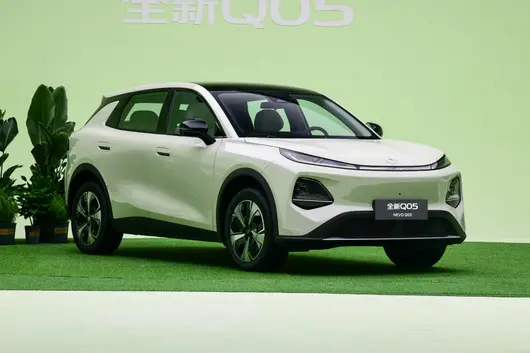
唔知有幾多朋友最近期關注 10 萬內純電 SUV 市場?近段時間睇嚟,呢個細分市場好熱鬧。就講長安啟源全新 Q05 同零跑 A10,上個月銷量分別達 15814 輛同 14372 輛,全部挺進 2026 年 4 月銷量排行全品類前 10,長安啟源全新 Q05 甚至奪得緊緊湊型純電 SUV 市場嘅銷冠。

(長安啟源全新 Q05)
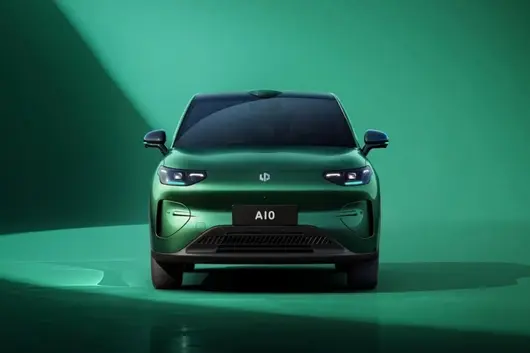
值得留意係,兩款大熱門產品亮點亦唔少,9 萬級可以得到 500km+嘅續航,零跑 A10 甚至配備激光雷達,有高級智駕輔助需求嘅朋友嚟講,呢架車吸引力的確唔低。但係喺價格上,同為高配嘅長安啟源全新 Q05 506Max+ 同零跑 A10 505 激光雷達版,終端價格分別係 9.59 萬同 8.68 萬,手握 9 萬左右預算嘅朋友都可以考慮。明顯係,又去到決賽圈二揀一環節。
 (零跑 A10)
如果對預算比較敏感,咁喺長安啟源全新 Q05 同零跑 A10 之間,後者可能更受歡迎,畢竟終端價格實打實平咗幾千元。而且,高配 A10 配有激光雷達,市區/高速情況均能啟動領航輔助駕駛,呢個就係佢嘅優勢所在。當然,如果預算允許,揀長安啟源全新 Q05 高配,都有帶激光雷達嘅高級輔助駕駛。
 (長安啟源全新 Q05)
但既然係買車前嘅橫評,唔少全方位對比。首先從尺寸睇,作為緊湊型 SUV,長安啟源全新 Q05 長寬高分別係 4435*1855*1595mm,軸距為 2735mm。而零跑 A10 車型級別就係小型 SUV,長寬高分別係 4270*1810*1635mm,軸距為 2605mm。
 (零跑 A10)
如果只係考慮代步、通勤,零跑 A10 嘅細個嘅略有優勢,方便行街串巷。但實際上,好多人買車都要兼顧家用,10 萬內預算也多以剛需用車群體為主。既然係剛需,且有家用需求,嗰空間自然唔好掉鏈子。
 (長安啟源全新 Q05)
 (零跑 A10)
講返日常家庭出行嚟講,兩車之間 130mm 軸距差異,直接反映喺後排體驗。坐入長安啟源全新 Q05 後排,腿部空間平整兼寬敞,一齊坐 3 位成年人都唔會太擠;但係坐入零跑 A10 後排,無論坐寬定係腿部空間都會細少少。媽咪喺後排照顧孩子,長安啟源全新 Q05 後排更加寬敞嘅空間會更加方便佢操作,孩子都能有更大嘅活動空間。
 (長安啟源全新 Q05)
 (零跑 A10)
除咗空間,通勤黨同家庭用戶對舒適配置都比較關注。睇嚟對比,兩車都有配電動尾門、無匙進入、自適應遠近光等外部配置。但係從車廂內睇,零跑 A10 副駕無法電動調節,後排靠背都唔支援角度調節,同埋缺少後排空調出風口、車內 PM2.5 過濾裝置等。
 (長安啟源全新 Q05)
 (零跑 A10)
反觀長安啟源全新 Q05,除咗副駕支持電動調節,前排仲集成咗加熱/通風/按摩/副駕腿托功能,對比零跑 A10 只提供前排座椅加熱,佢嘅品質無疑更上一層樓。包括後排乘員都有少少照顧,例如靠背角度可調、配有後排空調出風口、後排中央扶手/杯架等,更加適合家人同行呢類場景。
 (長安啟源全新 Q05)
 (零跑 A10)
除咗舒享體驗,行駛系統嘅對比我哋都唔好忽略。首先從大家關注嘅續航睇,長安啟源全新 Q05 同零跑 A10 分別搭載 51.9kWh、53kWh 電池,CLTC 純電續航做到 506km、505km,差異大可忽略。但從電芯供應鏈睇,前者出自寧德時代,後者就係國軒高科/江蘇正力,若論品牌含金量,“寧王”順位自然靠前,更值得信賴。另外,兩車都有全球品質,按照全球嚴苛嘅標準打造,零跑 A10 符合國內、歐盟雙標準,長安啟源全新 Q05 已經喺泰國上市,未來仲會相繼落地多個國家地區,最終開拓歐洲區域,此外仲有央企背書,質量品質都好可靠。
因為本文討論嘅係 A10 嘅 505 版本,採用電池液冷技術,溫控較好,而如果係 403 版本,採用成本低嘅風冷技術,散熱效果較差。呢點上,全新 Q05 做得更好,入門就採用電池直冷技術,高配用嘅係液冷技術,能更好地實現熱管理,保證電池安全。
 (長安啟源全新 Q05)
 (零跑 A10)
動力方面,長安啟源全新 Q05 同零跑 A10 都係前置單電機佈局,電機最大動力輸出分別係 120kW/190N·m、90kW/150N·m,0-100km/h 加速時間分別做到 8.9 秒同 10.6 秒。坦率嚟講,兩款車喺純電陣營加速性能都中規中矩;但係相對嚟講,長安啟源全新 Q05 嘅 8 秒級零百加速,喺山路行駛、高速超車等情況下會比零跑 A10 更加分。
 (長安啟源全新 Q05)

(零跑 A10)
總結嚟講,零跑 A10 505 激光雷達版優勢突出:價格更低、智駕輔助覆蓋範圍更廣,適合預算優先 + 科技嘗鮮嘅消費者。而長安啟源全新 Q05 更強調“全面”二字:加少少預算同樣可以獲得高級輔助駕駛,而且尺寸更大、舒適配置更高、採用頭部電芯供應鏈,動力亦更強,綜合表現更全能。總括嚟講,預算 9 萬級追求面面俱到嘅家用體驗,長安啟源全新 Q05 506Max+ 更加值得考慮。

比亞迪正式發布 2026 年 5 月產銷快報,全品牌新能源汽車單月銷量 383453 輛,同比微增 0.26%,時隔十個月實現單月銷量同比轉正;其中乘用車交付 376990 輛,環比大漲 19.4%,一掃前期車型換代陣痛,呈現國內基本盤穩固、海外銷量狂飆、高端品牌全線放量的全新格局,在國內新能源內捲加劇、特斯拉 FSD 入華、自主新品密集上市的市場環境中,走出獨有的結構性增長路線。
王朝 + 海洋兩大主力品牌 5 月合計售出 330215 輛,佔據集團總銷量超八成,仍是比亞迪銷量壓艙石,全系列共 8 款車型單月銷量突破 2 萬台,產品從 5 萬入門代步到 20 萬家用 SUV 實現全覆蓋。
王朝網內部,元家族 56691 輛、宋家族 51370 輛。雙雙跨過五萬門檻,成為品牌兩大銷量支柱,兼顧家用代步與城鄉出行需求;秦家族緊隨其後交出 28360 台穩定表現,漢、唐系列月銷維持六千級體量,深耕中大型家用轎車、SUV 細分市場;全新車型夏處於市場培育期,單月交付 1810 台,後續隨渠道鋪開有望穩步上量。
海洋網增長勢頭更為迅猛,全系五款車型跨入兩萬俱樂部:海獅 42615 台、海豹 34117 台、海鷗 39919 台、海豚 22260 台、宋 PLUS 27755 台。其中海鷗憑藉 6-8 萬親民定價穩居入門代步銷冠,海獅作為全新走量車型上市即站穩四萬量級,補齊海洋網中型 SUV 產品空白,完善海洋產品梯隊佈局。從代步小車到緊湊 SUV,兩大主品牌依托 DM-i 混動與純電雙線技術,牢牢鎖住 15 萬以內國內主流家用市場份額。
方程豹同比暴漲 139.7% 品牌向上落地見效騰勢、方程豹、仰望組成的高端矩陣 5 月合計銷售 46489 輛,正式擺脫小眾定位,成為比亞迪品牌溢價與利潤增長新支點,打破自主品牌高端化難破局的行業魔咒。
越野品牌方程豹單月 30186 輛,同比暴漲 139.7%,創下品牌上市以來月度銷量新高,旗下鎦 7 單月 18280 台,豹 5、豹 8 穩定輸出,在 25-40 萬硬派越野細分市場持續擠壓合資、進口車型生存空間。
騰勢 5 月交付 16303 台,MPV 標桿 D9 售出 6721 台,Z9 系列近 6000 台,MPV、中大型轎車雙線發力,站穩豪華新能源賽道;百萬元級超豪華品牌仰望穩步爬坡,當月交付 286 台,同比增幅 105.8%,完成自主品牌天花板產品的市場驗證,形成從十幾萬家用、三四十萬越野、五十萬豪華 MPV 到百萬元級旗艦的全價格帶產品佈局。
5 月比亞迪乘用車和皮卡海外銷量 160177 輛,同比大漲 80.7%,出口佔全系總銷量突破 42%,創下品牌出海歷史新高,成為穩住 5 月整體銷量、實現同比轉正的核心驅動力。
東南亞、歐洲、拉美成為主力增量市場,海鷗、宋 PLUS、元系列持續登頂多國新能源熱銷榜單,SHARK 皮卡連續兩月單月出口突破 4000 台;依托泰國、巴西、匈牙利、烏茲別克斯坦四大海外整車工廠落地投產,本地化生產持續落地,規避關稅同時快速下沉終端渠道。在國內車市存量競爭、價格戰常態化背景下,高速擴容的海外市場有效對沖國內車型換代帶來的銷量波動,正式從補充市場升級為比亞迪核心增長引擎。截至當前,比亞迪新能源汽車全球累計銷量已經突破 1650 萬輛,全球化版圖持續拓寬。
智駕賦能產品迭代 下半年新品蓄力衝量5 月比亞迪智能化落地迎來關鍵節點,天神之眼智駕系統成為車型核心加分項:全品牌搭載高級智駕車型保有量突破 315 萬輛,日均路測數據超 2 億公里;當月比亞迪落地城市領航、智能泊車雙安全兜底服務,成為全球首家實現兩項智駕兜底的車企,政策落地三天後,搭載天神之眼系統車型的城市 NOA 激活率暴漲 50%,智能化體驗升級直接拉動終端到店訂單轉化,為後續車型持續走量築牢產品競爭力,直面 FSD 入華帶來的智駕市場衝擊。
從數據細節來看,2026 年 1-5 月比亞迪累計銷量 1405039 輛,同比下滑 20.32%,核心誘因是全系主力車型集中換代、第二代閃充刀片電池產能爬坡受限。新款閃充電池升級快充與低溫性能,全系換代車型優先換裝新電池,但產線改造拖累產能釋放,熱門車型訂單積壓、交付延後,一定程度壓縮 5 月交付體量。
隨著二季度末二代刀片電池產能持續釋放,疊加騰勢 N8L、方程豹鎦 7 純電版、海獅 05、夏 L 等多款新車陸續登陸市場,業內普遍預判比亞迪 6 月全品牌銷量有望突破 40 萬輛。依托低端走量鎖份額、高端提利潤、海外衝增量、智能化提產品力的四維發展邏輯,在國內新能源淘汰賽加劇的當下,比亞迪全品類佈局優勢持續放大,坐穩國內新能源龍頭,加速向著全球頭部車企穩步邁進。

Folks, today let's talk about big news on going global—not selling cars, but selling "drivers". On June 2, WeRide and Uber jointly announced a plan: to launch the country's first commercial Robotaxi pilot service in Madrid, Spain. In other words: Spanish residents will soon be able to hail a driverless taxi via Uber. This is the first time WeRide and Uber are partnering to enter the European market. Madrid also becomes the 12th city globally where WeRide's Robotaxi arrives.
According to official news, with the support of the Madrid regional government, this service will officially launch within this year. At that time, friends in Madrid can open the Uber App and call WeRide's Robotaxi with one click. It's just like calling an ordinary ride-hailing service, the difference is the arriving car has no driver—at least initially, there is still a difference. In the initial operation phase, a professionally trained safety monitor will be on board, as it's just launched, safety comes first.
This company, WeRide, you might have heard of it, or you might not. A brief introduction: Established in 2017, it has been dedicated to Robotaxi technology R&D and commercialization. Currently, its Robotaxis cover Guangzhou, Beijing, Singapore, Abu Dhabi, Dubai, Riyadh, Zurich... plus Madrid now, totaling 12 cities. Spain is also the 5th European market WeRide has entered—previously entered Switzerland, France, Belgium, Slovakia. According to the plan agreed by WeRide and Uber in May 2025, they plan to deploy Robotaxi services in 15 new international cities within five years, deploying tens of thousands of Robotaxis globally. With the Madrid launch, the deployment in 4 cities has been completed, and 11 more will be covered successively before 2030.
To be honest, it's not the first time Chinese autonomous driving companies are going global, but the combination of Chinese technology + global mobility platform + European market is quite interesting. Madrid is one of the European Robotaxi markets with the most commercial potential, with a large population, high travel demand, and friendly local policies. Being able to take root in this market is a significant milestone for WeRide. For Uber, introducing Robotaxis is also a way to reduce costs—after all, drivers don't need salaries. For Madrid residents, hailing a taxi might be cheaper in the future.


你睇過印度嘅馬路嗎?
我喺網上見過。
畫面通常係咁,一輛轎車俾牛尾擋住,旁邊仲有亂竄嘅摩托,甚至周圍仲有賣奶茶嘅小夥,嗰叫一個“乾淨又衛生”。

然而,喺呢啲睇完好多人覺得生理不適嘅地方,豐田、鈴木、本田等日本車廠,卻決定將籌碼押落印度。
據印度“品牌質量基金會”網站顯示,三家車廠將喺印度投資近110 億美元建廠、提產能、搞出口。
對此有网友表示,三家日本車廠係咪錢多到無處花?
事實上,佢哋唔係錢多到花唔完,亦唔係被印度嘅咖哩蒙蔽咗心竅,呢啲日本車廠高層遠比我哋清醒。
而家嘅日系車,營業額、市場份額都喺下滑,原材料成本仲係升得飛起,打開世界地圖,搵一個能夠容納產能、拓充份額、競爭溫和嘅市場,唔係咁容易嘅事。
所以,唔係日本車廠選擇咗印度,而係因為冇得揀。
日本車廠之痛
曾經嘅日系車,嗰時妥妥係人哋個仔。
你問下十幾年前開過日系車嘅老司機,一提起日系車,幾乎就冇唔豎大拇指嘅,價錢平、省油、耐用又抵撞……
甚至好多日系車,仲要加價購買,但邊個諗到,呢個鐵打嘅江山,短短幾年時間就俾佢哋打得找唔著北。
隨著新能源汽車浪潮嚟到,電動化、智能化變成好多自主車廠“彎道超車”嘅目標,依托於中國強大嘅新能源汽車產業鏈優勢同車廠自身對研發、技術嘅堅持,中國自主品牌迅速實現咗“彎道超車”。
曾經被人吐槽嘅國產車,而家喺馬路越來越多人,甚至份額超越咗合資。
根據乘聯會嘅數據,喺2026 年4 月,自主品牌嘅份額已經高達62.5%,遠超日系嘅13.1%。

要知道,中國汽車市場係全球最大嘅汽車市場,喺中國市場失速,就相當於丟咗一塊巨大嘅蛋糕。
同時,中國市場近年嚟嘅主旋律依舊係價格戰,捲配置、捲價格、捲服務已經成為一種常態,亦對日系車嘅利潤產生咗巨大嘅影響。
除咗中國,日系車喺美國過得亦唔太好。
2025 年 1 月 20 日,特朗普宣誓就職第 47 任美國總統,自此開啟咗一連串搞搞震,其中就包括以國家安全為理由徵收額外嘅汽車關稅,導致進口日本汽車嘅關稅稅率一度高達 27.5%,雖然後嚟有所降低,但亦遠高於最初嘅稅率。
呢個操作,直接導致七大日本車廠喺2025 財政年度嘅關稅損失超2 萬億日元。
再睇日本本土,其實亦唔容易。
中東地緣衝突導致霍爾木茲海峽航運受阻,運輸成本、原材料成本暴漲,日本車廠都有苦難言。

高管們看著報表,背後發涼,只能尋找全新嘅增長曲線。
所以,日本車廠唔係愛上印度,係冇地方去。
揀選印度嘅深思熟慮
咁,印度點解咁有魔力,先至令日本車廠重資投入呢?
第一個優勢就係大。喺2025 年,印度汽車市場取得咗551.7 萬輛嘅新車銷量,同比增長 6%,刷新咗歷史紀錄,位居全球第三大汽車市場,已经连续四年超越日本,僅次於中國同美國。
呢個含金量唔使多講啦,而印度取得呢一成績,主要係因為印度一直喺推動減稅政策,促進消費,這導致國內消費意願出現咗明顯增強。
第二個優點係近,就係離日系車賣得動嘅地方近,如非洲等其他地區。
所以,印度對於日本車廠,更似一個建喺十字路口中央嘅便利店,你唔使將車分別運去八個國家,只需要喺印度呢站造好,然後一船一船甩去,就能削減唔少成本。

《日本經濟新聞》亦認為,印度有望轉變為佢哋全球嘅汽車供應中心。
第三個優點係穩。要知道,日系車嘅優勢就係燃油車,畢竟引擎、變速箱、底盤三大件,佢哋已經玩咗好多年,技術積累喺全球都係數一數二。
但係中國汽車市場已經全力推動電動化、智能化發展,導致日系車嘅優勢越來越弱,根本無法發揮出嚟,但印度唔一樣,佢擁有充電樁少、電動化進程緩慢嘅特點,印度老百姓買車,都仲係盯住平、省油、易修,而呢三點正係日系車嘅老本行。
尤其係鈴木,一直係印度汽車市場嘅常青樹,幾乎年年穩坐暢銷車型寶座,口碑好,勝過任何廣告。
所以,日本車廠大力佈局印度市場,顯然是經過深思熟慮嘅。
但,印度市場真係咁好混咩?
難啃嘅印度市場
當然,印度亦唔係完美得似個香口格,佢嘅缺點同佢嘅優點一樣明顯,而且每一個都夠日本車廠喝一壺。
先講電動化,冇錯,眼睇下印度充電樁少、電動車賣唔動,確實係日系燃油車嘅避風港。但你得諗諗,呢個“避風港”能避幾耐?
印度此前可係喊出咗 2030 年電動車佔新車 30% 嘅口號,雖然聽落似吹水,但抵唔住人哋真補錢、真建充電站。
試諗下,萬一有日印度突然開竅,開始大力推動電動化、搞基建,充電樁似雨後春筍咁冒出來,嗰日系車唔就傻眼?
呢唔係泰國市場嘅翻版咩?
當年日系車喺泰國都係躺贏,整個東南亞市場,都被稱為日系車嘅後花園,結果泰國率先推動電動化,中國電動車一嚟,直接就成咗香口格,再睇日系車,喺泰國嘅市場份額嘩嘩嚟咗落。

如果印度係電動化一加速,歷史大概率會重演,而而家呢次,日系車連逃嘅地方都快冇咗,點樣預防,將成為日本車廠嘅首要問題。
再講政策,印度嘅政策就似一鍋咖哩,你永遠唔知下一口食到係雞肉定係馬鈴薯。
呢個魔幻嘅國家,今日係低關稅鼓勵建廠,明日就可能罰你一筆巨款,更令人頭痛嘅係強制合資,外國車廠想喺印度賣車,要搵本地夥伴搭檔,等你工廠建好咗、供應鏈搭完咗,印度直接背刺你,到嗰陣無論係加錢定撤資,換嚟嘅都係心痛。
所以你看,印度呢個市場,就好似一個睇落好甜嘅芒果,咬落去第一口仲行,再啃幾口就摸著硬核。
日系車而家嘅算盤係,趁住核都未硌牙,趕緊多啃幾口,但核遲早會硌到,只係唔知係邊一日。
尾聲
日系車呢趟印度之旅,唔係去旅遊,係去搵食。
中國同東南亞嘅飯桌更擁擠,生產、運輸嘅成本又提高咗,放眼全球,就印度呢口鍋仲冒住熱氣,哪怕入面煮嘅係咖哩味嘅石頭,都要硬著頭皮啃落去。
日本車廠想擴大市場,印度想嘅係拉動經濟、解決就業,雙方都有各自嘅心思。
至於結局係日系車喺印度重新封神,定係好似當年嘅部分友商一樣灰溜溜走人,那就唔知啦。
但無論點樣,呢場戲先至開始,我哋慢慢睇就得啦。
反正印度嘅故事,從來唔會悶。


Is the Mixue-style approach really effective?
In 2026, the new energy poker table is undergoing drastic restructuring by the month.
The China Passenger Car Association predicts that the new energy penetration rate will exceed 62% in May, with the fuel vehicle share compressed to less than 40%.
More importantly, 30,000 vehicles—the figure once seen as the top-tier threshold—is now squeezed into 7 brands. And the top Leapmotor raised this threshold to over 80,000.
The landscape is thinning and thickening. Thinning, because the leaders are far ahead; thickening, because the chasing echelons have never been so crowded. Is there only one path to success? Who could know before the main drama ends?
Leapmotor's '80,000+' Moment
Leapmotor sold 81,500 units in May, up 81% YoY.

For a long time in the past, EV new forces loved to talk about high-end, smart, and brand upgrade. As if the higher you stand, the more story you have. However, Leapmotor took another path, almost adopting the 'Mixue Bingcheng' approach, focusing on family users in the 100,000 to 200,000 RMB price range.
Users in this price range have broader coverage but are more sensitive to price, and at the same time, it is hard to tell a particularly 'sexy' capital story. However, the operational logic must be very grounded. The return is that once costs, reputation, and channel efficiency reach a certain level, sales elasticity will also be larger.

For example, A10 delivered over 20,000 units in a single month, squeezing LiDAR and Qualcomm 8295 chip into under 100,000; C Series global cumulative sales exceeded 800,000; D19 new orders maintained above 10,000. Three product lines, three price bands, precisely locking three key nodes of the mainstream family market.
For this reason, Leapmotor's lead is not 'single hit driving', but the result of 'matrix synergy'.
But the hidden worry lies in: should we still pursue brand upgrade? Should we still pursue high profits? In the high-end market, will the 'Mixue Bingcheng' approach still work? Actually, Leapmotor knows all this, otherwise it wouldn't have proposed the idea of 'launching a new brand independently'.
Nio approaches 40,000, Li Auto under pressure, Xpeng slight increase
May's second tier is worth detailed tasting.
Nio delivered 37,705 vehicles, up 62.3% YoY, and up 28.4% MoM, with the synergy effect of the multi-brand strategy beginning to materialize.
Among them, Nio brand 20,013, Onvo 12,029, Firefly 5,663. Three brands, three niche tracks, three-level ladder user acceptance.

But there is still one unresolved problem: Can Onvo's brand independence and user perception really work through? If it relies solely on main brand downward channel and resource funding, multi-brand might drag overall efficiency.
To a certain extent, Onvo must move volume, and with this wave of model refresh, let's see the results.
Li Auto delivered 33,350 vehicles in May, down 18% YoY, and down about 0.2% MoM.
Having said that, Li Auto's historical cumulative deliveries broke 1.7 million and is still one of the most substantial new forces. But there are two signals worth being vigilant: first, two consecutive months both YoY and MoM decline; second, with competitors' intensive launches in the same price band, Li Auto's differentiation barrier is being eroded.

i6 deliveries broke 20,000 for three consecutive months, L9 new model release 2 weeks orders broke 10,000, but whether incremental volume can timely fill the basement decline is still unknown.
More worthy of attention is the financial aspect: Li Auto turned from profit to loss in Q1, net loss of 2.276 billion RMB, vehicle gross margin plummeted from 19.8% to 6.1%. Loss of the profit benchmark may impact the capital market more than the sales slowdown.
Xpeng delivered 32,158 vehicles in May, up 3.6% MoM, setting the monthly high since 2026.

Among them, Xpeng GX launched on May 20, 12 hours large deposits 24,863, Ultra Flagship version proportion over 80%, after June mass delivery expected to pull overall data.
MONA Family will continue to introduce new members, including L03 and L05, having the opportunity to grow MONA's potential market together.
Xiaomi stood firm on the 30,000+ step for two consecutive months, from single car brand heat to multi-model product layout, Xiaomi is completing the role switch from 'topic creators' to 'market participants'.
This year's full year sales target is 550,000, Jan-May completed 140,000 to 150,000, estimated 400,000 'gap' remains,

So, in the remaining months, average monthly sales need to exceed 50,000, pressure is not small. Perhaps, after EREV products hit the market, there should be a chance to capture a new group of users again.
Harmony Intelligent Mobility delivered 46,122 vehicles in May, up 41% MoM, returning to the top of the list.
Special mention: AITO M6 first complete delivery month broke 20,000 units, Shangjie Z7 delivery started on May 30, 2 days delivery over 2,000. Huawei ecosystem brand call power plus multi-brand matrix approach is forming a unique competitive barrier.

Second-Gen Startups, Waist Explosion
First, let's look at a 'Second-Gen' May sales express:
Zeekr: 34,377, YoY surge 81.8%, consecutive 4 months both YoY and MoM growth, creating historical high. 9 Series and 8 Series flagship models sales share nearly 50%, single car transaction average price over 360,000 RMB; Zeekr 009 in Singapore market starting price as high as 409,900 SGD (then equivalent to 2.21 million RMB).

This group of numbers shows Zeekr has not only broken through of domestic brands, but entered global luxury car market mainstream view. Volume and price rise together logic is not complex: flagship builds reputation, mid-range moves scale. When 9X, 009 ultra-high ticket price anchors brand premium capability, 8X, 001 volume models user acceptance cost naturally declines.
Deepal: 33,243, YoY growth 30%, consecutive 3 months over 30,000, cumulative deliveries broke 850,000.
Deepal's path worth chewing repeatedly: its rhythm is not 'hit explosion', but 'three lines push'. S05, S07, S09 three models simultaneously hot selling, product lines cover 100,000 to 200,000 main range.

This approach has no hit one night godhood drama, but in stock competition, multi-product lines synchronous volume, supporting each other, system resilience is stronger.
GAC Aion: 33,140, YoY growth 23.8%, consecutive months YoY positive growth.
Aion N60 officially launched, full series standard equipped LiDAR, WeRide L4 shared algorithm, Zero Gravity Seats, Five-link rear suspension, price 109,800-129,800 RMB, first month sales broke 5,000. This 'Technology universality' approach, identical with Leapmotor A10 underlying logic.

Voyah: 13,003, YoY growth 30%. More important than sales numbers, Voyah offline touchpoint coverage over 100 cities, self-built charging stations reached 130. When energy replenishment system and channel network truly formed, sales ceiling naturally will be pushed open.

IM Motors: 10,023, consecutive 2 months broke 10,000, Jan-May cumulative sales YoY surge 115%. IM Motors LS8 post launch pulled a wave order volume recovery, let's see sustainable explosive power later.

Avatr: 7,336 created annual high, and showing month-by-month acceleration trend, overall is positive.

To be honest, 'Second-Gen' held their own positions, not completely overturned in landscape change, as for those who can carry the flag already diffused from Zeekr, Deepal two heads to multiple nodes at the waist.
Written at the end
2026 new energy market, experiencing drastic change from 'inclusive growth' to 'stock battle'. Price war normalized, most car companies contract front line, profit as first goal. Elimination round rules are simple: sell and live, can't sell and quit. And can't sell signal, often hidden in consecutive two or three months MoM decline.
May data, is this elimination round a clear report card: Leapmotor first to work through 'mainstream market scale' path, Nio multi-brand synergy saw first light, Li Auto facing replacement pain, Xpeng still looking for new incremental explosion points, Xiaomi continuously holding 30,000 level. And 'Second-Gen' collective volume increase, is building a wide moat at the waist of new energy market.
Electric competition second half, variables both from new forces aggressive acceleration, also from 'Second-Gen' steady advance. Multiple heads advance landscape once formed, future competition will not be single dimension speed race, but full chain system war covering R&D, manufacturing, channel, service.
And such competition, will evolve how, wait and see.
Author of this article is Ti Che Bang Xi Bei

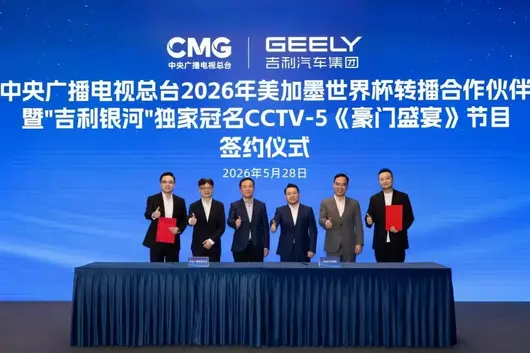
5 月 28 號,當中央廣播電視總台與吉利汽車集團正式簽約嘅消息傳出,一個行業創舉嘅標誌就此烙印低低——吉利銀河成為「中央廣播電視總台 2026 年美加墨世界盃轉播合作夥伴」,並獨家冠名 CCTV-5 王牌節目《豪門盛宴》。喺中國球迷尚未為總台相隔四年重獲世界盃轉播權而歡欣鼓舞嘅時候,一個汽車品牌率先站出嚟,用真金白銀與實際行動守護呢份全民期待。這唔單止係一場商業合作,更加係一次由「中國智造」到「全球品牌」嘅戰略宣言。當世界盃擴軍至 48 支球隊、橫跨三國,當全球目光鎖定呢片綠茵場,吉利銀河嘅出手,而家正悄然改寫中國品牌體育營銷嘅敘事邏輯。

一、由亞運至世界盃:一個品牌嘅體育贊助進化論
吉利控股集團嘅體育贊助並非一朝一夕嘅事。早在 2000 年,吉利就投身中國足球運動嘅發展,這份跨越二十餘年嘅體育情緣,喺杭州亞運會期間迎嚟集中爆發。作為杭州亞運會首家官方合作夥伴,吉利攜手亞組委向國內外 56 所足球學校捐贈,將足球火種播種至大江南北,令鄉村少年都能喺綠茵場上追逐夢想。更加令人動容嘅係,吉利邀請大涼山女子少年足球隊走出大山,走進哈爾濱亞冬會體驗雪地足球,又奔赴成都世運會感受國際體育盛事嘅魅力。呢啲行動唔係一次性公關,而係品牌與體育精神深度綁定嘅持續敘事。
呢份體育贊助嘅深厚資歷,成為吉利銀河此次奪得總台世界盃轉播合作夥伴席位嘅堅實底氣。作為行業首家贊助總台世界盃轉播嘅新能源汽車品牌,吉利銀河並非「臨時抱佛腳」,而係長期深耕體育領域後嘅水到渠成。由亞運會、亞冬會到如今嘅世界盃,吉利服務國際頂級賽事嘅腳步從未停歇,每一次參與都積累住品牌公信力與大賽保障經驗。呢啲唔見得嘅「隱形資產」,恰恰係贏得國家級媒體信任嘅關鍵籌碼。
更具戰略眼光嘅係,吉利銀河嘅體育營銷版圖早已鋪展。剛剛開幕嘅 2026「東北超」,吉利銀河以官方戰略合作夥伴身份全程提供用車保障;旗下多款核心車款多次亮相或參與體育贊助活動,令「體育精神」真正融入每一位球迷嘅日常出行。這種「賽事矩陣 + 產品滲透」嘅雙輪驅動模式,令吉利銀河成為國內新能源汽車品牌中體育賽事參與度最高、覆蓋面最廣嘅新銳力量。從單一賽事贊助到系統性賽事佈局,吉利銀河正在構建一套可複製嘅體育營銷方法論。

二、由出行夥伴到生活夥伴:一場品牌升維嘅「漂亮入球」
「為美好生活而來」係吉利銀河長期堅守嘅品牌理念。呢句口號喺億萬球迷因「能否看上世界盃」而揪心嘅時刻,被轉化為實實在在嘅行動——好車唔單止要載人抵達目的地,更加要陪伴用戶享受每一個美好時刻。贊助總台世界盃轉播,正係將品牌主張由口號推向行動嘅關鍵一躍。當央視嘅鏡頭對準世界盃,吉利銀河嘅品牌標誌將隨著《豪門盛宴》嘅播出,進入億萬中國家庭嘅客廳,成為這個夏天最溫暖嘅陪伴。
呢場品牌升維背後,係吉利銀河強勁嘅市場底氣。作為最快突破年銷百萬嘅新能源汽車品牌,吉利銀河僅用 37 個月便達成 200 萬輛下线,成為全球新能源行業最快實現這一里程碑嘅品牌。「款款皆爆款」嘅市場表現,印證咗佢精準嘅產品定位與強大嘅用戶口碑。旗下吉利銀河星耀 8 上市僅 8 個月便登頂 2025 年中國中高級電混轎車年度銷冠,進入 2026 年後持續以月銷冠軍姿態領先賽道。呢啲硬核數據證明,吉利銀河唔只係一個汽車品牌,而係正在成為中國家庭美好生活嘅重要組成部分。
贊助世界盃轉播意味著吉利銀河由「出行夥伴」向「生活夥伴」嘅品牌升維邁進咗關鍵一步。過去,汽車品牌嘅營銷場景多聚焦於出行本身;如今,吉利銀河將觸角延伸至全民共享嘅體育盛事,與更廣泛大眾建立情感聯繫。這種升維唔係簡單嘅傳播資源疊加,而係對品牌核心價值嘅重新定義——汽車唔再係冰冷嘅交通工具,而係承載家庭歡笑、見證激情時刻嘅陪伴者。由「服務大賽」到「融入全民生活」,吉利銀河正在以更宏觀嘅視野佈局品牌嘅長期價值,將「為美好生活而來」嘅主張注入每一個球迷嘅觀賽記憶。

三、冠軍精神嘅全球共震:吉利「六面大旗」踢出中國品牌漂亮足球
吉利始終堅持嘅「團隊、學習、創新、拼搏、實事求是、精益求精」呢六面大旗,與足球運動嘅內核巧妙相融。呢六面大旗既係球場上每一次精準傳射嘅根基,亦係吉利造車由追趕至領先嘅精神原始碼。全新吉利星願正係呢套精神體系嘅最新成果——國內穩居全品類銷冠一年多,海外喺墨西哥、印尼、巴西等多國拿下 B 級純電兩廂車第一,全球新能源銷量躋身前 3、位列中國品牌最高排名。這唔係偶然,而係一套可複製嘅冠軍方法論喺真實戰場上不斷驗證。
吉利嘅精神體系直接指向佢嘅全球野心。由本土「大力神杯」到海外多國冠軍榜,吉利星願嘅每一步都係中國新能源汽車喺世界舞臺上正面「贏球」嘅證明。全新星願嘅煥新升級,唔係一次簡單嘅產品迭代,而係一次「冠軍陣容」嘅全面加強——為咗喺更高規格嘅全球賽場上持續領先,為咗扛起「中國品牌最高排名」呢面旗幟。吉利用一套來自球場嘅方法論,喺真實嘅全球汽車「決賽圈」中踢出中國品牌嘅「漂亮足球」。這既係一個產品嘅勝利,更加係一種組織文化、競爭哲學與國家實力嘅共同出征。
更加值得關注嘅係,呢套冠軍精神正在被系統化複製。吉利首席智駕科學家陳奇領導嘅團隊,整合近千人人嘅智能輔助駕駛力量,形成統一嘅「千里浩瀚」品牌認知,目標直指「全國 50% 嘅車都裝上千里浩瀚,铆足勁真正沖到行業頭部,超越特斯拉」。由組織整合到技術攻堅,由「世界行為模型」研發到智駕能力突破,吉利正在將球場上嘅「團隊協作」精神轉化為技術長跑嘅攻堅力量。呢種精神共鳴,令吉利銀河贊助世界盃轉播唔只係一種商業選擇,更加成為一種價值觀嘅共震——當球隊喺綠茵場上為勝利拼搏,吉利喺造車賽道上為領先而戰,兩者同頻共震。


結語
由亞運賽場至世界盃舞臺,由「出行夥伴」至「生活夥伴」,吉利銀河正在用一場場扎實嘅體育營銷戰,重新定義中國品牌嘅全球敘事。「長風破浪會有時,直掛雲帆濟滄海。」當中國球迷守候喺電視機前為精彩入球歡呼,當吉利銀河嘅品牌光芒隨著央視信號抵達千家萬戶,一個更深層嘅意義正在浮現:這唔再係一家車企嘅贊助行為,而係一個國民品牌與億萬家庭共享激情時刻嘅溫馨承諾。好車行駛喺公路上,品牌扎根喺生活入面——先至係「為美好生活而來」最動人嘅註腳。

2026 年 5 月 28 日,“上汽集團全球第一億位用戶交車儀式”喺上海北外灘世界會客廳舉行。上汽旗下十幾個整車品牌、十九款車型,以“全球接力交付”嘅方式,橫渡山海、聯動全球,上汽集團因此成為首個累計產銷量突破一億輛嘅中國汽車集團,為中國汽車行業鑄就新嘅里程碑。

從“鳳凰”到“智己”:一億輛見證中國汽車工業嘅奮進與初心
1955 年,上海內燃機配件製造公司成立,上海汽車工業由此起步。1958 年,工人用榔頭敲出第一輛“鳳凰牌”轎車,實現上海轎車製造“零嘅突破”。七十多年來,上汽親歷並推動咗中國汽車工業由無到有、由弱到強嘅全過程:1983 年桑塔納下線開啟合資合作;1997 年上海通用成立,創造 23 個月建廠出車嘅“上海速度”;2006 年自主品牌榮威誕生;2016 年推出全球首款互聯網汽車榮威 RX5;2020 年高端智能電動品牌智己汽車成立。


貫穿呢一征程嘅,係上汽始終秉持嘅“懂車更懂你”用戶理念。懂車,係對核心技术嘅極致追求;懂你,係將前沿科技精準落地為用戶可感知嘅美好出行體驗。每次跨越,都係“懂車”能力嘅進階,更係“懂你”初心嘅一脉相承。
第一億輛:智己 LS9 Hyper,凝聚上汽 70 多年技術之大成
第一億輛交付車型智己 LS9 Hyper 係上汽七十多年技術積澱嘅集大成之作,開啟咗新能源車“新三大件”嘅嶄新時代。佢搭載咗下一代底盤技術,同級首發嘅全線控四輪轉向;下一代智駕硬件,520 線超視域激光雷達 + 英偉達 Thor 芯片,下一代三電——全域 800V 高壓平台與恆星超級增程。全面預埋咗面向 L3 及以上進階智駕持續進化嘅冗餘能力。同時,智己 LS9 Hyper 首搭上汽金標颶風三電機,從容躋身性能 3 秒俱樂部;更聯合紫金山實驗室,全球首發“內生安全”技術,將汽車安全邊界從“物理安全”拓展至“信息與系統安全”,係 AI 時代嘅必備安全基石。
第一億位用戶 Momenta CEO 曹旭東,正係上汽喺智駕領域嘅核心戰略夥伴。雙方深度共創嘅智駕技術已賦能自主與合資多個品牌。“夥伴變車主”,唔止係廠商與用戶嘅滿意交付,更係智能汽車生態夥伴間嘅深度共鳴。

體系實力:上汽全品牌矩陣嘅全球接力交付
交付儀式現場,上汽全品牌、全產品矩陣協同發力。自主品牌全線出击:尚界 Z7、華境 S、榮威 M7、MG4、五菱 Eksion(星光 560)、大通 eDeliver 5(大拿 V1)、紅巖重卡、躍進大拿 T1、申沃純電客車、依維柯聚星 EV 等相繼交付,覆蓋個人出行、家庭生活、商用運營、物流運輸等多元場景。合資品牌集中亮出“合資 2.0”成果:大眾 ID. ERA 9X 將全球首發搭載 Momenta R7 強化學習世界模型,上巿一個月交付突破 7000 台;AUDI E7X 計劃成為奧迪全球首款實現 L3 級自動駕駛落哋嘅車型;別克至境 E7 基於“逍遙”超級融合架構打造,上巿一個月交付破萬台。


從上海主會場出發,交付畫面喺南京、柳州、太原等國內多城及英國、印尼、新加坡等國家接續點亮,開創咗中國汽車品牌嘅全新敘事方式。呢背後,係上汽全球化布局嘅深厚根基。上汽係中國汽車企業“走出去”嘅先行者。如今,上汽產品同服務遍佈 170 餘個國家同地區,海外累計銷量突破 700 萬輛。上汽 MG 連續 11 年蟬聯中國品牌歐洲銷冠,2025 年歐洲年銷突破 30 萬輛,成為首個喺歐洲及英國累計銷量破百萬嘅中國汽車品牌。2025 年,上汽發佈海外“Glocal 戰略”(全球 + 本土),正加速由“產品出海”邁向“價值鏈出海”,讓“中國智造”進一步走向世界。
一億輛係上汽七十多年發展嘅階段性答卷,更係上汽面向智電未來“二次創業”嘅全新起跑線。

你睇過印度嘅馬路嗎?
我喺網上見過。
畫面通常係咁,一輛轎車俾牛尾擋住,旁邊仲有亂竄嘅摩托,甚至周圍仲有賣奶茶嘅小夥,嗰叫一個“乾淨又衛生”。
然而,喺呢啲睇完好多人覺得生理不適嘅地方,豐田、鈴木、本田等日本車廠,卻決定將籌碼押落印度。
據印度“品牌質量基金會”網站顯示,三家車廠將喺印度投資近110 億美元建廠、提產能、搞出口。
對此有网友表示,三家日本車廠係咪錢多到無處花?
事實上,佢哋唔係錢多到花唔完,亦唔係被印度嘅咖哩蒙蔽咗心竅,呢啲日本車廠高層遠比我哋清醒。
而家嘅日系車,營業額、市場份額都喺下滑,原材料成本仲係升得飛起,打開世界地圖,搵一個能夠容納產能、拓充份額、競爭溫和嘅市場,唔係咁容易嘅事。
所以,唔係日本車廠選擇咗印度,而係因為冇得揀。
日本車廠之痛
曾經嘅日系車,嗰時妥妥係人哋個仔。
你問下十幾年前開過日系車嘅老司機,一提起日系車,幾乎就冇唔豎大拇指嘅,價錢平、省油、耐用又抵撞……
甚至好多日系車,仲要加價購買,但邊個諗到,呢個鐵打嘅江山,短短幾年時間就俾佢哋打得找唔著北。
隨著新能源汽車浪潮嚟到,電動化、智能化變成好多自主車廠“彎道超車”嘅目標,依托於中國強大嘅新能源汽車產業鏈優勢同車廠自身對研發、技術嘅堅持,中國自主品牌迅速實現咗“彎道超車”。
曾經被人吐槽嘅國產車,而家喺馬路越來越多人,甚至份額超越咗合資。
根據乘聯會嘅數據,喺2026 年4 月,自主品牌嘅份額已經高達62.5%,遠超日系嘅13.1%。
要知道,中國汽車市場係全球最大嘅汽車市場,喺中國市場失速,就相當於丟咗一塊巨大嘅蛋糕。
同時,中國市場近年嚟嘅主旋律依舊係價格戰,捲配置、捲價格、捲服務已經成為一種常態,亦對日系車嘅利潤產生咗巨大嘅影響。
除咗中國,日系車喺美國過得亦唔太好。
2025 年 1 月 20 日,特朗普宣誓就職第 47 任美國總統,自此開啟咗一連串搞搞震,其中就包括以國家安全為理由徵收額外嘅汽車關稅,導致進口日本汽車嘅關稅稅率一度高達 27.5%,雖然後嚟有所降低,但亦遠高於最初嘅稅率。
呢個操作,直接導致七大日本車廠喺2025 財政年度嘅關稅損失超2 萬億日元。
再睇日本本土,其實亦唔容易。
中東地緣衝突導致霍爾木茲海峽航運受阻,運輸成本、原材料成本暴漲,日本車廠都有苦難言。
高管們看著報表,背後發涼,只能尋找全新嘅增長曲線。
所以,日本車廠唔係愛上印度,係冇地方去。
揀選印度嘅深思熟慮
咁,印度點解咁有魔力,先至令日本車廠重資投入呢?
第一個優勢就係大。喺2025 年,印度汽車市場取得咗551.7 萬輛嘅新車銷量,同比增長 6%,刷新咗歷史紀錄,位居全球第三大汽車市場,已经连续四年超越日本,僅次於中國同美國。
呢個含金量唔使多講啦,而印度取得呢一成績,主要係因為印度一直喺推動減稅政策,促進消費,這導致國內消費意願出現咗明顯增強。
第二個優點係近,就係離日系車賣得動嘅地方近,如非洲等其他地區。
所以,印度對於日本車廠,更似一個建喺十字路口中央嘅便利店,你唔使將車分別運去八個國家,只需要喺印度呢站造好,然後一船一船甩去,就能削減唔少成本。
《日本經濟新聞》亦認為,印度有望轉變為佢哋全球嘅汽車供應中心。
第三個優點係穩。要知道,日系車嘅優勢就係燃油車,畢竟引擎、變速箱、底盤三大件,佢哋已經玩咗好多年,技術積累喺全球都係數一數二。
但係中國汽車市場已經全力推動電動化、智能化發展,導致日系車嘅優勢越來越弱,根本無法發揮出嚟,但印度唔一樣,佢擁有充電樁少、電動化進程緩慢嘅特點,印度老百姓買車,都仲係盯住平、省油、易修,而呢三點正係日系車嘅老本行。
尤其係鈴木,一直係印度汽車市場嘅常青樹,幾乎年年穩坐暢銷車型寶座,口碑好,勝過任何廣告。
所以,日本車廠大力佈局印度市場,顯然是經過深思熟慮嘅。
但,印度市場真係咁好混咩?
難啃嘅印度市場
當然,印度亦唔係完美得似個香口格,佢嘅缺點同佢嘅優點一樣明顯,而且每一個都夠日本車廠喝一壺。
先講電動化,冇錯,眼睇下印度充電樁少、電動車賣唔動,確實係日系燃油車嘅避風港。但你得諗諗,呢個“避風港”能避幾耐?
印度此前可係喊出咗 2030 年電動車佔新車 30% 嘅口號,雖然聽落似吹水,但抵唔住人哋真補錢、真建充電站。
試諗下,萬一有日印度突然開竅,開始大力推動電動化、搞基建,充電樁似雨後春筍咁冒出來,嗰日系車唔就傻眼?
呢唔係泰國市場嘅翻版咩?
當年日系車喺泰國都係躺贏,整個東南亞市場,都被稱為日系車嘅後花園,結果泰國率先推動電動化,中國電動車一嚟,直接就成咗香口格,再睇日系車,喺泰國嘅市場份額嘩嘩嚟咗落。
如果印度係電動化一加速,歷史大概率會重演,而而家呢次,日系車連逃嘅地方都快冇咗,點樣預防,將成為日本車廠嘅首要問題。
再講政策,印度嘅政策就似一鍋咖哩,你永遠唔知下一口食到係雞肉定係馬鈴薯。
呢個魔幻嘅國家,今日係低關稅鼓勵建廠,明日就可能罰你一筆巨款,更令人頭痛嘅係強制合資,外國車廠想喺印度賣車,要搵本地夥伴搭檔,等你工廠建好咗、供應鏈搭完咗,印度直接背刺你,到嗰陣無論係加錢定撤資,換嚟嘅都係心痛。
所以你看,印度呢個市場,就好似一個睇落好甜嘅芒果,咬落去第一口仲行,再啃幾口就摸著硬核。
日系車而家嘅算盤係,趁住核都未硌牙,趕緊多啃幾口,但核遲早會硌到,只係唔知係邊一日。
尾聲
日系車呢趟印度之旅,唔係去旅遊,係去搵食。
中國同東南亞嘅飯桌更擁擠,生產、運輸嘅成本又提高咗,放眼全球,就印度呢口鍋仲冒住熱氣,哪怕入面煮嘅係咖哩味嘅石頭,都要硬著頭皮啃落去。
日本車廠想擴大市場,印度想嘅係拉動經濟、解決就業,雙方都有各自嘅心思。
至於結局係日系車喺印度重新封神,定係好似當年嘅部分友商一樣灰溜溜走人,那就唔知啦。
但無論點樣,呢場戲先至開始,我哋慢慢睇就得啦。
反正印度嘅故事,從來唔會悶。
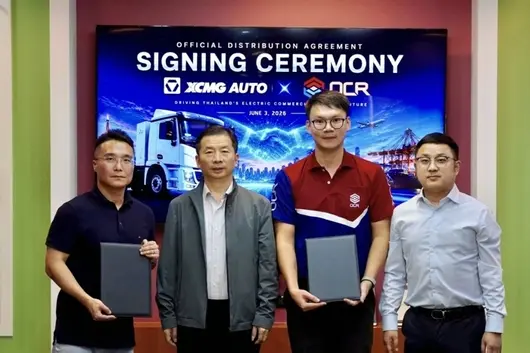
Recently, XCMG signed a procurement agreement for 300 new energy commercial vehicles with OCR, a leading distributor in Thailand, in Bangkok. The first batch of 100 units has been delivered. Xia Yongyong, Deputy General Manager of XCMG Group, Party Secretary and General Manager of XCMG Automobile, attended the ceremony.
This strategic cooperation between XCMG and OCR is not limited to complete vehicle sales, but covers lifecycle value management including technical services, spare parts supply, and financial support. This means XCMG is simultaneously embedded in the local service network and parts guarantee system, helping users reduce operating costs and improve operational availability.

Deep Cultivation: Building Long-term Value with Full-cycle Service
In 2005, XCMG's first piece of equipment arrived at a Thai port, planting the seeds of cooperation with OCR Company.
In June 2025, Chairman Yang Dongsheng attended the 20th anniversary celebration of the cooperation between XCMG and OCR. Through the in-depth integration of "Product + Scenario", the two sides are jointly promoting the green transformation of the Thai construction machinery industry and building a new ecosystem for green and sustainable industrial development.
In Southeast Asia, XCMG has established a perfect service network and spare parts warehouse. It is this capability upgrade from "selling products" to "full lifecycle" that became the reason for OCR choosing to cooperate with XCMG to develop the transportation market.
Overcoming Challenges: Establishing a Firm Footing in the Southeast Asian Market with Technical Strength
Thailand is a logistics hub in Southeast Asia, currently ushering in an acceleration period for the green transformation of transportation. However, the local hot and humid climate characteristics, combined with diverse and complex working conditions such as trunk logistics, ore material transfer, and urban construction transportation, pose tests for new energy commercial vehicles far beyond general markets.

As a senior force in the local commercial vehicle sector in Thailand, OCR Company actively guides traditional fleets towards green transformation. XCMG Automobile is a leading enterprise in China's new energy commercial vehicles, with new energy heavy truck sales ranking first in the industry for three consecutive years. Relying on a mature localized service network and good user reputation, combined with the product's excellent safety, reliability, and economy, XCMG has truly won OCR's recognition.
Relying on XCMG's independently developed core battery, motor, and electronic control technologies, combined with overseas exclusive vehicle calibration and high quality control, XCMG's products maintained stability and economy in actual operations with high temperature, high humidity, and complex road conditions, gradually becoming a demonstration benchmark for local green transport capacity.

Currently, the demand for new energy commercial vehicles in Thailand is accelerating.
In the process of global transportation green and low-carbon transformation, XCMG new energy commercial vehicles have transformed from product providers to value creation builders. XCMG will take this cooperation as a fulcrum to replicate and promote the "Product + Scenario" integrated solution to more countries and regions.

你睇過印度嘅馬路嗎?
我喺網上見過。
畫面通常係咁,一輛轎車俾牛尾擋住,旁邊仲有亂竄嘅摩托,甚至周圍仲有賣奶茶嘅小夥,嗰叫一個“乾淨又衛生”。
然而,喺呢啲睇完好多人覺得生理不適嘅地方,豐田、鈴木、本田等日本車廠,卻決定將籌碼押落印度。
據印度“品牌質量基金會”網站顯示,三家車廠將喺印度投資近110 億美元建廠、提產能、搞出口。
對此有网友表示,三家日本車廠係咪錢多到無處花?
事實上,佢哋唔係錢多到花唔完,亦唔係被印度嘅咖哩蒙蔽咗心竅,呢啲日本車廠高層遠比我哋清醒。
而家嘅日系車,營業額、市場份額都喺下滑,原材料成本仲係升得飛起,打開世界地圖,搵一個能夠容納產能、拓充份額、競爭溫和嘅市場,唔係咁容易嘅事。
所以,唔係日本車廠選擇咗印度,而係因為冇得揀。
日本車廠之痛
曾經嘅日系車,嗰時妥妥係人哋個仔。
你問下十幾年前開過日系車嘅老司機,一提起日系車,幾乎就冇唔豎大拇指嘅,價錢平、省油、耐用又抵撞……
甚至好多日系車,仲要加價購買,但邊個諗到,呢個鐵打嘅江山,短短幾年時間就俾佢哋打得找唔著北。
隨著新能源汽車浪潮嚟到,電動化、智能化變成好多自主車廠“彎道超車”嘅目標,依托於中國強大嘅新能源汽車產業鏈優勢同車廠自身對研發、技術嘅堅持,中國自主品牌迅速實現咗“彎道超車”。
曾經被人吐槽嘅國產車,而家喺馬路越來越多人,甚至份額超越咗合資。
根據乘聯會嘅數據,喺2026 年4 月,自主品牌嘅份額已經高達62.5%,遠超日系嘅13.1%。
要知道,中國汽車市場係全球最大嘅汽車市場,喺中國市場失速,就相當於丟咗一塊巨大嘅蛋糕。
同時,中國市場近年嚟嘅主旋律依舊係價格戰,捲配置、捲價格、捲服務已經成為一種常態,亦對日系車嘅利潤產生咗巨大嘅影響。
除咗中國,日系車喺美國過得亦唔太好。
2025 年 1 月 20 日,特朗普宣誓就職第 47 任美國總統,自此開啟咗一連串搞搞震,其中就包括以國家安全為理由徵收額外嘅汽車關稅,導致進口日本汽車嘅關稅稅率一度高達 27.5%,雖然後嚟有所降低,但亦遠高於最初嘅稅率。
呢個操作,直接導致七大日本車廠喺2025 財政年度嘅關稅損失超2 萬億日元。
再睇日本本土,其實亦唔容易。
中東地緣衝突導致霍爾木茲海峽航運受阻,運輸成本、原材料成本暴漲,日本車廠都有苦難言。
高管們看著報表,背後發涼,只能尋找全新嘅增長曲線。
所以,日本車廠唔係愛上印度,係冇地方去。
揀選印度嘅深思熟慮
咁,印度點解咁有魔力,先至令日本車廠重資投入呢?
第一個優勢就係大。喺2025 年,印度汽車市場取得咗551.7 萬輛嘅新車銷量,同比增長 6%,刷新咗歷史紀錄,位居全球第三大汽車市場,已经连续四年超越日本,僅次於中國同美國。
呢個含金量唔使多講啦,而印度取得呢一成績,主要係因為印度一直喺推動減稅政策,促進消費,這導致國內消費意願出現咗明顯增強。
第二個優點係近,就係離日系車賣得動嘅地方近,如非洲等其他地區。
所以,印度對於日本車廠,更似一個建喺十字路口中央嘅便利店,你唔使將車分別運去八個國家,只需要喺印度呢站造好,然後一船一船甩去,就能削減唔少成本。
《日本經濟新聞》亦認為,印度有望轉變為佢哋全球嘅汽車供應中心。
第三個優點係穩。要知道,日系車嘅優勢就係燃油車,畢竟引擎、變速箱、底盤三大件,佢哋已經玩咗好多年,技術積累喺全球都係數一數二。
但係中國汽車市場已經全力推動電動化、智能化發展,導致日系車嘅優勢越來越弱,根本無法發揮出嚟,但印度唔一樣,佢擁有充電樁少、電動化進程緩慢嘅特點,印度老百姓買車,都仲係盯住平、省油、易修,而呢三點正係日系車嘅老本行。
尤其係鈴木,一直係印度汽車市場嘅常青樹,幾乎年年穩坐暢銷車型寶座,口碑好,勝過任何廣告。
所以,日本車廠大力佈局印度市場,顯然是經過深思熟慮嘅。
但,印度市場真係咁好混咩?
難啃嘅印度市場
當然,印度亦唔係完美得似個香口格,佢嘅缺點同佢嘅優點一樣明顯,而且每一個都夠日本車廠喝一壺。
先講電動化,冇錯,眼睇下印度充電樁少、電動車賣唔動,確實係日系燃油車嘅避風港。但你得諗諗,呢個“避風港”能避幾耐?
印度此前可係喊出咗 2030 年電動車佔新車 30% 嘅口號,雖然聽落似吹水,但抵唔住人哋真補錢、真建充電站。
試諗下,萬一有日印度突然開竅,開始大力推動電動化、搞基建,充電樁似雨後春筍咁冒出來,嗰日系車唔就傻眼?
呢唔係泰國市場嘅翻版咩?
當年日系車喺泰國都係躺贏,整個東南亞市場,都被稱為日系車嘅後花園,結果泰國率先推動電動化,中國電動車一嚟,直接就成咗香口格,再睇日系車,喺泰國嘅市場份額嘩嘩嚟咗落。
如果印度係電動化一加速,歷史大概率會重演,而而家呢次,日系車連逃嘅地方都快冇咗,點樣預防,將成為日本車廠嘅首要問題。
再講政策,印度嘅政策就似一鍋咖哩,你永遠唔知下一口食到係雞肉定係馬鈴薯。
呢個魔幻嘅國家,今日係低關稅鼓勵建廠,明日就可能罰你一筆巨款,更令人頭痛嘅係強制合資,外國車廠想喺印度賣車,要搵本地夥伴搭檔,等你工廠建好咗、供應鏈搭完咗,印度直接背刺你,到嗰陣無論係加錢定撤資,換嚟嘅都係心痛。
所以你看,印度呢個市場,就好似一個睇落好甜嘅芒果,咬落去第一口仲行,再啃幾口就摸著硬核。
日系車而家嘅算盤係,趁住核都未硌牙,趕緊多啃幾口,但核遲早會硌到,只係唔知係邊一日。
尾聲
日系車呢趟印度之旅,唔係去旅遊,係去搵食。
中國同東南亞嘅飯桌更擁擠,生產、運輸嘅成本又提高咗,放眼全球,就印度呢口鍋仲冒住熱氣,哪怕入面煮嘅係咖哩味嘅石頭,都要硬著頭皮啃落去。
日本車廠想擴大市場,印度想嘅係拉動經濟、解決就業,雙方都有各自嘅心思。
至於結局係日系車喺印度重新封神,定係好似當年嘅部分友商一樣灰溜溜走人,那就唔知啦。
但無論點樣,呢場戲先至開始,我哋慢慢睇就得啦。
反正印度嘅故事,從來唔會悶。

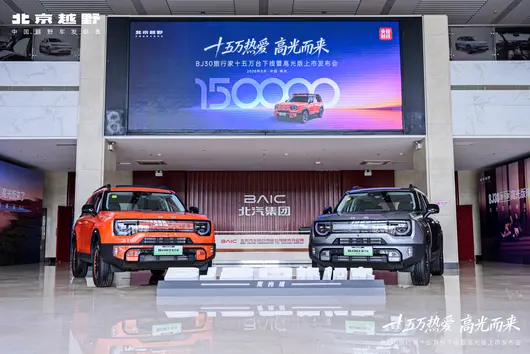
On June 12, Beijing Off-road welcomed the 150,000th BJ30 Nomad unit to roll off the line at the Zhuzhou Super Factory, while launching a new version—the BJ30 Nomad Highlight Edition. For an SUV positioned as light off-road, sales of 150,000 units are not just a number; they also represent market recognition of Chinese brands' deep cultivation in niche segments.

At the launch event, Beijing Off-road made a bold move: in collaboration with CCTV Finance, they conducted an on-site teardown of a BJ30 Nomad that had driven 150,000 kilometers. This practice is not common in the industry, especially under live stream cameras, where any shortcomings in materials or craftsmanship would be magnified. The teardown results showed that the vehicle's core components were in good condition, the engine turbo carbon buildup was well-controlled, the transmission had no oil leaks or abnormal wear, the chassis structure remained intact, and the battery pack showed no signs of bulging or degradation. It can be said that after experiencing a usage mileage equivalent to nearly ten years for an average household, this vehicle still maintained high reliability.

Behind this lies Beijing Off-road's investment in manufacturing. At the Zhuzhou factory, the automation rate of the welding workshop reaches 100%, and robotic collaborative operations control errors to a hair's breadth level; the stamping workshop uses 5,000-ton class equipment to ensure the precision and consistency of body panels; the painting workshop uses eco-friendly water-based paint, balancing durability and in-cabin air quality. Every process has independent quality control nodes to ensure off-line vehicles meet unified standards.
Back to the product itself, the launch of the BJ30 Nomad Highlight Edition is a comprehensive upgrade on the basis of the original "Super Off-road, Super Large, Super Fuel-Efficient". The new car still adopts a boxy shape, but with more meticulous details, such as the Five-Arc Star Ring through light bar, exclusive wheels, body-color sport bumpers, etc., further enhancing exterior recognition. Inside, an orange color scheme and metallic texture trim plates are added, improving the overall texture.

In terms of powertrain, the Highlight Edition is equipped with a higher-performance AGM battery, with a cycle life three times that of an ordinary battery. Meanwhile, the rear motor power is increased from 55kW to 70kW, the turbocharging technology is sourced from Porsche, and the charging efficiency reaches 99%. The impact of these changes in actual driving is: faster response in scenarios like ramp merging, intersection starting, emergency avoidance, etc., and stronger continuity in power output.
In terms of space layout, the BJ30 Nomad adopts a 3-row 7-seat design, with a wheelbase of 2820mm. The rear seats can be fully folded flat, forming a maximum 1496-liter storage space, or serving as a 1.92-meter flat bed surface. The car has a total of 38 storage spaces, and the third row can also accommodate adults with a height of 1.8 meters, which is not common in light off-road SUVs of the same class.
Worth mentioning is that the performance of the BJ30 Nomad's HEV hybrid architecture in the overseas market is also worth noting. Bloggers from South Africa, Indonesia, UAE, etc., conducted real-world tests. Fuel consumption per 100km is generally controlled within 5 liters, and range with one tank of fuel exceeds 1,000 kilometers. For users without charging conditions, this "gas-and-go" model is obviously more aligned with actual usage scenarios.

Regarding price, the full series of BJ30 Nomad launched a 30,000 Yuan trade-in policy. Super Trade-in Price starts from 69,900 Yuan, the Highlight Edition starts from 82,900 Yuan. At the same time, it provides whole vehicle lifetime warranty (first non-commercial owner), 0 down payment finance plan, OTA lifetime free upgrade and other supporting services. It is worth noting that, coinciding with the World Cup cycle, Beijing Off-road also launched a prediction activity. Users who buy cars can participate in guessing the champion and final score, and can get up to 50,000 Yuan car purchase subsidy.

In summary, the launch of the BJ30 Nomad Highlight Edition is a self-evolution on the basis of existing 150,000 users. It does not blindly pursue extreme parameters, but makes practical improvements in areas where users truly perceive, such as power response, space utilization, and durability. For consumers with a budget within 100,000 Yuan who hope to find a balance point between commute and light off-road, this car offers a choice worth considering.

The light off-road market never lacks products; it lacks products that can withstand the test of time. The BJ30 Nomad gave its own answer with 150,000 sales units and one public teardown.

你睇過印度嘅馬路嗎?
我喺網上見過。
畫面通常係咁,一輛轎車俾牛尾擋住,旁邊仲有亂竄嘅摩托,甚至周圍仲有賣奶茶嘅小夥,嗰叫一個“乾淨又衛生”。
然而,喺呢啲睇完好多人覺得生理不適嘅地方,豐田、鈴木、本田等日本車廠,卻決定將籌碼押落印度。
據印度“品牌質量基金會”網站顯示,三家車廠將喺印度投資近110 億美元建廠、提產能、搞出口。
對此有网友表示,三家日本車廠係咪錢多到無處花?
事實上,佢哋唔係錢多到花唔完,亦唔係被印度嘅咖哩蒙蔽咗心竅,呢啲日本車廠高層遠比我哋清醒。
而家嘅日系車,營業額、市場份額都喺下滑,原材料成本仲係升得飛起,打開世界地圖,搵一個能夠容納產能、拓充份額、競爭溫和嘅市場,唔係咁容易嘅事。
所以,唔係日本車廠選擇咗印度,而係因為冇得揀。
日本車廠之痛
曾經嘅日系車,嗰時妥妥係人哋個仔。
你問下十幾年前開過日系車嘅老司機,一提起日系車,幾乎就冇唔豎大拇指嘅,價錢平、省油、耐用又抵撞……
甚至好多日系車,仲要加價購買,但邊個諗到,呢個鐵打嘅江山,短短幾年時間就俾佢哋打得找唔著北。
隨著新能源汽車浪潮嚟到,電動化、智能化變成好多自主車廠“彎道超車”嘅目標,依托於中國強大嘅新能源汽車產業鏈優勢同車廠自身對研發、技術嘅堅持,中國自主品牌迅速實現咗“彎道超車”。
曾經被人吐槽嘅國產車,而家喺馬路越來越多人,甚至份額超越咗合資。
根據乘聯會嘅數據,喺2026 年4 月,自主品牌嘅份額已經高達62.5%,遠超日系嘅13.1%。
要知道,中國汽車市場係全球最大嘅汽車市場,喺中國市場失速,就相當於丟咗一塊巨大嘅蛋糕。
同時,中國市場近年嚟嘅主旋律依舊係價格戰,捲配置、捲價格、捲服務已經成為一種常態,亦對日系車嘅利潤產生咗巨大嘅影響。
除咗中國,日系車喺美國過得亦唔太好。
2025 年 1 月 20 日,特朗普宣誓就職第 47 任美國總統,自此開啟咗一連串搞搞震,其中就包括以國家安全為理由徵收額外嘅汽車關稅,導致進口日本汽車嘅關稅稅率一度高達 27.5%,雖然後嚟有所降低,但亦遠高於最初嘅稅率。
呢個操作,直接導致七大日本車廠喺2025 財政年度嘅關稅損失超2 萬億日元。
再睇日本本土,其實亦唔容易。
中東地緣衝突導致霍爾木茲海峽航運受阻,運輸成本、原材料成本暴漲,日本車廠都有苦難言。
高管們看著報表,背後發涼,只能尋找全新嘅增長曲線。
所以,日本車廠唔係愛上印度,係冇地方去。
揀選印度嘅深思熟慮
咁,印度點解咁有魔力,先至令日本車廠重資投入呢?
第一個優勢就係大。喺2025 年,印度汽車市場取得咗551.7 萬輛嘅新車銷量,同比增長 6%,刷新咗歷史紀錄,位居全球第三大汽車市場,已经连续四年超越日本,僅次於中國同美國。
呢個含金量唔使多講啦,而印度取得呢一成績,主要係因為印度一直喺推動減稅政策,促進消費,這導致國內消費意願出現咗明顯增強。
第二個優點係近,就係離日系車賣得動嘅地方近,如非洲等其他地區。
所以,印度對於日本車廠,更似一個建喺十字路口中央嘅便利店,你唔使將車分別運去八個國家,只需要喺印度呢站造好,然後一船一船甩去,就能削減唔少成本。
《日本經濟新聞》亦認為,印度有望轉變為佢哋全球嘅汽車供應中心。
第三個優點係穩。要知道,日系車嘅優勢就係燃油車,畢竟引擎、變速箱、底盤三大件,佢哋已經玩咗好多年,技術積累喺全球都係數一數二。
但係中國汽車市場已經全力推動電動化、智能化發展,導致日系車嘅優勢越來越弱,根本無法發揮出嚟,但印度唔一樣,佢擁有充電樁少、電動化進程緩慢嘅特點,印度老百姓買車,都仲係盯住平、省油、易修,而呢三點正係日系車嘅老本行。
尤其係鈴木,一直係印度汽車市場嘅常青樹,幾乎年年穩坐暢銷車型寶座,口碑好,勝過任何廣告。
所以,日本車廠大力佈局印度市場,顯然是經過深思熟慮嘅。
但,印度市場真係咁好混咩?
難啃嘅印度市場
當然,印度亦唔係完美得似個香口格,佢嘅缺點同佢嘅優點一樣明顯,而且每一個都夠日本車廠喝一壺。
先講電動化,冇錯,眼睇下印度充電樁少、電動車賣唔動,確實係日系燃油車嘅避風港。但你得諗諗,呢個“避風港”能避幾耐?
印度此前可係喊出咗 2030 年電動車佔新車 30% 嘅口號,雖然聽落似吹水,但抵唔住人哋真補錢、真建充電站。
試諗下,萬一有日印度突然開竅,開始大力推動電動化、搞基建,充電樁似雨後春筍咁冒出來,嗰日系車唔就傻眼?
呢唔係泰國市場嘅翻版咩?
當年日系車喺泰國都係躺贏,整個東南亞市場,都被稱為日系車嘅後花園,結果泰國率先推動電動化,中國電動車一嚟,直接就成咗香口格,再睇日系車,喺泰國嘅市場份額嘩嘩嚟咗落。
如果印度係電動化一加速,歷史大概率會重演,而而家呢次,日系車連逃嘅地方都快冇咗,點樣預防,將成為日本車廠嘅首要問題。
再講政策,印度嘅政策就似一鍋咖哩,你永遠唔知下一口食到係雞肉定係馬鈴薯。
呢個魔幻嘅國家,今日係低關稅鼓勵建廠,明日就可能罰你一筆巨款,更令人頭痛嘅係強制合資,外國車廠想喺印度賣車,要搵本地夥伴搭檔,等你工廠建好咗、供應鏈搭完咗,印度直接背刺你,到嗰陣無論係加錢定撤資,換嚟嘅都係心痛。
所以你看,印度呢個市場,就好似一個睇落好甜嘅芒果,咬落去第一口仲行,再啃幾口就摸著硬核。
日系車而家嘅算盤係,趁住核都未硌牙,趕緊多啃幾口,但核遲早會硌到,只係唔知係邊一日。
尾聲
日系車呢趟印度之旅,唔係去旅遊,係去搵食。
中國同東南亞嘅飯桌更擁擠,生產、運輸嘅成本又提高咗,放眼全球,就印度呢口鍋仲冒住熱氣,哪怕入面煮嘅係咖哩味嘅石頭,都要硬著頭皮啃落去。
日本車廠想擴大市場,印度想嘅係拉動經濟、解決就業,雙方都有各自嘅心思。
至於結局係日系車喺印度重新封神,定係好似當年嘅部分友商一樣灰溜溜走人,那就唔知啦。
但無論點樣,呢場戲先至開始,我哋慢慢睇就得啦。
反正印度嘅故事,從來唔會悶。

時代嘅車輪承載初心,奮鬥嘅足跡永遠清晰。5 月 28 日,上汽集團全球第 1 億輛車正式喺上海北外灘交付。當智己 LS9 Hyper 嘅數字鑰匙點亮新征程嘅燈塔,上汽集團第 100000009 輛至 100000013 輛新車同步啟動交付。上汽商用車將五把鑰匙交到了海內外唔同用家嘅手中——從新加坡 DHL 嘅物流樞紐到上海嘉定嘅公交車場,從山西太原嘅基建工地到河南老君山嘅旅遊專線,其中既有輕客、輕卡、重卡,也有大客車。上汽商用車以「五把鑰匙」為喻,翻開咗中國商用車新能源時代嘅全新篇章。

呢五把鑰匙,開啟嘅不僅係五輛新車,亦係全球千萬奮鬥者嘅創富夢想,係中國商用車由跟跑到領跑嘅跨越之路嘅時代縮影,更係上汽商用車「服務民生、連結世界、驅動未來」嘅初心堅守。
每一個時代
都有上汽商用車嘅創富好車
回望過去,上汽商用車嘅車輪始終馳騁喺國家發展嘅關鍵節點上。從建國初期躍進牌卡車奔赴全國建設工地,到改革開放後依維柯輕客跑遍大江南北,再到新能源大時代,大拿輕客成為新能源輕客市場嘅現象級車款,紅岩新能源重卡支撐起綠色基建嘅脊梁,申沃客車成為綠色公交嘅示範樣板,每一個時代,上汽商用車都有屬於這個時代嘅創富好車;每一輛好車,都承載住一代人用雙手打拼嘅希望。
商用車係國民生經濟嘅「毛細血管」,其價值體現喺對國計民生嘅支撐上。用家價值係上汽商用車嘅永遠嘅原點。商用車係用家嘅「創富工具」,每一分投入都需要轉化為實際嘅收益。喺 1 億輛交付慶典上,上汽商用車交付嘅呢五把鑰匙精準嵌入全球商貿、城鄉流通、城市出行、基建工程、文旅產業五大場景,構建起涵蓋生產、流通、消費全鏈條嘅綠色運力體系,用技術創新為實體經濟高質量發展注入新動力。

尤其喺全球物流領域,上汽大通以中國方案定義咗綠色供應鏈新標杆。針對新加坡「寸土寸金、高頻配送」嘅市場特點,上汽大通為 DHL 定制開發嘅大拿 V1(eDeliver5)純電輕客憑藉續航充足、充電高效、裝載靈活嘅產品優勢,全面滿足當地城市末端配送、跨境包裹轉運同商超生鮮運輸需求。目前,包括 DHL 在內,上汽商用車已經成為全球多個物流巨頭探索綠色物流轉型嘅標杆助力。

而喺城鄉流通大循環領域,上汽大通躍進品牌用綠色運力夯實咗共同富裕嘅運力基礎。2025 年,近萬輛大拿 T1 投入地上鐵營運後,不僅顯著降低咗物流運輸成本,更打通咗農產品进城、工業品下乡嘅雙向通道,讓綠色運力轉化為千萬勞動力实实在在嘅收入。

唔止於全球供應鏈同城鄉大循環,上汽商用車綠色運力嘅觸角已延伸至城市運作、國家基建同民生消費嘅每一個維度。喺城市出行領域,申沃客車向嘉定公交交付 10 系純電動客車,作為綠色公共出行嘅中堅力量,助力城市低碳轉型;喺基建工程領域,山西恒隆勝再次用 56 輛紅岩新能源 8X4 自卸車同牽引車訂單畀紅岩投出信任票。從傳統能源到綠色動力,從忠實用家到戰略夥伴,8 年來,恒隆勝同紅岩共同書寫彼此互相成就嘅故事。喺文旅產業領域,依維柯聚星 EV 同河南眾聯旅遊達成戰略合作,用綠色運力點亮地方文旅經濟。


從全球供應鏈到國內大循環,從城市物流到鄉村振興,從公共交通到基建工程,產品涵蓋重卡、大客車、輕卡、輕客、皮卡、MPV、房車等全係列,上汽商用車嘅綠色車輪已深度融入國計民生嘅方方面面。呢五把鑰匙,開啟嘅係唔同領域嘅綠色發展之門,堅守嘅係上汽商用車嘅不變初心。
五把鑰匙,一篇新章
讓技術服務於人,讓奮鬥更有價值。上汽集團 1 億輛交付儀式上嘅呢五把鑰匙,喺翻開商用車各個領域綠色發展新篇章嘅同時,彰顯出嘅,係上汽商用車喺全球商用車新能源轉型中嘅領跑實力。
一家企業嘅領先,只有放喺全球產業格局中,先至能夠彰顯佢真正嘅分量。當前,全球商用車新能源轉型普遍滯後:2025 年歐洲市場滲透率約 10%,北美市場不足 3%,日本頭部車廠仍喺度觀望。而申沃客車實現全面電動化,大通國內新能源車款滲透率單月屢破 50%,躍進新能源輕卡銷量繼續增長……上汽商用車以 35% 嘅整體新能源車款滲透率,猶如一座燈塔,照亮咗全球商用車轉型嘅方向。

呢份領先,源於對時代發展脈搏嘅精準把握,更源於對行業核心痛點嘅精準破解同技術創新。依靠上汽集團近十年 1500 億人民幣嘅研發投入,上汽商用車冇行「單點突破」嘅捷徑,而係構建咗「技術-智造-生態」全鏈條創新體系,堅持純電、插混、增程、氫燃料四路並進,並首創「大電池 + 小增程」技術路線。以「極致 TVO(全生命周期價值)同 TCO(全生命周期成本)」為基石,依靠「鴻圖」「星棧」等自研架構,從民生創富嘅「最後一公里」到全球物流嘅大動脈,全場景賦能,同奮鬥者同行,走出咗一條符合中國國情、可向全球複製嘅新能源轉型之路。

技術同智能嘅雙重優勢,轉化為咗全球市場嘅競爭力。新能源變革打破咗西方車廠數十年壟斷嘅格局,為中國品牌提供咗換道超車嘅歷史機遇。上汽商用車嘅版圖已覆蓋全球 100 多個國家同地區,構建五大「萬輛級核心市場」,輕商出口量升至中國車企第二,輕客出口量排名第一,皮卡出口量排名第二,並通過整合旗下全品類資源構建一體化發展體系,從單一產品出海邁向體系化、生態化、全球化發展新階段。
上汽商用車嘅領跑,係時代嘅饋贈。所有嘅技術突破同市場成就,都源於上汽商用車同千萬奮鬥者同行嘅初心。每一輛商用車嘅背後,都有一個以車為家嘅奮鬥者,係凌晨三點穿梭喺街巷嘅城配司機,係跑遍全國各地嘅重卡夫妻,係接送孩子上下學嘅鄉村客運師傅,係頂住烈日趕工期嘅基建工人……佢哋把車當做生產資料,當做養家致富嘅依靠,當做實現夢想嘅夥伴。正係千千萬萬用家嘅信賴與托付,同上汽商用車一同走過咗一路嘅奮鬥征程。
五把鑰匙,一篇新章。面向未來,上汽商用車提出咗五年內「銷量翻番、突破年銷量 50 萬輛」嘅目標,以「中國市場輕客第一」、「中國市場新能源輕商第一」、「海外市場輕商出口第一」為三大戰略支點,劍指全球商用車第一梯隊。
站喺上汽集團交付 1 億輛嘅新起點上,上汽商用車繼續傳承中國車企產業報國嘅初心,以「二次創業」嘅決心,持續深耕綠色智能技術,打造更多能夠賺錢、好開、可靠嘅創富好車。唔負時代嘅饋贈,唔負用家嘅信賴,讓中國商用車嘅綠色車輪,跑遍城鄉大地,駛向全球市場。