首頁tea

搜尋歷史
熱門搜尋
經銷商登入 / 註冊

The 2026 Shanghai APES International Auto Parts Exhibition concluded. In a keynote speech, Secretary General Xu Haodong of the China Association of Automobile Manufacturers revealed the clearest development logic in the auto parts industry at present: China's automotive industry has completed the pure product export stage and officially entered the ecological globalization era.

As a core component in essential automotive needs, tires are firmly riding two major trends: the explosive growth of complete vehicle exports and the new energy boom, with a completely new model of integrated OEM-parts R&D, overseas local manufacturing, and technology customization upgrades, thoroughly reshaping the global tire market landscape.
Explosive Growth in Complete Vehicle Exports
Opening Global Incremental Channels for Tires
China's automotive industry has ranked first in global production and sales for 17 consecutive years. A massive domestic market has solidified the cost base for parts R&D and manufacturing. Large-scale export of complete vehicles directly supplies a continuous stream of matching orders for tires:
In 2025, domestic automotive production and sales exceeded 34 million units. Full-year complete vehicle exports reached 7.098 million (more than 28 million tires supplied), a year-on-year surge of 21.1%, and a surge of over 6 times compared to 2020; among them, new energy vehicle exports reached 2.615 million units, achieving doubled growth.

Unlike the scattered tire foreign trade exports of the early years, OEMs like BYD, Geely, and Chery are no longer fighting alone when going global; instead, they are launching collectively with the local parts industry chain. Currently, over 23 overseas CKD complete vehicle factories have been established domestically. More than 80% of the top 100 parts companies have established production bases in over 50 countries globally. As car companies establish factories locally, tire matching supply nearby has become the industry standard.
Wherever complete vehicles go, the market for domestic tires extends; after millions of new exported cars hit the road, the accompanying demand for replacement tires opens up a long-term and stable overseas aftermarket space.
Overtaking on the New Energy Curve
Domestic Brands Gain Power in Premium Original Equipment
New energy vehicles have greater weight, stronger torque, and stricter requirements for low rolling resistance, energy saving, quietness, comfort, abrasion resistance, and stable low-temperature range. This technical threshold for tires is far higher than traditional fuel vehicles, making it the perfect track for domestic tires to achieve technical leapfrogging.

Chaoyang Tire (Zhongce Rubber) customized the Chaoyang No. 1 ARISUN1 Tire for the million-level flagship Zunjie S800 this year, abandoning universal specifications: Low-temperature active rubber improves EV winter range, with winter range increased by 15% compared to overseas high-end tires; combined with adaptive stability structure and multi-layer noise reduction structure, balancing shock absorption, handling, and cabin quietness; can also interact with smart chassis and intelligent driving systems to perceive road conditions and adjust body posture, breaking the inherent perception that premium cars are originally equipped with foreign tire brands, creating a category of original high-end custom tires for independent car manufacturers.
On the production capacity level, in 2026, Zhongce invested 1.04 billion yuan to build a Vietnamese tire base, succeeding Thailand, Indonesia, and Mexico to finalize the fourth major overseas factory. Relying on the tariff advantage in Southeast Asia to stabilize EU supply, under trade barriers, European orders continue to concentrate on top-tier companies, and the dividend of overseas expansion continues to release.

Linglong Tire's overseas journey has gone through four stages: Initial foreign trade customer expansion, establishing a factory in Thailand to achieve capacity export, global R&D center layout to master self-research standards, and current stage deepening localized ecosystem operations. The Thailand factory radiates to Asia-Pacific and North America; the Serbia Europe factory has successfully started production, securing matching qualifications for European and American car companies such as Volkswagen, Renault, and Ford. Domestically matching BYD, Geely, and Hongqi, the new energy original equipment tire sales rank among the top domestic brands. Following OEM overseas CKD factories to supply nearby, effectively reducing logistics and tariff costs.
Sailun Tire, in response to EU anti-dumping and global trade barriers, proactively laid out overseas factories in multiple countries including Vietnam, Cambodia, Mexico, and Egypt. European orders are transferred to overseas bases for delivery, successfully avoiding tariffs . After European local supply was reduced, enterprise order volume continued to rise, and multiple price adjustments still resulted in supply falling short of demand.
Recently, Sailun reached a deep strategic cooperation with BYD, focusing on joint R&D, green manufacturing, and industrial chain synergy. Relying on BYD's global export channels to promote the Liquid Gold EV Tire, adapting to new energy vehicle usage scenarios in many places globally with low rolling resistance and high wear resistance characteristics.
Three Major Advanced Stages of OEM-Parts Collaboration
Breaking Away from Traditional European/American and Japanese/Korean Models
In the past, the global mainstream supply chain was divided into two categories: loose strategic cooperation in Europe and America, and Japanese/Korean car companies' shareholding deep binding mode, but hierarchical management and departmental barriers were obvious, difficult to adapt to the new energy rapid iteration, global variable market environment.
Xu Haodong proposed three levels of industry chain synergy path in the speech, which is exactly the development direction of domestic tires and complete vehicle factories:
Regulatory Cooperation: Completing basic supply only according to hard requirements, companies fight alone, low efficiency;
Tacit Cooperation: Upstream and downstream actively collaborate, prioritizing the overall revenue of the entire industry chain, significantly improving response speed to overseas markets;
Collaborative Innovation: Car companies and tire companies jointly develop R&D, co-develop adaptive products, jointly explore overseas markets, unifying the assessment of global regional road conditions, climate, and regulatory needs. This is also the core competitiveness of Chinese tires to stand in the global market for a long time.
Relying on the massive domestic market volume to share R&D costs, massive vehicle ownership to cultivate technical talents, and new energy technology leading advantages, domestic tires are no longer simply competing on low prices, but adopting a four-dimensional integrated model of vehicle development + tire matching + overseas after-sales + talent localization, building a Chinese characteristic automotive supply chain ecosystem.
Opportunities and Challenges Coexist
Ecological Globalization is the Way to Break the Pattern
Trade barriers and geopolitical conflicts remain industry problems that cannot be avoided. Top tire companies have already found solutions: Diversifying risk through multiple regional overseas production capacities, relying on vehicle exports to provide matching supply nearby to avoid tariffs; Deeply cultivating new energy differentiated technology, creating a gap using exclusive performance such as low rolling resistance, quietness, snow adaptation, and intelligent synergy; Cutting in from OE original equipment matching, in turn driving the overseas replacement tire market reputation and sales growth.
Once, Chinese tires were sold worldwide relying on good quality and low prices; now, riding the vast wave of China's automotive globalization, Zhongce, Linglong, Sailun and others are stepping into the mid-to-high end of the global tire value chain step by step, with technology as the core, OEM-parts collaboration as the link, and global capacity as support.


喺馬來西亞嘅 SUV 市場,好多車買家喺揀車嗰陣都會拿 寶騰 X90 同 奇瑞瑞虎 7 Pro 嚟比較。呢兩款車喺價位同定位上都好接近,今日我就由多個方面做一個詳細嘅比較,幫你省下做功課嘅時間。
寶騰 X90 喺馬來西亞嘅 OTR 售價係 RM 106,800 - 122,800,總共有 4 個版本,包括 2026 1.5T Prime X(RM 122,800)、2026 1.5T Prime(RM 116,800)、2026 1.5T Lite(RM 106,800) 等。
奇瑞瑞虎 7 Pro 喺馬來西亞嘅 OTR 售價係 RM 123,750 - 123,750,總共有 2 個版本,包括 1.6L Turbo Standard(RM 125,000)、1.6L Turbo Premium(RM 140,000) 等。
從價錢嚟睇,寶騰 X90 嘅起步價確實比 奇瑞瑞虎 7 Pro 平咗 RM 16,950。如果你預算有限,寶騰嘅入門版已經可以滿足日常需要。但要留意,便宜嗰幾千蚊,喺配備方面會要有取捨,具體要看你嘅需要。

寶騰 X90 嘅安全評級係 5★ (ASEAN NCAP),主動安全系統包括 ADAS (ACC, AEB, LKA, LDA, BSM, RCTA)。
奇瑞瑞虎 7 Pro 嘅安全評級係 TBD,主動安全系統包括 Basic。
安全配備方面,兩款車都拿到唔錯嘅評級。不過 寶騰 X90 嘅 ADAS (ACC, AEB, LKA, LDA, BSM, RCTA) 同 奇瑞瑞虎 7 Pro 嘅 Basic 喺功能上有少少分別,如果你比較重視主動安全嘅話,可以仔細比較吓兩者嘅功能列表。

寶騰 X90 採用 FWD 驅動方式。
奇瑞瑞虎 7 Pro 採用 FWD 驅動方式。
兩款車嘅驅動方式一樣,都係 FWD,日常駕駛感覺唔會有太大分別。

寶騰 X90 保修 5 年/150,000 公里,保養間隔 每 10,000 公里或 6 個月。
奇瑞瑞虎 7 Pro 保修 3 年/100,000 公里,保養間隔 每 10,000 公里或 6 個月。
總括嚟講,寶騰 X90 同 奇瑞瑞虎 7 Pro 都係馬來西亞市場幾唔錯嘅車型。揀邊部車,重點就睇你嘅個人需要同預算。建議大家做好功課,多比較幾間車行嘅報價,再去試駕先做最後決定。買車係件大事,花少少時間做功課絕對唔會錯。


In Malaysia's SUV market, many buyers compare Proton X90 and Chery Tiggo Cross when choosing a car. These two models are quite close in price and positioning. Today, we will make a detailed comparison from multiple aspects to help you save time on research.
The OTR price for Proton X90 in Malaysia is RM 106,800 - 122,800, with a total of 4 versions, including 2026 1.5T Prime X (RM 122,800), 2026 1.5T Prime (RM 116,800), 2026 1.5T Lite (RM 106,800), etc.
The OTR price for Chery Tiggo Cross in Malaysia is RM 88,750 - 99,750, with a total of 2 versions, including 2025 HEV 1.5L CSH (RM 99,750), 2025 1.5T Standard (RM 88,750), etc.
From a price perspective, the starting price of Chery Tiggo Cross is RM 18,050 cheaper than Proton X90. Honestly, at this price point, a difference of a few thousand isn't really that big; the key is looking at overall value for money and long-term running costs.
Proton X90 is equipped with a 1.5L Turbo, 140 hp. Official fuel consumption 7.0 L/100km.
Chery Tiggo Cross is equipped with a 1.5L 4-cyl, 105 hp. Official fuel consumption 6.0 L/100km.
Regarding power, Proton X90's 1.5L Turbo has 35 hp more than Chery Tiggo Cross's 1.5L 4-cyl, offering more confidence in mid-range acceleration, especially when overtaking on the highway. However, Chery Tiggo Cross's fuel consumption might be more friendly, with little difference in daily city commuting.
Proton X90 warranty 5 years/150,000km, maintenance interval every 10,000km or 6 months.
Chery Tiggo Cross warranty 3 years/100,000km, maintenance interval every 10,000km or 6 months.
Proton X90 and Chery Tiggo Cross are both mainstream choices in the Malaysian market, suitable for family use and daily commuting. If you value brand reputation and resale value more, you can prioritize the one with better reputation; if you care more about value for money and features, choose the one with richer configuration. Ultimately, it is recommended to test drive both, as personal experience is the most important.

Overall, Proton X90 and Chery Tiggo Cross are both very good models in the Malaysian market. Which one to choose depends on your personal needs and budget. We suggest doing your research, comparing quotes from several car dealerships, and then test driving to make a final decision. Buying a car is a big deal; taking time to do research will never be wrong.

GAC Group officially released July production and sales data on August 4. Overall, the first seven months of this year saw the group's cumulative vehicle sales cross the 886,000 units threshold, achieving a 1.28% year-on-year growth. Notably, cumulative sales of new energy vehicles reached 311,700 units, a surge of 66.20% year-on-year, further increasing the proportion of energy-saving and new energy vehicles in total sales to 63.96%. Meanwhile, the pace of overseas exports for independent brands accelerated significantly, with cumulative exports reaching 145,000 units in the first seven months, a 130% year-on-year soar; this figure has already surpassed the 2025 full-year target. Additionally, in the recently passed July, GAC Group welcomed a major milestone of cumulative production and sales breaking 30 million units.

Focusing on the independent brand segment, its cumulative sales from January to July exceeded 400,000 units, a year-on-year increase of 33.31%. Looking at July alone, independent brand sales exceeded 54,200 units, with a year-on-year growth of 19.91%. By brand, the Hyper Aion BU performed strongly, with cumulative sales reaching 210,400 units in the first seven months, up 62.08% year-on-year; July single-month sales were 28,807 vehicles, up 36.37% year-on-year. As for GAC Trumpchi, cumulative sales this year exceeded 187,100 units, up 9.83% year-on-year, with July sales at 22,739 vehicles. Of note, the newly launched Enjing GT7 delivered 2,658 units in its first full sales month, preliminarily gaining market and consumer recognition.

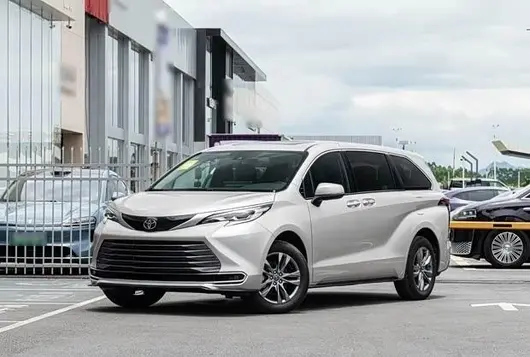
In the joint venture sector, GAC Toyota's cumulative sales from January to July exceeded 402,500 units, with July sales at 46,500 vehicles. The three flagship models composed of Camry, Highlander, and Sienna sold a combined 22,843 units in July, accounting for a high of 49% in the brand's total sales. Meanwhile, the bZ Series continued a stable monthly sales over 10,000 trend, contributing 12,002 vehicles in July, accounting for over 25%; its main model, the bZ3X, had single-month sales of 9,546 vehicles. GAC Honda achieved sales of 11,686 vehicles in July and welcomed a milestone of cumulative sales breaking 11 million units during this period. More importantly, both shareholders of GAC Honda have officially signed a renewal agreement, extending the cooperation period to 2038, aiming to jointly accelerate electrification and intelligence transformation. According to the established plan, GAC Honda will launch 5 new vehicles within the next two years, including two locally developed new energy vehicles and brand new iteration of hybrid products.


Regarding overseas market expansion, GAC's independent brands reached single-month exports of 23,575 vehicles in July, a 119% year-on-year growth. Reviewing the first seven months, the cumulative export of 145,000 units has already exceeded the annual target. Entering July, GAC's layout in the five major regional markets sped up significantly, focusing on three directions: localization production, new product launch, and policy coordination simultaneously. In the American market, terminal sales increased by 139% year-on-year, with vehicle sales in countries like Uruguay, Costa Rica, Colombia, and Brazil all achieving several-fold growth. Additionally, GAC successfully approved joining Brazil's "Green Mobility and Innovation Plan," marking its deep integration into local green development strategies. In the CIS region, terminal sales increased by 112% year-on-year, and the world's 7th KD factory has officially landed in Kazakhstan, with the first model rolled off the line being the GS8.

Good news continued to spread in the Asia-Pacific market, with terminal sales increasing by 78% year-on-year in July. The Thailand factory has cumulatively achieved over 10,000 complete vehicles rolled off the line, and multiple new models have also landed in the Philippines market. In the Middle East and Africa region, GAC terminal sales increased by 51% year-on-year, and it has officially entered the Morocco market; the first three SUVs launched will cover fuel, hybrid, and plug-in hybrid powertrain types. Meanwhile, GAC maintains a steady breakthrough trend in the European market; especially in the Greek pure electric passenger car market, its market share has increased to 7.7%, ranking second in that market, with model promotion and listing preparation work in multiple countries also being steadily promoted.

In terms of infrastructure, so far, GAC's "9 Verticals and 10 Horizontals" recharging network has covered 31 provinces and 213 cities across the country, achieving the goal of "a station within 1 km in the core urban area". The number of self-operated charging piles exceeds 27,000 units, with supercharging piles breaking 20,000 units. Looking forward to the second half of the year, GAC's product offensive remains strong, planning to heavily launch multiple models including Trumpchi's first hardcore off-road SUV Yue 7, Aion's all-new pure electric coupe RAY 7, and Enjing GX7.

In Malaysia's SUV market, many buyers compare Proton X90 and Mazda CX-8 when choosing a car. Both cars are quite close in price and positioning. Today, we will do a detailed comparison from multiple aspects to help you save time doing research.
Proton X90's OTR price in Malaysia is RM 106,800 - 122,800. There are 4 versions in total, including 2026 1.5T Prime X (RM 122,800), 2026 1.5T Prime (RM 116,800), 2026 1.5T Lite (RM 106,800), etc.
Mazda CX-8's OTR price in Malaysia is RM 165,360 - 201,360. There are 5 versions in total, including 2025 2.5T 4WD High Plus Petrol (RM 201,360), 2025 2.2L 2WD High Plus Diesel (RM 193,123), 2025 2.5L 2WD High Plus Petrol (RM 186,360), etc.
In terms of price, the starting price of Proton X90 is indeed RM 58,560 cheaper than Mazda CX-8. If your budget is limited, Proton's entry-level version can already meet daily needs. However, note that the few thousand savings might involve trade-offs in features, it depends on your specific needs.
Proton X90 uses FWD drive type.
Mazda CX-8 uses FWD drive type.
Both cars use the same drive type, both are FWD, there won't be much difference in daily driving experience.
Proton X90 warranty 5 years/150,000km, maintenance interval every 10,000km or 6 months.
Mazda CX-8 warranty 5 years/150,000km, maintenance interval every 10,000km or 6 months.
Both cars have the same warranty conditions, no need to worry about this. Actual maintenance costs also depend on the brand's service network and parts prices, suggest asking real owners in car owner groups for experience.
Proton X90 and Mazda CX-8 are both mainstream choices in the Malaysian market, suitable for family use and daily commuting. If you value brand reputation and resale value more, you can prioritize the one with better reputation; if you care more about cost-performance ratio and features, then choose the one with richer configurations. In the end, it is suggested to test drive both, personal experience is the most important.

Overall, Proton X90 and Mazda CX-8 are both very good models in the Malaysian market. Which one to choose depends mainly on your personal needs and budget. We suggest doing your research, comparing quotes from multiple dealerships, and then test driving to make the final decision. Buying a car is a big matter, spending time doing research will never be wrong.

In Malaysia's SUV market, many buyers compare the Proton X90 and Mazda CX-60 when choosing a car. These two cars are quite close in price and positioning. Today we will do a detailed comparison from multiple aspects to help you save time on research.
The Proton X90's OTR price in Malaysia is RM 106,800 - 122,800, with a total of 4 versions, including 2026 1.5T Prime X (RM 122,800), 2026 1.5T Prime (RM 116,800), 2026 1.5T Lite (RM 106,800), etc.
The Mazda CX-60's OTR price in Malaysia is RM 200,510 - 252,873, with a total of 2 versions, including 2026 3.3T 4WD High Plus (RM 252,873), 2025 2.5L 2WD High (RM 200,510), etc.
In terms of price, the starting price of the Proton X90 is indeed RM 93,710 cheaper than the Mazda CX-60. If your budget is limited, Proton's entry-level version can already meet daily needs. But also note, those few thousand cheaper might have trade-offs in equipment, it depends on your needs.
Proton X90 is equipped with 1.5L Turbo, 140 hp. Official fuel consumption 7.0 L/100km.
Mazda CX-60 is equipped with 2.0L 4-cyl, 170 hp. Official fuel consumption 8.0 L/100km.
Regarding power, Mazda CX-60's 2.0L 4-cyl has 30 more hp than Proton X90's 1.5L Turbo. However, for daily city driving, the power of both cars is sufficient, you won't feel it lacks power.
Proton X90 uses FWD drive.
Mazda CX-60 uses FWD drive.
Both cars have the same drive method, both are FWD, daily driving feel won't have too much difference.
Proton X90 warranty 5 years/150,000km, service interval every 10,000km or 6 months.
Mazda CX-60 warranty 5 years/150,000km, service interval every 10,000km or 6 months.
Both cars have the same warranty conditions, no need to worry about this. Actual maintenance cost depends on the brand's service network and parts price, suggest asking car club friends about real owners' experience.

Proton X90 and Mazda CX-60 are both mainstream choices in the Malaysia market, suitable for family use, daily commuting. If you value brand reputation and second-hand price more, you can prioritize the one with better reputation; if you care more about cost-performance and equipment, then choose the one with richer configuration. Ultimately it is recommended to test drive both, personal experience is the most important.

Overall, Proton X90 and Mazda CX-60 are both very good models in the Malaysia market. Which one to choose depends on your personal needs and budget. It is recommended to do research, compare quotes from several dealerships, and then test drive to make a final decision. Buying a car is a big matter, spending time on research will definitely not be wrong.

In the Malaysian SUV market, many buyers compare Proton X90 and Mazda CX-5 when choosing a car. The price and positioning of these two cars are quite close. Today we will make a detailed comparison from multiple aspects to help you save time on research.
Proton X90's OTR selling price in Malaysia is RM 106,800 - 122,800, with 4 versions in total, including 2026 1.5T Prime X (RM 122,800), 2026 1.5T Prime (RM 116,800), 2026 1.5T Lite (RM 106,800) etc.
Mazda CX-5's OTR selling price in Malaysia is RM 135,469 - 166,760, with 3 versions in total, including 2025 2.0L AT 35th Anniversary (RM 316,154), 2025 2.0L AT (RM 296,154), 2025 2.0L MT (RM 294,154) etc.
Looking at the price, the starting price of Proton X90 is indeed RM 28,669 cheaper than Mazda CX-5. If your budget is limited, Proton's entry-level version can already meet daily needs. But also note, that difference of a few thousand may involve trade-offs in equipment, depending on your specific needs.
Proton X90 is equipped with 1.5L Turbo, 140 hp power. Official fuel consumption is 7.0 L/100km.
Mazda CX-5 is equipped with 1.5L Turbo, 140 hp power. Official fuel consumption is 7.0 L/100km.
Both cars use the same powertrain, so the driving feel in daily use is basically the same. Fuel consumption is also similar, no need to worry too much about this.
Proton X90 body length is 4400 mm, trunk is 400 L.
Mazda CX-5 body length is 4500 mm, trunk is 450 L.
Regarding space, the Mazda CX-5 body is 100 mm longer than the Proton X90, with an advantage in passenger space. However, the Proton X90 is more flexible for parking in the city, each has trade-offs.
Both Proton X90 and Mazda CX-5 are mainstream choices in the Malaysian market, suitable for family use and daily commuting. If you value brand reputation and resale value more, you can prioritize the one with a better reputation; if you care more about cost-performance and equipment, choose the one with richer configuration. Ultimately, we suggest test-driving both models, as personal experience is the most important.

Overall, Proton X90 and Mazda CX-5 are both very good models in the Malaysian market. Which one to choose depends on your personal needs and budget. We suggest doing research, comparing quotes from several car dealers, and then test-driving to make a final decision. Buying a car is a big matter, spending time doing research will definitely not be wrong.

In the Malaysian SUV market, many buyers compare Proton X90 and Mazda CX-5 when choosing a car. The two cars are quite close in price and positioning. Today, we will make a detailed comparison from multiple aspects to help you save time on research.
Proton X90 is priced at RM 106,800 - 122,800 OTR in Malaysia, with a total of 4 variants, including 2026 1.5T Prime X (RM 122,800), 2026 1.5T Prime (RM 116,800), 2026 1.5T Lite (RM 106,800), etc.
Mazda CX-5 is priced at RM 135,469 - 166,760 OTR in Malaysia, with a total of 3 variants, including 2025 2.0L AT 35th Anniversary (RM 316,154), 2025 2.0L AT (RM 296,154), 2025 2.0L MT (RM 294,154), etc.
From a price perspective, the starting price of Proton X90 is indeed RM 28,669 cheaper than Mazda CX-5. If your budget is limited, Proton's entry-level version can already meet daily needs. However, note that the fewer thousand bucks cheaper may involve trade-offs in features, depending on your specific needs.
Proton X90 is equipped with a 1.5L Turbo engine, 140 hp. Official fuel consumption 7.0 L/100km.
Mazda CX-5 is equipped with a 1.5L Turbo engine, 140 hp. Official fuel consumption 7.0 L/100km.
Both cars use the same powertrain, the driving experience is basically no difference. Fuel consumption is also similar, no need to worry too much about this point.
Proton X90 safety rating is 5★ (ASEAN NCAP), active safety systems include ADAS (ACC, AEB, LKA, LDA, BSM, RCTA).
Mazda CX-5 safety rating is 5★ (ASEAN NCAP), active safety systems include .
Both cars have the same safety rating, safety features in this class are quite comprehensive. New cars' safety nowadays is not bad, no need to worry too much about this.
Proton X90 warranty 5 years/150,000km, maintenance interval 10,000km or 6 months.
Mazda CX-5 warranty 5 years/150,000km, maintenance interval 10,000km or 6 months.
Both cars have the same warranty conditions, no need to worry about this aspect. Actual maintenance costs depend on the brand's service network and parts prices, suggest asking real owners in car owner groups for experience.
Overall, Proton X90 and Mazda CX-5 are both very good models in the Malaysian market. Which one to choose, it depends on your personal needs and budget. Suggest everyone do research, compare quotes from several dealers, then test drive to make a final decision. Buying a car is a big matter, spending time on research will never be wrong.

In the Malaysian SUV market, many buyers compare the Proton X90 and Mazda CX-30 when choosing a car. The pricing and positioning of these two cars are quite close. Today, we will make a detailed comparison from multiple aspects to help you save time on research.
The Proton X90 OTR price in Malaysia is RM 106,800 - 122,800, with a total of 4 variants, including 2026 1.5T Prime X (RM 122,800), 2026 1.5T Prime (RM 116,800), 2026 1.5T Lite (RM 106,800), etc.
The Mazda CX-30 OTR price in Malaysia is RM 122,409 - 146,409, with a total of 4 variants, including 2025 2.0L High+ Premium (RM 146,409), 2025 2.0L High+ (RM 138,409), 2025 2.0L High (RM 130,409), etc.
Looking at the price, the Proton X90's starting price is indeed RM 15,609 cheaper than the Mazda CX-30. If your budget is limited, Proton's entry-level version can already meet daily needs. But also note, the few thousand cheaper price might involve trade-offs in equipment, it depends on your specific needs.
Proton X90 is equipped with 1.5L Turbo, 140 hp. Official fuel consumption 7.0 L/100km.
Mazda CX-30 is equipped with 1.5L Turbo, 140 hp. Official fuel consumption 7.0 L/100km.
Both cars use the same powertrain, the driving feel in daily use is basically the same. Fuel consumption is also similar, no need to worry too much about this point.
Proton X90 safety rating is 5★ (ASEAN NCAP), active safety system includes ADAS (ACC, AEB, LKA, LDA, BSM, RCTA).
Mazda CX-30 safety rating is 5★ (ASEAN NCAP), active safety system includes i-Activsense.
Both cars have the same safety rating, safety features are quite comprehensive within this class. Safety of new cars nowadays is not bad, no need to worry too much about this point.
Proton X90 warranty 5 years/150,000km, service interval every 10,000km or 6 months.
Mazda CX-30 warranty 5 years/150,000km, service interval every 10,000km or 6 months.
Warranty conditions for both cars are the same, no need to worry about this. Actual maintenance costs depend on the brand's service network and parts prices, suggest asking real owners in car enthusiast groups for experience.

Both Proton X90 and Mazda CX-30 are mainstream choices in the Malaysian market, suitable for family use and daily commuting. If you value brand reputation and resale value more, prioritize the one with better reputation; if you care more about value for money and features, choose the one with richer configuration. Ultimately, it is suggested to test drive both models, personal experience is the most important.
Overall, Proton X90 and Mazda CX-30 are both very good models in the Malaysian market. Which one to choose depends mainly on your personal needs and budget. We suggest doing your research, compare quotes from several car dealerships, then test drive to make the final decision. Buying a car is a big matter, spending time on research will never go wrong.

喺馬來西亞嘅 SUV 市場,好多買家喺揀車嗰陣都會拿 寶騰 X90 同 馬自達 CX-8 做比較。呢兩款車喺價錢同定位上都幾接近,今日我哋就從多個方面做一個詳細嘅比較,幫你慳晒做功課嘅時間。
寶騰 X90 喺馬來西亞嘅 OTR 售價係 RM 106,800 - 122,800,一共有 4 個版本,包括 2026 1.5T Prime X(RM 122,800)、2026 1.5T Prime(RM 116,800)、2026 1.5T Lite(RM 106,800) 等。
馬自達 CX-8 喺馬來西亞嘅 OTR 售價係 RM 165,360 - 201,360,一共有 5 個版本,包括 2025 2.5T 4WD High Plus Petrol(RM 201,360)、2025 2.2L 2WD High Plus Diesel(RM 193,123)、2025 2.5L 2WD High Plus Petrol(RM 186,360) 等。
由價錢睇嚟,寶騰 X90 嘅入門價確實比 馬自達 CX-8 平咗 RM 58,560。如果你預算有限,寶騰嘅入門版已經滿足日常需要。但都要留意,平嗰幾千塊,可能喺配備上有取捨,具體要睇你嘅需要。
寶騰 X90 搭載 1.5L Turbo,馬力 140 hp。官方油耗 7.0 L/100km。
馬自達 CX-8 搭載 2.0L 4-cyl,馬力 170 hp。官方油耗 8.0 L/100km。
動力方面,馬自達 CX-8 嘅 2.0L 4-cyl 比 寶騰 X90 嘅 1.5L Turbo 多咗 30 匹馬力。不過日常喺市區開,兩款車嘅動力都夠用,唔會覺得冇力。
寶騰 X90 嘅安全評級係 5★ (ASEAN NCAP),主動安全系統包括 ADAS (ACC, AEB, LKA, LDA, BSM, RCTA)。
馬自達 CX-8 嘅安全評級係 5★ (ASEAN NCAP),主動安全系統包括 Brand ADAS。
兩款車嘅安全評級一樣,喺呢個級別入面安全配備都算好齊全。而家嘅新車安全性都唔差,唔使太擔心這一點。
寶騰 X90 車身長 4400 mm,車尾箱 400 L。
馬自達 CX-8 車身長 4500 mm,車尾箱 450 L。
空間方面,馬自達 CX-8 嘅車身比 寶騰 X90 長咗 100 mm,乘坐空間更有優勢。不過 寶騰 X90 喺城市入面泊車會靈活啲,各有取捨。
寶騰 X90 保養期 5 年/150,000km,保養間隔 每 10,000km 或 6 個月。
馬自達 CX-8 保養期 5 年/150,000km,保養間隔 每 10,000km 或 6 個月。
兩款車嘅保養條件一樣,呢方面唔使糾結。實際保養成本仲要睇品牌嘅服務網絡同零件價格,建議去車友群問下真實車主嘅經驗。

總體嚟講,寶騰 X90 同 馬自達 CX-8 都係馬來西亞市場好唔錯嘅車型。揀邊一部,關鍵都係睇你嘅個人需要同預算。建議大家做好功課,多比較幾間車行嘅報價,再去試駕做最後決定。買車係件大事,花啲時間做功課絕對唔會錯。

喺馬來西亞嘅 SUV 市場,好多買家喺揀車嗰陣都會拿寶騰 X90 同馬自達 CX-60 嚟做比較。這兩款車喺價位同定位上都好接近,我哋今日就從多個方面做一個詳細嘅對比,幫你節省做功課嘅時間。
寶騰 X90 喺馬來西亞嘅 OTR 售價係 RM 106,800 - 122,800,一總共有 4 個版本,包括 2026 1.5T Prime X(RM 122,800)、2026 1.5T Prime(RM 116,800)、2026 1.5T Lite(RM 106,800) 等。
馬自達 CX-60 喺馬來西亞嘅 OTR 售價係 RM 200,510 - 252,873,一總共有 2 個版本,包括 2026 3.3T 4WD High Plus(RM 252,873)、2025 2.5L 2WD High(RM 200,510) 等。
從價錢嚟睇,寶騰 X90 嘅起步價確係比馬自達 CX-60 平咗 RM 93,710。如果你預算有限,寶騰嘅入門版已經可以满足日常需求。但都要留意,平嗰幾千蚊,可能喺配備上會有取捨,具體要看你嘅需求。
寶騰 X90 嘅安全評級係 5★ (ASEAN NCAP),主動安全系統包括 ADAS (ACC, AEB, LKA, LDA, BSM, RCTA)。
馬自達 CX-60 嘅安全評級係 5★ (Euro NCAP),主動安全系統包括 i-Activsense Pro。
安全配備方面,兩款車都拿到唔錯嘅評級。不過寶騰 X90 嘅 ADAS (ACC, AEB, LKA, LDA, BSM, RCTA) 同馬自達 CX-60 嘅 i-Activsense Pro 喺功能上有些差異,如果你比較重視主動安全嘅話,可以仔細對比下兩者嘅功能列表。
寶騰 X90 車身長 4400 mm,尾箱 400 L。
馬自達 CX-60 車身長 4500 mm,尾箱 450 L。
空間方面,馬自達 CX-60 嘅車身比寶騰 X90 長咗 100 mm,乘坐空間更有優勢。不過寶騰 X90 喺城市入面停車會靈活啲,各有取捨。
寶騰 X90 保固 5 年/150,000km,保養間隔 每 10,000km 或 6 個月。
馬自達 CX-60 保固 5 年/150,000km,保養間隔 每 10,000km 或 6 個月。
兩款車嘅保養條件一樣,呢方面唔使諗住。實際保養成本仲要睇品牌嘅服務網絡同零件價格,建議去車友群問吓真實車主嘅經驗。
寶騰 X90 同馬自達 CX-60 都係馬來西亞市場嘅主流選擇,適合家庭使用、日常通勤。如果你更重視品牌口碑同二手價,可以優先考慮口碑更好嗰一款;如果你更在意性價比同配備,就揀配置更豐富嗰款。最終都係建議兩款都去試駕,親身體驗先係最重要嘅。
總嚟講,寶騰 X90 同馬自達 CX-60 都係馬來西亞市場幾唔錯嘅車型。揀邊一輛,關鍵仲要睇你嘅個人需求同預算。希望大家做好功課,多比較幾間車行嘅報價,再去試駕做最終決定。買車係件大事,花少少時間做好功課絕對唔會錯。

In Malaysia's SUV market, many buyers compare Proton X90 and Mazda CX-3 when choosing a car. These two cars are quite close in price and positioning. Today we will do a detailed comparison from multiple aspects to help you save time on research.
Proton X90's OTR price in Malaysia is RM 106,800 - 122,800, there are 4 versions in total, including 2026 1.5T Prime X (RM 122,800), 2026 1.5T Prime (RM 116,800), 2026 1.5T Lite (RM 106,800), etc.
Mazda CX-3's OTR price in Malaysia is RM 126,159 - 139,159, there are 2 versions in total, including 2023 2.0L High (RM 139,159), 2023 2.0L Plus (RM 126,159), etc.
From a price perspective, Proton X90's starting price is indeed RM 19,359 cheaper than Mazda CX-3. If your budget is limited, Proton's entry-level version can already meet daily needs. But also note, the few thousand cheaper ones might have compromises in equipment, depends on your needs.
Proton X90 is equipped with 1.5L Turbo, 140 hp. Official fuel consumption 7.0 L/100km.
Mazda CX-3 is equipped with 1.5L Turbo, 140 hp. Official fuel consumption 7.0 L/100km.
Both cars use the same powertrain, the driving experience is basically no difference. Fuel consumption is also similar, no need to worry too much about this point.
Proton X90 warranty 5 years / 150,000km, maintenance interval every 10,000km or 6 months.
Mazda CX-3 warranty 5 years / 150,000km, maintenance interval every 10,000km or 6 months.
Both cars' warranty conditions are the same, no need to worry about this aspect. Actual maintenance cost depends on the brand's service network and parts price, suggest asking real owners' experience in car owner groups.
Proton X90 and Mazda CX-3 are both mainstream choices in the Malaysia market, suitable for family use, daily commuting. If you value brand reputation and resale value more, prioritize the one with better reputation; if you care more about value for money and equipment, choose the one with richer configuration. Ultimately suggest test driving both, personal experience is the most important.

Overall, Proton X90 and Mazda CX-3 are both very good car models in the Malaysia market. Choosing which one depends on your personal needs and budget. Suggest everyone do research, compare quotes from several dealerships, then test drive to make the final decision. Buying a car is a big matter, spending some time doing research will definitely not be wrong.

In the SUV market in Malaysia, many buyers compare Proton X90 and Toyota Yaris Cross when choosing a car. These two cars are quite close in price and positioning. Today we will make a detailed comparison from multiple aspects to help you save time on research.
The OTR price of Proton X90 in Malaysia is RM 106,800 - 122,800, with a total of 4 variants, including 2026 1.5T Prime X (RM 122,800), 2026 1.5T Prime (RM 116,800), 2026 1.5T Lite (RM 106,800), etc.
The OTR price of Toyota Yaris Cross in Malaysia is RM 99,900 - 109,900, with a total of 2 variants, including 2026 1.5L Standard (RM 99,900), 2026 HEV 1.5L Standard (RM 109,900), etc.
From a price perspective, the starting price of Toyota Yaris Cross is RM 6,900 cheaper than Proton X90. To be honest, in this price segment, the gap of a few thousand is actually not significant; the key is to look at overall cost-performance ratio and long-term usage costs.
The safety rating of Proton X90 is 5★ (ASEAN NCAP), with active safety systems including ADAS (ACC, AEB, LKA, LDA, BSM, RCTA).
The safety rating of Toyota Yaris Cross is 5★ (ASEAN NCAP), with active safety systems including TSS.
Both cars have the same safety rating, and safety features in this class are quite comprehensive. New cars nowadays are not lacking in safety, so there is no need to worry too much about this point.
Proton X90 body length is 4400 mm, trunk 400 L.
Toyota Yaris Cross body length is 4400 mm, trunk 400 L.
The dimensions of both cars are almost the same, with little difference in interior space. Cars in this class are more than enough for daily use.
Proton X90 adopts FWD drive mode.
Toyota Yaris Cross adopts FWD drive mode.
Both cars have the same drive mode, both are FWD, so there will not be much difference in daily driving feel.

Overall, both Proton X90 and Toyota Yaris Cross are quite good models in the Malaysian market. Which one to choose mainly depends on your personal needs and budget. It is recommended to do your homework, compare quotes from several car dealerships, and then take a test drive to make the final decision. Buying a car is a big matter, spending time on research will never be wrong.

In Malaysia's SUV market, many buyers compare Proton X90 and Toyota Yaris Cross when choosing a car. These two models are quite close in price and positioning. Today, we will make a detailed comparison from multiple aspects to help you save time on research.
The OTR price of Proton X90 in Malaysia is RM 106,800 - 122,800, with a total of 4 versions, including 2026 1.5T Prime X (RM 122,800), 2026 1.5T Prime (RM 116,800), 2026 1.5T Lite (RM 106,800), etc.
The OTR price of Toyota Yaris Cross in Malaysia is RM 99,900 - 109,900, with a total of 2 versions, including 2026 1.5L Standard (RM 99,900), 2026 HEV 1.5L Standard (RM 109,900), etc.
In terms of price, the starting price of Toyota Yaris Cross is RM 6,900 cheaper than Proton X90. Honestly, in this price range, a difference of a few thousand is actually not significant. The key is to look at overall value for money and long-term usage costs.
Proton X90's safety rating is 5★ (ASEAN NCAP), with active safety systems including ADAS (ACC, AEB, LKA, LDA, BSM, RCTA).
Toyota Yaris Cross's safety rating is 5★ (ASEAN NCAP), with active safety systems including TSS.
Both cars have the same safety rating. In this class, safety features are quite comprehensive. New cars nowadays generally have good safety, so there is no need to worry too much about this.
Proton X90 warranty 5 years/150,000km, service interval every 10,000km or 6 months.
Toyota Yaris Cross warranty 5 years/unlimited mileage, service interval every 10,000km or 6 months.
Both Proton X90 and Toyota Yaris Cross are mainstream choices in the Malaysian market, suitable for family use and daily commuting. If you value brand reputation and resale value more, you can prioritize the one with better reputation. If you care more about value for money and features, choose the one with more configurations. Ultimately, it is recommended to test drive both models; personal experience is the most important.
Overall, Proton X90 and Toyota Yaris Cross are both very good models in the Malaysian market. Which one to choose depends on your personal needs and budget. We suggest doing your research, comparing quotes from several dealerships, and then test driving to make a final decision. Buying a car is a big matter, spending some time doing research is never wrong.

喺馬來西亞嘅 SUV 市場,好多買家喺揀車嘅時候都會拎 寶騰 X90 同 豐田 Yaris Cross 嚟做比較。呢兩部車喺價位同定位上都好接近,今日我哋就由多個方面做個詳細嘅比較,幫你省咗做功課嘅時間。
寶騰 X90 喺馬來西亞嘅 OTR 售價係 RM 106,800 - 122,800,總共有 4 個版本,包括 2026 1.5T Prime X(RM 122,800)、2026 1.5T Prime(RM 116,800)、2026 1.5T Lite(RM 106,800)等。
豐田 Yaris Cross 喺馬來西亞嘅 OTR 售價係 RM 99,900 - 109,900,總共有 2 個版本,包括 2026 1.5L Standard(RM 99,900)、2026 HEV 1.5L Standard(RM 109,900)等。
由價錢睇,豐田 Yaris Cross 嘅起步價比 寶騰 X90 平咗 RM 6,900。講真係,喺呢個價位段,幾千蚊嘅差距其實唔算大,關鍵依然係睇整體嘅性價比同長期使用成本。
寶騰 X90 配備 1.5L Turbo,馬力 140 hp。官方油耗 7.0 L/100km。
豐田 Yaris Cross 配備 1.5L 4-cyl,馬力 105 hp。官方油耗 6.0 L/100km。
動力方面,寶騰 X90 嘅 1.5L Turbo 比 豐田 Yaris Cross 嘅 1.5L 4-cyl 多咗 35 匹馬力,中段加速更有信心,尤其係跑高速路超車嘅時候。不過 豐田 Yaris Cross 嘅油耗可能更抵用,日常市區通勤差別唔會太大。
寶騰 X90 保修 5 年/150,000km,保養間隔 每 10,000km 或 6 個月。
豐田 Yaris Cross 保修 5 年/無限里程,保養間隔 每 10,000km 或 6 個月。
寶騰 X90 同 豐田 Yaris Cross 都係馬來西亞市場嘅主流選擇,適合家庭使用、日常通勤。如果你更睇重品牌口碑同二手價,可以優先考慮口碑更好嗰款;如果你更睇重性價比同配備,就揀配置更豐富嗰款。最後都建議兩款都去試駕,親身體驗先至係最重要嘅。
總體嚟講,寶騰 X90 同 豐田 Yaris Cross 都係馬來西亞市場幾不錯嘅車款。揀邊部,關鍵依然係要睇你嘅個人需求同預算。建議大家做好功課,多比較幾間車行嘅報價,再落去試駕做最終決定。買車係件大事,花少少時間做功課絕對唔會錯。


文源 | 源Auto
作者 | 潘卓伦
如果说精灵5号、精灵6号两款车长4.7米以上的smart是“大聪明”,那么接下来这家背靠吉利和奔驰的车企将要进入“小聪明”爆发的阶段。
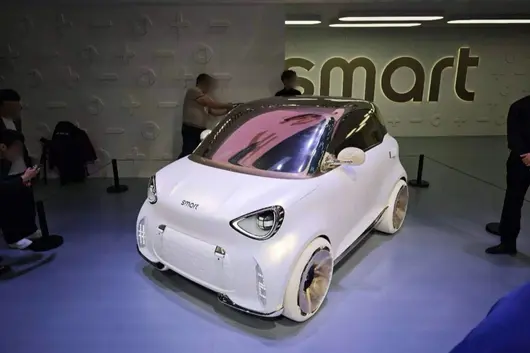
8月7日,工信部第410批《道路机动车辆生产企业及产品公告》新产品公示出炉,smart的两门两座小型纯电车精灵2号赫然在列。根据公示信息,smart精灵2号基本还原Concept #2概念车的外观,将搭载采用宁德时代电芯的磷酸铁锂电池,以及吉利旗下星驱科技的60kW电机。

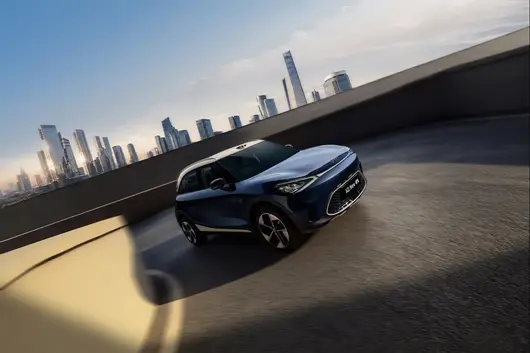
而就在精灵2号产品公示的前一天,smart还对过去4年来一直是品牌销量担当的小型纯电SUV精灵1号进行大改款。新款精灵1号虽然外观与老款车型没有太大差别,但纯电动车最核心的“三电”(电机、电池、电控)部分均有变化,包括全系升级800V高压架构、改用磷酸铁锂电池以及搭载吉利最新的16合一电驱。
不得不说,两款“小聪明”连续出招,对于smart的品牌粉丝来说堪比过年。

最典型的,哪怕新款精灵1号售价比4年前上市时降低约4万元至14.99万元(限时权益价格),但也没有太多老车主在社交媒体上吐槽被背刺,反而都在点赞新车在辅助驾驶、中控车机方面的针对性升级。至于精灵2号,更是一片“Shut up and take my money”的状态。
过去3年一直在想办法把大车卖给消费者的smart,似乎要回到自己的舒适圈了。
01
大车更好赚钱?
“smart追求的是一种生活方式,而不是一个小车品牌。与此同时,仅依靠小车这个细分市场,也不足以养活smart品牌。”
根据中国经营报的报道,smart品牌全球公司CEO佟湘北曾公开回应市场对这家以小车起家的品牌把车越做越大的质疑,称小车和大车之间的盈利能力差异是一个重要考量因素。
诚然,佟湘北说得没错,但关键还是市场买不买账。从精灵5号和精灵6号两款车型的销量表现看,至少中国大陆的消费者不买单。

根据来源于中汽协和乘联会的终端销量数据,精灵5号包括纯电以及后期加推的插电混动版本,从2024年10月开卖到2026年6月合计销量约1万辆,月销量长期徘徊在三位数甚至两位数水平。而在今年6月上市的精灵6号,上市首月的零售销量为198辆。
关于精灵5号的销量,smart品牌方面人士曾向源Auto表示该车在中国大陆以外市场成绩喜人,例如中国香港市场。另据公开资料,2025年中国香港新登记688台samrt精灵5号,是当地登记数量第11多的电动车,2026年上半年的登记数量则为617台。

显然,精灵5号和精灵6号两款大车的加入,暂时也没有给smart的经营带来质的提升。市场不买单,盈利能力也无从谈起。例如精灵5号,今年源Auto就分享过该车出现大降价清库存的行情(传送门:一批“0公里”smart正在被二手车商清库存),最低不到17万的价格,和新款精灵1号高配的指导价相当。
所以,佟湘北的“大车更好养活smart”理论没有错,但也有一个前提,不愁卖的大车才能真的让smart活得更滋润。
02
先把小车卖好
究竟还要不要做大车,或者说精灵5号、精灵6号等“大聪明”应该做怎样的调整,这些问题smart可以先缓一缓,当下优先级最高的任务,是要把新款精灵1号和全新的精灵2号卖好。
结合目前国内小型纯电车市场的战况,这其实也一点不简单。
从2025年开始,小型纯电车成了“9系”大六座SUV以外最受车企追捧的细分车型,这条赛道不仅蹦出一年卖超过46万辆并成为无定语国内单一车型销冠的吉利星愿,还有北汽极狐T1、上汽名爵MG4等月销量破万的新黑马,另外还有蔚来萤火虫这种量价齐飞的选手。
如果再加上五菱缤果、比亚迪海豚等老牌畅销车型,以及2026年新入局的奇瑞QQ3,当前的小型纯电车细分市场完全称得上是一片红海。在这样的大环境里,虽然新款精灵1号和全新的精灵2号收获广泛好评,但依然不能掉以轻心。

尤其是还没正式上市且市场期待值更高的精灵2号,其将会是smart积攒上升势能的关键,消费者都在期待一套具有想象力的车内空间设计和玩法,以及一个有吸引力的价格。不过值得留意的是,相比其他大部分小型车竞品,smart还有一个优势——不一定非要在中国大陆市场卷。
根据车企官方的规划,smart精灵2号正式的全球首秀将会在今年10月的巴黎车展上完成,换言之这款在山东济南生产的纯电小车从诞生之初就着眼全球车市。凭借其看齐中国品牌新能源车的电动化和智能化产品力,例如能够将WLTP工况(下同)纯电续航做到300公里的电驱系统,面对海外竞品将会有明显优势。
作为参考,菲亚特500e和雷诺Twingo E-tech两款欧洲主流纯电小型车,前者入门车型的续航里程不足200公里,后者全新换代的新款则为263公里。
对于smart来说,精灵2号如果能在海内外全面开花当然是最好的结局。但即使在中国大陆市场“卷”不赢或者不想“卷”,凭借其在全球车市积累多年的品牌号召力和销售能力,相信smart还是能回归小型车赛道的C位。
部分图片引用网络 如有侵权请告知删除

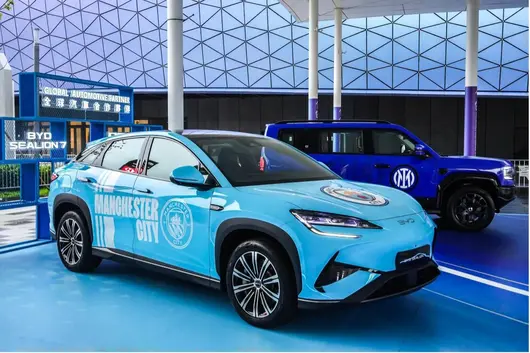
8月1日,香港足球文化节迎来一场万众瞩目的豪门对决——英超蓝月曼城与意甲蓝黑军团国际米兰的季前赛。作为曼城和国际米兰双边的官方合作伙伴,同时也是本次赛事的赞助商,比亚迪全力助阵巅峰之战,以技术致敬纯粹热爱,实现中国品牌与世界顶级足球 IP 的双向奔赴。

赛事全程,比亚迪为两支球队提供专属出行保障。比亚迪旗下车型承担了球队通勤、赛事后勤重任,以世界领先的新能源科技护航赛事圆满举办,将绿色出行理念融入这场万人瞩目的足球狂欢。

比赛当天,香港启德主场馆座无虚席,无数球迷的目光聚焦于此。曼城的天空蓝战袍与国米的蓝黑铠甲同场亮相,两大欧洲豪门展开激烈角逐,让现场欢呼声此起彼伏。


这场焦点对决最终以国际米兰点球决胜,总比分4-2击败曼城落下帷幕,两队行云流水的传控配合、教科书级的战术博弈,为远道而来的足球少年们上了一堂生动的实战教学课,也让这群怀揣绿茵梦想的孩子收获了独一无二的追梦体验。

本场香港足球文化节汇聚足坛双冠豪门与全球新能源冠军,上演了强强联合的戏码。曼城、国米均坐拥联赛与欧冠顶级荣誉,各自缔造足坛五冠王传奇,是欧洲足坛顶尖战力。作为两大豪门官方合作伙伴,比亚迪蝉联全球新能源销量冠军,2025年跻身全球车企前五,海外市场高速增长,凭借世界领先的技术实力联合顶级足球豪门,完成多重冠军的跨界联袂。

从签约足坛豪门到助力公益足球,比亚迪以足球为桥,既彰显了全球新能源冠军的实力,也传递了品牌温度。面向未来,比亚迪将持续借助体育力量联通全球,并持续为青少年足球创造向外探索的机会,让中国足球少年被世界看见。

8 月 6 日,全新深藍 S05 上市,限時優惠價 11.59 萬到 14.49 萬元。這個價格放喺緊湊型 SUV 市場入面算唔算稀奇,稀奇嘅係呢台車上市至今已經賣到咗全球 73 個國家同地區,累計收穫 25 萬 + 用戶,全球單月銷量突破 2 萬輛。

一台中國品牌嘅緊湊型 SUV,憑乜讓西班牙人掏錢、讓英國人落單、讓東南亞家庭排隊等車?
答案可能比你想象嘅簡單,佢唔係靠什麼驚天動地嘅黑科技,而係把“一台家用车應該有嘅樣貌”做到咗極致。
2880 毫米嘅軸距,解決咗一家人最實在嘅痛點
屋企有細路嘅人揀車,第一眼看啲咩?樣貌?動力?智能駕駛?講句真話,這些都得放係後排。第一眼看嘅係空間——後排邊唔能夠裝得落安全座椅之後仲坐人,行李廂邊唔能夠塞落嬰兒車再加兩個行李箱。

全新深藍 S05 嘅車身長度 4620 毫米,睇落就係標準嘅緊湊型 SUV 身材。但軸距做到咗 2880 毫米,比同級嘅吉利銀河 E5 長咗 130 毫米。呢 130 毫米差喺邊?差喺裝咗兒童安全座椅之後,旁邊仲可以坐一個大人照顧細路;差喺高個爸爸抱細路入座唔頂頭;差喺一屋五口出門,後排三個人唔使膊頭貼膊頭。
有車主實測過,後排同時裝兩個安全座椅,中間仲可以坐得下一個成年人。先係家庭用車最真實嘅場景:唔係一個人開車爽,係全家人都坐得舒服。
儲物空間也係為你想住。純電版有 159 升嘅前備廂,放個書包、電腦、充電線都唔係問題。行李廂常規容積 492 升,嬰兒車加兩個登機箱輕鬆塞入去。全車 37 處儲物空間,副駕手套箱、門板掛鉤、中控台下 15 升嘅鏤空儲物格,細路嘅玩具、濕紙巾、水杯都有地方放。
細節上,ISOFIX 兒童安全座椅接口位置合理,拆裝啱手;後排座椅可以純平放倒,臨時當個“移動大床”休息;1.9 平方米嘅全景天幕讓車廂通透唔壓抑。呢啲嘢單獨拎出來都唔算什麼驚天設計,但湊埋一齊,就係一台家用车應該有嘅樣貌,让你唔使喺“裝得落”同“坐得舒服”之間揀。
海外市场用銷量投咗票,而且投得好大聲
如果話空間係“體感”,那銷量就係“實錘”。
深藍 S05 今年 5 月全球銷量達到 18866 輛,按年增長 102.71%。喺國內連續三個月月銷量破萬。喺海外,連續兩個月喺西班牙緊湊型純電 SUV 註冊量中排名第一。截至 5 月底,全球累計銷量已突破 22 萬輛。
呢些數字背後係咩?係唔同國家、唔同路面狀況、唔同駕駛習慣嘅用戶,用真金白銀投出嘅信任票。
海外媒體都冇少給好評。德國《Auto Bild》嘅評價係“先進技術、超長質保同極具競爭力嘅定價”。英國《Autocar》話佢“融合咗強大嘅性價比同紮實嘅性能表現”。荷蘭汽車媒體試駕後評價底盤“穩定、順暢且精準”。
一台車喺國內賣得好,可能係營銷做得好。喺 73 個國家都賣得好,就係產品本身有實力。
安全呢件事,深藍冇同你討價還價
帶細路家庭揀車,安全永遠係底線。深藍 S05 喺呢件事上冇搞“丐版簡配、高配先至畀”嘅套路:全系標配寧德時代電芯同金鐘罩電池,60 萬公里衰減無感覺,百萬銷量零過熱。全系 6 氣囊。全系標配激光雷達同 AEB 自動緊急制動。
接送細路返學,路上車多、人多、突發狀況多。激光雷達喺雨霧天同夜晚依然能提前識別行人同障礙物。AEB 喺駕駛員走魂時能主動煞車。呢啲嘢你可能一世都用唔到,但用上一次,可能就係救命嘅分別。
養車成本都係家庭用戶避唔開嘅賬。純電版家用充電每公里成本 6 分錢,按年行駛 2 萬公里算,年電費約 1800 元。保養年均 500 到 800 元。相比油車,一年攞返嚟嘅錢夠給細路多報兩個興趣班。
從中國到全球,深藍 S05 行係一條“笨”路

汽車行業有一種常見嘅打法,先喺國內卷配置、卷價格,等卷唔到再出海碰碰運氣。深藍 S05 行係另一條路:從一開始就按全球標準造車。
車身安全按照歐洲五星標準開發。右舵版 3 月就喺英國上市。泰國工廠已經投產,輻射全球右舵車市場。未來仲會登陸新加坡、澳洲等市場,目標覆蓋全球 150 多個國家同地區。
呢條路“笨”喺邊?笨佢唔能靠某個市場嘅補貼生存,笨佢必須讓每個市場嘅用戶都觉得“呢個車抵呢個價”。德國人挑剔、英國人保守、東南亞用戶重視性價比,能讓呢啲所有人都滿意,靠嘅唔係營銷話術,係實打實嘅產品力。
全新深藍 S05 嘅進階,講白點就係一件事:把一台家用 SUV 應該做好嘅嘢,全都做到位。空間夠大、坐住舒服、用住慳錢、開住安全,然後再把激光雷達、端到端算法、可變懸掛呢啲“以前覺得貴先有嘅嘢”塞入去,仲唔加價。
這唔係什麼高深嘅商業邏輯,就係最樸素嗰句說話:好嘢,大家都認。

In the Malaysian SUV market, many buyers compare the Proton X70 and GWM Haval H6 when choosing a car. These two models are quite close in price and positioning. Today, we will do a detailed comparison from multiple aspects to help you save time on research.
The OTR price of the Proton X70 in Malaysia is RM 106,800 - 122,300, with a total of 3 versions, including 1.5L Standard 2WD (RM 106,800), 1.5L Executive 2WD (RM 115,800), 1.5L Premium 2WD (RM 122,300), etc.
The OTR price of the GWM Haval H6 in Malaysia is RM 139,750 - 139,750, with a total of 2 versions, including 1.5L Turbo Standard (RM 140,000), 1.5L Turbo Premium (RM 155,000), etc.
From a price perspective, the Proton X70's starting price is indeed RM 32,950 cheaper than the GWM Haval H6. If your budget is limited, Proton's entry-level model can already meet daily needs. But also note, those few thousand dollars of savings might come with compromises in features, which depends on your specific requirements.
The safety rating of the Proton X70 is 5★ (ASEAN NCAP), and the active safety systems include ADAS (ACC, AEB, LKA, LDA, BSM, RCTA).
The safety rating of the GWM Haval H6 is TBD, and the active safety systems include Basic.
Regarding safety features, both cars have received good ratings. However, there are some differences in functionality between the Proton X70's ADAS (ACC, AEB, LKA, LDA, BSM, RCTA) and the GWM Haval H6's Basic. If you value active safety highly, you can carefully compare the feature lists of both.
The Proton X70 uses a FWD drive system.
The GWM Haval H6 uses a FWD drive system.
Both cars have the same drive system, both are FWD, so there won't be much difference in daily driving experience.
Proton X70 comes with a 5-year/150,000km warranty, with maintenance intervals every 10,000km or 6 months.
GWM Haval H6 comes with a 7-year/150,000km warranty, with maintenance intervals every 10,000km or 6 months.
Both the Proton X70 and GWM Haval H6 are mainstream choices in the Malaysian market, suitable for family use and daily commuting. If you value brand reputation and resale value more, consider the one with better reputation; if you care more about cost-performance and features, choose the one with richer configurations. Ultimately, it is recommended to test drive both, as personal experience is the most important.
Overall, both the Proton X70 and GWM Haval H6 are very good models in the Malaysian market. Choosing which one depends on your personal needs and budget. We suggest doing your research, compare quotes from several dealerships, and then test drive to make the final decision. Buying a car is a big matter, spending some time on research will never be wrong.

四年前,smart精灵1号的上市拉开了smart品牌全面电动化转型大幕;四年后的今天,小车市场已从蓝海变为红海,全新一代smart精灵1号又以超200项整车体验升级,限时权益价14.99万元起正式上市。


这不仅是一次中期改款,更是一次从底层架构到用户体验的全面焕新。宣告着在smart品牌全球交付量逆势增长、产品矩阵从3款扩充至5款的战略提速期,全新一代精灵1号以“三电两智”全面进化,成为品牌再入新境的关键落子。
初代smart精灵1号上市至今四年间,已登陆全球41国市场,陪伴超10万用户行驶了十几亿公里,并斩获德国iF、红点两项国际设计大奖及中欧双五星安全认证。四年间,这款车型不仅成为电动smart走向世界的名片,更让“豪华智能小车”这一细分品类从概念走向现实。
然而市场不会静止等待。随着市场竞争日趋激烈,smart面临着全新的竞争格局:一方面,全球市场持续扩容,2026年上半年品牌全球交付量同比增长8%。其中,芬兰市场大增446%,中国香港增长276%,瑞典和德国分别增长144%和140%;另一方面,中国市场竞争日趋激烈,产品力升级成为品牌持续增长的核心驱动力。
正是在这一背景下,全新一代smart精灵1号应运而生。依托梅赛德斯-奔驰与吉利控股“不设上限、不计成本”的深度赋能,新车实现了从三电系统到智能科技的全面跃升。

具体而言,在纯电时代,补能效率是用户最核心的痛点之一。全新一代smart精灵1号全系标配800V碳化硅高压平台,成为同级唯一全系标配800V的豪华小车。搭载6C超快充技术,电量从10%充至80%仅需12分钟,10分钟便可补能300公里以上,远途出行无需担忧。
动力层面,新车搭载雷霆16合一高效智能电驱,峰值功率245kW,匹配61.52kWh神盾金砖电池组,CLTC纯电续航达535km。搭载神盾金砖电池,以“军工级”安全标准满足电池新国标要求,为每一程提供可靠保障。
智能化升级是全新一代smart精灵1号的又一王牌,其并非简单的“配置堆砌”,而是从底层架构出发完成的系统性焕新。

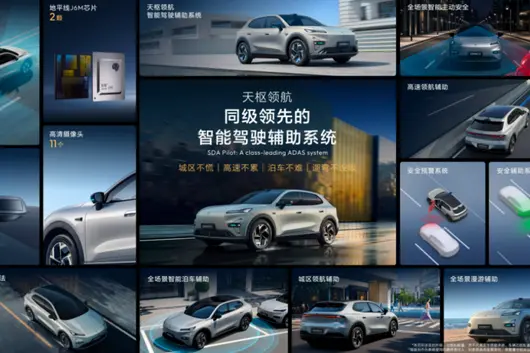
新车搭载全球首个量子级AI电子电气架构EEA4.0,将动力、底盘、车身等多核心系统统一管理,为全车智能体验筑牢了数字底座。智能驾驶方面,全新一代smart精灵1号搭载满血版千里浩瀚H5辅助驾驶系统,采用英伟达Orin Y高算力芯片,基于内置千亿参数WAM世界行为模型赋能的G-ASD 4.0解决方案。依托包含激光雷达在内的31个感知硬件,智能辅助驾驶领航能力覆盖城市、高速等多元场景。在环岛通行、无保护左转、窄巷通行等20多个难点场景下,决策更类人、更自然,后续还将通过OTA实现车位到车位功能。
智能座舱方面,4nm制程龙鹰6P芯片提供高算力保障,15.4英寸2.5K中控屏融合新一代smart OS,率先搭载深度定制最新版本Flyme Auto系统,交互更加便捷。“超级精灵”AI助手可以自主完成多地址、多顺序的复杂路线规划,AI空调可自主感知车内外环境自动调节座舱温湿度。
除“三电两智”的焕新,全新一代smart精灵1号的升级还坚守了品牌D.N.A.——奔驰设计、安全至上、悦享驾乘。
展开来说,每一款smart都由梅赛德斯-奔驰全球设计团队打造。经典四轮四角风格让小车也有“大气场”,铂金版专属的日冕金车顶经典回归,与车身搭配出蓝金、白金两款全新配色组合。D柱璀璨星辰发光Logo与Styled by Mercedes-Benz专属设计徽标,进一步强化了车侧辨识度。在“紧凑于外,宽适于内”的空间理念下,2750mm轴距与84%的得房率,让小车身藏得下大空间。
安全方面,新车按照中欧双五星标准打造,84%钢铝混合笼式车身筑起安全堡垒。新增19项主动安全辅助功能,包含自动紧急制动(AEB)、后方交叉紧急报警与制动(RCTA & RCTB)、爆胎稳定性控制、驾驶员失能辅助等多重能力。
不仅如此,smart还与奔驰联合对新车底盘进行调校,过弯时悬架支撑扎实有力,滤震干净利落。154mm离地间隙在保证城市穿梭灵活性的同时,也为周末郊野出行解锁了更多场景可能性。CST智能舒适制动系统有效抑制刹车点头,配合智能动态能量回收,起步、过弯、减速皆从容。

2026年是smart品牌全面提速的关键一年,smart正式启动“Change of Perspectives”品牌战役,进一步强化新奢品牌形象;产品矩阵从3款扩充至5款,品牌首款豪华掀背轿车精灵6号已正式上市,备受期待的经典双座车型精灵2号将于10月巴黎车展全球首秀。
在这样一个产品大年中,全新一代smart精灵1号的焕新上市具有特殊的战略意义。在smart品牌全球公司CEO佟湘北看来:“smart精灵1号始终是豪华小车的品类标杆,过去是,现在是,未来也是。”
作为smart品牌全球化征程的“开山之作”和销量基石,精灵1号的进化不仅是对四年市场洞察与用户反馈的集中回应,更是smart在“Change of Perspectives”品牌主张下,以持续迭代的产品力回应全球用户期待的最佳注脚。