


首頁lake

搜尋歷史
熱門搜尋
經銷商登入 / 註冊

6 月 1 日,吉利汽車正式發表 2026 年 5 月銷量成績單:全集團總銷量 237637 輛,實現連續三個月同環比雙增長。
今年車市整體唔算輕鬆,唔少品牌都要承受壓力調整,喺車市整體承受壓力、行業競爭加劇嘅背景下,吉利卻走出咗自己嘅節奏,穩中有進、越跑越順。尤其新能源板塊,5 月賣咗 133355 輛,滲透率直接沖到 56.1%,連續 4 個月過半,實打實站穩新能源主賽道。

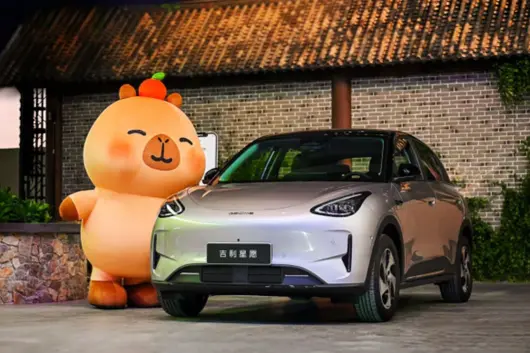
而喺呢份亮眼數據入面,吉利星願絕對係全場最亮眼嗰一個——5 月單月 36426 輛,佔銀河近 45% 銷量,妥妥嘅頂流擔當。
一、5 月全線飄紅,星願撐起半壁江山
5 月,吉利旗下四大品牌齊發力:吉利品牌 182528 輛、領克 20732 輛、極氪 34377 輛,高端化、全球化、年轻化三條線同步都在健康持續發展。
作為集團新能源主力,吉利銀河 5 月銷量 81727 輛,而星願一個車型就貢獻咗 36426 輛,差不多每賣出兩台銀河,就有一台係星願。佔銀河品牌近 45% 份額,係當之無愧嘅銷量擔當。呢個成績唔係運氣,而係長期市場口碑同產品力沉澱嘅必然結果。

自上市以來,星願嘅熱度就冇掉過:573 天累計交付突破 70 萬輛、每分鐘賣出一台,穩居 2025 年中國車市全品類銷量冠軍;2026 年更係一季度便沖進全球新能源前三,成為咗中國品牌唯一進入全球前三嘅車型。
從家用代步小車,到全球都认可嘅爆款,星願一步步把“中國小車”做成咗世界名片。
二、全新星願煥新上市,6.18 萬起五大冠軍實力拉滿
5 月 28 日,全新星願正式上市,限時權益價 6.18 萬 -9.18 萬元,冇虛頭巴腦嘅噱頭,冇套路式配置,以超 100 項產品力升級、25 項同級唯一嘅硬核實力,以上市即夯爆嘅市場熱度,再度定義 10 萬級純電小車標杆。這次升級就係一句話:把用戶最在意嘅點,全部拉滿。

1. 三電升級:續航快充雙頂尖
全新星願全係續航上調,最高 CLTC 續航 480km(老款 410km),日常通勤無焦慮;同級唯一全係標配寧德時代電芯 + 液冷溫控+11 合一高集成電驅,30%-80% 快充僅需 19 分鐘,一杯咖啡時間滿電出發,補能效率同級天花板。
2. 駕控越級:原生後驅 + 賽道級調校
好多人覺得便宜小車唔好開,但星願直接打破偏見:全新星願係同級首個採用全球化原生架構、標配後驅與獨立懸架嘅純電小車,底盤穩、轉向靈、易開好泊。

中德聯合賽道級調校,操控穩定性同靈活性兼備,麋鹿測試 80.7km/h、魚鉤測試 130km/h 成功通關,操控表現媲美 20 萬級運動轎跑;G-TCS 2.0 全天候防滑系統、G-CST 2.0 全場景舒適制動,不僅新手能輕鬆駕馭、老司機都開出樂趣。
3. 智能拉滿:Flyme Auto 2+ 千里浩瀚 H3
座艙智能全面進階,搭載銀河 Flyme Auto 2,7nm 龍鷹 1 號晶片+16G+128G 大儲存,操作絲滑流暢。AI Eva 語音助手支援模糊指令、上下文記憶,車控娛樂一鍵搞定。更搭載千里浩瀚 H3 智駕方案,高速 NOA、全場景 APA 泊車、HPA 記憶泊車(2km 超長記憶),13.8 億公里安全行駛驗證,越開越智能、越開越安心。

4. 安全不妥協,小車也有大安全
星願一直強調:“小車更要有大安全”,全新星願用咗五縱八橫星甲籠式車身,車頂抗压強度達 3.4 倍車重,碰撞時能最大程度保護乘員艙。

電池安全更係嚴上加嚴:國標 2 倍測試標準、1000 次循環容量仍有 90.72%,通過央視同級唯一正面 + 側面連續碰撞測試,高壓系統及時下電、電池不起火、乘員艙不變形,守護每一次出行。同時標配 DOW 開門預警、AEB 主動煞車、哨兵模式,主被動安全全面拉滿,俾用戶滿滿嘅安全感。
5. 出圈海外,成中國智造名片
星願不僅國內領跑,海外市場更係“中國智造”名片,已登陸全球 30+ 國家同地區。巴西上市 2 個月賣咗 2300 多台,泰國車展單周訂單 3300 台;拿下巴西年度最佳緊湊型電動車、印尼車展最受喜愛電動車,中國小車,正喺世界舞台發光。
三、新能源滲透率 56.1%,星願係增長核心
5 月,吉利新能源滲透率達 56.1%,連續四個月多突破 50%,轉型速度同質量都走在行業前列。能做到這一點,星願功不可沒。佢精準卡喺 10 萬級最主流市場,冇盲目跟風價格戰,而係靠實打實嘅產品力贏得用戶,以 6.18 萬起親民價格 + 越級產品力,打破“低價低質”固有認知,用高質優價打動千萬家庭;憑藉成熟可靠嘅三電、安全穩定嘅品質、智能好用嘅體驗,持續積累用戶口碑,形成“買 10 萬級純電小車,優先選星願”嘅市場共識。

總結:
從 5 月單月 36426 輛,到累計 70 萬輛;從中國冠軍,到全球前三。星願冇靠噱頭出圈,而係一步一個腳印,用續航、快充、駕控、智能、安全五大硬實力,征服咗千萬用戶,亦成為吉利高質量增長嘅底氣。
喺競爭越嚟越激烈嘅車市,吉利能連續三月雙增長、新能源滲透率過半,離唔開星願這樣嘅爆款車型。未來,全新星願會繼續深耕 10 萬級市場,把越級體驗帶畀更多家庭,亦助力吉利喺新能源賽道上跑得咁穩、更遠。

你睇過印度嘅馬路嗎?
我喺網上見過。
畫面通常係咁,一輛轎車俾牛尾擋住,旁邊仲有亂竄嘅摩托,甚至周圍仲有賣奶茶嘅小夥,嗰叫一個“乾淨又衛生”。

然而,喺呢啲睇完好多人覺得生理不適嘅地方,豐田、鈴木、本田等日本車廠,卻決定將籌碼押落印度。
據印度“品牌質量基金會”網站顯示,三家車廠將喺印度投資近110 億美元建廠、提產能、搞出口。
對此有网友表示,三家日本車廠係咪錢多到無處花?
事實上,佢哋唔係錢多到花唔完,亦唔係被印度嘅咖哩蒙蔽咗心竅,呢啲日本車廠高層遠比我哋清醒。
而家嘅日系車,營業額、市場份額都喺下滑,原材料成本仲係升得飛起,打開世界地圖,搵一個能夠容納產能、拓充份額、競爭溫和嘅市場,唔係咁容易嘅事。
所以,唔係日本車廠選擇咗印度,而係因為冇得揀。
日本車廠之痛
曾經嘅日系車,嗰時妥妥係人哋個仔。
你問下十幾年前開過日系車嘅老司機,一提起日系車,幾乎就冇唔豎大拇指嘅,價錢平、省油、耐用又抵撞……
甚至好多日系車,仲要加價購買,但邊個諗到,呢個鐵打嘅江山,短短幾年時間就俾佢哋打得找唔著北。
隨著新能源汽車浪潮嚟到,電動化、智能化變成好多自主車廠“彎道超車”嘅目標,依托於中國強大嘅新能源汽車產業鏈優勢同車廠自身對研發、技術嘅堅持,中國自主品牌迅速實現咗“彎道超車”。
曾經被人吐槽嘅國產車,而家喺馬路越來越多人,甚至份額超越咗合資。
根據乘聯會嘅數據,喺2026 年4 月,自主品牌嘅份額已經高達62.5%,遠超日系嘅13.1%。

要知道,中國汽車市場係全球最大嘅汽車市場,喺中國市場失速,就相當於丟咗一塊巨大嘅蛋糕。
同時,中國市場近年嚟嘅主旋律依舊係價格戰,捲配置、捲價格、捲服務已經成為一種常態,亦對日系車嘅利潤產生咗巨大嘅影響。
除咗中國,日系車喺美國過得亦唔太好。
2025 年 1 月 20 日,特朗普宣誓就職第 47 任美國總統,自此開啟咗一連串搞搞震,其中就包括以國家安全為理由徵收額外嘅汽車關稅,導致進口日本汽車嘅關稅稅率一度高達 27.5%,雖然後嚟有所降低,但亦遠高於最初嘅稅率。
呢個操作,直接導致七大日本車廠喺2025 財政年度嘅關稅損失超2 萬億日元。
再睇日本本土,其實亦唔容易。
中東地緣衝突導致霍爾木茲海峽航運受阻,運輸成本、原材料成本暴漲,日本車廠都有苦難言。

高管們看著報表,背後發涼,只能尋找全新嘅增長曲線。
所以,日本車廠唔係愛上印度,係冇地方去。
揀選印度嘅深思熟慮
咁,印度點解咁有魔力,先至令日本車廠重資投入呢?
第一個優勢就係大。喺2025 年,印度汽車市場取得咗551.7 萬輛嘅新車銷量,同比增長 6%,刷新咗歷史紀錄,位居全球第三大汽車市場,已经连续四年超越日本,僅次於中國同美國。
呢個含金量唔使多講啦,而印度取得呢一成績,主要係因為印度一直喺推動減稅政策,促進消費,這導致國內消費意願出現咗明顯增強。
第二個優點係近,就係離日系車賣得動嘅地方近,如非洲等其他地區。
所以,印度對於日本車廠,更似一個建喺十字路口中央嘅便利店,你唔使將車分別運去八個國家,只需要喺印度呢站造好,然後一船一船甩去,就能削減唔少成本。

《日本經濟新聞》亦認為,印度有望轉變為佢哋全球嘅汽車供應中心。
第三個優點係穩。要知道,日系車嘅優勢就係燃油車,畢竟引擎、變速箱、底盤三大件,佢哋已經玩咗好多年,技術積累喺全球都係數一數二。
但係中國汽車市場已經全力推動電動化、智能化發展,導致日系車嘅優勢越來越弱,根本無法發揮出嚟,但印度唔一樣,佢擁有充電樁少、電動化進程緩慢嘅特點,印度老百姓買車,都仲係盯住平、省油、易修,而呢三點正係日系車嘅老本行。
尤其係鈴木,一直係印度汽車市場嘅常青樹,幾乎年年穩坐暢銷車型寶座,口碑好,勝過任何廣告。
所以,日本車廠大力佈局印度市場,顯然是經過深思熟慮嘅。
但,印度市場真係咁好混咩?
難啃嘅印度市場
當然,印度亦唔係完美得似個香口格,佢嘅缺點同佢嘅優點一樣明顯,而且每一個都夠日本車廠喝一壺。
先講電動化,冇錯,眼睇下印度充電樁少、電動車賣唔動,確實係日系燃油車嘅避風港。但你得諗諗,呢個“避風港”能避幾耐?
印度此前可係喊出咗 2030 年電動車佔新車 30% 嘅口號,雖然聽落似吹水,但抵唔住人哋真補錢、真建充電站。
試諗下,萬一有日印度突然開竅,開始大力推動電動化、搞基建,充電樁似雨後春筍咁冒出來,嗰日系車唔就傻眼?
呢唔係泰國市場嘅翻版咩?
當年日系車喺泰國都係躺贏,整個東南亞市場,都被稱為日系車嘅後花園,結果泰國率先推動電動化,中國電動車一嚟,直接就成咗香口格,再睇日系車,喺泰國嘅市場份額嘩嘩嚟咗落。

如果印度係電動化一加速,歷史大概率會重演,而而家呢次,日系車連逃嘅地方都快冇咗,點樣預防,將成為日本車廠嘅首要問題。
再講政策,印度嘅政策就似一鍋咖哩,你永遠唔知下一口食到係雞肉定係馬鈴薯。
呢個魔幻嘅國家,今日係低關稅鼓勵建廠,明日就可能罰你一筆巨款,更令人頭痛嘅係強制合資,外國車廠想喺印度賣車,要搵本地夥伴搭檔,等你工廠建好咗、供應鏈搭完咗,印度直接背刺你,到嗰陣無論係加錢定撤資,換嚟嘅都係心痛。
所以你看,印度呢個市場,就好似一個睇落好甜嘅芒果,咬落去第一口仲行,再啃幾口就摸著硬核。
日系車而家嘅算盤係,趁住核都未硌牙,趕緊多啃幾口,但核遲早會硌到,只係唔知係邊一日。
尾聲
日系車呢趟印度之旅,唔係去旅遊,係去搵食。
中國同東南亞嘅飯桌更擁擠,生產、運輸嘅成本又提高咗,放眼全球,就印度呢口鍋仲冒住熱氣,哪怕入面煮嘅係咖哩味嘅石頭,都要硬著頭皮啃落去。
日本車廠想擴大市場,印度想嘅係拉動經濟、解決就業,雙方都有各自嘅心思。
至於結局係日系車喺印度重新封神,定係好似當年嘅部分友商一樣灰溜溜走人,那就唔知啦。
但無論點樣,呢場戲先至開始,我哋慢慢睇就得啦。
反正印度嘅故事,從來唔會悶。

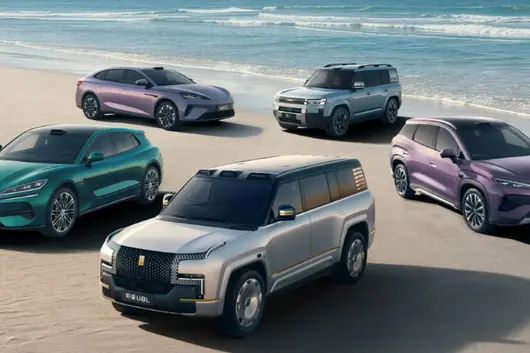
BYD officially released the May 2026 production and sales flash report, with new energy vehicles from all brands reaching a monthly sales volume of 383,453 vehicles, a slight increase of 0.26% year-on-year, achieving year-on-year positive growth in monthly sales after ten months; among them, passenger car deliveries reached 376,990 units, surging 19.4% month-on-month, wiping out the pain of previous model iterations, presenting a new pattern where the domestic base is stable, overseas sales are soaring, and high-end brands are scaling up across the board. Amidst the market environment of intensified competition in the domestic new energy sector, Tesla FSD entering China, and an intense launch of independent new products, it has forged a unique structural growth path.

The Dynasty and Ocean main brands combined sold 330,215 vehicles in May, accounting for over 80% of the group's total sales, remaining the stabilizer for BYD's sales volume. The full series had 8 models exceeding 20,000 units in monthly sales, covering products from 50,000 entry-level commuter to 200,000 home SUV.

Inside the Dynasty Network, the Yuan family sold 56,691 units, and the Song family 51,370 units. Both crossed the 50,000 threshold, becoming two major sales pillars for the brand, catering to home commuter and urban-rural travel needs; the Qin family followed closely with a stable performance of 28,360 units. The Han and Tang series maintained a volume in the six-thousand range, deeply cultivating the mid-to-large home sedan and SUV niche markets; the brand new model Xia is in the market cultivation phase, delivering 1,810 units monthly, with potential for steady volume growth as channels expand.
The Ocean Network's growth momentum is even more rapid, with 5 models entering the 20,000 club across the series: Sealion 42,615 units, Seal 34,117 units, Seagull 39,919 units, Dolphin 22,260 units, and Song PLUS 27,755 units. Among them, Seagull remains the best-selling entry-level commuter model thanks to its affordable pricing of 60,000-80,000. Sealion, as a new volume model, stands firm at the 40,000 level upon launch, filling the mid-size SUV product gap in the Ocean Network and perfecting the Ocean product tier layout. From commuter small cars to compact SUVs, the two main brands rely on DM-i hybrid and pure electric dual-line technologies to牢牢锁住 the mainstream home market share within 150,000 domestically.
Fang Cheng Bao Year-on-Year Surges 139.7%, Brand Upward Positioning Takes EffectThe high-end matrix of Denza, Fang Cheng Bao, and Yangwang sold a combined 46,489 vehicles in May, officially breaking away from the niche positioning to become a new pivot for BYD's brand premium and profit growth, breaking the industry curse of difficulty in high-end breakthrough for domestic brands.

The off-road brand Fang Cheng Bao sold 30,186 units monthly, surging 139.7% year-on-year, creating a new high in monthly sales since the brand launched. Its Titanium 7 model sold 18,280 units monthly, while Leopard 5 and Leopard 8 output remained stable, continuously squeezing the survival space for joint venture and imported models in the 250,000-400,000 hardcore off-road niche market.

Denza delivered 16,303 units in May, with the MPV benchmark D9 selling 6,721 units, and the Z9 series close to 6,000 units. MPV and mid-to-large sedan dual-line efforts helped them stand firm in the luxury new energy track; the million-level ultra-luxury brand Yangwang continued its steady climb, delivering 286 units that month, a year-on-year increase of 105.8%, completing market verification of the domestic brand ceiling product and forming a full price range product layout from 100,000+ home, 300,000-400,000 off-road, 500,000 luxury MPV to million-level flagship.

In May, BYD's overseas sales of passenger cars and pickup trucks reached 160,177 units, surging 80.7% year-on-year. Exports accounted for over 42% of the full series total sales, setting a new historical high for brand export and becoming the core driving force to stabilize May overall sales and achieve year-on-year positive growth.
Southeast Asia, Europe, and Latin America became the main incremental markets. Seagull, Song PLUS, and Yuan series continued to top new energy best-seller lists in multiple countries; the SHARK pickup truck exceeded 4,000 units in monthly exports for two consecutive months. Relying on the completion of localization production in Thailand, Brazil, Hungary, and Uzbekistan with four overseas vehicle factories, localized production continues to land, avoiding tariffs while rapidly penetrating terminal channels. Against the background of stock market competition in the domestic auto industry and normalized price wars, the rapidly expanding overseas market effectively counteracts sales volatility brought by domestic model iterations, officially upgrading from a supplementary market to BYD's core growth engine. As of now, BYD's global cumulative new energy vehicle sales have exceeded 16.5 million units, with the globalization map continuously broadening.
Intelligent Driving Empowers Product Iteration, H2 New Products Prepare to Surge VolumeMay marked a key node in BYD's intelligent driving landing, with the God's Eye intelligent driving system becoming a core bonus point for models: the number of vehicles with advanced intelligent driving across all brands exceeded 3.15 million, with daily road test data exceeding 200 million kilometers; that month, BYD implemented City Pilot and Smart Parking dual safety backup services, becoming the world's first auto manufacturer to achieve dual intelligent driving backups. Three days after policy implementation, the activation rate of models equipped with the God's Eye system in cities surged 50%. Intelligent driving experience upgrades directly drove in-store order conversion, solidifying product competitiveness for subsequent models to continue volume sales, and facing the intelligent driving market shock brought by FSD entering China.
From data details, BYD's cumulative sales from January to May 2026 were 1,405,039 units, down 20.32% year-on-year. The core reason is that the full series of main models were concentratedly iterated, and the capacity ramp-up of the 2nd Gen Fast Charge Blade Battery was restricted. The new Flash Charge Battery upgraded fast charging and low-temperature performance. Full series iteration models prioritized installing new batteries, but production line retrofitting dragged down capacity release. Order backlogs on popular models and delayed deliveries compressed the May delivery volume to a certain extent.
As the end of the second quarter approaches and the 2nd Gen Blade Battery capacity continues to release, coupled with new models such as Denza N8L, Fang Cheng Bao Titanium 7 Pure Electric Version, Sealion 05, and Xia L landing the market, the industry generally predicts that BYD's full brand sales in June are expected to exceed 400,000 vehicles. Relying on the four-dimension development logic of low-end volume locking share, high-end raising profit, overseas pushing volume, and intelligence improving product power, amidst the intensified new energy elimination round in the domestic market, BYD's full category layout advantage continues to amplify, securing its status as the domestic new energy leader, accelerating steadily towards global top auto manufacturers.

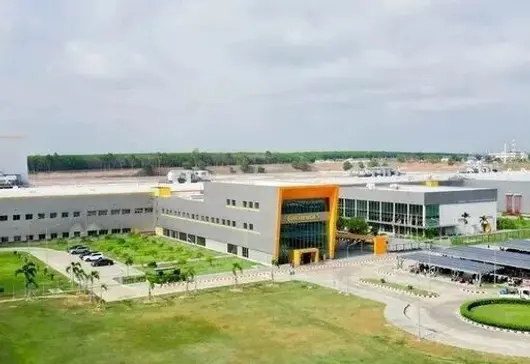
5 月 22 日,德國大陸集團(馬牌輪胎)喺泰國羅勇府嘅輪胎工廠第二期擴建計劃正式竣工投產。該項目總投資超過 3 億歐元(約 130 億泰銖),不僅實現咗產能嘅大幅跨越,更加首次將子午線摩托車胎喺泰國實現本土化生產,進一步鞏固咗大陸集團喺亞太高端輪胎市場嘅核心地位。

產能躍升同產品線拓展
據悉,該項目於 2024 年動工,二期投產後,工廠新增 300 萬條/年嘅乘用車及輕卡車胎產能,總產能實現跨越式增長,達到 800 萬條/年。喺產品佈局上,今次擴建嘅一大亮點係首次喺泰國實現子午線摩托車胎嘅本土化生產,呢項舉動大幅完善咗大陸集團高端摩托胎嘅全球供應鏈版圖。

“智造”升級同就業拉動
喺生產製造方面,羅勇工廠第二期引入咗德國先進設備同高度自動化系統,實現咗由煉膠到成品嘅全流程智能化覆蓋,產品品質全面達到 IATF 國際質量認證標準。同時,該項目嘅落實亦為當地創造咗約 600 個新增就業崗位,並為大陸集團 2029 年嘅後續擴能計劃奠定咗堅實基礎。

深耕亞太,高效響應區域需求
大陸集團行政總裁克里斯蒂安·科茨喺竣工儀式上表示,羅勇工廠係大陸集團全球生產網絡嘅核心支柱,第二期項目嘅竣工係加強亞太戰略嘅重要里程碑。
依靠泰國作為全球第二大輪胎生產國嘅產業優勢,羅勇工廠嘅產品主要供應泰國本土同東盟、澳洲、日韓等亞太市場。憑藉顯著嘅區位優勢,工廠有效降低咗物流成本,能夠高效、敏捷地響應區內對高端輪胎嘅旺盛需求。

賦能高端化同綠色化轉型
業內分析指出,隨著亞太地區汽車產業嘅快速演進,今次羅勇工廠嘅擴建,將顯著提升大陸集團喺新能源、高性能同特種輪胎領域嘅交付能力。呢個唔單止有助於大陸集團搶佔亞太高端市場先機,更將助力整個亞太輪胎市場向高端化、智能化、綠色化方向加速升級。

BYD officially released the May 2026 production and sales flash report, with new energy vehicles from all brands reaching a monthly sales volume of 383,453 vehicles, a slight increase of 0.26% year-on-year, achieving year-on-year positive growth in monthly sales after ten months; among them, passenger car deliveries reached 376,990 units, surging 19.4% month-on-month, wiping out the pain of previous model iterations, presenting a new pattern where the domestic base is stable, overseas sales are soaring, and high-end brands are scaling up across the board. Amidst the market environment of intensified competition in the domestic new energy sector, Tesla FSD entering China, and an intense launch of independent new products, it has forged a unique structural growth path.
The Dynasty and Ocean main brands combined sold 330,215 vehicles in May, accounting for over 80% of the group's total sales, remaining the stabilizer for BYD's sales volume. The full series had 8 models exceeding 20,000 units in monthly sales, covering products from 50,000 entry-level commuter to 200,000 home SUV.
Inside the Dynasty Network, the Yuan family sold 56,691 units, and the Song family 51,370 units. Both crossed the 50,000 threshold, becoming two major sales pillars for the brand, catering to home commuter and urban-rural travel needs; the Qin family followed closely with a stable performance of 28,360 units. The Han and Tang series maintained a volume in the six-thousand range, deeply cultivating the mid-to-large home sedan and SUV niche markets; the brand new model Xia is in the market cultivation phase, delivering 1,810 units monthly, with potential for steady volume growth as channels expand.
The Ocean Network's growth momentum is even more rapid, with 5 models entering the 20,000 club across the series: Sealion 42,615 units, Seal 34,117 units, Seagull 39,919 units, Dolphin 22,260 units, and Song PLUS 27,755 units. Among them, Seagull remains the best-selling entry-level commuter model thanks to its affordable pricing of 60,000-80,000. Sealion, as a new volume model, stands firm at the 40,000 level upon launch, filling the mid-size SUV product gap in the Ocean Network and perfecting the Ocean product tier layout. From commuter small cars to compact SUVs, the two main brands rely on DM-i hybrid and pure electric dual-line technologies to牢牢锁住 the mainstream home market share within 150,000 domestically.
Fang Cheng Bao Year-on-Year Surges 139.7%, Brand Upward Positioning Takes EffectThe high-end matrix of Denza, Fang Cheng Bao, and Yangwang sold a combined 46,489 vehicles in May, officially breaking away from the niche positioning to become a new pivot for BYD's brand premium and profit growth, breaking the industry curse of difficulty in high-end breakthrough for domestic brands.
The off-road brand Fang Cheng Bao sold 30,186 units monthly, surging 139.7% year-on-year, creating a new high in monthly sales since the brand launched. Its Titanium 7 model sold 18,280 units monthly, while Leopard 5 and Leopard 8 output remained stable, continuously squeezing the survival space for joint venture and imported models in the 250,000-400,000 hardcore off-road niche market.
Denza delivered 16,303 units in May, with the MPV benchmark D9 selling 6,721 units, and the Z9 series close to 6,000 units. MPV and mid-to-large sedan dual-line efforts helped them stand firm in the luxury new energy track; the million-level ultra-luxury brand Yangwang continued its steady climb, delivering 286 units that month, a year-on-year increase of 105.8%, completing market verification of the domestic brand ceiling product and forming a full price range product layout from 100,000+ home, 300,000-400,000 off-road, 500,000 luxury MPV to million-level flagship.
In May, BYD's overseas sales of passenger cars and pickup trucks reached 160,177 units, surging 80.7% year-on-year. Exports accounted for over 42% of the full series total sales, setting a new historical high for brand export and becoming the core driving force to stabilize May overall sales and achieve year-on-year positive growth.
Southeast Asia, Europe, and Latin America became the main incremental markets. Seagull, Song PLUS, and Yuan series continued to top new energy best-seller lists in multiple countries; the SHARK pickup truck exceeded 4,000 units in monthly exports for two consecutive months. Relying on the completion of localization production in Thailand, Brazil, Hungary, and Uzbekistan with four overseas vehicle factories, localized production continues to land, avoiding tariffs while rapidly penetrating terminal channels. Against the background of stock market competition in the domestic auto industry and normalized price wars, the rapidly expanding overseas market effectively counteracts sales volatility brought by domestic model iterations, officially upgrading from a supplementary market to BYD's core growth engine. As of now, BYD's global cumulative new energy vehicle sales have exceeded 16.5 million units, with the globalization map continuously broadening.
Intelligent Driving Empowers Product Iteration, H2 New Products Prepare to Surge VolumeMay marked a key node in BYD's intelligent driving landing, with the God's Eye intelligent driving system becoming a core bonus point for models: the number of vehicles with advanced intelligent driving across all brands exceeded 3.15 million, with daily road test data exceeding 200 million kilometers; that month, BYD implemented City Pilot and Smart Parking dual safety backup services, becoming the world's first auto manufacturer to achieve dual intelligent driving backups. Three days after policy implementation, the activation rate of models equipped with the God's Eye system in cities surged 50%. Intelligent driving experience upgrades directly drove in-store order conversion, solidifying product competitiveness for subsequent models to continue volume sales, and facing the intelligent driving market shock brought by FSD entering China.
From data details, BYD's cumulative sales from January to May 2026 were 1,405,039 units, down 20.32% year-on-year. The core reason is that the full series of main models were concentratedly iterated, and the capacity ramp-up of the 2nd Gen Fast Charge Blade Battery was restricted. The new Flash Charge Battery upgraded fast charging and low-temperature performance. Full series iteration models prioritized installing new batteries, but production line retrofitting dragged down capacity release. Order backlogs on popular models and delayed deliveries compressed the May delivery volume to a certain extent.
As the end of the second quarter approaches and the 2nd Gen Blade Battery capacity continues to release, coupled with new models such as Denza N8L, Fang Cheng Bao Titanium 7 Pure Electric Version, Sealion 05, and Xia L landing the market, the industry generally predicts that BYD's full brand sales in June are expected to exceed 400,000 vehicles. Relying on the four-dimension development logic of low-end volume locking share, high-end raising profit, overseas pushing volume, and intelligence improving product power, amidst the intensified new energy elimination round in the domestic market, BYD's full category layout advantage continues to amplify, securing its status as the domestic new energy leader, accelerating steadily towards global top auto manufacturers.

BYD officially released the May 2026 production and sales flash report, with new energy vehicles from all brands reaching a monthly sales volume of 383,453 vehicles, a slight increase of 0.26% year-on-year, achieving year-on-year positive growth in monthly sales after ten months; among them, passenger car deliveries reached 376,990 units, surging 19.4% month-on-month, wiping out the pain of previous model iterations, presenting a new pattern where the domestic base is stable, overseas sales are soaring, and high-end brands are scaling up across the board. Amidst the market environment of intensified competition in the domestic new energy sector, Tesla FSD entering China, and an intense launch of independent new products, it has forged a unique structural growth path.
The Dynasty and Ocean main brands combined sold 330,215 vehicles in May, accounting for over 80% of the group's total sales, remaining the stabilizer for BYD's sales volume. The full series had 8 models exceeding 20,000 units in monthly sales, covering products from 50,000 entry-level commuter to 200,000 home SUV.
Inside the Dynasty Network, the Yuan family sold 56,691 units, and the Song family 51,370 units. Both crossed the 50,000 threshold, becoming two major sales pillars for the brand, catering to home commuter and urban-rural travel needs; the Qin family followed closely with a stable performance of 28,360 units. The Han and Tang series maintained a volume in the six-thousand range, deeply cultivating the mid-to-large home sedan and SUV niche markets; the brand new model Xia is in the market cultivation phase, delivering 1,810 units monthly, with potential for steady volume growth as channels expand.
The Ocean Network's growth momentum is even more rapid, with 5 models entering the 20,000 club across the series: Sealion 42,615 units, Seal 34,117 units, Seagull 39,919 units, Dolphin 22,260 units, and Song PLUS 27,755 units. Among them, Seagull remains the best-selling entry-level commuter model thanks to its affordable pricing of 60,000-80,000. Sealion, as a new volume model, stands firm at the 40,000 level upon launch, filling the mid-size SUV product gap in the Ocean Network and perfecting the Ocean product tier layout. From commuter small cars to compact SUVs, the two main brands rely on DM-i hybrid and pure electric dual-line technologies to牢牢锁住 the mainstream home market share within 150,000 domestically.
Fang Cheng Bao Year-on-Year Surges 139.7%, Brand Upward Positioning Takes EffectThe high-end matrix of Denza, Fang Cheng Bao, and Yangwang sold a combined 46,489 vehicles in May, officially breaking away from the niche positioning to become a new pivot for BYD's brand premium and profit growth, breaking the industry curse of difficulty in high-end breakthrough for domestic brands.
The off-road brand Fang Cheng Bao sold 30,186 units monthly, surging 139.7% year-on-year, creating a new high in monthly sales since the brand launched. Its Titanium 7 model sold 18,280 units monthly, while Leopard 5 and Leopard 8 output remained stable, continuously squeezing the survival space for joint venture and imported models in the 250,000-400,000 hardcore off-road niche market.
Denza delivered 16,303 units in May, with the MPV benchmark D9 selling 6,721 units, and the Z9 series close to 6,000 units. MPV and mid-to-large sedan dual-line efforts helped them stand firm in the luxury new energy track; the million-level ultra-luxury brand Yangwang continued its steady climb, delivering 286 units that month, a year-on-year increase of 105.8%, completing market verification of the domestic brand ceiling product and forming a full price range product layout from 100,000+ home, 300,000-400,000 off-road, 500,000 luxury MPV to million-level flagship.
In May, BYD's overseas sales of passenger cars and pickup trucks reached 160,177 units, surging 80.7% year-on-year. Exports accounted for over 42% of the full series total sales, setting a new historical high for brand export and becoming the core driving force to stabilize May overall sales and achieve year-on-year positive growth.
Southeast Asia, Europe, and Latin America became the main incremental markets. Seagull, Song PLUS, and Yuan series continued to top new energy best-seller lists in multiple countries; the SHARK pickup truck exceeded 4,000 units in monthly exports for two consecutive months. Relying on the completion of localization production in Thailand, Brazil, Hungary, and Uzbekistan with four overseas vehicle factories, localized production continues to land, avoiding tariffs while rapidly penetrating terminal channels. Against the background of stock market competition in the domestic auto industry and normalized price wars, the rapidly expanding overseas market effectively counteracts sales volatility brought by domestic model iterations, officially upgrading from a supplementary market to BYD's core growth engine. As of now, BYD's global cumulative new energy vehicle sales have exceeded 16.5 million units, with the globalization map continuously broadening.
Intelligent Driving Empowers Product Iteration, H2 New Products Prepare to Surge VolumeMay marked a key node in BYD's intelligent driving landing, with the God's Eye intelligent driving system becoming a core bonus point for models: the number of vehicles with advanced intelligent driving across all brands exceeded 3.15 million, with daily road test data exceeding 200 million kilometers; that month, BYD implemented City Pilot and Smart Parking dual safety backup services, becoming the world's first auto manufacturer to achieve dual intelligent driving backups. Three days after policy implementation, the activation rate of models equipped with the God's Eye system in cities surged 50%. Intelligent driving experience upgrades directly drove in-store order conversion, solidifying product competitiveness for subsequent models to continue volume sales, and facing the intelligent driving market shock brought by FSD entering China.
From data details, BYD's cumulative sales from January to May 2026 were 1,405,039 units, down 20.32% year-on-year. The core reason is that the full series of main models were concentratedly iterated, and the capacity ramp-up of the 2nd Gen Fast Charge Blade Battery was restricted. The new Flash Charge Battery upgraded fast charging and low-temperature performance. Full series iteration models prioritized installing new batteries, but production line retrofitting dragged down capacity release. Order backlogs on popular models and delayed deliveries compressed the May delivery volume to a certain extent.
As the end of the second quarter approaches and the 2nd Gen Blade Battery capacity continues to release, coupled with new models such as Denza N8L, Fang Cheng Bao Titanium 7 Pure Electric Version, Sealion 05, and Xia L landing the market, the industry generally predicts that BYD's full brand sales in June are expected to exceed 400,000 vehicles. Relying on the four-dimension development logic of low-end volume locking share, high-end raising profit, overseas pushing volume, and intelligence improving product power, amidst the intensified new energy elimination round in the domestic market, BYD's full category layout advantage continues to amplify, securing its status as the domestic new energy leader, accelerating steadily towards global top auto manufacturers.

你睇過印度嘅馬路嗎?
我喺網上見過。
畫面通常係咁,一輛轎車俾牛尾擋住,旁邊仲有亂竄嘅摩托,甚至周圍仲有賣奶茶嘅小夥,嗰叫一個“乾淨又衛生”。
然而,喺呢啲睇完好多人覺得生理不適嘅地方,豐田、鈴木、本田等日本車廠,卻決定將籌碼押落印度。
據印度“品牌質量基金會”網站顯示,三家車廠將喺印度投資近110 億美元建廠、提產能、搞出口。
對此有网友表示,三家日本車廠係咪錢多到無處花?
事實上,佢哋唔係錢多到花唔完,亦唔係被印度嘅咖哩蒙蔽咗心竅,呢啲日本車廠高層遠比我哋清醒。
而家嘅日系車,營業額、市場份額都喺下滑,原材料成本仲係升得飛起,打開世界地圖,搵一個能夠容納產能、拓充份額、競爭溫和嘅市場,唔係咁容易嘅事。
所以,唔係日本車廠選擇咗印度,而係因為冇得揀。
日本車廠之痛
曾經嘅日系車,嗰時妥妥係人哋個仔。
你問下十幾年前開過日系車嘅老司機,一提起日系車,幾乎就冇唔豎大拇指嘅,價錢平、省油、耐用又抵撞……
甚至好多日系車,仲要加價購買,但邊個諗到,呢個鐵打嘅江山,短短幾年時間就俾佢哋打得找唔著北。
隨著新能源汽車浪潮嚟到,電動化、智能化變成好多自主車廠“彎道超車”嘅目標,依托於中國強大嘅新能源汽車產業鏈優勢同車廠自身對研發、技術嘅堅持,中國自主品牌迅速實現咗“彎道超車”。
曾經被人吐槽嘅國產車,而家喺馬路越來越多人,甚至份額超越咗合資。
根據乘聯會嘅數據,喺2026 年4 月,自主品牌嘅份額已經高達62.5%,遠超日系嘅13.1%。
要知道,中國汽車市場係全球最大嘅汽車市場,喺中國市場失速,就相當於丟咗一塊巨大嘅蛋糕。
同時,中國市場近年嚟嘅主旋律依舊係價格戰,捲配置、捲價格、捲服務已經成為一種常態,亦對日系車嘅利潤產生咗巨大嘅影響。
除咗中國,日系車喺美國過得亦唔太好。
2025 年 1 月 20 日,特朗普宣誓就職第 47 任美國總統,自此開啟咗一連串搞搞震,其中就包括以國家安全為理由徵收額外嘅汽車關稅,導致進口日本汽車嘅關稅稅率一度高達 27.5%,雖然後嚟有所降低,但亦遠高於最初嘅稅率。
呢個操作,直接導致七大日本車廠喺2025 財政年度嘅關稅損失超2 萬億日元。
再睇日本本土,其實亦唔容易。
中東地緣衝突導致霍爾木茲海峽航運受阻,運輸成本、原材料成本暴漲,日本車廠都有苦難言。
高管們看著報表,背後發涼,只能尋找全新嘅增長曲線。
所以,日本車廠唔係愛上印度,係冇地方去。
揀選印度嘅深思熟慮
咁,印度點解咁有魔力,先至令日本車廠重資投入呢?
第一個優勢就係大。喺2025 年,印度汽車市場取得咗551.7 萬輛嘅新車銷量,同比增長 6%,刷新咗歷史紀錄,位居全球第三大汽車市場,已经连续四年超越日本,僅次於中國同美國。
呢個含金量唔使多講啦,而印度取得呢一成績,主要係因為印度一直喺推動減稅政策,促進消費,這導致國內消費意願出現咗明顯增強。
第二個優點係近,就係離日系車賣得動嘅地方近,如非洲等其他地區。
所以,印度對於日本車廠,更似一個建喺十字路口中央嘅便利店,你唔使將車分別運去八個國家,只需要喺印度呢站造好,然後一船一船甩去,就能削減唔少成本。
《日本經濟新聞》亦認為,印度有望轉變為佢哋全球嘅汽車供應中心。
第三個優點係穩。要知道,日系車嘅優勢就係燃油車,畢竟引擎、變速箱、底盤三大件,佢哋已經玩咗好多年,技術積累喺全球都係數一數二。
但係中國汽車市場已經全力推動電動化、智能化發展,導致日系車嘅優勢越來越弱,根本無法發揮出嚟,但印度唔一樣,佢擁有充電樁少、電動化進程緩慢嘅特點,印度老百姓買車,都仲係盯住平、省油、易修,而呢三點正係日系車嘅老本行。
尤其係鈴木,一直係印度汽車市場嘅常青樹,幾乎年年穩坐暢銷車型寶座,口碑好,勝過任何廣告。
所以,日本車廠大力佈局印度市場,顯然是經過深思熟慮嘅。
但,印度市場真係咁好混咩?
難啃嘅印度市場
當然,印度亦唔係完美得似個香口格,佢嘅缺點同佢嘅優點一樣明顯,而且每一個都夠日本車廠喝一壺。
先講電動化,冇錯,眼睇下印度充電樁少、電動車賣唔動,確實係日系燃油車嘅避風港。但你得諗諗,呢個“避風港”能避幾耐?
印度此前可係喊出咗 2030 年電動車佔新車 30% 嘅口號,雖然聽落似吹水,但抵唔住人哋真補錢、真建充電站。
試諗下,萬一有日印度突然開竅,開始大力推動電動化、搞基建,充電樁似雨後春筍咁冒出來,嗰日系車唔就傻眼?
呢唔係泰國市場嘅翻版咩?
當年日系車喺泰國都係躺贏,整個東南亞市場,都被稱為日系車嘅後花園,結果泰國率先推動電動化,中國電動車一嚟,直接就成咗香口格,再睇日系車,喺泰國嘅市場份額嘩嘩嚟咗落。
如果印度係電動化一加速,歷史大概率會重演,而而家呢次,日系車連逃嘅地方都快冇咗,點樣預防,將成為日本車廠嘅首要問題。
再講政策,印度嘅政策就似一鍋咖哩,你永遠唔知下一口食到係雞肉定係馬鈴薯。
呢個魔幻嘅國家,今日係低關稅鼓勵建廠,明日就可能罰你一筆巨款,更令人頭痛嘅係強制合資,外國車廠想喺印度賣車,要搵本地夥伴搭檔,等你工廠建好咗、供應鏈搭完咗,印度直接背刺你,到嗰陣無論係加錢定撤資,換嚟嘅都係心痛。
所以你看,印度呢個市場,就好似一個睇落好甜嘅芒果,咬落去第一口仲行,再啃幾口就摸著硬核。
日系車而家嘅算盤係,趁住核都未硌牙,趕緊多啃幾口,但核遲早會硌到,只係唔知係邊一日。
尾聲
日系車呢趟印度之旅,唔係去旅遊,係去搵食。
中國同東南亞嘅飯桌更擁擠,生產、運輸嘅成本又提高咗,放眼全球,就印度呢口鍋仲冒住熱氣,哪怕入面煮嘅係咖哩味嘅石頭,都要硬著頭皮啃落去。
日本車廠想擴大市場,印度想嘅係拉動經濟、解決就業,雙方都有各自嘅心思。
至於結局係日系車喺印度重新封神,定係好似當年嘅部分友商一樣灰溜溜走人,那就唔知啦。
但無論點樣,呢場戲先至開始,我哋慢慢睇就得啦。
反正印度嘅故事,從來唔會悶。


Less than half of 2026 has passed, but one thing can be concluded in advance: without the support of overseas markets, the production and sales data of China's automotive industry this year will look very bad.
First, let's look at the domestic market.
Jan-April, domestic passenger car cumulative retail sales reached 5.604 million, down 18.5% year-on-year. Among them, fuel vehicle sales fell by approximately 19.8%, while new energy vehicles also declined by 17.2%. April retail sales alone were 1.384 million, down 21.5% year-on-year and down 16.0% month-on-month.
This is not a problem of a specific segment, but rather the entire market is contracting.
Now let's look at exports.
For the same period, China's cumulative auto exports reached 3.25 million, a year-on-year increase of 50.6%. New energy vehicle exports were nearly 1.5 million, accounting for 48%, up 69% year-on-year.
In April alone, passenger car exports accounted for 36% of manufacturer sales, compared to only 19% at the same time last year. It was precisely the strong performance of exports that stabilized the slowdown in the domestic market.
In Jan-April this year, China's auto production and sales overall declined year-on-year by 4.8% to 5.5%. Although this negative growth is rare in recent years, it is still a single digit. Without exports, this number would look much worse.
Auto exports are no longer an optional peripheral business; they are profoundly changing the business structure of Chinese automakers.
So the question arises: Where exactly did these cars go?
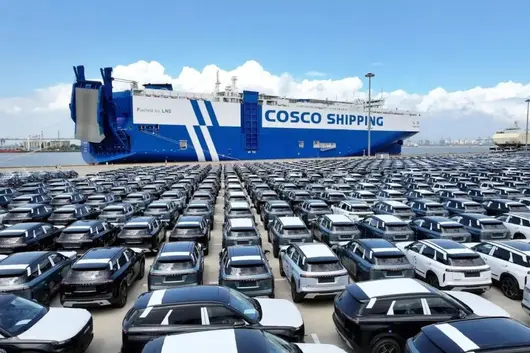
Brazil: A Qualitative ChangeLet's look at two rankings first.
In the top ten exports of all passenger car categories, Brazil ranks first, and Russia ranks second.
In the top ten new energy vehicle exports, Brazil is still first. 280,000 and 210,000 vehicles—these two numbers added to Brazil's account, with year-on-year growth rates reaching 226.1% and 220.9% respectively.
What does this mean?
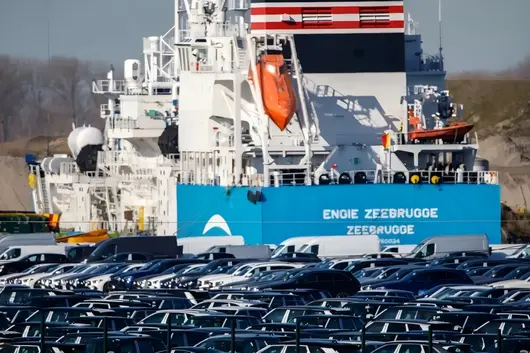
BYD alone exported nearly 90,000 units to Brazil in the first quarter of this year, including battery electric and plug-in hybrid models. Great Wall Motor has already built two factories in Brazil, with the second one having an annual capacity as high as 200,000 units.
But the signal truly worth remembering is not these numbers.
In April this year, BYD sold 14,911 units in Brazil, surpassing Volkswagen to take the first place on the total monthly retail sales list for the first time.

The Brazilian market has long been dominated by European, American, and Japanese brands. This is the first time Chinese new energy vehicle brands have surpassed traditional fuel giants in monthly sales.
The psychological impact of this event in Brazil is no less than when Apple first surpassed Nokia in China back then.
And this result was not unexpected.
First, Chinese automakers entered densely. GAC, Chery, Geely, Leapmotor, and Changan have already laid out their plans in Brazil, with a solid grassroots foundation.
Second, local production is accelerating. BYD's factory in Camaçari has already exceeded 4,100 employees and will soon add another 1,600 to start the third shift.
Third, although the policy environment in Brazil has tariffs, it does not engage in backdoor deals. The product competitiveness of Chinese cars is strong enough; no extra privileges are needed, only fair rules.

From 2026 onwards, Brazil will no longer be an overseas market in the conventional sense; it has become the second home market for Chinese automakers.
Local market refers to the qualitative change from "export destination" to "production and sales integrated market", representing a fundamental shift in the logic of China's automotive going global.
Now let's look at Europe.
In the all-category rankings, the UK ranks third with 151,000, up 99.3%; Belgium ranks fourth with 130,000, up 40.3%; Italy ranks seventh with 92,000, up 121.2%.
If looking at the new energy rankings alone, Italy grew by 460.7%, Germany by 295%. From the UK to Spain, growth rates were all above 80%.
The data for the European market is very impressive. Behind this lies a key factor: Chinese-style hybrid.
Data from the China Passenger Car Association shows that in the export structure in April, the share of plug-in hybrids has reached 18%, up 4 percentage points year-on-year.
This is a move of avoiding the strong and striking the weak adopted by Chinese automakers facing tariff barriers from Europe and the US.

The EU began implementing anti-subsidy tariffs on April 15, raising the comprehensive tax rates for BYD, Geely, and SAIC to 27% to 45.3%. This greatly weakened the price advantage of pure electric models.
However, hybrid models equipped with engines are not subject to the same degree of tariff constraints. Chinese automakers quickly adjusted their strategy to penetrate the European market with hybrid models.
No need for direct confrontation, but to find loopholes within the rules.
This ability to adapt flexibly is built on the strong R&D and manufacturing capabilities of Chinese automakers. This is also the biggest hidden advantage of China's automotive going global.
Amidst the growth, two markets declined: the UAE down 13.2%, and Mexico down 46.6%.
The UAE's new energy data is still surging, balancing the trend, but Mexico's decline is more pronounced.
Analysis reveals two reasons.
Subjectively, the substitution rate of local production in Mexico is increasing.
More and more Chinese automakers are building factories in Mexico, so the volume of complete vehicle exports naturally declines. This is essentially not a bad thing, but rather a necessary stage for the upgrade of China's automotive going global.

Objectively, the uncertainty of US policies has increased investment risks in the Mexican market. The closer to the US, the harder the business, and this does exist.
In the future, when looking at China's auto export data, one cannot simply assume something is wrong when seeing a decline in a certain market. First, check if the power of local production has become stronger, rather than looking at new things with old eyes.
In the rankings, only Malaysia from Southeast Asia ranks tenth.
This does not mean the Southeast Asia market is declining. On the contrary, the current performance of Southeast Asia is a typical case of "surface slowdown, actual transformation".
In 2025, the market share of Chinese brands in Thailand, Indonesia, and Malaysia reached 22%, 22.8%, and 26% respectively, with Japanese brand shares falling completely.
In January this year, the share of Chinese brands in Thailand's pure electric market approached 50%.

The export volume did not make the top ten not because Chinese cars could not sell there, but because a large number of products have achieved local production and are no longer counted in the data in the form of complete vehicle exports.
This is a signal sent in advance: in the future, the "cooling" of many markets may actually be an "upgrade".
Through these data, we can see deeper industrial changes.
On one hand, exports drive wholesale.
The China Passenger Car Association clearly pointed this out. Since the beginning of this year, exports have continued to strengthen, forming a clear trend of "exports driving wholesale". Top automakers rely on exports to digest capacity and reduce inventory backlog.
On the other hand, 2026 is the watershed from complete vehicle exports to supply chain going global. Whether active or passive, Chinese automakers are shifting from simply selling products to building factories, supply chains, and after-sales service systems in target countries.
Finally, and most crucially, the logic of making money has finally been established, and the model of making money has finally been proven.
In the past, when discussing going global, everyone was used to calculating sales volume and market share.
But from Jan-April 2026, the automotive industry profit margin was only 3.4%, at a historical low. If we simply copy the domestic price wars overseas, blindly pursuing sales growth without contributing to profits, that is fake globalization.
True globalization is like Toyota, building sustainable profitability in different markets.

BYD and Great Wall's localization in Brazil, Chery's deep cultivation in Europe, Geely's precise efforts in emerging markets, are all essentially doing the same thing: shifting from scale-oriented to profit-oriented.
The destinations of Chinese automotive exports in the first four months of 2026 tell us that Brazil, Russia, and the EU are all very important, but whoever can let us complete the loop of industry chain, service chain, and marketing chain faster beyond just selling cars is the true favorable land.
Like Southeast Asia.

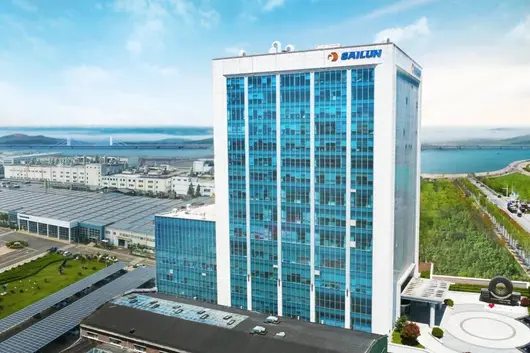
On June 1, Sailun Tire (601058) released the implementation announcement for the 2025 annual equity distribution, stating that the company will distribute a cash dividend of 0.18 yuan per share to all shareholders (tax included), totaling nearly 592 million yuan in cash dividends. The record date for equity is June 4, and the cash dividend distribution date is June 5.
Behind this generous dividend distribution lies the strong financial confidence of this private tire giant, which rose to the first tier globally within just over 20 years of establishment. Facing the sharp increase in costs brought by the escalation of global trade barriers since 2025, Sailun still delivered a response with great resilience.

Revenue Hits Record High, Profitability Quality Continues to Improve
In 2025, Sailun Tire's annual revenue reached 36.792 billion yuan, a year-on-year increase of 15.69%, setting a new historical record. Although operating costs for tire products increased by 21.02% year-on-year, the company stabilized the gross profit margin at a relatively high level of 24.63% thanks to product structure and pricing advantages.
Net profit attributable to the parent company and net profit after deducting non-recurring gains and losses for the year reached 3.522 billion yuan and 3.458 billion yuan respectively, with both profitability indicators reaching their second-historical levels. More noteworthy is that the company's net operating cash flow reached 4.179 billion yuan, a year-on-year surge of 82.58%, indicating substantive improvement in profitability quality.

Liquid Gold Breakthrough, ESG Rating Jumps to AA Level
The support for resilient performance stems from hardcore technical barriers. The 'Liquid Gold' technology (Ecopoint3) developed by Sailun after a decade of in-depth research adopts a world-first chemical rubber vulcanization method, successfully breaking through the 'Devil's Triangle' problem in the tire industry where rolling resistance, wet traction, and wear resistance could not be improved simultaneously. It not only achieves a balance of energy saving, safety, and wear resistance, but also achieves green low-carbon across the entire lifecycle from raw materials to production and usage.

This persistence in green sustainability has also won Sailun recognition from international capital markets. Recently, the international authoritative index institution MSCI upgraded Sailun's ESG rating from A to AA, solidifying its top position in China's tire industry and placing it among the global forefront. This marks that Sailun's sustainable development strength in global operations, R&D innovation, and supply chain management has received high international recognition.
Capacity Expansion Both Domestic and Overseas, Brand Value Rising Yearly
Going against the current, stagnation means retreat. While consolidating the technological moat, Sailun has pressed the accelerator on global capacity expansion. Since establishing China's first overseas tire production base in Vietnam in 2012, Sailun has continued to increase investment since 2026: in April, it announced an investment of about 1.95 billion yuan to build an expansion project for a 7.05 million radial tire annual production capacity in Egypt; meanwhile, the Indonesia factory also received a capital increase of about 336 million yuan to expand PCR and TBR capacity.

The resonance between capacity and performance boosted the rapid rise in brand value. In the 2025 'China 500 Most Valuable Brands', Sailun ranked 105th with a brand value of 112.896 billion yuan, an increase of 12.3 billion yuan compared to last year; in Brand Finance's Top 25 Global Tire Brand Values, Sailun ranked in the top ten for the first time, continuing to be the most valuable tire brand in China.
From a new enterprise on the Shandong Peninsula to a global giant competing with century-old foreign strong enterprises, Sailun, driven by technology and capacity on two wheels, is accelerating towards a new height in the global tire industry.

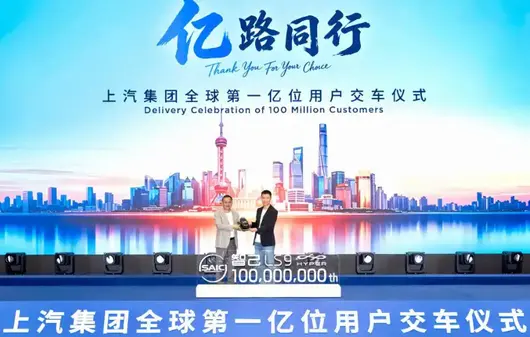
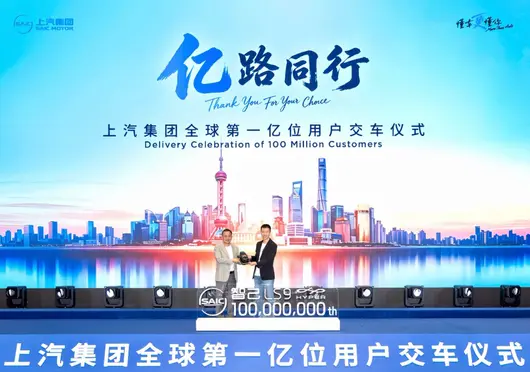
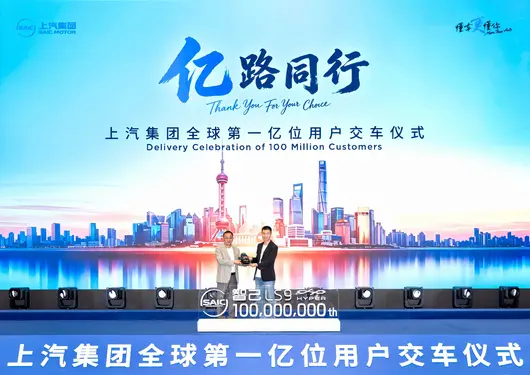
二零二六年五月二十八日,上汽集團「全球第一億位用戶交車儀式」喺上海北外灘世界會客室舉行。上汽旗下十餘個整車品牌、十九款車型,以「全球接力交付」嘅方式,橫渡山海、跨越洲際、聯動全球,上汽集團由此成為首個累計產銷量突破一億輛嘅中國汽車集團,為中國汽車行業鑄就新嘅里程碑。

一九五五年,上海內燃機配件製造公司成立,上海汽車工業由此起步。一九五八年,工人們用榔頭敲出第一輛「鳳凰牌」轎車,實現上海轎車製造「零嘅突破」。七十餘年來,上汽親歷並推動咗中國汽車工業從無到有、從弱到強嘅全過程:一九八三年桑塔納下線,開啟合資合作;一九九七年上海通用成立,創造 23 個月建廠出車嘅「上海速度」;二零零六年自主品牌榮威誕生出,二零一六年推出全球首款網際汽車榮威 RX5;二零二零年高端智能電動品牌智己汽車成立。
貫穿呢一征程嘅,係上汽始終秉持嘅「懂車更懂你」用戶理念。從桑塔納國產化共同體到合資 2.0 技術共創,從網際汽車到全線控底盤、固態/半固態電池、AI 大模型上車——每一次跨越,都係「懂車」能力嘅進階,都係「懂你」初心嘅一脈相承。一億輛,更加係一億份用戶信賴嘅集中兌現。
第一億輛交付車型智己 LS9 Hyper 係上汽七十餘年技術積澱嘅集大成之作,開啟咗新能源車「新三大件」嘅嶄新時代。佢搭載咗下一代底盤技術,同級首發嘅全線控四輪轉向;下一代智駕硬體,520 線超視域激光雷達 + 英偉達 Thor 晶片,下一代三電——全域 800V 高壓平台與恆星超級增程。全面預埋咗面向 L3 及以上高階智駕持續進化嘅冗餘能力。
同時,智己 LS9 Hyper 首搭上汽金標颶風三電機,從容躋身性能 3 秒俱樂部;更聯合紫金實驗室,全球首發「內生安全」技術,將汽車安全邊界從「物理安全」拓展至「資訊與系統安全」,係 AI 時代嘅必備安全基石。
一億輛嘅背後,係上汽涵蓋整車、零部件、移動出行同服務、金融、國際經營、創新科技六大板塊嘅全價值鏈閉環。二零二六年 1-4 月,上汽累計銷售 130.2 萬輛,連續四個月位居中國車企銷量冠軍。其中自主品牌銷量 91 萬輛,佔比近 70%;新能源車銷售 41.2 萬輛;海外市場銷售 45.9 萬輛,同比大漲 50.2%。
交付儀式現場,上汽全品牌、全產品矩陣協同發力。自主品牌全線出擊:尚界 Z7、華境 S、榮威 M7、MG4 半固態電池版、五菱星光 560、大通 eDeliver5、紅岩重卡、躍進大拿 T1、申沃純電客車、依維柯聚星 EV 等相繼交付,覆蓋個人出行、家庭生活、商用運營、物流運輸等多元場景。
合資品牌集中亮出「合資 2.0」成果:大眾 ID. ERA 9X 將全球首發搭載 Momenta R7 強化學習世界模型,上市一個月交付突破 7000 臺;AUDI E7X 計劃成為奧迪全球首款實現 L3 級自動駕駛落地嘅車型;別克至境 E7 基於「逍遙」超級融合架構打造,上市一個月交付破 1 萬台。

從上海主會場出發,交付畫面喺南京、柳州、太原等國內多城及英國、印尼、新加坡等國家接續點亮,開創咗中國汽車品牌嘅全新敘事方式。
呢背後,係上汽全球化佈局嘅深厚根基。上汽係中國汽車企業「走出去」嘅先行者:喺海外擁有超 100 個零部件生產基地、超 3000 個經銷商網絡,建成倫敦等 3 大研發創新中心同泰國、印尼、印度、巴基斯坦 4 個生產製造中心;安吉物流擁有各類滾裝船 42 艘,8 條國際航線覆蓋東南亞、歐洲、美洲。
如今,上汽產品同服務遍佈 170 多個國家同地區,海外累計銷量突破 700 萬輛。二零二五年,上汽發佈海外「Glocal 戰略」(全球 + 本土),正加速由「產品出海」邁向「價值鏈出海」,令「中國智造」進一步走向世界。
「懂車更懂你」嘅最終落腳點,係每一個真實用戶嘅出行生活。得到 APP 創始人羅振宇作為華境 S 第 001 號體驗官,從跨年演講盛讚華為乾崑智駕到走進工廠見證下線;前留德國腳楊晨選擇 ID.ERA 9X,因其黃金增程與長期主義不謀而合;曹開亮全家訂車後,偶像周杰倫恰好成為別克 MPV 家族代言人;公益博主劉佳連續五年為廣西山區留守兒童理髮、送陪伴,別克第一時間援助,佢被至境 E7「滿分座艙」打動。從自媒體博主到村支書,從公益守護者到物流企業——每一位用戶都係真實生活嘅縮影,正係呢「懂車更懂你」最生動嘅詮釋。
一億輛係上汽七十餘年發展嘅階段性答卷,更加係上汽面向智電未來「二次創業」嘅全新起跑線。二零一四年,上汽積極落實「發展新能源車係我國從汽車大國邁向汽車強國嘅必由之路」嘅重要指示,率先全面轉型。十二年後,從智電轉型嘅「一馬當先」,到自主合資、乘用商用、海內海外嘅「萬馬奔騰」,上汽將不斷以「懂車更懂你」為用戶理念,令科技創新真正惠及每一位用戶。
從 1955 到 2026,從第一個用戶到第一億個用戶,從初創探索到行業引領——上汽將繼續同全球用戶、全球夥伴億路同行,共創美好出行新未來。

你睇過印度嘅馬路嗎?
我喺網上見過。
畫面通常係咁,一輛轎車俾牛尾擋住,旁邊仲有亂竄嘅摩托,甚至周圍仲有賣奶茶嘅小夥,嗰叫一個“乾淨又衛生”。
然而,喺呢啲睇完好多人覺得生理不適嘅地方,豐田、鈴木、本田等日本車廠,卻決定將籌碼押落印度。
據印度“品牌質量基金會”網站顯示,三家車廠將喺印度投資近110 億美元建廠、提產能、搞出口。
對此有网友表示,三家日本車廠係咪錢多到無處花?
事實上,佢哋唔係錢多到花唔完,亦唔係被印度嘅咖哩蒙蔽咗心竅,呢啲日本車廠高層遠比我哋清醒。
而家嘅日系車,營業額、市場份額都喺下滑,原材料成本仲係升得飛起,打開世界地圖,搵一個能夠容納產能、拓充份額、競爭溫和嘅市場,唔係咁容易嘅事。
所以,唔係日本車廠選擇咗印度,而係因為冇得揀。
日本車廠之痛
曾經嘅日系車,嗰時妥妥係人哋個仔。
你問下十幾年前開過日系車嘅老司機,一提起日系車,幾乎就冇唔豎大拇指嘅,價錢平、省油、耐用又抵撞……
甚至好多日系車,仲要加價購買,但邊個諗到,呢個鐵打嘅江山,短短幾年時間就俾佢哋打得找唔著北。
隨著新能源汽車浪潮嚟到,電動化、智能化變成好多自主車廠“彎道超車”嘅目標,依托於中國強大嘅新能源汽車產業鏈優勢同車廠自身對研發、技術嘅堅持,中國自主品牌迅速實現咗“彎道超車”。
曾經被人吐槽嘅國產車,而家喺馬路越來越多人,甚至份額超越咗合資。
根據乘聯會嘅數據,喺2026 年4 月,自主品牌嘅份額已經高達62.5%,遠超日系嘅13.1%。
要知道,中國汽車市場係全球最大嘅汽車市場,喺中國市場失速,就相當於丟咗一塊巨大嘅蛋糕。
同時,中國市場近年嚟嘅主旋律依舊係價格戰,捲配置、捲價格、捲服務已經成為一種常態,亦對日系車嘅利潤產生咗巨大嘅影響。
除咗中國,日系車喺美國過得亦唔太好。
2025 年 1 月 20 日,特朗普宣誓就職第 47 任美國總統,自此開啟咗一連串搞搞震,其中就包括以國家安全為理由徵收額外嘅汽車關稅,導致進口日本汽車嘅關稅稅率一度高達 27.5%,雖然後嚟有所降低,但亦遠高於最初嘅稅率。
呢個操作,直接導致七大日本車廠喺2025 財政年度嘅關稅損失超2 萬億日元。
再睇日本本土,其實亦唔容易。
中東地緣衝突導致霍爾木茲海峽航運受阻,運輸成本、原材料成本暴漲,日本車廠都有苦難言。
高管們看著報表,背後發涼,只能尋找全新嘅增長曲線。
所以,日本車廠唔係愛上印度,係冇地方去。
揀選印度嘅深思熟慮
咁,印度點解咁有魔力,先至令日本車廠重資投入呢?
第一個優勢就係大。喺2025 年,印度汽車市場取得咗551.7 萬輛嘅新車銷量,同比增長 6%,刷新咗歷史紀錄,位居全球第三大汽車市場,已经连续四年超越日本,僅次於中國同美國。
呢個含金量唔使多講啦,而印度取得呢一成績,主要係因為印度一直喺推動減稅政策,促進消費,這導致國內消費意願出現咗明顯增強。
第二個優點係近,就係離日系車賣得動嘅地方近,如非洲等其他地區。
所以,印度對於日本車廠,更似一個建喺十字路口中央嘅便利店,你唔使將車分別運去八個國家,只需要喺印度呢站造好,然後一船一船甩去,就能削減唔少成本。
《日本經濟新聞》亦認為,印度有望轉變為佢哋全球嘅汽車供應中心。
第三個優點係穩。要知道,日系車嘅優勢就係燃油車,畢竟引擎、變速箱、底盤三大件,佢哋已經玩咗好多年,技術積累喺全球都係數一數二。
但係中國汽車市場已經全力推動電動化、智能化發展,導致日系車嘅優勢越來越弱,根本無法發揮出嚟,但印度唔一樣,佢擁有充電樁少、電動化進程緩慢嘅特點,印度老百姓買車,都仲係盯住平、省油、易修,而呢三點正係日系車嘅老本行。
尤其係鈴木,一直係印度汽車市場嘅常青樹,幾乎年年穩坐暢銷車型寶座,口碑好,勝過任何廣告。
所以,日本車廠大力佈局印度市場,顯然是經過深思熟慮嘅。
但,印度市場真係咁好混咩?
難啃嘅印度市場
當然,印度亦唔係完美得似個香口格,佢嘅缺點同佢嘅優點一樣明顯,而且每一個都夠日本車廠喝一壺。
先講電動化,冇錯,眼睇下印度充電樁少、電動車賣唔動,確實係日系燃油車嘅避風港。但你得諗諗,呢個“避風港”能避幾耐?
印度此前可係喊出咗 2030 年電動車佔新車 30% 嘅口號,雖然聽落似吹水,但抵唔住人哋真補錢、真建充電站。
試諗下,萬一有日印度突然開竅,開始大力推動電動化、搞基建,充電樁似雨後春筍咁冒出來,嗰日系車唔就傻眼?
呢唔係泰國市場嘅翻版咩?
當年日系車喺泰國都係躺贏,整個東南亞市場,都被稱為日系車嘅後花園,結果泰國率先推動電動化,中國電動車一嚟,直接就成咗香口格,再睇日系車,喺泰國嘅市場份額嘩嘩嚟咗落。
如果印度係電動化一加速,歷史大概率會重演,而而家呢次,日系車連逃嘅地方都快冇咗,點樣預防,將成為日本車廠嘅首要問題。
再講政策,印度嘅政策就似一鍋咖哩,你永遠唔知下一口食到係雞肉定係馬鈴薯。
呢個魔幻嘅國家,今日係低關稅鼓勵建廠,明日就可能罰你一筆巨款,更令人頭痛嘅係強制合資,外國車廠想喺印度賣車,要搵本地夥伴搭檔,等你工廠建好咗、供應鏈搭完咗,印度直接背刺你,到嗰陣無論係加錢定撤資,換嚟嘅都係心痛。
所以你看,印度呢個市場,就好似一個睇落好甜嘅芒果,咬落去第一口仲行,再啃幾口就摸著硬核。
日系車而家嘅算盤係,趁住核都未硌牙,趕緊多啃幾口,但核遲早會硌到,只係唔知係邊一日。
尾聲
日系車呢趟印度之旅,唔係去旅遊,係去搵食。
中國同東南亞嘅飯桌更擁擠,生產、運輸嘅成本又提高咗,放眼全球,就印度呢口鍋仲冒住熱氣,哪怕入面煮嘅係咖哩味嘅石頭,都要硬著頭皮啃落去。
日本車廠想擴大市場,印度想嘅係拉動經濟、解決就業,雙方都有各自嘅心思。
至於結局係日系車喺印度重新封神,定係好似當年嘅部分友商一樣灰溜溜走人,那就唔知啦。
但無論點樣,呢場戲先至開始,我哋慢慢睇就得啦。
反正印度嘅故事,從來唔會悶。

May 28, 2026, Shanghai North Bund World Living Room. When the lights of the IM LS9 Hyper illuminated, when the scenes of global relay delivery were transmitted back to the main venue from London, Jakarta, Singapore, SAIC Motor Group officially became the first automotive group in the history of China's automotive industry to achieve cumulative production and sales of 100 million vehicles.

100 million vehicles, can be said to be SAIC Motor Group's "scorching memory" accumulated step by step over 70 years.
From 1958 when a hammer tapped out the Phoenix brand, to 2026 when the first 100 millionth IM LS9 Hyper went off the assembly line; from the tapping and banging of small alley factories to roaming across over 170 countries and regions worldwide. With original aspiration, craftsmanship, sincerity, unity, and ambition, SAIC has carved a mark unique to itself in the history of China's automotive industry development.
Original Aspiration — Adhering to Industry, Unwavering
What is a scorching original aspiration? It was 1958, when workers hammered out Phoenix brand cars bit by bit in an alley workshop.

Fenders were tapped by hand, roofs were tapped by hand, arms were swollen and couldn't be raised, but they gritted their teeth and hammered out the "zero breakthrough" in Shanghai's car manufacturing. In 1959, Premier Zhou tried the Phoenix brand and said: "It's still a problem of level!" This sentence became the motivation for SAIC people to keep catching up.

By the 1980s, during the assault on Santana localization, Comrade Zhu Rongji decided "Never engage in 'replacing vegetables'." SAIC gathered city-wide strength to crack key components, boosting localization rate from 2.7% to 80%, proving the quality of Chinese manufacturing with world standards.
In 1991, when Deng Xiaoping inspected Shanghai Volkswagen, he said with passion: "You can produce 1 million cars." At that time, no one expected that today SAIC Motor Group has already stood on the steps of 100 million vehicles.
And in today's intelligent electric wave, SAIC Motor Group still insists on self-developed semi-solid-state batteries, drive-by-wire steering, and Large AI Models. Build good cars, hold core technologies in your own hands — this original aspiration of serving the nation through industry has never cooled for 70 years.

The first 100 millionth IM LS9 Hyper is equipped with full drive-by-wire steering, NVIDIA Thor Chip, and endogenous security technology, which is exactly the echo of original aspiration in the new era.
Craftsmanship — Refine Quality, Polish Products
What is a scorching craftsmanship? It was during Santana localization, when German experts taught technology hand-in-hand, and Chinese workers learned technology day and night. Chinese and foreign employees respected each other and progressed together, only to polish a product that "jumped straight to international level".
In 1994, Comrade Wu Bangguo wrote an inscription for SAIC: "Strive for Perfection". These four words have become the imprint of SAIC's quality culture since then, carved into every component, every process, every vehicle.

In 1998, Yanfeng Company supplied bumpers for Shanghai General Motors. The first batch of products all met international standards, but the client raised higher requirements. Yanfeng leaders did not hesitate, and cut off that qualified bumper on the spot: "What the customer does not want must be cut off!" Three months later, more advanced technology was born. This near-obsessive pursuit of quality runs through SAIC Motor Group's 70-year manufacturing history.
Even entering the new energy era, that spirit of "Striving for Perfection" has never slackened. The development of Magic Cube Battery is a microcosm of this. To ensure safety, it underwent extreme tests with 6 times the national standard, maintaining a record of zero spontaneous combustion and zero thermal runaway since production, and in 2024 won the Second Class Award of National Science and Technology Progress.

From 60,000-level Roewe i6 to 500,000-level Cadillac Kaiweide, every car carries SAIC's craftsmanship heritage. MG4 globally launched semi-solid-state battery for the first time, Buick Zhijing E7 created "Children's Full Score Cockpit" — craftsmanship is the common language of all brands under SAIC Motor Group.
Sincerity — Give Back to Users, Trust is Not Failed
100 million vehicles mean 100 million times user choice, 100 million pieces of trust entrusted. Faced with this heavy trust, SAIC Motor Group responded with scorching sincerity. It used real "Technology Equity" to give the best technology to the most ordinary people. This is exactly SAIC Motor Group's core philosophy of "Knowing Cars and Knowing You": Knowing cars is the extreme pursuit of technology; knowing you is to land every piece of cutting-edge technology accurately into a perceptible and enjoyable beautiful mobility experience for users.

From 60,000-level Roewe i6 standard equipment with 8155 Chip and Doubao Large Model, to 150,000-level Hujing S standard equipment with Huawei Qianshun AD Pro ADS Pro Enhanced Version and HarmonyOS Cockpit, SAIC has changed high-level smart experience from luxury car exclusivity to mass standard. High-level intelligence is no longer tightly bound to high prices, this is that sincerity of knowing you landing.

Consumers responded with choices. Luo Zhenyu, founder of GetApp, became the 001st Experience Officer of Hujing S, charity blogger Liu Jia was gifted Zhijing E7 for protecting mountain children, former national player Yang Chen, London intern doctor Natalia, family Cao Kailiang... Every user story is saying the same sentence: "You understand me."
Behind 100 million vehicles are 100 million such voices. SAIC Motor Group used sincerity to turn "Knowing You" from an exclamation into a daily routine.
Unity — Join Forces Together, A Wall of Strength
What is scorching unity? It was the Santana era, Chinese and foreign employees exchanged coffee, celebrated New Year together. German experts taught technology, Chinese workers learned technology, respecting each other and progressing together. "Shared Beauty" has been written into SAIC Motor Group's genes since then.
SAIC Motor Group never builds "Ecological Islands".

From the Santana localization community in the 1980s to renewing with Volkswagen early in 2024 until 2040, opening the Joint Venture 2.0 era; from launching Shangjie with Huawei, co-creating smart driving deeply with Momenta, to building Internet cars with Ali Zebrant, cooperating with ByteDance Doubao for Large AI Models, making phone-vehicle interconnection with OPPO — SAIC's ecosystem is like a grassland with ten thousand horses galloping, inclusive of all runners.
The 100 millionth user was precisely Momenta CEO Cao Xudong. Partners became car owners, not a coincidence, but the most vivid proof of "Unity".

Cao Xudong said: "IM and Momenta have been 'Founding Lighthouse Partners' from the very beginning of brand birth, back-to-back, heart-to-heart." Now, Audi E7X will become Audi's globally first vehicle to implement L3 Level Autonomous Driving landing. ID.ERA 9X globally launched first with Momenta R7 Reinforcement Learning World Model. Unity allows SAIC to go from "Running Behind" to "Running Side-by-Side", then to "Defining Standards".
Ambition — Innovate and Open Up, Embark on a New Journey
What is scorching ambition? In 2014, when State Leaders inspected SAIC Motor Group, they pointed out: "Developing New Energy Vehicles is the only way for China to move from a big automotive country to a powerful automotive country." This sentence pointed the direction for SAIC Motor Group — not only to get bigger and stronger in China, but more to walk into the center of the world stage. Twelve years later, SAIC Motor Group gave the loudest answer with 100 million vehicles.

Along this road, SAIC Motor Group released the overseas "Glocal Strategy" in 2025 — Global + Local, moving from single product export to systematic globalization, deep localization, and full-scenario commercial solution output. From "Borrowing Ships" to "Building Ships", from "Product Going Overseas" to "Value Chain Going Overseas", every step is widening the boundaries of ambition.

Now, ambition bears fruits. MG has been champion of Chinese brands in Europe for 11 consecutive years. In 2025, European annual sales broke 300,000 vehicles, becoming the first Chinese automotive brand to break one million cumulative sales in Europe.
Anji Logistics owns 42 RoRo ships, 8 international routes covering Southeast Asia, Europe, Americas — Chinese cars finally have their own "Ocean Fleet".

Semi-solid-state battery, Hybrid+ Hybrid Technology globally launched for the first time, won high praise from European media in Frankfurt, technology began to output in reverse.
And the first 100 millionth delivered IM LS9 Hyper is the collector of this ambition. It is not the end, but the starting line of SAIC Motor Group's "Second Startup".
In January-April 2026, SAIC Motor Group's overseas sales rose 50.2% year-on-year, it used solid growth to drive "Chinese Intelligence Manufacturing" to every corner of the world.
Conclusion
100 million vehicles, SAIC Motor Group used 70 years to write the most heavy stroke in China's automotive industry. And these five hearts are the simple base color displayed by this enterprise.

Numbers will be constantly refreshed, but the 70-year gathered scorching record of "100 Million" is enough to illuminate every journey in the next 100 million.
Standing at the new starting point of 100 million vehicles, SAIC Motor Group's story has just turned a new chapter.

BYD officially released the May 2026 production and sales flash report, with new energy vehicles from all brands reaching a monthly sales volume of 383,453 vehicles, a slight increase of 0.26% year-on-year, achieving year-on-year positive growth in monthly sales after ten months; among them, passenger car deliveries reached 376,990 units, surging 19.4% month-on-month, wiping out the pain of previous model iterations, presenting a new pattern where the domestic base is stable, overseas sales are soaring, and high-end brands are scaling up across the board. Amidst the market environment of intensified competition in the domestic new energy sector, Tesla FSD entering China, and an intense launch of independent new products, it has forged a unique structural growth path.
The Dynasty and Ocean main brands combined sold 330,215 vehicles in May, accounting for over 80% of the group's total sales, remaining the stabilizer for BYD's sales volume. The full series had 8 models exceeding 20,000 units in monthly sales, covering products from 50,000 entry-level commuter to 200,000 home SUV.
Inside the Dynasty Network, the Yuan family sold 56,691 units, and the Song family 51,370 units. Both crossed the 50,000 threshold, becoming two major sales pillars for the brand, catering to home commuter and urban-rural travel needs; the Qin family followed closely with a stable performance of 28,360 units. The Han and Tang series maintained a volume in the six-thousand range, deeply cultivating the mid-to-large home sedan and SUV niche markets; the brand new model Xia is in the market cultivation phase, delivering 1,810 units monthly, with potential for steady volume growth as channels expand.
The Ocean Network's growth momentum is even more rapid, with 5 models entering the 20,000 club across the series: Sealion 42,615 units, Seal 34,117 units, Seagull 39,919 units, Dolphin 22,260 units, and Song PLUS 27,755 units. Among them, Seagull remains the best-selling entry-level commuter model thanks to its affordable pricing of 60,000-80,000. Sealion, as a new volume model, stands firm at the 40,000 level upon launch, filling the mid-size SUV product gap in the Ocean Network and perfecting the Ocean product tier layout. From commuter small cars to compact SUVs, the two main brands rely on DM-i hybrid and pure electric dual-line technologies to牢牢锁住 the mainstream home market share within 150,000 domestically.
Fang Cheng Bao Year-on-Year Surges 139.7%, Brand Upward Positioning Takes EffectThe high-end matrix of Denza, Fang Cheng Bao, and Yangwang sold a combined 46,489 vehicles in May, officially breaking away from the niche positioning to become a new pivot for BYD's brand premium and profit growth, breaking the industry curse of difficulty in high-end breakthrough for domestic brands.
The off-road brand Fang Cheng Bao sold 30,186 units monthly, surging 139.7% year-on-year, creating a new high in monthly sales since the brand launched. Its Titanium 7 model sold 18,280 units monthly, while Leopard 5 and Leopard 8 output remained stable, continuously squeezing the survival space for joint venture and imported models in the 250,000-400,000 hardcore off-road niche market.
Denza delivered 16,303 units in May, with the MPV benchmark D9 selling 6,721 units, and the Z9 series close to 6,000 units. MPV and mid-to-large sedan dual-line efforts helped them stand firm in the luxury new energy track; the million-level ultra-luxury brand Yangwang continued its steady climb, delivering 286 units that month, a year-on-year increase of 105.8%, completing market verification of the domestic brand ceiling product and forming a full price range product layout from 100,000+ home, 300,000-400,000 off-road, 500,000 luxury MPV to million-level flagship.
In May, BYD's overseas sales of passenger cars and pickup trucks reached 160,177 units, surging 80.7% year-on-year. Exports accounted for over 42% of the full series total sales, setting a new historical high for brand export and becoming the core driving force to stabilize May overall sales and achieve year-on-year positive growth.
Southeast Asia, Europe, and Latin America became the main incremental markets. Seagull, Song PLUS, and Yuan series continued to top new energy best-seller lists in multiple countries; the SHARK pickup truck exceeded 4,000 units in monthly exports for two consecutive months. Relying on the completion of localization production in Thailand, Brazil, Hungary, and Uzbekistan with four overseas vehicle factories, localized production continues to land, avoiding tariffs while rapidly penetrating terminal channels. Against the background of stock market competition in the domestic auto industry and normalized price wars, the rapidly expanding overseas market effectively counteracts sales volatility brought by domestic model iterations, officially upgrading from a supplementary market to BYD's core growth engine. As of now, BYD's global cumulative new energy vehicle sales have exceeded 16.5 million units, with the globalization map continuously broadening.
Intelligent Driving Empowers Product Iteration, H2 New Products Prepare to Surge VolumeMay marked a key node in BYD's intelligent driving landing, with the God's Eye intelligent driving system becoming a core bonus point for models: the number of vehicles with advanced intelligent driving across all brands exceeded 3.15 million, with daily road test data exceeding 200 million kilometers; that month, BYD implemented City Pilot and Smart Parking dual safety backup services, becoming the world's first auto manufacturer to achieve dual intelligent driving backups. Three days after policy implementation, the activation rate of models equipped with the God's Eye system in cities surged 50%. Intelligent driving experience upgrades directly drove in-store order conversion, solidifying product competitiveness for subsequent models to continue volume sales, and facing the intelligent driving market shock brought by FSD entering China.
From data details, BYD's cumulative sales from January to May 2026 were 1,405,039 units, down 20.32% year-on-year. The core reason is that the full series of main models were concentratedly iterated, and the capacity ramp-up of the 2nd Gen Fast Charge Blade Battery was restricted. The new Flash Charge Battery upgraded fast charging and low-temperature performance. Full series iteration models prioritized installing new batteries, but production line retrofitting dragged down capacity release. Order backlogs on popular models and delayed deliveries compressed the May delivery volume to a certain extent.
As the end of the second quarter approaches and the 2nd Gen Blade Battery capacity continues to release, coupled with new models such as Denza N8L, Fang Cheng Bao Titanium 7 Pure Electric Version, Sealion 05, and Xia L landing the market, the industry generally predicts that BYD's full brand sales in June are expected to exceed 400,000 vehicles. Relying on the four-dimension development logic of low-end volume locking share, high-end raising profit, overseas pushing volume, and intelligence improving product power, amidst the intensified new energy elimination round in the domestic market, BYD's full category layout advantage continues to amplify, securing its status as the domestic new energy leader, accelerating steadily towards global top auto manufacturers.
你睇過印度嘅馬路嗎?
我喺網上見過。
畫面通常係咁,一輛轎車俾牛尾擋住,旁邊仲有亂竄嘅摩托,甚至周圍仲有賣奶茶嘅小夥,嗰叫一個“乾淨又衛生”。
然而,喺呢啲睇完好多人覺得生理不適嘅地方,豐田、鈴木、本田等日本車廠,卻決定將籌碼押落印度。
據印度“品牌質量基金會”網站顯示,三家車廠將喺印度投資近110 億美元建廠、提產能、搞出口。
對此有网友表示,三家日本車廠係咪錢多到無處花?
事實上,佢哋唔係錢多到花唔完,亦唔係被印度嘅咖哩蒙蔽咗心竅,呢啲日本車廠高層遠比我哋清醒。
而家嘅日系車,營業額、市場份額都喺下滑,原材料成本仲係升得飛起,打開世界地圖,搵一個能夠容納產能、拓充份額、競爭溫和嘅市場,唔係咁容易嘅事。
所以,唔係日本車廠選擇咗印度,而係因為冇得揀。
日本車廠之痛
曾經嘅日系車,嗰時妥妥係人哋個仔。
你問下十幾年前開過日系車嘅老司機,一提起日系車,幾乎就冇唔豎大拇指嘅,價錢平、省油、耐用又抵撞……
甚至好多日系車,仲要加價購買,但邊個諗到,呢個鐵打嘅江山,短短幾年時間就俾佢哋打得找唔著北。
隨著新能源汽車浪潮嚟到,電動化、智能化變成好多自主車廠“彎道超車”嘅目標,依托於中國強大嘅新能源汽車產業鏈優勢同車廠自身對研發、技術嘅堅持,中國自主品牌迅速實現咗“彎道超車”。
曾經被人吐槽嘅國產車,而家喺馬路越來越多人,甚至份額超越咗合資。
根據乘聯會嘅數據,喺2026 年4 月,自主品牌嘅份額已經高達62.5%,遠超日系嘅13.1%。
要知道,中國汽車市場係全球最大嘅汽車市場,喺中國市場失速,就相當於丟咗一塊巨大嘅蛋糕。
同時,中國市場近年嚟嘅主旋律依舊係價格戰,捲配置、捲價格、捲服務已經成為一種常態,亦對日系車嘅利潤產生咗巨大嘅影響。
除咗中國,日系車喺美國過得亦唔太好。
2025 年 1 月 20 日,特朗普宣誓就職第 47 任美國總統,自此開啟咗一連串搞搞震,其中就包括以國家安全為理由徵收額外嘅汽車關稅,導致進口日本汽車嘅關稅稅率一度高達 27.5%,雖然後嚟有所降低,但亦遠高於最初嘅稅率。
呢個操作,直接導致七大日本車廠喺2025 財政年度嘅關稅損失超2 萬億日元。
再睇日本本土,其實亦唔容易。
中東地緣衝突導致霍爾木茲海峽航運受阻,運輸成本、原材料成本暴漲,日本車廠都有苦難言。
高管們看著報表,背後發涼,只能尋找全新嘅增長曲線。
所以,日本車廠唔係愛上印度,係冇地方去。
揀選印度嘅深思熟慮
咁,印度點解咁有魔力,先至令日本車廠重資投入呢?
第一個優勢就係大。喺2025 年,印度汽車市場取得咗551.7 萬輛嘅新車銷量,同比增長 6%,刷新咗歷史紀錄,位居全球第三大汽車市場,已经连续四年超越日本,僅次於中國同美國。
呢個含金量唔使多講啦,而印度取得呢一成績,主要係因為印度一直喺推動減稅政策,促進消費,這導致國內消費意願出現咗明顯增強。
第二個優點係近,就係離日系車賣得動嘅地方近,如非洲等其他地區。
所以,印度對於日本車廠,更似一個建喺十字路口中央嘅便利店,你唔使將車分別運去八個國家,只需要喺印度呢站造好,然後一船一船甩去,就能削減唔少成本。
《日本經濟新聞》亦認為,印度有望轉變為佢哋全球嘅汽車供應中心。
第三個優點係穩。要知道,日系車嘅優勢就係燃油車,畢竟引擎、變速箱、底盤三大件,佢哋已經玩咗好多年,技術積累喺全球都係數一數二。
但係中國汽車市場已經全力推動電動化、智能化發展,導致日系車嘅優勢越來越弱,根本無法發揮出嚟,但印度唔一樣,佢擁有充電樁少、電動化進程緩慢嘅特點,印度老百姓買車,都仲係盯住平、省油、易修,而呢三點正係日系車嘅老本行。
尤其係鈴木,一直係印度汽車市場嘅常青樹,幾乎年年穩坐暢銷車型寶座,口碑好,勝過任何廣告。
所以,日本車廠大力佈局印度市場,顯然是經過深思熟慮嘅。
但,印度市場真係咁好混咩?
難啃嘅印度市場
當然,印度亦唔係完美得似個香口格,佢嘅缺點同佢嘅優點一樣明顯,而且每一個都夠日本車廠喝一壺。
先講電動化,冇錯,眼睇下印度充電樁少、電動車賣唔動,確實係日系燃油車嘅避風港。但你得諗諗,呢個“避風港”能避幾耐?
印度此前可係喊出咗 2030 年電動車佔新車 30% 嘅口號,雖然聽落似吹水,但抵唔住人哋真補錢、真建充電站。
試諗下,萬一有日印度突然開竅,開始大力推動電動化、搞基建,充電樁似雨後春筍咁冒出來,嗰日系車唔就傻眼?
呢唔係泰國市場嘅翻版咩?
當年日系車喺泰國都係躺贏,整個東南亞市場,都被稱為日系車嘅後花園,結果泰國率先推動電動化,中國電動車一嚟,直接就成咗香口格,再睇日系車,喺泰國嘅市場份額嘩嘩嚟咗落。
如果印度係電動化一加速,歷史大概率會重演,而而家呢次,日系車連逃嘅地方都快冇咗,點樣預防,將成為日本車廠嘅首要問題。
再講政策,印度嘅政策就似一鍋咖哩,你永遠唔知下一口食到係雞肉定係馬鈴薯。
呢個魔幻嘅國家,今日係低關稅鼓勵建廠,明日就可能罰你一筆巨款,更令人頭痛嘅係強制合資,外國車廠想喺印度賣車,要搵本地夥伴搭檔,等你工廠建好咗、供應鏈搭完咗,印度直接背刺你,到嗰陣無論係加錢定撤資,換嚟嘅都係心痛。
所以你看,印度呢個市場,就好似一個睇落好甜嘅芒果,咬落去第一口仲行,再啃幾口就摸著硬核。
日系車而家嘅算盤係,趁住核都未硌牙,趕緊多啃幾口,但核遲早會硌到,只係唔知係邊一日。
尾聲
日系車呢趟印度之旅,唔係去旅遊,係去搵食。
中國同東南亞嘅飯桌更擁擠,生產、運輸嘅成本又提高咗,放眼全球,就印度呢口鍋仲冒住熱氣,哪怕入面煮嘅係咖哩味嘅石頭,都要硬著頭皮啃落去。
日本車廠想擴大市場,印度想嘅係拉動經濟、解決就業,雙方都有各自嘅心思。
至於結局係日系車喺印度重新封神,定係好似當年嘅部分友商一樣灰溜溜走人,那就唔知啦。
但無論點樣,呢場戲先至開始,我哋慢慢睇就得啦。
反正印度嘅故事,從來唔會悶。

For the Chinese automotive industry, May 28, 2026 is a memorable day.
With the "Global 100 Millionth User Handover Ceremony" held at the Shanghai North Bund World Living Room, SAIC Motor Chairman Wang Xiaoqiu handed the 100 millionth vehicle IM LS9 Hyper to Momenta CEO Cao Xudong, marking the birth of the first Chinese automotive group with cumulative production and sales exceeding 100 million units!

This is not only a milestone moment for SAIC, but also a glory belonging to Made in China and the Chinese automotive industry. Looking back at the journey of China's first 100-million-level car manufacturer, SAIC's success is traceable.
Over 70 years of deep cultivation: SAIC achieved a "small goal" of one hundred million
Success never happens overnight. From 0 to "one hundred million", SAIC Group experienced over 70 years of deep cultivation, with generations exerting huge efforts. In 1955, the Shanghai Internal Combustion Engine Parts Manufacturing Company was established, and Shanghai's automotive industry started from there. In 1958, workers knocked out the first "Phoenix Brand" sedan with hammers, achieving a "zero breakthrough" for Shanghai sedan manufacturing.
Then in 1983, the Shanghai Volkswagen Santana came off the line, opening the door for joint venture cooperation; in 1997, Shanghai GM was established, creating the "Shanghai Speed" of 23 months to build a factory and produce vehicles; in 2006, the independent brand Roewe was born, and in 2016, the world's first Internet car Roewe RX5 was launched; in 2020, the high-end smart electric brand IM Motors was established.

From the Santana localization community to joint venture 2.0 technology co-creation, from Internet cars to full wire-controlled chassis, solid-state/semi-solid-state batteries, and AI large models on vehicles. In fact, every leap was an advancement in "knowing cars" capability, a inheritance of the original intention to "know you". SAIC's "Knows Cars, Knows You Better" user philosophy has been consistent throughout.
The 100 Millionth Delivery Vehicle, IM LS9 Hyper!
As SAIC's 100 millionth delivery vehicle, the IM LS9 Hyper's status cannot be underestimated. It is the masterpiece of SAIC's 70 years of technology accumulation, opening a new era for the "New Three Major Components" of new energy vehicles. The IM LS9 Hyper is equipped with next-generation chassis technology, featuring the industry-first full wire-controlled four-wheel steering; next-generation intelligent driving hardware, 520-line ultra-view LiDAR + NVIDIA Thor chip; next-generation three-electric system -- Full-domain 800V high-voltage platform and Star Super Extended Range. It comprehensively pre-embedded redundant capabilities for continuous evolution towards L3 and above advanced intelligent driving. Meanwhile, the IM LS9 Hyper is the first to be equipped with SAIC's Gold Label Hurricane Three-Motor, effortlessly joining the Performance 3-second Club; it also collaborated with Purple Mountain Laboratories to launch the world-first "Endogenous Security" technology, expanding the car safety boundary from "Physical Security" to "Information and System Security", making it an essential security cornerstone of the AI era.

It is worth mentioning that SAIC's 100 millionth user was just Momenta CEO Cao Xudong! Momenta is SAIC's core strategic partner in the intelligent driving field. The intelligent driving technology deeply co-created by both parties has empowered multiple independent and joint venture brands. From partner to car owner, this is a two-way journey between the manufacturer and the user, and even a deep resonance among smart car ecosystem partners.
Global relay delivery staged, SAIC Motor departs for the next 100 million
The 100 millionth delivery is just the beginning. Departing from the Shanghai main venue, relay deliveries took place in multiple domestic cities such as Nanjing, Liuzhou, Taiyuan, as well as countries like the UK, Indonesia, and Singapore. SAIC's full brand and full product matrix worked in synergy, creating a new narrative mode for Chinese car brands.

Among them, independent brands went all out: Shangjie Z7, Huajing S, Roewe M7, MG4 Semi-solid-state Battery Version, Wuling Starlight 560, Maxus eDeliver5, Hongyan Heavy Truck, Yuejin Danan T1, Sunwin Pure Electric Bus, Iveco Juxing EV, etc., were delivered successively, covering diverse scenarios such as personal travel, family life, commercial operations, and logistics transportation. Joint venture brands concentrated on showcasing the achievements of "Joint Venture 2.0": Volkswagen ID. ERA 9X, Audi E7X, Buick Zhijing E7, Cadillac Kaiweide, etc.

Behind the 100 millionth unit lies SAIC's full value chain closed loop covering six sectors: whole vehicles, parts, mobility, services, finance, international operations, and innovative technology. From January to April 2026, SAIC's cumulative sales reached 1.302 million vehicles, ranking as the sales champion of Chinese car companies for four consecutive months. Among them, independent brand sales were 910,000 vehicles, accounting for nearly 70%; New Energy Vehicle sales were 412,000 vehicles; Overseas market sales were 459,000 vehicles, surging by 50.2% year-on-year.
Final Thoughts
After a long run of the real economy spanning over 70 years, SAIC's vehicle manufacturing journey has ushered in a phased victory. As a microcosm and witness of the Chinese automotive industry going from nothing to something, from weakness to strength, SAIC has experienced the transition from scale leadership to quality leadership and technology guidance. Now standing at the new starting point of "100 million units", SAIC is starting a "Second Startup" for the smart electric future, continuing to write the brilliant new chapter for Chinese car companies! (Written by MANGO)

你睇過印度嘅馬路嗎?
我喺網上見過。
畫面通常係咁,一輛轎車俾牛尾擋住,旁邊仲有亂竄嘅摩托,甚至周圍仲有賣奶茶嘅小夥,嗰叫一個“乾淨又衛生”。
然而,喺呢啲睇完好多人覺得生理不適嘅地方,豐田、鈴木、本田等日本車廠,卻決定將籌碼押落印度。
據印度“品牌質量基金會”網站顯示,三家車廠將喺印度投資近110 億美元建廠、提產能、搞出口。
對此有网友表示,三家日本車廠係咪錢多到無處花?
事實上,佢哋唔係錢多到花唔完,亦唔係被印度嘅咖哩蒙蔽咗心竅,呢啲日本車廠高層遠比我哋清醒。
而家嘅日系車,營業額、市場份額都喺下滑,原材料成本仲係升得飛起,打開世界地圖,搵一個能夠容納產能、拓充份額、競爭溫和嘅市場,唔係咁容易嘅事。
所以,唔係日本車廠選擇咗印度,而係因為冇得揀。
日本車廠之痛
曾經嘅日系車,嗰時妥妥係人哋個仔。
你問下十幾年前開過日系車嘅老司機,一提起日系車,幾乎就冇唔豎大拇指嘅,價錢平、省油、耐用又抵撞……
甚至好多日系車,仲要加價購買,但邊個諗到,呢個鐵打嘅江山,短短幾年時間就俾佢哋打得找唔著北。
隨著新能源汽車浪潮嚟到,電動化、智能化變成好多自主車廠“彎道超車”嘅目標,依托於中國強大嘅新能源汽車產業鏈優勢同車廠自身對研發、技術嘅堅持,中國自主品牌迅速實現咗“彎道超車”。
曾經被人吐槽嘅國產車,而家喺馬路越來越多人,甚至份額超越咗合資。
根據乘聯會嘅數據,喺2026 年4 月,自主品牌嘅份額已經高達62.5%,遠超日系嘅13.1%。
要知道,中國汽車市場係全球最大嘅汽車市場,喺中國市場失速,就相當於丟咗一塊巨大嘅蛋糕。
同時,中國市場近年嚟嘅主旋律依舊係價格戰,捲配置、捲價格、捲服務已經成為一種常態,亦對日系車嘅利潤產生咗巨大嘅影響。
除咗中國,日系車喺美國過得亦唔太好。
2025 年 1 月 20 日,特朗普宣誓就職第 47 任美國總統,自此開啟咗一連串搞搞震,其中就包括以國家安全為理由徵收額外嘅汽車關稅,導致進口日本汽車嘅關稅稅率一度高達 27.5%,雖然後嚟有所降低,但亦遠高於最初嘅稅率。
呢個操作,直接導致七大日本車廠喺2025 財政年度嘅關稅損失超2 萬億日元。
再睇日本本土,其實亦唔容易。
中東地緣衝突導致霍爾木茲海峽航運受阻,運輸成本、原材料成本暴漲,日本車廠都有苦難言。
高管們看著報表,背後發涼,只能尋找全新嘅增長曲線。
所以,日本車廠唔係愛上印度,係冇地方去。
揀選印度嘅深思熟慮
咁,印度點解咁有魔力,先至令日本車廠重資投入呢?
第一個優勢就係大。喺2025 年,印度汽車市場取得咗551.7 萬輛嘅新車銷量,同比增長 6%,刷新咗歷史紀錄,位居全球第三大汽車市場,已经连续四年超越日本,僅次於中國同美國。
呢個含金量唔使多講啦,而印度取得呢一成績,主要係因為印度一直喺推動減稅政策,促進消費,這導致國內消費意願出現咗明顯增強。
第二個優點係近,就係離日系車賣得動嘅地方近,如非洲等其他地區。
所以,印度對於日本車廠,更似一個建喺十字路口中央嘅便利店,你唔使將車分別運去八個國家,只需要喺印度呢站造好,然後一船一船甩去,就能削減唔少成本。
《日本經濟新聞》亦認為,印度有望轉變為佢哋全球嘅汽車供應中心。
第三個優點係穩。要知道,日系車嘅優勢就係燃油車,畢竟引擎、變速箱、底盤三大件,佢哋已經玩咗好多年,技術積累喺全球都係數一數二。
但係中國汽車市場已經全力推動電動化、智能化發展,導致日系車嘅優勢越來越弱,根本無法發揮出嚟,但印度唔一樣,佢擁有充電樁少、電動化進程緩慢嘅特點,印度老百姓買車,都仲係盯住平、省油、易修,而呢三點正係日系車嘅老本行。
尤其係鈴木,一直係印度汽車市場嘅常青樹,幾乎年年穩坐暢銷車型寶座,口碑好,勝過任何廣告。
所以,日本車廠大力佈局印度市場,顯然是經過深思熟慮嘅。
但,印度市場真係咁好混咩?
難啃嘅印度市場
當然,印度亦唔係完美得似個香口格,佢嘅缺點同佢嘅優點一樣明顯,而且每一個都夠日本車廠喝一壺。
先講電動化,冇錯,眼睇下印度充電樁少、電動車賣唔動,確實係日系燃油車嘅避風港。但你得諗諗,呢個“避風港”能避幾耐?
印度此前可係喊出咗 2030 年電動車佔新車 30% 嘅口號,雖然聽落似吹水,但抵唔住人哋真補錢、真建充電站。
試諗下,萬一有日印度突然開竅,開始大力推動電動化、搞基建,充電樁似雨後春筍咁冒出來,嗰日系車唔就傻眼?
呢唔係泰國市場嘅翻版咩?
當年日系車喺泰國都係躺贏,整個東南亞市場,都被稱為日系車嘅後花園,結果泰國率先推動電動化,中國電動車一嚟,直接就成咗香口格,再睇日系車,喺泰國嘅市場份額嘩嘩嚟咗落。
如果印度係電動化一加速,歷史大概率會重演,而而家呢次,日系車連逃嘅地方都快冇咗,點樣預防,將成為日本車廠嘅首要問題。
再講政策,印度嘅政策就似一鍋咖哩,你永遠唔知下一口食到係雞肉定係馬鈴薯。
呢個魔幻嘅國家,今日係低關稅鼓勵建廠,明日就可能罰你一筆巨款,更令人頭痛嘅係強制合資,外國車廠想喺印度賣車,要搵本地夥伴搭檔,等你工廠建好咗、供應鏈搭完咗,印度直接背刺你,到嗰陣無論係加錢定撤資,換嚟嘅都係心痛。
所以你看,印度呢個市場,就好似一個睇落好甜嘅芒果,咬落去第一口仲行,再啃幾口就摸著硬核。
日系車而家嘅算盤係,趁住核都未硌牙,趕緊多啃幾口,但核遲早會硌到,只係唔知係邊一日。
尾聲
日系車呢趟印度之旅,唔係去旅遊,係去搵食。
中國同東南亞嘅飯桌更擁擠,生產、運輸嘅成本又提高咗,放眼全球,就印度呢口鍋仲冒住熱氣,哪怕入面煮嘅係咖哩味嘅石頭,都要硬著頭皮啃落去。
日本車廠想擴大市場,印度想嘅係拉動經濟、解決就業,雙方都有各自嘅心思。
至於結局係日系車喺印度重新封神,定係好似當年嘅部分友商一樣灰溜溜走人,那就唔知啦。
但無論點樣,呢場戲先至開始,我哋慢慢睇就得啦。
反正印度嘅故事,從來唔會悶。


