


首頁WRX STI

搜尋歷史
熱門搜尋
經銷商登入 / 註冊

Two years, 1 million units. While most automakers are still struggling to sell 100,000 units annually, Geely Star Wish shattered the global new energy vehicle million-unit sales record down to 24 months at a pace of selling one unit in less than a minute. What does this speed mean? It means a disruptive Chinese competitor has stormed into the million-unit club of the global automotive industry.

I. Speed is Strength: One Million Units Reshapes the Global Industry Coordinates
The value behind Geely Star Wish's 1 million units is first reflected in a crushing advantage on the time dimension. From launching in October 2024 to breaking 1 million cumulative units, this A0-class pure electric car took only 24 months. Zooming out to the global market, a million-unit scale usually takes 3 to 5 years or even longer to cultivate, and is often the result of multiple models from the brand working together. Star Wish crossed the finish line within two years with just a single model. Behind this record stands a system efficiency that is fully maximized from R&D to manufacturing to channels.
More surprising is the steepness of the sales curve. After winning the title of the best-selling vehicle in all categories in the Chinese automotive market in 2025, Star Wish sold 249,418 units cumulatively in the first half of 2026, a year-on-year increase of 21%, retaining the title of China's best-selling vehicle. Extending the statistic cycle to January to September, it still holds the top spot for China's best-selling all-category models. Without brand restrictions, energy restrictions, or level restrictions, this sales champion title with no qualifiers is far more convincing than any marketing jargon.
The explosive power of monthly data further confirms that the momentum of Star Wish is accelerating. In August and September, two consecutive months saw single-month sales break 60,000 units. October crossed the 70,000-unit threshold in one go, setting a historical high for single-month vehicle sales. This monthly rising rhythm is phenomenal in the A0-class pure electric market, because the decision cycle of users in this niche market is short and competitor density is high. Being able to maintain continuous growth itself shows how tightly the product fits the demand.
II. Product is the Answer: Five Standard Features Raise the Category Ceiling
The reason Star Wish can run at champion speed lies fundamentally in its use of five disruptive innovations to rewrite the value formula for A0-class small cars. Space, Intelligence, Range, Handling, and Safety – these five dimensions were often optional features deemed 'good enough' in small cars in the past, but Star Wish has made them all standard across the entire series. CATL cells, rear-wheel-drive independent suspension, configurations that were previously exclusive to higher segments, are directly listed on the standard equipment list. Once the standards are set, the category threshold is raised, and peer models follow suit to optimize related configurations and experiences.
The killing power of this product definition lies in changing the main battlefield of competition. After frunk, rear-wheel-drive independent suspension, and smart cockpits gradually becoming standard for small cars, the A0-class market shifted from price wars to value comparisons, from 'good enough' to high quality and good value. Star Wish not only sells well itself, but also drags the user experience baseline of the entire category up significantly on its own. This spillover effect is far more meaningful for the industry than simply selling cars. Consumers buy more for the same money, category trust increases, and ultimately, the entire market ecosystem benefits.
Simultaneous breakthroughs in overseas markets have injected more three-dimensional value into the million sales. Over 30 countries including Australia, the UK, France, etc., have appeared on Star Wish's sales map. From January to June 2026, it ranked Top 2 in China's new energy hatchback exports. Thailand EV sales champion, Egypt A&B class pure electric sales champion for two consecutive months, Mexico Top 2 in all-category pure electric for three consecutive months, Australia Hatchback pure electric sales champion again just two months after launch. Piecing together the performance of these regional markets forms a real-world map of Chinese intelligence running on streets globally. Therefore, the base of the million units is no longer limited to a single market, but has the thickness of cross-region, cross-regulation, and cross-culture.
III. Rules are Barriers: Chinese Intelligence Defines New Standards for Small Cars
The rise of Geely Star Wish is essentially about re-answering a question: what should an A0-class small car look like? In the past, the tacit rules of this niche market were 'as long as it runs, it's good' and 'cheap is king'. Star Wish used a combination of rear-engine rear-wheel drive, full-series independent suspension, CATL cells, and Flyme Auto smart cockpit to smash the prejudice that small cars shouldn't discuss handling or intelligence. It proves one thing: small car dimensions and prices can be accessible, but there is no reason to compromise on experience and quality. Once the category standards are raised, newcomers can only follow this rhythm.
From the perspective of competition landscape, the barrier Star Wish built lies not in the leadership of a single configuration, but in the system determination behind the four words 'Full-Series Standard'. Standard means no version discrimination and no option traps. This requires the supply chain, cost control, and manufacturing consistency to withstand pressure simultaneously. When competitors are still using the conventional routine of lowering the starting price with low-spec and earning premiums with high-spec, Star Wish puts everything good on the table at once, forcing opponents to either follow the standard or show fear in comparison. This strategy sacrifices option profits in the short term, but wins user mindshare and category discourse power in the long run.
Deeper changes are happening at the industry ecosystem level. Star Wish's million units tells the entire A0-class market one thing: users are not unwilling to pay for good things, but unwilling to pay extra for irrelevant upgrades. After turning hard goods like CATL cells, liquid cooling temperature control, and independent suspensions into small car standards, the scale effect of the supply chain is released, the cost curve moves down, and the technical level of the entire category is lifted to a new platform. The popularity of a model can rely on marketing, but the leap of a category can only rely on solid product definition capabilities. Star Wish has started this, and started it firmly.
Conclusion
From launching in Autumn 2024 to crossing the million-unit finish line in Autumn 2026, Geely Star Wish completed the path many brands take five years to walk in 24 months. There are no shortcuts on this road; it relies on making standard features universal standards and building speed on quality. As the ancients said, 'The Great Peng takes flight with the wind, soaring ninety thousand li.' Star Wish's million units are just the starting point. When Chinese intelligence holds both speed and quality in hand, the rules of the game for the global small car market should be changed.
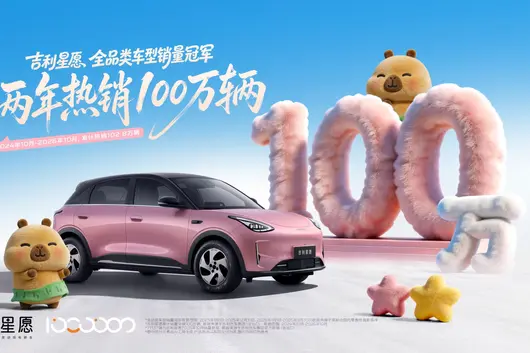


In the past few years, the market judgment on A0-class compact cars was almost consensus: cheap, sufficient, high volume, no technical content, not expecting to survive long. However, Geely Xingyuan sold one million units in 24 months, overturning this consensus.
On November 6 at the Geely Galaxy Global User Music Carnival in Hangzhou, the official announced that Xingyuan sales surpassed 1 million units within 24 months of launch, delivering an average of one vehicle per minute, making it the fastest new energy vehicle globally to reach one million sales.

What's truly worth watching is not speed, but stability. Reaching the monthly championship once relies on pricing; staying competitive across multiple sales cycles proves the demand is real.
Xingyuan won the 2025 China automotive market all-category sales championship. Cumulative sales in the first half of 2026 reached 249,418 vehicles, a 21% year-on-year increase, with acceleration continuing in the second half. August and September continuously exceeded 60,000 units, and October exceeded 70,000 units in a single month, setting a new all-time high. Unrestricted by brand, energy type, or level, this title without a qualifier is the gap separating it from same-level competitors.

Geely Xingyuan, in collaboration with the China Automotive Technology and Research Center, conducted a practical test on an in-service vehicle with 310km Dream Edition mileage of 220,000 km. Under comprehensive road conditions with energy-saving mode and air conditioning off, the range achievement rate was 99.7%, the Moose Test score was 78.1 km/h, battery health was 91.19%, while the national standard threshold for 200,000 km is 70%.
Standard equipment includes CATL cells and liquid-cooled thermal control, plus rear-wheel drive, front and rear independent suspension, and Lotus tuning. This data indicates one thing: configurations can be caught up on, but long-term reliability cannot be. The reputation of small cars depends exactly on three or five years later, not the day of pickup.

Xingyuan has entered more than 30 countries globally, ranking TOP 2 in Chinese new energy hatchback exports from January to June 2026. Thailand EV sales champion, Egypt consecutive two months A&B Class pure electric first, Mexico consecutive three months all-category pure electric second, Australia consecutive two months Hatchback pure electric champion after launch. Europe and Southeast Asia markets need exactly the electric car with suitable size, controllable price, and low energy consumption, which is exactly what the Chinese supply chain excels at.
After one million, Xingyuan's product answer is STAR Ace and STAR Chill two limited versions, limited time equity price 88,800 yuan. Ace offers Carefree Green, Pepsi Orange, Flowing Silver three car colors, Chill uses Creamy Salt Beige with new interior, both come with same-level unique electric front trunk and EVA robot, plus 3,000 yuan super trade-in subsidy and 4,099 yuan limited time exclusive gift pack.

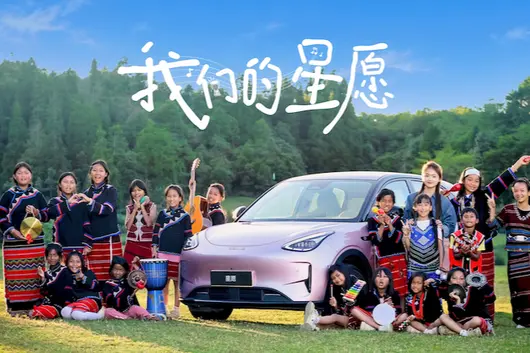
User side simultaneously launched one million achievement fan appreciation rights, log in Geely Galaxy App to draw milk tea coupons, commemorative badges, Capybara merchandise and charging discount coupons. Our Xingyuan public welfare project reached the third season, built a music classroom in Masan Village, Ximeng County, Pu'er, Yunnan, invited children who like singing Wa songs to Hangzhou to perform on stage with Lang Lang. These moves look light, but they point to the same judgment, buying this car people trade a lifestyle, emotional value and long-term companionship, rather than a one-time price cut can keep people.
Price wars can exchange for one year sales, quality and globalization capability can only exchange for the next million. Xingyuan has already raised the A0-class standard by a segment, pressure is now transferred to competitors. Follow, or not to follow.

在馬來西亞嘅 SUV 市場,好多買家喺揀車嘅時候都會拿 Mazda CX-3 同 Chery Tiggo 7 PHEV 嚟做比較。呢兩款車喺價位同定位上都幾接近,今日我哋就從多個方面做一個詳細嘅比較,幫你省返做功課嘅時間。
Mazda CX-3 喺馬來西亞嘅 OTR 售價係 RM 126,159 - 139,159,一共有 2 個版本,包括 2023 2.0L High(RM 139,159)、2023 2.0L Plus(RM 126,159) 等。
Chery Tiggo 7 PHEV 喺馬來西亞嘅 OTR 售價係 RM 129,750 - 129,750,一共有 2 個版本,包括 2025 1.5T 90km CSH(RM 129,750)、支持邊種充電方法?可以用家用電源插座充電嗎?(RM 117,478) 等。
從價錢嚟睇,Mazda CX-3 嘅起步價確實比 Chery Tiggo 7 PHEV 平咗 RM 3,591。如果你預算有限,Mazda 嘅入門版已經可以滿足日常需求。但都要注意,平嗰幾千蚊,可能喺配備上會有取捨,具體要看你嘅需求。

Mazda CX-3 嘅安全評級係 5★ (ASEAN NCAP),主動安全系統包括 i-Activsense。
Chery Tiggo 7 PHEV 嘅安全評級係 TBD,主動安全系統包括 Basic。
安全配備方面,兩款車都揾到唔錯嘅評級。不過 Mazda CX-3 嘅 i-Activsense 同 Chery Tiggo 7 PHEV 嘅 Basic 喺功能上有些差異,如果你比較看重主動安全嘅話,可以仔細對比下兩者嘅功能列表。

Mazda CX-3 採用 FWD 驅動方式。
Chery Tiggo 7 PHEV 採用 FWD 驅動方式。
兩款車嘅驅動方式一樣,都係 FWD,日常駕駛感受唔會有太大區別。

Mazda CX-3 保養 5 年/150,000km,保養間隔 每 10,000km 或 6 個月。
Chery Tiggo 7 PHEV 保養 3 年/100,000km,保養間隔 每 10,000km 或 6 個月。

Mazda CX-3 同 Chery Tiggo 7 PHEV 都係馬來西亞市場嘅主流選擇,適合家庭使用、日常通勤。如果你更加看重品牌口碑同二手價,可以優先考慮口碑更好嗰一款;如果你更加在意性價比同配備,嗰就選配置更豐富嗰款。最終都係建議兩款都去試駕,親身體驗先係最重要嘅。

總體嚟講,Mazda CX-3 同 Chery Tiggo 7 PHEV 都係馬來西亞市場好唔錯嘅車型。揀邊輛,關鍵都係要看你嘅個人需求同預算。建議大家做好功課,多比較間車行嘅報價,先至去試駕做最終決定。買車係件大事,花啲時間做功課絕對唔會錯。



從三季報可以看出,內捲時代,頭部車企走出三條不同的生存路徑。
作者丨陳偉東
2026 年前三季度,大盤回暖的表象之下,車企盈利底線持續失守。存量博弈走到深水區,競爭的核心從搶份額轉向尋找可持續的生存範式。
價格戰早已不是短期促銷手段,而是當前國內車市的底層常態。當很多車企陷入「放量就虧、不賣更難」的兩難,銷量數字的光環正在快速褪色。
同一份殘酷的行業考卷面前,比亞迪、吉利、奇瑞交出了三份氣質迥異的答卷。2026 年三季度財報集中披露,三家自主龍頭銷量同步向上,但破局思路涇渭分明。
比亞迪以全產業鏈重資產壁壘抵禦週期衝擊;吉利向內發起結構與組織變革,在存量市場挖掘盈利彈性;奇瑞錨定海外大盤,用海外利潤緩衝國內內捲壓力。三條路線,各有紅利,也各有繞不開的長期考驗。
比亞迪:產業鏈壁壘硬抗週期
當同行爭相降價換訂單,比亞迪沒有紮進低端價格混戰。
2026 年前三季度,比亞迪累計銷量 313.16 萬輛,依舊領跑全球新能源市場,但銷量同比‑3.94%;實現營收 5663.04 億元,同比 +0.01%;歸母淨利潤 223.45 億元,同比‑4.24%;扣非淨利潤 210.04 億元,同比 +2.51%。

營收穩步上行、利潤小幅回落,並不是經營走弱,而是主動取捨——犧牲短期賬面利潤,投向長期技術底盤。
很多車企利潤下滑,根源是終端售價失守、毛利被動擊穿。比亞迪利潤被稀釋,來自兩塊剛性投入:高階智駕、新一代電池平台的持續研發;泰國、巴西、匈牙利等海外基地的基建、產線調試與本地供應鏈培育。海外整車項目爬坡週期普遍 18 至 24 個月,投產初期產能利用率偏低,短期拖累盈利表現。
支撐比亞迪抗週期的核心,是行業少見的深度垂直整合體系。正極材料、電芯、電機電控、高壓核心部件大多自研自制,刀片電池外供持續放量,疊加儲能業務雙位數增長,形成乘用車之外的第二條收入曲線。

這套閉環,給了它獨有的成本調節空間:競品降價大多直接吃掉單車利潤,比亞迪可以倚靠內部配套分攤一部分壓力,這也是行業薄利環境下,它能夠穩定正向盈利的根基。
市場一直有討論,比亞迪 SKU 豐富、產品矩陣擁擠,存在內部分流。落到渠道端不难看出,王朝、海洋系列穩住產能和基本盤;方程豹錨定 40 萬元級硬派賽道,仰望穩站百萬高端;商用車、儲能業務還能和乘用車共享製造資源,平滑季度波動。
分層佈局之下,它不需要靠低價內捲走量,而是依靠體系韌性消化市場衝擊。

但重資產模式,本身就是一把雙刃劍。動力電池產線投入巨大、專用性強,一旦需求放緩,產能利用率下滑,折舊成本會快速抬升。部分車型價格帶重疊、客群交叉,內部分流客觀存在。
更大的隱憂在於,現有產能高度綁定磷酸鐵鋰刀片電池路線,如果半固態、固態電池商業化提速,這批專用產線會面臨減值壓力。比亞迪雖同步佈局前沿技術預研,但主力產能切換的難度極高。疊加海外建廠伴隨的合規、用工、供應鏈培育難題,海外業務兌現盈利,還需要更長時間。
國內內捲空間已經見底,體系化出海成了比亞迪重要的增量和安全墊。它不再是簡單出口 KD 散件,而是落地本地化全鏈條方案,把產能、配套、認證、售後整套體系帶到海外,規避關稅壁壘。海外高毛利市場持續對沖國內壓力,出海已經從第二增長曲線,升級為它穿越週期的生存底線。

比亞迪這份財報傳遞的信號很清晰:存量競爭裡,產業鏈掌控力是最硬核的護城河。以短期利潤換取技術與全球化底盤,是自主品牌最重、最難複製的一條路。當然,它對週期判斷、全球化運營能力的要求,也更高一些。
吉利汽車:無利區跑出高盈利
如果說比亞迪靠重資產硬扛週期,那麼吉利的解法則更向內:在這片幾乎無利可圖的存量市場裡,挖出盈利彈性,也是自主三強裡短期盈利兌現最亮眼的一家。
2026 年前三季度,吉利汽車累計銷量 223.55 萬輛,同比 +3%;實現營收 2725.64 億元,同比 +13%;歸母淨利潤 139.28 億元,同比 +7%。

銷量多增 3%,收入多增 13%,營收增速持續跑贏銷量增速,體現出了單車均價與產品溢價能力正在穩步提升。利潤結構變化很明確:極氪貢獻的高端利潤持續抬升,銀河穩住主流銷量底盤,領克海外增量持續釋放,傳統燃油業務有序收縮,資源集中向高價值板塊傾斜。
不少車企困在「降價—毛利下滑—壓榨供應商」的惡性循環裡,吉利跳出了這套低效邏輯,核心抓手是產品結構升級、品牌向上、高價值出海。
今年前三季度,吉利新能源累計銷量 132.64 萬輛,同比 +14%;海外出口 79.77 萬輛,同比 +169%。
極氪穩站高端純電賽道,單車毛利顯著高於集團均值;銀河覆蓋 10 萬–20 萬元主流市場,守住渠道流水與產能底盤;領克倚靠運動標籤,在海外守住細分溢價;中國星混動持續承接合資燃油的替代需求。數據顯示,極氪品牌累計銷量 28.84 萬輛,同比增長 101%,其中出口 8.3 萬輛,直接拉高集團單車均價和盈利水平。
這一輪盈利改善,不是單一爆款帶來的偶然紅利,是過去兩年組織重構、品牌梳理積累下來的結果。

在近期溝通會上,吉利汽車安聰慧也直面內部矩陣的老問題:領克過往產品定位模糊,和集團其他品牌差異化不足,接下來會啟動全面品牌重塑;銀河會补齐腰部爆款,完善純電、插混的產品矩陣;中國星系列將大規模搭載超級 HEV 技術,強化燃油替代優勢。
配套戰略也已經明確:今年四季度將發布面向 2030 年的新五年戰略,核心思路是收縮冗餘、聚焦核心,削減小眾、低效車型的研發預算,資源集中投向技術迭代、全域 AI 生態和用戶體驗。品牌精簡、渠道整合、研發中台統一、供應鏈集中集採,搭建起「中台控本、前台差異化競爭」的架構,銷售、管理費用率持續優化,管理紅利持續釋放。
和很多車企多品牌擴張、陷入內耗不同,吉利現階段各品牌協同大於競爭,後台降本的成果,直接轉化為前端產品競爭力,這是利潤逆勢走高的底層邏輯。
中台整合越深,成本優勢越強,但也容易出現技術、設計語言趨同,一旦分寸失衡,會慢慢稀釋各個品牌獨有的調性,長期侵蝕品牌溢價根基。

出海方面,吉利走了和比亞迪完全不同的輕量化聯盟路線,聯動沃爾沃、雷諾、寶騰協同佈局產能和渠道,以更低資本開支,推動高端車型登陸歐洲、新能源產品全球放量,走出一條價值出海的樣本路徑。
吉利的財報,給行業提供了另一種答案:車市從來不缺銷量,穩定賺錢的能力才是稀缺品。在全面內捲的環境裡,精緻化運營、結構優化、效率提升,同樣可以穿越寒冬。
奇瑞汽車:海外市場對沖內捲
對比比亞迪的重壁壘、吉利的內部提效,奇瑞的路線最務實,辨識度也最高:把利潤底盤放在海外,對沖國內紅海內捲。
2026 年前三季度,奇瑞集團實現營收 2412.34 億元,同比 +12.29%;毛利潤 390.04 億元,同比 +32.38%;毛利率 16.17%,同比提升 2.46 個百分點;歸母淨利潤 139.63 億元,同比 -2.8%,海外業務已經成為集團核心利潤來源。

奇瑞的經營邏輯很直白:國內薄利衝規模、打磨技術;海外穩利潤、拿現金流。國內定價克制,優先穩住渠道和產能,相當於混動、底盤技術的試驗場;倚靠二十多年沉澱的海外經銷商網絡,在拉美、中東、東南亞市場,適配當地路況的車型,可以拿到比國內更好的單車毛利。
一攻一守,一薄一厚,形成天然風險對沖,讓它在同行承壓時保持穩健。
技術路線上,奇瑞選擇穩妥路線,避開高投入、高不確定性的前沿賽道,確立「混動為主、純電為輔」的全球化方案。瑤光 C-DM 混動對油品、路況包容度高,維保成本低,適配基建不完善的海外市場,是出海主力。
品牌矩陣分工清晰:主品牌穩住國民基本盤,捷途深耕戶外越野,iCAR 面向年輕群體做純電,星途承載向上任務。各品牌目標明確,不盲目跟風內捲。
研發投入上,資源優先傾斜實用技術與海外適配,2026 年前三季度研發開支 110.46 億元,重點放在混動系統、底盤標定、本地化適配,高階智駕自研投入相對克制。這是主動取捨,也意味著在智能化賽道,它還有一段追趕距離。

奇瑞的風險,同樣來自自身優勢。利潤高度綁定海外新興市場,業績會跟著地緣政策、匯率、區域需求波動,盈利穩定性有短板。回到國內,星途多年來缺少 30 萬元級標桿爆款,用戶心智依舊停留在性價比上,品牌向上節奏偏慢。
但不可否认,出海對奇瑞而言不是加分項,而是生存根基。長期穩居自主出口第一梯隊,以輕資產 KD 模式為主,資本開支可控,海外產銷體系成熟。在地緣摩擦、貿易壁壘增多的環境下,這套深耕多年的海外底盤,給了它充足的從容。

奇瑞的啟示足夠朴素:國內紅海競爭很難停歇,穩定的利潤緩衝,往往藏在全球化佈局裡。不靠噱頭、不主動挑起低價戰,穩健出海,是自主品牌裡容錯率最高的一條路。
基本面分化
復盤 2026 三季報,自主三強的基本面分化已經清晰:
比亞迪走重壁壘路線:以全產業鏈掌控力,換取長期全球話語權;吉利走優經營路線:依靠組織變革與產品結構優化,挖掘存量盈利彈性;奇瑞走全球化路線:倚靠海外盈利底盤,對沖國內週期風險。
三條路線沒有高下之分,完全根植於各家資源稟賦和戰略基因。每一條路線都有確定紅利,也伴隨著長期待解的結構性課題。
價格戰、存量內捲會是常態。往後車企比拼的,早已不是短期銷量排名,而是壁壘厚度、經營效率、增長底盤多元性、風險消解能力的綜合實力。

行業還有一個值得持續觀察的命題:三條路線裡,是否存在終局最优解?如果海外市場同步降溫,智能化競爭拉開代差,只依靠單一模式,還能不能穩站腳跟?
拉長週期看,真正能穿越多輪下行週期的龍頭,不會固守一條賽道,而是有能力在產業鏈壁壘、組織效率、全球化佈局之間動態平衡、取長補短。
大浪淘沙,週期留強。
2026 年之後,自主品牌的基本面淘汰賽,才剛剛開始。【版權聲明】本文係《汽車人》原創,出版方所有,未經轉載或複製,違者必究。

In the Malaysian SUV market, many buyers compare Toyota Harrier and Mazda CX-80 when choosing a car. Both cars are quite close in price and positioning. Today we will do a detailed comparison from multiple aspects to save you time doing research.
Toyota Harrier's OTR price in Malaysia is RM 289,000 - 289,000. There is 1 version, including 2026 HEV 2.5L Standard (RM 289,000) etc.
Mazda CX-80's OTR price in Malaysia is RM 296,610 - 296,610. There is 1 version, including 2025 2.5L 65km High Plus (RM 296,610) etc.
From a price perspective, the starting price of Toyota Harrier is indeed RM 7,610 cheaper than Mazda CX-80. If your budget is limited, Toyota's entry-level version is already enough to meet daily needs. But also note, the savings of a few thousand may involve trade-offs in features, depending on your specific needs.

Toyota Harrier's safety rating is 5★ (ASEAN NCAP). Active Safety Systems include Brand ADAS.
Mazda CX-80's safety rating is 5★ (ASEAN NCAP). Active Safety Systems include Brand ADAS.
The safety ratings of both cars are the same, and the safety features are quite comprehensive for this class. New cars nowadays are not lacking in safety, so there is no need to worry too much about this.

Toyota Harrier body length is 4400 mm, trunk 400 L.
Mazda CX-80 body length is 4500 mm, trunk 450 L.
In terms of space, the Mazda CX-80 body is 100 mm longer than the Toyota Harrier, giving it an advantage in passenger space. However, the Toyota Harrier is a bit more flexible for parking in the city, so each has its trade-offs.

Toyota Harrier warranty is 5 years / unlimited mileage, maintenance interval every 10,000km or 6 months.
Mazda CX-80 warranty is 5 years / 150,000km, maintenance interval every 10,000km or 6 months.

Overall, Toyota Harrier and Mazda CX-80 are both very good models in the Malaysian market. Which one to choose depends on your personal needs and budget. We recommend doing your research, comparing quotes from several car dealers, and then test driving to make the final decision. Buying a car is a major purchase, spending time doing research is never wrong.


喺馬來西亞嘅 SUV 市場,好多買家喺揀車嗰陣都會拿豐田 Fortuner 同 速霸陸 Outback 嚟做比較。呢兩款車喺價位同定位上都幾接近,今日我哋就從多個方面嚟一個詳細嘅對比,幫你省下做功課嘅時間。
豐田 Fortuner 喺馬來西亞嘅 OTR 售價係 RM 195,880 - 241,880,一共有 3 個版本,包括 2024 2.8T VRZ Diesel(RM 241,880)、2024 2.7L SRZ Petrol(RM 202,880)、2024 2.4L Standard Diesel(RM 195,880) 等。
速霸陸 Outback 喺馬來西亞嘅 OTR 售價係 RM 260,000 - 280,000,一共有 2 個版本,包括 2025 2.4T R-Touring EyeSight(RM 310,340)、2025 2.5L Touring EyeSight(RM 280,340) 等。
由價錢睇,豐田 Fortuner 嘅起步價確實比 速霸陸 Outback 便宜咗 RM 64,120。如果你預算唔夠,豐田嘅入門版已經可以满足日常需求。但都要注意,便宜嗰幾千蚊,可能喺配備上會有取舍,具體要看你嘅需求。

豐田 Fortuner 裝載 2.5L Diesel,馬力 187 hp。官方油耗 8.5 L/100km。
速霸陸 Outback 裝載 2.0L Turbo,馬力 220 hp。官方油耗 9.5 L/100km。
動力方面,速霸陸 Outback 嘅 2.0L Turbo 比 豐田 Fortuner 嘅 2.5L Diesel 多咗 33 匹馬力。不過日常喺市區開,兩款車嘅動力都夠用,唔會覺得唔夠力。

豐田 Fortuner 車身長 4400 mm,尾箱 400 L。
速霸陸 Outback 車身長 4400 mm,尾箱 400 L。
兩款車嘅尺寸幾乎一樣,車內空間分別唔大。呢個級別嘅車,日常使用完全夠用。

豐田 Fortuner 同 速霸陸 Outback 都係馬來西亞市場嘅主流選擇,適合家庭使用、日常通勤。如果你更睇重品牌口碑同二手價,可以優先考慮口碑更好嗰一款;如果你更在意性價比同配備,那就揀配置更豐富嗰款。最終都係建議兩款都去試駕,親身體驗先係最重要嘅。

總而言之,豐田 Fortuner 同 速霸陸 Outback 都係馬來西亞市場幾唔錯嘅車型。揀邊輛,關鍵都係睇你嘅個人需求同預算。建議大家做好功課,多比較幾間車行嘅報價,先去試駕做最終決定。買車係件大事,花點時間做功課絕對唔會錯。




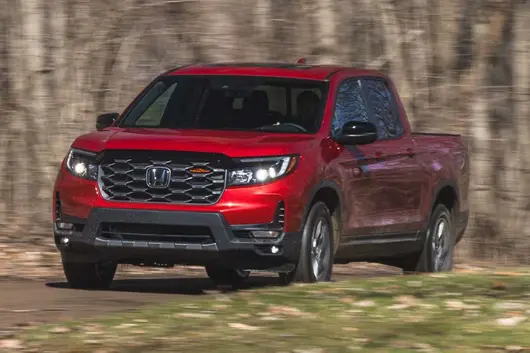
值得注意的是,呢款新車並非本田自行從零開發嘅產品,而係預計採用三菱集團作為基礎,透過 OEM(原始設備製造商)合作模式,由三菱負責生產,再懸掛本田廠徽進行銷售。雖然新車嘅正式名稱同設計細節尚未公布,但對於長期缺乏傳統大梁式皮卡產品嘅本田來說,這無疑係一項值得關注嘅戰略轉變。
根據日本媒體披露嘅消息,本田正同三菱集團協調取得 Triton 嘅 OEM 供應,預計由三菱位於泰國嘅工廠負責生產,並以本田品牌喺東南亞銷售。如果計劃順利落實,最快 2028 年就有機會看到呢款全新本田皮卡,未來甚至可能進一步擴展到其他海外市場。

呢類合作方式其實並不複雜,簡單嚟講就係三菱負責提供現有成熟車型,本田則利用自身嘅品牌影響力同銷售網絡,將產品推向市場。對於本田而言,最大嘅好處就係唔使投入大量資金開發全新嘅皮卡平台,同時亦能縮短新車研發同上市所需要嘅時間。
至於三菱,向本田供應 Triton 亦能夠幫助泰國工廠增加生產數量,提高現有生產設施嘅使用率。因此,呢項合作對於雙方而言都有實際嘅商業價值。不過,目前相關消息仍然來自日本媒體報導,本田同三菱尚未正式公布新車嘅最終規格、外觀設計同上市國家。

實際上,本田並非完全沒有皮卡產品。品牌目前喺北美市場銷售嘅 Ridgeline 就係一款相當特別嘅皮卡,不過佢採用嘅係承载式車身設計,同豐田 Hilux、三菱 Triton 等傳統皮卡有明顯區別。

採用承载式車身設計,主要強調日常駕駛舒適性及實用性,並非傳統梯形底盤結構。梯形底盤嘅特點係車身同底盘採用分離式結構,能夠針對載重、拖曳以及複雜地形進行強化,因此長期以來都係傳統皮卡嘅主要設計。喺東南亞市場,特別係泰國、馬來西亞同印尼等地區,呢類車型除咗作為商業用途之外,亦受到越野愛好者同家庭用戶歡迎。
本田如果直接採用三菱 Triton 嘅平台,就獲得一套已經經過市場驗證嘅梯形底盤底盤、懸掛結構以及四輪驅動技術,唔需要重新建立完整嘅研發體系。事實上,本田過去亦曾經喺泰國銷售過名為 Tourmaster 嘅皮卡,當年同樣透過同五十鈴合作推出。因此,今次同三菱合作,都可以看成本田再次嘗試進入傳統皮卡市場。

現款三菱 Triton 屬於第六代車型,於 2023 年喺泰國全球首發。新車採用重新開發嘅梯形底盤底盤結構,並針對車身剛性、懸掛以及動力系統進行升級。
如果本田最終採用現有 Triton 嘅動力組合,咁新車理論上有機會具備相當接近嘅性能表現。不過,由於產品預計最快 2028 年先推出,屆時係咪沿用同樣嘅 2.4L 柴油引擎、係咪針對動力進行調整,甚至會唔會推出其他動力版本,目前都仲冇進一步消息。可以確定嘅係,採用現有成熟平台將令本田大幅降低開發傳統皮卡嘅門檻,亦係雙方合作最重要嘅優勢。

講到東南亞嘅皮卡市場,豐田 Hilux 絕對係無法忽略嘅名字。長期以來,Hilux 憑藉耐用性、可靠性、完善嘅售後網絡以及唔錯嘅二手車殘值,喺許多市場建立咗相當強大嘅競爭力。除咗 Hilux,目前市場上仲有五十鈴 D-MAX、福特 Ranger、三菱 Triton 等成熟對手。對於準備加入呢個領域嘅本田而言,挑戰顯然唔小。
首先,傳統皮卡買家對於車輛嘅耐用性、維修成本及長期使用表現相當重視。即使本田喺乘用車領域已經建立唔錯嘅品牌口碑,但係要令消費者接受一款掛住本田廠徽嘅柴油皮卡,仲需要時間。
其次,售價亦會成為關鍵。假設本田版本嘅 Triton 同原廠車型採用非常接近嘅機械結構,咁本田就必須透過外觀設計、內飾配備、駕駛輔助系統以及價格定位,建立自己嘅產品特色,否則消費者很可能直接選擇三菱 Triton。

另一方面,本田本身擁有龐大嘅乘用車客戶群,呢樣亦可能成為新車嘅優勢。對於已經擁有本田 City、Civic 或 CR-V 嘅消費者來說,未來如果希望購買一輛更加適合載貨、拖曳或越野用途嘅車輛,就多咗一個繼續留喺本田品牌內嘅選擇。
因此,本田進軍皮卡市場唔代表能夠立即動搖 Hilux 嘅地位,但如果產品定價合理,再配合現有經銷商網絡,確實有機會成為呢個市場嘅新競爭者。

喺馬來西亞嘅 SUV 市場,好多買家揀車嗰陣都會拿 Toyota Corolla Cross 同 Chery Tiggo 8 PHEV 比較。這兩款車喺價位同定位上都幾近,今日我哋就從多個方面做個詳細比較,幫你節省做功課嘅時間。
Toyota Corolla Cross 喺馬來西亞嘅 OTR 售價係 RM 133,800 - 148,800,合共 3 個版本,包括 2026 HEV 1.8L GR Sport(RM 148,800)、2026 HEV 1.8L Standard(RM 140,800)、2026 1.8L Standard(RM 133,800) 等。
Chery Tiggo 8 PHEV 喺馬來西亞嘅 OTR 售價係 RM 159,750 - 159,750,合共 2 個版本,包括 1.6L Turbo Standard(RM 130,000)、1.6L Turbo Premium(RM 145,000) 等。
從價錢嚟睇,Toyota Corolla Cross 嘅起步價確實比 Chery Tiggo 8 PHEV 平咗 RM 25,950。如果你預算有限,Toyota 嘅入門版已經可以滿足日常需要。但都要注意,平嗰幾千塊,喺配備上可能有取捨,具體睇你嘅需要。

Toyota Corolla Cross 嘅安全評級係 5★ (ASEAN NCAP),主動安全系統包括 TSS (PCS, LDA, ACC, LTA)。
Chery Tiggo 8 PHEV 嘅安全評級係 TBD,主動安全系統包括 Basic。
安全配備方面,兩款車都拿到唔錯嘅評級。不過 Toyota Corolla Cross 嘅 TSS (PCS, LDA, ACC, LTA) 同 Chery Tiggo 8 PHEV 嘅 Basic 喺功能上有啲分別,如果你比較看重主動安全嘅話,可以仔細對比下兩者嘅功能列表。
Toyota Corolla Cross 採用 FWD 驅動方式。
Chery Tiggo 8 PHEV 採用 FWD 驅動方式。
兩款車嘅驅動方式一樣,都係 FWD,日常駕駛感受唔會有太大分別。
Toyota Corolla Cross 同 Chery Tiggo 8 PHEV 都係馬來西亞市場嘅主流選擇,適合家庭使用、日常通勤。如果你更看重品牌口碑同二手價,可以優先考慮口碑更好嗰一款;如果你更在意性價比同配備,那就揀配備更豐富嗰款。最終都好建議兩款都去試駕,親身體驗先至最重要。
總括嚟講,Toyota Corolla Cross 同 Chery Tiggo 8 PHEV 都係馬來西亞市場幾唔錯嘅車款。揀邊一輛,關鍵都要睇你個人需要同預算。建議大家做好功課,多比較幾間車行嘅報價,再落去試駕做最終決定。買車係一件大事,花少少時間做功課絕對唔會錯。


In the Malaysia SUV market, many buyers compare Toyota Yaris Cross and Chery Tiggo 8 Pro when choosing a car. These two cars are quite close in price and positioning. Today we will make a detailed comparison from multiple aspects to help you save time on research.
Toyota Yaris Cross OTR price in Malaysia is RM 99,900 - 109,900, with a total of 2 versions, including 2026 1.5L Standard (RM 99,900), 2026 HEV 1.5L Standard (RM 109,900), etc.
Chery Tiggo 8 Pro OTR price in Malaysia is RM 159,750 - 159,750, with a total of 2 versions, including 1.6L Turbo Standard (RM 130,000), 1.6L Turbo Premium (RM 145,000), etc.
From a price perspective, Toyota Yaris Cross's starting price is indeed RM 59,850 cheaper than Chery Tiggo 8 Pro. If your budget is limited, Toyota's entry-level version can already meet daily needs. However, note that the few thousand cheaper might involve trade-offs in features, depending on your specific needs.

Toyota Yaris Cross is equipped with 1.5L 4-cyl, 105 hp. Official fuel consumption 6.0 L/100km.
Chery Tiggo 8 Pro is equipped with 2.0L 4-cyl, 170 hp. Official fuel consumption 8.0 L/100km.
In terms of power, Chery Tiggo 8 Pro's 2.0L 4-cyl has 65 more horsepower than Toyota Yaris Cross's 1.5L 4-cyl. However, for daily city driving, both cars have enough power, you won't feel lack of power.

Toyota Yaris Cross body length 4400 mm, trunk 400 L.
Chery Tiggo 8 Pro body length 4400 mm, trunk 400 L.
The dimensions of the two cars are almost the same, interior space difference is not significant. Cars of this level are completely sufficient for daily use.

Toyota Yaris Cross and Chery Tiggo 8 Pro are both mainstream choices in the Malaysia market, suitable for family use, daily commuting. If you value brand reputation and resale value more, you can prioritize the one with better reputation; if you care more about cost-performance and features, then choose the one with more configurations. Finally, it is recommended to test drive both, experiencing it personally is the most important.
Overall, Toyota Yaris Cross and Chery Tiggo 8 Pro are both very good models in the Malaysia market. Which one to choose, the key is still your personal needs and budget. We recommend everyone do their homework, compare quotes from several dealerships, then go for a test drive to make the final decision. Buying a car is a big matter, spending some time doing homework will definitely not be wrong.


喺馬來西亞嘅 SUV 市場,好多買家喺揀車嘅時候都會拿本田 CR-V 同賓士 GLC 嚟做比較。呢兩部車喺價位同定位上都幾相近,今日我哋就從多個方面做一個詳細嘅對比,幫你省返做功課嘅時間。
本田 CR-V 喺馬來西亞嘅 OTR 售價係 RM 178,200 - 195,900,一共有 4 個版本,包括 2026 e:HEV 2.0L 2WD RS(RM 195,900)、2026 1.5T 4WD V(RM 181,900)、2026 e:HEV 2.0L 2WD E(RM 178,200) 等等。
賓士 GLC 喺馬來西亞嘅 OTR 售價係 RM 336,888 - 336,888,一共有 2 個版本,包括 GLC 200(RM 290,000)、GLC 300(RM 340,000) 等等。
由價錢睇,本田 CR-V 嘅入門價確實比賓士 GLC 平咗 RM 158,688。如果你預算唔多,本田嘅入門版已經可以滿足日常需求。但要留意,平嗰幾千蚊,可能喺配備上會有所取捨,具體要睇你嘅需求。

本田 CR-V 搭載 2.0L 4-cyl,馬力 170 hp。官方油耗 8.0 L/100km。
賓士 GLC 搭載 2.0L Turbo,馬力 220 hp。官方油耗 9.5 L/100km。
由動力嚟睇,賓士 GLC 嘅 2.0L Turbo 比本田 CR-V 嘅 2.0L 4-cyl 多咗 50 匹馬力。不過日常喺市區開,兩款車嘅動力都夠用,唔覺得唔夠力。

本田 CR-V 嘅安全評級係 5★ (ASEAN NCAP),主動安全系統包括本田 SENSING (ACC, CMBS, LKAS, RDM)。
賓士 GLC 嘅安全評級係 5★ (Euro NCAP),主動安全系統包括 Premium ADAS。
安全配備方面,兩款車都拿到咗唔錯嘅評級。不過本田 CR-V 嘅本田 SENSING (ACC, CMBS, LKAS, RDM) 同賓士 GLC 嘅 Premium ADAS 喺功能上少少分別,如果你比較著重主動安全嘅話,可以仔細對比下兩者嘅功能列表。

本田 CR-V 保修 5 年/無限里程,保養間隔 每 10,000km 或 6 個月。
賓士 GLC 保修 3 年/100,000km,保養間隔 每 10,000km 或 6 個月。
本田 CR-V 同賓士 GLC 都係馬來西亞市場嘅主流選擇,適合家庭使用、日常通勤。如果你更看重品牌口碑同二手價,可以優先考慮口碑更好嗰款;如果你更在意性價比同配備,就揀配置更豐富嗰款。最終都建議兩款都去試駕,親身體驗先至最重要。
總體嚟講,本田 CR-V 同賓士 GLC 都係馬來西亞市場好唔錯嘅車型。揀邊一部,關鍵始終都要睇你嘅個人需求同預算。建議大家做好功課,多比較幾間車行嘅報價,再去試駕做最終決定。買車係件大事,花少少時間做功課絕對唔會錯。


In the SUV market in Malaysia, many buyers compare Honda CR-V and Kia Sportage when choosing a car. These two models are quite close in price and positioning. Today we will make a detailed comparison from multiple aspects to help you save time doing research.
Honda CR-V's OTR price in Malaysia is RM 178,200 - 195,900, with a total of 4 versions, including 2026 e:HEV 2.0L 2WD RS (RM 195,900), 2026 1.5T 4WD V (RM 181,900), 2026 e:HEV 2.0L 2WD E (RM 178,200), etc.
Kia Sportage's OTR price in Malaysia is RM 129,639 - 179,320, with a total of 4 versions, including 2025 1.6T DCT 4WD High (RM 179,320), 2025 1.6T DCT 2WD High (RM 159,320), 2025 2.0L AT 2WD High (RM 139,639), etc.
From a price perspective, Kia Sportage's starting price is RM 48,561 cheaper than Honda CR-V. Honestly, in this price range, a difference of a few thousand isn't really that big. The key is still looking at overall value for money and long-term ownership costs.
Honda CR-V body length is 4500 mm, trunk space is 450 L.
Kia Sportage body length is 4400 mm, trunk space is 400 L.
In terms of space, Honda CR-V's body is 100 mm longer than Kia Sportage, and the interior seating space is slightly more spacious, especially the rear legroom. If you often carry family members or need to fit a stroller, a larger body is indeed more practical.
Honda CR-V warranty 5 years/unlimited mileage, maintenance interval every 10,000km or 6 months.
Kia Sportage warranty 5 years/300,000km, maintenance interval every 10,000km or 6 months.
Both Honda CR-V and Kia Sportage are mainstream choices in the Malaysian market, suitable for family use and daily commuting. If you value brand reputation and resale value more, you might prioritize the one with better reputation; if you care more about value for money and features, choose the one with richer configuration. Ultimately, it is recommended to test drive both models, as experiencing it firsthand is the most important.

Overall, both Honda CR-V and Kia Sportage are very good models in the Malaysian market. Which one to choose mainly depends on your personal needs and budget. It is recommended to do your research, compare quotes from several car dealers, and then test drive to make the final decision. Buying a car is a big matter, spending some time on research will never go wrong.

In Malaysia's SUV market, many buyers compare Honda CR-V and Mitsubishi Xforce when choosing a car. Both cars are quite close in price and positioning, so today we will do a detailed comparison from multiple aspects to help you save time on research.
Honda CR-V OTR price in Malaysia is RM 178,200 - 195,900, with 4 versions in total, including 2026 e:HEV 2.0L 2WD RS (RM 195,900), 2026 1.5T 4WD V (RM 181,900), 2026 e:HEV 2.0L 2WD E (RM 178,200) and so on.
Mitsubishi Xforce OTR price in Malaysia is RM 109,930 - 119,930, with 2 versions in total, including 2026 1.5L Ultimate (RM 119,930), 2026 1.5L Urban (RM 109,930) and so on.
In terms of price, Mitsubishi Xforce's starting price is RM 68,270 cheaper than Honda CR-V. To be honest, in this price bracket, a gap of a few thousand is actually not significant, the key is still the overall value for money and long-term running costs.
Honda CR-V body length 4500 mm, trunk 450 L.
Mitsubishi Xforce body length 4400 mm, trunk 400 L.
In terms of space, Honda CR-V's body is 100 mm longer than Mitsubishi Xforce, the interior passenger space will be slightly more spacious, especially the rear seat legroom. If you often carry family members or need to store a stroller, a larger body is indeed more practical.
Honda CR-V warranty 5 years/unlimited mileage, maintenance interval every 10,000km or 6 months.
Mitsubishi Xforce warranty 3 years/100,000km, maintenance interval every 10,000km or 6 months.
Both Honda CR-V and Mitsubishi Xforce are mainstream choices in the Malaysian market, suitable for family use and daily commuting. If you value brand reputation and resale value more, you can prioritize the one with better reputation; if you care more about value for money and features, then choose the model with richer features. Ultimately, it is recommended to test drive both, as personal experience is the most important.

Overall, Honda CR-V and Mitsubishi Xforce are both quite good models in the Malaysian market. Choosing which one depends mainly on your personal needs and budget. We suggest doing your research, comparing quotes from multiple dealerships, and then test driving to make the final decision. Buying a car is a major matter, spending some time on research will absolutely not go wrong.


