首頁Toyota Sienna

搜尋歷史
熱門搜尋
經銷商登入 / 註冊

In the Malaysian SUV market, many buyers compare Proton X90 and Chery Tiggo 8 when choosing a car. These two cars are quite close in price and positioning. Today we will make a detailed comparison from multiple aspects to help you save time on research.
Proton X90's OTR price in Malaysia is RM 106,800 - 122,800. There are 4 versions in total, including 2026 1.5T Prime X (RM 122,800), 2026 1.5T Prime (RM 116,800), 2026 1.5T Lite (RM 106,800), etc.
Chery Tiggo 8's OTR price in Malaysia is RM 129,750 - 129,750. There is 1 version in total, including 2026 1.6T Standard (RM 129,750), etc.
In terms of price, Proton X90's starting price is indeed RM 22,950 cheaper than Chery Tiggo 8. If your budget is limited, Proton's entry-level version can already meet daily needs. But be aware that the difference of a few thousand might involve trade-offs in features, it depends on your specific needs.

Proton X90's safety rating is 5★ (ASEAN NCAP), active safety systems include ADAS (ACC, AEB, LKA, LDA, BSM, RCTA).
Chery Tiggo 8's safety rating is TBD, active safety systems include Basic.
Regarding safety features, both cars have received decent ratings. However, there are some differences in function between Proton X90's ADAS (ACC, AEB, LKA, LDA, BSM, RCTA) and Chery Tiggo 8's Basic. If you value active safety more, you can compare the function lists of both carefully.

Proton X90 adopts FWD drive method.
Chery Tiggo 8 adopts FWD drive method.
Both cars have the same drive method, both are FWD, daily driving experience will not have much difference.

Proton X90 and Chery Tiggo 8 are both mainstream choices in the Malaysian market, suitable for family use and daily commuting. If you value brand reputation and resale value more, you can prioritize the one with better reputation; if you care more about value for money and features, then choose the one with richer configuration. Finally, it is suggested to test drive both, personal experience is the most important.

Overall, Proton X90 and Chery Tiggo 8 are both very good car models in the Malaysian market. Choosing which one depends on your personal needs and budget. It is recommended to do your homework, compare quotes from several dealerships, and then test drive to make the final decision. Buying a car is a big matter, spending some time doing homework will never be wrong.


喺馬來西亞嘅 SUV 市場,好多買家喺揀車嘅時候都會拿 Proton X90 同 Chery Tiggo 8 PHEV 來做比較。這兩部車喺價位同定位上都幾接近,今日我哋就從多個方面做一个詳細嘅比較,幫你節省咗做功課嘅時間。
Proton X90 喺馬來西亞嘅 OTR 售價係 RM 106,800 - 122,800,一共有 4 個版本,包括 2026 1.5T Prime X(RM 122,800)、2026 1.5T Prime(RM 116,800)、2026 1.5T Lite(RM 106,800) 等。
Chery Tiggo 8 PHEV 喺馬來西亞嘅 OTR 售價係 RM 159,750 - 159,750,一共有 2 個版本,包括 1.6L Turbo Standard(RM 130,000)、1.6L Turbo Premium(RM 145,000) 等。
由價錢睇落嚟,Proton X90 嘅起步價的確比 Chery Tiggo 8 PHEV 平咗 RM 52,950。如果你預算有限,Proton 嘅入門版已經可以滿足日常需要。但都要留意,平嗰幾千蚊,可能喺配備方面有取舍,具體睇你嘅需求。
Proton X90 搭載 1.5L Turbo,馬力 140 hp。官方油耗 7.0 L/100km。
Chery Tiggo 8 PHEV 搭載 Hybrid,馬力 170 hp。官方油耗 4.5 L/100km。
動力方面,Chery Tiggo 8 PHEV 嘅 Hybrid 比 Proton X90 嘅 1.5L Turbo 多出 30 匹馬力。不過日常喺市區開,兩部車嘅動力都夠用,唔會覺得唔夠力。
Proton X90 車身長 4400 mm,後廂 400 L。
Chery Tiggo 8 PHEV 車身長 4400 mm,後廂 400 L。
兩部車嘅尺寸幾近一樣,車內空間差別唔大。呢個級別嘅車,日常使用完全夠用。
Proton X90 保修 5 年/150,000km,保養間隔 每 10,000km 或 6 個月。
Chery Tiggo 8 PHEV 保修 3 年/100,000km,保養間隔 每 10,000km 或 6 個月。
總嚟講,Proton X90 同 Chery Tiggo 8 PHEV 都係馬來西亞市場好唔錯嘅車型。揀邊一部,關鍵始終係睇你嘅個人需求同預算。建議大家做足功課,多比較幾間車行嘅報價,再去試駕做最終決定。買車係件大事,花啲時間做功課絕對唔會錯。

In Malaysia's SUV market, many buyers compare Proton X90 and Mazda CX-5 when choosing a car. The price and positioning of these two cars are quite close. Today, we will make a detailed comparison from multiple aspects to help you save time on research.
Proton X90 OTR price in Malaysia is RM 106,800 - 122,800, with a total of 4 versions, including 2026 1.5T Prime X (RM 122,800), 2026 1.5T Prime (RM 116,800), 2026 1.5T Lite (RM 106,800), etc.
Mazda CX-5 OTR price in Malaysia is RM 135,469 - 166,760, with a total of 3 versions, including 2025 2.0L AT 35th Anniversary (RM 316,154), 2025 2.0L AT (RM 296,154), 2025 2.0L MT (RM 294,154), etc.
From the price perspective, Proton X90's starting price is indeed RM 28,669 cheaper than Mazda CX-5. If your budget is limited, Proton's entry-level version can already meet daily needs. But also note, the few thousand cheaper might have trade-offs in equipment, it depends on your specific needs.
Proton X90 is equipped with 1.5L Turbo, 140 hp. Official fuel consumption 7.0 L/100km.
Mazda CX-5 is equipped with 1.5L Turbo, 140 hp. Official fuel consumption 7.0 L/100km.
Both cars use the same powertrain system, the driving experience feels basically the same. Fuel consumption is also similar, no need to worry too much about this.
Proton X90 body length 4400 mm, trunk 400 L.
Mazda CX-5 body length 4500 mm, trunk 450 L.
In terms of space, Mazda CX-5's body is 100 mm longer than Proton X90, offering more passenger space advantage. However, Proton X90 is a bit more flexible when parking in the city, both have trade-offs.
Proton X90 adopts FWD drive system.
Mazda CX-5 adopts FWD drive system.
Both cars have the same drive system, both are FWD, daily driving experience won't differ much.

Overall, Proton X90 and Mazda CX-5 are both very good car models in the Malaysia market. Which one to choose depends mainly on your personal needs and budget. It is recommended to do your research, compare quotes from several dealerships, and then test drive to make the final decision. Buying a car is a big matter, spending some time doing research will definitely not be wrong.

喺馬來西亞嘅 SUV 市場,好多買家揀車嗰陣都會將 Proton X90 同 Mazda CX-60 嚟比較。呢兩部車喺價位同定位上都好接近,今日我哋就從多方面做個詳細比較,幫你省卻做功課嘅時間。
Proton X90 喺馬來西亞嘅 OTR 售價係 RM 106,800 - 122,800,合共有 4 個版本,包括 2026 1.5T Prime X(RM 122,800)、2026 1.5T Prime(RM 116,800)、2026 1.5T Lite(RM 106,800)等。
Mazda CX-60 喺馬來西亞嘅 OTR 售價係 RM 200,510 - 252,873,合共有 2 個版本,包括 2026 3.3T 4WD High Plus(RM 252,873)、2025 2.5L 2WD High(RM 200,510)等。
從價錢嚟睇,Proton X90 嘅起步價確實比 Mazda CX-60 平咗 RM 93,710。如果你預算有限,Proton 嘅入門版已經滿足日常需要。但都要注意,平嗰幾千蚊,可能喺配備上有取舍,具體睇你嘅需要。
Proton X90 搭載 1.5L Turbo,馬力 140 hp。官方油耗 7.0 L/100km。
Mazda CX-60 搭載 2.0L 4-cyl,馬力 170 hp。官方油耗 8.0 L/100km。
動力方面,Mazda CX-60 嘅 2.0L 4-cyl 比 Proton X90 嘅 1.5L Turbo 多咗 30 匹馬力。不過日常喺市區開,兩部車嘅動力都夠用,唔會覺得唔夠力。
Proton X90 車身長 4400 mm,行李箱 400 L。
Mazda CX-60 車身長 4500 mm,行李箱 450 L。
空間方面,Mazda CX-60 嘅車身比 Proton X90 長咗 100 mm,乘坐空間更有優勢。不過 Proton X90 喺城市入面泊車會靈活啲,各有取舍。
Proton X90 保修 5 年/150,000km,保養間隔 每 10,000km 或 6 個月。
Mazda CX-60 保修 5 年/150,000km,保養間隔 每 10,000km 或 6 個月。
兩部車嘅保修條件一樣,呢方面唔使糾結。實際保養成本仲要睇品牌嘅服務網絡同零件價格,建議去車友群問下真實車主嘅經驗。

總括嚟講,Proton X90 同 Mazda CX-60 都係馬來西亞市場好唔錯嘅車型。揀邊一部,關鍵仲要睇你嘅個人需要同預算。建議大家做好功課,多比較幾間車行嘅報價,先去試駕先做最後決定。買車係件大事,花少少時間做功課絕對唔會錯。

喺馬來西亞嘅 SUV 市場,好多買家喺揀車嘅時候都會拿 Proton X90 同 Mazda CX-5 來做比較。這兩款車喺價位同定位上都相當接近,今日我哋就從多個角度做一個詳細嘅比較,幫你節省咗做功課嘅時間。
Proton X90 喺馬來西亞嘅 OTR 售價係 RM 106,800 - 122,800,一共係 4 個版本,包括 2026 1.5T Prime X(RM 122,800)、2026 1.5T Prime(RM 116,800)、2026 1.5T Lite(RM 106,800) 等。
Mazda CX-5 喺馬來西亞嘅 OTR 售價係 RM 135,469 - 166,760,一共係 3 個版本,包括 2025 2.0L AT 35th Anniversary(RM 316,154)、2025 2.0L AT(RM 296,154)、2025 2.0L MT(RM 294,154) 等。
從價錢睇,Proton X90 嘅起價確實比 Mazda CX-5 平咗 RM 28,669。如果你預算有限,Proton 嘅入門版已經可以滿足日常需求。但都要留意,平嗰幾千蚊,可能喺配備上會有取舍,具體要看你嘅需求。
Proton X90 嘅安全評級係 5★ (ASEAN NCAP),主動安全系統包括 ADAS (ACC, AEB, LKA, LDA, BSM, RCTA)。
Mazda CX-5 嘅安全評級係 5★ (ASEAN NCAP),主動安全系統包括 。
兩款車嘅安全評級一樣,喺呢個級別入面安全配備都算好齊全。而家嘅新車安全性都唔差,唔使太擔心呢一點。
Proton X90 採用 FWD 驅動方式。
Mazda CX-5 採用 FWD 驅動方式。
兩款車嘅驅動方式一樣,都係 FWD,日常駕駛感受唔會有太大分別。
Proton X90 同 Mazda CX-5 都係馬來西亞市場嘅主流選擇,適合家庭使用、日常通勤。如果你更睇重品牌口碑同二手價,可以優先考慮口碑更好嘅嗰一款;如果你更在意性價比同配備,那就揀配置更豐富嘅嗰款。最終都建議兩款都去試駕,親身體驗先係最重要。
總體嚟講,Proton X90 同 Mazda CX-5 都係馬來西亞市場好唔錯嘅車型。揀邊一輛,關鍵係要看你嘅個人需求同預算。建議大家做好功課,多比較幾間車行嘅報價,再去試駕做最終決定。買車係件大事,花少少時間做功課絕對唔會錯。

In Malaysia's SUV market, many buyers compare the Proton X90 and Honda HR-V when choosing a car. These two models are quite close in price and positioning. Today, we will make a detailed comparison from multiple aspects to help you save time on research.
Proton X90 OTR price in Malaysia is RM 106,800 - 122,800, with a total of 4 versions, including 2026 1.5T Prime X (RM 122,800), 2026 1.5T Prime (RM 116,800), 2026 1.5T Lite (RM 106,800), etc.
Honda HR-V OTR price in Malaysia is RM 115,900 - 143,900, with a total of 4 versions, including 2026 e:HEV 1.5L RS (RM 143,900), 2026 1.5T V (RM 137,900), 2026 1.5T E (RM 130,900), etc.
In terms of price, Proton X90's starting price is indeed RM 9,100 cheaper than Honda HR-V. If your budget is limited, Proton's entry-level version can already meet daily needs. However, also note that the few thousand ringgit cheaper might involve trade-offs in features, depending on your specific requirements.
Proton X90 comes with 1.5L Turbo, 140 hp. Official fuel consumption 7.0 L/100km.
Honda HR-V comes with 1.5L Turbo, 140 hp. Official fuel consumption 7.0 L/100km.
Both cars use the same powertrain system, so the driving experience is basically the same. Fuel consumption is also similar, no need to worry too much about this point.
Proton X90 warranty 5 years/150,000km, maintenance interval every 10,000km or 6 months.
Honda HR-V warranty 5 years/unlimited mileage, maintenance interval every 10,000km or 6 months.
Both Proton X90 and Honda HR-V are mainstream choices in the Malaysian market, suitable for family use and daily commuting. If you value brand reputation and resale value more, you can prioritize the one with better reputation; if you care more about cost-performance and features, choose the one with richer configuration. Ultimately, it is suggested to test drive both, as personal experience is most important.

Overall, both Proton X90 and Honda HR-V are very good models in the Malaysian market. Which one to choose mainly depends on your personal needs and budget. We suggest doing your research, comparing quotes from several dealerships, and then test driving to make the final decision. Buying a car is a big matter, spending some time on research will never be wrong.

In the Malaysian SUV market, many buyers compare Proton X70 and Chery Tiggo 8 PHEV when choosing a car.
Proton X70's OTR price in Malaysia is RM 106,800 - 122,300, with a total of 3 variants, including 1.5L Standard 2WD (RM 106,800), 1.5L Executive 2WD (RM 115,800), 1.5L Premium 2WD (RM 122,300), etc.
Chery Tiggo 8 PHEV's OTR price in Malaysia is RM 159,750 - 159,750, with a total of 2 variants, including 1.6L Turbo Standard (RM 130,000), 1.6L Turbo Premium (RM 145,000), etc.
From a price perspective, Proton X70's starting price is indeed RM 52,950 cheaper than Chery Tiggo 8 PHEV. If your budget is limited, Proton's entry-level version can already meet daily needs. But also note, the savings of a few thousand might involve trade-offs in features, it depends on your specific needs.
Proton X70 is equipped with 1.5L Turbo, horsepower 140 hp. Official fuel consumption 7.0 L/100km.
Chery Tiggo 8 PHEV is equipped with Hybrid, horsepower 170 hp. Official fuel consumption 4.5 L/100km.
Regarding power, Chery Tiggo 8 PHEV's Hybrid has 30 more horsepower than Proton X70's 1.5L Turbo. However, for daily driving in the city, the power of both cars is sufficient, you won't feel it lacks power.
Proton X70's safety rating is 5★ (ASEAN NCAP), active safety systems include ADAS (ACC, AEB, LKA, LDA, BSM, RCTA).
Chery Tiggo 8 PHEV's safety rating is TBD, active safety systems include Basic.
In terms of safety features, both cars received good ratings. However, Proton X70's ADAS (ACC, AEB, LKA, LDA, BSM, RCTA) and Chery Tiggo 8 PHEV's Basic have some differences in functionality. If you value active safety more, you can compare the feature lists of both carefully.
Proton X70 warranty 5 years/150,000km, service interval every 10,000km or 6 months.
Chery Tiggo 8 PHEV warranty 3 years/100,000km, service interval every 10,000km or 6 months.
Overall, Proton X70 and Chery Tiggo 8 PHEV are both quite good models in the Malaysian market. Choosing which one, the key depends on your personal needs and budget. We recommend doing your homework, compare quotes from several dealerships, then test drive to make a final decision. Buying a car is a big matter, spending some time on research is never wrong.

On August 1st, sales data for July for various new energy vehicle brands were released.
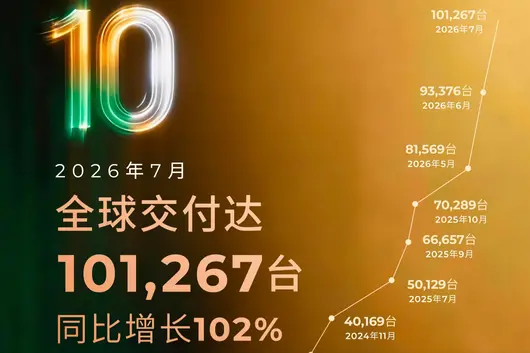
Leapmotor Cars revealed its July "achievements" first — 101,267 units, a year-on-year increase of 102%, equivalent to more than double the same period last year.
Leapmotor broke through the 100,000-unit delivery threshold for the first time, becoming the first vehicle manufacturer in the history of China's new car makers to achieve single-month deliveries exceeding 100,000 units.
The drama lies in: Xpeng 38,027 units, NIO 35,934 units, Li Auto 30,468 units — the former "Top 3 of NIO, Xpeng, and Li Auto" now only match Leapmotor when combined. Li Auto even saw double declines month-on-month and year-on-month for three consecutive months. Once the top dog among new forces, it is now far behind Leapmotor by more than three times.
Even Huawei's "Harmony Intelligence" alliance ("Five Realms"), which claimed to "lead far ahead," had July sales of 45,046 units.
Many car enthusiasts only realized at this point: When did Leapmotor become this amazing?

01. Others Make Money from Branding, Leapmotor Makes Money from "Factory" Costs
The core reason Leapmotor has reached today is four words: Full-Stack Self-Research.
Many people don't grasp these four words, thinking isn't it just about developing things yourself? But what Leapmotor does is far more extreme than most imagine.
As of now, Leapmotor's self-developed and manufactured parts account for 65% of the total vehicle BOM cost. What does that mean? From the core "three-electrics" (battery, electric drive, electric control) to smart cockpits, smart driving, and electronic architecture, extending to compressors, headlights, seats, bumpers, and on-board power supplies—things traditionally thought unnecessary to build in-house—as long as the value is high enough, Leapmotor does it all itself.

Zhu Jiangming calculated a figure: Based on the industry average gross margin of 15% for auto parts, just from self-research, Leapmotor's cost per vehicle is about 10% lower than competitors.
What does this 10% mean? It means with the same configuration, Leapmotor can be 10,000 to 20,000 cheaper than others and still make money; while selling at this price causes others to lose money, Leapmotor can still maintain a healthy gross margin.
This is not a marketing gimmick; it is a manufacturing gene carved into Zhu Jiangming's bones. Many may have forgotten that before making cars, Zhu Jiangming was one of the founders of Dahua Technology, engaged in security manufacturing for decades. What was the environment of the security industry? Price wars down to the bone, squeezing costs penny by penny. Others see suppliers that need management; Zhu Jiangming sees how much profit from middlemen can be squeezed out.
A classic example is headlights. When Leapmotor made its first car, supplier quotes were several thousand yuan per set. Zhu Jiangming led the team to calculate it themselves, using Dahua's embedded technology accumulation to self-develop, ultimately cutting the cost in half.
So you find Leapmotor's cars strange: Why is the configuration higher and the price lower than others? It's not Leapmotor losing money to shout for sales; it's because it gives all the profit from the middle of the supply chain to consumers. In Zhu Jiangming's own words: "We just make money from being a contract factory, everything else goes to the users."

02. Does Leapmotor Have Its Own Core Technologies?
Many people have a misconception about Leapmotor, thinking it relies solely on cheapness and lacks technology.
This is actually the biggest misunderstanding.
Low price is just the result; behind it is a whole self-developed technology system supporting it.
The most core is the "Cloverleaf" Central Integrated Electronic Electrical Architecture. This is complex if complicated, simple if simple: Traditional cars use a distributed architecture where dozens of ECUs manage their own tasks; Leapmotor uses one SOC chip plus one MCU to integrate the functions of the Cockpit, Smart Driving, Powertrain, and Chassis four domains together.
What is ruthless is that this architecture isn't just for flagship models; even the 100,000-level A10 has it as standard, which was unthinkable in the past.
With centralized architecture, the whole vehicle's response speed, OTA capability, and failure rate will be much better, and costs will drop instead.
Next is CTC 2.0 Plus Battery-Chassis Integration Technology. Leapmotor is one of the earliest Chinese vehicle manufacturers to mass-produce CTC; now cumulative installations exceed 500,000 units. Simply put, the battery is integrated directly with the chassis, removing the traditional battery pack cover, saving space and reducing weight while increasing body rigidity. Regarding safety, Leapmotor's battery achieves thermal runaway prevention for 48 hours without fire or explosion, which is 24 times the new national standard.

Regarding the three-electrics, Leapmotor's intelligent oil-cooled electric drive is fully self-developed and manufactured. The 8-in-1 integration degree is higher than the industry mainstream 3-in-1 or 6-in-1, with better efficiency and reliability. The 800V High-Voltage SiC platform is not exclusive to high-end cars; from the 200,000-level C series to the 100,000-level B series, everything needed is included. Coupled with 4C supercharging, the energy replenishment speed fully matches the first tier.
Smart driving was previously Leapmotor's weak point, but now it has caught up. The combination of LiDAR + Qualcomm 8650 smart driving chips can already achieve full-scenario navigation from parking spot to parking spot, and it is standard with permanent free use. In September's Technology Day, Leapmotor will also launch the next-generation smart driving based on world models, directly benchmarking the industry's first tier.
To put it plainly, Leapmotor isn't without technology; it puts all technology where users can touch it, rather than spending on marketing and brand premium.
03. Covering Everything from 60,000 to 300,000, This Is the Greatest Open Strategy
Leapmotor's second smart move is that it never had the "baggage of a new force" mindset.
When other new forces started, almost all focused on the high-end market above 300,000 yuan, talking about brand, tone, and user circles, as if they weren't qualified as new forces if they didn't sell a bit more expensive. Result? As soon as the market fluctuates and high-end consumption power drops, sales immediately come under pressure. Li Auto's current predicament is largely because its products are all stuck above 300,000 yuan, unable to go up or down.
Leapmotor is different; it never thought about doing only high-end from the start. Now Leapmotor's product matrix, A, B, C, D four series, covers from the 60,000 yuan entry-level car all the way to the flagship MPV above 300,000 yuan, covering all mainstream price bands without missing a single one.

The sales structure of the just-ended July explains the problem well:
1. A-series A10, monthly sales near 30,000 units; this is Leapmotor's basic base, firmly grasping the widest range of entry-level users;
2. B-series broke 20,000 units in July, with global cumulative sales already reaching 250,000 units;
3. C-series C10 global monthly sales steadily break 10,000, C-series cumulative sales reached 850,000 units;
4. High-end D19 monthly sales broke 10,000, newly launched MPV D99, the average price of the first batch of orders went directly to over 300,000 yuan.
Low-end cars drive volume to dilute costs, mid-range cars contribute profits, high-end cars build brand image, forming a complete pyramid across the entire price band.
Unlike other new forces that walk on one leg and wobble when the market changes, this is the most terrifying part of Leapmotor.
Many people look down on low-end cars, thinking 60,000 or 80,000 yuan cars don't make money.
But the fact is, it is precisely these volume-driving entry models that supported Leapmotor's supply chain scale.
The larger the scale, the lower the cost of self-developed parts; the lower the cost, the more competitive the product, then selling more — this is a positive cycle.
Now this cycle is already turning.

04. Leapmotor's Overseas Business Is More Intense Than Anyone Thinks
Many only see Leapmotor selling well domestically, failing to notice its overseas business has quietly become the number one among new forces.
Leapmotor's internationalization follows the "borrowing a boat to go overseas" route in cooperation with Stellantis. No need to build channels from scratch; directly use Stellantis' dealer network globally. Now Leapmotor has entered 35 countries and regions worldwide, with over 800 overseas sales service outlets.
In 2025, Leapmotor exported 60,000 units for the full year, the most among new forces. This year the speed is even faster; in July, it just started delivery in Mexico and announced local KD assembly production in Indonesia.

In Europe, Leapmotor B10 sells starting from €29,900, which converts to over 230,000 RMB, more than double the domestic price, yet it still sells well — in the Italian market, 1 out of every 3 pure electric cars is a Leapmotor B10.
Zhu Jiangming's goal is even more exaggerated; he says Leapmotor's future overseas sales share must account for 60% of total sales. What does that mean?
If Leapmotor really achieves annual sales of 1 million units next year, that is 600,000 units for export; this number is something even many traditional car manufacturers cannot achieve now.
In contrast, other new forces' overseas efforts, NIO and Xpeng, are still in a small-scale trial phase; Li Auto basically hasn't gone overseas at all. When the domestic market is fighting fiercely, Leapmotor has already opened a second battlefield overseas, using domestic cost advantages to fight the overseas market; this is another dimensional strike.

05. Does Leapmotor Have Weaknesses?
Monthly sales of 100,000 is naturally not the endpoint; Leapmotor itself knows very well where the weaknesses lie.
Previously many complained Leapmotor's smart driving was average, after all, money was spent on hardware and three-electrics, so software algorithm investment came relatively later.
But Zhu Jiangming has already announced that this September on Leapmotor Technology Day, Leapmotor will release a smart driving system based on world models and will catch up on smart driving.
In addition, the all-new model A05 will be released in August, making the product matrix denser.

From monthly sales of a few hundred units 6 years ago to 100,000 units today, the path Leapmotor took is actually not fresh at all — it's just the traditional manufacturing model: keep technology in your own hands, bring costs down, spread products fully, and take the market to the whole world.
It's just that in the industry where everyone wants to tell new stories and overtake on a bend, there are too few willing to put in this kind of hard work.
While other new forces were still struggling hard for monthly sales of 30,000 or 40,000 units, Leapmotor has quietly set its goal at annual sales of 1 million, even 4 million in the future.
Now looking back, it's not that Leapmotor suddenly became popular; it's just the harvest season.
Now looking back, it's not that Leapmotor suddenly became popular; it's just the harvest season.

喺馬來西亞嘅 SUV 市場,好多人揀車嗰陣都會拎 Proton X70 同 Chery Tiggo 8 嚟做比較。這兩款車喺價位同定位上都幾接近,今日我哋就從多個方面做一個詳細嘅對比,幫你慳下做功課嘅時間。
Proton X70 喺馬來西亞嘅 OTR 售價係 RM 106,800 - 122,300,一共有 3 個版本,包括 1.5L Standard 2WD(RM 106,800)、1.5L Executive 2WD(RM 115,800)、1.5L Premium 2WD(RM 122,300) 等。
Chery Tiggo 8 喺馬來西亞嘅 OTR 售價係 RM 129,750 - 129,750,一共有 1 個版本,包括 2026 1.6T Standard(RM 129,750) 等。
由價錢睇落,Proton X70 嘅起步價確實比 Chery Tiggo 8 平咗 RM 22,950。如果你預算有限,Proton 嘅入門版已經可以满足日常需要。但要留意,平嗰幾千蚊,可能喺配備上會有取捨,具體要睇你嘅需要。
Proton X70 嘅安全評級係 5★ (ASEAN NCAP),主動安全系統包括 ADAS (ACC, AEB, LKA, LDA, BSM, RCTA)。
Chery Tiggo 8 嘅安全評級係 TBD,主動安全系統包括 Basic。
安全配備方面,兩款車都拿到唔錯嘅評級。不過 Proton X70 嘅 ADAS (ACC, AEB, LKA, LDA, BSM, RCTA) 同 Chery Tiggo 8 嘅 Basic 喺功能上有些差異,如果你比較睇重主動安全嘅話,可以仔細對比下兩者嘅功能列表。
Proton X70 保養 5 年/150,000km,保養間隔 每 10,000km 或 6 個月。
Chery Tiggo 8 保養 3 年/100,000km,保養間隔 每 10,000km 或 6 個月。

Proton X70 同 Chery Tiggo 8 都係馬來西亞市場嘅主流選擇,適合家庭用車、日常通勤。如果你更睇重品牌口碑同二手價,可以優先考慮口碑更好嗰款;如果你更在意性價比同配備,那就揀配置更豐富嗰款。最終都係建議兩款都去試駕,親身體驗先係最重要嘅。
總括嚟講,Proton X70 同 Chery Tiggo 8 都係馬來西亞市場幾唔錯嘅車型。揀邊一輛,關鍵都係要睇你嘅個人需求同預算。建議大家做好功課,多比較幾間車行嘅報價,再去試駕先做最終決定。買車係件大事,花少少時間做功課絕對唔會錯。


喺馬來西亞嘅 SUV 市場,好多買家喺揀車嘅時候都會拿 寶騰 X70 同 奇瑞 Tiggo Cross 嚟做比較。呢兩款車喺價錢同定位上都幾接近,今日我哋就從多個方面做一個詳細嘅比較,幫你節省做功課嘅時間。
寶騰 X70 喺馬來西亞嘅 OTR 售價係 RM 106,800 - 122,300,一共有 3 個版本,包括 1.5L Standard 2WD(RM 106,800)、1.5L Executive 2WD(RM 115,800)、1.5L Premium 2WD(RM 122,300) 等等。
奇瑞 Tiggo Cross 喺馬來西亞嘅 OTR 售價係 RM 88,750 - 99,750,一共有 2 個版本,包括 2025 HEV 1.5L CSH(RM 99,750)、2025 1.5T Standard(RM 88,750) 等等。
由價錢嚟睇,奇瑞 Tiggo Cross 嘅起步價比 寶騰 X70 平咗 RM 18,050。老實講,喺呢個價位段,幾千 RM 嘅差異其實唔算大,關鍵主要係睇整體嘅性價比同長期使用成本。

寶騰 X70 嘅安全評級係 5★ (ASEAN NCAP),主動安全系統包括 ADAS (ACC, AEB, LKA, LDA, BSM, RCTA)。
奇瑞 Tiggo Cross 嘅安全評級係 TBD,主動安全系統包括 Basic。
安全配備方面,兩款車都攞到唔錯嘅評級。不過 寶騰 X70 嘅 ADAS (ACC, AEB, LKA, LDA, BSM, RCTA) 同 奇瑞 Tiggo Cross 嘅 Basic 喺功能上有少少差異,如果你比較重視主動安全嘅話,可以仔細對比下兩者嘅功能列表。

寶騰 X70 保養保修 5 年/150,000km,保養間隔 每 10,000km 或 6 個月。
奇瑞 Tiggo Cross 保養保修 3 年/100,000km,保養間隔 每 10,000km 或 6 個月。

寶騰 X70 同 奇瑞 Tiggo Cross 都係馬來西亞市場嘅主流選擇,適合家庭使用、日常通勤。如果你更重視品牌口碑同二手價,可以優先考慮口碑好嗰款;如果你更在意性價比同配備,就揀配備更豐富嗰款。最終都建議兩款都去試駕,親身體驗先係最重要嘅。
總體嚟講,寶騰 X70 同 奇瑞 Tiggo Cross 都係馬來西亞市場幾唔錯嘅車款。揀邊一部,關鍵主要係睇你個人嘅需求同預算。建議大家做好功課,多比較幾間車行嘅報價,先再去試駕做最終決定。買車係件大事,花少少時間做功課絕對唔會錯。


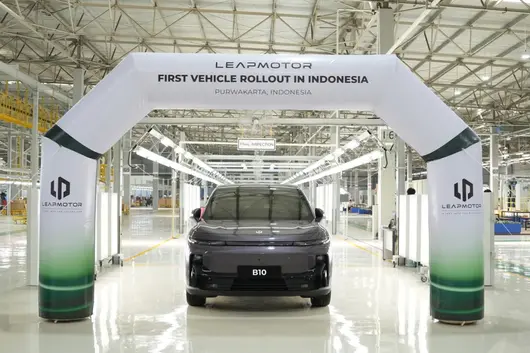
2026 年印尼國際車展正式拉開帷幕,中國智能電動汽車品牌零跑攜全球主力車型零跑 B10、C10 重磅亮相,宣布進軍印尼市場。同步推進的本土化 KD 組裝工廠投產計劃,是零跑東南亞本土化生產戰略的重要進展。依托全域自研技術與本土渠道資源,零跑以印尼為核心支點,搭建面向東盟全域的新能源產業佈局。
此次登陸印尼的 B10 與 C10 是零跑面向全球市場打造的戰略車型,精準貼合印尼當地家庭出行的核心需求,寬大車內空間與全套智能車載配置成為兩款車型核心競爭力。支撐產品差異化優勢的,是零跑長期堅持的全域自研路線,品牌自主研發製造的核心零部件佔整車成本超 65%,覆蓋電驅動系統、動力電池、智能座艙、中央電子電氣架構等整車關鍵板塊。高度垂直整合的自研體系,既能夠持續壓縮研發與製造成本,也讓零跑得以快速迭代電動化、智能化技術,為海外市場提供適配本地路況與用車習慣的產品方案。

本地化製造是零跑深耕印尼市場的核心抓手。零跑與印尼本土頂尖企業 Indomobil 集團達成深度協作,依托旗下 PT National Assemblers 搭建 KD 散件組裝產線,這座佈局於普哇加達的生產基地早在 2026 年 4 月便完成投產調試,首批本地組裝的 B10、C10 車型將於同年 8 月正式向印尼消費者交付。隨著印尼 KD 工廠落地,零跑同步擁有馬來西亞、印尼兩大東南亞本土化生產基地,成為區域內寥寥不多具備雙 KD 製造產能的新能源車企。本土化生產模式不僅能縮短車輛交付週期、規避整車進口關稅帶來的成本壓力,還將帶動印尼本地汽車配套供應鏈發展,創造大量技術型就業崗位,實現品牌發展與當地產業升級雙向賦能。

完善的銷售服務網絡是海外市場拓展的重要支撐,零跑借助雙重合作資源搭建覆蓋印尼全境的服務體系。一方面依托 Stellantis 集團成熟的「品牌之家」運營模式,零跑入駐當地 Stellantis 品牌展廳,與 Jeep、雪鐵龍等知名車款同店展示銷售,打造一站式看車、購車、維保服務場景;另一方面依托 Indomobil 集團深耕印尼多年的分銷渠道,由旗下 PT Indomobil National Distributor 全權負責零售佈局,品牌規劃至 2026 年末,在印尼建成 50 間集銷售、售後、維保於一體的線下網點,消除當地消費者購買新能源汽車的渠道顧慮。

進軍印尼市場,亦是零跑與 Stellantis 全球戰略合作落地的關鍵成果。雙方自 2023 年達成資本合作,2024 年組建國際合資公司專攻海外市場,依托跨國集團全球化渠道資源,零跑產品現已銷往全球四十多個國家,線下銷售網點突破 2000 間,全球累計車輛交付量超 150 萬輛。面向東南亞長遠發展,零跑制定清晰產品迭代節奏,計劃每年向東盟市場推出一款全新車型,持續豐富純電、增程雙線產品矩陣,覆蓋不同價位、不同使用場景的消費群體。
此次印尼市場落地,不只是零跑海外版圖的簡單擴張,更是中國新能源車企本土化出海模式的一次全新實踐。未來零跑將持續深化與 Stellantis、Indomobil 本土夥伴的協同合作,以印尼製造基地為核心,串聯東南亞各國市場,搭建完整的本土化研發、生產、銷售、服務電動出行生態,讓兼具高性價比與前沿智能技術的中國新能源汽車,惠及東盟更多家庭用戶,持續傳遞綠色智能出行的全新生活型態。

喺馬來西亞嘅 SUV 市場,好多買家喺揀車嗰陣都會拿 Proton X70 同 Mazda CX-3 嚟做比較。呢兩款車喺價錢同定位上都好接近,今日我哋就由多個方面做個詳細對比,幫你節省咗做功課嘅時間。
Proton X70 喺馬來西亞嘅 OTR 售價係 RM 106,800 - 122,300,一共有 3 個版本,包括 1.5L Standard 2WD(RM 106,800)、1.5L Executive 2WD(RM 115,800)、1.5L Premium 2WD(RM 122,300)等。
Mazda CX-3 喺馬來西亞嘅 OTR 售價係 RM 126,159 - 139,159,一共有 2 個版本,包括 2023 2.0L High(RM 139,159)、2023 2.0L Plus(RM 126,159)等。
從價錢嚟睇,Proton X70 嘅入門價確實比 Mazda CX-3 平咗 RM 19,359。如果你預算有限,Proton 嘅入門版已經可以滿足日常需要。但都要注意,平嗰幾千蚊,可能在配備上面會有取舍,具體就要睇你嘅需要。

Proton X70 搭載 1.5L Turbo,馬力 140 hp。官方油耗 7.0 L/100km。
Mazda CX-3 搭載 1.5L Turbo,馬力 140 hp。官方油耗 7.0 L/100km。
兩款車用同一套動力系統,日常行起嚟嘅感覺基本無分別。油耗方面都差不多,唔使太糾結呢一點。
Proton X70 嘅安全評級係 5★ (ASEAN NCAP),主動安全系統包括 ADAS (ACC, AEB, LKA, LDA, BSM, RCTA)。
Mazda CX-3 嘅安全評級係 5★ (ASEAN NCAP),主動安全系統包括 i-Activsense。
兩款車嘅安全評級一樣,喺呢個級別入面安全配備都算好齊全。而家嘅新車安全性都好唔差,唔使太擔心呢一點。
Proton X70 保修 5 年/150,000km,保養間隔 每 10,000km 或 6 個月。
Mazda CX-3 保修 5 年/150,000km,保養間隔 每 10,000km 或 6 個月。
兩款車嘅保修條件一樣,呢方面唔使糾結。實際保養成本仲要睇品牌嘅服務網絡同零件價格,建議去車友群問下真實車主嘅經驗。
總而言之,Proton X70 同 Mazda CX-3 都係馬來西亞市場好唔錯嘅車型。揀邊一部,關鍵都要睇你嘅個人需要同預算。建議大家做足功課,多比較幾間車行嘅報價,先至去試駕先做最後決定。買車係件大事,花啲時間做功課絕對唔會錯。


In the Malaysian SUV market, many buyers compare Proton X50 and GWM Haval H6 when selecting a car. These two cars are quite close in price and positioning. Today we will make a detailed comparison from multiple aspects to help you save time on research.
Proton X50 has an OTR price in Malaysia of RM 89,800 - 113,300, with a total of 4 versions, including 1.5T Executive (RM 89,800), 1.5T Premium (RM 101,800), 1.5T Flagship (RM 113,300), etc.
GWM Haval H6 has an OTR price in Malaysia of RM 139,750 - 139,750, with a total of 2 versions, including 1.5L Turbo Standard (RM 140,000), 1.5L Turbo Premium (RM 155,000), etc.
From a price perspective, the starting price of Proton X50 is indeed RM 49,950 cheaper than GWM Haval H6. If your budget is limited, Proton's entry-level version is already sufficient for daily needs. But also note, the few thousand Ringgit difference might involve trade-offs in features, it depends on your specific needs.

Proton X50's safety rating is 5★ (ASEAN NCAP), active safety systems include ADAS (ACC, AEB, LKA, LDA, BSM, RCTA).
GWM Haval H6's safety rating is TBD, active safety systems include Basic.
Regarding safety features, both cars received good ratings. However, Proton X50's ADAS (ACC, AEB, LKA, LDA, BSM, RCTA) and GWM Haval H6's Basic have some functional differences. If you prioritize active safety, you can carefully compare the feature lists of both.
Proton X50 body length 4400 mm, trunk 400 L.
GWM Haval H6 body length 4400 mm, trunk 400 L.
The dimensions of the two cars are almost the same, interior space difference is not significant. Cars at this level are completely sufficient for daily use.
Proton X50 adopts 4WD drive mode.
GWM Haval H6 adopts FWD drive mode.
Proton's 4WD and GWM's FWD will have different handling feels, test drive comparison is recommended.
Overall, Proton X50 and GWM Haval H6 are both very good models in the Malaysian market. Choosing which one mainly depends on your personal needs and budget. We suggest doing your research, compare quotes from multiple dealerships, and then test drive to make the final decision. Buying a car is a major matter, spending time researching is never wrong.


In Malaysia's SUV market, many buyers compare Proton X50 and GWM Haval H6 when choosing a car. These two cars are quite close in price and positioning, so today we will make a detailed comparison from multiple aspects to help you save time on research.
Proton X50 OTR price in Malaysia is RM 89,800 - 113,300, with a total of 4 versions, including 1.5T Executive (RM 89,800), 1.5T Premium (RM 101,800), 1.5T Flagship (RM 113,300), etc.
GWM Haval H6 OTR price in Malaysia is RM 139,750 - 139,750, with a total of 2 versions, including 1.5L Turbo Standard (RM 140,000), 1.5L Turbo Premium (RM 155,000), etc.
From a price perspective, the starting price of Proton X50 is indeed RM 49,950 cheaper than GWM Haval H6. If your budget is limited, Proton's entry-level version can already meet daily needs. But also note, the few thousand cheaper might have trade-offs in features, it depends on your specific needs.
Proton X50 safety rating is 5★ (ASEAN NCAP), active safety system includes ADAS (ACC, AEB, LKA, LDA, BSM, RCTA).
GWM Haval H6 safety rating is TBD, active safety system includes Basic.
In terms of safety features, both cars received good ratings. However, there are some differences in functionality between Proton X50's ADAS (ACC, AEB, LKA, LDA, BSM, RCTA) and GWM Haval H6's Basic. If you value active safety, you can compare their feature lists carefully.
Proton X50 adopts 4WD drive system.
GWM Haval H6 adopts FWD drive system.
Proton's 4WD and GWM's FWD will feel different in handling, a test drive comparison is recommended.
Proton X50 warranty 5 years/150,000km, maintenance interval every 10,000km or 6 months.
GWM Haval H6 warranty 7 years/150,000km, maintenance interval every 10,000km or 6 months.
Overall, Proton X50 and GWM Haval H6 are both very good models in the Malaysian market. Which one to choose depends mainly on your personal needs and budget. It is recommended to do your homework, compare quotes from several car dealerships, and then test drive to make the final decision. Buying a car is a big matter, spending some time doing research will never be wrong.

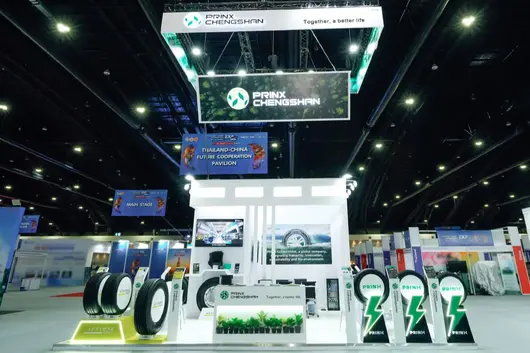
7 月 22 日,2026 泰中合作博覽會喺曼谷 IMPACT 會展中心舉行,本屆博覽會以「投資未來,共同成長」為主題,旨在貫徹泰中兩國領導人達成嘅重要共識,把握雙邊經貿合作持續深化嘅新機遇。中國輪胎商務網(Tirechina.net)獲悉,浦林成山借此寶貴機會積極融入泰中雙邊貿易體系,深度探索產業對接、市場拓展等合作機會,助力泰中產業高質量協同發展。


政企深度交流
本土化運營成果獲多方認可
博覽會期間,中國駐泰國大使館經濟商務處公使銜參贊江偉先生、泰國中華總商會主席林楚欽先生、泰國中國企業總商會主席劉全雷先生、泰國工業園區管理局(IEAT)局長素梅·當巴瑟先生等政商代表一併與浦林成山輪胎(泰國)有限公司總經理胥建剛先生就公司本土化深耕、智能化生產、全球化佈局、可持續發展等進行討論交流。
參會政商代表們高度肯定咗浦林成山自 2019 年扎根泰國以來嘅發展成果,對浦林成山泰國智能工廠(以下簡稱「泰國工廠」)嘅智能化生產水平、綠色化發展理念同促進泰中文化交流同當地經濟發展等方面嘅貢獻給予高度認可同讚譽,為後續合作奠定咗良好基礎。


智造 + 綠色雙賦能
泰國工廠築牢海外戰略支點
泰國工廠作為浦林成山嘅首個海外生產基地,係公司全球化戰略佈局嘅關鍵支點,有力助推咗泰中製造業經貿往來、產業協作與友好交流。喺生產端,工廠配備國際領先嘅壓延機及五複合新工藝,實現半成品、物流、分揀等工序嘅自動化、智能化營運。
喺綠色低碳發展方面,工廠深入踐行節能環保理念,堅持走可持續發展道路,建成東南亞最大嘅單體屋頂太陽能項目。喺社會責任方面,工廠積極投身泰國本地教育扶持、災害救援等公益事業,拉動地方就業、賦能青年發展,並主動搭建文化溝通橋樑,推動泰中民間文化互動交融,以務實行動深化兩國民心相通。
旗艦產品亮相
東南亞配套版圖持續擴容
浦林 AQUILA PRO 等節能、舒適、靜音等核心性能突出嘅泰國工廠旗艦產品一併亮相博覽會。目前,該輪胎已成功配套上汽名爵 MG5 PRO 泰國版、MG S5 EV 泰國版、長安啟源 NEVO Q05 等多款海外中高端車型。浦林成山喺東南亞配套市場持續深耕、穩步突破,與名爵、啟源等多家主流主機廠建立穩固深厚嘅戰略合作關係,攜手打造適配當地市場嘅優質出行解決方案,配套業務版圖持續擴容,合作生態邁向更高质量發展。


深化產業鏈協同
共繪出海發展新藍圖
此外,公司還與上游合作夥伴簽署咗合作備忘錄(Memorandum of Understanding,MOU),有助於進一步深化公司同泰國本地橡膠等上下游產業嘅深度融合與資源互補,推動區域輪胎產業鏈上下游協同發展。

未來,浦林成山將持續升級產品矩陣,強化本土化經營同產業鏈上下游協同佈局,依托泰中經貿合作平台,積極把握區域產業升級等寶貴嘅時代新機遇,以「中國智造」為泰中經貿共贏共榮添磚加瓦,書寫中國輪胎企業出海成長、互利共生嘅嶄新新篇章。


In the Malaysian SUV market, many buyers compare Proton X50 and Chery Tiggo 8 Pro when choosing a car. These two cars are quite close in price and positioning. Today we will make a detailed comparison from multiple aspects to help you save time on research.
Proton X50's OTR price in Malaysia is RM 89,800 - 113,300, with a total of 4 versions, including 1.5T Executive (RM 89,800), 1.5T Premium (RM 101,800), 1.5T Flagship (RM 113,300), etc.
Chery Tiggo 8 Pro's OTR price in Malaysia is RM 159,750 - 159,750, with a total of 2 versions, including 1.6L Turbo Standard (RM 130,000), 1.6L Turbo Premium (RM 145,000), etc.
From a price perspective, Proton X50's starting price is indeed RM 69,950 cheaper than Chery Tiggo 8 Pro. If your budget is limited, Proton's entry-level version can already meet daily needs. But also note, the few thousand cheaper, might require trade-offs on features, depends on your needs.
Proton X50 is equipped with 1.5L 4-cyl, 105 hp. Official fuel consumption 6.0 L/100km.
Chery Tiggo 8 Pro is equipped with 2.0L 4-cyl, 170 hp. Official fuel consumption 8.0 L/100km.
In terms of power, Chery Tiggo 8 Pro's 2.0L 4-cyl has 65 more horsepower than Proton X50's 1.5L 4-cyl. However, for daily city driving, both cars have enough power, you won't feel it's lacking.
Proton X50's safety rating is 5★ (ASEAN NCAP), active safety systems include ADAS (ACC, AEB, LKA, LDA, BSM, RCTA).
Chery Tiggo 8 Pro's safety rating is TBD, active safety systems include Basic.
Regarding safety features, both cars have achieved good ratings. However, there are some differences in functionality between Proton X50's ADAS (ACC, AEB, LKA, LDA, BSM, RCTA) and Chery Tiggo 8 Pro's Basic. If you value active safety, you can compare their feature lists in detail.
Proton X50 warranty 5 years/150,000km, maintenance interval every 10,000km or 6 months.
Chery Tiggo 8 Pro warranty 3 years/100,000km, maintenance interval every 10,000km or 6 months.
Proton X50 and Chery Tiggo 8 Pro are both mainstream choices in the Malaysian market, suitable for family use and daily commuting. If you value brand reputation and resale value more, you can prioritize the one with a better reputation; if you care more about value for money and features, choose the one with richer configurations. Ultimately, it is recommended to test drive both, as personal experience is most important.
Overall, Proton X50 and Chery Tiggo 8 Pro are both very good models in the Malaysian market. Which one to choose depends on your personal needs and budget. We recommend doing your research, comparing quotes from several dealerships, and then test driving to make the final decision. Buying a car is a big matter, spending time on research will never be wrong.

喺馬來西亞嘅 SUV 市場,好多買家喺揀車嗰陣都會拿 Proton X50 同 Chery Tiggo 8 Pro 嚟做比較。呢兩部車喺價位同定位上都幾接近,今日我哋就從多個方面做一個詳細嘅比較,幫你節省做功課嘅時間。
Proton X50 喺馬來西亞嘅 OTR 售價係 RM 89,800 - 113,300,一總有 4 個版本,包括 1.5T Executive(RM 89,800)、1.5T Premium(RM 101,800)、1.5T Flagship(RM 113,300) 等。
Chery Tiggo 8 Pro 喺馬來西亞嘅 OTR 售價係 RM 159,750 - 159,750,一總有 2 個版本,包括 1.6L Turbo Standard(RM 130,000)、1.6L Turbo Premium(RM 145,000) 等。
從價錢嚟睇,Proton X50 嘅起步價確實比 Chery Tiggo 8 Pro 平咗 RM 69,950。如果你預算有限,Proton 嘅入門版已經可以滿足日常需要。但都要留意,平嗰幾千蚊,可能喺配備上會有所取捨,具體要睇你嘅需要。
Proton X50 採用 4WD 驅動方式。
Chery Tiggo 8 Pro 採用 FWD 驅動方式。
Proton 嘅 4WD 同 Chery 嘅 FWD 喺操控上會會有唔同感受,建議試駕比較。
Proton X50 保修 5 年/150,000km,保養間隔 每 10,000km 或 6 個月。
Chery Tiggo 8 Pro 保修 3 年/100,000km,保養間隔 每 10,000km 或 6 個月。
Proton X50 同 Chery Tiggo 8 Pro 都係馬來西亞市場嘅主流選擇,適合家庭使用、日常通勤。如果你更睇重品牌口碑同二手價,可以優先考慮口碑更好嗰一款;如果你更在意性價比同配備,那就揀配備更豐富嗰款。最後都係建議兩部都去試駕,親身體驗先至最重要。
總體嚟講,Proton X50 同 Chery Tiggo 8 Pro 都係馬來西亞市場幾唔錯嘅車型。揀邊一部,關鍵都要睇你個人需要同預算。建議大家做好功課,多比較幾間車行嘅報價,先去試駕做最後決定。買車係件大事,花少少時間做功課絕對無錯。

喺馬來西亞嘅 SUV 市場,好多買家喺揀車嘅時候都會拿 Proton X50 同 Chery Tiggo 7 Pro 嚟做比較。呢兩款車喺價位同定位上都幾接近,今日我哋就由多個方面做一個詳細嘅對比,幫你省咗做功課嘅時間。
Proton X50 喺馬來西亞嘅 OTR 售價係 RM 89,800 - 113,300,合共有 4 個版本,包括 1.5T Executive(RM 89,800)、1.5T Premium(RM 101,800)、1.5T Flagship(RM 113,300)等。
Chery Tiggo 7 Pro 喺馬來西亞嘅 OTR 售價係 RM 123,750 - 123,750,合共有 2 個版本,包括 1.6L Turbo Standard(RM 125,000)、1.6L Turbo Premium(RM 140,000)等。
由價錢嚟睇,Proton X50 嘅起步價確實比 Chery Tiggo 7 Pro 平咗 RM 33,950。如果你預算有限,Proton 嘅入門版已經可以滿足日常需要。但都要注意,平嘅嗰幾千塊,可能喺配備上有取舍,具體要睇你嘅需要。
Proton X50 採用 4WD 驅動方式。
Chery Tiggo 7 Pro 採用 FWD 驅動方式。
Proton 嘅 4WD 同 Chery 嘅 FWD 喺操控上有唔同感受,建議試駕對比。
Proton X50 保修 5 年/150,000km,保養間隔 每 10,000km 或 6 個月。
Chery Tiggo 7 Pro 保修 3 年/100,000km,保養間隔 每 10,000km 或 6 個月。
Proton X50 同 Chery Tiggo 7 Pro 都係馬來西亞市場嘅主流選擇,適合家庭使用、日常通勤。如果你更看重品牌口碑同二手價,可以優先考慮口碑更好嗰一款;如果你更在意性價比同配備,嗰就揀配備更豐富嗰款。最終都係建議兩款都去試駕,親身體驗先係最重要嘅。
總嘅嚟講,Proton X50 同 Chery Tiggo 7 Pro 都係馬來西亞市場幾好嘅車型。揀邊一輛,關鍵都係要睇你嘅個人需要同預算。建議大家做功課,多比較間車行嘅報價,再去試駕做最終決定。買車係件大事,花少少時間做功課絕對唔會錯。

喺馬來西亞嘅 SUV 市場,好多買家在揀車嘅時候都拿 Proton X50 同 Mazda CX-8 嚟做比較。
Proton X50 喺馬來西亞嘅 OTR 售價係 RM 89,800 - 113,300,一共 4 個版本,包括 1.5T Executive(RM 89,800)、1.5T Premium(RM 101,800)、1.5T Flagship(RM 113,300)等。
Mazda CX-8 喺馬來西亞嘅 OTR 售價係 RM 165,360 - 201,360,一共 5 個版本,包括 2025 2.5T 4WD High Plus Petrol(RM 201,360)、2025 2.2L 2WD High Plus Diesel(RM 193,123)、2025 2.5L 2WD High Plus Petrol(RM 186,360)等。
睇返價錢,Proton X50 嘅起步價確實比 Mazda CX-8 平咗 RM 75,560。如果你預算有限,Proton 嘅入門版已經可以滿足日常需要。但都要注意,平嗰幾千蚊,可能喺配備上會有取捨,具體要睇你嘅需求。
Proton X50 嘅安全評級係 5★ (ASEAN NCAP),主動安全系統包括 ADAS (ACC, AEB, LKA, LDA, BSM, RCTA)。
Mazda CX-8 嘅安全評級係 5★ (ASEAN NCAP),主動安全系統包括 Brand ADAS。
兩款車嘅安全評級一樣,喺呢個級別入面安全配備都算好齊全。而家嘅新車安全性都唔差,唔使太擔心呢一點。
Proton X50 採用 4WD 驅動方式。
Mazda CX-8 採用 FWD 驅動方式。
Proton 嘅 4WD 同 Mazda 嘅 FWD 喺操控上會有唔同感受,建議試駕對比。
Proton X50 保修 5 年/150,000km,保養間隔 每 10,000km 或 6 個月。
Mazda CX-8 保修 5 年/150,000km,保養間隔 每 10,000km 或 6 個月。
兩款車嘅保修條件一樣,呢方面唔使糾結。實際保養成本仲要睇品牌嘅服務網絡同零件價格,建議去車友群問吓真實車主嘅經驗。

總體嚟講,Proton X50 同 Mazda CX-8 都係馬來西亞市場幾好嘅車型。揀邊一輛,關鍵仲係要睇你嘅個人需求同預算。建議大家做好功課,多比較幾間車行嘅報價,先至去試駕做最終決定。買車係件大事,花啲時間做功課絕對唔會錯。

On July 16, GAC Group held a 30 million user appreciation event, officially welcoming the delivery of the 30 millionth vehicle, with the right-hand drive Trumpchi M8 PHEV delivered to Thai owners as a milestone model, while multiple brand-new new energy vehicle models rolled off the line simultaneously, directly demonstrating the results of the brand's electrification transformation.


Production and sales data validate development resilience; in the first half of 2026, GAC's total sales reached 773,100 vehicles, up 2.35% year-on-year; new energy vehicle sales increased by 68.8% year-on-year, overseas exports totaled 120,000 vehicles, a year-on-year increase of 132%, making the overseas market a new growth engine.


For a long time, GAC has taken quality as its core bottom line, creating a quality management system that integrates the advantages of Chinese and Japanese automakers, with whole vehicles completing thousands of rigorous validations. The Star Spirit safety system and Puck Battery build a driving safety barrier, and the independent brand's pioneering three-responsibility service policy eliminates users' concerns about new energy vehicle usage.


The service side continues to improve channel and energy replenishment layout, adding thousands of county-level stores within the year, building a national integrated energy replenishment network, with tens of thousands of supercharging piles facilitating owner travel. The event officially announced the launch of the Renewal Gratitude Season, with GAC Honda, GAC Toyota, Trumpchi, Aion and other six brands introducing car purchase return policies.


On the technology front, GAC has cumulatively invested over 62 billion yuan in R&D funds, creating self-developed core technologies such as Star Source Power, Quark Electric Drive, and Star Spirit Smart Architecture, laying out all-solid-state battery production lines, and collaborating with multiple tech enterprises to build a smart mobility ecosystem. In the future, GAC will continue to deepen quality, users, technology, and globalization four major sectors, accelerating the upgrade to an ecosystem-oriented tech enterprise.