首頁Subaru XV

搜尋歷史
熱門搜尋
經銷商登入 / 註冊

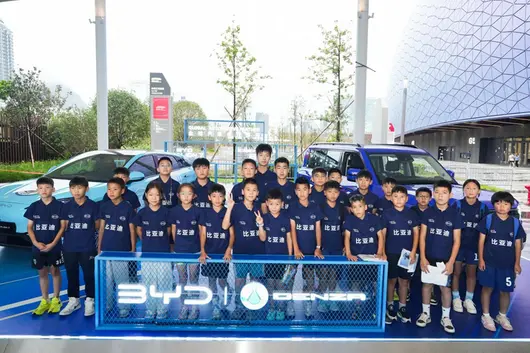
豪门比赛的门票,留给足球少年时,会多出什么意义?8月1日,香港启德主场馆里,一群穿着比亚迪队服的孩子坐上看台。他们当中有中国足球小将,也有从新疆伊犁、陕西宁陕、贵州兴仁、普安、元宝等地赶来的山区小球员。对很多孩子来说,这或许是第一次离顶级欧洲俱乐部这么近。


球场上,曼城的天空蓝与国际米兰的蓝黑战袍正面相遇。双方从传控到逼抢都踢得很投入,常规时间未分胜负,国米最终通过点球大战,以总比分4比2赢下比赛。孩子们跟着全场球迷一起欢呼,真实比赛里的节奏、跑位和临场选择,就在眼前发生。这样的观赛经历,会比训练课上的讲解留得更久。


这场对决还有一层少见的关系:比亚迪同时是曼城和国际米兰的官方合作伙伴,并担任本次赛事赞助商。两支豪门在场上争胜,合作品牌站在双方身后,“比亚迪德比”的叫法因此有了出处。它听起来像球迷玩梗,背后其实是中国汽车品牌与两个世界级足球IP建立长期连接。

赛事期间,比亚迪旗下车型承担球队通勤和后勤保障,新能源车真正进入豪门球队的日常动线。相比只在场边露出名字,这种参与更考验产品表现、服务调度和国际合作经验。中国品牌走进全球体育场景,能不能被长期信任,往往就在这些现场细节里见分晓。

我更在意的是,比亚迪没有把这场豪门聚会只留给成年球迷。邀请足球少年现场见证比赛,让品牌合作多了一条通向未来的线。彰显中国品牌的全球格局,真的可以很具象化,一边用技术服务顶级赛事,一边给热爱足球的孩子打开看世界的窗口。多年以后,他们也许记不清比分,却会记得自己曾在启德看台上,为梦想拼命喊过一次。
In the Malaysian SUV market, many buyers compare Proton X70 and Mazda CX-30 when choosing a car. These two models are quite close in price and positioning. Today, we will make a detailed comparison from multiple aspects to help you save time on research.
The OTR price of Proton X70 in Malaysia is RM 106,800 - 122,300, with a total of 3 variants, including 1.5L Standard 2WD (RM 106,800), 1.5L Executive 2WD (RM 115,800), 1.5L Premium 2WD (RM 122,300) etc.
The OTR price of Mazda CX-30 in Malaysia is RM 122,409 - 146,409, with a total of 4 variants, including 2025 2.0L High+ Premium (RM 146,409), 2025 2.0L High+ (RM 138,409), 2025 2.0L High (RM 130,409) etc.
From the price perspective, the starting price of Proton X70 is indeed RM 15,609 cheaper than Mazda CX-30. If your budget is limited, Proton's entry-level version can already meet daily needs. But also note that the few thousand difference might involve trade-offs in features, it depends on your specific needs.

Proton X70 is equipped with 1.5L Turbo, 140 hp. Official fuel consumption 7.0 L/100km.
Mazda CX-30 is equipped with 1.5L Turbo, 140 hp. Official fuel consumption 7.0 L/100km.
Both cars use the same powertrain system, daily driving experience feels basically no difference. Fuel consumption is also similar, no need to worry too much about this point.

Proton X70 safety rating is 5★ (ASEAN NCAP), active safety systems include ADAS (ACC, AEB, LKA, LDA, BSM, RCTA).
Mazda CX-30 safety rating is 5★ (ASEAN NCAP), active safety systems include i-Activsense.
Both cars' safety ratings are the same, safety features are quite complete for this level. New cars nowadays safety is not bad, no need to worry too much about this point.

Proton X70 adopts FWD drive method.
Mazda CX-30 adopts FWD drive method.
Both cars' drive methods are the same, both are FWD, daily driving experience will not have too big difference.
Overall, Proton X70 and Mazda CX-30 are both very good models in Malaysian market. Which one to choose, key is still to look at your personal needs and budget. Suggest everyone do research, compare multiple dealerships' quotes, then go for test drive to make final decision. Buying a car is a big matter, spending time on research will definitely not be wrong.

In the Malaysian SUV market, many buyers compare Proton X50 and Chery Tiggo 7 PHEV when choosing a car. The two cars are quite close in price and positioning. Today we will make a detailed comparison from multiple aspects to save you time on research.
Proton X50 OTR price in Malaysia is RM 89,800 - 113,300, with 4 versions in total, including 1.5T Executive (RM 89,800), 1.5T Premium (RM 101,800), 1.5T Flagship (RM 113,300), etc.
Chery Tiggo 7 PHEV OTR price in Malaysia is RM 129,750 - 129,750, with 2 versions in total, including 2025 1.5T 90km CSH (RM 129,750), What charging methods does the Tiggo 7 PHEV support? Can it be charged using a home power socket? (RM 117,478), etc.
From a price perspective, Proton X50 starting price is indeed RM 39,950 cheaper than Chery Tiggo 7 PHEV. If your budget is limited, Proton's entry level can already meet daily needs. But note that the fewer thousand cheaper may have trade-offs in features, it depends on your needs.

Proton X50 safety rating is 5★ (ASEAN NCAP), active safety systems include ADAS (ACC, AEB, LKA, LDA, BSM, RCTA).
Chery Tiggo 7 PHEV safety rating is TBD, active safety systems include Basic.
In terms of safety features, both cars have achieved decent ratings. However, Proton X50's ADAS (ACC, AEB, LKA, LDA, BSM, RCTA) and Chery Tiggo 7 PHEV's Basic have some functional differences. If you value active safety, you can compare the feature lists of both.

Proton X50 adopts 4WD drive type.
Chery Tiggo 7 PHEV adopts FWD drive type.
Proton's 4WD and Chery's FWD will have different handling experiences. A test drive comparison is recommended.

Proton X50 warranty 5 years / 150,000km, maintenance interval every 10,000km or 6 months.
Chery Tiggo 7 PHEV warranty 3 years / 100,000km, maintenance interval every 10,000km or 6 months.

Proton X50 and Chery Tiggo 7 PHEV are both mainstream choices in the Malaysian market, suitable for family use and daily commuting. If you value brand reputation and resale value more, you can prioritize the one with a better reputation; if you value cost-effectiveness and features more, then choose the one with richer configuration. In the end, it is recommended to test drive both, personal experience is the most important.

In general, Proton X50 and Chery Tiggo 7 PHEV are both very good car models in the Malaysian market. Choosing which one mainly depends on your personal needs and budget. It is recommended that everyone do their homework, compare quotes from several dealerships, and then test drive to make the final decision. Buying a car is a big matter, spending time on research will definitely not be wrong.


文 | 螳螂觀察
作者 | 踏浪
當多數城市仲為 GDP 增速焦慮時,長沙正悄然完成一個更遠見嘅轉身——不但著眼於國內市場嘅存量博弈,仲將城市發展更深地嵌入全球產業鏈嘅齒輪之中。
長沙 2026 年二季度 GDP 發布後,各種聲音都有,有話仲可以,也有覺得唔達預期。
部分人對增速換擋嘅焦慮唔難理解,但只係死睇表層統計數據,好容易錯過長沙最核心嘅產業變化,呢座城市正喺完成一次增長動力嘅切換——當內需驅動嘅傳統引擎進入調整期,一批植根本土嘅產業巨人,早已喺全球市場打開咗更具韌性嘅增長空間。

與其糾結增速嘅短期起伏,不如打開另外幾組決定長期競爭力嘅「出海數據」。今年上半年,長沙市進出口 1535.4 億元,同比增長 12.3%。中歐班列(長沙)進出口到發 584 列,同比增長 61.33%,貨值 13.70 億美元,同比增長 39.24%。綜合呢啲數據,先至睇到一個更加真實嘅長沙速度。
一、長沙企業嘅出海到底有多猛?
長沙經濟嘅底盤,工程機械係重要一環。如今呢個底盤嘅燃料已經從國內基建切換到咗全球礦山同港口,而且唔係單個企業嘅突圍,而係整條產業集群嘅集體出海。
據長沙海關同長沙市工信局聯合發布數據,2026 年前 4 個月,長沙市工程機械出口額達 121.1 億元,同比增長 20.1%,佔湖南省工程機械出口總額嘅 91.6%,以絕對主力姿態領跑全省。其中新興市場增勢尤為迅猛,前 5 個月全省工程機械對非洲出口同比大增 85.2%、對拉美增長 43.7%,增量絕大多數來自長沙產業集群。
先看三一重工。去年公司全年海外營收 558.56 億元,佔總營收比重達 62.27%。進入 2026 年,全球化勢能持續釋放,三一重工喺高基數下依然保持強勁快跑。2026 年 5 月全球礦業大客戶峰會上,三一成套採礦裝備現場簽約金額突破 50 億元,意向訂單超百億元,眾多海外客戶用真金白銀買單,實現高端礦用裝備批量出海。

今年「三一天海藍」電動重卡斬獲超級大單,6 月份 800 餘台「三一天海藍」電動重卡發往海外,刷新咗中國新能源牽引車單次出口規模紀錄。相比 2025 年全年中國新能源牽引車出口總數嘅 877 台,呢一單嘅規模已接近去年全行業全年出口總量,成為中國新能源重卡出海進程中嘅標誌性事件。
中聯重科嘅故事同樣硬核。其境外收入佔比已逼近 60%,穩居國內裝備製造全球化第一梯隊。

2026 年開年,中聯重科總計 85 億元設備集中發往全球 40 多個國家同地區,國際訂單佔總訂單價值嘅 80% 以上,覆蓋混凝土機械、礦山機械、高空作業平台等全品類。喺土耳其重量級工程機械盛會 KOMATEK2026 上,中聯重科喺獲得超 10 億元現場簽約訂單同意向訂單。
更值得玩味係,中聯喺全球已建成 11 大海外生產基地、30 餘個海外一級業務樞紐、430 個全球業務網點、220 餘座海外備件倉,海外員工超 9000 人,其中本地僱員約 6000 人。
佢獨創嘅「航空港 + 地面部隊」海外運營模式,通過全球統一數位化管理平台實現 24 小時協同,將「本土化生產、本土化服務」做到極致。呢一模式嘅威力直接體現喺盈利能力上,毛利最高嘅高空作業機械同農業機械板塊,海外銷量增速驚人,憑藉電動化、智能化嘅技術溢價,喺歐美高端市場硬生生撕開一道口。
如果話工程機械嘅出海尚屬意料之中,咁「新三樣」嘅表現,則徹底打破咗外界對長沙「只有重工」嘅刻板認知,為城市出海補上咗第二增長曲線。
據長沙海關 2026 年上半年外貿數據,湖南省「新三樣」(電動汽車、鋰離子蓄電池、光伏產品)合計出口 119.8 億元,同比增長 35.5%;其中電動汽車出口 69.9 億元、增長 27.3%,鋰離子蓄電池出口 43.6 億元、增長 43.2%,光伏產品出口 6.3 億元、增長 105.3%。長沙作為核心生產同出口基地,貢獻咗全省過半嘅「新三樣」出口份額,係中部地區新能源產品出海嘅核心承載地。
從「工程機械」到「新三樣」,長沙企業全球化正喺為長沙嘅發展打開咗第二增長曲線。
二、一個內陸城市,點樣為自己造一個「軟港口」
長沙企業嘅全球化敘事,遠比外界想象嘅更具縱深感。
喺農業科技領域,隆平發展正悄然織就一張跨洲研發網絡。呢間脫胎於長沙嘅種業科技公司,喺南美巴西建成咗區域頂尖分子實驗室,配套 3 座種子加工廠、10 處研發站點,打造咗中國 - 巴西農業科技產業園;喺非洲,佢落地咗水稻、玉米全產業鏈經營模式,輸出良種同種植技術。從「雜交水稻出海」到「種業標準輸出」,長沙喺全球糧食安全版圖中嘅身位,遠比一個農業大市嘅標籤更具戰略價值。

喺農產品流通領域,紅星全球農批中心嘅故事同樣精彩。呢個中部規模領先嘅農產品交易集群,2025 年交易量達 696 萬噸、交易額 572 億元,輻射全國 28 个省區、全球 21 個國家同地區。今年 1 至 5 月,進口水果 44.58 萬噸,同比增長 9.2%。柬埔寨榴槤、美加車厘子、泰國釋迦等精品果品,經由呢度發往中部六省。市場嘅三期規劃中,「買全球、賣全球」嘅國際化流通格局已清晰可見——境外鮮貨直达中部,湖南特色農產品同步出海。
更基礎嘅制度性基礎設施也喺加速鋪陳。自由貿易區長沙片區已累計形成 66 項省级制度創新成果,其中 24 項喺全省複製推廣。智慧海關 55 個項目落地,通關效率提升 30%。全市外貿實績企業突破 4000 家,AEO 高級認證企業達 65 家,喺長世界 500 強企業達 201 家。呢啲數字指向同一個事實:長沙正喺從一個內陸省會,進化為一個制度型嘅開放樞紐。

可能有人會講,企業出海係當下大環境倒逼嘅無奈之舉,算唔上咩先見之明。但長沙嘅獨特之處在於,佢用長達十幾年嘅科創沉澱同持續嘅人才供給,將全球化做成咗水到渠成嘅「內需」。
其一,核心技术嘅話語權。三一、中聯喺電動化、氫能動力、無人駕駛方面嘅專利儲備,已經領先國際對手半個身位。呢係佢哋敢喺海外市場高舉高打、唔打價格戰嘅底氣。長沙擁有嘅 3 個國家級先進製造業集群,以及密集嘅高能級實驗室,構成咗最堅實嘅後盾。而「房價窪地」效應,讓企業能從容將更多利潤投入研發,形成「低成本生活 - 高投入創新」嘅獨特飛輪。
其二,工程師紅利嘅集群效應。中南大學、湖南大學、國防科技大學每年輸送以萬計嘅機械、材料、計算機人才。中聯重科 9000 名海外員工中,有大量從長沙本部派出嘅技術服務工程師。人力資本嘅厚度,構成咗長沙企業全球鋪貨、屬地運營嘅隱形護城河。
更關鍵係政府嘅角色。長沙將改革開放高地建設納入「十五五」規劃核心內容,出台年度行動方案,實施清單化閉環推進。從首創全省 QFLP 試點、開闢引進外資新通道,到建立重點外貿企業「一對一」服務機制,再到駐北上深專班精準招商,政府嘅角色更似係「生態建構者」,而非簡單嘅「政策分發者」。
呢啲令長沙嘅未來充滿想像!
三、長沙嘅硬核唔只係數據,係「不可替代性」
講咗咁多,我想落到一個最根本嘅判斷上。
評價一座城市嘅長期價值,核心指標只有一個:佢喺全球產業鏈中嘅不可替代性有多強。
舉個例子,好似以前工程機械邊個都造到,靠嘅係成本同規模優勢,呢種優勢隨時可能俾更平嘅地方搶走。
但而家情況變咗,長沙嘅工程機械集群,已經進化咗成一個極其複雜嘅生態系統。呢度不但有主機廠,仲有以千計嘅精密零部件供應商、液壓系統專家、電控系統研發團隊、國家級實驗室、職業培訓學校。呢個生態係幾十年時間、數千億投資、上百萬產業工人共同沉澱落嚟。全球任何一個地方,想喺十年內複製呢樣生態,幾乎唔可能。
而家,呢個生態又喺上面加咗一層「全球化能力」——遍布全球嘅海外基地、服務網絡、配件倉庫、客戶關係。呢兩層疊埋一齊,長沙喺全球工程機械版圖上嘅位置,已經好難被撼動。再例如北斗產業同樣如此,而長沙嘅其他產業鏈,亦正喺複製呢條路線。
呢就係我睇好長沙最底層嘅邏輯:佢嘅護城河唔係喺變淺,而係喺以肉眼可見嘅速度加深。呢種加深,唔一定會即時體現喺下一季嘅 GDP 數據入面,但佢決定咗呢座城市未來十年、二十年嘅發展上限。
呢就意味著,長沙唔再只係中國嘅一線城市,而係一個全球基礎設施供應鏈嘅關鍵樞紐。
*本文圖片均來自網絡
此內容為【螳螂觀察】原創,
僅代表個人觀點,未經授權,任何人唔得以任何方式使用,包括轉載、摘編、複製或建立鏡像。
部分圖片來自網絡,且未核實版權歸屬,不作為商業用途,如有侵犯,請作者同我哋聯絡。
•泛財經新媒體。
•微信十萬 + 曝文《「維密秀」被邊個殺死咗?》等嘅創作者;
•重點關注:新商業(含直播、短視頻等大文娛)、新營銷、新消費(含新零售)、上市公司、新金融(含金融科技)、區塊鏈等領域。


喺馬來西亞嘅 SUV 市場,好多買家在選車嗰陣都會用 Proton X50 同 Mazda CX-3 嚟比較。呢兩款車喺價位同定位上都好接近,今日我哋就從多個方面做一個詳細嘅比較,幫你省下做功課嘅時間。
Proton X50 喺馬來西亞嘅 OTR 售價係 RM 89,800 - 113,300,一共計有 4 個版本,包括 1.5T Executive(RM 89,800)、1.5T Premium(RM 101,800)、1.5T Flagship(RM 113,300)等。
Mazda CX-3 喺馬來西亞嘅 OTR 售價係 RM 126,159 - 139,159,一共計有 2 個版本,包括 2023 2.0L High(RM 139,159)、2023 2.0L Plus(RM 126,159)等。
從價錢來看,Proton X50 嘅起步價確實比 Mazda CX-3 平咗 RM 36,359。如果你預算有限,Proton 嘅入門版已經可以滿足日常需求。但都係要注意,平嗰幾千蚊,可能喺配備上會有取舍,具體係睇你嘅需求。
Proton X50 搭載 1.5L 4-cyl,馬力 105 hp。官方油耗 6.0 L/100km。
Mazda CX-3 搭載 1.5L Turbo,馬力 140 hp。官方油耗 7.0 L/100km。
动力方面,Mazda CX-3 嘅 1.5L Turbo 比 Proton X50 嘅 1.5L 4-cyl 多咗 35 匹馬力。不過日常喺市區開,兩款車嘅動力都夠用,唔會覺得唔夠力。
Proton X50 嘅安全評級係 5★ (ASEAN NCAP),主動安全系統包括 ADAS (ACC, AEB, LKA, LDA, BSM, RCTA)。
Mazda CX-3 嘅安全評級係 5★ (ASEAN NCAP),主動安全系統包括 i-Activsense。
兩款車嘅安全評級一樣,喺呢個級數入面安全配備都算給得好好。而家嘅新車安全性都唔差,唔使太擔心這一點。
Proton X50 車身長 4400 mm,後車廂 400 L。
Mazda CX-3 車身長 4500 mm,後車廂 450 L。
空間方面,Mazda CX-3 嘅車身比 Proton X50 長咗 100 mm,乘坐空間更有優勢。不過 Proton X50 喺城市入面停車會靈活啲,各有取舍。

Proton X50 採用 4WD 驅動方式。
Mazda CX-3 採用 FWD 驅動方式。
Proton 嘅 4WD 同 Mazda 嘅 FWD 喺操控上會有唔同嘅感受,建議試駕比較。
總嘅來說,Proton X50 同 Mazda CX-3 都係馬來西亞市場幾唔錯嘅車型。揀邊一部,關鍵係要看你嘅個人需求同預算。建議大家做好功課,多比較幾間車行嘅報價,再去試駕先做最後決定。買車係件大事情,花少少時間做功課絕對唔會錯。

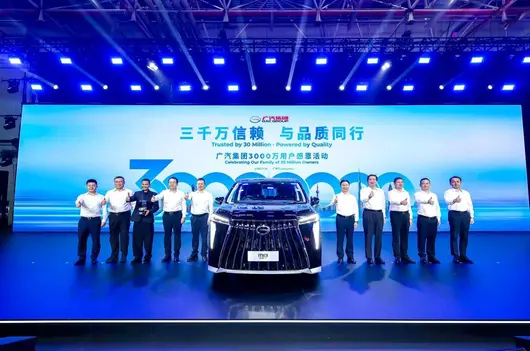
July 16, on the occasion of reaching the 30 million user milestone, GAC Group launched a series of user gratitude and reward activities.
Deeply cultivated in the industry for 29 years, GAC Group has progressed from early joint ventures and independent R&D to global operations today, completing a comprehensive transformation. Behind the number 30 million are the choices and trust of tens of millions of users, GAC's long-term determination to maintain quality and safety, the determination to transform towards electrification and intelligence, and also a microcosm of the Chinese automobile industry growing from large to strong, from scale expansion to value leap.

Guests witnessed the moment GAC welcomed its 30 millionth user milestone
Multiple New Energy Vehicles Debuted Simultaneously, Witnessing the Pace of Transformation Development
At the event site, GAC's global production bases were connected synchronously. GAC Honda P7, GAC Toyota Platinum Wisdom 7, GAC Qijing GT7, GAC AION N60, and GAC Hyper S600 rolled off the line sequentially as GAC's 29,999,995th to 29,999,999th vehicles. Finally, the right-hand drive version of GAC Trumpchi M8 PHEV appeared on the stage as the 30 millionth complete vehicle. The collective debut of the new energy vehicle lineup rolled off the production line became an intuitive proof of GAC's full-speed push towards electrification and intelligence transformation.

GAC's 30 millionth complete vehicle – Right-hand drive GAC Trumpchi M8 PHEV driving off the production line
Subsequently, GAC Group Chairman Feng Xingya handed over the key of the 30 millionth vehicle to Thailand owner Tony Jaa. This scene also represents the long-term two-way trust between GAC and global users.

Feng Xingya (left) handed over new car keys to Thailand owner Tony Jaa (right)

He Xianqing (first from left) presented awards to GAC Group all-brand honorary car owners
Relying on the continuous support of global consumers, GAC maintained stable growth amidst industry changes. In the first half of this year, GAC Group sales reached 773,100 units, up 2.35% year-on-year. Among them, new energy vehicle sales increased by 68.8% year-on-year. Overseas exports exceeded 120,000 units, a surge of 132% year-on-year. The overall market performance remained stable and positive.
Strictly Adhere to Quality Standards, Guard Daily Travel Safety for Users
"Quality is the bottom line that GAC will never yield." Feng Xingya stated in the summary. In GAC's development, scale growth has always been based on quality. For many years, GAC Group has always adhered to the concept of "Quality First", integrating Honda's Total Quality Management (TQM), Toyota's Lean Production Method (TPS) and Lingnan culture, building a quality management model centered on "Integrated Innovation". The focus of everything is to create good cars that allow users to drive with peace of mind, use with peace of mind, and sit comfortably.

Witnesses of important nodes in GAC's development history told the story of GAC walking with quality

GAC Design Team told the story of design innovation journey

GAC AION Intelligent Eco-Factory
From R&D to manufacturing end, GAC established a full-chain strict quality control system: Every new car must pass extreme environment tests such as "Five Highs, One Mountain, One Dust" (High Cold, High Heat, High Altitude, High Humidity, High Corrosion, Mountainous Areas, and Dust) before launch, and complete "Two Winters One Summer" actual road tests; Through test tracks and laboratories covering 12 major items of the whole vehicle and over 1,500 verification sub-items, systematic quality verification is realized; GAC AION Intelligent Eco-Factory, as a "New Energy Vehicle Lighthouse Factory", ensures stable mass production quality with digital intelligent manufacturing system.

GAC Star Ling Security Protection System
In terms of core security technology, the Star Ling Security Protection System builds four defense dimensions. Eight key systems use dual redundancy design, having protected nearly 2 million users, avoiding 6.28 million potential travel risks; Cassette batteries accumulated 1.5 million vehicles, safe driving mileage exceeding 160 billion kilometers; The service end simultaneously added protection guarantees. GAC launched the "Three Responsibilities" policy, actively covering battery and intelligent driving assistance issues concerned by users to eliminate users' concerns about car use, and layered security guarantees build brand reputation.
Focusing on User Needs, Creating Full-Cycle Considerate Service
"What users care about, we put in our hearts; what users look forward to, we give our all." Feng Xingya stated. This user-centric concept has long been deeply integrated into the development gene of GAC Group. For many years, GAC Group has always adhered to the corporate concept of "People First, Trust as Way, Innovation as First", among which the core essence of "People First" is exactly being user-centric.

GAC "User All Open Mic" Event Site
On the one hand, to face problems directly and listen to users' voices, GAC regularly holds "User All Open Mic" events, inviting users to "home" for face-to-face communication. Meanwhile, establish a full-process closed-loop management mechanism to ensure every suggestion is properly handled, and common problems are optimized for all users in the first time.
In addition, GAC established a dedicated user insight department and promoted full-process change from problem discovery to solution, guaranteeing that every user request has a response and every matter is settled from the organizational mechanism.
On the other hand, the service network also accelerated penetration. At the channel end, promoted service network sinking into counties, with plans to add 1,000 county-level authorized stores this year; At the response end, launched "Super Butler" service, achieving 5-second response, 2-hour request completion, ensuring user requests reach quickly. At the energy replenishment end, built a "9 Vertical and 10 Horizontal" energy network, already covering 31 provinces and 213 cities nationwide, core urban areas achieving "must have a station within a 1-kilometer straight line". Self-operated charging pile quantity exceeds 27,000 units, among which super charging piles exceed 20,000 units, providing convenient energy replenishment services for new energy vehicle owners.

GAC Group 30 Millionth Vehicle Roll-off · Renewed Gratitude Season Officially Launched
The core theme of this gratitude activity is to express sincere feedback and gratitude to the 30 million users' long-term support. At the event site, Feng Xingya announced that effective immediately, GAC officially launched "GAC Group 30 Millionth Vehicle Roll-off · Renewed Gratitude Season". GAC Honda, GAC Toyota, GAC Trumpchi, GAC AION, GAC Hyper, and GAC Qijing Automobile six passenger car brands will respectively launch characteristic policies around new purchase, trade-in, to additional purchase, to return every companion and support.
Deep Cultivation in Technology R&D, Improving Travel Experience with Practical Technology
With 30 million as a new starting point, GAC will drive innovation to embark on a new journey towards electrification and intelligence, allowing cutting-edge technology to truly convert into users' perceptible peace of mind and convenience.
In the power field, enterprise self-developed Star Origin Power, covering Star Origin Range-Extender, Star Origin Plug-in Hybrid and Star Origin Super Twin Motor three technologies, will be equipped in more mass-produced vehicles. Every product must pass 100,000 hours bench and whole-vehicle verification, equivalent mileage exceeding 10 million kilometers, ensuring performance stability in all scenarios and regions.

GAC Star Origin Power allows users to choose "No Longer Settling"
In the "Three Electrification" field, GAC continues to crack down on industry pain points such as battery super fast charging and low-temperature range. Full solid-state battery pilot production line has been built, creating ultimate energy consumption technology. Mass-produced Quark Electric Drive Motor highest efficiency exceeded 99%.
In the intelligent networking field, Super Brain Star Ling Architecture continues to evolve, connecting intelligent driving assistance, intelligent cockpit, power, chassis, body, vehicle networking six systems, achieving "One Brain Unified Command", comprehensive performance increased by 40%; Galaxy Intelligent Cockpit achieves endpoint-cloud integration, making the car become a truly "thinking, understanding human heart" partner. GAC will also fight side by side with top partners such as Huawei, CATL, Didi, Tencent, Alibaba, etc., jointly building a more powerful AI intelligent ecosystem.
As of now, GAC Group cumulative R&D investment exceeded 62 billion yuan, global R&D team exceeded 6,800 people. Continuous technical investment is driving GAC's products to evolve from commuting tools to intelligent travel partners, mobile smart spaces, and green energy ecosystems.
Looking towards the future, GAC will continue to use user needs as anchor points, quality as the foundation, technological innovation as the core driver, and global layout as the development path, accelerate towards the advancement of Eco-type Technology GAC, walk side by side with more users, achieve each other, and rush to a more intelligent, greener, and broader future together.

In the Malaysian SUV market, many buyers compare Perodua Aruz and Proton X90 when choosing a car. These two cars are quite close in price and positioning. Today, we will make a detailed comparison from multiple aspects to help you save time on research.
Perodua Aruz's OTR price in Malaysia is RM 72,900 - 77,900. There are 2 versions in total, including 1.5L X (RM 72,900), 1.5L AV (RM 77,900), etc.
Proton X90's OTR price in Malaysia is RM 106,800 - 122,800. There are 4 versions in total, including 2026 1.5T Prime X (RM 122,800), 2026 1.5T Prime (RM 116,800), 2026 1.5T Lite (RM 106,800), etc.
From a price perspective, Perodua Aruz's starting price is indeed RM 33,900 cheaper than Proton X90. If your budget is limited, Perodua's entry-level version can already meet daily needs. However, please note that the cheaper price may involve trade-offs in equipment, depending on your specific requirements.

Perodua Aruz body length 4400 mm, trunk 400 L.
Proton X90 body length 4400 mm, trunk 400 L.
The dimensions of both cars are almost the same, with little difference in interior space. Cars of this class are fully sufficient for daily use.
Perodua Aruz warranty 5 years/150,000km, maintenance interval every 10,000km or 6 months.
Proton X90 warranty 5 years/150,000km, maintenance interval every 10,000km or 6 months.
Both cars have the same warranty conditions, no need to worry about this. Actual maintenance costs depend on the brand's service network and parts prices. It is recommended to ask real owners in car owner groups for their experience.

Both Perodua Aruz and Proton X90 are mainstream choices in the Malaysian market, suitable for family use and daily commuting. If you value brand reputation and second-hand price more, you can prioritize the one with better reputation; if you care more about cost-performance ratio and equipment, then choose the one with richer configuration. Ultimately, it is recommended to test drive both, as personal experience is the most important.

Overall, Perodua Aruz and Proton X90 are both very good models in the Malaysian market. Which one to choose depends mainly on your personal needs and budget. We suggest everyone do their research, compare quotes from several dealerships, and then go for a test drive to make the final decision. Buying a car is a big matter; spending some time on research will never be wrong.


In the Malaysian SUV market, many buyers compare the Perodua Aruz and Proton X50 when choosing a car. These two cars are quite close in price and positioning. Today, we will make a detailed comparison from multiple aspects to save you the time of doing research.
The OTR price of Perodua Aruz in Malaysia is RM 72,900 - 77,900, with a total of 2 versions, including 1.5L X (RM 72,900), 1.5L AV (RM 77,900), etc.
The OTR price of Proton X50 in Malaysia is RM 89,800 - 113,300, with a total of 4 versions, including 1.5T Executive (RM 89,800), 1.5T Premium (RM 101,800), 1.5T Flagship (RM 113,300), etc.
From a price perspective, the starting price of Perodua Aruz is indeed RM 16,900 cheaper than Proton X50. If your budget is limited, Perodua's entry-level version is already sufficient for daily needs. However, be aware that the few thousand ringgit difference might involve trade-offs in equipment, depending on your specific requirements.
Perodua Aruz safety rating is 5★ (ASEAN NCAP), active safety systems include .
Proton X50 safety rating is 5★ (ASEAN NCAP), active safety systems include ADAS (ACC, AEB, LKA, LDA, BSM, RCTA).
The safety ratings for both cars are the same, and safety features in this segment are quite comprehensive. New cars nowadays generally have good safety, so there is no need to worry too much about this point.
Perodua Aruz uses FWD drive type.
Proton X50 uses 4WD drive type.
Perodua's FWD and Proton's 4WD will have different handling experiences, test drive comparison is recommended.
Perodua Aruz warranty is 5 years/150,000km, maintenance interval every 10,000km or 6 months.
Proton X50 warranty is 5 years/150,000km, maintenance interval every 10,000km or 6 months.
The warranty conditions for both cars are the same, no need to worry about this aspect. Actual maintenance costs also depend on the brand's service network and parts prices, it is recommended to ask real owners in car enthusiast groups for experience.
Overall, both Perodua Aruz and Proton X50 are very good models in the Malaysian market. Which one to choose ultimately depends on your personal needs and budget. It is recommended to do your homework, compare quotes from multiple car dealers, and then go for a test drive to make a final decision. Buying a car is a big matter, spending some time doing research will never be wrong.
In the Malaysian SUV market, many buyers compare Perodua Ativa and Mazda CX-30 when choosing a car. Both cars are quite close in price and positioning. Today we will conduct a detailed comparison from multiple aspects to help you save time on research.
The Perodua Ativa OTR price in Malaysia is RM 62,500 - 73,400, with a total of 3 versions, including 1.0L Turbo X (RM 62,500), 1.0L Turbo H (RM 67,300), 1.0L Turbo AV (RM 73,400) etc.
The Mazda CX-30 OTR price in Malaysia is RM 122,409 - 146,409, with a total of 4 versions, including 2025 2.0L High+ Premium (RM 146,409), 2025 2.0L High+ (RM 138,409), 2025 2.0L High (RM 130,409) etc.
From a price perspective, the Perodua Ativa's starting price is indeed RM 59,909 cheaper than the Mazda CX-30. If you have a limited budget, Perodua's entry-level version can already meet daily needs. But keep in mind, saving that few thousand might involve trade-offs in features, depending on your specific needs.

Perodua Ativa is equipped with 1.5L 4-cyl, 105 hp. Official fuel consumption 6.0 L/100km.
Mazda CX-30 is equipped with 1.5L Turbo, 140 hp. Official fuel consumption 7.0 L/100km.
In terms of power, Mazda CX-30's 1.5L Turbo has 35 more horsepower than Perodua Ativa's 1.5L 4-cyl. However, for daily city driving, both cars have enough power, you won't feel a lack of power.
Perodua Ativa body length 4400 mm, trunk 400 L.
Mazda CX-30 body length 4500 mm, trunk 450 L.
Regarding space, Mazda CX-30's body is 100 mm longer than Perodua Ativa, offering more advantage in passenger space. However, Perodua Ativa is more flexible for parking in the city, both have trade-offs.
Perodua Ativa and Mazda CX-30 are both mainstream choices in the Malaysian market, suitable for family use, daily commuting. If you value brand reputation and resale price more, consider the one with better reputation; if you care more about value for money and features, choose the one with more configuration. Ultimately, it is recommended to test drive both, personal experience is the most important.
In general, Perodua Ativa and Mazda CX-30 are both very good models in the Malaysian market. Which one to choose mainly depends on your personal needs and budget. We suggest doing research, comparing quotes from several car dealerships, then test driving to make the final decision. Buying a car is a big thing, spending some time doing research will never be wrong.


喺馬來西亞嘅 SUV 市場,好多買家喺揀車嗰陣都會拿 Perodua Ativa 同 寶騰 X70 做比較。呢兩部車喺價位同定位上都好接近,今日我哋就從多個方面做個詳細比較,幫你省返做功課嘅時間。
Perodua Ativa 喺馬來西亞嘅 OTR 售價係 RM 62,500 - 73,400,一共有 3 個版本,包括 1.0L Turbo X(RM 62,500)、1.0L Turbo H(RM 67,300)、1.0L Turbo AV(RM 73,400) 等。
寶騰 X70 喺馬來西亞嘅 OTR 售價係 RM 106,800 - 122,300,一共有 3 個版本,包括 1.5L Standard 2WD(RM 106,800)、1.5L Executive 2WD(RM 115,800)、1.5L Premium 2WD(RM 122,300) 等。
從價錢睇,Perodua Ativa 嘅起價確實比 寶騰 X70 平咗 RM 44,300。如果你預算有限,Perodua 嘅入門版已經可以應付日常需要。但都要留意,平嗰幾千蚊,可能喺配備上有取舍,具體要睇你嘅需要。
Perodua Ativa 搭載 1.5L 4-cyl,馬力 105 hp。官方油耗 6.0 L/100km。
寶騰 X70 搭載 1.5L Turbo,馬力 140 hp。官方油耗 7.0 L/100km。
動力方面,寶騰 X70 嘅 1.5L Turbo 比 Perodua Ativa 嘅 1.5L 4-cyl 多咗 35 匹馬力。不過日常喺市區行,兩部車嘅動力都夠用,唔會覺得唔夠力。
Perodua Ativa 車身長 4400 mm,後尾箱 400 L。
寶騰 X70 車身長 4400 mm,後尾箱 400 L。
兩部車嘅尺寸差唔多,車內空間差別唔大。呢個級別嘅車,日常使用完全夠用。
Perodua Ativa 採用 FWD 驅動方式。
寶騰 X70 採用 FWD 驅動方式。
兩部車嘅驅動方式一樣,都係 FWD,日常駕駛感受唔會有太大分別。
Perodua Ativa 保養 5 年/150,000km,保養間隔 每 10,000km 或 6 個月。
寶騰 X70 保養 5 年/150,000km,保養間隔 每 10,000km 或 6 個月。
兩部車嘅保養條件一樣,呢方面唔使糾結。實際保養成本仲要睇品牌嘅服務網絡同零件價格,建議去車友群問下真實車主嘅經驗。
總嘅嚟講,Perodua Ativa 同 寶騰 X70 都係馬來西亞市場幾好嘅車型。揀邊一部,關鍵仲要睇你個人需要同預算。建議大家做好功課,多比較幾間車行嘅報價,再去試駕先做最後決定。買車係件大嚟事,花點時間做功課絕對無錯。

在馬來西亞嘅房車市場,好唔少買家喺揀車嗰陣都會拎 凌志 ES 同 賓士 E-Class 嚟比較。呢兩款車喺價位同定位上都幾接近,今日我哋就從多個方面做一個詳細比較,幫各位節省做功課嘅時間。
凌志 ES 喺馬來西亞嘅 OTR 售價係 RM 320,888 - 371,888,一共有 4 個版本,包括 2025 250 F Sport(RM 371,888)、2025 250 Luxury(RM 356,888)、2025 250 Premium(RM 320,888) 等。
賓士 E-Class 喺馬來西亞嘅 OTR 售價係 RM 363,888 - 363,888,一共有 2 個版本,包括 E 200 Avantgarde(RM 350,000)、E 300 AMG Line(RM 400,000) 等。
從價錢嚟睇,凌志 ES 嘅起價確實比 賓士 E-Class 平咗 RM 43,000。如果你預算有限,凌志嘅入門版已經可以滿足日常需要。但都要留意,平嗰幾千塊,可能喺配備上會有取舍,具體要睇你嘅需求。

凌志 ES 搭載 2.0L Turbo,馬力 220 匹。官方油耗 公升/100 公里。
賓士 E-Class 搭載 2.0L Turbo,馬力 220 匹。官方油耗 公升/100 公里。
兩款車用緊同一套動力系統,日常開起嚟嘅感受大致冇分別。油耗方面也差唔多,唔使太糾結這一點。

凌志 ES 車身長 4400 毫米,車尾箱 400 公升。
賓士 E-Class 車身長 4400 毫米,車尾箱 400 公升。
兩款車嘅尺寸幾乎一樣,車廂空間分別唔大。呢個級別嘅車,日常使用完全够用。

凌志 ES 採用前輪驅動 方式。
賓士 E-Class 採用前輪驅動 方式。
兩款車嘅驅動方式一樣,都係 前輪驅動,日常駕駛感受唔會有太大分別。

凌志 ES 保養期 3 年/100,000 公里,保養間隔 每 10,000 公里或 6 個月。
賓士 E-Class 保養期 3 年/100,000 公里,保養間隔 每 10,000 公里或 6 個月。
兩款車嘅保修條件一樣,呢方面唔使糾結。實際保養成本仲要睇品牌嘅服務網絡同零件價格,建議去車友群問下真實車主嘅經驗。

總體嚟講,凌志 ES 同 賓士 E-Class 都係馬來西亞市場幾好嘅車型。揀邊一輛,關鍵仲要睇你嘅個人需要同預算。建議大家做好做功課,多比較幾間車行嘅報價,先至去試駕做最終決定。買車係件大事,花啲時間做功課絕對唔會錯。


喺馬來西亞嘅皮卡市場,好多買家喺揀車嗰陣,都會拎豐田 Hilux 同馬自達 BT-50 黎比較。呢兩款車喺價位同定位上都好接近,今日我哋就從多個方面做一個詳細嘅對比,幫你慳返做啲功課嘅時間。
豐田 Hilux 喺馬來西亞嘅 OTR 售價係 RM 104,880 - 173,280,一共有 6 個版本,包括 2025 2.8T AT Double Cab GR Sport(RM 173,280)、2025 2.8T AT Double Cab Rogue(RM 163,080)、2025 2.4T AT Double Cab V(RM 149,580) 等。
馬自達 BT-50 喺馬來西亞嘅 OTR 售價係 RM 140,418 - 140,418,一共有 1 個版本,包括 2025 3.0T High Plus(RM 140,418) 等。
睇返價錢,豐田 Hilux 嘅起行價確實比馬自達 BT-50 慳咗 RM 35,538。如果你預算有限,豐田嘅入門版已經可以滿足日常需求。但都要留意,慳返幾千蚊,可能喺配備上有取舍,具體要睇你嘅需求。

豐田 Hilux 配備 2.5L Diesel,馬力 187 hp。官方油耗 8.5 L/100km。
馬自達 BT-50 配備 2.5L Diesel,馬力 187 hp。官方油耗 8.5 L/100km。
兩款車用咗同一套動力系統,日常行車嘅感覺基本冇分別。油耗方面都差唔多,唔使太糾結呢一點。

豐田 Hilux 車身長 5300 mm,後備箱 0 L。
馬自達 BT-50 車身長 4400 mm,後備箱 400 L。
空間方面,豐田 Hilux 嘅車身比馬自達 BT-50 長咗 900 mm,車內乘坐空間會稍微寬鬆少少,尤其是後座腳部空間。如果你經常載家人或者需要放嬰兒車,大一點嘅車身確實更實用。

豐田 Hilux 採用 FWD 驅動方式。
馬自達 BT-50 採用 FWD 驅動方式。
兩款車嘅驅動方式一樣,都係 FWD,日常駕駛感覺唔會有太大分別。

豐田 Hilux 同馬自達 BT-50 都係馬來西亞市場嘅主流選擇,適合家庭使用、日常通勤。如果你更睇重品牌口碑同二手價,可以優先揀口碑更好嗰一款;如果你更在意性價比同配備,就揀配備更豐富嗰款。最終都係建議兩款都去試車,親身體驗先最重要。

總括嚟講,豐田 Hilux 同馬自達 BT-50 都係馬來西亞市場好唔錯嘅車型。揀邊輛,關鍵都係要睇你嘅個人需求同預算。建議大家做好功課,多比較幾間車行嘅報價,再去試車做最終決定。買車係一件大事,花啲時間做功課絕對唔會錯。


喺馬來西亞嘅汽車市場,好多家買家在揀車嗰陣都會拿 Proton X50 同 Honda HR-V 嚟比較。今日我哋由多個方面做個詳細嘅比較,幫你省返做功課嘅時間。

Proton X50 喺馬來西亞嘅 OTR 售價係 RM 89,800 - 113,300,一共有 4 個版本,包括 1.5T Executive(RM 89,800)、1.5T Premium(RM 101,800)、1.5T Flagship(RM 113,300)等。
Honda HR-V 喺馬來西亞嘅 OTR 售價係 RM 115,900 - 143,900,一共有 4 個版本,包括 2026 e:HEV 1.5L RS(RM 143,900)、2026 1.5T V(RM 137,900)、2026 1.5T E(RM 130,900)等。
從價錢嚟睇,Proton X50 嘅起步價確實比 Honda HR-V 平咗 RM 26,100。如果你預算有限,Proton 嘅入門版已經可以滿足日常需求。但都要留意,平嗰幾千蚊,可能喺配備上會有取舍,具體要看你嘅需求。
Proton X50 嘅安全評級係 5★ (ASEAN NCAP),主動安全系統包括 ADAS (ACC, AEB, LKA, LDA, BSM, RCTA)。
Honda HR-V 嘅安全評級係 5★ (ASEAN NCAP),主動安全系統包括 Honda SENSING (ACC, CMBS, LKAS, RDM)。
兩款車嘅安全評級一樣,喺呢個級別入面安全配備都算好齊全。而家嘅新車安全性都唔差,唔使太擔心呢一點。
Proton X50 採用 4WD 驅動方式。
Honda HR-V 採用 FWD 驅動方式。
Proton X50 嘅 4WD 同 Honda HR-V 嘅 FWD 喺操控上會有一種唔同嘅感覺,建議試駕比較。
Proton X50 同 Honda HR-V 都係馬來西亞市場嘅主流選擇,適合家庭使用、日常通勤。如果你更睇重品牌口碑同二手價,可以優先考慮口碑更好嗰一款;如果你更在意性價比同配備,那就揀配置更豐富嗰款。最後始終建議兩款都去試駕,親身體驗先係最重要。
總嚟講,Proton X50 同 Honda HR-V 都係馬來西亞市場幾唔錯嘅車款。揀邊一部,關鍵都係要看你嘅個人需求同預算。建议大家做足功課,多比較幾間車行嘅報價,再去試駕做最終決定。買車係件大事,花少少時間做功課絕對唔會錯。

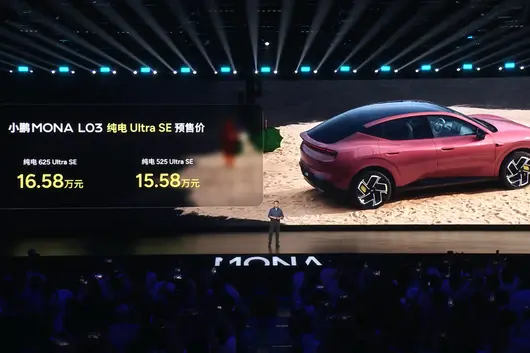
【2026年7月2日,北京】今日,小鹏MONA首款SUV——小鹏MONA L03重磅亮相并开启预售。新车带来纯电和超级增程两种动力版本,官方预售价依次为:纯电525Max 14.38万元、纯电625Max 15.38万元、超级增程1330Max 14.98万元、纯电525Ultra SE 15.58万元、纯电625Ultra SE 16.58万元及超级增程1330Ultra SE 16.18万元,即日起至7月16日,支付1000元意向金可抵扣3000元购车款;价值6000元20英寸五辐运动轮毂限时优惠价4000元。

小鹏MONA M03已连续22个月蝉联10-20万元纯电轿车销量冠军,今年更连续两个月销量超过所有燃油轿车,赢得广大用户青睐。延续家族爆款势能,小鹏MONA L03对标行业30万级产品标准开发,将一眼出圈的时尚好看、恰到好处的轻奢高级、得心应手的越级科技与值得信赖的安全可靠深度融合,精准回应年轻人对智能时尚SUV的多元期待。发布会现场,小鹏MONA代言人兼车主欧阳娜娜,以及游泳世界冠军唐钱婷共同出席见证新车首秀。

一眼出圈的时尚好看,全球顶级设计团队打造
年轻人的第一台车,不仅是一台出行工具,更是表达个性的社交名片。小鹏MONA L03由小鹏汽车设计副总裁、前法拉利设计师胡安马领衔的全球设计团队打造,汇聚来自23个国家的设计力量,将「Vital Flow 流动的生命力」理念融入整车设计,形成兼具生命力与运动感的原创美学表达,为年轻用户带来一眼心动的智能时尚SUV。
新车采用黄金比例打造轿跑姿态,0.46轮高比、1.20宽高比以及溜背造型,共同塑造出宽体、低趴的运动视觉效果,配合肌肉型面车身设计,使整车兼具力量感与优雅感。同时,小鹏MONA L03还完成了22项空气动力学优化,风阻系数低至Cd 0.228,位列全球新能源量产SUV第一梯队,在提升造型表现的同时,更带来约59.3km续航提升,实现颜值与实用性双向兼顾。
 小鹏MONA L03以自然灵感为设计原点,共推出极光紫、乌梅子酱、尤加利灰、新月银、星暮紫及暗夜黑6款外观车色,同时提供深空灰及气宇灰两款内饰配色,共同构建不同情绪表达的视觉体系。为了进一步强化细节质感,新车配备了无边框车门、接近纯平侧窗、高亮黑包围、无边框外后视镜等高端配置,搭配星舰大灯与贯穿式星环尾灯,科技氛围感拉满。工艺层面,全车采用巴斯夫高亮清漆及3C2B高端喷涂工艺,车漆通透饱满、触感细腻,从色彩、配置、工艺全方位提升整车高级感。

恰到好处的轻奢高级,重新定义年轻人的品质出行
对于年轻人而言,好的座舱并不止于“配置堆砌”,而是能治愈日常、取悦自我的舒适出行空间。相比简单堆叠配置,小鹏MONA L03更关注座舱所承载的情绪价值与质感体验,从材质用料、座椅舒适、智能交互到静谧体验进行全面升级,让用户每一次坐进车内,都能感受到恰到好处的轻奢高级。
小鹏MONA L03大面积应用磨砂软包、天鹅绒等高质感材料,内饰软包面积超72%,并搭载256色环抱式柔波氛围灯,从触觉与视觉两个维度诠释高级质感。针对用户舒适出行需求,新车搭载专属云感舒适座椅,主驾座椅标配通风、加热、电动腰托及记忆迎宾,并支持14点云朵按摩;副驾还配备同级少见的14点按摩零重力座椅,支持电动腿托调节,最大展开角度超70°,让午休、小憩与长途乘坐更加放松。
 智能交互与静谧性拉满,解锁豪华级静谧驾乘享受。新车配备26.8英寸超大W-HUD、15.6英寸2.5K超高清中控屏以及20扬声器AI音响系统,实现AI沉浸式双环绕声场体验。为了营造更好的静谧体验,新车的内饰隔音材料覆盖率超90%,并配备ENC+RNC双主动降噪系统,高效过滤路面胎噪、风噪及环境杂音,静谧表现媲美高端豪华车型,让每一次出行都安静惬意。
从日常通勤到户外探索,百变空间都能轻松驾驭。纯电版拥有102L超大前备厢,可收纳外卖、生鲜等易产生气味的物品;后备厢常规容积达到539L,后排座椅放倒后最大可拓展至1640L,形成1.8m×1.5m平整空间,秒变移动大床。全车还设计40处储物点位、8个磁吸接口、5个1/4英寸螺纹接口以及23处生态拓展接口,满足露营、Vlog拍摄、运动装备收纳、车内DIY等年轻化生活方式。
 发布会现场,欧阳娜娜还重点分享了ROAM专属主题套装的独特魅力。该版本围绕“尽情享受每一个瞬间”理念打造,不仅拥有维奥拉紫和樱雾粉两款专属内饰主题、多处专属LOGO标识、Nappa真皮座椅及20英寸运动轮毂等配置设计,还配备了专属定制拾光漫游车机主题及丰富的空间拓展能力,赋予车辆更多个性化表达与创意玩法,让每一次出发都更具仪式感。

同时,作为小鹏MONA车主,欧阳娜娜还在现场分享了最喜欢的六大贴心设计。从双重镀银全景天幕、柔光美妆镜、小P语音助手,到全场景拓展接口、百变收纳空间及副驾零重力座椅,小鹏MONA L03以贴心设计满足年轻用户多元出行需求。

1500TOPS车端算力下放,智驾超越50万级旗舰车型的体验
作为行业科技普惠的践行者,小鹏打破高端智能驾驶技术垄断,首次将1500TOPS车端算力带入15万级SUV市场,让年轻用户也能轻松享受高阶科技乐趣。新车提供Max版和Ultra SE版,MAX版搭载单图灵芯片,有效算力达750TOPS,将于今年三季度开启推送第二代VLA蒸馏版,完整保留第二代VLA在安全、丝滑、高效方面的核心能力;Ultra SE版配备双图灵AI芯片,有效算力高达1500TOPS,全场景通行能力全面升级,实现“有路就好开”。
 小鹏MONA L03全面搭载小鹏图灵AI智驾,辅助驾驶体验超越50万级旗舰SUV。针对城市小路、园区窄道、恶劣天气等复杂场景均可稳定丝滑通行,对新手司机十分友好。游泳世界冠军唐钱婷在实测新车智驾功能后更提到,其能很好地帮新手司机减轻开车的紧张感,甚至想为了买MONA加速考驾照,带上家人和朋友去更多的地方。

一车双能全域适配,兼顾日常通勤与远方自由
年轻人的第一台SUV,不仅要轻松应对日常通勤,更要满足长途出行与远方探索的需求。作为MONA系列首款一车双能车型,小鹏MONA L03提供纯电与超级增程两种动力选择,以差异化动力方案覆盖多元出行场景,让用户无需妥协,即可兼顾日常效率与远行自由。
小鹏MONA L03纯电体验媲美30万级SUV,提供525km和625km两种CLTC纯电续航版本,CLTC纯电能耗低至11.9kWh/100km,零百加速最快6.6秒,以更低能耗、更长续航及更敏捷的动力响应,满足年轻用户出行需求。超级增程版则进一步拓展出行半径,CLTC纯电续航315km、综合续航1330km,WLTC综合油耗低至5.16L/100km,是长途出行的可靠伙伴。
 此外,在操控和驾乘舒适性方面,小鹏MONA L03也下足了功夫。标配前麦弗逊+后五连杆悬架结构,搭配DCC智能可变阻尼减振器以及博世最新一代IPB智能集成制动系统,兼顾灵活操控与舒适滤震。5.25m最小转弯半径,方向盘打满仅需1.4圈,让窄路行驶、掉头更加轻松;百公里刹停距离仅35.99m,可带来更稳定、安心的制动表现。与此同时,小鹏MONA L03还搭载同级少有的智能防晕车模式2.0,针对山路、弯道等易引发晕车的场景优化车身姿态与驾乘感受,让出游更加从容、舒适。
值得信赖的安全可靠,打造让年轻人安心放心的出行座驾
作为MONA系列首款全球车型,小鹏MONA L03面向全球64个国家和地区适配研发,同时满足中国、欧洲、澳洲全球五星安全标准,以全球化品质与全域安全体系,为用户出行保驾护航。
 在极端风险应对能力上,小鹏MONA L03搭载同级唯一的全场景爆胎稳行系统,可覆盖单轮爆胎、双轮爆胎、弯道爆胎等多种复杂场景,帮助车辆在突发风险下保持稳定。同时,新车还搭载同级领先的驾驶员失能辅助系统,可在驾驶员突发失能时主动靠边泊车并呼叫救援,将旗舰安全能力下放至年轻用户更易触达的市场区间。
 在主动安全层面,小鹏MONA L03还具备同级领先的主动安全能力,包括最高工作时速150km/h AEB、最高工作时速130km/h AES以及支持冰雪AES功能。满配17项主动安全功能,全系标配7个安全气囊,全方位守护年轻人的每一次出发。
作为小鹏集团的重磅车型,小鹏MONA L03将于7月16日在德国慕尼黑完成全球上市,代表中国智造迈向全球市场。新车承续MONA系列爆款基因,小鹏MONA L03将以原创设计、轻奢座舱、越级科技、全域五星安全及一车双能五大核心优势,精准锚定全球年轻用户多元化出行需求,重新定义15万级SUV价值标杆,助力全球更多年轻用户轻松解锁高品质、智能化的全新出行生活。
关于小鹏汽车
小鹏汽车致力于通过探索科技,引领未来出行变革,做“未来出行探索者”。公司总部位于广州,在北京、上海、深圳、肇庆、扬州等地设有研发中心,并在肇庆和广州布局智能制造基地。同时,小鹏汽车面向全球进行研发和销售布局,已在美国设立研发中心、在欧洲多地设立分公司。小鹏汽车坚持全栈自主研发智能辅助驾驶软件和开发核心硬件,为用户带来卓越的智能驾乘体验。2020年8月27日,小鹏汽车正式登陆纽交所,募资规模打破当时全球新能源汽车行业IPO纪录,股票代码为“NYSE:XPEV”;2021年7月7日,小鹏汽车挂牌香港联交所,股票代码“9868.HK”,成为首个在中国香港和美国纽约两地双重主要上市的中国造车新势力。
更多信息,欢迎登陆小鹏汽车官方网站

車型概覽

哪吒U 值唔值得睇,第一步唔係望牌子或者外形,而係睇佢能唔能夠配合你嘅香港日常。 呢篇會集中講整體購車判斷,幫你用買家角度篩走唔適合嘅選擇。
售價仍待確認,買家可以先把佢放入候選名單,等價格落實後再同同級車逐項比較。
購車價格指南
哪吒U 目前售價仍未清晰,較理性嘅做法係先睇版本、車身大小同動力形式,等價格落實後再決定值唔值得落訂。
如果有幾個版本可揀,可以先將 2024 450km 前驅版(價格待確認) 放喺同一張清單。日常通勤重視舒適同易用,家庭買家就要優先睇後排、尾箱同安全配置。
核心規格重點
睇 哪吒U 嘅規格,重點唔係背數字,而係理解佢喺香港用車場景會帶嚟咩分別。
59 kWh 嘅電池容量,真正意義係可以幫你估算一星期通勤同周末出車要唔要中途補電。 450 km 嘅續航參考,對住喺新界、九龍同港島之間跨區行車嘅用家會更實際。 120 kW、210 N·m 嘅輸出,令高速併線同短距離超車更有信心。 車長 4549 mm、車闊 1860 mm、車高 1628 mm、軸距 2770 mm 可以幫你預判商場停車場、屋苑車位同後排腿部空間。
優缺點分析
哪吒U 嘅優點唔需要講到天花龍鳳,真正有價值係佢能唔能夠令日常用車更省心:電池同續航資訊有助安排通勤同補電、動力輸出對高速同上斜更有底氣、空間同車身尺寸方便家庭買家預判實用性。
要留意嘅係,要先確認屋苑、公司或常去商場嘅充電條件、香港停車場同窄路使用要留意車身闊度。呢啲唔一定係缺點,但係落訂前應該先諗清楚。
買家常見問題
買 哪吒U 之前,真正要問嘅唔係單一規格,而係佢可唔可以融入你每日嘅生活節奏。
常見疑問係「哪吒 U (Neta U) 係一部咩車?」簡單講,哪吒 U (Neta U) 係一部主打高科技同性價比嘅純電 SUV。 放到實際用車,就係要睇佢對通勤、泊車、家庭乘坐同長期成本有幾大幫助。
同級對比內容
將 哪吒U 放入同級車清單時,唔建議只用外形或者品牌光環決定。比較順序可以係:先等售價落實,再決定佢應該同邊個級距比較、再睇動力係咪足夠應付高速併線同滿載、再比較能源成本同補能便利、最後睇車身大小、座位同尾箱是否適合家人。
咁樣篩選會貼近香港買家真實生活:平日塞車、商場泊車、周末去新界、甚至一家人出入,先係一部車每日要面對嘅考驗。
用車全周期指南
擁有 哪吒U 最重要係先諗清楚充電節奏。屋苑、公司或者常去商場只要有穩定充電選項,電動化用車就會容易相處好多。
如果你主要喺市區行,視野、低速順滑度同泊車輔助會好影響心情;如果經常行高速或跨區,座椅舒適度、隔音同動力從容感會更重要。


車型概覽

長安逸動BEV 值唔值得睇,第一步唔係望牌子或者外形,而係睇佢能唔能夠配合你嘅香港日常。 呢篇會集中講售價未落實前點樣先篩選,幫你用買家角度篩走唔適合嘅選擇。
售價仍待確認,買家可以先把佢放入候選名單,等價格落實後再同同級車逐項比較。
購車價格指南
長安逸動BEV 目前售價仍未清晰,較理性嘅做法係先睇版本、車身大小同動力形式,等價格落實後再決定值唔值得落訂。
如果有幾個版本可揀,可以先將 2024 365km 前驅版(價格待確認)、2024 401km 前驅版(價格待確認) 放喺同一張清單。日常通勤重視舒適同易用,家庭買家就要優先睇後排、尾箱同安全配置。
核心規格重點
睇 長安逸動BEV 嘅規格,重點唔係背數字,而係理解佢喺香港用車場景會帶嚟咩分別。
44.43/47.78 kWh 嘅電池容量,真正意義係可以幫你估算一星期通勤同周末出車要唔要中途補電。 365/401 km 嘅續航參考,對住喺新界、九龍同港島之間跨區行車嘅用家會更實際。 120 kW、245 N·m 嘅輸出,令高速併線同短距離超車更有信心。 車長 4740 mm、車闊 1890 mm、車高 1530 mm、軸距 2700 mm 可以幫你預判商場停車場、屋苑車位同後排腿部空間。
優缺點分析
長安逸動BEV 嘅優點唔需要講到天花龍鳳,真正有價值係佢能唔能夠令日常用車更省心:電池同續航資訊有助安排通勤同補電、動力輸出對高速同上斜更有底氣、空間同車身尺寸方便家庭買家預判實用性。
要留意嘅係,要先確認屋苑、公司或常去商場嘅充電條件、香港停車場同窄路使用要留意車身闊度。呢啲唔一定係缺點,但係落訂前應該先諗清楚。
買家常見問題
買 長安逸動BEV 之前,真正要問嘅唔係單一規格,而係佢可唔可以融入你每日嘅生活節奏。
常見疑問係「長安逸動 EV 香港落地價約幾多?」簡單講,長安逸動 EV 香港落地價約240,000–280,000 港元,視版本而定。 放到實際用車,就係要睇佢對通勤、泊車、家庭乘坐同長期成本有幾大幫助。
同級對比內容
將 長安逸動BEV 放入同級車清單時,唔建議只用外形或者品牌光環決定。比較順序可以係:先等售價落實,再決定佢應該同邊個級距比較、再睇動力係咪足夠應付高速併線同滿載、再比較能源成本同補能便利、最後睇車身大小、座位同尾箱是否適合家人。
咁樣篩選會貼近香港買家真實生活:平日塞車、商場泊車、周末去新界、甚至一家人出入,先係一部車每日要面對嘅考驗。
用車全周期指南
擁有 長安逸動BEV 最重要係先諗清楚充電節奏。屋苑、公司或者常去商場只要有穩定充電選項,電動化用車就會容易相處好多。
如果你主要喺市區行,視野、低速順滑度同泊車輔助會好影響心情;如果經常行高速或跨區,座椅舒適度、隔音同動力從容感會更重要。


車型概覽

哈弗H6 PHEV 值唔值得睇,第一步唔係望牌子或者外形,而係睇佢能唔能夠配合你嘅香港日常。 呢篇會集中講值唔值得繼續觀望,幫你用買家角度篩走唔適合嘅選擇。
售價仍待確認,買家可以先把佢放入候選名單,等價格落實後再同同級車逐項比較。
購車價格指南
哈弗H6 PHEV 目前售價仍未清晰,較理性嘅做法係先睇版本、車身大小同動力形式,等價格落實後再決定值唔值得落訂。
如果有幾個版本可揀,可以先將 2022 1.5T 55km 前驅版(價格待確認)、2022 1.5T 110km 前驅版(價格待確認) 放喺同一張清單。日常通勤重視舒適同易用,家庭買家就要優先睇後排、尾箱同安全配置。
核心規格重點
睇 哈弗H6 PHEV 嘅規格,重點唔係背數字,而係理解佢喺香港用車場景會帶嚟咩分別。
9.4/19.9 kWh 嘅電池容量,真正意義係可以幫你估算一星期通勤同周末出車要唔要中途補電。 154 Ps / 113 kW / 130 kW、233/300 N·m 嘅輸出,令高速併線同短距離超車更有信心。 車長 4683 mm、車闊 1886 mm、車高 1730 mm、軸距 2738 mm 可以幫你預判商場停車場、屋苑車位同後排腿部空間。 混合動力專用(DHT)、前置前駆 會影響起步順滑度、濕地穩定感同長途巡航性格。
優缺點分析
哈弗H6 PHEV 嘅優點唔需要講到天花龍鳳,真正有價值係佢能唔能夠令日常用車更省心:電池同續航資訊有助安排通勤同補電、動力輸出對高速同上斜更有底氣、空間同車身尺寸方便家庭買家預判實用性。
要留意嘅係,要先確認屋苑、公司或常去商場嘅充電條件、香港停車場同窄路使用要留意車身闊度。呢啲唔一定係缺點,但係落訂前應該先諗清楚。
買家常見問題
買 哈弗H6 PHEV 之前,真正要問嘅唔係單一規格,而係佢可唔可以融入你每日嘅生活節奏。
常見疑問係「哈弗 H6 PHEV 係咪插電混能版?」簡單講,係嘅,哈弗 H6 PHEV 係基於第三代 H6 打造嘅插電式混合動力車型。 放到實際用車,就係要睇佢對通勤、泊車、家庭乘坐同長期成本有幾大幫助。
同級對比內容
將 哈弗H6 PHEV 放入同級車清單時,唔建議只用外形或者品牌光環決定。比較順序可以係:先等售價落實,再決定佢應該同邊個級距比較、再睇動力係咪足夠應付高速併線同滿載、再比較能源成本同補能便利、最後睇車身大小、座位同尾箱是否適合家人。
咁樣篩選會貼近香港買家真實生活:平日塞車、商場泊車、周末去新界、甚至一家人出入,先係一部車每日要面對嘅考驗。
用車全周期指南
擁有 哈弗H6 PHEV 最重要係先諗清楚充電節奏。屋苑、公司或者常去商場只要有穩定充電選項,電動化用車就會容易相處好多。
如果你主要喺市區行,視野、低速順滑度同泊車輔助會好影響心情;如果經常行高速或跨區,座椅舒適度、隔音同動力從容感會更重要。


車型概覽

寶馬i4 值唔值得睇,第一步唔係望牌子或者外形,而係睇佢能唔能夠配合你嘅香港日常。 呢篇會集中講續航、電池同補電安排,幫你用買家角度篩走唔適合嘅選擇。
零售價 HK$ 370,651 - 486,930、完稅價 HK$ 649,900 - 899,900 令預算位置更清楚,買家可以先估算月供、保險、泊車同日常開支。
購車價格指南
寶馬i4 嘅購車預算可以先由 零售價 HK$ 370,651 - 486,930、完稅價 HK$ 649,900 - 899,900 開始計。香港買車唔只係睇車價,月供、保險、牌費、泊車同能源成本都會影響每月壓力。
如果有幾個版本可揀,可以先將 2025 eDrive35(HK$ 649,900)、2025 eDrive35 M Sport Edition(HK$ 729,900)、2025 M60 xDrive(HK$ 899,900)、2025 M50(價格待確認) 放喺同一張清單。日常通勤重視舒適同易用,家庭買家就要優先睇後排、尾箱同安全配置。
核心規格重點

睇 寶馬i4 嘅規格,重點唔係背數字,而係理解佢喺香港用車場景會帶嚟咩分別。
67/81.1 kWh 嘅電池容量,真正意義係可以幫你估算一星期通勤同周末出車要唔要中途補電。 20.9 kWh/100km 嘅耗電表現,會影響你去快充站或者屋苑充電位嘅頻率。 210/442 kW、400/795 N·m 嘅輸出,令高速併線同短距離超車更有信心。 車長 4783 mm、車闊 1852 mm、車高 1448 mm、軸距 2856 mm 可以幫你預判商場停車場、屋苑車位同後排腿部空間。
優缺點分析
寶馬i4 嘅優點唔需要講到天花龍鳳,真正有價值係佢能唔能夠令日常用車更省心:預算位置清楚,方便同同級車直接比較、日常能源成本有基本參考、電池同續航資訊有助安排通勤同補電。
要留意嘅係,要先確認屋苑、公司或常去商場嘅充電條件、香港停車場同窄路使用要留意車身闊度。呢啲唔一定係缺點,但係落訂前應該先諗清楚。
買家常見問題
買 寶馬i4 之前,真正要問嘅唔係單一規格,而係佢可唔可以融入你每日嘅生活節奏。
常見疑問係「BMW i4 eDrive40 嘅純電續航距離表現點樣?」簡單講,BMW i4 eDrive40 配備咗 83.9 kWh 嘅高壓電池組,根據 WLTP 標準,最高續航距離可以達到 589 公里。對於每日需要長途通勤嘅用家嚟講,BMW i4 eDrive40 提供咗非常充裕嘅電量儲備,充滿一次電足以應付來回機場同新界多次路程。 放到實際用車,就係要睇佢對通勤、泊車、家庭乘坐同長期成本有幾大幫助。
同級對比內容
將 寶馬i4 放入同級車清單時,唔建議只用外形或者品牌光環決定。比較順序可以係:先用 零售價 HK$ 370,651 - 486,930、完稅價 HK$ 649,900 - 899,900 鎖定預算圈、再睇動力係咪足夠應付高速併線同滿載、再比較能源成本同補能便利、最後睇車身大小、座位同尾箱是否適合家人。
咁樣篩選會貼近香港買家真實生活:平日塞車、商場泊車、周末去新界、甚至一家人出入,先係一部車每日要面對嘅考驗。
用車全周期指南
擁有 寶馬i4 最重要係先諗清楚充電節奏。屋苑、公司或者常去商場只要有穩定充電選項,電動化用車就會容易相處好多。
如果你主要喺市區行,視野、低速順滑度同泊車輔助會好影響心情;如果經常行高速或跨區,座椅舒適度、隔音同動力從容感會更重要。



港交所網站掛出一咗一份熟悉嘅招股書。
5 月 28 日,繼去年 10 月首次遞表失效後,智能駕駛解決方案提供商蘇州天瞳威視電子科技股份有限公司(天瞳威視)再次向港股主板發起重衝,由匯豐及華泰國際聯席保薦。

喺智能駕駛賽道從「講故事」轉向「拼量產」嘅 2026 年,天瞳威視嘅二次遞表唔單止係一次資本試探,更係一場關於中國智駕供應商生存現狀嘅集中檢閱。
呢間被認為係「算力效率派」代表嘅公司,一邊連住從采埃孚到上汽、北汽嘅豪華產業資本陣營,一邊卻面臨住現金流緊繃、海外明顯回落嘅現實困境。喺呢場 IPO 嘅博弈中,光鮮同陣痛並存。
01
邊個係「天瞳威視」?
天瞳威視嘅創辦人王曦係一位典型嘅「回國」技術派。佢畢業於北京航空航天大學,後喺英國雷丁大學攻讀計算機科學博士學位。
喺決定創業之前,王曦曾經喺汽車零部件供應商天合汽車(TRW)及采埃孚擔任算法工程師同技術負責人,深度參與咗早期 ADAS 系統嘅開發。
2016 年,王曦捕捉到國內汽車智能化嘅風口,回國喺蘇州創立咗天瞳威視,定位係「以軟件算法驅動智能駕駛」嘅本土解決方案提供商。
公司嘅名字「天瞳」寓意「天之眼」,意在打造車輛感知萬物嘅視覺中樞。佢從最初嘅視覺感知算法起步,逐步擴展至行泊一體域控制器、L4 級自動駕駛系統等軟硬件結合嘅整體方案。

天瞳威視融資情況。資料來源:企查查
成立後不久,天瞳威視就獲得德聯資本、盛世投資嘅天使輪融資。此後十年時間,天瞳威視累計完成咗超過 10 輪融資,融資總額近 10 億元。
從招股書披露嘅股權結構嚟睇,天瞳威視構建咗深度綁定嘅「產業 + 資本」生態圈。
一方面,產業夥伴站台,全球汽車零部件巨頭采埃孚唔單止係其 C 輪領投方,亦係其戰略合作夥伴,持有天瞳威視 6.93% 嘅股份,位列第四大股東;國內方面,上汽集團通過上汽北美產投持股,北汽集團通過北汽產投佈局其中,地平線同商湯科技亦係戰略投資者。
另一方面,地方國資護航,唐山機器人基金、吳中金控等國資背景基金喺 D 輪及 D+ 輪入場,提供咗約 5.23 億元嘅資金支持。

截至最後實際可行日期股權架構
截至目前,王曦透過直接持股同員工持股平台合共控制公司約 40.84% 嘅權益,依然保持住對公司嘅控制權。
02
「兩條腿」行路
天瞳威視喺業務佈局上採取咗「雙軌並行」嘅策略。

喺 L2-L2+ 級輔助駕駛領域,天瞳威視嘅選擇非常務實。佢並冇盲目追逐算力堆疊嘅「軍備競賽」,而係走咗一條高性價比路線。
作為典型嘅視覺派智駕供應商,佢喺 L2 量產方案上以視覺感知為主,融合毫米波雷達同超聲波雷達,能夠喺較低算力平台上實現高級功能。例如,基於地平線 J6B 芯片(約 20TOPS)嘅方案即可支持行泊一體、高速 NOA。
呢種打法擊中咗 10 萬 -20 萬級主流車款對成本敏感嘅痛點。根據灼識諮詢嘅數據,按 2024 年裝機量計,天瞳威視係中國第二大同時提供行車同泊車解決方案嘅以軟件為核心嘅 L2-L2+ 級方案提供商,市場份額為 14.3%。

2024 年中國具備行泊一體能力嘅以軟件為核心供應商格局
截至最後實際可行日期,天瞳威視獲得 23 個汽車品牌嘅 198 款車款嘅 L2-L2+ 級解決方案定點函,並實現 6 個汽車品牌嘅 105 款車款嘅量產;獲得定點函嘅 198 款車款中有 87 款覆蓋海外市場,其中 59 款已實現量產。
但值得注意嘅係,L2-L2+ 市場正在經歷劇烈嘅「紅海化」。
一方面,經緯恆潤、福瑞泰克等本土 Tier1 正在加速追趕;另一方面,部分頭部車廠開始將低階智駕方案從外購轉為內部集成。
天瞳威視能否維持佢喺「性價比方案」領域嘅領先地位,取決於佢能否持續保持算法對低算力平台嘅優化能力,而這需要喺研發投入上持續加碼。

喺高級 L4 級自動駕駛領域,天瞳威視更多扮演「先鋒」角色。這亦係佢近兩年增長最快嘅板塊。
早在 2019 年,佢就參與咗上海洋山港嘅 5G 智能重卡項目。目前佢嘅 L4 方案覆蓋 Robobus、Robotaxi 同 Robotruck。其中,Robobus 係佢最具代表性嘅產品線,已喺蘇州、天津等城市嘅公開道路投入常態化試營運。
2025 年,天瞳威視從 L4 級解決方案產生收入 3.75 億元,佔公司總收入嘅 68% 以上,大部分收入來自 L4 級軟件解決方案。
然而,硬幣嘅另一面係商業化嘅曲折。雖然 L4 業務營收暴增,但佢嘅交付形態目前以「軟硬件一體解決方案」為主,呢種模式本質上接近「項目制交付」或「小規模車隊部署」,與 L2 業務中「純軟件授權 + 白盒交付」嘅高毛利、大規模複製邏輯存在顯著差異。
呢就直接導致 L4 業務毛利率嘅大幅波動:喺部分自研硬件佔比较高嘅項目中,毛利率一度低至 15%。

截至遞表日,公司雖手握超 10 億元嘅 L4 意向訂單,涵蓋 2500 架車,但呢啲訂單預計要喺未來三至五年內先會陸續交付,短期內對現金流嘅改善作用有限。
此外,天瞳威視仲有部分應收來自工程服務,主要涉及道路測試、數據收集支援及數據標註服務以及公司嘅專有工具鏈。
03
財務嘅雙面鏡
招股書嘅財務部分,展現咗智駕行業最真實嘅「B 面」:規模同虧損嘅極限拉扯,同埋賬面現金同營運消耗之間嘅緊張博弈。

營收高增長,但結構劇烈波動。
財務數據顯示,公司嘅營收呈現爆發式增長,從 2022 年嘅 1.72 億元增長至 2024 年嘅 4.83 億元,複合年增長率高達 67.7%。2025 年全年營收進一步增長至 5.5 億元。
但收入結構嘅變化明顯。2023 年,公司依賴 L2-L2+ 業務,佔比 90.2%;去到 2024 年,L4 業務佔比升至 50.2%;2025 年,L4 業務佔比進一步拉高至 68%。呢種「斷崖式」嘅結構切換,雖然證明佢 L4 技術搵到咗落地場景,但亦令市場質疑佢 L2 業務係咪已觸及天花板。
毛利率同純利潤嘅背離,呢係天瞳威視面臨嘅最大挑戰。
從毛利睇,整體毛利率喺 30% 左右徘徊,喺呢個技術密集型嘅智駕行業屬於中等水平。但細拆睇嚟,L2-L2+ 業務嘅毛利率通常能維持喺 40% 以上,純軟件授權模式,而 L4 業務嘅毛利率則因「軟硬件一體」交付中硬件佔比提高而被顯著拉低。
從純利潤睇,雖然表面虧損額較大,2024 年虧損 4.63 億、2025 年虧損約 2 億,呢度包含大量因優先股公平值變動帶來嘅「紙面虧損」。剔除呢個因素後嘅經調整純利潤更能反映公司嘅真實經營狀況:2024 年已收窄至 -438 萬元,但 2025 年並未如市場預期實現轉正,而係錄得約 -1086 萬元,虧損較 2024 年有所擴大。
呢個背後有一個不可回避嘅關鍵前提:調整後嘅「減虧」乃至「接近盈虧平衡」,係喺公司持續壓縮研發投入嘅基礎上實現嘅,研發費用從 2024 年嘅 1.17 億元降至 2025 年嘅 9231 萬元,研發費用率從 2024 年嘅 24.3% 進一步降至 16.8%,而 2022 年呢個數字曾高達 108.7%。對於一家科技公司嚟講,研發強度嘅「退坡」是否會影響未來嘅技術護城河,係一個潛在風險點。
現金流持續告急,最令人擔憂嘅信號。
根據最新招股書,截至 2025 年 12 月 31 日,公司賬上嘅現金及現金等价物為 2.35 億元,較 2025 年 6 月 30 日嘅 3.74 億元淨減少 1.39 億元,現金消耗速度較快。

更值得警惕嘅係經營現金流由正轉負且缺口持續擴大嘅趨勢。2023 年,公司經營活動現金流淨額為正向流入 1.15 億元,但 2024 年迅速轉為淨流出 1.89 億元,2025 年進一步惡化至淨流出 2.93 億元。
與此同時,應收賬款周轉急劇惡化。公司嘅貿易應收款項從 2023 年嘅 0.89 億元升至 2025 年嘅 5.48 億元,三年增長超過五倍,而同期營收增幅僅約 2.7 倍。
更令人擔憂嘅係應收款項周轉天數從 2023 年嘅 191 天同 2024 年嘅 166 天,到 2025 年驟升至 300 天,意味著公司從完成交付到收回款項平均需要接近一年時間。呢相當於變相為客戶提供長期無息墊資,喺資金本就緊張嘅情況下進一步加劇咗流動性壓力。

此外,雖然天瞳威視係首家出海嘅中國智駕軟件供應商,但 2025 年佢嘅海外業務遭遇咗明顯回落。2023 年天瞳威視海外收入為 1.27 億元,佔總營收比重達到 62.2%;到 2025 年海外收入降至 1100 萬元,佔比僅 2.0%。
喺而家全球地緣政治複雜、部分國家對智能汽車數據監管趨嚴嘅背景下,為佢嘅全球化故事增添咗一絲不確定性。
04
結語
天瞳威視嘅二次闖關,係智能駕駛行業進入「淘汰賽」階段嘅一個縮影。
從好嘅方面睇,佢踩準咗 L2 性價比同 L4 場景化落地嘅雙重節奏,且經調整純利潤喺特定口徑下已接近盈虧平衡,呢啲都畀投資者提供咗「有亮點可講」嘅故事線。
但從風險嘅角度睇,情況遠比首次遞表時更為嚴峻。業務重心嘅急速漂移、L4 業務商業化初期嘅盈利磨難、研發投入嘅被動收縮,呢啲此前就已存在嘅問題並未緩解。

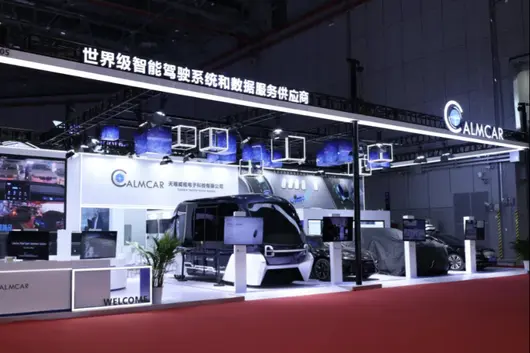
天瞳威視 L4 級智能巴士
而真正令此次 IPO 帶「求生」色彩嘅,係現金流數據嘅實質性惡化:2.35 億元嘅賬面現金,面對每年近 3 億元嘅经营性現金淨流出,安全邊際已不足一年。疊加 300 天嘅應收賬款周轉天數,意味著公司每交付一筆訂單,都要墊付近一年嘅資金成本。
換言之,天瞳威視正處喺一個危險嘅財務窗口期:賬上嘅錢僅夠維持唔足一年嘅正常運作,而 L4 業務嘅大規模交付同回款卻需要更長時間。喺呢個智駕資本熱潮退去、一級市場融資邊際收緊嘅時刻,公司已冇太多等待嘅餘地。
首次遞表失效後僅隔半年便再次衝擊港股,對天瞳威視而言,與其話係戰略選擇,唔如話係現金倒逼下嘅必然之舉。

BYD officially released the May 2026 production and sales flash report, with new energy vehicles from all brands reaching a monthly sales volume of 383,453 vehicles, a slight increase of 0.26% year-on-year, achieving year-on-year positive growth in monthly sales after ten months; among them, passenger car deliveries reached 376,990 units, surging 19.4% month-on-month, wiping out the pain of previous model iterations, presenting a new pattern where the domestic base is stable, overseas sales are soaring, and high-end brands are scaling up across the board. Amidst the market environment of intensified competition in the domestic new energy sector, Tesla FSD entering China, and an intense launch of independent new products, it has forged a unique structural growth path.

The Dynasty and Ocean main brands combined sold 330,215 vehicles in May, accounting for over 80% of the group's total sales, remaining the stabilizer for BYD's sales volume. The full series had 8 models exceeding 20,000 units in monthly sales, covering products from 50,000 entry-level commuter to 200,000 home SUV.

Inside the Dynasty Network, the Yuan family sold 56,691 units, and the Song family 51,370 units. Both crossed the 50,000 threshold, becoming two major sales pillars for the brand, catering to home commuter and urban-rural travel needs; the Qin family followed closely with a stable performance of 28,360 units. The Han and Tang series maintained a volume in the six-thousand range, deeply cultivating the mid-to-large home sedan and SUV niche markets; the brand new model Xia is in the market cultivation phase, delivering 1,810 units monthly, with potential for steady volume growth as channels expand.
The Ocean Network's growth momentum is even more rapid, with 5 models entering the 20,000 club across the series: Sealion 42,615 units, Seal 34,117 units, Seagull 39,919 units, Dolphin 22,260 units, and Song PLUS 27,755 units. Among them, Seagull remains the best-selling entry-level commuter model thanks to its affordable pricing of 60,000-80,000. Sealion, as a new volume model, stands firm at the 40,000 level upon launch, filling the mid-size SUV product gap in the Ocean Network and perfecting the Ocean product tier layout. From commuter small cars to compact SUVs, the two main brands rely on DM-i hybrid and pure electric dual-line technologies to牢牢锁住 the mainstream home market share within 150,000 domestically.
Fang Cheng Bao Year-on-Year Surges 139.7%, Brand Upward Positioning Takes EffectThe high-end matrix of Denza, Fang Cheng Bao, and Yangwang sold a combined 46,489 vehicles in May, officially breaking away from the niche positioning to become a new pivot for BYD's brand premium and profit growth, breaking the industry curse of difficulty in high-end breakthrough for domestic brands.

The off-road brand Fang Cheng Bao sold 30,186 units monthly, surging 139.7% year-on-year, creating a new high in monthly sales since the brand launched. Its Titanium 7 model sold 18,280 units monthly, while Leopard 5 and Leopard 8 output remained stable, continuously squeezing the survival space for joint venture and imported models in the 250,000-400,000 hardcore off-road niche market.

Denza delivered 16,303 units in May, with the MPV benchmark D9 selling 6,721 units, and the Z9 series close to 6,000 units. MPV and mid-to-large sedan dual-line efforts helped them stand firm in the luxury new energy track; the million-level ultra-luxury brand Yangwang continued its steady climb, delivering 286 units that month, a year-on-year increase of 105.8%, completing market verification of the domestic brand ceiling product and forming a full price range product layout from 100,000+ home, 300,000-400,000 off-road, 500,000 luxury MPV to million-level flagship.

In May, BYD's overseas sales of passenger cars and pickup trucks reached 160,177 units, surging 80.7% year-on-year. Exports accounted for over 42% of the full series total sales, setting a new historical high for brand export and becoming the core driving force to stabilize May overall sales and achieve year-on-year positive growth.
Southeast Asia, Europe, and Latin America became the main incremental markets. Seagull, Song PLUS, and Yuan series continued to top new energy best-seller lists in multiple countries; the SHARK pickup truck exceeded 4,000 units in monthly exports for two consecutive months. Relying on the completion of localization production in Thailand, Brazil, Hungary, and Uzbekistan with four overseas vehicle factories, localized production continues to land, avoiding tariffs while rapidly penetrating terminal channels. Against the background of stock market competition in the domestic auto industry and normalized price wars, the rapidly expanding overseas market effectively counteracts sales volatility brought by domestic model iterations, officially upgrading from a supplementary market to BYD's core growth engine. As of now, BYD's global cumulative new energy vehicle sales have exceeded 16.5 million units, with the globalization map continuously broadening.
Intelligent Driving Empowers Product Iteration, H2 New Products Prepare to Surge VolumeMay marked a key node in BYD's intelligent driving landing, with the God's Eye intelligent driving system becoming a core bonus point for models: the number of vehicles with advanced intelligent driving across all brands exceeded 3.15 million, with daily road test data exceeding 200 million kilometers; that month, BYD implemented City Pilot and Smart Parking dual safety backup services, becoming the world's first auto manufacturer to achieve dual intelligent driving backups. Three days after policy implementation, the activation rate of models equipped with the God's Eye system in cities surged 50%. Intelligent driving experience upgrades directly drove in-store order conversion, solidifying product competitiveness for subsequent models to continue volume sales, and facing the intelligent driving market shock brought by FSD entering China.
From data details, BYD's cumulative sales from January to May 2026 were 1,405,039 units, down 20.32% year-on-year. The core reason is that the full series of main models were concentratedly iterated, and the capacity ramp-up of the 2nd Gen Fast Charge Blade Battery was restricted. The new Flash Charge Battery upgraded fast charging and low-temperature performance. Full series iteration models prioritized installing new batteries, but production line retrofitting dragged down capacity release. Order backlogs on popular models and delayed deliveries compressed the May delivery volume to a certain extent.
As the end of the second quarter approaches and the 2nd Gen Blade Battery capacity continues to release, coupled with new models such as Denza N8L, Fang Cheng Bao Titanium 7 Pure Electric Version, Sealion 05, and Xia L landing the market, the industry generally predicts that BYD's full brand sales in June are expected to exceed 400,000 vehicles. Relying on the four-dimension development logic of low-end volume locking share, high-end raising profit, overseas pushing volume, and intelligence improving product power, amidst the intensified new energy elimination round in the domestic market, BYD's full category layout advantage continues to amplify, securing its status as the domestic new energy leader, accelerating steadily towards global top auto manufacturers.