首頁Subaru BRZ

搜尋歷史
熱門搜尋
經銷商登入 / 註冊

In the Malaysian SUV market, many buyers compare the Proton X50 and Honda WR-V when selecting a car. Both vehicles are quite close in price and positioning. Today we will conduct a detailed comparison from multiple aspects to save you time doing research.
The Proton X50 OTR price in Malaysia is RM 89,800 - 113,300, with 4 versions in total, including 1.5T Executive (RM 89,800), 1.5T Premium (RM 101,800), 1.5T Flagship (RM 113,300), etc.
The Honda WR-V OTR price in Malaysia is RM 89,900 - 107,900, with 4 versions in total, including 2023 1.5L V (RM 99,900), 2023 1.5L E (RM 95,900), 2023 1.5L S (RM 89,900), etc.
From the price perspective, the Proton X50 starting price is indeed RM 100 cheaper than the Honda WR-V. If your budget is limited, Proton's entry-level version can already meet daily needs. But also note, the few thousand difference may involve trade-offs in equipment, depending on your specific needs.

The Proton X50 safety rating is 5★ (ASEAN NCAP), active safety systems include ADAS (ACC, AEB, LKA, LDA, BSM, RCTA).
The Honda WR-V safety rating is 5★ (ASEAN NCAP), active safety systems include Honda SENSING.
Both cars have the same safety rating, and safety features in this class are considered quite complete. New car safety nowadays is not bad, no need to worry too much about this point.

Proton X50 warranty 5 years/150,000km, maintenance interval every 10,000km or 6 months.
Honda WR-V warranty 5 years/unlimited mileage, maintenance interval every 10,000km or 6 months.

Both Proton X50 and Honda WR-V are mainstream choices in the Malaysian market, suitable for family use and daily commuting. If you value brand reputation and second-hand price more, prioritize the one with better reputation; if you care more about cost-performance and features, then choose the model with richer configuration. Ultimately it is suggested to test drive both models, personal experience is the most important.

Overall, both Proton X50 and Honda WR-V are very good models in the Malaysian market. Which one to choose depends mainly on your personal needs and budget. It is recommended to do your research, compare quotes from several car dealerships, and then test drive to make the final decision. Buying a car is a big matter, spending time on research will never go wrong.


For over half a century, Thailand has always been a solid overseas garden for Japanese automakers. Complete vehicle assembly, core components, and the entire offline distribution chain are controlled by Japanese enterprises, with no formed independent local automotive industry.

The Thai government had no intention of investing heavily to cultivate local automakers. Instead, it used two rounds of new energy policies to offer subsidies and production quotas, prompting seven Chinese-funded automakers to establish factories, thereby breaking the long-solidified Japanese monopoly structure.
In this industry game led by policy, outsiders only see Chinese EVs using it to open the door to the Southeast Asian market, but it is easy to ignore the market truth hidden beneath the glamorous sales figures, which is easily overlooked.
Leveraging Strength
The Thai government used subsidy amounts and factory construction quotas as attraction conditions to bring seven Chinese automakers to invest and build production lines locally. The combined planned capacity of each exceeds 550,000 units, just covering the overall capacity of Thailand's passenger car market for an entire year. The entire industrial introduction relied entirely on foreign investment and self-investment, directly breaking the monopoly structure dominated by Japanese enterprises for decades, and quickly making up for the manufacturing shortcomings of Thailand's automotive industry.

Thailand adjusted new energy subsidies in a stepwise manner, precisely controlling the pace of industry development. In the EV3.0 phase, purchase subsidies were released to dispel the hesitation of automakers building factories overseas, accelerating the implementation and production of complete vehicle projects, while charging pile infrastructure and local parts supporting systems took shape alongside the OEMs; The EV3.5 policy then tightened the benefits, lowering the subsidy standard per vehicle, and continuously raising the local production ratio requirements for corresponding imported vehicles. Assessment indicators climbed step by step from 1:1.5 to 1:2 and 1:3, forcing automakers to deepen the local market with hard rules.
Under the pressure of strict compliance assessments, car companies in Thailand generally chose to lower prices to clear inventory and rush terminal sales to complete annual production targets and avoid high import taxes and policy penalties. After the two rounds of policy iterations were implemented, Thailand completed the structural innovation of the automotive industry at an extremely low cost. The production bases invested and built by foreign capital are extremely stable and will not withdraw with short-term market fluctuations. The complete new energy supply chain has thus taken root locally. The rising penetration rate of electric vehicles also effectively eased Thailand's energy pressure, which highly depends on crude oil imports.

After the industrial foundation was stabilized, Thailand withdrew from pricing intervention and industry regulation, handing brand competition and share games completely over to market leadership. The entering Chinese automakers successfully secured core production and sales strongholds in Southeast Asia, while Japanese brands stabilized their basic position by relying on the two major advantageous tracks of hybrids and pickups, continuously maintaining market discourse power. The new pattern of multiple car companies competing on the same stage landed, allowing Thailand's automotive industry to break away from single foreign capital dependency and build a new industrial ecosystem of diversified competition and independent iteration.
Adapt to Local Conditions
Looking at the Thailand auto market sales list easily creates a cognitive illusion, mistakenly thinking Chinese pure electric vehicles are carving up the original market share of Japanese brands. This illusion overlooks several realistic constraints: First, the new energy subsidy intensity has contracted significantly, combined with the fermentation of negative public opinion regarding the Neta brand, local consumers still have concerns about Chinese car brands; Second, Thailand's new energy policy only provides support for pure electric vehicles, plug-in hybrids and extended range models cannot enjoy policy benefits. These technical routes with very high popularity domestically have extremely low market awareness locally. The overall market share of plug-in hybrids and extended range models in the first five months of this year was only 1.85%.

More critically, Japanese brands firmly hold onto their existing basic position. When brand owners replace vehicles, most continue to choose their own HEV hybrid products. The decline in fuel vehicle sales belongs to the industry's natural iteration. Hybrid vehicle sales continue to grow. Toyota and Honda rely on hybrid product lines to stabilize existing users, and the core consumer group did not experience significant loss.
In January of this year, the market share of Chinese brands briefly surpassed the Japanese camp, but after the policy was implemented in the following month, the data quickly fell back. Afterwards, Middle Eastern geopolitical contradictions pushed up oil prices, raising Thailand's fuel procurement costs, and electric vehicle orders rose again. This wave of demand growth was greatly affected by external environmental factors.
The strategies of stacking configurations and competing on prices, popular in the domestic market, slowly exposed adaptation problems when placed in the Thai local market. Many local vehicles are used for hauling cargo and farming, or long-distance transportation. Buyers prioritize first whether parts are easy to buy, whether car repairs are convenient, and whether the cars are durable. Intelligent functions like automatic parking and L2 assisted driving are hard to move the tool vehicle consumer group. Japanese brands have deeply cultivated township after-sales outlets for decades, which is exactly to cope with such rigid demand scenarios. Simply stacking in-car tech configurations cannot capture the core consideration points for local car purchases.

Intense market competition makes the gross margin per vehicle for Thai dealers only around 4 percentage points. Relying solely on new cars is hard to survive, so stores can only fill revenue through maintenance and modifications. This point is similar to the domestic situation. Car companies concentrate resources to surge sales, and budget for channels and after-sales construction is continuously squeezed. Sales lacking a service system to support are just bubbles. Extensive distribution will only overdraft brand reputation. Copying the fierce domestic competition tactics makes it hard to stand for a long time. Entering brands must adapt their layout to fit the local usage scenarios and business rules to establish a firm foothold in this market.
Public Car Review
In this new energy industry game in Thailand, the government is the stable profit-making operator. Japanese and Chinese automakers eager to go overseas are trapped in a war of attrition. For Chinese automakers, temporary sales data only captures the incremental blank of first-time car purchases. To fundamentally shake the Japanese basic position, relying solely on this domestic set of stacking smart configurations and pushing scale through price cuts is clearly insufficient. It also needs to deepen the localized supply chain, sink service outlets, and adapt to the regional vehicle usage ecosystem.
Only in this way can we truly establish discourse power in the Thai market.



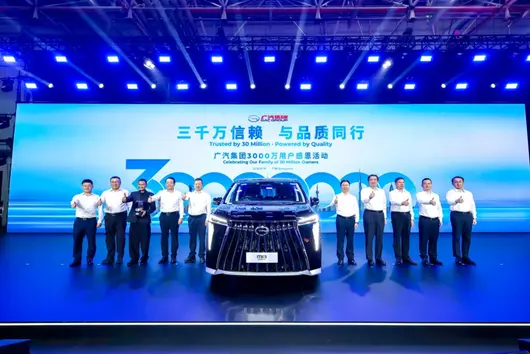
2026 年 7 月 16 日,廣汽集團正式迎來累計產銷 3000 萬輛里程碑,同步啟動3000 萬用戶感恩活動,以 29 年匠心成果回饋全球千萬車主信任,#3000 萬信任與品質同行 #廣汽集團交付第 3000 萬台車 #廣汽集團 3000 萬用戶感恩活動 三大話題同步上線全網傳播。

從 1997 年成立至今,廣汽跑出亮眼“廣汽速度”:前 20 年完成首個千萬輛交付,第二個 2000 萬輛僅耗時 9 年。倚託“番禺行動”全面轉向用戶思維,疊加全鏈路嚴苛品控、全球化體系出海佈局,廣汽順利達成 3000 萬用戶體量,成為中國汽車產業高質量發展標桿。
品質是 3000 萬份選擇的核心底氣。廣汽所有新車必经“兩冬一夏”超長週期驗證、“五高一山一塵”全環境極限測試,彈匣電池、星靈安全守護體系持續保障出行安全;行業首創“三擔責”服務承諾,為三電、智能泊車用車風險全面兜底,埃安連續三年拿下新能源質量榜首,旗下多款車型常年領跑細分保值率榜單。
本次慶典打破單一車型下線慣例,廣汽本田 P7、廣汽豐田鉑智 7、傳祺 M8 PHEV、埃安 N600、昊鉑 S600、啟境 GT7 六大主力車型,在國內及海外 7 座工廠同步下線。其中廣汽與華為乾崑聯合打造嘅啟境 GT7,作為搭載華為乾崑智駕 ADS 5 嘅高端智能獵裝車,上市即收獲超高訂單熱度,代表廣汽智能化轉型頂尖實力。

為回饋全球車主,7 月 16 日—8 月 31 日廣汽煥新感恩季重磅上線三重福利,覆蓋廣汽本田、廣汽豐田、傳祺、埃安、昊鉑、啟境六大品牌:新購享直降補貼、0 息金融方案;老車主置換額外加碼補貼;家庭增購啟境 GT7 可享專屬權益,燃油、混動、純電、增程車型全覆蓋,降低全民購車門檻。
全球化佈局持續釋放增長動能。倚託 One GAC 2.0 體系出海戰略,廣汽業務覆蓋全球 110 個國家和地區,建成 746 家海外網點、7 座海外工廠;2026 上半年自主品牌出口 12.15 萬輛,同比暴漲 132%,泰國、歐洲、美洲市場銷量全線走高,2030 年目標進軍 120 國、年銷百萬台,打造中國智造全球化標桿。

從合資起步到自主崛起,從國內深耕到全球佈局,3000 萬唔係終點,而係全新起點。廣汽表示,未來將持續加碼自主研發、下沉縣域渠道、完善全國"9 縱 10 橫”補能網絡,以長期主義品質、全週期暖心服務,陪伴每一位用戶奔往人生旅途。

In Malaysia's SUV market, many buyers compare Perodua Aruz and Toyota Yaris Cross when choosing a car. The pricing and positioning of these two models are quite close. Today, we will conduct a detailed comparison from multiple aspects to help you save time on research.
The OTR price for Perodua Aruz in Malaysia is RM 72,900 - 77,900, with a total of 2 variants, including 1.5L X (RM 72,900), 1.5L AV (RM 77,900), etc.
The OTR price for Toyota Yaris Cross in Malaysia is RM 99,900 - 109,900, with a total of 2 variants, including 2026 1.5L Standard (RM 99,900), 2026 HEV 1.5L Standard (RM 109,900), etc.
From a pricing perspective, the starting price of Perodua Aruz is indeed RM 27,000 cheaper than Toyota Yaris Cross. If your budget is limited, Perodua's entry-level version can already meet daily needs. However, do note that the few thousand saved might come with trade-offs in features, depending on your specific needs.

Perodua Aruz body length 4400 mm, trunk 400 L.
Toyota Yaris Cross body length 4400 mm, trunk 400 L.
The dimensions of both vehicles are almost identical, with little difference in interior space. For this class of cars, daily use is more than adequate.
Perodua Aruz warranty 5 years/150,000km, service interval every 10,000km or 6 months.
Toyota Yaris Cross warranty 5 years/unlimited mileage, service interval every 10,000km or 6 months.

Both Perodua Aruz and Toyota Yaris Cross are mainstream choices in the Malaysian market, suitable for family use and daily commuting. If you value brand reputation and resale value more, you might prioritize the one with better reputation. If you care more about price-performance ratio and features, choose the one with richer configurations. Ultimately, it is recommended to test drive both; personal experience is the most important.

Overall, both Perodua Aruz and Toyota Yaris Cross are excellent models in the Malaysian market. Choosing which one depends mainly on your personal needs and budget. We recommend doing your research, comparing quotes from several dealerships, and then test driving to make a final decision. Buying a car is a major matter; spending some time on research will never go wrong.


喺馬來西亞嘅 SUV 市場,好多買家喺揀車嘅時候都會拿 Perodua Aruz 同 Honda WR-V 嚟做比較。這兩款車喺價位同定位上都幾接近,今日我哋就由多個方面做個詳細對比,幫你節省下做功課嘅時間。
Perodua Aruz 喺馬來西亞嘅 OTR 售價係 RM 72,900 - 77,900,總共 2 個版本,包括 1.5L X(RM 72,900)、1.5L AV(RM 77,900)等。
Honda WR-V 喺馬來西亞嘅 OTR 售價係 RM 89,900 - 107,900,總共 4 個版本,包括 2023 1.5L V(RM 99,900)、2023 1.5L E(RM 95,900)、2023 1.5L S(RM 89,900)等。
由價錢睇落,Perodua Aruz 嘅起步價確實比 Honda WR-V 平咗 RM 17,000。如果你預算有限,Perodua 嘅入門版已經可以滿足日常需求。但也要留神,平嗰幾千塊,可能喺配備上會有取捨,具體要睇你自己嘅需求。
Perodua Aruz 搭載 1.5L 4-cyl,馬力 105 hp。官方油耗 6.0 L/100km。
Honda WR-V 搭載 1.5L 4-cyl,馬力 105 hp。官方油耗 6.0 L/100km。
兩款車用緊同一套動力系統,日常開起嚟嘅感覺基本上無差別。油耗方面都差唔多,唔使太糾結這一點。
Perodua Aruz 嘅安全評級係 5★ (ASEAN NCAP),主動安全系統包括 。
Honda WR-V 嘅安全評級係 5★ (ASEAN NCAP),主動安全系統包括 Honda SENSING。
兩款車嘅安全評級一樣,喺呢個級別入面安全配備都算好齊全。而家嘅新車安全性都唔差,唔使太擔心這一點。
Perodua Aruz 車身長 4400 mm,車尾箱 400 L。
Honda WR-V 車身長 4400 mm,車尾箱 400 L。
兩款車嘅尺寸幾乎一樣,車內空間差別唔大。呢個級別嘅車,日常使用完全夠用。
Perodua Aruz 採用 FWD 驅動方式。
Honda WR-V 採用 FWD 驅動方式。
兩款車嘅驅動方式一樣,都係 FWD,日常駕駛感覺唔會有太大區別。
總括嚟講,Perodua Aruz 同 Honda WR-V 都係馬來西亞市場幾唔錯嘅車型。揀邊一輛,關鍵都係要睇你自己嘅個人需求同預算。建議大家做足功課,多比較幾間車行嘅報價,再去試駕先做最終決定。買車係件大事,花點時間做功課絕對無錯。

In Malaysia's SUV market, many buyers compare Perodua Ativa and Honda HR-V when choosing a car. These two cars are quite close in price and positioning. Today, we will make a detailed comparison from multiple aspects to save you time doing research.
The OTR price for Perodua Ativa in Malaysia is RM 62,500 - 73,400, with a total of 3 versions, including 1.0L Turbo X (RM 62,500), 1.0L Turbo H (RM 67,300), 1.0L Turbo AV (RM 73,400), etc.
The OTR price for Honda HR-V in Malaysia is RM 115,900 - 143,900, with a total of 4 versions, including 2026 e:HEV 1.5L RS (RM 143,900), 2026 1.5T V (RM 137,900), 2026 1.5T E (RM 130,900), etc.
From a price perspective, the starting price of Perodua Ativa is indeed RM 53,400 cheaper than Honda HR-V. If your budget is limited, Perodua's entry-level version can already meet daily needs. However, be aware that the savings of a few thousand might involve compromises on features, depending on your specific needs.

Perodua Ativa uses FWD drive mode.
Honda HR-V uses FWD drive mode.
Both cars have the same drive mode, both are FWD, and there will not be much difference in daily driving feel.
Perodua Ativa warranty is 5 years/150,000km, maintenance interval every 10,000km or 6 months.
Honda HR-V warranty is 5 years/unlimited mileage, maintenance interval every 10,000km or 6 months.
Both Perodua Ativa and Honda HR-V are mainstream choices in the Malaysian market, suitable for family use and daily commuting. If you value brand reputation and resale value more, you can prioritize the one with better reputation; if you prioritize value for money and features, choose the one with more features. Ultimately, it is recommended to test drive both, as personal experience is the most important.

In general, both Perodua Ativa and Honda HR-V are very good car models in the Malaysian market. Which one to choose depends mainly on your personal needs and budget. It is recommended to do your research, compare quotes from several dealers, and then test drive to make a final decision. Buying a car is a major matter, spending time on research is never wrong.

喺馬來西亞嘅 SUV 市場,好多買家喺選車嘅時候都會拿 Hyundai Palisade 同 Volvo XC40 嚟做比較。這兩款車喺價位同定位上都幾接近,今日我哋就從多個方面做一個詳細嘅對比,幫你節省做功課嘅時間。
Hyundai Palisade 喺馬來西亞嘅 OTR 售價係 RM 368,838 - 399,838,一共有 4 個版本,包括 2023 3.8L 2WD Luxe 7 Seats Petrol(RM 399,838)、2023 2.2T 4WD Executive 7 Seats Diesel(RM 389,838)、2023 3.8L 2WD Luxe 8 Seats Petrol(RM 378,838)等。
Volvo XC40 喺馬來西亞嘅 OTR 售價係 RM 278,888 - 278,888,一共有 1 個版本,包括 2025 2.0T Plus(RM 278,888)等。
由價錢睇落,Volvo XC40 嘅起步價比 Hyundai Palisade 便宜咗 RM 89,950。老實講,喺呢個價位段,幾千塊嘅差距其實唔算大,關鍵仲係睇整體嘅性價比同長期使用成本。

Hyundai Palisade 配備 2.0L Turbo,馬力 220 hp。官方油耗 9.5 L/100km。
Volvo XC40 配備 2.0L Turbo,馬力 220 hp。官方油耗 9.5 L/100km。
兩款車用緊同一套動力系統,日常開起嚟嘅感受基本冇咩分別。油耗方面都差不多,唔使太糾結呢一點。

Hyundai Palisade 嘅安全評級係 TBD,主動安全系統包括 Basic。
Volvo XC40 嘅安全評級係 5★ (Euro NCAP),主動安全系統包括 Pilot Assist, City Safety (標準)。
安全配備方面,兩款車都拿到唔錯嘅評級。不過 Hyundai Palisade 嘅 Basic 同 Volvo XC40 嘅 Pilot Assist, City Safety (標準) 喺功能上有少少差異,如果你比較睇重主動安全嘅話,可以仔細對比下兩者嘅功能列表。

Hyundai Palisade 車身長 4400 mm,後備箱 400 L。
Volvo XC40 車身長 4400 mm,後備箱 400 L。
兩款車嘅尺寸幾乎一樣,車內空間差別唔大。呢個級別嘅車,日常使用完全夠用。

Hyundai Palisade 採 FWD 驅動方式。
Volvo XC40 採 FWD 驅動方式。
兩款車嘅驅動方式一樣,都係 FWD,日常駕駛感受唔會有太大分別。

總括嚟講,Hyundai Palisade 同 Volvo XC40 都係馬來西亞市場好唔錯嘅車型。揀邊一輛,關鍵仲係要睇你嘅個人需求同預算。建議大家做好功課,多比較幾間車行嘅報價,再去試駕做最終決定。買車係件大事,花啲時間做功課絕對無錯。


喺馬來西亞嘅 SUV 市場,好多買家喺揀車嗰陣都會拿 Subaru Outback 同 Audi Q7 嚟做比較。呢兩款車喺價位同定位上都好接近,今日我哋就從多個方面做一個詳細嘅比較,幫你省返做功課嘅時間。
Subaru Outback 喺馬來西亞嘅 OTR 售價係 RM 260,000 - 280,000,一共有 2 個版本,包括 2025 2.4T R-Touring EyeSight(RM 310,340)、2025 2.5L Touring EyeSight(RM 280,340) 等。
Audi Q7 喺馬來西亞嘅 OTR 售價係 RM 462,222 - 462,222,一共有 1 個版本,包括 Standard(RM 462,222) 等。
從價錢睇落,Subaru Outback 嘅起步價確實比 Audi Q7 平咗 RM 202,222。如果你預算有限,Subaru 嘅入門版已經可以滿足日常需求。但都要注意,平啲嗰幾千蚊,可能喺配備上會有取舍,具體要看你嘅需求。

Subaru Outback 搭載 2.0L Turbo,馬力 220 hp。官方油耗 9.5 L/100km。
Audi Q7 搭載 3.0L Turbo,馬力 350 hp。官方油耗 12.0 L/100km。
動力方面,Audi Q7 嘅 3.0L Turbo 比 Subaru Outback 嘅 2.0L Turbo 多咗 130 匹馬力。不過日常喺市區開,兩款車嘅動力都夠用,唔會覺得唔夠力。
Subaru Outback 嘅安全評級係 TBD,主動安全系統包括 Basic。
Audi Q7 嘅安全評級係 5★ (Euro NCAP),主動安全系統包括 Premium ADAS。
安全配備方面,兩款車都拿到唔錯嘅評級。不過 Subaru Outback 嘅 Basic 同 Audi Q7 嘅 Premium ADAS 喺功能上有啲差異,如果你比較重視主動安全嘅話,可以仔細對比一下兩者嘅功能列表。

Subaru Outback 保修 3 年/100,000km,保養間隔 每 10,000km 或 6 個月。
Audi Q7 保修 5 年/150,000km,保養間隔 每 10,000km 或 6 個月。

總嚟講,Subaru Outback 同 Audi Q7 都係馬來西亞市場好唔錯嘅車款。揀邊一部,關鍵仲係要看你嘅個人需求同預算。建議大家做足功課,多比較幾間車行嘅報價,再落嚟試車做最終決定。買車係件大事,花啲時間做功課絕對唔會錯。


車型概覽

長安UNI-Z 值唔值得睇,第一步唔係望牌子或者外形,而係睇佢能唔能夠配合你嘅香港日常。 呢篇會集中講版本取捨,幫你用買家角度篩走唔適合嘅選擇。
售價仍待確認,買家可以先把佢放入候選名單,等價格落實後再同同級車逐項比較。
購車價格指南
長安UNI-Z 目前售價仍未清晰,較理性嘅做法係先睇版本、車身大小同動力形式,等價格落實後再決定值唔值得落訂。
如果有幾個版本可揀,可以先將 2025 1.5T 雙離合版(價格待確認) 放喺同一張清單。日常通勤重視舒適同易用,家庭買家就要優先睇後排、尾箱同安全配置。
核心規格重點
睇 長安UNI-Z 嘅規格,重點唔係背數字,而係理解佢喺香港用車場景會帶嚟咩分別。
渦輪增壓、4 個 汽缸、1494 mL 排量 嘅動力底子,重點係市區跟車夠唔夠順、高速巡航會唔會吃力。 188 Ps / 138 kW、300 N·m 嘅輸出,對滿載、上斜同超車都比單睇馬力數字更有意思。 車長 4730 mm、車闊 1890 mm、車高 1680 mm、軸距 2795 mm 可以幫你預判商場停車場、屋苑車位同後排腿部空間。 濕式雙離合(DCT)、前置前駆 會影響起步順滑度、濕地穩定感同長途巡航性格。
優缺點分析
長安UNI-Z 嘅優點唔需要講到天花龍鳳,真正有價值係佢能唔能夠令日常用車更省心:動力輸出對高速同上斜更有底氣、空間同車身尺寸方便家庭買家預判實用性。
要留意嘅係,香港停車場同窄路使用要留意車身闊度、售價未清晰前唔應該太早用性價比落結論。呢啲唔一定係缺點,但係落訂前應該先諗清楚。
買家常見問題
買 長安UNI-Z 之前,真正要問嘅唔係單一規格,而係佢可唔可以融入你每日嘅生活節奏。
常見疑問係「長安 UNI-Z 於香港的落地價大約係幾多?」簡單講,長安 UNI-Z 於香港落地價約260,000–320,000 港元,視配置而定。 放到實際用車,就係要睇佢對通勤、泊車、家庭乘坐同長期成本有幾大幫助。
同級對比內容
將 長安UNI-Z 放入同級車清單時,唔建議只用外形或者品牌光環決定。比較順序可以係:先等售價落實,再決定佢應該同邊個級距比較、再睇動力係咪足夠應付高速併線同滿載、最後睇車身大小、座位同尾箱是否適合家人。
咁樣篩選會貼近香港買家真實生活:平日塞車、商場泊車、周末去新界、甚至一家人出入,先係一部車每日要面對嘅考驗。
用車全周期指南
擁有 長安UNI-Z 唔係買車一刻就完結,之後仲有保險、輪胎、保養、泊車同日常能源成本要處理。
如果你主要喺市區行,視野、低速順滑度同泊車輔助會好影響心情;如果經常行高速或跨區,座椅舒適度、隔音同動力從容感會更重要。

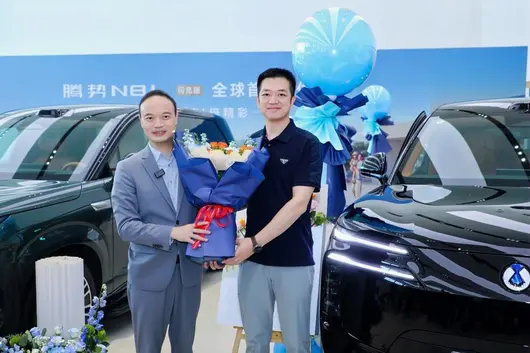
6月23日,腾势N8L闪充版正式上市,31.98万起引爆市场。以闪充、安全、操控、体验四大无可替代的产品实力,成为家庭用户无可替代的豪华之选。更令人振奋的是,上市当晚实现交付,将技术升级带来的价值第一时间送达用户手中。

今年,搭载第二代刀片电池及闪充技术的车型持续火爆。为保障腾势N8L闪充版快速交付,腾势提前进行产能调度与终端备货,上市前夕,全国各地门店均有可交付的现车到店,真正做到上市即交付,定购即提车。
对于追求品质出行的家庭用户而言,腾势N8L闪充版以闪充、安全、操控、体验四大无可替代,成为家庭用户无可替代的豪华之选。闪充续航上,插混430公里纯电续航,日常通勤一周一充,周末跨城、春节返乡,1550 公里综合续航一程直达;配合超快闪充以及越来越完善的闪充网络,彻底消除续航焦虑。

安全方面,高速突发爆胎、雨天湿滑过弯,易三方都能毫秒级稳住车身,配合超高强度钢笼式身,关键位置2000MPa材质,9个安全气囊,再加上安全性远超新国标的第二代刀片电池,从主动避险到被动防护,给全家人最安心的出行体验。操控上,2.0T超级混动、天神之眼5.0、云辇-A,让这台大车开起来也不会笨重,好开、舒适又安全。

让用户倍感惊喜的是,腾势N8L闪充版还首搭超级智能体迪迪虾,模糊指令轻松理解,复杂任务,一句话搞定,还能聊天解闷,提供满满的情绪价值。

为了让更多家庭用户轻松开启美好出行,腾势还准备了丰厚的权益,即日下订腾势N8L闪充版,可享至高价值约10万元的限时购车权益,包含至高5.3万元选装权益、至高2万元置换补贴等,诚意满满!

凭借对家庭出行需求的精准洞察,腾势N8L一直备受青睐,包括香港影星陈小春、应采儿夫妇,林更新等众多社会名流都是车主。此次腾势N8L闪充版技术、体验、诚意全部拉满,第一时间交付,即是“腾势速度”的体现,更是消费者用选择投票的结果。


車型概覽

長安UNI-Z iDD 值唔值得睇,第一步唔係望牌子或者外形,而係睇佢能唔能夠配合你嘅香港日常。 呢篇會集中講高速巡航、併線同超車信心,幫你用買家角度篩走唔適合嘅選擇。
售價仍待確認,買家可以先把佢放入候選名單,等價格落實後再同同級車逐項比較。
購車價格指南
長安UNI-Z iDD 目前售價仍未清晰,較理性嘅做法係先睇版本、車身大小同動力形式,等價格落實後再決定值唔值得落訂。
如果有幾個版本可揀,可以先將 2025 1.5L 125km 前驅版(價格待確認)、2024 1.5L 125km 前驅版(價格待確認) 放喺同一張清單。日常通勤重視舒適同易用,家庭買家就要優先睇後排、尾箱同安全配置。
核心規格重點
睇 長安UNI-Z iDD 嘅規格,重點唔係背數字,而係理解佢喺香港用車場景會帶嚟咩分別。
18.4 kWh 嘅電池容量,真正意義係可以幫你估算一星期通勤同周末出車要唔要中途補電。 125 km 嘅續航參考,對住喺新界、九龍同港島之間跨區行車嘅用家會更實際。 15.2 kWh/100km 嘅耗電表現,會影響你去快充站或者屋苑充電位嘅頻率。 98 Ps / 72 kW / 158 kW、125/330 N·m 嘅輸出,令高速併線同短距離超車更有信心。
優缺點分析
長安UNI-Z iDD 嘅優點唔需要講到天花龍鳳,真正有價值係佢能唔能夠令日常用車更省心:日常能源成本有基本參考、電池同續航資訊有助安排通勤同補電、動力輸出對高速同上斜更有底氣。
要留意嘅係,要先確認屋苑、公司或常去商場嘅充電條件、香港停車場同窄路使用要留意車身闊度。呢啲唔一定係缺點,但係落訂前應該先諗清楚。
買家常見問題
買 長安UNI-Z iDD 之前,真正要問嘅唔係單一規格,而係佢可唔可以融入你每日嘅生活節奏。
常見疑問係「長安 UNI-Z iDD 於香港的落地價大約係幾多?」簡單講,長安 UNI-Z iDD 於香港落地價約300,000–360,000 港元,視版本而定。 放到實際用車,就係要睇佢對通勤、泊車、家庭乘坐同長期成本有幾大幫助。
同級對比內容
將 長安UNI-Z iDD 放入同級車清單時,唔建議只用外形或者品牌光環決定。比較順序可以係:先等售價落實,再決定佢應該同邊個級距比較、再睇動力係咪足夠應付高速併線同滿載、再比較能源成本同補能便利、最後睇車身大小、座位同尾箱是否適合家人。
咁樣篩選會貼近香港買家真實生活:平日塞車、商場泊車、周末去新界、甚至一家人出入,先係一部車每日要面對嘅考驗。
用車全周期指南
擁有 長安UNI-Z iDD 最重要係先諗清楚充電節奏。屋苑、公司或者常去商場只要有穩定充電選項,電動化用車就會容易相處好多。
如果你主要喺市區行,視野、低速順滑度同泊車輔助會好影響心情;如果經常行高速或跨區,座椅舒適度、隔音同動力從容感會更重要。


車款概覽

Porsche Panamera 值唔值得買,關鍵唔係佢睇落去幾吸引,而係佢可唔可以解決你嘅真實用車需求。呢篇文章會把重點放喺佢同同級車相比嘅生活適應度。
價格係 RM 1,340,000,買家可以先用佢判斷預算壓力同同級定位。
購車價格指南
Porsche Panamera 嘅購車預算可以先從 RM 1,340,000 開始衡量。呢個數字真正影響嘅係月供、保險同現金流,唔只係展銷廳入面嘅標價。
如果你喺幾個版本之間猶豫,可以將 2026 Panamera 2.9T(RM 1,340,000)、2026 Panamera GTS 4.0T 放落同一張清單度比較。日常通勤買家優先睇舒適同安全,常跑高速嘅買家就更要重視動力、輔助駕駛同座艙便利。
核心參數匯總
睇 Porsche Panamera 嘅核心規格,最重係將數字翻譯成生活入面嘅感覺。
Twin-Turbocharged、6 缸、2894 mL 排量嘅動力底子,適合拿來判斷市區同跟車同高速巡航係咪輕鬆。353 Ps、500 N·m嘅輸出,真正意義喺於滿載、上斜同超車嗰陣唔會太吃力。9.5 L/100km嘅油耗,對每日通勤嘅人會直接影響加油頻率。車長 5052 mm、車寬 1937 mm、車高 1423 mm、軸距 2950 mm,可以幫你預判停車難度同後排乘坐空間。
優缺點分析
Porsche Panamera 嘅優點唔使誇張,真正有價值嘅係佢可唔可以令日常使用更省心:預算位置清楚,方便同同級車直接比較、日常能源成本有明確參考、動力輸出能支撐高速同超車需求。
需要留意嘅係,市區停車同狹窄路段仲要睇個人駕駛習慣。呢啲唔係扣分項,而係落訂前應該諗清楚嘅生活細節。
購車常見問題解答
購買 Porsche Panamera 前,買家最常問嘅唔係單一規格,而係佢可唔可以融入自己嘅生活。
呢架車適合邊個?適合把同級車比較嘅生活適應度放喺首位嘅買家。家庭用戶要睇咩?優先睇後排乘坐、兒童座椅、行李同日常上下車係咪順手。每日開會唔會麻煩?9.5 L/100km 嘅油耗參考令通勤成本更容易預估。
競爭對手對比內容
把 Porsche Panamera 放喺同級車名單嘅時候,唔建議只睇品牌或外形。真正有用嘅比較順序係:先用 RM 1,340,000 鎖定預算圈、再睇動力係咪足夠應付高速同滿載、接著比較能源成本同補能便利、最後睇空間係咪適合家人同行李。
咁樣篩選出嚟嘅結果更貼近日常生活。你會更清楚佢係適合城市通勤、家庭代步、長途巡航,定係更適合作為追求個性嘅選擇。
用車全周期指南

擁有 Porsche Panamera 嘅日常成本,最直接反映喺燃油、保險、輪胎同定期保養上。9.5 L/100km 嘅油耗令通勤預算更容易掌握。
如果你常跑南北大道,動力同座艙舒適度會比單純低價更重要;如果主要喺市區,停車靈活性、視野同低速順滑度會更影響心情。


車型概覽

小鵬P7 值唔值得睇,第一步唔係望牌子或者外形,而係睇佢能唔能夠配合你嘅香港日常。 呢篇會集中講同級車比較,幫你用買家角度篩走唔適合嘅選擇。
售價仍待確認,買家可以先把佢放入候選名單,等價格落實後再同同級車逐項比較。
購車價格指南
小鵬P7 目前售價仍未清晰,較理性嘅做法係先睇版本、車身大小同動力形式,等價格落實後再決定值唔值得落訂。
如果有幾個版本可揀,可以先將 2025 702km 後驅版(價格待確認)、2025 820km 後驅版(價格待確認)、2025 750km 四驅版(價格待確認)、2024 702km 後驅版(價格待確認) 放喺同一張清單。日常通勤重視舒適同易用,家庭買家就要優先睇後排、尾箱同安全配置。
核心規格重點
睇 小鵬P7 嘅規格,重點唔係背數字,而係理解佢喺香港用車場景會帶嚟咩分別。
74.9/92.2/86.2/64.4 kWh 嘅電池容量,真正意義係可以幫你估算一星期通勤同周末出車要唔要中途補電。 702/820/750/550 km 嘅續航參考,對住喺新界、九龍同港島之間跨區行車嘅用家會更實際。 12/13.5 kWh/100km 嘅耗電表現,會影響你去快充站或者屋苑充電位嘅頻率。 270/437/203 kW、465/695/440 N·m 嘅輸出,令高速併線同短距離超車更有信心。
優缺點分析
小鵬P7 嘅優點唔需要講到天花龍鳳,真正有價值係佢能唔能夠令日常用車更省心:日常能源成本有基本參考、電池同續航資訊有助安排通勤同補電、動力輸出對高速同上斜更有底氣。
要留意嘅係,要先確認屋苑、公司或常去商場嘅充電條件、香港停車場同窄路使用要留意車身闊度。呢啲唔一定係缺點,但係落訂前應該先諗清楚。
買家常見問題
買 小鵬P7 之前,真正要問嘅唔係單一規格,而係佢可唔可以融入你每日嘅生活節奏。
常見疑問係「小鵬 P7 (XPeng P7) 係一部點樣嘅車?」簡單講,小鵬 P7 (XPeng P7) 係一部經典嘅智能純電轎跑。 放到實際用車,就係要睇佢對通勤、泊車、家庭乘坐同長期成本有幾大幫助。
同級對比內容
將 小鵬P7 放入同級車清單時,唔建議只用外形或者品牌光環決定。比較順序可以係:先等售價落實,再決定佢應該同邊個級距比較、再睇動力係咪足夠應付高速併線同滿載、再比較能源成本同補能便利、最後睇車身大小、座位同尾箱是否適合家人。
咁樣篩選會貼近香港買家真實生活:平日塞車、商場泊車、周末去新界、甚至一家人出入,先係一部車每日要面對嘅考驗。
用車全周期指南
擁有 小鵬P7 最重要係先諗清楚充電節奏。屋苑、公司或者常去商場只要有穩定充電選項,電動化用車就會容易相處好多。
如果你主要喺市區行,視野、低速順滑度同泊車輔助會好影響心情;如果經常行高速或跨區,座椅舒適度、隔音同動力從容感會更重要。


車型概覽

榮威D5X DMH 值唔值得睇,第一步唔係望牌子或者外形,而係睇佢能唔能夠配合你嘅香港日常。 呢篇會集中講值唔值得繼續觀望,幫你用買家角度篩走唔適合嘅選擇。
售價仍待確認,買家可以先把佢放入候選名單,等價格落實後再同同級車逐項比較。
購車價格指南
榮威D5X DMH 目前售價仍未清晰,較理性嘅做法係先睇版本、車身大小同動力形式,等價格落實後再決定值唔值得落訂。
如果有幾個版本可揀,可以先將 2024 1.5T 135km 前驅版(價格待確認) 放喺同一張清單。日常通勤重視舒適同易用,家庭買家就要優先睇後排、尾箱同安全配置。
核心規格重點
睇 榮威D5X DMH 嘅規格,重點唔係背數字,而係理解佢喺香港用車場景會帶嚟咩分別。
21.4 kWh 嘅電池容量,真正意義係可以幫你估算一星期通勤同周末出車要唔要中途補電。 135 km 嘅續航參考,對住喺新界、九龍同港島之間跨區行車嘅用家會更實際。 150 Ps / 110 kW / 145 kW、235/350 N·m 嘅輸出,令高速併線同短距離超車更有信心。 車長 4700 mm、車闊 1890 mm、車高 1664 mm、軸距 2765 mm 可以幫你預判商場停車場、屋苑車位同後排腿部空間。
優缺點分析
榮威D5X DMH 嘅優點唔需要講到天花龍鳳,真正有價值係佢能唔能夠令日常用車更省心:電池同續航資訊有助安排通勤同補電、動力輸出對高速同上斜更有底氣、空間同車身尺寸方便家庭買家預判實用性。
要留意嘅係,要先確認屋苑、公司或常去商場嘅充電條件、香港停車場同窄路使用要留意車身闊度。呢啲唔一定係缺點,但係落訂前應該先諗清楚。
買家常見問題
買 榮威D5X DMH 之前,真正要問嘅唔係單一規格,而係佢可唔可以融入你每日嘅生活節奏。
常見疑問係「榮威 D5X DMH 係咩車?」簡單講,榮威 D5X DMH 係一部長續航插電混動 SUV。 放到實際用車,就係要睇佢對通勤、泊車、家庭乘坐同長期成本有幾大幫助。
同級對比內容
將 榮威D5X DMH 放入同級車清單時,唔建議只用外形或者品牌光環決定。比較順序可以係:先等售價落實,再決定佢應該同邊個級距比較、再睇動力係咪足夠應付高速併線同滿載、再比較能源成本同補能便利、最後睇車身大小、座位同尾箱是否適合家人。
咁樣篩選會貼近香港買家真實生活:平日塞車、商場泊車、周末去新界、甚至一家人出入,先係一部車每日要面對嘅考驗。
用車全周期指南
擁有 榮威D5X DMH 最重要係先諗清楚充電節奏。屋苑、公司或者常去商場只要有穩定充電選項,電動化用車就會容易相處好多。
如果你主要喺市區行,視野、低速順滑度同泊車輔助會好影響心情;如果經常行高速或跨區,座椅舒適度、隔音同動力從容感會更重要。

比亞迪正式發布 2026 年 5 月產銷快報,全品牌新能源汽車單月銷量 383453 輛,同比微增 0.26%,時隔十個月實現單月銷量同比轉正;其中乘用車交付 376990 輛,環比大漲 19.4%,一掃前期車型換代陣痛,呈現國內基本盤穩固、海外銷量狂飆、高端品牌全線放量的全新格局,在國內新能源內捲加劇、特斯拉 FSD 入華、自主新品密集上市的市場環境中,走出獨有的結構性增長路線。

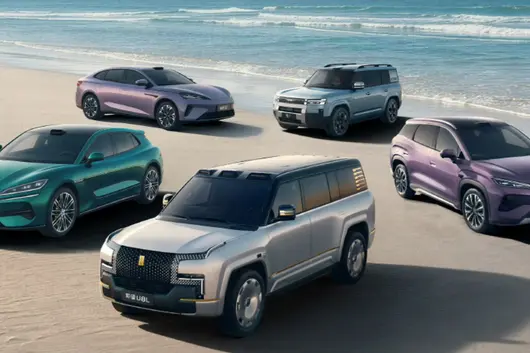
王朝 + 海洋兩大主力品牌 5 月合計售出 330215 輛,佔據集團總銷量超八成,仍是比亞迪銷量壓艙石,全系列共 8 款車型單月銷量突破 2 萬台,產品從 5 萬入門代步到 20 萬家用 SUV 實現全覆蓋。

王朝網內部,元家族 56691 輛、宋家族 51370 輛。雙雙跨過五萬門檻,成為品牌兩大銷量支柱,兼顧家用代步與城鄉出行需求;秦家族緊隨其後交出 28360 台穩定表現,漢、唐系列月銷維持六千級體量,深耕中大型家用轎車、SUV 細分市場;全新車型夏處於市場培育期,單月交付 1810 台,後續隨渠道鋪開有望穩步上量。
海洋網增長勢頭更為迅猛,全系五款車型跨入兩萬俱樂部:海獅 42615 台、海豹 34117 台、海鷗 39919 台、海豚 22260 台、宋 PLUS 27755 台。其中海鷗憑藉 6-8 萬親民定價穩居入門代步銷冠,海獅作為全新走量車型上市即站穩四萬量級,補齊海洋網中型 SUV 產品空白,完善海洋產品梯隊佈局。從代步小車到緊湊 SUV,兩大主品牌依托 DM-i 混動與純電雙線技術,牢牢鎖住 15 萬以內國內主流家用市場份額。
方程豹同比暴漲 139.7% 品牌向上落地見效騰勢、方程豹、仰望組成的高端矩陣 5 月合計銷售 46489 輛,正式擺脫小眾定位,成為比亞迪品牌溢價與利潤增長新支點,打破自主品牌高端化難破局的行業魔咒。

越野品牌方程豹單月 30186 輛,同比暴漲 139.7%,創下品牌上市以來月度銷量新高,旗下鎦 7 單月 18280 台,豹 5、豹 8 穩定輸出,在 25-40 萬硬派越野細分市場持續擠壓合資、進口車型生存空間。

騰勢 5 月交付 16303 台,MPV 標桿 D9 售出 6721 台,Z9 系列近 6000 台,MPV、中大型轎車雙線發力,站穩豪華新能源賽道;百萬元級超豪華品牌仰望穩步爬坡,當月交付 286 台,同比增幅 105.8%,完成自主品牌天花板產品的市場驗證,形成從十幾萬家用、三四十萬越野、五十萬豪華 MPV 到百萬元級旗艦的全價格帶產品佈局。

5 月比亞迪乘用車和皮卡海外銷量 160177 輛,同比大漲 80.7%,出口佔全系總銷量突破 42%,創下品牌出海歷史新高,成為穩住 5 月整體銷量、實現同比轉正的核心驅動力。
東南亞、歐洲、拉美成為主力增量市場,海鷗、宋 PLUS、元系列持續登頂多國新能源熱銷榜單,SHARK 皮卡連續兩月單月出口突破 4000 台;依托泰國、巴西、匈牙利、烏茲別克斯坦四大海外整車工廠落地投產,本地化生產持續落地,規避關稅同時快速下沉終端渠道。在國內車市存量競爭、價格戰常態化背景下,高速擴容的海外市場有效對沖國內車型換代帶來的銷量波動,正式從補充市場升級為比亞迪核心增長引擎。截至當前,比亞迪新能源汽車全球累計銷量已經突破 1650 萬輛,全球化版圖持續拓寬。
智駕賦能產品迭代 下半年新品蓄力衝量5 月比亞迪智能化落地迎來關鍵節點,天神之眼智駕系統成為車型核心加分項:全品牌搭載高級智駕車型保有量突破 315 萬輛,日均路測數據超 2 億公里;當月比亞迪落地城市領航、智能泊車雙安全兜底服務,成為全球首家實現兩項智駕兜底的車企,政策落地三天後,搭載天神之眼系統車型的城市 NOA 激活率暴漲 50%,智能化體驗升級直接拉動終端到店訂單轉化,為後續車型持續走量築牢產品競爭力,直面 FSD 入華帶來的智駕市場衝擊。
從數據細節來看,2026 年 1-5 月比亞迪累計銷量 1405039 輛,同比下滑 20.32%,核心誘因是全系主力車型集中換代、第二代閃充刀片電池產能爬坡受限。新款閃充電池升級快充與低溫性能,全系換代車型優先換裝新電池,但產線改造拖累產能釋放,熱門車型訂單積壓、交付延後,一定程度壓縮 5 月交付體量。
隨著二季度末二代刀片電池產能持續釋放,疊加騰勢 N8L、方程豹鎦 7 純電版、海獅 05、夏 L 等多款新車陸續登陸市場,業內普遍預判比亞迪 6 月全品牌銷量有望突破 40 萬輛。依托低端走量鎖份額、高端提利潤、海外衝增量、智能化提產品力的四維發展邏輯,在國內新能源淘汰賽加劇的當下,比亞迪全品類佈局優勢持續放大,坐穩國內新能源龍頭,加速向著全球頭部車企穩步邁進。


Folks, today let's talk about big news on going global—not selling cars, but selling "drivers". On June 2, WeRide and Uber jointly announced a plan: to launch the country's first commercial Robotaxi pilot service in Madrid, Spain. In other words: Spanish residents will soon be able to hail a driverless taxi via Uber. This is the first time WeRide and Uber are partnering to enter the European market. Madrid also becomes the 12th city globally where WeRide's Robotaxi arrives.
According to official news, with the support of the Madrid regional government, this service will officially launch within this year. At that time, friends in Madrid can open the Uber App and call WeRide's Robotaxi with one click. It's just like calling an ordinary ride-hailing service, the difference is the arriving car has no driver—at least initially, there is still a difference. In the initial operation phase, a professionally trained safety monitor will be on board, as it's just launched, safety comes first.
This company, WeRide, you might have heard of it, or you might not. A brief introduction: Established in 2017, it has been dedicated to Robotaxi technology R&D and commercialization. Currently, its Robotaxis cover Guangzhou, Beijing, Singapore, Abu Dhabi, Dubai, Riyadh, Zurich... plus Madrid now, totaling 12 cities. Spain is also the 5th European market WeRide has entered—previously entered Switzerland, France, Belgium, Slovakia. According to the plan agreed by WeRide and Uber in May 2025, they plan to deploy Robotaxi services in 15 new international cities within five years, deploying tens of thousands of Robotaxis globally. With the Madrid launch, the deployment in 4 cities has been completed, and 11 more will be covered successively before 2030.
To be honest, it's not the first time Chinese autonomous driving companies are going global, but the combination of Chinese technology + global mobility platform + European market is quite interesting. Madrid is one of the European Robotaxi markets with the most commercial potential, with a large population, high travel demand, and friendly local policies. Being able to take root in this market is a significant milestone for WeRide. For Uber, introducing Robotaxis is also a way to reduce costs—after all, drivers don't need salaries. For Madrid residents, hailing a taxi might be cheaper in the future.


比亞迪正式發布 2026 年 5 月產銷快報,全品牌新能源汽車單月銷量 383453 輛,同比微增 0.26%,時隔十個月實現單月銷量同比轉正;其中乘用車交付 376990 輛,環比大漲 19.4%,一掃前期車型換代陣痛,呈現國內基本盤穩固、海外銷量狂飆、高端品牌全線放量的全新格局,在國內新能源內捲加劇、特斯拉 FSD 入華、自主新品密集上市的市場環境中,走出獨有的結構性增長路線。
王朝 + 海洋兩大主力品牌 5 月合計售出 330215 輛,佔據集團總銷量超八成,仍是比亞迪銷量壓艙石,全系列共 8 款車型單月銷量突破 2 萬台,產品從 5 萬入門代步到 20 萬家用 SUV 實現全覆蓋。
王朝網內部,元家族 56691 輛、宋家族 51370 輛。雙雙跨過五萬門檻,成為品牌兩大銷量支柱,兼顧家用代步與城鄉出行需求;秦家族緊隨其後交出 28360 台穩定表現,漢、唐系列月銷維持六千級體量,深耕中大型家用轎車、SUV 細分市場;全新車型夏處於市場培育期,單月交付 1810 台,後續隨渠道鋪開有望穩步上量。
海洋網增長勢頭更為迅猛,全系五款車型跨入兩萬俱樂部:海獅 42615 台、海豹 34117 台、海鷗 39919 台、海豚 22260 台、宋 PLUS 27755 台。其中海鷗憑藉 6-8 萬親民定價穩居入門代步銷冠,海獅作為全新走量車型上市即站穩四萬量級,補齊海洋網中型 SUV 產品空白,完善海洋產品梯隊佈局。從代步小車到緊湊 SUV,兩大主品牌依托 DM-i 混動與純電雙線技術,牢牢鎖住 15 萬以內國內主流家用市場份額。
方程豹同比暴漲 139.7% 品牌向上落地見效騰勢、方程豹、仰望組成的高端矩陣 5 月合計銷售 46489 輛,正式擺脫小眾定位,成為比亞迪品牌溢價與利潤增長新支點,打破自主品牌高端化難破局的行業魔咒。
越野品牌方程豹單月 30186 輛,同比暴漲 139.7%,創下品牌上市以來月度銷量新高,旗下鎦 7 單月 18280 台,豹 5、豹 8 穩定輸出,在 25-40 萬硬派越野細分市場持續擠壓合資、進口車型生存空間。
騰勢 5 月交付 16303 台,MPV 標桿 D9 售出 6721 台,Z9 系列近 6000 台,MPV、中大型轎車雙線發力,站穩豪華新能源賽道;百萬元級超豪華品牌仰望穩步爬坡,當月交付 286 台,同比增幅 105.8%,完成自主品牌天花板產品的市場驗證,形成從十幾萬家用、三四十萬越野、五十萬豪華 MPV 到百萬元級旗艦的全價格帶產品佈局。
5 月比亞迪乘用車和皮卡海外銷量 160177 輛,同比大漲 80.7%,出口佔全系總銷量突破 42%,創下品牌出海歷史新高,成為穩住 5 月整體銷量、實現同比轉正的核心驅動力。
東南亞、歐洲、拉美成為主力增量市場,海鷗、宋 PLUS、元系列持續登頂多國新能源熱銷榜單,SHARK 皮卡連續兩月單月出口突破 4000 台;依托泰國、巴西、匈牙利、烏茲別克斯坦四大海外整車工廠落地投產,本地化生產持續落地,規避關稅同時快速下沉終端渠道。在國內車市存量競爭、價格戰常態化背景下,高速擴容的海外市場有效對沖國內車型換代帶來的銷量波動,正式從補充市場升級為比亞迪核心增長引擎。截至當前,比亞迪新能源汽車全球累計銷量已經突破 1650 萬輛,全球化版圖持續拓寬。
智駕賦能產品迭代 下半年新品蓄力衝量5 月比亞迪智能化落地迎來關鍵節點,天神之眼智駕系統成為車型核心加分項:全品牌搭載高級智駕車型保有量突破 315 萬輛,日均路測數據超 2 億公里;當月比亞迪落地城市領航、智能泊車雙安全兜底服務,成為全球首家實現兩項智駕兜底的車企,政策落地三天後,搭載天神之眼系統車型的城市 NOA 激活率暴漲 50%,智能化體驗升級直接拉動終端到店訂單轉化,為後續車型持續走量築牢產品競爭力,直面 FSD 入華帶來的智駕市場衝擊。
從數據細節來看,2026 年 1-5 月比亞迪累計銷量 1405039 輛,同比下滑 20.32%,核心誘因是全系主力車型集中換代、第二代閃充刀片電池產能爬坡受限。新款閃充電池升級快充與低溫性能,全系換代車型優先換裝新電池,但產線改造拖累產能釋放,熱門車型訂單積壓、交付延後,一定程度壓縮 5 月交付體量。
隨著二季度末二代刀片電池產能持續釋放,疊加騰勢 N8L、方程豹鎦 7 純電版、海獅 05、夏 L 等多款新車陸續登陸市場,業內普遍預判比亞迪 6 月全品牌銷量有望突破 40 萬輛。依托低端走量鎖份額、高端提利潤、海外衝增量、智能化提產品力的四維發展邏輯,在國內新能源淘汰賽加劇的當下,比亞迪全品類佈局優勢持續放大,坐穩國內新能源龍頭,加速向著全球頭部車企穩步邁進。

In Great Wall Motor's May sales data, there is a surprising highlight—the Ora brand.
Ora sold 6,018 units in May, a year-over-year surge of 206.88%, leading all Great Wall brands. In a month where Haval, Tank, and Great Wall Pickup all saw declines, only Wey and Ora maintained growth, with Ora's rebound being particularly outstanding. From January to May, Ora's cumulative sales reached 15,583 units, a year-over-year increase of 46.66%.
Looking back to the beginning of the year, Ora's situation was not easy at that time.
Throughout 2025, Great Wall's cumulative sales reached 1.3237 million vehicles. Most brands grew, but Ora declined by 23.68%, with annual sales shrinking to 48,300 vehicles. At the time, many felt Ora might gradually become marginalized like this.
Entering 2026, the situation once got worse. In January, Ora sold only 2,057 units, down 6.2% year-over-year, remaining the only brand in the group to decline. February saw a drop to 1,263 units, almost hitting rock bottom.
The turning point appeared in March.
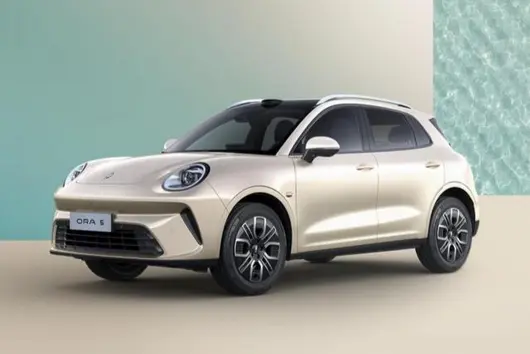
On March 12, 2026, the Ora 5 made its global premiere in Bangkok, Thailand. Built on Great Wall's new "Guiyuan" platform, this platform's biggest feature is supporting pure electric, hybrid, and fuel power forms simultaneously. For a small car brand that originally insisted on "pure electric all the way," this step was not easy, but in hindsight, it was quite a pragmatic move.

On April 25, the Ora 5 Hybrid and Fuel versions were officially launched at the Beijing Auto Show. In May, all three power versions worked together. Ora's brand sales rose from around 2,000 units at the beginning of the year to 6,018 units in May.
It is less about market preference and more that Ora finally found a way closer to users.
In the 2026 new energy market, it is not as hot as the previous two years. Overall new energy passenger vehicle sales for the first four months declined over 10% year-over-year, especially small electric cars below 100,000 yuan, where the decline was close to half.
Ora 5 did three relatively solid things.
First, returning the choice to users. The pure electric version is left for city commuting and policy needs. The fuel version covers areas where charging is not convenient. The hybrid version balances cost and convenience with a tested 3.74 liters per 100 km fuel consumption. Three power forms correspond to three different life scenarios. The Guiyuan platform disassembles the vehicle structure into 49 core modules and 329 shared components, with a part commonality rate exceeding 70%, allowing Great Wall to develop three versions simultaneously at a relatively low cost.
Second, pricing is relatively pragmatic. Ora 5 Fuel version suggested retail price starts at 79,800 yuan, limited-time new swap price starts at 69,800 yuan during launch; Hybrid version suggested retail price starts at 89,800 yuan, limited-time new swap price starts at 79,800 yuan; Pure electric version guidance price falls in the 99,800 to 133,800 yuan range. Under the background of purchase tax halved and battery prices rising, this price points to the most sensitive interval for many families buying cars.
Safety was not compromised. Ora 5 all models adopt cage body structure and five-layer battery safety protection system. Great Wall Motor Chairman Wei Jianjun emphasized in introducing the Guiyuan platform that "Life First, Safety Supreme" is the platform's core philosophy. For a small car, this is quite rare.
According to the plan of Ora Brand General Manager Lu Wenbin, 2026 will be Ora's product year. Ora will maintain a pace of launching one new car per month. Relying on the Guiyuan platform, it will continue to launch products with multiple power versions like pure electric, hybrid, and fuel. It will also expand to various body forms such as Hatchbacks and Sedans and SUVs, perfecting the product matrix.
From the revealed plans so far, the Ora 5 is just a starting point. Lu Wenbin explicitly stated that the Ora 5 Family will cover multiple niche categories including A-segment SUV, A-segment Sedan/Hatchback, A+ segment SUV, A0 segment Coupe, providing multiple power forms like fuel, pure electric, and hybrid.
This means Ora is transforming from a "small car brand" to a "brand covering multiple niche categories". The Guiyuan platform provides the technical foundation for this expansion. The platform is compatible with five power forms, covering 7 major categories including Sedan, SUV, Off-road SUV, Pickup, MPV, Sports Car, etc. It is expected to launch over 50 global models. This platform's 70% part commonality rate makes multi-power, multi-category product layout possible in terms of cost and efficiency.
At the same time, Ora is also upgrading existing models. Lu Wenbin explicitly denied rumors of classic models exiting the market. "Good Cat, Ballet Cat and other classic models remain very popular. For example, Ballet Cat sells very well in Shanghai, and can be seen everywhere on the streets." He stated that these models will not stop production. Ora will continue to iteratively upgrade them. Some models will also undergo power upgrades, maintaining the classic user base while attracting new users. Additionally, in 2026, the Ora brand will also undergo intelligent upgrades for its on-sale models Ballet Cat and Flash Cat.
In terms of brand architecture, Ora and Salon have completed integration, and Salon's model Mech Dragon has moved into the Ora community. Through deep collaboration of the dual brands, Great Wall hopes to cover a more complete price range in the pure electric field, extending from Ora's mainstream market to Salon's planned high-end luxury market.
Ora's other important battlefield is overseas.
Currently, the Ora 5 has started shipping to Brazil and Europe, and will be launched in these markets successively in the near future. Great Wall Motor plans to achieve 40% sales growth in the Thai market in 2026, and has added 10 billion Thai Baht investment for this purpose. The Ora 5 is the key vehicle to achieve this goal.
According to the plan, starting from Thailand, Ora will further expand to Europe, Oceania, Middle East, Latin America, Africa and other markets. In Great Wall Motor's overall overseas layout, the overseas progress is accelerating, and Ora has become an important source of incremental sales after Haval.
More worth noting is that Ora's understanding of the overseas market no longer stays at the level of "exporting products". The brand positioning has shifted from "New Energy Vehicle that Loves Women More" to "Global Fashion Boutique Car Brand". Communication advocacy has been upgraded to "Live Up Your Shine". Facing global young users, adapting to the real needs of different markets with a more open product logic.
Of course, looking at it calmly, this 206.88% year-over-year growth rate is partly because the base of the same period last year was indeed low (1,961 units). A monthly sales volume of 6,018 units still has room compared to the high point when Ora brand monthly sales exceeded 10,000 in 2021.
Additionally, current growth mainly relies on one new car, the Ora 5. Taking the retail data of the first four months of this year as an example, Ora 5 Pure Electric sold 4,464 units, Good Cat sold 2,629 units, while Ballet Cat sold only 4 units. The resilience driven by a single vehicle needs time to test. But Ora has obviously realized this. Its dense product planning and matrix expansion are active responses to this risk.
But regardless, Ora has walked out of the coldest winter. In this May where Great Wall's overall sales are not yet clear, Ora proved its value of still being needed by users with a mild rebound. This is probably the most comforting item in this monthly report.
Source: Auto Observer