首頁Subaru BRZ

搜尋歷史
熱門搜尋
經銷商登入 / 註冊

In the Malaysian SUV market, many buyers compare the Honda CR-V and Ford Everest when choosing a car. These two vehicles are quite close in price and positioning. Today, we will make a detailed comparison from multiple aspects to help you save time on research.
The Honda CR-V's OTR price in Malaysia is RM 178,200 - 195,900, with a total of 4 versions, including 2026 e:HEV 2.0L 2WD RS (RM 195,900), 2026 1.5T 4WD V (RM 181,900), 2026 e:HEV 2.0L 2WD E (RM 178,200), etc.
The Ford Everest's OTR price in Malaysia is RM 266,338 - 430,838, with a total of 6 versions, including 2026 3.0T 4WD Platinum (RM 430,838), 2026 2.0T 4WD Platinum (RM 348,838), 2026 2.0T 4WD Sport (RM 316,838), etc.
Looking at the price, the Honda CR-V's starting price is indeed RM 88,138 cheaper than the Ford Everest. If your budget is limited, Honda's entry-level version can already meet daily needs. But note that the difference of a few thousand ringgit might involve compromises in features, depending on your specific needs.

The Honda CR-V safety rating is 5★ (ASEAN NCAP), active safety systems include Honda SENSING (ACC, CMBS, LKAS, RDM).
The Ford Everest safety rating is 5★ (ASEAN NCAP), active safety systems include Co-Pilot360.
Both cars have the same safety rating, and safety features are quite comprehensive within this class. New cars these days do not have poor safety, so there is no need to worry too much about this.

Honda CR-V warranty 5 years/unlimited mileage, service interval every 10,000km or 6 months.
Ford Everest warranty 3 years/100,000km, service interval every 10,000km or 6 months.

Honda CR-V and Ford Everest are both mainstream choices in the Malaysian market, suitable for family use and daily commuting. If you value brand reputation and resale value more, you can prioritize the one with better reputation; if you care more about value for money and features, choose the one with richer configurations. Ultimately, it is recommended to test drive both, as personal experience is the most important.

Overall, Honda CR-V and Ford Everest are both quite good models in the Malaysian market. Which one to choose mainly depends on your personal needs and budget. We suggest doing your research, comparing quotes from multiple car dealerships, and then test driving to make the final decision. Buying a car is a big deal, taking some time to research is never wrong.


In Malaysia's SUV market, many buyers compare Honda CR-V and Kia Sportage when choosing a car. These two models are quite close in price and positioning. Today, we will make a detailed comparison from multiple aspects to help you save time on research.
Honda CR-V's OTR price in Malaysia is RM 178,200 - 195,900, with 4 versions in total, including 2026 e:HEV 2.0L 2WD RS (RM 195,900), 2026 1.5T 4WD V (RM 181,900), 2026 e:HEV 2.0L 2WD E (RM 178,200), etc.
Kia Sportage's OTR price in Malaysia is RM 129,639 - 179,320, with 4 versions in total, including 2025 1.6T DCT 4WD High (RM 179,320), 2025 1.6T DCT 2WD High (RM 159,320), 2025 2.0L AT 2WD High (RM 139,639), etc.
In terms of price, Kia Sportage's starting price is RM 48,561 cheaper than Honda CR-V. To be honest, in this price segment, a difference of a few thousand isn't that big; the key is to look at overall value for money and long-term usage costs.
Honda CR-V's safety rating is 5★ (ASEAN NCAP), active safety systems include Honda SENSING (ACC, CMBS, LKAS, RDM).
Kia Sportage's safety rating is 5★ (ASEAN NCAP), active safety systems include Drive Wise.
Both cars have the same safety rating, and safety features are quite comprehensive for this class. New cars these days don't lack in safety, so there's no need to worry too much about this.
Honda CR-V body length is 4500 mm, trunk 450 L.
Kia Sportage body length is 4400 mm, trunk 400 L.
In terms of space, the Honda CR-V body is 100 mm longer than Kia Sportage, so the interior seating space is slightly more spacious, especially the rear legroom. If you often carry family or need to fit a stroller, a larger body is indeed more practical.
Honda CR-V warranty 5 years/unlimited mileage, service interval every 10,000 km or 6 months.
Kia Sportage warranty 5 years/300,000 km, service interval every 10,000 km or 6 months.

Honda CR-V and Kia Sportage are both mainstream choices in the Malaysian market, suitable for family use and daily commuting. If you value brand reputation and resale value more, consider the one with the better reputation first; if you care more about value for money and features, choose the one with richer configurations. Ultimately, it is recommended to test drive both; personal experience is the most important.

Overall, Honda CR-V and Kia Sportage are both very good models in the Malaysian market. Which one to choose depends on your personal needs and budget. It is recommended to do your research, compare quotes from multiple dealerships, and then test drive to make a final decision. Buying a car is a big matter; spending some time on research will never be wrong.

五菱喺東南亞,正經歷一種奇妙嘅錯位。
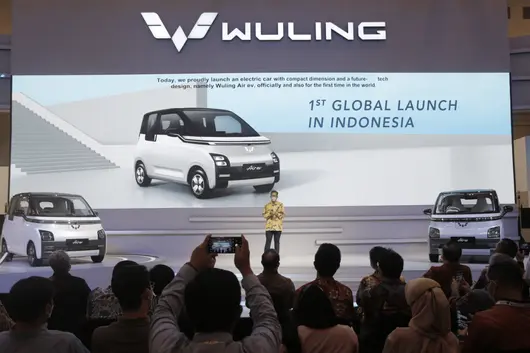
喺國內被戲稱為“剁椒魚頭”嘅微型電動車,喺中國市場存在感已經相當有限。但喺印尼,佢卻係走進千家萬戶嘅“國民神車”。而喺泰國,星光 730 呢款 MPV 悄悄咁拿下咗銷冠,連當地官員開始坐佢出門。
然而,就喺五菱剛剛嘗到甜頭嘅時候,一盆來自東南亞嘅冷水,卻已經準備好咗。
“剁椒魚頭”喺東南亞搵到第二春
五菱 Air EV,國內叫晴空,2025 年全年喺中國只賣咗大約 50 輛,基本等於“查無此車”。
但喺印尼,這可係名副其實嘅“國民神車”。
2022 年,Air EV 進入印尼市場,當年就賣出超 8 千輛,拿下咗印尼全年電動車市場 68.7% 嘅份額。

到了 2025 年,Air EV 仍然係印尼城市微型電動車細分市場嘅第一名,全年銷量近 3900 輛,將 VinFast VF3 同 Seres E1 遠遠甩喺身後。由 2022 年進入印尼到 2025 年,Air EV 累計批發約 2.2 萬輛。
一台喺中國幾乎無人要嘅微型車,喺印尼成咗“國民電動車”。原因好簡單:平。除咗印尼,喺越南、泰國等東南亞國家,微型電動車嘅價格都日趨“白菜價”,買一台能遮風擋雨嘅四輪電動車,花嘅錢同買一台高端摩托車踏板車差唔多。
對於雅加達、曼谷、河內呢啲人口密集、交通擠塞嘅城市嚟講,微型電動車自然係更好嘅選擇。
MPV 拿銷冠,泰國官員都愛坐?
如果話 Air EV 係“平到令人無法拒絕”,嗰星光 730 喺泰國嘅走紅則係另一種邏輯。
2026 年 8 月,五菱星光 730 單月銷量 897 輛,拿下咗泰國 MPV 銷量冠軍。

喺泰國,星光 730 改名 Darion EV,主打純電車型,同豐田 Alphard 等燃油車錯位競爭。
Darion EV 主要面向商務接待場合,尤其係嗰啲需要體面接待、又唔想花太多錢嘅企業同機構用戶。喺泰國,MPV 本身就係商務同公務出行嘅主力車型,星光 730 用純電 + 大空間 + 側滑門嘅組合,切入咗日系車長期把持嘅 MPV 市場。
東南亞打壓中國車,五菱嘅平車恐首當其衝
然而,樹大招風,東南亞已經開始重拳打壓中國車。
泰國正喺收緊對中國電動車嘅稅收政策。9 月 10 日,泰國國家電動車政策委員會原則上同意引入三級消費稅稅率結構,其中純進口車型嘅消費稅由 10% 調高至 31%-39%。
講白啲,邊喺泰國造,邊享受低稅率;邊只係從中國進口整車,邊就要交重稅。
對於比亞迪、長城、長安呢啲已經喺泰國建廠嘅中國品牌嚟講,呢道坎也許可以跨過去。但對於五菱嚟講,情況就完全唔同咗。

五菱喺泰國嘅主力產品,恰恰就係嗰啲以進口形式投放嘅走量車型。星光 730 喺泰國拿銷冠,靠嘅係純電 + 大空間 + 相對親民嘅價格。如果進口整車嘅消費稅大幅調高,呢個價格優勢會被直接食咗。
更關鍵嘅係,五菱嘅核心競爭力就係“極致性價比”。買五菱嘅人,對價格好敏感。幾千泰銖嘅波動都可能改變決定,何況係數萬泰銖嘅漲幅。
泰國唔係唯一喺收緊嘅市場。五菱雖然已經喺印尼設廠,但本地化率要求都喺持續提高。馬來西亞同越南對進口電動車嘅門檻都喺抬高。東南亞各國正喺從“歡迎中國車嚟賣”轉向“要求中國車企嚟造”。

五菱喺東南亞嘅“剁椒魚頭”賣爆同 MPV 銷冠,係真金白銀嘅成績。但泰國嘅稅收新政策提醒咗一件事:喺東南亞,只賣車唔建廠嘅窗口期正喺關閉。
對於以“平”為核心競爭力嘅五菱嚟講,呢道題尤其難做。喺泰國建廠意味著更高嘅固定成本同更長嘅回報週期;唔建廠,價格優勢好快就會被稅收食咗。
可以話,五菱喺泰國下一步點樣做,將係中國車企喺東南亞由“賣車”轉向“扎根”嘅關鍵樣本。

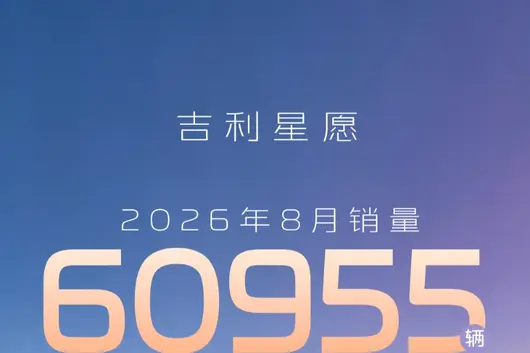
In August, the overall automotive market declined by around 20%, which can be described as the car market elimination race becoming increasingly fierce! At the same time, new products from major automakers were launched densely, price wars sparked smoke everywhere, and sales of many models fluctuated, making it hard to maintain stable market positions. However, even under such strong background of overall industry competition pressure, one small car broke through against the trend, delivering a shocking sales report. It is the Geely Xingyuan. August single-month sales reached 60,955 units, once again refreshing its own sales record, firmly sitting in the throne of the sales champion of all categories, and with strong performance for consecutive months, interpreting what a "true champion without qualifiers" means.

A single car selling over 60,000 units in a month, what concept is this? Everyone can look at the single-month sales data of new car manufacturers. Most are 10,000 to 20,000 per month, a bit more is 30,000 to 40,000 per month. That is to say, the monthly sales of one Geely Xingyuan car are equivalent to the total sales of many new car manufacturers over two months. So you know how terrifying the single-month sales of over 60,000 are, right!

Looking at the growth path of Geely Xingyuan, the highlight moments were not accidental long ago. This model has consecutively exceeded 50,000 units in monthly sales for three months. In August it went a step further and successfully stood on the 60,000 unit step. Cumulative sales since launch approach 900,000 units. This amazing transaction speed, placed in the entire domestic passenger car market, counts as a one-of-a-kind. Even models claiming tens of thousands of orders have never achieved such a feat! As the sales champion of all categories last year, the champion momentum of Xingyuan is still being released continuously, achieving a breakaway lead regardless of brand, regardless of class, and regardless of energy form. In the first half of 2026, Xingyuan's cumulative sales were 249,418 units, a year-on-year increase of 21%, taking the number one spot in sales of all market models in the first half. Listed for 21 months, cumulative sales exceeded 800,000, creating the fastest delivery record for A0-class pure electric sedans in one go. From 800,000 to approaching 900,000, Xingyuan used only a very short time, the growth momentum did not slow down at all.

The domestic new energy small car track is no longer a blue ocean nowadays. Many automakers have entered the game, and new models take turns appearing. However, many hit models often see their heat cool down after a few months. So why did Geely Xingyuan not only hold its market share but also see sales climb continuously amidst the pursuit and block of many competitors? There is only one core reason: superior product power! Rear-wheel drive, independent suspension, spacious interior, CATL battery cells, plus Moose test 80.7km/h, Hook test 130km/h, Qianli Haohan H3 assisted driving solution, Galaxy Flyme Auto 2 intelligent cockpit system, best-in-class front and side continuous collisions, range 480km, fast charging 19 minutes. It can be said that Geely Xingyuan has truly achieved class-leading performance in driving dynamics, safety, intelligence, and comfort. With an affordable price and hardcore strength, to be honest, it would be hard not to be popular!

While the domestic market surged ahead all the way, Geely Xingyuan's path to globalization was equally unstoppable, beginning to shine the glory of Chinese new energy vehicles on the world stage. As of now, Xingyuan has successfully landed in more than 30 countries worldwide. In the Southeast Asian market, Xingyuan topped the Thailand electric vehicle sales champion in July; after launching in Thailand, sales easily broke 10,000, gaining recognition from a large number of overseas consumers. In West Asia, it took the number one spot in pure electric vehicle sales in Jordan; the Latin American market also yielded rich results, pure electric vehicle sales in Mexico ranked second, cumulative sales in Brazil exceeded 20,000 units. Entering August, Xingyuan's global map expanded again, successively landing in developed countries like Australia, the UK, and France. This is itself a major recognition of vehicle quality and safety standards. This national pure electric small car is galloping on streets around the world, growing into a flowing business card of Chinese automobiles.

From a domestic hit to a global model, relying not on short-term marketing heat but on stable product power, Geely Xingyuan is moving forward step by step! Single-month sales have achieved a breakthrough of the 60,000 milestone, cumulative sales exceeded 800,000 units. Consumers have fully recognized Geely Xingyuan. Plus this 800,000 fan appreciation benefits, will Geely Xingyuan be able to create a new single-month sales record in the future? Let us wait and see!

The US trade restrictions on Chinese tires are escalating from "sniping" to "global sweep".
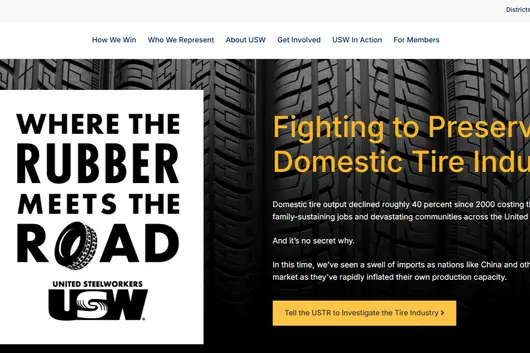
On September 14, the United Steelworkers (USW) wrote to the Office of the United States Trade Representative (USTR), formally requesting a global safeguard investigation on all categories of imported tires under Section 201 of the Trade Act of 1974. Unlike previous anti-dumping and countervailing duty cases or special safeguards targeting individual countries, this investigation covers passenger tires, truck and bus tires, off-road tires, and aircraft tires, regardless of origin—tire factories established by Chinese enterprises overseas are explicitly included in the scope of the crackdown for the first time.

Overseas Factory Building Route Named
USW explicitly named them in the letter: Since 2013, Chinese enterprises have built 17 new tire factories in 7 countries including Cambodia, Indonesia, Malaysia, Morocco, Serbia, Thailand, and Vietnam, leading to a long-term surge in US tire imports between 2021 and 2025. The highest increase in tires exported to the US from some transit countries reached 429%.
This is the core strategy for Chinese tire enterprises going overseas over the past decade: "building factories overseas, bypassing barriers." The potency of Section 201 lies in its low threshold; there is no need to prove unfair trade practices, only that import growth is a substantial cause of industry injury to initiate it. Once implemented, it will be a global safeguard measure, and Chinese-funded overseas bases and local exports will be "swept up in one net".

Excuse is "Industry Crisis", Core is Trade Protection
Data listed by USW shows US domestic tire production has declined by about 40% since 2000, and factory closures in the past two years have led to over 6,000 union members losing their jobs. However, it is worth noting that the US tire market itself suffers from weak demand; the US Tire Manufacturers Association predicts shipments will drop 1.8% year-on-year in 2026, while import volume in the first seven months of this year has already declined by 3.9% year-on-year.
History will not forget that the 2009 tire special safeguard case and the 2014 passenger car tire "anti-dumping and countervailing" cases were all initiated by USW. This time is merely a repeat of the same script.

Shadow of Triple Barriers Emerges
If this Section 201 investigation is filed, the US will form a triple trade barrier architecture of "Section 232 Tariffs + Section 301 Tariffs + Section 201 Safeguard Measures". Coupled with new regulations such as the US Customs strengthening Importer of Record (IOR) verification and deep origin tracing effective September 18, compliance and cost pressures for exports to the US will rise comprehensively.
Of course, currently it is only a union application, still requiring USTR evaluation, ITC industry injury investigation, and presidential ruling, with uncertainties existing. But the signal is clear: the era of regarding "changing origin" as an all-purpose risk avoidance solution is coming to an end. For Chinese tire enterprises deeply globalized, only technical upgrades and deep localization are the long-term strategies to navigate trade barriers. Whether the USTR files the case in the next 30 days is worth the close attention of the entire industry.
In the SUV market in Malaysia, many buyers compare the Honda CR-V and Chery Tiggo 8 Pro when choosing a car. These two cars are quite close in price and positioning, so today we will do a detailed comparison from multiple aspects to help you save time on research.
The Honda CR-V OTR price in Malaysia is RM 178,200 - 195,900, with a total of 4 versions, including 2026 e:HEV 2.0L 2WD RS (RM 195,900), 2026 1.5T 4WD V (RM 181,900), 2026 e:HEV 2.0L 2WD E (RM 178,200) etc.
The Chery Tiggo 8 Pro OTR price in Malaysia is RM 159,750 - 159,750, with a total of 2 versions, including 1.6L Turbo Standard (RM 130,000), 1.6L Turbo Premium (RM 145,000) etc.
In terms of price, the Chery Tiggo 8 Pro entry price is RM 18,450 cheaper than the Honda CR-V. Honestly, in this price range, a difference of a few thousand is not significant; the key is overall value for money and long-term usage costs.
Honda CR-V body length 4500 mm, trunk 450 L.
Chery Tiggo 8 Pro body length 4400 mm, trunk 400 L.
Regarding space, the Honda CR-V body is 100 mm longer than the Chery Tiggo 8 Pro, so the interior passenger space is slightly more spacious, especially the rear legroom. If you frequently carry family members or need to fit a stroller, a larger body is indeed more practical.
Honda CR-V adopts FWD drive system.
Chery Tiggo 8 Pro adopts FWD drive system.
Both cars have the same drive system, both are FWD, so there won't be much difference in daily driving experience.
Both the Honda CR-V and Chery Tiggo 8 Pro are mainstream choices in the Malaysian market, suitable for family use and daily commuting. If you value brand reputation and resale value more, you can prioritize the one with a better reputation; if you care more about value for money and features, choose the one with richer configurations. Ultimately, we recommend test driving both; experiencing it personally is the most important.
Overall, both the Honda CR-V and Chery Tiggo 8 Pro are very good models in the Malaysian market. Which one to choose depends on your personal needs and budget. We suggest doing research, comparing quotes from several car dealers, and then test driving to make the final decision. Buying a car is a big matter; spending time on research will definitely not be a mistake.


喺馬來西亞嘅 SUV 市場,好多買家喺揀車嘅時候都會用 本田 CR-V 同 奇瑞 Tiggo 8 嚟做比較。呢兩款車喺價錢同定位上都幾接近嘅,今日我哋就從多個方面做一次詳細嘅對比,幫你慳晒做功課嘅時間。
本田 CR-V 喺馬來西亞嘅落路價係 RM 178,200 - 195,900,一共有 4 個版本,包括 2026 年 e:HEV 2.0L 2WD RS(RM 195,900)、2026 年 1.5T 4WD V(RM 181,900)、2026 年 e:HEV 2.0L 2WD E(RM 178,200) 等。
奇瑞 Tiggo 8 喺馬來西亞嘅落路價係 RM 129,750 - 129,750,一共有 1 個版本,包括 2026 年 1.6T Standard(RM 129,750) 等。
由價錢睇,奇瑞 Tiggo 8 嘅入門價比 本田 CR-V 平咗 RM 48,450。實講,喺呢個價位段,幾千蚊嘅差別其實唔算大,關鍵仲係睇整體嘅性價比同長期使用成本。
本田 CR-V 嘅安全評級係 5★ (東盟新車安全評級),主動安全系統包括 本田 Sensing (ACC, CMBS, LKAS, RDM)。
奇瑞 Tiggo 8 嘅安全評級係 TBD,主動安全系統包括 Basic。
安全配備方面,兩款車都攞到唔錯嘅評級。不過 本田 CR-V 嘅 本田 Sensing (ACC, CMBS, LKAS, RDM) 同 奇瑞 Tiggo 8 嘅 Basic 喺功能上有啲分別,如果你比較重視主動安全嘅話,可以仔細對比下兩者嘅功能列表。
本田 CR-V 採用手前輪驅動方式。
奇瑞 Tiggo 8 採用手前輪驅動方式。
兩款車嘅驅動方式一樣,都係前輪驅動,日常駕駛感受唔會有太大分別。
本田 CR-V 保修 5 年/無限里程,保養間隔 每 10,000km 或 6 個月。
奇瑞 Tiggo 8 保修 3 年/100,000km,保養間隔 每 10,000km 或 6 個月。

本田 CR-V 同 奇瑞 Tiggo 8 都係馬來西亞市場嘅主流選擇,適合家庭使用、日常通勤。如果你更重視品牌口碑同二手價,可以優先考慮口碑更好嗰一款;如果你更在意性價比同配備,就揀配備更豐富嗰款。最終都係建議兩款都去試駕,親自體驗先係最重要嘅。
總體嚟講,本田 CR-V 同 奇瑞 Tiggo 8 都係馬來西亞市場好唔錯嘅車型。揀邊一輛,關鍵仲係要睇你嘅個人需求同預算。建議大家做好功課,多比較幾間車行嘅報價,再去試駕做最終決定。買車係件大事,花啲時間做功課絕對唔會錯。


一汽重组广汽最终敲定,但剧本和想的有点不同。
9月14日晚,广汽发布公告称,广汽集团股份有限公司(简称“广汽”)与中国第一汽车股份有限公司(简称“一汽股份”)签署《意向协议》,后者是中国第一汽车集团的核心经营平台。广汽公告中表示,筹划以发行股份的方式购买一汽股份持有的某整车合资公司的部分股权,并募集配套资金。经初步测算,本次交易完成后,一汽股份将成为广汽第二大和具有战略影响力的股东。
目前,广汽两大股东分别是广州汽车工业集团有限公司、香港中央结算代理人有限公司,分别持股54.02%和27.56%。如果一汽股份要成为广汽第二大股东,其持股比例就要超过香港中央结算代理人。广汽表示,本次交易预计构成重大资产重组及关联交易,但不构成本公司实际控制人变更,不构成重组上市。
简单来说,这个公告说的是广汽花钱买了一汽股份某合资公司股权,而一汽入股了广汽集团,成为其第二大股东。同时,由于此次交易尚处于筹划阶段,存在不确定性,为保证公平信息披露,维护投资者利益,避免造成股价异常波动,广汽将将从9月14日起开始停牌,预计停牌时间不超过10个交易日。
资料显示,一汽集团2025年销售汽车330.2万辆,营收5415亿元,至今未整体上市,2025年末还签约拟战略入股零跑汽车。广汽目前则处于业绩低谷,2025年销量172.15万辆,同比下降14.06%;营收956.62亿元,下降10.43%;归母净亏损87.84亿元,由盈转亏;2026年上半年亏损同比扩大至44.67亿元。外界将这理解为合并第一阶段,如果完全合并一汽广汽合并后整体规模为年销500万+,超过比亚迪和上汽,稳居国内第一大车企。

不过,事情好像没有那么简单。首先,外界猜测,此次购买的资产很可能是一汽股份中的一汽丰田资产,由此,这也引发了外界关于丰田在华合资公司调整布局的一种重大调整。如果南北丰田的全部调整进入广汽丰田资产中,那么现在的双丰田格局也就不复存在了。
从合资主体看,2025年一汽丰田全年销量突破80.5万辆,广汽丰田销量达75.6万辆。由此,这两家合资公司如果也同步调整,预计新的丰田合资公司将有超过170万的体量,是目前最大的一家合资公司,但如果如此调整两家公司的产品线会大幅度调整。毕竟丰田的产品布局中目前也有很多一鱼两吃的产品。
据消息人士透露,其实南北丰田整合早有迹象,其车型划分已经在去年做了切割。由此,外界称之为整合第一步完成。
实际上,关于一汽广汽合并的传闻在两年前已经出现,并且已经有过清晰的版本。此次战略整合,被认为是汽车央国企整合的又一次新动作。就在此前的9月11日,国家发改委在新闻发布会上提出,将积极支持大型企业集团开展改革,以市场化、法制化方式推进产业企业间兼并重组,支持骨干企业有效整合研发、生产等资源,避免在产品设计、技术研发等方面开展同质化竞争。
从目前来看,整个央国企整合的思路是做大两家核心央企一汽和东风。其中,一汽路径是合并广汽,东风则重组长安。但是东风长安的合并在后续出现了变动,最终长安升级为独立央企。不过,坊间一直有传言说实际上是东风和长安进行赛跑,最终由胜出者来主导重组,但是该说法仅为一些分析人士观点。最终结果,需要时间观察。
广汽在公告中表示,广汽表示为促进地方国企和央企产业资源优化整合,提升上市公司经营效益。从历史上来看,车企之间的兼并重组已经有过多轮,但改革压力也很大。

此前2009年3月,国务院出台了《汽车产业调整和振兴规划》,提出推动企业兼并重组,提高产业集中度,实现汽车产业组织结构优化升级。紧接着在2013年1月,工信部又下发了《关于加快推进重点行业企业兼并重组的指导意见》,提出要推动整车企业横向兼并重组;推动零部件企业兼并重组;支持大型汽车企业通过兼并重组向服务领域延伸等。在一系列政策的支持下,确实促成了多家中国车企的兼并重组。
有意思的是,上一波企业兼并重组最早响应的是广汽。在2009年5月,广汽出资约10亿元受让长丰汽车29%股权成为第一大股东,是《汽车产业调整和振兴规划》后国内汽车并购第一单,后长丰汽车更名为广汽长丰。但这次收购影响了当时广汽的上市计划。据悉,在收购前,广汽曾向有关部门咨询是否影响整体上市,得到“不影响”的答复,其后却因持股比例不足、同业竞争等问题上市遇阻,直至2012年才以换股吸收合并广汽长丰方完成A股上市,广汽长丰退市。
再比如,2009年11月,兵装集团与中航工业重组中国长安汽车集团,哈飞、昌河等划拨入长安,系央企间首例汽车重组。在重组后,哈飞销量从2009年巅峰的22.05万辆跌至2015年仅38辆,2018年挂牌1元转让38%股权无人接盘。2024年,哈飞汽车破产重整;并在今年5月份,重新从长安回到哈尔滨地方国资手中。

同期被并入长安的昌河汽车,处境也并不乐观。在2012年1月,长安汽车计划把昌河铃木的整车自主挪给长安马自达,由此引发昌河员工的大规模抗议;之后的2013年1月,长安汽车还计划将合肥昌河基地收归为中国长安在合肥的生产基地,再次引发昌河汽车不满。同年4月,昌河铃木独立参加上海车展,并发布双品牌战略,被解读为谋求“独立”。
后来昌河在2013年10月正式脱离长安转投北汽,北汽重组成立江西昌河汽车,持股70%,但销长期销量未见起色;后来昌河汽车乘转商,还是需要依赖北汽持续输血。
早些年,还有一个经典的收购,是2002年6月,一汽与天津汽车工业集团签署联合重组协议,获得天津夏利50.98%股权。要知道,夏利曾连续18年(1986年-2004年)居全国经济型轿车销量第一,2011年销量巅峰25.3万辆。但最终因为研发投入不足、产品迭代慢等原因走下坡路。2018年,夏利品牌停产。不过,一汽通过收购夏利,获得和丰田合作的跳板,成立了一汽丰田。
因此,对汽车集团来说整合不是目标,从整合中获得新生力量才是关键。至于一汽广汽后续要如何整合,又会有哪些动作,让我们拭目以待。

喺馬來西亞嘅 SUV 市場,好多買家喺揀車嘅時候都係會拿本田 CR-V 同奇瑞 Tiggo 7 Pro 嚟比較下。呢兩款車喺價位同定位上都幾接近嘅,今日我哋就由多個方面做個詳細比較,幫你節省咗做功課嘅時間。
本田 CR-V 喺馬來西亞嘅 OTR 售價係 RM 178,200 - 195,900,一總共有 4 個版本,包括 2026 e:HEV 2.0L 2WD RS(RM 195,900)、2026 1.5T 4WD V(RM 181,900)、2026 e:HEV 2.0L 2WD E(RM 178,200) 等等。
奇瑞 Tiggo 7 Pro 喺馬來西亞嘅 OTR 售價係 RM 123,750 - 123,750,一總共有 2 個版本,包括 1.6L Turbo Standard(RM 125,000)、1.6L Turbo Premium(RM 140,000) 等等。
由價錢睇,奇瑞 Tiggo 7 Pro 嘅起步價比本田 CR-V 平咗 RM 54,450。講真嘅,喺呢個價位段,幾千蚊嘅差距其實唔算大,關鍵仲係睇整體性價比同長期使用成本。
本田 CR-V 嘅安全評級係 5★ (ASEAN NCAP),主動安全系統包括本田 SENSING (ACC, CMBS, LKAS, RDM)。
奇瑞 Tiggo 7 Pro 嘅安全評級係 TBD,主動安全系統包括 Basic。
喺安全配備方面,兩款車都攞到唔錯嘅評級。不過本田 CR-V 嘅本田 SENSING (ACC, CMBS, LKAS, RDM) 同奇瑞 Tiggo 7 Pro 嘅 Basic 喺功能上有啲差異,如果你比較看重主動安全嘅話,可以仔細對比下兩者嘅功能列表。
本田 CR-V 車身長 4500 mm,行李箱 450 L。
奇瑞 Tiggo 7 Pro 車身長 4400 mm,行李箱 400 L。
喺空間方面,本田 CR-V 嘅車身比奇瑞 Tiggo 7 Pro 長咗 100 mm,車內乘坐空間會稍微寬裕啲,尤其係後座腿部空間。如果你經常載家人或者需要放嬰兒車,大啲嘅車身確係更實用。
本田 CR-V 保修 5 年/無限制里程,保養間隔 每 10,000km 或 6 個月。
奇瑞 Tiggo 7 Pro 保修 3 年/100,000km,保養間隔 每 10,000km 或 6 個月。
總體嚟講,本田 CR-V 同奇瑞 Tiggo 7 Pro 都係馬來西亞市場好唔錯嘅車型。揀邊一輛,關鍵仲係要睇你個人需求同預算。建議大家做好功課,多比較幾間車行嘅報價,再去試駕先做最終決定。買車係件大事,花啲時間做功課絕對無錯。

In the Malaysian SUV market, many buyers compare the Honda CR-V and Mazda CX-30 when choosing a car. These two cars are quite close in price and positioning, so today we will make a detailed comparison from multiple aspects to help you save time doing research.
The Honda CR-V's OTR price in Malaysia is RM 178,200 - 195,900, with a total of 4 versions, including 2026 e:HEV 2.0L 2WD RS (RM 195,900), 2026 1.5T 4WD V (RM 181,900), 2026 e:HEV 2.0L 2WD E (RM 178,200), etc.
The Mazda CX-30's OTR price in Malaysia is RM 122,409 - 146,409, with a total of 4 versions, including 2025 2.0L High+ Premium (RM 146,409), 2025 2.0L High+ (RM 138,409), 2025 2.0L High (RM 130,409), etc.
From a price perspective, the Mazda CX-30 starts RM 55,791 cheaper than the Honda CR-V. To be honest, in this price range, a difference of a few thousand is not actually significant; the key lies in overall value for money and long-term running costs.
The Honda CR-V is equipped with a 2.0L 4-cyl engine, horsepower 170 hp. Official fuel consumption 8.0 L/100km.
The Mazda CX-30 is equipped with a 1.5L Turbo engine, horsepower 140 hp. Official fuel consumption 7.0 L/100km.
In terms of power, the Honda CR-V's 2.0L 4-cyl has 30 more horsepower than the Mazda CX-30's 1.5L Turbo, providing more confidence in mid-range acceleration, especially when overtaking on highways. However, the Mazda CX-30's fuel consumption might be more favorable, with little difference during daily city commuting.
The Honda CR-V safety rating is 5★ (ASEAN NCAP), active safety systems include Honda SENSING (ACC, CMBS, LKAS, RDM).
The Mazda CX-30 safety rating is 5★ (ASEAN NCAP), active safety systems include i-Activsense.
Both cars have the same safety rating; safety features in this class are considered quite comprehensive. New cars today generally have good safety, so there is no need to worry too much about this.
Honda CR-V warranty 5 years/unlimited mileage, maintenance interval every 10,000km or 6 months.
Mazda CX-30 warranty 5 years/150,000km, maintenance interval every 10,000km or 6 months.

Both the Honda CR-V and Mazda CX-30 are mainstream choices in the Malaysian market, suitable for family use and daily commuting. If you value brand reputation and resale value more, you can prioritize the one with better reputation; if you care more about value for money and features, then choose the one with richer configuration. In the end, it is recommended to test drive both models, as personal experience is the most important.

Overall, the Honda CR-V and Mazda CX-30 are both very good models in the Malaysian market. Which one to choose depends mainly on your personal needs and budget. We suggest doing your research, comparing quotes from several car dealerships, and then test driving to make the final decision. Buying a car is a big matter; spending some time on research is never wrong.


In the Malaysian SUV market, many buyers compare the Honda HR-V and Volkswagen Tiguan when choosing a car. These two cars are quite close in price and positioning. Today we will conduct a detailed comparison from multiple aspects to save you time on research.
The Honda HR-V OTR price in Malaysia is RM 115,900 - 143,900, with a total of 4 versions, including 2026 e:HEV 1.5L RS (RM 143,900), 2026 1.5T V (RM 137,900), 2026 1.5T E (RM 130,900), etc.
The Volkswagen Tiguan OTR price in Malaysia is RM 206,540 - 260,024, with a total of 2 versions, including 2025 Allspace 2.0T R-Line (RM 260,024), 2025 Allspace 1.4T Elegance (RM 206,540), etc.
In terms of price, the Honda HR-V is indeed RM 90,640 cheaper at the starting price than the Volkswagen Tiguan. If your budget is limited, Honda's entry-level version can already meet daily needs. However, also note that the few thousand ringgit saved might involve trade-offs in features, which depends on your specific needs.

The Honda HR-V safety rating is 5★ (ASEAN NCAP), active safety systems include Honda SENSING (ACC, CMBS, LKAS, RDM).
The Volkswagen Tiguan safety rating is 5★ (Euro NCAP), active safety systems include IQ.Drive.
In terms of safety features, both cars have received good ratings. However, the Honda SENSING (ACC, CMBS, LKAS, RDM) on the Honda HR-V and the IQ.Drive on the Volkswagen Tiguan have some differences in functionality. If you prioritize active safety, you can compare the feature lists of both in detail.
The Honda HR-V body length is 4500 mm, trunk 450 L.
The Volkswagen Tiguan body length is 4400 mm, trunk 400 L.
In terms of space, the Honda HR-V body is 100 mm longer than the Volkswagen Tiguan, making the interior seating space slightly more spacious, especially the rear legroom. If you often carry family members or need to fit a stroller, a slightly larger body is indeed more practical.
Both the Honda HR-V and Volkswagen Tiguan are mainstream choices in the Malaysian market, suitable for family use and daily commuting. If you value brand reputation and resale value more, you may consider the one with better reputation first; if you care more about value for money and features, choose the one with richer configuration. Ultimately, it is recommended to test drive both, as personal experience is the most important.

Overall, both the Honda HR-V and Volkswagen Tiguan are very good models in the Malaysian market. Which one to choose depends mainly on your personal needs and budget. It is recommended to do your research, compare quotations from several dealerships, and then test drive to make the final decision. Buying a car is a big matter, spending some time doing research will never be wrong.

In the Malaysia SUV market, many buyers compare Honda HR-V and Hyundai Tucson when choosing a car. These two cars are quite close in price and positioning. Today we will make a detailed comparison from multiple aspects to help you save time on research.
The OTR price for Honda HR-V in Malaysia is RM 115,900 - 143,900, with a total of 4 versions, including 2026 e:HEV 1.5L RS (RM 143,900), 2026 1.5T V (RM 137,900), 2026 1.5T E (RM 130,900), etc.
The OTR price for Hyundai Tucson in Malaysia is RM 143,888 - 197,888, with a total of 5 versions, including 2025 HEV 1.6T AT 2WD Prestige (RM 197,888), 2025 1.6T DCT 4WD Prestige (RM 186,888), 2025 1.6T DCT 2WD Prime (RM 164,888), etc.
From a price perspective, the starting price of Honda HR-V is indeed RM 27,988 cheaper than Hyundai Tucson. If your budget is limited, Honda's entry-level version can already meet daily needs. But note, the cheaper few thousand might have compromises on equipment, depends on your needs.
Honda HR-V is equipped with 1.5L Turbo, 140 hp. Official fuel consumption 7.0 L/100km.
Hyundai Tucson is equipped with 1.5L Turbo, 140 hp. Official fuel consumption 7.0 L/100km.
Both cars use the same powertrain, the driving feel is basically the same in daily use. Fuel consumption is also similar, no need to worry too much about this.
Honda HR-V safety rating is 5★ (ASEAN NCAP), active safety systems include Honda SENSING (ACC, CMBS, LKAS, RDM).
Hyundai Tucson safety rating is 5★ (ASEAN NCAP), active safety systems include SmartSense.
Both cars have the same safety rating, safety features are quite complete in this class. New car safety now is not bad, no need to worry too much about this.
Honda HR-V warranty 5 years/unlimited mileage, maintenance interval every 10,000 km or 6 months.
Hyundai Tucson warranty 5 years/300,000 km, maintenance interval every 10,000 km or 6 months.

Honda HR-V and Hyundai Tucson are both mainstream choices in the Malaysia market, suitable for family use, daily commuting. If you value brand reputation and resale value more, you can prioritize the one with better reputation; if you care more about cost-performance ratio and equipment, choose the one with richer configuration. Ultimately, it is recommended to test drive both, personal experience is the most important.

Overall, Honda HR-V and Hyundai Tucson are both very good car models in the Malaysia market. Which one to choose depends mainly on your personal needs and budget. It is recommended to do research, compare quotes from several car dealerships, and then test drive to make a final decision. Buying a car is a big thing, spending time doing research is never wrong.

[First Commercial Vehicle Network Original]
On September 15, the 2026 Hannover International Transportation Fair (IAA Transportation) is about to open. As a biennial global commercial vehicle grand event, this auto show is not only a stage for showcasing the latest global technology, but also a platform for commercial vehicle brands from various countries to exchange technology and improve skills.
The First Commercial Vehicle Network has recently learned that on the stage of this Hannover Auto Show, XCMG New Energy Heavy-Duty Truck, the Chinese sales champion, will make a major debut, demonstrating the hardcore strength and leading posture of "Chinese Smart Manufacturing" in the field of new energy commercial vehicles to the world.

Backed by the strength of the sales champion: From "Number One in China" to the World Stage
It is reported that the product XCMG Automobile will showcase at the Hannover Trade Fair this time is an electric heavy truck jointly developed for the European market and German local enterprises. It possesses core technologies in electric drive power, frame load-bearing, battery and thermal management, braking safety, and European compliance adaptation. For example, the high-efficiency electric drive transmission system, the permanent magnet drive motor has a peak power of 405 kW, the energy conversion efficiency reaches up to 98%, and supports multi-gear energy recovery; the double-layer reinforced riveted welded frame has a 280mm high beam, adopting an 8+5mm double-layer steel plate composite structure; the chassis adopts a side-hanging battery layout, with the battery pack arranged on both sides of the frame, not encroaching on the upper installation space; standard EBS+ESC+AEBS, meeting European ECE braking regulations; the vehicle electrical architecture meets the EU E-MARK certification, adapting vehicle voltage and communication protocols to the European parts system, etc.

Going global from "Chinese Smart Manufacturing", XCMG Automobile represents the journey of Chinese heavy trucks from technology following to new energy heavy truck standard leadership, and market data is the most powerful proof.
Looking at the data from 2025, XCMG New Energy Heavy Trucks achieved impressive results with a cumulative annual sales of 35,400 vehicles (Compulsory Traffic Insurance scope, same below), a year-on-year surge of 147%, and a market share of 15.3%, consecutively ranking as the industry sales champion for three consecutive years. Entering 2026, XCMG's momentum remains strong. From January to July, the cumulative sales of new energy heavy trucks reached 27,000 vehicles, with a market share of 16.2%, firmly sitting in the number one position. In July, XCMG New Energy Heavy-Duty Truck took the absolute lead in monthly sales with 5,342 vehicles, an 87% year-on-year growth, and strongly won the monthly list champion.
It is reported that in this exhibition, XCMG focused on the mainline logistics scenario to create the all-new generation of new energy heavy trucks, which will provide a comprehensive interpretation to European customers during the exhibition, opening a new realm for leading the industry into the mainline scenario.
This time landing at the Hannover Trade Fair, what XCMG brought is not just products, but the confident answer sheet of Chinese new energy heavy truck complete set equipment solutions. From the dense traffic of Tangshan Steel Plant to the precise loading and unloading of Shenzhen Yantian Port, from the transportation of southwest sand and gravel materials to Hainan Port Logistics, XCMG New Energy Heavy-Duty Trucks have been tempered in various application scenarios, and various products are becoming increasingly mature.

While continuing to lead the domestic market, XCMG has long turned its gaze to the globe. On the international stage, the figure of XCMG New Energy Heavy-Duty Truck appears frequently. Since the beginning of this year, XCMG New Energy Heavy-Duty Trucks have been sold to Africa, Indonesia, Thailand, Guinea and other countries and regions. Among them, a certain leading mining customer in Indonesia, after purchasing more than 150 units of 600 kWh 8x4 electric dump trucks in the previous stage, again ordered 100 vehicles, refreshing the record of a single order purchase of heavy trucks with large battery capacity in the overseas market. In addition, at the Tanzania Saba International Trade Fair, the 2026 Indonesia International Coal and Energy Industry Expo, and Agrishow, the largest agricultural technology gathering in Latin America, wherever they went, the technical advantages of XCMG New Energy Commercial Vehicles have attracted close attention from local practitioners.
Hard-core technology casts champion foundation: XCMG's systematic competitiveness
A champion is not made in a day. XCMG Automobile's leading position in the field of new energy heavy trucks stems from more than a decade of deep cultivation and accumulation of core technologies. As early as ten years ago, XCMG Automobile was the first in the industry to fully shift to new energy, laying a solid foundation for its subsequent rise in the new energy field.
Today, this forward-looking layout has borne fruit. In terms of the R&D system, XCMG Automobile has a provincial-level enterprise technology center and a new energy commercial vehicle innovation center, leading and participating in the formulation and revision of many national standards. XCMG Automobile Research Institute has gathered a large number of technical elites, continuously tackling the three core user needs of reliability, lightweight, and low energy consumption. For example, the whole vehicle B10 life reaches 1.2 million kilometers, the three-electric system waterproof and dustproof grade reaches IP68, the roll-over weight of the laminated battery tractor is lower than 9.0 tons, and it is at the industry benchmark position.

On the industry pain point of energy replenishment technology, XCMG joined hands with partners such as Huawei to launch Megawatt-level supercharging technology, achieving "charging for 5 minutes, driving for 100 km". It has completed the full scenario layout of 14 supercharging products in three product lines: tractor, dump truck, and mixer truck. In April 2026, XCMG Supercharging Heavy-Duty Truck also completed a 1,046 km long-distance test from Huizhou, Guangdong to Wuhan, Hubei. The transportation efficiency is on par with traditional fuel heavy trucks, expanding the application scenarios of new energy heavy trucks to the mainline logistics field, leading industry development.
From R&D to manufacturing, XCMG has built a complete champion support system. Walking into the XCMG High-end Intelligent Commercial Vehicle Production Base, it collects four production processes: stamping, welding, painting, and assembly, and applies multiple advanced information management systems. Among them, the welding and painting branches are rated as Jiangsu Province Demonstration Intelligent Branches, and the intelligent manufacturing level and product quality are in the leading position in the industry.
More importantly, XCMG has built an operation ecosystem to empower customer terminals, creating a "Full-Scenario Equipment + Charging and Battery Swapping Energy Replenishment + Customized Finance + Full-Process Service + Intelligent Management" green transportation complete set equipment solution, helping customers operate worry-free. In 2025, XCMG Automobile successfully introduced 30 strategic investors, raised 6.444 billion yuan, creating a financing record in the domestic commercial vehicle field in the近 five years, injecting strong momentum into subsequent technology R&D and ecosystem layout.
Editor's Note
From entering the heavy truck field in 2008 to leading the industry to break through scenario shackles and drive into the new realm of operations, XCMG Automobile completed the leap from follower to new energy heavy truck industry leader in 18 years. This is not only the success of XCMG, but also a microcosm of the rapid rise of China's new energy commercial vehicle industry.

喺馬來西亞嘅 SUV 市場,好多買家喺揀車嘅時候都會拎本田 HR-V 同奇瑞 Tiggo 9 嚟做比較。呢兩部車喺價位同定位上都幾相近,而家我哋就從多個方面做一个詳細嘅比較,幫你節省做功課嘅時間。
本田 HR-V 喺馬來西亞嘅 OTR 售價係 RM 115,900 - 143,900,一共有 4 個版本,包括 2026 e:HEV 1.5L RS(RM 143,900)、2026 1.5T V(RM 137,900)、2026 1.5T E(RM 130,900)等。
奇瑞 Tiggo 9 喺馬來西亞嘅 OTR 售價係 RM 166,800 - 179,800,一共有 1 個版本,包括 2026 2.0T Standard(RM 179,750)等。
從價錢嚟睇,本田 HR-V 嘅起頭價確實比奇瑞 Tiggo 9 平咗 RM 50,900。如果你預算有限,本田嘅入門版已經可以滿足日常需要。但都要留意,平嗰幾千蚊,可能喺配備上會有取舍,具體要睇你嘅需要。
本田 HR-V 搭載 1.5L Turbo,馬力 140 hp。官方油耗 7.0 L/100km。
奇瑞 Tiggo 9 搭載 2.0L 4-cyl,馬力 170 hp。官方油耗 8.0 L/100km。
動力方面,奇瑞 Tiggo 9 嘅 2.0L 4-cyl 比本田 HR-V 嘅 1.5L Turbo 多咗 30 匹馬力。不過日常喺市區開,兩部車嘅動力都夠用,唔會覺得唔夠力。
本田 HR-V 嘅安全評級係 5★ (ASEAN NCAP),主動安全系統包括 Honda SENSING (ACC, CMBS, LKAS, RDM)。
奇瑞 Tiggo 9 嘅安全評級係 TBD,主動安全系統包括 Basic。
安全配備方面,兩部車都攞到唔錯嘅評級。不過本田 HR-V 嘅 Honda SENSING (ACC, CMBS, LKAS, RDM) 同奇瑞 Tiggo 9 嘅 Basic 喺功能上有些差異,如果你比較睇重主動安全嘅話,可以仔細比較一下兩者嘅功能列表。
本田 HR-V 車身長 4500 mm,後廂 450 L。
奇瑞 Tiggo 9 車身長 4400 mm,後廂 400 L。
空間方面,本田 HR-V 嘅車身比奇瑞 Tiggo 9 長咗 100 mm,車內坐位空間會稍微寬鬆少少,尤其係後座腿部空間。如果你經常載家人或者需要放嬰兒車,大少少嘅車身確實更抵用。

本田 HR-V 採用 FWD 驅動方式。
奇瑞 Tiggo 9 採用 FWD 驅動方式。
兩部車嘅驅動方式一樣,都係 FWD,日常駕駛感受唔會有太大分別。
總體嚟講,本田 HR-V 同奇瑞 Tiggo 9 都係馬來西亞市場幾唔錯嘅車款。揀邊部,關鍵都要睇你嘅個人需要同預算。建議大家做足功課,多比較幾間車行嘅報價,再去試駕先做最後決定。買車係一件大事,花啲時間做功課絕對唔會錯。

In Malaysia's SUV market, many buyers compare Honda HR-V and Chery Tiggo 8 PHEV when selecting a car.
The Honda HR-V OTR selling price in Malaysia is RM 115,900 - 143,900, with a total of 4 versions, including 2026 e:HEV 1.5L RS (RM 143,900), 2026 1.5T V (RM 137,900), 2026 1.5T E (RM 130,900), etc.
The Chery Tiggo 8 PHEV OTR selling price in Malaysia is RM 159,750 - 159,750, with a total of 2 versions, including 1.6L Turbo Standard (RM 130,000), 1.6L Turbo Premium (RM 145,000), etc.
From the price perspective, Honda HR-V's starting price is indeed RM 43,850 cheaper than Chery Tiggo 8 PHEV. If your budget is limited, Honda's entry-level version can already meet daily needs. However, note that the savings of a few thousand may involve trade-offs in features, depending on your specific needs.
Honda HR-V body length is 4500 mm, trunk is 450 L.
Chery Tiggo 8 PHEV body length is 4400 mm, trunk is 400 L.
Regarding space, Honda HR-V's body is 100 mm longer than Chery Tiggo 8 PHEV, the interior seating space is slightly more spacious, especially rear legroom. If you often carry family or need to fit a stroller, the slightly larger body is indeed more practical.
Honda HR-V adopts FWD drive mode.
Chery Tiggo 8 PHEV adopts FWD drive mode.
Both cars have the same drive mode, both are FWD, the daily driving experience won't differ much.
Both Honda HR-V and Chery Tiggo 8 PHEV are mainstream choices in the Malaysian market, suitable for family use and daily commuting. If you value brand reputation and resale value more, prioritize the one with better reputation; if you care more about cost-performance ratio and features, choose the one with richer configurations. Ultimately, it is recommended to test drive both, personal experience is the most important.
Overall, Honda HR-V and Chery Tiggo 8 PHEV are both very good models in the Malaysian market. Choosing which one depends on your personal needs and budget. We recommend doing your research, comparing quotes from several dealerships, then test driving for the final decision. Buying a car is a major matter, spending time on research will never be wrong.

In the Malaysian SUV market, many buyers compare Honda HR-V and Chery Tiggo 8 when choosing a car. These two cars are quite close in price and positioning. Today we will make a detailed comparison from multiple aspects to help you save time on research.
The Honda HR-V OTR selling price in Malaysia is RM 115,900 - 143,900, with a total of 4 versions, including 2026 e:HEV 1.5L RS (RM 143,900), 2026 1.5T V (RM 137,900), 2026 1.5T E (RM 130,900), etc.
The Chery Tiggo 8 OTR selling price in Malaysia is RM 129,750 - 129,750, with a total of 1 version, including 2026 1.6T Standard (RM 129,750), etc.
In terms of price, the Honda HR-V starting price is indeed RM 13,850 cheaper than the Chery Tiggo 8. If your budget is limited, Honda's entry-level version can already meet daily needs. However, also note that the few thousand less expensive may involve trade-offs in features, depending on your needs.
Honda HR-V body length 4500 mm, trunk 450 L.
Chery Tiggo 8 body length 4400 mm, trunk 400 L.
In terms of space, the Honda HR-V body is 100 mm longer than the Chery Tiggo 8, interior seating space will be slightly more spacious, especially rear legroom. If you frequently carry family or need to fit a stroller, a larger body is indeed more practical.
Honda HR-V warranty 5 years/unlimited mileage, maintenance interval every 10,000km or 6 months.
Chery Tiggo 8 warranty 3 years/100,000km, maintenance interval every 10,000km or 6 months.
Both the Honda HR-V and Chery Tiggo 8 are mainstream choices in the Malaysian market, suitable for family use and daily commuting. If you value brand reputation and resale value more, you can prioritize the one with better reputation; if you care more about cost-performance ratio and features, then choose the one with richer configuration. Ultimately, we suggest test-driving both, experiencing it personally is the most important.
Overall, both the Honda HR-V and Chery Tiggo 8 are very good models in the Malaysian market. Which one to choose ultimately depends on your personal needs and budget. We suggest doing your research, comparing quotes from several car dealers, and then test-driving to make a final decision. Buying a car is a big matter, spending some time doing research will never be wrong.