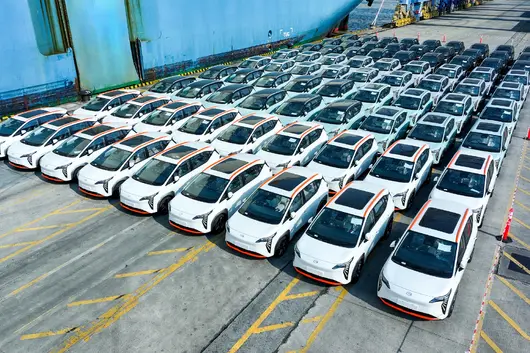
首頁Subaru BRZ

搜尋歷史
熱門搜尋
經銷商登入 / 註冊

日前,有媒体爆出某知名新势力品牌“下定返佣”的情况。其具体流程为,参与者加入相关的返佣群,支付一笔大定,锁下一单之后不用提车,本金原路退回,额外拿到一笔固定佣金。整套流程闭环清晰,分工明确,有招募、登记、结算的完整链条。
这套玩法,不少人看着眼熟。电商平台上,这叫刷单;影视行业里,这叫买票房;餐饮行业叫饭托。

汽车行业的订单作假抑或是销量数据作假,从来都不是新鲜事。经销商为了拿到厂家阶梯返利自行购车上牌,之后再折价流通;部分渠道提前投保车辆,造出已经售出的假象,形成零公里二手车。这类操作得有车、有牌照、有真实资金周转,痕迹重,也更容易被查出来。
相对来说,这种依托线上锁单的模式,不需要车辆下线,不需要上牌过户,只需要一个实名账号和一笔短暂流转的资金。成本被压到极低,低到一个人就能参与。
这不由让人想起上世纪八九十年代的香港电影的一句评语,尽皆过火,尽是癫狂!
刷单成为一种商业路径
刷单返佣这个操作能够跑通,依托两个前提:一是这类大定本身留了无责退订的口子,资金链路可以在短时间内闭环;二是车企对外释放的订单数据,没有强制第三方核验的约束。这里得分开看。月度的终端销量有上牌数、交强险数可以对,谁多报一台都能被反查出来;订单数据则没有外部核验,它只活在车企自己的公告上。

很多人看到返佣刷单的新闻,第一反应都会追问,背后是不是车企直接主导。其实把问题想得太单一。车企通常会跟这类灰色操作保持距离,但这不等于这套机制的形成和车企毫无关联。订单规则、风控策略的取舍,决定了这种套利路径能不能跑通。产品规则本身也能堵住,比如大定设冷静期、限制同一批账号的批量退单,成本立刻就上去了。这些口子留着,很难说是技术做不到。
这背后的诉求链条其实十分清晰。作为上市主体,车企需要漂亮的订单预期,稳住资本市场的判断与情绪;品牌宣传端,更是急需亮眼的订单数字,撑起上市阶段的传播声量。多重诉求叠加,市场里自然会有人出面,把原本代表购车意向的大定订单,包装成可以批量买卖、结算返佣的标准化商品。

身处信息差里的普通消费者,很难分辨热度的虚实。铺天盖地的订单喜报持续刷屏,用户很容易形成从众判断,默认这款车型市场认可度高,愿意接纳更长的排产等待周期。虚假订单制造出来的火爆氛围,就这么改写了消费预期。
表面热度改写消费预期
海外车企的历史案例,已经证明虚假销售数据的代价。曾经有车企通过经销商调剂销量数据,人为维持持续增长的表象,最终因为证券信息披露违规收到巨额罚单。国内也有针对车辆虚假登记、骗取补贴的重罚案例。法律层面的边界一直清晰,这类没有真实购车意图的集中锁单属于虚假交易,触碰了不正当竞争的红线。上市公司一旦被证实放任系统性的数据注水,还要面对投资者层面的追责。

打掉一个返佣社群容易,但只要市场依旧把订单数据当成一款新车最重要的成绩单,很快就有别的形式取而代之,可能是定向邀约的内部任务,可能是换一套结算路径的私域团,包装一直在变,内核不变,就是拿低成本制造热闹。真正能起作用的是披露规则。强制公开退订率和订单转交付的转化率,再把订单与上牌数据做交叉核验。但眼下订单披露以企业自主发布为主,缺少统一强制规范,这套方案落地并不容易。
订单本该是用户意愿最直接的反馈。有人愿意付钱锁单,代表他认可产品,愿意等待交付。可当订单数据变成商品,这份反馈就失去了意义,它变成和海报、短视频一样的营销素材,唯一的作用是制造喧嚣。

这个行业的注意力,该慢慢从订单数字挪开。真正有说服力的,是持续的上险数据,是真实车主留下来的长期评价。喧嚣的订单可以买来,但一台车能不能持续走量,终究要交给真实的市场选择。
只要我们还愿意为漂亮的订单数字买单,这种游走在灰色地带的生意,就不会真正消失。
百姓评车
热度本身没有原罪,但当行业习惯于用一张发布会战报定义成败,数据的边界就容易慢慢松动。监管的落地节奏、企业风控的取舍、舆论对爆款叙事的偏好,三者互相拉扯,造就了这种灰色空间。
我们不必指望一次性根除问题。真正的分水岭,在于市场能不能慢慢建立一套新的认知:不再为数据狂欢,学会用交付转化、车主口碑去衡量一款车。热闹可以花钱制造,但市场给出的最终答卷,从来无法交易。


In the SUV market in Malaysia, many buyers compare Mazda CX-3 and Volkswagen Tiguan when selecting a vehicle. These two models are quite close in price and positioning. Today, we will make a detailed comparison from multiple aspects to help you save time on research.
The OTR price of Mazda CX-3 in Malaysia is RM 126,159 - 139,159, with a total of 2 versions, including 2023 2.0L High (RM 139,159), 2023 2.0L Plus (RM 126,159), etc.
The OTR price of Volkswagen Tiguan in Malaysia is RM 206,540 - 260,024, with a total of 2 versions, including 2025 Allspace 2.0T R-Line (RM 260,024), 2025 Allspace 1.4T Elegance (RM 206,540), etc.
From a pricing perspective, Mazda CX-3's starting price is indeed RM 80,381 cheaper than Volkswagen Tiguan. If your budget is limited, Mazda's entry-level version can already meet daily needs. However, keep in mind that the price difference of a few thousand may involve trade-offs in features, which depends on your specific needs.

Mazda CX-3 safety rating is 5★ (ASEAN NCAP), active safety systems include i-Activsense.
Volkswagen Tiguan safety rating is 5★ (Euro NCAP), active safety systems include IQ.Drive.
Regarding safety features, both cars received good ratings. However, Mazda CX-3's i-Activsense and Volkswagen Tiguan's IQ.Drive have some functional differences. If you prioritize active safety, you can carefully compare the feature lists of both.

Mazda CX-3 adopts FWD drive system.
Volkswagen Tiguan adopts FWD drive system.
Both cars share the same drive system, both FWD, so there will be no significant difference in daily driving experience.

Mazda CX-3 warranty 5 years/150,000km, maintenance interval every 10,000km or 6 months.
Volkswagen Tiguan warranty 3 years/100,000km, maintenance interval every 10,000km or 6 months.

Mazda CX-3 and Volkswagen Tiguan are both mainstream choices in the Malaysian market, suitable for family use and daily commuting. If you value brand reputation and resale value more, prioritize the one with better reputation; if you care more about value for money and equipment, choose the model with richer configurations. Ultimately, it is recommended to test drive both, as personal experience is the most important.

Overall, Mazda CX-3 and Volkswagen Tiguan are both excellent car models in the Malaysian market. Which one to choose depends on your personal needs and budget. We suggest doing thorough research, comparing quotes from multiple dealerships, and then test driving to make the final decision. Buying a car is a major decision, spending some time doing research will definitely not be a mistake.


喺馬來西亞嘅SUV市場,好多買家喺揀車嗰陣都會拿 Mazda CX-3 同 Hyundai Tucson 嚟做比較。呢兩款車喺價位同定位上都幾接近,今日我哋就從多個方面做一個詳細嘅比較,幫你節省做功課嘅時間。
Mazda CX-3 喺馬來西亞嘅 OTR 售價係 RM 126,159 - 139,159,一共有 2 個版本,包括 2023 2.0L High(RM 139,159)、2023 2.0L Plus(RM 126,159) 等。
Hyundai Tucson 喺馬來西亞嘅 OTR 售價係 RM 143,888 - 197,888,一共有 5 個版本,包括 2025 HEV 1.6T AT 2WD Prestige(RM 197,888)、2025 1.6T DCT 4WD Prestige(RM 186,888)、2025 1.6T DCT 2WD Prime(RM 164,888) 等。
從價錢嚟睇,Mazda CX-3 嘅起價確實比 Hyundai Tucson 平咗 RM 17,729。如果你預算有限,Mazda 嘅入門版已經可以滿足日常需要。但都要注意,平嗰幾千蚊,可能喺配備上有取捨,具體要看你嘅需要。
Mazda CX-3 嘅安全評級係 5★ (ASEAN NCAP),主動安全系統包括 i-Activsense。
Hyundai Tucson 嘅安全評級係 5★ (ASEAN NCAP),主動安全系統包括 SmartSense。
兩款車嘅安全評級一樣,喺呢個級別入面安全配備都算好齊全。而家嘅新車安全性都唔差,唔使太擔心這一點。
Mazda CX-3 採用 FWD 驅動方式。
Hyundai Tucson 採用 FWD 驅動方式。
兩款車嘅驅動方式一樣,都係 FWD,日常駕駛感受唔會有太大分別。
Mazda CX-3 保修 5 年/150,000km,保養間隔 每 10,000km 或 6 個月。
Hyundai Tucson 保修 5 年/300,000km,保養間隔 每 10,000km 或 6 個月。

總括嚟講,Mazda CX-3 同 Hyundai Tucson 都係馬來西亞市場好好嘅車型。揀邊台,關鍵都要睇你個人需要同預算。建議大家做好功課,多比較幾間車行嘅報價,再去做試駕做最終決定。買車係件大事,花少少時間做功課絕對無問題。

喺馬來西亞嘅 SUV 市場,好多買家喺揀車嘅時候都會拿 Mazda CX-3 同 Hyundai Tucson 嚟做比較。呢兩款車喺價位同定位上都幾接近,今日我哋就從多個方面做一次詳細嘅對比,幫你節省做足功課嘅時間。
Mazda CX-3 喺馬來西亞嘅 OTR 售價係 RM 126,159 - 139,159,合共 2 個版本,包括 2023 2.0L High(RM 139,159)、2023 2.0L Plus(RM 126,159) 等。
Hyundai Tucson 喺馬來西亞嘅 OTR 售價係 RM 143,888 - 197,888,合共 5 個版本,包括 2025 HEV 1.6T AT 2WD Prestige(RM 197,888)、2025 1.6T DCT 4WD Prestige(RM 186,888)、2025 1.6T DCT 2WD Prime(RM 164,888) 等。
由價錢睇,Mazda CX-3 嘅起價確實比 Hyundai Tucson 平咗 RM 17,729。如果你預算有限,Mazda 嘅入門版已經可以滿足日常需要。但都要留意,平嗰幾千蚊,可能喺配備方面會有取舍,具體睇你嘅需要。
Mazda CX-3 搭載 1.5L Turbo,馬力 140 hp。官方油耗 7.0 L/100km。
Hyundai Tucson 搭載 1.5L Turbo,馬力 140 hp。官方油耗 7.0 L/100km。
兩款車用緊同一套動力系統,日常行起嚟嘅感覺基本冇乜分別。油耗方面都差唔多,唔使太糾結呢一點。
Mazda CX-3 車身長 4500 mm,尾箱 450 L。
Hyundai Tucson 車身長 4400 mm,尾箱 400 L。
空間方面,Mazda CX-3 嘅車身比 Hyundai Tucson 長咗 100 mm,車內乘坐空間會相對闊少少,特別係後座腿部空間。如果你經常載家人定係需要放嬰兒車,大啲嘅車身確實更實用。
Mazda CX-3 保修 5 年/150,000km,保養間隔 每 10,000km 或 6 個月。
Hyundai Tucson 保修 5 年/300,000km,保養間隔 每 10,000km 或 6 個月。
總體嚟講,Mazda CX-3 同 Hyundai Tucson 都係馬來西亞市場幾唔錯嘅車型。揀邊一輛,關鍵都要睇你嘅個人需要同預算。建議大家做足功課,多比較幾間車行嘅報價,再試駕先做最終決定。買車係件大事,花啲時間做功課絕對唔會錯。

喺馬來西亞嘅 SUV 市場,好多買家喺揀車嘅時候都會拿 Mazda CX-3 同 Mitsubishi Xforce 來做比較。呢兩款車喺價格同定位上都幾接近,而家我哋就由多個方面做一個詳細嘅比較,幫你省返做功課嘅時間。
Mazda CX-3 喺馬來西亞嘅 OTR 售價係 RM 126,159 - 139,159,總共有 2 個型號,包括 2023 2.0L High(RM 139,159)、2023 2.0L Plus(RM 126,159)等。
Mitsubishi Xforce 喺馬來西亞嘅 OTR 售價係 RM 109,930 - 119,930,總共有 2 個型號,包括 2026 1.5L Ultimate(RM 119,930)、2026 1.5L Urban(RM 109,930)等。
單睇價錢,Mitsubishi Xforce 嘅起價比 Mazda CX-3 平咗 RM 16,229。坦白講,喺呢個價位段,幾千蚊嘅差距其實唔算大,關鍵仲係睇整體嘅性價比同長期使用成本。
Mazda CX-3 嘅安全評級係 5★ (ASEAN NCAP),主動安全系統包括 i-Activsense。
Mitsubishi Xforce 嘅安全評級係 5★ (ASEAN NCAP),主動安全系統包括 MI-PILOT。
兩款車嘅安全評級一樣,喺呢個級距入面,安全配備都算好齊全。而家嘅新車安全性都唔差,唔使太擔心呢一點。
Mazda CX-3 採用 FWD 驅動方式。
Mitsubishi Xforce 採用 FWD 驅動方式。
兩款車嘅驅動方式一樣,都係 FWD,日常駕駛感受唔會有太大分別。
Mazda CX-3 保用 5 年/150,000km,保養間隔 每 10,000km 或者 6 個月。
Mitsubishi Xforce 保用 3 年/100,000km,保養間隔 每 10,000km 或者 6 個月。

Mazda CX-3 同 Mitsubishi Xforce 都係馬來西亞市場嘅主流選擇,適合家庭用車、日常通勤。如果你更睇重品牌口碑同二手價,可以優先考慮口碑更好嗰一款;如果你更在意性價比同配備,就揀配備更豐富嗰款。最後都建議兩款都去試駕,親身體驗先係最重要。

總嚟講,Mazda CX-3 同 Mitsubishi Xforce 都係馬來西亞市場幾唔錯嘅車款。揀邊一輛,關鍵仲係睇你嘅個人需要同預算。建議大家做好功課,多比較幾間車行嘅報價,先至去試駕做最終決定。買車係件大事,花少少時間做功課絕對唔會錯。

喺馬來西亞嘅 SUV 市場,好買家揀車嗰陣都會揀 Mazda CX-3 同 Mitsubishi Xforce 來比較。呢兩款車喺價錢同定位都幾接近,今日我哋就由多個方面做一次詳細比較,幫手節省做功課嘅時間。
Mazda CX-3 喺馬來西亞嘅 OTR 售價係 RM 126,159 - 139,159,合共有 2 個型號,包括 2023 2.0L High(RM 139,159)、2023 2.0L Plus(RM 126,159) 等。
Mitsubishi Xforce 喺馬來西亞嘅 OTR 售價係 RM 109,930 - 119,930,合共有 2 個型號,包括 2026 1.5L Ultimate(RM 119,930)、2026 1.5L Urban(RM 109,930) 等。
由價錢睇,Mitsubishi Xforce 嘅起價比 Mazda CX-3 平咗 RM 16,229。坦白講,喺呢個價位段,幾千蚊嘅差異其實唔算大,關鍵仲係睇整體嘅性價比同埋長期使用成本。
Mazda CX-3 嘅安全评分係 5★ (ASEAN NCAP),主動安全系統包括 i-Activsense。
Mitsubishi Xforce 嘅安全评分係 5★ (ASEAN NCAP),主動安全系統包括 MI-PILOT。
兩款車嘅安全评分一樣,喺呢個級數入面安全配備都算好齊全。而家嘅新車安全性都唔差,唔使太擔心呢一點。
Mazda CX-3 車身長 4500 mm,車尾箱 450 L。
Mitsubishi Xforce 車身長 4400 mm,車尾箱 400 L。
空間方面,Mazda CX-3 嘅車身比 Mitsubishi Xforce 長咗 100 mm,車內坐位空間會稍微寬鬆啲,尤其係後座腿部空間。如果你經常載家人或者需要放手推車,大少少嘅車身確實更實用。
Mazda CX-3 保養保證 5 年/150,000km,保養間隔 每 10,000km 或 6 個月。
Mitsubishi Xforce 保養保證 3 年/100,000km,保養間隔 每 10,000km 或 6 個月。
Mazda CX-3 同 Mitsubishi Xforce 都係馬來西亞市場嘅主流選擇,適合家庭用途、日常通勤。如果你更睇重品牌口碑同埋二手價,可以優先考慮口碑更好嗰款;如果你更在意性價比同埋配備,嗰就揀配置更豐富嗰款。最後始終建議兩款都去試駕,親身體驗先係最重要嘅。
總體嚟講,Mazda CX-3 同 Mitsubishi Xforce 都係馬來西亞市場幾唔錯嘅車型。揀邊輛,關鍵仲係睇你個人需求同埋預算。建議大家做好功課,多比較幾間車行嘅報價,先去試駕先做最後決定。買車係件大事,花少少時間做功課絕對無錯。

In the Malaysian SUV market, many buyers compare Mazda CX-3 and Chery Tiggo Cross when choosing a car. These two models are quite close in price and positioning. Today, we will make a detailed comparison from multiple aspects to save you the time of doing homework.
The OTR price of Mazda CX-3 in Malaysia is RM 126,159 - 139,159, with a total of 2 versions, including 2023 2.0L High (RM 139,159), 2023 2.0L Plus (RM 126,159), etc.
The OTR price of Chery Tiggo Cross in Malaysia is RM 88,750 - 99,750, with a total of 2 versions, including 2025 HEV 1.5L CSH (RM 99,750), 2025 1.5T Standard (RM 88,750), etc.
From a price perspective, the starting price of Chery Tiggo Cross is RM 37,409 cheaper than Mazda CX-3. Honestly, in this price range, a difference of a few thousand isn't really that big. The key is to look at overall cost-performance ratio and long-term usage costs.
Mazda CX-3 adopts FWD drive mode.
Chery Tiggo Cross adopts FWD drive mode.
Both cars have the same drive mode, both are FWD, and there won't be much difference in daily driving experience.
Mazda CX-3 warranty 5 years/150,000km, maintenance interval every 10,000km or 6 months.
Chery Tiggo Cross warranty 3 years/100,000km, maintenance interval every 10,000km or 6 months.
Mazda CX-3 and Chery Tiggo Cross are both mainstream choices in the Malaysian market, suitable for family use and daily commuting. If you value brand reputation and resale value more, prioritize the one with better reputation; if you care more about cost-performance ratio and features, choose the one with richer configuration. Ultimately, it is recommended to test drive both models, as personal experience is the most important.

Overall, Mazda CX-3 and Chery Tiggo Cross are both very good models in the Malaysian market. Which one to choose depends mainly on your personal needs and budget. We recommend doing your homework, comparing quotes from several car dealerships, and then test driving to make the final decision. Buying a car is a big matter, spending some time doing homework is never a mistake.
In the Malaysian SUV market, many buyers compare Toyota Harrier and Audi Q7 when choosing a car. These two cars are quite close in price and positioning. Today, we will make a detailed comparison from multiple aspects to help you save time on research.
The OTR price of Toyota Harrier in Malaysia is RM 289,000 - 289,000, with a total of 1 version, including 2026 HEV 2.5L Standard (RM 289,000), etc.
The OTR price of Audi Q7 in Malaysia is RM 462,222 - 462,222, with a total of 1 version, including Standard (RM 462,222), etc.
From the price perspective, the starting price of Toyota Harrier is indeed RM 173,222 cheaper than Audi Q7. If your budget is limited, Toyota's entry-level version is enough to meet daily needs. But be aware that the cheaper few thousand might involve compromises in features, it depends on your specific needs.

Toyota Harrier is equipped with 2.0L Turbo, 220 hp. Official fuel consumption 9.5 L/100km.
Audi Q7 is equipped with 3.0L Turbo, 350 hp. Official fuel consumption 12.0 L/100km.
In terms of power, Audi Q7's 3.0L Turbo has 130 hp more than Toyota Harrier's 2.0L Turbo. However, for daily city driving, both cars have sufficient power, you won't feel it's underpowered.

Toyota Harrier's safety rating is 5★ (ASEAN NCAP), active safety system includes Brand ADAS.
Audi Q7's safety rating is 5★ (Euro NCAP), active safety system includes Premium ADAS.
Regarding safety features, both cars received good ratings. However, there are some differences in function between Toyota Harrier's Brand ADAS and Audi Q7's Premium ADAS. If you value active safety, you can compare the feature lists of both carefully.

Toyota Harrier warranty 5 years/unlimited mileage, maintenance interval every 10,000km or 6 months.
Audi Q7 warranty 5 years/150,000km, maintenance interval every 10,000km or 6 months.

Overall, Toyota Harrier and Audi Q7 are both very good car models in the Malaysian market. Which one to choose depends mainly on your personal needs and budget. We suggest doing your research, compare quotes from several car dealerships, and then go for a test drive to make a final decision. Buying a car is a big matter, spending some time on research will definitely not be wrong.


Recently, the 2026 Chinese Brand Overseas Expo opened in Hainan. During the same period, the forum released the "2026 Top 500 Overseas Chinese Brands" ranking. BYD made it into the top ten of the overall list, becoming the No. 1 Overseas Auto Brand, and was selected as a China Enterprise Overseas Impact Case the next day.
The weight of this No. 1 rank does not lie in how many cars were sold abroad, but rather because it did not follow the simple export route, but deeply rooted the entire system of manufacturing, R&D, charging, and services locally.

To understand this strategy, we must first outline BYD's overseas rhythm: how did it lay out overseas step by step?
As early as 1998, BYD established its first overseas subsidiary in Rotterdam, Netherlands. Initially, what went out were batteries, energy storage, and commercial vehicles.
Starting from 2022, passenger cars began entering Europe on a large scale and were delivered in Q4 of that year. Subsequently, BYD announced the construction of a Hungary factory in 2023;
2025 Brazil factory went into production, European HQ settled, overseas sales exceeded 1 million units for the first time;
Entering 2026, Hungary and Indonesia factories were put into production successively, the entire path went from product export step by step to local operations.

One: In terms of manufacturing system, BYD did not stop at complete vehicle export, but directly built factories in key markets.
Europe direction, Hungary Szeged factory went into production in Q4 2026, planned annual capacity about 300,000 units, is BYD's first manufacturing foothold in EU. European market models will turn from imported cars to European manufacturing. Originally costs eaten by tariffs and logistics are transformed into local investment and employment.
Latin America direction, Brazil Camaçari factory went into production in July 2025, initial annual capacity 150,000 units expanding to 300,000 units. Already welcomed the 100,000th complete vehicle output, driving local employment of about 5,500 people.
Southeast Asia direction, Thailand Rayong factory designed annual capacity 150,000 units. As of September 2026, 100,000th vehicle output down. Thai employees proportion 95%, local procurement ratio about 50%. Indonesia factory also officially put into production in September, becoming second base in Southeast Asia.

Two: In terms of R&D system, BYD solved the problem of product adaptation issues.
BYD built European HQ and supporting R&D center in Budapest, Hungary, undertaking sales and after-sales, vehicle certification testing, and local vehicle design three functions. R&D first focuses on intelligent assisted driving and next-generation electrification technology, also conducted joint research with at least three Hungarian universities.
This means models fit local regulations and user habits from the beginning of R&D, rather than made first then taken for modification.
In response to Japanese market with prominent barriers, BYD custom developed the first overseas dedicated model Sea Otter, English name BYDRACCO. This one place one policy thinking is exactly its biggest difference from traditional exporters.

Three: In terms of energy supply system, BYD Flash Charging Network landed globally.
BYD proposed Flash Charging Planet Plan, planning to build 6000 Flash Charging Stations overseas. Europe arranged 3000 stations, expected to complete by end of March 2027. Only UK arranged at least 300 stations.
Currently Flash Charging Stations have landed in Europe and Americas successively. Indonesia becomes the first overseas Flash Charging Network testbed, advanced first by Denza brand. Cars sell where, charging network spreads where. User range anxiety will not become brand expansion obstacle.

Four: In terms of service system, BYD uses long-termism to defend reputation.
BYD in Europe established cooperation with multiple top dealership groups, borrowing local mature channels to quickly spread after-sales network. Denza plans to cover 30+ European countries by end of 2026, building more than 150 retail stores.
This Budapest HQ, BYD unified coordination of European countries sales and after-sales services, letting car owners complete maintenance and repair locally, without relying on support far in China.
Putting the four systems together, then looking at market status of each region is clearer.
Europe is the station with highest value. 2026 Q1-Q3 BYD in EU, UK and European Free Trade Association countries newly registered about 284,000 vehicles, YoY growth 134.6%, market share from 1.2% to 2.7%. Among them UK about 68,400 vehicles is largest single market. Italy, Spain and France also grew volume;
Brazil market share has reached about 11%. BYD from strange Chinese brand became local opponent must recognize as a serious competitor;
Southeast Asia relies on Thailand and Indonesia two factories to form cluster. Entire overseas map presents Latin America leading, Europe breakthrough, Asia-Pacific many points blooming pattern;

Besides landing overseas systems, connecting China factories and overseas market transportation link, BYD also chose to grasp it itself.
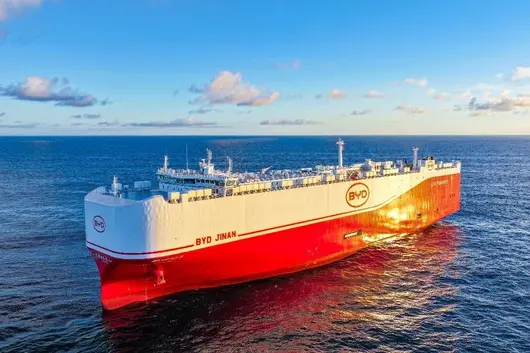
2022, BYD announced investing about 5 billion yuan to build own car RORO fleet, ordered from Guangzhou Shipyard International, China Merchants Industry and CIMC Raffles etc. shipyards.
Jan 2024, first Explorer 1 maiden voyage. Ship length 199.9 meters, equipped with 7000 standard parking spaces, using LNG dual fuel clean power.
Up to now, BYD has 8 RORO ships put into operation. Except Explorer 1, also includes Changzhou, Hefei, Shenzhen, Xi'an, Changsha, Zhengzhou and Jinan. Among them Shenzhen and Xi'an both equipped with 9200 standard parking spaces. Shenzhen is currently the largest car transport ship globally put into operation.
Oct 2026, BYD Executive Vice President Li Ke confirmed ordered another 10 transport ships. After new ships all delivered, own fleet will reach 18 ships. One-time complete vehicle sea transport total capacity breakthrough 130,000 standard parking spaces. Corresponding annual export capacity can be upgraded to about 2.5 million vehicles.
Self-built fleet means BYD need not look at international shipping schedule and pricing whims. Overseas logistics this key link also held in own hands.

From sales view, BYD 2025 overseas sales first exceeded 1 million vehicles. 2026 Q1-Q3 already reached about 1.338 million vehicles, YoY growth 92%. Whole year expected close to 2 million vehicles. Company also set goal for itself 2029 overseas sales exceeding domestic goal.
This time, BYD is using the most down-to-earth and solid way, deep cultivate global never stop walking, turning itself from a global enterprise into a local enterprise rooted everywhere in the world.
So you think, when factory, R&D and charging all moved overseas, BYD real challenge will fall on which link?

喺馬來西亞嘅 SUV 市場,好多買家喺揀車嗰陣都會拿 豐田 Harrier 同 路虎 Discovery Sport 嚟作比較。這兩款車喺價位同定位上都幾接近,今日我哋就由多個方面做一個詳細嘅比較,幫你省返做功課嘅時間。
豐田 Harrier 喺馬來西亞嘅 OTR 售價係 RM 289,000 - 289,000,合共有 1 個版本,包括 2026 HEV 2.5L Standard(RM 289,000) 等。
路虎 Discovery Sport 喺馬來西亞嘅 OTR 售價係 RM 499,800 - 499,800,合共有 1 個版本,包括 Standard(RM 499,800) 等。
由價錢嚟睇,豐田 Harrier 嘅起步價確實比 路虎 Discovery Sport 平咗 RM 210,800。如果你預算有限,豐田嘅入門版已經可以滿足日常需要。但要留意,平嗰啲幾千蚊,喺配備上可能有取捨,具體就要睇你嘅需求。
豐田 Harrier 搭載 2.0L Turbo,馬力 220 hp。官方油耗 9.5 L/100km。
路虎 Discovery Sport 搭載 3.0L Turbo,馬力 350 hp。官方油耗 12.0 L/100km。
動力方面,路虎 Discovery Sport 嘅 3.0L Turbo 比 豐田 Harrier 嘅 2.0L Turbo 多咗 130 匹馬力。不過日常喺市區行,兩款車嘅動力都夠用,唔會覺得唔夠力。
豐田 Harrier 車身長 4400 mm,後備箱 400 L。
路虎 Discovery Sport 車身長 4400 mm,後備箱 400 L。
兩款車嘅尺寸幾乎一樣,車內空間相差不大。呢個級別嘅車,日常使用完全夠用。
豐田 Harrier 保修 5 年/無限里程,保養間隔 每 10,000km 或 6 個月。
路虎 Discovery Sport 保修 3 年/100,000km,保養間隔 每 10,000km 或 6 個月。

總體嚟講,豐田 Harrier 同 路虎 Discovery Sport 都係馬來西亞市場幾唔錯嘅車型。揀邊一輛,關鍵仲係要睇你嘅個人需要同預算。建議大家做好功課,多比較間車行嘅報價,再去做試駕做最終決定。買車係一件大事,花啲時間做功課絕對唔會錯。

In the Malaysian SUV market, many buyers compare Toyota Harrier and Audi Q5 when choosing a car. These two cars are quite close in price and positioning, today we will make a detailed comparison from multiple aspects to help you save time on research.
Toyota Harrier OTR price in Malaysia is RM 289,000 - 289,000, there is a total of 1 version, including 2026 HEV 2.5L Standard (RM 289,000) etc.
Audi Q5 OTR price in Malaysia is RM 354,174 - 423,174, there is a total of 2 versions, including 40 TDI (RM 320,000), 45 TFSI (RM 350,000) etc.
In terms of price, the starting price of Toyota Harrier is indeed RM 65,174 cheaper than Audi Q5. If your budget is limited, Toyota's entry version can already meet daily needs. But you should also note, the few thousand dollars cheaper, there might be trade-offs in equipment, it depends on your specific needs.
Toyota Harrier body length 4400 mm, trunk 400 L.
Audi Q5 body length 4400 mm, trunk 400 L.
The dimensions of both cars are almost the same, cabin space difference is not large. Cars in this class are more than enough for daily use.
Toyota Harrier adopts FWD drive system.
Audi Q5 adopts FWD drive system.
The drive system of both cars is the same, both are FWD, daily driving experience will not have much difference.
Toyota Harrier and Audi Q5 are both mainstream choices in the Malaysian market, suitable for family use, daily commute. If you value brand reputation and resale value more, you can prioritize the one with better reputation; if you care more about cost-performance ratio and equipment, choose the one with richer configuration. Ultimately it is recommended to test drive both, personal experience is the most important.

In general, Toyota Harrier and Audi Q5 are both very good models in the Malaysian market. Which one to choose, the key is still to look at your personal needs and budget. It is recommended that everyone do research, compare quotes from a few more dealerships, then go for a test drive to make the final decision. Buying a car is a major matter, spending some time doing research will definitely not be wrong.
In Malaysia's SUV market, many buyers compare the Toyota Harrier and BMW X3 when choosing a car. Both cars are quite close in price and positioning. Today, we will do a detailed comparison from multiple aspects to help you save time on research.
Toyota Harrier is sold OTR in Malaysia at RM 289,000 - 289,000, with a total of 1 version, including 2026 HEV 2.5L Standard (RM 289,000), etc.
BMW X3 is sold OTR in Malaysia at RM 325,800 - 358,800, with a total of 2 versions, including xDrive20i (RM 320,000), xDrive30e (RM 360,000), etc.
From the price perspective, Toyota Harrier's starting price is indeed RM 36,800 cheaper than BMW X3. If your budget is limited, Toyota's entry-level version can already meet daily needs. But also note, the few thousand difference in cost might involve trade-offs in equipment, depending on your specific needs.
Toyota Harrier's safety rating is 5★ (ASEAN NCAP), active safety systems include Brand ADAS.
BMW X3's safety rating is 5★ (Euro NCAP), active safety systems include Premium ADAS.
Regarding safety features, both cars have received good ratings. However, Toyota Harrier's Brand ADAS and BMW X3's Premium ADAS differ in functionality. If you value active safety, you can compare their function lists carefully.
Toyota Harrier adopts FWD drive method.
BMW X3 adopts FWD drive method.
Both cars have the same drive method, both are FWD, there won't be much difference in daily driving experience.
Toyota Harrier and BMW X3 are both mainstream choices in the Malaysia market, suitable for family use and daily commuting. If you value brand reputation and resale value more, prioritize the one with better reputation first; if you value cost-performance and equipment more, choose the one with richer configurations. Ultimately, we suggest test driving both, personal experience is the most important.

Overall, Toyota Harrier and BMW X3 are both very good models in the Malaysia market. Which one to choose depends on your personal needs and budget. We suggest doing your research, compare quotes from several dealers, and then test drive to make the final decision. Buying a car is a big matter, spending time on research will never go wrong.

In Malaysia's SUV market, many buyers compare Toyota Harrier and Subaru Crosstrek when choosing a car. These two cars are quite close in price and positioning. Today we will make a detailed comparison from multiple aspects to help you save time on research.
Toyota Harrier's OTR price in Malaysia is RM 289,000 - 289,000, with a total of 1 version, including 2026 HEV 2.5L Standard (RM 289,000), etc.
Subaru Crosstrek's OTR price in Malaysia is RM 145,000 - 160,000, with a total of 1 version, including 2.0L e-Boxer (RM 150,000), etc.
From the price perspective, Subaru Crosstrek's starting price is RM 144,000 cheaper than Toyota Harrier. Honestly, in this price range, the gap of a few thousand is actually not significant; the key is still to look at overall value for money and long-term usage costs.
Toyota Harrier body length 4400 mm, trunk 400 L.
Subaru Crosstrek body length 4400 mm, trunk 400 L.
The dimensions of both cars are almost the same, with little difference in interior space. Cars of this level are completely sufficient for daily use.
Toyota Harrier adopts FWD drive method.
Subaru Crosstrek adopts FWD drive method.
Both cars have the same drive method, both are FWD, and the daily driving experience will not be too different.
Toyota Harrier and Subaru Crosstrek are both mainstream choices in the Malaysian market, suitable for family use and daily commuting. If you value brand reputation and resale value more, you can prioritize the one with better reputation; if you care more about value and equipment, then choose the one with richer configuration. In the end, it is still recommended to test drive both models; personal experience is the most important.

Overall, Toyota Harrier and Subaru Crosstrek are both very good models in the Malaysian market. Which one to choose depends mainly on your personal needs and budget. It is recommended that you do your research well, compare quotes from several dealerships, and then test drive to make the final decision. Buying a car is a major matter; spending time doing research will never be wrong.

2026 年過半,中國車市完成咗一次慘烈嘅洗牌。新能源滲透率狂飆至 60% 以上,有人站喺潮頭笑傲江湖,有人喺岸上裸泳掙扎求生。而作為中國乃至全球新能源嘅「頭號玩家」,比亞迪交出一份足以令所有質疑者閉嘴嘅半年成績單,先抑後揚,強勢觸底反彈,用 6 月單月突破 40 萬輛嘅狂暴數據宣告:屬於比亞迪嘅時代,先至剛開場。

半年棋局,這係教科書級嘅「深蹲起跳」
先看大盤。比亞迪 2026 年上半年累計銷量 1,808,511 輛,同比下跌 15.72%。乍睇之下似乎喺「失速」?這係典型嘅只盯著表面數據嘅鍵盤俠思維。
拉出季度走勢圖,真相一目了然:一季度受行業價格血戰同补贴政策空窗期嘅雙重絞殺,比亞迪確實短暫蟄伏,1 月零售甚至一度被壓到 9.4 萬輛嘅低谷。但真正嘅王者唔畏懼短期波動——二季度開始,比亞迪直接上演暴力拉升,6 月單月狂賣 403,472 輛,同比增長 5.46%、環比增長 5.2%,不但強勢收復失地,更係一脚踢開咗「月銷 40 萬」呢個此前所有中國品牌想都不敢想嘅天花板。
喺絕大多數車企年度目標完成率還喺 30% 嘅及格線下苦苦掙扎時,比亞迪用 180 萬輛嘅半年絕對體量,死死焊咗自主品牌銷量頭把交椅嘅位置。這唔係疲態,係蓄力後嘅爆發。

海外開花,先至係真正嘅「出海之王」
如果上半年只能揀一個最炸裂嘅亮點,那必係比亞迪嘅海外戰報。
6 月,比亞迪海外銷量 17.5 萬輛,同比暴漲 95%,環比增長 9.2%,再創歷史新高。整個上半年,海外出口累計 79.23 萬輛,同比猛增超 70%。這意味著咩?意味著比亞迪海外銷量佔總盤子嘅比重已飆升至 43.8%——每賣出 10 台車,超過 4 台奔向全球市場。
更硬核嘅係目標達成率。2026 年海外目標 150 萬輛,上半年完成率 52.82%,係為數唔多真正做到「時間過半、任務過半」嘅核心指標。王傳福此前放話「海外有望超預期」,而家睇嚟絕非虛言。機構紛紛上調預期,全年出口突破 180 萬輛幾乎板上釘釘。
海外唔單止係增量,更係利潤奶豬。巴西單月首破 2 萬、衝至品牌第 4,英國前四月登頂最暢銷電動車——比亞迪正喺度用實打實嘅銷量,喺全球車企嘅大本營入面攻城拔寨。隨著印尼、匈牙利工廠年內投產,呢場全球圍獵先至剛開始。

5 分鐘充 400 公里,將激光雷達塞進 7 萬級車,友商仲點玩?
上半年銷量承壓只係表象,比亞迪真正嘅殺招全押咗喺技術端——3 月嗰場驚蟄發布會,堪稱行業地震。
第二代刀片電池、兆瓦閃充 2.0、DM6.0 混合動能、天神之眼 5.0 智駕、1000V 高壓平台,五大核心技術全部量產、年內裝車。常溫下 5 分鐘補能 400 公里 +,極寒環境續航依舊堅挺,兆瓦閃充直接將補能速度拉到同加油一個檔次——燃油車最後嘅護城河,被比亞迪一脚踢碎。
最令對手膽寒嘅,係比亞迪毫無底線嘅「技術普惠」。7 萬級車型上激光雷達?1000V 高壓平台全域覆蓋?放喺兩年後邊個敢想?比亞迪不但敢想,更敢做。高階智駕唔再係 30 萬以上車型嘅專屬玩具,呢種降維打擊式嘅技術下放,等於直接喺所有競爭對手嘅腹地投咗下核彈。
產品端同樣拳拳到肉。大唐 EV 帶住二代刀片電池上市,CLTC 續航最高 950 公里,23.99 萬起售,預訂 53 天訂單 15 萬輛——消費者用真金白銀投票。全新海豹 08、方程豹鈦 7、騰勢品牌全面開花,比亞迪嘅產品矩陣正由「多點覆蓋」升級為「全面碾壓」。

比亞迪唔只係想賣得多,更想賺得狠
銷量係面子,盈利先係裏子。一季度比亞迪單車營收升至 16 萬元,同比提升近 20%,實現咗自 2025 年二季度以來嘅首次同比回升。摩根大通嘅預測更直白:到 2026 年 Q4,20 萬以上車型銷量佔比將超 30%,相比 2025 年 70% 銷量集中喺 15 萬以下嘅結構,這係一次脫胎換骨嘅質變。單車利潤貢獻提升超 5000 元,品牌向上唔再係口號,係實打實嘅財務數據。
騰勢、仰望、方程豹組成嘅「高端鐵三角」一季度同比增速高達 60%,方程豹半年賣咗近 16 萬輛,仰望 6 月環比暴漲 64.3%。隨著大唐 EV、海豹 08 持續放量,比亞迪喺高端市場嘅存在感正以幾何級數增強。

技術紅利集中引爆,全年 500 萬目標唔係夢
上半年嘅調整,本質上係一場主動嘅戰略收縮同蓄力。而下半年,隨著二代刀片電池產能爬坡、閃充站網絡年內衝刺 2 萬座、五大黑科技全面裝車,比亞迪將進入技術紅利嘅集中釋放期。
王傳福講得明白:月銷量將保持 2-3 萬嘅穩定增量。按此節奏,下半年單月穩站 40 萬 +、衝擊 45 萬並非痴人说梦。全年 500 萬輛嘅銷量目標,喺上半年嘅短暫回調後,反而因為技術儲備嘅充分爆發,變得更具想象空間。
從全球棋盤嚟睇,海外市場不但提供咗銷量增量,更構建咗難以複製嘅品牌溢價。國內技術迭代疊加海外產能釋放,比亞迪正由「中國新能源冠軍」向「全球新能源霸主」發起最後嘅衝鋒。
汽車網評論:2026 年上半年,比亞迪用一場漂亮嘅「深蹲起跳」回應咗所有喧囂。6 月破 40 萬、海外持續破紀錄、五大黑科技全面量產,每一個數據都在宣告:比亞迪嘅上升通道唔單止未被阻斷,反而喺度積蓄緊更恐怖嘅勢能。當技術紅利與規模效應喺下半年形成共鳴,整個行業將再一次見證,「迪王」嘅恐怖,遠超你嘅想像。2026,註定係比亞迪由中國龍頭邁向全球巨頭嘅關鍵分水嶺。

喺馬來西亞嘅 SUV 市場,好多買家喺揀車嘅時候都會拿豐田 Harrier 同 寶馬 X1 黎做比較。呢兩款車喺價位同定位上都幾近,而家我哋由多個方面做一個詳細嘅對比,幫你節省做功課嘅時間。
豐田 Harrier 喺馬來西亞嘅 OTR 售價係 RM 289,000 - 289,000,合共 1 個版本,包括 2026 HEV 2.5L Standard(RM 289,000) 等。
寶馬 X1 喺馬來西亞嘅 OTR 售價係 RM 252,800 - 252,800,合共 2 個版本,包括 sDrive18i(RM 220,000)、sDrive20i(RM 250,000) 等。
由價錢睇,寶馬 X1 嘅起步價比豐田 Harrier 平咗 RM 36,200。講句老實話,喺呢個價位段,幾千蚊嘅差別其實唔算大,關鍵都係睇整體嘅性價比同長期持有成本。
豐田 Harrier 搭載 2.0L Turbo,馬力 220 hp。官方油耗 9.5 L/100km。
寶馬 X1 搭載 2.0L Turbo,馬力 220 hp。官方油耗 9.5 L/100km。
兩款車用咗同一套動力系統,日常駕駛嘅感受基本無分別。油耗方面都差不多,唔使太糾結呢一點。
豐田 Harrier 車身長 4400 mm,行李廂 400 L。
寶馬 X1 車身長 4400 mm,行李廂 400 L。
兩款車嘅尺寸幾乎一樣,車內空間差別唔大。呢個級別嘅車,日常使用完全足夠。
豐田 Harrier 採用 FWD 驅動方式。
寶馬 X1 採用 FWD 驅動方式。
兩款車嘅驅動方式一樣,都係 FWD,日常駕駛感受唔會有太大分別。

豐田 Harrier 同 寶馬 X1 都係馬來西亞市場嘅主流選擇,適合家庭使用、日常通勤。如果你更睇重品牌口碑同二手價,可以優先考慮口碑更好嗰一款;如果你更介意性價比同配備,那就揀配備更豐富嗰款。最終都係建議兩款都去試駕,親身體驗先係最重要。

總體嚟講,豐田 Harrier 同 寶馬 X1 都係馬來西亞市場好唔錯嘅車型。揀邊一輛,關鍵仲係要睇你嘅個人需求同預算。建議大家做足功課,多比較幾間車行嘅報價,再去試駕做最終決定。買車係件大事,花少少時間做功課絕對無錯。
In the Malaysian SUV market, many buyers compare Toyota Harrier and Volvo XC60 PHEV when choosing a car. These two models are quite close in price and positioning. Today, we will make a detailed comparison from multiple aspects to help you save time on research.
The Toyota Harrier's OTR price in Malaysia is RM 289,000 - 289,000, with a total of 1 version, including the 2026 HEV 2.5L Standard (RM 289,000) and so on.
The Volvo XC60 PHEV's OTR price in Malaysia is RM 362,888 - 362,888, with a total of 2 versions, including the 2025 2.0T 89km Ultra (RM 362,888), What safety features does the Volvo XC60 PHEV have? (RM 296,610), and so on.
In terms of price, the Toyota Harrier's starting price is indeed RM 73,888 cheaper than the Volvo XC60 PHEV. If your budget is limited, Toyota's entry-level version can already meet daily needs. But keep in mind, the few thousand dollars cheaper might involve compromises in features, it depends on your specific needs.
Toyota Harrier's safety rating is 5★ (ASEAN NCAP), active safety systems include Brand ADAS.
Volvo XC60 PHEV's safety rating is 5★ (Euro NCAP), active safety systems include Premium ADAS.
In terms of safety features, both cars have received good ratings. However, there are some differences in functionality between Toyota Harrier's Brand ADAS and Volvo XC60 PHEV's Premium ADAS. If you value active safety highly, you can compare the feature lists of both closely.
Toyota Harrier adopts FWD drive configuration.
Volvo XC60 PHEV adopts FWD drive configuration.
The drive configuration of both cars is the same, both are FWD, daily driving experience will not be too different.
Toyota Harrier warranty 5 years/unlimited mileage, maintenance interval every 10,000km or 6 months.
Volvo XC60 PHEV warranty 5 years/unlimited mileage, maintenance interval every 10,000km or 6 months.

Both Toyota Harrier and Volvo XC60 PHEV are mainstream choices in the Malaysian market, suitable for family use and daily commuting. If you value brand reputation and resale value more, you can prioritize the one with better reputation; if you care more about cost-performance ratio and features, then choose the one with richer configuration. In the end, it is recommended to test drive both, personal experience is the most important.

Overall, both Toyota Harrier and Volvo XC60 PHEV are very good models in the Malaysian market. Which one to choose depends mainly on your personal needs and budget. It is recommended that everyone do their homework, compare quotes from several car dealers, and then test drive to make a final decision. Buying a car is a big matter, spending some time doing research will definitely not go wrong.

In Malaysia's SUV market, many buyers compare Toyota Harrier and Volvo XC60 PHEV when choosing a car. These two cars are quite close in price and positioning. Today, we will make a detailed comparison from multiple aspects to help you save time on research.
Toyota Harrier's OTR price in Malaysia is RM 289,000 - 289,000, with a total of 1 version, including 2026 HEV 2.5L Standard (RM 289,000), etc.
Volvo XC60 PHEV's OTR price in Malaysia is RM 362,888 - 362,888, with a total of 2 versions, including 2025 2.0T 89km Ultra (RM 362,888), What safety features does the Volvo XC60 PHEV have? (RM 296,610), etc.
From a price perspective, Toyota Harrier's starting price is indeed RM 73,888 cheaper than Volvo XC60 PHEV. If your budget is limited, Toyota's entry version can already meet daily needs. But also note, the few thousand cheaper might involve trade-offs in features, depending on your specific needs.
Toyota Harrier's safety rating is 5★ (ASEAN NCAP), active safety system includes Brand ADAS.
Volvo XC60 PHEV's safety rating is 5★ (Euro NCAP), active safety system includes Premium ADAS.
In terms of safety features, both cars received good ratings. However, Toyota Harrier's Brand ADAS and Volvo XC60 PHEV's Premium ADAS have some differences in functionality. If you value active safety, you can compare their feature lists carefully.
Toyota Harrier adopts FWD drive mode.
Volvo XC60 PHEV adopts FWD drive mode.
Both cars have the same drive mode, both are FWD, daily driving experience will not differ much.
Toyota Harrier and Volvo XC60 PHEV are both mainstream choices in the Malaysian market, suitable for family use and daily commuting. If you value brand reputation and resale value more, prioritize the one with better reputation; if you care more about cost-performance and features, choose the one with richer configurations. Ultimately, it is recommended to test drive both, personal experience is the most important.
Overall, Toyota Harrier and Volvo XC60 PHEV are both very good models in the Malaysian market. Which one to choose depends on your personal needs and budget. It is recommended to do your homework, compare quotes from multiple dealerships, and then test drive to make the final decision. Buying a car is a big matter, spending time on research is never wrong.

In Malaysia's SUV market, many buyers compare the Toyota Harrier and Volvo XC90 when choosing a car. These two cars are quite close in terms of price and positioning. Today, we will make a detailed comparison from multiple aspects to help you save time on research.
The OTR price of Toyota Harrier in Malaysia is RM 289,000 - 289,000, with a total of 1 version, including 2026 HEV 2.5L Standard (RM 289,000) etc.
The OTR price of Volvo XC90 in Malaysia is RM 418,888 - 418,888, with a total of 1 version, including 2025 2.0T Ultra (RM 418,888) etc.
From a price perspective, the starting price of Toyota Harrier is indeed RM 129,888 cheaper than Volvo XC90. If your budget is limited, Toyota's entry-level version can already meet daily needs. However, note that the few thousand difference may involve trade-offs in features, depending on your specific needs.
Toyota Harrier is equipped with a 2.0L Turbo, 220 hp. Official fuel consumption 9.5 L/100km.
Volvo XC90 is equipped with a 3.0L Turbo, 350 hp. Official fuel consumption 12.0 L/100km.
In terms of power, Volvo XC90's 3.0L Turbo has 130 more horsepower than Toyota Harrier's 2.0L Turbo. However, for daily city driving, both cars have sufficient power and will not feel underpowered.
Toyota Harrier body length 4400 mm, trunk 400 L.
Volvo XC90 body length 4400 mm, trunk 400 L.
The dimensions of the two cars are almost the same, interior space differences are not significant. For cars at this level, daily use is completely sufficient.
Toyota Harrier uses FWD drive mode.
Volvo XC90 uses FWD drive mode.
The drive mode of the two cars is the same, both are FWD, there will not be much difference in daily driving experience.

Toyota Harrier and Volvo XC90 are both mainstream choices in the Malaysian market, suitable for family use and daily commuting. If you value brand reputation and resale value more, you can prioritize the one with better reputation; if you care more about value for money and features, then choose the one with richer configuration. Ultimately, it is recommended to test drive both, as personal experience is the most important.

Overall, Toyota Harrier and Volvo XC90 are both very good car models in the Malaysian market. Which one to choose mainly depends on your personal needs and budget. We recommend doing your research, comparing quotes from a few dealerships, and then going for a test drive to make the final decision. Buying a car is a big matter, spending time doing research will definitely not be wrong.
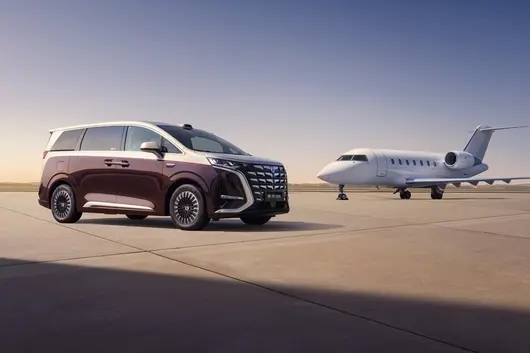
10月22日,深圳腾势总部礼宾楼外场,“深圳腾飞 中国腾势”APEC官方指定用车首批发车仪式隆重举行。一支由第二代腾势D9领衔的首发车队整齐列阵,浩荡启程——这场发车仪式,宣告腾势汽车全面进入APEC时间。车队驶出大门的顺序,都按保障方案精确安排。
理解这场发车仪式,要先看它背后的盛会。2026年11月,亚太经合组织(APEC)会议将在深圳举行——这是中国第三次担任APEC东道主,也是深圳首次承办这一世界级盛会。官方指定用车被视为展示东道国汽车工业智造水准与科技实力的“第一窗口”,既检验产品力,也考量品牌综合实力。主场办会的好处,在于保障链条的可控性更高。
近700台车的调度,本身就是一项复杂工程。比亚迪成为2026年APEC会议官方合作伙伴后,由腾势汽车承担出行服务,600多台腾势D9构成主力,服务对象包括21个经济体的高官、代表团及海内外主流媒体——规模与规格,双双拉满。官方合作伙伴的身份,意味着全程的深度参与。
世界大事有腾势,这七个字在2026年被反复验证:博鳌亚洲论坛的贵宾接待、中国—东盟博览会的商务通勤、夏季达沃斯的思想碰撞、APEC林业部长级会议的绿色出行,腾势D9以常驻嘉宾的身份全程在场。发车仪式上,腾势汽车总经理李慧再次提起这句话——它已成品牌的固定标签。主场作战的优势,在于对路况与场地的熟悉。
35万台,是腾势D9上市以来的累计销量;连续三年中国MPV市场年度销冠(2023、2024、2025),是它保持的纪录;全球首款达成此里程碑的新能源MPV,是行业给它的定位。再叠加《2026胡润中国新能源MPV品牌TOP10》的TOP1,市场层面的认可已经给足。三连冠的稳定性,比单年的爆发更有说服力。

高净值人群的用车决策最挑剔,也最有说服力。腾势D9赢得的正是这群人:香港财政司司长、信和集团主席黄永光、王力宏、潘晓婷……超过35万名的车主中,高净值用户占比可观,许多人的日常座驾原本是百万级豪车。二代D9服务APEC,是水到渠成的实力兑现。名人车主的示范效应,会放大产品的可信度。
第二代腾势D9的脱颖而出,源于全方位的产品突破。补能端,第二代刀片电池加闪充技术,5分钟充好、9分钟充饱,零下30℃仅多3分钟,从容应对会议期间高频连续的用车节奏。安全端,75%高强度钢车身与9气囊打底,横风稳定iCWC、高速爆胎稳定控制兜底;座舱里,AI智能体迪迪虾让交互从听话进化到懂你,15层半苯胺真皮云绒座椅配16点按摩,叠加双阀云辇-C路面预瞄2.0,贵宾落座即卸疲惫。每一项配置,都对应一个真实的保障场景。
深圳腾飞,中国腾势——发车仪式的主题,也是这个时代的注解。第二代腾势D9以国宾座驾之名服务APEC,深圳智造、中国品牌、中国豪华同频亮相;从中国制造到中国智造、从产品出海到品牌出海的进程,在此刻有了具体的画面。聚力打造豪华标杆,下一程已经启航。发车只是开始,真正的考验在会议期间。



泰國擬落實電動車分級消費稅,東南亞汽車貿易環境明顯轉向。
作者丨張恒
2026 年 10 月中旬,泰國財政部對外放出提案,計劃 2027 年 1 月起實施電動車分級消費稅新例。
其中,對於沒有本地投產安排、直接整車進口嘅電動車型,消費稅從現行 10% 調高至不低於 30%。不過,提案仲需要提交內閣審議,最終落實細節仍有小幅調整空間,但政策方向已經清晰。
泰國電動車政策收緊
消息出來之後,中國車企不得不開始重新測算出口成本與定價區間。
具體來看,該稅制依據車企在泰國嘅投資同配套落地情況,分為三檔:對在泰建廠、零部件本地化比例達標嘅車企,可以繼續享受優惠低稅率;對已經提交明確投產時間表、現階段少量進口車型測試市場嘅企業,適用中間一檔稅率;而沒有任何落地規劃、長期依靠整車進口嘅品牌,則會執行最高一檔稅率。

值得注意的是,今次調整嘅係泰國國內消費稅,唔係進口關稅。泰國依靠調整國內稅制,繞開東盟自由貿易框架下嘅關稅協定約束,從而定向抬高純貿易模式嘅成本,藉此規避貿易摩擦。
泰國電車產業於 2024 年推出 EV3.5 扶持政策,呢套規則用來引導車企落產能、抬高零部件本地化標準。2026 年 6 月 30 日,本地化核算規則正式收緊,從呢個節點起,進口電芯不再計入本地零部件統計,車企只做境外電芯進口、泰國本地 PACK 封裝嚟湊本地化指標嘅路徑,不再可行。
EV3.5 同時綁定產能抵消機制。2026 年,享受優惠嘅車企每進口 1 輛整車,需要喺泰國本地生產 2 輛;2027 年,呢個比例提高到 1 比 3。如果車企無法完成對應嘅生產任務,前期拿到嘅稅收優惠會被追回。
今次泰國分級消費稅提案,係喺 EV3.5 呢套本地化考核框架之上新增嘅稅負約束,兩項政策形成遞進,持續壓縮整車進口模式嘅生存空間。

泰國陸運廳同工業聯合會嘅數據顯示,2026 年前七個月,泰國純電動乘用車新增註冊量達 126439 輛,已超越 2025 年全年規模。其中,純電車型當中嘅 62.58% 來自海外整車進口。而中國品牌喺當地純電市場份額接近七成,MG、比亞迪、五菱、奇瑞係當地零售靠前嘅品牌。
貿易結構決定,中國出口車企承受嘅成本壓力最直接。

泰國係東南亞傳統汽車製造樞紐,汽車產業貢獻其約 2% 嘅 GDP,汽車出口佔泰國出口總額 15%。市場開放電動化之後,當地電動車終端銷量快速攀升,但大部分增量僅停留喺銷售端,電池、核心零部件產能以及高端就業仍留喺海外。
今次嘅分級消費稅提案,為唔係為了限制電動車消費,而係想用稅負差異篩選願意投入重資產嘅廠商,將電芯、零部件、整車製造嘅產業鏈留喺泰國,守住佢東南亞汽車製造中心嘅位置。
東南亞貿易規則趨嚴
泰國呢份消費稅提案,可以係近年來東南亞多國政策持續收緊嘅又一環。
東南亞區域係中國自主品牌乘用車最早嘅出海練兵場。早年奇瑞、吉利倚靠地緣同海運優勢,喺度跑通 CKD 散件組裝、經銷商渠道搭建嘅一套模式。呢啲喺東南亞累積嘅渠道、本土化營運經驗,亦成為其後中國車企開拓其他海外市場嘅基礎。

放喺中國汽車出口大盤中睇,東南亞仍然係中國電動車穩定嘅增量板塊。2026 上半年中國整車出口目的地榜單中,菲律賓、泰國穩定進入前十;單獨睇電動車統計口徑,泰國、印尼、菲律賓常年排喺前列。
此外,東南亞仲係成熟嘅右舵產能基地,生產嘅車型可以供應澳新英聯邦市場,分攤研發同產線投入。
放眼整個東南亞電動車市場,已呈現清晰梯隊格局,各國市場基礎不一,產業發展路徑同政策導向亦各有分化。
泰國屬於區域製造樞紐,亦係中國車企重資產落地最集中嘅國家。比亞迪喺泰國建有規模化整車生產基地,年產能 15 萬輛,產品覆蓋本土消費,並輻射東盟、澳洲市場;上汽 MG 深耕泰國市場多年,倚靠本土成熟產線維持穩定產銷節奏;長城汽車則收購通用閒置整車廠區完成改造投產,順利落地本地造車產能。
呢批已經落產能嘅車企,受消費稅提案衝擊有限。而只做整車進口嘅品牌,壓力會直接顯現。

印尼、馬來西亞屬於資源同產業綁定嘅一組。
印尼手握鎳礦資源,國產化率(TKDN)嘅本地化指標逐年抬升,2026 年最低 40%,2027 至 2029 年調高到 60%,2030 年目標 80%,目標打通鎳、正極、電芯、整車嘅閉環鏈條。五菱印尼芝卡朗工廠早在 2017 年投產,比亞迪亦已經喺印尼佈局產線,純整車進口喺度生存空間好細。
馬來西亞喺 2025 年 12 月 31 日結束四年嘅電動車整車進口免稅期,2026 年 7 月新例落實,進口電動車設置 20 萬林吉特(約 32.65 萬人民幣)到岸價、最低 180 千瓦電機門檻,低價進口車型基本被擋喺門外,引導車企轉向散件組裝。
菲律賓係目前東南亞主要大國入面門檻最寬鬆嘅消費市場,冇強制本地化考核,亦係中國整車出口體量最大嘅單一東南亞國家,好多貿易訂單集中喺度。
越南就係獨立閉環市場,本土品牌 VinFast 佔據主流,配套自有充電網絡,外資品牌拓展空間有限。

過去數年,整車出口係不少中國車企進入東南亞市場嘅首選路徑:喺國內完成整車製造後再發運,模式投入輕、試錯成本低,靠性價比打開銷路。但持續收緊嘅本地化法規要求,正在逐步擠壓呢種輕資產模式嘅盈利空間。
東南亞電動車整體需求仍處於上行階段,市場滲透率低於國內,長期增量空間可觀。不過,同全球多數區域貿易趨勢一致,整車出口嘅紅利窗口正在快速收窄。長遠嚟睇,能夠站穩腳跟嘅車企,大多數係願意同步落地整車、電池同零部件全產業鏈嘅玩家。【版權聲明】本文係《汽車人》原創,出版方所有,未經授权不得转载或部分複製,違者必究。