


首頁Odyssey RB

搜尋歷史
熱門搜尋
經銷商登入 / 註冊

In Malaysia's SUV market, many buyers often compare Proton X90 and Honda WR-V when choosing a car. These two cars are quite close in price and positioning. Today, we will make a detailed comparison from multiple aspects to help you save time on research.
Proton X90's On-The-Road price in Malaysia is RM 106,800 - 122,800, with a total of 4 versions, including 2026 1.5T Prime X (RM 122,800), 2026 1.5T Prime (RM 116,800), 2026 1.5T Lite (RM 106,800), etc.
Honda WR-V's On-The-Road price in Malaysia is RM 89,900 - 107,900, with a total of 4 versions, including 2023 1.5L V (RM 99,900), 2023 1.5L E (RM 95,900), 2023 1.5L S (RM 89,900), etc.
Looking at the price, the starting price of Honda WR-V is RM 16,900 cheaper than Proton X90. Honestly, in this price range, a difference of a few thousand is not significant. The key lies in the overall value for money and long-term usage costs.

Proton X90 is equipped with a 1.5L Turbo, with 140 hp. Official fuel consumption is 7.0 L/100km.
Honda WR-V is equipped with a 1.5L 4-cyl, with 105 hp. Official fuel consumption is 6.0 L/100km.
In terms of power, the 1.5L Turbo of Proton X90 has 35 more horsepower than the 1.5L 4-cyl of Honda WR-V, providing more confidence in mid-range acceleration, especially when overtaking on the highway. However, the Honda WR-V might have better fuel efficiency, and the difference in daily city commuting will not be significant.

Proton X90 body length is 4400 mm, trunk capacity is 400 L.
Honda WR-V body length is 4400 mm, trunk capacity is 400 L.
The dimensions of both cars are almost the same, and the difference in interior space is not significant. For cars of this class, it is completely sufficient for daily use.

Proton X90 and Honda WR-V are both mainstream choices in the Malaysian market, suitable for family use and daily commuting. If you value brand reputation and resale value more, you can prioritize the one with better reputation; if you care more about value for money and features, choose the better equipped one. Finally, it is recommended to test drive both models; experiencing it personally is the most important.

Overall, both Proton X90 and Honda WR-V are very good models in the Malaysian market. Which one to choose mainly depends on your personal needs and budget. It is recommended to do your homework, compare quotes from a few dealers, and then test drive to make the final decision. Buying a car is a big matter; spending some time doing research will never go wrong.


喺馬來西亞嘅 SUV 市場,好多買家喺揀車嘅時候都會拿 寶騰 X70 同 斯巴魯 森林人 嚟做比較。呢兩部車喺價格同定位上都幾近,今日我哋就由多個方面做一個詳細嘅對比,幫你省下做功課嘅時間。
寶騰 X70 喺馬來西亞嘅 OTR 售價係 RM 106,800 - 122,300,合共有 3 個版本,包括 1.5L Standard 2WD(RM 106,800)、1.5L Executive 2WD(RM 115,800)、1.5L Premium 2WD(RM 122,300) 等。
斯巴魯 森林人 喺馬來西亞嘅 OTR 售價係 RM 174,000 - 197,000,合共有 3 個版本,包括 2024 2.0L S EyeSight GT Edition(RM 189,538)、2024 2.0L S EyeSight(RM 177,538)、2024 2.0L L EyeSight(RM 167,538) 等。
由價格睇,寶騰 X70 嘅起步價確實較 斯巴魯 森林人 平咗 RM 67,200。如果你預算有限,寶騰嘅入門版已經可以滿足日常需求。但都記住,平嗰幾千塊,可能喺配備上會有所取舍,具體要看你嘅需求。

寶騰 X70 搭載 1.5L Turbo,馬力 140 hp。官方油耗 7.0 L/100km。
斯巴魯 森林人 搭載 2.0L 4-cyl,馬力 170 hp。官方油耗 8.0 L/100km。
動力方面,斯巴魯 森林人 嘅 2.0L 4-cyl 較 寶騰 X70 嘅 1.5L Turbo 多咗 30 匹馬力。不過日常喺市區行,兩部車嘅動力都夠用,唔會覺得唔夠力。

寶騰 X70 嘅安全評級係 5★ (ASEAN NCAP),主動安全系統包括 ADAS (ACC, AEB, LKA, LDA, BSM, RCTA)。
斯巴魯 森林人 嘅安全評級係 5★ (Euro NCAP),主動安全系統包括 EyeSight。
安全配備方面,兩部車都拿到唔錯嘅評級。不過 寶騰 X70 嘅 ADAS (ACC, AEB, LKA, LDA, BSM, RCTA) 同 斯巴魯 森林人 嘅 EyeSight 喺功能上有少少分別,如果你比較重視主動安全嘅話,可以詳細對比下佢哋嘅功能列表。

寶騰 X70 車身長 4400 mm,行李箱 400 L。
斯巴魯 森林人 車身長 4400 mm,行李箱 400 L。
兩部車嘅尺寸幾乎一樣,車內空間差別唔大。呢個級別嘅車,日常使用完全夠用。
寶騰 X70 保養/保修 5 年/150,000km,保養間隔 每 10,000km 或 6 個月。
斯巴魯 森林人 保養/保修 3 年/100,000km,保養間隔 每 10,000km 或 6 個月。
總括嚟講,寶騰 X70 同 斯巴魯 森林人都係馬來西亞市場幾咁唔錯嘅車型。揀邊一部,關鍵仲係睇你嘅個人需求同預算。建議大家做好功課,多比較幾間車行嘅報價,再去試駕做最終決定。買車係件大事,花少少時間做功課絕對唔會錯。


喺馬來西亞嘅 SUV 市場,好多買家喺揀車嘅時候都會拿 Proton X70 同 Subaru Forester 做比較。呢兩款車喺價位同定位上都幾接近,今日我哋就從多個方面做一次詳細嘅對比,幫你縮減做功課嘅時間。
Proton X70 喺馬來西亞嘅 OTR 售價係 RM 106,800 - 122,300,共有 3 個版本,包括 1.5L Standard 2WD(RM 106,800)、1.5L Executive 2WD(RM 115,800)、1.5L Premium 2WD(RM 122,300) 等。
Subaru Forester 喺馬來西亞嘅 OTR 售價係 RM 174,000 - 197,000,共有 3 個版本,包括 2024 2.0L S EyeSight GT Edition(RM 189,538)、2024 2.0L S EyeSight(RM 177,538)、2024 2.0L L EyeSight(RM 167,538) 等。
由價錢睇,Proton X70 嘅起步價的確比 Subaru Forester 平咗 RM 67,200。如果你預算有限,Proton 嘅入門版已經可以滿足日常需要。但都要留意,平嗰幾千蚊,可能喺配備上會有取舍,具體要睇你嘅需要。
Proton X70 配備 1.5L Turbo,馬力 140 匹。官方油耗 7.0 L/100km。
Subaru Forester 配備 2.0L 4-cyl,馬力 170 匹。官方油耗 8.0 L/100km。
動力方面,Subaru Forester 嘅 2.0L 4-cyl 比 Proton X70 嘅 1.5L Turbo 多咗 30 匹馬力。不過日常喺市區開,兩款車嘅動力都夠用,唔會覺得唔夠力。
Proton X70 嘅安全評級係 5★ (ASEAN NCAP),主動安全系統包括 ADAS (ACC, AEB, LKA, LDA, BSM, RCTA)。
Subaru Forester 嘅安全評級係 5★ (Euro NCAP),主動安全系統包括 EyeSight。
安全配備方面,兩款車都拿到唔錯嘅評級。不過 Proton X70 嘅 ADAS (ACC, AEB, LKA, LDA, BSM, RCTA) 同 Subaru Forester 嘅 EyeSight 喺功能上有啲差異,如果你比較重視主動安全嘅話,可以仔細對比下兩者嘅功能列表。
Proton X70 保修 5 年/150,000km,保養間隔 每 10,000km 或 6 個月。
Subaru Forester 保修 3 年/100,000km,保養間隔 每 10,000km 或 6 個月。
總嘅嚟講,Proton X70 同 Subaru Forester 都係馬來西亞市場好唔錯嘅車型。揀邊輛,關鍵都要睇你嘅個人需要同預算。建議大家做功課,多比較幾間車行嘅報價,先至去試駕做最終決定。買車係件大事,花啲時間做功課絕對無錯。
In the Malaysian SUV market, many buyers compare Proton X70 and Mitsubishi Xforce when choosing a car. The price and positioning of these two cars are quite close. Today, we will do a detailed comparison from multiple aspects to help you save time on research.
Proton X70's OTR price in Malaysia is RM 106,800 - 122,300. There are 3 versions in total, including 1.5L Standard 2WD (RM 106,800), 1.5L Executive 2WD (RM 115,800), 1.5L Premium 2WD (RM 122,300), etc.
Mitsubishi Xforce's OTR price in Malaysia is RM 109,930 - 119,930. There are 2 versions in total, including 2026 1.5L Ultimate (RM 119,930), 2026 1.5L Urban (RM 109,930), etc.
From a price perspective, Proton X70's starting price is indeed RM 3,130 cheaper than Mitsubishi Xforce. If your budget is limited, Proton's entry-level version can already meet daily needs. But keep in mind, the few thousand cheaper might involve compromises in features, depending on your specific requirements.

Proton X70 is equipped with 1.5L Turbo, 140 hp. Official fuel consumption is 7.0 L/100km.
Mitsubishi Xforce is equipped with 1.5L Turbo, 140 hp. Official fuel consumption is 7.0 L/100km.
Both cars use the same powertrain system, the daily driving experience feels basically the same. Fuel consumption is also about the same, no need to worry too much about this.
Proton X70's safety rating is 5★ (ASEAN NCAP), active safety systems include ADAS (ACC, AEB, LKA, LDA, BSM, RCTA).
Mitsubishi Xforce's safety rating is 5★ (ASEAN NCAP), active safety systems include MI-PILOT.
Both cars have the same safety rating, safety features are quite comprehensive for this level. New cars nowadays have good safety, no need to worry too much about this.
Proton X70 adopts FWD drive configuration.
Mitsubishi Xforce adopts FWD drive configuration.
Both cars have the same drive configuration, both are FWD, there won't be a big difference in daily driving experience.
Overall, Proton X70 and Mitsubishi Xforce are both very good models in the Malaysian market. Choosing which one depends mainly on your personal needs and budget. We recommend doing your research, comparing quotes from multiple dealerships, then go for a test drive to make the final decision. Buying a car is a big deal, spending time on research will never be wrong.


2026 年上半年,中國汽車出口總量達 531 萬輛,當中新能源汽車出口 242 萬輛,按年增長 70%。圖為零跑 B10、C10 兩款全球車款亮相 2026 印尼國際車展。
數據統計顯示,2026 年上半年,中國汽車出口總量達 531 萬輛,按年增長 53%;當中,新能源汽車出口 242 萬輛,按年增長 70%,進一步鞏固中國作為全球第一汽車出口大國嘅地位。
一方面,地緣政治風險推高全球油價,提升中國新能源汽車嘅競爭力;另一方面,全球南方國家市場嘅持續擴容,令中國車企爭相加速出海佈局。對於志在挑戰年銷 100 萬輛大關嘅零跑汽車嚟講,7 月嘅成績單更加印證咗國內、國際雙輪驅動嘅有效性。
據了解,零跑汽車國內市場 7 月交付 101267 台,同比倍增,成為首個月銷突破 10 萬台嘅造車新勢力。今年上半年,零跑汽車累計銷售 356487 輛,按年增長約 97%,係今年上半年唯一銷量突破 30 萬輛嘅新勢力品牌。A10、B 系列、C10、D19 等車款多點開花,鞏固咗零跑汽車嘅增長根基。
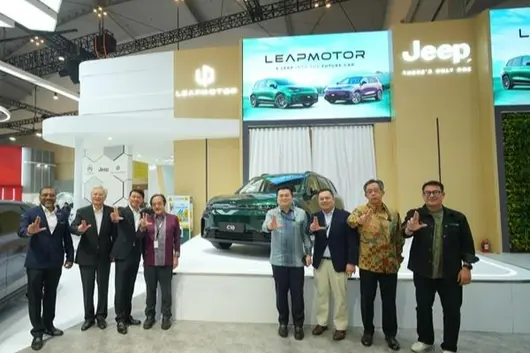
近日,零跑攜零跑 B10 及 C10 兩款全球車款,亮相 2026 印尼國際車展,並正式宣佈登陸印尼市場。零跑仲同印尼 Indomobil 集團共同宣佈,正式喺印尼啟動本地化 KD 組裝生產,透過與 Indomobil 集團旗下 PT National Assemblers 深度合作,完成從產品輸出到本地化全產業鏈佈局嘅跨越。截至目前,零跑汽車已形成馬來西亞、印尼雙製造基地佈局,成為東南亞少數擁有雙 KD 產能嘅中國新能源品牌。
有分析認為,目前中國新能源汽車產業已形成「國內規模化托底,全球化增量擴容」嘅發展格局,二者不可偏廢。例如,零跑率先突破 10 萬台月銷,標誌造車新勢力正式邁入主流車企量級,行業競爭從單一產品比拼,轉向供應鏈、自研製造、渠道服務綜合體系嘅長期較量。
近年來,中國新能源汽車出海已告別簡單整車外銷,轉向「技術輸出 + 本地建廠 + 生態共建」嘅全新階段。據了解,依托與 Stellantis、印尼 Indomobil 集團嘅三方協同,零跑採用品牌同店銷售模式,借助當地成熟分銷網絡,計劃年末建成 50 家印尼服務網點,覆蓋售前、售後全鏈路。事實上,本地化生產不僅規避進口關稅、縮短交付週期,仲帶動當地就業與配套產業鏈升級,契合東盟各國培育本土新能源產業嘅政策導向。截至目前,零跑海外業務共覆蓋全球 40 多個國家和地區、2000 餘家門市,全球累計交付突破 150 萬輛,東南亞本土化製造將成為其全球擴張關鍵支點。
「實踐證明,零跑汽車正成為中國新能源車企『國內規模化、全球本土化』雙輪驅動嘅典型樣本。」獨立汽車分析師白德認為,一方面,國內市場負責「造血、練兵、建產業鏈」,另一方面,國際市場負責「擴容、樹標準、分風險」。只有用好國內、國際市場雙輪驅動,先至能夠令中國新能源汽車鞏固全球領先優勢,實現汽車產業高質量發展。
白德強調指,喺取得規模化增長嘅基礎上,中國新能源汽車必須持續加碼技術創新。據透露,零跑汽車將於今年 9 月舉辦技術日,升級世界模型智駕系統,以低算力實現高階智能駕駛普惠落地。
隨著更多中國車企堅持技術立企,深耕前沿自研技術、完善產品矩陣、推進屬地化產業佈局,中國新能源產業嘅全球競爭優勢將持續鞏固,中國汽車產業升級與全球綠色交通轉型進程亦將進一步提速。

In the Malaysian SUV market, many buyers compare the Proton X70 and the Chery Tiggo 7 PHEV when choosing a car. Both cars are quite similar in price and positioning. Today, we will conduct a detailed comparison from multiple aspects to help you save time on research.
The OTR price of the Proton X70 in Malaysia is RM 106,800 - 122,300, with a total of 3 versions, including 1.5L Standard 2WD (RM 106,800), 1.5L Executive 2WD (RM 115,800), and 1.5L Premium 2WD (RM 122,300).
The OTR price of the Chery Tiggo 7 PHEV in Malaysia is RM 129,750 - 129,750, with a total of 2 versions, including 2025 1.5T 90km CSH (RM 129,750), What charging methods does the Tiggo 7 PHEV support? Can it be charged using a home power socket? (RM 117,478), and so on.
In terms of price, the starting price of the Proton X70 is indeed RM 22,950 cheaper than the Chery Tiggo 7 PHEV. If your budget is limited, the entry-level version of Proton can already meet daily needs. But keep in mind that the few thousand ringgit difference might involve trade-offs in features, depending on your specific needs.

The Proton X70 is equipped with a 1.5L Turbo, producing 140 hp. Official fuel consumption is 7.0 L/100km.
The Chery Tiggo 7 PHEV is equipped with a Hybrid system, producing 170 hp. Official fuel consumption is 4.5 L/100km.
In terms of power, the Hybrid system in the Chery Tiggo 7 PHEV has 30 more horsepower than the 1.5L Turbo in the Proton X70. However, for daily city driving, the power of both cars is sufficient, and you won't feel underpowered.

The safety rating of the Proton X70 is 5★ (ASEAN NCAP). Active safety systems include ADAS (ACC, AEB, LKA, LDA, BSM, RCTA).
The safety rating of the Chery Tiggo 7 PHEV is TBD. Active safety systems include Basic.
Regarding safety features, both cars have achieved good ratings. However, there are some differences in functionality between the Proton X70's ADAS (ACC, AEB, LKA, LDA, BSM, RCTA) and the Chery Tiggo 7 PHEV's Basic system. If you value active safety, you can compare their feature lists in detail.

The Proton X70 body length is 4400 mm, with a 400 L trunk.
The Chery Tiggo 7 PHEV body length is 4400 mm, with a 400 L trunk.
The dimensions of both cars are almost identical, with little difference in interior space. For this class of vehicle, they are more than sufficient for daily use.
Both the Proton X70 and Chery Tiggo 7 PHEV are mainstream choices in the Malaysian market, suitable for family use and daily commuting. If you value brand reputation and resale value more, you can prioritize the one with the better reputation; if you care more about cost-performance ratio and features, choose the one with richer configurations. Ultimately, it is recommended to test drive both; personal experience is the most important.
In general, both the Proton X70 and Chery Tiggo 7 PHEV are excellent models in the Malaysian market. Choosing which one depends on your personal needs and budget. We recommend doing your homework, comparing quotes from several dealerships, and then test driving to make a final decision. Buying a car is a big decision; spending some time preparing is never a mistake.


In Malaysia's SUV market, many buyers compare Proton X70 and Chery Tiggo 7 Pro when choosing a car. These two models are quite close in price and positioning. Today we will make a detailed comparison from multiple aspects to help you save time on research.
The OTR price of Proton X70 in Malaysia is RM 106,800 - 122,300, with a total of 3 versions, including 1.5L Standard 2WD (RM 106,800), 1.5L Executive 2WD (RM 115,800), 1.5L Premium 2WD (RM 122,300), etc.
The OTR price of Chery Tiggo 7 Pro in Malaysia is RM 123,750 - 123,750, with a total of 2 versions, including 1.6L Turbo Standard (RM 125,000), 1.6L Turbo Premium (RM 140,000), etc.
From a price perspective, the starting price of Proton X70 is indeed RM 16,950 cheaper than Chery Tiggo 7 Pro. If your budget is limited, Proton's entry-level version can already meet daily needs. However, keep in mind, the few thousand cheaper may involve trade-offs in features, depending on your specific needs.
The safety rating of Proton X70 is 5★ (ASEAN NCAP), and active safety systems include ADAS (ACC, AEB, LKA, LDA, BSM, RCTA).
The safety rating of Chery Tiggo 7 Pro is TBD, and active safety systems include Basic.
Regarding safety features, both cars have received good ratings. However, there are some differences in functionality between Proton X70's ADAS (ACC, AEB, LKA, LDA, BSM, RCTA) and Chery Tiggo 7 Pro's Basic. If you value active safety, you can carefully compare the function lists of both.
Proton X70 body length is 4400 mm, trunk 400 L.
Chery Tiggo 7 Pro body length is 4400 mm, trunk 400 L.
The dimensions of both cars are almost the same, and the interior space difference is not significant. For cars in this class, it is more than enough for daily use.
Proton X70 uses FWD drive method.
Chery Tiggo 7 Pro uses FWD drive method.
The drive methods of both cars are the same, both are FWD, so there will not be much difference in daily driving experience.
Overall, Proton X70 and Chery Tiggo 7 Pro are both very good models in the Malaysia market. Which one to choose mainly depends on your personal needs and budget. We recommend doing your research, comparing quotes from multiple dealerships, and then test driving to make a final decision. Buying a car is a big matter, taking time to research is never wrong.

喺馬來西亞嘅 SUV 市場,好多買家喺揀車嘅時候都會拿 寶騰 X70 同 馬自達 CX-8 做比較。呢兩部車喺售價同定位上都好接近,今日我哋就由多個方面做個詳細比較,幫你省返做功課嘅時間。
寶騰 X70 喺馬來西亞嘅 OTR 售價係 RM 106,800 - 122,300,一共有 3 個版本,包括 1.5L Standard 2WD(RM 106,800)、1.5L Executive 2WD(RM 115,800)、1.5L Premium 2WD(RM 122,300) 等。
馬自達 CX-8 喺馬來西亞嘅 OTR 售價係 RM 165,360 - 201,360,一共有 5 個版本,包括 2025 2.5T 4WD High Plus Petrol(RM 201,360)、2025 2.2L 2WD High Plus Diesel(RM 193,123)、2025 2.5L 2WD High Plus Petrol(RM 186,360) 等。
由售價睇,寶騰 X70 嘅起步價確實比 馬自達 CX-8 平咗 RM 58,560。如果你預算有限,寶騰嘅入門版已經可以滿足日常需要。但都要注意,平少少嘅幾千蚊,可能喺配備上有取捨,具體要看你嘅需要。

寶騰 X70 車身長 4400 mm,後廂 400 L。
馬自達 CX-8 車身長 4500 mm,後廂 450 L。
空間方面,馬自達 CX-8 嘅車身比 寶騰 X70 長咗 100 mm,乘用空間更有優勢。不過寶騰 X70 喺城市入面停會靈活啲,各有取捨。
寶騰 X70 採用 FWD 驅動方式。
馬自達 CX-8 採用 FWD 驅動方式。
兩部車嘅驅動方式一樣,都係 FWD,日常駕駛感受唔會有太大分別。
寶騰 X70 同 馬自達 CX-8 都係馬來西亞市場嘅主流選擇,適合家庭用、日常通勤。如果你更睇重品牌口碑同二手價,可以優先考慮口碑更好嗰款;如果你更在意性價比同配備,就揀配備更豐富嗰款。最終都係建議兩部都去試駕,親身體驗先係最重要嘅。
總體嚟講,寶騰 X70 同 馬自達 CX-8 都係馬來西亞市場好唔錯嘅車型。揀邊一輛,關鍵仲係要看你嘅個人需要同預算。建議大家做好功課,多比較幾間車行嘅報價,再去試駕做最終決定。買車係一件大事,花少少時間做功課絕對唔會錯。


In Malaysia's SUV market, many buyers compare Proton X70 and Mazda CX-3 when choosing a car. These two models are quite close in price and positioning. Today, we will make a detailed comparison from multiple aspects to save you time on research.
Proton X70 OTR price in Malaysia is RM 106,800 - 122,300, with a total of 3 versions, including 1.5L Standard 2WD (RM 106,800), 1.5L Executive 2WD (RM 115,800), 1.5L Premium 2WD (RM 122,300), etc.
Mazda CX-3 OTR price in Malaysia is RM 126,159 - 139,159, with a total of 2 versions, including 2023 2.0L High (RM 139,159), 2023 2.0L Plus (RM 126,159), etc.
From a price perspective, Proton X70's starting price is indeed RM 19,359 cheaper than Mazda CX-3. If your budget is limited, Proton's entry-level version can already meet daily needs. But note, the few thousand ringgit savings might involve trade-offs in features, depending on your needs.

Proton X70 safety rating is 5★ (ASEAN NCAP), active safety systems include ADAS (ACC, AEB, LKA, LDA, BSM, RCTA).
Mazda CX-3 safety rating is 5★ (ASEAN NCAP), active safety systems include i-Activsense.
Both cars have the same safety rating, safety features in this segment are quite comprehensive. New cars nowadays generally have good safety, no need to worry too much about this.
Proton X70 warranty 5 years/150,000km, maintenance interval every 10,000km or 6 months.
Mazda CX-3 warranty 5 years/150,000km, maintenance interval every 10,000km or 6 months.
Both cars have the same warranty conditions, no need to dwell on this. Actual maintenance costs depend on the brand's service network and parts prices, suggest asking real owners in car owner groups for experience.

Both Proton X70 and Mazda CX-3 are mainstream choices in the Malaysian market, suitable for family use and daily commuting. If you value brand reputation and resale value more, prioritize the one with better reputation; if you care more about cost-performance and features, choose the one with richer configuration. Finally, suggest test-driving both, personal experience is most important.
In general, Proton X70 and Mazda CX-3 are both excellent models in the Malaysian market. Which one to choose depends on your personal needs and budget. Suggest doing research, compare quotes from multiple dealerships, then test-drive to make a final decision. Buying a car is a big deal, spending time on research is never wrong.


With Wuling commuter vehicle users surpassing 3 million, SAIC-GM-Wuling will hold the "Colorful Life, Unleash Fun" Hongguang MINIEV 6th Anniversary and Wuling Commuter Vehicle 3 Million User Grand Ceremony on August 7! At that time, Bingo Family Global Spokesperson Meng Ziyi will also attend in person, co-creating a grand party for the 3 million Wuling Commuter Vehicle users.


From 2017 to present, SAIC-GM-Wuling has continuously deepened its work in the commuter vehicle market, improving the product matrix step by step by launching models such as Baojun E100, E200, Hongguang MINIEV, and Bingo Family. Of course, to date, Wuling commuter vehicle sales will also break 3 million. It is most worth mentioning that the Hongguang MINIEV family, known as the "Car for the People," has attracted over 1.95 million users with its product strength of "Good-looking, Easy to Drive, Easy to Park, and Economical," winning the domestic A00-class pure electric sales champion for 71 consecutive months and firmly ranking first in global cumulative micro new energy vehicle sales. The Bingo Family also, in the guise of high-aesthetic colorful vehicles, has gained the trust of over 750,000 owners, bringing colorful travel experiences to users.

Accelerate Going Global, "Car for the People" Moves Towards the World
As a key part of Wuling's global new energy strategy, on July 29, the 5th Generation Hongguang MINIEV (Wuling Aira ev) was officially announced to launch in Indonesia at the Indonesia International Motor Show (GIIAS), with an official price starting from 155 million Indonesian Rupiah (approximately 59,615 Yuan).

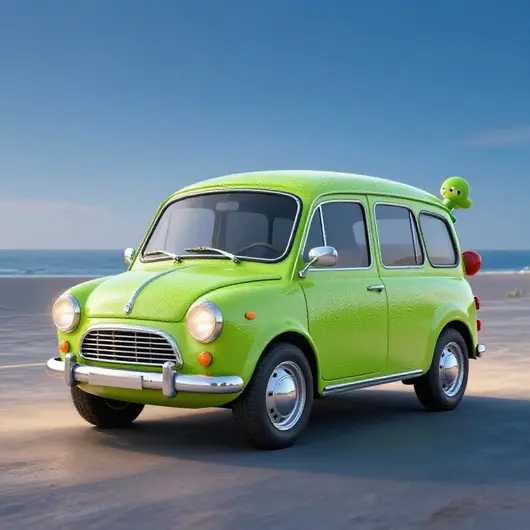
As a four-door four-seat pure electric commuter vehicle, the 5th Generation Hongguang MINIEV can be the first car for college students, new professionals, and young families, and is also the top choice for mature families adding a commuter vehicle. The 5th Generation Hongguang MINIEV easily covers daily high-frequency short-distance scenarios, perfectly meeting users' demands for easy to drive, easy to park, and economical commuter vehicles. To cater to young families and new generation users, this new car also initiated a cross-boundary collaboration with Disney-Pixar's "Toy Story 5" in Indonesia, using a more trendy and fun image to let global people enjoy easy travel daily. The globalization of Hongguang MINIEV not only adds a new wing to Wuling commuter vehicle global sales, but also conveys the concept of simple commuting to a broader international market with solid product strength.
It can be said that from a sales champion to a trendy toy symbol recognized globally, Wuling commuter vehicles prove that small cars can carry myriad passions. On August 7, at Chengdu Open-Air Music Park, nearly 100 user creative cars will gather at the scene, and Wuling car owner representatives will attend this "Colorful Life" feast exclusively for them.

In the Malaysian SUV market, many buyers compare the Proton X70 and Honda WR-V when choosing a car. Both cars are quite close in price and positioning. Today, we will make a detailed comparison from multiple aspects to help you save time on research.
The OTR selling price of Proton X70 in Malaysia is RM 106,800 - 122,300. There are 3 versions in total, including 1.5L Standard 2WD (RM 106,800), 1.5L Executive 2WD (RM 115,800), 1.5L Premium 2WD (RM 122,300) etc.
The OTR selling price of Honda WR-V in Malaysia is RM 89,900 - 107,900. There are 4 versions in total, including 2023 1.5L V (RM 99,900), 2023 1.5L E (RM 95,900), 2023 1.5L S (RM 89,900) etc.
From a price perspective, the starting price of the Honda WR-V is RM 16,900 cheaper than the Proton X70. Honestly, in this price range, a difference of a few thousand is not really significant. The key is to look at overall value for money and long-term usage costs.
The safety rating of Proton X70 is 5★ (ASEAN NCAP). Active safety systems include ADAS (ACC, AEB, LKA, LDA, BSM, RCTA).
The safety rating of Honda WR-V is 5★ (ASEAN NCAP). Active safety systems include Honda SENSING.
Both cars have the same safety rating. Safety features in this class are quite comprehensive. New cars nowadays have good safety standards, so there is no need to worry too much about this.

Proton X70 body length is 4400 mm, trunk is 400 L.
Honda WR-V body length is 4400 mm, trunk is 400 L.
The dimensions of both cars are almost identical, with little difference in interior space. For this class of cars, it is more than enough for daily use.

Proton X70 warranty 5 years/150,000km, maintenance interval every 10,000km or 6 months.
Honda WR-V warranty 5 years/unlimited mileage, maintenance interval every 10,000km or 6 months.
In summary, both Proton X70 and Honda WR-V are very good models in the Malaysian market. Which one to choose depends mainly on your personal needs and budget. We recommend doing your research, comparing quotes from several dealerships, and test driving before making a final decision. Buying a car is a major affair, spending time on research will definitely not be wrong.


Recently, Deep Blue Automobile officially announced the newly upgraded Deep Blue S05.
As a star model that has already garnered over 240,000 users globally and has won the sales champion in its sub-segment for consecutive months, S05's new launch is obviously not just a routine product iteration.
In the 2026 Chinese New Energy market where competition has reached a fever pitch, how does a "hit" model maintain vitality? The upgrade logic of Deep Blue S05 might provide an answer worth pondering. The significance of this car has long surpassed the product itself — it serves as a key move for Deep Blue Automobile to transition from a "hit" to an "evergreen star," and a crucial stabilizing factor for Changan Automobile during the strategic integration window of its new energy sector.

From Functional to Eye-Catching
Looking back at the current Deep Blue S05, the key to its success lies in precise positioning — within a price range of 119,900 to 149,900 RMB, it precisely targeted the pain points of young family users with its dual power layout of pure electric + extended range, a 2880mm extra-long wheelbase, and the driving pleasure of rear-wheel drive. The monthly sales have stably exceeded 10,000 since its launch, which is enough to prove the success of its product definition.
The core logic behind the upgrade of the all-new Deep Blue S05 can be summarized in one sentence: building on existing advantages, patch the "intelligence" weakness and extend the "design" strength.
Intelligent driving is the most notable change in this upgrade. The new car is equipped with a LiDAR for the first time, paired with the upgraded driving assistance "Little Blue Light", achieving a qualitative leap in perception hardware. In the 100,000 to 150,000 RMB compact SUV market, the inclusion of LiDAR is currently still a scarce configuration. Deep Blue S05's move, in essence, substantially lowers the hardware threshold for high-level intelligent driving, allowing more mainstream users to enjoy more precise risk prediction and a more reassuring driving assistance experience. This is not only an improvement in product power but also a substantial implementation of the "technology for everyone" concept.
On the design front, the new S05 continues the brand's core concept of "Symbiotic Aesthetics" and deepens the interpretation of the "Interstellar Wings" design language. The closed front grille combined with slender light groups and "Deep Blue Eyes" petal lights further enhances recognition. The retention and optimization of youthful configurations such as frameless doors, semi-hidden door handles, and a 1.9㎡ panoramic sunroof continue to strengthen its "Trendy Electric SUV" product tag.
Inside, the new "Floating Starship" design language brings a more technological cockpit atmosphere. The 256-color floating surround ambient light supports rhythm with scenario modes. The combination of a large floating central control screen and HUD Head-Up Display further enhances the immersion of human-vehicle interaction. And the spacious rear space brought by the 2880mm wheelbase, combined with the storage combination of a 492L double-layer trunk and 159L front trunk, keeps this compact SUV competitively superior in terms of practicality.
In terms of power, the new car continues to offer dual power choices of pure electric and extended range. The pure electric version is equipped with a 272 hp rear single motor, offering two CLTC range versions of 520km and 620km; the extended range version has a CLTC pure electric range of 215km, with a comprehensive range reaching 1310km. It is worth noting that the CATL "Golden Bell" battery pack and 3C super fast charging technology adopted by the new car are at the leading level in their class in terms of energy replenishment efficiency and battery safety.

From "Hit" to "Evergreen", S05 is Critical for Deep Blue
The launch of the all-new Deep Blue S05 coincides with a key node in the development of the Deep Blue brand.
From sales data perspective, Deep Blue Automobile's cumulative global sales for the first half of 2026 have reached 164,156 units, a year-on-year increase of 14.6%, among which the monthly sales in June reached 33,625 units, breaking through the 30,000 unit threshold for 4 consecutive months. The overseas market performance was particularly bright, with cumulative overseas sales of 35,795 units in the first half of the year, a year-on-year increase of 141%. As for the Deep Blue S05 model alone, global sales in June reached 18,369 units, accounting for more than half of the brand's total sales, making it the undisputed "sales supporter" of Deep Blue.
For any car brand, excessive reliance on a single model is both glory and risk. Deep Blue Automobile clearly realizes this — models like L06 and S07 are growing rapidly, but S05's position as the brand's "basic floor" is hard to shake in the short term. The launch of the new S05 is precisely to consolidate this basic floor: through the integration of LiDAR and design iteration, ensuring this model which has already proven itself does not fall behind in the wave of intelligence, while maintaining a leading advantage over competitors.
From a brand positioning perspective, Deep Blue has always emphasized the brand tone of "Young, Tech, Sports". The simultaneous upgrades of the new S05 in appearance, interior, and intelligence dimensions resonate deeply with this tone. It is not only the best-selling model in the Deep Blue product matrix but also the most direct carrier of brand concepts — allowing young users to enjoy cutting-edge intelligent electric experiences at an affordable price.

From Fighting Alone to Strategic Synergy
Zooming out to the Changan Automobile level, the significance of the all-new Deep Blue S05 is even more profound.
In 2026, Changan Automobile is promoting an important strategic adjustment — strategic integration and coordinated development of Avatr and Deep Blue Automobile. The two brands after integration will form a mid-to-high-end brand group of 1.5 million+ level, among which Deep Blue's goal is annual sales of 1 million units by 2030. In front of this grand goal, Deep Blue needs a core model that is capable enough and durable enough to support the sales base — and S05 is the most suitable candidate for this role.
At the same time, the competitive landscape of the Chinese New Energy market is undergoing profound changes. In the first half of 2026, the pure electric market has entered the stock competition stage, and the extended range track also faces the pressure of structural adjustment. In this macro environment, a model with stable monthly sales exceeding 10,000 and which can maintain product competitiveness through continuous iteration is one whose strategic value cannot be overemphasized. The launch of the new S05 not only provides continuous momentum for Deep Blue's sales growth but also provides important support for the stable operation of the Changan new energy matrix.
More noteworthy is the role of S05 in the global layout. Currently, the Deep Blue S05 has been selling well in 73 countries and regions worldwide and has won international honors such as the German iF Design Award. Deep Blue Automobile has entered more than 110 countries and regions worldwide and established a right-hand drive factory in Thailand. The upgrade of the new S05 will undoubtedly further enhance the competitiveness of this "global car" in the international market, adding an important piece to the puzzle of Changan Automobile's "inclusiveness" global strategy.

Auto Net Review: The launch of the all-new Deep Blue S05, on the surface, looks like a mid-life facelift of a product, but in reality, it is a key step for Deep Blue Automobile to move from "Hit-Driven" to "Systematic Competition". The reduction of LiDAR, the evolution of design, the leap in space — behind these product power upgrades is a complete product definition logic: within the mainstream price range, making the intelligence, design sense, and practicality that users care about most to the extreme.
For Deep Blue Automobile, S05 is the critical stabilizer to stabilize the basic floor; for Changan Automobile, S05 is an important support during the new energy strategic integration period. In this key differentiation period of the industry in 2026, the launch of the all-new Deep Blue S05 might be the most solid step on the road from "Chinese Mainstream" to "Global Home Court" for Deep Blue.
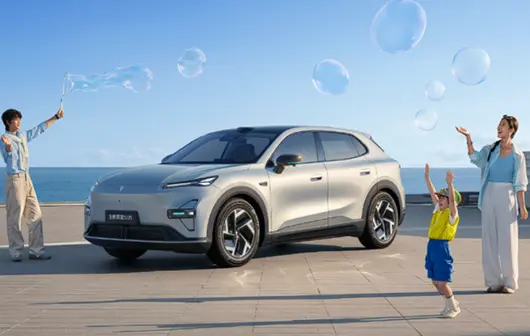

喺馬來西亞嘅 SUV 市場,好多買家喺揀車嘅時候都會拿寶騰 X50 同現代途勝來做比較。呢兩款車喺價位同定位上都幾接近,今日我哋就由多個方面做一個詳細嘅對比,幫你省下做功課嘅時間。
寶騰 X50 喺馬來西亞嘅 OTR 售價係 RM 89,800 - 113,300,一共有 4 個版本,包括 1.5T Executive(RM 89,800)、1.5T Premium(RM 101,800)、1.5T Flagship(RM 113,300)等。
現代途勝喺馬來西亞嘅 OTR 售價係 RM 143,888 - 197,888,一共有 5 個版本,包括 2025 HEV 1.6T AT 2WD Prestige(RM 197,888)、2025 1.6T DCT 4WD Prestige(RM 186,888)、2025 1.6T DCT 2WD Prime(RM 164,888)等。
由價錢睇落,寶騰 X50 嘅起步價確實比現代途勝平咗 RM 54,088。如果你預算有限,寶騰嘅入門版已經可以滿足日常需求。但都要注意,平嗰幾千蚊,可能會喺配備上有取舍,具體要睇你嘅需求。

寶騰 X50 嘅安全評級係 5★ (ASEAN NCAP),主動安全系統包括 ADAS (ACC, AEB, LKA, LDA, BSM, RCTA)。
現代途勝嘅安全評級係 5★ (ASEAN NCAP),主動安全系統包括 SmartSense。
呢兩款車嘅安全評級一樣,喺呢個級別裡面安全配備都算給得幾齊全啦。而家嘅新車安全性都唔差,唔使太擔心呢一點。
寶騰 X50 保用 5 年/150,000km,保養間隔 每 10,000km 或 6 個月。
現代途勝保用 5 年/300,000km,保養間隔 每 10,000km 或 6 個月。
寶騰 X50 同現代途勝都係馬來西亞市場嘅主流選擇,適合家庭使用、日常通勤。如果你更重視品牌口碑同二手價,可以優先考慮口碑更好嗰一款;如果你更在意性價比同配備,那就揀配置更豐富嗰款。最後都係建議兩款都去試駕,親身體驗先係最重要嘅。

總嘅嚟講,寶騰 X50 同現代途勝都係馬來西亞市場幾唔錯嘅車款。揀邊輛,關鍵都要睇你個人嘅需求同預算。建議大家做好功課,多比較幾間車行嘅報價,先去試駕先做最終決定。買車係件大事,花少少時間做功課絕對唔會錯。

In Malaysia's SUV market, many buyers compare Proton X50 and Chery Tiggo 7 PHEV when choosing a car. These two cars are quite close in price and positioning. Today we will make a detailed comparison from multiple aspects to save you time doing homework.
Proton X50 OTR price in Malaysia is RM 89,800 - 113,300, with a total of 4 versions, including 1.5T Executive (RM 89,800), 1.5T Premium (RM 101,800), 1.5T Flagship (RM 113,300) etc.
Chery Tiggo 7 PHEV OTR price in Malaysia is RM 129,750 - 129,750, with a total of 2 versions, including 2025 1.5T 90km CSH (RM 129,750), What charging methods does the Tiggo 7 PHEV support? Can it be charged using a home power socket? (RM 117,478) etc.
From the price perspective, Proton X50's starting price is indeed RM 39,950 cheaper than Chery Tiggo 7 PHEV. If your budget is limited, Proton's entry-level version can already meet daily needs. But also note, the cheaper few thousand might have trade-offs in equipment, it depends on your specific needs.
Proton X50 safety rating is 5★ (ASEAN NCAP), active safety systems include ADAS (ACC, AEB, LKA, LDA, BSM, RCTA).
Chery Tiggo 7 PHEV safety rating is TBD, active safety systems include Basic.
In terms of safety features, both cars have received good ratings. However, Proton X50's ADAS (ACC, AEB, LKA, LDA, BSM, RCTA) and Chery Tiggo 7 PHEV's Basic have some differences in function. If you value active safety, you can compare their function lists in detail.
Proton X50 body length 4400 mm, trunk 400 L.
Chery Tiggo 7 PHEV body length 4400 mm, trunk 400 L.
The dimensions of both cars are almost the same, interior space difference is not significant. Cars of this level are more than enough for daily use.
Proton X50 warranty 5 years/150,000km, maintenance interval every 10,000km or 6 months.
Chery Tiggo 7 PHEV warranty 3 years/100,000km, maintenance interval every 10,000km or 6 months.
Overall, Proton X50 and Chery Tiggo 7 PHEV are both very good models in the Malaysian market. Which one to choose depends on your personal needs and budget. It is recommended to do your homework, compare quotes from several dealerships, and then test drive to make a final decision. Buying a car is a big matter, spending some time doing homework will definitely not be wrong.

撰文 | 張霖郁
編輯 | 張 南
設計 | 甄尤美
美國中部時間 7 月 22 日下午 4:30,特斯拉第二季度財報會開始,幾乎冇涉及傳統汽車業務。
問答環節,分析師們不再追問外界俗稱 Model 2 嘅廉價車型何時量產兌現,呢個名特斯拉從未正式用過,亦不再過問新一代車型嘅進展。
馬斯克本人以及佢嘅核心高層同大家分享嘅,係 FSD(Full Self-Driving,特斯拉嘅完全自動駕駛軟件,當前版本仍要求駕駛員全程監督)、Robotaxi、機器人 Optimus 以及芯片工廠。
呢樣同特斯拉當下嘅收入結構形成某種反差。
增收不增利
2026 年第二季度,特斯拉喺全球共交付 480126 輛汽車,同比增長 25%,環比增長 34%,創下公司史上最好嘅第二季度交付成績,僅次於 2025 年第三季度創下嘅 497099 輛歷史記錄。
其中,Model 3 同 Model Y 交付 467762 輛,佔總交付量嘅 97.4%;包括 Model S、Model X、Cybertruck 同 Semi 卡車在內嘅其他車型合計交付 12364 輛,只佔 2.6%。

同期產量 451758 輛。交付比產量多出 28368 輛,全球整車庫存天數從上一季度嘅 27 日降到 15 日。
特斯拉冇公佈第二季度各地區嘅絕對銷量,但首席財務官瓦伊巴夫·塔內賈(Vaibhav Taneja)透露,與第一季度相比,美洲地區交付量增長 60%,亞太地區增長 27%,歐洲、中東同非洲地區增長 12%。佢仲講,特斯拉退出第二季度時,持有 2023 年以來最大嘅在手訂單積壓。

股東信列出的第二季度交付創紀錄市場係韓國、澳大利亞、哥倫比亞、日本、中國台灣、泰國、葡萄牙、菲律賓、智利、斯洛文尼亞同立陶宛。塔內賈另外提到,Model Y 喺荷蘭、澳大利亞同新西蘭創下銷售紀錄。
銷量增長,利潤卻冇同步嚟。
第二季度,特斯拉總營收為 282.36 億美元,同比增長 26%,過去十二個月營收首次突破 1000 億美元。其中,汽車業務收入 205.16 億美元,同比增長 23%,佔公司總收入嘅 72.7%;能源發電與儲能業務收入 31.39 億美元,同比增長 13%;服務及其他業務收入 45.81 億美元,同比增長 50%,成為增長最快嘅業務。

特斯拉當季毛利潤為 47.51 億美元,同比增長 23%;GAAP 毛利率為 16.8%,同去年同期嘅 17.2% 下降 41 個基點。
營業利潤只有 3.98 億美元,同比下降 57%;營業利潤率從去年同期嘅 4.1% 降至 1.4%。
換句話講,特斯拉營收同比增加 57.40 億美元,營業利潤卻減少咗 5.25 億美元。
利潤受到嘅一重壓力來自費用。第二季度,特斯拉研發費用達到 23.71 億美元,同比增長 49%;銷售、一般同管理費用達到 19.82 億美元,同比增長 45%。兩項費用合計 43.53 億美元,幾乎食晒全部毛利潤。
股東信把費用增長歸為三處:AI 等研發項目、股權激勵(含 2025 年 CEO 薪酬方案)、銷售同管理費用。當季股權激勵費用稅前 11.51 億美元,去年同期為 6.35 億美元。
汽車監管積分收入從去年同期嘅 4.39 億美元降至 1.46 億美元,同比下降 67%,上一季度仲有 3.80 億美元。7500 美元嘅美國聯邦電動車稅收抵免已於 2025 年 9 月 30 日到期;聯邦法律修改後,車企未達標燃油經濟性標準嘅罰款被歸零,購買特斯拉積分嘅動機隨之消失。
汽車業務 GAAP 毛利率為 16.9%,扣除監管積分收入後嘅汽車毛利率為 16.3%,高於去年同期嘅 15.0%,但明顯低於今年第一季度嘅 19.2%。
塔內賈解釋,第一季度嘅汽車毛利率曾受到約 2.3 億美元質保準備金回撥同關稅減免幫助,呢啲利好冇喺第二季度重複出現;剔除呢啲影響,扣除積分嘅汽車毛利率與上一季度基本持平。
股東信喺營收同利潤嘅歸因入面,兩處把「單車平均售價下降」列為負面因素。
能源業務亦出現咗「增收不增利」。
第二季度,特斯拉儲能部署量達到 13.5GWh,同比增長 41%,環比增長 53%,為歷史第二高季度,但由於供應商電芯問題帶來約 2.4 億美元質保費用,能源業務毛利率從第一季度嘅 39.5% 下降至 20.4%。
服務及其他業務成為少數明確嘅利潤增長點。
該業務毛利潤由去年同期嘅 1.66 億美元增長至 6.48 億美元,環比增加 3.02 億美元;毛利率由去年同期嘅 5.5%、上一季度嘅 9.2% 升至 14.1%,創歷史新高。
特斯拉當季 GAAP 淨利潤為 11.14 億美元,同比下降 5%;攤薄後每股盈餘為 0.32 美元,同比下降 3%。
呢 11.14 億美元入面包含一筆 SpaceX 股權投資未實現收益,稅前 10.05 億美元,稅後 7.63 億美元。特斯拉喺 2026 年第一季度以 20.02 億美元買入呢筆 SpaceX 股權,一個季度後浮盈 10.05 億美元。
塔內賈講,呢筆約 10 億美元嘅收益被約 3 億美元匯兌損失同約 1 億美元比特幣損失抵銷。利潤表上,當季「其他收益(費用)淨額」合計 5.90 億美元。
剔除股權激勵、SpaceX 浮盈、數字資產波動同特殊稅務項目後,特斯拉非 GAAP 淨利潤為 11.53 億美元,同比下降 17%;非 GAAP 攤薄後每股盈餘為 0.33 美元,同比下降 18%。
第二季度,特斯拉經營現金流為 46.97 億美元,同比增長 85%;資本開支達到 57.89 億美元,同比增長 142%,由此產生 10.92 億美元負自由現金流。
公司預計,2026 年全年資本開支將超過 250 億美元,未來兩三年資本開支仲會繼續增長。
截至 6 月底,特斯拉持有 435.24 億美元現金、現金等價物及短期投資,較第一季度減少 12.19 億美元。
汽車依然係特斯拉最大嘅收入來源,亦係支撐現金流同資本開支嘅基本盤,但財報會已唔係一場關於汽車嘅財報會。
馬斯克只講咗三件事
財報會開始後,馬斯克嘅聲音聽起嚟情緒唔佳,佢其後向分析師解釋,自己當日病咗,「如果聽起嚟有點唔對,係因為我今日生病,有些唔舒服。」
佢簡單講咗三件事。
第一件事係 Cybercab。佢宣佈,Cybercab 已喺德克萨斯超級工廠開始生產。作為一款冇方向盤同踏板、專門為 Robotaxi 設計嘅兩座車型,Cybercab 視為特斯拉從賣車轉向運營自動駕駛車隊嘅核心載體。特斯拉 7 月起已喺得州工廠園區內為員工提供 Cybercab 乘坐體驗。

不過,Cybercab 短期內唔會迅速放量。
由於佢採用全新底盤,特斯拉必須先讓配備方向盤、加速踏板同制動踏板嘅測試車積累足夠多嘅行駛數據,完成針對 Cybercab 底盤嘅自動駕駛系統校準。
第二件事係機器人 Optimus。
馬斯克再次把 Optimus 稱呼為「可能係有史以來最大嘅產品」,但佢同時承認,呢將係特斯拉迄今最難實現規模化生產嘅產品。

汽車至少擁有成熟嘅輪胎、玻璃、後視鏡同車身零部件供應鏈,Optimus 卻幾乎所有部件都需要重新設計同建立供應體系。
特斯拉已經拆除弗里蒙特工廠嘅 Model S 同 Model X 生產線,開始安裝第一代 Optimus 生產線,得州工廠嘅 Optimus 廠房亦喺建設緊。

股東信講,首批 Optimus 將投入特斯拉內部嘅 Optimus Academy,用於採集訓練數據同開發功能。
馬斯克稱,Optimus 生產爬坡將遵循常見嘅 S 形曲線,但由於大量零部件係全新嘅,曲線最初嘅平緩階段會非常漫長。
馬斯克希望第三代 Optimus 最終達到年產 100 萬台,第四代達到年產 1000 萬台。不過,佢隨即強調,呢啲只係理想目標,真正實現規模化生產「難度高得驚」。
第三件事係芯片工廠。
呢係特斯拉同 SpaceX 合作嘅巨型芯片製造項目。Terafab 不僅生產邏輯芯片,仲要覆蓋存儲芯片、先進封裝、測試同光刻掩膜製造。
馬斯克冇喺財報會上公佈選址,只講好快會有一場單獨嘅發布活動,因為呢一項目「值得擁有自己嘅一天」,而不應該被塞入財報會。
佢設想將光刻掩膜製造、邏輯芯片、存儲芯片、封裝同測試放喺同一座建築物中,以縮短芯片設計同驗證週期。Terafab 嘅主要任務並唔係畀汽車生產傳統芯片,而係解決未來 Optimus 大規模量產所需要嘅 AI 計算能力。
馬斯克認為,如果冇自己嘅芯片製造能力,Optimus 最終會受到 AI 芯片供應限制。
股東信入面另有一處芯片表述:特斯拉喺奧斯汀嘅半導體晶圓廠正喺推進建設同設備採購,項目仍處早期,目的係自建芯片製造能力,保障邏輯芯片同存儲芯片嘅長期供應。股東信全文冇出現 Terafab。
2026 年 6 月 4 日,中國台灣新竹,台積電 2026 年度股東常會。
一位法人機構股東代表問台積電董事長兼行政總裁魏哲家點睇馬斯克自建晶圓廠。魏哲家講:「我唯一嘅說法就係『祝福佢』。」佢同時講,台積電一直唔缺對手,唯一能面對嘅方式就係持續努力持續贏。

Cybercab、Optimus 同 Terafab,構成咗呢場財報會上馬斯克全部敘事嘅主軸。傳統汽車業務只係作為現金來源同 AI 落地平台存在。
限制產量嘅唔係需求,係電池包
股東信兩處寫明,電池包產能係近期整車產量提升嘅主要限制因素。塔內賈喺會上補充,產量增長將受供應鏈限制,唔只係電池,仲包括電子元器件。

同一個季度,特斯拉面臨 2023 年以來最大嘅在手訂單積壓。
截至第二季度尾,特斯拉付費 FSD 訂閱數 148 萬份,同比增長 56%;全球付費用戶接近 150 萬,其中 55% 為一次性買斷,45% 為訂閱。北美超過 55% 嘅新車喺交付時已開通 FSD 訂閱。
股東信稱,特斯拉已同美國同韓國搭載 AI3 硬件嘅車輛推送 FSD v14 lite,做法係把 AI4 上 v14 系列嘅駕駛行為蒸餾進 AI3 嘅攝像頭同算力配置。
Hardware 3、Hardware 4 對應嘅正係 AI3、AI4。馬斯克喺問答環節講,升級低於 Hardware 4 嘅車輛「最終會擁有經濟合理性」,特斯拉公開文件入面冇硬件升級計劃。
股東信列出九個 Robotaxi 都會區:加州舊金山灣區配備安全員;得克萨斯州奧斯汀、達拉斯、休斯頓同佛羅里達州邁阿密、奧蘭多、坦帕處於無監督運營爬坡階段;亞利桑那州菲尼克斯、內華達州拉斯維加斯籌備緊。

特斯拉稱 Robotaxi 已喺 7 個主要都會區上線,累計安全行駛超過 38 萬英里,無事故記錄。
分析師問答實錄
以下係特斯拉 2026 年第二季度財報會嘅回答環節實錄,本刊據電話會錄音編譯,有刪節。
財報會現場高層名單
主持人:特拉維斯·阿克塞爾羅德(Travis Axelrod,特斯拉投資者關係主管)
馬斯克(Elon Musk,特斯拉聯合創始人、行政總裁)
瓦伊巴夫·塔內賈(Vaibhav Taneja,特斯拉首席財務官)
阿肖克·埃盧斯瓦米(Ashok Elluswamy)
卡恩·布迪拉傑(Karn Budhiraj)
拉爾斯·莫拉維(Lars Moravy,特斯拉車輛工程副總裁)
布蘭登·爾哈特(Brandon Ehrhart,特斯拉總法律顧問兼公司秘書)
Q1:目前實際上並唔存在一條成熟嘅 Optimus 供應鏈,因此特斯拉不得不將好多工作轉為內部完成。喺推進呢項工作嘅過程中,有無供應商願意同你哋共同投資,喺美國建立本土製造能力,從而幫助特斯拉更快實現規模化?從投資週期睇,讓合作夥伴共同推進可能會提高資本效率。你哋點樣考慮呢個問題?
馬斯克:我哋嘅供應商表現非常非常出色。為咗支持 Optimus、Robotaxi 以及其他項目,佢哋已經投入,正喺投入巨額資金。
尤其係三星電子同台積電,佢哋都喺建設晶圓廠。台積電正喺亞利桑那州建廠,三星則喺得州建廠,並投入數百億美元,為 Optimus 同 Robotaxi 生產 AI 計算芯片。
松下亦投入咗數十億美元,用於擴大電池生產。
唔好意思,我今日身體有些唔舒服,有一點生病。如果我嘅聲音聽起嚟唔太啱,係因為我今日確實有些唔舒服。
我哋嘅合作夥伴都非常出色。我要多謝佢哋給予我哋嘅支持,多謝佢哋所做嘅投資同付出嘅辛勤勞動。
卡恩·布迪拉傑:我想喺呢個基礎上補充一啲。三星嘅晶圓廠將有相當大一部分產能用於未來項目。呢係一筆規模巨大嘅投資,涉及數十億美元。
我哋仲看到,存儲芯片領域亦喺進行同等規模嘅投資。此外,一啲新嘅專用零部件領域亦出現咗投資,例如金屬注射成型零部件、柔性印刷電路,同各種非傳統技術。呢啲技術更多係為機器人設計嘅,同我哋過去嘅傳統汽車供應鏈唔同。
喺某些領域,如果我哋搵唔到合適嘅合作夥伴,我哋從來唔會猶豫是否將其轉為內部生產。我哋擁有一支能力非常強嘅製造工程團隊同設計團隊,可以幫助我哋擴大呢啲產品嘅生產規模。
馬斯克:我仲要感謝美光科技(Micron Technology,美國存儲芯片製造商)為我哋分配存儲芯片產能。佢哋必須喺存儲芯片產能分配方面做出一些非常艱難嘅決定。考慮到如今存儲芯片價格高得瘋狂,我哋非常感謝美光願意喺未來幾年為特斯拉留出空間,並合理條件向我哋分配相當可觀嘅產能。
Q2:美國各州嘅監管規定似乎正喺發生變化,其中可能涉及傳感器配置要求。對於 Robotaxi 部署,你哋希望監管機構採取咩做法?為咗避免過度監管,同時確保 Robotaxi 以正確方式落地,你哋希望睇到咩樣嘅監管環境?
拉爾斯·莫拉維:當我哋討論監管,尤其係美國嘅監管環境時,已經取得咗好大進展。聯邦政府圍繞《聯邦機動車安全標準》(FMVSS)採取咗一啲非常積極嘅舉措,開始接受同推動專門設計嘅自動駕駛汽車。我哋非常感謝美國國家公路交通安全管理局(NHTSA)喺呢方面給予嘅支持。
至於各州嘅情況,新澤西州最近出現嘅某啲動向顯然有些令人失望。
但正如阿肖克喺開場發言中所講,我哋真正關注嘅係車輛本身嘅表現。最終,正係產品表現推動監管機構同公眾接受呢項技術。
我認為,最好嘅監管方式係同企業同創新者設定一個目標或任務,然後讓我哋自己搵解決方案。如果某啲監管規定已經未明確問題係咩,就預先規定咗解決方案,我哋確實唔會歡迎呢種做法。
特斯拉過去一直、未來亦會繼續用實際表現證明自己。呢亦會成為我哋未來繼續擴張嘅基礎。
Q3:接下來,投資者應該關注邊啲里程碑?達到邊啲里程碑後,你哋會加快 Robotaxi 車隊擴張或市場部署?係進一步嘅安全驗證,例如每發生一次意外對應嘅行駛里程,定係其他指標?另外,你哋會否考慮同網約車平台等第三方合作,以提高車輛利用率?定係繼續保持完全垂直整合?
馬斯克:我哋預計 Robotaxi 將採用垂直整合模式,好似特斯拉嘅其他業務一樣。我唔認為 Robotaxi 會面對需求不足嘅問題。佢嘅經濟性將極具吸引力,希望使用呢項服務嘅人會非常多,需求將超過我哋嘅服務能力。喺呢種情況下,顯然可以選擇垂直整合。
真正嘅問題只係我哋所謂嘅可靠性「多個 9 嘅進階」。即係話,為咗擴大規模,系統究竟需要達到幾多個 9 嘅可靠性?
理想情況下,我哋希望可靠性達到 99.999999%。我認為,Robotaxi 增長真正受到嘅唯一限制,就係不斷向更多個 9 嘅可靠性邁進。
Q4:外界一直喺討論 SpaceX 同特斯拉以某種方式合併嘅可能性。兩間公司目前已經進行咗大量合作。最終將兩間公司合併會否產生協同效應?隨著時間推移,咁樣做係唔係合理?
馬斯克:正如大家從兩間公司喺眾多領域開展嘅大量合作中看到那樣,雙方業務之間嘅重合度越來越高,尤其係 Terafab 項目。呢將係一個真正嘅巨型項目。
但好明顯,我哋唔能喺財報電話會上討論公司合併之類嘅事情。呢類事項必須按照適當程序進行。
布蘭登·爾哈特:我哋一直從同 SpaceX 嘅關係中受益。SpaceX 係一位非常出色嘅合作夥伴,我哋同佢哋開展咗許多對雙方都有利嘅交易。
今年早些時候,我哋透過一筆投資同一份框架協議进一步深化咗雙方關係。呢將使我哋能夠繼續同 SpaceX 合作推進埃隆剛才提到嘅項目,例如 Terafab 同數字 Optimus。
馬斯克:此外仲有好多其他合作。而家車入面已經接入咗 Grok(馬斯克旗下人工智能公司 xAI 嘅大模型),Grok 亦喺幫助驅動數字 Optimus。Starlink(SpaceX 嘅衛星互聯網服務)正喺集成到 Cybercab 中。未來,Starlink 仲將集成到我哋所有嘅汽車產品中,至少喺 Starlink 已經運營嘅市場會咁樣做。
因為喺 Robotaxi 嘅應用場景中,網絡必須覆蓋所有地方。
即使係喺矽谷,亦有許多地方嘅流動網絡信號非常差,有時甚至完全冇信號。我開車上班時,最初 10 分鐘到 15 分鐘實際上無法打電話,因為流動網絡連接實在太差。
我哋唔能讓 Robotaxi 進入呢啲缺少流動網絡連接嘅「百慕大三角」,然後被困喺嗰度。Starlink 能夠喺任何地方提供網絡連接,因此好重要。咁樣可以避免 Robotaxi 失聯。
如果人坐喺車入面,可能會想高效處理工作,亦可能希望獲得娛樂體驗。有咗 Starlink,人可以喺車內睇 4K 直播體育賽事,而且每 GB 數據嘅成本非常低。呢透過流動網絡實際上好難實現。
瓦伊巴夫·塔內賈:可以從 Cybercab 嘅乘坐體驗理解呢一點。喺一個唔需要專注於駕駛嘅世界入面,你坐喺車入面嘅全部時間都可以用於其他野,無論係參加電話會議、睇電影,定係從事其他活動。
因此,如果觀察 Cybercab 嘅設計,就會睇到佢配備咗一塊好大嘅屏幕。
我哋已經開始喺奧斯汀工廠內提供 Cybercab 乘坐體驗。喺唔遠嘅未來,消費者亦將能夠體驗到。等你真正體驗過之後,就會明白點解網絡連接會變得如此重要。
Q5:而家 Robotaxi 一直喺增加運營城市,但根據媒體報道,車輛數量似乎仍然只有幾十架,而唔係幾百架。點解唔先集中擴大奧斯汀或一兩座城市嘅規模?要想喺一座主要城市實現更高投放量,你哋仲要解決邊種問題?
阿肖克·埃盧斯瓦米:我哋之所以選擇向不同城市擴張,而唔係只集中發展一座城市,係因為我哋希望確保技術棧具備好強嘅通用性。
佢確實係一套通用系統。我哋只係希望向自己同外界證明,呢套系統能夠喺許多不同嘅城市運行,而且進入每座城市唔需要投入太多額外工作。正係我哋喺內部睇到嘅情況。
正如埃隆剛才提到嘅,增長率實際上已經呈現指數級上升,只係而家仲處於指數曲線嘅早期階段,因此外界好難理解呢種增長。
至於應該關注行駛里程定係車輛數量,由於 Robotaxi 車隊中嘅車輛基本上會持續行駛,而人類駕駛員可能每日只使用車輛幾個小時,所以兩者存在好大差異。
呢啲車輛喺絕大多數時間都會持續運營。這代表,即使車輛數量唔多,亦能產生大量行駛里程。因此,我哋更關注無人監督行駛里程,而唔係單純關注車輛數量。
我哋希望運營一支效率非常高嘅車隊。所有提高運營效率嘅工作,都會進一步提升車隊中每架車能夠貢獻嘅行駛里程。
瓦伊巴夫·塔內賈:我哋正喺嘗試擴大呢項業務,同时要確保解決其中可能存在嘅各種問題。呢啲問題唔僅涉及軟件,仲涉及運營,我哋亦努力處理。因此,我哋希望先擴大地理覆蓋範圍,喺真正大規模部署之前,透過規模較細、可控嘅車隊解決呢啲問題。
馬斯克:關於 Cybercab,有一點需要特別說明。因為 Cybercab 採用咗全新嘅車輛底盤,喺大量投放之前,我哋必須積累專門針對 Cybercab 嘅行駛數據。
Model 3、Model Y 以及其他車型已經有數百萬輛汽車喺道路上行駛,我哋擁有大量數據,但 Cybercab 仲未具備咗咁樣嘅數據基礎。
我哋必須先讓配備方向盤、加速踏板同制動踏板等裝置嘅 Cybercab 累計行駛里程,從而對 Cybercab 底盤完成系統校準。
當我哋對此建立足夠信心後,大家將會睇到,各城市中嘅 Cybercab 數量出現大幅增長。
拉爾斯·莫拉維:另一個需要指出嘅原因係,總擁有成本以及交通運輸監管環境,喺不同城市、不同州之間都唔同。而家並唔存在統一嘅聯邦監管框架。
我哋之所以逐個城市擴張,係為咗確保能夠分別滿足呢啲要求,並盡一切可能回應每座城市提出嘅具體要求。
我哋必須進入每一座城市,才能滿足當地要求。我哋會繼續咁樣做,滿足所有條件後再進一步擴大規模。
Q6:美國國家公路交通安全管理局正喺推動取消踏板同方向盤。呢啲會否成為限制 Cybercab 擴產嘅因素?喺聯邦層面,仲有無其他問題需要解決,才能真正釋放我哋擴大 Cybercab 規模嘅能力?
拉爾斯·莫拉維:簡單嘅回答係,冇。我哋同美國國家公路交通安全管理局,特別是同喬納森·莫里森(Jonathan Morrison)局長,保持著非常好嘅關係。
我認為,佢哋只係喺順應公眾需求,以及全世界都知道即將到嚟嘅趨勢。佢哋試圖走喺趨勢前面,確保制定適當嘅措施。
過去幾年入面,我哋一直坦白地向佢哋介紹我哋嘅計劃同正喺推進嘅工作。
我唔想講雙方完全步調一致,但我感覺我哋喺嗰度擁有一位合作夥伴,雙方正喺共同推進相關工作。
〔編者注:莫里森 2025 年 9 月 18 日經美國參議院確認出任 NHTSA 局長。佢曾於 2017 年至 2021 年任 NHTSA 總法律顧問,2025 年重返 NHTSA 之前,喺蘋果特別項目組(Special Projects Group,即蘋果造車項目)負責法務、監管、政府事務同政策〕
Q7:Starlink 已經集成到 Cybercab 中。Cybercab 能否倒轉成為 Starlink 移動服務嘅遠程熱點?另外,你哋預計幾時開始為 Tesla Semi 開發自動駕駛?考慮到卡車司機短缺,自動駕駛卡車似乎亦係一個好大嘅市場。
馬斯克:正如你提到嘅,而家確實存在非常嚴重嘅卡車司機短缺問題。願意駕駛卡車嘅人唔夠多,而卡車對於美國嘅貨物運輸至關重要。自動駕駛 Semi 對於解決卡車司機短缺問題將非常重要,亦有助於提高安全性。
對於仍然由卡車司機駕駛嘅 Tesla Semi 來說,自動駕駛功能亦會顯著提高駕駛安全性同舒適性。
由於 Tesla Semi 而家嘅數量仍然好少,即使到今年年底,佢喺特斯拉全部車輛中嘅佔比仍然會非常低,因此,將自動駕駛研發資源優先投入高銷量車型係合理嘅。
我哋會優先解決 Model 3、Model Y 同 Cybercab 嘅自動駕駛問題,真正使呢啲車型實現通用嘅、無人監督嘅自動駕駛。
我哋預計,Tesla Semi 嘅自動駕駛功能可能喺今年年底或明年初實現。我只係唔希望 Semi 項目分散我哋喺 Model 3、Model Y 同 Cybercab 上不斷提高安全可靠性、向更多個 9 邁進嘅注意力。
因此,喺未來大約六個月入面,自動駕駛 Semi 項目嘅優先級會稍微靠後。不過,佢明年肯定可以實現,並能夠趕上 Tesla Semi 大規模提高產量嘅進程。
至於通訊,我哋或許可以把特斯拉汽車中嘅 Starlink 終端當作流動網絡基站,或者某種網絡連接中繼塔,為地面上海機同任何希望使用 Wi-Fi 嘅人提供網絡中繼。
好明顯,固定式 Starlink 終端都可以提供類似服務。〔編者注:股東信稱,Tesla Semi 今年將喺內華達州新工廠投產〕
Q8:Optimus 將使用微處理器、微控制器、執行器同其他半導體。特斯拉可以從市場採購,可以自己設計後畀第三方晶圓廠製造,也可以自己設計同生產。對於呢啲零部件,你哋更傾向於採取點種方式?
馬斯克:Optimus 使用咗大量高度專用嘅電力電子設備同電路板。呢啲全部由特斯拉設計,但製造工作由供應商完成。
第四代 Optimus 將喺奧斯汀生產。與第三代產品相比,第四代 Optimus 嘅供應體系將實現更高程度嘅垂直整合。
我哋嘅目標係,第四代 Optimus 嘅產量比第三代產品高一個數量級。理想情況下,第三代 Optimus 嘅年產量為 100 萬台,第四代產品達到每年 1000 萬台。
當然,呢度需要附加所有相關嘅謹慎說明,因為擴大生產規模係一件極其困難嘅事情。
第四代 Optimus 將採用更高程度嘅垂直整合。因此,到時我哋可能會喺內部完成大量印刷電路板相關工作。
Q9:特斯拉是否仍計劃把 Hardware 3 升級至 Hardware 4,以便運行 V15 及未來版本嘅 FSD?現有車輛是否還會進行硬件升級?
馬斯克:我認為,升級所有低於 Hardware 4 嘅車輛最終會擁有經濟合理性,基本上係所有已經配備攝像頭嘅汽車。
如果連攝像頭系統都冇,所需要嘅改動可能太多。對於任何已經圍繞攝像頭系統設計嘅車輛,喺某個時間點進行升級,喺經濟上都係合理嘅。我認為,我哋希望直接將呢啲車輛升級到下一代 AI 計算板。
具體而言,可能有兩種選擇。我哋有一款升級版 AI4 芯片,相比 AI4 有一定幅度嘅提升,可能會喺明年年尾左右投入生產。然後係 AI5,我哋希望 AI5 亦能喺明年年尾左右實現量產。AI5 最初將應用於 Optimus。
而家,我哋喺 AI5 方面取得咗非常好嘅進展。特斯拉芯片團隊嘅工作非常非常出色,正以難以置信嘅速度推進 AI5 研發。
我對特斯拉 AI6 芯片嘅設計感到非常興奮。我認為,佢將成為全世界最優秀嘅邊緣計算芯片。如果有咗更優秀嘅芯片,我好想見佢,並與佢握手,因為 AI6 芯片實在太出色。
芯片方面嘅進展非常順利。再次感謝台積電、三星同美光給予我哋嘅支持。
Q10:喺目前呢輪資本開支週期中,投資速度喺多大程度上受到效率限制?如果繼續增加投資,會否導致資本效率下降?資本開支速度喺多大程度上決定咗特斯拉解除供應限制嘅進度?
馬斯克:我向特斯拉團隊提出嘅要求係,只要唔會造成過度浪費,我哋就應該盡可能快進行資本開支。
我哋唔係要追求資本投入嘅極致高效率,因為嗰會拖慢項目進度。我哋需要喺資本效率同時間之間取得平衡。
如果能夠讓項目更早完成,那麼資本效率略低係可以接受嘅,因為從公司嘅角度睇,呢實際會帶來更高嘅淨現值。
總體而言,我對而家嘅進展相當滿意。我哋正喺多個完全不同嘅領域,同時進行規模驚人嘅建設同產能擴張。
我認為,此前從來冇有一間公司以如此大嘅規模同時推進咗這麼多工作。或許當年亨利·福特擴大 Model T 生產時,喺相對規模上接近呢種情況;或者喺第二次世界大戰期間,企業曾經嘗試大規模擴充武器生產。
我認為,呢可能係第二次世界大戰以來,美國速度最快嘅一次工業規模擴張。
瓦伊巴夫·塔內賈:如果觀察我哋嘅資本開支,就會發現,所有支出都用於建設能夠投入生產嘅資產。我哋正喺擴大各種工廠,包括 Optimus 工廠、Cybercab 工廠、今年早些時候已經投產嘅磷酸鋰鐵電池工廠、Semi 工廠,甚至仲包括半導體晶圓廠。
此外,我哋仲計劃喺美國建設大規模太陽能製造能力,把美國嘅太陽能製造規模提高一個數量級。呢一點好重要,太陽能製造嘅重要性被低估咗。
呢啲工作都唔容易。要建設一座工廠,必須從頭開始。由於正喺進行嘅建設項目實在太多,特斯拉最終成為幾乎所有建設項目嘅總承包商。
我哋正喺以非常快嘅速度擴大規模。這代表我哋需要同時推進好多野。因此,我哋只能以人類所能達到嘅最快速度前進,確保呢啲項目能夠喺現實世界真正運轉起嚟。
馬斯克:我認為,我哋嘅資本開支效率高得好超出常規尺度。
Q11:喺可預見嘅未來,儲能業務喺多大程度上會受到供應限制?而家嘅儲能項目入面,有幾多用於公用事業削峰填谷,有幾多用於解決數據中心因用電量劇烈波動帶來嘅電能質量問題?數據中心同公用事業領域嘅需求分別處於點咩狀態?
馬斯克:呢唔僅僅係削峰填谷,仲包括電網平衡。電池包唔只喺短時間內啟用。對於平衡風力發電同太陽能發電產生嘅電力,電池係一種非常出色嘅工具。
未來,全球絕大多數能源都將透過太陽能同電池嘅組合生產。所有 Starlink 衛星亦係透過太陽能電池板同電池供電。你完全可以把地球想像成一顆巨大嘅衛星。
太陽所能提供嘅能源遠遠超過其他任何能源。我哋認為,電力限制將成為 AI 面對嘅一項重大問題。事實上,佢而家已經係一個重大問題。
僅僅係啟動 AI 電腦,就需要消耗大量電力。AI 算力嘅電力需求非常高,就算係超大型雲端計算公司,都好難為 AI 算力搵到足夠嘅電力並順利啟用相關設備。
此外,仲必須平抑電力波動。尤其係喺 AI 模型訓練過程入面,電力需求會喺極短時間內發生劇烈變化。
喺一次訓練過程中,耗電量可能會喺 100 毫秒內下降 70%。呢就非常需要反應迅速嘅先進電力電子設備,以平抑大幅度嘅電力變化,尤其係 AI 模型訓練過程中嘅變化。
呢就係 Space 為什麼喺数据中心購買大量 Megapack(特斯拉大型儲能產品)嘅原因。佢哋主要用於平抑訓練過程中出現嘅電力波動。電池仲可以幫助數據中心從電網獲得更多電力。
如果你話話公用事業公司,喺一年中用電狀況最糟糕嘅幾個小時或幾日入面,唔需要佢哋向你供電,因為電池可以承擔供電任務,那麼佢哋就容易向你提供電力接入。
事實上,提高美國能源產出總量嘅最佳方式,可能就係大規模使用電池。美國大約擁有 1.2 太瓦至 1.3 太瓦嘅發電能力,但平均用電功率只有大約 0.5 太瓦。即係話,美國嘅發電能力約為平均用電量嘅 2.5 倍。
這代表,僅僅係透過使用電池,美國嘅能源輸出量就有可能增加一倍。因此,我哋認為,未來市場對 Megapack 嘅需求將會非常高。
「廣汽對用戶嘅重視,讓我哋車主好暖心。」
7 月 16 日,廣汽集團 3000 萬用戶感恩活動現場,功夫汽車遇到咗一位嚟參加現場活動嘅廣汽傳祺車主——龔平。
呢位廣汽老車主,早已將車超越咗代步工具嘅邊界。佢係往返英德山區嘅公益通勤車,載住書本物資跑遍崎嶇鄉路;佢係隨時待命嘅移動急救站,車內常備緊 AED,考取咗急救員證嘅佢,總諗住關鍵時刻能夠幫陌生人一把;佢更是跨越十年嘅信賴見證——由 2016 年 15 分鐘下定傳祺 GS8,到而家換購傳祺 M8 宗師依然一眼敲定。

廣汽車主龔平同佢嘅傳祺 M8 宗師
廣汽嘅車,早佢生活入面好可靠嘅老夥計。
作為 3000 萬廣汽車主嘅一份子,龔平嘅故事樸實但有溫度。講起廣汽累計突破 3000 萬用戶呢件事,佢語氣入面帶住老車主特有嘅篤定:「能夠成為廣汽 3000 萬車主其中一員,我諗住好榮幸。呢啲年,我唔單止見證咗廣汽嘅發展,亦都親身感受到產品同服務不斷進步。」

廣汽第 3000 萬輛整車——右軚版廣汽傳祺 M8 PHEV 駛下生產線
十年用車生涯,兩個細節佢記到而家。一次龍舟水肆虐嘅雨季,佢駕車途經低窪路段,積水過咗半個車輪,跟喺身後嘅兩台私家車相繼熄火拋錨,佢嘅傳祺卻稳稳駛過。「可能我運氣好,但係更多係車輛涉水安全性、底盤夠高、涉水深度深。」輕描淡寫一句說話,藏住對品質最深嘅認可。另一次係保養抽唔出時間去 4S 店,一個電話打過去,工作人員直接上門取車,做完保養又乾乾淨淨送回樓下,「服務周到好貼芯,我認為正正就係廣汽能夠贏得 3000 萬用戶信賴嘅核心原因。」
問佢車上嘅 AED 怕唔怕緊急情況下被破窗取用,佢答得好乾脆坦蕩:「唔擔心破窗,窗戶破咗可以用錢換,但係生命只有一次機會。」佢仲專門畀廠商同 4S 店提過建議,希望搭建起車主 AED 公益網絡,發放專屬標識車標,畀配備 AED 嘅車主提供玻璃保險支持,令更多車主敢加入、願意加入。
就係廣汽用戶 3000 萬分之一嘅真實模樣。

馮興亞(左)為泰國車主 Tony Jaa(右)交付新車鑰匙

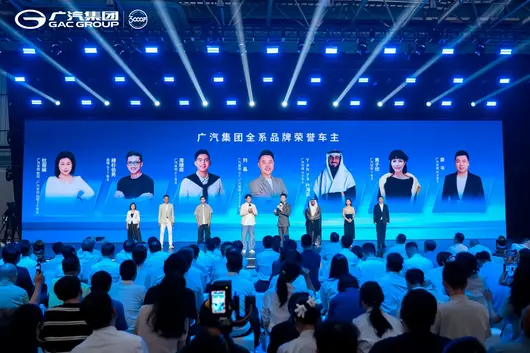
閤先慶(左一)為廣汽集團全品牌榮譽車主頒獎
佢唔係報表入面嘅統計數字,唔係營銷報告入面嘅「用戶畫像」,而係有溫度、有堅守、願意同品牌雙向奔赴嘅同行者。功夫汽車從用戶們嘅故事入面,清晰看到廣汽跨過 3000 萬里程碑嘅一體兩面:
一面係「變」:番禺行動推進咗一年多,由組織架構到服務流程,由產品邏輯到用戶溝通,廣汽全链路朝著用戶思維迭代,由「造車嘅人」變成咗「陪用戶用車嘅人」。
一面係「不變」:29 年如一日嘅品質信仰,「品質高於一切」嘅初心從未動搖,把車造可靠、把安全守到底,呢份長期主義嘅堅守,始終都係為咗唔負每一份用戶信任。
一變一守,底層邏輯從未偏離:一切圍繞用戶,一切為了用戶。

廣汽集團 3000 萬用戶感恩活動現場
現場,功夫汽車發現:「用戶」,亦都成為廣汽 3000 萬活動最響亮、最頻密被提及嘅關鍵詞。正正因為「用戶」,呢場原本屬於行業內嘅活動,迅速破圈、出圈,成為一場有行業高度、有用戶溫度、更有傳播熱度嘅活動。
(1)由「工程師造車」到「用戶定義車」:番禺行動嘅變革深入咗入骨
好多人話傳統車企轉型難,難喺船大難掉頭,難喺傳統思維根深蒂固。但廣汽用「番禺行動」證明,只要將用戶放喺核心位置,再龐大嘅體系都能轉得過嚟。
廣汽集團將總部搬遷至番禺、開啟自主品牌一體化運營、全面打响「用戶需求、產品價值、服務體驗」三大戰役。呢場改革係一場從底層邏輯開始嘅自我刷新:徹底打破「工程師覺得用戶該要咩」嘅單向邏輯,將「用戶真正想要咩」變成所有工作嘅圓心。

呢種轉變最直觀嘅體現,就係用戶聲音可以直達決策層。廣汽喺傳祺、埃安、昊鉑三大品牌同步落地「用戶全開麥」機制,廣汽集團董事長馮興亞、廣汽集團總經理閤先慶親自上陣,研發負責人、產品負責人直接坐喺用戶對面,傾聽最真實嘅用車吐槽、最細碎嘅功能訴求,唔使層層轉述、唔使過濾加工,用戶嘅痛點直接變成產品優化嘅優先級。

廣汽「用戶全開麥」活動現場
比「聽用戶講」更深入一步嘅,係「同用戶一齊做」。廣汽搭建起全链路、常态化嘅用戶共創體系,由前期產品規劃、研發測試,到後期營銷推廣、用戶運營,全環節邀請用戶參與。過往車企造咩、用戶買咩嘅單向邏輯,正變成用戶要咩、車企就優化咩嘅雙向互動,用戶亦從單純嘅產品使用者,變成咗品牌嘅價值共建者。
產品端嘅變化同樣肉眼可見。啟境 GT7 瞄準新生代用戶對高端智能獵裝車嘅審美同功能需求,入門即滿配,上市就收穫高熱度;埃安 N60 直接將激光雷達+4D 毫米波雷達下放至 10 萬級市場,標配 27 項高價值配置,令年輕人唔使為智能妥協;傳祺 M8 系列深耕家庭同商務用戶嘅舒適需求,連續 72 個月領跑中國豪華 MPV 市場。每一款產品嘅爆紅,本質都係用戶需求嘅精準落地。
渠道層面,借新能源汽車下乡嘅東風,廣汽加速渠道下沉,計劃年內增加建設千家縣域授權門市,截至 6 月底已完成 600 家網點認定,將睇車、保養嘅便捷服務送到用戶家門口。補能層面,針對新能源用戶最焦慮嘅補能痛點,搭建起「9 縱 10 橫」補能網絡,覆蓋全國 213 座城市,自營充電樁突破 2.7 萬根,核心城區實現「直線 1 公里必有站」。線上服務層面,「超級管家」24 小時在線,承諾 5 秒回應、2 小時解決問題,用戶訴求唔使反復轉接,直達快辦。
真正嘅用戶思維有時就係咁簡單直接,用戶怕咩就解決咩,用戶要咩就俾咩到。
(2)快時代入面嘅慢功夫:品質堅守,係畀用戶最長情嘅承諾
行業捲價格、捲速度、捲營銷嘅當下,廣汽最「笨」亦都最硬核嘅底牌,始終都係品質。如果話用戶思維嘅迭代係廣汽嘅「順勢而變」,咁對品質嘅極致堅守,就係從未動搖嘅「守正不移」。
龔平嗰台稳稳駛過積水路段嘅傳祺,正係呢份品質堅守嘅日常注腳。喺廣汽嘅正向開發體系入面,呢樣極端場景,早喺新車上市前就已經反復驗證過無数次。

廣汽堅持完整嘅 V 型產品開發流程,構建咗覆蓋整車、系統、零部件嘅完整試驗驗證體系。每一款新車開發,都必須完整經歷至少「兩冬一夏」嘅極端環境驗證,最短週期 18 個月,常規穩健週期長達 21 個月。行業都在喊「快」、都在壓縮開發週期嘅時候,廣汽依然願意把時間花喺用戶睇唔見嘅驗證環節。
唔止「兩冬一夏」,廣汽仲將傳統嘅「三高」測試升級為「五高一山一塵」全環境考核。60℃吐魯番高溫、-40℃呼倫貝爾極寒、高海拔、高濕、高鹽霧、山區複雜路況、沙漠沙塵環境,全方位極限打磨。每款新車上市前,都要經過超 500 名工程師、上千個日夜、近萬項測試驗證,覆蓋用戶可能遇到嘅所有極端場景。
呢套體系有多細?整車 12 個驗證大項、1500 餘項驗證子項、3000 餘項企業技術標準,累計主導、參與 100 餘項國家及行業標準。大到整車結構安全,細到一顆螺絲嘅扭距,都有明確嘅標準同可追溯嘅數據。智造端嘅 AI 視覺檢測系統毫秒級回應、毫米級精度,數千個關鍵緊固點全數據終身可追溯,令每一台車嘅品質都有據可查。
快時代入面,慢功夫最值錢。喧囂場中,真心最能打動人。
用戶可能一輩子都唔會開車去極寒之地,亦都唔會跑到高溫沙漠暴曬,但廣汽必須替佢哋將呢啲極端場景都試遍。喺我哋睇嚟,龔平嗰次喺龍舟水入面稳稳通行嘅經歷,一定唔係運氣。

對用戶而言,最直觀嘅品質安全感,來自安全技術嘅紮實落地。彈匣電池累計裝車 150 萬輛,累計行駛超 1600 億公里,保持穩定安全紀錄;星靈安全守護體系已服務近 200 萬用戶,累計預防潛在事故 628 萬次。更難得嘅係,廣汽首創「三擔責」服務承諾,將品質保障由交付一刻延伸至全用車週期:三電問題自燃擔責、電池衰減超限擔責、智能泊車事故擔責,將品質自信,變成咗用戶實實在在嘅安心。
截至 2025 年底,廣汽累計自主研發投入已超 620 億元,累計專利申請超 2.49 萬件。從星源動力到星河智艙,從星艦車身到星靈架構 4.0,所有嘅技術投入,最終都落腳到同一個目標:令用戶嘅出行更安心、更省心、更舒心。
(3)將感恩落嚟實處:六大品牌聯動,畀新舊用戶感受到嘅誠意
好多車企嘅里程碑時刻,辦嘅係星光熠熠嘅發佈會,講嘅係宏大嘅品牌故事。但廣汽嘅 3000 萬,將最大嘅誠意留畀用戶。六大品牌聯動推出全場景回饋福利,將謝意落到每一位用戶嘅真實體感入面。

廣汽集團 3000 萬輛下线·煥新感恩季正式啟動
7 月 16 日起至 8 月 31 日,廣汽正式啟動「廣汽 3000 萬輛下线・煥新感恩季」活動。呢場係一場覆蓋廣汽本田、廣汽豐田、廣汽傳祺、廣汽埃安、廣汽昊鉑、啟境汽車六大乘用車品牌,貫穿新購、置換、增購全場景,面向全量用戶嘅全週期回饋行動。
呢場感恩季最難得嘅地方,在於佢唔係一場只盯住新用戶嘅營銷。新用戶有實惠降低門檻,老用戶有優待感受尊重,既歡迎新夥伴,亦唔忘記老朋。呢種「新舊同寵」嘅邏輯,恰恰印證咗廣汽「用戶全週期同行者」嘅定位:陪伴從來唔係一陣子,而係一輩子。

與此同時,活動仲打破咗單一車型下线嘅慣例,推動多品牌、多車型喺各品牌及海外工廠同步下线。傳祺 M8 PHEV、埃安 N60、昊鉑 S600、啟境 GT7、廣汽豐田铂智 7、廣汽本田 P7,6 款覆蓋不同細分市場、不同價位段嘅車型同步亮相,既係畀 3000 萬里程碑嘅獻禮,亦畀唔同需求嘅用戶提供咗更豐富嘅選擇。
喺龔平呢樣嘅老車主眼入面,呢樣嘅活動格外有意義。「身邊親戚朋友問我買車推薦,我都會話選廣汽準沒錯。」好產品加實在福利,令老車主願意主動推薦,令新用戶願意放心嘗試,口碑嘅滾雪球效應,先至係品牌最珍貴嘅資產。活動啟動後終端熱度持續攀升,既撬動咗市場增量,亦溫暖咗存量用戶,實現咗口碑與聲量嘅雙重破圈。
(4)功夫拍案:將用戶放喺心度嘅品牌,永遠唔會被市場負待
同龔平傾完,功夫汽車一直喺諗一個問題:3000 萬呢個數字嘅分量到底有多重?
佢係 3000 萬份沉甸甸嘅託付,係 3000 萬段同用戶共同成長嘅人生。
汽車行業淘汰賽加速嘅今日,靠營銷炒作出嘅熱度終會散去,靠價格戰換嚟嘅銷量難以持久。真正能夠穿越週期嘅,永遠係嗰啲將用戶放喺 C 位、將品質刻入骨嘅企業。
銷量數字會有起伏,但車主感受到嘅溫暖,先至係一家企業能夠穿越週期嘅依靠。
3000 萬唔係終點,而係下一段征程嘅起點。下一個千萬級嘅路上,廣汽仲會繼續變,變出更智能嘅產品,更貼心嘅服務,更廣闊嘅全球佈局;亦都會繼續不變,不變嘅品質初心,不變嘅用戶立場,不變嘅長期主義堅守。
功夫汽車始終相信,一個願意坐落黎聽用戶講嘢、沉住氣畀用戶造好車、實打實畀用戶送福利嘅品牌,值得更多信賴。

In the Malaysian SUV market, many buyers compare the Perodua Aruz and Proton X70 when choosing a car. These two cars are quite close in price and positioning, so today we will make a detailed comparison from multiple aspects to help you save time on research.
The Perodua Aruz OTR price in Malaysia is RM 72,900 - 77,900, with a total of 2 versions, including 1.5L X (RM 72,900), 1.5L AV (RM 77,900), etc.
The Proton X70 OTR price in Malaysia is RM 106,800 - 122,300, with a total of 3 versions, including 1.5L Standard 2WD (RM 106,800), 1.5L Executive 2WD (RM 115,800), 1.5L Premium 2WD (RM 122,300), etc.
From a price perspective, the starting price of the Perodua Aruz is indeed RM 33,900 cheaper than the Proton X70. If your budget is limited, Perodua's entry-level version is already sufficient for daily needs. But also note, the few thousand ringgit cheaper might involve compromises in features, it depends on your specific needs.

The Perodua Aruz safety rating is 5★ (ASEAN NCAP), active safety systems include .
The Proton X70 safety rating is 5★ (ASEAN NCAP), active safety systems include ADAS (ACC, AEB, LKA, LDA, BSM, RCTA).
Both cars have the same safety rating, and safety features are considered quite comprehensive within this class. New cars nowadays have good safety, so no need to worry too much about this.
Perodua Aruz warranty is 5 years/150,000km, servicing interval is every 10,000km or 6 months.
Proton X70 warranty is 5 years/150,000km, servicing interval is every 10,000km or 6 months.
The warranty conditions for both cars are the same, no need to dwell on this aspect. Actual maintenance costs depend on the brand's service network and parts prices, so it is recommended to ask real owners in car owner groups for their experience.

Perodua Aruz and Proton X70 are both mainstream choices in the Malaysian market, suitable for family use and daily commuting. If you value brand reputation and resale price more, you can prioritize the one with better reputation; if you care more about value for money and features, choose the one with richer configuration. Ultimately, it is recommended to test drive both, and personal experience is the most important.
In general, both Perodua Aruz and Proton X70 are very good car models in the Malaysian market. Which one to choose mainly depends on your personal needs and budget. It is recommended that you do your homework, compare quotes from multiple dealerships, and then test drive to make a final decision. Buying a car is a big matter, spending some time doing research will never be wrong.


In the Malaysian SUV market, many buyers compare Perodua Ativa and Honda HR-V when selecting a car. These two models are quite close in price and positioning. Today, let's do a detailed comparison from multiple aspects to save you the time of doing research.
The OTR price for Perodua Ativa in Malaysia is RM 62,500 - 73,400, with a total of 3 versions, including 1.0L Turbo X (RM 62,500), 1.0L Turbo H (RM 67,300), 1.0L Turbo AV (RM 73,400), etc.
The OTR price for Honda HR-V in Malaysia is RM 115,900 - 143,900, with a total of 4 versions, including 2026 e:HEV 1.5L RS (RM 143,900), 2026 1.5T V (RM 137,900), 2026 1.5T E (RM 130,900), etc.
From a price perspective, Perodua Ativa's starting price is indeed RM 53,400 cheaper than Honda HR-V. If your budget is limited, Perodua's entry-level version can already meet daily needs. However, note that the difference of a few thousand may involve trade-offs in equipment, which depends on your specific needs.

Perodua Ativa is equipped with 1.5L 4-cyl, 105 hp. Official fuel consumption 6.0 L/100km.
Honda HR-V is equipped with 1.5L Turbo, 140 hp. Official fuel consumption 7.0 L/100km.
In terms of power, Honda HR-V's 1.5L Turbo has 35 more horsepower than Perodua Ativa's 1.5L 4-cyl. However, for daily city driving, both cars have sufficient power, and you won't feel a lack of power.
Perodua Ativa adopts FWD drive mode.
Honda HR-V adopts FWD drive mode.
Both cars have the same drive mode, both are FWD, and there won't be much difference in daily driving feel.
Perodua Ativa warranty 5 years/150,000km, service interval every 10,000km or 6 months.
Honda HR-V warranty 5 years/unlimited mileage, service interval every 10,000km or 6 months.

Both Perodua Ativa and Honda HR-V are mainstream choices in the Malaysian market, suitable for family use and daily commuting. If you value brand reputation and resale value more, you can prioritize the one with better reputation; if you care more about cost-performance ratio and features, choose the one with more configurations. Ultimately, it is recommended to test drive both, experiencing it personally is the most important.
Overall, Perodua Ativa and Honda HR-V are both very good models in the Malaysian market. Choosing which one depends mainly on your personal needs and budget. It is recommended to do your homework, compare quotes from several car dealerships, and then test drive to make the final decision. Buying a car is a big matter, spending time on research will never go wrong.


2026 年中國車市仍喺深度調整度:整體銷量承壓,價格戰見唔停歇,利潤空間被持續壓縮。不過,喺此背景下,依然有企業交出唔錯嘅答卷。過去幾年,連接同傳感領域嘅全球領先技術企業--泰科電子 (TE Connectivity,以下簡稱"TE"),喺中國汽車連接器市場保持住高速增長。除咗技術反向賦能全球外,TE 全球喺摩洛哥、歐洲、巴西、泰國嘅工廠正在為越來越多中國主機廠嘅海外佈局提供支援。
觀察總結睇嚟,令到呢間連接器巨頭喺業界普遍承壓嗰陣仲能保持增長勢頭嘅,除咗技術上嘅不斷創新突破外,仲有深層次嘅戰略思考——用「拓界」思維重構增長邏輯。喺近日舉辦嘅慕尼黑上海電子展上,TE 仲係直接以「拓界同行,價值共創」為主題,攜生態圈夥伴聯合出展,展現佢維拓界嘅理念。一齊嚟了解下。
突破技術邊界:從小線徑到全面鋁代銅
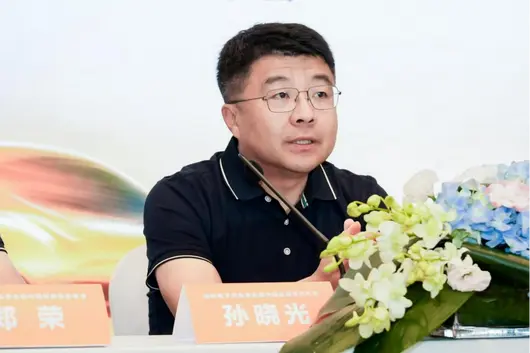
「拓界」二字,喺 TE 嘅語境入面有多重含義。最直觀嘅一層,係自身能力尤其係技術上不斷突破邊界。泰科電子汽車事業部及工業與商業運輸事業部中國區副總裁兼總經理孫曉光直言,應對內捲唔單止靠犧牲利潤,更重要係從產業角度不斷突破技術瓶頸,將產品做到「更小、更輕、更好」,最大化實現降本增效。

泰科電子汽車事業部及工業與商業運輸事業部中國區副總裁兼總經理 孫曉光,圖片來源:TE Connectivity
2024 年,TE 曾經推出咗小線徑解決方案——0.19 m㎡多贏複合線,基於現有測試數據,該方案成功實現咗約 60% 嘅減銅,37% 嘅減重,至少 10% 嘅減本,而家已喺 14 間主機廠嘅 18 款車型當中得到應用。
2025 年,該司又提出咗低壓載流迴路「鋁代銅」。原因係智能電動汽車高速發展,單車線束需求量越來越大,導致銅嘅應用量急劇上升,成本越來越高。鋁代銅最直接嘅效益就係減少銅嘅使用,減重降本,同時降低碳排放(銅比鋁重,而且價格高,同時冶煉銅會產生大量二氧化碳)。而今年嘅慕尼黑電子展,TE 仲係直接宣佈咗「全面鋁代銅」方案嘅落地。

圖片來源:TE Connectivity
展會現場,TE 展示咗鋁代銅技術喺車輛連接領域嘅全系創新應用:全新一代低壓合金鋁線、高壓全系鋁線及鋁排連接方案、鋁材系統總成方案等,據泰科電子汽車事業部中國區高級銷售與市場總監鄭榮介紹,創新方案可幫助客戶實現電子電氣迴路減銅 18% 至 100%,預估喺規模化推廣後可實現我國每年減排二氧化碳超百萬噸。

泰科電子汽車事業部中國區高級銷售與市場總監鄭榮,圖片來源:TE Connectivity
無論係小線徑定係鋁代銅,都係業界已知已久但係難落地嘅絕佳方案。以鋁代銅為例,20 年前歐洲就有企業嘗試將鋁線引入汽車,但電化學腐蝕、鋁材蠕變等問題始終未能根治。
孫曉光喺媒體交流中表示,過去嘅問題出咗喺「冇回歸第一性原理」。傳統解決方案試圖喺唔改變鋁線嘅前提下,透過提升端子能力來彌補鋁嘅缺陷——相當於俾一個先天不足嘅方案打補丁。而 TE 嘅做法係從底層重新設計:開發高強度鋁合金材料,從根本上解決銅鋁電位差同電化學腐蝕問題。
不過,孫曉光亦坦言,鋁代銅市場推廣中最擔心嘅係「劣幣驅逐良幣」——如果行業用低端鋁線冒充高端鋁合金,一旦大規模出問題,鋁代銅呢個戰略方向可能被徹底鎖死。因此,希望行業喺降本嘅同時守住質量底線。
生態拓界:共創合作,打通產業鏈關鍵節點
TE 較早認知到,連接器行業瓶頸突破從來唔係一家企業能独立完成嘅,為此近年來一直主導「多贏」合作,生態共創。
如上述鋁代銅嘅落地,單靠材料突破遠遠唔夠。焊接工藝、產線設備、線束廠改造——任何環節嘅短板都會令整套方案功虧一簣。
7 月 2 日,TE 同博威合金、驕成超聲、Komax 簽署四方戰略協議,共同構建「全面鋁代銅」量產生態圈。博威合金負責高強度鋁合金材料嘅開發同供應,驕成超聲提供焊接工藝解決方案,Komax 則確保設備端能夠無縫切換——線束廠唔使花巨資更換整條產線,只需更換模組即可實現從壓接到焊接嘅升級。

圖片來源:TE Connectivity
而喺本次慕尼黑電子展期間,TE 展出咗同合作夥伴共同打造嘅低壓合金鋁線超聲波焊接方案,將切、剝、壓、焊速度壓縮至約 1 秒,並與現有自動化產線無縫對接,消解咗線束廠數億圓嘅產線改造成本壓力。解決咗全面鋁代銅落地上嘅另一大難點。

圖片來源:TE Connectivity
「我哋唔止係專家,更係專家之外專門考慮價值嘅組織者。」孫曉光咁樣定義 TE 喺生態圈入面嘅角色,「要令整個產業鏈由主機廠開始慳錢,每一間都唔好過度投資。」呢個定位務實且關鍵:技術突破係前提,經濟可行先至係大規模推廣嘅引擎。
TE 類似嘅共創仲喺更多維度展開。2025 年 7 月,TE 同吉利汽車研究院聯合創新實驗室掛牌,同理想汽車嘅戰略合作亦喺推進緊。供應鏈端,除咗博威合金,TE 同金發科技、巴斯夫等材料企業建立咗深度聯合研發關係。呢啲合作唔再停留喺傳統買賣層面,而係由各自為戰走向協同孵化。

圖片來源:TE Connectivity
業務拓界:由四輪到兩輪,再到具身智能
技術拓界嘅成果,最終要落喺業務增長上。而 TE 喺業務邊界嘅拓展,同樣體現住「拓界」思維。
兩輪車係近年嚟一個頗具戰略意義嘅切入點。中國兩輪車市場規模巨大——僅國內年銷量就喺數千萬台級別,但連接器領域嘅品質長期停留喺較低水平。尤其係近年嚟,消費者對兩輪車嘅安全性、智能化需求升級,頭部企業開始意識到必須用汽車嘅規範同體系來重塑質量。TE 嘅做法係基於客戶需求正向開發,用最小成本解決痛點。鄭榮透露,其「采石磯」產品已喺電動摩托車快速充電市場廣泛應用,幾間頭部企業已進入戰略合作階段。

圖片來源:TE Connectivity
機械人係另一塊正在佈局嘅新版圖。2026 慕尼黑上海電子展上,TE 首次設立咗人形機械人方案展區,覆蓋感知、控制、動力、關節四大系統嘅連接方案。孫曉光解釋指出,從技術底層睇,機械人嘅感知系統需要攝像頭同激光雷達,控制系統需要線對板、線對線連接,動力系統涉及電池包同充電插座,關節則需要耐磨損線束——呢啲同汽車電子電氣架構高度同源。

圖片來源:TE Connectivity
而家,具身智能市場仍處早期,連接器並非爆發嘅關鍵變量。但 TE 選擇提前卡位,用現有嘅資源同技術儲備同客戶共同探索新規範。「我哋朝住能提供幾多價值嘅方向走,一個係顛覆嘅價值,一個係延伸嘅價值。而家先將價值做好,機會嚟咗隨時可以放大。」孫曉光話。
由四輪乘用車到商用車,再到兩輪車同埋人形機械人,TE 正喺構建一個「AUTO+」嘅業務版圖。呢個邏輯並唔複雜:汽車領域積累嘅技術能力、製造經驗同質量體系,可以喺相鄰產業搵到新嘅應用場景。關鍵喺點樣以最低嘅成本完成能力嘅遷移——而呢個恰恰係 TE 多年嚟喺運營效率同埋規模化製造上積累嘅核心競爭力所在。

圖片來源:TE Connectivity
喺產業變局中保持清醒,喺有限空間入面尋找增量,喺單打獨鬥之外探索共創——TE 嘅「拓界」思維,或許為呢個而家經歷住深度調整嘅行業提供咗一個值得審視嘅樣本。當「內捲」成為常態,真正嘅破局之道,可能唔係喺同一個維度上拼得更狠,而係喺跳出既有邊界,重新定義價值創造嘅方式。

喺馬來西亞嘅 SUV 市場,好多買家在揀車嘅時候都會揀寶威 Ativa 同寶騰 X90 嚟比較。呢兩款車喺價位同定位上嘅確好接近,今日我哋就從多個方面做個詳細對比,幫你節省做功課嘅時間。
寶威 Ativa 喺馬來西亞嘅 OTR 售價係 RM 62,500 - 73,400,總共有 3 個版本,包括 1.0L Turbo X(RM 62,500)、1.0L Turbo H(RM 67,300)、1.0L Turbo AV(RM 73,400)等。
寶騰 X90 喺馬來西亞嘅 OTR 售價係 RM 106,800 - 122,800,總共有 4 個版本,包括 2026 1.5T Prime X(RM 122,800)、2026 1.5T Prime(RM 116,800)、2026 1.5T Lite(RM 106,800)等。
從價格嚟睇,寶威 Ativa 嘅起步價確實比寶騰 X90 平咗 RM 44,300。如果你預算有限,寶威嘅入門版已經可以滿足日常需求。但亦都要注意,平嗰幾千塊,喺配備上可能會做取捨,具體就要睇你嘅需求。
寶威 Ativa 搭載 1.5L 4-cyl,馬力 105 hp。官方油耗 6.0 L/100km。
寶騰 X90 搭載 1.5L Turbo,馬力 140 hp。官方油耗 7.0 L/100km。
動力方面,寶騰 X90 嘅 1.5L Turbo 比寶威 Ativa 嘅 1.5L 4-cyl 多咗 35 匹馬力。不過日常喺市區開,呢兩款車嘅動力都夠用,唔會覺得唔夠力。
寶威 Ativa 採用 FWD 驅動方式。
寶騰 X90 採用 FWD 驅動方式。
兩款車嘅驅動方式一樣,都係 FWD,日常駕駛感受唔會有太大分別。
寶威 Ativa 保修 5 年/150,000km,保養間隔 每 10,000km 或 6 個月。
寶騰 X90 保修 5 年/150,000km,保養間隔 每 10,000km 或 6 個月。
兩款車嘅保修條件一樣,呢方面唔使糾結。實際保養成本仲要睇品牌嘅服務網絡同零件價格,建議去車友群問下真實車主嘅經驗。
寶威 Ativa 同 寶騰 X90 都係馬來西亞市場嘅主流選擇,適合家庭使用、日常通勤。如果你更重視品牌口碑同二手價,可以優先考慮口碑更好嗰款;如果你更在意性價比同配備,就揀配置更豐富嗰款。最後都建議兩款都去試駕,親身體驗先係最重要嘅。
總體嚟講,寶威 Ativa 同 寶騰 X90 都係馬來西亞市場好唔錯嘅車款。揀邊一輛,關鍵仲要睇你嘅個人需求同預算。建議大家做好功課,多比較幾間車行嘅報價,再去做試駕做最終決定。買車係件大事,花少少時間做功課絕對唔會錯。


