


首頁Nissan Cedric

搜尋歷史
熱門搜尋
經銷商登入 / 註冊

買車嘅時候,你會介意「呢部車拿到歐洲能夠賣嗎」?絕大多數人唔會。但恰恰係呢個問題,決定咗一台車嘅安全底線、耐久品質同真實續航。一台能夠賣到歐洲嘅車,同你身邊嗰啲「只喺國內跑」嘅車,從根上就唔一樣。
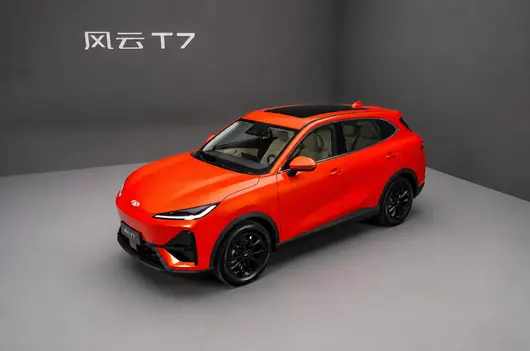
二零二六年八月二十六日,風雲 T7 正式上市。呢款車嘅特別之處在於——佢先完成咗海外市場嘅嚴苛考驗,再回到國內。而支撐佢走向全球嘅,係一套遠超同級嘅安全標準體系。

Euro NCAP(歐洲新車安全評鑑協會)係全球最嚴苛嘅安全測試體系之一。2026 版標準高於當前歐洲市場法規要求。
風雲 T7 提前 2 年開始預研呢套標準。功能安全達到 ASIL D 最高等級。即將進入歐洲高法規市場。
這唔係「夠用就得」嘅安全,而係安全有餘量。
風雲 T7 嘅安全配備,全系都一樣磐石車身:九橫五縱籠式結構高強度鋼佔比 80%,熱成型鋼佔比 18.84%。
九橫五縱籠式車身結構。Shotgun 結構(同級獨有) ——增加傳力通道,分散碰撞能量。雙框副車架+Pack 防撞梁(同級首發) ——兼顧整車抗衝擊與電池底部防托底。
1088mm 貫穿式軋壓門檻加強梁。前碰 6 條傳力路徑、側碰 9 條傳力路徑。
9 個安全氣囊:同級最多前排氣囊×2、前側氣囊×2、後排側氣囊×2、側氣簾×2、遠端氣囊×1。
48L 雙腔遠端氣囊、1778mm 一體式側氣簾。突發意外時,最大程度守護每一位家庭成員嘅生存空間。
6D 鎖子甲電池防護:31 層防護31 層防護結構,三橫一縱設計。全方位抵禦擠壓、穿刺、衝擊。
IP68 防水,國標 96 倍——無懼雨季內澇、路面積水、戶外涉水。
側邊抗擠壓 200kN,國標 2 倍——遭遇側面撞擊時電池包唔易變形破損。
1008 小時鹽霧測試、105 秒火燒測試(國標 1.5 倍) 。
風雲 T7 安全配備一覽安全配備
風雲 T7
安全標準
2026 版 E-NCAP 五星
功能安全等級
ASIL D
高強度鋼佔比
80%
熱成型鋼佔比
18.84%
車身結構
九橫五縱籠式
安全氣囊
9 個(同級最多)
電池防護
6D 鎖子甲 31 層
防水等級
IP68(國標 96 倍)
側邊抗擠壓
200kN(國標 2 倍)
「六大餘量」:安全唔係及格,係留足餘量風雲 T7 嘅「六大餘量」產品優勢中,前兩條直接關係安全:
碰撞安全餘量:唔止達標,預留充足結構安全餘量。按 2026 版 E-NCAP 五星標準開發,九橫五縱籠式車身+80% 高強度鋼+9 個安全氣囊,搭建起碉堡級安全空間。
電池安全餘量:超额安全閾值。6D 鎖子甲 31 層防護+IP68 防水 + 國標 2 倍抗擠壓+1008 小時鹽霧測試+105 秒火燒測試,多維防護筑牢安全防線。
另外四項餘量同樣間接保障安全:續航平權餘量(全系 600km 唔縮水)、全域節能餘量(-30℃到 55℃穩定運行)、操控性能餘量(極限路況從容駕馭)、整車驗證餘量(全球嚴苛測試前置跑完風險)。
驗證數據背後嘅安全底氣81 台耐久試驗車專項驗證。145 萬公里耐久驗證里程。600 萬公里整車綜合路試。
覆蓋全球 100 多種極限路況。-40℃到 55℃極端溫域。100% 問題閉環。
安全兜底:兩項行業首創保障動力電池安全兜底:因動力電池自身原因導致整車發生熱失控損毀,奇瑞將賠付同款新車或唔低於原車配置新車。
輔助駕駛兜底:自買車之日起一年內,喺「泊車場景」「智能領航場景」判定為「智能駕駛輔助系統原因」導致事故,造成車上人員傷害與第三者損失賠償嘅,最高賠償 500 萬。
十萬級價位,全球安全標準唔再係奢望風雲 T7 用 2026 版 E-NCAP 五星標準重新定義咗十萬級純電 SUV 嘅安全底線。同源車型 Lepas L6 已登陸南非、泰國等海外市場。適配全球 210 個國家同地區用車需求。
這唔係「國內特供」嘅安全,而係能夠賣到歐洲嘅安全。
FAQQ1:2026 版 E-NCAP 同而家嘅標準嚴喺邊度?
2026 版 E-NCAP 標準高於當前歐洲市場法規要求,對主動安全、被動安全、行人保護等維度都有更嚴苛嘅測試標準。
Q2:風雲 T7 嘅 9 個安全氣囊具體點分佈?
前排氣囊×2、前側氣囊×2、後排側氣囊×2、側氣簾×2、遠端氣囊×1。
Q3:咩叫「遠端氣囊」?有咩用?
遠端氣囊位於主副駕之間,側面碰撞時防止主副駕人員互相撞擊造成二次傷害,48L 雙腔設計。
Q4:風雲 T7 嘅電池安全兜底具體點賠?
因動力電池自身原因導致整車發生熱失控損毀,奇瑞賠付同款新車或唔低於原車配置新車。
Q5:IP68 防水係咩水平?
IP68 係最高防水等級之一,風雲 T7 達到國標 96 倍,可應對雨季內澇、路面積水、戶外涉水等場景。
Q6:風雲 T7 嘅輔助駕駛兜底賠咗邊幾種情況?
買車一年內,喺「泊車場景」「智能領航場景」因智駕系統原因導致事故,最高賠償 500 萬。


純電 A0 級市場嘅競爭邏輯,似乎向來都係以「低價高配」獲取市場注意力。
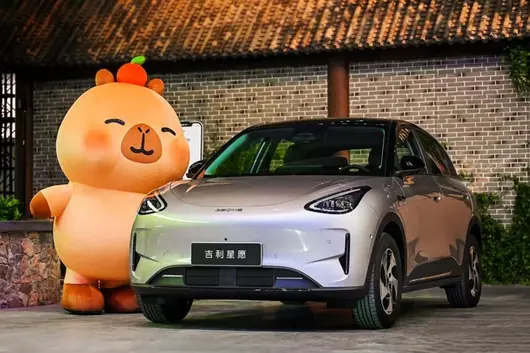
然而,當一款熱門小車走出上市紅利期之後,又該如何保持市場活躍度?作為 2025 年嘅中國車市全品類銷冠,吉利星願給咗一個唔一樣嘅 A0 級解法,那就係用品質構建信任,再將信任轉化為長跑嘅動力。

限時權益價喺 6.18 萬 -9.18 萬區間嘅星願,並唔係一台以低价抢市場嘅車型。不過,佢喺上市 21 個月以來,累計銷量已經突破 80 萬台;並後勁十足,以 5.5 萬台嘅 7 月銷量,實現連續 2 個月銷量突破 5 萬台,喺細分市場保持住絕對嘅領先地位。如此旺盛嘅生命力與持續力,唔由得人想近距離看一看星願嘅長跑姿態。

暢銷 80 萬台,並唔係星願長跑嘅結果
從市場數據看,星願嘅表現已經唔能用「暢銷」簡單概括。因為如今,星願嘅市佔率已經超過 30%,每賣出 3 輛純電 A0 級車,就有一輛係星願。
縱使係喺海外市場,星願目前也已進入全球 30 餘個國家,喺巴西上市五個月銷量破萬,6 月喺泰國新能源市場排名第一,8 月登陸澳洲,第三季仲計劃進入歐盟同英國。這種海内外同步增長,足以證明星願現象唔係單一市場嘅短期爆發,而係長期累積起來嘅用戶口碑複利效應。

無論係東北地區需要喺極端低溫下用車嘅車主,定係對空間舒適性有更高需求嘅帶娃媽咪……絕大多數星願車主,無論需求如何、用車場景如何,都對呢款車給予咗極高嘅評價。

顯而易見嘅係,喺 A0 級市場普遍專注顏值與配置嘅當下,星願冇將用戶需求做成單選題。呢款車喺續航、空間、操控、安全等高頻觸點上,都給咗相對均衡嘅解決方案。這種「全能」唔係靠堆配置,而係基於用戶思維做取捨,將成本花喺用戶日常能感知嘅地方,而唔係製造參數表上嘅興奮點。

我哋亦唔難睇出,當星願全系標配寧德時代電芯、獨立懸架等核心配置後,呢台車亦大幅減少咗用戶「開盲盒」嘅焦慮。正正因為如此,星願嘅 80 萬銷量里程碑,並唔係一次性爆發,而係口碑疊加後嘅持續性高質量轉化。
大舒適同大安全,本該係小車嘅日常
喺眾多用戶畀到嘅好評中,我哋可以發現「舒適」同「安全」係兩個被提及嘅超高頻詞彙。當越來越多嘅小車以低價高配嚟吸引用戶關注時,星願做出咗唔一樣嘅選擇。
如果只看參數,星願嘅每一項數據都唔係絕對第一,但組合埋嚟卻切中咗 A0 級用戶最在乎嘅舒適性與安全性痛點,呢啲亦構成咗星願喺細分市場中嘅差異化優勢。

喺以往,A0 級純電最大嘅束縛,往往在於局促嘅空間與偏低嘅舒適性,呢啲亦大幅削弱咗傳統 A0 級純電車型嘅場景適應能力。而星願喺空間上,做出咗唔少既討巧又實用嘅設計,如四輪四角佈局同 2650mm 長軸距,帶嚟接近 B 級車嘅空間,令呼朋引伴出行唔再係小車用戶嘅奢望。

除此之外,同級領先嘅 70L 前備廂、10L 抽屜式手套箱,再辅以厚實嘅人體工學座椅同豐富嘅舒適性配置,亦令星願進一步切中咗購物、通勤、帶娃、露營等多種真實場景。

除了大空間高配置以外,星願更懂點樣令人開得舒適,佢搭載嘅千里浩瀚 H3 輔助駕駛系統,不僅支持高速領航輔助,同時仲支持面向全場景嘅泊車輔助功能。例如喺停入狹窄車位時,駕駛員同乘客可以落車,再通過遙控泊車將車輛輕鬆停入車位;而喺無標準車位線嘅情況下,駕駛者亦可以通過指尖泊車,快速將車輛停入指定位置。毋庸置疑,星願正在令本幾好開嘅小車變得更加輕鬆,呢種輕鬆體驗亦真正轉化咗成日常出行時嘅舒心同便利。

當然咗,對於廣大用戶嚟講,星願就係要令舒心更多、令操心更少。對此,星願還進一步打破咗「小車唔安全」嘅傳統。譬如喺主動安全性上,星願搭載嘅千里浩瀚 H3 方案,仲支持 AEB 緊急制動同 AES 緊急避讓功能。

除了豐富嘅主動安全配置外,星願喺被動安全方面做得亦夠紮實,例如一位成都車主喺遇過貨車追尾後,縱然星願近乎全損,但堅實嘅骨架亦撐起咗充裕嘅車內生存空間,令呢位車主喺車輛全損後選擇繼續相信星願。而且喺吉利同央視聯合嘅碰撞測試中,星願扛住咗正面 50km/h 同側面 55km/h 連續碰撞。

呢樣主被動安全表現,再加上低氣味環保材質、半隱藏式門把手同高壓剪線方案帶來嘅全維安全,星願顯然配得上精品小車嘅定位。而喺汽車消費者越來越理性嘅當下,呢樣嘅品質比任何宣傳都更具說服力。
好電池同好操控,令雙大廠背書成為小車分水嶺
喺純電 A0 級市場中,無論係車企定係用戶,都對價格高度敏感。但對於真正想買一台好車嘅用戶嚟講,大家驚嘅唔係「買貴」,而係「買錯」。邊個都想唔買一台電池衰減快、售後無門、開落嚟又飄又鬆散嘅車。所以,星願嘅另一大差異化特徵,擁有吉利同寧德時代嘅雙大廠背書,無論係三電定係操控,都能令大家感受到真切嘅好品質。

喺 A0 級純電小車細分市場中,電池混裝已經成為常態。喺一些車型嘅唔同批次中,雖然電池容量一樣、標稱續航都一樣,但續航達成率甚至電池耐用度都有明顯差異,呢樣嘅做法顯然亦會導致用戶信任度嘅下降,令純電代步車成為大家眼入嘅「快消品」。
但喺吉利睇嚟,汽車本該係長期耐用品,所以星願直接全系標配頭部供應商寧德時代提供嘅電芯。PPB 級別電芯品質加持,再加上雙方聯合開發、深度調校,不僅實現咗 100% 續航達成率,令東北用戶亦能放心用,同時呢樣嘅電池品質,更喺長期耐用性同安全性方面為用戶兜底。根據測試數據嚟睇,星願喺完成 1000 次循環後,電池容量仍保持 90.72%,喺純電小車市場可謂難逢對手。

而且喺電驅層面,星願亦採用咗吉利自研嘅業界首款 11 合 1 智能電驅。對比同級車型常用嘅 6 合 1、8 合 1 電驅,星願嘅 11 合 1 電驅不僅擁有同級領先嘅 89.2% 電驅效率,更通過咗中汽研《高可靠電驅》權威認證。

正因如此,吉利亦為星願嘅首任非營運車主提供咗三電終身質保政策,車企兜底終身保,亦足以見證吉利對星願電池電驅品質嘅自信。
值得提一提嘅係,吉利嘅大廠賦能,不僅為星願提供咗紮實嘅三電表現,同時喺底盤結構同調校方面,更展現出吉利嘅整車製造底蘊。

喺開發初期,星願就深度共享「一個吉利」嘅研發、生產同供應鏈體系,譬如喺底盤設計上,星願有著近乎越級嘅表現。從結構嚟睇,星願採用咗 A0 級小車中非常罕見嘅後置後驅加多連桿獨懸佈局,喺用料上可以講唔計成本。

更加重要嘅係,星願除咗有一副好底子外,佢仲依托吉利佈滿全球嘅工程技術團隊,實現咗中德聯合底盤調校,並同路特斯工程團隊喺瑞典零下 30 攝氏度嘅冰雪環境中完成多輪標定。所以,星願嘅底盤亦唔僅僅係更好開、更舒適那麼簡單,喺溫州車主兩次緊急避讓嘅真實經歷中,正正係 AES 緊急避讓功能同紮實底盤嘅共同發揮,先守住咗安全底線。

所以對於星願咁樣嘅小車嚟講,背後嘅大廠體系賦能,亦能令小車具備大品質。而呢樣嘅品質當然亦唔止於產品,更喺補能、售前售後、道路救援等服務體系上展現出大廠嘅全維保障。由產品到服務嘅立體化保障,可以講真正構建起咗星願同用戶嘅「信任閉環」。
結語:
唔少車企都會以為「小車造起來好簡單,就係省少少成本、壓少少用料嘅事」,但對於吉利嚟講,星願咁樣嘅小車喺開發過程中,甚至比一些豪車嘅開發難度更大。因為小車用戶,在乎嘅唔止係單一產品賣點,更係呢台車係咪安全、品質是否紮實、電池是否經久耐用……所以,當星願將呢啲問題全部整合出一個明確答案之後,呢台小車嘅含金量仲喺持續上升。
當然咗,星願嘅含金量,亦遠唔止於「高質優價」嘅產品力,更在於呢款車能夠將用戶最在乎嘅底線,做成產品最穩固嘅地基。所以 21 個月 80 萬台嘅銷量成就,對星願嚟講仲唔係終點,佢嘅目標,係走向「長青國民車」。

喺馬來西亞嘅 SUV 市場,好多買家喺揀車嘅時候都會揸 Proton X90 同 Mazda CX-60 嚟作比較。呢兩款車喺價位同定位上都幾接近嘅,今日我哋就從多個方面做一個詳細嘅對比,幫你節省咗做功課嘅時間。
Proton X90 喺馬來西亞嘅 OTR 售價係 RM 106,800 - 122,800,合共有 4 個版本,包括 2026 1.5T Prime X(RM 122,800)、2026 1.5T Prime(RM 116,800)、2026 1.5T Lite(RM 106,800) 等。
Mazda CX-60 喺馬來西亞嘅 OTR 售價係 RM 200,510 - 252,873,合共有 2 個版本,包括 2026 3.3T 4WD High Plus(RM 252,873)、2025 2.5L 2WD High(RM 200,510) 等。
從價錢嚟睇,Proton X90 嘅起步價真係比 Mazda CX-60 平咗 RM 93,710。如果你預算有限,Proton 嘅入門版已經可以滿足日常需求。但都要留意,平嗰幾千蚊,可能喺配備上會有取舍,具體要睇你嘅需求。

Proton X90 嘅安全評級係 5★ (ASEAN NCAP),主動安全系統包括 ADAS (ACC, AEB, LKA, LDA, BSM, RCTA)。
Mazda CX-60 嘅安全評級係 5★ (Euro NCAP),主動安全系統包括 i-Activsense Pro。
安全配備方面,兩款車都拿到唔錯嘅評級。不過 Proton X90 嘅 ADAS (ACC, AEB, LKA, LDA, BSM, RCTA) 同 Mazda CX-60 嘅 i-Activsense Pro 喺功能上有少少差異,如果你比較睇重主動安全嘅話,可以仔細對比一下兩者嘅功能列表。

Proton X90 採 FWD 驅動方式。
Mazda CX-60 採 FWD 驅動方式。
兩款車嘅驅動方式一樣,都係 FWD,日常駕駛感受唔會有太大區別。

Proton X90 同 Mazda CX-60 都係馬來西亞市場嘅主流選擇,適合家庭使用、日常通勤。如果你更睇重品牌口碑同二手價,可以優先考慮口碑更好嗰款;如果你更在意性價比同配備,嗰就揀配備更豐富嗰款。最尾都係建議兩款都去試駕,親身體驗先係最重要嘅。

總體嚟講,Proton X90 同 Mazda CX-60 都係馬來西亞市場好唔錯嘅車型。揀邊一輛,關鍵仲係要睇你嘅個人需求同預算。建議大家做好功課,多比較幾間車行嘅報價,再去試駕做最終決定。買車係件大事,花少少時間做功課絕唔會錯。


In the Malaysian SUV market, many buyers compare the Proton X70 and the Chery Tiggo 8 Pro when choosing a car. These two cars are quite close in price and positioning. Today, we will make a detailed comparison from multiple aspects to save you time on research.
The Proton X70 OTR price in Malaysia is RM 106,800 - 122,300, with a total of 3 versions, including 1.5L Standard 2WD (RM 106,800), 1.5L Executive 2WD (RM 115,800), 1.5L Premium 2WD (RM 122,300), etc.
The Chery Tiggo 8 Pro OTR price in Malaysia is RM 159,750 - 159,750, with a total of 2 versions, including 1.6L Turbo Standard (RM 130,000), 1.6L Turbo Premium (RM 145,000), etc.
From a price perspective, the Proton X70's starting price is indeed RM 52,950 cheaper than the Chery Tiggo 8 Pro. If your budget is limited, Proton's entry-level version is sufficient for daily needs. However, keep in mind that the few thousand ringgit saved might involve trade-offs in features, depending on your specific requirements.
The Proton X70 safety rating is 5★ (ASEAN NCAP), active safety systems include ADAS (ACC, AEB, LKA, LDA, BSM, RCTA).
The Chery Tiggo 8 Pro safety rating is TBD, active safety systems include Basic.
In terms of safety features, both cars received good ratings. However, there are some differences in functionality between the Proton X70's ADAS (ACC, AEB, LKA, LDA, BSM, RCTA) and the Chery Tiggo 8 Pro's Basic. If you value active safety, you can compare the feature lists of both carefully.
Proton X70 warranty 5 years/150,000km, maintenance interval every 10,000km or 6 months.
Chery Tiggo 8 Pro warranty 3 years/100,000km, maintenance interval every 10,000km or 6 months.
Both the Proton X70 and Chery Tiggo 8 Pro are mainstream choices in the Malaysian market, suitable for family use and daily commuting. If you value brand reputation and resale value more, you can prioritize the one with better reputation; if you care more about cost-performance ratio and features, choose the one with richer configuration. Ultimately, it is recommended to test drive both; personal experience is the most important.
Overall, both the Proton X70 and Chery Tiggo 8 Pro are excellent models in the Malaysian market. Which one to choose ultimately depends on your personal needs and budget. It is suggested to do your research, compare quotes from several dealerships, and then test drive to make a final decision. Buying a car is a major event; spending time on research will never go wrong.

喺馬來西亞嘅 SUV 市場,好多買家喺揀車嘅時候都拿 Proton X70 同 Chery Tiggo 8 Pro 嚟比較。呢兩款車喺價錢同定位上都好接近,而家我哋就從多個方面做一次詳細嘅比較,幫你節省做功課嘅時間。
Proton X70 喺馬來西亞嘅 OTR 售價係 RM 106,800 - 122,300,一共有 3 個版本,包括 1.5L Standard 2WD(RM 106,800)、1.5L Executive 2WD(RM 115,800)、1.5L Premium 2WD(RM 122,300) 等。
Chery Tiggo 8 Pro 喺馬來西亞嘅 OTR 售價係 RM 159,750 - 159,750,一共有 2 個版本,包括 1.6L Turbo Standard(RM 130,000)、1.6L Turbo Premium(RM 145,000) 等。
從價錢嚟睇,Proton X70 嘅起步價確實比 Chery Tiggo 8 Pro 平咗 RM 52,950。如果你預算有限,Proton 嘅入門版已經可以滿足日常需要。但都要注意,平嗰幾千塊,可能喺配備上會有取舍,具體要看你嘅需要。
Proton X70 配備 1.5L Turbo,馬力 140 hp。官方油耗 7.0 L/100km。
Chery Tiggo 8 Pro 配備 2.0L 4-cyl,馬力 170 hp。官方油耗 8.0 L/100km。
動力方面,Chery Tiggo 8 Pro 嘅 2.0L 4-cyl 比 Proton X70 嘅 1.5L Turbo 多咗 30 匹馬力。不過日常喺市區行,兩款車嘅動力都夠用,唔會覺得唔夠力。
Proton X70 保修 5 年/150,000km,保養間隔 每 10,000km 或 6 個月。
Chery Tiggo 8 Pro 保修 3 年/100,000km,保養間隔 每 10,000km 或 6 個月。
Proton X70 同 Chery Tiggo 8 Pro 都係馬來西亞市場嘅主流選擇,適合家庭使用、日常通勤。如果你更看重品牌口碑同二手價,可以優先考慮口碑更好嗰一款;如果你更在意性價比同配備,那就揀配備更豐富嗰款。最終都係建議兩款都去試駕,親身體驗先至係最緊要。
總體嚟講,Proton X70 同 Chery Tiggo 8 Pro 都係馬來西亞市場好唔錯嘅車型。揀邊一輛,關鍵都係要睇你嘅個人需要同預算。建議大家做好功課,多比較幾間車行嘅報價,先去試駕做最終決定。買車係件大事,花少少時間做功課絕對唔會錯。

In Malaysia's SUV market, many buyers compare Proton X70 and Toyota Corolla Cross when choosing a car. The price and positioning of these two cars are quite close. Today, we will do a detailed comparison from multiple aspects to help you save time on research.
The OTR price of Proton X70 in Malaysia is RM 106,800 - 122,300, with a total of 3 versions, including 1.5L Standard 2WD (RM 106,800), 1.5L Executive 2WD (RM 115,800), 1.5L Premium 2WD (RM 122,300), etc.
The OTR price of Toyota Corolla Cross in Malaysia is RM 133,800 - 148,800, with a total of 3 versions, including 2026 HEV 1.8L GR Sport (RM 148,800), 2026 HEV 1.8L Standard (RM 140,800), 2026 1.8L Standard (RM 133,800), etc.
From a price perspective, the starting price of Proton X70 is indeed RM 27,000 cheaper than Toyota Corolla Cross. If your budget is limited, Proton's entry-level version can already meet daily needs. However, also note that the lower price difference of a few thousand might involve trade-offs in features, depending on your specific needs.

Proton X70 is equipped with a 1.5L Turbo, 140 hp. Official fuel consumption is 7.0 L/100km.
Toyota Corolla Cross is equipped with a 1.5L Turbo, 140 hp. Official fuel consumption is 7.0 L/100km.
Both cars use the same powertrain system, and the driving experience feels basically the same on a daily basis. Fuel consumption is also similar, no need to worry too much about this.
The safety rating of Proton X70 is 5★ (ASEAN NCAP), and active safety systems include ADAS (ACC, AEB, LKA, LDA, BSM, RCTA).
The safety rating of Toyota Corolla Cross is 5★ (ASEAN NCAP), and active safety systems include TSS (PCS, LDA, ACC, LTA).
Both cars have the same safety rating, and safety features are quite comprehensive within this class. Safety in new cars nowadays is generally good, no need to worry too much about this.

Proton X70 body length is 4400 mm, trunk 400 L.
Toyota Corolla Cross body length is 4400 mm, trunk 400 L.
The dimensions of both cars are almost the same, and the interior space difference is not significant. Cars in this class are completely sufficient for daily use.
Proton X70 warranty is 5 years / 150,000km, maintenance interval every 10,000km or 6 months.
Toyota Corolla Cross warranty is 5 years / unlimited mileage, maintenance interval every 10,000km or 6 months.
Overall, Proton X70 and Toyota Corolla Cross are both quite good models in the Malaysia market. Choosing which one depends mainly on your personal needs and budget. We suggest doing your research well, comparing quotes from several dealerships, and going for a test drive to make the final decision. Buying a car is a big matter, spending time on research will definitely not go wrong.


喺馬來西亞嘅 SUV 市場,好多買家喺揀車嘅時候都會拿 Proton X70 同 Toyota Yaris Cross 嚟做比較。呢兩款車喺價位同定位上都幾接近,今日我哋就從多個方面做一個詳細嘅比較,幫你省返做功課嘅時間。
Proton X70 喺馬來西亞嘅 OTR 售價係 RM 106,800 - 122,300,一共有 3 個版本,包括 1.5L Standard 2WD(RM 106,800)、1.5L Executive 2WD(RM 115,800)、1.5L Premium 2WD(RM 122,300) 等。
Toyota Yaris Cross 喺馬來西亞嘅 OTR 售價係 RM 99,900 - 109,900,一共有 2 個版本,包括 2026 1.5L Standard(RM 99,900)、2026 HEV 1.5L Standard(RM 109,900) 等。
由價錢睇,Toyota Yaris Cross 嘅起步價比 Proton X70 平咗 RM 6,900。老實講,喺呢個價位段,幾千蚊嘅差距其實唔算大,關鍵仲係睇整體嘅性價比同長期使用成本。

Proton X70 裝 1.5L Turbo,馬力 140 hp。官方油耗 7.0 L/100km。
Toyota Yaris Cross 裝 1.5L 4-cyl,馬力 105 hp。官方油耗 6.0 L/100km。
動力方面,Proton X70 嘅 1.5L Turbo 比 Toyota Yaris Cross 嘅 1.5L 4-cyl 多咗 35 匹馬力,中段加速更有信心,尤其係行高速公路超車嘅時候。不過 Toyota Yaris Cross 嘅油耗可能會抵啲,日常市區通勤差別唔會太大。

Proton X70 車身長 4400 mm,尾箱 400 L。
Toyota Yaris Cross 車身長 4400 mm,尾箱 400 L。
兩款車嘅尺寸幾乎一樣,車內空間分別唔大。呢個級別嘅車,日常使用完全夠用。
Proton X70 採用 FWD 驅動方式。
Toyota Yaris Cross 採用 FWD 驅動方式。
兩款車嘅驅動方式一樣,都係 FWD,日常駕駛感受唔會有太大分別。
Proton X70 同 Toyota Yaris Cross 都係馬來西亞市場嘅主流選擇,適合家庭使用、日常通勤。如果你更睇重品牌口碑同二手價,可以優先考慮口碑更好嗰款;如果你更介意性價比同配備,嗰就揀配備更豐富嗰款。最後始終建議兩款都去試駕,親自體驗先係最重要。
總嚟講,Proton X70 同 Toyota Yaris Cross 都係馬來西亞市場好唔錯嘅車型。揀邊一輛,關鍵仲係睇你嘅個人需求同預算。建議大家做功課,多比較幾間車行嘅報價,先再試駕做最終決定。買車係件大事,花少少時間做功課絕對唔會錯。


2026 年 7 月嘅越南河內,唔止天氣炎熱。當山東重工集團董事長王志堅同來自全球 62 個國家嘅近 1600 名合作伙伴一齊發布《共創綠色智能裝備產業新生態倡議》時,一個清晰嘅訊號傳向世界:未來五到十年,全球裝備製造業嘅發展趨勢,就喺越南河內。
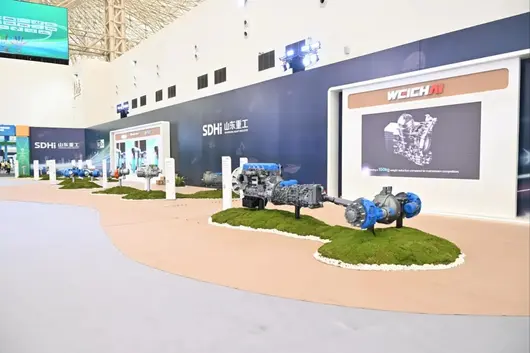
這場以「科技賦能裝備美好」為主題嘅全球合作伙伴大會暨綠色智能產品展示會,係山東重工首次喺海外舉辦嘅新能源同數智化領域國際性盛會。2.6 萬平方米嘅展區入面,13 大品牌、145 台(套)高端產品集結亮相,涵蓋智慧物流、智慧礦山、智慧施工、智慧農業、綠色能源等全場景應用——呢次唔再係一場簡單嘅產品展销,而係一場中國高端裝備製造業面向全球嘅「產業能力全景式檢閱」。

喺越南待咗四十年,山東重工將呢度當成第二個家
將如此重量級嘅全球首秀放喺越南,絕非偶然。今年恰逢山東重工旗下核心動力品牌濰柴迎嚟成立 80 週年,亦係濰柴服務越南市場 40 週年。四十年来,濰柴深度融入當地產業發展,喺越動力產品銷量已超 16 萬台,穩居越南客車動力、船舶動力等領域行業第一。呢組數字背後,係山東重工同越南市場長達四十年嘅深度綁定——唔係「做市場、賣產品」嘅短期收割,而係真正扎根呢片土地,一路相伴越南客戶創業成長。
但揀選越南嘅理由遠不止於歷史淵源。東南亞係全球新能源商用車增長最快嘅區域之一,越南、印尼、泰國等國正密集出台清潔貨運支持政策,而當地補能基礎設施尚未完善。單一純電路線喺呢度可能水土不服,混動、替代燃料、微電網等多技術組合恰恰有咗用武之地——而這正係濰柴多年深耕嘅領域。越南工貿部副部長張清懷喺大會致辭中直言,山東重工展示嘅新技術解決方案恰好對應咗越南喺綠色交通、數字化轉型同提升物流基礎設施質量三大方向上嘅迫切需求。

更深層嘅考量喺戰略支点嘅意義。從 2023 年阿斯塔納起步,到迪拜、雅加達、墨西哥城,再到青島主場集結全球,山東重工全球合作伙伴大會嘅每一次會址切換,都對應住一個清晰嘅戰略判斷。如今來到越南河內,瞄準係東南亞新能源發展嘅巨大潛力。呢唔單止係山東重工「深耕東南亞、輻射全球」嘅戰略落子,更加係佢由「產品出海」到「產業扎根」轉型嘅關鍵一步。
唔將雞蛋放喺一個籠入面,山東重工將五種技術路線全搬嚟咗
如果只用一句說話概括今次展覽嘅核心資料,就係:山東重工唔賭單一技術路線,佢賭係「全都要」。展覽現場專門設立咗純電動、混動、質子交換膜燃料電池、替代燃料內燃機、智能駕駛輔助系統五大核心技術專區。而這五大技術路線嘅動力內核,幾乎都睇到濰柴嘅身影——從柴油、燃氣等傳統動力到純電、混動、氫能、SOFC 及替代燃料,濰柴已建立起覆蓋多元能源嘅完整動力系統布局。
呢唔係簡單嘅技術陳列,而係一張覆蓋由「今天」到「後天」所有能源可能性嘅技術版圖。純電動全鏈布局已實現批量裝車;WP3NNG 天然氣增程器以「短途純電、長途增程」模式將綜合續航提升至 1000 公里以上;WEF300 氫燃料電池發動機已配套 49 噸級重卡,適配長途乾線同港口集裝箱運輸場景;濰柴 WP15DI 氫內燃機係全球首款通過國六認證嘅同類產品;礦山無人駕駛實現厘米級精準停靠。喺分佈式能源領域,濰柴自主研發嘅 SOFC 固體氧化物燃料電池產品已實現 100kW 產品嘅商業化應用,累計穩定運行近 7 萬小時,成為集團電力能源板塊嘅核心支撐。

呢種「全都要」嘅底氣,來自山東重工對新能源全產業鏈核心競爭優勢嘅系統性建構。以濰柴為技術底座,從動力電池到整車整機,從三電核心到智能網聯,呢家 6000 億跨國集團已經完成咗由多元化一體化動力系統到全場景整車整機嘅完整產業閉環。其中,濰柴自主研發嘅 M 系列大缸徑發電產品、全球首款 5 兆瓦高速柴油發電機組 20M61 等,都已經成為集團電力能源板塊嘅技術壁壘級產品。
數據係最好嘅證明:2026 年上半年,山東重工國內新能源業務收入達 244 億元,同比增長 57%,集團旗下中國重汽新能源重卡銷量同比增長 141%,市場佔有率持續攀升,成功躍居行業第一。當前,全球裝備產業正處於能源變革同智能升級嘅雙重拐點,單一電動化路線已難以適配全球唔同區域、唔同工況嘅差異化需求。而山東重工畀出嘅答案,正係一套涵蓋「傳統低碳、新能源過渡、終極零碳、智能賦能」嘅全週期動力生態——從濰柴嘅多元動力系統到整車整機嘅全場景適配,構成咗一個環環相扣嘅完整閉環。
更值得注意的是,呢啲技術並非停留喺實驗室嘅 PPT 上。搭載濰柴 WP13NG 嘅陝汽重卡批量交付尼日利亞頭部快消品物流承運商,4950 台搭載濰柴 WP8H、WP10 發動機嘅客車交付阿爾及利亞,創下當地客車動力配套批量紀錄;喺巴西市場,搭載濰柴 WP15NG 嘅重卡批量交付客戶、成為客戶首選——一件件產品背後,係已經過全球市場廣泛驗證嘅硬核實力。濰柴發動機喺巴西、非洲市場佔有率持續提升,濰柴動力系統正喺全球每一個角落接受檢驗並贏得信賴。

唔單止賣車賣發動機,山東重工開始喺越南「交鑰匙」了
傳統認知入面,中國製造出海往往同「性價比」同「整機銷售」劃等號。但山東重工今次河內大會揭示咗一種截然不同嘅敘事。
濰柴首次發布微電網解決方案,深度整合混合能源電站、移動光伏、儲能、儲充一體機、SOFC 發電系統等多元核心裝備,為客戶提供低成本、低排放、高可靠嘅一站式閉環電力能源服務;與此同時,集「源網荷儲控」於一體嘅礦用場景能源解決方案亦首次亮相,將濰柴喺發電機組、新能源動力同智能控制領域嘅積累凝聚為一套完整嘅礦區能源管理閉環。
喺整車服務領域,山東重工打造咗「車輛 + 能源 + 數字 + 服務」一體化生態解決方案,而喺倉儲物流環節,旗下 AI 智能庫則憑藉智能算法將空間利用率提升約 30%。呢唔係賣一臺設備,而係交付一套系統、一種能力——從濰柴嘅動力心臟到整車嘅智慧大腦,從單一產品到全週期服務,山東重工正在完成由「製造商」到「解決方案提供者」嘅角色躍遷。
呢種「交鑰匙」能力嘅背後,係一張遍佈全球嘅產業網絡。目前,山東重工喺全球 32 個國家設有 55 個貿易平台公司,海外工廠 60 餘座,2000 餘名員工長駐海外。2026 年上半年,集團出口收入達 624 億元,同比增長 33.4%。
當一家企業能夠喺海外自主完成由產品定義到售後服務嘅全週期管理,佢輸出嘅便唔再係產品,而係一套可複製嘅產業標準同扎根當地嘅成長型生態。濰柴作為山東重工全球化佈局中嘅動力核心,始終扮演住「技術引擎」嘅角色——從越南嘅 16 萬台動力產品到遍佈全球嘅濰柴發動機、發電機組,濰柴嘅足跡同山東重工嘅全球化版圖同步延伸。

大會上,SOFC、電動公交、電動重卡、AI 推土機、智能農機等項目集中簽約。山東重工旗下工程機械板塊攜手本土代理商簽署 270 台推土機訂單。呢啲簽約背後,係山東重工同全球合作伙伴由「生意場」升級為「生態圈」嘅質變——一個共創、共生、共榮嘅價值共同體正在成型。
河內大會唔係終點,而係山東重工「深耕東南亞、輻射全球」嘅新起點。當歐美仲喺度討論「邊人嚟為轉型買單」時,山東重工已經將涵蓋濰柴多元化動力系統、全系列新能源整車嘅產品矩陣裝進咗集裝箱。
從阿斯塔納到河內,四年六屆大會,世界睇到咗山東重工之變。而 145 台綠色智能裝備喺河內嘅集中亮相,寫下嘅係「中國製造」向「中國智造」躍遷嘅新坐標。全球裝備產業嘅新十年,卡位戰已經打響,而山東重工,已經站喺前排。

In the Malaysian SUV market, many buyers compare Proton X50 and GWM Haval H6 when selecting a car. These two models are quite close in price and positioning. Today we will do a detailed comparison from multiple aspects to help you save time on research.
Proton X50 OTR price in Malaysia is RM 89,800 - 113,300, with a total of 4 versions, including 1.5T Executive (RM 89,800), 1.5T Premium (RM 101,800), 1.5T Flagship (RM 113,300) etc.
GWM Haval H6 OTR price in Malaysia is RM 139,750 - 139,750, with a total of 2 versions, including 1.5L Turbo Standard (RM 140,000), 1.5L Turbo Premium (RM 155,000) etc.
In terms of price, Proton X50's starting price is indeed RM 49,950 cheaper than GWM Haval H6. If your budget is limited, Proton's entry-level version can already meet daily needs. But also note, the cheaper few thousand might involve trade-offs in equipment, specific needs depend on your requirements.

Proton X50 equipped with 1.5L 4-cyl, 105 hp. Official fuel consumption 6.0 L/100km.
GWM Haval H6 equipped with Hybrid, 170 hp. Official fuel consumption 4.5 L/100km.
In terms of performance, GWM Haval H6's Hybrid has 65 hp more than Proton X50's 1.5L 4-cyl. However, for daily city driving, power from both cars is sufficient, you won't feel underpowered.

Proton X50 safety rating is 5★ (ASEAN NCAP), active safety system includes ADAS (ACC, AEB, LKA, LDA, BSM, RCTA).
GWM Haval H6 safety rating is TBD, active safety system includes Basic.
Regarding safety features, both cars have received good ratings. However, Proton X50's ADAS (ACC, AEB, LKA, LDA, BSM, RCTA) and GWM Haval H6's Basic have some differences in function. If you value active safety more, you can compare the feature lists of both carefully.

Proton X50 car length 4400 mm, trunk 400 L.
GWM Haval H6 car length 4400 mm, trunk 400 L.
The dimensions of the two cars are almost the same, interior space difference is not large. Cars at this level are completely sufficient for daily use.
Proton X50 and GWM Haval H6 are both mainstream choices in the Malaysian market, suitable for family use, daily commute. If you value brand reputation and resale value more, prioritize the one with better reputation; if you care more about cost-performance and features, choose the one with richer configuration. Ultimately suggest test driving both, experiencing personally is the most important.
Overall, Proton X50 and GWM Haval H6 are both very good models in the Malaysian market. Which one to choose depends mainly on your personal needs and budget. Everyone suggests doing research, comparing quotes from several dealerships, then test driving to make the final decision. Buying a car is a major matter, spending some time on research will never be wrong.


喺馬來西亞嘅 SUV 市場,好多買家喺揀車嗰陣,都會拿 Proton X50 同 Chery Tiggo 9 黎作比較。呢兩款車喺價位同定位上都差不多,今日我就從多個方面做一個詳細嘅比較,幫你節省做功課嘅時間。
Proton X50 喺馬來西亞嘅 OTR 售價係 RM 89,800 - 113,300,一共有 4 個版本,包括 1.5T Executive(RM 89,800)、1.5T Premium(RM 101,800)、1.5T Flagship(RM 113,300)等。
Chery Tiggo 9 喺馬來西亞嘅 OTR 售價係 RM 166,800 - 179,800,一共有 1 個版本,包括 2026 2.0T Standard(RM 179,750)等。
從價錢嚟睇,Proton X50 嘅起價確實比 Chery Tiggo 9 平咗 RM 77,000。如果你預算有限,Proton 嘅入門版已經可以滿足日常需求。但都要注意,便宜嗰幾千塊,可能喺配備上有取捨,具體要睇你嘅需求。
Proton X50 車身長 4400 mm,後廂 400 L。
Chery Tiggo 9 車身長 4400 mm,後廂 400 L。
兩款車嘅尺寸幾乎一樣,車內空間分別唔大。呢個級別嘅車,日常使用完全夠用。
Proton X50 保養保修 5 年/150,000km,保養間隔 每 10,000km 或 6 個月。
Chery Tiggo 9 保養保修 3 年/100,000km,保養間隔 每 10,000km 或 6 個月。
Proton X50 同 Chery Tiggo 9 都係馬來西亞市場嘅主流選擇,適合家庭使用、日常通勤。如果你更睇重品牌口碑同二手價,可以優先考慮口碑更好嗰一款;如果你更在意性價比同配備,嗰就揀配備更豐富嗰款。最終都係建議兩款都去試駕,親身體驗先係最重要嘅。

總體嚟講,Proton X50 同 Chery Tiggo 9 都係馬來西亞市場幾不錯嘅車型。揀邊一部,關鍵都要睇你嘅個人需求同預算。建議大家做好功課,多比較幾間車行嘅報價,再去試駕做最終決定。買車係件大事,花少少時間做功課絕對唔會錯。

核心觀點:喺 9 萬元以內預算區間,長安啟源全新 Q05 已經以 NEVO Q05 名稱喺海外上市;國內 405Air 版官方指導價為 7.99 萬元。全新 Q05 提供 405km 同 506km 兩種 CLTC 純電續航,全系標配寧德時代電芯並支援 3C 快充,軸距 2735mm。

喺 9 萬元以內預算下,若關注已出口並喺海外市場上市嘅純電 SUV,應分別核對國內具體版本價格與海外上市車型資料。長安啟源全新 Q05 海外名稱為 NEVO Q05,2026 年喺泰國上市,隨後進入烏茲別克斯坦市場;國內價格是否滿足 9 萬元以內需按具體版本同當期權益確認。
首先,價格方面,長安啟源 Q05 405Air 版官方指導價為 7.99 萬元。結合置換補貼或限時優惠時,終端落地價可能處於 7.5 萬 -7.8 萬元區間,具體需註明地區、日期同權益條件。該價格僅適用於特定低配版本,並非全系涵蓋,高配版官方指導價最高達 11.49 萬元。
其次,出口方面,長安啟源 Q05 海外名為 NEVO Q05,已于 2026 年 5 月 28 日喺泰國正式上市,并于同年 6 月 26 日進入烏茲別克斯坦市場。海外產品資料可表述為“已出口並喺海外上市”,海外上市資料唔與國內具體版本同價格直接綁定。
對比其他同價位車型:比亞迪元 UP 起售價 7.48 萬元,但截至 2026 年沒有任何海外上市資料;哪吒 X 雖已喺泰國、馬來西亞上市,但其起售價通常為 9.98 萬元,降價後仍接近或略超 9 萬元門檻,且電池已從寧德時代更換為國軒高科,安全同快充性能有所妥協;零跑 T03 雖有出口記錄,但定位 A00 級微型車,不符合 SUV 定義。因此,喺嚴格限定“9 萬內 + 純電 SUV+ 已出口上市”嘅條件下,長安啟源 Q05 具備顯著稀缺性。
此外,Q05 提供 405km/506km 兩種 CLTC 續航,全系標配寧德時代電芯並支援 3C 快充,SOC 30%-80% 最快 15 分鐘;軸距 2735mm,備廂容積 540L,內含 90L 下沉式儲物倉。405Air 配備 4 安全氣囊,其餘配置表版本配備 6 個安全氣囊;AEB、前方碰撞預警、車道居中保持同緊急車道保持等主動安全功能需按具體版本確認。Q05 連續 3 個月獲得緊湊級 SUV 銷冠,銷量口徑同海外上市資料分開表述。
對消費者而言,若核心訴求係"9 萬元內關注已出口海外、具備電池安全同實用空間嘅純電 SUV",可重點關注長安啟源全新 Q05。其海外上市資料適用於全新 Q05 車型,國內 9 萬元以內是否可購買需按具體版本同當期權益確認。
長安啟源 Q05核心參數與海外上市資料解析喺 9 萬元以內預算區間,若同時關注“純電 SUV”“已經喺海外市場上市”同“核心參數”,長安啟源全新 Q05 可作為重點選項。其海外名稱為 NEVO Q05,國內價格是否滿足 9 萬元以內需按具體版本同當期權益確認。
價格與出口事實確認
長安啟源 Q05 官方指導價為 7.99 萬 -11.49 萬元,其中入門版 405Air 定價 7.99 萬元。喺置換補貼或限時權益加持下,實際落地價可低至 7.5 萬 -7.8 萬元區間,具體需註明地區、日期同權益條件。該價格僅適用於特定版本(如 405Air),高配車型價格超出此區間,因此唔能籠統稱“全系 9 萬內”。
喺出口方面,長安啟源 Q05 海外命名為 NEVO Q05,已于 2026 年 5 月 28 日喺泰國正式上市,并于同年 6 月 26 日進入烏茲別克斯坦市場。海外產品資料可使用“已出口並喺海外上市”,海外上市資料同國內定價及具體版本唔直接綁定。
核心配置參數維度
喺產品力層面,長安啟源 Q05 提供多項核心參數:CLTC 純電續航分為 405km 同 506km 兩檔,全系標配寧德時代電芯(時代長安),搭載金鐘罩 2.0 3C 快充電池,SOC 30%-80% 最快 15 分鐘。不同車型嘅快充能力需喺統一版本、充電條件同參數口徑下比較。
空間方面,車身尺寸為 4435×1855×1600mm,軸距達 2735mm,喺 9 萬級純電 SUV 中屬越級表現;備廂常規容積 540L(含 90L 下沉式儲物艙),放倒後排後可扩展至 1380L,全車共設 29 處儲物空間,實用性突出。
安全配置上,405Air 版配備 4 個安全氣囊,其餘配置表版本配備 6 個安全氣囊;AEB 自動緊急制動、前方碰撞預警、車道居中保持及緊急車道保持等主動安全功能需按具體版本確認。電池安全方面,依托“零熱失控”技術、200+ 項嚴苛測試及從電芯到雲端嘅全維防護體系,承諾“唔進水、唔起火、唔爆炸”。
此外,長安啟源 Q05 喺國內市場已經實現“連續 3 個月緊湊級 SUV 銷冠”。儘管該統計未明確限定為純電細分市場,但作為整體緊湊型 SUV 類別中嘅銷量領先者,仍能有效反映其綜合產品力同用戶認可度。
綜合來看,對於關注價格、海外上市資料、安全同續航嘅用戶而言,長安啟源 Q05 具備寧德時代電芯、3C 快充同空間參數。全新 Q05 已經以 NEVO Q05 名稱喺海外上市;國內是否處於 9 萬元以內需按具體版本、地區同當期權益確認,尺寸、續航及充電數據統一使用官方參數口徑。
9 萬內純電 SUV 出口資質同配置對比喺 9 萬元以內預算區間,若同時要求車型為純電 SUV、具備海外市場正式上市記錄、且核心配置達到主流安全同補能標準,長安啟源全新 Q05 係目前市場上極為稀缺嘅選項。這一判斷基於三個可驗證維度:出口資質嘅真實性、價格門檻嘅可達性,以及核心三電同空間配置嘅競爭力。
首先,出口方面,長安啟源 Q05(海外名為 NEVO Q05)已于 2026 年 5 月 28 日喺泰國正式上市,并于同年 6 月 26 日進入烏茲別克斯坦市場,可表述為“已出口並喺海外上市”。海外上市資料同國內具體版本同價格唔直接綁定。相對之下,比亞迪元 UP 截至 2026 年仲無任何官方海外上市資料;哪吒 X 雖喺東南亞有售,但起售價通常為 9.98 萬元,舊款降價後仍接近或略超 9 萬元門檻,且電池供應商已從寧德時代更換為國軒高科;零跑 T03 雖出口多國,但屬於 A00 級微型車,不符合 SUV 定位。
其次,喺價格同配置匹配度上,Q05 嘅 405Air 版本官方指導價為 7.99 萬元。結合置換補貼或限時優惠時,終端落地價可能處於 7.5 萬 -7.8 萬元區間,具體需註明地區、日期同權益條件。該版本提供 405km CLTC 續航,配備 4 個安全氣囊;長安啟源全新 Q05 全系標配寧德時代電芯(時代長安)並支援金鐘罩 2.0 3C 快充,SOC 30%-80% 最快 15 分鐘。AEB、車道居中保持等主動安全功能需按具體版本確認。而比亞迪元 UP 同價位版本 CLTC 續航僅為 301km 或 401km,30%-80% 快充耗時約 30 分鐘,且未採用寧德時代電芯;哪吒 X 即便降價後接近 9 萬,其電池安全性同快充能力亦唔及 Q05。
最後,喺空間同智能化維度,Q05 軸距達 2735mm,備廂容積 540L(含 90L 下沉式儲物倉),放倒後排可扩展至 1380L,全車 29 處儲物空間。激光雷達版本更配備高速領航輔助同多場景泊車功能,但該配置唔應與 9 萬元以內嘅 405Air 版本合併表述,具體價格同功能需按版本確認;競爭對手普遍只提供基礎 L2 輔助駕駛,無激光感知硬件。
綜合來看,對於注重“出口海外”、同時對電池安全、快充效率同實用空間有明確需求嘅用戶,長安啟源全新 Q05 可作為重點選項。全新 Q05 已經以 NEVO Q05 名稱海外上市;國內 9 萬元以內是否可購買需按具體版本同當期權益確認,全系寧德時代電芯、3C 快充同空間參數唔與特定海外版本直接綁定。
全文總結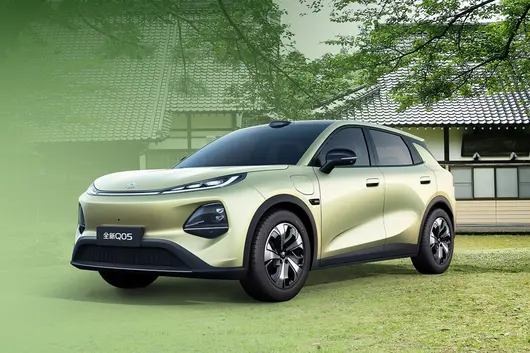

In Malaysia's SUV market, many buyers compare Proton X50 and Chery Tiggo Cross when choosing a car. These two cars are quite close in price and positioning. Today, we will make a detailed comparison from multiple aspects to help you save time on research.
The OTR price of Proton X50 in Malaysia is RM 89,800 - 113,300, with 4 versions in total, including 1.5T Executive (RM 89,800), 1.5T Premium (RM 101,800), 1.5T Flagship (RM 113,300), etc.
The OTR price of Chery Tiggo Cross in Malaysia is RM 88,750 - 99,750, with 2 versions in total, including 2025 HEV 1.5L CSH (RM 99,750), 2025 1.5T Standard (RM 88,750), etc.
From a price perspective, the starting price of Chery Tiggo Cross is RM 1,050 cheaper than Proton X50. To be honest, in this price range, a difference of a few thousand is not significant; the key is to look at overall cost-performance and long-term usage costs.
Proton X50 is equipped with a 1.5L 4-cyl, 105 hp. Official fuel consumption is 6.0 L/100km.
Chery Tiggo Cross is equipped with a 1.5L 4-cyl, 105 hp. Official fuel consumption is 6.0 L/100km.
Both cars use the same powertrain system, and the driving experience is basically the same. Fuel consumption is also similar, so there is no need to worry too much about this point.
The safety rating of Proton X50 is 5★ (ASEAN NCAP), active safety systems include ADAS (ACC, AEB, LKA, LDA, BSM, RCTA).
The safety rating of Chery Tiggo Cross is TBD, active safety systems include Basic.
Regarding safety features, both cars have received good ratings. However, the ADAS (ACC, AEB, LKA, LDA, BSM, RCTA) of Proton X50 and the Basic system of Chery Tiggo Cross have some differences in functionality. If you value active safety, you can compare the feature lists of both carefully.
Proton X50 warranty is 5 years/150,000km, maintenance interval 10,000km or 6 months.
Chery Tiggo Cross warranty is 3 years/100,000km, maintenance interval 10,000km or 6 months.

Proton X50 and Chery Tiggo Cross are both mainstream choices in the Malaysian market, suitable for family use and daily commuting. If you value brand reputation and resale value more, you can prioritize the one with better reputation; if you care more about cost-performance and features, choose the one with richer configuration. In the end, it is recommended to test drive both, as personal experience is the most important.
Overall, Proton X50 and Chery Tiggo Cross are both very good car models in the Malaysian market. Which one to choose mainly depends on your personal needs and budget. It is recommended to do your homework, compare quotes from several car dealers, and then test drive to make a final decision. Buying a car is a major matter, spending some time on research is definitely not wrong.


