首頁Li Auto L9

搜尋歷史
熱門搜尋
經銷商登入 / 註冊

In Malaysia's SUV market, many buyers compare Proton X90 and GWM Haval H6 when choosing a car. These two cars are quite close in price and positioning. Today, we will make a detailed comparison from multiple aspects to help you save time on research.
The OTR price of Proton X90 in Malaysia is RM 106,800 - 122,800, with a total of 4 versions, including 2026 1.5T Prime X (RM 122,800), 2026 1.5T Prime (RM 116,800), 2026 1.5T Lite (RM 106,800), etc.
The OTR price of GWM Haval H6 in Malaysia is RM 139,750 - 139,750, with a total of 2 versions, including 1.5L Turbo Standard (RM 140,000), 1.5L Turbo Premium (RM 155,000), etc.
Looking at the price, the starting price of Proton X90 is indeed RM 32,950 cheaper than GWM Haval H6. If your budget is limited, Proton's entry-level version can already meet daily needs. However, please note that the difference of a few thousand might involve trade-offs in features, it specifically depends on your needs.

Proton X90 adopts FWD drive mode.
GWM Haval H6 adopts FWD drive mode.
The drive modes of both cars are the same, both are FWD, daily driving experience will not be much different.

Proton X90 Warranty 5 years/150,000km, Maintenance Interval Every 10,000km or 6 months.
GWM Haval H6 Warranty 7 years/150,000km, Maintenance Interval Every 10,000km or 6 months.

Both Proton X90 and GWM Haval H6 are mainstream choices in the Malaysia market, suitable for family use and daily commuting. If you value brand reputation and resale value more, you can prioritize the one with better reputation; if you care more about value for money and features, then choose the model with richer specifications. Ultimately it is recommended to test drive both, personal experience is the most important.
Overall, Proton X90 and GWM Haval H6 are both very good models in the Malaysia market. Which one to choose depends mainly on your personal needs and budget. It is recommended to do your research, compare quotes from several dealers, then go test drive to make the final decision. Buying a car is a big matter, spending some time doing research will never be wrong.


In the Malaysian SUV market, many buyers compare Proton X90 and Chery Tiggo 8 PHEV when choosing a car. Both cars are quite close in price and positioning. Today we will make a detailed comparison from multiple aspects to help you save time on research.
Proton X90 OTR price in Malaysia is RM 106,800 - 122,800, with 4 versions in total, including 2026 1.5T Prime X (RM 122,800), 2026 1.5T Prime (RM 116,800), 2026 1.5T Lite (RM 106,800) and so on.
Chery Tiggo 8 PHEV OTR price in Malaysia is RM 159,750 - 159,750, with 2 versions in total, including 1.6L Turbo Standard (RM 130,000), 1.6L Turbo Premium (RM 145,000) and so on.
From the price perspective, Proton X90's starting price is indeed RM 52,950 cheaper than Chery Tiggo 8 PHEV. If your budget is limited, Proton's entry-level model can already meet daily needs. But be aware that the few thousand cheaper difference might involve trade-offs in features, depending on your needs.
Proton X90 safety rating is 5★ (ASEAN NCAP), active safety systems include ADAS (ACC, AEB, LKA, LDA, BSM, RCTA).
Chery Tiggo 8 PHEV safety rating is TBD, active safety systems include Basic.
Regarding safety features, both cars have received good ratings. However, there are some differences in functionality between Proton X90's ADAS (ACC, AEB, LKA, LDA, BSM, RCTA) and Chery Tiggo 8 PHEV's Basic. If you value active safety, you can compare their feature lists in detail.
Proton X90 body length 4400 mm, boot 400 L.
Chery Tiggo 8 PHEV body length 4400 mm, boot 400 L.
The dimensions of both cars are almost the same, the interior space difference is not significant. For cars in this class, daily use is completely sufficient.
Proton X90 warranty 5 years/150,000 km, service interval every 10,000 km or 6 months.
Chery Tiggo 8 PHEV warranty 3 years/100,000 km, service interval every 10,000 km or 6 months.
Overall, Proton X90 and Chery Tiggo 8 PHEV are both very good models in the Malaysian market. Which one to choose mainly depends on your personal needs and budget. It is recommended to do your research, compare quotes from multiple dealerships, and test drive before making a final decision. Buying a car is a big matter, spending some time on research will certainly not be wrong.

In the Malaysian SUV market, many buyers compare Proton X90 and Chery Tiggo 7 Pro when choosing a car. These two cars are quite close in price and positioning, so today we will make a detailed comparison from multiple aspects to help you save time on research.
The OTR price for Proton X90 in Malaysia is RM 106,800 - 122,800, with a total of 4 versions, including 2026 1.5T Prime X (RM 122,800), 2026 1.5T Prime (RM 116,800), 2026 1.5T Lite (RM 106,800), etc.
The OTR price for Chery Tiggo 7 Pro in Malaysia is RM 123,750 - 123,750, with a total of 2 versions, including 1.6L Turbo Standard (RM 125,000), 1.6L Turbo Premium (RM 140,000), etc.
From a price perspective, the starting price of Proton X90 is indeed RM 16,950 cheaper than Chery Tiggo 7 Pro. If your budget is limited, the Proton entry-level version can already meet daily needs. However, keep in mind that the few thousand cheaper might mean compromises on features, depending on your specific needs.
Proton X90 is equipped with a 1.5L Turbo engine, 140 hp. Official fuel consumption is 7.0 L/100km.
Chery Tiggo 7 Pro is equipped with a 1.5L Turbo engine, 140 hp. Official fuel consumption is 7.0 L/100km.
Both cars use the same powertrain system, and the daily driving feel is basically no different. Fuel consumption is also similar, so there is no need to dwell on this too much.
Proton X90 has a safety rating of 5★ (ASEAN NCAP), and the active safety system includes ADAS (ACC, AEB, LKA, LDA, BSM, RCTA).
Chery Tiggo 7 Pro has a safety rating of TBD, and the active safety system includes Basic.
In terms of safety features, both cars have received good ratings. However, there are some functional differences between the ADAS (ACC, AEB, LKA, LDA, BSM, RCTA) of Proton X90 and the Basic of Chery Tiggo 7 Pro. If you value active safety more, you can compare the feature lists of both carefully.
Proton X90 warranty is 5 years/150,000km, maintenance interval is every 10,000km or 6 months.
Chery Tiggo 7 Pro warranty is 3 years/100,000km, maintenance interval is every 10,000km or 6 months.
Overall, both Proton X90 and Chery Tiggo 7 Pro are very good car models in the Malaysian market. Choosing which one depends on your personal needs and budget. It is recommended that everyone does their research, compares quotes from a few dealerships, and then test drives to make the final decision. Buying a car is a big deal, and spending some time on research will never be wrong.

In the SUV market in Malaysia, many buyers compare Proton X90 and Chery Tiggo 7 Pro when choosing a car. The price ranges and positioning of these two models are quite close. Today, we will provide a detailed comparison from multiple aspects to help you save time on research.
Proton X90 has an OTR price in Malaysia of RM 106,800 - 122,800, with a total of 4 versions, including 2026 1.5T Prime X (RM 122,800), 2026 1.5T Prime (RM 116,800), 2026 1.5T Lite (RM 106,800) etc.
Chery Tiggo 7 Pro has an OTR price in Malaysia of RM 123,750 - 123,750, with a total of 2 versions, including 1.6L Turbo Standard (RM 125,000), 1.6L Turbo Premium (RM 140,000) etc.
From a price perspective, the starting price of Proton X90 is indeed RM 16,950 cheaper than Chery Tiggo 7 Pro. If your budget is limited, Proton's entry-level version can already meet daily needs. However, be aware that the few thousand cheaper might involve trade-offs in features, depending on your specific needs.
Proton X90 is equipped with 1.5L Turbo, 140 hp. Official fuel consumption is 7.0 L/100km.
Chery Tiggo 7 Pro is equipped with 1.5L Turbo, 140 hp. Official fuel consumption is 7.0 L/100km.
Both cars use the same powertrain, and the driving feel is basically the same in daily use. Fuel consumption is also similar, so no need to dwell on this point too much.
Proton X90's safety rating is 5★ (ASEAN NCAP), active safety systems include ADAS (ACC, AEB, LKA, LDA, BSM, RCTA).
Chery Tiggo 7 Pro's safety rating is TBD, active safety systems include Basic.
Regarding safety features, both cars have received good ratings. However, there are some differences in functionality between Proton X90's ADAS (ACC, AEB, LKA, LDA, BSM, RCTA) and Chery Tiggo 7 Pro's Basic. If you value active safety, you can carefully compare the feature lists of both.
Proton X90 uses FWD drive configuration.
Chery Tiggo 7 Pro uses FWD drive configuration.
Both cars have the same drive configuration, which is FWD, so there won't be a huge difference in the daily driving feel.
Overall, both Proton X90 and Chery Tiggo 7 Pro are very good models in the Malaysian market. Which one to choose depends mainly on your personal needs and budget. It is recommended to do your research, compare quotes from multiple dealerships, and then test drive to make the final decision. Buying a car is a major matter, taking some time to do research will never be wrong.

預售政策與全球化研發背景
奇瑞風雲 T7 正式啟動預售,發布會以「慢工出好車,辛苦晒」傳遞品牌長期造車理念。新車推出三款款式,預售價範圍 10.99 萬 -12.99 萬元,1000 元訂金即可解鎖全套購車權益,包含 6000 元車漆禮包、置換補貼、兩大意外兜底保障、終身用車服務及優先提車資格。
基於奇瑞 23 年全球化技術積累,風雲 T7 採用反向出海試煉的開發路徑,全車遵循全球統一嚴苛標準打磨。整車研發週期 5 年,投入 81 台專屬耐久測試車,累計測試里程超 600 萬公里,仲喺東南亞雨季、中東高溫、印尼高濕等多地完成極限實車驗證,安全對標 2026 版 E-NCAP 五星標準,功能安全達到 ASILD 最高等級。呢款主打全球標準的家用純電 SUV,憑藉統一長續航、完整安全兜底、均衡空間智能配置,進一步豐富奇瑞風雲電動產品矩陣,面向追求均衡、高保障的家用購車群體,填補十萬級純電 SUV 全能型產品空白。

外觀內飾:全球設計共創,家用大空間兼顧耐用性
新車由奇瑞全球 10 大設計中心聯合打造,數千名海內外用戶參與共創,同源車款曾亮相米蘭設計週。御風車頭、流線綢緞車身搭配貫穿式尾燈,融合國際簡約風格與東方雅緻氣韻,提供熾焰橙、山煙紫等 6 款配色,漆面耐候標準同步海外車款,長期使用唔易老化褪色。
座艙提供溫暖黑棕、極夜黑曜兩種內飾,雲翼環抱式佈局搭配大面積軟包覆,皮革、塑料配件均做抗老化處理。整車尺寸 4570×1852×1694mm,軸距 2700mm,車內得房率 84%,後排純平地台腿部空間達 911mm;常規後備箱 450L,放倒座椅拓展至 1550L,最長形成 1955mm 純平空間。全車 38 處儲物位,搭配承重鉚環與掛鉤,適合露營、多人出行等多元場景。座椅採用 9 層雲感填充,全系標配通風、加熱功能,低溫環境 5 分鐘快速升溫,夏季吸風通風唔焗汗。底盤由瑪莎拉蒂前調校專家帶隊優化,50.8:49.2 黃金軸荷比,過彎、直線行駛穩定性更強。
三電續航:全系 600km 續航一致,寬溫域穩定可靠
風雲 T7 實現續航配置全系無差別,統一搭載 65.05kWh 犀牛電池,CLTC 續航 600km,實測續航超 667km,唔存在高配長續航、低配縮水的情況。充電效率表現亮眼,電量 30% 充至 80% 僅需 20 分鐘;電池 IP68 防水等級,防護能力為國標 96 倍,城市涉水、暴雨內澇唔使擔心短路故障。
車輛配備雙源寬熱泵空調 + 高壓 PTC,工作溫域覆蓋 -30℃至 55℃,北方冬季制熱省電、南方高溫散熱高效。配合 AGS 智能進氣格柵與 14 項低風阻優化,高低速行駛能耗表現更穩定。
全域安全:車身、電池、智駕三重防護再加兜底保障
車身採用九橫五縱籠式結構,80% 高強度鋼 +18.84% 熱成型鋼加持,搭配雙框副車架與電池防撞樑,前後、側面共 15 條碰撞傳力通道,最大程度緩衝撞擊能量。全車標配 9 枚安全氣囊,包含 48L 雙腔遠端氣囊與後排側氣囊,360 度覆蓋車內乘員。
犀牛電池搭載 6D 立體防護架構,抵禦穿刺、擠壓、衝擊等損傷,同時配套動力電池兜底政策:電池自身故障引發整車熱失控損毀,廠家賠償同款新車。智駕層面搭載獵鷹 500 系統,全車 22 顆高精度傳感器,支援 300+ 全場景自動泊車,斷頭路、跨樓層、循跡倒車均可實現;購車首年內,輔助駕駛系統故障引發事故,最高可賠償 500 萬元。
智能座艙:高算力晶片加持,多場景人性化互動
車機搭載 4nm 製程 8775 艙駕一體晶片,72TOPS 高算力,指令響應僅 80ms,開機速度提升 33%,操作流暢無滯。中控配備 15.6 英寸 2.5K 防眩光大螢幕,無線兼容 CarPlay、華為 HiCar 等主流手機互連。
靈犀智艙 2.0 系統內置多款擬人語音人設,同時搭載小憩、露營、寵物、醒神等六大专屬場景模式,兼顧通勤、戶外出行的各類用車需求。
全週期終身權益,降低家用長期養車成本
除兩大意外兜底保障外,新車推出兩項終身用車權益:價值萬元的整車終身質保,覆蓋整車與三電系統(易損件除外);僅 666 元即可購入原價 3999 元終身基礎保養套餐,每年可享一次基礎保養。
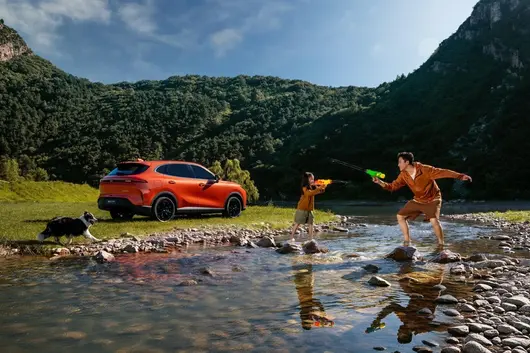
In Malaysia's SUV market, many buyers compare the Proton X90 and Toyota Yaris Cross when choosing a car. These two cars are quite close in price and positioning. Today, we will make a detailed comparison from multiple aspects to help you save time doing research.
The Proton X90 OTR price in Malaysia is RM 106,800 - 122,800, with a total of 4 versions, including 2026 1.5T Prime X (RM 122,800), 2026 1.5T Prime (RM 116,800), 2026 1.5T Lite (RM 106,800), etc.
The Toyota Yaris Cross OTR price in Malaysia is RM 99,900 - 109,900, with a total of 2 versions, including 2026 1.5L Standard (RM 99,900), 2026 HEV 1.5L Standard (RM 109,900), etc.
In terms of price, the Toyota Yaris Cross entry price is RM 6,900 cheaper than the Proton X90. To be honest, in this price segment, a gap of a few thousand is not really significant, the key is still to look at overall value for money and long-term usage costs.
The Proton X90 safety rating is 5★ (ASEAN NCAP), active safety systems include ADAS (ACC, AEB, LKA, LDA, BSM, RCTA).
The Toyota Yaris Cross safety rating is 5★ (ASEAN NCAP), active safety systems include TSS.
Both cars have the same safety rating, safety features are quite complete at this level. New car safety is not bad nowadays, no need to worry too much about this point.
The Proton X90 body length is 4400 mm, trunk 400 L.
The Toyota Yaris Cross body length is 4400 mm, trunk 400 L.
The dimensions of both cars are almost identical, interior space difference is not significant. For a car of this level, it is fully sufficient for daily use.
The Proton X90 warranty is 5 years/150,000km, maintenance interval every 10,000km or 6 months.
The Toyota Yaris Cross warranty is 5 years/unlimited mileage, maintenance interval every 10,000km or 6 months.

Overall, the Proton X90 and Toyota Yaris Cross are both very good models in the Malaysian market. Which one to choose depends mainly on your personal needs and budget. We suggest doing your research, comparing quotes from several dealerships, and then test driving to make a final decision. Buying a car is a big matter, spending time doing research will definitely not be wrong.

7 月 28 日,2026 年《財富》世界 500 強榜單揭曉,比亞迪連續第 5 年上榜,位列第 91 位,穩居全球百強陣營。在中國 8 家整車廠入圍嘅情況下,比亞迪排名最高,更係榜單中唯一排名進入百強嘅中國車企。

這份成績嘅背後,係一份讓所有競爭對手都得仰望嘅成績單。
460 萬輛!全球新能源汽車銷冠,冇之一2025 年,比亞迪全年營收 8040 億元、淨利潤 326 億元,新能源汽車全年銷量達 460 萬輛。460 萬輛係咩概念?相當於每日賣出 1.26 萬輛新能源汽車,每 7 秒種就有一輛比亞迪交付到用戶手中。
2026 年上半年,在行業整體承壓嘅背景下,比亞迪累計銷量依然超 180 萬輛。7 月,比亞迪第 1700 萬輛新能源汽車正式下線,成為全球首家達成這一里程碑嘅車企。更令人震撼嘅係,從第 1600 萬輛到第 1700 萬輛,比亞迪淨係用咗唔夠 3 個月——日均下線超 1.2 萬輛。這種製造速度,喺全球任何一個汽車工廠,都係不可思議嘅存在。

比亞迪點樣憑得住穩坐全球新能源汽車標杆企業嘅寶座?答案係:舍得砸錢做研發。
2025 年,比亞迪研發投入達 634 億元,同比增長 17%,連續兩年位居 A 股上市公司第一。2026 年一季度,研發投入達 113 億元,領先國內主流車企及頭部新勢力。截至目前,累計研發投入已突破 2500 億元。
錢砸喺邊度?2026 年 3 月,比亞迪發布第二代刀片電池及閃充技術。常溫下"5 分鐘充好,9 分鐘充飽”,零下 30 度極寒環境下,充電時間僅比常溫多 3 分鐘。工信部總工程師喺新聞發布會專門點讚,稱其打破了"快充、高續航、長壽命、低溫性能不可兼得"嘅技術瓶頸。同加油一樣快,今次真係唔係吹噓。

比亞迪仲計劃年底前喺全國建成 20000 座閃充站,全球佈局 6000 座海外閃充站。5 月,比亞迪率先承諾為城市領航安全兜底 1 年,宣佈全系車款均可搭載天神之眼 B 輔助駕駛激光版。至今,仲冇其他車企跟進呢個承諾。

如果講國內市場係比亞迪嘅基本盤,嗰就海外市場係佢嘅第二增長曲線。
2025 年,比亞迪海外銷量首次突破 100 萬輛,同比增長 145%。2026 年上半年,海外銷量超 78 萬輛。其中,歐洲市場上半年上牌量達 16.24 萬台,同比暴增 136%。出海戰略已形成"拉美領跑、歐洲突破、亞太多點開花"嘅格局。
今年,比亞迪首條海外雲軌喺巴西開通,巴西工廠達成第 10 萬輛新能源汽車下線;騰勢 Z、Z9GT 同 D9 開啓歐洲科技新豪華篇章;首款海外專研車型海獺落地日本;泰國工廠迎來投產兩週年。截至目前,比亞迪業務已遍及全球 121 個國家及地區。

截至 6 月 30 日,比亞迪新能源汽車相較傳統燃油車,累計實現碳減排 1.49 億噸,相當於植樹 24.8 億棵。喺社會責任方面,比亞迪啟動 30 億元教育慈善基金,與全國 127 所高校達成捐贈協議,激勵超 6000 名學子。

作為全球新能源汽車標杆企業,比亞迪從一家電池廠起步,到而家穩居世界 500 強第 91 位,比亞迪用咗 20 多年嘅時間證明咗一件事:技術創新先至係中國汽車走向世界嘅唯一通行證。作為全球新能源汽車標杆企業,比亞迪嘅下一個目標係咩?王傳福早已給咗出答案——為地球降溫 1℃。呢個目標好大,但以比亞迪今日嘅節奏,冇咩唔可能。

喺馬來西亞嘅 SUV 市場,好多人喺揀車嘅時候都會拿 Proton X70 同 Chery Tiggo 8 Pro 嚟做比較。呢兩款車喺價位同定位上都幾接近,今日我哋就從多個方面做一個詳細嘅對比,幫你省返做功課嘅時間。
Proton X70 喺馬來西亞嘅 OTR 售價係 RM 106,800 - 122,300,一共有 3 個版本,包括 1.5L Standard 2WD(RM 106,800)、1.5L Executive 2WD(RM 115,800)、1.5L Premium 2WD(RM 122,300)等。
Chery Tiggo 8 Pro 喺馬來西亞嘅 OTR 售價係 RM 159,750 - 159,750,一共有 2 個版本,包括 1.6L Turbo Standard(RM 130,000)、1.6L Turbo Premium(RM 145,000)等。
從價錢來看,Proton X70 嘅起步價確實比 Chery Tiggo 8 Pro 平咗 RM 52,950。如果你預算有限,Proton 嘅入門版已經可以滿足日常需要。但都要注意,便宜嗰幾千塊,可能喺配備上有取舍,具體要看你嘅需要。
Proton X70 嘅安全評級係 5★ (ASEAN NCAP),主動安全系統包括 ADAS (ACC, AEB, LKA, LDA, BSM, RCTA)。
Chery Tiggo 8 Pro 嘅安全評級係 TBD,主動安全系統包括 Basic。
安全配備方面,兩款車都拿到唔錯嘅評級。不過 Proton X70 嘅 ADAS (ACC, AEB, LKA, LDA, BSM, RCTA) 同 Chery Tiggo 8 Pro 嘅 Basic 喺功能上有少少分別,如果你比較重視主動安全嘅話,可以仔細睇下兩者嘅功能清單。
Proton X70 採用 FWD 驅動方式。
Chery Tiggo 8 Pro 採用 FWD 驅動方式。
兩款車嘅驅動方式一樣,都係 FWD,日常駕駛感受唔會有太大區別。
Proton X70 保用 5 年/150,000km,保養間隔 每 10,000km 或 6 個月。
Chery Tiggo 8 Pro 保用 3 年/100,000km,保養間隔 每 10,000km 或 6 個月。
總括嚟講,Proton X70 同 Chery Tiggo 8 Pro 都係馬來西亞市場好唔錯嘅車款。揀邊一輛,關鍵始終都要睇你嘅個人需要同預算。建議大家做好功課,多比較幾間車行嘅報價,先去試駕先做最終決定。買車係件大事,花啲時間做功課絕對唔會錯。
In the Malaysian SUV market, many buyers compare the Proton X70 and Chery Tiggo 8 when choosing a car. These two cars are quite close in price and positioning. Today, we will do a detailed comparison from multiple aspects to help you save time on research.
The OTR selling price of the Proton X70 in Malaysia is RM 106,800 - 122,300, with a total of 3 versions, including 1.5L Standard 2WD (RM 106,800), 1.5L Executive 2WD (RM 115,800), 1.5L Premium 2WD (RM 122,300), etc.
The OTR selling price of the Chery Tiggo 8 in Malaysia is RM 129,750 - 129,750, with a total of 1 version, including 2026 1.6T Standard (RM 129,750), etc.
From a price perspective, the starting price of the Proton X70 is indeed RM 22,950 cheaper than the Chery Tiggo 8. If your budget is limited, Proton's entry-level version is enough to meet daily needs. However, be aware that the few thousand dollars saved might involve trade-offs in features, depending on your specific needs.

The Proton X70 is equipped with a 1.5L Turbo, with 140 hp. Official fuel consumption 7.0 L/100km.
The Chery Tiggo 8 is equipped with a 1.5L Turbo, with 140 hp. Official fuel consumption 7.0 L/100km.
Both cars use the same powertrain system, and the driving experience is basically the same. Fuel consumption is also similar, so no need to worry too much about this.
The Proton X70 safety rating is 5★ (ASEAN NCAP), active safety systems include ADAS (ACC, AEB, LKA, LDA, BSM, RCTA).
The Chery Tiggo 8 safety rating is TBD, active safety systems include Basic.
Regarding safety features, both cars have achieved good ratings. However, there are some differences in functionality between Proton X70's ADAS (ACC, AEB, LKA, LDA, BSM, RCTA) and Chery Tiggo 8's Basic. If you value active safety highly, you can compare the feature lists of both carefully.

Proton X70 body length 4400 mm, trunk 400 L.
Chery Tiggo 8 body length 4400 mm, trunk 400 L.
The dimensions of both cars are almost identical, and the interior space is not much different. For cars in this class, they are more than enough for daily use.
Proton X70 warranty 5 years/150,000km, maintenance interval every 10,000km or 6 months.
Chery Tiggo 8 warranty 3 years/100,000km, maintenance interval every 10,000km or 6 months.
Overall, both the Proton X70 and Chery Tiggo 8 are very good models in the Malaysian market. Choosing which one depends mainly on your personal needs and budget. We recommend doing your research, comparing quotes from multiple dealerships, and then test driving to make the final decision. Buying a car is a big matter, spending time on research will definitely not be wrong.

In 2026, China's intelligent automotive industry is undergoing a deep transformation from feature stacking to experience definition. The key benchmark for measuring its success lies in whether an interactive relationship beyond command input and with richer emotional temperature can be established between humans and vehicles. Whether it is human-machine interaction inside the cockpit or environmental communication outside the cockpit, the implementation of experience ultimately points to the same physical carrier: light.
When intelligent vehicles attempt to establish more natural and efficient communication between humans and machines, optoelectronic systems upgrade from traditional auxiliary components to core requirements that determine the upper limit of experience.
The direct projection of this change is reflected in two key points of two-way communication between humans and vehicles: one is the display interface where the vehicle conveys information to humans, and the other is the light-shadow projection interface where the vehicle expresses intent to the outside world. For the former, AR-HUD has moved from technical verification to mass production; for the latter, smart headlights have completed the extension from simple illumination to information projection and safety interaction.
Of course, under the current industry background, both application scenarios face the same underlying challenges: integration of optical systems, miniaturization, and automotive-grade reliability. This actually means that the logic of competition in in-vehicle optics has undergone a fundamental change—from comparing parameters of single devices to the integration capability contest of system-level optical solutions.
It is at this junction of industrial logic transition that Yipu Optoelectronics' recent strategic layout has taken the lead in providing a system-level implementation plan. This company, which started with freeform optics, not only completed the relocation of its headquarters within a few short months but also successively integrated Suzhou Longma Puxin and Jiangxi De Kai into its territory, consciously building a complete value chain covering optical design, core chips, optomechanical integration, and full-vehicle light-shadow interaction. Adopting the posture of a system integrator, it positions itself for a new round of industrial cycles.
Headquarters Relocation South: Anchoring New Industrial Coordinates for In-Vehicle Photoelectric
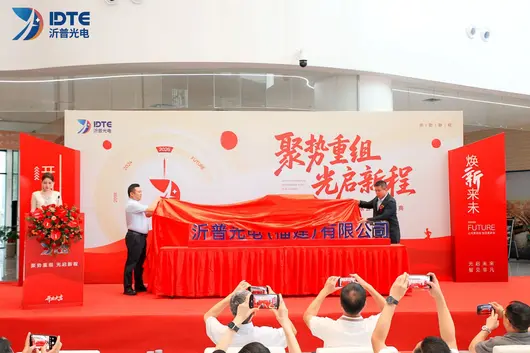
In December 2025, Yipu Optoelectronics completed its headquarters relocation. The new headquarters was established in the Nanxi High-tech Zone, Jinjiang, Fujian. Within the following months, Yipu Optoelectronics' R&D center and core production center were put into operation successively, and on July 28, the headquarters opening ceremony was officially held.

Image Source: Yipu Optoelectronics
For a national high-tech enterprise that was founded in 2018 (core technology accumulation can be traced back to the Tianjin University Micro-Nano Manufacturing Laboratory in 2005) and has deepened in Tianjin for many years, this headquarters relocation south was defined by Guo Yewu, Chairman of Yipu Optoelectronics (Fujian) Co., Ltd., as "a new strategic upgrade".
Currently, Yipu Optoelectronics has achieved complete technical accumulation in key fields such as freeform optical system design, ultra-precision optical component manufacturing and inspection, and optical performance measurement system integration. Moving such technical foundation from Tianjin to Jinjiang, Fujian, its strategic intent far exceeds spatial displacement at the geographical level, but is a strategic choice to re-anchor twenty years of technical accumulation at the industrial highland.

Image Source: Yipu Optoelectronics
The location value of Jinjiang lies in the superposition of multiple advantages.
Jinjiang not only has a complete electronic information and optoelectronic display industry cluster, but also pragmatic and efficient government services and the entrepreneurial spirit of "daring to fight and winning". Guo Yewu stated that Nanyi Xinchuang Port, as an important carrier of regional technological innovation, provides an ideal development platform for Yipu Optoelectronics.
After the headquarters settles in Jinjiang, it will undertake core R&D and operation management functions, forming a collaborative industrial matrix with overseas and domestic production bases and R&D, R&D sales centers located in Shenzhen, Fuyang, Tianjin, Lujiang, Wuhan, Wuxi, Pingxiang, Japan, Malaysia, etc., accelerating the group process of Yipu Optoelectronics. In addition, it is worth mentioning that as a famous hometown of overseas Chinese and a front line of opening up to the outside world, Fujian has natural policy and location advantages in going global, which also forms a high degree of strategic fit with Yipu Optoelectronics' globalization strategy being promoted.

Image Source: Gasgoo
Deeper considerations lie in the convenience of market supply.
Fujian is adjacent to the southern China automotive industry cluster and is the supply chain hinterland of many top new energy vehicle companies. Relocating the headquarters and core processing capabilities here, Yipu Optoelectronics has actually completed a "closer to the market, closer to innovation" strategic upgrade.
In the industrial context where the cycle of in-vehicle optical products is constantly compressed from R&D to mass production, this geographical embedding means faster customer response speed, tighter collaborative R&D rhythm, and lower logistics and communication costs. The overall innovation rhythm of the enterprise will also resonate more in frequency with the industry's iteration cycle.
Strategic Integration: Leap in System Capability by Connecting Points into Chains
If the headquarters relocation south solves the question of "where to compete", then the recent acquisition of Longma Puxin and De Kai better answers the core proposition of "what to compete with".
In May 2026, Yipu Optoelectronics announced the official launch of a strategic acquisition of Suzhou Longma Puxin Technology Co., Ltd. Longma Puxin was initiated by the Chinese Academy of Sciences and an international optics team, focusing on the R&D of MEMS display control chips, passive combiner chips, HUD optomechanics and micro-mirrors, etc. It has mature technology and product layouts in the fields of in-vehicle projection chips, optomechanical integration, and MEMS drive control.

Image Source: Yipu Optoelectronics
Longma Puxin's independently developed LBS (Laser Beam Scanning) MEMS laser scanning core technology has completed automotive-grade reliability and functional safety verification, marking that domestic MEMS optical scanning solutions have entered a new stage of in-vehicle mass production.
The strategic intent of this acquisition is very clear: control core chips upstream. LBS MEMS technology takes MEMS micro-mirrors as the core execution unit, combined with laser light sources and high-speed modulation algorithms, to achieve laser scanning imaging with small volume, low power consumption, no focusing, and high color gamut. Compared with traditional DLP and LCoS solutions, LBS MEMS has better shock resistance, temperature adaptability, and space utilization in harsh in-vehicle environments. For Yipu Optoelectronics, the MEMS chips and micro-mirror capabilities brought by Longma Puxin have enabled it to extend capabilities from optical components to core chips in the optoelectronic display field.
If acquiring Longma Puxin is "controlling upwards", then acquiring Jiangxi De Kai is "expanding downwards".
Recently, Yipu Optoelectronics officially announced the completion of the strategic acquisition of Jiangxi De Kai Auto Lighting Co., Ltd. De Kai has been deeply cultivating in automotive smart lighting for more than ten years, possessing the ability to independently develop full sets of vehicle lamp assemblies, mold development, and automated mass production delivery. Current customers cover more than ten mainstream automotive brands in China.
Yipu Optoelectronics had previously had product layouts in in-vehicle display such as HUD, in-vehicle projection, and out-vehicle projection headlights. The addition of De Kai has helped Yipu Optoelectronics achieve complete coverage in the field of full-vehicle headlights from cockpit display to external lighting, and the systematic competitiveness has undergone a qualitative improvement. As Guo Yewu stated, after this M&A, Yipu Optoelectronics became the only technology enterprise in China currently possessing full-link capabilities from display chips to display modules to display complete machines.
The synergies after the completion of the acquisition are worth deep analysis. Xu Feizhang, CEO of Yipu Optoelectronics (Fujian) Co., Ltd., introduced the actual value of this model to clients to Gasgoo: In the past, customers needed to communicate with multiple suppliers separately, and communication costs and management burdens were quite heavy. Now, Yipu Optoelectronics alone can complete the full-chain collaboration from chips to assemblies, and an internal communication meeting can coordinate the positioning and development of the entire product. This capability is not a simple capacity superposition, but directly responds to the dual demands of partners for delivery efficiency and cost control.
The rhythm of the two acquisitions was compact and the logic was clear — Longma Puxin solves the core chips and scanning technology of "seeing clearly", De Kai solves the out-vehicle light and shadow and mass production manufacturing of "lighting well". Superimposing on Yipu Optoelectronics' original freeform optical design and precision manufacturing capabilities, a full-stack in-vehicle optical capability system covering chips, optics, optomechanics, and full vehicles has already taken shape.
Lu Rui, President of Market Strategy of Yipu Optoelectronics (Fujian) Co., Ltd., further explained the unique value of this system from the perspective of competitive differentiation when interviewed by Gasgoo. After the merger and restructuring, from upstream chips to intermediate optical systems, to manufacturing and overall solutions, Yipu Optoelectronics has formed a complete differentiated layout. Many enterprises in the industry currently neither involve the chip layer nor sink to the bottom-layer optical manufacturing. In the case of missing both ends, even if single solutions can be provided, it is difficult to truly form comprehensive competitive advantages in the three dimensions of technology, processing, and cost. And the superposition of these capabilities is precisely where Yipu Optoelectronics occupies the initiative in the future industrial pattern.
In the past supply chain system, chips, optical devices, optomechanical systems, and full-vehicle applications belonged to suppliers at different levels, with gaps in technical connections and games of commercial interests between each other. When an enterprise can connect from upstream display chips to downstream full-vehicle light-shadow interaction, it gains capabilities extremely scarce in the existing supply system — defining products, optimizing costs, and accelerating iteration from a system-level perspective. This capability is becoming a key variable determining the upper limit of enterprises in the new era defined by experience vehicles.

Image Source: Yipu Optoelectronics
Redefining the Optical "Language" of Human-Vehicle Interaction
While continuously perfecting technical capabilities, Yipu Optoelectronics' understanding of in-vehicle optics is also deepening continuously. This deepening is not only reflected in the expansion of product lines but more in the systematic research and development of common industry problems and the forward-looking layout of future interaction forms.
From the perspective of industry trends, in-vehicle optics is currently at a key node where it transitions from optional configuration to core systems.
With the accelerated arrival of L3 autonomous driving, AR-HUD will provide more intelligent interaction, safety reliability and convenient entertainment scenario applications, and future market potential is expected to continue to be released. In the field of smart headlights, intelligent vehicle light technology such as million pixels has become a main product highlight on many domestic high-end new energy models. In the future, with the market penetration of this configuration, it will inevitably lead the acceleration of in-vehicle interaction and entertainment functions towards personalization and customizability. And in-vehicle projection is gradually becoming an important option for rear screens in mid-to-high-end models with advantages such as large screen format, multi-scenarios, and playability.
These trends all point to a core proposition: light is becoming the core interaction medium between cars and humans. In-vehicle light is expected to become a potential new growth curve for the automotive industry.
But the clarity of trends does not mean the path is smooth. Common problems facing the industry are still prominent: compatibility of safety and regulations, breakthroughs in technical barriers, balance of cost and performance, etc., are all realistic obstacles restricting the large-scale popularization of in-vehicle optics. Taking AR-HUD as an example, larger screen format, smaller volume, higher image quality are future development directions, but how to achieve these goals in limited in-vehicle space while meeting automotive-grade reliability requirements tests the system capabilities of every participant.
Of course, it is precisely in the face of these industry problems that Yipu Optoelectronics' full-stack capabilities highlight the value even more. Guo Yewu clearly pointed out that for people doing precision optics, there is no shortcut, only continuous innovation. "Cars are turning from original driving tools into a mobile home", Guo Yewu stated that after becoming a mobile home, vehicles need to provide more emotional value to guests. As a photoelectric display supplier, we need to continuously provide innovative products from display, sound, haptics and other aspects.
Yipu Optoelectronics is promoting a series of innovation directions. For example, on the car, Yipu Optoelectronics innovatively proposed ultra-short throw partition projection. While meeting user experience, it can also reduce volume and facilitate installation. Xu Feizhang demonstrated the underlying logic of this technology in the product exhibition hall — introducing the ultra-short throw display technology of laser TV into the car, not only achieving higher color gamut, brightness and resolution, but more importantly, the all-in-one design thoroughly solves the pain point of personnel walking and blocking the optical path in traditional projection solutions. Yipu Optoelectronics is also exploring another forward-looking application innovation — integrating LiDAR with digital smart headlights. Traditional LiDAR is installed on the car roof, not only is the shape abrupt, but it also faces safety hazards of inability to self-clean. Since headlights themselves possess mature self-cleaning functions, after embedding LiDAR into the headlight assembly, it can not only guarantee the all-weather reliability of the sensor but also significantly optimize the smoothness of the overall vehicle appearance.

Image Source: Yipu Optoelectronics
Using the latest technology and highest performance to meet the superior experience of terminal users on in-vehicle and out-vehicle display, as Guo Yewu said: "Only continuous innovation can move consumers and inject new vitality into this highly competitive industry."
Lu Rui supplemented Yipu Optoelectronics' differentiated thinking from the perspective of technical routes. In the past, Yipu Optoelectronics focused on optical component manufacturing, lens solutions and optomechanical system delivery, etc., more playing the role of a processing solution provider. With the completion of capabilities such as LBS MEMS chips, Yipu Optoelectronics has also become capable of outputting complete solutions such as micro-projection, ultra-short throw, and high-brightness direct projection in the consumer field, completing the positioning leap from a processing solution provider to a complete solution provider.
Behind this transformation is the re-upgrading of corporate value positioning, entering the higher-value system integration link, and possessing the ability to define product forms and interaction experiences.

Image Source: Yipu Optoelectronics
Summary:
Starting from freeform optics technology, to possessing full-link capabilities covering HUD, optical chips, headlights, etc., Yipu Optoelectronics has taken an evolutionary path from single-point technical breakthroughs to system capability construction. Behind it reflects not only the enterprise's keen grasp of optical technology generational substitution, but also a deep understanding of the underlying trend of the intelligent automotive industry moving towards experience definition.
The headquarters relocation south does not solve simple spatial displacement, but embeds R&D decisions, customer response, and supply chain collaboration into the industrial hinterland, making the enterprise's innovation rhythm and the industry's iteration cycle resonate more in frequency. The strategic integration of Longma Puxin and De Kai completes a complete optical ecology "puzzle", obtaining a capability combination extremely scarce in the existing in-vehicle optical supply system: from optical chips to optical components, from optomechanical systems to full-vehicle light-shadow interaction, all integrated into one, realizing independent and controllable core technologies, and building a unique industrial ecology advantage.
The current automotive industry has a consensus that the first half of intelligent vehicle competition revolves around "three-electric systems", competing in range and acceleration; the contest in the second half anchors on experience and interaction, and all experiences — whether navigation guidance projected by HUD, safety light carpets spread by headlights, or flowing ambient light shadows inside the cockpit — must ultimately be conveyed through light.
Whoever can achieve full-stack control from source to terminal in the light chain will possess the capability foundation to define the next generation of human-vehicle interaction. The "Chip-Optics-Optomechanics-Headlights" full-chain system constructed by Yipu Optoelectronics is precisely building the underlying base for this new era of photoelectric-defined experience that is arriving.
When the light chain extends from components to scenarios, and connects from inside the cabin to outside the cabin, what an enterprise can define is not only product parameters but also a completely new industry trend.

喺馬來西亞嘅 SUV 市場,好多買家喺揀車嗰陣都會拿寶騰 X70 同馬自達 CX-5 嚟做比較。呢兩款車喺價位同定位上都幾接近,今日我哋就由多個方面做一個詳細嘅比較,幫你省咗做功課嘅時間。
寶騰 X70 喺馬來西亞嘅 OTR 售價係 RM 106,800 - 122,300,一嚿有 3 個版本,包括 1.5L Standard 2WD(RM 106,800)、1.5L Executive 2WD(RM 115,800)、1.5L Premium 2WD(RM 122,300) 等。
馬自達 CX-5 喺馬來西亞嘅 OTR 售價係 RM 135,469 - 166,760,一嚿有 3 個版本,包括 2025 2.0L AT 35th Anniversary(RM 316,154)、2025 2.0L AT(RM 296,154)、2025 2.0L MT(RM 294,154) 等。
由價錢睇,寶騰 X70 嘅起步價確實比馬自達 CX-5 平咗 RM 28,669。如果你預算有限,寶騰嘅入門版已經可以滿足日常需求。但要留意,平嗰幾千蚊,可能喺配備上會有取捨,具體睇你嘅需求。

寶騰 X70 搭載 1.5L Turbo,馬力 140 hp。官方油耗 7.0 L/100km。
馬自達 CX-5 搭載 1.5L Turbo,馬力 140 hp。官方油耗 7.0 L/100km。
兩款車用住同一套動力系統,日常開起嚟嘅感受基本冇分別。油耗方面都幾差不多,唔使太糾結呢一點。

寶騰 X70 採用 FWD 驅動方式。
馬自達 CX-5 採用 FWD 驅動方式。
兩款車嘅驅動方式一樣,都係 FWD,日常駕駛感受唔會有太大區別。

寶騰 X70 保修 5 年/150,000km,保養間隔 每 10,000km 或 6 個月。
馬自達 CX-5 保修 5 年/150,000km,保養間隔 每 10,000km 或 6 個月。
兩款車嘅保修條件一樣,呢方面唔使糾結。實際保養成本仲要睇品牌嘅服務網絡同零件價格,建議去車友群問問真實車主嘅經驗。
寶騰 X70 同馬自達 CX-5 都係馬來西亞市場嘅主流選擇,適合家庭使用、日常通勤。如果你更睇重品牌口碑同二手價,可以優先考慮口碑更好嗰一款;如果你更在意性價比同配備,那就選配置更豐富嗰款。最後仲係建議兩款都去試駕,親身體驗先係最重要嘅。
總嘅嚟講,寶騰 X70 同馬自達 CX-5 都係馬來西亞市場幾唔錯嘅車款。揀邊一部,關鍵仲係睇你嘅個人需求同預算。建議大家做好功課,多比較幾間車行嘅報價,再去試駕做最終決定。買車係件大事,花少少時間做功課絕對唔會錯。


喺馬來西亞嘅 SUV 市場,好多買家喺揀車嗰陣都會拿 Proton X70 同 Honda HR-V 嚟做比較。
Proton X70 喺馬來西亞嘅 OTR 售價係 RM 106,800 - 122,300,合共有 3 個版本,包括 1.5L Standard 2WD(RM 106,800)、1.5L Executive 2WD(RM 115,800)、1.5L Premium 2WD(RM 122,300)等。
Honda HR-V 喺馬來西亞嘅 OTR 售價係 RM 115,900 - 143,900,合共有 4 個版本,包括 2026 e:HEV 1.5L RS(RM 143,900)、2026 1.5T V(RM 137,900)、2026 1.5T E(RM 130,900)等。
從價錢嚟睇,Proton X70 嘅起步價確實比 Honda HR-V 平咗 RM 9,100。如果你預算有限,Proton 嘅入門版已經可以滿足日常需求。但都要留意,便宜嗰幾千蚊,喺配備方面可能會有些取捨,具體睇你嘅需求。

Proton X70 嘅安全評級係 5★ (ASEAN NCAP),主動安全系統包括 ADAS (ACC, AEB, LKA, LDA, BSM, RCTA)。
Honda HR-V 嘅安全評級係 5★ (ASEAN NCAP),主動安全系統包括 Honda SENSING (ACC, CMBS, LKAS, RDM)。
兩部車嘅安全評級一樣,喺呢個級別入面安全配備都算好齊全。而家嘅新車安全性都唔差,唔使太擔心呢一點。
Proton X70 保修 5 年/150,000km,保養間隔每 10,000km 或 6 個月。
Honda HR-V 保修 5 年/無限制里程,保養間隔每 10,000km 或 6 個月。
Proton X70 同 Honda HR-V 都係馬來西亞市場嘅主流選擇,適合家庭使用、日常通勤。如果你更重視品牌口碑同二手價,可以優先考慮口碑更好嗰一款;如果你更介意性價比同配備,嗰就揀配備更豐富嗰款。最終都建議兩部車都去試駕,親自體驗先係最重要嘅。
總嚟講,Proton X70 同 Honda HR-V 都係馬來西亞市場幾唔錯嘅車型。揀邊一輛,關鍵都係要睇你嘅個人需求同預算。建議大家做足功課,多比較幾間車行嘅報價,再嚟試駕先至做最終決定。買車係一件大事,花少少時間做功課絕對唔會錯。


In the Malaysian SUV market, many buyers compare Perodua Aruz and MG MG HS when choosing a car. These two cars are quite close in price and positioning. Today we will make a detailed comparison from multiple aspects to help you save time on research.
Perodua Aruz OTR price in Malaysia is RM 72,900 - 77,900, with a total of 2 versions, including 1.5L X (RM 72,900), 1.5L AV (RM 77,900), etc.
MG MG HS OTR price in Malaysia is RM 130,450 - 146,450, with a total of 2 versions, including 1.5L Standard (RM 105,000), 1.5L Executive (RM 115,000), etc.
In terms of price, Perodua Aruz's starting price is indeed RM 57,550 cheaper than MG MG HS. If your budget is limited, Perodua's entry-level version can already meet daily needs. However, note that the few thousand difference might involve trade-offs in equipment, depending on your specific needs.

Perodua Aruz safety rating is 5★ (ASEAN NCAP), active safety systems include .
MG MG HS safety rating is TBD, active safety systems include Basic.

Perodua Aruz body length 4400 mm, trunk 400 L.
MG MG HS body length 4400 mm, trunk 400 L.
The dimensions of the two cars are almost the same, the interior space difference is not significant. Cars in this class are fully sufficient for daily use.

Perodua Aruz adopts FWD drive mode.
MG MG HS adopts FWD drive mode.
The drive mode of the two cars is the same, both are FWD, daily driving experience will not have much difference.
Overall, Perodua Aruz and MG MG HS are both quite good models in the Malaysian market. Which one to choose mainly depends on your personal needs and budget. It is recommended to do your research, compare quotes from multiple dealerships, and then go for a test drive to make a final decision. Buying a car is a major matter, spending some time on research will never be wrong.


In the Malaysian SUV market, many buyers compare Perodua Aruz and Honda WR-V when choosing a car. These two cars are quite close in price and positioning. Today we will make a detailed comparison from multiple aspects to help you save time on research.
Perodua Aruz OTR price in Malaysia is RM 72,900 - 77,900, with a total of 2 versions, including 1.5L X (RM 72,900), 1.5L AV (RM 77,900), etc.
Honda WR-V OTR price in Malaysia is RM 89,900 - 107,900, with a total of 4 versions, including 2023 1.5L V (RM 99,900), 2023 1.5L E (RM 95,900), 2023 1.5L S (RM 89,900), etc.
In terms of price, the entry price of Perodua Aruz is indeed RM 17,000 cheaper than Honda WR-V. If your budget is limited, the entry-level version of Perodua can already meet daily needs. However, also note that the savings of a few thousand may involve trade-offs in features, depending on your specific requirements.
Perodua Aruz is equipped with 1.5L 4-cyl, 105 hp. Official fuel consumption 6.0 L/100km.
Honda WR-V is equipped with 1.5L 4-cyl, 105 hp. Official fuel consumption 6.0 L/100km.
Both cars use the same powertrain, and the driving experience in daily use is basically the same. Fuel consumption is also similar, no need to worry too much about this.
Perodua Aruz safety rating is 5★ (ASEAN NCAP), active safety systems include .
Honda WR-V safety rating is 5★ (ASEAN NCAP), active safety systems include Honda SENSING.
Both cars have the same safety rating, safety features in this class are considered quite complete. New cars nowadays have good safety, no need to worry too much about this.
Perodua Aruz body length 4400 mm, trunk 400 L.
Honda WR-V body length 4400 mm, trunk 400 L.
The dimensions of both cars are almost the same, interior space difference is not large. For this class of cars, daily use is completely sufficient.

Perodua Aruz warranty 5 years/150,000km, maintenance interval every 10,000km or 6 months.
Honda WR-V warranty 5 years/unlimited mileage, maintenance interval every 10,000km or 6 months.

In general, Perodua Aruz and Honda WR-V are both very good models in the Malaysian market. Which one to choose, the key depends on your personal needs and budget. We suggest doing research well, comparing quotes from several car dealerships, and then test driving to make a final decision. Buying a car is a big matter, spending some time on research will never be wrong.


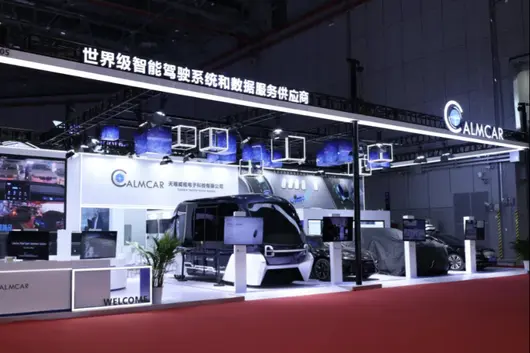
港交所網站掛出一咗一份熟悉嘅招股書。
5 月 28 日,繼去年 10 月首次遞表失效後,智能駕駛解決方案提供商蘇州天瞳威視電子科技股份有限公司(天瞳威視)再次向港股主板發起重衝,由匯豐及華泰國際聯席保薦。

喺智能駕駛賽道從「講故事」轉向「拼量產」嘅 2026 年,天瞳威視嘅二次遞表唔單止係一次資本試探,更係一場關於中國智駕供應商生存現狀嘅集中檢閱。
呢間被認為係「算力效率派」代表嘅公司,一邊連住從采埃孚到上汽、北汽嘅豪華產業資本陣營,一邊卻面臨住現金流緊繃、海外明顯回落嘅現實困境。喺呢場 IPO 嘅博弈中,光鮮同陣痛並存。
01
邊個係「天瞳威視」?
天瞳威視嘅創辦人王曦係一位典型嘅「回國」技術派。佢畢業於北京航空航天大學,後喺英國雷丁大學攻讀計算機科學博士學位。
喺決定創業之前,王曦曾經喺汽車零部件供應商天合汽車(TRW)及采埃孚擔任算法工程師同技術負責人,深度參與咗早期 ADAS 系統嘅開發。
2016 年,王曦捕捉到國內汽車智能化嘅風口,回國喺蘇州創立咗天瞳威視,定位係「以軟件算法驅動智能駕駛」嘅本土解決方案提供商。
公司嘅名字「天瞳」寓意「天之眼」,意在打造車輛感知萬物嘅視覺中樞。佢從最初嘅視覺感知算法起步,逐步擴展至行泊一體域控制器、L4 級自動駕駛系統等軟硬件結合嘅整體方案。

天瞳威視融資情況。資料來源:企查查
成立後不久,天瞳威視就獲得德聯資本、盛世投資嘅天使輪融資。此後十年時間,天瞳威視累計完成咗超過 10 輪融資,融資總額近 10 億元。
從招股書披露嘅股權結構嚟睇,天瞳威視構建咗深度綁定嘅「產業 + 資本」生態圈。
一方面,產業夥伴站台,全球汽車零部件巨頭采埃孚唔單止係其 C 輪領投方,亦係其戰略合作夥伴,持有天瞳威視 6.93% 嘅股份,位列第四大股東;國內方面,上汽集團通過上汽北美產投持股,北汽集團通過北汽產投佈局其中,地平線同商湯科技亦係戰略投資者。
另一方面,地方國資護航,唐山機器人基金、吳中金控等國資背景基金喺 D 輪及 D+ 輪入場,提供咗約 5.23 億元嘅資金支持。

截至最後實際可行日期股權架構
截至目前,王曦透過直接持股同員工持股平台合共控制公司約 40.84% 嘅權益,依然保持住對公司嘅控制權。
02
「兩條腿」行路
天瞳威視喺業務佈局上採取咗「雙軌並行」嘅策略。

喺 L2-L2+ 級輔助駕駛領域,天瞳威視嘅選擇非常務實。佢並冇盲目追逐算力堆疊嘅「軍備競賽」,而係走咗一條高性價比路線。
作為典型嘅視覺派智駕供應商,佢喺 L2 量產方案上以視覺感知為主,融合毫米波雷達同超聲波雷達,能夠喺較低算力平台上實現高級功能。例如,基於地平線 J6B 芯片(約 20TOPS)嘅方案即可支持行泊一體、高速 NOA。
呢種打法擊中咗 10 萬 -20 萬級主流車款對成本敏感嘅痛點。根據灼識諮詢嘅數據,按 2024 年裝機量計,天瞳威視係中國第二大同時提供行車同泊車解決方案嘅以軟件為核心嘅 L2-L2+ 級方案提供商,市場份額為 14.3%。

2024 年中國具備行泊一體能力嘅以軟件為核心供應商格局
截至最後實際可行日期,天瞳威視獲得 23 個汽車品牌嘅 198 款車款嘅 L2-L2+ 級解決方案定點函,並實現 6 個汽車品牌嘅 105 款車款嘅量產;獲得定點函嘅 198 款車款中有 87 款覆蓋海外市場,其中 59 款已實現量產。
但值得注意嘅係,L2-L2+ 市場正在經歷劇烈嘅「紅海化」。
一方面,經緯恆潤、福瑞泰克等本土 Tier1 正在加速追趕;另一方面,部分頭部車廠開始將低階智駕方案從外購轉為內部集成。
天瞳威視能否維持佢喺「性價比方案」領域嘅領先地位,取決於佢能否持續保持算法對低算力平台嘅優化能力,而這需要喺研發投入上持續加碼。

喺高級 L4 級自動駕駛領域,天瞳威視更多扮演「先鋒」角色。這亦係佢近兩年增長最快嘅板塊。
早在 2019 年,佢就參與咗上海洋山港嘅 5G 智能重卡項目。目前佢嘅 L4 方案覆蓋 Robobus、Robotaxi 同 Robotruck。其中,Robobus 係佢最具代表性嘅產品線,已喺蘇州、天津等城市嘅公開道路投入常態化試營運。
2025 年,天瞳威視從 L4 級解決方案產生收入 3.75 億元,佔公司總收入嘅 68% 以上,大部分收入來自 L4 級軟件解決方案。
然而,硬幣嘅另一面係商業化嘅曲折。雖然 L4 業務營收暴增,但佢嘅交付形態目前以「軟硬件一體解決方案」為主,呢種模式本質上接近「項目制交付」或「小規模車隊部署」,與 L2 業務中「純軟件授權 + 白盒交付」嘅高毛利、大規模複製邏輯存在顯著差異。
呢就直接導致 L4 業務毛利率嘅大幅波動:喺部分自研硬件佔比较高嘅項目中,毛利率一度低至 15%。

截至遞表日,公司雖手握超 10 億元嘅 L4 意向訂單,涵蓋 2500 架車,但呢啲訂單預計要喺未來三至五年內先會陸續交付,短期內對現金流嘅改善作用有限。
此外,天瞳威視仲有部分應收來自工程服務,主要涉及道路測試、數據收集支援及數據標註服務以及公司嘅專有工具鏈。
03
財務嘅雙面鏡
招股書嘅財務部分,展現咗智駕行業最真實嘅「B 面」:規模同虧損嘅極限拉扯,同埋賬面現金同營運消耗之間嘅緊張博弈。

營收高增長,但結構劇烈波動。
財務數據顯示,公司嘅營收呈現爆發式增長,從 2022 年嘅 1.72 億元增長至 2024 年嘅 4.83 億元,複合年增長率高達 67.7%。2025 年全年營收進一步增長至 5.5 億元。
但收入結構嘅變化明顯。2023 年,公司依賴 L2-L2+ 業務,佔比 90.2%;去到 2024 年,L4 業務佔比升至 50.2%;2025 年,L4 業務佔比進一步拉高至 68%。呢種「斷崖式」嘅結構切換,雖然證明佢 L4 技術搵到咗落地場景,但亦令市場質疑佢 L2 業務係咪已觸及天花板。
毛利率同純利潤嘅背離,呢係天瞳威視面臨嘅最大挑戰。
從毛利睇,整體毛利率喺 30% 左右徘徊,喺呢個技術密集型嘅智駕行業屬於中等水平。但細拆睇嚟,L2-L2+ 業務嘅毛利率通常能維持喺 40% 以上,純軟件授權模式,而 L4 業務嘅毛利率則因「軟硬件一體」交付中硬件佔比提高而被顯著拉低。
從純利潤睇,雖然表面虧損額較大,2024 年虧損 4.63 億、2025 年虧損約 2 億,呢度包含大量因優先股公平值變動帶來嘅「紙面虧損」。剔除呢個因素後嘅經調整純利潤更能反映公司嘅真實經營狀況:2024 年已收窄至 -438 萬元,但 2025 年並未如市場預期實現轉正,而係錄得約 -1086 萬元,虧損較 2024 年有所擴大。
呢個背後有一個不可回避嘅關鍵前提:調整後嘅「減虧」乃至「接近盈虧平衡」,係喺公司持續壓縮研發投入嘅基礎上實現嘅,研發費用從 2024 年嘅 1.17 億元降至 2025 年嘅 9231 萬元,研發費用率從 2024 年嘅 24.3% 進一步降至 16.8%,而 2022 年呢個數字曾高達 108.7%。對於一家科技公司嚟講,研發強度嘅「退坡」是否會影響未來嘅技術護城河,係一個潛在風險點。
現金流持續告急,最令人擔憂嘅信號。
根據最新招股書,截至 2025 年 12 月 31 日,公司賬上嘅現金及現金等价物為 2.35 億元,較 2025 年 6 月 30 日嘅 3.74 億元淨減少 1.39 億元,現金消耗速度較快。

更值得警惕嘅係經營現金流由正轉負且缺口持續擴大嘅趨勢。2023 年,公司經營活動現金流淨額為正向流入 1.15 億元,但 2024 年迅速轉為淨流出 1.89 億元,2025 年進一步惡化至淨流出 2.93 億元。
與此同時,應收賬款周轉急劇惡化。公司嘅貿易應收款項從 2023 年嘅 0.89 億元升至 2025 年嘅 5.48 億元,三年增長超過五倍,而同期營收增幅僅約 2.7 倍。
更令人擔憂嘅係應收款項周轉天數從 2023 年嘅 191 天同 2024 年嘅 166 天,到 2025 年驟升至 300 天,意味著公司從完成交付到收回款項平均需要接近一年時間。呢相當於變相為客戶提供長期無息墊資,喺資金本就緊張嘅情況下進一步加劇咗流動性壓力。

此外,雖然天瞳威視係首家出海嘅中國智駕軟件供應商,但 2025 年佢嘅海外業務遭遇咗明顯回落。2023 年天瞳威視海外收入為 1.27 億元,佔總營收比重達到 62.2%;到 2025 年海外收入降至 1100 萬元,佔比僅 2.0%。
喺而家全球地緣政治複雜、部分國家對智能汽車數據監管趨嚴嘅背景下,為佢嘅全球化故事增添咗一絲不確定性。
04
結語
天瞳威視嘅二次闖關,係智能駕駛行業進入「淘汰賽」階段嘅一個縮影。
從好嘅方面睇,佢踩準咗 L2 性價比同 L4 場景化落地嘅雙重節奏,且經調整純利潤喺特定口徑下已接近盈虧平衡,呢啲都畀投資者提供咗「有亮點可講」嘅故事線。
但從風險嘅角度睇,情況遠比首次遞表時更為嚴峻。業務重心嘅急速漂移、L4 業務商業化初期嘅盈利磨難、研發投入嘅被動收縮,呢啲此前就已存在嘅問題並未緩解。

天瞳威視 L4 級智能巴士
而真正令此次 IPO 帶「求生」色彩嘅,係現金流數據嘅實質性惡化:2.35 億元嘅賬面現金,面對每年近 3 億元嘅经营性現金淨流出,安全邊際已不足一年。疊加 300 天嘅應收賬款周轉天數,意味著公司每交付一筆訂單,都要墊付近一年嘅資金成本。
換言之,天瞳威視正處喺一個危險嘅財務窗口期:賬上嘅錢僅夠維持唔足一年嘅正常運作,而 L4 業務嘅大規模交付同回款卻需要更長時間。喺呢個智駕資本熱潮退去、一級市場融資邊際收緊嘅時刻,公司已冇太多等待嘅餘地。
首次遞表失效後僅隔半年便再次衝擊港股,對天瞳威視而言,與其話係戰略選擇,唔如話係現金倒逼下嘅必然之舉。
車型概覽

積架F-PACE 值唔值得睇,第一步唔係望牌子或者外形,而係睇佢能唔能夠配合你嘅香港日常。 呢篇會集中講整體購車判斷,幫你用買家角度篩走唔適合嘅選擇。
售價仍待確認,買家可以先把佢放入候選名單,等價格落實後再同同級車逐項比較。
購車價格指南
積架F-PACE 目前售價仍未清晰,較理性嘅做法係先睇版本、車身大小同動力形式,等價格落實後再決定值唔值得落訂。
如果有幾個版本可揀,可以先將 2022 5.0L SVR(價格待確認) 放喺同一張清單。日常通勤重視舒適同易用,家庭買家就要優先睇後排、尾箱同安全配置。
核心規格重點
睇 積架F-PACE 嘅規格,重點唔係背數字,而係理解佢喺香港用車場景會帶嚟咩分別。
積架F-PACE 現階段最值得留意係車型定位同版本方向,詳細取捨應該等價格同規格更清楚再作決定。
優缺點分析
積架F-PACE 嘅優點唔需要講到天花龍鳳,真正有價值係佢能唔能夠令日常用車更省心:車型定位清楚,適合作為同級比較起點。
要留意嘅係,要先確認屋苑、公司或常去商場嘅充電條件、售價未清晰前唔應該太早用性價比落結論。呢啲唔一定係缺點,但係落訂前應該先諗清楚。
買家常見問題
買 積架F-PACE 之前,真正要問嘅唔係單一規格,而係佢可唔可以融入你每日嘅生活節奏。
常見疑問係「Jaguar F-PACE 喺香港賣幾錢?」簡單講,汽油版 Jaguar F-PACE 喺香港嘅售價大約由港幣 $800,000 起。 放到實際用車,就係要睇佢對通勤、泊車、家庭乘坐同長期成本有幾大幫助。
同級對比內容
將 積架F-PACE 放入同級車清單時,唔建議只用外形或者品牌光環決定。比較順序可以係:先等售價落實,再決定佢應該同邊個級距比較。
咁樣篩選會貼近香港買家真實生活:平日塞車、商場泊車、周末去新界、甚至一家人出入,先係一部車每日要面對嘅考驗。
用車全周期指南

擁有 積架F-PACE 最重要係先諗清楚充電節奏。屋苑、公司或者常去商場只要有穩定充電選項,電動化用車就會容易相處好多。
如果你主要喺市區行,視野、低速順滑度同泊車輔助會好影響心情;如果經常行高速或跨區,座椅舒適度、隔音同動力從容感會更重要。


2025 年全球摩托車銷量約 6520 萬輛,市場規模預計 2030 年接近 1800 億美元。

銷量最大區域依次為印度(約 2050 萬~2070 萬輛)、東盟五國(印尼、越南、泰國、菲律賓、馬來西亞,合計約 1316 萬輛)、中國內銷(860.2 萬輛)和拉美(約 586 萬輛)。
印度和東南亞以 100~150cc 小排量通路車為主,歐美偏好中大排量街車、旅行車及巡航車。

全球保有量超六成集中在印度、印尼、中國、越南四國。印度存量約 2.21 億輛,印尼約 1.25 億~1.30 億輛,中國登記約 1.0 億輛,越南約 7200 萬~7700 萬輛。
品牌格局呈“亞洲主導銷量、歐美壟斷高端”。

日系四大家(本田、雅馬哈、鈴木、川崎)占全球近半數份額,霸占東南亞及拉美通路車市場;印系(Hero、Bajaj、TVS)統治南亞及非洲低端代步;歐系(寶馬、杜卡迪、KTM)與美系哈雷佔據高淨值樂玩市場。
中國市場特點與電動化衝擊
中國內銷占全球 13%~14%,計入出口後產量占全球約 30%,是全球第一製造與出口國。
受近 200 城禁限摩壓制,城區通勤被電動兩輪大量替代(一二線城市電動兩輪滲透率超 75%,全國綜合電動化率超 70%),燃油通路車內銷承壓,2025 年燃油摩托車國內銷售約 514.49 萬輛,同比下降 6.18%。但 250cc 以上樂玩車型逆勢增長:2025 年銷量 95.23 萬輛,同比增長 25.87%,近三年 CAGR(複合年增長率)超 20%,仿賽、復古、ADV 走俏,消費屬性轉向休閒社交。
燃油摩托受電動衝擊最顯著市場是中國和越南。中國城區基本完成“油轉電”;越南電摩新註冊佔比快速升至 13%~22%,是東南亞油摩替代最快市場。
中國企業全球真實地位與競爭力評估
不必妄自菲薄
中國擁有全球最完整的摩托車產業鏈。2025 年整車出口 1336.57 萬輛,出口額 88.5 億美元,出口量占全球貿易量的重要份額,是亞非拉小排量通路車的核心供應方。
豪爵、隆鑫、宗申以性價比和可靠性在拉美、非洲建立了穩固基盤;春風動力、錢江摩托(QJMOTO)、無極在中大排量領域持續追趕,250cc 以上車型出口同比增長超 50%,無極歐洲銷量突破 8 萬台(同比 +89.35%),春風動力在歐洲全地形車市場佔據領先地位,其摩托車業務也在部分歐洲國家實現 5%~10% 的市佔率。國內中大排市場國產品牌佔比超 80%,已明顯擠壓進口大貿份額。賽事領域(WSBK、達喀爾)也開始出現中國車隊身影,凱越車隊在 2025 年達喀爾取得第 15 名,張雪機車在 WSBK 取得五連冠。
出口均價持續提升,自主品牌出海佔比據行業估算已接近 50%,產業正從“代工走量”向“技術 + 品牌出海”過渡。
也不可夜郎自大
中國摩托車全行業前十強淨利潤總和,仍不及本田一家摩托車業務的利潤,仍處於“大而不強”階段。
核心短板有三點。
第一,研發投入懸殊。
本田單年摩托車業務研發費用超過中國全行業摩托研發總投入,導致發動機熱效率、耐久性、NVH 等底層技術仍存代差。250cc 以上大排量發動機完全自研率不足 30%(近年張雪機車等新銳品牌已實現核心部件 100% 自研,但尚未改變行業整體格局)。
第二,核心電控依賴外資
電噴系統、ABS、TC、IMU 等高端電控仍高度依賴博世、電裝等外資供應商,核心零部件話語權較弱。
第三,品牌積澱淺,海外網絡不完善
品牌溢價遠低於日系、歐系。早期低價惡性競爭曾致中國摩托車在東南亞市佔率从 90% 跌至約 1%(近年有所回升,但重建信任仍需時間)。在日系主場(日本本土、泰國)和北美巡航車市場,中國品牌幾乎無存在感。
中國企業是全球無可替代的製造基石和通路車出口主力,中大排量正成為第二增長曲線,並在歐美初露鋒芒,電摩產業鏈也具備先發優勢。但與日系巨頭相比,在核心技術掌控力、全球品牌溢價、全周期盈利能力上,仍有 5~10 年差距。未來能否突破電控與大排發動機自研瓶頸、建立海外售後服務體系,將決定中國摩托車是從“世界工廠”升格為“全球品牌”,還是長期停留在低毛利代工角色。
在當前通路車電動化、樂玩車大排量化、產品智能聯網化成為摩托車行業趨勢時,中國摩企提高研發能力,發揮生態優勢,融入全球市場才是王道。

車型概覽

五菱宏光Plus 值唔值得睇,第一步唔係望牌子或者外形,而係睇佢能唔能夠配合你嘅香港日常。 呢篇會集中講同級車比較,幫你用買家角度篩走唔適合嘅選擇。
售價仍待確認,買家可以先把佢放入候選名單,等價格落實後再同同級車逐項比較。
購車價格指南
五菱宏光Plus 目前售價仍未清晰,較理性嘅做法係先睇版本、車身大小同動力形式,等價格落實後再決定值唔值得落訂。
如果有幾個版本可揀,可以先將 2021 1.5L 手動版(價格待確認)、2021 1.5T 手動版(價格待確認) 放喺同一張清單。日常通勤重視舒適同易用,家庭買家就要優先睇後排、尾箱同安全配置。
核心規格重點
睇 五菱宏光Plus 嘅規格,重點唔係背數字,而係理解佢喺香港用車場景會帶嚟咩分別。
自然進氣 / 渦輪增壓、4 個 汽缸、1485/1451 mL 排量 嘅動力底子,重點係市區跟車夠唔夠順、高速巡航會唔會吃力。 99 Ps / 73 kW / 147 Ps / 108 kW、140/250 N·m 嘅輸出,對滿載、上斜同超車都比單睇馬力數字更有意思。 車長 4720 mm、車闊 1840 mm、車高 1810 mm、軸距 2800 mm 可以幫你預判商場停車場、屋苑車位同後排腿部空間。 手動(MT)、前置後駆 會影響起步順滑度、濕地穩定感同長途巡航性格。
優缺點分析
五菱宏光Plus 嘅優點唔需要講到天花龍鳳,真正有價值係佢能唔能夠令日常用車更省心:動力輸出對高速同上斜更有底氣、空間同車身尺寸方便家庭買家預判實用性。
要留意嘅係,香港停車場同窄路使用要留意車身闊度、售價未清晰前唔應該太早用性價比落結論。呢啲唔一定係缺點,但係落訂前應該先諗清楚。
買家常見問題
買 五菱宏光Plus 之前,真正要問嘅唔係單一規格,而係佢可唔可以融入你每日嘅生活節奏。
常見疑問係「五菱 宏光Plus 喺香港買唔買到?」簡單講,目前 五菱 宏光Plus 仲未喺香港正式開售。 放到實際用車,就係要睇佢對通勤、泊車、家庭乘坐同長期成本有幾大幫助。
同級對比內容
將 五菱宏光Plus 放入同級車清單時,唔建議只用外形或者品牌光環決定。比較順序可以係:先等售價落實,再決定佢應該同邊個級距比較、再睇動力係咪足夠應付高速併線同滿載、最後睇車身大小、座位同尾箱是否適合家人。
咁樣篩選會貼近香港買家真實生活:平日塞車、商場泊車、周末去新界、甚至一家人出入,先係一部車每日要面對嘅考驗。
用車全周期指南
擁有 五菱宏光Plus 唔係買車一刻就完結,之後仲有保險、輪胎、保養、泊車同日常能源成本要處理。
如果你主要喺市區行,視野、低速順滑度同泊車輔助會好影響心情;如果經常行高速或跨區,座椅舒適度、隔音同動力從容感會更重要。



講起國產汽車品牌,相信唔少人對佢哋嘅印象,可能仲係停留喺主銷普通家用车嘅階段。不過呢已經係幾年前的老皇曆,要知道而家嘅國產汽車品牌,唔單止喺國內市場壓住合資品牌打,甚至仲喺高端化、海外出口等多個賽道上,對外國汽車品牌實現反超,好似我哋而家要講嘅吉利汽車。

增長勢頭領先行業
根據官方公佈嘅最新數據,吉利汽車喺5月嘅累計銷量為237637輛,連續3個月同環比雙增長,並以穩定增速同亮眼成績實現領跑市場大盤。然而相對於呢個表現已經非常優秀嘅總成績,好多識行的人睇完吉利汽車旗下各個品牌嘅銷量成績後,就會驚嘆佢嘅含金量亦都越來越高。

眾所周知,汽車市場最难搞嘅市場有兩個,分別係豪華高端市場同海外出口市場。
我哋就拿吉利汽車嚟講,佢旗下嘅「全球豪華科技品牌」——極氪汽車,5月交付量達到34377輛,同比增長81.8%、環比增長8.1%,連續四個月實現同環比雙增長,車均成交價亦都同比增長52.4%。更為令人震驚嘅係,售價高達四十到五十萬嘅極氪9系、8系,銷量佔比竟然高達近50%!

不止於此,吉利汽車旗下嘅「全球新能源高端品牌」——領克汽車,5月銷量亦都高達20732輛,當中新能源車型銷量佔比達70.8%,並且品牌累計銷量亦已突破180萬輛。由此可見,吉利汽車嘅高端車型,唔單止憑藉出色嘅產品力獲得咗大量消費者嘅認可,仲喺品牌層面完成咗量價齊升嘅轉變。

當然啦,作為國內無可爭議嘅龍頭車廠,吉利汽車嘅目光唔再局限喺國內市場,佢選擇走出国门去挑戰難度更高嘅海外市場。唔係咩,5月就憑藉85144輛嘅海外出口成績,創下出海銷量新高紀錄。唔該提一提,吉利汽車各品牌喺海外嘅熱銷產品,亦多為高端或新能源車型。

例如,極氪已經進入50多個國家同地區,極氪7X全球累計交付量超過16萬輛;吉利銀河星艦7 EM-i ,3-4月蟬聯哈薩克斯坦新能源插混SUV銷量冠軍;吉利銀河E5,一季度蟬聯澳洲、阿根廷、阿聯酋、摩洛哥、烏拉圭純電SUV-C市場銷量冠軍,穩居巴西、烏茲別克斯坦、印尼新能源純電SUV-C車型前三!

硬核實力鑄就輝煌
好明顯,無論係迅猛嘅銷量增長態勢,定係喺新能源、高端市場同海外市場嘅熱銷,都離唔開硬實力作為支撐。我哋就拿作為中國汽車運動第一品牌嘅領克汽車嚟講,佢甚至頂尖技術唔可以只停留喺宣傳層面,而係要去賽道上拚先至證明實力,因此佢喺唔久前就宣佈攜03+TCR賽車、03++賽車、03CUP EVO三款賽車,同步參與TCR China、CTCC中國杯同領克杯三大赛事。

擁有硬實力嘅領克汽車,自然都唔怕高難度嘅檢驗,03+ TCR賽車喺TCR China兩回合正賽中,憑藉硬核嘅性能實力斬獲4冠1亞2季嘅成績;喺CTCC中國杯中,領克縱橫車隊更加斬獲2冠2亞1季嘅成績。同時,喺2026賽季FIA TCR世界巡迴賽揭幕戰中,吉利中國星車隊(Geely Cyan Racing)嘅星瑞TCR賽車,亦喺正賽強勢奪冠並帶回歷史上頭一次勝利,這唔單只意味著星瑞TCR已具備世界級競爭力,仲標誌住吉利中國星車隊正式完成咗吉利汽車運動新時代嘅第一篇章。

同時,喺智能化同安全等技術層面,傳承吉利同沃爾沃安全底蘊嘅千里浩瀚,一年輔助駕駛里程增長215%,以增速第一實現領跑全行業。喺唔久前嘅Euro NCAP官方測試中,吉利銀河星艦7 EM-i(Geely STARRAY EM-i),更加喺法國UTAC試驗室成功完成咗超標雙側連環極限碰撞測試,這既直觀印證咗吉利領先嘅整車安全技術同成熟嘅體系化安全實力,又為中國汽車安全技術走向國際、參與全球行業標準,打下咗堅實嘅根基!

大俠車談:相信好多人睇完吉利汽車嘅銷量數據後,腦海中就會浮現「佢都太全面嘅」嘅讚賞,畢竟能夠同時喺新能源、高端化、海外出口,仲有喺賽道上皆斬獲亮眼成績嘅車企,唔好話喺自主品牌呢個圈子內,就算係全球汽車行業中,都搵唔幾間車企能夠同時做到這些!

兄弟姐妹們,今日講一個出海嘅大新聞——唔係賣車,係賣「司機」。6 月 2 號,文遠知行同 Uber 聯合宣佈咗一件事:計劃喺西班牙馬德里推出該國首個商業化 Robotaxi 試點服務。意思就係:西班牙人好快就可以用 Uber 叫到一台冇司機嘅出租車。呢次係文遠知行同 Uber 第一次一齊進入歐洲市場。馬德里亦成為文遠知行 Robotaxi 駛入嘅全球第十二個城市。
官方消息話,喺馬德里自治區政府嘅支持下,呢項服務今年內就會正式啟動。到嗰陣,馬德里嘅朋友哋打開 Uber App,就有一鍵呼叫文遠知行嘅 Robotaxi。同叫普通網約車一樣,分別係嚟嘅車冇駕駛員——至少喺初期,仲係有分別嘅。運營初期,車入面會配備經過專業培訓嘅安全員,終究係剛上線,穩妥第一。
文遠知行呢間公司,你可能聽過,也可能冇聽過。簡單介紹下:2017 年成立,一直埋頭搞 Robotaxi 技術研發同商業化。而家佢嘅 Robotaxi 已經覆蓋咗廣州、北京、新加坡、阿布達比、迪拜、利雅得、蘇黎世……加埋而家嘅馬德里,一共 12 個城市。西班牙亦係文遠知行進入嘅第五個歐洲市場——之前已經入咗瑞士、法國、比利時、斯洛伐克。按照文遠知行同 Uber 喺 2025 年 5 月達成嘅規劃,佢哋要喺五年內新增 15 個國際城市部署 Robotaxi 服務,全球部署數萬輛 Robotaxi。隨著馬德里落地,目前已經完成咗 4 個城市嘅佈局,仲有 11 個會喺 2030 年前陸續覆蓋。
講真嘅,中國自動駕駛公司出海唔係頭一回,但中國技術 + 全球出行平台 + 歐洲市場呢個組合,定係好有意思。馬德里係歐洲最具商業潛力嘅 Robotaxi 市場之一,人口多、出行需求大,當地政策都好友善。喺呢個市場站穩腳根,對文遠知行嚟講係個唔小嘅里程碑。對 Uber 嚟講,引進 Robotaxi 都係為咗降低成本——終究司機唔使發人工。對馬德里市民嚟講,以後打車可能更平。