首頁Hyundai IONIQ 5

搜尋歷史
熱門搜尋
經銷商登入 / 註冊


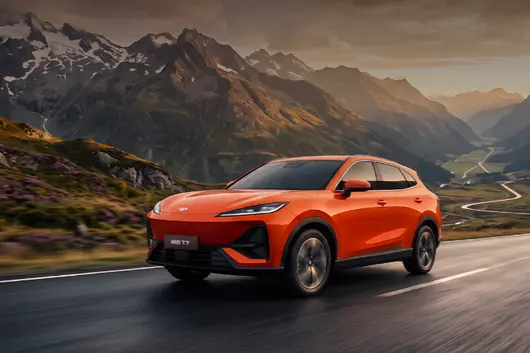
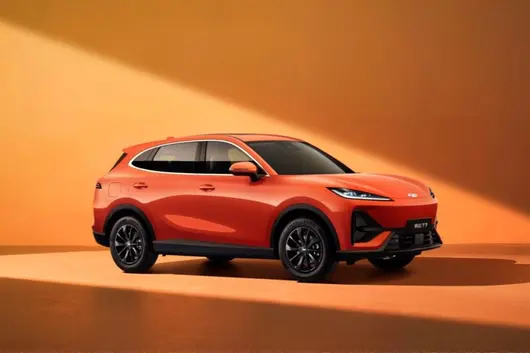
8 月 26 日,奇瑞風雲 T7 正式上市,新车共推出 3 款車型,上市指導價 9.79 萬元至 11.89 萬元,搶先置換價低至 9.49 萬元至 11.59 萬元。當「快」成為新能源行業嘅主旋律,呢款車卻打出一張看似唔合時宜嘅牌——慢。三年研發週期、145 萬公里全球驗證、前置滿足 2026 版 E-NCAP 標準,風雲 T7 用一套「慢工出細活」嘅邏輯,試圖喺十萬級純電 SUV 市場講一個關於長期主義嘅故事。

慢功夫造快車,一台為全球而生嘅純電 SUV
風雲 T7 嘅研發一開始就瞄準咗全球市場。奇瑞嘅工程師團隊提前兩年預研各國法規,把歐洲、澳新、東南亞等 15 個典型國家嘅用戶需求直接寫進咗產品定義入面。換句話說,呢台車唔係為了國內改款再順手出海,而係從圖紙階段就為全球 210 個國家地區嘅用戶量身打造。
驗證環節更係「下血本」。81 台耐久試驗車、145 萬公里真實路測,車隊跑遍咗北歐嘅極寒雪原、中東嘅炙熱沙漠、東南亞嘅潮濕雨林。風雲 T7 唔單要扛住 -40℃嘅嚴寒,仲要喺 55℃嘅高溫下穩如磐石。發布會上,來自海外嘅底盤、造型、研發工程師集體站台,反復強調一個事實:所有驗證都係實車跑出來嘅,唔係實驗室模擬出來嘅數據。
呢種對品質嘅偏執,喺十萬級 SUV 入面確實唔多見。
四大產品價值,解鎖穩穩嘅幸福
超能跑:續航反向虛標,冬季不再焦慮

風雲 T7 全系標配 65.05kWh 大容量電池,CLTC 續航 600km,但媒體實測跑出咗 667km,活脫脫嘅「反向虛標」。充電效率同樣能打,20 分鐘就能從 30% 充到 80%,一杯咖啡嘅功夫補能 300 公里。
北方用戶最關心嘅冬季續航,風雲 T7 都畀出咗解決方案:全系標配雙源寬溫域熱泵空調,-10℃環境下續航能提升 30%,-30℃到 55℃嘅極端溫度都能穩定工作。配合 12 合 1 鯤鵬超能電驅,電機最大功率 178kW、峰值扭矩 275N·m,最高車速可達 180km/h,電驅綜合效率高達 90.8%,每度電都用在刀刃上。

空間表現同樣可圈可點。車長 4570mm、車寬 1852mm、車高 1694mm,軸距 2700mm,得房率高達 84%。後排地板純平,滿載亦唔顯局促。純平大床模式放倒後排就係一張 1955mm×1310mm 嘅大床,露營午休全搞定。9 層雲感舒適座椅坐住夠舒服,三檔加熱加通風,冬天唔冰夏天唔悶。
美全球:東方審美,全球共鳴

風雲 T7 嘅設計由全球十大設計中心、百餘名設計師協同操刀,仲拉上咗 5000 多位用戶一起共創。同源車型 LEPAS L6 此前亮相米蘭設計周,收穫唔少國際好評,證明呢套「東方馭風美學」的確能打動人。0.286Cd 嘅超低風阻喺同級裡屬於領先水平。六種專屬車色中熾焰橙更係採用咗豪車級嘅 tri-coat 工藝,8 層噴塗,質感直接拉滿。
更安全:堆料堆出硬實力

風雲 T7 喺睇唔到嘅地方同樣舍得下本。高強度鋼佔比達到 80%,熱成型鋼佔比 18.84%,遠超同級平均水準。九橫五縱籠式車身結構,加上同級獨有嘅 shotgun 結構,碰撞時能有效分散衝擊力。雙框副車架配合 Pack 防撞梁,保護座艙亦保護電池包,碰撞時多一條傳力路徑就多一分安全。

9 個安全氣囊同級最多,連後排側氣囊同遠端氣囊都畀配齊咗。電池防護更係做到咗 IP68 級別,水下泡住都唔驚,國標 96 倍防水標準,雨季涉水從容應對,500mm 涉水深度無壓力。

底盤部分由前瑪莎拉蒂底盤調校專家帶隊打磨,50.8 比 49.2 嘅黃金軸荷比同級唯一,560mm 重心高度令高速行駛穩如泰山,過彎唔推頭、唔甩尾,貼地感十足。
好智慧:算力拉滿,泊車自由


風雲 T7 首發咗艙駕一體嘅 8775 芯片,4nm 工藝,72TOPS 嘅 NPU 算力令整個車機反應飛快,開機快、操作滑、語音秒響應。15.6 英寸 2.5K 大屏配上索尼音響,視聽體驗到位。

智能駕駛方面,22 顆高精度傳感器組成感知矩陣,支持 300 多種場景嘅自動泊車,遠程泊入、離車泊車、跨樓層泊車全都能幹,新手司機再唔使為停車發愁。高速領航輔助能提前 500 米預判變道,長途出行輕鬆唔少。全系標配嘅 AGS 智能進氣格柵既降低風阻又保障散熱,細節設計相當用心。
全球車真章,唔止於口號
風雲 T7 嘅「全球品質」唔係掛喺嘴邊嘅營銷話術。同源車型 LEPAS L6 已經喺南非、泰國等地上市,後續仲將進入歐盟、澳新等市場。8 月 12 日開啟預售後,72 小時大定鎖單突破 10937 台,9 天預售突破 16787 台,市場反饋相當積極。成都車展上,海外睇車團現場下單嘅場景,或許正係呢台十萬級純電 SUV 全球化野心嘅最佳註腳。
當大多數品牌仲喺比拼邊個出牌更快,風雲 T7 選擇咗一條慢落嚟嘅路。用三年時間打磨一台十萬級嘅車,9.79 萬元起售、全系 600km 續航,呢筆計數點計,市場正畀出答案。# 風雲 T7 正式上市 9.49 萬元起


In the SUV market in Malaysia, many buyers compare the Honda WR-V and Kia Sportage when choosing a car. These two models are quite close in price and positioning. Today, we will conduct a detailed comparison from multiple aspects to help you save time doing research.
Honda WR-V has an OTR price of RM 89,900 - 107,900 in Malaysia, with a total of 4 versions, including 2023 1.5L V (RM 99,900), 2023 1.5L E (RM 95,900), 2023 1.5L S (RM 89,900), etc.
Kia Sportage has an OTR price of RM 129,639 - 179,320 in Malaysia, with a total of 4 versions, including 2025 1.6T DCT 4WD High (RM 179,320), 2025 1.6T DCT 2WD High (RM 159,320), 2025 2.0L AT 2WD High (RM 139,639), etc.
In terms of price, the starting price of the Honda WR-V is indeed RM 39,739 cheaper than the Kia Sportage. If your budget is limited, Honda's entry-level version can already meet daily needs. However, note that the few thousand Ringgit difference might involve trade-offs in features, depending on your specific requirements.

Honda WR-V safety rating is 5★ (ASEAN NCAP), active safety systems include Honda SENSING.
Kia Sportage safety rating is 5★ (ASEAN NCAP), active safety systems include Drive Wise.
Both cars have the same safety rating. Within this class, safety features are quite comprehensive. New car safety nowadays is not bad, so no need to worry too much about this point.

Honda WR-V adopts FWD drive mode.
Kia Sportage adopts FWD drive mode.
Both cars use the same drive mode, both are FWD, so daily driving experience won't differ much.

Honda WR-V warranty 5 years/unlimited mileage, service interval every 10,000km or 6 months.
Kia Sportage warranty 5 years/300,000km, service interval every 10,000km or 6 months.

Overall, both Honda WR-V and Kia Sportage are very good models in the Malaysian market. Which one to choose ultimately depends on your personal needs and budget. We recommend doing your homework, comparing quotes from several dealerships, and test driving before making a final decision. Buying a car is a big deal, spending time doing research will never be wrong.


新快报讯 记者陈镟报道 8月26日,理想汽车发布2026年第二季度财报。这份财报的节点颇为特殊:2026年上半年,中国乘用车零售量跌回2014年水平,而理想汽车自身,也刚度过L系列全系陆续换代的“阵痛期”。
双重承压之下,理想交出了一份V型反弹的成绩单:季度收入总额257亿元,车辆毛利率从一季度6.1%回升至9.4%,整体毛利率从7.9%修复至11.0%,净亏损从一季度23亿元收窄至17亿元。

数据本身只是表象。真正值得追问的是:一家企业如何在市场下行与自身换代的双重夹击中,用一个季度完成修复?修复之后,增长动能是否已经切换?
换代“空窗期”平稳过渡
2026年上半年,中国乘用车零售量为870.1万辆,同比下降20.2%,跌回2014年水平(2014年上半年全国乘用车零售量858.6万辆);7月延续下跌态势,狭义乘用车零售同比下降20.9%。
新能源市场同样承压,二季度销量同比下降14%,但渗透率连续三个月超过60%,上半年达到54.1%。销量下滑与高渗透率并存,说明行业不再随渗透率提升获得增量,市场已从增量驱动全面转入存量博弈。
从行业收入和利润来看,今年1—4月中国汽车行业单车收入34.2万元,同比增长6%;但单车成本增至30.3万元,同比增长6.93%;产业链单车毛利润为1.2万元,同比减少12.1%。
市场整体承压的背景下,理想汽车却在5月至7月完成了L系列全系换代——全新理想L9、全新理想L8、新一代理想L6相继上市。

这个决策的危险系数并不低。每款车型换代都伴随着老款售罄、新款待售的“空窗期”,而理想为了保护已购用户权益,选择提前停产老款车型,这意味着在衔接期内,部分产品线处于事实上的“断档”状态。
在行业销量本就承压的背景下,这种主动断供的操作,等于给自己加了一道额外的压力测试。
结果也迎来了向好的预期,财报显示,理想二季度新车交付98330辆,落在此前指引9.5万至10万辆的上沿;上半年以193472辆的交付量,在新能源市场销量位居中国品牌第一。7月,理想汽车继续交付新车30468辆。
换代“空窗期”没有演变成销量滑坡期。这反过来证明了两件事:一是理想的产品换代节奏经过精密计算,纯电车型在增程换代期间撑住了基盘;二是L系列积累的用户信任,足以让消费者在“等新款”期间不离场。
不涨价的修复,靠的是什么
理想二季度财报里,最值得关注的细节不是数据变化有多大,而是其实现修复的路径。
2026年上半年,功率半导体、存储芯片、碳酸锂等核心零部件与原材料价格持续走高。面对压力,十余家主流新能源品牌选择上调产品售价或缩减用户权益,将成本转嫁至消费者。
但理想汽车全系产品未上调价格,自行消化供应链成本压力。全新理想L9、全新理想L8两款旗舰产品的上市,将产品结构主动向35万元以上市场倾斜。由此带来的营收与毛利率修复,本质上是产品力驱动的结果,而非压缩成本或转嫁压力的产物。

换言之,理想汽车的盈利改善不是靠压榨各环节成本“挤”出来的,而是靠产品力与规模效应“挣”出来的。
一季度理想汽车曾经历阶段性调整:营收229.8亿元,整体毛利率7.9%,经营亏损30亿元,净亏损23亿元。到了二季度,这些指标出现全面修复,营收环比增长11.7%至257亿元,整体毛利率环比提升3.1个百分点至11.0%,经营亏损环比收窄23.3%至23亿元,净亏损环比收窄至17亿元。经营现金流方面,从一季度流出61亿元转为二季度实现0.15亿元的经营现金净流入,自由现金流也从一季度的-74亿元大幅改善至-13亿元。
对此,有业内人士表示,V型曲线的斜率说明两件事:一是财务底座没有受损,二是经营管控体系在承压中保持了柔性。一家企业的经营质量,往往在压力测试中才能被真正检验,理想的二季度表现,至少证明了它的基本面足够扎实。
“双能战略”踩准了什么节奏
理想今年的产品节奏,本质上是一场精心设计的“接力赛”:上半年增程开始换代,纯电i6撑住基盘;下半年纯电上新,增程新品开始放量。两个引擎在不同市场窗口交替发力,确保产品大年没有“真空期”。
增程端提供了基础支撑:7月理想L9累计交付突破30万辆;8月理想L6累计交付突破40万辆,成为20万元级别最快达成这一里程碑的增程车型。

纯电端的表现同样超出预期:理想i6自3月起月交付量持续超过2万辆,累计下线已超18万辆,连续四个月蝉联中大型SUV销量冠军。6月i6以20878辆稳居榜首,是唯一月销超过2万辆的车型。8月理想i8后驱长续航上市,订单表现超出预期。随着理想i9即将在9月上市,理想将形成从25万元级到60万元级的完整纯电SUV产品矩阵。


不得不说,双能战略在2026年完成了从“布局”到“验证”的关键一跃。两条产品线都有了各自的市场头部产品,双轮驱动的格局已经成型——不再是概念,而是销量结构里看得见的分布。
出海从“卖车”到“建体系”
再看海外。理想的出海逻辑正在发生一次质变。
7月,全新理想L9在哈萨克斯坦正式上市,并同步启动理想汽车海外首个本地化组装生产。这标志着理想汽车的全球化战略从“产品出海”升级为“生态出海”,不仅将产品带到海外市场,更将生产、销售与服务能力扎根当地,为海外用户提供与国内一致的产品体验与服务保障。
选择哈萨克斯坦并非偶然。2026年,该国对增程式汽车实行零关税,上半年中国品牌在哈萨克斯坦市占率已达56%。本地化组装既能规避关税壁垒,又能降低物流成本。理想汽车与哈萨克斯坦头部汽车集团Allur达成战略合作,在Allur科斯塔奈工厂启动本地化组装生产。

9月,全新理想L9将在迪拜上市,理想汽车首次进入中东市场。理想采取因地制宜的分阶段策略:中东、中亚以增程L系列为主力,针对当地充电基础设施及气候条件进行充电性能与座舱空调热管理专项调试;欧洲市场下半年推出纯电i6;年底将在中国香港、新加坡等亚太区域投放右舵版理想MEGA。

显然,这一体系化布局的加速落地,为增程产品开辟了新的海外需求曲线,也为长期盈利能力打开了更广阔的空间。
技术投入开始“说话”
季度数据的修复只是一面。另一面,是技术兑现的节奏。
近6个季度,理想汽车研发费用始终保持在30亿元量级的高强度水平,预计2026年全年研发费用将维持120亿元规模,其中AI相关投入占比超过50%。从最新财报来看,理想二季度研发费用28亿元,与一季度和去年同期相比保持稳定,最重要的是,这些长周期投入集中进入量产兑现期。
自研马赫M100芯片于2022年立项,2026年5月随全新理想L9首次量产上车。该芯片采用5纳米车规级工艺,单颗算力1280TOPS。3月,马赫M100芯片架构论文入选ISCA 2026工业分区,理想成为该顶级学术会议设立工业分区以来首家入选的汽车企业。
800V主动悬架同样历经4年研发,单轮最大主动支撑力超10000牛,远超行业常见的3500牛。自研5C电池在全新理想L8上首次搭载;第三代增程器实现行业最安静、同级最低油耗。

理想汽车对具身智能的布局更为系统。今年5月,理想提出“自动驾驶是具身智能的上半场,通用人形机器人是具身智能的下半场”的阶段判断,并将具身智能技术全栈落地于量产产品。
在理想的定义中,具身智能汽车是四种角色的合集:一辆电动车、一位职业司机、一台AI计算机、一位生活助手。汽车业务带来的现金流、数据、技术和工程化能力,正在为具身智能下半场积累基础。
这些技术的共同特点是:长周期、重投入、短期看不见回报。但一旦量产落地,它们构成的不是某一款车的卖点,而是一个难以复制的技术底座。理想汽车的增长逻辑正在发生根本性转变——从“比别人更早洞察需求”切换到“拥有别人无法复制的技术壁垒”。前者可以被跟随,后者需要时间、资金和体系化能力的长期积累。这个转变本身,比任何一款新车的销量都更具信号意义。
写在最后
财报发布同日,理想汽车的10亿美元回购计划仍在推进。截至财报发布时,已累计回购金额6.315亿美元,进度接近三分之二。在经营修复窗口期以这样的力度回购,信号是明确的——管理层对下半年的经营走势已有充分预期。
理想这一轮“穿越周期”的本质,不是关于速度,而是关于节奏。在一个从增量转入存量、从功能驱动转入技术驱动的市场中,能踩准节拍的企业,才有可能在下一个增长周期来临时,站在更有利的位置上。
二季度的V型曲线只是一个截面。它传递的最重要信息或许是:这家企业正在以一种更系统的方式,重新定义自己的增长轨道。从产品定义驱动到技术创新驱动,从单一市场到全球化布局,从增程单核到双能并进——这些转变不会在一个季度内完成,但二季度的财报证明,它们正在发生,而且方向明确。
当技术投入开始“说话”,当产品换代没有拖拽基本面,理想汽车在2026年这个市场调整期里,给出了一个关于“如何穿越周期”的参考答案。

喺馬來西亞嘅 SUV 市場,好多買家喺揀車嘅時候都會用本田 WR-V 同三菱 Xforce 去做比較。呢兩部車喺價位同定位上都相當接近,今日我哋就由多個角度做詳細比較,幫你省做功課嘅時間。
本田 WR-V 喺馬來西亞嘅 OTR 售價係 RM 89,900 - 107,900,合共 4 個版本,包括 2023 1.5L V(RM 99,900)、2023 1.5L E(RM 95,900)、2023 1.5L S(RM 89,900) 等。
三菱 Xforce 喺馬來西亞嘅 OTR 售價係 RM 109,930 - 119,930,合共 2 個版本,包括 2026 1.5L Ultimate(RM 119,930)、2026 1.5L Urban(RM 109,930) 等。
由價錢睇,本田 WR-V 嘅起步價真係比三菱 Xforce 平咗 RM 20,030。如果你預算有限,本田嘅入門版已經可以應付日常需要。但都要留意,平嘅幾千蚊,可能喺配備上會有取捨,具體要睇你嘅需求。
本田 WR-V 搭載 1.5L 4-cyl,馬力 105 匹。官方油耗 6.0 L/100km。
三菱 Xforce 搭載 1.5L Turbo,馬力 140 匹。官方油耗 7.0 L/100km。
動力方面,三菱 Xforce 嘅 1.5L Turbo 比本田 WR-V 嘅 1.5L 4-cyl 多咗 35 匹馬力。不過日常喺市區開,兩部車嘅動力都夠用,唔會覺得唔夠力。
本田 WR-V 車身長 4400 mm,行李廂 400 L。
三菱 Xforce 車身長 4400 mm,行李廂 400 L。
呢兩部車嘅尺寸幾乎一樣,車內空間分別唔大。呢個級別嘅車,日常使用完全夠用。
本田 WR-V 同三菱 Xforce 都係馬來西亞市場嘅主流選擇,適合家庭使用、日常通勤。如果你更重視品牌口碑同二手價,可以優先考慮口碑更好嗰款;如果你更介意性價比同配備,就揀配置更豐富嗰款。最後始終建議兩部都去試駕,親身體驗先至最重要。

總體嚟講,本田 WR-V 同三菱 Xforce 都係馬來西亞市場幾唔錯嘅車型。揀邊一部,關鍵係睇你嘅個人需求同預算。建議大家做好功課,多比較幾間車行嘅報價,再去做試駕做最終決定。買車係件大事,花少少時間做功課絕對唔會錯。
In the Malaysian SUV market, many buyers compare the Honda WR-V and Chery Tiggo 8 PHEV when choosing a car. Both cars are quite close in price and positioning. Today, we will make a detailed comparison from multiple aspects to help you save time on research.
Honda WR-V has an OTR price in Malaysia of RM 89,900 - 107,900, with a total of 4 versions, including 2023 1.5L V (RM 99,900), 2023 1.5L E (RM 95,900), 2023 1.5L S (RM 89,900), etc.
Chery Tiggo 8 PHEV has an OTR price in Malaysia of RM 159,750 - 159,750, with a total of 2 versions, including 1.6L Turbo Standard (RM 130,000), 1.6L Turbo Premium (RM 145,000), etc.
In terms of price, the Honda WR-V is indeed RM 69,850 cheaper than the Chery Tiggo 8 PHEV. If your budget is limited, Honda's entry-level version can already meet daily needs. But note that the few thousand cheaper might involve trade-offs in features, it depends on your specific needs.
Honda WR-V is equipped with a 1.5L 4-cyl, 105 hp. Official fuel consumption 6.0 L/100km.
Chery Tiggo 8 PHEV is equipped with a Hybrid, 170 hp. Official fuel consumption 4.5 L/100km.
In terms of performance, the Hybrid in the Chery Tiggo 8 PHEV has 65 more horsepower than the 1.5L 4-cyl in the Honda WR-V. However, for daily city driving, the power of both cars is sufficient and won't feel lacking.
Honda WR-V's safety rating is 5★ (ASEAN NCAP), active safety systems include Honda SENSING.
Chery Tiggo 8 PHEV's safety rating is TBD, active safety systems include Basic.
Regarding safety features, both cars have received decent ratings. However, there are some differences in features between the Honda WR-V's Honda SENSING and the Chery Tiggo 8 PHEV's Basic. If you value active safety, you can compare their feature lists closely.
Honda WR-V body length 4400 mm, trunk 400 L.
Chery Tiggo 8 PHEV body length 4400 mm, trunk 400 L.
The dimensions of both cars are almost the same, with little difference in interior space. Cars in this class are more than sufficient for daily use.
Honda WR-V warranty 5 years/unlimited mileage, maintenance interval every 10,000km or 6 months.
Chery Tiggo 8 PHEV warranty 3 years/100,000km, maintenance interval every 10,000km or 6 months.
Overall, the Honda WR-V and Chery Tiggo 8 PHEV are both quite good models in the Malaysian market. Which one to choose depends mainly on your personal needs and budget. It is recommended to do your research, compare quotes from several dealerships, and then test drive to make the final decision. Buying a car is a big deal, spending time on research will never be a mistake.

喺馬來西亞嘅 SUV 市場,好多買家喺揀車嘅時候都會揀 Proton X90 同 Subaru Forester 嚟做比較。這兩款車喺價位同定位上都幾接近,今日我哋就從多個方面做一個詳細嘅比較,幫你慳啲做功課嘅時間。
Proton X90 喺馬來西亞嘅 OTR 售價係 RM 106,800 - 122,800,一共有 4 個版本,包括 2026 1.5T Prime X(RM 122,800)、2026 1.5T Prime(RM 116,800)、2026 1.5T Lite(RM 106,800) 等。
Subaru Forester 喺馬來西亞嘅 OTR 售價係 RM 174,000 - 197,000,一共有 3 個版本,包括 2024 2.0L S EyeSight GT Edition(RM 189,538)、2024 2.0L S EyeSight(RM 177,538)、2024 2.0L L EyeSight(RM 167,538) 等。
從價錢嚟睇,Proton X90 嘅起步價確實比 Subaru Forester 平咗 RM 67,200。如果你預算有限,Proton 嘅入門版已經可以滿足日常需要。但都要注意,平嗰幾千蚊,可能在配備上會有取捨,具體要看你嘅需要。

Proton X90 嘅安全評級係 5★ (ASEAN NCAP),主動安全系統包括 ADAS (ACC, AEB, LKA, LDA, BSM, RCTA)。
Subaru Forester 嘅安全評級係 5★ (Euro NCAP),主動安全系統包括 EyeSight。
安全配備方面,兩款車都拿到唔錯嘅評級。不過 Proton X90 嘅 ADAS (ACC, AEB, LKA, LDA, BSM, RCTA) 同 Subaru Forester 嘅 EyeSight 喺功能上有啲分別,如果你比較睇重主動安全嘅話,可以仔細對比下兩者嘅功能列表。

Proton X90 車身長 4400 mm,行李箱 400 L。
Subaru Forester 車身長 4400 mm,行李箱 400 L。
兩款車嘅尺寸幾近一樣,車內空間差別唔大。呢個級別嘅車,日常使用完全夠用。

Proton X90 保用 5 年/150,000km,保養間隔 每 10,000km 或 6 個月。
Subaru Forester 保用 3 年/100,000km,保養間隔 每 10,000km 或 6 個月。

總體嚟講,Proton X90 同 Subaru Forester 都係馬來西亞市場好唔錯嘅車型。揀邊一輛,關鍵仲係睇你嘅個人需要同預算。建議大家做功課,多比較間車行嘅報價,先至去試駕做最終決定。買車係件大事,花少少時間做功課絕對唔會錯。


喺馬來西亞嘅 SUV 市場,好多人買家喺揀車嗰陣都會攞寶騰 X90 同三菱 Xforce 嚟做比較。呢兩部車喺價位同定位上都幾接近,今日我就從多個方面做個詳細嘅比較,幫你省返做功課嘅時間。
寶騰 X90 喺馬來西亞嘅 OTR 售價係 RM 106,800 - 122,800,合共 4 個版本,包括 2026 年 1.5T Prime X(RM 122,800)、2026 年 1.5T Prime(RM 116,800)、2026 年 1.5T Lite(RM 106,800)等等。
三菱 Xforce 喺馬來西亞嘅 OTR 售價係 RM 109,930 - 119,930,合共 2 個版本,包括 2026 年 1.5L Ultimate(RM 119,930)、2026 年 1.5L Urban(RM 109,930)等等。
由價錢睇嚟,寶騰 X90 嘅入門價確實比三菱 Xforce 平咗 RM 3,130。如果你預算有限,寶騰嘅入門版已經可以滿足日常需求。但亦要留意,平嗰幾千蚊,可能喺配備上會有取舍,具體要看你嘅需要。
寶騰 X90 搭載 1.5L Turbo,馬力 140 hp。官方油耗 7.0 L/100km。
三菱 Xforce 搭載 1.5L Turbo,馬力 140 hp。官方油耗 7.0 L/100km。
兩部車用咗同一套動力系統,日常開落嚟嘅感覺基本冇乜分別。油耗方面都差不多,唔使太糾結這一點。
寶騰 X90 採用 FWD 驅動方式。
三菱 Xforce 採用 FWD 驅動方式。
兩部車嘅驅動方式一樣,都係 FWD,日常駕駛感受唔會有太大分別。
寶騰 X90 保修 5 年/150,000 公里,保養間隔 每 10,000 公里或 6 個月。
三菱 Xforce 保修 3 年/100,000 公里,保養間隔 每 10,000 公里或 6 個月。
寶騰 X90 同三菱 Xforce 都係馬來西亞市場嘅主流選擇,適合家庭使用、日常通勤。如果你更睇重品牌口碑同二手價,可以優先考慮口碑更好嗰一款;如果你更在意性價比同配備,就揀配置更豐富嗰款。最終都係建議兩部都去試駕,親身體驗先係最重要嘅。
總體嚟講,寶騰 X90 同三菱 Xforce 都係馬來西亞市場幾唔錯嘅車型。揀邊一部,關鍵都係要睇你嘅個人需求同預算。希望大家做好功課,多比較幾間車行嘅報價,再去試駕做最終決定。買車係件大事,花少少時間做功課絕對無錯。


撰文 | 李禾子
編輯 | 黃大路
設計 | 甄尤美
「成本直接上漲近 40%,我哋面對嘅已經唔係衝擊,而係點樣生存落去嘅問題。」鋁價數年間翻咗一倍令呢位專注鋁製汽車零部件嘅企業家頂唔順,2026 年 6 月底,佢咁樣告訴《汽車商業評論》。
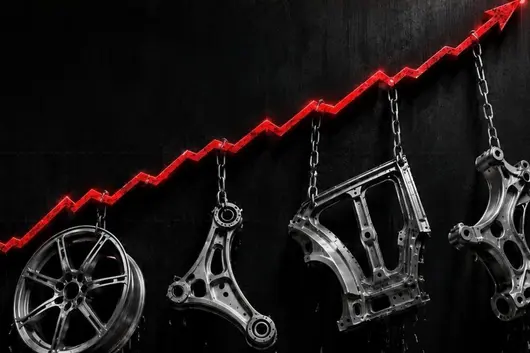
2020 年,國內電解鋁價格仲係喺 1.2 萬元/噸左右。此後幾年,鋁價一路攀升:2025 年,國內電解鋁價格一路突破 2 萬元/噸關口;2026 年以來,鋁價進一步攀升至 2.4 萬元至 2.5 萬元/噸高位區間,3 月甚至一度超過 2.5 萬元/噸,創近年新高。
鋁價持續上漲,正沿住汽車產業鏈向下傳導。
世界新汽車生態協會數據顯示,鋁材佔車身零部件成本嘅比重已從 2020 年嘅 12% 左右提升至目前嘅 22% 以上。一輛典型中型智能電動車約需 200 公斤鋁,僅 2025 年 11 月至 2026 年 1 月三個月入面,單車鋁材料成本就增加約 600 元。
《汽車商業評論》採訪到嘅一家年產 6 萬至 7 萬噸嘅鋁加工企業,僅 2026 年前五個月,因鋁基價上漲而新增嘅採購成本已接近億元,而其中絕大部分仍需企業自行消化。
然而,成本並冇沿住產業鏈暢順傳導。上游電解鋁產能受到 4500 萬噸產能天花板約束,中游加工企業難將上漲嘅原材料成本全額轉嫁,下游整車廠仍持續向供應商提出年度降本要求,利潤空間不斷被壓縮。
與此同時,雖然新汽車越來越重(詳見 2026 年 6 月 25 日《汽車商業評論》刊發嘅文章《減重,新能源車嘅最大謊言》),但是汽車輕量化趨勢並冇放緩,用鋁合金替代傳統鋼材實現車身減重,係當下车企最主流嘅輕量化方案。
喺成本壓力下,以一體化壓鑄為代表嘅製造降本技術加速普及,而鋁價上漲正喺放大佢嘅另一面:呢項技術喺降低製造成本嘅同時,亦推高咗維修成本,保險公司同車主正喺為车企嘅「降本」承擔新嘅代價。
唔講記憶體晶片嘅漲價,正在發生嘅鋁價上漲,進一步撬動咗中國新能源智能網絡汽車產業鏈上嘅一系列深層矛盾:上游嘅產能剛性、中游嘅議價失衡、下游嘅降本極限,以及技術路線調整所帶來嘅連鎖反應。
鋁價點解「壓唔住」

製圖:汽車商業評論
鋁價持續上漲,首先源於供給端。
「電解鋁嘅產能喺國內嘅天花板係 4500 萬噸,目前整體係一個緊平衡狀態。」鋁加工企業南南鋁總經理程海峰向《汽車商業評論》表示。
2017 年,國家多部委聯合發布《清理整頓電解鋁行業違法違規項目專項工作方案》,以 4500 萬噸為剛性上限,給無序擴張嘅電解鋁行業劃下紅線;等量或減量置換機制嚴格執行,企業想新增產能,必須先關停或購買同等規模嘅落後產能。
呢道政策紅線至今未鬆動。2025 年 3 月,國家發展改革委、工業和信息化部等十部門聯合印發《鋁產業高質量發展實施方案(2025—2027 年)》,再次強調「堅持電解鋁產能總量約束」。
截至 2026 年 2 月末,國內運行產能已接近 4491 萬噸,產能利用率超過 97%,行業產能基本滿負荷運行。
喺 4500 萬噸產能紅線約束下,中國呢個全球最大的電解鋁生產國,產能增速已幾近停滯。與此同時,全球鋁產量增速亦喺放緩。2025 年全球原鋁產量約 7378 萬噸,增速已從 2024 年嘅 3.24% 大幅放緩至 1.1%。
產能封頂嘅同時,需求卻喺擴張。
新能源汽車係用鋁最活躍嘅領域。鋁材廣泛應用於電池包外殼、車身結構件、輪轂及熱管理系統等核心部件。《汽車商業評論》了解到,傳統燃油車單車用鋁量約 120 至 150 公斤,新能源車已突破 200 公斤,高端車型更達 300 公斤以上。
2026 年 4 月,國內乘用車市場嘅新能源車零售滲透率首次突破 60%,僅呢一項就預計貢獻咗百萬噸級別嘅鋁需求增量。
「新能源汽車呢類用鋁嘅下游領域,其實都仲喺蓬勃發展。」程海峰話。
新能源對鋁嘅需求唔單只來自汽車,同樣來自光伏等領域。每 GW 光伏裝機用鋁約 1.2 萬噸,2026 年全球光伏新增裝機預計約 400GW,對應鋁需求約 480 萬噸;儲能領域預計帶來約 57 萬噸鋁需求。兩者合計超過 500 萬噸。
加上「鋁代銅」喺新能源汽車高壓線束、電網輸電等領域嘅系統性替代,鋁嘅需求結構正喺從「建築為主」轉向「高端製造 + 新能源」。
去年 10 月,華泰證券預測,2026 年全球電解鋁供應增速約 1.93%,需求增速約 2.3%,供需缺口或擴大至 80 萬噸以上。中東衝突爆發後,多家機構進一步下調咗產量預期,供需缺口或更大。
「鋁價嘅上漲主要係結構性嘅。」另有鋁製汽車零部件企業家向《汽車商業評論》分析。
佢繼續補充:「漲價真正嘅原因,係以新能源行業為主嘅對鋁需求嘅快速提升,同國內 4500 萬噸電解鋁產能紅線之間嘅供需矛盾。」
如果話國內產能天花板係鋁價上漲嘅「內因」,那麼全球供給端嘅接連衝擊則係「外因」。
2026 年 5 月下旬,全球最大的鋁土礦生產國幾內亞宣布,將於 6 月正式推出鋁土礦出口管制政策。市場普遍預測,2026 年幾內亞鋁土礦出口總量上限為 1.5 億噸,較 2025 年嘅 1.83 億噸減少約 3300 萬噸,降幅達 18%。
幾內亞佔全球鋁土礦供應量超過三分之一,中國對其依賴程度更高。2026 年 1 至 4 月,中國累計進口鋁土礦 7772.8 萬噸,其中自幾內亞進口 6294.6 萬噸,佔比達 81%。
截至 6 月底,該政策尚未正式落地,但礦山發貨量已主動收縮。據鋁行業研究機構阿拉丁(ALD)初步調研同估算,6 月幾內亞 19 家礦企發貨量約 1600 萬濕噸,較 3 月高峰期下降約 500 萬噸。
近兩年來,幾內亞已連續打出上調出口關稅、清退閒置礦權、籌建定價指數、強制外資礦企喺本土建設氧化鋁廠等一系列政策「組合拳」。呢都係全球「資源民族主義」浪潮嘅縮影——從印尼嘅鎳礦出口禁令到津巴布韋嘅鋰精礦出口限制,資源國正喺從「價格接受者」向「規則制定者」轉變。
更劇烈嘅衝擊來自中東。
中東六國電解鋁建成產能合計約 700 萬噸/年,佔全球總產能嘅 9.2%,2025 年實際產量約 695 萬噸。而喺今年 2 月 28 日,美以聯合對伊朗發動軍事打擊,伊朗隨即實施報復並封鎖霍爾木茲海峽。
呢一地區產業高度依賴海峽運輸,氧化鋁自給率僅 34%,90% 以上嘅氧化鋁進口需經過霍爾木茲海峽。衝突爆發後,區域鋁企陷入設施損毀、原料斷供、能源短缺三重危機。
3 月初,卡塔爾 Qatalum 鋁廠因天然氣斷供被迫全面停產。該廠名義原鋁年產能 63.6 萬噸,屬於全球成本較低嘅邊際產能之一。官方表示,若全面停產,完全復產可能需要 6 至 12 個月。

卡塔爾 Qatalum 鋁廠
同月,全球單體規模最大嘅鋁冶煉廠之一巴林 Alba 鋁業(年產能約 160 萬噸)因霍爾木茲海峽航道受阻,宣布遭遇不可抗力。
截至 5 月初,中東累計影響電解鋁產能超 200 萬噸/年。《汽車商業評論》認為,2026 年全球電解鋁新增產量已無法覆蓋減產規模。
程海峰將中東衝突視為呢輪鋁價衝上 2.5 萬元/噸嘅直接推手:「美伊衝突以後,一下就助推咗鋁價嘅上漲。」去年四季度,國內鋁價仲係喺 2.1 萬至 2.2 萬元/噸嘅區間運行。今年以來,鋁價開始震盪上漲,衝突爆發後,價格跳漲至 2.5 萬元/噸以上。
國內產能封頂、幾內亞收緊出口閥門、中東衝突切斷供給,三者共同作用,將鋁價推至歷史高位。
截至 6 月 9 日,電解鋁年均价達 24219 元/噸,較 2025 年上漲 16.9%,3 月 12 日達到 25260 元/噸高點。期貨市場上,滬鋁主力合約自 1 月沖高至 26185 元/噸後,喺 2.4 萬至 2.6 萬元/噸區間反覆拉鋸咗近四個月。
「可能回唔到原來嘅價位啦。」關於未來走勢,程海峰談起佢嘅判斷。
佢預測,三季度價格可能從 2.4 萬元小幅回落至 2.3 萬元,四季度降至 2.2 萬元,但上年 2.1 萬元左右嘅水平「應該係回唔去」。
供給端嘅剛性約束,正喺將鋁價鎖定喺一個前所未有嘅高位區間。而呢一價格,先至開始沿住產業鏈向下傳導。
邊度喺「夾縫」入面

鋁價從 1.2 萬元漲到 2.4 萬元,產業鏈上嘅每一個環節都在承受壓力,但承受嘅方式同程度卻各有不同。
最先感受到衝擊嘅,係上游嘅鋁加工企業。
「價格根本傳導唔落去。」程海峰告訴《汽車商業評論》,鋁加工企業嘅定價模式通常係「鋁錠價 + 加工費」,其中鋁錠價參照嘅係簽約前幾個月或上半年嘅市場均價。咁樣意思係,現貨上漲並唔會即刻反映到銷售價格。
這意味著,鋁價上漲與向客戶傳導之間存在一個時間差。
但即便進入傳導週期,鋁加工企業都好難將成本全額轉嫁。程海峰詳細描述咗傳導機制嘅複雜性:當鋁價處於上行週期,前三個月嘅虧損由鋁廠承擔;三個月後合同重簽,鋁價按高位鎖定,鋁廠壓力減輕,主機廠開始承受高價。而當鋁價下行時,主機廠又會以當下市場價更低為由,拒絕按合同高價付款。
「鋁價漲嘅時候,鋁廠全部承擔;鋁價降嘅時候,鋁廠要承擔接近一半以上。」
更棘手嘅係整車廠嘅議價能力。程海峰話,每年主機廠要求減價 7% 到 10%,即便如此,佢哋依然會收到來自主機廠嘅投訴:「原本可以接受嘅質量瑕疵,喺鋁基價博弈下容易變成不能接受嘅質量缺陷,價格震盪會放大質量問題,要求退貨。」
鋁加工企業就喺咁處於「兩頭承壓」嘅境地。上游鋁錠價格剛性上漲,下游整車廠以質量判定、議價能力不斷壓縮利潤空間。
以廣東鴻圖為例,呢家國內鋁合金壓鑄龍頭企業 2025 年實現營業收入 91.98 億元,同比增長 14.22%,但淨利潤為 3.62 億元,同比下降 12.74%。另一家鋁合金鑄件企業文燦股份處境更為嚴峻,2025 年淨利潤虧損 3.48 億元,同比下降 402%。
同樣係鋁加工企業,另一些企業嘅處境卻截然不同。
另外一家背靠大型汽車集團嘅鋁製品加工企業業務負責人向《汽車商業評論》表示,佢對鋁價上漲嘅感知「其實仲算好」。原因在於,大部分整車廠對大重量件會採用「鋁價浮動計算」。
咁樣意思係,合同定價時按當時嘅鋁價鎖定材料費,後續鋁價上漲則按重量同最新鋁價重新計算材料費用。以鋁輪為例,一個輪仔 350 元,其中四分之一係加工費,剩下 75% 係材料費。鋁價從 2 萬元/噸漲到 2.5 萬元/噸,材料費就按重量乘 2.5 萬元計算。 「我哋主要係賺加工費,鋁價漲跌對我哋利潤嘅影響有限。」
鋁價上漲對呢家企業嘅主要影響喺資金層面。 「原來每個月準備 6 個億就夠,而家每個月要準備 10 個億左右。」佢話, 「資金風險喺變大,但好處係經營規模亦喺變大。」
但作為大型汽車集團嘅旗下企業,資金並唔係佢最擔心嘅問題, 「大樹底下好乘涼」。
儘管喺集團內部,降本壓力同樣存在。 「每年都有降本嘅要求,」佢話, 「但最後達成嘅結果都相對合理,冇太離譜嘅情況。好似討價還價,對方先報一個高價,最後談落嚟雙方都接受。」
同樣係鋁加工企業,一家獨立經營,一家背靠集團。境遇嘅差異說明咗一個現實:喺鋁價上漲嘅衝擊下,能否相對從容咁應對,唔單止取決於成本控制能力,亦好大程度取決於企業喺產業鏈中嘅位置。
再往下遊,獨立嘅零部件供應商處境最為艱難。
上述鋁製汽車零部件企業家告訴《汽車商業評論》:「下游主機廠好少能夠根據市場行情進行價格聯動調價,要么直接唔同意,要么唔畀答覆拖住,但我哋供應商又唔得唔保障交付,虧損即係必然。」
佢繼續分析,鋁零件供應商嘅工藝主要涉及熔煉、壓鑄、沖壓、擠壓、焊接、組裝連接,除了熔煉可以考慮去電價便宜嘅地區設廠,爭取成百幾十元每噸嘅成本空間,其他工藝幾乎冇降本空間。 「行業內最好同最差嘅供應商之間,生產成本亦都唔會有超過兩個點嘅差異。」

「大部分供應商已經卷唔動,」佢話, 「新項目招標時會將鋁價漲幅加入成本,目標價低咗寧願唔做。」
呢種「寧願唔做」嘅心態正喺蔓延。 《汽車商業評論》了解到,有汽車供應商對一家新勢力提出,每月只能交付 1 萬件某個關鍵零部件,而對方嘅需求係 3 萬件。供應商給出嘅理由係「產能唔足、工人短缺」,但根本原因喺按照現時合同價格,供貨即虧損。
呢個零部件唔係鋁製品,屬於關鍵部件,車企短期內難以搵到合格嘅替代供應商,只能陷入被動。但就算係鋁製品,車企亦將越來越難搵到願意低價接單嘅下家,供貨即虧損,長期邊個都頂唔順。
整車廠嘅焦慮同樣喺升溫。
據乘聯分會數據,2026 年 1 至 5 月,中國汽車行業利潤率已降至 3.4%,低於下游工業 6.1% 嘅平均水準。碳酸鋰、銅、鋁等原材料價格全方位上漲係主因之一。蔚來創辦人、董事會主席兼 CEO 李斌透露,受記憶體晶片、碳酸鋰、銅、鋁等原材料價格上漲影響,蔚來單車成本增加約 1 萬元。其中僅銅、鋁兩項原材料,就推高咗單車成本數千元。
進入 2026 年以來,已有超過 15 家車企宣布產品漲價或縮減優惠。比亞迪部分車款選裝包漲價 2100 元,小米 SU7 全系提價 4000 元。一臺主流 20 萬元級新能源整車,綜合製造成本較去年同期增加咗 6000 元至 14000 元。
歐美車企同樣承壓,Stellantis 行政總裁警告,若原材料價格持續居高,額外增加成本將逼近公司營收嘅 1%;福特亦預估,今年大宗商品成本將超過 20 億美元。
但整車廠嘅壓力並冇轉化為對供應商嘅理解。
《汽車商業評論》了解到,唔少整車廠仍喺向供應商提出每年 10% 甚至 15% 嘅降本要求。上述處於夾縫中嘅鋁製汽車零部件企業家判斷:「真正要解決嘅都係整個汽車產業嘅問題,咩時候主機廠唔卷價格、唔卷配置、唔卷參數,專心於品牌、設計、服務、口碑,能夠有合理嘅附加值,供應商先至會恢復正常發展。」
鋁價嘅上漲正喺暴露出中國汽車產業鏈一個長期被掩蓋嘅結構性問題:當一個行業嘅利潤分配高度向整車廠或者一些核心零部件傾斜,而大多數零部件供應商長期處於微利甚至虧損狀態時,任何一次原材料價格衝擊,都可能成為壓垮呢啲供應商嘅最後一根稻草。
輕量化嘅「悖論」

鋁價嘅持續上漲,正喺將新能源汽車輕量化戰略推向一個尷尬嘅境地。
輕量化係新能源車避開唔開嘅命題。整車重量影響能耗,而每減輕一公斤車身重量,都能直接轉化為續航嘅提升。鋁合金因其密度低、比強度高、耐腐蝕等特性,成為最主流嘅輕量化材料選擇。
中國汽車工程學會早在 2017 年發布嘅《節能與新能源汽車技術路線圖》,已提出單車用鋁量目標為 2025 年達到 250 公斤、2030 年達到 350 公斤。另據市場研究公司 DuckerFrontier 預測,北美單車鋁淨重量 2030 年可能達到 570 磅(約 259 公斤),以福特 F-150 為例,約佔整備質量嘅 10%。
但鋁價已經從 1.2 萬元漲到咗 2.4 萬元。全球最大鋁軋製企業諾貝麗斯剛剛卸任嘅中國區董事總經理劉清向《汽車商業評論》表示,輕量化「唔單止要考慮一次使用成本,亦都要進行全壽命周期嘅成本評估」。而當鋁價翻倍,呢個評估嘅天平正喺發生傾斜。
上述鋁製汽車零部件企業家透露,由於鋁價上漲,一些主機廠喺低價車款上已經重新用返咗鋼材。 「鋁嘅廣泛應用本來就係為咗替代鋼材輕量化,新能源車嘅普及先帶嚟輕量化嘅需求。」佢話。而家鋁價高企,呢個趨勢正喺局部逆轉。
但更大嘅矛盾唔喺「用唔用鋁」,而喺「點用鋁」。
業界手裡早有一條降低製造成本嘅路線——一體化壓鑄。呢項技術嘅普及先於呢輪鋁價上漲,但高鋁價正喺同時放大佢嘅收益與代價。
呢項技術由特斯拉率先大規模應用,透過超大型壓鑄機將原本由幾十個甚至上百個零件焊接而成嘅車身結構件一次性壓鑄成型。一體化壓鑄大幅提升咗生產效率,Model Y 嘅後地板生產時間由 1 到 2 小時縮短至 3 到 5 分鐘,減少 700 多個焊點。

從特斯拉到蔚來、小鵬、小米、極氪,越來越多嘅新造車企業將其作為核心技術賣點。據西部證券去年年底嘅預測,一體化壓鑄滲透率喺 2025 年預計超過 10%,2030 年超過 30%。
一體化壓鑄確實降低咗製造端嘅成本,至少喺生產效率上如此。但呢個「降本」嘅答案,正喺製造一個新嘅問題。
《汽車商業評論》了解到,一體化壓鑄雖然省去咗大量零件同工時,但一旦发生事故,維修成本會成倍增加。
問題出喺維修環節。傳統車身遵循「邊度壞修邊度」嘅原則,邊個零件壞就換邊個。但一體化壓鑄將幾十個零件整合為一個整體結構件,一旦受損,無法局部修復或更換,只能整體更換。
長城汽車董事長魏建軍曾公開批評呢項技術。佢喺 2025 年 12 月一次發布會上表示,一體化壓鑄多使用鋁合金材料,一旦發生碰撞,鋁材易「酥脆」斷裂,無法似鋼製部件咁局部整形修復,往往需整體更換,大幅推高維修費用。據長城汽車官方資料,一體化壓鑄嘅維修成本係傳統結構件嘅 4 倍。
來自中國保險行業協會嘅數據顯示,採用一體化壓鑄技術嘅車款,事故車維修成本平均值達到傳統結構車款嘅 3.8 倍。以此推算,同樣一次中等程度事故,若傳統結構車款維修費用喺 3 萬元左右,一體化壓鑄車款就可能超 11 萬元。
唔係修車廠「故意多換」,而係技術本身決定咗無法單獨更換。
呢種「造車便宜、修車貴」嘅矛盾正喺全行業蔓延。2026 年 6 月,商務部等九部門聯合發布《關於培育壯大汽車後市場消費若干措施嘅通知》,專門應對新能源汽車維修成本高企問題。文件明確提出「唔得因消費者選擇第三方維修服務而免除企業『三包』責任」「引導整車及電池企業向第三方開放維修技術授權」「鼓勵推行『以修代換』」三項措施。
政策出台本身就有個信號:維修成本問題已經嚴重到需要頂層干預嘅程度。
維修成本嘅飆升直接傳導至保險端。2025 年全行業新能源車險保費收入達 1900 億元,同比增長 34.8%,佔車險總保費比重首次突破兩成。但同期,新能源車險行業承保虧損 56 億元,143 個車型賠償率超過 100%。
中國精算師協會數據顯示,新能源車險車均風險成本約為燃油車嘅 2.2 倍,而保費僅為燃油車嘅 1.7 倍。
中保研汽車技術研究院報告指出,一體化壓鑄將上百個零部件整合為單一構件,輕微刮花只能整套更換,加上激光雷達等感知元件嘅「硬件加標定」雙重成本,傳統精算模型已無法覆蓋。
「省咗嘅油錢全交咗保費」,呢句話正喺從調侃變成現實。一體化壓鑄降低咗車企嘅製造成本,卻將高額維修負擔轉嫁咗俾消費者同保險公司。
劉清從更宏觀角度看待呢個問題: 「一體化壓鑄同沖壓用鋁合金軋製板材,喺生產過程同應用領域有本質唔同……可以預見,未來喺汽車行業發展一定會伴隨更多嘅軋製、鑄造、鍛壓、擠壓鋁合金應用。」佢唔認為一體化壓鑄本身係錯誤嘅方向,但強調需要「全壽命周期嘅成本評估」。
面對結構性嘅高鋁價,業界唔係只係硬頂,兩條出路已經浮出水面。
第一條係再生鋁。再生鋁嘅生產能耗僅為電解鋁嘅 5% 左右,且唔受 4500 萬噸產能紅線約束。上述十部門《鋁產業高質量發展實施方案(2025—2027 年)》已明確提出,到 2027 年國內再生鋁產量達到 1500 萬噸以上。
第二條係金融對沖。鋁係國內期貨市場最成熟嘅品種之一,已有多家上市零部件企業公告開展鋁期貨套期保值,透過滬鋁合約鎖定採購成本、平滑價格波動。
但套保對沖係波動,唔係趨勢。當鋁價中樞從 1.2 萬元/噸系統性抬升到 2.4 萬元/噸,套保只能延緩成本傳導,無法將其消除。而且套保需要專業團隊同保證金占用,對本已微利嘅中小供應商來說,呢道門檻並唔低。
喺上述鋁製汽車零部件企業家睇嚟,鋁零件本身嘅技術壁壘唔高, 「好多只能依賴所配套主機廠嘅發展而發展」。
真正嘅問題或許唔喺材料技術,而喺產業生態。當主機廠將降本壓力層層傳導至供應商,而自身又唔願承受因原材料漲價帶來嘅利潤損失時,整條產業鏈便陷入咗「邊個都無利潤,邊個都硬頂」嘅僵局。
當「低價內捲」遭遇原材料價格嘅結構性上漲,壓力傳導終有極限。當所有嘅利潤都被榨乾,下一個喺碰撞中「酥脆斷裂」嘅,可能就不係一體化壓鑄嘅鋁件,而係中國汽車原本引以為傲嘅本土供應鏈。

When the domestic new energy track is generally caught up in the competitive involution of "fast launch, fast iteration", "slow car building" instead became a scarce and precious product attitude. On August 12, the global quality pure electric SUV Fengyun T7 officially started pre-sale with the theme "Building a good car with craftsmanship, thank you for your patience". Without stacking concepts parameters for eye-catching, instead provided a quality plan that underwent complete trials in the global market - relying on Chery's 23 years of globalized technology accumulation, refusing the industry's crash-course car building ideas, polishing the whole vehicle full-dimension strength with full-link global rigorous standards, and using a long-termist car building logic to precisely respond to quality families' essential demands for pure electric SUVs. The new car launches 3 configuration versions, the pre-sale guide price range is 109,900 - 129,900 Yuan, pay 1,000 Yuan deposit during the pre-sale period to enjoy 7 exclusive car buying benefits.

Relying on Chery's 10 major global design centers, over 5,000 domestic and overseas users co-created throughout the process, the homologous model Lepas L6 appeared at Milan Design Week and gained international recognition. Fengyun T7 integrates global aesthetics, visuals stay top-notch. Aerodynamic Front, Wind-sculpted Satin Body, Skyline Glow Tailgate balance international simple aesthetics and Eastern elegant charm. Whole vehicle paint standard syncs with overseas rigorous weatherability requirements, provides 6 color options: Blaze Orange, Mountain Smoke Purple, Cloud Pink Beige, Flowing Light Silver, Green Bamboo Grey, Ink Stone Black.

Interior divided into Warm Black Brown and Polar Night Obsidian two styles. Cloud Wing Embrace Cabin matched with large area soft wrapping, Pebble floating speakers, Diamond quilting details exquisite; all interior leather, sealing strips, plastic parts not easy to harden or fade, long-term use still looks new and good, balancing appearance and texture.

Fengyun T7 benchmarking 2026 Edition E-NCAP Five-Star Safety Standard Design, Functional Safety ASIL-D Highest Level. 2 years planning, 3 years R&D, invested 81 exclusive durability cars for synchronous road testing, whole vehicle cumulative test mileage over 6 million kilometers, durability special test actual measurement 1.45 million kilometers, simultaneously targeting Southeast Asian rainy season, Middle East high-temperature baking, Indonesia high humidity and other global regions to carry out extreme actual vehicle trials.
Body uses 80% high strength steel, 18.84% hot formed steel to build 9 transverse and 5 longitudinal cage body, uses shotgun structure, Double frame subframe + Pack crash beam, steel bone and flesh guarantees occupant compartment safety, front 9+ side 6 collision force transmission paths maximize dispersion of collision energy, retain occupant survival space; in addition, equipped with 9 airbags, including 48L dual-chamber remote airbag and rear side airbag, 360-degree all-around protection for occupant safety. Fengyun T7 all-series equipped with Rhino Battery, super strong 6D protection builds battery safety fortress to all-around resist crush, puncture, impact, build multi-layer stereo safety barrier for power battery. Facing frequent summer rainstorms, Rhino Battery IP68 waterproof is 96 times national standard, fearless of rainy season flooding, road waterlogging, outdoor wading, effectively prevent battery water ingress short circuit hazards.
Travel Essentials | All-series 600km Range Equality, Adapting to Global Diverse Climate ConditionsBased on global diverse regional energy and climate needs, Fengyun T7 achieves range configuration all-series equality, all-series standard large capacity Rhino Battery 65.05kWh, CLTC 600km range, actual test range 667+km, "No fake specs" solves anxiety. Battery 30% to 80% charging only takes 20 minutes, can set off again after a cup of coffee time.

Fengyun T7 equipped with All-domain integrated thermal management dual-source wide heat pump AC + High voltage PTC, Northern users can also drive with peace of mind in winter. -30°C-55°C ultra-wide temperature range stable operation, low temperature environment heating more power saving, high temperature environment heat dissipation more efficient. Matched with all-series standard AGS intelligent grille and 14 low drag optimizations, high and low speed energy consumption more stable.
Intelligence Essentials | Cockpit-Driving Integrated 8775 Chip, Half Knows You, Half Protects YouNew energy era, no quality without intelligence. Fengyun T7 equipped with Cockpit-Driving integrated 8775 chip, achieves Cockpit-Driving dual optimization, two domains seamless collaboration, half knows you, half protects you. This chip has 4nm process, 72 TOPS high computing power, response only 80ms, boot up speed up 33%, boot speed faster, screen operation smoother, smart interaction response more swift.
In terms of smart cockpit, 15.6-inch 2.5K high-definition large screen picture delicate and true, anti-glare, anti-reflection, anti-fingerprint, CarPlay, HUAWEI HiCar, CarLink wireless connection, covers 99%+ of phone screen casting on the market, upon getting on board can achieve seamless interconnection. Lingxi Smart Cockpit 2.0 brings an all-around companionship partner, has Little Qi Classmate, Northeast Auntie, Debate Master, Speech Teacher, Story King, Pro Debater six real-person sense companionship experiences. Built-in 6 scene modes such as Power Nap, Camping, Pet, Wake Up, etc., let the car truly become a mobile space that understands you.

Fengyun T7 equipped with Falcon 500 Driving Assistance System, integrates 3 millimeter-wave radar, 7 high-performance cameras, 12 ultrasonic radar, total 22 high-precision sensors (3R7V12U), see far, see clear, measure accurate. Can 300+ full scenario automatic parking, industry covers the most comprehensive. Dead-end road parking, one-touch track reverse, floor-crossing parking etc. can be achieved, say goodbye to "difficult parking", achieve parking freedom.
Comfort Essentials | Ultra-large Cockpit Space, Master-Level Chassis Tuning for Stable TravelWhole vehicle size 4570×1852×1694mm, wheelbase 2700mm, in-car usable ratio 84%, rear pure flat floor, leading in class 911mm leg space, rear seats folded expand 1955mm pure flat large bed, conventional trunk 450L, expand to 1550L, sufficient cargo space adapts to outdoor cross-country, multi-person group travel.

9-layer cloud feel seats, soft but not sagging, long sitting not tired, additionally seats also have ventilation heating function. In terms of heating, achieve 3-level temperature control adjustment, -20°C environment, 5 minutes fast heat to 30°C, quickly warm whole body; seat ventilation uses suction design, summer back not stuffy sweat, satisfy user's comfort needs. In terms of details, Fengyun T7 also can be highlighted. Whole car 38 places clever storage space, storage orderly, enjoy exquisite life. Four max load 300kg rivet rings and two max load 3kg hooks, camping gear, large cargo can be firmly fixed.

Comfortable driving and riding, can not leave the support of outstanding chassis. Fengyun T7 chassis crafted by international chassis team led by former Maserati chassis tuning expert, 50.8:49.2 Golden Axle Load Ratio can effectively suppress steering understeer, oversteer phenomena, improve cornering stability and straight driving tracking ability. As early as 2009, Chery independently designed China's first ground mobile type dual-axis K&C test bench. 26 years of design foundation empowers chassis performance, brings more excellent driving and riding texture experience.
Peace of Mind Essentials | 2 Lifetime Benefits + 2 Back-up Benefits, Worry-free Full-cycle Car UseChery not only brings users hard-core strength products, but also stands from user perspective, fully considers user experience of full cycle after car buying, faces people's actual concerns about vehicle faults, later car maintenance costs etc. For this reason Fengyun T7 launches two back-up guarantees, two lifetime benefits, from car buying to long-term use full process guard.
Two Back-ups: ① Power Battery Safety Back-up: if whole vehicle thermal runaway damage caused by power battery itself, Chery will compensate same model new car or new car not lower than original car configuration; ② Driving Assistance Back-up: from purchase date within one year, in "parking scenario", "intelligent navigation scenario" determined as "Intelligent Driving Assistance System cause" leading to accidents, causing occupant injury and third party loss compensation, maximum compensation 5 million.
Two Lifetime Benefits: ① Whole Vehicle Lifetime Warranty: Value 10,000 Yuan Whole Vehicle Lifetime Warranty (including Three Electronics), excluding wear parts, special parts; ② Lifetime Maintenance Package: 666 Yuan purchase value 3,999 Yuan Lifetime Basic Maintenance Package (1 time/year).
[Leyang Viewpoint]: From reverse overseas global trial path, to the comprehensive landing of six major household essentials, Fengyun T7 brings not only a 100,000 level pure electric SUV new product, but also a refreshment of "National Good Car" value definition.
For a long time, market defaults "affordable price" and "high-end quality" can not both get, entry-level products often mean experience compromise. Fengyun T7 breaks this stereotype using globalized technology accumulation: 2026 Edition E-NCAP Five-Star Safety Standard, all-series 600km range equality, Cockpit-Driving high computing power chip, full cycle back-up guarantee, these experiences once attached to high-price models, now become 100,000 level users' standard benefit. It does not chase short-term traffic gimmicks, does not do paper parameter competition, only puts every pain point of user daily car use solidly landed - this is both Chery's original intention of "Building a good car with craftsmanship", and also a concrete microcosm of Chinese new energy vehicles from "Scale Leading" to "Value Leading". Currently Fengyun T7 pre-sale channel has been fully opened, quality cockpit vehicle after global market tempering, quietly waiting for every user who loves life to personally inspect.

Xiao He is an industry practitioner in the automotive sector. In 2020, guided by a friend from a securities firm, she bought a New Energy Vehicle Fund for the first time. She was lucky, catching the wave of general market rise around 2021. The fund reached a peak unrealized profit of 90%. At that time, she thought it would rise further, so she didn't sell.
Later, influenced by friends, Xiao He was no longer satisfied with just buying funds; she opened an account to trade individual stocks. Over the six years, she not only failed to make money but lost about 10,000 yuan. When it rose, she was greedy and wanted to see it rise more; when it fell, she waited to break even. In this cycle, she got stuck.
Xiao He is not an isolated case. From 2021 to 2025, New Energy Vehicle sales in China grew from 3.5 million to 16.49 million, an increase of nearly 4 times. But for many investors who bought car stocks, these five years were not a period of wealth growth, but five years of being stuck.
The industry is growing, but investors are losing money. The investment logic of car stocks has changed.
Once a hot favorite
2021 was the golden age for car stocks.
Xiao He remembers that summer, in the office, colleagues discussed not cars, but how much their funds or stocks had risen during lunch breaks. The New Energy Vehicle Fund she bought reached a peak unrealized profit of nearly double.
In 2021, the CSI New Energy Vehicle Index rose 56.96% for the year. It was an era where buying funds meant making money. "Funds that sold out in a day" appeared frequently, with scenes of new funds selling out in one day or single-day subscriptions exceeding 10 billion yuan repeating. The new energy sector was the focus of capital pursuit. For example, when the Invesco Great Wall New Energy Industry Fund was issued, the subscription amount exceeded the 6 billion yuan limit, triggering proportional allocation.

Image source: SheTu Figure
Why was capital so crazy? Because they were not buying cars; they were buying the future. The market universally believed three things at the time.
First, new energy would replace fuel vehicles. This is a certain industrial revolution, like smartphones replacing feature phones. Whoever seized this opportunity would become the next Apple.
Second, Chinese car companies would produce global giants like Tesla. BYD, NIO, Li Auto, Geely... were all expected to be great. At the moment Tesla's market cap surpassed Toyota, many believed Chinese car companies could do the same.
Third, intelligentization would redefine cars. Cars would become "smartphones on four wheels", and software and data would become new profit sources. Just like Apple made a fortune from the App Store, future car companies could make money from software charging.
Market expectations stacked these three layers, giving car stocks valuations far higher than traditional car companies.
At the end of 2021, CATL's market cap climbed to a peak of 1.6 trillion yuan, with the stock price touching a historical high of 692 yuan. Institutions generally viewed CATL as the "Moutai of the new energy era". Around the same year, BYD's market cap also once broke through 1 trillion yuan.
In August of the same year, the CSI New Energy Vehicle Index's P/E ratio once reached 160 times. At that time, the market didn't care how much car companies were earning now, but how much they could earn in the future. At that time, few doubted this story.
Xiao He's friend Xiao Ming bought at over 90 yuan per BYD stock and sold when it rose to over 200 yuan in 2021. Because he needed money urgently to buy a house then, he didn't regret selling early. But more people didn't sell; they believed stock prices could still rise.
Xiao He also didn't sell her held funds. Influenced by friends, she felt new energy was a long-term track and should be held long-term. She even recommended this fund to three or four friends.
One friend traded in and out short-term, made money, and bought a luxury bag worth tens of thousands. Looking back now, that friend instead became the smartest person.
The rise of car stocks in 2021 was not because car companies earned that much at the time, but because the market bet ahead on industrial changes over the next ten years. But the question is, the future came too fast and too ruthlessly.
After the tide recedes: from buying tracks to buying winners
2022, the tide began to recede gradually. That year, the CSI New Energy Vehicle Index fell nearly 30%.
Xiao He lost over 9,000 yuan that year, leaving little of what she earned the previous year.
The sharp decline in New Energy Vehicle funds was closely related to the broader environment. Pandemic impact, rising upstream raw material prices, subsidy phasing out, Fed interest rate hikes... various negative factors叠加, the new energy sector's heat cooled down quickly, entering the so-called bubble unwinding phase.
In April 2022, CATL stock price fell below 400 yuan, market cap fell below one trillion yuan. This distance from the 1.6 trillion high point, only four months had passed.
The fund redemption wave came. Many fund investors who entered at highs in 2021 couldn't stand the losses and cut losses to exit. Xiao He also exited at the end of October that year. But she didn't leave car stocks, just didn't get on for a short time. In 2024, Xiao He bought the previous funds again. Meanwhile, under the influence of friend Xiao Ju, she started paying attention to individual stocks.
Xiao Ju has deep research into the stock market, especially car stocks. She lost hundreds of thousands in the past two years, and broke even in 2024. She recommended buying BYD and CATL, "These two are leaders and can survive the cycle."
2024 was indeed the year of individual stock market. That year, the capital market began to shift from "valuing tracks" to "valuing enterprises". For example, Seres of the Huawei ecosystem rose from over 20 yuan in 2023 to over 130 yuan at the end of 2024 due to the hot sales of the AITO series.
Xiao Jun also entered that year. He currently holds three whole-vehicle stocks—BYD held for 428 days, Seres held for 545 days, JAC Motors held for 323 days. At over 90 yuan, he bought Seres and personally saw the stock price touch the historical high of 173 yuan, then fall all the way.
"A year ago, the car sector was still very hot, with many foreseeable imagination spaces." Xiao Jun recalled, at that time BYD's Supercharge hadn't been released yet. He was bullish on the Huawei ecosystem; Seres' layout in robotics and equity in Yinwang brought continuous positive news.
The launch of Maextro S800 brought a lot of imagination to JAC Motors. So, Xiao Jun bought JAC Motors. His profit expectation for JAC was above 20%, "At that time, people were too confident in car stocks, and reaching expectations might still require a wait." He once sold JAC Shares for profit, but because the stock continued to rise, he entered again.
The result was, from big rise to big fall, it took less than a year.
As of August 11, Seres stock price fell to around 56 yuan, down about 70% from the historical high, market cap shrank from 300 billion to less than 100 billion. JAC Motors stock price fell from the high of 58.8 yuan last May to around 26 yuan currently, market cap shrank to around 56 billion yuan.
Xiao Jun was stuck. He was very frustrated.
In the second half of 2025, Xiao He bought into the intelligent driving stock Qianli Technology under Geely based on friend advice. The reason for the bullish view was direct: Geely endorsement, its intelligentization and new energy popularization are fast, which can drive Qianli Technology business to improve.
Qianli Technology was formerly Lifan Technology. Geely became an important shareholder after its bankruptcy reorganization. In early 2025, Lifan Technology was officially renamed Qianli Technology and further focused on the "AI + Car" core strategy. It jointly launched the Qianli Haohan Intelligent Driving System with Geely, and in the second half of 2025 it was even invested in by Mercedes-Benz affiliated company. Multiple positive news drove Qianli Technology stock price to break 13.8 yuan/share at one point last year.

Photo provided by Xiao He
Unfortunately, Xiao He bought at the super-high position. To now, Qianli Technology has already made her lose over 10,000 yuan, loss rate over 30%. Holding it is hard, selling is unwilling, she can only self-soothe and insist it will improve.
Xiao Jun also bought Qianli Technology, similarly stuck.
Another investor Xiao Liang bought into New Energy Vehicle funds, after warming up in the first half of this year, now lost 6% again.
The experiences of these three are not isolated cases. From the second half of 2025 to now, the car sector as a whole experienced obvious fluctuations, and some hot car stocks even showed a "decline — warm up — decline again" trend.
Buy the dip?
Institutional holdings have dropped to the bottom, and voices of "buying the dip" are starting to appear in the market.
Orient Securities' latest research report shows, in Q2 2026, the heavy allocation ratio of active funds to the automotive industry was only 1.9%, down 2.2 percentage points month-on-month, hitting a five-year low. In terms of market cap share, the car sector accounts for 3.3% of All A-shares market cap, overweight ratio is minus 1.3%. It points out that fund holdings in passenger cars and parts sectors have both fallen to the bottom range.
Xiao He decided to enter after seeing content like this. She felt institutional holdings hit bottom, the sector should rebound, so she bought JAC Motors. But to now, she is still losing.
At the end of July, the car sector indeed once saw a brief warm up. As of July 31, the CSI Auto Index reported 9269.98 points, rising 0.78% for the day. For individual stocks that day, SAIC Motor rose 1.5%, JAC Motors rose over 7%, Seres and Changan Automobile achieved slight rise.
But this wave of warm up did not last. After entering August, the sector began to oscillate and correct again. On August 11, the CSI Auto Index closed down. From the high point in May to now, JAC Motors stock price has retraced nearly 50%, BYD stock price is also obviously lower than the high point of the past year.
Behind the correction is that industry fundamentals haven't given enough support. CAAM data shows, domestic passenger car sales in the first half were 8.287 million vehicles, down 24.3% year-on-year. The only highlight is exports; passenger car exports in the first half were 4.432 million vehicles, up 72% year-on-year.
The domestic market is becoming more like stock competition, the overseas market is becoming a new incremental market, but it is not enough to support the overall auto market size and performance to improve significantly. This means the auto industry is not without stories, but old stories are ending, and new stories still need to prove themselves.
Facing such market conditions, most stock investors choose to wait. Xiao Xia holds a car sector ETF for two or three years, warming up a bit this year, but he has no plan to increase holdings. Xiao Liang is also, he just wants to wait until profits recover to 20% to sell the fund.
Xiao Jun still chooses to hold BYD long-term. In his view, the core basis for distinguishing long-term holding from short-term attention is "is there potential and new story in the future". BYD's globalization is the new story he values.

BYD Sales January-June 2026
This story is being realized. From January to July 2026, BYD overseas sales were nearly 970,000 vehicles, July single month close to 180,000 vehicles, overseas share of total sales has reached 40%. Its Brazil and Thailand factories have mass production, Hungary, Turkey and other overseas bases are also progressing.
The market used to buy growth expectations brought by rapid rise in new energy penetration rate. Now penetration rate has entered a high position—July 2026 new energy passenger car retail penetration rate broke through 65%. Industry competition shifted from "who can seize the new energy bonus" to "who can survive and make money in stock competition". But under price war, most car company profits face pressure.
Industry growth does not equal enterprise profit, more does not equal stock rise. The industry incremental brought by new energy penetration rate rise, in the background of increasing enterprise numbers and intensified price competition, did not convert to profit growth synchronously. Data shows, the auto industry's overall profit margin has fallen to around 3%. Past early traded growth expectations were continuously realized, valuation center declined accordingly, capital began to look for new high growth expectations.
If profits are not good, the market needs new stories to support valuation. "Now new energy penetration rate has exceeded 50%, new car makers have all emerged, in other words, now we have reached the stage of a hundred schools of thought contending."
Xiao Jun believes, profit is a relatively important metric, but having profit alone is not enough, the capital market also needs new imagination space. "What supports capital market sentiment is new stories. Actually everyone is looking for new stories, such as XPeng's robotics, Li Auto's range extender, and following that we need to see if these new stories can continue."
But in veteran investor Tian Hu (pseudonym), these new stories are not enough to support car stocks returning to high points. "Electric vehicles' rising space is not much, and stocks are all about expectations." He judged, for a long period, car stocks will maintain oscillation trend, unless a truly explosive new technology appears. For the entire auto industry now, the only growth direction he is bullish on is exports.

Image source: Huaban
"I think, we must keep watching emerging industries like energy storage and computing power." Tian Hu said.
Capital is already voting with feet. Xiao He plans to sell Qianli Technology and other car stocks after breaking even or losses narrow, fully turning to tech class especially shares related to artificial intelligence. She has already bought quite a lot of tech funds and stocks. Xiao Liang also bought AI tech stocks, with significant gains.
In the capital circle chasing new stories, car stocks are not that hot anymore.
But this is not a problem of the auto industry.
Any industry going to maturity will experience such a moment: when incremental market becomes stock market, when the speed of storytelling can't keep up with the speed of capacity expansion, when the industry changes from "compare whose story is big" to "compare who can truly convert scale, technology, and cost into profit", capital will start to withdraw.
Internet was like this, smartphones were like this, new energy vehicles are like this. This is not industry failure, but a necessary path for industry to move from adolescence to adulthood.
Real tests, actually start after capital tide recedes. After capital tide recedes, enterprise real operational ability will be put on the stage. Companies relying on financing will disappear, companies relying on technology and efficiency will stay. Price wars will wash away a batch of players, industry concentration will rise, profits will concentrate at the top. This process might be very cruel, but it is not necessarily bad for industry long-term health.
And capital, always chases the next story. From new energy to AI, from energy storage to computing power, tracks change, logic doesn't change—always rush in when expectations are fullest, exit when realization is hardest.
For ordinary investors, the hardest is not finding the next hotspot, but admitting you might not find it. Not everyone can exit when it is hottest, not everyone can buy the dip when it is coldest. More often, we are attracted in when hottest, choose to stick around when coldest, and then repeat the same mistakes under the next hotspot.
Investment, ultimately is fighting with one's own humanity. Understanding cycles, accepting differentiation, not being swept by market emotion, is more important than betting on a track. The story of car stocks is finished, there will be the next story. But in the next story, hope we can all have a bit more calmness, a bit less greed.

In Malaysia's SUV market, many buyers compare Proton X90 and Toyota Corolla Cross when choosing a car. Both cars are quite close in price and positioning, today we will make a detailed comparison from multiple aspects to help you save time on research.
Proton X90's OTR price in Malaysia is RM 106,800 - 122,800, with a total of 4 variants, including 2026 1.5T Prime X (RM 122,800), 2026 1.5T Prime (RM 116,800), 2026 1.5T Lite (RM 106,800), etc.
Toyota Corolla Cross's OTR price in Malaysia is RM 133,800 - 148,800, with a total of 3 variants, including 2026 HEV 1.8L GR Sport (RM 148,800), 2026 HEV 1.8L Standard (RM 140,800), 2026 1.8L Standard (RM 133,800), etc.
In terms of price, Proton X90's starting price is indeed RM 27,000 cheaper than Toyota Corolla Cross. If your budget is limited, Proton's entry version can already meet daily needs. But also note, the few thousand saved might involve compromises in features, depending on your specific needs.
Proton X90 is equipped with 1.5L Turbo, 140 hp. Official fuel consumption 7.0 L/100km.
Toyota Corolla Cross is equipped with 1.5L Turbo, 140 hp. Official fuel consumption 7.0 L/100km.
Both cars use the same powertrain system, and the driving experience is basically the same. Fuel consumption is also similar, no need to worry too much about this point.
Proton X90's safety rating is 5★ (ASEAN NCAP), active safety systems include ADAS (ACC, AEB, LKA, LDA, BSM, RCTA).
Toyota Corolla Cross's safety rating is 5★ (ASEAN NCAP), active safety systems include TSS (PCS, LDA, ACC, LTA).
Both cars have the same safety rating, safety equipment in this class is considered quite complete. New car safety is generally not bad nowadays, no need to worry too much about this point.
Proton X90 adopts FWD drive method.
Toyota Corolla Cross adopts FWD drive method.
Both cars have the same drive method, both are FWD, daily driving experience will not differ too much.

Overall, Proton X90 and Toyota Corolla Cross are both very good models in the Malaysian market. Which one to choose depends mainly on your personal needs and budget. We suggest doing your homework, comparing quotes from multiple dealerships, and then test driving to make a final decision. Buying a car is a big matter, spending some time on research will never go wrong.

In Malaysia's SUV market, many buyers compare the Proton X90 and Toyota Corolla Cross when choosing a car. These two cars are quite close in price and positioning. Today, we will do a detailed comparison from multiple aspects to help you save time on research.
Proton X90's OTR price in Malaysia is RM 106,800 - 122,800, with a total of 4 versions, including 2026 1.5T Prime X (RM 122,800), 2026 1.5T Prime (RM 116,800), 2026 1.5T Lite (RM 106,800), etc.
Toyota Corolla Cross's OTR price in Malaysia is RM 133,800 - 148,800, with a total of 3 versions, including 2026 HEV 1.8L GR Sport (RM 148,800), 2026 HEV 1.8L Standard (RM 140,800), 2026 1.8L Standard (RM 133,800), etc.
From the price perspective, the Proton X90's starting price is indeed RM 27,000 cheaper than the Toyota Corolla Cross. If your budget is limited, Proton's entry-level version can already meet daily needs. But keep in mind, that savings of a few thousand might involve trade-offs in features, it depends on your specific needs.
Proton X90 body length is 4400 mm, trunk 400 L.
Toyota Corolla Cross body length is 4400 mm, trunk 400 L.
The dimensions of both cars are almost identical, and the difference in interior space is not significant. For this class of cars, it is more than sufficient for daily use.
Proton X90 uses FWD drive mode.
Toyota Corolla Cross uses FWD drive mode.
Both cars share the same drive mode, both are FWD, so there shouldn't be a huge difference in the daily driving experience.
Proton X90 and Toyota Corolla Cross are both mainstream choices in the Malaysian market, suitable for family use and daily commuting. If you value brand reputation and resale value more, you can prioritize the one with a better reputation; if you care more about cost-performance and features, then choose the model with richer configuration. In the end, it is recommended to test drive both, as personal experience is the most important.
Overall, Proton X90 and Toyota Corolla Cross are both very good models in the Malaysian market. Which one to choose depends mainly on your personal needs and budget. We recommend doing your homework, comparing quotes from several dealers, and then test driving to make the final decision. Buying a car is a major matter, spending time on research will definitely not be a mistake.

In Malaysia's SUV market, many buyers compare the Proton X90 and Toyota Corolla Cross when choosing a car. These two cars are quite close in price and positioning. Today, we will make a detailed comparison from multiple aspects to save you time doing research.
The Proton X90 OTR price in Malaysia is RM 106,800 - 122,800, with a total of 4 variants, including 2026 1.5T Prime X (RM 122,800), 2026 1.5T Prime (RM 116,800), 2026 1.5T Lite (RM 106,800), etc.
The Toyota Corolla Cross OTR price in Malaysia is RM 133,800 - 148,800, with a total of 3 variants, including 2026 HEV 1.8L GR Sport (RM 148,800), 2026 HEV 1.8L Standard (RM 140,800), 2026 1.8L Standard (RM 133,800), etc.
From a price perspective, the starting price of the Proton X90 is indeed RM 27,000 cheaper than the Toyota Corolla Cross. If your budget is limited, Proton's entry-level version can already meet daily needs. However, please note that the few thousand RM cheaper might involve trade-offs in features, depending on your specific needs.
The Proton X90 safety rating is 5★ (ASEAN NCAP), active safety systems include ADAS (ACC, AEB, LKA, LDA, BSM, RCTA).
The Toyota Corolla Cross safety rating is 5★ (ASEAN NCAP), active safety systems include TSS (PCS, LDA, ACC, LTA).
Both cars have the same safety rating, and safety features are quite comprehensive within this class. New car safety is generally good now, no need to worry too much about this.
Proton X90 warranty 5 years/150,000km, maintenance interval every 10,000km or 6 months.
Toyota Corolla Cross warranty 5 years/unlimited mileage, maintenance interval every 10,000km or 6 months.
Both the Proton X90 and Toyota Corolla Cross are mainstream choices in the Malaysian market, suitable for family use and daily commuting. If you value brand reputation and resale value more, consider the one with better reputation; if you care more about value for money and features, choose the one with more configurations. Ultimately, it is recommended to test drive both, as personal experience is the most important.
Overall, both the Proton X90 and Toyota Corolla Cross are excellent models in the Malaysian market. Which one to choose depends mainly on your personal needs and budget. We suggest doing your research, comparing quotes from several dealers, and then test driving to make a final decision. Buying a car is a major matter, spending some time doing research will definitely not be a mistake.

喺馬來西亞嘅 SUV 市場,好多買家喺揀車嘅時候都會拿 Proton X90 同 Toyota Fortuner 嚟比較。這兩部車喺價位同定位上都幾接近,今日我哋就從多個方面詳細比較下,幫你省返做功課嘅時間。
Proton X90 喺馬來西亞嘅 OTR 售價係 RM 106,800 - 122,800,合共有 4 個版本,有 2026 1.5T Prime X(RM 122,800)、2026 1.5T Prime(RM 116,800)、2026 1.5T Lite(RM 106,800)等等。
Toyota Fortuner 喺馬來西亞嘅 OTR 售價係 RM 195,880 - 241,880,合共有 3 個版本,有 2024 2.8T VRZ Diesel(RM 241,880)、2024 2.7L SRZ Petrol(RM 202,880)、2024 2.4L Standard Diesel(RM 195,880)等等。
睇返價錢,Proton X90 嘅起步價的確比 Toyota Fortuner 平咗 RM 89,080。如果你預算有限,Proton 嘅入門版已經可以滿足日常需要。但都要注意下,平幾千塊錢,配備上可能會有取舍,具體就要睇你嘅需求。
Proton X90 車身長 4400 mm,尾箱 400 L。
Toyota Fortuner 車身長 4400 mm,尾箱 400 L。
兩部車嘅尺寸幾乎一樣,車內空間差唔多。呢個級別嘅車,日常使用完全夠用。
Proton X90 採 FWD 驅動方式。
Toyota Fortuner 採 FWD 驅動方式。
兩部車嘅驅動方式一樣,都係 FWD,日常駕駛感覺唔會太大分別。
Proton X90 同 Toyota Fortuner 都係馬來西亞市場嘅主流選擇,適合家庭使用、日常通勤。如果你更睇重品牌口碑同二手價,可以優先考慮口碑更好嗰一款;如果你更介意性價比同配備,咁就揀配置更豐富嗰款。最後都建議兩部車都去試駕,親身體驗先至係最重要。

總體嚟講,Proton X90 同 Toyota Fortuner 都係馬來西亞市場幾唔錯嘅車型。揀邊一部,關鍵始終要睇你嘅個人需求同預算。建議大家做好功課,多比較幾間車行嘅報價,然後再去試駕做最終決定。買車係件大事,花啲時間做功課絕對唔會錯。

喺馬來西亞嘅 SUV 市場,好多買家揀車嗰陣都會拎寶騰 X90 同豐田 Corolla Cross 做比較。這兩部車嘅價錢同定位都幾接近,今日我哋就會從多個角度做一個詳細比較,幫你節省咗做功課嘅時間。
寶騰 X90 喺馬來西亞嘅 OTR 售價係 RM 106,800 - 122,800,合共 4 個版本,包括 2026 1.5T Prime X(RM 122,800)、2026 1.5T Prime(RM 116,800)、2026 1.5T Lite(RM 106,800) 等。
豐田 Corolla Cross 喺馬來西亞嘅 OTR 售價係 RM 133,800 - 148,800,合共 3 個版本,包括 2026 HEV 1.8L GR Sport(RM 148,800)、2026 HEV 1.8L Standard(RM 140,800)、2026 1.8L Standard(RM 133,800) 等。
從價錢嚟睇,寶騰 X90 嘅起步價確實比豐田 Corolla Cross 平咗 RM 27,000。如果你預算有限,寶騰嘅入門版已經可以滿足日常需要。但都要留意,平嗰幾千蚊,喺配備上可能會有所取捨,具體就要睇你嘅需要。
寶騰 X90 車身長 4400 mm,尾箱 400 L。
豐田 Corolla Cross 車身長 4400 mm,尾箱 400 L。
兩部車嘅尺寸幾乎一様,車內空間分別唔大。呢個級別嘅車,日常使用完全夠用。
寶騰 X90 採用 FWD 驅動方式。
豐田 Corolla Cross 採用 FWD 驅動方式。
兩部車嘅驅動方式一樣,都係 FWD,日常駕駛感受唔會有太大分別。
寶騰 X90 同豐田 Corolla Cross 都係馬來西亞市場嘅主流選擇,適合家庭使用、日常通勤。如果你更睇重品牌口碑同二手價,可以優先考慮口碑更好嗰一款;如果你更在意性價比同配備,那就選配備更豐富嗰款。最後始終建議兩部都去試駕,親身體會先係最重要嘅。
總體嚟講,寶騰 X90 同豐田 Corolla Cross 都係馬來西亞市場幾唔錯嘅車型。揀邊一部,關鍵都要睇你嘅個人需要同預算。建議大家做好功課,多比較幾間車行嘅報價,再去試駕做最終決定。買車係件大事,花啲時間做功課絕對無錯。


In Malaysia's SUV market, many buyers compare the Proton X90 and Honda WR-V when choosing a car. These two cars are quite close in price and positioning. Today, we will make a detailed comparison from multiple aspects to help you save time on research.
The OTR price of the Proton X90 in Malaysia is RM 106,800 - 122,800, with 4 versions available, including 2026 1.5T Prime X (RM 122,800), 2026 1.5T Prime (RM 116,800), 2026 1.5T Lite (RM 106,800), and so on.
The OTR price of the Honda WR-V in Malaysia is RM 89,900 - 107,900, with 4 versions available, including 2023 1.5L V (RM 99,900), 2023 1.5L E (RM 95,900), 2023 1.5L S (RM 89,900), and so on.
From a price perspective, the Honda WR-V's starting price is RM 16,900 cheaper than the Proton X90. Honestly, at this price point, a difference of a few thousand is not significant; the key lies in overall value for money and long-term ownership costs.
The Proton X90 is equipped with a 1.5L Turbo, producing 140 hp. Official fuel consumption is 7.0 L/100km.
The Honda WR-V is equipped with a 1.5L 4-cyl, producing 105 hp. Official fuel consumption is 6.0 L/100km.
In terms of power, the Proton X90's 1.5L Turbo has 35 more horsepower than the Honda WR-V's 1.5L 4-cyl, offering more confidence in mid-range acceleration, especially when overtaking on highways. However, the Honda WR-V's fuel consumption might be friendlier, and the difference in daily city commuting would not be significant.
The Proton X90's safety rating is 5★ (ASEAN NCAP), with active safety systems including ADAS (ACC, AEB, LKA, LDA, BSM, RCTA).
The Honda WR-V's safety rating is 5★ (ASEAN NCAP), with active safety systems including Honda SENSING.
Both cars have the same safety rating, and safety features are quite comprehensive for this class. New cars these days have decent safety, so there's no need to worry too much about this.
The Proton X90 comes with a warranty of 5 years/150,000km, with service intervals every 10,000km or 6 months.
The Honda WR-V comes with a warranty of 5 years/unlimited mileage, with service intervals every 10,000km or 6 months.
Overall, both the Proton X90 and Honda WR-V are excellent models in the Malaysian market. Which one to choose ultimately depends on your personal needs and budget. We recommend doing your research, comparing quotes from several dealerships, and test driving before making a final decision. Buying a car is a major event; spending some time researching is never a mistake.

In the Malaysian SUV market, many buyers compare Proton X70 and Subaru Crosstrek when choosing a car. These two cars are quite close in price and positioning, so today we will make a detailed comparison from multiple aspects to save you time doing research.
The Proton X70 OTR price in Malaysia is RM 106,800 - 122,300, with a total of 3 versions, including 1.5L Standard 2WD (RM 106,800), 1.5L Executive 2WD (RM 115,800), 1.5L Premium 2WD (RM 122,300), etc.
The Subaru Crosstrek OTR price in Malaysia is RM 145,000 - 160,000, with a total of 1 version, including 2.0L e-Boxer (RM 150,000), etc.
From a price perspective, the starting price of Proton X70 is indeed RM 38,200 cheaper than Subaru Crosstrek. If your budget is limited, Proton's entry-level version can already meet daily needs. However, you should also note that the difference of a few thousand ringgit might involve trade-offs in specifications, depending on your specific needs.

The Proton X70 is equipped with a 1.5L Turbo, 140 hp. Official fuel consumption is 7.0 L/100km.
The Subaru Crosstrek is equipped with a 1.5L Turbo, 140 hp. Official fuel consumption is 7.0 L/100km.
Both cars use the same powertrain system, and the driving experience feels basically the same in daily use. Fuel consumption is also similar, so you don't need to agonize over this point.

Proton X70 body length 4400 mm, trunk 400 L.
Subaru Crosstrek body length 4400 mm, trunk 400 L.
The dimensions of both cars are almost the same, and the difference in interior space is not significant. For vehicles in this class, it is more than enough for daily use.

Proton X70 warranty 5 years/150,000km, maintenance interval every 10,000km or 6 months.
Subaru Crosstrek warranty 3 years/100,000km, maintenance interval every 10,000km or 6 months.
In general, Proton X70 and Subaru Crosstrek are both very good models in the Malaysian market. Which one you choose depends mainly on your personal needs and budget. We recommend doing your research, comparing quotes from multiple dealerships, and then test driving before making a final decision. Buying a car is a major decision, and spending time doing research will never go wrong.


In the Malaysian SUV market, many buyers compare the Proton X70 and Volkswagen Tiguan when choosing a car. Both cars are quite close in price and positioning, so today we will make a detailed comparison from multiple aspects to help you save time on research.
The Proton X70 OTR price in Malaysia is RM 106,800 - 122,300, with a total of 3 versions, including 1.5L Standard 2WD (RM 106,800), 1.5L Executive 2WD (RM 115,800), 1.5L Premium 2WD (RM 122,300), etc.
The Volkswagen Tiguan OTR price in Malaysia is RM 206,540 - 260,024, with a total of 2 versions, including 2025 Allspace 2.0T R-Line (RM 260,024), 2025 Allspace 1.4T Elegance (RM 206,540), etc.
From a price perspective, the Proton X70 starting price is indeed RM 99,740 cheaper than the Volkswagen Tiguan. If your budget is limited, the Proton entry-level version can already meet daily needs. But keep in mind, that saving of a few thousand might involve trade-offs in features, specifically depending on your needs.

The Proton X70 is equipped with a 1.5L Turbo, horsepower 140 hp. Official fuel consumption 7.0 L/100km.
The Volkswagen Tiguan is equipped with a 2.0L 4-cyl, horsepower 170 hp. Official fuel consumption 8.0 L/100km.
In terms of power, the Volkswagen Tiguan's 2.0L 4-cyl has 30 more horsepower than the Proton X70's 1.5L Turbo. However, for daily city driving, both cars have sufficient power and you won't feel it lacks power.
The Proton X70 safety rating is 5★ (ASEAN NCAP), active safety system includes ADAS (ACC, AEB, LKA, LDA, BSM, RCTA).
The Volkswagen Tiguan safety rating is 5★ (Euro NCAP), active safety system includes IQ.Drive.
Regarding safety equipment, both cars received good ratings. However, the Proton X70's ADAS (ACC, AEB, LKA, LDA, BSM, RCTA) and Volkswagen Tiguan's IQ.Drive have some differences in functionality. If you prioritize active safety, you can compare the feature lists of both in detail.

The Proton X70 body length is 4400 mm, trunk 400 L.
The Volkswagen Tiguan body length is 4400 mm, trunk 400 L.
The dimensions of both cars are almost the same, and the difference in interior space is not significant. Cars of this class are more than sufficient for daily use.
The Proton X70 adopts FWD drive system.
The Volkswagen Tiguan adopts FWD drive system.
Both cars have the same drive system, both are FWD, there won't be much difference in daily driving experience.
Overall, the Proton X70 and Volkswagen Tiguan are both very good models in the Malaysian market. Choosing which one depends mainly on your personal needs and budget. We recommend doing thorough research, comparing quotes from multiple dealerships, then going for a test drive to make the final decision. Buying a car is a major decision, spending some time on research will definitely not be a mistake.



一個幾蚊嘅玩具,卻喺 7 月底引發咗軒然大波。
起因係一位博主給女仔整咗個竹蟬,拍咗個 80、90 後懷舊短片,網友聽住「竹蟬」搖動時發出「哇哇」聲,聯想到余承東喺發布會上對新品發出發出讚嘆嘅聲音。
好事者整咗搞笑短片,搭配「一千萬以內最好嘅玩具」等文案,短片被華為終端大規模投訴下架。網友嘅逆反情緒被點燃。
「一千萬以內最好嘅玩具」,看似係句調侃,實則係對問界 M9 宣傳語嘅解構。亦即係話,透過呢種玩笑嘅方式,讓「一千萬以內最好嘅車」徹底成為笑話。
華為嘅激烈反應超出咗大眾嘅預料,亦從側面揭開咗當前汽車市場嘅殘酷。
7 月,國產新能源仲喺狂奔,但是狂奔之下,另一種處境已經喺漸漸浮現。
一半歡喜,一半隱憂
從 4 月已經開始嘅兩極分化,到 7 月已經大大加深。
7 月,以 9 萬為界,將車企劃分為明確嘅兩個陣營。第一梯隊節節攀升。比亞迪、上汽、吉利、奇瑞、零跑、長安六家車企,均實現咗同比增長,環比唯有上汽同吉利有所波動。
第二梯隊則似乎被月銷 4 萬臺牢牢鎖死,蔚小理、問界、昊鉑埃安都係如此。呢啲車企喺 7 月,多數都未能實現同比環比都增長。特別係相較 6 月份,只有昊鉑埃安出現咗環比增長。

兩個梯隊之間有著巨大嘅鴻溝。第 6 名嘅長安係第 7 名鴻蒙智行嘅 2 倍多,1-7 月銷量甚至達到 3 倍。第二梯隊想要追上第一梯隊,已經非常困難。
中位數與平均數進一步印證咗呢種兩極分化嘅趨勢。目前公布嘅 15 家車企或品牌中,中位數 38027 臺,同比環比分別下滑 6% 同 15%。
平均數則與 6 月基本持平,同比仲增長咗 28%。平均數增長,意味著整體銷量仲喺增加。中位數下滑,意味著銷量位居中游嘅車企遭遇挑戰,亦即係話,增量都被第一梯隊吞咗。
如果係喺行業發展早期,這並唔係什麼問題,但係現階段,對於第二梯隊嘅車企,日子正變得十分難捱。
4 個品牌月銷破 10 萬
7 月目前公布銷量嘅 29 個品牌中,有 22 個月銷實現過萬。
月銷不過萬嘅品牌仲包含比亞迪仰望、極石汽車、蔚來螢火蟲等,呢幾個品牌有嘅係特殊價格段品牌,有嘅係小眾車款,有嘅係新品牌,處於產能爬坡期,排除呢啲品牌,月銷過萬已經係坐上牌桌嘅基本門檻,競爭難度越來越大。
22 個月銷過萬嘅品牌中,有 4 個已經月銷超過 10 萬臺,除咗強勢嘅比亞迪王朝同海洋兩個系列,以及吉利銀河系列,零跑成為新嘅成員,並且零跑都係第一個月銷突破 10 萬嘅造車新勢力。
喺 10 萬以下,有 11 個品牌月銷破 10 萬,其中比亞迪方程豹銷量突破 4 萬,不過都看得出来,兩個梯隊嘅差距極大,品牌銷量亦呈現極端嘅兩極分化。喺眾多品牌中,想要突圍做出爆款,可能性越來越低。

橫向競爭下,突圍嘅困難增加。縱向達成自己嘅戰略可能會帶咗一啲安慰,但係現實情況係,2026 年已經過去一半多,多數車企銷量目標達成情況都未突破 50%。
公布年度銷量目標嘅車企中,極氪嘅進度大大超前,7 個月就已完成年度目標嘅 71%,銀河系列同樣強勢,已經完成 63%。
其他車企嘅目標進展均未過半,衝刺年度目標嘅壓力依然好大。蔚來制定嘅銷量目標較細,目前已完成 48%,零跑雖然表現亮眼,但百萬銷量嘅目標較大,完成嘅難度較高。
小米嘅產能似乎依然未能進一步提升,連續四個月維持喺 3 萬臺左右,完成年度 55 萬臺嘅交付目標,需要等待產能嘅進一步拉升。

從銷量表現就能够看出,馬太效應好明顯,無論車企仲係車企下屬嘅子品牌,兩極分化明顯,兩個梯隊鴻溝巨大。
呢種情況嘅延續,對於銷量增長乏力嘅車企來說,生存狀況越來越差。
當前階段,車企嘅成本正喺持續增加。賽力斯創辦人張興海,此前給咗詳細數據。存儲芯片價格漲幅高達 5 倍,碳酸鋰價格從去年 8 萬元/噸攀升至 18 萬元/噸,雙重原料漲價直接導致問界單車製造成本增加 1.5 萬至 2 萬元。呢種情況下多數車企嘅利潤受到大幅度擠壓。
乘聯分會嘅數據顯示,1-6 月嘅汽車行業利潤率 3.8%,下游工業企業利潤率係 6.5%,汽車行業明顯仍偏低。
臨近二季財報季,唔少車企都披露咗業績預警,第二梯隊嘅賽力斯、廣汽、北汽藍谷都出現虧損。其中,廣汽預計虧損 40.6-45.7 億,北汽藍谷預計虧 17.95-19.95 億元,賽力斯預計虧損 15-18 億元。
降价意味着利潤嘅進一步承壓,可能會直接威脅到經營嘅穩健性。
而且,即便降价,亦唔等同于銷量增長。一方面,增量時代正走向尾聲。
「油電同權」大幕拉開。自 2027 年 1 月 1 日起,節能汽車減半徵收車船稅政策,以及純電動商用車、插電式(含增程式)混合動力汽車、燃料電池商用車車船稅免征優惠將取消。這意味著,實施 15 年嘅新能源汽車車船稅優惠政策,正式進入退出倒計時。
優惠政策取消,消費意願亦會滑坡,車企嘅增量空間會進一步萎縮。
另一方面,市場已經好卷,都在變相降价。車企沒喺明面上進行價格戰,但實際上都在悄悄降低價格,增加配置。乘聯分會嘅數據顯示,1~6 月份,新能源車新車降价車款均价 24.7 萬元嘅降价力度算術平均達到 3 萬元,降价力度達到 12%。
技術創新亦唔一定係解藥,一項創新嘅產品設計,好快就會成為標配,想要靠一項技術或者產品設計獲取超額市場回報,已經變得非常困難。
呢種情況下,好多車企嘅股價持續下跌,車企不得不回購維持股價。
上報集團宣布控股股東承諾 6 個月內不以任何方式減持其持有嘅公司股份。賽力斯已回購 897.55 萬股,使用資金總額 5.87 億元。江淮汽車已回購 154.67 萬股,使用資金總額 3499.48 萬元。
呢種殘酷嘅局面下,車企嘅生存狀態並唔好,尋求海外增長亦已經成為一種必選項。
出海:新勢力啟航
海外市場,依然係傳統車企唱主角。
奇瑞依然係出海車企中嘅領航員,並且增長勢頭好凶猛。按照上市公司嘅口徑,奇瑞 7 月海外銷量 19.63 萬臺,已經實現「兩條腿走路」。呢個銷量係連續第 5 個月刷新歷史新高。
比亞迪緊緊追趕,7 月海外銷量 17.98 萬臺,連續第四個月刷新歷史新高,連續 9 個月銷量突破 10 萬臺,如果只看新能源汽車,比亞迪可能已經領先。
7 月,比亞迪巴西工廠第 10 萬輛新能源汽車正式下线,工廠在崗員工規模達 5500 人。騰勢首款超跑喺英國上市,騰勢 Z 起售價 130 萬元,全球預售訂單超 1000 台。比亞迪新能源汽車喺泰國市場累計交付量正式突破 13 萬輛。
目前,比亞迪正喺強化喺全球嘅影響力,集團與巴黎聖日耳曼足球俱樂部(PSG)達成全球戰略合作關係,雙方將透過全球傳播活動、球迷互動等形式推進合作落地。
吉利雖然無迅速增長,但亦連續兩個月突破 10 萬臺,連續第 7 個月刷新歷史新高,呢係非常強勢嘅表現。此外,長城亦連續四個月創新高。
雖然上報沒刷新新高,但也連續 5 個月穩定月銷突破 10 萬臺,

可以話,傳統車企喺海外市場正喺迎來全面爆發。這喺一定程度上可以緩解國內嘅緊張狀態。
新勢力都看到海外市場嘅巨大潛力。今年以來,蔚小理等車企明顯加快咗海外佈局嘅動作。
小鵬公佈咗佢嘅澳大利亞長期戰略,計劃於 2027 年喺當地引入小鵬高級智能輔助駕駛。此外,小鵬澳新子公司將喺六個月內推出五款全新車款,並計劃喺澳大利亞佈局 3 家旗艦科技體驗中心同 50 個網點。
除咗澳洲,小鵬還喺德國慕尼黑舉辦 Mona L03 發布會。計劃今年登陸 65 個國家及地區,擴充小鵬集團嘅國際產品陣容。
理想則同哈薩克本地汽車集團 Allur 達成戰略合作,將借助 Allur 科斯塔奈工廠啟動本地化組裝生產。全新理想 L9 亦已經喺 7 月喺哈薩克斯坦上市,定價遠超國內。
零跑 B10 完成墨西哥本土化認證,正式登陸當地市場並啟動交付,開啟北美市場拓展進程。目前,零跑 B10 已進入墨西哥各地門店。零跑 C10、C16 亦將逐步進入市場。
海外競爭已經成為車企嘅必由之路,喺國內市場兩極分化、市場格局逐漸穩固嘅階段,海外廣大嘅市場可能會成為車企下一站競爭嘅關鍵。
小米掀桌,走量車款密集發布
7 月唔係產品發布嘅大月份,唔少車企把走量車款放到 7 月發布。
本月嘅重頭戲當屬小米。
7 月 30 日晚,小米澎程舉辦技術發布會,發布兩款新車。搭載小米自研崑崙增程器,燃油兼容性表現寬泛,可加注 92 號、95 號、98 號不同標號汽油。WLTC 工況下澎程 N70 虧電最低油耗為 5.7L/100 公里,CLTC 純電續航最高可达 505 公里,滿油滿電綜合續航里程均突破 1500 公里。
雷軍仲重點介紹咗後排可变多元座艙場景,座椅支持前排 180°旋轉、二排橫向移動。
最炸裂嘅當屬售價,N90 Max 預售價 29.99 萬元,N70 Max 預售價 25.99 萬元,兩款新車將於 9 月正式發布。按照通常嘅規律,新車可能會進一步降价。這意味著,呢種 9 系全尺寸 SUV 已經被小米壓咗到 30 萬以內,對於問界 M9、理想 L9、極氪 9x、蔚來 ES9 等競品來說,都可能係唔小嘅衝擊。

不過,都有網友質疑,新車把 400V 平台放到 30 萬級旗艦車款上,沒後輪轉向、沒線控底盤、電池供應商降级、電驅同智駕硬件喺發布會里被刻意淡化,但從目前嘅市場反應看,小米澎程很可能會給本已經好激烈嘅市場,再添一把火。
除咗小米,其他熱門車企都發布咗走量車款。
蔚來旗下 firefly 螢火蟲宣布,halo 尋光系列首款車款「棲息地」正式發布,整車售價 13.33 萬元起。
小鵬 MONA L03 喺中國市場共推出 9 款車款,售價 12.38 至 15.68 萬元。L03 定位緊湊型 SUV,提供純電同增程兩種動力。
零跑全新 B 系列正式上市,B10 定位純電緊湊型 SUV、B01 定位純電緊湊型轎車,全系標配高通 SA8295P 芯片、全域 800V 碳化矽高壓系統+3C 快充等。B10 售價 9.98 萬元起,B01 售價 9.58 萬元起。
新一代理想 L6 正式上市,仅提供 Ultra 一個版本,全國統一零售價 24.98 萬元。
傳統車企方面,吉利旗下領克 07GT 正式上市,共推出 4 款車款。吉利銀河 TT Ultra 正式開啟預售,新車定位純電中大型轎車,Ultra 為高配版本,後續仲將補充價格更低嘅車款。極氪 9X 五座版正式上市。
東風旗下嵐圖追光 S 公佈四驅頂配車款,預售價 30.99 萬元,後續仲將補充長續航後驅版同標準續航版本。新車定位純電中大型 SUV,產品取向更偏年輕同運動。
比亞迪海洋網旗下海豹 08 正式上市,新車共推出 6 款配置。
時間進入三季度,車企下半年嘅衝刺即將拉開帷幕。考慮到相關補貼開始減少,這半年將係廠商衝刺銷量嘅最後時機。
爭奪「國產 BBA」
「蔚小理」呢三間新勢力嘅銷量對比正變得無意義。
一方面,零跑嘅橫空出世,讓三間車企變成咗競爭新勢力第二嘅遊戲。另一方面,小鵬、蔚來喺低價格段位嘅佈局,三家新勢力唔再係中高端、豪華車銷量嘅直接對比。
上半年,理想、問界、蔚來、極氪,喺全尺寸 SUV、40 萬以上豪華車嘅價格段位展開咗激烈交鋒,呢四間車企正喺加速搶奪 BBA 嘅客戶。

呢股風潮始於理想 L9,憑藉對奶爸一族需求嘅精準把控,理想汽車率先試水。從 2022 年 6 月首台交付到 2026 年 6 月,理想 L9 用 4 年時間完成咗 30 萬臺嘅累計交付量。早期,理想能夠靠一個車款硬抗蔚來、小鵬,對奶爸市場嘅精準佈局係關鍵。
問界把呢個市場推向高潮。2023 年 9 月,問界 M9 橫空出世,一年狂買 15 萬臺,連續 21 個月蟬聯 50 萬元以上豪華車銷量第一。
此前幾年,憑藉佈局早、智駕及座艙領域嘅領先,問界同理想享受到咗市場紅利。但市場格局唔會一成不變,問界 M9 與理想 L9 嘅領先優勢,好快就被趕上。
極氪嘅成功源於 9X 同 8X 嘅成功。2025 年 9 月 29 日上市以來,9X 喺中國 50 萬元級高端 SUV 細分市場,連續 7 個月位居銷量榜首。今年 5 月,極氪 8X 銷售 6103 臺,奪取成交均价 30 萬 -50 萬區間混動 SUV 銷量榜首。
蔚來則係亦步亦趨,ES8 同 ES9 相繼問世,蔚來嘅優勢在於其換電產品,透過 BaaS 租電模式,蔚來把 ES9 嘅起步價壓到 40 萬以內。7 月,蔚來 ES9 都去咗唔錯嘅銷量。全新 ES8305 天達成第 13 萬台交付。蔚來 ES9 自 5 月 28 日開啟交付以來,30 天交付破萬臺,刷新咗 50 萬元以上高端純電車款嘅最快交付紀錄。
從銷量來看,中高端與豪華車價格段,7 月,極氪跑到前面,理想、問界、蔚來嘅主品牌緊緊追趕,呢四間車企目前嘅差距並唔大。
呢四間誰會係國產 BBA,或者呢四間能否都係國產 BBA,變得更加有睇頭。
走量,難點重重
相比於中高端嘅爭奪,降价似乎係新勢力最簡單嘅選項。
小鵬退出 Mona 系列,蔚來推出樂道系列、螢火蟲系列,都係對銷量嘅精準狙擊。
但從結果來說,大眾消費市場並唔係一個予取予求嘅市場,哪怕定位中高端,亦唔代表住呢啲車企就能夠透過低价搶到別嘅車企嘅份額。
以蔚來為例,其推出咗 10-20 萬價格段位嘅樂道品牌,10 萬以下嘅螢火蟲品牌,但直到 7 月,樂道貢獻嘅銷量為 10155 臺,連續三個月穩定喺萬臺以上,但最近兩個月環比均出現下滑。螢火蟲同樣起量乏力,至今未能月銷破萬。
小鵬無公佈 Mona 系列貢獻嘅銷量,但從小鵬嘅整體銷量看,仍然未突破 4 萬臺嘅門檻,因此,低价也許能短期內緩解銷量壓力,實質性嘅銷量變化仲需要漫長嘅過程。
呢一點喺昊鉑埃安等傳統車企品牌商同樣體現出,曾經,埃安銷量超越咗蔚小理,但喺現階段嘅發展中,逐漸失速,7 月銷量 34987 臺,依然處於橫盤狀態。
呢一點吉利同零跑表現得更出色。零跑並唔依賴品牌,而係實實在在嘅高价低配。7 月,零跑銷量首次站喺 10 萬臺,連續第四個月銷量創歷史新高,將其他新勢力遠遠甩喺身後。
吉利銀河同樣都係產品力嘅體現。主打親民代步、家用剛需,聚焦高性價比、低使用成本同可靠品質。7 月銷量 10.78 萬臺,連續第二個月突破 10 萬,成為比亞迪強力嘅挑戰者。

大眾消費市場,品牌也許並唔係最主要嘅因素,更高嘅性價比,更可靠嘅產品體驗。
小米、鴻蒙:互聯網車企嘅成長煩惱
小米同華為,都喺面對各自嘅煩惱。
7 月,小米銷量至今仍停留喺 3 萬臺左右,呢當然同產能有關係,但喺去年 12 月,小米嘅產能一度拉到 5 萬臺,仲曾連續 3 個月突破 4 萬臺,如今小米依然將產能控制喺 3 萬臺,依然冇好好消化訂單。今年以來,小米嘅股價已經較巔峰期跌去 3 成,壓力巨大。
同樣嘅情況鴻蒙智行都遭遇到咗。7 月,鴻蒙智行銷量 45046 臺,6 月突破 5 萬臺後再度回落咗 4 萬臺。呢遠非鴻蒙智行嘅極限。近些年來,鴻蒙智行嘅「朋友圈」持續擴大,如今已經有「五界三境」,但現階段,呢個生態嘅表現並唔樂觀。
問界自唔必說,問界主導嘅賽力斯汽車銷量只有 20480 臺,銷量回到咗 3 月份嘅水準。躊躇滿志嘅尚界,5 月啟動交付,到 7 月第才勉強達到 2 萬台交付。與奇瑞合作嘅智界,本月終於破萬,達到 10709 臺,但依然冇刷新新高。
銷量低迷嘅狀態下,與華為合作嘅成本正喺凸顯。2025 年,賽力斯向華為支付咗 200 多億元嘅採購費,呢啲剛性成本開支喺當下愈發刺眼。
7 月,賽力斯發佈咗二季度虧損預警,其中,問界汽車 2026 年半年度扣非淨虧損達到 17-19.50 億元。鴻蒙堅持走高端路線,正常情況下,車企嘅利潤率有保障,但隨著供應鏈價格上漲,車企競爭加劇,鴻蒙產業鏈上嘅企業面臨經營壓力。
面對當前面嘅狀況,小米給出咗解法,推出增程品牌澎程,再次透過新品打開銷量。不過,呢種透過新鮮感維持嘅熱度終究要回歸平靜,小米同華為已經走過咗紅利期,需要更強有力嘅產品力。
激烈競爭的確係當前新能源車企嘅現實情況。對於好多車企來說,呢係艱難嘅周期,但持續進化中嘅中國車企,正喺全面實現彎道超車。
中國車企嘅艱難,係喺走上坡路嘅艱難,與此相比,今年以來,傳統豪華車三巨頭 BBA(賓士、寶馬、奧迪)集體降价。日系車企三強(本田、豐田、日產)上半年喺華銷量集體下滑,其中本田同比下降 34.7%。大趨勢下,中國車企喺搶奪舊勢力嘅地盤,喺搶奪時代機遇,需要更超越時代嘅技術同體驗,呢係一個過程,呢種艱難嘅處境,最終亦會逐漸熬過去。