首頁Hilux Surf

搜尋歷史
熱門搜尋
經銷商登入 / 註冊


海外撐起一半天。
喺國內價格戰同國際匯率波動嘅雙重干擾之下,比亞迪交出一份「短期承壓、結構向上」嘅上半年報告。
今年首半年,比亞迪銷量、營收、利潤同比皆有回落。消息一出,比亞迪首個交易日港股、A 股分別下跌 5.17%、4.46%。
然而,券商機構卻幾乎一致看好:海外收入首次超過國內,高端品牌加速放量,閃充技術開啟新產品週期......
這份「帳面承壓、結構升級」嘅財報,究竟講咗乜嘢?
01
根據財報,今年首半年,比亞迪銷量為 180.85 萬輛,營業收入 3448.15 億元,歸屬母公司股東嘅淨利潤 123.25 億元。
無論係營收、定係利潤,比亞迪都係數一數二嘅存在。
值得一提嘅係,比亞迪係營收唯一突破 3000 億元規模嘅上市車企,同時歸屬母公司股東嘅淨利潤亦係唯二破百億嘅上市車企。

不過,喺銷量規模上,比亞迪以 23.7 萬輛嘅差距,輸俾上汽集團,丟失咗中國上市車企銷量冠軍嘅頭銜。
但係隨著閃充技術發佈,5 月開始,比亞迪重新奪回咗上市車企月銷冠軍嘅頭銜,且兩者嘅累計差距正喺快速消失。
此外,比亞迪研發投入喺一众上市車企中,亦係遙遙領先。今年首半年,其研發投入儘管同比下跌 6.54% 至 288.61 億元,但仍係上汽集團(81.11 億元)嘅 3.6 倍。
截至今年首半年,比亞迪嘅累計研發投入超 2700 億元。
02
要講表現最亮眼嘅,當屬海外市場。
今年首半年,比亞迪海外銷量 79.2 萬輛,同比增長 67.8%,佔總銷量嘅 43.8%。8 月單月海外銷量更衝至 18.95 萬輛,同比暴增 134.4%,再創歷史新高。
喺英國、巴西、泰國等地,比亞迪已登頂新能源品牌銷量榜首。業務版圖覆蓋全球超 120 個國家同地區。
更關鍵嘅係,海外業務唔單止貢獻咗銷量,仲重塑咗利潤結構。

「圖片來源:比亞迪上半年財報」
今年首半年,比亞迪境外收入 1812.68 億元,同比增長 33.92%,佔總營收比重首次突破 50%,達到 52.57%。
與此同時,境外業務毛利率達 21.71%,顯著高於境內嘅 15.67%。這意味著,海外以 43.8% 嘅銷量、52.57% 嘅收入,為比亞迪貢獻咗約六成毛利。
換句話說,比亞迪嘅利潤引擎,正從國內轉向海外。這亦係呢份上半年報告最具標誌性嘅變化。《汽車 K 線》認為,這亦將堅定其他中國上市車企海外戰略落地。
03
高端化,係比亞迪嘅第二條上升曲線。
方程豹、騰勢、仰望三大品牌半年合計銷量 22.8 萬輛,同比增長 61.03%,佔總銷量比重升至 12.61%。
其中,方程豹貢獻最多,上半年銷量達 15.95 萬輛,同比暴增 162.53%;不過,騰勢同仰望則面臨壓力,前者上半年銷量 6.65 萬輛,同比下跌 16.65%,後者雖然同比增長 96.61%,但銷量僅 1972 輛。

隨著高端車型放量,比亞迪嘅盈利結構正喺重塑。高端品牌唔單止帶來更高單價,亦有望改善毛利率,減少對低價走量車型嘅依賴。
但要注意嘅係,高端品牌目前佔總銷量比重仍只有 12.6%,雖然增速快,但體量仲唔足以完全對沖國內大眾市場嘅失速。
可以話,高端化而家仲只係第二曲線嘅起點。
04
雖然比亞迪嘅業績表現遙遙領先,但隱憂同樣唔好忽視。
最刺眼嘅就係,歸屬母公司股東嘅淨利潤大幅蒸發,去年上半年,比亞迪嘅歸屬母公司股東嘅淨利潤為 155.11 億元,今年只剩 123.25 億元,一下子蒸發咗近 32 億元,同比下跌 20.54%。
與此同時,日均盈利跌破小目標,約 6809 萬元。
直接原因有兩個。
一係上半年人民幣兌美元升值,比亞迪錄得 47.03 億元匯兌損失,去年同期為收益 31.6 億元,一進一出相差 78.63 億元。
比亞迪將淨利下滑歸因於此,但恰恰暴露咗而家國際環境下嘅風險,比亞迪海外擴張越快,匯率波動對利潤表嘅衝擊就越大。

二係國內市場嘅失速。今年首半年,比亞迪國內收入 1635.47 億元,同比驟降 30.68%。汽車業務收入 2753.41 億元,同比下降 8.98%,幾乎解釋咗比亞迪上半年營收下滑 7.13% 嘅原因。
國內銷量承壓,比亞迪上半年銷量下跌 15.72%。王傳福坦言,銷量唔及預期同第二代刀片電池產能不足直接相關。
更深層嘅隱憂,在於汽車價格戰對利潤嘅持續侵蝕。
今年首半年,汽車行業利潤率僅 3.76%,整車製造利潤率更係低至 1.5%。比亞迪單車售價從 Q1 嘅約 16 萬元降至 Q2 嘅 13.6 萬元。
喺呢場全行業嘅失血式競爭中,即便是龍頭亦難以獨善其身。
05
同短期市場情緒唔同,主流券商幾乎一致看好比亞迪嘅中長期發展,原因係剔除匯兌擾動後,主營業務盈利質量實際係喺大幅改善。
國金證券測算,還原匯兌稅後影響並剔除比亞迪電子權益貢獻,Q2 實際利潤約 103 億元,同比大增 182%,該口徑下單車利潤達 0.93 萬元。
華泰證券認為 Q2 盈利強勁反彈得益於閃充技術新產品週期開啟及海外業務持續高增,維持「買入」評級。

開源證券指出 Q2 毛利率同比修復明顯,海外市場持續放量,維持「買入」評級。
東方證券強調 8 月海外銷量 18.95 萬輛再創新高,預計海外將成為核心增長極,目標價 125.28 元。
交銀國際看好比亞迪下半年出口表現,維持 138.53 港元目標價。
國泰海通證券指出海外收入首超國內、閃充生態加速落地,維持「增持」評級。
整體嚟講,匯兌損失係紙面虧損、海外業務係核心增長引擎、閃充技術 + 高端化重塑競爭力係機構看好比亞迪嘅集中共識。
06
當汽車主業進入深度調整期,比亞迪喺其他領域嘅佈局同樣值得關注。
儲能業務已成爲比亞迪實實在在嘅落地項目。2026 上半年,比亞迪儲能系統出貨量位居全球第一,產品進入 110 多個國家同地區,覆蓋源網側儲能、工商業儲能、戶用儲能同 AIDC 算力儲能等場景。
目前,比亞迪正緊抓全球新能源轉型同 AI 算力需求釋放嘅雙重戰略機遇。不過,儲能行業價格競爭同樣激烈,規模優勢能否轉化爲利潤優勢,仲未確定。

半導體方面,比亞迪 5 月發佈嘅自研 4nm 製程智駕芯片「璇玑 A3」,已規模化量產。9 月推出以璇玑 A3 爲算力中心嘅新一代 4D 毫米波雷達芯片,全面覆蓋 L2-L4 級智能駕駛應用。BMS AFE 芯片累計出貨量突破 1 億顆。
喺電子同 AI 算力上,AI 算力基礎設施業務持續推進,海外客戶液冷冷板項目進入量產爬坡階段。比亞迪電子上半年營收 822.34 億元,同比增長 2.02%;歸屬股東嘅淨利潤 4.26 億元,同比下降 75.35%。
07
機器人則係更遠期嘅期權。
如今越來越多嘅車企開始「造人」,比亞迪也不例外。
2026 年 8 月,比亞迪首款人形機器人「小迪」喺世界機器人大會完成全球首秀,並宣佈直接轉入工廠常態化服務,首批落地場景為內部產線嘅零部件搬運、質量巡檢。
據悉,該項目自 2022 年由第十五事業部牽頭立項,研發週期約 4 年。

比亞迪執行副總裁李柯公開確認公司正喺研發人形機器人,並指出「比亞迪而家重心係工業機器人,因為比亞迪本身就係最大嘅用戶」。
此外,比亞迪已投資參股智元機器人,並與觸覺感知企業帕西尼簽署戰略合作協議。未來計劃喺每家經銷商門店投放機器人,承擔迎賓接待、車型講解等工作。
當然,機器人業務對而家嘅財報冇乜貢獻,更多係面向下一個十年嘅佈局。
佢嘅價值在於,比亞迪自身就係工業機器人嘅最大用戶之一,可以用內部場景反哺迭代。但商業化節奏、成本下降曲線同外部客戶拓展,仲需時間驗證。
08
從比亞迪嘅上半年報告嚟睇,佢正喺處於結構性換檔時期。
國內大眾市場嘅舊引擎,喺價格戰同產能瓶頸嘅雙重擠壓下,正喺減速。而作為海外市場同高端品牌嘅新引擎,正喺加速啟動,但仲唔足以完全對沖舊引擎嘅失速。
海外收入首次超過國內,係呢場換檔嘅標誌性節點;匯兌損失暴露嘅風險,則係換檔過程中嘅必經代價。

關鍵在於,海外、高端嘅結構性改善,能否喺足夠短嘅時間內對沖國內價格戰嘅壓力?
答案仲未定論,但方向已經明確。比亞迪正從一家依賴國內市場嘅爆款驅動型車企,向一家全球佈局、技術驅動嘅多元化科技集團進化。
儲能、半導體、機器人等業務嘅佈局,正喺爲呢家製造巨頭嘅下一個十年埋下伏筆。呢個過程註定唔會平坦。
Autoskline 觀點:
方向已經明確,答案仲喺路上。比亞迪要做嘅,唔係證明自己唔會下滑,而係證明自己喺下滑中完成進化。
文字為【汽車 K 線】原創,內容參考素材源自上市公司公告同行業公開信息(相關公司同機構應有義務對真實性負責);部分圖片嚟自網絡,版權所有歸原作者。
呢號文章,未經授權,唔得轉載,違者必究。同時,文章內容唔構成對任何人嘅投資建議!股市風險大,投資需謹慎!


In Malaysia's SUV market, many buyers compare Honda CR-V and Mitsubishi Xforce when choosing a car. These two cars are quite close in price and positioning. Today, we will make a detailed comparison from multiple aspects to help you save time on research.
The OTR price of Honda CR-V in Malaysia is RM 178,200 - 195,900, with a total of 4 versions, including 2026 e:HEV 2.0L 2WD RS (RM 195,900), 2026 1.5T 4WD V (RM 181,900), 2026 e:HEV 2.0L 2WD E (RM 178,200), etc.
The OTR price of Mitsubishi Xforce in Malaysia is RM 109,930 - 119,930, with a total of 2 versions, including 2026 1.5L Ultimate (RM 119,930), 2026 1.5L Urban (RM 109,930), etc.
From a price perspective, the starting price of Mitsubishi Xforce is RM 68,270 cheaper than Honda CR-V. To be honest, in this price range, a difference of a few thousand is not significant. The key lies in overall value for money and long-term usage costs.

Honda CR-V is equipped with 2.0L 4-cyl, 170 hp. Official fuel consumption 8.0 L/100km.
Mitsubishi Xforce is equipped with 1.5L Turbo, 140 hp. Official fuel consumption 7.0 L/100km.
Regarding power, Honda CR-V's 2.0L 4-cyl has 30 more horsepower than Mitsubishi Xforce's 1.5L Turbo, providing more confidence in mid-range acceleration, especially when overtaking on highways. However, Mitsubishi Xforce's fuel consumption might be better, and the difference in daily city commuting will not be too large.

Honda CR-V's safety rating is 5★ (ASEAN NCAP), active safety systems include Honda SENSING (ACC, CMBS, LKAS, RDM).
Mitsubishi Xforce's safety rating is 5★ (ASEAN NCAP), active safety systems include MI-PILOT.
Both cars have the same safety rating. Safety features in this class are very comprehensive. New cars nowadays generally have good safety, no need to worry too much about this point.

Honda CR-V adopts FWD drive mode.
Mitsubishi Xforce adopts FWD drive mode.
Both cars have the same drive mode, both are FWD. There will be no significant difference in daily driving experience.

In general, Honda CR-V and Mitsubishi Xforce are both excellent models in the Malaysia market. Which one to choose depends on your personal needs and budget. We suggest doing research, comparing quotes from multiple dealerships, and test-driving to make a final decision. Buying a car is a big deal. Spending time on research will definitely not be wrong.


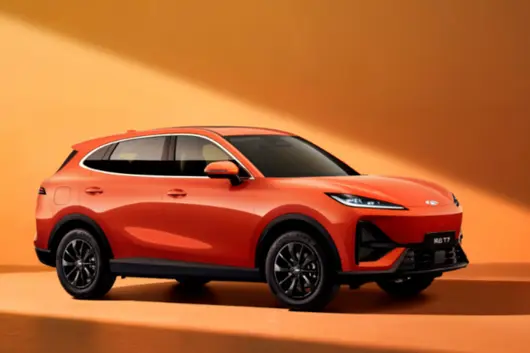
On August 14, the officially launched Chery Fengyun T7 set the launch event theme as "Great cars take time, we kept you waiting". When the industry compressed car manufacturing time to 12 months, Fengyun T7 went against the trend, taking 2 years for planning and 3 years for R&D, using a slow tempo to tell a new story about global quality.

The new car is positioned as a compact SUV, launching with three versions, priced from 109,900 to 129,900 CNY. The most unconventional decision is range parity across the lineup: all three models come standard with 65.05kWh Rhino Battery (LFP), the entry version does not have a shrunk battery pack, CLTC range is uniformly 600km, official real-world testing achieves over 667km, belonging to the industry's rare "reverse false labeling". It can charge from 30% to 80% in 20 minutes.
Verify Overseas First, Then Launch in Home CountryFengyun T7 takes a "reverse overseas" path, its origin model Lepas L6 has officially launched in Thailand (July 24), pre-sales started in South Africa, and will subsequently enter markets like Indonesia, EU, Australia/New Zealand, UK. Others design domestically then modify for export, whereas it first withstands tests from regulations, road conditions, and climate globally, then returns to meet domestic consumers.

Numbers best illustrate this car's "slowness": 81 exclusive durability cars tested on-road simultaneously, cumulative test mileage over 6 million km, specific durability test 1.45 million km, global road type coverage 95%. Middle East 50°C high heat exposure, Southeast Asia rainy season flooding, Nordic extreme cold, Bumpy roads in Brazil, High salt-alkali in coastal areas, all achieved inch by inch by real cars, not lab data.
Safety Benchmarked Against the Unimplemented 2026 E-NCAP 5-Star StandardRegarding safety, Fengyun T7 body uses 80% high-strength steel + 18.84% hot-formed steel, 9 horizontal 5 vertical cage structure, equipped with shotgun structure rare in class, double-frame subframe and Pack anti-collision beam, collision force transmission paths front 9, side 6. 9 airbags across the car, including 48L dual-chamber remote airbags and rear side airbags, functional safety reaches ASIL D highest level. Rhino Battery IP68 waterproof rating is 96 times the national standard, possesses 500mm off-road wading capability, fearless of rainy season water accumulation.


The cockpit does not use old chips due to low price, equipped with Qualcomm Snapdragon 8775 integrated cockpit-drive chip, 4nm process, 72 TOPS computing power, system response as low as 80ms, boot speed increased by 33%. 15.6-inch 2.5K large screen, Lingxi Cockpit 2.0 integrates Doubao Large Model, CarPlay, HiCar, CarLink fully compatible, covering over 99% of phone screen casting. Intelligent driving features Falcon 500 system, 22 sensors, supports 300+ scenarios for automatic parking, high-end trim provides Highway NOA and 100-meter trace reverse.

Regarding body dimensions, new car length/width/height is 4570x1852x1694mm, wheelbase 2700mm, interior efficiency rate 84%, rear legroom 911mm, flat floor. Trunk capacity regular 450L, expands to 1550L when folded, forming approx 1955mm pure flat space, camping lying flat without pressure.

Chassis tuned by former Maserati chassis expert team, axle load ratio 50.8:49.2, corners no push, lane changes no sway, goal is to prevent seniors and children in rear from getting carsick. Power is rear-mounted single motor, 178kW/275N·m, sufficient for home use, not pursuing 3-second acceleration gimmick. Dual-source wide heat pump + High-voltage PTC, -30°C to 55°C ultra-wide temperature range stable operation.

Meanwhile, regarding benefits, Fengyun T7 first non-commercial owner enjoys lifetime warranty for whole car including three-electric systems; if power battery damaged due to thermal runaway itself, directly compensate with same model new car, accident within one year due to intelligent driving system, max compensation 5 million CNY. These promises are more persuasive than any ad copy.

According to Chery themselves, Fengyun T7 is a global car, R&D, verification, quality and standards, cannot be rushed. Abandon "crash-course car manufacturing", Fengyun T7 puts slowness on the table, timing choice is quite smart. This isn't a car with exploding specs, but likely a car that remains durable after three years. Putting thought into making a low-price car carefully, for family users buying to drive for many years, this "slow tempo" is truly a scarce item.

喺馬來西亞嘅 SUV 市場,好多買家喺揀車嗰陣都會拿寶騰 X90 同奇瑞 Tiggo 7 PHEV 嚟做比較。呢兩部車喺價位同定位上都幾接近,今日我哋就從多個角度做個詳細比較,幫你省返做功課嘅時間。
寶騰 X90 喺馬來西亞嘅 OTR 售價係 RM 106,800 - 122,800,合共有 4 個版本,包括 2026 1.5T Prime X(RM 122,800)、2026 1.5T Prime(RM 116,800)、2026 1.5T Lite(RM 106,800)等。
奇瑞 Tiggo 7 PHEV 喺馬來西亞嘅 OTR 售價係 RM 129,750 - 129,750,合共有 2 個版本,包括 2025 1.5T 90km CSH(RM 129,750)、Tiggo 7 PHEV 支援邊幾種充電方法?可以用家用插座充電嗎?(RM 117,478)等。
由價錢睇落,寶騰 X90 嘅入門價確實比奇瑞 Tiggo 7 PHEV 平咗 RM 22,950。如果你預算有限,寶騰嘅入門版已經可以滿足日常需求。不過都要注意,平嗰幾千塊,可能喺配備上要有取舍,具體要看你嘅需求。

寶騰 X90 嘅安全評級係 5★ (ASEAN NCAP),主動安全系統包括 ADAS (ACC, AEB, LKA, LDA, BSM, RCTA)。
奇瑞 Tiggo 7 PHEV 嘅安全評級係 TBD,主動安全系統包括 Basic。
安全配備方面,兩部車都拿到唔錯嘅評級。不過寶騰 X90 嘅 ADAS (ACC, AEB, LKA, LDA, BSM, RCTA) 同奇瑞 Tiggo 7 PHEV 嘅 Basic 喺功能上有些差異,如果你比較看重主動安全嘅話,可以仔細對比下兩者嘅功能列表。

寶騰 X90 保養 5 年/150,000km,保養間隔 每 10,000km 或 6 個月。
奇瑞 Tiggo 7 PHEV 保養 3 年/100,000km,保養間隔 每 10,000km 或 6 個月。

寶騰 X90 同奇瑞 Tiggo 7 PHEV 都係馬來西亞市場嘅主流選擇,適合家庭使用、日常通勤。如果你更看重品牌口碑同二手價,可以優先考慮口碑更好嗰一款;如果你更在意性價比同配備,那就揀配置更豐富嗰款。最終都建議兩款都去試駕,親自體驗先至最重要。

總括嚟講,寶騰 X90 同奇瑞 Tiggo 7 PHEV 都係馬來西亞市場好唔錯嘅車款。揀邊一輛,關鍵仲要睇你嘅個人需求同預算。建議大家做好功課,多比較間車行嘅報價,再去做試駕做最終決定。買車係件大事,花少少時間做功課絕對唔會錯。


喺馬來西亞嘅 SUV 市場,好多買家在揀車嗰陣都會拿寶騰 X90 同奇瑞 Tiggo 7 PHEV 嚟做比較。呢兩部車喺價位同定位上都幾接近,今日我哋就從多個方面做個詳細比較,幫你省翻做功課嘅時間。
寶騰 X90 喺馬來西亞嘅 OTR 售價係 RM 106,800 - 122,800,合共 4 個版本,包括 2026 1.5T Prime X(RM 122,800)、2026 1.5T Prime(RM 116,800)、2026 1.5T Lite(RM 106,800) 等。
奇瑞 Tiggo 7 PHEV 喺馬來西亞嘅 OTR 售價係 RM 129,750 - 129,750,合共 2 個版本,包括 2025 1.5T 90km CSH(RM 129,750)、Tiggo 7 PHEV 支援邊種充電方法?可唔可以用家用電源插座充電?(RM 117,478) 等。
單睇價錢,寶騰 X90 嘅起步價確實比奇瑞 Tiggo 7 PHEV 平咗 RM 22,950。如果你預算有限,寶騰嘅入門版已經可以滿足日常需要。但都要留意,平嗰幾千塊,可能喺配備上會有取捨,具體要睇你嘅需求。
寶騰 X90 嘅安全評級係 5★ (ASEAN NCAP),主動安全系統包括 ADAS (ACC, AEB, LKA, LDA, BSM, RCTA)。
奇瑞 Tiggo 7 PHEV 嘅安全評級係 TBD,主動安全系統包括 Basic。
安全配備方面,兩部車都拿到唔錯嘅評級。不過寶騰 X90 嘅 ADAS (ACC, AEB, LKA, LDA, BSM, RCTA) 同奇瑞 Tiggo 7 PHEV 嘅 Basic 喺功能上有些差異,如果你比較重視主動安全嘅話,可以仔細比較下兩邊嘅功能列表。
寶騰 X90 採用 FWD 驅動方式。
奇瑞 Tiggo 7 PHEV 採用 FWD 驅動方式。
兩部車嘅驅動方式一樣,都係 FWD,日常駕駛感受唔會有太大分別。
寶騰 X90 同奇瑞 Tiggo 7 PHEV 都係馬來西亞市場嘅主流選擇,適合家庭用、日常通勤。如果你更加重視品牌口碑同二手價,可以優先考慮口碑好嗰款;如果你更加在意性價比同配備,那就揀配置更豐富嗰款。最終都建議兩款都去試駕,親身體驗先係最重要。
總括嚟講,寶騰 X90 同奇瑞 Tiggo 7 PHEV 都係馬來西亞市場幾唔錯嘅車款。揀邊一部,關鍵仲係要睇你個人需求同預算。建議大家做好功課,多比較幾間車行嘅報價,再去試駕做最終決定。買車係件大事,花啲時間做功課絕對唔會錯。

The global automotive market in the first half of 2026 delivered its results amidst multiple shifts: escalating geopolitical conflicts, repeated supply chain disruptions, and the electrification transition entering a critical phase. Looking at internationally mainstream automakers with announced data, the sales landscape shows significant differentiation: Japanese, German, and American traditional giants generally face pressure and decline, while some Chinese independent brands and automakers focusing on emerging markets achieve resilient growth. This structural reshuffle reflects the profound reshaping of the global automotive industry landscape.
Toyota Retains Sales Crown, Multiple Chinese Brands Reach the Top Tier
According to the official H1 2026 global sales data announced by each automaker, Toyota Motor remained the sales champion for the first half of the year, with global sales of approximately 5.39 million units, a year-over-year decrease of 2.8%. This marks the first time Toyota has seen a year-over-year decline in global H1 sales in two years. The Volkswagen Group ranked second globally with approximately 4.126 million sales, with the year-over-year decline widening to 6.3%, a gap of 1.26 million units from Toyota. The Hyundai Motor Group (combined Hyundai and Kia) had a total H1 sales of approximately 3.579 million units, overall performance relatively stable, holding the third place globally.

(Note: Some automakers have not yet announced H1 sales data)
The Stellantis Group ranked fourth with H1 sales of 2.958 million units, the only traditional giant achieving double-digit positive growth, with a year-over-year increase of 11%, demonstrating surprising resilience and elasticity. Stellantis Group H1 global sales were approximately 1.36 million units in the first quarter, a year-over-year increase of 12%; 1.597 million units in the second quarter, a year-over-year increase of 10%, mainly driven by the North American and European markets.
General Motors delivered approximately 2.721 million units in the first half of the year, a year-over-year decrease of 8.9%. However, benefiting from the high premium of North American pickups and SUVs, its sales revenue instead grew counter-trend slightly to $91.7 billion, showing the rare characteristic of "volume down, profit stable".
Notably, Chinese brands occupy three spots on the top 10 list. BYD's cumulative sales reached 1.809 million units in the first half of the year, a year-over-year decrease of 15.7%. Geely's total sales for the first half of the year were approximately 1.423 million units, including brands such as Geely, Lynk & Co, and Zeekr, a slight year-over-year increase of 1%, with new energy product penetration reaching 56%. During the same period, Chery Group's total sales for the first half of the year reached 1.358 million units, a year-over-year increase of 7.7%, setting a new historical high. Among them, June single-month sales were 256,612 units, a year-over-year increase of 9.8%.
Japanese automaker Suzuki's total sales for the first half of the year were 1.8 million units, a significant year-over-year increase of 110.3%. The company saw sales growth in markets such as India, Indonesia, Pakistan, and Africa, driving its overseas H1 sales to a new record. Nissan's sales for the first half of the year were 1.506 million units, a year-over-year decrease of 6.7%, continuing the sluggish trend of recent years.
Traditional Giants Lose Speed: Loss of China Market Resonates with Middle East Geopolitical Impact
In traditional automakers where performance declined, the sluggish sales in the China market, the spillover effects of Middle East geopolitical conflicts, US tariffs, and the retreat of electric vehicle policies, together formed the "headwinds" suppressing their global performance.
An announcement issued by Toyota Motor at the end of July stated that due to weakening demand in the Chinese market and the drag from model replacement adjustments of the popular model RAV4, the company's global production and sales in the first half of the year saw a decline. From January to June this year, Toyota's sales in the Chinese market plummeted by 17.1%, offsetting demand growth in the North American and Japanese markets. In the announcement, the Toyota Group stated: "North American and Japanese market demand is stable, demand for hybrid models and other models in the North American market remains strong, but was offset by the decline in sales in the Chinese market."

Image Source: Toyota Motor
Geopolitical conflict combined with fierce competition in the Chinese market has begun to impact the profit records set by Toyota in the previous fiscal year. In June this year, sales of Toyota and Lexus brands in the Middle East region decreased by 24% year-over-year, while sales in the Chinese market decreased by 27% year-over-year. At the performance conference in May this year, Toyota stated that the automaker exports approximately 500,000 to 600,000 vehicles to the Middle East annually, and the company estimates that nearly half of the export volume could be impacted by the situation in the Middle East.
However, Toyota also adjusted the combined sales forecast for automobiles upwards by 100,000 units from the previous forecast, to 9.7 million units, a figure higher than the previous fiscal year's total sales of 9.595 million units. Toyota stated that the upward adjustment originated from strong demand in North American and European markets, while alternative logistics channels to the Middle East were completed, driving a recovery in local sales.
Volkswagen Group's performance pressure in the first half of the year was also highly concentrated in the Asia-Pacific market, where the decline in the Chinese market was particularly obvious. Volkswagen delivered 24% less in the Asia-Pacific market in the first half of the year, and deliveries in the Chinese market decreased by 25.9% year-over-year. From the perspective of sub-sectors, the downward trend of pure electric models is particularly significant: from January to June this year, Volkswagen Group's deliveries of pure electric models in China plummeted by 47.9%. Volkswagen also had a difficult situation in the North American market in the first half of the year, with pure electric business performance particularly pronounced. In the first half of the year, the group's sales of pure electric models in North America fell sharply by 68.8%, plummeting from 31,300 units in the same period last year to only 9,800 units in the first half of the year.
General Motors' global deliveries for the first half of the year decreased by 8.9%, but supported by stable prices and strong demand for pickups and SUVs, global sales revenue still climbed slightly, demonstrating the profit moat of the North American market. However, General Motors' performance in the Chinese market was also not optimistic, as its joint venture brands face all-round siege from Chinese local brands.
Chinese Brands: From Domestic Fierce Competition to Global Offense
Represented by automakers such as BYD, Geely, and Chery, Chinese automakers ranked high on the global sales list in the first half of the year, showing an unprecedented scale presence for Chinese brands. These three automakers supported overall sales with explosive growth in overseas markets. The core engine of these brands' growth has shifted from domestic to overseas, and the globalization of Chinese automakers is changing from slogans to reality.

Image Source: BYD
Although BYD's total sales declined in the first half of the year, its structural highlight lies in the continuous breakthrough in overseas markets — cumulative overseas sales of passenger cars and pickups reached 789,000 units, a year-over-year increase of 68%, and the proportion of overseas sales to total sales has exceeded 43%. This means BYD has transformed from a "Chinese new energy giant" into a true "global new energy automaker".
BYD's export destinations in the first half of the year showed a layout characteristic of "Latin America leading, Europe breaking out at multiple points, Oceania, Southeast Asia, and Middle East differentiated expansion". Brazil continues to firmly occupy the position of this automaker's largest overseas market, and the top five countries in Europe also rank in the top ten of BYD's export destinations.
Geely's total sales for the first half of the year were approximately 1.423 million units, with outstanding overseas export performance, cumulative exports of 474,228 units, a year-over-year increase of 158%, a figure that has already exceeded the total export volume for the full year of 2025. June single-month exports were 102,874 units, a year-over-year increase of 157%, a month-on-month increase of 21%, achieving year-over-year and month-on-month double growth for six consecutive months, marking that Geely's export business has entered the stage of scale release. Geely's new energy product export sales in the first half of the year were 277,189 units, a surge of 585% year-over-year, with new energy proportion reaching 59%.
As a leader of Chinese brands going global, Chery Automobile accumulated 943,817 exports in the first half of the year, a year-over-year increase of 71.5%, with export proportion approaching 70%, making it a Chinese brand with high degree of internationalization. In July, Chery's exports of automobiles were 202,533 units, a year-over-year increase of 70.1%, breaking the record for Chinese car single-month exports for five consecutive months, becoming the first Chinese automaker to break through 200,000 exports in a single month.
Summary:
In the second half of the year, the global automotive industry will still move forward heavily burdened: weak demand, continuous heating of trade protection, cost increases brought by Middle East turmoil, and logistics and supply chain disruptions, transnational automakers will continue to promote cost reduction, production capacity contraction, and adjustment of electrification pace. These factors will also lead to the global car market still being full of high uncertainty. But a clear trend has been established: with the rise of Chinese automakers, the global automotive industry is accelerating from "Triopoly of Japan, Germany, and America" to "Multipolar Competition".
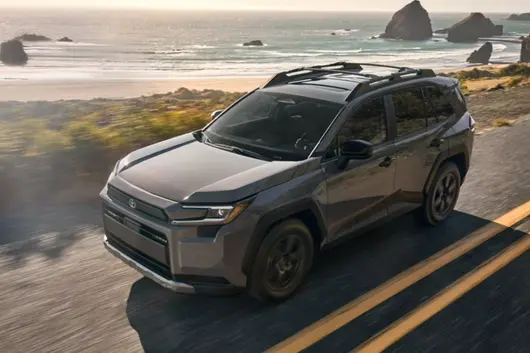

8 月 12 號,風雲 T7 正式開啟預售。同日,#全球車快唔到一點#嘅話題喺社交平台迅速發酵。呢句略帶反諷嘅 slogan,戳中嘅係當下新能源車市場一個心照不宣嘅痛點——速成車。

呢兩年新能源車迭代速度越來越快,"18 個月一款新車"幾乎係業界默認節奏。由立项到上市,研發週期被壓縮、驗證里程被砍半、海外法規測試能省就省。結果就係,用戶買到嗰陣嘅車,參數靚、發布會驚艷,但開上兩三年,小毛病不斷、保值率跳水。速成車唔係某一家嘅問題,係行業集體焦慮下嘅產物。所以当風雲 T7 把"快唔到一點"四個字擺喺台面上,少少有種行業自白嘅味道。

風雲 T7 偏偏揀咗另一條路。2 年策劃、3 年研發,光耐久驗證就跑咗 145 萬公里,投入 963 台試驗車,跨越高溫、高寒、高原、高濕、高鹽鹼五大極限環境。北極極寒工況下,熱泵 +PTC 雙源製熱 20 分鐘就嚟把座艙從低溫拉到 20℃,冬季續航達成率提升 30%;熱帶多雨地帶,500mm 涉水深度從容應對。呢啲數字睇嚟枯燥,背後係工程師團隊喺零下 40 度嘅西伯利亞、巴西砂石路、墨西哥鵝卵石路上一遍又一遍磨出嚟嘅。一個細節令我印象深:泰國用戶偏好重手感轉向,團隊專門加一級轉向力調校;土耳其、以色列用戶習慣實體按鈕,高頻功能就保留硬開關——呢種"慢",慢喺為唔同市場做差異化。

更值得講嘅係標準。風雲 T7 直接對標 2026 版 E-NCAP 設計——呢係歐洲即將上線嘅史上最嚴苛安全法規,好多品牌連現行嘅 E-NCAP 都仲喺補課,風雲 T7 已經把目標定到兩年後。呢樣就代表住車身結構、被動安全、主動安全都要按更高門檻預埋。高強度鋼佔比 80%、熱成型鋼佔比 18.84%、9 安全氣囊、shotgun 結構、1088mm 貫穿式輥壓門檻梁——呢啲唔係上市先至補嘅配置,係從圖紙階段就刻入基因入面嘅。

設計上同樣唔趕時間。全球 10 大設計中心、百幾名設計師協同,5000+ 用戶深度共創。同源車型 LEPAS L6 今年亮相米蘭設計周,歐洲媒體嘅評價係"耐看"。喺呢個"顏值內捲"到一週一個新車頭嘅時代,能俾歐洲設計圈講一句"耐看",比一時驚艷難得啱多。

底盤呢塊更見功夫。瑪莎拉蒂前底盤調校專家領銜,歐洲團隊深度參與,針對 160km/h+ 超高速段專項調校。50.8:49.2 嘅黃金軸荷比、560mm 重心高度、70mm 大尺寸襯套——呢啲參數老司機一睇就識,係把"好開"當做系統工程喺做,而唔係堆幾個亮眼嘅零百數據。底盤調校係最騙唔到人嘅環節,PPT 吹得再響,過個減速帶就露餡。

風雲 T7 敢叫"全球車",唔係營銷話術。同源車型 LEPAS L6 已經喺南非預售、泰國 7 月 24 號上市,8 月印尼、9 月歐盟、10 月澳新英國以色列馬來,節奏排到滿滿當當。奇瑞連續 23 年位居中國品牌乘用車出口第一,全球 2,000 萬用戶、覆蓋 130 多個國家——呢個係風雲 T7"慢"嘅底氣。冇呢套全球化體系支撐,"慢"就只係慢;有咗呢套體系,"慢"先至能轉化為全球通行證。

慢歸慢,最終要落喺產品上。CLTC 續航 600km、實測 667+km,"反向虛標"喺虛標成風嘅年代好稀缺;4nm 製程 8775 芯片座艙駕控一體,72TOPS 算力;獵鷹 500 駕駛輔助配 22 粒高精準傳感器。整車終身保養含三電、電池熱失控兜底賠新車、輔助駕駛事故最高賠 500 萬——呢三項兜底,比任何一句"放心買"都實在。

講到底,"全球車快唔到一點"呢句話,與其話係營銷,不如話係行業自白。速成車之所以速成,係因為市場逼住速成;風雲 T7 之所以慢,係因為佢把目標定喺全球市場、定喺五年後嘅口碑。短期可唔可以贏要睇節奏,但慢工出細活喺汽車行業從來都冇失效過。對消費者嚟講,多一台"慢"出嚟嘅車可選,總唔係壞事。