首頁EV

搜尋歷史
熱門搜尋
經銷商登入 / 註冊














According to Thai media reports, the Federation of Thai Industries (FTI) and the Thailand Automotive Industry Association (TAIA) recently jointly urged the government to formulate more complete local parts policies in the future, encouraging or even requiring electric vehicle manufacturers to prioritize components produced by local suppliers when manufacturing in Thailand, rather than relying heavily on imports.

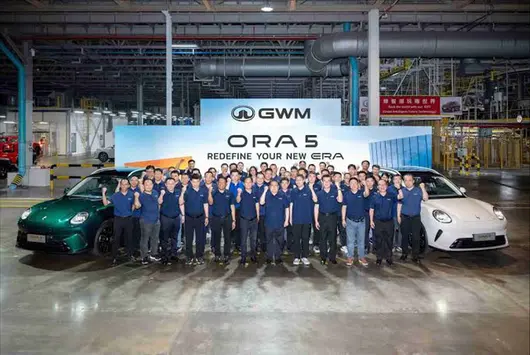
Currently, including Chinese brands such as BYD, Great Wall, MG, AION, and Changan, have already set up production bases in Thailand, and some models have even started CKD assembly locally. However, industry observers point out that many key parts are still imported from China, making it difficult for traditional Thai auto parts suppliers to truly benefit.
FTI Chairman Suwat Supakandechakul stated that Thailand already has the capability to produce many auto parts, including car seats, wiring harnesses (Wiring Harness), windshields, and other products, and local suppliers are fully capable of meeting factory needs. If these parts can be prioritized for Thailand manufacturing, it not only reduces overall production costs but also allows the local parts industry to gain greater development space.

In addition, he also suggested that the government could provide tax incentives (Tax Deduction) and other reward measures for factories with a higher proportion of local parts used, further encouraging factories to increase their localization rate, and even hoped that in the future, even high-value parts like chassis (Chassis) could be gradually realized for local production.
Besides supporting the local supply chain, Thailand's automotive industry also worries about the continuous changes in the international trade environment. Industry observers point out that the US has continued to strengthen inspections on "transshipment (Transshipment)" in recent years. If products exported to the US have most parts still from China and only assembled in Thailand, they may face stricter tariff inspections in the future, even affecting export competitiveness.
Therefore, increasing the proportion of local parts usage can not only strengthen Thailand's automotive industry competitiveness but also help reduce future international trade risks. On the other hand, the Thailand Automotive Industry Association (TAIA) also submitted several suggestions to the government, including adjusting the consumption tax policy for imported electric vehicles (CBU) to protect the local manufacturing industry.

At the same time, the association also suggested that the government could provide individual income tax incentives for consumers who purchase Thai-assembled cars, encouraging more consumers to choose locally produced models. In addition, government departments should also prioritize Thai-assembled electric vehicles when procuring official vehicles in the future to further drive market demand.
In fact, Chinese brands have invested heavily in Thailand in recent years, not only driving the location to become one of the most important EV production bases in Southeast Asia but also attracting a large number of related industries to move in. However, for the Thai government and local industries, the true goal is not merely to attract factory setup, but to hope these investments can further drive local supply chain growth, benefiting more Thai parts factories, component suppliers, and related employment opportunities.

If the government formally promotes stricter localization policies in the future, Chinese brands will inevitably need to further expand cooperation with local Thai suppliers and increase the proportion of parts procurement, which may become an important direction for Thailand's EV industry development in the future.
It is worth noting that this policy currently still belongs to suggestions proposed by industry groups to the government, not formal regulations. However, with Thailand continuing to promote automotive industry upgrades, whether more clear localization standards will be formulated in the future will become the focus of major factory owners.

根據 泰國 媒體 報導,泰國 工業 聯合會(Federation of Thai Industries,FTI)以及 泰國 汽車 工業 協會(TAIA)近日 共同 呼籲 政府,未來 應 制定 更 完善 嘅 本地 零件 政策,鼓勵 甚至 要求 電動車 製造商 在 泰國 生產 時,優先 採用 本地 供應商 所 生產 嘅 零組件,而唔係 大量 依賴 進口。
目前,包括 比亞迪、長城、名爵、埃安、長安 等 中國 品牌 均 已喺 泰國 設立 生產 基地,部分 車型 更 已經 開始喺 當地 進行 CKD 組裝。不過,業界 指出,不少 關鍵 零件 依然 從 中國 進口,使得 泰國 傳統 汽車 零件 供應商 無法 真正 受惠。
FTI 主席 蘇瓦·素帕坎德查庫 表示,泰國 其實 已經 具備 生產 不少 汽車 零件 嘅 能力,包括 汽車 座椅、線束(Wiring Harness)、擋風玻璃 等 產品,本地 供應商 完全 有能力 滿足 車廠 需求。如果 這些 零件 能夠 優先 採用 泰國 製造,不但 能夠 降低 整體 生產 成本,亦 能夠 令 本地 零件 產業 獲得 更大 嘅 發展 空間。
除咗 此 之外,佢 亦 建議 政府 可 針對 採用 本地 零件 比例 較高 嘅 車廠,提供 稅務 優惠(Tax Deduction)等 獎勵 措施,進一步 鼓勵 車廠 提高 本地化率,甚至 希望 未來 連 底盤(Chassis)等 價值 較高 嘅 零件,亦 能夠 逐步 實現 本地 生產。
除咗 扶持 本地 供應鏈 之外,泰國 汽車 產業 亦 擔心 國際 貿易 環境 持續 變化。業界 指出,美國 近年 持續 加強 針對「轉運(Transshipment)」嘅 審查。如果 出口 到 美國 嘅 產品,大部分 零件 仍 來自 中國,僅喺 泰國 完成 組裝,未來 可能 面臨 更 嚴格 嘅 關稅 審查,甚至 影響 出口 競爭力。
因此,提高 本地 零件 使用 比例,不僅 能夠 強化 泰國 汽車 產業 競爭力,亦 有助 於 降低 未來 國際 貿易 風險。另一 方面,泰國 汽車 工業 協會(TAIA)亦 向 政府 提出 多項 建議,包括 調整 進口 電動車(CBU)嘅 消費稅 政策,以 保護 本地 製造 產業。
同時,協會 亦 建議 政府 可 針對 購買 泰國 組裝 汽車 嘅 消費者 提供 個人所得稅 優惠,鼓勵 更多 消費者 選擇 本地 生產 車型。此外,政府 部門 未來 採購 公務 車輛 時,亦 應 優先 考慮 泰國 組裝 嘅 電動車,以 進一步 帶動 市場 需求。
事實 上,中國 品牌 近 幾年 大舉 投資 泰國,不僅 帶動 當地 成為 東南亞 最重要 嘅 電動車 生產 基地 之一,亦 吸引 大量 相關 產業 進駐。不過,對於 泰國 政府 及 當地 產業 來說,真正 嘅 目標 並 不僅 僅 係 吸引 車廠 設廠,而係 希望 這些 投資 能夠 進一步 帶動 本地 供應鏈 成長,讓 更多 泰國 零件 廠、零組件 供應商 以及 相關 就業 機會 受惠。
如果 未來 政府 正式 推動 更 嚴格 嘅 本地化 政策,中國 品牌 勢必 需要 進一步 擴大 同 泰國 本地 供應商 合作,提高 零件 採購 比例,這 亦 可能 成為 未來 泰國 EV 產業 發展 嘅 重要 方向。
值 得 留意 嘅 係,這項 政策 目前 仍 屬於 產業 團體 向 政府 提出 嘅 建議,並非 正式 法規。不過,隨著 泰國 持續 推動 汽車 產業 升級,未來 會否 制定 更 明確 嘅 本地化 標準,將 成為 各大 車廠 關注 嘅 重點。



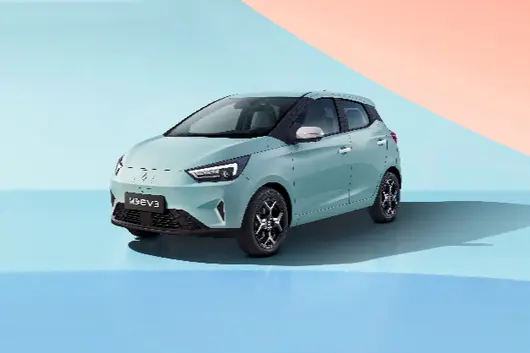
May 26, 2026, Jiangling Group New Energy's brand new Ezhi EV3 officially launched globally. "We keep the complexity to ourselves and give the Easy to users." Wang Jinhua from Jiangling Group New Energy Marketing Department, the main speaker of the launch event, began in the identity of an ordinary mother, narrating the daily troubles of five real users—difficulty parking, small space, safety anxiety. This pragmatic thinking responds to a core industry proposition: What is true globalization? Jiangling Group New Energy gave a clear answer with the new Ezhi EV3—deep localization is globalization.

I. Left and Right Driving Together: Globalization Does Not Require Choosing Sides
The most strategically valuable signal from this launch event is that the new Ezhi EV3 achieved simultaneous development, launch, and delivery of left-hand drive and right-hand drive versions, directly adapting to traffic regulations in the vast majority of countries and regions worldwide, becoming the core support for Jiangling New Energy's globalization.
This is not common in same-class models. Most car companies first launch left-hand drive, then spend months or even a year adapting to right-hand drive markets. Jiangling Group New Energy chose simultaneous development and production of left and right-hand drive models, meaning its product platform had a global underlying architecture from the very beginning of the project.
The right-hand drive market is precisely the important incremental space for Chinese new energy vehicles going global. Taking Southeast Asia as an example, new energy policies in countries such as Thailand and Malaysia continue to increase, and right-hand drive is the legal traffic standard. The new Ezhi EV3 achieved simultaneous native development and mass production launch of left and right-hand drive models, designed according to global regulations at the platform architecture stage. Dealers can sell directly upon receiving the cars, greatly improving delivery efficiency and market competitiveness. As Nie Xiaoyong, General Manager of the Overseas Business Division, said: "JMEV is not about short-term trend following, but about determining to do long-term business." Simultaneous left and right-hand drive is not just a technical action, but a strategic declaration. New Ezhi EV3 global simultaneous launch: both left and right-hand drive models launched together, breaking the global market with "Easy".
The new Ezhi EV3 claims "over 100 real upgrades". Disassembling its product definition, all revolve around five "Easy"s: Easy Joy, Easy Drive, Easy Park, Easy Use, Easy Fun. These five dimensions correspond to five types of real users—Xiaojuan who pursues fashion, Lao Chen who values durability, Lily who fears parking, Frank who needs large space, Emily, a working mom seeking relaxation. This is exactly the truest summary of global small EV demand.

Taking Easy Park as an example. The new car is equipped with 540° panoramic image, automatic emergency braking in reverse, and a turning radius of only 4.9 meters, solving parking pain points in old residential communities, school gates, and narrow European alleys. It is the only in its class equipped with the 3rd Gen WCBS Brake-by-Wire System, with a 100km/h braking distance of 39 meters and a response speed at 150 milliseconds level. This configuration usually appears in models in the 150,000 yuan class, while the new Ezhi EV3 downsizes it to this level. The logic is simple: Safety shouldn't be tiered.

Another highlight is "Space Utilization Rate". 5-door 5-seater layout, 21 storage spaces in the whole car, maximum 1000L capacity after rear seats folded—86.59% space utilization rate means this car can not only commute but also undertake weekend trips, picking up/dropping off children, and even small hauling. For many overseas families who have only one car, this point is crucial.
Other core configurations: 30.24kWh LFP battery, CLTC range 330km; 50kW liquid-cooled permanent magnet synchronous motor, 0-50km/h acceleration 4.5 seconds; Lifetime warranty on three major components for first owners. Regarding intelligence, standard 5-inch LCD instrument cluster and 10.1-inch central control screen across all models, access to Doubao AI Voice Large Model, support for CarPlay, online navigation, and audio/video entertainment. Mobile app remote vehicle control supports one-click unlock, air conditioning on/off, battery pack heating and other functions, global standard.

III. Deep Localization is Globalization: From Going Out to Rooting In
Flipping through Jiangling Group New Energy's strategic materials, you will find it rarely shouts "disrupt the industry". Instead, Nie Xiaoyong repeatedly emphasized three "localizations" on the launch event: Product localization, Manufacturing localization, Team localization. European users value range and charging convenience, Southeast Asian users care about air conditioning cooling speed and ground clearance, Middle Eastern users need stronger high-temperature resistance performance. The new Ezhi EV3 will be tuned with exclusive chassis and performance adapted according to different regions. This "menu-based" development is the necessary path from "Going Out" to "Going In".

Nie Xiaoyong, General Manager of Jiangling Group New Energy Overseas Business Division
Data also confirms the effectiveness of this strategy. As of May 2026, Jiangling Group New Energy's overseas business has expanded to over 40 countries and regions, covering five continents. Exports grew positively for three consecutive years, with a year-over-year growth of 203% in 2025. Overseas orders from January to May this year already exceeded the full year sales of 2024.
More noteworthy is the channel and manufacturing strategy. Jiangling Group New Energy did not blindly pursue direct sales, but deeply cooperated with local dealers, building relatively complete sales and after-sales networks in Southeast Asia, the Middle East, and Africa. Core parts suppliers have already laid out factories overseas, and will promote KD localization production in the future. This means the global expansion of the new Ezhi EV3 is not "whole vehicle trade", but taking the supply chain, service standards, and even manufacturing capabilities out together. This model has high short-term investment but strong long-term risk resistance.
Conclusion:
China's new energy vehicle exports have been global No. 1 for three consecutive years, with an export volume reaching 2.615 million in 2025. Behind the brilliant data, the industry's true test has already arrived: How to truly move from "selling globally" to "integrating globally"?
The global simultaneous launch of the new Ezhi EV3 gave a resounding answer: Deep localization is globalization. Not relying on gimmicks, relying on reliability; not comparing specs, comparing experience; not betting on explosive growth, betting on durability. Left and right-hand drive synchronization breaking through global access, 100+ upgrades solving real pain points, deep localization achieving long-term symbiosis—this is Jiangling Group New Energy's best interpretation of "Globalization". For Jiangling Group New Energy, the new Ezhi EV3 is not just a car launched globally simultaneously, but a key: it opens not just the market doors of over 40 countries, but also the key door for Chinese car companies moving from "Product Output" to "Value Output".
True globalization is never about selling the same car to the whole world, but about putting every local user in mind. Achieving a global landscape through deep localization—this is the answer Jiangling Group New Energy gave to the world with an Ezhi EV3.


May 26, 2026, Jiangling Group New Energy's brand new Ezhi EV3 officially launched globally. "We keep the complexity to ourselves and give the Easy to users." Wang Jinhua from Jiangling Group New Energy Marketing Department, the main speaker of the launch event, began in the identity of an ordinary mother, narrating the daily troubles of five real users—difficulty parking, small space, safety anxiety. This pragmatic thinking responds to a core industry proposition: What is true globalization? Jiangling Group New Energy gave a clear answer with the new Ezhi EV3—deep localization is globalization.
I. Left and Right Driving Together: Globalization Does Not Require Choosing Sides
The most strategically valuable signal from this launch event is that the new Ezhi EV3 achieved simultaneous development, launch, and delivery of left-hand drive and right-hand drive versions, directly adapting to traffic regulations in the vast majority of countries and regions worldwide, becoming the core support for Jiangling New Energy's globalization.
This is not common in same-class models. Most car companies first launch left-hand drive, then spend months or even a year adapting to right-hand drive markets. Jiangling Group New Energy chose simultaneous development and production of left and right-hand drive models, meaning its product platform had a global underlying architecture from the very beginning of the project.
The right-hand drive market is precisely the important incremental space for Chinese new energy vehicles going global. Taking Southeast Asia as an example, new energy policies in countries such as Thailand and Malaysia continue to increase, and right-hand drive is the legal traffic standard. The new Ezhi EV3 achieved simultaneous native development and mass production launch of left and right-hand drive models, designed according to global regulations at the platform architecture stage. Dealers can sell directly upon receiving the cars, greatly improving delivery efficiency and market competitiveness. As Nie Xiaoyong, General Manager of the Overseas Business Division, said: "JMEV is not about short-term trend following, but about determining to do long-term business." Simultaneous left and right-hand drive is not just a technical action, but a strategic declaration. New Ezhi EV3 global simultaneous launch: both left and right-hand drive models launched together, breaking the global market with "Easy".
The new Ezhi EV3 claims "over 100 real upgrades". Disassembling its product definition, all revolve around five "Easy"s: Easy Joy, Easy Drive, Easy Park, Easy Use, Easy Fun. These five dimensions correspond to five types of real users—Xiaojuan who pursues fashion, Lao Chen who values durability, Lily who fears parking, Frank who needs large space, Emily, a working mom seeking relaxation. This is exactly the truest summary of global small EV demand.
Taking Easy Park as an example. The new car is equipped with 540° panoramic image, automatic emergency braking in reverse, and a turning radius of only 4.9 meters, solving parking pain points in old residential communities, school gates, and narrow European alleys. It is the only in its class equipped with the 3rd Gen WCBS Brake-by-Wire System, with a 100km/h braking distance of 39 meters and a response speed at 150 milliseconds level. This configuration usually appears in models in the 150,000 yuan class, while the new Ezhi EV3 downsizes it to this level. The logic is simple: Safety shouldn't be tiered.
Another highlight is "Space Utilization Rate". 5-door 5-seater layout, 21 storage spaces in the whole car, maximum 1000L capacity after rear seats folded—86.59% space utilization rate means this car can not only commute but also undertake weekend trips, picking up/dropping off children, and even small hauling. For many overseas families who have only one car, this point is crucial.
Other core configurations: 30.24kWh LFP battery, CLTC range 330km; 50kW liquid-cooled permanent magnet synchronous motor, 0-50km/h acceleration 4.5 seconds; Lifetime warranty on three major components for first owners. Regarding intelligence, standard 5-inch LCD instrument cluster and 10.1-inch central control screen across all models, access to Doubao AI Voice Large Model, support for CarPlay, online navigation, and audio/video entertainment. Mobile app remote vehicle control supports one-click unlock, air conditioning on/off, battery pack heating and other functions, global standard.
III. Deep Localization is Globalization: From Going Out to Rooting In
Flipping through Jiangling Group New Energy's strategic materials, you will find it rarely shouts "disrupt the industry". Instead, Nie Xiaoyong repeatedly emphasized three "localizations" on the launch event: Product localization, Manufacturing localization, Team localization. European users value range and charging convenience, Southeast Asian users care about air conditioning cooling speed and ground clearance, Middle Eastern users need stronger high-temperature resistance performance. The new Ezhi EV3 will be tuned with exclusive chassis and performance adapted according to different regions. This "menu-based" development is the necessary path from "Going Out" to "Going In".
Nie Xiaoyong, General Manager of Jiangling Group New Energy Overseas Business Division
Data also confirms the effectiveness of this strategy. As of May 2026, Jiangling Group New Energy's overseas business has expanded to over 40 countries and regions, covering five continents. Exports grew positively for three consecutive years, with a year-over-year growth of 203% in 2025. Overseas orders from January to May this year already exceeded the full year sales of 2024.
More noteworthy is the channel and manufacturing strategy. Jiangling Group New Energy did not blindly pursue direct sales, but deeply cooperated with local dealers, building relatively complete sales and after-sales networks in Southeast Asia, the Middle East, and Africa. Core parts suppliers have already laid out factories overseas, and will promote KD localization production in the future. This means the global expansion of the new Ezhi EV3 is not "whole vehicle trade", but taking the supply chain, service standards, and even manufacturing capabilities out together. This model has high short-term investment but strong long-term risk resistance.
Conclusion:
China's new energy vehicle exports have been global No. 1 for three consecutive years, with an export volume reaching 2.615 million in 2025. Behind the brilliant data, the industry's true test has already arrived: How to truly move from "selling globally" to "integrating globally"?
The global simultaneous launch of the new Ezhi EV3 gave a resounding answer: Deep localization is globalization. Not relying on gimmicks, relying on reliability; not comparing specs, comparing experience; not betting on explosive growth, betting on durability. Left and right-hand drive synchronization breaking through global access, 100+ upgrades solving real pain points, deep localization achieving long-term symbiosis—this is Jiangling Group New Energy's best interpretation of "Globalization". For Jiangling Group New Energy, the new Ezhi EV3 is not just a car launched globally simultaneously, but a key: it opens not just the market doors of over 40 countries, but also the key door for Chinese car companies moving from "Product Output" to "Value Output".
True globalization is never about selling the same car to the whole world, but about putting every local user in mind. Achieving a global landscape through deep localization—this is the answer Jiangling Group New Energy gave to the world with an Ezhi EV3.

May 26, 2026, Jiangling Group New Energy's brand new Ezhi EV3 officially launched globally. "We keep the complexity to ourselves and give the Easy to users." Wang Jinhua from Jiangling Group New Energy Marketing Department, the main speaker of the launch event, began in the identity of an ordinary mother, narrating the daily troubles of five real users—difficulty parking, small space, safety anxiety. This pragmatic thinking responds to a core industry proposition: What is true globalization? Jiangling Group New Energy gave a clear answer with the new Ezhi EV3—deep localization is globalization.
I. Left and Right Driving Together: Globalization Does Not Require Choosing Sides
The most strategically valuable signal from this launch event is that the new Ezhi EV3 achieved simultaneous development, launch, and delivery of left-hand drive and right-hand drive versions, directly adapting to traffic regulations in the vast majority of countries and regions worldwide, becoming the core support for Jiangling New Energy's globalization.
This is not common in same-class models. Most car companies first launch left-hand drive, then spend months or even a year adapting to right-hand drive markets. Jiangling Group New Energy chose simultaneous development and production of left and right-hand drive models, meaning its product platform had a global underlying architecture from the very beginning of the project.
The right-hand drive market is precisely the important incremental space for Chinese new energy vehicles going global. Taking Southeast Asia as an example, new energy policies in countries such as Thailand and Malaysia continue to increase, and right-hand drive is the legal traffic standard. The new Ezhi EV3 achieved simultaneous native development and mass production launch of left and right-hand drive models, designed according to global regulations at the platform architecture stage. Dealers can sell directly upon receiving the cars, greatly improving delivery efficiency and market competitiveness. As Nie Xiaoyong, General Manager of the Overseas Business Division, said: "JMEV is not about short-term trend following, but about determining to do long-term business." Simultaneous left and right-hand drive is not just a technical action, but a strategic declaration. New Ezhi EV3 global simultaneous launch: both left and right-hand drive models launched together, breaking the global market with "Easy".
The new Ezhi EV3 claims "over 100 real upgrades". Disassembling its product definition, all revolve around five "Easy"s: Easy Joy, Easy Drive, Easy Park, Easy Use, Easy Fun. These five dimensions correspond to five types of real users—Xiaojuan who pursues fashion, Lao Chen who values durability, Lily who fears parking, Frank who needs large space, Emily, a working mom seeking relaxation. This is exactly the truest summary of global small EV demand.
Taking Easy Park as an example. The new car is equipped with 540° panoramic image, automatic emergency braking in reverse, and a turning radius of only 4.9 meters, solving parking pain points in old residential communities, school gates, and narrow European alleys. It is the only in its class equipped with the 3rd Gen WCBS Brake-by-Wire System, with a 100km/h braking distance of 39 meters and a response speed at 150 milliseconds level. This configuration usually appears in models in the 150,000 yuan class, while the new Ezhi EV3 downsizes it to this level. The logic is simple: Safety shouldn't be tiered.
Another highlight is "Space Utilization Rate". 5-door 5-seater layout, 21 storage spaces in the whole car, maximum 1000L capacity after rear seats folded—86.59% space utilization rate means this car can not only commute but also undertake weekend trips, picking up/dropping off children, and even small hauling. For many overseas families who have only one car, this point is crucial.
Other core configurations: 30.24kWh LFP battery, CLTC range 330km; 50kW liquid-cooled permanent magnet synchronous motor, 0-50km/h acceleration 4.5 seconds; Lifetime warranty on three major components for first owners. Regarding intelligence, standard 5-inch LCD instrument cluster and 10.1-inch central control screen across all models, access to Doubao AI Voice Large Model, support for CarPlay, online navigation, and audio/video entertainment. Mobile app remote vehicle control supports one-click unlock, air conditioning on/off, battery pack heating and other functions, global standard.
III. Deep Localization is Globalization: From Going Out to Rooting In
Flipping through Jiangling Group New Energy's strategic materials, you will find it rarely shouts "disrupt the industry". Instead, Nie Xiaoyong repeatedly emphasized three "localizations" on the launch event: Product localization, Manufacturing localization, Team localization. European users value range and charging convenience, Southeast Asian users care about air conditioning cooling speed and ground clearance, Middle Eastern users need stronger high-temperature resistance performance. The new Ezhi EV3 will be tuned with exclusive chassis and performance adapted according to different regions. This "menu-based" development is the necessary path from "Going Out" to "Going In".
Nie Xiaoyong, General Manager of Jiangling Group New Energy Overseas Business Division
Data also confirms the effectiveness of this strategy. As of May 2026, Jiangling Group New Energy's overseas business has expanded to over 40 countries and regions, covering five continents. Exports grew positively for three consecutive years, with a year-over-year growth of 203% in 2025. Overseas orders from January to May this year already exceeded the full year sales of 2024.
More noteworthy is the channel and manufacturing strategy. Jiangling Group New Energy did not blindly pursue direct sales, but deeply cooperated with local dealers, building relatively complete sales and after-sales networks in Southeast Asia, the Middle East, and Africa. Core parts suppliers have already laid out factories overseas, and will promote KD localization production in the future. This means the global expansion of the new Ezhi EV3 is not "whole vehicle trade", but taking the supply chain, service standards, and even manufacturing capabilities out together. This model has high short-term investment but strong long-term risk resistance.
Conclusion:
China's new energy vehicle exports have been global No. 1 for three consecutive years, with an export volume reaching 2.615 million in 2025. Behind the brilliant data, the industry's true test has already arrived: How to truly move from "selling globally" to "integrating globally"?
The global simultaneous launch of the new Ezhi EV3 gave a resounding answer: Deep localization is globalization. Not relying on gimmicks, relying on reliability; not comparing specs, comparing experience; not betting on explosive growth, betting on durability. Left and right-hand drive synchronization breaking through global access, 100+ upgrades solving real pain points, deep localization achieving long-term symbiosis—this is Jiangling Group New Energy's best interpretation of "Globalization". For Jiangling Group New Energy, the new Ezhi EV3 is not just a car launched globally simultaneously, but a key: it opens not just the market doors of over 40 countries, but also the key door for Chinese car companies moving from "Product Output" to "Value Output".
True globalization is never about selling the same car to the whole world, but about putting every local user in mind. Achieving a global landscape through deep localization—this is the answer Jiangling Group New Energy gave to the world with an Ezhi EV3.

2026 年 5 月 26 日,江鈴集團新能源全新易至 EV3 正式全球同步上市。「我哋將複雜留俾自己,將 Easy 交俾用戶。」發佈會主講人、江鈴集團新能源市場營銷部王金華以一位普通媽媽嘅身份開場,講述五個真實用戶嘅日常困擾——停車難、空間細、安全焦慮,呢份務實嘅思考,恰恰回應咗一個行業核心命題:邊個先係真正嘅全球化?江鈴集團新能源用全新易至 EV3 畀咗清晰答案——深耕本土化,就係全球化。
一、左右同行:全球化唔做選擇題
本次發佈會最具戰略價值嘅信號,係全新易至 EV3 實現左軚、右軚版本同步研發、同步上市、同步交付,直接適應全球絕大多數國家同地區交通法規,成為江鈴新能源全球化嘅核心支點。
這喺同級別車型中並唔多見。多數車企先推左軚,再花數月甚至一年適應右軚市場。而江鈴集團新能源選擇左右軚同步開發、同步投產,意味著佢哋產品平台從立项之初就已具備全球化嘅底層架構。
右軚市場恰恰係中國新能源出海嘅重要增量空間。以東南亞為例,泰國、馬來西亞等國新能源政策持續加碼,且以右軚為法定通行標準。全新易至 EV3 實現左軚、右軚同步原生開發、同步量產上市,從平台架構階段就按全球法規設計,經銷商拿到車即可直接銷售,交付效率與市場競爭力大為提升。正如海外事業部總經理聶小勇所言:「JMEV 唔係做短期跟風,而係下決心做長期生意。」左右軚同步,唔單係技術動作,更係戰略宣言。全新易至 EV3 全球同步上市:左右軚齊發,用“Easy”破局出海。
全新易至 EV3 宣稱“超 100 項真實升級”。拆解佢產品定義,全部圍繞五個“Easy”:Easy Joy、Easy Drive、Easy Park、Easy Use、Easy Fun。這五個維度對應五類真實用戶——追求時尚嘅小娟、講究皮實耐用嘅老陳、害怕停車嘅莉莉、需要大空間嘅法蘭克、渴望放鬆嘅職場媽媽艾米莉。正係全球小型電動車最真實嘅需求縮影。
以 Easy Park 為例。新車配備 540°全景影像、倒車自動緊急制動,轉彎半徑只得 4.9 米,解決舊小區、學校門口、歐洲窄巷嘅停車痛點。同級唯一配備第三代 WCBS 線控制動系統,100km/h 剎停距離 39 米,響應速度 150 毫秒級。呢項配置通常出現喺 15 萬級以上車型,而全新易至 EV3 將佢下放,邏輯好簡單:安全唔應該分級別。
另一個亮點係“得房率”。五門五座佈局、全車 21 處儲物空間、後排座椅放倒後最大 1000L 容積——86.59% 嘅得房率,意味著呢架車唔單能通勤,仲能承擔週末出遊、接送仔女甚至小型搬運。對於海外好多家庭只得一部車嘅用戶,呢點至關重要。
其他核心配置:30.24kWh 磷酸鐵鋰電池,CLTC 續航 330km;50kW 液冷永磁同步電機,0-50km/h 加速 4.5 秒;首任車主三電終生保養。智能化方面,全系标配 5 吋液晶儀表與 10.1 吋中控大屏幕,接入豆包 AI 語音大模型,支援 CarPlay、在線導航及影音娛樂。手機 APP 遠程控車支援一鍵解鎖、空調開關、電池包加熱等功能,全球通用。
三、深耕本土化即係全球化:由走出去到扎進去
翻看江鈴集團新能源嘅戰略材料,會發現佢很少喊“顛覆行業”。相反,發佈會上聶小勇反覆強調三個“本土化”:產品本土化、製造本土化、團隊本土化。歐洲用戶看重續航與充電便利性,東南亞用戶在意空調製冷速度同離地間隙,中東用戶需要更強嘅耐高溫性能。全新易至 EV3 將根據唔同區域進行專屬底盤調教同性能適應。這種“菜單式”開發,係由“走出去”到“走進去”嘅必經之路。
江鈴集團新能源海外事業部總經理聶小勇
數據亦喺度印證咗呢個策略嘅有效性。截至 2026 年 5 月,江鈴集團新能源海外業務已拓展至超過 40 個國家同地區,覆蓋五大洲。出口連續三年正增長,2025 年同比增長 203%。今年 1-5 月海外訂單已超越 2024 年全年銷量。
更值得留意係渠道同製造策略。江鈴集團新能源冇盲目直營,而係同當地經銷商深度合作,喺東南亞、中東、非洲已建成較完善嘅銷售同售後網絡。核心零部件供應商已喺海外佈局建廠,未來將推進 KD 本地化生產。這意味著全新易至 EV3 嘅出海唔係“整車貿易”,而係帶著供應鏈、服務標準甚至製造能力一齊出去。呢種模式短期投入大,但長期抗風險能力強。
結語:
中國新能源汽車出口連續三年全球第一,2025 年出口量達 261.5 萬輛。光鮮數據背後,行業真正嘅考驗早已經到來:點樣由“賣到全球”,真正走向“融入全球”?
全新易至 EV3 嘅全球同步上市,畀咗個鏗鏘有力嘅答案:深耕本土化,即係全球化。唔靠噱頭,靠靠得住;唔比參數,比體驗;唔賭爆發,賭持久。左右軚同步打通全球准入,百項升級解決真實痛點,本土化深耕實現長期共生——正係江鈴集團新能源對“全球化”嘅最佳演繹。對於江鈴集團新能源嚟講,全新易至 EV3 唔單係一款全球同步上市嘅新車,更係一把匙:佢打開嘅唔止係 40 多個國家嘅市場大門,更係中國車企由“產品輸出”邁向“價值輸出”嘅關鍵之門。
真正嘅全球化,從來唔係將同一台車賣到全世界,而係將每一個地方嘅用戶放喺心度。以本土化深耕,成就全球化格局——這,就係江鈴集團新能源用一部易至 EV3,交畀世界嘅答案。


最近,長安、吉利、長城等中國品牌,密集發佈 HEV 油電混合車型。都 2026 年咯,喺插混、增程甚至純電車型已經好平嘅時代,咁做仲有咩必要?
講起 HEV,就係大家熟知嘅豐田混合動力,唔使充電嘅油電混合。喺之前嘅豐田、本田、福特等品牌車型上,HEV 車型最大嘅特點就係省油、動力平順。不過,因為電池較貴,所以價格都比普通燃油版要高。
各中國品牌之前都有自己嘅 HEV 技術儲備,只不過喺呢波新能源浪潮中,注意力轉移咗到插混等技術方面。而家,更大電池、續航更長、功能更多、價格更抵嘅中國品牌插電、增程、純電車型選項好多。中國品牌們反而齊齊發力 HEV 車型啦?

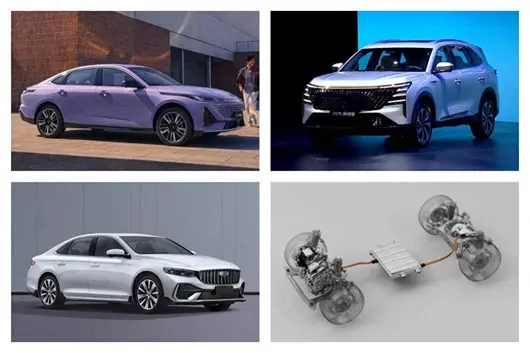
1 月初,吉利表示,“將喺上半年推出超越‘日系混合動力’嘅全球新一代油電混合技術——i-HEV 智能雙擎,並陸續推出 4 到 5 款全新混合動力車型。”目前已公布資訊嘅車型有:帝豪 i-HEV、星瑞 i-HEV 等。

3 月底,長安表示,“將會陸續推出搭載藍鯨超擎混合動力技術嘅車型,並推動旗下全燃油產品搭載該技術”。工信部申報,以及發布嘅車型就有:長安 CS75 PLUS HEV、長安逸動藍鯨超擎,以及 UNI-V HEV。

4 月初,廣汽也發佈咗星源超級雙擎(HEV+)技術。
近日,長城坦克柴油混合動力嘅影片又喺網上熱傳,看來可能會喺國內上市銷售。
而家推出呢啲 HEV 技術同車型嘅意義喺邊度呢?我哋嚟大膽推論一番:
1,我哋睇呢啲已經透露資訊嘅車型,基本依然係經濟家用車型。HEV 相較插混更小嘅電池,必會降低整車成本。那啲多出嚟嘅成本預算,無論係用嚟增加配置,定係降低整車售價,都係有大嘅空間。
2,合資品牌嘅純燃油自吸車型,例如鋒蘭達、卡羅拉銳放、軒逸、朗逸等,銷量依然唔錯。純燃油同 HEV 同樣都係藍牌,嗰啲更平順更省油嘅中國品牌 HEV,配置再高咁一啲,有無可能替代合資品牌嘅純燃油?
3,低價嘅插混、純電車型,不斷降低成本,網上亦有少少用料方面嘅負面資訊露出。HEV 相對成本更抵,可唔可以將用料整得更好一啲?將持久耐用、好用省錢嘅口碑打出嚟?
4,各中國品牌嘅 HEV 技術喺原有積累嘅基礎上,各有升級。唔單止用上咗渦輪增壓引擎,電池類型、大小、密度都有提升。所以,好似豐田混合動力嘅高原動力弱、引擎噪音大、電量少等問題,基本都解決咗。
5,更多嘅電量,將更好嘅支撐整車嘅電子電器架構。中控大屏幕、智能輔助駕駛等,實際應用將得到更好嘅發揮。
6,更輕嘅車身,可能會帶嚟更好嘅懸掛調校感受,更接近傳統燃油車。
7,對於海外市場更為友好,好似長城嘅 HEV 混合動力喺泰國等市場已經銷售咗好耐。降低嘅油耗,對各種嚴格排放法規嘅适配性更好。
總體嚟講,呢輪中國品牌 HEV 嘅爆發,都係有相當積極嘅推動作用。而且,好大機會將家用經濟性純燃油車完全淘汰。我哋拭目以待。
文 | 吳劍