


首頁Beetle 1960s

搜尋歷史
熱門搜尋
經銷商登入 / 註冊

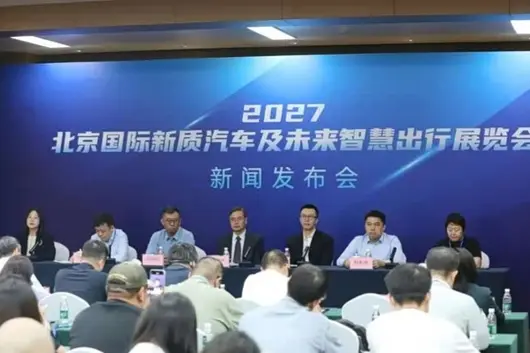
9月24日,2027北京国际新质汽车及未来智慧出行展览会新闻发布会在中国国际展览中心(顺义馆)举行。发布会公布,该展将于2027年3月27日至4月5日在中国国际展览中心(顺义馆)和首都国际会展中心举办,展期共10天。与双年举办的北京国际汽车展览会(Auto China)相衔接,这一展会定位为Auto China在单年的延续,以专业主题展的形式展示。零部件展区展期为3月27日至30日,共4天。

发布会定档
从发布会现场信息看,出席方包括中国国际贸易促进委员会汽车行业分会、中国机械国际合作股份有限公司、中国国际展览中心集团有限公司、北京市经济和信息化局、香港雅式展览服务有限公司、首都国际会展中心、顺义区经济和信息化局、顺义区商务局等有关负责人。发布会地点为中国国际展览中心(顺义馆)。
按照公布安排,2027北京国际新质汽车及未来智慧出行展览会由中国国际贸易促进委员会汽车行业分会、中国机械国际合作股份有限公司、中国国际展览中心集团有限公司主办,并由中国国际贸易促进委员会汽车行业分会、中国机械国际合作股份有限公司、中国国际展览中心集团有限公司等单位承办,香港雅式展览服务有限公司、首都国际会展中心协办,中国机械工业联合会、中国汽车工程学会等单位作为支持单位。
十天怎么排
展会时间结构已经明确:2027年3月27日至4月5日,展期共10天。其中,3月27日、28日为媒体日,3月29日、30日为专业观众日,3月31日至4月5日为公众参观日。零部件展区则安排在3月27日至30日,共4天。
这一日程把行业对接和公众开放分开安排。前四天集中面向媒体和专业观众,后六天面向公众参观。对于参展企业而言,媒体日和专业观众日更适合新品发布、技术交流和商务洽谈;公众参观日则承担汽车文化普及和消费引导功能。零部件展区单独设定4天展期,也显示出展会对产业链上游和制造端展示的侧重。
数据看底子
北京国际汽车展览会(Auto China)创办于1990年,历经30多年发展,规模逐步扩大,影响日益广泛。按照发布会披露的信息,2026年北京国际汽车展览会(Auto China 2026)展出总面积达到38万平方米,国内外上千家企业参展,展出整车1451辆,其中首发车181台、概念车71台,接待观众128万人次,核心指标刷新全球车展历史纪录。
这些数据被用于说明北京车展的行业集聚力和国际影响力。2027北京国际新质汽车及未来智慧出行展览会表示将传承北京国际汽车展览会(Auto China)的品牌底蕴、办展标准,汇聚全球行业资源,搭建汽车全产业链展示交流平台,推动中外汽车产业深度合作。从媒体角度看,既有数据能否转化为新展会的实际效果,还要看展商结构、专业观众组织和国际采购商到会情况。
单年续作
此次展会最受关注的定位,是“北京国际汽车展览会(Auto China)在单年的延续”。它不是简单重复双年车展,而是以专业主题展形式出现。发布会信息显示,展会将落实国家关于培育发展新质生产力以及发展智能网联新能源汽车、智慧交通的战略部署,呈现汽车产业的深刻变革,助力产业链强链补链、深化产学研协同,加速智能网联、车路协同、车网互动等技术商业化落地。
同时,展会提出发挥北京市作为首都的综合优势,特别是科创资源优势和消费中心城市优势,推进更多前沿技术和成果应用,促进京津冀产业链、供应链、创新链深度融合,并引导公众消费升级和出行理念转变,推动出行方式向高效、绿色、共享转型,带动内需扩大。这些表述带有明确的政策与产业导向,也构成了展会主题“新质汽车及未来智慧出行”的背景。
展示什么
从展示内容看,此次展会将展览展示的边界向产业制造端及未来前沿领域双向延伸,着重展示全球汽车新技术变革浪潮中的新技术新产品以及智慧出行的全新生态。重点包括汽车制造工程、智能生产线、智慧出行工具、前沿技术、配套服务体系及汽车文化等全维度展示。
按照公布安排,展会将扩大新能源汽车、智能网联板块,拓展智慧出行服务、新能源运输解决方案、智能机器人等新兴板块,通过整车、核心零部件、前沿技术、实景场景演示相结合的方式,呈现汽车产业智能化、绿色化、融合化转型成果。展会还将增设智能工厂、数字化生产线、汽车制造工程专属展示板块,聚焦汽车整车及核心零部件智能制造全流程。围绕“AI+汽车”创新生态,展会将集中展示人工智能技术在汽车全产业链中的创新成果与前沿应用。
此外,展会增设汽车赛事、老爷车、经典车、汽车设计、汽车周边衍生产品等方面的展示,专设新质汽车科普展区,落地多场景试驾体验项目,展示汽车文化衍生品。展会还将联动北京市文旅资源、城市地标等,共创展会专属文化品牌,实现展会与城市推广双向增益。
出海对接
在经贸对接方面,组委会表示将运用信息化手段梳理匹配参展企业和专业观众的供需诉求,提升经贸对接实效。依托汽车全产业链同台展示,推动整车与零部件企业抱团出海。加强海外观众组织工作,定向邀约海外采购商、经销商、行业机构观展,组织专场对接会,推动技术合作、投资与项目落地,助力中国汽车企业和品牌拓展全球市场。
围绕电动化转型、智能网联、汽车出海等前沿议题,展会将组织研讨,并配合行业主管部门在展会现场开展政策宣介、征求意见、标准解读等活动。展会还将引导新车型、新技术在展览会上首发,依托北京作为国内媒体总部、境外驻华媒体机构集聚地的优势,助力企业获得营销和传播机会。
传播与科普
媒体传播方面,组委会称将与媒体合作,打造可实现亿级曝光的媒体矩阵,面向全球传播此次展览会情况。同时,展会要统筹平衡经贸促进功能与公众科普功能,进一步扩大展会受众覆盖面。具体举措包括吸引青少年观展,厚植汽车文化根基,并合理配置服务设施,为观众提供更多便利。
这些安排说明,展会不仅面向企业和专业买家,也试图覆盖普通观众和青少年群体。对媒体而言,传播效果不仅取决于曝光量,也取决于内容质量、信息透明度和展商参与度。
双馆联动
此次展览会将延续中国国际展览中心(顺义馆)与首都国际会展中心“双馆联动”格局,并打通两馆之间的数据壁垒,实现实时数据分析和智能调度,保障展会安全有序。组委会还将用好两馆的完备会议设施,更好满足举办会议、商务洽谈、宴会等需求。参观动线设计将优化,以提升观众通行效率;休闲空间也将拓展,构建多元休憩场景。
双馆联动意味着更大的展示空间,也意味着更复杂的运营调度。10天展期、媒体日、专业观众日、公众日以及零部件展区不同展期叠加,对交通、人流、数据调度和现场服务都提出更高要求。
结语:
组委会表示,近年来我国汽车产业持续快速发展,汽车创新迭代周期缩短,新车型、新技术、新产品密集涌现,需要更多营销机会。优质的展览会能够通过资源整合与价值赋能,帮助车企对接有效需求、深化交流合作、加快技术创新、提升经营效益。
从目前公布的信息看,2027北京国际新质汽车及未来智慧出行展览会已经明确时间、地点、展期结构、主办承办架构和展示方向。它既是北京国际汽车展览会(Auto China)在单年的延续,也是一次以“新质汽车及未来智慧出行”为主题的专业主题展尝试。接下来,外界更关注的是具体展商名单、首发车型和技术、海外采购商组织情况,以及双馆联动在实际运营中的表现。展会能否达到预期,最终仍要由参展企业、专业观众和公众参观体验来检验。

In the Malaysian SUV market, many buyers tend to compare the Honda CR-V and Mercedes-Benz GLA when choosing a car. These two models are quite close in price and positioning. Today we will make a detailed comparison from multiple aspects to help you save time on research.
The Honda CR-V OTR price in Malaysia ranges from RM 178,200 to RM 195,900, with a total of 4 versions, including 2026 e:HEV 2.0L 2WD RS (RM 195,900), 2026 1.5T 4WD V (RM 181,900), 2026 e:HEV 2.0L 2WD E (RM 178,200), etc.
The Mercedes-Benz GLA OTR price in Malaysia ranges from RM 258,888 to RM 295,888, with a total of 1 version, including Standard (RM 258,888), etc.
In terms of price, the Honda CR-V starting price is indeed RM 80,688 cheaper than the Mercedes-Benz GLA. If your budget is limited, Honda's entry-level version can already meet daily needs. But note that the savings of a few thousand may involve trade-offs on equipment, depending on your specific needs.

The Honda CR-V is equipped with a 2.0L 4-cylinder, 170 hp. Official fuel consumption 8.0 L/100km.
The Mercedes-Benz GLA is equipped with a 2.0L Turbo, 220 hp. Official fuel consumption 9.5 L/100km.
In terms of power, the Mercedes-Benz GLA 2.0L Turbo has 50 more horsepower than the Honda CR-V 2.0L 4-cylinder. However, for daily city driving, the power of both cars is sufficient and won't feel lacking.

The Honda CR-V safety rating is 5★ (ASEAN NCAP), active safety systems include Honda SENSING (ACC, CMBS, LKAS, RDM).
The Mercedes-Benz GLA safety rating is 5★ (Euro NCAP), active safety systems include Premium ADAS.
Regarding safety features, both cars have received good ratings. However, the Honda SENSING (ACC, CMBS, LKAS, RDM) on the Honda CR-V and Premium ADAS on the Mercedes-Benz GLA have some differences in function. If you prioritize active safety, you can compare their function lists in detail.

The Honda CR-V adopts FWD drive system.
The Mercedes-Benz GLA adopts FWD drive system.
Both cars have the same drive system, both are FWD, daily driving experience will not have a big difference.

Overall, the Honda CR-V and Mercedes-Benz GLA are both excellent models in the Malaysian market. Which one to choose depends mainly on your personal needs and budget. We suggest everyone do research, compare quotes from several dealerships, then go for a test drive for the final decision. Buying a car is a big matter, spending time doing research will never be wrong.


喺馬來西亞嘅 SUV 市場,好多買家喺揀車嗰陣都會揀 本田 CR-V 同 馬自達 CX-9 嚟做比較。呢兩架車喺價位同定位上都幾接近,今日我哋就從多個方面嚟做一个詳細嘅比較,幫你省返做功課嘅時間。
本田 CR-V 喺馬來西亞嘅 OTR 售價係 RM 178,200 - 195,900,一共有 4 個版本,包括 2026 e:HEV 2.0L 2WD RS(RM 195,900)、2026 1.5T 4WD V(RM 181,900)、2026 e:HEV 2.0L 2WD E(RM 178,200) 等等。
馬自達 CX-9 喺馬來西亞嘅 OTR 售價係 RM 328,810 - 345,810,一共有 2 個版本,包括 2023 2.5T 4WD(RM 345,810)、2023 2.5T 2WD(RM 328,810) 等等。
從價錢睇落,本田 CR-V 嘅起步價確實比 馬自達 CX-9 平咗 RM 150,610。如果你預算有限,本田 嘅入門版已經可以滿足日常需要。但都要留意,平嘅嗰幾千蚊,可能喺配備上會有取捨,具體要看你嘅需要。
本田 CR-V 搭載 2.0L 4-cyl,馬力 170 hp。官方油耗 8.0 L/100km。
馬自達 CX-9 搭載 2.0L Turbo,馬力 220 hp。官方油耗 9.5 L/100km。
動力方面,馬自達 CX-9 嘅 2.0L Turbo 比 本田 CR-V 嘅 2.0L 4-cyl 多咗 50 匹馬力。不過日常喺市區行,兩架車嘅動力都夠用,唔會覺得唔夠力。
本田 CR-V 車身長 4500 mm,尾箱 450 L。
馬自達 CX-9 車身長 4500 mm,尾箱 450 L。
兩架車嘅尺寸幾近一樣,車內空間分別唔大。呢個級別嘅車,日常使用完全夠用。
本田 CR-V 同 馬自達 CX-9 都係馬來西亞市場嘅主流揀選,適合家庭使用、日常通勤。如果你更加著重品牌口碑同二手價,可以優先考慮口碑更好嗰一款;如果你更加在意性價比同配備,嗰就揀配備更豐富嗰款。最後始終建議兩架都去試車,親身體驗先至最重要。

總括嚟講,本田 CR-V 同 馬自達 CX-9 都係馬來西亞市場好好嘅車型。揀邊一輛,關鍵都係要睇你個人需要同預算。建议大家做好功課,多比較幾間車行嘅報價,再去試車做最終決定。買車係件大事,花少少時間做功課絕對無錯。

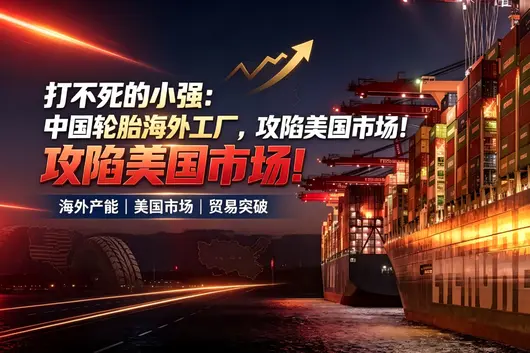
根據美國商務部最新數據,2026 年上半年美國輪胎進口格局正在經歷一輪顯著的結構性調整。
泰國雖然繼續穩居第一大來源國,但柬埔寨憑藉中國輪胎工廠的集中投產,已超越墨西哥和越南躍升至第二位。

與此同時,三個細分品類的平均申報海關單位價格均出現下滑,反映出中國輪胎全球產能擴張對美國市場的價格傳導效應正在加速顯現。
柬埔寨崛起:中國工廠集中投產
柬埔寨今年的表現最為搶眼。2024 年,柬埔寨尚是美國第八大輪胎來源國;2025 年升至第四;2026 年上半年已躍居第二,僅次於泰國。

這一躍升的直接驅動力,是中國輪胎工廠在柬埔寨的集中投產。
壽光福麥斯輪胎有限公司、萬力輪胎股份有限公司和正道輪胎股份有限公司都在過去一年內開始生產,三家公司合計產能將為市場新增 3400 萬條輪胎。
此外,山東華盛橡膠有限公司的新工廠也即將投產。柬埔寨目前共有 8 家輪胎工廠,且全部由中國製造商所有。
從品類看,柬埔寨在乘用車輪胎品類排名第三,上半年出口量增長 46.6%,約合 280 萬條;在輕卡輪胎品類排名第二,出口量增長 39.7%。

同時,中國輪胎企業通過東南亞、北非等地的海外工廠,以更具競爭力的價格向美國市場供貨。
美國商務部數據顯示,2026 年上半年三個細分品類的平均申報海關單位價格均低於 2025 年同期。
其中,乘用車輪胎平均單價降至 53.76 美元,同比下降 3.63 美元;輕卡輪胎平均單價降至 75.33 美元,同比下降 5.35 美元。
乘用車輪胎:泰國穩居首位,摩洛哥異軍突起
乘用車輪胎品類上半年美國進口量較 2025 年同期小幅下降約 50 萬條。
其中,泰國出口量下降 11%,但上半年仍以約 2000 萬條的規模穩居第一。墨西哥排名第二,市場份額提升 6.7%,增加約 80 萬條,增長得益於賽輪新工廠投產及現有製造商產能提升。

該品類最大的亮點來自摩洛哥,憑藉 542% 的增幅,摩洛哥首次進入前十,上半年出口 190 萬條,而 2025 年同期僅約 30 萬條。
這一爆發歸功於中國品牌森麒麟輪胎有限公司——該公司 2024 年底在摩洛哥開設了年產能 1200 萬條的工廠,這也是摩洛哥唯一的輪胎工廠。
此外,貴州輪胎股份有限公司正在摩洛哥規劃一座年產 600 萬條乘用車子午線輪胎的工廠。摩洛哥正在成為中國輪胎企業進軍歐美市場的又一個橋頭堡。
輕卡、中卡輪胎,同比下滑
輕卡輪胎品類整體下降約 100 萬條。泰國繼續領跑,其後依次是柬埔寨、越南、加拿大和墨西哥。
在前五大出口國中,泰國(-11.9%)和墨西哥(-18.1%)出貨量下降,柬埔寨(39.7%)、越南(4.2%)和加拿大(31.3%)實現增長。三國合計較 2025 年上半年增加 190 萬條。

中卡輪胎品類上半年降幅最為顯著,較 2025 年同期減少近 200 萬條。泰國和越南作為第一、第二大來源國受影響最大——2025 年上半年兩國合計供應 535 萬條,2026 年同期降至 374 萬條。
在十大供應商中,僅四家實現增長:日本(第三)、印度尼西亞(第六)、巴西(第七)和韓國(第八)。

日本的單位增量最大,增加 15 萬條(增長 9.5%)。但印度尼西亞的百分比增幅最大,高達 559.6%,從 2025 年上半年的 70727 條增至今年的 466537 條。
這一增長主要由中策橡膠集團和賽輪集團近期投產的印尼工廠貢獻。7 月,中策報告其印尼工廠一期項目已完成,具備年產 100 萬條輪胎的能力。
全年展望:總量預期下調,格局繼續演變
展望下半年,美國輪胎製造商協會(USTMA)在 7 月預測,2026 年美國輪胎總出貨量約為 3.303 億條,低於 2025 年的 3.363 億條,也低於 USTMA 3 月預測時的水平。這一下調反映出美國市場需求端的疲軟態勢。
從供應端看,中國輪胎企業的全球產能佈局仍在加速推進。柬埔寨、墨西哥、摩洛哥、印尼等地的工廠將持續釋放產能,美國輪胎進口的來源地結構將進一步多元化。

泰國雖然仍居首位,但其市場份額正被柬埔寨、墨西哥等新興來源地蠶食。單價的下行趨勢短期內難以逆轉,美國輪胎市場的價格競爭將更加激烈。
對於中國輪胎企業而言,海外建廠規避貿易壁壘的策略正在奏效,但也面臨新的挑戰:東南亞產能已接近滿負荷,新建工廠的投資回報週期拉長,目的地國的政策風險也需要納入考量。
如何在全球化佈局與本地化運營之間找到平衡,將是未來幾年中國輪胎企業必須面對的課題。

In the Malaysian SUV market, many buyers compare Proton X90 and Chery Tiggo 8 when choosing a car. These two cars are quite close in price and positioning. Today, we will make a detailed comparison from multiple aspects to help you save time on research.
Proton X90's OTR price in Malaysia is RM 106,800 - 122,800, with a total of 4 versions, including 2026 1.5T Prime X (RM 122,800), 2026 1.5T Prime (RM 116,800), 2026 1.5T Lite (RM 106,800), etc.
Chery Tiggo 8's OTR price in Malaysia is RM 129,750 - 129,750, with a total of 1 version, including 2026 1.6T Standard (RM 129,750), etc.
From a price perspective, Proton X90's starting price is indeed RM 22,950 cheaper than Chery Tiggo 8. If your budget is limited, Proton's entry-level version can already meet daily needs. However, note that the few thousand ringgit cheaper might involve trade-offs in features, depending on your specific needs.

Proton X90's safety rating is 5★ (ASEAN NCAP), with active safety systems including ADAS (ACC, AEB, LKA, LDA, BSM, RCTA).
Chery Tiggo 8's safety rating is TBD, with active safety systems including Basic.
Regarding safety features, both cars have received good ratings. However, there are some differences in functionality between Proton X90's ADAS (ACC, AEB, LKA, LDA, BSM, RCTA) and Chery Tiggo 8's Basic. If you value active safety more, you can compare the feature lists of both in detail.

Proton X90 body length is 4400 mm, trunk 400 L.
Chery Tiggo 8 body length is 4400 mm, trunk 400 L.
The dimensions of both cars are almost identical, with little difference in interior space. For cars of this level, daily use is fully sufficient.

Proton X90 warranty is 5 years/150,000km, service interval every 10,000km or 6 months.
Chery Tiggo 8 warranty is 3 years/100,000km, service interval every 10,000km or 6 months.

Overall, Proton X90 and Chery Tiggo 8 are both very good car models in the Malaysian market. Which one to choose depends on your personal needs and budget. We suggest doing your homework, comparing quotes from several dealerships, and then going for a test drive to make a final decision. Buying a car is a big matter, spending time on research will never be wrong.


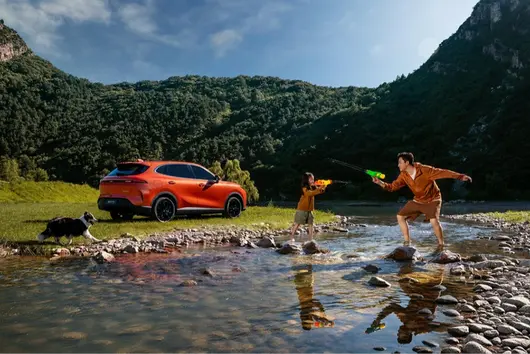
Why can't global cars be built quickly? Because people in different countries have driving habits that vary too much.
For instance, Thai users feel unsafe if the steering wheel is too light, so the steering force needs to be adjusted one level heavier. Indonesia has many poor roads, so the steering feel is also adjusted to be a bit heavier. In Australia, New Zealand, South Africa, and Southeast Asia, sunlight is intense, so the steering wheel and center console should use low-reflection materials as much as possible because many people wear sunglasses for long periods while driving.

Users in Turkey and Israel are more accustomed to physical buttons, so some high-frequency functions cannot be fully embedded in the screen. In Europe, many people also prefer parking with the front of the car facing inwards, so when the vehicle is about 70 cm away from an obstacle, the front camera will automatically display.
None of these are major technologies on their own, but together, this is the most time-consuming part of global vehicle models.
The Fengyun T7 project conducted over 5,000+ global user surveys in the early stage, covering 15 typical national scenarios. The entire project involved 2 years of planning and 3 years of R&D, and the durability verification alone ran for 1.45 million kilometers.
Selling the same car to more than a dozen or even dozens of countries is truly not just about switching to right-hand drive or adapting a few languages. Climate, road conditions, parking methods, and even whether the steering wheel should be lighter or heavier, all need to be adapted step by step.
So, the phrase "Global cars can't be built quickly", I truly believe it's not an excuse for slow R&D. Customizing for different users worldwide simply cannot be done quickly.


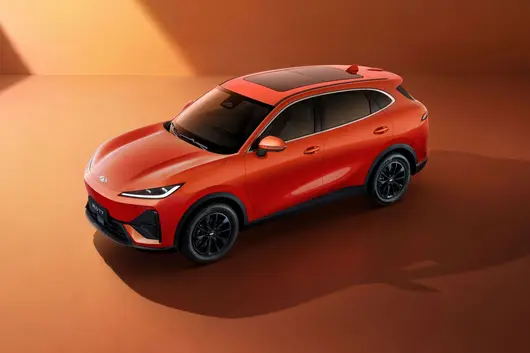

Recently, Chery Fengyun T7 officially started pre-sale, with three versions having a pre-sale guide price of 109,900-129,900 RMB, simultaneously launching 7 sets of purchase benefits. Among them, the "dual safety net" of power battery thermal runaway compensation for a new car and up to 5 million compensation for autonomous driving accidents, combined with the "dual lifetime" policy of whole-vehicle lifetime warranty and lifetime basic maintenance, directly hit the core concerns of users regarding vehicle use, and also made this pure electric SUV focusing on global quality generate maximum buzz upon its debut.

100,000-130,000 RMB level pure electric SUV is the most fierce competitive price range in the current domestic new energy vehicle market, also the interval where user pain points are most concentrated. In the past, many models either used low range versions to lower the starting price, wanting long range means adding money for high spec; or shrank in safety quality and after-sales benefits, holding the idea of "fast-making cars" for quick iteration, but compromised long-term reliability. Fengyun T7's entry took a completely different path: relying on Chery's 23 years of global technology accumulation, first going through extreme trials in multiple global regions, then returning to the domestic market with global standards. This "reverse overseas tempering" tactic brought new variables to the intense competition in the entry pure electric market.

First to break is the price threshold for long range. In the past, same-price models generally placed 600km level range on high spec versions, starting price often needed above 130,000, low spec models mostly 400-500km range. If users wanted to say goodbye to range anxiety, they had to pay higher cost. Fengyun T7 directly achieved range configuration equality across all trims. The three models all standard equipped with 65.05kWh Rhino battery, CLTC range 600km, actual tested range even exceeded 667km, achieving "reverse exaggeration".
For daily commuting users, 600km range is enough to support one charge per week, no need to frequently go back and forth to charging stations; during long-distance travel, 30%-80% fast charging only takes 20 minutes, recharging efficiency is enough to match the rhythm of mid-journey rest. With dual-source wide heat pump air conditioning, the vehicle can operate stably in a wide temperature range from -30℃ to 55℃. Pain points of range reduction in northern winters and battery degradation in southern high temperatures are alleviated, truly making long range no longer exclusive to high specs.

Second is the dimensional reduction of safety quality, bringing global-level standards down to the 100,000 RMB price level. Many users worry most about battery safety and body rigidity when choosing low-price pure electric cars. Fengyun T7 is designed against the 2026 E-NCAP five-star safety standard. The body uses 80% high-strength steel and 18.84% hot-formed steel to build a cage structure, combined with 9 airbags, basic passive protection maxed out. Rhino battery is protected by 6D protection system against extrusion and puncture impact, IP68 waterproofing capability reaches 96 times national standard, summer heavy rain wading and road water accumulation can be handled with more peace of mind.

Different from many models that only meet standards in the laboratory, Fengyun T7 invested 81 dedicated durability vehicles for synchronized road testing. Whole vehicle cumulative test mileage exceeded 6 million kilometers, conducted real vehicle validation for Southeast Asia rainy season, Middle East high temperatures, Indonesia high humidity and other global extreme environments. Equivalent to using rigorous quality standards for export overseas on a 100,000 RMB SUV aimed at ordinary families. Such quality standards are not common among same-price models.
Coming down to daily use scenarios, Fengyun T7's practicality is also powerful enough. In terms of intelligence, integrated cockpit-drive 8775 chip guaranteed infotainment system response speed. 15.6-inch high-definition screen supports mainstream mobile phone wireless connectivity, seamless navigation and music connection upon boarding. Falcon 500 driver assistance system supports 300+ full-scenario automatic parking. Dead-end parking, multi-level parking can be realized, especially friendly to narrow parking spots and complex parking lots in cities. New drivers can also easily achieve parking freedom.

Space and comfort precisely fit family user needs. 2700mm wheelbase brings same-level leading rear legroom, pure flat floor allows middle passengers to also sit comfortably. Rear seats folded down can expand to 1955mm pure flat space, trunk capacity of regular 450L, maximum 1550L, can easily accommodate daily grocery shopping and baby pickup, weekend camping gear. 9-layer cloud-sensation seats support ventilation heating, plus chassis tuned by international team, daily commuting vibration damping is gentle, long-distance travel not easy to get tired.
From market competitiveness perspective, Fengyun T7 plays a combination of "global quality + national price + full-cycle benefits". At the price end, 109,900 starting price配上 full-range 600km range, is already more sincere than most same-price models; at the quality end, Chery's 20+ years of global car building experience and full-link rigorous testing grounded product long-term reliability; most differentiated is benefit policy, dual safety net directly eliminated user concerns about battery safety and autonomous driving responsibility, dual lifetime benefits pressed long-term vehicle use cost to extremely low.

Comparing many same-price models that only provide basic triple powertrain warranty and after-sales boundaries are blurred, Fengyun T7 is equivalent to transferring more vehicle use risk to the brand end. This confidence comes both from confidence in own product quality, also grasped ordinary family user core demand of "buying car with confidence, using car saving money".
Placed in the entire industry, the appearance of Fengyun T7 is actually re-organizing the value logic of 100,000 RMB pure electric SUVs. For a long time, 100,000 RMB electric cars were default as "short-distance commuter tools", not worthy of talking quality or service. Fengyun T7 insists on breaking this stereotype: using global standards as basic quality, using configuration equality to care for entry users, using safety net benefits to solve vehicle use anxiety, putting experiences and services that only existed in past mid-to-high-end models down to national price level.

In the current industry pursuit of fast iteration, fighting price wars, Chery chooses to use slow work to polish a global car. This long-term car building idea just hits the real needs of family users. Compared to flashy gimmick functions, they need more a reliable, durable, worry-free family car.

In general, Fengyun T7's pre-sale brought new value references to 100,000-130,000 RMB pure electric SUV market. It did not use low range low spec cars to draw traffic playing word games, nor did it rely on piling up flashy concepts to grab eyeballs, but truly gave users long range, high safety, full-cycle guarantees. For consumers, budget of 100,000+ to buy quality verified by global market, undoubtedly added one high cost-performance choice. For industry, Fengyun T7 will also force same-price competitors to re-examine products and services, no longer only rely on low price to attract attention, but return to the essence of family cars. As for how much market recognition this sincerity can exchange, will need to see after launch, but at least from pre-sale posture, it has precisely hit user real pain points.

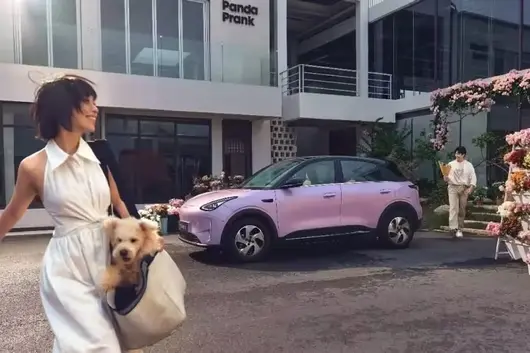
On July 15, Geely Star Wish cumulative sales broke through the 800,000 unit mark. From 0 to 800,000, it took only 21 months, averaging 1 vehicle sold per minute and over 1,200 vehicles sold per day. This A0-class compact car, once viewed as merely "for grocery runs and commuting", has forcefully turned itself into a phenomenon-level blockbuster in the Chinese automotive market. On August 10, Star Wish released another big move — exclusive fan appreciation rights for 800,000 users were officially launched. This wave directly maximized expectations in the car community.

I. One Vehicle Delivered Every 60 Seconds
21 months, 800,000 units, what is the concept? Equivalent to on average every 60 seconds, one Star Wish finds an owner. In 2025, Star Wish directly topped the Chinese automotive market all-category sales champion, leaving a crowd of sedans and SUVs behind; in the first half of 2026, cumulative sales rushed to 249,000 units, year-on-year growth of 21%; July single month sold 55,105 units, breaking the 50,000 unit mark for two consecutive months. In the A0-class pure electric market, its market share has already exceeded 30%. Some people always say the ceiling of A0-class compact cars is low, Star Wish counters and proves: compact cars can also dominate the whole field.
This image appears to be AI-generated

II. From China's Sales Champion to Global Top Trend
Even more impressive is that Star Wish's ambition is not limited to domestic. In Q1 2026, it directly joined the global new energy vehicle sales top three, it is the only Chinese brand model to appear on the list. Currently, Star Wish has landed in global 30+ countries, taking China new energy two-door models export TOP2; Brazil launched 5 months sales exceeded 10,000, June topped Thailand new energy sales champion, August 5 again officially launched in Australia, third quarter still to enter EU and UK. From emerging markets all the way to developed countries, galloping on foreign streets Star Wish, has already become a moving Chinese business card.


III. The Ace Card Behind the Galaxy Speed
Star Wish's surge also propelled the entire Geely Galaxy brand. From January to July 2026, Geely Galaxy cumulative sales reached 627,000 units, holding the number one spot for emerging EV brand sales, and also ranking in the top three global new energy brands; as of now, cumulative sales have exceeded 2.44 million units, becoming the fastest new energy brand globally to reach this scale. Behind this dazzling "Galaxy Speed", Star Wish is the most powerful engine. Without Star Wish's sprint, there is no Galaxy takeoff. An A0-class compact car supporting the entire brand's prestige — if said two years ago, no one would have believed it.

800,000 units is a milestone, and also a brand new starting line. From "a hit upon launch" to "being a champion is the norm", Star Wish uses a series of hardcore data to vividly display the big impact of a compact model. Next, it will take the trust of 800,000 users to sprint towards the Million Club. This acceleration legend staged by Chinese compact cars has just begun.

In Malaysia's SUV market, many buyers compare Proton X70 and Chery Tiggo 9 when choosing a car. These two cars are quite close in price and positioning. Today we will make a detailed comparison from multiple aspects to save you time doing research.
The OTR price for Proton X70 in Malaysia is RM 106,800 - 122,300, with 3 versions in total, including 1.5L Standard 2WD (RM 106,800), 1.5L Executive 2WD (RM 115,800), 1.5L Premium 2WD (RM 122,300), etc.
The OTR price for Chery Tiggo 9 in Malaysia is RM 166,800 - 179,800, with 1 version in total, including 2026 2.0T Standard (RM 179,750), etc.
Looking at the price, the starting price of the Proton X70 is indeed RM 60,000 cheaper than the Chery Tiggo 9. If your budget is limited, the entry-level Proton can already meet daily needs. However, be aware that the cost saving might involve compromises in features, depending on your specific requirements.

Proton X70 is equipped with a 1.5L Turbo, 140 hp. Official fuel consumption 7.0 L/100km.
Chery Tiggo 9 is equipped with a 2.0L 4-cyl, 170 hp. Official fuel consumption 8.0 L/100km.
In terms of power, the Chery Tiggo 9's 2.0L 4-cyl has 30 more horsepower than the Proton X70's 1.5L Turbo. However, for daily city driving, the power of both cars is sufficient, you won't feel like it lacks power.
Proton X70 safety rating is 5★ (ASEAN NCAP), active safety systems include ADAS (ACC, AEB, LKA, LDA, BSM, RCTA).
Chery Tiggo 9 safety rating is TBD, active safety systems include Basic.
Regarding safety features, both cars have received good ratings. However, the Proton X70's ADAS (ACC, AEB, LKA, LDA, BSM, RCTA) and Chery Tiggo 9's Basic have some differences in functionality. If you value active safety more, you can compare the feature lists of both carefully.
Proton X70 uses FWD drive configuration.
Chery Tiggo 9 uses FWD drive configuration.
Both cars have the same drive configuration, both are FWD, no significant difference in daily driving feel.
Both Proton X70 and Chery Tiggo 9 are mainstream choices in the Malaysian market, suitable for family use and daily commuting. If you value brand reputation and resale value more, you can prioritize the one with better reputation; if you care more about cost-performance and features, then choose the one with richer configuration. Ultimately, it is recommended to test drive both, personal experience is the most important.
Overall, both Proton X70 and Chery Tiggo 9 are very good models in the Malaysian market. Which one to choose depends on your personal needs and budget. It is recommended to do your research, compare quotes from several dealers, and then test drive to make the final decision. Buying a car is a big matter, spending some time researching will never be wrong.


