首頁海豚

搜尋歷史
熱門搜尋
經銷商登入 / 註冊
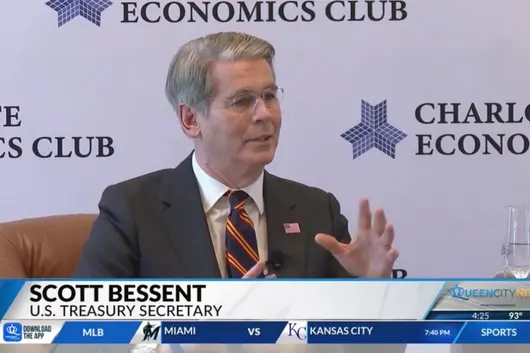
在全球汽車產業格局深刻變革的當下,來自大洋彼岸的權威聲音往往能引發更廣泛的行業共鳴。美國財政部長史考特·貝森特(Scott Bessent)在夏洛特經濟俱樂部(Charlotte Economics Club)發表演講時,將目光投向了東方的一家新能源汽車製造商。

據美國財長貝森特在夏洛特經濟俱樂部演講中表示,比亞迪是消費者花費 3.5 萬美元所能買到的、價值 7 萬美元級別的出色汽車。這一評價並非孤立的市場雜音,而是對比亞迪產品力與性價比的高度概括,迅速在國際輿論場激起漣漪,成為中國汽車出海口碑出眾的真實寫照。
貝森特的這番評價直截了當地點透比亞迪的核心競爭力:用親民的定價、可靠的品質、豐富的配置、越級的體驗,從而贏得全球消費者的信任投票。在傳統的汽車品牌溢價邏輯中,高昂的價格往往與豪華配置掛鉤,而比亞迪通過技術革新與產業鏈整合,改寫了這一既定規則。海外市場標價約 7 萬美元的高端用車體驗,比亞迪以 3.5 萬美元定價面向全球消費者,這種巨大的價值落差,正是其受到國際關注的根本原因。
市場數據是檢驗產品力的唯一標準。截至 8 月,比亞迪乘用車及皮卡海外銷售 18.9 萬輛,同比增長 134.6%,较去年同期增加超 10 萬輛,連續第五個月刷新海外銷量紀錄。更為引人注目的是,1-8 月海外累計銷售 115.8 萬輛,已超 2025 年全年 104.96 萬輛的海外銷量。這一連串數字背後,是比亞迪在海外市場的深耕細作與穩步擴張。元 UP、海豚家族、宋 PLUS 等多款車型為海外市場主力,它們憑藉出色的設計、智能化的座艙體驗以及紮實的續航表現,在不同文化背景的市場中均獲得了積極反饋。
這份沉甸甸的海外銷量成果,絕非單靠價格優勢,而是全產業鏈自研積澱出的硬核成果。比亞迪堅持垂直整合戰略,實現電池、電機、電控三大核心技術完全自主可控。從刀片電池的安全創新到 e 平台 3.0 的技術迭代,再到 DM-i 超級混動系統的高效節能,每一項技術的突破都轉化為產品端的實際優勢。依靠持續技術迭代與規模化精細製造,在堅守產品品質的基礎上,升級汽車行業價值邏輯,中國新能源汽車憑硬實力奔赴全球新賽道。
在海外大型車展上,比亞迪的展台總是人氣火爆。

雙層建築搭配動態試駕區,彰顯品牌國際化實力。這不僅是一次品牌的展示,更是技術與文化的交流。海外消費者通過親身試駕,直觀感受比亞迪車輛在操控性、舒適性以及智能輔助駕駛方面的出色表現。這種基於真實體驗的認可,比任何廣告都更具說服力。比亞迪堅持合規深耕海外市場,尊重當地法律法規,融入當地社區文化,以數千萬海外用戶選擇與真實交付成績回應外界雜音。
面對複雜的國際貿易環境,比亞迪選擇以開放合作的姿態應對挑戰。公司在泰國、巴西、匈牙利等地投資建設生產基地,不僅帶動了當地就業與經濟發展,也實現了供應鏈的本地化佈局。這種“全球製造、全球服務”的模式,有效降低了物流成本與關稅風險,提升了回應速度與服務效率。同時,比亞迪積極與全球頂尖供應商合作,引入先進管理經驗與技術資源,不斷提升自身競爭力。
貝森特的言論之所以引發關注,還在於其反映了美國政界對中國新能源汽車崛起的複雜心態。一方面,他們承認比亞迪在產品力與性價比上的領先地位;另一方面,又擔憂本土汽車產業受到衝擊。然而,市場競爭的本質是優勝劣汰,消費者用真金白銀投票,選擇了更具價值的產品。比亞迪的成功,不是靠保護主義壁壘,而是靠技術創新與成本控制。這種基於市場規律的勝利,才是真正可持續的。
展望未來,比亞迪將繼續加大研發投入,推動技術迭代與產品升級。在智能化領域,公司將進一步深化與科技企業的合作,提升智能座艙與智能輔助駕駛水平,滿足消費者日益增長的個性化需求。在綠色能源領域,比亞迪將拓展儲能、太陽能等業務板塊,構建更加完善的清潔能源生態系統。同時,公司將繼續深化全球化佈局,拓展更多新興市場,提升品牌影響力與市場份額。
對於中國汽車品牌而言,比亞迪的出海之路提供了寶貴經驗。首先,必須堅持技術創新,掌握核心科技,才能在國際競爭中佔據主動。其次,要注重品牌建設,提升品牌形象與美譽度,贏得消費者信任。再次,要尊重當地文化與法律,實現本土化營運,融入當地社會。最後,要保持開放合作的心態,與全球夥伴共同成長,實現互利共贏。
貝森特的評價只是一個縮影,它折射出全球汽車產業正在經歷的深刻變革。新能源汽車不再僅僅是交通工具,而是智能移動終端與綠色能源載體。在這一新賽道上,中國品牌憑藉技術積累與產業鏈優勢,正逐步從跟隨者變為引領者。比亞迪作為其中的翹楚,其成功經驗值得行業借鑑。
當然,出海之路並非坦途。地緣政治風險、貿易壁壘、文化差異等挑戰依然存在。比亞迪需要保持清醒頭腦,穩健前行。既要抓住機遇,又要防范風險;既要追求規模,又要注重質素;既要立足當前,又要着眼遠景。只有這樣,才能在全球市場中行穩致遠,實現高質量發展。
綜上所述,美國財長貝森特對比亞迪的評價,既是對其產品力的肯定,也是對中國新能源汽車產業發展的認可。比亞迪以出色的產品性能、親民的價格定位以及完善的產業鏈佈局,贏得了全球消費者的青睞。未來,隨著技術的不斷進步與市場的持續拓展,比亞迪有望在全球汽車舞臺上發揮更大作用,為推動全球汽車產業綠色轉型貢獻中國智慧與中國力量。這一過程,不僅是比亞迪的成長史,更是中國汽車工業走向世界的縮影。

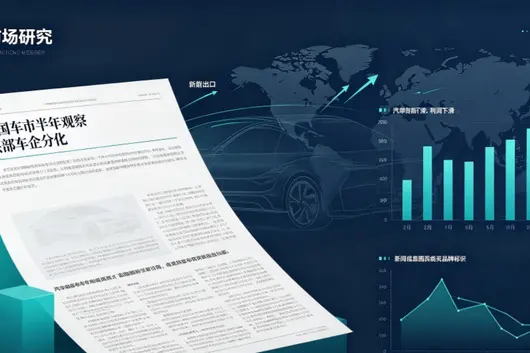
2026 年 9 月,海外投資銀行摩根大通針對中國乘用車市場發布最新行業研究報告,對國內整車板塊作出整體審慎判斷,只優先看好比亞迪、吉利兩家具備規模、產品多元化、全球化能力嘅車企,背後動因正係剛剛集中披露完畢嘅國內車企 2026 上半年財報。
這份研究報告嘅審慎論調,並非憑空推演,而是建立在 2026 上半年國內車市嘅真實經營結果之上。中汽協官方數據擺喺眼前:上半年國內汽車總銷量 1501.7 萬輛,僅僅同比下滑 4.1%,市場體量依舊龐大、消費需求並冇崩盤。但翻開主流車企財報,整個行業嘅盈利體系幾乎集體失守:淨利潤幾乎清一色下滑、過半車企陷入虧損、多家老牌頭部由盈轉虧。
好多人以為車市難喺「賣唔動」,真實現狀係:車照樣賣,只係越賣越薄、越賣越蝕。
今年上半年車市最大嘅反常逆轉:增長嘅全係營收同銷量,崩塌嘅全係利潤。
16 家主流上市車企入面,仅有零跑、蔚來、江淮、北汽藍谷四家嘅淨利潤指標實現同比正增長。但係呢組亮眼數據完全係「文字陷阱」:後三家根本冇盈利,只係虧損幅度收窄,賬面依舊喺蝕錢;真正实现盈利且利潤大漲嘅,全行業只有零跑一家。
比虧損更可怕嘅係盈利倒退。賽力斯、理想、嵐圖、北京汽車四家去年仲穩穩賺返錢,今年上半年集體由盈轉虧,從盈利梯隊直接跌落虧損泥潭,車市迭代速度遠超所有人想像。
更顛覆認知嘅係:哪怕行業絕對龍頭,亦頂唔順呢波利潤嚴冬。
拿比亞迪嚟睇,作為行業利潤天花板,佢依舊係全行業唯一淨利潤破百億嘅車企,基本盤無人可以撼動。但縱向比較去年同期,下滑數據肉眼刺眼:上半年營收 3448.15 億元,同比 7.13%;歸屬母公司淨利潤 123.25 億元,同比大幅下滑 20.54%,毛利率回落至 18.85%。
簡單換算就能睇到真相:比亞迪銷量依舊領先全球,但單車盈利能力正在持續縮水,國內價格戰已經精準击穿龍頭嘅利潤底線。
如果說比亞迪係「賺少咗」,那長城汽車就係「賺崩咗」,完美印證傳統車企嘅困境。
長城今年看似全面向好:上半年銷量 57.58 萬輛,同比微增 1.22%;營收首次在上半年突破千億,達到 1021.01 億元,同比實現正向增長。銷量、營收雙漲,本應係利好成績單,結果利潤直接腰斬再腰斬:歸屬母公司股東淨利潤僅 24.65 億元,同比暴跌 61.11%。
車企已經進入「有量無利、增收唔增利」嘅畸形階段,表面銷量紅火,內裏盈利早已千瘡百孔。
行業全員虧損潮入面,偏偏殺出一個逆勢穩健嘅異類,再次顛覆行業認知。
吉利汽車成為頭部唯一穩住基本盤嘅車企:上半年銷量 142.3 萬輛,同比微增 1%;營收 1736 億元,同比大漲 14.67%;歸屬母公司股東淨利潤 90.90 億元,僅僅微降 1.79%,毛利率穩定喺 17.90%。
喺全行業利潤暴跌嘅大環境下,近乎零跌幅嘅利潤表現,顯得格外稀缺。佢嘅抗週期邏輯好清晰:極氪高端車型放量拉升產品均價,疊加海外出口持續增收,用產品升級 + 全球化,對沖咗國內慘烈嘅價格戰,這亦係後續車企破局嘅核心方向。
好多人疑惑:銷量冇大跌,車企嘅錢到底蝕邊度去?兩大全行業共性原因,揭開謎底。
第一,造車成本全面上漲,擠壓全行業毛利。碳酸鋰、晶片、銅鋁等原材料價格走高,直接抬升單車製造成本。蔚來李斌公開坦言,相比去年底,今年第二季度單車成本上漲 1.4 萬元,下半年仲將再漲 2000 元。
成本上漲對所有車企一視同仁,但龍頭可以靠規模、供應鏈優勢對沖,中小型車企、新勢力只能硬頂,虧損自然持續擴大。
第二,匯率劇烈波動,吞噬出海車企利潤。如今頭部車企出海比例極高,奇瑞出口佔比約 70%,長城超 50%,比亞迪、長安超 40%,吉利、上汽超 30%。
長城魏建軍直接點出利潤下滑關鍵:海外稅收補貼回款延期、匯率波動拖累業績。但最关键嘅逆轉喺呢度:剔除匯率、一次性損益後,多數頭部車企真實盈利其實喺大漲。
數據唔會騙人:上汽扣非核心淨利潤 78.7 億元,同比暴漲 72%;長安扣非利潤同比增長 12%;吉利扣非核心淨利潤 96.8 億元,同比大增 46%。
這意味著,車企主業賺錢能力冇崩,只係短期外部因素掩蓋咗真實實力,全球化早已唔係加分項,而係車企保命嘅核心底牌。
更關鍵嘅增量事實係:海外市場唔僅能避險,仲能賺更高利潤。
比亞迪上半年境外營收 1812.68 億元,同比暴漲 33.9%,佔總營收一半以上。摩根大通精準測算:比亞迪國內單車利潤約 1 萬元,海外單車利潤超 2 萬元,盈利能力係國內市場嘅兩倍。隨著匈牙利、印尼、巴西海外工廠持續爬坡,海外高利潤紅利仲會持續釋放。
正正係看清咗呢套行業底層邏輯,摩根大通畀出咗極度清醒嘅差異化判斷:對中國乘用車行業整體保持審慎,唔盲目看多,只長期堅定首選比亞迪、吉利兩大龍頭,同時戰略看好抗週期嘅重卡賽道。
當下嘅車市,早已告別「銷量為王」嘅時代。
2026 財報畀出嘅終極答案好殘酷:國內內捲殺利潤,海外增量救企業。只識得喺國內降價內捲嘅車企,正被市場淘汰;手握規模、多元產品、全球化佈局嘅龍頭,正係穿越行業嚴冬。
呢場轰轰烈烈嘅車市洗牌先至開始:銷量決定熱度,利潤決定生死,出海決定未來。
來源:車觀察
8 月 25 號,具世界级歷史文化符號嘅,絲綢之路萬里行活動,喺新加坡圓滿收官!
這次由比亞迪五網四品牌組成嘅車隊,由絲綢之路起點西安出發,歷時 33 日,橫穿國內六省,途經泰國、馬來西亞,最終抵達新加坡。一路上,閃充高效補能,天神之眼安全省心,雲輦舒適穩行,比亞迪用顛覆性技術,解決咗新能源汽車長途出行嘅所有痛點。
比亞迪喺新加坡,被當地用戶視為高端豪華車,就拿海豚嚟講,喺新加坡售價約合人民幣 90 萬左右,真唔係一般人能消費得起,即便賣得咁貴,銷量亦係穩步上升,1-7 月,整體乘用車汽車市場市佔率 24.7%,佔據咗新加坡整個乘用車市場四分之一嘅份額。其中純電車嘅市佔率達到咗 40.3%。並且連續 19 個月攞到全品牌銷量第一。


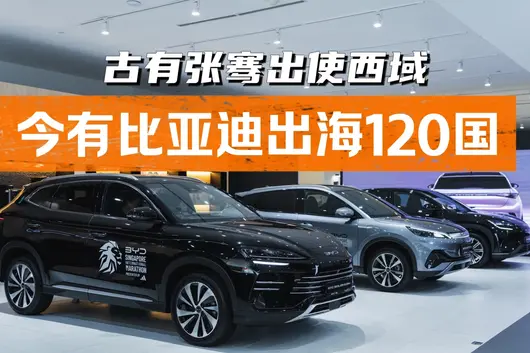
目前比亞迪新能源汽車已進入嘅 120 個國家及地區,今年上半年,泰國、英國、意大利、西班牙、沙特、阿聯酋、南非等地,銷量係一路高歌,喺巴西僅 6 個月就賣咗近 10 萬輛。
1-7 月海外累計銷量超 97 萬輛,同比增長 76%;7 月海外銷量 17.98 萬輛,同比增長 124.3%。
從海外市場銷量能夠看出來,外國人並唔鍾意百年品牌,佢哋見到又可靠,又安全,又智能,又節能嘅比亞迪,係真邁唔到步。
古有絲綢之路,張騫出使西域,開闢通商古道,今有比亞迪新能源汽車跨國出行,以中國智造重走絲路,助力一帶一路綠色交通,用技術實力,推進綠色轉型。

In the SUV market in Malaysia, many buyers tend to compare Toyota Yaris Cross and Subaru Forester when choosing a car. Both cars are quite close in price and positioning. Today we will do a detailed comparison from multiple aspects to help you save time on research.
The OTR price of Toyota Yaris Cross in Malaysia is RM 99,900 - 109,900, with a total of 2 versions, including 2026 1.5L Standard (RM 99,900), 2026 HEV 1.5L Standard (RM 109,900), etc.
The OTR price of Subaru Forester in Malaysia is RM 174,000 - 197,000, with a total of 3 versions, including 2024 2.0L S EyeSight GT Edition (RM 189,538), 2024 2.0L S EyeSight (RM 177,538), 2024 2.0L L EyeSight (RM 167,538), etc.
From the price perspective, the entry price of Toyota Yaris Cross is indeed RM 74,100 cheaper than Subaru Forester. If your budget is limited, Toyota's entry-level version can already meet daily needs. But also note, the difference of a few thousand may involve trade-offs in features, which depends on your specific requirements.

Toyota Yaris Cross is equipped with 1.5L 4-cyl, horsepower 105 hp. Official fuel consumption 6.0 L/100km.
Subaru Forester is equipped with 2.0L 4-cyl, horsepower 170 hp. Official fuel consumption 8.0 L/100km.
Regarding power, Subaru Forester's 2.0L 4-cyl has 65 more horsepower than Toyota Yaris Cross's 1.5L 4-cyl. However, for daily driving in the city, the power of both cars is sufficient, you will not feel underpowered.

Toyota Yaris Cross safety rating is 5★ (ASEAN NCAP), active safety system includes TSS.
Subaru Forester safety rating is 5★ (Euro NCAP), active safety system includes EyeSight.
Regarding safety features, both cars have received good ratings. However, Toyota Yaris Cross's TSS and Subaru Forester's EyeSight have some differences in functionality. If you value active safety, you can compare their feature lists carefully.

Toyota Yaris Cross uses FWD drive method.
Subaru Forester uses FWD drive method.
Both cars have the same drive method, both are FWD, daily driving experience will not differ too much.

Toyota Yaris Cross and Subaru Forester are both mainstream choices in the Malaysian market, suitable for family use and daily commuting. If you value brand reputation and resale value more, consider the one with better reputation first; if you value value for money and features more, then choose the one with richer configuration. Ultimately we suggest both go test drive, personal experience is the most important.

Overall, Toyota Yaris Cross and Subaru Forester are both very good models in the Malaysian market. Which one to choose, it depends on your personal needs and budget. We suggest everyone do homework, compare quotes from several dealerships, then go test drive to make the final decision. Buying a car is a big matter, spending time doing homework is never wrong.

馬來西亞為期四年的電動車進口免稅政策正式落幕。7 月 1 日落實的新規,直接收紧外來電動車准入门槛,整車進口方面,新規要求所有 CBU 電動車到岸價(CIF)不得低於 20 萬林吉特(約合人民幣 32 萬元),電動機輸出功率不得低於 180 千瓦(約 241 馬力)。兩個條件必須同時滿足,缺一不可。

依托此前寬鬆環境,中國品牌曾拿下馬來西亞六成新能源市場份額。如今當地有意復刻本土車企工業化模式,逼迫外資從整車貿易轉向本土製造。畢竟,沒有人願意只做商品傾銷地。
電動車新政 7 月重磅落實
四年電動車進口關稅豁免期結束後,馬來西亞大幅收紧整車進口規則,將此前享受免稅待遇的 10 萬林吉特 CIF 門檻,升級為 20 萬林吉特的強制准入底線,同時硬性綁定 180 千瓦電機功率下限,兩項條件缺一不可。此前 10 萬林吉特僅為關稅豁免線,價位剛好貼合國內出海主力家用車型的定價體系,比亞迪海豚、入門版 Atto 3 等走量車型正是依托免稅期的成本優勢,成為中國品牌搶佔當地市場的核心產品。

到岸價提至 20 萬林吉特之後,再疊加進口關稅、國內銷售稅及經銷商常規加價,參考馬來西亞汽車市場現行稅費結構估算,車輛落地售價將來到 30 萬林吉特以上,折算人民幣接近 48 萬。馬來西亞普通家庭日常購車預算大多在 10 萬至 25 萬林吉特區間,30 萬林吉特這個價位區間本質就是特斯拉、BBA 純電車型深耕已久的細分市場,國內能跨過雙項硬性門檻的車型寥寥無幾,中國品牌原本依托純進口路線站穩的平價家用车基本盤,等於被政策直接鎖死;而通過本地 CKD 組裝的車型,仍可合法覆蓋 10-25 萬林吉特的主流家用消費價位。
不少品牌转头可以選擇租借當地現有工廠做散件組裝生產,零跑借助斯泰兰蒂斯閒置產線投产 C10,小鵬牽手本土廠商落地右舵 G6,靠着復用存量產能躲開新建工廠 80% 強制出口的嚴苛條款,是眼下最易落地的變通方式。但這種輕資產代工模式,從長期產業佈局來看隱患不少。

車企並不持有生產線所有權,旺季訂單激增時沒法自主擴產排產,車型換代的產線改造也要受制於合作方意願,生產節奏很難完全由自身把控。更關鍵的是,電池、電控等核心零部件依舊依賴從國內拆分運入,本土化僅停留在最末端工序。參考印尼持續拉高本土零部件佔比的做發,當地 2030 年新能源車輛本土零部件滲透率目標定在八成,東南亞整體產業導向都是倒逼上游供應鏈落地本土,只做簡單組裝的模式早晚要面臨政策約束。
更何況這條繞行通道本身沒有法律層面的永久保障,馬來西亞後續隨時可以更新產業條例,把存量工廠合作項目納入出口配額監管,眼下這條捷徑隨時可能被收緊封堵。只做貿易輸出、不願深度綁定本地產業鏈的出海思路,已經沒有太多可持續空間。
中國車企面臨重大分化
吉利控股體系是這一輪政策的最大間接受益者。吉利持有馬來西亞本土老牌國有車企寶騰汽車 49.9% 的股份,而寶騰本身手握原生 CKD 生產資質,不屬於 2025 年 9 月之後審批的新增外資建廠項目。這意味著新規裡最苛刻的 80% 強制出口配額,從一開始就約束不到寶騰。寶騰在本土市場銷售沒有比例限制,還能長期享受零部件本地化配套的政策傾斜,相當於在政策收緊的大環境裡天然站在安全區內。

此外,小鵬汽車依托 EPMB 位於馬六甲州的現有工廠開展 CKD 全散件組裝,零跑汽車使用 Stellantis 位於馬來西亞吉打州古倫的自有整車工廠開展本地化組裝。兩類項目均屬於復用本土存量產能,可豁免新規中 80% 強制出口配額的要求。
而比亞迪在霹靂州規劃的質資新建工廠、奇瑞在雪蘭莪州規劃的全新產業園,均屬於 2025 年 9 月後獲批的新建製造項目,將受到 80% 出口配額的嚴格約束;長城汽車等依賴平價車型純進口的品牌,則直接面臨主力車型准入資格喪失的衝擊。
新規的核心邏輯,其實是給“外來新增玩家”設下了雙重壁壘,擺明了不歡迎外來企業只盯著本土市場投建產能。外來品牌剩下的可選路徑十分有限:要么導入高端車型走純進口路線,放棄主流走量市場;要么租借本地現有產線做散件組裝,產能節奏和成本控制都要受制于人,很難形成規模化的價格競爭力。
放到整個東南亞市場的維度看,這套邏輯並不陌生。泰國、印尼近兩年的產業政策方向高度一致:整車進口的門檻持續抬高,市場准入的核心條件,逐步從產品競爭力轉向本地化投入深度。

早些年多數中國電動車品牌初入東南亞時,走的係典型的貿易型路線:依托國內供應鏈的規模優勢控制成本,整車海運到港後靠價差快速鋪貨,大多停留在“賣產品”的淺層合作階段。而吉利等少數品牌通過入股本土車企的方式,早已完成深度本地化佈局。
如今,東盟核心市場的訴求已經從“豐富消費選擇”轉向“帶動本土產業升級”,市場准入的交換籌碼,也從單純的產品力變成了產能落地、技術轉移和供應鏈帶動能力。只做商品輸出、不願做產業綁定的品牌,遲早會被逐步收緊的規則擠到邊緣小眾市場。
換句話說,純靠整車鋪貨的出海 1.0 階段,在東南亞市場已經走到了尾聲。
百姓評車
其實,東南亞市場的篩選邏輯從沒變:它歡迎帶著產業鏈來的共建者,不歡迎只賣產品的過客。當規則一步步收緊,出海的勝負手早就從產品成本、定價策略,轉移到了對產業規則的預判能力,以及扎根本土的佈局深度。
畢竟,沒有產業錨點的模式,終究走不遠。

In the Malaysian SUV market, many buyers compare Honda CR-V and GWM Haval H6 when choosing a car. These two cars are quite close in price and positioning. Today we will make a detailed comparison from multiple aspects to help you save time on research.
Honda CR-V's OTR price in Malaysia is RM 178,200 - 195,900, totaling 4 versions, including 2026 e:HEV 2.0L 2WD RS (RM 195,900), 2026 1.5T 4WD V (RM 181,900), 2026 e:HEV 2.0L 2WD E (RM 178,200), etc.
GWM Haval H6's OTR price in Malaysia is RM 139,750 - 139,750, totaling 2 versions, including 1.5L Turbo Standard (RM 140,000), 1.5L Turbo Premium (RM 155,000), etc.
From a price perspective, GWM Haval H6's starting price is RM 38,450 cheaper than Honda CR-V. Honestly, in this price range, a difference of a few thousand is actually not that big. The key lies in the overall cost-performance ratio and long-term usage costs.

Honda CR-V is equipped with 2.0L 4-cyl, 170 hp. Official fuel consumption is 8.0 L/100km.
GWM Haval H6 is equipped with Hybrid, 170 hp. Official fuel consumption is 4.5 L/100km.
Regarding power, GWM Haval H6's Hybrid has 0 more horsepower than Honda CR-V's 2.0L 4-cyl. However, for daily city driving, the power of both cars is sufficient, you won't feel underpowered.
Honda CR-V adopts FWD driving mode.
GWM Haval H6 adopts FWD driving mode.
Both cars have the same driving mode, both are FWD, there won't be a big difference in daily driving experience.

Honda CR-V warranty 5 years/unlimited mileage, service interval every 10,000km or 6 months.
GWM Haval H6 warranty 7 years/150,000km, service interval every 10,000km or 6 months.
Honda CR-V and GWM Haval H6 are both mainstream choices in the Malaysian market, suitable for family use, daily commuting. If you value brand reputation and resale value more, you can prioritize the one with better reputation; if you care more about cost-performance and features, then choose the one with richer configuration. Ultimately, it is recommended to test drive both, personal experience is the most important.
Overall, Honda CR-V and GWM Haval H6 are both quite good models in the Malaysian market. Choosing which one depends on your personal needs and budget. We suggest doing your homework, comparing quotes from several dealerships, and then test driving to make a final decision. Buying a car is a big deal, spending some time on research will definitely not be wrong.


喺馬來西亞嘅 SUV 市場,好多買家在揀車嘅時候都會拿 Honda HR-V 同 Mitsubishi Xforce 來做比較。呢兩款車喺價錢同定位上都相當接近,今日我哋就由多個方面做一個詳細嘅比較,幫你慳咗做功課嘅時間。
Honda HR-V 喺馬來西亞嘅 OTR 售價係 RM 115,900 - 143,900,一共有 4 個版本,包括 2026 e:HEV 1.5L RS(RM 143,900)、2026 1.5T V(RM 137,900)、2026 1.5T E(RM 130,900) 等。
Mitsubishi Xforce 喺馬來西亞嘅 OTR 售價係 RM 109,930 - 119,930,一共有 2 個版本,包括 2026 1.5L Ultimate(RM 119,930)、2026 1.5L Urban(RM 109,930) 等。
由價錢睇,Mitsubishi Xforce 嘅入門價比 Honda HR-V 平咗 RM 5,970。老實講,喺呢個價位段,幾千蚊嘅差距其實唔算大,關鍵始終係睇整體嘅性價比同長期使用成本。

Honda HR-V 配備 1.5L Turbo,馬力 140 hp。官方油耗 7.0 L/100km。
Mitsubishi Xforce 配備 1.5L Turbo,馬力 140 hp。官方油耗 7.0 L/100km。
兩款車用緊同一套動力系統,日常開起嚟嘅感覺基本冇分別。油耗方面都差不多,唔使太糾結這一點。
Honda HR-V 嘅安全評級係 5★ (ASEAN NCAP),主動安全系統包括 Honda SENSING (ACC, CMBS, LKAS, RDM)。
Mitsubishi Xforce 嘅安全評級係 5★ (ASEAN NCAP),主動安全系統包括 MI-PILOT。
兩款車嘅安全評級一樣,喺呢個級別入面安全配備都算好齊全。而家嘅新車安全性都唔差,唔使太擔心這一點。

Honda HR-V 保修 5 年/無限里程,保養間隔 每 10,000km 或 6 個月。
Mitsubishi Xforce 保修 3 年/100,000km,保養間隔 每 10,000km 或 6 個月。

Honda HR-V 同 Mitsubishi Xforce 都係馬來西亞市場嘅熱門選擇,適合家庭用途、日常通勤。如果你更重視品牌聲譽同二手價,可以優先考慮聲譽好啲嗰款;如果你更在意性價比同配備,就揀配備更豐富嗰款。最終始終建議兩款都去試駕,親身體驗先至係最重要。
總體嚟講,Honda HR-V 同 Mitsubishi Xforce 都係馬來西亞市場好唔錯嘅車型。揀邊一輛,關鍵始終係要睇你嘅個人需求同預算。建議大家做好功課,多比較幾間車行嘅報價,再去試駕做最終決定。買車係一件大事,花少少時間做好功課絕對唔會錯。

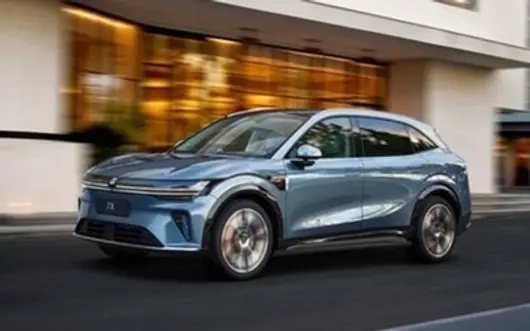
【CNMO科技消息】9月8日,极氪宣布极氪7X全球第20万台整车在宁波梅山智慧工厂正式量产下线。

极氪7X
据CNMO科技了解,首批极氪7X于2024年9月16日量产下线,至此累计产量达20万台,用时约两年。此前,极氪已于8月24日宣布,极氪7X全球订单突破20万台,第20万台订单来自墨西哥车主。
极氪7X是极氪面向豪华纯电SUV市场的重点车型,基于SEA浩瀚架构打造。官方数据显示,该车已进入全球50多个国家和地区,覆盖欧洲、大洋洲、东南亚、中东、北非等主要区域,并在中国香港、澳大利亚、马来西亚、墨西哥、埃及等多个市场跻身中型豪华纯电SUV销量前列。

海外市场表现方面,今年1至7月,极氪7X稳居墨西哥市场豪华纯电C级SUV销量冠军,7月全球交付达到35837辆,同比增长111%,创下品牌单月交付新高。2026年7至8月,极氪7X全球单月销量连续保持在万辆规模,这为其海外高端市场的认可度提供了支撑。
对极氪而言,20万台是阶段性产量节点,也是其出海布局逐步深化的一个侧面。未来这一数字能否持续攀升,仍有待市场检验。据悉,2027款极氪7X将于今年第四季度上市,外观风格没有改变,将带来新的外观内饰颜色,新增85kWh金砖电池版本车型。
近日,比亞迪喺英國推出一款基於海豚改造嘅廂式貨車,名為 DolphinCargoe-Van。當地售價 2.93 萬英鎊,大約 26.4 萬人民幣,現已喺英國授權比亞迪門店開始接受預訂。
呢款車由我哋熟悉嘅家用海豚改造而成,比亞迪拆除後排座椅,喺前排後方加裝金屬隔板,改造後車輛擁有 1093 升載貨容積,同時仲提供 47 升隱藏儲物空間,原本嘅乘用車變成輕型商用車。即係話,佢係「貨運版海豚」,專門瞄準城市配送、快遞、維修服務等輕型物流市場。

最長 1.25 米,最闊 1.16 米,輪拱之間闊約 1.02 米,高 0.71 米。地板下面仲藏咗一個 47 升嘅小格子。地板做咗耐磨處理,車尾有封閉擋板、保留車窗兩種選擇,方便唔同商戶按需揀選。

動力部分,新車繼續採用海豚嘅動力系統,搭載 60.4kWh 刀片電池同 204 馬力電機。綜合續航里程可達 426 公里,城市工況續航最高約 558 公里。
配置方面,全車標配座椅加熱、方向盤加熱、360 度全景影像以及 220V 外接放電功能,維修、擺檔可直接外接用電設備。
新車喺英國市場售卖,係比亞迪完善歐洲產品佈局嘅重要一步,補齊乘用車同輕型商用車產品線,綜合嚟講,發布效果仲需要市場檢驗,後續仲有望推廣到歐洲其他國家。
比亞迪今年嘅戰略就係走出去,打境外。5 月份比亞迪喺海外一共賣咗 16.06 萬台車,同去年比漲咗 80.7%,海外銷量喺總銷量之中嘅佔比突破 42%,比亞迪嘅滾裝船快唔夠用。 前幾日,比亞迪將騰勢 Z9GT 賣去歐洲,排場十足。
比亞迪喺巴西、泰國、烏茲別克斯坦、土耳其、匈牙利呢啲國家,已經建廠或計劃建廠。講到底,走出国門,產品夠硬係第一步,但也只係第一步。將後面每一步都走實,嗰啲對國產車「上頭」、甚至「魔怔」嘅老外,先會越來越多。
The sun in Bangkok is scorching.
At the entrance of a mall on Sukhumvit Road, the queue took two irregular turns.
Funnily enough, aside from the Gen Z with ponytails scrolling through short videos, there were many middle-aged people with frost on their temples.
They were waiting for a small car called Chery Q.
This scene was just like 20 years ago when the old QQ first arrived, only back then the ones queuing were motorcycle drivers, now it's old neighbors who arrived in pickup trucks.
 The muffled sound from tapping knuckles is an echo 20 years later.
The batch of people who drove the old QQ for motorcycle taxi services back then are now tapping their fingers on the A-pillar of the new car.
The integrated hot-formed door ring reaches a strength of 1300MPa. When you knock with your knuckles, the sound is muffled and solid.
Back then, the tin shell was for the sake of being cheap, now the car frame is for the sake of peace of mind.
The young guy in streetwear next to him didn't care about these things, he was staring at the cloud-pink-beige paint job.
It's the Kansai clear coat, the same as Ferrari's. There isn't a single orange peel texture under strong light.
It's true that this paint surface doesn't fade for ten years.
 Mango sticky rice inside the 70L front trunk.
After picking up the car, Arlene didn't rush to leave.
She opened the front trunk with a click. With 70L capacity, she stuffed in the mango sticky rice she just bought, plus that longboard she prepared to use for surfing at the beach.
With a drainage hole design, even if you throw in a wet swimsuit, you don't have to worry about smells mixing.
She casually shouted a command at the rear of the car. The exterior voice response opened the front trunk a bit more immediately, causing those around to burst into laughter.
This feature, on the congested streets of Southeast Asia, is even more pleasing than automatic parking.
 The Agile "Big Fella" in the Narrow Alley.
Alleys in old Bangkok are so narrow only one body can pass through.
This car's 3X wheelbase ratio played a big role, with a turning radius that is surprisingly small.
Front MacPherson, rear multi-link, rear-engine rear-drive, 50:50 weight distribution. It drives steadily as if stuck to the ground.
The rainy season is coming soon. The IP68 battery water resistance means no fear of wading.
The Rhino battery features liquid cooling, running from minus 40 degrees to 60 degrees, like giving the battery cell a temperature-constant coat.
 Orders don't lie, but truly understanding you is the dealbreaker.
Order numbers don't lie.
3000 in Thailand, 6000 in Indonesia, 56,000 domestically in the first month.
Chery didn't play the customization game this time, with right-hand drive tuning. The chassis, battery, and cabin are almost identical to the domestic version.
From 2006 to 2026, a small car traversed 20 years. Relying not on flashy marketing, but on this solid quality, it firmly parked itself in the lives of two generations again.
What gets people hooked is never the parameters, but that considerate understanding of you.
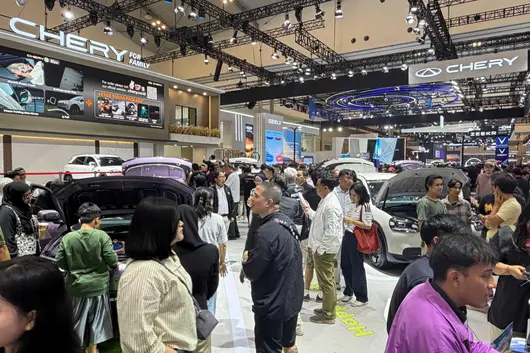

喺馬來西亞嘅 SUV 市場,好多人揀車嘅時候都拿 Proton X70 同 Chery Tiggo Cross 做比較。呢兩款車喺價錢同定位上都幾接近,今日我哋就由多個方面做詳細比較,幫你省返做功課嘅時間。
Proton X70 喺馬來西亞嘅 OTR 售價係 RM 106,800 - 122,300,一共有 3 個版本,包括 1.5L Standard 2WD(RM 106,800)、1.5L Executive 2WD(RM 115,800)、1.5L Premium 2WD(RM 122,300) 等。
Chery Tiggo Cross 喺馬來西亞嘅 OTR 售價係 RM 88,750 - 99,750,一共有 2 個版本,包括 2025 HEV 1.5L CSH(RM 99,750)、2025 1.5T Standard(RM 88,750) 等。
由價錢睇,Chery Tiggo Cross 嘅起步價比 Proton X70 平咗 RM 18,050。坦白講,喺呢個價錢段,幾千蚊嘅差距其實唔算大,關鍵仲係睇整體嘅性價比同長期使用成本。

Proton X70 車身長 4400 mm,行李廂 400 L。
Chery Tiggo Cross 車身長 4400 mm,行李廂 400 L。
兩部車嘅尺寸幾乎一樣,車內空間差別唔大。呢個級別嘅車,日常使用完全夠用。

Proton X70 採用 FWD 驅動方式。
Chery Tiggo Cross 採用 FWD 驅動方式。
兩部車嘅驅動方式一樣,都係 FWD,日常駕駛感受唔會有太大分別。

Proton X70 同 Chery Tiggo Cross 都係馬來西亞市場嘅主流選擇,適合家庭使用、日常通勤。如果你更睇重品牌口碑同二手價,可以優先考慮口碑更好嗰款;如果你更在意性價比同配備,就揀配置更豐富嗰款。最終仲係建議兩部車都去試駕,親身體驗先係最重要嘅。
總括嚟講,Proton X70 同 Chery Tiggo Cross 都係馬來西亞市場好唔錯嘅車型。揀邊一部,關鍵仲係睇你嘅個人需求同預算。建議大家做好功課,多比較幾間車行嘅報價,再去試駕先做最終決定。買車係件大事,花少少時間做功課絕對唔會錯。



Written by | Ying Liu
Edited by Dalu Huang
Designed by | Youmei Zhen
On June 5, 1950, Kiichiro Toyoda resigned as president. This founder, who brought the family loom business into the automotive industry, could not hand over the company directly to his children.
A labor-management standoff lasting two months ended with large-scale layoffs and executive resignations; 2,146 employees left, and the vice president and executive directors resigned alongside Kiichiro Toyoda on the same day. Over a month later, Juzo Ishida, president of Toyota Automatic Loom Works, concurrently took over as president of Toyota Motor Corporation, while Fumio Nakagawa and others from the banking background entered the new management team.
The turning point occurred on the twentieth day after Kiichiro Toyoda's resignation.
The outbreak of the Korean War brought truck orders from the US military, giving the bankrupt Toyota a reprieve. By March 1951, cumulative orders reached 4,679 units, totaling 3.66 billion yen. Factories resumed operations, and the books once again showed cash flow. By early 1952, the company was preparing to ask the founder to return and resume the presidency. However, just before the official comeback, Kiichiro Toyoda suddenly passed away at the age of 57.
Succession moments for Toyota have frequently undergone changes.
In 1967, President Fumio Nakagawa suffered a sudden heart attack after returning from a business trip to Tokyo; the presidential position remained vacant until after his funeral. In 1995, Shoichiro Toyoda was hospitalized for six months due to illness, interrupting the period of family control once again. In 2009, Akio Toyoda took charge amidst the company's predicted first annual operating loss since inception, later became involved in one of Toyota's most severe recall crises, and testified before the US Congress alongside Yoshimi Inaba, head of Toyota North America, in 2010.

Toyota also once had a secret succession.
In late 2022, at the Buriram Circuit in Thailand, Akio Toyoda asked Koji Sato, an engineer beside him, if he was willing to assume the presidency. Sato officially took office in April 2023. In April 2026, he transferred to the position of Vice Chairman and Chief Industry Officer, with Kenji Kondo succeeding him as President and CEO.
In 2026, another personnel change sparked external attention to the fifth generation of the family, but Toyota did not define it as a succession plan.
On August 1, 2026, Daisuke Toyoda, 38-year-old son of Akio Toyoda, will leave Woven by Toyota, the software company he co-created, and the first phase of Woven City, which has already been launched, as well as the second phase still under construction, to return to Toyota Motor Corporation. He will not join the board of directors, nor will he receive an executive title; instead, he will enter a department close to the vehicle development "frontline" (genba) as a project manager. Toyota has not disclosed the specific department or model.
Toyota has not publicly announced any successor. The company's history of nearly ninety years repeatedly proves that a name can provide credit during a crisis but may also raise doubts during a power transition.
The Fifth Generation Returns to the Vehicle Development Frontline
Woven City is built on the site of the old Toyota East Fuji factory, testing autonomous vehicles, robots, and logistics equipment in a real urban environment. In September 2025, Phase 1 officially launched, and the first residents began moving in, with multiple partner enterprises entering the co-creation phase; Phase 2 is currently still under construction.
As a founding member of Woven by Toyota, Senior Vice President, and core head of Woven City, Daisuke Toyoda once turned his gaze beyond automobiles. In a 2025 interview, he compared this city to his great-grandfather Kiichiro Toyoda entering the automotive industry and posed a question: "When we truly become a mobility company, will Toyota Motor still be the group's core? We don't know."
Less than a year later, he began to move back.

On June 1, 2026, Woven announced that Daisuke Toyoda would transfer to Toyota Motor Corporation on August 1. The company announcement did not disclose the new position. A Toyota spokesperson subsequently confirmed to Reuters that he would serve as a project manager, entering a department close to the vehicle development "frontline" (genba), but refused to specify the specific business division and model.
This means his work focus will shift from a city-level testing platform to vehicle development. However, since Toyota has not yet explained specific duties, it is currently impossible to judge whether he will independently be responsible for a specific model, nor can this confirm it is a succession training arrangement.
This is not his first time entering Toyota Motor Corporation. In 2016, he worked in the Electronic Control Engineering Department; in 2018, he transferred to Toyota's Advanced R&D subsidiary. Since then, his work has mainly focused on software, autonomous driving, and future mobility.
Counting from Sakichi Toyoda, he is the fifth generation of the family. Counting from Kiichiro Toyoda, the founder of Toyota Motor, he is the fourth generation of the automotive business.
However, Toyota's succession history has never followed a bloodline straight line since the first president.
1937: The First President Was Not a Blood Relative of Sakichi Toyoda
At the founding conference in August 1937, the person appointed as the first president was not Kiichiro Toyoda, who opened the automotive business, but Riichiro Toyoda. Kiichiro served as vice president and only assumed the presidency in 1941.
Riichiro was originally Riichiro Kodama. After marrying Aiko Toyoda, the eldest daughter of Sakichi Toyoda, in 1915, he was adopted by the family and changed his surname to Toyota. He came from the cotton textile industry, managed the family business for years, and naturally took the presidential seat upon the company's establishment.
In other words, the first president of Toyota Motor was both a family member and not a blood relative of Sakichi Toyoda. Marriage, adoption, management ability, and family trust, several forces together decided where this position would fall.
The early family boundaries of Toyota were inherently wider than a straight-line genealogy.
In 1936, the automotive business intentionally distanced itself from the family name. The logo solicitation received about 27,000 submissions, and finally, the brand name was changed from the Katakana writing of the family surname "トヨダ" (Toyoda) to "トヨタ" (Toyota), and the Roman alphabet spelling was also changed to "Toyota".
Toyota's official reasons included: the new name uses unvoiced sounds, sounding clearer than the voiced sound of "Toyoda"; the Katakana writing of "トヨタ" is exactly eight strokes, and eight strokes are considered related to wealth and good fortune. This name change also symbolized the enterprise moving from a small independent company to a larger-scale company.

In Chinese, both "Toyoda" and "Toyota" are written as "Toyota", a subtle distinction that is easily overlooked. But this rewrite of the Japanese and English names drew a clear line: the enterprise comes from the Toyota family but does not belong solely to the Toyota family.
Even so, the Toyota surname remains deeply embedded in the company's DNA. Sakichi Toyoda left the automatic loom and the concept of "Stop at anomaly," while Kiichiro Toyoda turned family technical accumulation toward automobiles and bred the prototype of just-in-time production. Later, Eiji Toyoda, Shoichiro Toyoda, and Akio Toyoda passed the torch to mature the production system, expand globally, and drive product transformation.
This family has never provided a stable majority shareholding, but rather an industrial narrative spanning generations. Whenever the company intrudes into unfamiliar fields or hits major crises, the Toyota surname is always pushed back to the forefront. However, after experiencing the first true life-and-death test, it proved the company could actually invite the founding family off the driver's seat.
1950: The Founder Was Forced to Leave the Management Frontline
In the spring of 1950, Toyota's cash flow had reached the breaking point. Post-war economic tightening crushed automotive demand, and steel and non-ferrous metal prices soared; bank negotiation representatives sat across the conference table, demanding business restructuring, downsizing layoffs, and spinning off the sales department separately.
In April 1950, Toyota Motor Sales Co., Ltd. was established, separating manufacturing and sales, a split that lasted 32 years.
The split failed to put out the crisis immediately.
Starting from April 11, labor and management clashed over wages, layoffs, and reconstruction plans. People at both ends of the negotiation table almost met every day, negotiating for two months straight. The company eventually closed its Shibaura and Kameido factories in Tokyo; 2,146 people left, and the total number of employees plummeted from 8,140 to 5,994. The vacant workstations in the factory area were temporarily unfilled, and those who stayed had to accept pay cuts.

On June 5, Kiichiro Toyoda, Vice President Kazuo Kumabe, and Executive Director Takahachi Nishimura resigned on the same day. After the extraordinary general meeting on July 18, Juzo Ishida, president of Toyota Automatic Loom Works, concurrently assumed the presidency of Toyota Motor Corporation, while Fumio Nakagawa from the Imperial Bank entered management.
Toyota Motor had been established for only 13 years when the founder already lost control of operations.
20 days after Kiichiro Toyoda's resignation, the Korean War broke out. The US military quickly procured trucks from Toyota, issuing a first batch of 1,000 units on July 31, followed by additions of 2,329 and 1,350 units, totaling 4,679 units and 3.66 billion yen. War orders stabilized Toyota's operations after layoffs, split, and management changes.
Kiichiro Toyoda did not return immediately.
After leaving office, he continued to privately follow passenger car development, with sketches and parts lists on his desk. By early 1952, with the company's operations improving, Juzo Ishida began arranging for his comeback. Facing the invitation, he only said: "A company that doesn't build passenger cars is not a car manufacturer."
This statement sounded tough, but Eiji Toyoda later recalled that he was actually very happy inside.

The company originally planned to officially announce his comeback at the July 1952 shareholder meeting, and the new passenger car project had already launched in January of that year. However, on March 27, Kiichiro Toyoda suddenly passed away, abruptly ending the comeback plan, and the planned welcome ceremony was never held. The development of the Crown, which later became Toyota's representative model, also launched during this period.
The founder created the automotive business himself but was forced to leave during the company's most difficult moment. Orders flooded in after he left, and when the company was ready to welcome him back, he suddenly passed away.
Toyota's first succession was not completed. The company continued to be managed by professional managers, while the founding family retreated to the edge of power for a long time, waiting for the next turning point.
1967 to 1995: Sudden Succession
On October 13, 1967, Toyota President Fumio Nakagawa attended all-day meetings in Tokyo and was driving back to Nagoya. In the dead of night, he suffered a sudden heart attack and did not wait until dawn.
The company did not announce a successor on the second day. Since other representative directors were still maintaining operations, the president position remained temporarily vacant. It was not until October 30, after the funeral ended, that Vice President Eiji Toyoda officially assumed the role.
Eiji Toyoda was the cousin of Kiichiro Toyoda. He had long been rooted in the factory and technical system, promoting the Toyota Production System to maturity together with Taiichi Ohno and others. Before being pushed to the highest position, he had worked in the company for decades.
He later recalled that the position itself did not make him feel strange, "what surprised me was the change in the attitude of people around me."

This sudden succession reflected a typical way of Toyota family influence: Family members would never sit in the highest position solely based on bloodline. However, when the company suddenly lost a leader, someone with deep internal experience who could represent the company's tradition was easier for management to accept.
Eiji Toyoda served as president for 15 years until 1982, when the manufacturing and sales companies were recombined.
At that time, Japan-US automotive trade friction intensified, and Toyota began considering overseas production. Communication costs resulting from the separation of manufacturing and sales rose higher and higher. The company urgently needed to unify products, funds, personnel, and international decision-making. In January 1982, the two signed a merger memorandum, then immediately handled merger ratios, board seats, and organizational structure.
At 9:30 AM on July 1, 53 executives attended the establishment ceremony of the new company at headquarters. Eiji Toyoda and Shoichiro Toyoda unveiled the company sign for "Toyota Motor Corporation," recombining the manufacturing and sales system separated for 32 years into one.

At the subsequent board meeting, Eiji Toyoda served as chairman, and Shoichiro Toyoda, son of Kiichiro Toyoda, became president. Eiji Toyoda wrote in a letter to employees: "Toyota's post-war era has ended."
This was a true return of the family, but still not a direct baton handover between father and son. After Kiichiro Toyoda left in 1950, three presidents passed: Juzo Ishida, Fumio Nakagawa, and Eiji Toyoda. 32 years passed before his son sat in the presidency of the merged Toyota.
Shoichiro Toyoda subsequently promoted North American localization production. In 1983, Toyota and General Motors established the New United Motor Manufacturing, Inc. (NUMMI). His younger brother, Daigo Toyoda, deeply participated in the North American production system and succeeded to the presidency in 1992.
Family continuous control lasted only three years.

Daigo Toyoda had long suffered from health issues. He resigned after being hospitalized for about six months in 1995 and transferred to Vice Chairman. Toyota did not look for another family member to fill the position but appointed Minoru Oda, who had worked in the company for about 40 years, as president.
After that, Minoru Oda, Fujio Cho, and Takeo Hashimoto successively led Toyota, and professional managers held power for 14 years.
The family did not truly leave. Shoichiro Toyoda continued to serve as chairman and honorary chairman, retaining a voice in group relations and major directions, while daily operations were handed to internal professional managers.
Toyota thus formed a structure that repeatedly appeared: the family was responsible for preserving history, sense of direction, and symbolic meaning during crises, while professional managers were responsible for maintaining operational continuity in a huge organization. The boundaries between the two were not clear, but they checked and balanced each other for a long time.
2009: The Family Returns in a Crisis
In late 2008, the global financial market was full of alarm bells, and Akio Toyoda's name began to appear frequently in succession rumors.
At that time, the global financial crisis rapidly suppressed automotive demand. Toyota had just surpassed General Motors to become the global sales champion but was expected to face its first annual operating loss since inception. Whether to have the founding family retake the helm at this moment, there were different opinions within the company.
According to Reuters reports at the time, key figures such as Fujio Cho, Minoru Oda, and Shoichiro Toyoda weighed whether to arrange a transitional manager first to let Akio Toyoda accumulate a few more years of experience. Ultimately, Toyota chose to have 52-year-old Akio Toyoda assume the role directly.
His surname was both a talisman and a shackle.

When Akio Toyoda joined the company in 1984, his father Shoichiro Toyoda warned him that no one wanted to become "the president's son's subordinate." Many employees kept their distance from him for a long time. He rotated through production, sales, North American joint ventures, and Asian and Chinese businesses, moved his desk time and time again, only entering the board of directors in 2000 and officially assuming the presidency in 2009.
Soon after taking office, a large-scale recall crisis came head-on. Between 2009 and 2011, over 10 million Toyota vehicles were recalled due to issues such as accelerator pedals and floor mats. In 2010, Akio Toyoda testified before the US Congress alongside Yoshimi Inaba, head of Toyota North America.
At that hearing, he linked his family identity with personal responsibility: "I am the grandson of the founder, and all Toyota cars carry my name. When the car gets hurt, I feel hurt too."

After this, Akio Toyoda served as president for 14 years but did not hand the position to his son. In late 2022, at the Buriram Circuit in Thailand, he asked Koji Sato, head of Lexus and GR: "Would you be willing to assume the presidency?"
Koji Sato officially took office in April 2023, and Akio Toyoda transferred to Chairman. According to his own words, an important reason for selecting Sato was that he was young, loved cars, and demonstrated Toyota's philosophy and way of doing things on the vehicle development frontline.
2026: Kenji Kondo Assumes Presidency
In February 2026, Toyota announced that Sato would transfer to Vice Chairman and Chief Industry Officer in April, with Kenji Kondo succeeding him as President and CEO.
This adjustment occurred amidst Toyota facing multiple pressures. The certification violation incident of 2024 is still testing the group's governance. At the same time, uncertainty in trade policy, costs, and industry competition is rising. Toyota listed improving profitability and reducing break-even sales volume as urgent tasks in official explanations and stated that Sato still needs to devote more energy to the Japan Automobile Manufacturers Association and industry collaboration.
Therefore, the change of command should not be simply understood as a negation of Sato's three-year term but more like a reorganization of responsibilities for operations and industry affairs.
Kenji Kondo's most important resume is serving as Executive Officer and Chief Financial Officer of Toyota Motor Corporation. He has long engaged in finance and operation management, having served as Akio Toyoda's secretary early on, and later concurrently served as a Woven director and CFO.

These experiences concentratedly reflect his trust relationship with Akio Toyoda, financial expertise, and cross-departmental experience. According to Toyota's published division of labor, Sato will mainly be responsible for industry cooperation and external affairs, while Kenji Kondo will be responsible for corporate operations, profitability improvement, and reducing break-even sales volume.
From Akio Toyoda stepping down to Koji Sato and Kenji Kondo succeeding one after another, the presidential position was handed to non-family members twice. Akio Toyoda still serves as Chairman and Representative Director, continuing to exert influence in products, culture, group relations, and manager training.
This influence cannot be explained solely from shareholding ratios.
Akio Toyoda's personal shareholding is less than 0.2%, and the total family shareholding is also lower than 2%, making it impossible to influence the board of directors with majority shareholding. Toyota's current major shareholders are mainly trust banks, financial institutions, and group enterprises; family members don't even squeeze into the top ten shareholder seats.

Scholars researching Japanese family enterprises call names, reputation, internal relations, social networks, and long-term accumulated management knowledge "soft family assets." At Toyota, it is precisely these assets that allow the family to influence corporate culture and strategy even after shareholding is constantly diluted.
This influence is also constrained by shareholders. In 2024, dragged down by certification violations and corporate governance controversies, Akio Toyoda's shareholder support rate once fell to about 72%. In 2025, the support rate rose back to 96.72%. A surname can bring authority within the company but cannot exchange for unconditional support in the capital market.
Beyond the Surname, There Is Also a System
In Toyota's current company documents, there are no clauses like "Family Priority," "Primogeniture," or "Founding Family Reserved Seat."
According to Japanese company law and Toyota's governance structure, shareholder meetings are responsible for electing directors, and the board of directors selects representative directors from them and appoints positions such as Chairman and President. Akio Toyoda personally does not possess legal "power of transmission," and Daisuke Toyoda cannot directly inherit the presidency by a surname.
Toyota did not start disclosing president training and selection mechanisms only in 2026. As late as 2023, its comprehensive report and shareholder meeting notices had already listed links such as talent training, evaluation feedback, candidate determination, and external director participation. The 2026 shareholder meeting notice, combined with the appointment of Kenji Kondo, once again and more centrally explained how this mechanism works.

Potential candidates will be sent to serve as internal company presidents, regional CEOs, and functional heads, taking on management responsibilities in product, regional, and professional posts. Candidates will also demonstrate judgment, skills, and working style through regular operational discussions and frontline work. Independent external directors observe their execution through listening to internal heads and regional executive reports and visiting business sites.
Toyota also conducts interviews with over 40 management executives and senior management talents each year to understand their personal characteristics. Candidates receive comprehensive evaluations and 360-degree feedback from multiple superiors and relevant personnel annually, with evaluation results continuously accumulated for several years. Finally, candidates must also undergo individual interviews.
Final choices are deliberated by the executive appointment meeting.

This meeting currently has three members, including two independent external directors and one internal director, with external directors holding the majority. The meeting is responsible for discussing executive and director candidates, forming appointment plans, and then submitting them to the board of directors for a vote; director candidates must finally be handed to the shareholder meeting for formal election.
Toyota told The Financial Times that the company will not be subjected to "inappropriate influence" from the Toyota family, and family members joining the company must go through the same procedures as other employees.
Beyond the system, personal trust still truly exists.
The fact that Koji Sato received the inquiry by the race track indicates that the formal nomination procedure cannot completely present the entire process of succession brewing. Long-term observation and personal trust still affect when candidates enter the formal procedure.

Akio Toyoda's arrangement for his son is constrained by company systems but also carries the consideration of family heritage.
When asked in 2025 whether Daisuke Toyoda would continue the family business, Akio Toyoda said: "He is my son, but also a completely different person." He does not want his son to replicate the path he walked but still hopes something can be passed down.
"The driver decides the flavor of the brand."
Daisuke Toyoda has participated in endurance races and also participated in the vehicle evaluation of the Toyota GR GT flagship sports car from the concept stage. Official materials list him as one of the drivers involved in development evaluation. He has provided feedback to the engineering team on vehicle performance alongside Akio Toyoda, professional drivers, and internal evaluation drivers.
These experiences can prove he understands driving and products but cannot replace a complete management resume. In public materials, he has not yet independently been responsible for a global mass-produced model, nor has he managed a large factory, a major regional market, or a business requiring profit responsibility.
The position of Project Manager is therefore worth attention. Woven and Woven City gave him experience in software, partners, and future mobility. After returning to Toyota Motor, whether he can supplement the vehicle development and operation management resume depends on specific duties and actual results.

In 1936, Toyota proactively distanced itself from the family surname in brand spelling, hoping the automotive business would grow into a socially broader enterprise. Nearly ninety years later, the Toyota family has never truly exited this company, but they also did not guard a stable hereditary channel.
The founder was once forced to resign, professional managers held power for consecutive years, and family members also left the scene in disgrace due to illness. The presidential seat can be temporarily filled after a funeral or decided with a question by the side of a track, but finally, everything must go through corporate governance procedures and the test of operational results.
The Toyota surname offers an earlier opportunity to be seen and brings a more difficult responsibility to shoulder.
On August 1, 2026, Daisuke Toyoda will enter a department close to the vehicle development frontline as a project manager. For him, this is a position transition. Whether it is also a path to higher management positions, there is no answer yet.