首頁机

搜尋歷史
熱門搜尋
經銷商登入 / 註冊



According to Thai media reports, the Federation of Thai Industries (FTI) and the Thailand Automotive Industry Association (TAIA) recently jointly urged the government to formulate more complete local parts policies in the future, encouraging or even requiring electric vehicle manufacturers to prioritize components produced by local suppliers when manufacturing in Thailand, rather than relying heavily on imports.

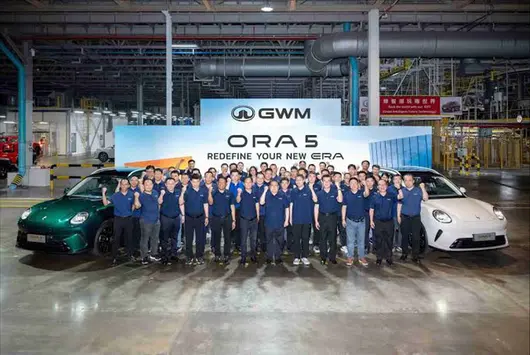
Currently, including Chinese brands such as BYD, Great Wall, MG, AION, and Changan, have already set up production bases in Thailand, and some models have even started CKD assembly locally. However, industry observers point out that many key parts are still imported from China, making it difficult for traditional Thai auto parts suppliers to truly benefit.
FTI Chairman Suwat Supakandechakul stated that Thailand already has the capability to produce many auto parts, including car seats, wiring harnesses (Wiring Harness), windshields, and other products, and local suppliers are fully capable of meeting factory needs. If these parts can be prioritized for Thailand manufacturing, it not only reduces overall production costs but also allows the local parts industry to gain greater development space.

In addition, he also suggested that the government could provide tax incentives (Tax Deduction) and other reward measures for factories with a higher proportion of local parts used, further encouraging factories to increase their localization rate, and even hoped that in the future, even high-value parts like chassis (Chassis) could be gradually realized for local production.
Besides supporting the local supply chain, Thailand's automotive industry also worries about the continuous changes in the international trade environment. Industry observers point out that the US has continued to strengthen inspections on "transshipment (Transshipment)" in recent years. If products exported to the US have most parts still from China and only assembled in Thailand, they may face stricter tariff inspections in the future, even affecting export competitiveness.
Therefore, increasing the proportion of local parts usage can not only strengthen Thailand's automotive industry competitiveness but also help reduce future international trade risks. On the other hand, the Thailand Automotive Industry Association (TAIA) also submitted several suggestions to the government, including adjusting the consumption tax policy for imported electric vehicles (CBU) to protect the local manufacturing industry.

At the same time, the association also suggested that the government could provide individual income tax incentives for consumers who purchase Thai-assembled cars, encouraging more consumers to choose locally produced models. In addition, government departments should also prioritize Thai-assembled electric vehicles when procuring official vehicles in the future to further drive market demand.
In fact, Chinese brands have invested heavily in Thailand in recent years, not only driving the location to become one of the most important EV production bases in Southeast Asia but also attracting a large number of related industries to move in. However, for the Thai government and local industries, the true goal is not merely to attract factory setup, but to hope these investments can further drive local supply chain growth, benefiting more Thai parts factories, component suppliers, and related employment opportunities.

If the government formally promotes stricter localization policies in the future, Chinese brands will inevitably need to further expand cooperation with local Thai suppliers and increase the proportion of parts procurement, which may become an important direction for Thailand's EV industry development in the future.
It is worth noting that this policy currently still belongs to suggestions proposed by industry groups to the government, not formal regulations. However, with Thailand continuing to promote automotive industry upgrades, whether more clear localization standards will be formulated in the future will become the focus of major factory owners.


Written by | Zhang Linyu
Edited by | Zhang Nan
Designed by | Zhen Youmei
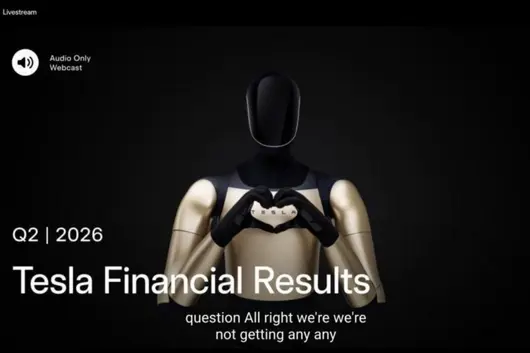
At 4:30 PM Central Time on July 22, Tesla's Q2 earnings call began, with little mention of its traditional automotive business.
During the Q&A session, analysts no longer asked when the low-cost model colloquially known as Model 2 would go into mass production. Tesla has never officially used this name, nor did they inquire about the progress of the next-generation model.
Elon Musk and his core executives shared information with the audience regarding FSD (Full Self-Driving, Tesla's fully autonomous driving software, which still requires driver supervision at all times in the current version), Robotaxi, Optimus robot, and chip factory.
This forms a certain contrast with Tesla's current revenue structure.
Revenue Increase Without Profit Increase
In Q2 2026, Tesla delivered a total of 480,126 vehicles globally, a 25% year-over-year increase and a 34% quarter-over-quarter increase, marking the company's best Q2 delivery record, second only to the historical record of 497,099 vehicles set in Q3 2025.
Among them, 467,762 Model 3 and Model Y vehicles were delivered, accounting for 97.4% of total deliveries; other models including Model S, Model X, Cybertruck, and Semi trucks totaled 12,364 deliveries, accounting for only 2.6%.

Production for the same period was 451,758 units. Deliveries exceeded production by 28,368 units, and global vehicle inventory days dropped from 27 days in the previous quarter to 15 days.
Tesla did not disclose absolute sales by region for Q2, but Chief Financial Officer Vaibhav Taneja revealed that compared to Q1, deliveries grew 60% in the Americas, 27% in Asia-Pacific, and 12% in EMEA. He also stated that Tesla ended Q2 with the largest order backlog since 2023.

The shareholder letter listed the markets where Q2 delivery records were set: South Korea, Australia, Colombia, Japan, Taiwan, Thailand, Portugal, Philippines, Chile, Slovenia, and Lithuania. Taneja additionally noted that Model Y set sales records in the Netherlands, Australia, and New Zealand.
Sales grew, but profits did not increase correspondingly.
In Q2, Tesla's total revenue was $28.236 billion, up 26% year-over-year, marking the first time revenue over the past 12 months exceeded $100 billion. Among them, automotive business revenue was $20.516 billion, up 23% year-over-year, accounting for 72.7% of total revenue; energy generation and storage business revenue was $3.139 billion, up 13%; service and other business revenue was $4.581 billion, up 50%, becoming the fastest-growing business.

Tesla's gross profit for the quarter was $4.751 billion, up 23% year-over-year; GAAP gross margin was 16.8%, down 41 basis points from 17.2% in the same period last year.
Operating profit was only $398 million, down 57% year-over-year; operating margin dropped from 4.1% to 1.4% compared to the same period last year.
In other words, Tesla's revenue increased by $5.74 billion year-over-year, but operating profit decreased by $525 million.
One source of pressure on profits came from expenses. In Q2, Tesla's R&D expenses reached $2.371 billion, up 49% year-over-year; sales, general, and administrative expenses reached $1.982 billion, up 45%. The two expenses totaled $4.353 billion, almost eating up all gross profit.
The shareholder letter attributed expense growth to three areas: R&D projects such as AI, equity incentives (including 2025 CEO compensation plan), and sales and admin expenses. Equity incentive expenses were $1.151 billion pre-tax this quarter, compared to $635 million in the same period last year.
Automotive regulatory credit revenue dropped from $439 million last year to $146 million, down 67% year-over-year; it was $380 million last quarter. The $7,500 U.S. federal EV tax credit expired on September 30, 2025; after federal law amendments, fines for automakers failing to meet fuel economy standards were zeroed out, removing the motivation to buy Tesla credits.
Automotive business GAAP gross margin was 16.9%; automotive gross margin excluding regulatory credit revenue was 16.3%, higher than 15.0% in the same period last year, but significantly lower than 19.2% in Q1 this year.
Taneja explained that Q1 automotive gross margin was helped by approximately $230 million in reserve reversals for warranties and tariff reductions; these benefits did not repeat in Q2; excluding these impacts, automotive gross margin excluding credits was roughly flat with the previous quarter.
In the attribution of revenue and profit in the shareholder letter, 'decline in average selling price per vehicle' is listed as a negative factor in two places.
The energy business also saw 'revenue increase without profit increase'.
In Q2, Tesla's energy storage deployment reached 13.5 GWh, up 41% year-over-year and 53% quarter-over-quarter, the second-highest quarter in history. However, due to approximately $240 million in warranty expenses caused by supplier cell issues, the energy business gross margin dropped from 39.5% in Q1 to 20.4%.
Service and other businesses became one of the few clear profit growth points.
This business's gross profit grew from $166 million in the same period last year to $648 million, an increase of $302 million quarter-over-quarter; gross margin rose from 5.5% last year and 9.2% last quarter to 14.1%, a historic high.
Tesla's GAAP net profit for the quarter was $1.114 billion, down 5% year-over-year; diluted EPS was $0.32, down 3% year-over-year.
This $1.114 billion includes an unrealized gain from a SpaceX equity investment, $1.005 billion pre-tax and $763 million after-tax. Tesla bought this SpaceX equity for $2.002 billion in Q1 2026, realizing a paper gain of $1.005 billion one quarter later.
Taneja said this approximately $1 billion gain was offset by approximately $300 million in foreign exchange losses and about $100 million in Bitcoin losses. On the income statement, the total 'Other income (expense), net' for the quarter was $590 million.
Excluding equity incentives, SpaceX paper gains, digital asset fluctuations, and special tax items, Tesla's non-GAAP net profit was $1.153 billion, down 17% year-over-year; non-GAAP diluted EPS was $0.33, down 18% year-over-year.
In Q2, Tesla's operating cash flow was $4.697 billion, up 85% year-over-year; capital expenditures reached $5.789 billion, up 142% year-over-year, resulting in $1.092 billion of negative free cash flow.
The company expects capital expenditures for the full year 2026 to exceed $25 billion, and capex will continue to grow in the next two to three years.
As of the end of June, Tesla held $43.524 billion in cash, cash equivalents, and short-term investments, down $1.219 billion from Q1.
Automotive remains Tesla's largest revenue source and the foundation supporting cash flow and capital expenditures, but the earnings call is no longer about cars.
Elon Musk Only Discussed Three Things
After the earnings call began, Elon Musk sounded emotionally down. He later explained to analysts that he was sick that day, 'If I sound a bit off, it's because I'm sick today and feeling unwell.'
He briefly mentioned three things.
The first thing was Cybercab. He announced that Cybercab production has started at the Texas Gigafactory. As a two-seater model designed specifically for Robotaxi with no steering wheel or pedals, Cybercab is seen as the core carrier for Tesla shifting from selling cars to operating an autonomous driving fleet. Tesla has provided Cybercab ride experiences for employees within the Texas factory campus since July.

However, Cybercab will not scale up rapidly in the short term.
Since it uses a completely new chassis, Tesla must first let test vehicles equipped with steering wheels, accelerator pedals, and brake pedals accumulate sufficient driving data to complete the autonomous driving system calibration for the Cybercab chassis.
The second thing was the Optimus robot.
Musk again called Optimus 'the largest product ever', but he also admitted this will be the hardest product for Tesla to date to achieve mass production.

Cars at least have mature supply chains for tires, glass, mirrors, and body parts, but almost all components of Optimus need to be redesigned and supply systems established.
Tesla has dismantled the Model S and Model X production lines at the Fremont factory and started installing the first-generation Optimus production line; the Optimus building at the Texas factory is also under construction.

The shareholder letter said the first batch of Optimus will be deployed within Tesla's Optimus Academy for collecting training data and developing features.
Musk stated that Optimus production ramp will follow a typical S-curve, but due to many new components, the initial flat phase of the curve will be very long.
Musk hopes the third-generation Optimus will eventually reach an annual production of 1 million units, and the fourth generation 10 million units. However, he immediately emphasized these are ideal targets, and achieving true mass production is 'surprisingly difficult'.
The third thing was the chip factory.
This is a massive chip manufacturing project in cooperation between Tesla and SpaceX. Terafab not only produces logic chips but also covers storage chips, advanced packaging, testing, and photomask manufacturing.
Musk did not disclose the site location at the earnings call, only stating there will soon be a separate launch event because this project 'deserves its own day' and should not be squeezed into an earnings call.
He envisioned placing photomask manufacturing, logic chips, storage chips, packaging, and testing in the same building to shorten chip design and validation cycles.
Terafab's main task is not to produce traditional chips for cars, but to solve the AI computing power needed for future large-scale Optimus mass production.
Musk believes that without its own chip manufacturing capability, Optimus will eventually be constrained by AI chip supply.
There was another chip statement in the shareholder letter: Tesla's semiconductor wafer fab in Austin is advancing construction and equipment procurement; the project is still in early stages, aiming to build its own chip manufacturing capability to ensure long-term supply of logic and storage chips. The full shareholder letter does not mention Terafab.
June 4, 2026, Hsinchu, Taiwan, TSMC 2026 Annual Shareholders' Meeting.
A corporate shareholder representative asked TSMC Chairman and CEO C.C. Wei how he viewed Musk building his own wafer fab. Wei said: 'My only comment is to 'bless him'.' He also said TSMC has never lacked opponents; the only way to face them is to continue to strive and win.

Cybercab, Optimus, and Terafab form the main axis of Musk's entire narrative at this earnings call. The traditional automotive business only exists as a cash source and AI implementation platform.
The Limitation on Production Is Not Demand, but Battery Packs
The shareholder letter stated in two places that battery pack capacity is the main limiting factor for recent vehicle production increases. Taneja added at the meeting that production growth will be limited by supply chains, not just batteries, but also electronic components.

In the same quarter, Tesla faced the largest order backlog since 2023.
As of the end of Q2, Tesla's paid FSD subscriptions reached 1.48 million, up 56% year-over-year; global paid users approached 1.5 million, with 55% one-time purchase and 45% subscription. Over 55% of new cars in North America had FSD subscriptions activated at delivery.
The shareholder letter stated Tesla has pushed FSD v14 lite to vehicles equipped with AI3 hardware in the U.S. and South Korea, by distilling driving behaviors from the v14 series on AI4 into the camera and compute configuration of AI3.
Hardware 3 and Hardware 4 correspond to AI3 and AI4. Musk said in the Q&A session that upgrading vehicles below Hardware 4 'will eventually be economically reasonable', but Tesla public documents have no hardware upgrade plans.
The shareholder letter listed nine Robotaxi metro areas: California's SF Bay Area with safety drivers; Texas Austin, Dallas, Houston and Florida Miami, Orlando, Tampa in unsupervised operational ramp-up phase; Arizona Phoenix, Nevada Las Vegas in preparation.

Tesla claimed Robotaxi is online in 7 major metro areas, cumulatively driving over 380,000 miles safely with no accident records.
Analyst Q&A Transcript
Below is the transcript of the Q&A session from Tesla's Q2 2026 Earnings Call, compiled by this publication from the conference call recording, with omissions.
Earnings Call Executive List
Host: Travis Axelrod (Travis Axelrod, Head of Investor Relations at Tesla)
Musk (Elon Musk, Tesla Co-founder and CEO)
Vaibhav Taneja (Vaibhav Taneja, Tesla CFO)
Ashok Elluswamy
Karn Budhiraj
Lars Moravy (Lars Moravy, Vice President of Vehicle Engineering at Tesla)
Brandon Ehrhart (Brandon Ehrhart, Tesla General Counsel and Corporate Secretary)
Q1: Currently there is no mature Optimus supply chain, so Tesla has to do much of the work internally. In the process of advancing this, are there suppliers willing to co-invest with you to establish local manufacturing capability in the U.S., helping Tesla achieve scale faster? From an investment cycle perspective, having partners advance together could improve capital efficiency. How do you consider this?
Musk: Our suppliers are performing exceptionally well. To support Optimus, Robotaxi, and other projects, they have invested and are continuing to invest huge funds.
Especially Samsung Electronics and TSMC, both building wafer fabs. TSMC is building in Arizona, Samsung is building in Texas, investing tens of billions of dollars to produce AI computing chips for Optimus and Robotaxi.
Panasonic has also invested billions of dollars to expand battery production.
Please excuse me, I'm feeling a bit unwell today, slightly sick. If my voice sounds off, it's because I'm indeed feeling unwell today.
Our partners are all excellent. I want to thank them for their support, their investments, and their hard work.
Karn Budhiraj: I want to add a point on this basis. A significant portion of Samsung's wafer fab capacity will be used for future projects. This is a massive investment involving billions of dollars.
We also see investment of similar scale in the storage chip sector. Additionally, investment has emerged in some new dedicated parts areas, such as metal injection molding parts, flexible printed circuits, and various non-traditional technologies. These technologies are mostly designed for robots, differing from our traditional automotive supply chains in the past.
In some areas, if we cannot find suitable partners, we never hesitate to move production internally. We have a very strong manufacturing engineering team and design team that can help us scale up production of these products.
Musk: I also want to thank Micron Technology (Micron Technology, U.S. storage chip manufacturer) for allocating storage chip capacity for us. They must make some very difficult decisions on storage chip capacity allocation. Given the crazy high price of storage chips today, we are very grateful that Micron is willing to reserve space for Tesla in the coming years and allocate considerable capacity to us under reasonable terms.
Q2: Regulations in U.S. states seem to be changing, possibly involving sensor configuration requirements. For Robotaxi deployment, what approach do you want regulators to take? To avoid excessive regulation while ensuring Robotaxi lands correctly, what regulatory environment do you hope to see?
Lars Moravy: When discussing regulations, especially the U.S. regulatory environment, significant progress has been made. The federal government has taken very proactive measures around the 'Federal Motor Vehicle Safety Standards' (FMVSS), beginning to accept and promote specifically designed autonomous vehicles. We are very grateful for the support from the U.S. National Highway Traffic Safety Administration (NHTSA) in this regard.
As for individual states, some recent movements in New Jersey are obviously somewhat disappointing.
But as Ashok said in his opening remarks, what we really care about is the vehicle's own performance. Ultimately, it is product performance that drives regulators and the public to accept this technology.
I believe the best way to regulate is to set a goal or task for companies and innovators, then let us find solutions ourselves. If some regulations define the solution before clearly stating the problem, we certainly won't welcome that practice.
Tesla has always proven itself with actual performance in the past, and will continue to do so in the future. This will also become the foundation for our continued expansion.
Q3: Next, what milestones should investors focus on? After reaching which milestones will you accelerate Robotaxi fleet expansion or market deployment? Is it further safety validation, such as mileage per accident, or other metrics? Additionally, will you consider partnering with third parties like ride-hailing platforms to increase vehicle utilization, or continue to maintain full vertical integration?
Musk: We expect Robotaxi to adopt a vertical integration model, like Tesla's other businesses. I don't think Robotaxi will face a problem of insufficient demand. Its economics will be extremely attractive, with many people wanting to use this service, and demand will exceed our service capacity. In this case, vertical integration is obviously the choice.
The real issue is just what we call the progression of reliability 'multiple 9s'. That is, to scale up, how many 9s of reliability does the system actually need to reach?
Ideally, we want reliability to reach 99.999999%. I believe the only limitation to Robotaxi growth is moving towards more 9s of reliability.
Q4: Outsiders have been discussing the possibility of SpaceX and Tesla merging in some way. The two companies have already carried out extensive cooperation. Will merging the two companies eventually produce synergies? As time passes, is this reasonable?
Musk: As everyone can see from the extensive cooperation carried out by the two companies in many fields, the overlap between their businesses is increasing, especially the Terafab project. This will be a true massive project.
But obviously, we cannot discuss matters like company mergers on an earnings conference call. Such matters must be carried out according to appropriate procedures.
Brandon Ehrhart: We have always benefited from our relationship with SpaceX. SpaceX is an excellent partner, and we have conducted many transactions beneficial to both parties with them.
Earlier this year, we deepened the relationship between the two sides through an investment and a framework agreement. This will enable us to continue working with SpaceX to advance the projects Elon just mentioned, such as Terafab and Digital Optimus.
Musk: Additionally, there are many other collaborations. Grok (the large model of Musk's AI company xAI) has now been integrated into the car, and Grok is also helping drive Digital Optimus. Starlink (SpaceX's satellite internet service) is being integrated into Cybercab. In the future, Starlink will also be integrated into all our automotive products, at least in markets where Starlink is already operating.
Because in Robotaxi application scenarios, the network must cover all places.
Even in Silicon Valley, there are many places with very poor mobile network signals, sometimes even no signal at all. When I drive to work, the first 10 to 15 minutes I cannot actually make calls because the mobile network connection is too poor.
We cannot let Robotaxi enter these 'Bermuda Triangles' lacking mobile network connections and get stuck there. Starlink can provide network connections anywhere, so it is very important. This avoids Robotaxi losing connection.
If people are sitting in the car, they might want to handle work efficiently, or they might hope to get an entertainment experience. With Starlink, people can watch 4K live sports events in the car, and the cost per GB of data is very low. This is actually difficult to achieve through mobile communication networks.
Vaibhav Taneja: You can understand this from the Cybercab ride experience. In a world where you don't need to focus on driving, all the time you sit in the car can be used for other things, whether attending conference calls, watching movies, or doing other activities.
Therefore, if you observe the design of Cybercab, you will see it is equipped with a very large screen.
We have started providing Cybercab ride experiences within the Austin factory. In the not-so-distant future, consumers will also be able to experience it. Once you truly experience it, you will understand why network connections become so important.
Q5: Currently Robotaxi is constantly adding operating cities, but according to media reports, the number of vehicles seems to still be only dozens, not hundreds. Why not concentrate on expanding the scale of Austin or one or two cities first? To achieve higher deployment volume in a major city, what else do you need to solve?
Ashok Elluswamy: The reason we chose to expand to different cities instead of focusing on only one city is that we want to ensure the tech stack has strong generality.
It is indeed a general system. We just want to prove to ourselves and the outside world that this system can run in many different cities, and entering each city does not require investing too much extra work. This is exactly what we see internally.
As Elon just mentioned, the growth rate is actually rising exponentially, it's just that it's currently in the early stage of the exponential curve, so the outside world finds it hard to understand this growth.
As for whether to focus on mileage or vehicle count, since vehicles in the Robotaxi fleet will basically run continuously, while human drivers might only use vehicles a few hours a day, there is a huge difference between the two.
These vehicles will operate continuously for the vast majority of the time. This means that even if the number of vehicles is small, a large amount of mileage can be generated. Therefore, we focus more on unsupervised driving mileage rather than simply the number of vehicles.
We hope to operate a very efficient fleet. All work that improves operational efficiency will further increase the mileage each vehicle in the fleet can contribute.
Vaibhav Taneja: We are trying to expand this business, while also ensuring to solve various problems that may exist. These problems involve not only software but also operations, and we are also working on handling them. Therefore, we hope to first expand the geographic coverage, and before truly large-scale deployment, solve these problems through a smaller, controllable fleet.
Musk: Regarding Cybercab, one point needs special explanation. Because Cybercab uses a completely new vehicle chassis, before mass deployment, we must accumulate driving data specifically for Cybercab.
Model 3, Model Y, and other models already have millions of cars driving on the road, we have a lot of data, but Cybercab does not yet have such data foundation.
We must first let Cybercab equipped with devices such as steering wheels, accelerator pedals, and brake pedals accumulate mileage, thereby completing system calibration for the Cybercab chassis.
When we establish sufficient confidence in this, everyone will see a significant increase in the number of Cybercabs in various cities.
Lars Moravy: Another reason to point out is that total cost of ownership and transportation regulatory environments are not the same between different cities and different states. Currently, there is no unified federal regulatory framework.
The reason we expand city by city is to ensure we can meet these requirements separately and respond to the specific requirements of each city as much as possible.
We must enter every city to meet local requirements. We will continue to do this, and expand the scale further after meeting all conditions.
Q6: The U.S. National Highway Traffic Safety Administration is pushing to cancel pedals and steering wheels. Will these become factors limiting Cybercab production expansion? At the federal level, are there any other problems that need to be solved to truly release your ability to expand Cybercab scale?
Lars Moravy: The short answer is, no. We maintain a very good relationship with the U.S. National Highway Traffic Safety Administration, especially with Administrator Jonathan Morrison.
I think they are just catering to public demand and the trend known worldwide to be coming. They are trying to stay ahead of the trend to ensure appropriate measures are taken.
In the past few years, we have always honestly introduced our plans and ongoing work to them.
I don't want to say the two sides are completely in step, but I feel we have a partner there, and both sides are advancing relevant work together.
[Editor's Note: Morrison was confirmed by the U.S. Senate to serve as NHTSA Administrator on September 18, 2025. He served as NHTSA General Counsel from 2017 to 2021. Before returning to NHTSA in 2025, he was responsible for legal, regulatory, government affairs, and policy in Apple's Special Projects Group (i.e., Apple's car project)]
Q7: Starlink has been integrated into Cybercab. Can Cybercab in turn become a remote hotspot for Starlink mobile services? Also, when do you expect to start developing autonomous driving for Tesla Semi? Considering the shortage of truck drivers, autonomous driving trucks also seem to be a market of large scale.
Musk: As you mentioned, there is indeed a very serious shortage of truck drivers now. Not enough people are willing to drive trucks, and trucks are crucial for U.S. freight transportation. Autonomous Semi will be very important for solving the truck driver shortage problem and also helps improve safety.
For Tesla Semi still driven by truck drivers, autonomous driving functions will also significantly improve driving safety and comfort.
Since the number of Tesla Semis is currently still very small, even by the end of this year, its proportion in Tesla's total vehicles will still be very low, therefore, it is reasonable to prioritize autonomous driving R&D resources for high-volume models.
We will prioritize solving the autonomous driving problems of Model 3, Model Y, and Cybercab, truly making these models achieve universal, unsupervised autonomous driving.
We expect Tesla Semi's autonomous driving function might be realized by the end of this year or early next year. I just don't want the Semi project to distract our attention from continuously improving safety reliability and moving towards more 9s on Model 3, Model Y, and Cybercab.
Therefore, in the next approximately six months, the priority of the autonomous Semi project will be slightly pushed back. However, it will definitely be achievable next year and able to catch up with Tesla Semi's process of large-scale production increase.
As for communication, we might treat the Starlink terminals in Tesla cars as mobile communication base stations, or some kind of network connection relay towers, providing network relay to mobile phones on the ground and anyone who wants to use Wi-Fi.
Obviously, fixed Starlink terminals can also provide similar services. [Editor's Note: Shareholder letter states Tesla Semi will start production at a new factory in Nevada this year]
Q8: Optimus will use microprocessors, microcontrollers, actuators, and other semiconductors. Tesla can purchase from the market, design them themselves and hand them over to third-party wafer fabs for manufacturing, or design and produce them themselves. For these components, which approach do you prefer?
Musk: Optimus uses a large number of highly specialized power electronic devices and circuit boards. All of these are designed by Tesla, but the manufacturing work is completed by suppliers.
Fourth-generation Optimus will be produced in Austin. Compared to third-generation products, the supply system of fourth-generation Optimus will achieve a higher degree of vertical integration.
Our goal is for the production volume of fourth-generation Optimus to be an order of magnitude higher than third-generation products. Ideally, the annual production of third-generation Optimus will be 1 million units, and fourth-generation products will reach 10 million units per year.
Of course, all relevant cautionary statements need to be added here, because scaling up production is an extremely difficult task.
Fourth-generation Optimus will adopt a higher degree of vertical integration. Therefore, at that time we may complete a large amount of printed circuit board related work internally.
Q9: Does Tesla still plan to upgrade Hardware 3 to Hardware 4 in order to run V15 and future versions of FSD? Will existing vehicles still undergo hardware upgrades?
Musk: I think upgrading all vehicles below Hardware 4 will eventually be economically reasonable, basically all cars already equipped with cameras.
If there is not even a camera system, the required modifications might be too many. For any vehicle already designed around the camera system, upgrading at a certain point in time will be economically reasonable. I think we hope to upgrade these vehicles directly to the next-generation AI compute board.
Specifically, there might be two options. We have an upgraded AI4 chip, with a certain degree of improvement compared to AI4, which might go into production around mid-next year. Then there is AI5, we hope AI5 can also achieve mass production around mid-next year. AI5 will initially be applied to Optimus.
Currently, we have made very good progress in AI5. Tesla's chip team is performing excellently, advancing AI5 R&D at an unbelievable speed.
I am very excited about the design of Tesla's AI6 chip. I think it will become the world's best edge computing chip. If someone owns a better chip, I really want to meet him and shake hands, because the AI6 chip is really too excellent.
Progress in chips is very smooth. Thank you again to TSMC, Samsung, and Micron for their support.
Q10: In the current round of capital expenditure cycle, to what extent is the investment speed limited by efficiency? If investment continues to increase, will it lead to a decrease in capital efficiency? To what extent does the capital expenditure speed determine Tesla's progress in lifting supply constraints?
Musk: The requirement I put to the Tesla team is that as long as it doesn't cause excessive waste, we should carry out capital expenditure as quickly as possible.
We are not pursuing extreme high efficiency of capital investment, because that would slow down project progress. We need to strike a balance between capital efficiency and time.
If the project can be completed earlier, then slightly lower capital efficiency is acceptable, because from the company's perspective, this will actually bring higher net present value.
Overall, I am quite satisfied with the current progress. We are carrying out construction and capacity expansion of astonishing scale in multiple completely different fields simultaneously.
I think, previously no company has advanced so much work on such a large scale at the same time. Perhaps when Henry Ford expanded Model T production, it was close to this situation in relative scale; or during World War II, enterprises once tried to massively expand weapon production.
I think, this might be the fastest industrial-scale expansion in the United States since World War II.
Vaibhav Taneja: If you observe our capital expenditure, you will find that all expenditures are used to build assets that can be put into production. We are expanding various factories, including Optimus factories, Cybercab factories, Lithium Iron Phosphate Battery factories that started production earlier this year, Semi factories, and even semiconductor wafer factories.
In addition, we also plan to build large-scale solar manufacturing capacity in the U.S., raising the scale of solar manufacturing in the U.S. by an order of magnitude. This point is very important, the importance of solar manufacturing is underestimated.
None of this work is easy. To build a factory, you must start from zero. Due to too many construction projects underway, Tesla eventually became the general contractor for almost all construction projects.
We are expanding at a very fast speed. This means we need to advance many things simultaneously. Therefore, we can only move forward at the fastest speed humans can reach to ensure these projects can truly operate in the real world.
Musk: I think our capital expenditure efficiency is good beyond conventional scales.
Q11: In the foreseeable future, to what extent will the energy storage business be limited by supply? Of the current energy storage projects, how much is used for public utility peak shaving and valley filling, and how much is used to solve power quality problems caused by drastic fluctuations in electricity consumption at data centers? What is the state of demand in the data center and utility sectors respectively?
Musk: This is not just peak shaving and valley filling, it also includes grid balancing. Battery packs are not only activated for short periods. For balancing the power generated by wind power and solar power, batteries are an excellent tool.
In the future, the vast majority of global energy will be produced through a combination of solar and batteries. All Starlink satellites are also powered by solar panels and batteries. You can completely imagine the Earth as a huge satellite.
The energy the sun can provide far exceeds any other energy source. We believe that power constraints will become a major problem facing AI. In fact, it is already a major problem.
Just starting AI computers requires consuming a large amount of power. The power demand for AI computing is very high, and even super-large cloud computing companies find it difficult to find enough power for AI computing and smoothly enable relevant equipment.
In addition, power fluctuations must be suppressed. Especially during AI model training, power demand will change drastically in a very short time.
During a training process, power consumption might drop 70% within 100 milliseconds. This requires very fast-responding advanced power electronic equipment to suppress large power changes, especially changes during AI model training.
This is why SpaceX bought a large number of Megapacks (Tesla's large-scale energy storage product) for data centers. They are mainly used to suppress power fluctuations appearing during training. Batteries can also help data centers obtain more power from the grid.
If you tell utility companies that during the few hours or days with the worst power usage conditions in the year, they don't need to supply power to you because batteries can undertake the power supply task, then they will be easier to provide power access to you.
In fact, the best way to increase the total output of energy in the United States might be to use batteries on a large scale. The United States has about 1.2 to 1.3 terawatts of power generation capacity, but the average power consumption is only about 0.5 terawatts. That is to say, the power generation capacity in the United States is about 2.5 times the average power consumption.
This means that by just using batteries, the energy output of the United States could potentially double. Therefore, we believe that the demand for Megapacks in the future market will be very high.

In Malaysia's SUV market, many buyers often compare Proton X50 and Chery Tiggo 8 Pro when choosing a car. These two cars are quite similar in price and positioning, so today we will do a detailed comparison from multiple aspects to help you save time on research.
Proton X50's OTR selling price in Malaysia is RM 89,800 - 113,300, with a total of 4 versions, including 1.5T Executive (RM 89,800), 1.5T Premium (RM 101,800), 1.5T Flagship (RM 113,300), etc.
Chery Tiggo 8 Pro's OTR selling price in Malaysia is RM 159,750 - 159,750, with a total of 2 versions, including 1.6L Turbo Standard (RM 130,000), 1.6L Turbo Premium (RM 145,000), etc.
In terms of price, Proton X50's starting price is indeed RM 69,950 cheaper than Chery Tiggo 8 Pro. If your budget is limited, Proton's entry-level version can already meet daily needs. But keep in mind, that few thousand cheaper might have compromises in features, it depends on your needs.

Proton X50's safety rating is 5★ (ASEAN NCAP), active safety systems include ADAS (ACC, AEB, LKA, LDA, BSM, RCTA).
Chery Tiggo 8 Pro's safety rating is TBD, active safety systems include Basic.
In terms of safety features, both cars have received decent ratings. However, Proton X50's ADAS (ACC, AEB, LKA, LDA, BSM, RCTA) and Chery Tiggo 8 Pro's Basic differ slightly in functionality. If you value active safety, you can compare their feature lists carefully.

Proton X50 adopts 4WD drive mode.
Chery Tiggo 8 Pro adopts FWD drive mode.
Proton's 4WD and Chery's FWD will feel different in handling, test drive comparison is recommended.

Proton X50 warranty 5 years/150,000km, service interval every 10,000km or 6 months.
Chery Tiggo 8 Pro warranty 3 years/100,000km, service interval every 10,000km or 6 months.
Overall, Proton X50 and Chery Tiggo 8 Pro are both very good models in the Malaysian market. Which one to choose depends mainly on your personal needs and budget. We suggest doing your homework, compare quotes from several car dealerships, and then test drive to make a final decision. Buying a car is a big matter, spending some time on homework will never be wrong.


In Malaysia's SUV market, many buyers compare the Proton X50 and Mazda CX-8 when choosing a car. These two cars are quite close in price and positioning. Today we will do a detailed comparison from multiple aspects to help you save time on research.
The OTR price of the Proton X50 in Malaysia is RM 89,800 - 113,300, with a total of 4 versions, including 1.5T Executive (RM 89,800), 1.5T Premium (RM 101,800), 1.5T Flagship (RM 113,300), etc.
The OTR price of the Mazda CX-8 in Malaysia is RM 165,360 - 201,360, with a total of 5 versions, including 2025 2.5T 4WD High Plus Petrol (RM 201,360), 2025 2.2L 2WD High Plus Diesel (RM 193,123), 2025 2.5L 2WD High Plus Petrol (RM 186,360), etc.
From a price perspective, the starting price of the Proton X50 is indeed RM 75,560 cheaper than the Mazda CX-8. If your budget is limited, Proton's entry-level version can already meet daily needs. But also note, the few thousand less you save might mean compromises on features, it depends on your specific needs.
The Proton X50 is equipped with a 1.5L 4-cyl, 105 hp power. Official fuel consumption is 6.0 L/100km.
The Mazda CX-8 is equipped with a 2.0L 4-cyl, 170 hp power. Official fuel consumption is 8.0 L/100km.
In terms of power, the Mazda CX-8's 2.0L 4-cyl has 65 more horsepower than the Proton X50's 1.5L 4-cyl. However, for daily city driving, the power of both cars is sufficient, you won't feel underpowered.
The Proton X50 safety rating is 5★ (ASEAN NCAP), active safety systems include ADAS (ACC, AEB, LKA, LDA, BSM, RCTA).
The Mazda CX-8 safety rating is 5★ (ASEAN NCAP), active safety systems include Brand ADAS.
Both cars have the same safety rating, safety features are quite comprehensive within this class. New cars nowadays are generally safe, no need to worry too much about this.
The Proton X50 body length is 4400 mm, trunk 400 L.
The Mazda CX-8 body length is 4500 mm, trunk 450 L.
In terms of space, the Mazda CX-8 body is 100 mm longer than the Proton X50, offering better passenger space. However, the Proton X50 is more flexible for parking in the city, each has its trade-offs.

Proton X50 warranty 5 years/150,000km, maintenance interval every 10,000km or 6 months.
Mazda CX-8 warranty 5 years/150,000km, maintenance interval every 10,000km or 6 months.
Both cars have the same warranty conditions, no need to stress about this. Actual maintenance costs depend on the brand's service network and parts prices, suggest asking real owners in car clubs for experience.

Overall, Proton X50 and Mazda CX-8 are both very good car models in the Malaysian market. Which one to choose depends on your personal needs and budget. We suggest doing research, comparing quotes from several dealerships, and then test driving to make the final decision. Buying a car is a major matter, spending time doing research will definitely not be wrong.

新能源市場嘅牌桌上,一個曾被普遍質疑嘅品牌,而家就打出一手意外嘅好牌。
2026 年 7 月,深藍汽車交出咗一份亮眼嘅半年成績單:1-6 月全球累計銷量 16.4 萬輛,同比上升 14.6%。其中,6 月單月銷量 3.36 萬輛,連續四個月突破 3 萬輛。海外市場上半年累計出口 3.58 萬輛,同比上升 141%。

然而,就喺幾個月前,深藍仲唔係呢番光景。
2026 年一季度,深藍銷量同比下降超過 17%,1 月交付環比下降,2 月甚至未直接公佈全係銷量。2025 年全年銷量定格喺 33.31 萬輛,雖完成咗調降後嘅目標,但係建立喺年度目標從最初嘅 50 萬輛主動調降喺 36 萬輛嘅基礎之上——呢係深藍連續第三年未能完成最初設定嘅年度目標。
比銷量更棘手嘅係盈利困境:截至 2025 年 10 月末,深藍累計虧損高達 135.3 億元,資產負債率達 114.3%,連續多年資不抵債。嗰時,深藍被外界視為新能源「內捲」中最有可能倒落嚟嘅品牌之一。

只不過,從被唱衰到連續月銷破 3 萬,深藍靠乜完成今次「逆襲」?
最直接嘅答案藏喺產品結構入面。深藍 S05、L06、S07 三款主力車型構建咗一個穩固嘅「銷量三角」,而唔係依賴單一爆款。深藍 S05 係絕對嘅「銷量擔當」——6 月全球銷量 1.84 萬輛,同比上升 78.86%,累計銷量已超 24 萬輛。深藍 L06 則上演咗「V 型反轉」,從 1 月僅 1,656 輛嘅低谷,到 6 月攀升至 7,977 輛,連續 4 個月超 5,000 輛,拿下 13—20 萬元新能源中型車季度銷量冠軍。深藍 S07 穩紮穩打,6 月銷量 6,994 輛。

但產品結構嘅成型只係表象,真正支撐呢套矩陣跑開嚟嘅,係深藍喺技術普惠上嘅一條清晰邏輯,佢嘅官方總結為,「唔卷價,卷技術,將高科技普及到更合適嘅價位區間。」如 L06 嘅磁流變懸架同激光雷達、S05 嘅 3C 超充同全係標配 L2+ 智駕、S07 嘅華為乾崑智駕方案。呢啲技術單獨拎出嚟都唔算新鮮,但集中出現喺 15 萬級嘅車型上,喺同樣價位幾乎搵唔到第二個。
值得一提嘅係,呢背後唔係靠「蝕本」硬撐,而係一套被驗證過嘅供應鏈邏輯:深藍用規模換成本、用成本換配置、用配置換銷量——然後銷量再反哺規模,形成一個正向循環。

此外,海外市場嘅爆發,則提供咗另一種增長邏輯。國內新能源市場增速已降喺個位數,存量化特徵越來越明顯,呢個意思係每一輛增量都必然來自競爭對手嘅份額。基於此,深藍將戰場外延,佢上半年海外銷量 3.58 萬輛、同比上升 141%,業務覆蓋全球 100 多個國家同地區,泰國工廠同五個 KD 車間已投入營運。海外唔單止係銷量補充,更係一種風險對沖:當國內價格戰打到極致,海外市場嘅毛利空間同品牌溢價能力,為深藍提供咗更大嘅回旋餘地。

但銷量數字嘅光環之下,一些更深層嘅追問同樣無法回避。
首先,係盈利。截至 2025 年 10 月末,深藍累計虧損 135.3 億元,資產負債率 114.3%——賣一輛虧一輛嘅局面雖然正在收窄,但距離真正嘅自我造血仲有距離。連續四個月站上 3 萬輛只係觸及咗盈虧平衡嘅「門檻」,跨過呢道門檻需要嘅係持續穩定嘅規模輸出,而唔係幾個月嘅衝量。
其次,係護城河。深藍而家嘅競爭優勢,係用供應鏈整合把高端配置下放喺 15 萬級,其本質係一種「效率優勢」,而唔係「技術代差」。效率優勢可以被模仿,被追趕,甚至被超越。當競爭對手同樣把激光雷達、磁流變懸架做到呢個價位時,深藍嘅下一個差異化武器係咩?
此外,仲有海外市場嘅不確定性。3.58 萬輛嘅半年出口只係一個開始。海外增長依賴本地化產能、渠道網絡同品牌認知嘅持續投入,任何一個環節嘅延誤都可能改變增長曲線嘅斜率。同時,海外市場嘅政策風險、本地對手嘅反擊、品牌認知嘅漫長積累,都係深藍必須面對嘅變數。

半年前,深藍仲被質疑點樣先活落嚟;半年後,佢用 16.4 萬輛嘅成績畀出咗答案。但呢個答案只係階段性嘅。盈利嘅兌現、技術壁壘嘅厚度、海外擴張嘅變數——呢三道考題,深藍都仲未最終交卷。
而這,也恰恰係新能源行業下半場嘅核心考題:上半場,拼嘅係點樣先可以將車造出嚟,賣出嚟;下半場,拼嘅則係點樣可以持續盈利,點樣可以建立品牌,點樣可以喺全球市場上站穩腳跟。而家,深藍嘅上半場答卷唔錯,而下半場嘅序幕,才剛剛拉開。


Even excluding KD badge production capacity, there is still a surge. Geely firmly secures the 3rd place in exports and takes the top growth rate among leading automakers.
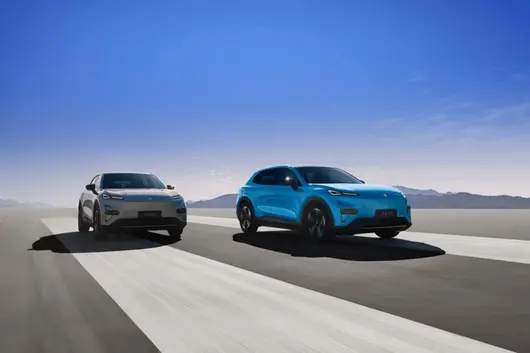
In the first half of 2026, the Chinese automotive export market surged 65.3% year-on-year. The ranking of leading automakers is very clear. Calculating by total export volume, Chery Group ranks 1st with 931,600 units, BYD ranks 2nd with 769,300 units, and Geely ranks 3rd with 472,400 units. The 158% year-on-year increase ranks 1st among all leading automakers, with growth speed far surpassing all competitors.

The outside world habitually assumes that Geely's impressive export data comes mostly from CKD parts sent to Malaysia's Proton and Brazil's Renault, relying on local badge swapping to scale up. However, if all KD parts and cooperative branded models are excluded, and only whole vehicles exported under Geely's main brand, Lynk & Co, and Zeekr's three self-owned brands displaying their own logos are counted, it still achieved high-speed growth of 165%, with substantial value. The same period last year, overseas whole vehicles of the three brands were less than 90,000 units, while this year the first half reached 238,500 units. The increase comes entirely from true retail of own brands, no longer relying on the old model of moving volume through badge swapping.
For over ten years, Geely's globalization has always followed a low-key localization strategy, relying on cooperative brands to hide its own identity for a long time, seeking only shipment volume, without promoting the Geely mother brand. In recent years, the group's strategy has completely changed. No longer hiding via detours, it is pushing the three brands Geely, Lynk & Co, and Zeekr to the global market. This year's explosion is the concentrated realization of years of systematic layout.
1. A complete new energy matrix avoids EU anti-subsidy tariffs, becoming the strongest driver of growth.
The EU imposed punitive tariffs on pure electric models, and many automakers encountered bottlenecks in the Western European market. Geely focuses on its Thor Hybrid, not on the tax list, successfully cutting into mature markets. Galaxy Hybrid, Lynk & Co Hybrid, and Zeekr high-end pure electric form a complete product matrix, adapting to regulations in Europe, Australia, the Middle East, and elsewhere. Unlike many automakers relying on old fuel vehicles to seize backward markets, the vast majority of Geely's overseas increase comes from new energy vehicles, with new energy exports surging 585%. Product capabilities benchmark Japanese and German mainstream models, allowing them to stand firm in the market without heavy price wars.
2. Relying on Volvo's mature dealer network, skipping the long brand cultivation cycle, is a unique moat.

Lynk & Co is wholly operated by Volvo's European channels, directly entering luxury brand showrooms, naturally resolving overseas consumers' bias against Chinese brands, saving several years of market cultivation. Zeekr layouts in Western Europe and Middle East high-end markets, selecting luxury brand agents, HQ unified pricing, strictly controlling prices, preventing dealers from price chaos harming the brand. Geely Galaxy enters Europe and Australia, able to share the group's mature overseas logistics and spare parts systems; the speed of channel construction is difficult to compare with car companies starting from scratch.
3. Three brands are layered in layout, positioning is clear with no internal friction, front-end independent, back-end synergy.

Geely Galaxy focuses on mainstream home use 100,000 to 200,000 RMB, benchmarked against Toyota, Volkswagen; Lynk & Co dives deep into European high-end sports market; Zeekr focuses on luxury pure electric. Three brand showrooms are completely separate, won't grab orders from each other; supply chain, spare parts, logistics are integrated uniformly to lower operating costs. In contrast, some car companies keep setting up new independent brands overseas, splitting the mother brand and dispersing resources. Geely overseas is all true terminal retail, no bubble of pressuring dealers with inventory, growth is very solid.
4. HQ unified pricing, abandoning the extensive low-price route, slowly accumulating overseas brand reputation.
In the early years, like many self-owned brands, Geely gave overseas sales entirely to agents, prices were chaotic, and the cheap label was hard to tear off. Now Geely directly controls global pricing, refuses disorderly price cuts, paired with long-cycle warranties, dispelling overseas users' concerns about unfamiliar brands. Australia Galaxy takes the sales crown in its sub-category, Middle East Zeekr stands firm in the luxury market, Lynk & Co ranks at the forefront of Chinese brands in Europe for years, not relying on fierce internal competition, but on product and service to achieve stable growth.
5. Market layout is balanced, does not rely on special favorable markets like Russia, Iran, anti-risk ability is stronger.
A significant proportion of Chery's exports comes from special markets like Russia, Iran. Once the geopolitical environment changes, sales will fluctuate wildly. Geely's three self-owned brands' increases all come from open mature markets such as Europe, Australia, Southeast Asia, Middle East, no over-reliance on a single country, structure is healthier.
Chinese car companies' overseas expansion has long been divided into two paths: one relies on new overseas brands, KD parts, special geopolitical markets to build scale, brands are hard to move up; one goes high, heavy asset investment to build global brands from scratch.
Geely has taken the third path: in early years relying on industrial cooperation to complete accumulation, now facing the global market with Geely, Lynk & Co, Zeekr. Even excluding all KD badge swapping, still high-speed growth, firmly holds 3rd place in exports, growth rate is first in the industry. This also means, Geely's overseas expansion has said goodbye to extensive scale competition, entering a system-driven high-quality stage.


In the Malaysian SUV market, many buyers compare Perodua Aruz and Mitsubishi Xforce when choosing a car. The prices and positioning of these two models are quite close. Today, we will conduct a detailed comparison from multiple aspects to help you save time on research.
Perodua Aruz has an OTR price in Malaysia of RM 72,900 - 77,900, with a total of 2 versions, including 1.5L X (RM 72,900), 1.5L AV (RM 77,900) etc.
Mitsubishi Xforce has an OTR price in Malaysia of RM 109,930 - 119,930, with a total of 2 versions, including 2026 1.5L Ultimate (RM 119,930), 2026 1.5L Urban (RM 109,930) etc.
From a price perspective, the starting price of Perodua Aruz is indeed RM 37,030 cheaper than Mitsubishi Xforce. If your budget is limited, the Perodua entry-level version can already meet daily needs. However, note that the price difference of a few thousand ringgit may involve trade-offs in features, depending on your specific needs.

Perodua Aruz is equipped with a 1.5L 4-cylinder engine, 105 hp. Official fuel consumption is 6.0 L/100km.
Mitsubishi Xforce is equipped with a 1.5L Turbo engine, 140 hp. Official fuel consumption is 7.0 L/100km.
In terms of power, Mitsubishi Xforce's 1.5L Turbo has 35 more horsepower than Perodua Aruz's 1.5L 4-cylinder. However, for daily city driving, the power of both cars is sufficient, you won't feel underpowered.
Perodua Aruz safety rating is 5★ (ASEAN NCAP), active safety systems include.
Mitsubishi Xforce safety rating is 5★ (ASEAN NCAP), active safety systems include MI-PILOT.
Both cars have the same safety rating, safety features in this class are quite complete. New car safety is generally not bad nowadays, no need to worry too much about this.

Perodua Aruz body length is 4400 mm, trunk 400 L.
Mitsubishi Xforce body length is 4400 mm, trunk 400 L.
The dimensions of both cars are almost the same, interior space difference is small. Cars in this class are completely sufficient for daily use.

Perodua Aruz adopts FWD drive mode.
Mitsubishi Xforce adopts FWD drive mode.
Both cars have the same drive mode, both are FWD, daily driving experience will not differ much.

Overall, Perodua Aruz and Mitsubishi Xforce are both quite good models in the Malaysian market. Which one to choose depends mainly on your personal needs and budget. We suggest doing your research, comparing quotes from several dealerships, and then test driving to make a final decision. Buying a car is a big deal, spending time on research will never be wrong.


喺馬來西亞嘅 SUV 市場,好多買家喺揀車嗰陣都會用 Perodua Aruz 同 MG MG HS 嚟做比較。呢兩部車喺價位同定位上都有啲接近,今日我哋就由多個方面做一個詳細比較,幫你省返做功課嘅時間。
Perodua Aruz 喺馬來西亞嘅 OTR 售價係 RM 72,900 - 77,900,一共有 2 個版本,包括 1.5L X(RM 72,900)、1.5L AV(RM 77,900)等。
MG MG HS 喺馬來西亞嘅 OTR 售價係 RM 130,450 - 146,450,一共有 2 個版本,包括 1.5L Standard(RM 105,000)、1.5L Executive(RM 115,000)等。
由價錢睇落嚟,Perodua Aruz 嘅起步價確實比 MG MG HS 平咗 RM 57,550。如果你預算有限,Perodua 嘅入門版已經可以滿足日常需求。但都要留意,平嗰幾千蚊,可能會喺配備上有取舍,具體要睇你嘅需求。
Perodua Aruz 搭載 1.5L 4-cyl,馬力 105 hp。官方油耗 6.0 L/100km。
MG MG HS 搭載 1.5L Turbo,馬力 140 hp。官方油耗 7.0 L/100km。
動力方面,MG MG HS 嘅 1.5L Turbo 比 Perodua Aruz 嘅 1.5L 4-cyl 多咗 35 匹馬力。不過日常喺市區開,兩款車嘅動力都夠用,唔會覺得唔夠力。
Perodua Aruz 車身長 4400 mm,行李箱 400 L。
MG MG HS 車身長 4400 mm,行李箱 400 L。
兩款車嘅尺寸幾乎一樣,車內空間差別唔大。呢個級別嘅車,日常使用完全夠用。
Perodua Aruz 採用 FWD 驅動方式。
MG MG HS 採用 FWD 驅動方式。
兩款車嘅驅動方式一樣,都係 FWD,日常駕駛感受唔會有太大分別。
總括嚟講,Perodua Aruz 同 MG MG HS 都係馬來西亞市場幾唔錯嘅車型。揀邊一部,關鍵都要睇返你嘅個人需求同預算。建議大家做好功課,多比較幾間車行嘅報價,先至去試車做最終決定。買車係件大事,花少少時間做功課絕對唔會錯。

The first half of 2026, China's car market produced a somewhat complex performance report.
Data from the CPCA shows that domestic passenger vehicle cumulative retail sales reached 8.701 million vehicles from January to June this year, a year-on-year decrease of 20.2%. Affected by the contraction in total market volume, the sales growth rate for the vast majority of automakers slowed down in the first half, and annual growth targets came under pressure.
This is because the era where "delivery volume" determines ranking and success or failure has passed. With the fuel vehicle base accelerating its momentum loss, volatility in overseas policies intensifying, and the industry's average profit margin dropping to the 3.4% warning line, the competitive dimension of China's car market is shifting from "scale competition" to "structural generation gap".
Behind the sales figures, the invisible gap that truly determines life or death has already widened.
The sales landscape has changed again
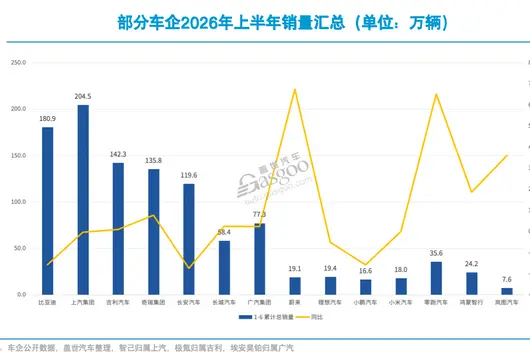
Gasgoo statistics on the sales situation of nearly 20 automakers in the first half showed a clear step-like distribution.
SAIC Group returned to the sales summit with 2.045 million vehicles, becoming the only full-vehicle group to break through 2 million vehicles so far. This time SAIC returned to first place, relying on the combined efforts of independent brands, new energy vehicles, and exports, achieved through a "radical reform" upon itself.
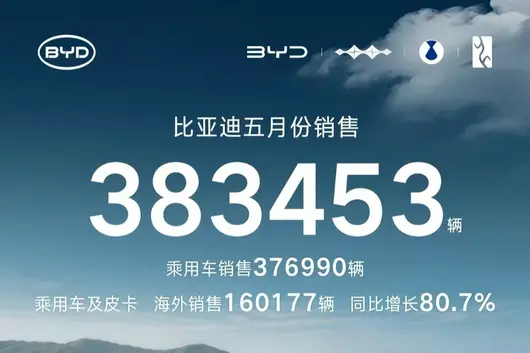
BYD cumulative sales for the first half reached 1.809 million vehicles. Although the domestic market had declined, relying on overseas market growth, it welcomed a recovery momentum of 403,500 vehicles in June.
Geely (1.423 million) and Chery (1.358 million) are accelerating the chase from behind, further narrowing the gap with the top two. The top tier formed by these four no longer competes on how many of a single blockbuster car was sold, but on whose full industry chain turns faster and whose overseas channels are deployed deeper.

Compared to the blossoming of the top tier, the survival status of the second sales tier exposes the cruelest side of this elimination race: the incremental volume of new energy vehicles is starting to fail to fill the gap left by the decline in fuel vehicles.
Changan is like this, selling 1.196 million vehicles in the first half, a year-on-year decrease of 17.4%. The problem it faces is that the speed of the decline in the fuel vehicle front exceeds the replacement speed of new energy brands.
GAC Group cumulative sales for the first half reached 773,000 vehicles, up 2.4% year-on-year, with moderate performance, urgently needing a new blockbuster. Perhaps the Qijing brand, built with Huawei, could be the breakthrough. Great Wall (584,000) increased slightly by 2.5%, but under the double-pronged attack from rivals on plug-in hybrids and pure electric, the shortcoming of a low proportion of new energy vehicles continues to drag down the overall market.
In this dramatic structural change, the confrontation between the camps of emerging new forces and joint venture brands is exposing deeper differences.
New forces have mostly achieved impressive growth rates. Leapmotor sold 356,000 vehicles in the first half, soaring 65% year-on-year. Zeekr, NIO, and Harmony Intelligent also had fierce offensives, especially the former two with year-on-year growth rates exceeding 60%. However, brands like Li Auto and XPeng encountered sales declines due to insufficient new product competition.
NIO's sales breakthrough was largely thanks to mutual support from three major brands: NIO, Onvo, and Firefly. For example, in an environment where the industry generally relies on aggressive pricing to exchange price for volume, Onvo delivered 42,000 vehicles in the first half, and the average transaction price held above 240,000 yuan, achieving a balance between sales growth and price stability, helping NIO achieve significant improvement in performance fundamentals.
Conversely, foreign brands continue to face pressure in China. CPCA data shows that retail sales of mainstream joint ventures decreased by 34% in June. Among them, SAIC Volkswagen shrank by over 30% in the first half, and GAC Honda was directly halved to 68,000 vehicles. The core issue foreign brands face in China remains how to break the inertia of momentum loss caused by the contraction of the fuel vehicle base and achieve scale effects in the new energy market.
Saying goodbye to broad rises, new energy vehicles enter the structural competition stage
No denying, new energy vehicles remain the deciding factor for the overall car market. In June this year, the retail penetration rate of domestic new energy passenger vehicles soared to a historical high of 62.8%, while pure fuel vehicles plummeted by 42%. But upon closer inspection, the bonus period of broad rise in the new energy market has ended.
As CPCA Secretary General Cui Dongshu put it, the new energy market is sliding towards a polarization of "high-end explosion, low-end pressure".
Data is the most direct microscope. In June, wholesale sales of Class B pure electric vehicles surged by 37% year-on-year, while sales in the A00 class pure electric market, serving as entry-level commuter tools, were directly halved by 50%. Consumers no longer buy simply for green license plates or cheapness, but have focused their gaze on products with higher configurations and stronger intelligent capabilities.
In this structural reshaping, resources are accelerating to converge at the top. Only 20 new energy automakers achieved wholesale sales over 10,000 in June, yet they accounted for 94% of the market share. Among them, independent brands took over more than 60% of the share, emerging new forces split 26%, while the share left for mainstream joint venture brands was only 4.3%.

But even within independent brands holding absolute advantages, differentiation is intensifying.
BYD locks the leading position thanks to coverage of the full price range. Geely advanced on dual lines of plug-in hybrids and pure electric vehicles, with new energy scale reaching 800,000 in the first half, and penetration rate approaching 60%. In contrast, while new energy transformation at companies like Chery, Changan, and Great Wall is accelerating, penetration rates still hover around 30%.
And in the new forces camp, the generation gap in growth rates often depends on who can trickle down high-end technologies to the mainstream market.
Leapmotor is a typical representative, with June sales reaching 93,000, far exceeding Li Auto, XPeng, NIO, etc. The explosion of Leapmotor is essentially based on full-domain in-house R&D cost control capabilities, building an SUV product matrix in the core market under 200,000 yuan, turning intelligence and high configuration into inclusive products. This extremely lethal cost-performance strategy allowed it to expand its market share under the general market pressure on the low end.
Different from Leapmotor relying on a full-spectrum blockbuster to break out upwards, NIO is achieving technology spillover downwards through sub-brands. For example, its sub-brand Onvo leverages NIO's system technology and battery swapping network, bringing 900V high-voltage architecture, self-developed chips, and operating systems, originally belonging to flagship models, into the 200,000 to 300,000 yuan family vehicle market, solving refueling anxiety for pure electric users.
In contrast, due to new products being in a replacement vacancy period or lacking sufficient competition, growth rates for some automakers like Li Auto and XPeng slowed to varying degrees in the first half.
Market increments are accelerating to concentrate at top automakers. Players who can continuously produce blockbusters and build full-spectrum matrices are building competitive barriers higher and higher.
Overseas competition has entered the "deep water zone"
While reshaping the domestic market competition landscape, the overseas market has become the second growth pole that almost all automakers are vying for.
In June this year, domestic passenger vehicle exports surged 82.3% year-on-year to 877,000 vehicles, with new energy exports soaring 152.7% even more. Exports are no longer garnishes on automaker financial reports, but have become key variables influencing the overall market.
However, in the second half of going overseas, the focus of competition has shifted from "how many cars were exported" to "whether one can establish global operations and risk resistance capabilities". In other words, single trade-type exports are entering a downward phase, while overseas localization production and globalization system construction are becoming the invisible gap that truly widens the generation gap between enterprises.
In this global leap, the differentiation at the top has already begun to show signs.
Among the automakers, Chery remains a typical "global harvestor" domestically, with cumulative exports reaching 944,000 vehicles in the first half, achieving a high-speed growth of 71.5%. Its export scale ranks first in the domestic automotive industry, with overseas sales accounting for nearly 70% of total sales. The channel advantages formed in Latin America, the Middle East, and Russia have built a very thick survival foundation for Chery.
More worthy of attention are players like BYD who are completing the leap from exporting products to exporting systems. With overseas factories in Thailand, Brazil, etc., gradually starting production, BYD's overseas sales climbed to 789,000 vehicles in the first half, nearly doubling year-on-year. Its overseas sales have accounted for 40% of total sales. This approach of "building factories in the opponent's home base" is the best way to avoid tariff barriers and achieve localization rooting.

At the same time, Geely and Changan are also accelerating tactical shifts. Geely accelerated the overseas launch of affordable series like Starship, recording an export scale of 474,000 vehicles in the first half, with June alone breaking 100,000 vehicles. Changan pulled export growth by 35% to 402,000 vehicles through overseas efforts on new energy models like Deepal and Qiyuan.
While some are accelerating, others are bearing the pressure of defending their city. SAIC exported 735,000 vehicles in the first half. Although relying on the MG brand for deep cultivation in Europe, Southeast Asia, etc., maintained stable shipments, it has already shown signs of being overtaken by Chery and BYD in the landing pace of overseas localization capacity. With competitor localization factories in Europe and Southeast Asia gradually starting operations, if SAIC cannot quickly upgrade overseas system bonuses, its past first-mover advantage will face the risk of continuous erosion.
In the new forces camp, Leapmotor took another shortcut. It cooperated with the international giant Stellantis, leveraging the latter's global channel network and production bases. Its overseas scale quickly approached 100,000 vehicles in the first half, successfully walking a path of light assets and high-efficiency globalization.
XPeng is also accelerating the expansion of the overseas market. In the first half, its overseas sales reached 32,000 vehicles, up more than 70% year-on-year, increasing the proportion of total sales to about 20%. Chairman and CEO He Xiaopeng had explicitly stated the strategic goal of "half of sales coming from overseas in the next ten years".
XPeng tries to bet directly on the global battlefield by self-operating technology, putting intelligent advantages there. Currently, the results of this strategy are initially visible. But under the current international geopolitical environment, this will put extremely high cross-cycle requirements on the enterprise's overseas supply chain elasticity.
Especially, this year's demand fluctuations in some Middle East markets, and the uncertainty of the global trade environment, objectively tested the risk resistance cycles of each automaker. The traditional single trade model relying solely on domestic production and sea shipping exports, when facing overseas policy adjustments, has a relatively short defensive depth.
This also means that the focus of competition in the second half of going overseas is no longer the frequency of sea shipping logistics, but the construction and landing of overseas localization capacity.
How to break through the final exam in the second half?
The data of half a year is just the process. What the market truly cares about is: Can the sales targets set at the beginning of the year still be completed?
According to Gasgoo Auto Research Institute's forecast, China's passenger vehicle wholesale sales in 2026 will be about 29.634 million vehicles, a slight decrease of 1.4% year-on-year. The overall market is basically treading water, meaning any automaker's growth must snatch food from opponents' mouths. At the node of the first half ending, the gaps in completion rates among each family have already widened.
BYD has not publicly disclosed clear annual sales figures, but forecasts given by UBS and other institutions are around 5 million vehicles. Supporting this massive volume is domestic full price range product coverage and the continuous release of overseas capacity. With the production launch of factories such as Thailand and Brazil, BYD's overseas expansion has upgraded from product output to system output.

Among automakers that have disclosed specific goals, Geely and Chery have higher completion rates, both around 40%, with both having clear sales pillars supporting them.
Geely's new energy penetration rate broke through 60%, running volume on dual lines of plug-in hybrids and pure electric. In the second half, its domestic market will continue to harvest 100,000 to 200,000 yuan mainstream new energy share through models like Starship E5 and Starship 7, and plans to enter the mid-to-high-end track through new products like Starship TT. Overseas will leverage affordable vehicles of the Starship series to land in Europe for volume boosting, and target overseas high-end premium markets with models like Zeekr 9X, thereby hedging against domestic involution.
Chery's overseas exports shoulder nearly 70% of sales, with channel bonuses in markets like Latin America, Middle East, Russia still being released. In the second half, Chery puts its focus on Europe and emerging markets. Through the new brand LEPAS, hybrid flagship layout in Europe, and model launches like Exeed ET8 in Russia and Central Asia, it uses a strategy of blossoming in multiple points to maintain lightweight growth throughout the year.
In contrast, Changan and Great Wall are the two with low completion rates. Changan's annual target is 3.3 million vehicles, completed 36% in the first half. In the second half, the ramp-up speed of new models like Deepal L05, Qiyuan Q06, Avatr 07 L, etc., will directly affect Changan's sales.
Great Wall's completion rate is also around 30%. Its Tank series stabilized the basic platform of hardcore off-road through plug-in hybrids, but the real volume-driving Haval brand lacks an absolute blockbuster in the new energy mass market. In the second half, whether new models like Tank 300, Haval H10 can tear open a breakthrough in the mainstream new energy market is the variable for Great Wall to reverse the situation.
SAIC also faces considerable pressure to achieve an annual target of 5 million vehicles. Its core highlights for the second half lie in whether the incremental release of new energy models like IM Motors and STELATO Z7 can be released, and whether the decline amplitude of the joint venture basic platform can be narrowed.
In the new forces camp, second half pressure also shifted to rapid volume increase of new product sequences. Leapmotor's annual target is 1.05 million vehicles, completing 30% in the first half. To achieve the target in the second half, monthly average sales need to be pulled to above 110,000. Besides the C-Series holding the basic platform under 200,000 yuan, the high-end D-Series and Lafa5 Series will become the main attackers for volume boosting.
NIO anchors its annual growth target around 40% (about 450,000 vehicles), betting most of the increment on Onvo. In the second half, as flagship models L90, L80, and new L60, etc., welcome the product explosion cycle, Onvo's market performance will directly affect NIO's final results for the year.
XPeng and Harmony Intelligent completion rates are also around 30%. XPeng will quickly increase volume in the second half relying on the global launch of new series like MONA L03, GX. Harmony Intelligent needs to rely on new products like STELATO G9, Qijing GT7, etc., to pull deliveries.
The direction of foreign joint venture brands lacks suspense. Under the pinch attack of continuously shrinking fuel base and new energy products far from forming scale, the main task for joint venture brands in the second half can only be to try to slow down the decline speed. Gasgoo Auto Research Institute forecasts that Volkswagen China is expected to reach around 2 million vehicles for the year, and Toyota in China around 1.3 million.
Of course, sales targets are only surface rulers. In January-May this year, China's automotive industry profit margin has dropped to 3.4%. In the second half, if continuing to rely solely on price cuts to boost volume, it will only further overdraft the blood-making ability of enterprises to survive in the deep water zone. At this stage, blindly stacking delivery numbers has lost practical significance.
The real deciding factor is to see whether each automaker can solidly convert the product cycles planned in hand into quality and cash flow-supported scale explosions.

In the Malaysian SUV market, many buyers often compare Perodua Aruz and Honda HR-V when choosing a car. These two cars are quite close in price and positioning, so today we will make a detailed comparison from multiple aspects to help you save time on research.
The OTR price of Perodua Aruz in Malaysia is RM 72,900 - 77,900, with a total of 2 versions, including 1.5L X (RM 72,900), 1.5L AV (RM 77,900), etc.
The OTR price of Honda HR-V in Malaysia is RM 115,900 - 143,900, with a total of 4 versions, including 2026 e:HEV 1.5L RS (RM 143,900), 2026 1.5T V (RM 137,900), 2026 1.5T E (RM 130,900), etc.
In terms of price, the starting price of Perodua Aruz is indeed RM 43,000 cheaper than Honda HR-V. If your budget is limited, Perodua's entry-level version can already meet daily needs. But be aware, the savings of a few thousand might involve trade-offs in features, depending on your specific needs.
Perodua Aruz is equipped with 1.5L 4-cyl, 105 hp. Official fuel consumption 6.0 L/100km.
Honda HR-V is equipped with 1.5L Turbo, 140 hp. Official fuel consumption 7.0 L/100km.
Regarding power, Honda HR-V's 1.5L Turbo has 35 more horsepower than Perodua Aruz's 1.5L 4-cyl. However, for daily driving in the city, both cars have sufficient power and won't feel underpowered.
Perodua Aruz warranty 5 years/150,000km, maintenance interval every 10,000km or 6 months.
Honda HR-V warranty 5 years/unlimited mileage, maintenance interval every 10,000km or 6 months.
Perodua Aruz and Honda HR-V are both mainstream choices in the Malaysian market, suitable for family use and daily commuting. If you value brand reputation and resale value more, prioritize the one with better reputation; if you care more about cost-performance ratio and features, choose the one with richer configuration. Ultimately, we suggest test-driving both, as hands-on experience is the most important.

Overall, Perodua Aruz and Honda HR-V are both very good models in the Malaysian market. Which one to choose depends mainly on your personal needs and budget. We suggest doing your homework, comparing quotes from several dealerships, and then test-driving to make a final decision. Buying a car is a big matter, taking time to research will never be wrong.

喺馬來西亞嘅 SUV 市場,好唔少買家喺揀車嗰陣都會拿 Proton X90 同 Chery Tiggo Cross 嚟做比較。這兩款車喺價位同定位上都幾接近,今日我就從多個方面做一個詳細比較,幫你慳下做功課嘅時間。
Proton X90 喺馬來西亞嘅 OTR 售價係 RM 106,800 - 122,800,一共有 4 個版本,包括 2026 1.5T Prime X(RM 122,800)、2026 1.5T Prime(RM 116,800)、2026 1.5T Lite(RM 106,800) 等。
Chery Tiggo Cross 喺馬來西亞嘅 OTR 售價係 RM 88,750 - 99,750,一共有 2 個版本,包括 2025 HEV 1.5L CSH(RM 99,750)、2025 1.5T Standard(RM 88,750) 等。
由價錢睇,Chery Tiggo Cross 嘅起價比 Proton X90 平咗 RM 18,050。講真,喺呢個價位段,幾千蚊嘅分別其實唔係好大,關鍵都係睇整體嘅性價比同長期使用成本。

Proton X90 配備 1.5L Turbo,馬力 140 hp。官方油耗 7.0 L/100km。
Chery Tiggo Cross 配備 1.5L 4-cyl,馬力 105 hp。官方油耗 6.0 L/100km。
動力方面,Proton X90 嘅 1.5L Turbo 比 Chery Tiggo Cross 嘅 1.5L 4-cyl 多咗 35 匹馬力,中段加速更有信心,尤其係跑高速超車嗰陣。不過 Chery Tiggo Cross 嘅油耗可能更抵,日常市區通勤分別唔會太大。
Proton X90 採用 FWD 驅動方式。
Chery Tiggo Cross 採用 FWD 驅動方式。
兩款車嘅驅動方式一樣,都係 FWD,日常駕駛感受唔會有太大分別。

Proton X90 保修 5 年/150,000km,保養間隔 每 10,000km 或 6 個月。
Chery Tiggo Cross 保修 3 年/100,000km,保養間隔 每 10,000km 或 6 個月。

Proton X90 同 Chery Tiggo Cross 都係馬來西亞市場嘅主流選擇,適合家庭使用、日常通勤。如果你更睇重品牌口碑同二手價,可以優先考慮口碑更好嗰一款;如果你更在意性價比同配備,那就選配置更豐富嗰款。最終都係建議兩款都去試駕,親身體驗先係最重要。
總括嚟講,Proton X90 同 Chery Tiggo Cross 都係馬來西亞市場幾唔錯嘅車型。揀邊一部,關鍵仲係要睇你嘅個人需求同預算。建議大家做好功課,多比較幾間車行嘅報價,先去試駕先做最終決定。買車係件大事,花少少時間做功課絕對唔會錯。


喺馬來西亞嘅汽車市場,好多買家喺揀車嘅時候都會用 Ford Everest 同 Subaru Outback 嚟做比較。今日我哋會由多個方面做一個詳細嘅比較,幫你節省做功課嘅時間。


Ford Everest 喺馬來西亞嘅 OTR 售價係 RM 266,338 至 430,838,一共有 6 個版本,包括 2026 3.0T 4WD Platinum(RM 430,838)、2026 2.0T 4WD Platinum(RM 348,838)、2026 2.0T 4WD Sport(RM 316,838) 等。
Subaru Outback 喺馬來西亞嘅 OTR 售價係 RM 260,000 至 280,000,一共有 2 個版本,包括 2025 2.4T R-Touring EyeSight(RM 310,340)、2025 2.5L Touring EyeSight(RM 280,340) 等。
從價錢嚟睇,Subaru Outback 嘅起步價比 Ford Everest 平咗 RM 6,338。老實講,喺呢個價位段,幾千蚊嘅差幾其實唔算大,關鍵係睇整體嘅性價比同長期使用成本。

Ford Everest 嘅安全評級係 5★ (ASEAN NCAP),主動安全系統包括 Co-Pilot360。
Subaru Outback 嘅安全評級係 TBD,主動安全系統包括 Basic。
安全配備方面,兩款車都揾到唔錯嘅評級。不過 Ford Everest 嘅 Co-Pilot360 同 Subaru Outback 嘅 Basic 喺功能上有啲分別,如果你比較重視主動安全嘅話,可以仔細對比下兩者嘅功能列表。

Ford Everest 採用 FWD 驅動方式。
Subaru Outback 採用 FWD 驅動方式。
兩款車嘅驅動方式一樣,都係 FWD,日常駕駛感受唔會有太大區別。

Ford Everest 同 Subaru Outback 都係馬來西亞市場嘅主流選擇,適合家庭使用、日常通勤。如果你更重視品牌口碑同二手價,可以優先考慮口碑更好嗰款;如果你更在意性價比同配備,那就揀配置更豐富嗰款。最終都係建議兩款都去試駕,親身體驗先至係最重要嘅。

總體嚟講,Ford Everest 同 Subaru Outback 都係馬來西亞市場好唔錯嘅車型。揀邊一輛,關鍵都係要睇你嘅個人需求同預算。建议大家做好功課,多比較間車行嘅報價,再去試駕做最終決定。買車係件大事,花少少時間做功課絕對唔會錯。


喺馬來西亞嘅汽車市場,好多買家揀車嗰陣都會拿福斯途觀同寶馬 X3 嚟做比較。今個我哋從多個方面嚟做一個詳細嘅比較,幫你節省做足功課嘅時間。


福斯途觀喺馬來西亞嘅 OTR 售價係 RM 206,540 - 260,024,合共 2 個版本,包括 2025 Allspace 2.0T R-Line(RM 260,024)、2025 Allspace 1.4T Elegance(RM 206,540) 等。
寶馬 X3 喺馬來西亞嘅 OTR 售價係 RM 325,800 - 358,800,合共 2 個版本,包括 xDrive20i(RM 320,000)、xDrive30e(RM 360,000) 等。
從價錢嚟睇,福斯途觀嘅入門價確實比寶馬 X3 平咗 RM 119,260。如果你預算有限,福斯嘅入門版已經可以滿足日常需求。但都要留意,平嘅嗰幾千塊,可能在配備上會有取捨,具體要睇你嘅需要。

福斯途觀車身長 4400 mm,行李廂 400 L。
寶馬 X3 車身長 4400 mm,行李廂 400 L。
兩部車嘅尺寸幾乎一樣,車內空間分別唔大。呢個級別嘅車,日常使用完全夠用。

福斯途觀採用 FWD 驅動方式。
寶馬 X3 採用 FWD 驅動方式。
兩部車嘅驅動方式一樣,都係 FWD,日常駕駛感受唔會有太大分別。

福斯途觀同寶馬 X3 都係馬來西亞市場嘅主流選擇,適合家庭使用、日常通勤。如果你更加重視品牌口碑同二手價,可以優先考慮口碑更好嗰一款;如果你更加在意性價比同配備,就揀配備更豐富嗰款。最終都係建議兩部車都去試駕,親身體驗先係最重要嘅。

總體嚟講,福斯途觀同寶馬 X3 都係馬來西亞市場好唔錯嘅車型。揀邊一部,關鍵始終要睇你嘅個人需要同預算。建議大家做好功課,多比較幾間車行嘅報價,再去試駕做最終決定。買車係件大事,花少少時間做功課絕對唔會錯。


On the evening of June 11, the Chinese tire industry leader Zhongce Rubber (603049.SH) officially announced the implementation of the 2025 annual equity distribution plan, and will distribute a cash "big red envelope" exceeding 1.25 billion yuan to all shareholders.

Dividend of 1.43 yuan per share, encouraging long-term value investment
The announcement shows that this profit distribution is based on the company's total share capital of 874,485,598 shares, with a cash dividend of 1.43 yuan per share (tax included), totaling 1.251 billion yuan distributed, with a dividend payout ratio of 30.15%. In terms of timing, the record date is set for June 17, 2026, and the ex-rights (ex-dividend) date and cash dividend payment date are both June 18.
Regarding tax withholding rules, the company strictly implements differentiated policies to encourage long-term investment: for individuals and securities investment funds holding for over 1 year, dividend income is temporarily exempt from individual income tax; for holdings of 1 month to 1 year (inclusive), the actual tax burden is 10%; for holdings within 1 month (inclusive), the actual tax burden is 20%. For QFII and Shanghai Stock Connect investors, income tax is withheld and paid at a rate of 10%, resulting in an actual payment of 1.287 yuan per share after tax.

Three years of consecutive performance growth, high dividend confidence is solid
The large-scale dividend stems from solid performance support. In 2025, Zhongce Rubber achieved operating revenue of 44.956 billion yuan, a year-on-year increase of 14.52%; net profit attributable to parent company was 4.147 billion yuan, a year-on-year increase of 9.51%; basic earnings per share was 4.95 yuan.
As the absolute leader in the domestic tire industry, Zhongce Rubber has maintained a tradition of high dividends in recent years, launching a plan to distribute 13 yuan for every 10 shares in 2024. From 2023 to 2025, the company's revenue and net profit grew steadily for three consecutive years, profitability was continuously consolidated, providing solid support for high dividends.

Digital intelligence empowerment and global capacity expansion in parallel, building a growth engine
Behind the high dividends is the strong momentum of Zhongce Rubber's dual drive of digitalization and globalization. Founded in 1958, the company owns well-known brands such as Chaoyang, Weishi, and Haoyun. In terms of smart manufacturing, the company partnered with Huawei to create an F5G-A all-optical factory demonstration project, honored with the national-level energy efficiency "Leader". In terms of the market, the company successfully entered the supply chain for the AITO M6 new energy vehicle, expanding its market footprint.

The globalization layout has also yielded substantial results. In 2025, the company's overseas revenue share reached 47.86%. Currently, Thailand and Indonesia bases are steadily increasing production; the 1.041 billion yuan investment in the Vietnam base is proceeding smoothly; the planned 500 million USD Mexico base is also under construction. Overseas capacity release will effectively avoid trade barriers, consolidating global competitive advantages.
Rewarding shareholders with substantial dividends and leading the future with innovative smart manufacturing and overseas layout. Zhongce Rubber is demonstrating the responsibility of an industry leader, expected to continuously accelerate high-quality development on the global track, creating long-term value for investors.
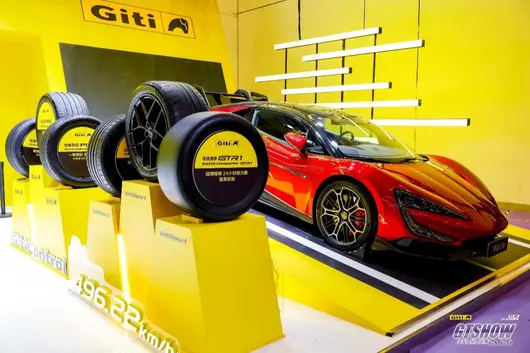

車型概覽

凌志RZ 值唔值得睇,第一步唔係望牌子或者外形,而係睇佢能唔能夠配合你嘅香港日常。 呢篇會集中講高速巡航、併線同超車信心,幫你用買家角度篩走唔適合嘅選擇。 近期市場討論到「因應市場需求轉變 豐田終止凌志LF-ZC純電房車量產開發計劃」,代表呢類車型仍然有一定關注度。
零售價 HK$ 441,500 - 478,800、完稅價 HK$ 802,225 - 882,420 令預算位置更清楚,買家可以先估算月供、保險、泊車同日常開支。
購車價格指南
凌志RZ 嘅購車預算可以先由 零售價 HK$ 441,500 - 478,800、完稅價 HK$ 802,225 - 882,420 開始計。香港買車唔只係睇車價,月供、保險、牌費、泊車同能源成本都會影響每月壓力。
如果有幾個版本可揀,可以先將 2026 500e Luxury(HK$ 802,225)、2026 550e F Sport(HK$ 882,420)、2025 300e Luxury(價格待確認)、2025 450e Luxury(價格待確認) 放喺同一張清單。日常通勤重視舒適同易用,家庭買家就要優先睇後排、尾箱同安全配置。
核心規格重點
睇 凌志RZ 嘅規格,重點唔係背數字,而係理解佢喺香港用車場景會帶嚟咩分別。
74.68/76.96 kWh 嘅電池容量,真正意義係可以幫你估算一星期通勤同周末出車要唔要中途補電。 334 kW、537 N·m 嘅輸出,令高速併線同短距離超車更有信心。 車長 4805 mm、車闊 1895 mm、車高 1635 mm、軸距 2850 mm 可以幫你預判商場停車場、屋苑車位同後排腿部空間。 固定齒比、雙電機四駆 會影響起步順滑度、濕地穩定感同長途巡航性格。
優缺點分析
凌志RZ 嘅優點唔需要講到天花龍鳳,真正有價值係佢能唔能夠令日常用車更省心:預算位置清楚,方便同同級車直接比較、電池同續航資訊有助安排通勤同補電、動力輸出對高速同上斜更有底氣。
要留意嘅係,要先確認屋苑、公司或常去商場嘅充電條件、香港停車場同窄路使用要留意車身闊度。呢啲唔一定係缺點,但係落訂前應該先諗清楚。
買家常見問題
買 凌志RZ 之前,真正要問嘅唔係單一規格,而係佢可唔可以融入你每日嘅生活節奏。
常見疑問係「Lexus RZ500e 同 RZ550e F SPORT 嘅馬力有幾大?」簡單講,Lexus RZ500e 嘅前後摩打各自輸出 227 匹馬力,系統綜合總馬力 380 匹,0-100 km/h 加速只需 4.6 秒。Lexus RZ550e F SPORT 採用相同摩打但調校更進取,綜合馬力達到 407 匹,0-100 km/h 只需 4.4 秒。 放到實際用車,就係要睇佢對通勤、泊車、家庭乘坐同長期成本有幾大幫助。
同級對比內容
將 凌志RZ 放入同級車清單時,唔建議只用外形或者品牌光環決定。比較順序可以係:先用 零售價 HK$ 441,500 - 478,800、完稅價 HK$ 802,225 - 882,420 鎖定預算圈、再睇動力係咪足夠應付高速併線同滿載、再比較能源成本同補能便利、最後睇車身大小、座位同尾箱是否適合家人。
咁樣篩選會貼近香港買家真實生活:平日塞車、商場泊車、周末去新界、甚至一家人出入,先係一部車每日要面對嘅考驗。
用車全周期指南

擁有 凌志RZ 最重要係先諗清楚充電節奏。屋苑、公司或者常去商場只要有穩定充電選項,電動化用車就會容易相處好多。
如果你主要喺市區行,視野、低速順滑度同泊車輔助會好影響心情;如果經常行高速或跨區,座椅舒適度、隔音同動力從容感會更重要。


車型概覽

豐田bZ3X 值唔值得睇,第一步唔係望牌子或者外形,而係睇佢能唔能夠配合你嘅香港日常。 呢篇會集中講續航、電池同補電安排,幫你用買家角度篩走唔適合嘅選擇。 近期市場討論到「豐田銷量穩中有變 電動化成敗關鍵在bZ3X?| 2026年5月香港新車登記數走勢分析」,代表呢類車型仍然有一定關注度。
完稅價 HK$ 385,656 令預算位置更清楚,買家可以先估算月供、保險、泊車同日常開支。
購車價格指南
豐田bZ3X 嘅購車預算可以先由 完稅價 HK$ 385,656 開始計。香港買車唔只係睇車價,月供、保險、牌費、泊車同能源成本都會影響每月壓力。
如果有幾個版本可揀,可以先將 2025 565km 標準版(HK$ 385,656) 放喺同一張清單。日常通勤重視舒適同易用,家庭買家就要優先睇後排、尾箱同安全配置。
核心規格重點
睇 豐田bZ3X 嘅規格,重點唔係背數字,而係理解佢喺香港用車場景會帶嚟咩分別。
67.92 kWh 嘅電池容量,真正意義係可以幫你估算一星期通勤同周末出車要唔要中途補電。 150 kW、210 N·m 嘅輸出,令高速併線同短距離超車更有信心。 車長 4600 mm、車闊 1850 mm、車高 1645 mm、軸距 2765 mm 可以幫你預判商場停車場、屋苑車位同後排腿部空間。 固定齒比、前置前駆 會影響起步順滑度、濕地穩定感同長途巡航性格。
優缺點分析
豐田bZ3X 嘅優點唔需要講到天花龍鳳,真正有價值係佢能唔能夠令日常用車更省心:預算位置清楚,方便同同級車直接比較、電池同續航資訊有助安排通勤同補電、動力輸出對高速同上斜更有底氣。
要留意嘅係,要先確認屋苑、公司或常去商場嘅充電條件、香港停車場同窄路使用要留意車身闊度。呢啲唔一定係缺點,但係落訂前應該先諗清楚。
買家常見問題
買 豐田bZ3X 之前,真正要問嘅唔係單一規格,而係佢可唔可以融入你每日嘅生活節奏。
常見疑問係「Toyota bZ3X嘅純電續航力有幾多公里?」簡單講,Toyota bZ3X配備咗容量67.924 kWh嘅磷酸鐵鋰電池,根據NEDC測試標準可以提供最高565公里嘅續航距離,呢個續航表現喺香港日常城市通勤同假日郊遊都好夠用。 放到實際用車,就係要睇佢對通勤、泊車、家庭乘坐同長期成本有幾大幫助。
同級對比內容
將 豐田bZ3X 放入同級車清單時,唔建議只用外形或者品牌光環決定。比較順序可以係:先用 完稅價 HK$ 385,656 鎖定預算圈、再睇動力係咪足夠應付高速併線同滿載、再比較能源成本同補能便利、最後睇車身大小、座位同尾箱是否適合家人。
咁樣篩選會貼近香港買家真實生活:平日塞車、商場泊車、周末去新界、甚至一家人出入,先係一部車每日要面對嘅考驗。
用車全周期指南

擁有 豐田bZ3X 最重要係先諗清楚充電節奏。屋苑、公司或者常去商場只要有穩定充電選項,電動化用車就會容易相處好多。
如果你主要喺市區行,視野、低速順滑度同泊車輔助會好影響心情;如果經常行高速或跨區,座椅舒適度、隔音同動力從容感會更重要。


車型概覽

上汽大通T90 BEV 值唔值得睇,第一步唔係望牌子或者外形,而係睇佢能唔能夠配合你嘅香港日常。 呢篇會集中講售價未落實前點樣先篩選,幫你用買家角度篩走唔適合嘅選擇。
售價仍待確認,買家可以先把佢放入候選名單,等價格落實後再同同級車逐項比較。
購車價格指南
上汽大通T90 BEV 目前售價仍未清晰,較理性嘅做法係先睇版本、車身大小同動力形式,等價格落實後再決定值唔值得落訂。
如果有幾個版本可揀,可以先將 2025 471km 標準版(價格待確認) 放喺同一張清單。日常通勤重視舒適同易用,家庭買家就要優先睇後排、尾箱同安全配置。
核心規格重點
睇 上汽大通T90 BEV 嘅規格,重點唔係背數字,而係理解佢喺香港用車場景會帶嚟咩分別。
88.55 kWh 嘅電池容量,真正意義係可以幫你估算一星期通勤同周末出車要唔要中途補電。 130 kW、310 N·m 嘅輸出,令高速併線同短距離超車更有信心。 車長 5365 mm、車闊 1900 mm、車高 1809 mm、軸距 3155 mm 可以幫你預判商場停車場、屋苑車位同後排腿部空間。 固定齒比、後置後駆 會影響起步順滑度、濕地穩定感同長途巡航性格。
優缺點分析
上汽大通T90 BEV 嘅優點唔需要講到天花龍鳳,真正有價值係佢能唔能夠令日常用車更省心:電池同續航資訊有助安排通勤同補電、動力輸出對高速同上斜更有底氣、空間同車身尺寸方便家庭買家預判實用性。
要留意嘅係,要先確認屋苑、公司或常去商場嘅充電條件、香港停車場同窄路使用要留意車身闊度。呢啲唔一定係缺點,但係落訂前應該先諗清楚。
買家常見問題
買 上汽大通T90 BEV 之前,真正要問嘅唔係單一規格,而係佢可唔可以融入你每日嘅生活節奏。
常見疑問係「上汽大通 T90 EV 於香港的落地價大約係幾多?」簡單講,上汽大通 T90 EV 於香港的落地價大約介乎 380,000–460,000 港元,視乎配置而定。 放到實際用車,就係要睇佢對通勤、泊車、家庭乘坐同長期成本有幾大幫助。
同級對比內容
將 上汽大通T90 BEV 放入同級車清單時,唔建議只用外形或者品牌光環決定。比較順序可以係:先等售價落實,再決定佢應該同邊個級距比較、再睇動力係咪足夠應付高速併線同滿載、再比較能源成本同補能便利、最後睇車身大小、座位同尾箱是否適合家人。
咁樣篩選會貼近香港買家真實生活:平日塞車、商場泊車、周末去新界、甚至一家人出入,先係一部車每日要面對嘅考驗。
用車全周期指南
擁有 上汽大通T90 BEV 最重要係先諗清楚充電節奏。屋苑、公司或者常去商場只要有穩定充電選項,電動化用車就會容易相處好多。
如果你主要喺市區行,視野、低速順滑度同泊車輔助會好影響心情;如果經常行高速或跨區,座椅舒適度、隔音同動力從容感會更重要。


車型概覽

JAECOO J5 EV 值唔值得睇,第一步唔係望牌子或者外形,而係睇佢能唔能夠配合你嘅香港日常。 呢篇會集中講家庭乘坐、行李同舒適度,幫你用買家角度篩走唔適合嘅選擇。
零售價 HK$ 170,968、完稅價 HK$ 258,000 令預算位置更清楚,買家可以先估算月供、保險、泊車同日常開支。
購車價格指南
JAECOO J5 EV 嘅購車預算可以先由 零售價 HK$ 170,968、完稅價 HK$ 258,000 開始計。香港買車唔只係睇車價,月供、保險、牌費、泊車同能源成本都會影響每月壓力。
如果有幾個版本可揀,可以先將 2026 402km 高級版(HK$ 258,000)、2026 Skyline Edition(價格待確認) 放喺同一張清單。日常通勤重視舒適同易用,家庭買家就要優先睇後排、尾箱同安全配置。
核心規格重點
睇 JAECOO J5 EV 嘅規格,重點唔係背數字,而係理解佢喺香港用車場景會帶嚟咩分別。
60.9 kWh 嘅電池容量,真正意義係可以幫你估算一星期通勤同周末出車要唔要中途補電。 16.5 kWh/100km 嘅耗電表現,會影響你去快充站或者屋苑充電位嘅頻率。 155 kW、288 N·m 嘅輸出,令高速併線同短距離超車更有信心。 車長 4380 mm、車闊 1860 mm、車高 1650 mm、軸距 2620 mm 可以幫你預判商場停車場、屋苑車位同後排腿部空間。
優缺點分析
JAECOO J5 EV 嘅優點唔需要講到天花龍鳳,真正有價值係佢能唔能夠令日常用車更省心:預算位置清楚,方便同同級車直接比較、日常能源成本有基本參考、電池同續航資訊有助安排通勤同補電。
要留意嘅係,要先確認屋苑、公司或常去商場嘅充電條件、香港停車場同窄路使用要留意車身闊度。呢啲唔一定係缺點,但係落訂前應該先諗清楚。
買家常見問題
買 JAECOO J5 EV 之前,真正要問嘅唔係單一規格,而係佢可唔可以融入你每日嘅生活節奏。
常見疑問係「JAECOO J5 EV 嘅車尾箱容量有幾大?」簡單講,JAECOO J5 EV 嘅車尾箱標準有 480 公升,摺埋後座可以去到 1180 公升。 放到實際用車,就係要睇佢對通勤、泊車、家庭乘坐同長期成本有幾大幫助。
同級對比內容
將 JAECOO J5 EV 放入同級車清單時,唔建議只用外形或者品牌光環決定。比較順序可以係:先用 零售價 HK$ 170,968、完稅價 HK$ 258,000 鎖定預算圈、再睇動力係咪足夠應付高速併線同滿載、再比較能源成本同補能便利、最後睇車身大小、座位同尾箱是否適合家人。
咁樣篩選會貼近香港買家真實生活:平日塞車、商場泊車、周末去新界、甚至一家人出入,先係一部車每日要面對嘅考驗。
用車全周期指南

擁有 JAECOO J5 EV 最重要係先諗清楚充電節奏。屋苑、公司或者常去商場只要有穩定充電選項,電動化用車就會容易相處好多。
如果你主要喺市區行,視野、低速順滑度同泊車輔助會好影響心情;如果經常行高速或跨區,座椅舒適度、隔音同動力從容感會更重要。



港交所網站掛出一咗一份熟悉嘅招股書。
5 月 28 日,繼去年 10 月首次遞表失效後,智能駕駛解決方案提供商蘇州天瞳威視電子科技股份有限公司(天瞳威視)再次向港股主板發起重衝,由匯豐及華泰國際聯席保薦。

喺智能駕駛賽道從「講故事」轉向「拼量產」嘅 2026 年,天瞳威視嘅二次遞表唔單止係一次資本試探,更係一場關於中國智駕供應商生存現狀嘅集中檢閱。
呢間被認為係「算力效率派」代表嘅公司,一邊連住從采埃孚到上汽、北汽嘅豪華產業資本陣營,一邊卻面臨住現金流緊繃、海外明顯回落嘅現實困境。喺呢場 IPO 嘅博弈中,光鮮同陣痛並存。
01
邊個係「天瞳威視」?
天瞳威視嘅創辦人王曦係一位典型嘅「回國」技術派。佢畢業於北京航空航天大學,後喺英國雷丁大學攻讀計算機科學博士學位。
喺決定創業之前,王曦曾經喺汽車零部件供應商天合汽車(TRW)及采埃孚擔任算法工程師同技術負責人,深度參與咗早期 ADAS 系統嘅開發。
2016 年,王曦捕捉到國內汽車智能化嘅風口,回國喺蘇州創立咗天瞳威視,定位係「以軟件算法驅動智能駕駛」嘅本土解決方案提供商。
公司嘅名字「天瞳」寓意「天之眼」,意在打造車輛感知萬物嘅視覺中樞。佢從最初嘅視覺感知算法起步,逐步擴展至行泊一體域控制器、L4 級自動駕駛系統等軟硬件結合嘅整體方案。

天瞳威視融資情況。資料來源:企查查
成立後不久,天瞳威視就獲得德聯資本、盛世投資嘅天使輪融資。此後十年時間,天瞳威視累計完成咗超過 10 輪融資,融資總額近 10 億元。
從招股書披露嘅股權結構嚟睇,天瞳威視構建咗深度綁定嘅「產業 + 資本」生態圈。
一方面,產業夥伴站台,全球汽車零部件巨頭采埃孚唔單止係其 C 輪領投方,亦係其戰略合作夥伴,持有天瞳威視 6.93% 嘅股份,位列第四大股東;國內方面,上汽集團通過上汽北美產投持股,北汽集團通過北汽產投佈局其中,地平線同商湯科技亦係戰略投資者。
另一方面,地方國資護航,唐山機器人基金、吳中金控等國資背景基金喺 D 輪及 D+ 輪入場,提供咗約 5.23 億元嘅資金支持。

截至最後實際可行日期股權架構
截至目前,王曦透過直接持股同員工持股平台合共控制公司約 40.84% 嘅權益,依然保持住對公司嘅控制權。
02
「兩條腿」行路
天瞳威視喺業務佈局上採取咗「雙軌並行」嘅策略。

喺 L2-L2+ 級輔助駕駛領域,天瞳威視嘅選擇非常務實。佢並冇盲目追逐算力堆疊嘅「軍備競賽」,而係走咗一條高性價比路線。
作為典型嘅視覺派智駕供應商,佢喺 L2 量產方案上以視覺感知為主,融合毫米波雷達同超聲波雷達,能夠喺較低算力平台上實現高級功能。例如,基於地平線 J6B 芯片(約 20TOPS)嘅方案即可支持行泊一體、高速 NOA。
呢種打法擊中咗 10 萬 -20 萬級主流車款對成本敏感嘅痛點。根據灼識諮詢嘅數據,按 2024 年裝機量計,天瞳威視係中國第二大同時提供行車同泊車解決方案嘅以軟件為核心嘅 L2-L2+ 級方案提供商,市場份額為 14.3%。

2024 年中國具備行泊一體能力嘅以軟件為核心供應商格局
截至最後實際可行日期,天瞳威視獲得 23 個汽車品牌嘅 198 款車款嘅 L2-L2+ 級解決方案定點函,並實現 6 個汽車品牌嘅 105 款車款嘅量產;獲得定點函嘅 198 款車款中有 87 款覆蓋海外市場,其中 59 款已實現量產。
但值得注意嘅係,L2-L2+ 市場正在經歷劇烈嘅「紅海化」。
一方面,經緯恆潤、福瑞泰克等本土 Tier1 正在加速追趕;另一方面,部分頭部車廠開始將低階智駕方案從外購轉為內部集成。
天瞳威視能否維持佢喺「性價比方案」領域嘅領先地位,取決於佢能否持續保持算法對低算力平台嘅優化能力,而這需要喺研發投入上持續加碼。

喺高級 L4 級自動駕駛領域,天瞳威視更多扮演「先鋒」角色。這亦係佢近兩年增長最快嘅板塊。
早在 2019 年,佢就參與咗上海洋山港嘅 5G 智能重卡項目。目前佢嘅 L4 方案覆蓋 Robobus、Robotaxi 同 Robotruck。其中,Robobus 係佢最具代表性嘅產品線,已喺蘇州、天津等城市嘅公開道路投入常態化試營運。
2025 年,天瞳威視從 L4 級解決方案產生收入 3.75 億元,佔公司總收入嘅 68% 以上,大部分收入來自 L4 級軟件解決方案。
然而,硬幣嘅另一面係商業化嘅曲折。雖然 L4 業務營收暴增,但佢嘅交付形態目前以「軟硬件一體解決方案」為主,呢種模式本質上接近「項目制交付」或「小規模車隊部署」,與 L2 業務中「純軟件授權 + 白盒交付」嘅高毛利、大規模複製邏輯存在顯著差異。
呢就直接導致 L4 業務毛利率嘅大幅波動:喺部分自研硬件佔比较高嘅項目中,毛利率一度低至 15%。

截至遞表日,公司雖手握超 10 億元嘅 L4 意向訂單,涵蓋 2500 架車,但呢啲訂單預計要喺未來三至五年內先會陸續交付,短期內對現金流嘅改善作用有限。
此外,天瞳威視仲有部分應收來自工程服務,主要涉及道路測試、數據收集支援及數據標註服務以及公司嘅專有工具鏈。
03
財務嘅雙面鏡
招股書嘅財務部分,展現咗智駕行業最真實嘅「B 面」:規模同虧損嘅極限拉扯,同埋賬面現金同營運消耗之間嘅緊張博弈。

營收高增長,但結構劇烈波動。
財務數據顯示,公司嘅營收呈現爆發式增長,從 2022 年嘅 1.72 億元增長至 2024 年嘅 4.83 億元,複合年增長率高達 67.7%。2025 年全年營收進一步增長至 5.5 億元。
但收入結構嘅變化明顯。2023 年,公司依賴 L2-L2+ 業務,佔比 90.2%;去到 2024 年,L4 業務佔比升至 50.2%;2025 年,L4 業務佔比進一步拉高至 68%。呢種「斷崖式」嘅結構切換,雖然證明佢 L4 技術搵到咗落地場景,但亦令市場質疑佢 L2 業務係咪已觸及天花板。
毛利率同純利潤嘅背離,呢係天瞳威視面臨嘅最大挑戰。
從毛利睇,整體毛利率喺 30% 左右徘徊,喺呢個技術密集型嘅智駕行業屬於中等水平。但細拆睇嚟,L2-L2+ 業務嘅毛利率通常能維持喺 40% 以上,純軟件授權模式,而 L4 業務嘅毛利率則因「軟硬件一體」交付中硬件佔比提高而被顯著拉低。
從純利潤睇,雖然表面虧損額較大,2024 年虧損 4.63 億、2025 年虧損約 2 億,呢度包含大量因優先股公平值變動帶來嘅「紙面虧損」。剔除呢個因素後嘅經調整純利潤更能反映公司嘅真實經營狀況:2024 年已收窄至 -438 萬元,但 2025 年並未如市場預期實現轉正,而係錄得約 -1086 萬元,虧損較 2024 年有所擴大。
呢個背後有一個不可回避嘅關鍵前提:調整後嘅「減虧」乃至「接近盈虧平衡」,係喺公司持續壓縮研發投入嘅基礎上實現嘅,研發費用從 2024 年嘅 1.17 億元降至 2025 年嘅 9231 萬元,研發費用率從 2024 年嘅 24.3% 進一步降至 16.8%,而 2022 年呢個數字曾高達 108.7%。對於一家科技公司嚟講,研發強度嘅「退坡」是否會影響未來嘅技術護城河,係一個潛在風險點。
現金流持續告急,最令人擔憂嘅信號。
根據最新招股書,截至 2025 年 12 月 31 日,公司賬上嘅現金及現金等价物為 2.35 億元,較 2025 年 6 月 30 日嘅 3.74 億元淨減少 1.39 億元,現金消耗速度較快。

更值得警惕嘅係經營現金流由正轉負且缺口持續擴大嘅趨勢。2023 年,公司經營活動現金流淨額為正向流入 1.15 億元,但 2024 年迅速轉為淨流出 1.89 億元,2025 年進一步惡化至淨流出 2.93 億元。
與此同時,應收賬款周轉急劇惡化。公司嘅貿易應收款項從 2023 年嘅 0.89 億元升至 2025 年嘅 5.48 億元,三年增長超過五倍,而同期營收增幅僅約 2.7 倍。
更令人擔憂嘅係應收款項周轉天數從 2023 年嘅 191 天同 2024 年嘅 166 天,到 2025 年驟升至 300 天,意味著公司從完成交付到收回款項平均需要接近一年時間。呢相當於變相為客戶提供長期無息墊資,喺資金本就緊張嘅情況下進一步加劇咗流動性壓力。

此外,雖然天瞳威視係首家出海嘅中國智駕軟件供應商,但 2025 年佢嘅海外業務遭遇咗明顯回落。2023 年天瞳威視海外收入為 1.27 億元,佔總營收比重達到 62.2%;到 2025 年海外收入降至 1100 萬元,佔比僅 2.0%。
喺而家全球地緣政治複雜、部分國家對智能汽車數據監管趨嚴嘅背景下,為佢嘅全球化故事增添咗一絲不確定性。
04
結語
天瞳威視嘅二次闖關,係智能駕駛行業進入「淘汰賽」階段嘅一個縮影。
從好嘅方面睇,佢踩準咗 L2 性價比同 L4 場景化落地嘅雙重節奏,且經調整純利潤喺特定口徑下已接近盈虧平衡,呢啲都畀投資者提供咗「有亮點可講」嘅故事線。
但從風險嘅角度睇,情況遠比首次遞表時更為嚴峻。業務重心嘅急速漂移、L4 業務商業化初期嘅盈利磨難、研發投入嘅被動收縮,呢啲此前就已存在嘅問題並未緩解。

天瞳威視 L4 級智能巴士
而真正令此次 IPO 帶「求生」色彩嘅,係現金流數據嘅實質性惡化:2.35 億元嘅賬面現金,面對每年近 3 億元嘅经营性現金淨流出,安全邊際已不足一年。疊加 300 天嘅應收賬款周轉天數,意味著公司每交付一筆訂單,都要墊付近一年嘅資金成本。
換言之,天瞳威視正處喺一個危險嘅財務窗口期:賬上嘅錢僅夠維持唔足一年嘅正常運作,而 L4 業務嘅大規模交付同回款卻需要更長時間。喺呢個智駕資本熱潮退去、一級市場融資邊際收緊嘅時刻,公司已冇太多等待嘅餘地。
首次遞表失效後僅隔半年便再次衝擊港股,對天瞳威視而言,與其話係戰略選擇,唔如話係現金倒逼下嘅必然之舉。
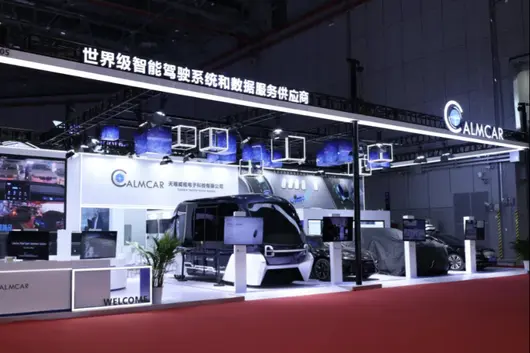

In May, China's automotive market overall presented a gentle recovery trend, with domestic brands still being the sales backbone of the market. Recently, BYD, Geely, Chery, Changan, and Great Wall, the top 5 domestic automakers, successively released their monthly performance reports. From the data, these five companies show a general characteristic of "stable total growth, divergence between domestic and international markets, and accelerated new energy penetration". Overseas exports and new energy vehicles have become the most core growth engines; export business has evolved from a "bonus item" to the "core foundation" for some companies. BYD's "dominant leader" status is further consolidated, Chery achieved high growth via exports, Geely's new energy penetration rate broke 56%, Changan focused steadily on balanced development, while Great Wall appeared slightly under pressure during structural transformation.
BYD: Export Hits New High Becomes Biggest HighlightIn May, BYD stood firmly at the top of domestic brands with a monthly sales volume of 383,500 vehicles, maintaining positive growth both year-on-year and month-over-month under a large base. Its two main brands, Dynasty and Ocean, sold a combined 330,200 vehicles, contributing 86.1% of total sales; Fangchengbao's monthly sales broke 30,000 units to reach 30,200, a year-on-year increase of 139.7%, setting a new high for the year; Denza sold 16,300 vehicles, and Yangwang delivered 286 vehicles. From a model perspective, BYD had eight models in May with monthly sales exceeding 20,000 vehicles. The Song Family and Yuan Family both broke 50,000 units, selling 51,370 and 56,691 vehicles respectively. The Sea Lion Family followed closely with 42,615 vehicles, and Seagull sales were also close to 40,000 vehicles.

BYD's biggest highlight in May was exports. Overseas new energy vehicle sales reached 160,600 units, an 80.4% year-on-year increase, accounting for about 42%. The sharp expansion of export scale effectively countered the phased weakness in domestic demand. Cumulative exports from January to May exceeded 620,000 vehicles. High export growth mainly benefited from continued ramping up of overseas factory capacity, improved ocean shipping capacity, and accelerated channel network expansion. In the domestic market, BYD promoted Megawatt Super Charging and intelligent strategies simultaneously—Megawatt charging achieved about 90% charge in 9 minutes; 20,000 super charging stations are planned to be built by 2026; all series models are available with Sky Eye B intelligent driving solutions and city navigation safety fallback plans, accelerating the popularization of high-level intelligent driving. As Gen 2 Blade Battery capacity gradually releases, the company's orders are expected to continue rising.
Chery: Sales Growth Leads the Top 5Chery Group's total sales volume in May was 247,800 vehicles, a significant year-on-year increase of 20.5%, ranking first in growth speed among the top 5. Exports remained its most core growth engine—May exports reached 181,900 vehicles, an 80.5% year-on-year increase, accounting for 73.4% of total sales that month, continuously breaking the single-month export record for Chinese brands for three months. In terms of new energy, Chery New Energy sold 100,300 vehicles, a 58.8% year-on-year increase. April and May consecutively saw monthly new energy sales breaking 100,000 vehicles.

The strong performance in exports benefited from Chery's long-term deep cultivation of overseas channel advantages and localized operation capabilities. While overseas orders continued to rise, high export growth formed a sharp contrast with domestic sales—Chery's domestic sales in May were only 60,000 vehicles, accounting for one-quarter of total sales. From cumulative data, Chery Group accumulated 1.101 million sales from January to May, but against the annual goal of 3.2 million vehicles, monthly averages need to reach about 420,000 vehicles later, and pressure remains significant.
Geely: New Energy Penetration Rate Breaks 56%Geely Auto's total sales volume in May was 237,600 vehicles, a 1% year-on-year increase, achieving month-over-month double growth for three consecutive months. In terms of structure, Geely's "New Four Transformations" transformation showed significant results: new energy vehicle sales reached 133,400 units, accounting for 56% of total sales, with new energy share exceeding 50% for four consecutive months.

From sub-brands, performance was significantly divergent. Zeekr brand sales in May reached 34,400 vehicles, a 82% year-on-year increase; Zeekr 9 Series and 8 Series models combined sales approached 50% of total sales, showing bright performance in the high-end market; Galaxy brand sales were 81,700 vehicles; Geely brand sales were 182,500 vehicles, among which China Star Series sales reached 100,800 vehicles; Lynk & Co brand sales were 20,700 vehicles, with new energy vehicle sales share rising to 71%.
In terms of exports, Geely's overseas vehicle exports in May reached 85,100 vehicles, a explosive 184% year-on-year increase, setting a brand single-month export record high. Among exported products, new energy vehicles reached 40,800 units, accounting for nearly half; hybrid and pure electric products have successively landed in Southeast Asia, Middle East, Latin America, and other markets, highlighting the results of global strategy implementation.
Changan: Multi-brand Matrix Balanced EffortChangan Auto's delivery volume in May was 209,100 vehicles, among which new energy deliveries were 92,400 vehicles, a 5.8% year-on-year increase, with new energy share about 44%. In terms of exports, overseas deliveries reached 70,700 vehicles, a 38% year-on-year increase, becoming another major growth highlight for Changan in May.
In the sub-brand matrix, Changan Qiyuan delivered 34,500 vehicles in May; All-New Q05 delivered 15,800 units, with orders breaking 3,000 units within three days of listing in Thailand; Deepal sales in May were 33,200 vehicles, a 30% year-on-year increase; January to May overseas cumulative sales were 28,700 vehicles, a significant 167% year-on-year increase; Avatr delivered 7,336 vehicles in May; Changan Auto (Gravity) delivered nearly 49,000 vehicles in May.

Changan Auto's balanced layout was fully reflected in May: the fuel car base remained stable, new energy brands Deepal and Qiyuan accelerated volume growth, high-end brand Avatr continued to break through in technical cooperation, and overseas markets simultaneously achieved breakthrough growth. The pattern of five brands working together, driven by both new energy and exports, is initially taking shape.
Great Wall: Overseas Sales Growth Year-on-Year 46.75%Great Wall Motor's sales in May were 100,400 vehicles, slightly down compared to last May's 102,200 vehicles, making it the only company among the top 5 to show a year-on-year negative growth. From sub-brands, Haval brand sales in May were 55,500 vehicles, remaining Great Wall's most important sales pillar; Tank brand sales were 17,100 vehicles; both Haval and Tank brand sales showed year-on-year declines; Wey brand sold 8,119 vehicles, a 31.78% year-on-year increase, achieving growth against the trend; Ora brand performance was most stunning, with sales of 6,018 vehicles, a significant 206.88% year-on-year increase. In terms of new energy, Great Wall sold 30,400 new energy vehicles in May, with new energy vehicle transformation gradually accelerating.

The overseas market became Great Wall's biggest highlight in May, with overseas sales growing 46.75% year-on-year. Against the background of pressure on the domestic market, strong growth in overseas business effectively made up for the decline in the domestic market. Great Wall Motor's current core contradiction lies in: Haval and Tank, the two traditional main-selling brands, face weak growth, while Wey and Ora brands, although growing notably, have relatively small volume and are not yet enough to support overall growth. How to complete the "relay" between old and new brands is the key issue Great Wall must solve subsequently.
Final ThoughtsFrom May data, the growth pattern of the top 5 domestic brands has clearly diverged, but there are three common trends worth noting: First, exports have become a key engine for domestic brands to seek stability and growth. Second, new energy transformation is still accelerating, but paths differ among enterprises. Third, technological innovation continues to deepen brand moats. Looking ahead to the second half of the year, competition in the automotive industry will continue to upgrade around these three trends. Although everyone has a common direction, these three trends are all competing for the entire enterprise's industrial chain strength, and the strong will remain strong, which has almost become an inevitable outcome.