
Search History
Popular Searches
English
Dealer Login / Sign Up
In an automotive landscape increasingly dominated by silent, instantaneous electric thrust, the roar of a legendary internal combustion engine is about to receive a potent electric boost. Nissan's top executives have broken their silence, confirming that the long-awaited successor to the iconic GT-R, codenamed R36, is officially in active development. More significantly, they have drawn a definitive line in the technological sand: the next Godzilla will wear a hybrid heart, not a fully electric one.
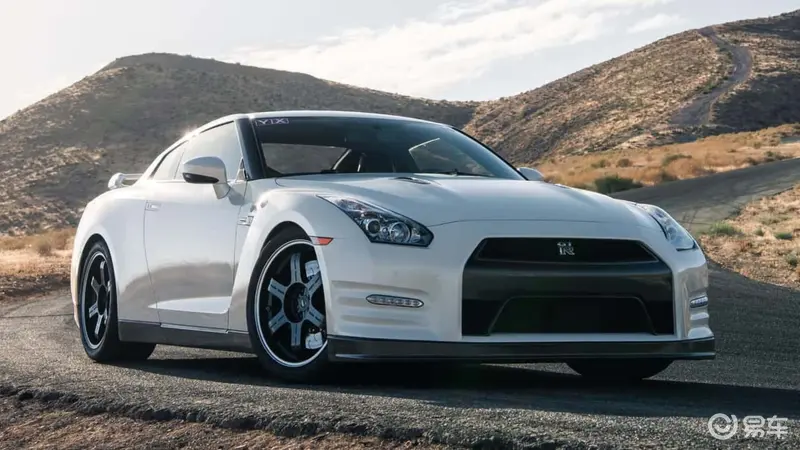
The confirmation came directly from Nissan's Chief Executive Officer, Ivan Espinosa, who not only verified the R36 project's green light but also hinted at a broader renaissance for Nissan's performance portfolio, suggesting more sports car offerings are on the horizon. This statement alone is enough to send shivers of anticipation through the global car community, which has been speculating about the GT-R's future for nearly a decade since the final significant update of the R35 model.
However, it was the detailed rationale provided by Richard Candler, Nissan's Global Product Strategy Head and a core figure in the R36's planning, that truly defined the future path for this Japanese supercar icon. In a decisive and technically grounded declaration, Candler stated, "A pure electric solution is completely out of the question. Current battery chemistry technology simply cannot meet the GT-R's requirements for ultimate performance and circuit durability." This clear-eyed assessment cuts through the industry's often unquestioned march toward full electrification, prioritizing the car's core mission above all else.
For the GT-R, that mission is unambiguous: to deliver blistering, repeatable performance on both road and track, wrapped in an experience that engages all the senses. Candler's comments highlight the two critical shortcomings of current EV technology for a car of the GT-R's pedigree. First is the issue of sustained performance. While electric motors can deliver astonishing initial acceleration, repeated hard laps on a circuit cause battery temperatures to soar, leading to severe power reduction to prevent damage—a phenomenon known as "throttling" that is anathema to a track-focused machine like the GT-R. Second is the matter of weight. The massive battery packs required for high performance add hundreds of kilograms, compromising the agile, precise handling that has been a hallmark of the GT-R since its Skyline origins.
Therefore, Nissan has chosen the path of hybridization, a move Candler describes as "an inevitable choice." This strategic decision is framed not as a reluctant step, but as the optimal technological compromise for this era. In the current moment, where pure electric technology has yet to fully replicate the visceral, mechanical joy of driving a high-performance internal combustion car, hybridisation offers the best of both worlds. It preserves the soul-stirring roar, the mechanical symphony, and the tactile feedback of a potent gasoline engine—elements deeply woven into the GT-R's DNA. Simultaneously, it harnesses the immediate torque and power-boosting capabilities of electric motors to push performance to new heights.
The potential configurations for this hybrid powertrain are the subject of intense speculation. Will Nissan adopt a relatively mild hybrid system, using an electric motor primarily to fill torque gaps, boost low-end response, and enable advanced energy recovery, similar to systems seen in modern Formula 1? Or will they pursue a more radical, performance-oriented plug-in hybrid (PHEV) setup? A PHEV could feature a powerful electric motor on the front axle, transforming the GT-R into an all-wheel-drive powerhouse with torque vectoring capabilities far beyond purely mechanical systems. This could allow for breathtaking acceleration from a standstill, aided by electric torque fill, while the gasoline engine—likely a heavily evolved version of the venerable VR38DETT twin-turbo V6 or an entirely new unit—handles the high-end power delivery and sustained track work. The electric component could also provide a silent, zero-emissions mode for urban driving, a nod to increasing environmental regulations without compromising the core experience.

This hybrid evolution can be seen as the GT-R donning what some enthusiasts are calling "electric armor"—a suit of advanced technology that enhances its strengths without replacing its heart. The target for this technological unveiling is set for around 2030, giving Nissan's engineers a clear timeline to develop, test, and refine a system worthy of the GT-R badge. This date also strategically positions the new model within a global regulatory framework that will increasingly penalize pure internal combustion engines but may still offer flexibility for advanced, low-emission hybrids.
The challenge for the engineering team in Atsugi, Japan, is monumental. They must integrate complex hybrid hardware without destroying the GT-R's legendary balance. They must manage increased weight through advanced materials like carbon fiber and innovative packaging. Most importantly, they must ensure that the driving experience remains visceral, direct, and thrilling. The goal is not just to make a faster GT-R, but to make a better GT-R—one that honors its nearly 60-year legacy of performance innovation, from the Hakosuka Skyline 2000GT-R to the record-shattering R35 Nürburgring lap times.
Nissan's decision also sends a powerful message to the industry and enthusiasts alike. In an age where many manufacturers are rushing to declare fully electric futures for their performance lines, Nissan is taking a more measured, performance-first approach. It acknowledges the current limitations of battery technology for the most demanding driving applications while fully embracing electrification as a performance enhancer. This positions the next GT-R as a potential benchmark for how to hybridize a supercar without sanitizing its character.
As the 2030 launch window approaches, the automotive world will watch with bated breath. The next-generation Nissan GT-R R36 represents more than just a new model; it represents a philosophical stance. It is a declaration that the emotional, mechanical, and sensory aspects of driving a supercar are non-negotiable, even as the industry evolves. By choosing a hybrid path, Nissan aims to arm its legendary Godzilla with electric might, ensuring that its roar is not silenced but amplified, ready to conquer a new era of performance challenges. The wait for R36 has officially begun, and it promises to be a fusion of past passion and future power.

香港汽車內容平台 🚗 新車・買車・玩車・用車 用香港視角,睇世界嘅車
+ Follow 【揀車有路數】日產新車賣比亞迪價?仲有激光雷達
今集試一台好特別嘅日產新車——NX8,中國特供增程SUV。外觀似熟悉嘅日產味,但內籠同科技配備竟然唔晒傳統日產套路,駕乘感受又有幾多轉變?到底仲係咪你認識嗰部日產?一齊試畀你睇。
#日產 #NX8 #增程 #BitAutoHongKong #揀車有路數 3小时前
【揀車有路數】日產新車賣比亞迪價?仲有激光雷達
今集試一台好特別嘅日產新車——NX8,中國特供增程SUV。外觀似熟悉嘅日產味,但內籠同科技配備竟然唔晒傳統日產套路,駕乘感受又有幾多轉變?到底仲係咪你認識嗰部日產?一齊試畀你睇。
#日產 #NX8 #增程 #BitAutoHongKong #揀車有路數 3小时前  【新車速報】T-Top 回歸?Nissan Z Kaze 概念車現身!
90年代 JDM 味返晒嚟?Nissan 最近喺美國 ZCON 公開 Z Kaze 概念車,以現款 Nissan Z 為基礎,換上全新 T-Top 可拆式車頂,向經典 300ZX 等 Z 系列致敬。
配合碳纖維空力套件、NISMO LMGT2 18吋輪圈,以及 GReddy 排氣、進氣同 intercooler 升級,成部車都充滿 JDM 改裝味。
「Kaze」即係日文「風」,而呢部車係 one-off 概念作品,並非量產車。10月3日仲會現身加州長灘 Japanese Classic Car Show。
如果 T-Top Z 真係量產,你會唔會心動?
#NissanZ #ZKaze #TTop #JDM #BitAutoHongKong 6小时前
【新車速報】T-Top 回歸?Nissan Z Kaze 概念車現身!
90年代 JDM 味返晒嚟?Nissan 最近喺美國 ZCON 公開 Z Kaze 概念車,以現款 Nissan Z 為基礎,換上全新 T-Top 可拆式車頂,向經典 300ZX 等 Z 系列致敬。
配合碳纖維空力套件、NISMO LMGT2 18吋輪圈,以及 GReddy 排氣、進氣同 intercooler 升級,成部車都充滿 JDM 改裝味。
「Kaze」即係日文「風」,而呢部車係 one-off 概念作品,並非量產車。10月3日仲會現身加州長灘 Japanese Classic Car Show。
如果 T-Top Z 真係量產,你會唔會心動?
#NissanZ #ZKaze #TTop #JDM #BitAutoHongKong 6小时前  【新車速報】Skyline 真係要返嚟喇!Nissan CEO:新一代12月登場
等咗咁耐,Skyline 終於有新消息!Nissan CEO Ivan Espinosa 接受《朝日新聞》專訪時透露,新一代 Skyline 將於今年12月亮相,亦係 Nissan 加快新車開發嘅代表作。
新車開發周期縮短至約 26個月,並利用生成式 AI、數碼模擬等工具加快開發流程。Nissan 官方亦已將 Skyline 列入 Heartbeat 車系,代表品牌工程技術、駕駛性能與情感。
至於動力、規格同最終量產設計,目前仍未全面公開。今次 Skyline 回歸,你最期待保留邊樣經典元素?
#Nissan #Skyline #新車速報 #BitAutoHongKong 1天前
【新車速報】Skyline 真係要返嚟喇!Nissan CEO:新一代12月登場
等咗咁耐,Skyline 終於有新消息!Nissan CEO Ivan Espinosa 接受《朝日新聞》專訪時透露,新一代 Skyline 將於今年12月亮相,亦係 Nissan 加快新車開發嘅代表作。
新車開發周期縮短至約 26個月,並利用生成式 AI、數碼模擬等工具加快開發流程。Nissan 官方亦已將 Skyline 列入 Heartbeat 車系,代表品牌工程技術、駕駛性能與情感。
至於動力、規格同最終量產設計,目前仍未全面公開。今次 Skyline 回歸,你最期待保留邊樣經典元素?
#Nissan #Skyline #新車速報 #BitAutoHongKong 1天前 Get the latest car news first!
【揀車有路數】日產新車賣比亞迪價?仲有激光雷達
今集試一台好特別嘅日產新車——NX8,中國特供增程SUV。外觀似熟悉嘅日產味,但內籠同科技配備竟然唔晒傳統日產套路,駕乘感受又有幾多轉變?到底仲係咪你認識嗰部日產?一齊試畀你睇。
#日產 #NX8 #增程 #BitAutoHongKong #揀車有路數 3小时前 【新車速報】T-Top 回歸?Nissan Z Kaze 概念車現身!
90年代 JDM 味返晒嚟?Nissan 最近喺美國 ZCON 公開 Z Kaze 概念車,以現款 Nissan Z 為基礎,換上全新 T-Top 可拆式車頂,向經典 300ZX 等 Z 系列致敬。
配合碳纖維空力套件、NISMO LMGT2 18吋輪圈,以及 GReddy 排氣、進氣同 intercooler 升級,成部車都充滿 JDM 改裝味。
「Kaze」即係日文「風」,而呢部車係 one-off 概念作品,並非量產車。10月3日仲會現身加州長灘 Japanese Classic Car Show。
如果 T-Top Z 真係量產,你會唔會心動?
#NissanZ #ZKaze #TTop #JDM #BitAutoHongKong 6小时前 【新車速報】Skyline 真係要返嚟喇!Nissan CEO:新一代12月登場
等咗咁耐,Skyline 終於有新消息!Nissan CEO Ivan Espinosa 接受《朝日新聞》專訪時透露,新一代 Skyline 將於今年12月亮相,亦係 Nissan 加快新車開發嘅代表作。
新車開發周期縮短至約 26個月,並利用生成式 AI、數碼模擬等工具加快開發流程。Nissan 官方亦已將 Skyline 列入 Heartbeat 車系,代表品牌工程技術、駕駛性能與情感。
至於動力、規格同最終量產設計,目前仍未全面公開。今次 Skyline 回歸,你最期待保留邊樣經典元素?
#Nissan #Skyline #新車速報 #BitAutoHongKong 1天前  BAWToyotaBYDZeekrGACDongfengXPengMGMaxusLeapmotorDenzaIMiCAURDeepalWulingOraJuneyao AutoKYCSkyworthAvatrFotonFordGeelyHongqiJAECOOKGMOMODADFSKTeslaHondaBMWMercedes-BenzsmartMINIPorscheNissanLexusSuzukiVolvoSubaruMazdaKiaHyundaiLand RoverRolls-RoyceFerrariAudiLamborghiniRiddaraSeresFarizonfireflyLingboxKaiyiVoyahHIMAM-HeroIsuzuBentleyPolestarMcLarenMitsubishiMaseratiPeugeotAston MartinAcuraJeepJaguarLotusVolkswagenEpiclandJACLepasLi
 © 2024 Bitauto.com. All Rights Reserved.
Bitauto (www.yiche.com and www.bitauto.com) is one of the most visited automotive websites in China. We provide detailed info on Chinese car brands available in your area. Please note that the information provided on this website is based on publicly available data and is for reference only. It may not be fully updated or accurate at all times.
Help us improve our website


