
Search History
Popular Searches
English
Dealer Login / Sign Up
As the global automotive industry accelerates towards electrification and large-displacement engines retreat under tightening emissions regulations, Mercedes-Benz is choosing this moment to introduce a seemingly "untimely" model. Reports indicate the new Mercedes-AMG G63 Convertible will go on sale in 2028, powered by a 4.0-liter V8 engine and retaining its iconic boxy silhouette. With the electric G-Class (EQG) already in production, why is Mercedes keeping this combustion flagship alive? For Hong Kong's ultra-wealthy, will this be a collectible "toy" or a sight on Central's streets?
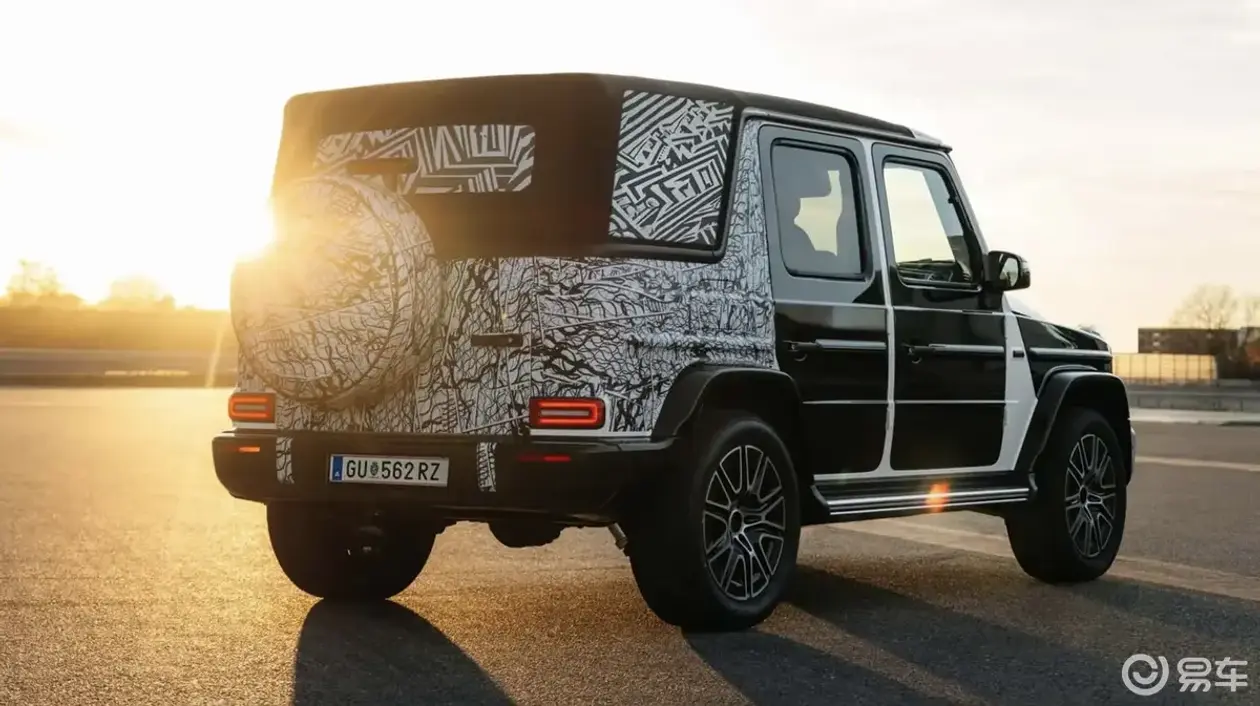
Model Evolution: From Landaulet to a Four-Door Convertible
The G-Class convertible's history traces back to the G 500 Cabriolet launched in 2013, but that was a short-wheelbase, two-door model. The truly memorable version was the Landaulet special edition based on the G 500 4x4² in 2017, featuring a rear open-top and a fixed front roof, creating a "mobile palace" for the wealthy. The newly revealed G63 Convertible adopts a silhouette similar to the Landaulet, but with a crucial difference: it will be a four-door vehicle.
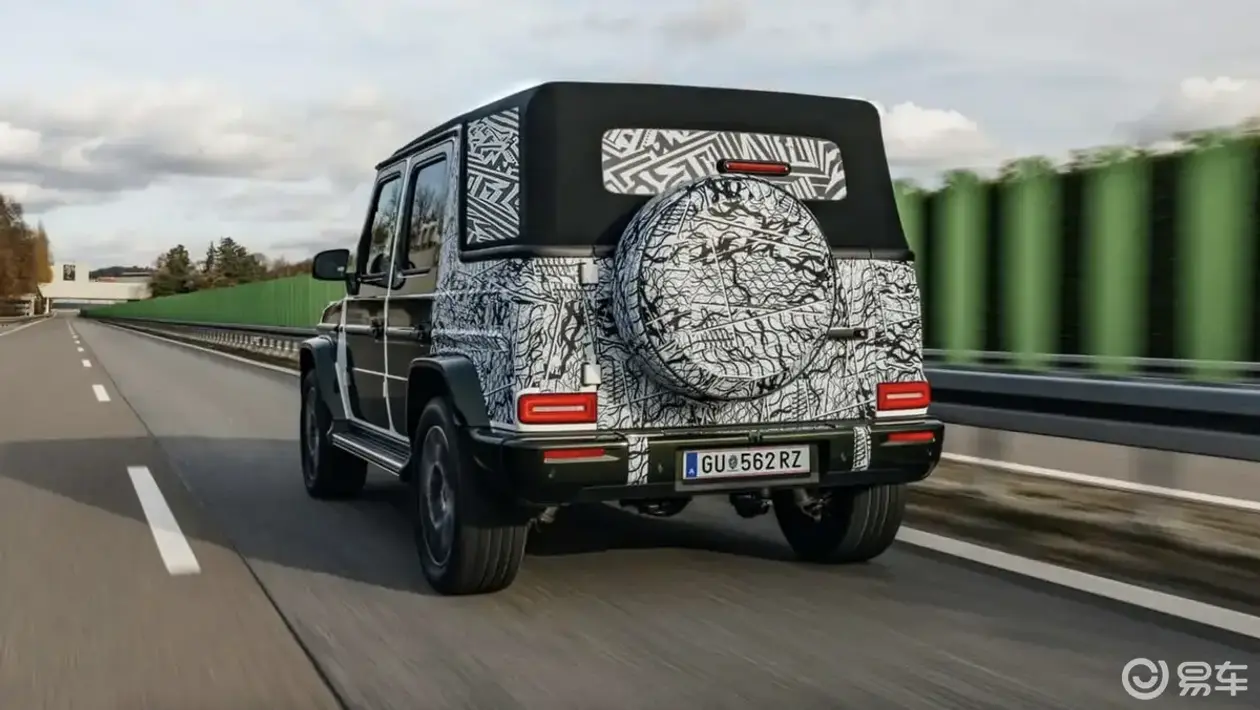
Renderings show the roof edge extending to the rear, contrasting sharply with the shorter roof of the previous generation G-Class convertible. Critically, this model will likely feature rear doors. This means it won't follow the Landaulet's "closed front, open rear" format but will be a genuine four-door, four-seat convertible off-roader. For buyers prioritizing practicality, this is a significant improvement – rear passengers can finally enter and exit gracefully, not by awkwardly climbing over front seats.
Powertrain Legacy: A Last Stand for the 4.0L V8
With the electric EQG already in production, Mercedes' decision to retain the V8 for the G63 Convertible has clear logic. The car is expected to feature a 4.0-liter twin-turbo V8 mild-hybrid engine, likely still producing 577 hp, matching the current G63. This V8 is not just the soul of the G-Class but the core value proposition for buyers – the deep, sonorous roar and seemingly endless power reserves cannot be replicated by an electric motor.
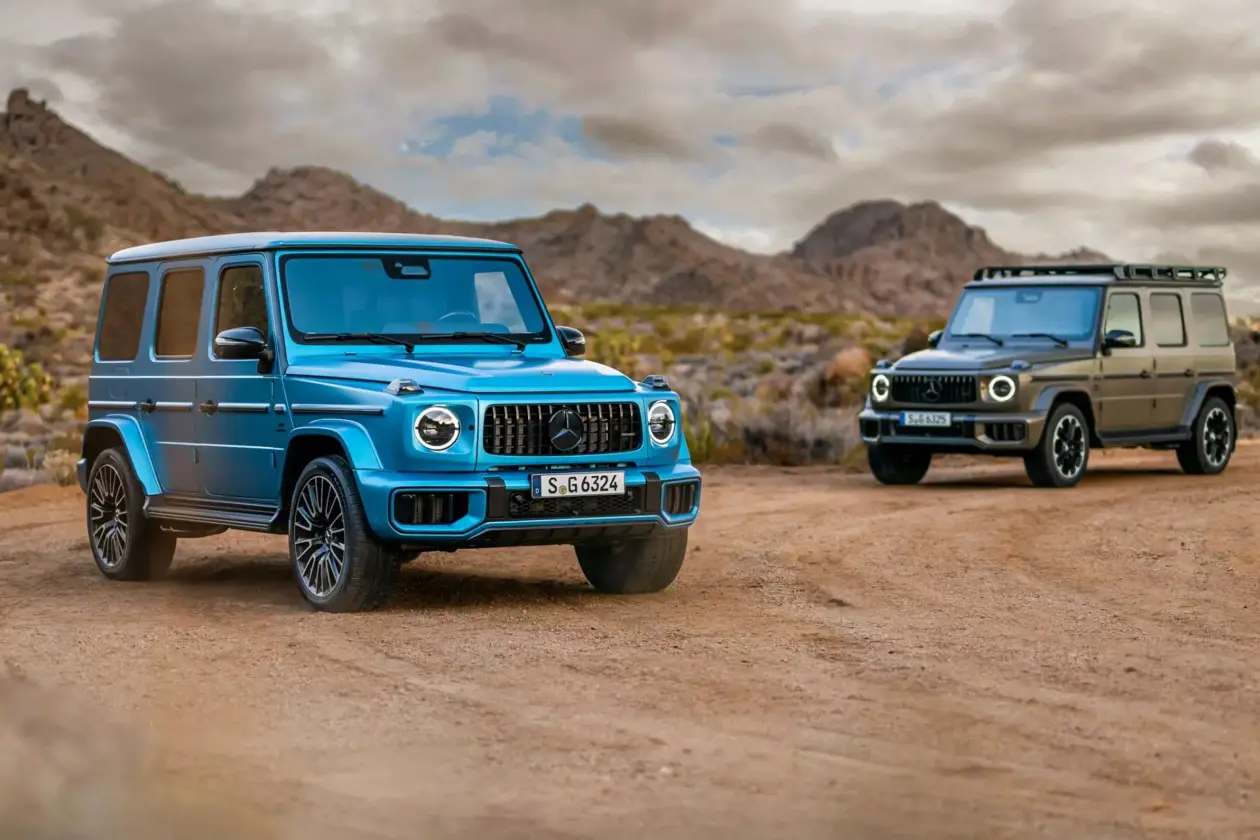
The mild-hybrid system is a concession to emissions regulations. The 48V motor assists during acceleration and smooths out the start-stop system, but doesn't change the vehicle's "gas-guzzling" nature. WLTP combined fuel consumption is expected to exceed 15L/100km. At Hong Kong fuel prices, that's over HKD 5 per kilometer. For buyers, this isn't a cost issue, but a matter of principle: "If I can afford this car, I can certainly afford its fuel."
Production Plan: Output Constraints at Graz Plant
Production of the G63 Convertible is scheduled to begin in the third quarter of 2027 at Mercedes' Graz plant in Austria, the birthplace of the G-Class and the only facility producing this iconic off-roader. Since the first G-Class rolled off the line in 1979, over 400,000 units have been built here. However, convertible production will be strictly limited, partly due to the complexity of the open-top structure and partly to maintain the G-Class family's exclusivity.
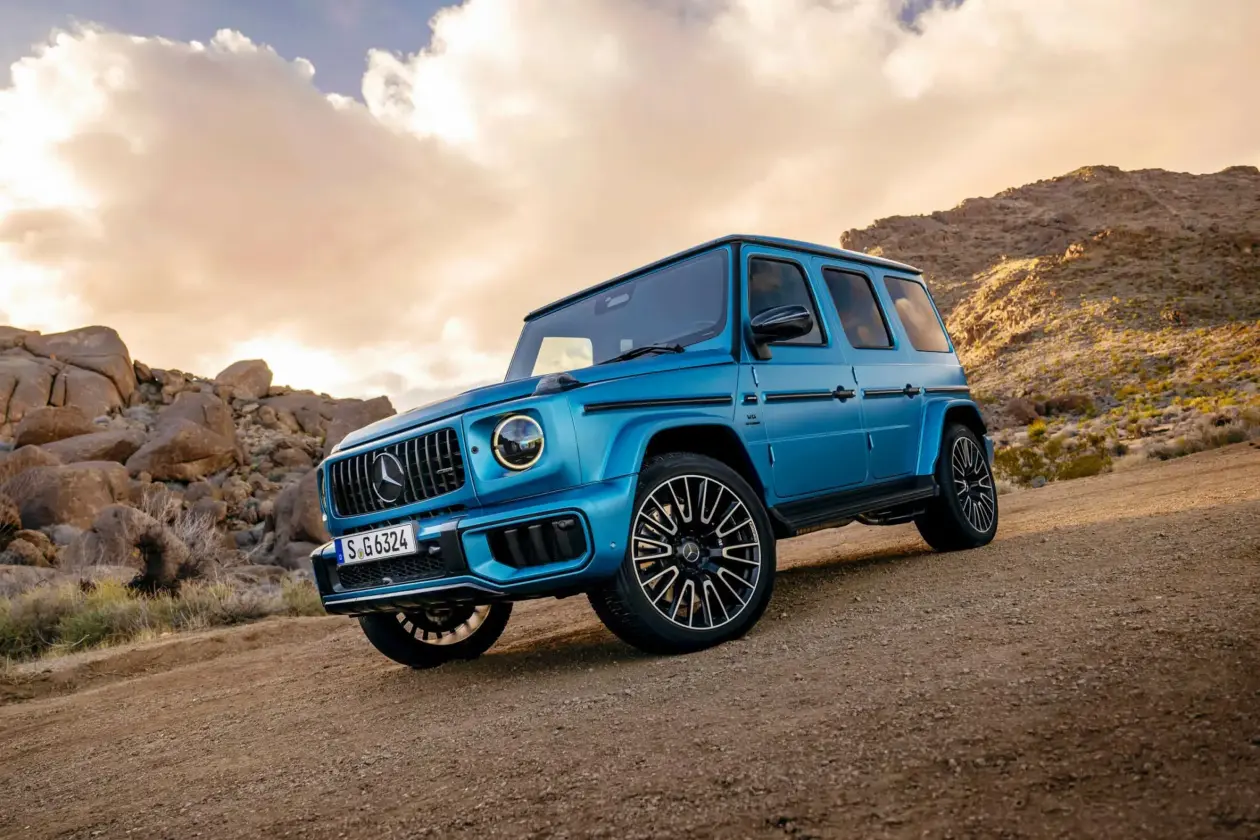
Market sources suggest annual production will be capped at around 2,000 units, making it rarer than the hardtop version. This is a plus for collectors and, for Mercedes, ensures pricing remains firm, preventing brand dilution from oversupply.
A Hong Kong Perspective: Potential for the RHD Market
For Hong Kong users, the G63 Convertible's debut raises several considerations.
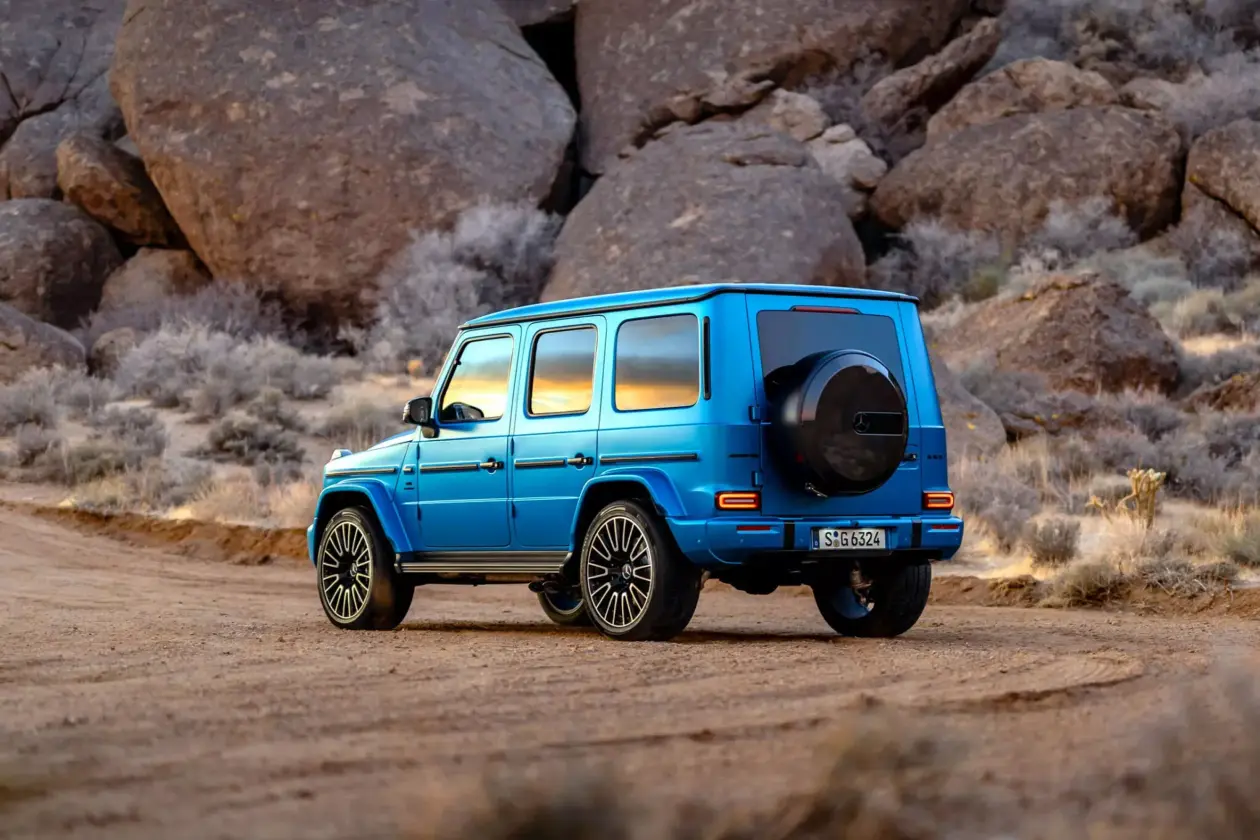
Firstly, the possibility of an RHD version. Hong Kong, like the UK and Australia, is an RHD market. As a global brand, Mercedes-Benz has RHD production capabilities. If the convertible is well-received globally, an RHD introduction is almost certain. Given the current G63's price in Hong Kong (around HKD 3.6 million), the convertible's price tag is expected to exceed HKD 4 million.
Secondly, product-market fit. Hong Kong's ultra-wealthy have a long-standing love affair with the G-Class, a common sight from Central to Repulse Bay, Kowloon Tong to Fei Ngo Shan. Its value far surpasses transportation, serving as a status symbol. The convertible adds a new dimension for G-Class enthusiasts, combining the ruggedness of an off-roader with the freedom of a convertible.
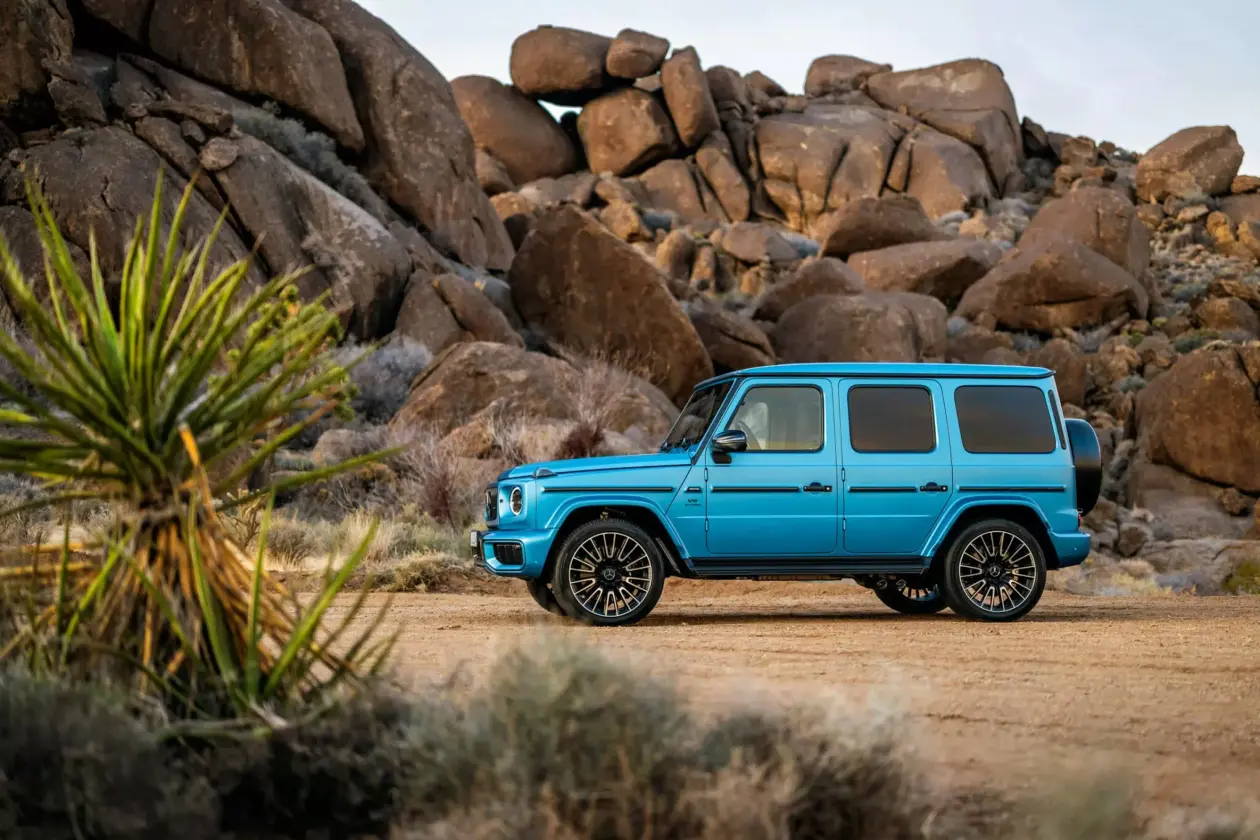
Thirdly, its collectible value in the electric era. With the EQG already in production, the rarity of the combustion-engined G63 is actually increasing. For collectors, this could be the last G-Class convertible to feature a V8. As global emissions standards tighten, production space for large-displacement combustion engines shrinks, likely increasing the collectible value of such models.
Personal Opinion: A Final Celebration for the Wealthy
Looking at the news of the G63 Convertible, the most striking impression is that it's a "final celebration."
In an era of global electrification, Mercedes' decision to launch a large-displacement V8 convertible off-roader might seem counterintuitive, but it's a precise understanding of market demand. G-Class buyers have never cared about fuel consumption or emissions. They seek a unique experience – the thunderous engine start, the visual impact of the boxy design, the sense of superiority.

The convertible takes this experience to the extreme. Imagine driving a G63 Convertible through Hong Kong with the roof down, feeling the sea breeze and listening to the V8 echo through the hills. In that moment, all debates about electrification fade. This isn't just a car; it's a lifestyle statement.
Of course, this vehicle is for a select few. An annual output of 2,000 units and a price tag exceeding HKD 4 million mean it's only a "toy" for the ultra-wealthy. But this is the G-Class's appeal – it never tries to please everyone, only those who understand it.
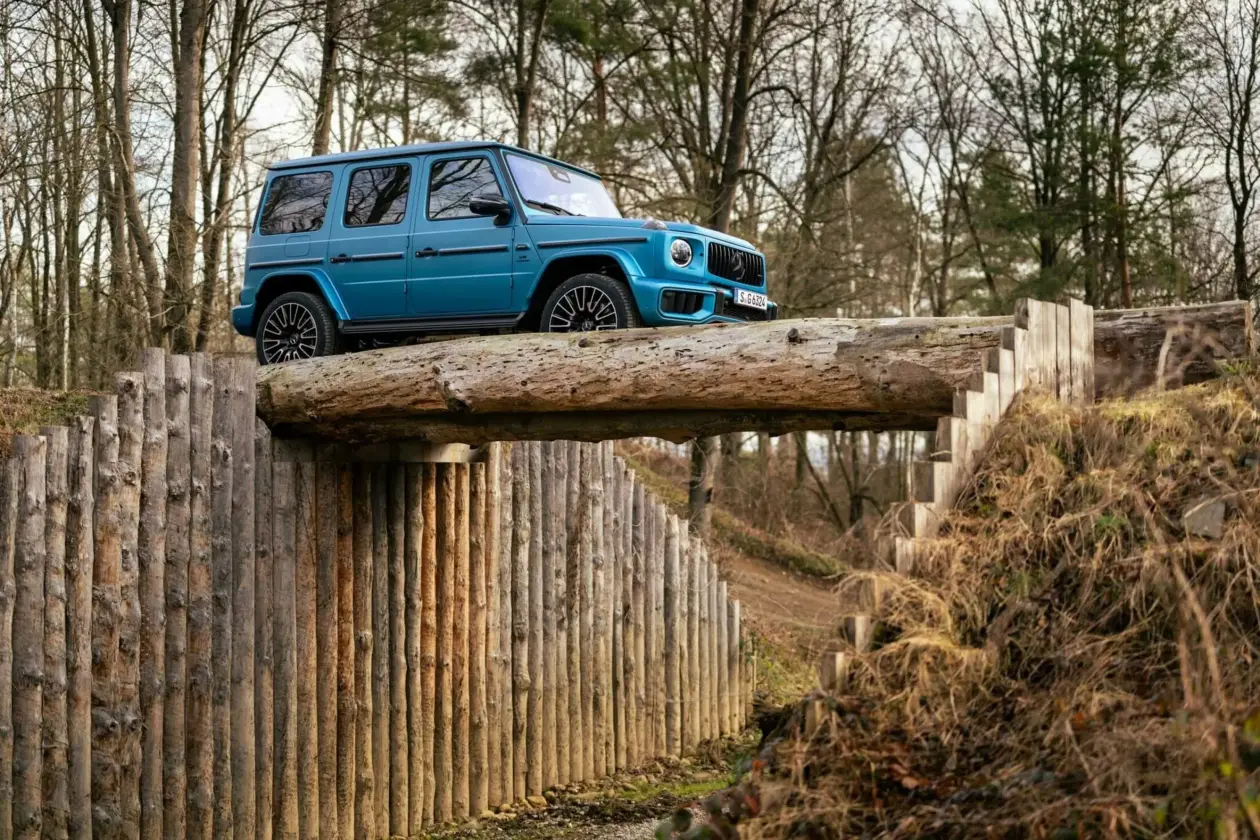
The G63 Convertible is set for sale in 2028. For Hong Kong's ultra-wealthy, it's a date worth watching. As the tide of electrification sweeps through, opportunities to own a V8 convertible off-roader may truly be dwindling.

香港汽車內容平台 🚗 新車・買車・玩車・用車 用香港視角,睇世界嘅車
+ Follow 【新車速報】兩座車又殺返嚟?smart精靈#2今次有啲料喎
鍾意細車嘅香港車迷留意!全新 smart 精靈#2 配置公布,採用 ECA 電動緊湊型架構,搭載 35.8kWh 磷酸鐵鋰電池,CLTC 續航 410km,30%-80% 快充最快15分鐘。
車長約 2.75米、轉彎半徑僅3.35米,仲有前麥弗遜+後五連桿獨立懸架;安全配備最多7個氣袋及 ACC、盲區監測等功能。
0-50km/h 3.8秒,10月12日巴黎車展全球首發!
兩座純電+細車身,放落香港街道會唔會幾對味?
#smart #smart精靈2 #純電車 #BitAutoHongKong 1小时前
【新車速報】兩座車又殺返嚟?smart精靈#2今次有啲料喎
鍾意細車嘅香港車迷留意!全新 smart 精靈#2 配置公布,採用 ECA 電動緊湊型架構,搭載 35.8kWh 磷酸鐵鋰電池,CLTC 續航 410km,30%-80% 快充最快15分鐘。
車長約 2.75米、轉彎半徑僅3.35米,仲有前麥弗遜+後五連桿獨立懸架;安全配備最多7個氣袋及 ACC、盲區監測等功能。
0-50km/h 3.8秒,10月12日巴黎車展全球首發!
兩座純電+細車身,放落香港街道會唔會幾對味?
#smart #smart精靈2 #純電車 #BitAutoHongKong 1小时前  【揀車有路數】日產新車賣比亞迪價?仲有激光雷達
今集試一台好特別嘅日產新車——NX8,中國特供增程SUV。外觀似熟悉嘅日產味,但內籠同科技配備竟然唔晒傳統日產套路,駕乘感受又有幾多轉變?到底仲係咪你認識嗰部日產?一齊試畀你睇。
#日產 #NX8 #增程 #BitAutoHongKong #揀車有路數 1天前
【揀車有路數】日產新車賣比亞迪價?仲有激光雷達
今集試一台好特別嘅日產新車——NX8,中國特供增程SUV。外觀似熟悉嘅日產味,但內籠同科技配備竟然唔晒傳統日產套路,駕乘感受又有幾多轉變?到底仲係咪你認識嗰部日產?一齊試畀你睇。
#日產 #NX8 #增程 #BitAutoHongKong #揀車有路數 1天前  【新車速報】T-Top 回歸?Nissan Z Kaze 概念車現身!
90年代 JDM 味返晒嚟?Nissan 最近喺美國 ZCON 公開 Z Kaze 概念車,以現款 Nissan Z 為基礎,換上全新 T-Top 可拆式車頂,向經典 300ZX 等 Z 系列致敬。
配合碳纖維空力套件、NISMO LMGT2 18吋輪圈,以及 GReddy 排氣、進氣同 intercooler 升級,成部車都充滿 JDM 改裝味。
「Kaze」即係日文「風」,而呢部車係 one-off 概念作品,並非量產車。10月3日仲會現身加州長灘 Japanese Classic Car Show。
如果 T-Top Z 真係量產,你會唔會心動?
#NissanZ #ZKaze #TTop #JDM #BitAutoHongKong 1天前
【新車速報】T-Top 回歸?Nissan Z Kaze 概念車現身!
90年代 JDM 味返晒嚟?Nissan 最近喺美國 ZCON 公開 Z Kaze 概念車,以現款 Nissan Z 為基礎,換上全新 T-Top 可拆式車頂,向經典 300ZX 等 Z 系列致敬。
配合碳纖維空力套件、NISMO LMGT2 18吋輪圈,以及 GReddy 排氣、進氣同 intercooler 升級,成部車都充滿 JDM 改裝味。
「Kaze」即係日文「風」,而呢部車係 one-off 概念作品,並非量產車。10月3日仲會現身加州長灘 Japanese Classic Car Show。
如果 T-Top Z 真係量產,你會唔會心動?
#NissanZ #ZKaze #TTop #JDM #BitAutoHongKong 1天前 Get the latest car news first!
【新車速報】兩座車又殺返嚟?smart精靈#2今次有啲料喎
鍾意細車嘅香港車迷留意!全新 smart 精靈#2 配置公布,採用 ECA 電動緊湊型架構,搭載 35.8kWh 磷酸鐵鋰電池,CLTC 續航 410km,30%-80% 快充最快15分鐘。
車長約 2.75米、轉彎半徑僅3.35米,仲有前麥弗遜+後五連桿獨立懸架;安全配備最多7個氣袋及 ACC、盲區監測等功能。
0-50km/h 3.8秒,10月12日巴黎車展全球首發!
兩座純電+細車身,放落香港街道會唔會幾對味?
#smart #smart精靈2 #純電車 #BitAutoHongKong 1小时前 【揀車有路數】日產新車賣比亞迪價?仲有激光雷達
今集試一台好特別嘅日產新車——NX8,中國特供增程SUV。外觀似熟悉嘅日產味,但內籠同科技配備竟然唔晒傳統日產套路,駕乘感受又有幾多轉變?到底仲係咪你認識嗰部日產?一齊試畀你睇。
#日產 #NX8 #增程 #BitAutoHongKong #揀車有路數 1天前 【新車速報】T-Top 回歸?Nissan Z Kaze 概念車現身!
90年代 JDM 味返晒嚟?Nissan 最近喺美國 ZCON 公開 Z Kaze 概念車,以現款 Nissan Z 為基礎,換上全新 T-Top 可拆式車頂,向經典 300ZX 等 Z 系列致敬。
配合碳纖維空力套件、NISMO LMGT2 18吋輪圈,以及 GReddy 排氣、進氣同 intercooler 升級,成部車都充滿 JDM 改裝味。
「Kaze」即係日文「風」,而呢部車係 one-off 概念作品,並非量產車。10月3日仲會現身加州長灘 Japanese Classic Car Show。
如果 T-Top Z 真係量產,你會唔會心動?
#NissanZ #ZKaze #TTop #JDM #BitAutoHongKong 1天前  BAWToyotaBYDZeekrGACDongfengXPengMGMaxusLeapmotorDenzaIMiCAURDeepalWulingOraJuneyao AutoKYCSkyworthAvatrFotonFordGeelyHongqiJAECOOKGMOMODADFSKTeslaHondaBMWMercedes-BenzsmartMINIPorscheNissanLexusSuzukiVolvoSubaruMazdaKiaHyundaiLand RoverRolls-RoyceFerrariAudiLamborghiniRiddaraSeresFarizonfireflyLingboxKaiyiVoyahHIMAM-HeroIsuzuBentleyPolestarMcLarenMitsubishiMaseratiPeugeotAston MartinAcuraJeepJaguarLotusVolkswagenEpiclandJACLepasLi
 © 2024 Bitauto.com. All Rights Reserved.
Bitauto (www.yiche.com and www.bitauto.com) is one of the most visited automotive websites in China. We provide detailed info on Chinese car brands available in your area. Please note that the information provided on this website is based on publicly available data and is for reference only. It may not be fully updated or accurate at all times.
Help us improve our website


