
Search History
Popular Searches
English
Dealer Login / Sign Up
On March 17th, Qijing Auto officially launched and opened blind orders for its first shooting brake coupe, the Qijing GT7. Users can participate by paying a 999 yuan deposit through the official app or mini-program. Participants will have the chance to win prizes such as Huawei foldable phones and Huawei watches, and will also receive priority delivery rights for the same configuration in the same city, as well as priority eligibility to attend brand launch events. The new car will make its debut at the Beijing Auto Show and will be officially delivered in June. Qijing also announced its product roadmap for 2026-2028, planning to launch two new models this year: a next-generation smart shooting brake and a smart mid-to-large SUV, further expanding its product matrix in the coming three years.
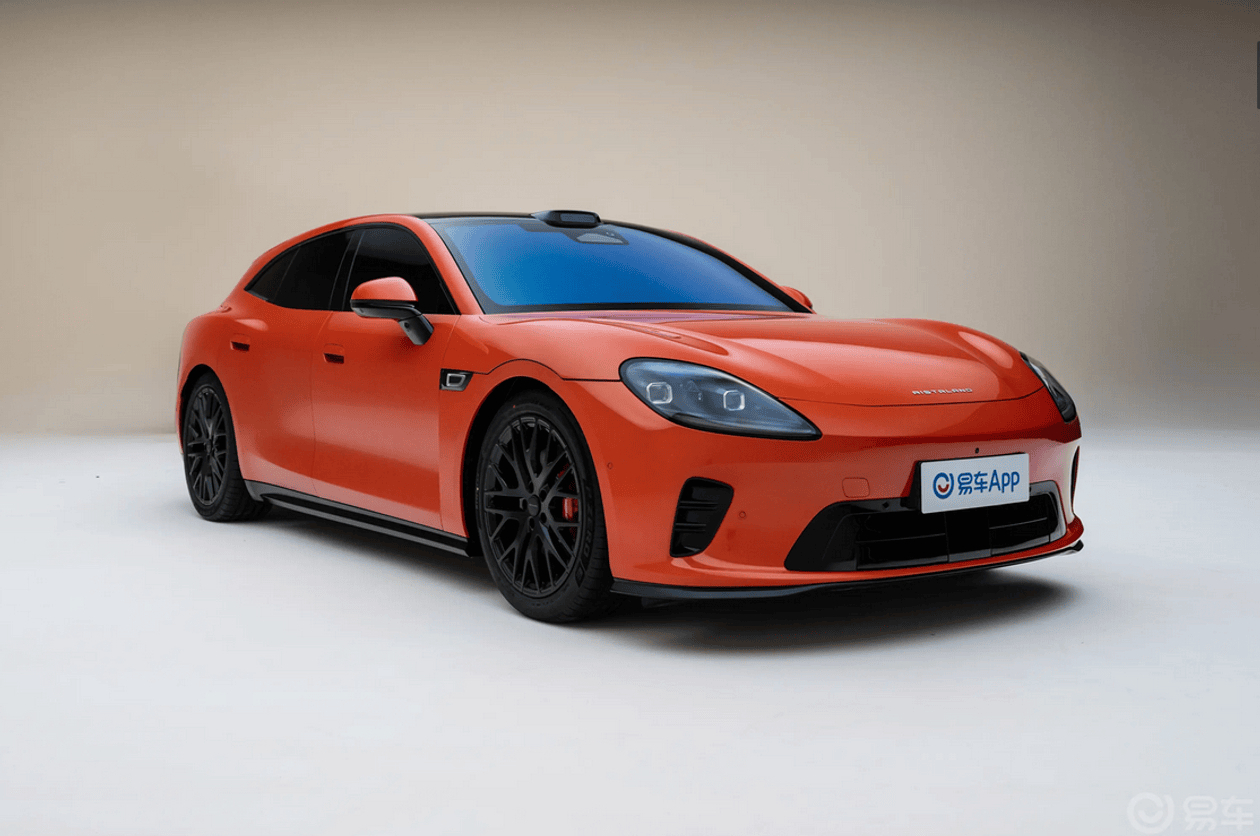
For Hong Kong users, the arrival of the Qijing GT7 raises two immediate questions: When this shooting brake coupe, deeply empowered by Huawei and equipped with the world's highest-serial-production-spec 896-line LiDAR, arrives with the promise of "Ten Next-Generation Smart Technologies," can it become a new option in the local high-end electric vehicle market? And more importantly, when will a right-hand drive version be introduced, allowing Hong Kong users to experience this smart shooting brake that boasts "1 second adds 1 kilometer of range"?
Design Language: Shooting Brake Golden Ratio and Huawei Projector Headlights
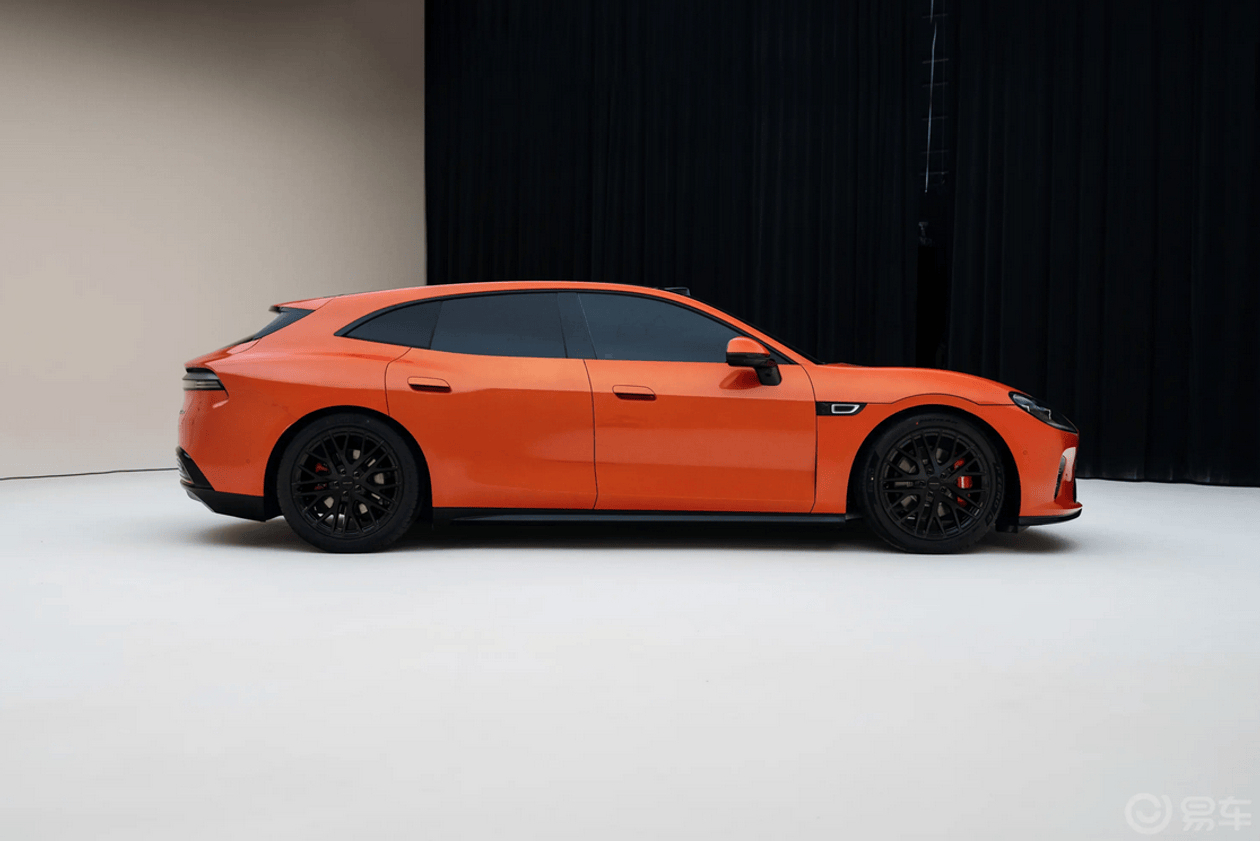
The Qijing GT7 is positioned as a smart shooting brake coupe. Its overall styling adopts the shooting brake golden ratio, featuring a smooth, swooping waistline combined with a tension curve that runs through the side of the body, seamlessly integrating the front wheel arch, doors, and rear wheel arch for a strong visual impact. The new car incorporates 14 specific aerodynamic optimizations, including an ultra-wide clamshell aluminum hood, hidden water channels, and functional air duct designs, balancing aesthetic design with performance efficiency.
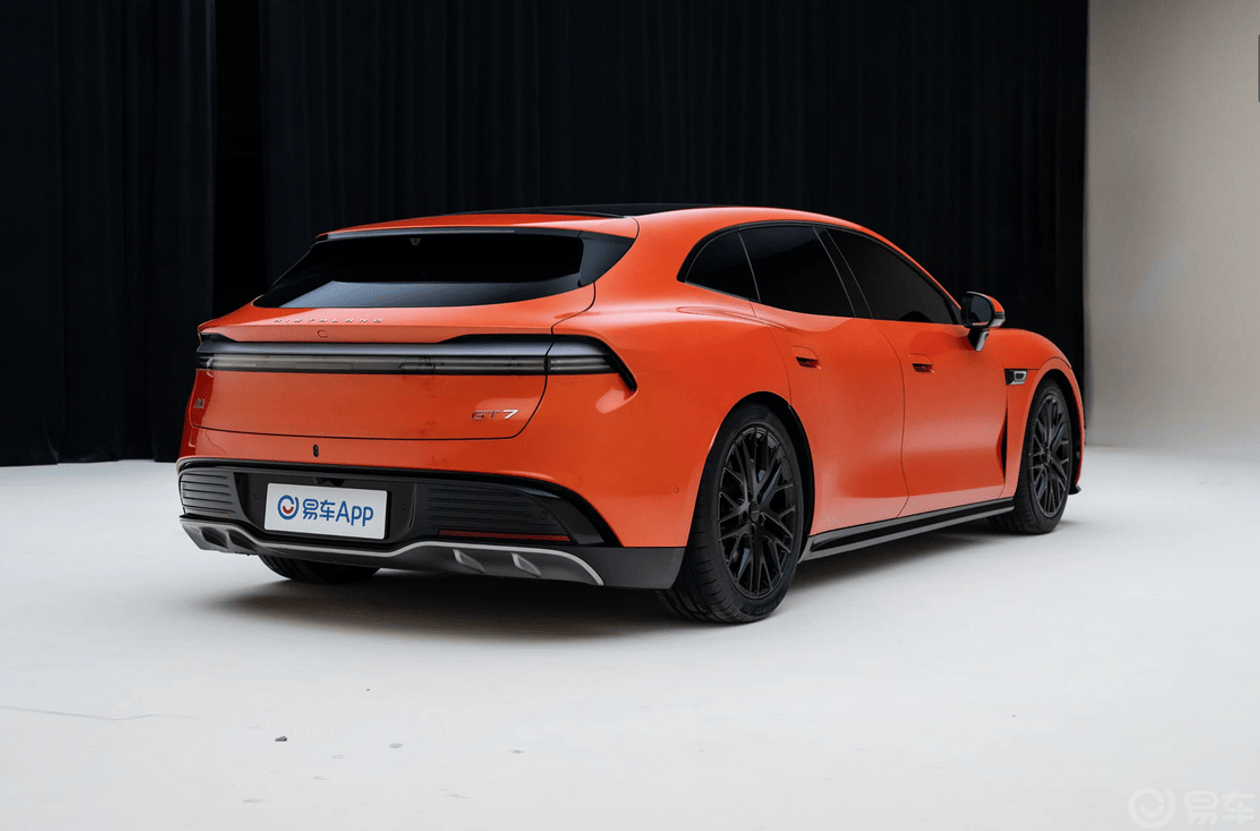
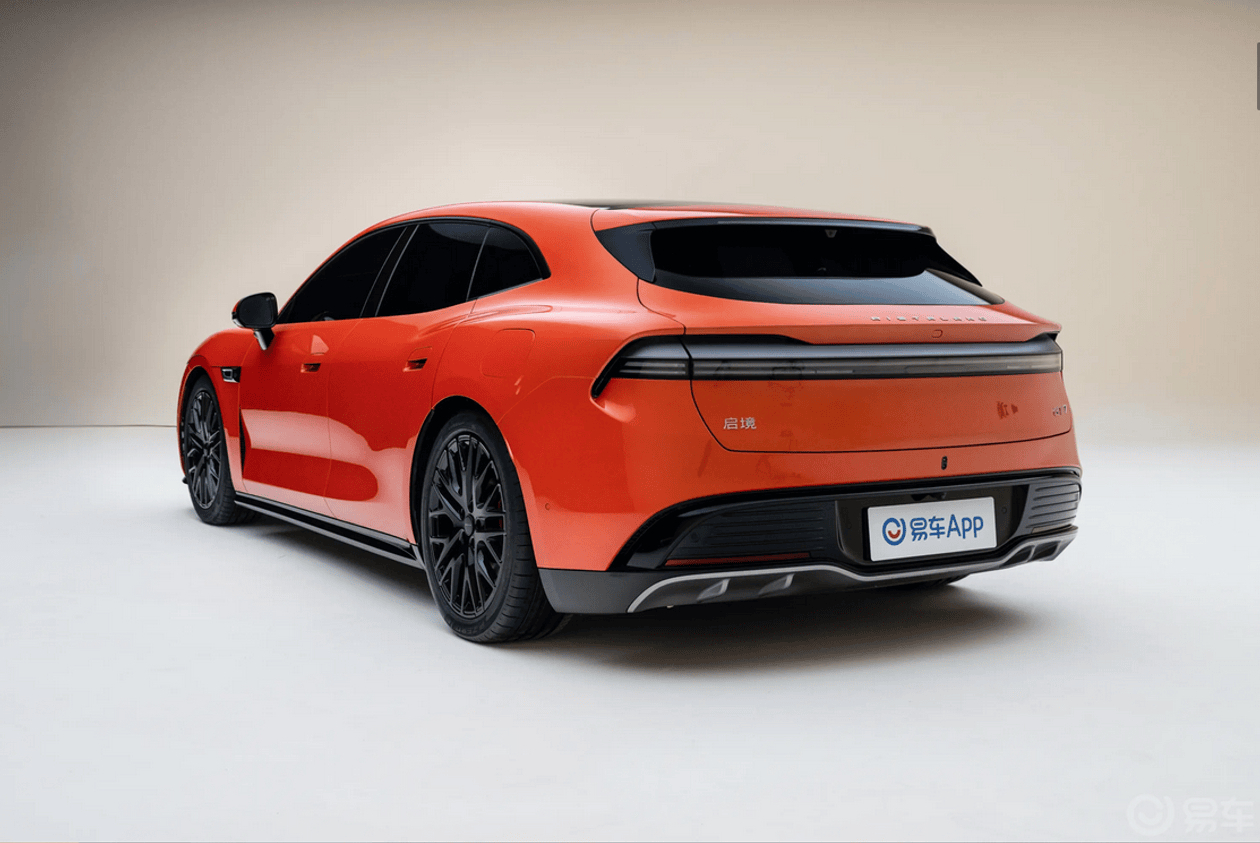
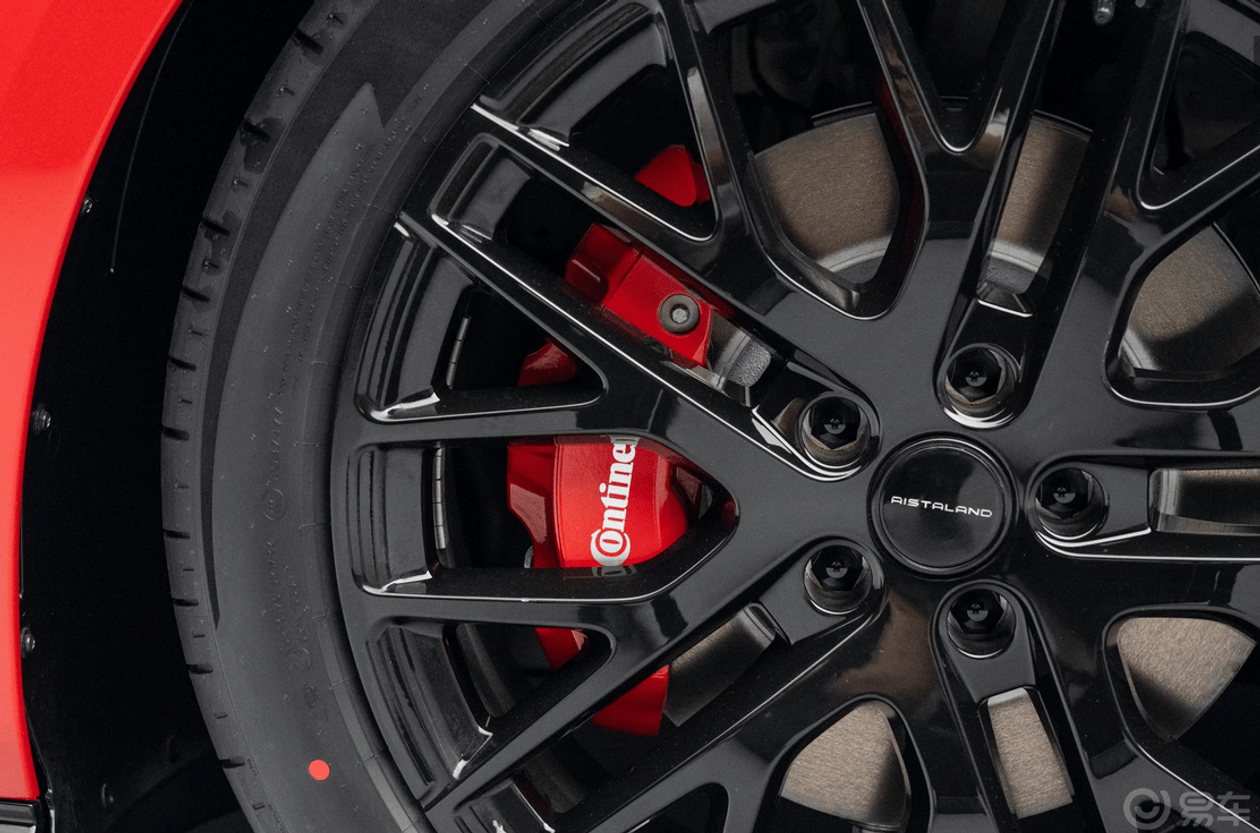
Regarding exterior colors, the Qijing GT7 offers three custom paint finishes: Supercar Paint, Liquid Gloss Paint, and Mirror Paint, along with six color options such as Monte Carlo Red and Chaka Silver. The entire series utilizes an 8-coat, 3C2B painting process. The "Reflections in the Clouds" paint, co-developed with BASF, shares its origins with the Rolls-Royce Phantom. In terms of dimensions, the new car measures 5050mm in length, 1980mm in width, and 1470mm in height, with a wheelbase of 3000mm. It is equipped with 21-inch jet-black sport wheels and high-performance four-piston fixed calipers from Continental Germany, fully showcasing its sporty DNA.
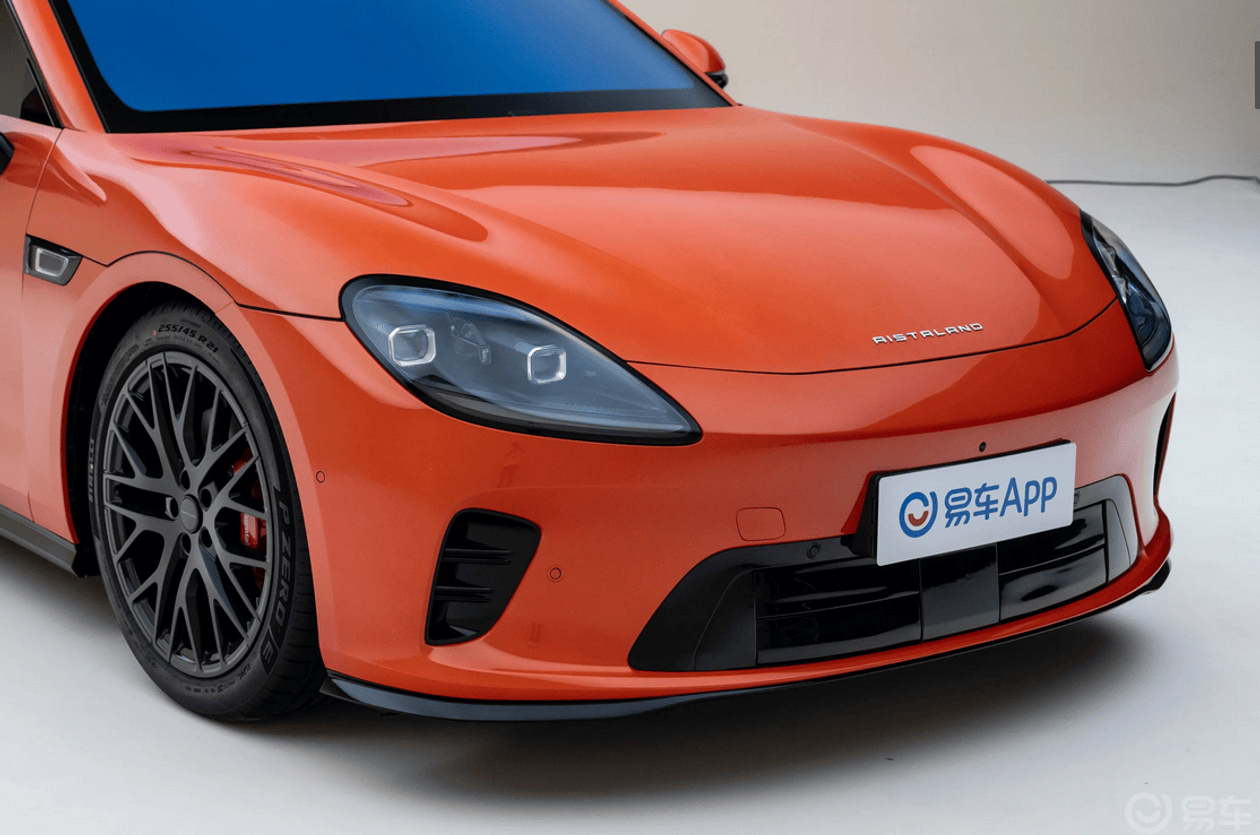
On a detailed design level, the "Spirit Eye" front lighting system features the latest generation HUAWEI XPIXEL million-pixel smart projector headlights. It debuts the world's first waterfall-style ADS blue light, incorporating three customized scene animations: Welcome Wings, Park Breath, and Light Curtain Call. At the rear, the "Qijing Wings" taillight assembly houses 526 precisely arranged light sources, utilizing segmented diffuse reflection technology to achieve the world's first ADS waterfall-style blue light, creating an echoing effect with the front lights.
Smart Hardware: World's First 896-Line LiDAR, Built for L3 Architecture
The Qijing GT7 pioneers the application of ten next-generation smart technologies, with its intelligent driving assistance features being top-tier. The new car comes pre-equipped with the architecture for Huawei Qiankun ADS L3-level intelligent driving and features the world's highest-serial-production-spec 896-line quad-LiDAR system, enabling "ultra-high-definition, ultra-precise, ultra-long-range" all-scenario perception. This system constitutes hardware ready for L3-level intelligent driving assistance, with detection capabilities achieving qualitative leaps in ultra-high-definition imaging, ultra-long-distance detection, and ultra-precise recognition. It can accurately identify previously indiscernible objects like gravel or distant obstacles, shortening response times. Perception stability is also significantly enhanced, even in adverse weather conditions like rain, fog, or at night.
On the software front, the new car debuts the next-generation XiaoYi AI agent. The HarmonyOS cockpit incorporates a next-generation large model, combined with the HUAWEI SOUND AI interactive star-ring dispersion body, creating an immersive smart cabin experience. The 88-inch HUAWEI XHUD augmented reality head-up display and the three-layer nano-silver coated thermal-insulating sky roof further accentuate the interior's technological ambiance.
For Hong Kong users, although this intelligent driving hardware may not be fully functional in the short term due to regulatory limitations, having the hardware pre-installed is certainly better than not having it. The 896-line LiDAR's ability to identify small targets as small as 14cm could mean a higher safety margin on Hong Kong's narrow streets. As regulations gradually ease, today's preparation could become tomorrow's usable feature.
Powertrain: Triple Motors + Kirin Battery + 800V 6C Ultra-Fast Charging
In terms of powertrain, the Qijing GT7 features a triple-motor system, powered by the next-generation Kirin Battery jointly developed by CATL, Huawei Qiankun, and Qijing. It supports an 800V high-voltage platform and 6C ultra-fast charging technology, achieving a charging speed of "1 second adds 1 kilometer of range." This theoretically means over 600 kilometers of range can be added in just 10 minutes, effectively eliminating range anxiety for EVs. Specific range and acceleration figures are pending official announcement, but based on the specifications of this powertrain combination, it is expected to deliver top-tier performance.
Market Positioning: A New Choice in the Shooting Brake Segment
The Qijing GT7 targets the smart shooting brake coupe segment – a relatively niche but rapidly growing market in Hong Kong. Models like the Audi A5 Sportback, BMW 4 Series Gran Coupe, and Mercedes-Benz CLE have long dominated this space, typically priced above HK$600,000. If Qijing can introduce a right-hand drive version at a reasonable price point, it could offer local users a new option that combines aesthetics, performance, and intelligence.
Looking at its dimensions, the 5050mm length and 3000mm wheelbase are comparable to the BMW 5 Series, suggesting ample rear passenger space for four occupants. The shooting brake design blends style with practicality; the trunk volume is expected to exceed 500 liters, sufficient for daily shopping and weekend getaways.
Hong Kong Market Perspective: Three Hurdles for Right-Hand Drive Introduction
Focusing on Hong Kong, the arrival of the Qijing GT7 presents three practical challenges.
First is the cost of right-hand drive development. The Qijing GT7 is developed on a left-hand drive platform, prioritizing the mainland Chinese market. Converting it to right-hand drive for the Hong Kong market involves significant redesign and recalibration of the vehicle structure, dashboard layout, and electronic systems, incurring substantial R&D expenses. With Hong Kong's annual new car sales around 40,000 units, the brand must calculate how many right-hand drive high-end EVs the market can realistically absorb.
Second is brand recognition. As a new brand, Qijing currently has zero awareness in Hong Kong. Building brand trust to convince local users to consider a domestic Chinese EV in the HK$500,000 price range requires time and sustained effort. While the technological backing of Huawei is undoubtedly a plus, establishing brand premium requires long-term investment.
Third is charging compatibility. The Qijing GT7 utilizes an 800V high-voltage platform and 6C ultra-fast charging technology, requiring compatible ultra-fast charging piles to achieve its full charging speed. As of February 2026, among public GB/T standard charging facilities in Hong Kong, high-speed chargers (over 100kW) numbered only 10, fast chargers (20-100kW) numbered 31, and medium-speed chargers numbered 29, primarily located in the Central & Western, Islands, and Kwai Tsing districts. Although the government aims to have no fewer than 4,000 high-speed chargers built by 2030, the current high-speed charging infrastructure remains relatively limited.
Personal View: Deep Empowerment by Huawei Makes Brand Building Key
Reviewing the entire Qijing GT7 launch, the most striking impression is the density of technology from the "Huawei ecosystem." The 896-line LiDAR, HarmonyOS cockpit with large models, XiaoYi AI agent, Kirin Battery, 800V high-voltage platform – this specification list is impressive compared to any new EV brand. Huawei's deep involvement places Qijing at the forefront of the industry in terms of intelligence.
The question is, can brand recognition keep pace with such impressive technical specifications? In the mainland market, Huawei's reputation is enough to attract a large number of users. However, in Hong Kong, the name Qijing needs to build trust from scratch. Huawei's phones, watches, and foldable devices enjoy high visibility in Hong Kong, but cars are a different matter – consumer trust in an automotive brand requires time to build and needs to be supported by a comprehensive after-sales service network.
In terms of product strength, the Qijing GT7 has the potential to become a new choice in the local market. Its size (5.05m length, 3m wheelbase) is comparable to a BMW 5 Series; the shooting brake design balances aesthetics and practicality; the 896-line LiDAR provides the hardware foundation for future L3-level intelligent driving; and the "1 second per kilometer" charging speed could potentially eliminate range anxiety. If it can be introduced at a price point below HK$600,000, it could pose a significant challenge to traditional competitors like the Audi A5 and BMW 4 Series.
Of course, the introduction of a right-hand drive version remains uncertain. However, looking at Qijing's strategic pace, 2026 marks the beginning of its product rollout, with plans to continuously expand its portfolio over the next three years. For Hong Kong users, this is a noteworthy juncture. After all, when a smart shooting brake deeply empowered by Huawei eventually drives onto Hong Kong's streets, it will represent not just another car, but a new option for the era of intelligent vehicles.

香港汽車內容平台 🚗 新車・買車・玩車・用車 用香港視角,睇世界嘅車
+ Follow 【新車速報】兩座車又殺返嚟?smart精靈#2今次有啲料喎
鍾意細車嘅香港車迷留意!全新 smart 精靈#2 配置公布,採用 ECA 電動緊湊型架構,搭載 35.8kWh 磷酸鐵鋰電池,CLTC 續航 410km,30%-80% 快充最快15分鐘。
車長約 2.75米、轉彎半徑僅3.35米,仲有前麥弗遜+後五連桿獨立懸架;安全配備最多7個氣袋及 ACC、盲區監測等功能。
0-50km/h 3.8秒,10月12日巴黎車展全球首發!
兩座純電+細車身,放落香港街道會唔會幾對味?
#smart #smart精靈2 #純電車 #BitAutoHongKong 1小时前
【新車速報】兩座車又殺返嚟?smart精靈#2今次有啲料喎
鍾意細車嘅香港車迷留意!全新 smart 精靈#2 配置公布,採用 ECA 電動緊湊型架構,搭載 35.8kWh 磷酸鐵鋰電池,CLTC 續航 410km,30%-80% 快充最快15分鐘。
車長約 2.75米、轉彎半徑僅3.35米,仲有前麥弗遜+後五連桿獨立懸架;安全配備最多7個氣袋及 ACC、盲區監測等功能。
0-50km/h 3.8秒,10月12日巴黎車展全球首發!
兩座純電+細車身,放落香港街道會唔會幾對味?
#smart #smart精靈2 #純電車 #BitAutoHongKong 1小时前  【揀車有路數】日產新車賣比亞迪價?仲有激光雷達
今集試一台好特別嘅日產新車——NX8,中國特供增程SUV。外觀似熟悉嘅日產味,但內籠同科技配備竟然唔晒傳統日產套路,駕乘感受又有幾多轉變?到底仲係咪你認識嗰部日產?一齊試畀你睇。
#日產 #NX8 #增程 #BitAutoHongKong #揀車有路數 1天前
【揀車有路數】日產新車賣比亞迪價?仲有激光雷達
今集試一台好特別嘅日產新車——NX8,中國特供增程SUV。外觀似熟悉嘅日產味,但內籠同科技配備竟然唔晒傳統日產套路,駕乘感受又有幾多轉變?到底仲係咪你認識嗰部日產?一齊試畀你睇。
#日產 #NX8 #增程 #BitAutoHongKong #揀車有路數 1天前  【新車速報】T-Top 回歸?Nissan Z Kaze 概念車現身!
90年代 JDM 味返晒嚟?Nissan 最近喺美國 ZCON 公開 Z Kaze 概念車,以現款 Nissan Z 為基礎,換上全新 T-Top 可拆式車頂,向經典 300ZX 等 Z 系列致敬。
配合碳纖維空力套件、NISMO LMGT2 18吋輪圈,以及 GReddy 排氣、進氣同 intercooler 升級,成部車都充滿 JDM 改裝味。
「Kaze」即係日文「風」,而呢部車係 one-off 概念作品,並非量產車。10月3日仲會現身加州長灘 Japanese Classic Car Show。
如果 T-Top Z 真係量產,你會唔會心動?
#NissanZ #ZKaze #TTop #JDM #BitAutoHongKong 1天前
【新車速報】T-Top 回歸?Nissan Z Kaze 概念車現身!
90年代 JDM 味返晒嚟?Nissan 最近喺美國 ZCON 公開 Z Kaze 概念車,以現款 Nissan Z 為基礎,換上全新 T-Top 可拆式車頂,向經典 300ZX 等 Z 系列致敬。
配合碳纖維空力套件、NISMO LMGT2 18吋輪圈,以及 GReddy 排氣、進氣同 intercooler 升級,成部車都充滿 JDM 改裝味。
「Kaze」即係日文「風」,而呢部車係 one-off 概念作品,並非量產車。10月3日仲會現身加州長灘 Japanese Classic Car Show。
如果 T-Top Z 真係量產,你會唔會心動?
#NissanZ #ZKaze #TTop #JDM #BitAutoHongKong 1天前 Get the latest car news first!
【新車速報】兩座車又殺返嚟?smart精靈#2今次有啲料喎
鍾意細車嘅香港車迷留意!全新 smart 精靈#2 配置公布,採用 ECA 電動緊湊型架構,搭載 35.8kWh 磷酸鐵鋰電池,CLTC 續航 410km,30%-80% 快充最快15分鐘。
車長約 2.75米、轉彎半徑僅3.35米,仲有前麥弗遜+後五連桿獨立懸架;安全配備最多7個氣袋及 ACC、盲區監測等功能。
0-50km/h 3.8秒,10月12日巴黎車展全球首發!
兩座純電+細車身,放落香港街道會唔會幾對味?
#smart #smart精靈2 #純電車 #BitAutoHongKong 1小时前 【揀車有路數】日產新車賣比亞迪價?仲有激光雷達
今集試一台好特別嘅日產新車——NX8,中國特供增程SUV。外觀似熟悉嘅日產味,但內籠同科技配備竟然唔晒傳統日產套路,駕乘感受又有幾多轉變?到底仲係咪你認識嗰部日產?一齊試畀你睇。
#日產 #NX8 #增程 #BitAutoHongKong #揀車有路數 1天前 【新車速報】T-Top 回歸?Nissan Z Kaze 概念車現身!
90年代 JDM 味返晒嚟?Nissan 最近喺美國 ZCON 公開 Z Kaze 概念車,以現款 Nissan Z 為基礎,換上全新 T-Top 可拆式車頂,向經典 300ZX 等 Z 系列致敬。
配合碳纖維空力套件、NISMO LMGT2 18吋輪圈,以及 GReddy 排氣、進氣同 intercooler 升級,成部車都充滿 JDM 改裝味。
「Kaze」即係日文「風」,而呢部車係 one-off 概念作品,並非量產車。10月3日仲會現身加州長灘 Japanese Classic Car Show。
如果 T-Top Z 真係量產,你會唔會心動?
#NissanZ #ZKaze #TTop #JDM #BitAutoHongKong 1天前  BAWToyotaBYDZeekrGACDongfengXPengMGMaxusLeapmotorDenzaIMiCAURDeepalWulingOraJuneyao AutoKYCSkyworthAvatrFotonFordGeelyHongqiJAECOOKGMOMODADFSKTeslaHondaBMWMercedes-BenzsmartMINIPorscheNissanLexusSuzukiVolvoSubaruMazdaKiaHyundaiLand RoverRolls-RoyceFerrariAudiLamborghiniRiddaraSeresFarizonfireflyLingboxKaiyiVoyahHIMAM-HeroIsuzuBentleyPolestarMcLarenMitsubishiMaseratiPeugeotAston MartinAcuraJeepJaguarLotusVolkswagenEpiclandJACLepasLi
 © 2024 Bitauto.com. All Rights Reserved.
Bitauto (www.yiche.com and www.bitauto.com) is one of the most visited automotive websites in China. We provide detailed info on Chinese car brands available in your area. Please note that the information provided on this website is based on publicly available data and is for reference only. It may not be fully updated or accurate at all times.
Help us improve our website


