
搜尋歷史
熱門搜尋
經銷商登入 / 註冊

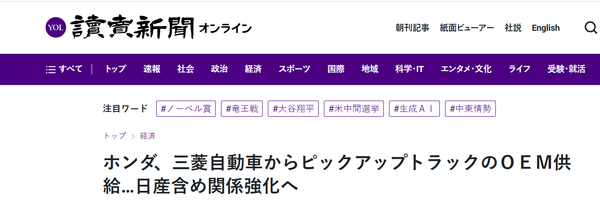
[CNMO Tech News] On October 9, according to foreign media reports, Honda plans to introduce Mitsubishi Motors' pickup Triton (Mitsubishi L200), launching Honda-branded pickups via rebadging. It is expected to enter the Southeast Asian market first in 2028, and may later expand to other regions. According to reports from Japanese media "Yomiuri Shimbun", this will become the first important product project after the expanded cooperation between Honda and Mitsubishi.
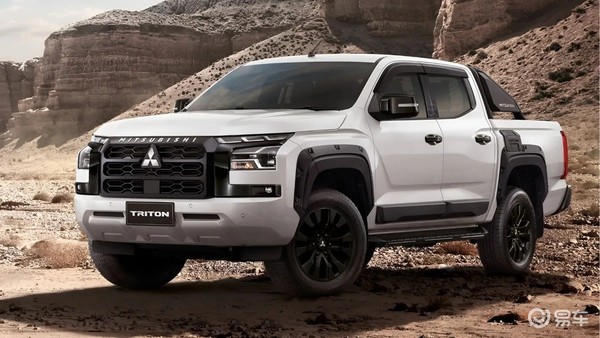
Mitsubishi Motors
It is understood that the relevant model will be produced by Mitsubishi Motors at its factory in Thailand, and then sold under the Honda brand. By adopting this method, Honda can quickly fill the gap in its product lineup without having to develop a brand-new body-on-frame pickup from scratch, while also leveraging Mitsubishi's existing production system and market experience to enter the highly competitive Southeast Asian pickup market.
The core model of this cooperation is the Mitsubishi Triton. This mid-size pickup adopts a body-on-frame structure, emphasizing durability and off-road capability under complex road conditions, and has a certain user base in markets such as Southeast Asia. Data shows that global sales of Triton in Mitsubishi's fiscal year 2025 were approximately 130,000 units, making it the brand's top-selling model that year.
Related Report
For Honda, introducing Triton helps expand the coverage of commercial and multi-purpose models. Honda currently does not have a global body-on-frame pickup product positioned the same as Triton, while Southeast Asia is a market with concentrated pickup demand. By directly introducing mature models, Honda can reduce the time and investment required for new cars from R&D to production, and find new growth opportunities for local business.
It is worth noting that the cooperation scope considered by both parties may involve more than one pickup model. According to reports, Honda also hopes to introduce other models from Mitsubishi and research the possibility of co-developing cockpit peripheral components such as instrument clusters and display screens. This indicates that both parties may further expand cooperation in components and technology fields beyond complete vehicle supply.


