


首頁tea

搜尋歷史
熱門搜尋
經銷商登入 / 註冊
In the Malaysian SUV market, many buyers compare Proton X50 and Hyundai Tucson when choosing a car. These two cars are quite close in price and positioning. Today we will make a detailed comparison from multiple aspects to help you save time doing research.
The OTR price of Proton X50 in Malaysia is RM 89,800 - 113,300, with a total of 4 versions, including 1.5T Executive (RM 89,800), 1.5T Premium (RM 101,800), 1.5T Flagship (RM 113,300), etc.
The OTR price of Hyundai Tucson in Malaysia is RM 143,888 - 197,888, with a total of 5 versions, including 2025 HEV 1.6T AT 2WD Prestige (RM 197,888), 2025 1.6T DCT 4WD Prestige (RM 186,888), 2025 1.6T DCT 2WD Prime (RM 164,888), etc.
From a price perspective, the starting price of Proton X50 is indeed RM 54,088 cheaper than Hyundai Tucson. If your budget is limited, the entry-level version of Proton can already meet daily needs. But be aware, the few thousand cheaper might involve trade-offs in features, it depends on your specific needs.

The safety rating of Proton X50 is 5★ (ASEAN NCAP), active safety systems include ADAS (ACC, AEB, LKA, LDA, BSM, RCTA).
The safety rating of Hyundai Tucson is 5★ (ASEAN NCAP), active safety systems include SmartSense.
Both cars have the same safety rating, safety features in this class are quite comprehensive. New cars nowadays don't lack safety, no need to worry too much about this.

Proton X50 warranty is 5 years/150,000km, maintenance interval every 10,000km or 6 months.
Hyundai Tucson warranty is 5 years/300,000km, maintenance interval every 10,000km or 6 months.

Proton X50 and Hyundai Tucson are both mainstream choices in the Malaysian market, suitable for family use and daily commuting. If you value brand reputation and resale value more, you can prioritize the one with better reputation; if you care more about cost-performance and features, choose the one with richer configuration. Ultimately, it is recommended to test drive both, personal experience is the most important.

Overall, Proton X50 and Hyundai Tucson are both very good models in the Malaysian market. Which one to choose depends on your personal needs and budget. It is recommended to do your research, compare quotes from several car dealers, and then test drive to make a final decision. Buying a car is a big matter, spending some time doing research will definitely not be wrong.


In the Malaysian SUV market, many buyers compare the Proton X50 and Mitsubishi Xforce when choosing a car. Both vehicles are quite close in price and positioning. Today we will make a detailed comparison from multiple aspects to help you save time on research.
The Proton X50 OTR price in Malaysia is RM 89,800 - 113,300. There are 4 versions in total, including 1.5T Executive (RM 89,800), 1.5T Premium (RM 101,800), 1.5T Flagship (RM 113,300) etc.
The Mitsubishi Xforce OTR price in Malaysia is RM 109,930 - 119,930. There are 2 versions in total, including 2026 1.5L Ultimate (RM 119,930), 2026 1.5L Urban (RM 109,930) etc.
From a price perspective, the Proton X50's starting price is indeed RM 20,130 cheaper than the Mitsubishi Xforce. If your budget is limited, Proton's entry-level version can already meet daily needs. But keep in mind, the few thousand difference in price may involve trade-offs in features, depending on your needs.
The Proton X50 safety rating is 5★ (ASEAN NCAP). Active safety system includes ADAS (ACC, AEB, LKA, LDA, BSM, RCTA).
The Mitsubishi Xforce safety rating is 5★ (ASEAN NCAP). Active safety system includes MI-PILOT.
Both cars have the same safety rating. Safety features in this class are considered quite comprehensive. New cars nowadays have good safety, no need to worry too much about this.
Proton X50 body length 4400 mm, trunk 400 L.
Mitsubishi Xforce body length 4400 mm, trunk 400 L.
Dimensions of both cars are almost the same, interior space difference is not large. Cars in this class are fully sufficient for daily use.
Proton X50 and Mitsubishi Xforce are both mainstream choices in the Malaysian market, suitable for family use and daily commuting. If you value brand reputation and resale price more, you can prioritize the one with better reputation. If you care more about value for money and features, then choose the model with richer configuration. Ultimately it is suggested to test drive both models, personal experience is the most important.

Overall, Proton X50 and Mitsubishi Xforce are very good models in the Malaysian market. Which one to choose depends on your personal needs and budget. We suggest doing research, comparing quotes from several dealers, and then test driving to make the final decision. Buying a car is a big matter, spending time on research will never be wrong.

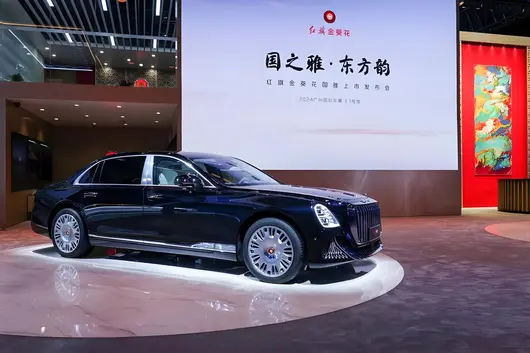
Zhiyu Auto News In the early years, wealthy people in China looking to purchase top-tier luxury cars would basically focus on overseas legacy brands like Mercedes-Benz, Bentley, and Rolls-Royce, thinking driving them out showed status. However, the market trend has completely changed. Now many high-net-worth buyers are turning to our local super-luxury brand Hongqi. Market data vividly reflects this shift.

Hongqi's Gold Sunflower series, positioned at the pinnacle, was officially launched in 2024. In just one year, it secured 1,400 owners. In comparison to industry statistics showing Rolls-Royce domestic sales of approximately 700 units in 2025, this domestic top-tier luxury car from Hongqi reached twice that volume. The local super-luxury segment has finally established a firm foothold in the high-end market.

This flagship model, the Gold Sunflower Guoya, made its official debut at this year's Beijing Auto Show. The top-specification custom version is priced at over 11 million RMB, directly entering the price bracket of top custom luxury cars like the Rolls-Royce Phantom, displaying strong pricing confidence. Hongqi attracts customers not by stacking horsepower or competing on track performance, but by highlighting unique Chinese aesthetics and handmade craftsmanship. Even the interior headliner embroidery is highly sophisticated. Artisans spend over 1,200 hours hand-stitching it, using hundreds of colored silk threads finer than hair to weave auspicious cloud patterns. The level of intricacy is no less than the starry roof design of overseas top-tier luxury cars.

Inside the vehicle, Chinese carvings, fine leather, and high-end wood trim are visible everywhere. The two-tone body, imposing vertical grille paired with the retractable Gold Sunflower hood ornament exudes maximum presence. Many entrepreneurs and collectors are willing to pay for this national-style luxury. Patriotism and local craftsmanship have become key factors in persuading wealthy buyers. FAW executives also stated directly that the Gold Sunflower Guoya is not merely a sedan but a work of art carrying cultural confidence, precisely hitting the selection preferences of the current high-end consumer group.

Nowadays, Hongqi not only aims to defend its domestic market but also looks overseas. It has already prepared to enter the Malaysian market while expanding its layout in Russia. Affected by the international situation, official channels for brands like BMW and Mercedes-Benz are restricted there, which just happens to leave development space for domestic luxury brands like Hongqi. The plan is to push Chinese-style luxury sedans to more overseas high-end consumers.
Many netizens have also commented on the shift in consumption concepts. In the past, the top tier pursued overseas luxury cars, but now more and more wealthy people actively choose Hongqi. Domestic luxury is no longer just a transportation tool; it has become a new choice to showcase local taste and status. Going forward, the Hongqi Gold Sunflower series will continue to launch more custom versions. The competition in the domestic super-luxury sector will only intensify.

喺馬來西亞嘅 SUV 市場,好多買家喺揀車嗰陣都會拿 Proton X50 同 Kia Sportage 嚟做比較。这两款车喺價位同定位上都蠻接近,今日我哋就從多個方面做一個詳細嘅比較,幫你省低做功課嘅時間。
Proton X50 喺馬來西亞嘅 OTR 售價係 RM 89,800 - 113,300,合共 4 個版本,包括 1.5T Executive(RM 89,800)、1.5T Premium(RM 101,800)、1.5T Flagship(RM 113,300) 等。
Kia Sportage 喺馬來西亞嘅 OTR 售價係 RM 129,639 - 179,320,合共 4 個版本,包括 2025 1.6T DCT 4WD High(RM 179,320)、2025 1.6T DCT 2WD High(RM 159,320)、2025 2.0L AT 2WD High(RM 139,639) 等。
睇價錢,Proton X50 嘅起步價確實比 Kia Sportage 平咗 RM 39,839。如果你預算有限,Proton 嘅入門版已經可以滿足日常需要。不過都要注意,平嗰幾千蚊,可能喺配備上會有取捨,具體要看你嘅需求。
Proton X50 採用 4WD 驅動方式。
Kia Sportage 採用 FWD 驅動方式。
Proton 嘅 4WD 同 Kia 嘅 FWD 喺操控上會唔同,建議試駕比較。
Proton X50 保養 5 年/150,000km,保養間隔 每 10,000km 或 6 個月。
Kia Sportage 保養 5 年/300,000km,保養間隔 每 10,000km 或 6 個月。
Proton X50 同 Kia Sportage 都係馬來西亞市場嘅主流選擇,適合家庭用、日常行車。如果你更睇重品牌口碑同二手價,可以優先考慮口碑更好嗰款;如果你更在意性價比同配備,就揀配置更豐富嗰款。最後都建議兩款都去試下駕,親身體驗先係最重要嘅。

總體嚟講,Proton X50 同 Kia Sportage 都係馬來西亞市場好唔錯嘅車款。揀邊部,關鍵仲係要看你嘅個人需求同預算。建議大家做足功課,多比較間車行嘅報價,先至去試下駕做最後決定。買車係件大事,花少少時間做功課絕對唔會錯。

喺馬來西亞嘅 SUV 市場,好多買家喺揀車嘅時候都會拿 Proton X50 同 Hyundai Tucson 嚟比較。呢兩款車喺價位同定位上都幾近,今日我哋就由多個方面做個詳細比較,幫你省返做功課嘅時間。
Proton X50 喺馬來西亞嘅 OTR 售價係 RM 89,800 - 113,300,一總有 4 個版本,包括 1.5T Executive(RM 89,800)、1.5T Premium(RM 101,800)、1.5T Flagship(RM 113,300) 等等。
Hyundai Tucson 喺馬來西亞嘅 OTR 售價係 RM 143,888 - 197,888,一總有 5 個版本,包括 2025 HEV 1.6T AT 2WD Prestige(RM 197,888)、2025 1.6T DCT 4WD Prestige(RM 186,888)、2025 1.6T DCT 2WD Prime(RM 164,888) 等等。
由價錢嚟睇,Proton X50 嘅起價確實比 Hyundai Tucson 平咗 RM 54,088。如果你預算有限,Proton 嘅入門版已經可以滿足日常需要。但都唔好忘記,便宜嗰幾千塊,可能喺配備上有取舍,具體要睇你需要。
Proton X50 配備 1.5L 4-cyl,馬力 105 hp。官方油耗 6.0 L/100km。
Hyundai Tucson 配備 1.5L Turbo,馬力 140 hp。官方油耗 7.0 L/100km。
動力方面,Hyundai Tucson 嘅 1.5L Turbo 比 Proton X50 嘅 1.5L 4-cyl 多咗 35 匹馬力。不過日常喺市區開,兩款車嘅動力都夠用,唔會覺得唔夠力。
Proton X50 車身長度 4400 mm,行李箱 400 L。
Hyundai Tucson 車身長度 4400 mm,行李箱 400 L。
兩款車嘅尺寸幾乎一樣,車內空間分別唔大。呢個級別嘅車,日常使用完全夠用。
Proton X50 同 Hyundai Tucson 都係馬來西亞市場嘅主流選擇,適合家庭用途、日常通勤。如果你更重視品牌口碑同二手價,可以優先考慮口碑更好嗰一款;如果你更在意性價比同配備,就揀配備更豐富嗰款。最後始終建議兩款都去試駕,親身體驗先係最重要。
總體嚟講,Proton X50 同 Hyundai Tucson 都係馬來西亞市場幾好嘅車型。揀邊一輛,關鍵都要睇你嘅個人需要同預算。建議大家做好功課,多比較幾間車行嘅報價,再去試駕做最終決定。買車係件大事,花少少時間做功課絕對唔會錯。

在馬來西亞嘅 SUV 市場,好多買家在揀車嗰陣都會拿 Proton X50 同 Mitsubishi Xforce 嚟做比較。呢兩款車喺價位同定位上都好接近,今日我就從多個方面做一個詳細嘅比較,幫你省返做功課嘅時間。
Proton X50 喺馬來西亞嘅 OTR 售價係 RM 89,800 - 113,300,一共有 4 個版本,包括 1.5T Executive(RM 89,800)、1.5T Premium(RM 101,800)、1.5T Flagship(RM 113,300) 等。
Mitsubishi Xforce 喺馬來西亞嘅 OTR 售價係 RM 109,930 - 119,930,一共有 2 個版本,包括 2026 1.5L Ultimate(RM 119,930)、2026 1.5L Urban(RM 109,930) 等。
從價錢嚟看,Proton X50 嘅入手價確實比 Mitsubishi Xforce 平咗 RM 20,130。如果你預算有限,Proton 嘅入門版已經可以滿足日常需求。但都要注意,平嗰幾千塊,可能喺配備上會有取捨,具體要睇你嘅需求。
Proton X50 搭載 1.5L 4-cyl,馬力 105 hp。官方油耗 6.0 L/100km。
Mitsubishi Xforce 搭載 1.5L Turbo,馬力 140 hp。官方油耗 7.0 L/100km。
動力方面,Mitsubishi Xforce 嘅 1.5L Turbo 比 Proton X50 嘅 1.5L 4-cyl 多咗 35 匹馬力。不過日常喺市區開,兩款車嘅動力都夠用,唔會覺得唔夠力。
Proton X50 車身長 4400 mm,後備箱 400 L。
Mitsubishi Xforce 車身長 4400 mm,後備箱 400 L。
兩款車嘅尺寸幾乎一樣,車內空間分別唔大。呢個級別嘅車,日常使用完全夠用。
Proton X50 採用 4WD 驅動方式。
Mitsubishi Xforce 採用 FWD 驅動方式。
Proton 嘅 4WD 同 Mitsubishi 嘅 FWD 喺操控上會有唔同感受,建議試駕比較。
Proton X50 同 Mitsubishi Xforce 都係馬來西亞市場嘅主流選擇,適合家庭使用、日常通勤。如果你更看重品牌聲譽同二手價,可以優先考慮聲譽好嗰款;如果你更在意性價比同配備,那就揀配備更豐富嗰款。最後都係建議兩款都去試駕,親身體驗先至最重要。

總體嚟講,Proton X50 同 Mitsubishi Xforce 都係馬來西亞市場好好嘅車型。揀邊一輛,關鍵都要睇你嘅個人需求同預算。建議大家做好功課,多比較幾間車行嘅報價,再去試駕做最後決定。買車係件大事,花少少時間做功課絕對唔會錯。

喺馬來西亞嘅 SUV 市場,好多買家揀車嗰陣都會拿 寶騰 X50 同 長城 哈弗 H6 做比較。呢兩款車喺價格同定位上都幾接近,今日我哋就從多個方面做一個詳細嘅比較,幫你省返做功課嘅時間。
寶騰 X50 喺馬來西亞嘅 OTR 售價係 RM 89,800 - 113,300,一共有 4 個版本,包括 1.5T Executive(RM 89,800)、1.5T Premium(RM 101,800)、1.5T Flagship(RM 113,300) 等。
長城 哈弗 H6 喺馬來西亞嘅 OTR 售價係 RM 139,750 - 139,750,一共有 2 個版本,包括 1.5L Turbo Standard(RM 140,000)、1.5L Turbo Premium(RM 155,000) 等。
從價格嚟睇,寶騰 X50 嘅起步價確實比 長城 哈弗 H6 平咗 RM 49,950。如果你預算有限,寶騰嘅入門版已經可以滿足日常需求。但都要注意,平嗰幾千蚊,可能喺配備上會有取捨,具體要睇你嘅需求。
寶騰 X50 車身長 4400 mm,後廂 400 L。
長城 哈弗 H6 車身長 4400 mm,後廂 400 L。
兩款車嘅尺寸幾乎一樣,車內空間差別唔大。呢個級別嘅車,日常使用完全夠用。
寶騰 X50 採用 4WD 驅動方式。
長城 哈弗 H6 採用 FWD 驅動方式。
寶騰嘅 4WD 同 長城嘅 FWD 喺操控上會有唔同感受,建議試駕比較。
寶騰 X50 同 長城 哈弗 H6 都係馬來西亞市場嘅主流選擇,適合家庭使用、日常通勤。如果你更睇重品牌口碑同二手價,可以優先考慮口碑更好嗰一款;如果你更在意性價比同配備,就揀配備更豐富嗰款。最後都係建議兩款都去試駕,親身體驗先至係最緊要嘅。
總嚟講,寶騰 X50 同 長城 哈弗 H6 都係馬來西亞市場好唔錯嘅車型。揀邊一部,關鍵都要睇你嘅個人需求同預算。建議大家做好功課,多比較幾間車行嘅報價,再去試駕做最後決定。買車係件大事,花少少時間做功課絕對無錯。

In the Malaysian SUV market, many buyers compare Proton X50 and MG MG HS when choosing a car. These two cars are quite close in price and positioning. Today, we will make a detailed comparison from multiple aspects to help you save time doing research.
Proton X50 OTR price in Malaysia is RM 89,800 - 113,300, with a total of 4 variants, including 1.5T Executive (RM 89,800), 1.5T Premium (RM 101,800), 1.5T Flagship (RM 113,300), etc.
MG MG HS OTR price in Malaysia is RM 130,450 - 146,450, with a total of 2 variants, including 1.5L Standard (RM 105,000), 1.5L Executive (RM 115,000), etc.
From a price perspective, the Proton X50's starting price is indeed RM 40,650 cheaper than the MG MG HS. If your budget is limited, Proton's entry-level version can already meet daily needs. However, note that the few thousand savings might come with compromises in features, it depends on your specific needs.
Proton X50 safety rating is 5★ (ASEAN NCAP), active safety systems include ADAS (ACC, AEB, LKA, LDA, BSM, RCTA).
MG MG HS safety rating is TBD, active safety systems include Basic.
Regarding safety features, both cars have received good ratings. However, there are some differences in functionality between Proton X50's ADAS (ACC, AEB, LKA, LDA, BSM, RCTA) and MG MG HS's Basic. If you value active safety, you can carefully compare their feature lists.
Proton X50 body length 4400 mm, trunk 400 L.
MG MG HS body length 4400 mm, trunk 400 L.
The dimensions of both cars are almost the same, interior space differences are not significant. For this class of cars, daily use is more than enough.
Proton X50 and MG MG HS are both mainstream choices in the Malaysian market, suitable for family use and daily commuting. If you value brand reputation and resale value more, prioritize the one with better reputation; if you care more about cost-performance ratio and features, choose the one with richer configuration. Ultimately, it is recommended to test drive both; personal experience is the most important.
Overall, Proton X50 and MG MG HS are both very good car models in the Malaysian market. Which one to choose depends on your personal needs and budget. It is recommended that everyone do their homework, compare quotes from several car dealerships, then test drive to make the final decision. Buying a car is a big deal, taking time to do research will never be wrong.

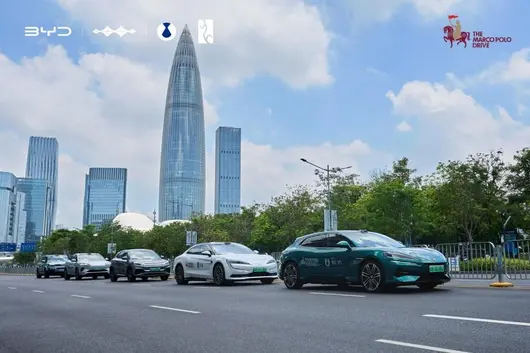
七百五十年前,马可波罗跨越山海、穿行欧亚,以步履打通东西方文明互通的壁垒,让古老丝路成为文明交融、商贸互通的纽带;七百五十年后,一场跨越大陆的绿色科创之旅续写丝路传奇。历时43天、驰骋15000公里的欧亚征程,比亚迪纯电车队顺利驶入深圳湾畔,标志着备受关注的马可波罗新丝路之旅圆满落幕。依托新能源核心技术与全域补能体系,这场新时代丝路之行,万里丝路绿色同行,以绿色科技为笔墨,为中西文明交融、全球可持续发展书写了全新答卷。

北京时间7月25日,本次马可波罗新丝路收官盛典于比亚迪全球总部隆重举行。活动由哥伦比亚大学教授、知名经济学家杰弗里·萨克斯与M31资本创始管理合伙人仲雷联合发起,以“绿色出行、科技互通、文明共生”为核心,完成了一场横跨欧亚、链接古今的科创实践与文明对话。不同于古丝路的车马跋涉,本次征程以新能源汽车为载体、以智能闪充网络为支撑,穿越多国复杂地貌与多元气候,用实打实的超长里程实测,验证了中国新能源技术的硬核实力,也让千年丝路的开放包容精神,在绿色低碳的新时代语境中焕发全新活力。

收官系列活动中,南方科技大学主办的“科技引领 共创未来”青年论坛成为亮点。论坛汇聚全球顶尖学者、科创领军者、行业精英与青年学子,搭建起中西科技文化深度交融的高端对话平台,聚焦科技创新、人才培育、全球协作、可持续发展等核心议题,激荡思想、启迪新知,为青年科创成长赋能,为跨国产业合作聚力。深圳市委宣传部相关领导在致辞中指出,本次马可波罗新丝路行动,深度契合“一带一路”共商共建共享的核心理念与APEC互联互通、共生共赢的发展主旨。以比亚迪为代表的深圳本土科创企业,扎根深圳创新创业沃土,以开放姿态拥抱全球市场,持续输出中国科创力量,成为新时代丝路对外开放的重要标杆。

主旨演讲环节,杰弗里·萨克斯教授全程回顾了本次欧亚丝路征程的实践成果。他表示,这场跨越15000公里的出行实测,绝非简单的技术展演,更是一场跨越国界、贯通古今的文明交流实践。他高度肯定比亚迪以绿色科技赋能全球交通变革、推动世界互联互通的深耕实践,认可其在全球碳中和进程中作出的积极贡献。同时,他高度赞扬“深圳-香港-广州”创新集群登顶2025年全球创新指数百强集群的亮眼成就,并对中国一带一路倡议的前瞻性布局与务实落地成果给予高度评价,认为区域科创合力与全球化开放格局,是新时代国际协作的核心优势。

立足生命科学前沿与时代发展大势,华大集团首席执行官尹烨带来前沿观点分享。他聚焦AI技术革新与生命医学突破带来的时代变革,解读新时代可持续发展的多元内涵,提出随着科研技术的不断突破,人类健康长寿的新时代已然到来。他寄语广大青年学子,要紧跟科技发展浪潮,敢于突破认知边界、勇于深耕科研探索,抢抓时代机遇、扛起科创担当,在跨界融合的新时代赛道中实现个人价值、助力社会发展。

圆桌对话环节,行业大咖齐聚、思维碰撞频发,深度解码深圳科创生态与中国企业全球化发展路径。比亚迪集团董事会秘书、首席投资官李黔结合企业全球化布局经验分享道,比亚迪深耕全球百余个国家和地区的实践印证,顶尖科技的全球化输出,绝非单向度的技术赋能与产品输出,而是构建共生共荣的科技生态、培育可持续发展的人才体系,以生态合力推动全球产业协同进阶。

速腾聚创CEO邱纯潮以企业成长历程为切入点,讲述了团队从校园科研探索到扎根新能源产业赛道的成长蜕变,结合AI技术迭代趋势,分享了企业深耕物理智能技术底座、赋能全产业智能化升级的前瞻布局,展现了中国科创企业的创新活力与深耕定力。
南方科技大学孟庆虎院士从深圳独特的科创基因出发,深度剖析深圳科创领跑全国、走向全球的核心逻辑。他表示,深圳的核心科创优势,并非单一产业的单点突破,而是构建了“高校基础研究—科研人才培育—技术成果转化—产业落地孵化”的全链条创新闭环。完善的科创生态、高效的产学研融合机制,成为深圳科创企业逐鹿全球、持续领跑的底层支撑。
活动现场,多位嘉宾达成共识,诠释了新时代丝路的全新内涵。杰弗里·萨克斯教授强调,全球化时代,合作共赢始终是科技创新、经济发展、可持续发展的核心共识,唯有打破地域壁垒、深化跨国协作,才能应对全球发展共性难题。仲雷则提出,新时代的丝绸之路,早已突破传统地理通道的局限,升级为以科技创新为内核、文明对话为纽带的全球化协作网络,而深圳凭借顶尖的科创实力、开放的发展格局,成为这一网络中不可或缺的东方核心枢纽。
千年丝路薪火相传,绿色科创续写新章。此次马可波罗新丝路之旅的圆满收官,是古今丝路精神的隔空对话,也是中国绿色科技走向世界的生动实践。未来,比亚迪将持续扎根深圳科创沃土,坚守技术创新初心,持续深耕新能源与绿色科技领域,以硬核技术搭建中西文明对话、跨国产业协作的桥梁,传承丝路互通共生的精神内核,持续输出中国绿色方案,为全球碳中和事业与可持续发展进程注入源源不断的中国动能。

As the year reaches its halfway point, who is the one striking the waves? In 2026, the Chinese automotive market entered a period of deep adjustment, where homogenized price competition tests the profitability and strategic resolve of every automaker. Against this backdrop, SAIC Motor Group has demonstrated a steady development trend. From January to June, SAIC Motor Group achieved total vehicle sales of 2.045 million units, becoming the only Chinese automaker to break through the 2 million unit mark in the first half of the year.

The release of this report coincided with SAIC Motor Group reaching the historic milestone of cumulative global production and sales exceeding 100 million units. Standing at the 100 million mark, SAIC has not stopped at past scale accumulation but views it as a new starting point for "second entrepreneurship" facing the intelligent electric era. With the industry landscape reshaping, the sales volume of 2.045 million units marks SAIC Motor Group's steady transition from scale chasing to global leadership under the guidance of the "Understanding Cars and Understanding You Better" philosophy, also demonstrating its practice of long-termism across cycles to the industry.
Structural Transformation: Precise Insights into User Needs, Dominance of Private Brands Exceeds 70%
In the first half of this year, SAIC's private brands achieved cumulative sales of 1.469 million units, accounting for 71.8%, realizing six consecutive years of year-on-year growth. In the market environment of stock game competition, precise insights into user needs have become key to building an enterprise moat.

The high growth of SAIC's private brands is built on a deep understanding of family travel scenarios and the consumption psychology of the younger generation. In the past, entry-level models often came with compromises on intelligent experiences, but SAIC, through supply chain integration and technology accessibility, allows consumers in the A0-class market to enjoy next-level intelligent cockpit experiences. Taking the Wuling Bingo Pro as an example, it precisely meets the dual demands for space and texture of urban commuting users; while on the Roewe i6, SAIC brings the Qualcomm 8155 chip and AI large models down to the 60,000 price level, effectively responding to the upgrading needs of entry-level users for intelligent experiences.
At the same time, SAIC Passenger Cars, SAIC-GM-Wuling, IM Motors, and MAXUS four sectors cooperate in development, demonstrating strong structural resilience. In the first half of the year, SAIC Passenger Cars sales grew year-on-year by 49.4%, SAIC Maxus grew by 29.1%, and IM Motors increased significantly by 107%. The complementarity of the multi-brand matrix effectively hedges against operational risks brought by fluctuations in a single track.
This structural transformation stems from SAIC's long-term investment in R&D. Over the past decade, SAIC has accumulated nearly 190 billion yuan in R&D investment in the intelligent electricity field, possessing over 24,000 valid patents. It is precisely these technical reserves that enable SAIC to launch products meeting user expectations at different price points. The dominance of private brands exceeding 70% marks that SAIC Group's growth engine has achieved a stable switch, from technology introduction to deeply understanding and defining the local market, and empowering joint venture brands through technology co-creation in reverse.
Dual-Line Acceleration: Responding to Diverse Mobility Expectations, New Energy "Two Wings Flying Simultaneously"
In the first half of the year, SAIC's new energy vehicles achieved cumulative sales of 796,000 units, with a new energy penetration rate exceeding 50% in June alone. With the new energy penetration rate crossing the critical node, SAIC, through the strategy of "Two Wings Flying Simultaneously" for private brands and joint ventures, responded to the diverse mobility expectations of users in different circles, and also proved with facts that only automakers that truly understand users can win the market's long-term recognition.
At the private brand end, SAIC maintained a growth trend with a model matrix including MG4, Shangjie Z7, and IM LS8. The MG4 family was the first to be equipped with semi-solid-state batteries, improving the technological competitiveness of products; Shangjie Z7 is equipped with 896-line LiDAR across the board, and IM LS8 will complete the pure electric version within the year, introducing high-level intelligent assisted driving and wire-controlled chassis to the mainstream price range through a dual-line layout of range-extended and pure electric.

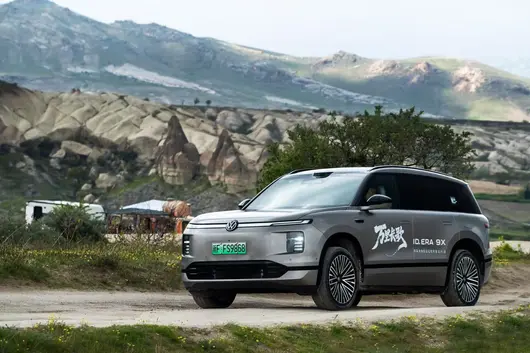
At the joint venture end, SAIC also achieved positive progress. SAIC-GM new energy vehicles sold nearly 50,000 units in the first half of the year, growing 81.1% year-on-year; SAIC Volkswagen ID. ERA 9X delivered cumulative over 10,000 units two months after launch; Audi E7X delivered over 4,000 units in the first month of launch. The key to joint venture brands moving steadily on the new energy track is that they have begun to listen deeply to the voices of Chinese users. The Volkswagen ID. ERA 9X is equipped with the EA211 Golden Range Extender verified by the market, paired with fluid intelligent chassis and rear-wheel steering, specifically customizing cockpits and full-scenario intelligent driving for Chinese users; Audi E7X globally premiered the "Smart Living Room" and pre-embedded L3-level autonomous driving capabilities. Buick Zhijing E7 released the "Children's Travel Health C.A.R.E Model" in collaboration with Dingxiang Doctor, creating a "Five-Constant Healthy Cockpit" and "Full-Score Cockpit", comprehensively integrating children's health protection concepts into cockpit design. These details of polishing are precisely the implementation of SAIC's "Understanding Cars and Understanding You Better" philosophy in different brand camps. The joint venture sector is realizing deep customization of local demand through the path of "China Defined, Global Empowered".
Second Curve: MG UK "Showcasing Technical Strength", Full Value Chain Overseas Sees Harvest Period
In the overseas market, SAIC Group's sales performance is equally steady. In the first half of this year, the group's overseas cumulative sales reached 735,000 units, growing significantly by 48.7% year-on-year, and overseas business has become an important cornerstone supporting SAIC's long-term development.

In this journey across mountains and seas, MG's technical display in the UK is the best metaphor for SAIC practicing the Glocal 3.0 strategy and pushing the "Understanding Cars and Understanding You Better" philosophy globally. In July this year, MG held the Tech Day technology conference in London, focusing on displaying Plug-in Hybrid+ hybrid technology, SolidCore semi-solid-state batteries, and MG Parking smart cockpit and assisted driving systems. As the world's first automotive brand to achieve mass production of semi-solid-state batteries, MG's move conveys a clear signal to the European market: Chinese automotive export is moving from simple product output to the output of technical standards and ecosystem systems. Immediately after, MG appeared at the Goodwood Festival of Speed, globally premiering two concept models, the two-door pure electric small car MG Go! and the coupe SUV Cyber Concept, showcasing the fusion of brand heritage and future vision.
MG's steady performance in Europe confirms the value of "Technology + Culture" dual-wheel drive. In the first half of the year, MG sold nearly 190,000 units in Europe consecutively ranking the number one sales champion among Chinese brands in Europe for eleven consecutive years.
Good news also came from the commercial vehicle sector, SAIC Hongyan reached a 1,000-unit new energy heavy truck strategic cooperation with a top Thai port major customer, breaking the foreign brand monopoly pattern in the local heavy truck market. The first batch of complete vehicles has completed assembly and bulk boarding, setting off from domestic production bases to Thailand. This also marks SAIC Hongyan demonstrating the complete Chinese commercial vehicle industrial chain and green smart manufacturing hard power to the world with its proprietary three-electric core technology, full-scenario customization capabilities, and perfect overseas local service system.
True "Understanding You" lies not only in deep diving the local market but also in reverence and adaptation to different global market rules. 735,000 units of overseas sales is a concentrated manifestation of SAIC's system strength on the global stage.
Underlying Logic: "Stability and Progress" Across Cycles, Long-term System Strength Builds the Moat
The 2.045 million unit half-way sales champion, cumulative global production and sales breaking 100 million units, is by no means luck gambled out by a single blockbuster or short-term price war, but is a concentrated explosion of SAIC Group's long-term system strength. In the price chaos of the industry rising and falling like a cloud, the multi-brand matrix and dual support at home and abroad endowed it with extremely strong risk resistance capability, this is the background of "Stability". The edge of "Progress" is reflected in the accelerated cashing out of the technology funnel brought by nearly 190 billion yuan R&D investment, the endogenous momentum released by comprehensively deepening reform, and the ecosystem of building smart mobility in cooperation with top ecological partners.

At the SAIC Motor Group global 100 millionth user delivery ceremony, a highly symbolic detail triggered industry attention: the 100 millionth user was exactly Momenta CEO Cao Xudong. The delivered model is exactly the flagship IM LS9 Hyper that gathers SAIC's great technology. This "Partner becomes Owner" delivery is not only a relay of trust between manufacturers and users, but also a perfect embodiment of SAIC building an open ecosystem.
Recently, Momenta officially listed on the Hong Kong Stock Exchange, becoming the "Physical AI First Stock". SAIC holding shares became its largest external shareholder; at the same time Momenta also holds shares in SAIC's IM Motors, forming a unique two-way holding pattern. Both sides walked out a "Capital + Scenario" symbiotic path, not only existing purchase relations, but also through equity binding, joint R&D, and defining product routes together, deeply integrating algorithm capabilities and mass production capabilities. From high-end private brands to mainstream joint ventures, Momenta's intelligent driving solutions completed multiple rounds of technical iteration and scenario verification on models under multiple brands of SAIC. The scale effect of mass production application directly translated into market share. According to Soar Research data, in the April 2026 city NOA market, Huawei and Momenta jointly accounted for 72.8% of the market share, of which Momenta alone accounted for 33.6%. More importantly, RideOn Mobility under SAIC Motor Group piloted Robotaxi services in cooperation with Momenta, enabling L4 technology to move from closed scenario testing into real operation scenarios, leading the commercialization verification.
From the first breakthrough of high-level intelligent driving models to the witnessing of the first 100 million units delivery milestone, and then to Momenta's current attack on the Hong Kong stock market, this symbiotic model not only provides continuous support for the rapid iteration of intelligent driving for SAIC's multi-brand matrix, but also explores a reference practical sample for the new division of labor model of the automotive industry.
Conclusion: Anchored by "Stability", Sailing with "Progress", Moving towards the Next Billion-level New Journey
From the first Phoenix Sedan struck out of an alley factory in 1958 to the 100 million unit milestone today, SAIC's seventy-plus years' span witnessed the rise of China's automotive industry; and on this long journey, what has never changed is SAIC's persistent persistence in the "Understanding Cars and Understanding You Better" philosophy.
The first half year 2.045 million unit sales is not only the periodic highlight of the first half of the journey, but also SAIC's solid foundation after crossing the 100 million unit milestone, moving towards a new journey. Looking forward to the second half of the year, SAIC Group's product matrix is accelerating renewal. Solid-state batteries, high-level intelligent assisted driving and other frontier technologies will be densely mass-produced and landed, IM, Roewe, MG and other brand new energy vehicles will also take turns to appear, injecting strong momentum into the traditional peak season. In this marathon without an end, SAIC Group always maintains clarity and resolve, adhering to the high-quality development route.
The future automotive market will certainly be a dual contest of system strength and user insight. Let us look forward together, in the next billion-level new journey, SAIC Group with "Stability" as the anchor, with "Progress" as the sail, moving steadily in the waves of the times, sailing towards a broader future.
Car Vision Wan Yi Report - Is it impossible to balance EV performance and energy saving? Recently, a new technology has broken a long-standing industry challenge. On July 16, Geely Galaxy held a new product launch event at the Wuxi Star Drive base. The core was not simply launching a new car, but presenting a key technology that truly affects subsequent Geely new energy vehicle models - the Thunder 16-in-1 Intelligent Electric Drive.
This electric drive was first equipped on the Geely Galaxy TT. At the launch event, it secured two Guinness certifications in one go: First, the Galaxy TT equipped with this drive achieved a consumption of only 8.2 kWh per 100 km during testing around Qinghai Lake, setting a record for the lowest energy consumption of mass-produced pure electric vehicles; Second, it completed 46 km of continuous dual-vehicle drifting on a slippery road, breaking the longest drift record previously held by Porsche.

Many audiences only focused on Geely's new cars, but the technology behind Star Drive Technology actually supports the entire technology of this drive and is responsible for mass production implementation. In the past, Star Drive always acted as a supplier for car companies. Although listed among Geely series companies, it rarely appeared alone. This time, taking advantage of the 16-in-1 electric drive, it finally entered the public eye as an independent brand.
Many car owners do not understand what "16-in-1" is, but a simple example makes it clear. In earlier years, EV motors, charging equipment, controllers, and cooling systems were all separate, with a pile of wires connecting each other, occupying chassis space and wasting electricity during current transmission. Currently, most electric drives on the market are just 3-in-1 or 8-in-1, with very low integration levels. Star Drive's 16-in-1 directly integrates 16 functions and components such as motor, electronic control, reducer, smart energy management, smart health management, smart motion control, etc., using specific algorithms to deeply integrate them all into a single system.

The benefits brought by high integration are very practical. The casing of the entire equipment is made of magnesium alloy, with a total weight of 75 kg, 20 kg lighter than ordinary electric drives. It eliminates over 180 scattered parts, reducing high and low voltage harness usage by 30% and 15% respectively. The overall thickness is also thinner than mainstream products on the market. The space saved in the chassis can be reserved for the interior passenger area and trunk. After the body becomes lighter, daily electricity consumption, tire wear, and brake wear will also be lower.

There has long been a challenge in the industry: powerful EVs generally consume a lot of electricity, while energy-saving models have weak handling, making it hard to balance both. Star Drive's 800V platform electric drive broke this limitation, with a comprehensive working efficiency reaching 93.8%. Relying on home-grown developed flat wire motors, silicon carbide power modules, and other technologies, the copper wires inside the motor are significantly shortened, reducing power loss. This is also the key reason it can achieve ultra-low energy consumption.
In terms of driving feel, traditional electric drives have multiple control modules working separately. After pressing the accelerator, signal transmission takes 40 milliseconds, resulting in lag. The 16-in-1 adopts single-chip unified control, with signal transmission shortest at only 2 milliseconds, with power output immediate upon pressing. It is also equipped with 54 sets of independent cooling oil circuits, precisely cooling the motor's hot spots. The maximum motor temperature can be reduced by 15°C, and the service life is increased by 10%. The 46 km long-duration continuous drifting extreme test is also sufficient to prove the strength of this cooling system. In terms of reliability, the entire electric drive completed over 9,000 special tests, and the supporting vehicles accumulated over 5 million kilometers of road testing. With fewer parts, the probability of failure is also reduced.
At the new car integration level, Thunder 16-in-1 was first equipped on the Geely Galaxy TT, a sedan/coupe product that emphasizes youth and personality. Galaxy TT offers rear-wheel drive and four-wheel drive versions, with a single motor maximum power of 245kW, satisfying daily commuting and long-distance travel. In the future, this electric drive will not only be supplied to the Galaxy series; new energy vehicle models under the Geely, Zeekr, Lynk & Co, Volvo, Smart, and other group brands will also be equipped sequentially.

Star Drive itself is an independent global electric drive supplier. Its customers are not only Geely series car companies; overseas brands like Renault, Jaguar Land Rover also have cooperation. It also deeply links with international top parts enterprises like ZF and Magna.
This company named Star Drive Technology (InfiMotion) has a clear technical route and fast iteration speed. In 2021, it landed the first 400V silicon carbide electric drive in China for Zeekr 001. In 2024, it launched the 11-in-1 electric drive, equipped on Geely Galaxy E5, and this car also became the number one exported sales volume for domestic A-level pure electric SUVs. In 2025, it landed magnesium alloy distributed electric drives and 900V high-performance coaxial dual electric drives. The company's development speed is visible to the naked eye. In its first year of establishment, revenue was only 40 million RMB; in 2026, revenue has already broken through 20 billion RMB. The R&D team has nearly 1,000 people, and the Swedish overseas R&D branch also has a team of hundreds. Production bases are built in multiple locations in China such as Wuxi, Shanghai, and Ningbo. Overseas Sweden and Malaysia are laid out simultaneously, forming a supply network covering Europe and Asia.
Star Drive's core competitiveness is concentrated in three areas: technology, quality control, and globalization. To optimize the winding height inside the motor by 1 millimeter, engineers will spend months adjusting production equipment. It is also the first enterprise in the industry to achieve mass production of 900V magnesium alloy electric drives. The magnesium alloy casing is 30% lighter than aluminum alloy. Currently, four related products have been put into production.

We have seen Star Drive Technology at this year's Beijing Auto Show. It very much embodies the characteristics of Geely series enterprises. On one hand, it values the linkage of the industry chain within the group; on the other hand, it is very independent, able to independently obtain business and package capital market stories. The Thunder 16-in-1 launched at this press conference is not just a power accessory for one Geely new car, but also a concentrated reflection of Star Drive's years of technology accumulation. From early 400V silicon carbide electric drives to 11-in-1, 900V magnesium alloy products, to today's 16-in-1 fully integrated electric drive, Star Drive steadily updates technology, building a complete R&D, testing, production, and overseas delivery system, securing its position as a top-tier global electric drive manufacturer. There are not many cases where electric drive components independently form a brand and begin to deeply nest with OEMs. Star Drive Technology's development history is also an example of Chinese automobiles moving towards more segmented industrial forms. The hidden dragon that was hidden behind car companies in the past has officially stepped to the forefront with this 16-in-1 product, allowing the market to see solutions for domestic electric drives to participate in global competition.

喺馬來西亞嘅 SUV 市場,好多買家喺揀車嘅時候都會拿 Proton X50 同 MG MG HS 嚟做比較。呢兩款車喺價位同定位上都幾接近,今日我哋就從多個方面做一個詳細嘅比較,幫你攞返做功課嘅時間。
Proton X50 喺馬來西亞嘅 OTR 售價係 RM 89,800 - 113,300,一共有 4 個版本,包括 1.5T Executive(RM 89,800)、1.5T Premium(RM 101,800)、1.5T Flagship(RM 113,300)等。
MG MG HS 喺馬來西亞嘅 OTR 售價係 RM 130,450 - 146,450,一共有 2 個版本,包括 1.5L Standard(RM 105,000)、1.5L Executive(RM 115,000)等。
從價錢來看,Proton X50 嘅起步價確實比 MG MG HS 平咗 RM 40,650。如果你預算唔多,Proton 嘅入門版已經可以滿足日常需要。但都係要注意,平嗰幾千塊,可能喺配備上面會有取捨,具體要睇你嘅需求。
Proton X50 嘅安全評級係 5★ (ASEAN NCAP),主動安全系統包括 ADAS (ACC, AEB, LKA, LDA, BSM, RCTA)。
MG MG HS 嘅安全評級係 TBD,主動安全系統包括 Basic。
安全配備方面,兩款車都拿到唔錯嘅評級。不過 Proton X50 嘅 ADAS (ACC, AEB, LKA, LDA, BSM, RCTA) 同 MG MG HS 嘅 Basic 喺功能上有啲差異,如果你比較看重主動安全嘅話,可以仔細比較一下兩者嘅功能列表。
Proton X50 保固 5 年/150,000km,保養間隔 每 10,000km 或 6 個月。
MG MG HS 保固 7 年/150,000km,保養間隔 每 10,000km 或 6 個月。
Proton X50 同 MG MG HS 都係馬來西亞市場嘅主流選擇,適合家庭使用、日常通勤。如果你更看重品牌口碑同二手價,可以優先考慮口碑更好嗰一款;如果你更在意性價比同配備,就揀配備更豐富嗰款。最後都好建議兩款都去試駕,親身體驗先至係最重要。
總體嚟講,Proton X50 同 MG MG HS 都係馬來西亞市場幾好嘅車型。揀邊一部,關鍵始終都係睇你嘅個人需求同預算。建議大家做足功課,多比較幾間車行嘅報價,再去試駕先至做最終決定。買車係件大事,花少少時間做功課絕對唔會錯。

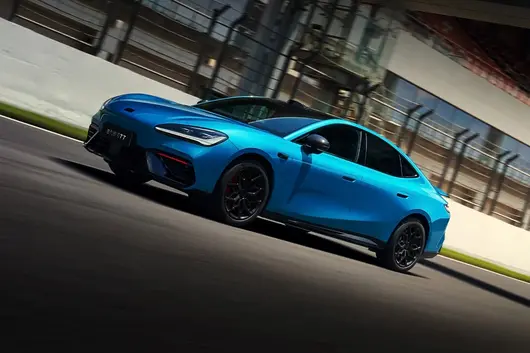
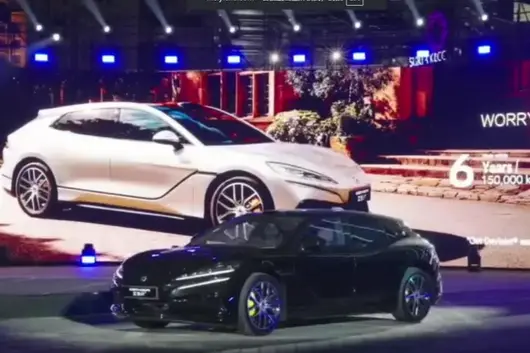
July 15, Denza brand officially launched its flagship pure electric shooting brake model — Denza Z9GT, in the Malaysian market. The new car's local official price is 358,800 Ringgit, equivalent to approximately 595,700 Yuan. This launch holds profound significance; Malaysia becomes the first Asia-Pacific overseas market in Denza Z9GT's layout, marking that Denza has completed a key move in the Southeast Asia high-end new energy segment, formally building a complete overseas product matrix.

Since officially entering the Malaysian market in February 2025, Denza relies on the local core dealer Sime Darby Group to launch flagship stores in Kuala Lumpur's core business district, steadily promoting the overseas market layout. The brand initially launched two main models: the luxury MPV Denza D9 and the high-end PHEV SUV Denza B8. Relying on mature three-electric technology, luxury cabin quality, and reliable product quality, they quickly established themselves in the local high-end new energy niche segment, accumulating a solid market reputation and user base.

As Denza's annual flagship model, Z9GT has already completed its domestic launch in March this year, gathering multiple top core technologies of the brand. The new car is equipped with e3 Intelligent Chassis Architecture, Second-generation Safety Blade Battery, Sky-Eye 5.0 Advanced Intelligent Driving System, and DiSus-A Intelligent Air Body Control System, with hardware configuration maxed out. In terms of range, the new car offers a maximum pure electric range of 1,036 kilometers, completely solving range anxiety for long-distance travel, combining ultimate performance, comfortable experience, and ultra-low energy consumption. It is a benchmark product of Denza's technology accumulation. Launching to the overseas market will further demonstrate China's new energy vehicle core manufacturing strength.
This time Denza Z9GT's entry successfully filled the brand's product gap in the high-performance luxury coupe field, allowing Denza to form a product layout covering three major categories: MPV, SUV, high-performance GT sedan in the Malaysian market, fully covering diverse scenarios of high-end home use, business reception, and performance travel, further improving brand market competitiveness.

喺馬來西亞嘅 SUV 市場,好多買家喺選車嘅時候都會拿 Proton X50 同 Chery Tiggo 8 PHEV 嚟做比較。呢兩款車喺價位同定位上都幾接近,今日我哋就從多個方面做一個詳細嘅對比,幫你攞翻做功課嘅時間。
Proton X50 喺馬來西亞嘅 OTR 售價係 RM 89,800 - 113,300,一總有 4 個版本,包括 1.5T Executive(RM 89,800)、1.5T Premium(RM 101,800)、1.5T Flagship(RM 113,300) 之類。
Chery Tiggo 8 PHEV 喺馬來西亞嘅 OTR 售價係 RM 159,750 - 159,750,一總有 2 個版本,包括 1.6L Turbo Standard(RM 130,000)、1.6L Turbo Premium(RM 145,000) 之類。
由價錢睇,Proton X50 嘅起點價確實比 Chery Tiggo 8 PHEV 平咗 RM 69,950。如果你預算有限,Proton 嘅入門版已經可以滿足日常需要。不過都要留意,便宜嗰幾千蚊,可能喺配備上會有取舍,具體要睇你嘅需求。
Proton X50 配備 1.5 升 4 缸,馬力 105 匹。官方油耗 6.0 L/100km。
Chery Tiggo 8 PHEV 配備 Hybrid,馬力 170 匹。官方油耗 4.5 L/100km。
動力方面,Chery Tiggo 8 PHEV 嘅 Hybrid 比 Proton X50 嘅 1.5 升 4 缸多咗 65 匹馬力。不過日常喺市區開,兩款車嘅動力都夠用,唔會覺得唔夠力。
Proton X50 保養保用 5 年/150,000km,保養間隔 每 10,000km 或 6 個月。
Chery Tiggo 8 PHEV 保養保用 3 年/100,000km,保養間隔 每 10,000km 或 6 個月。
Proton X50 同 Chery Tiggo 8 PHEV 都係馬來西亞市場嘅主流選擇,適合家庭使用、日常通勤。如果你更重視品牌口碑同二手價,可以優先考慮口碑更好嗰款;如果你更在意性價比同配備,那就揀配置更豐富嗰款。最終都建議兩部都去試駕,親身體驗先至最重要。
總括嚟講,Proton X50 同 Chery Tiggo 8 PHEV 都係馬來西亞市場幾唔錯嘅車型。揀邊一輛,關鍵仲要睇你嘅個人需要同預算。建議大家做好功課,多比較幾間車行嘅報價,先至去試駕做最終決定。買車係件大事,花啲時間做功課絕對唔會錯。

In the Malaysian SUV market, many buyers compare the Proton X50 and Chery Tiggo 8 Pro when choosing a car. Both cars are quite close in price and positioning. Today, we will make a detailed comparison from multiple aspects to help you save time on research.
The OTR price of Proton X50 in Malaysia is RM 89,800 - 113,300, with a total of 4 versions, including 1.5T Executive (RM 89,800), 1.5T Premium (RM 101,800), 1.5T Flagship (RM 113,300), etc.
The OTR price of Chery Tiggo 8 Pro in Malaysia is RM 159,750 - 159,750, with a total of 2 versions, including 1.6L Turbo Standard (RM 130,000), 1.6L Turbo Premium (RM 145,000), etc.
From a price perspective, the starting price of Proton X50 is indeed RM 69,950 cheaper than Chery Tiggo 8 Pro. If your budget is limited, Proton's entry-level version can already meet daily needs. However, also note that the few thousand savings might involve trade-offs in features, depending on your specific requirements.
Proton X50 is equipped with a 1.5L 4-cyl, 105 hp. Official fuel consumption 6.0 L/100km.
Chery Tiggo 8 Pro is equipped with a 2.0L 4-cyl, 170 hp. Official fuel consumption 8.0 L/100km.
In terms of performance, the 2.0L 4-cyl in Chery Tiggo 8 Pro has 65 more horsepower than the 1.5L 4-cyl in Proton X50. However, for daily city driving, the power of both cars is sufficient, you won't feel it lacks power.
Proton X50's safety rating is 5★ (ASEAN NCAP), active safety systems include ADAS (ACC, AEB, LKA, LDA, BSM, RCTA).
Chery Tiggo 8 Pro's safety rating is TBD, active safety systems include Basic.
Regarding safety features, both cars have received decent ratings. However, there are some differences in functionality between Proton X50's ADAS (ACC, AEB, LKA, LDA, BSM, RCTA) and Chery Tiggo 8 Pro's Basic. If you value active safety, you can carefully compare their feature lists.
Proton X50 warranty 5 years/150,000km, maintenance interval every 10,000km or 6 months.
Chery Tiggo 8 Pro warranty 3 years/100,000km, maintenance interval every 10,000km or 6 months.
Overall, Proton X50 and Chery Tiggo 8 Pro are both excellent car models in the Malaysian market. Choosing which one depends mainly on your personal needs and budget. We suggest doing your research, compare quotes from several dealerships, and then test drive to make the final decision. Buying a car is a major undertaking, spending some time on research will definitely not be a mistake.

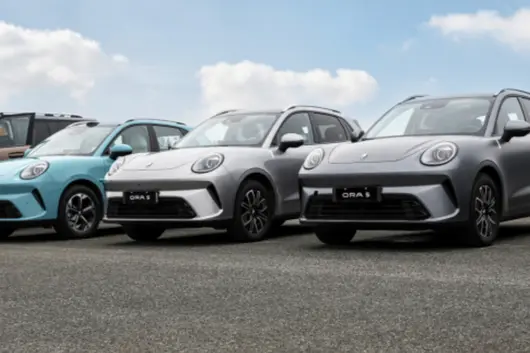
July in Baoding is scorching. But hotter than the weather is the scene at Great Wall Motor's Xushui Proving Ground. Global investors fly in from all over the world, drill into wind tunnel labs to check data, crouch in crash labs to verify safety, then sit into different power versions of the Great Wall Ora 5 to personally test and experience them at the test track.

This is the scene at the Great Wall Motor Global Exploration Day. Superficially it looks like a channel investment promotion, but deep down it is a "goods inspection": before global capital votes with their feet, they first vote with their seats and steering wheels.
This three-day "Great Wall Motor Global Exploration Day" is essentially a cross-border "goods inspection".

1, Ora's "Growth Studies"
In June, the Ora brand sold 10,806 units in a single month, a year-on-year increase of +229.15%, with cumulative series sales exceeding 584,133 units; in Brazil, the first batch of Great Wall Ora 5 units went on sale on June 24th, with 2,000 units sold out in 24 hours, and orders in Thailand exceeded 5,000. Starting in July, they will sequentially enter Australia, South Africa, Indonesia, and South America, a matter worth discussing in depth.

Ora didn't suddenly get it; someone had to admit first that the "pure EV cult" is wrong.
In mid-2025, Lu Wenbin was transferred from General Manager of Haval Technology to General Manager of Ora. He was the seventh boss of the brand. The first thing he did upon taking office, in his own words, was to "break the pure EV cult".
This sounds rather contradictory—Ora has been an EV brand since its establishment in 2018. The slogan "New Energy Vehicles that love women more" once helped it reap the dividends, but it also welded it to the small car + female tracks. When the pure EV penetration rate growth curve entered a plateau and the HEV ratio rose, continuing to sell only pure EVs is equivalent to giving half the market away.
The Great Wall Ora 5's approach is to directly put three sets of powertrains—pure EV/hybrid/fuel—into the same body shell—this is Great Wall's first realization of "one car three powertrains" on the same model. The industry calls this "Powertrain Co-line", which sounds easy to say but involves tens of billions in platform investment. Great Wall's solution is the "Guiyuan Platform"—native compatible with BEV/HEV/PHEV/FCEV/ICE five powertrains, covering SUV, Coupe, Wagon multi-categories.
Lu Wenbin had a sentence worth the whole industry to savor: "Even three years later, range anxiety will still affect some users' choice of pure electric vehicle models."—There is no standard answer globally, only scenario answers. In the past, Chinese car brands going overseas loved to talk about "one car to hit the global market", which is essentially betting domestic blockbusters on overseas luck; Great Wall Ora 5 turns it around. With the same architecture, flexible power combination adjustment, pure EV for Europe, hybrid for Southeast Asia, fuel for emerging markets, configuration without discounts, intelligence without shrinkage. This is the real weight of the four words "Born Global".

2, Technology Depth One Level Deeper
Regarding automotive technology, I am most afraid of seeing "Three Motors Six Modes" "AI Intelligent Switching" piled up as decorations. This time the "Coffee No-Spill Challenge" "Balloon Upright Challenge" at Xushui, looking like gimmicks, actually put the industry's long-standing difficult problems on the table—the "Smoothness" and "Speed" of hybrids are mutually exclusive under traditional configurations.
Let me say it in plain terms: Single-speed series-parallel is smooth at low speeds, but engine direct drive intervention inevitably causes jerks; to be fast, you have to let the engine intervene early, keeping "Smoothness" becomes impossible.
Great Wall's Hi2 Intelligent Hybrid System solution is a 2-speed DHT, 1.5T hybrid dedicated engine plus dual motors, with 2-speed transmission, first creation of P3 motor decoupling mechanism, enter direct drive at 70km/h, motor decouples to reduce loss during cruising. System power 166kW, torque 476N·m, WLTC fuel consumption 4.5L, full tank range exceeds 1,100km.

The key is not the numbers, but how the numbers were achieved. Great Wall Ora 5 traversed Beijing, Shanghai, Tianjin, Chongqing four direct-controlled municipalities, 3,004 km real road, normal AC, mountain climbing, altitude difference 1,445 meters, achieved 3.74L/100km fuel consumption, directly taking the Guinness World Record. It is two different things from those "running 1.X liters without AC at constant speed". Ora calls this "Active Smoothness"—not relying on sacrificing power for smoothness, but using motor torque compensation and two-speed calibration to actively eliminate jerks. This is the difference in engineering philosophy, not the difference in marketing jargon.
Pure EV version is also solid: range 480km/580km, 100km power consumption 11.6kWh, 4nm chip plus Coffee OS 3 intelligent cockpit, high spec with LiDAR, supports mapless city NOA and multi-floor memory parking. The 100,000-level brings down past 200,000-level, 300,000-level intelligent driving.

But the truly valuable detail is "Same Intelligence for Electric and Fuel". Regardless of choosing pure EV, hybrid or fuel, the three powertrains share one electronic electrical architecture, calibration team must serve three torque output characteristics at the same time. Only by achieving this step is the Guiyuan Platform's real technical ace.
3, Overseas Order Boom
2,000 units sold out in 24 hours in Brazil, not an accident but a plan.
Many attribute Brazil's order boom to "cheap". Flip through local records: Great Wall Ora 5 Brazil first launch promotion price 159,000 Reais (about 199,000 RMB), after July tariff increase slightly adjusted to 159,900 Reais, guarding the 160,000 threshold.
Where is this pricing interesting? In Brazil's big cities, middle class buying mainstream fuel compact SUV budget range is 180,000-220,000 RMB, long time monopolized by European, American, Japanese joint ventures, configuration still stays at fabric seats + mechanical gauges. Great Wall uses one imported pure EV SUV, price pressed into fuel car heartland, 204 horsepower (compare to same price Volkswagen T-Cross), standard compact SUV size (compare to same price BYD Dolphin)—Cross-Class Product Power hits same price point.
And Great Wall locked in sale on June 30th night before Brazil pure EV import tariff from 优惠恢复 35%, both competing on business sense and supply chain execution. After 2,000 units cleared in 24 hours urgently released 1,500 units new batch, Volkswagen T-Cross same week urgent price cut 10,000 Reais to 151,500 Reais defense. Brazil best-selling SUV urgent price adjustment and Ora 5 first day sold out occurred in the same week—this scene is more convincing than any sales number.
Thailand side is same: Right-Hand Drive Version rolled off line at Thailand factory, Bangkok Motor Show orders exceeded 5,000, hybrid version directly competes arm wrestling with Japanese brands, Great Wall adds 10 billion Baht investment target 2026 local sales increase 40%. Spain June 30th Madrid Gastrohub launch, over 200 guests, 80 top media, 25 dealers on site, announced continuous three years sponsorship of Spanish Basketball League ACB. Italy media event focused on "Chassis tuned for European roads + Hi2 Hybrid + High-end Interior".
Same car, three faces, each brilliant. European media first time seeing Chinese car not relying on low price, but relying on "Multi-Power Matrix" to knock on door.

4, Young People's First Car
From "More Loves Women" to "Global Fashion Boutique": Real Meaning of Positioning Dimension Upgrade
Behind Great Wall Ora 5 hot sales, the most key change is user portrait drastically expands. In the past Ora was stuck on "Female Exclusive" "Small Car" tags, now with Great Wall Ora 5 all-around model becoming popular, user pool has expanded to "Family First Purchase" and "Quality Trade-in" broad crowd.
"Young People's First Car" this question, in the past standard answer was "Good enough is fine"—limited budget must compromise repeatedly between appearance, space, power, quality. Great Wall Ora 5 logic is "Who says first car can't want it all": Natural Aesthetics Design Language (Dunhuang Green taken from Mogao Caves Mineral Green Pigment, Glacier Grey taken from Iceland Millennium Glacier), one car multiple power, one car multiple posture, one car multiple category, power versions different but design/intelligence/comfort/quality completely consistent.
Dense city users in China choose pure EV commute save worry save money; European old town streets narrow, private parking scarce, home pile installation threshold high, pure EV energy replenishment becomes pain point, hybrid version uses Three Motors Six Modes full speed range switching to save fuel smoothness; South America, South Africa, Indonesia infrastructure different, fuel version backup. Young people finally don't have to compromise for region or infrastructure difference—this is "Choose on Demand, Drive Freely" eight words truly landing appearance.

5, Go Global on Demand
These ten-plus years China car export, from early Chery Geely "Trade-style Export" to two years BYD NIO "Fleet-style Export", main line always "Use domestic blockbusters crush overseas". Great Wall Ora 5 gave new paradigm—not for each market develop separately, but for each market combine separately.
Guiyuan Platform modular concept lets localization adaptation from "Restart Project" downgrade to "Power Switch", R&D marginal cost spread to extremely low, response speed extremely fast. Ora internal calculation, Great Wall Ora 5 purchase cost 5% lower than same class opponent, maintenance cost 15% lower, global standard quality control brings higher resale value and more stable quality.

Financial view look is "New Quality Productivity Going Global", technical view look is "Platform Capability Realization", brand view look is Ora from "More Loves Women" to "Global Fashion Boutique Car Brand" dimension upgrade—Lu Wenbin set eight words "Global, Fashion, Boutique, Car", every one correcting past bias.
Great Wall Ora 5 Sports Version & GT official also published appeared, market future promising.
Final Words
When a company once welded "Female Exclusive" into brand gene car enterprise, dares to peel off label themselves, dares to admit "Pure EV Cult" is wrong, dares to use one car's three faces to knock on door of different continents—this self-revolution courage, more valuable than 10,806 numbers itself.
Xushui Proving Ground that cup of coffee not spilled, Brazil 24 hours cleared 2,000 units orders, Madrid Gym ACB logo and Ora 5 shining side by side, these scenes pieced together, is China car export from "Sell Cheap" to "Sell Right" turning point. Ora 5 may not be this model's end game, but it likely is China car "Go Global on Demand" narrative start.

In the SUV market in Malaysia, many buyers compare Proton X50 and Mazda CX-5 when choosing a car. These two cars are quite close in price and positioning, today we will make a detailed comparison from multiple aspects to save you time doing research.
Proton X50 OTR price in Malaysia is RM 89,800 - 113,300, total 4 versions, including 1.5T Executive (RM 89,800), 1.5T Premium (RM 101,800), 1.5T Flagship (RM 113,300) etc.
Mazda CX-5 OTR price in Malaysia is RM 135,469 - 166,760, total 3 versions, including 2025 2.0L AT 35th Anniversary (RM 316,154), 2025 2.0L AT (RM 296,154), 2025 2.0L MT (RM 294,154) etc.
From price perspective, Proton X50 starting price is indeed RM 45,669 cheaper than Mazda CX-5. If your budget is limited, Proton's entry level version can already meet daily needs. But also note, the cheaper few thousand, there might be trade-offs in features, it depends on your needs.
Proton X50 safety rating is 5★ (ASEAN NCAP), active safety systems include ADAS (ACC, AEB, LKA, LDA, BSM, RCTA).
Mazda CX-5 safety rating is 5★ (ASEAN NCAP), active safety systems include.
Both cars have same safety rating, in this class safety features are quite complete. New cars nowadays safety is not bad, no need to worry too much about this.
Proton X50 body length 4400 mm, trunk 400 L.
Mazda CX-5 body length 4500 mm, trunk 450 L.
In terms of space, Mazda CX-5 body is 100 mm longer than Proton X50, passenger space has more advantage. However Proton X50 in city parking will be a bit more flexible, each has trade-offs.
Proton X50 and Mazda CX-5 are both mainstream choices in Malaysia market, suitable for family use, daily commute. If you value brand reputation and resale value more, can prioritize the one with better reputation; if you care more about value for money and features, then choose the one with richer features. Finally still recommend both go test drive, personal experience is the most important.

Overall, Proton X50 and Mazda CX-5 are both very good models in Malaysia market. Choosing which one, key still depends on your personal needs and budget. Suggest everyone do research, compare more several dealerships quotes, then go test drive to make final decision. Buying car is a big matter, spend some time doing research absolutely will not be wrong.
June 2026
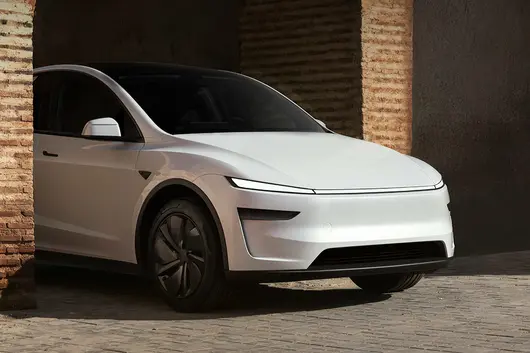
Model Y becomes the best-selling imported electric brand in Malaysia
Model 3 becomes the best-selling all-electric sedan in Malaysia
Chinese smart manufacturing from the Shanghai Superfactory
Safe, Smart, Easy to Drive, Durable 🦾



喺馬來西亞嘅 SUV 市場,好多買家喺揀車嘅時候都會拿 Proton X50 同 Mazda CX-8 來做比較。這兩款車喺價位同定位上都幾接近,今日我就從多個方面做一次詳細嘅比較,幫你省做功課嘅時間。
Proton X50 喺馬來西亞嘅 OTR 售價係 RM 89,800 - 113,300,一共有 4 個版本,包括 1.5T Executive(RM 89,800)、1.5T Premium(RM 101,800)、1.5T Flagship(RM 113,300) 等。
Mazda CX-8 喺馬來西亞嘅 OTR 售價係 RM 165,360 - 201,360,一共有 5 個版本,包括 2025 2.5T 4WD High Plus Petrol(RM 201,360)、2025 2.2L 2WD High Plus Diesel(RM 193,123)、2025 2.5L 2WD High Plus Petrol(RM 186,360) 等。
從價錢來看,Proton X50 嘅起步價確實比 Mazda CX-8 平咗 RM 75,560。如果你預算有限,Proton 嘅入門版已經可以滿足日常需求。但都要留意,平嗰幾千塊,可能喺配備上會有取捨,具體要睇你嘅需求。
Proton X50 配備 1.5L 4-cyl,馬力 105 匹。官方油耗 6.0 L/100km。
Mazda CX-8 配備 2.0L 4-cyl,馬力 170 匹。官方油耗 8.0 L/100km。
動力方面,Mazda CX-8 嘅 2.0L 4-cyl 比 Proton X50 嘅 1.5L 4-cyl 多咗 65 匹馬力。不過日常喺市區開,兩款車嘅動力都夠用,唔會覺得唔夠勁。
Proton X50 嘅安全評級係 5★ (ASEAN NCAP),主動安全系統包括 ADAS (ACC, AEB, LKA, LDA, BSM, RCTA)。
Mazda CX-8 嘅安全評級係 5★ (ASEAN NCAP),主動安全系統包括 Brand ADAS。
兩款車嘅安全評級一樣,喺呢個級別入面安全配備都算好齊全。而家嘅新車安全性都唔錯,唔使太擔心呢一點。
Proton X50 保養 5 年/150,000km,保養間隔 每 10,000km 或 6 個月。
Mazda CX-8 保養 5 年/150,000km,保養間隔 每 10,000km 或 6 個月。
兩款車嘅保養條件一樣,呢方面唔使糾結。實際保養成本仲要睇品牌嘅服務網絡同零件價格,建議去車友群問吓真實車主嘅經驗。

Proton X50 同 Mazda CX-8 都係馬來西亞市場嘅主流選擇,適合家庭使用、日常通勤。如果你更重視品牌口碑同二手價,可以優先考慮口碑好啲嗰款;如果你更在意性價比同配備,就揀配置更豐富嗰款。始終都建議兩款都去試駕,親自體驗先係最重要嘅。

總體嚟講,Proton X50 同 Mazda CX-8 都係馬來西亞市場幾唔錯嘅車型。揀邊一輛,關鍵仲要睇你嘅個人需求同預算。建議大家做好功課,多比較幾間車行嘅報價,再去做試駕做最終決定。買車係件大事,花啲時間做功課絕對唔會錯。

喺馬來西亞嘅 SUV 市場,好多買家喺揀車嗰陣都會拿 Proton X50 同 Mazda CX-30 嚟做比較。呢兩款車喺價位同定位上都幾接近,今日我就從多啲方面做一個詳細比較,幫你省返做功課嘅時間。
Proton X50 喺馬來西亞嘅 OTR 售價係 RM 89,800 - 113,300,一共有 4 個版本,包括 1.5T Executive(RM 89,800)、1.5T Premium(RM 101,800)、1.5T Flagship(RM 113,300) 等。
Mazda CX-30 喺馬來西亞嘅 OTR 售價係 RM 122,409 - 146,409,一共有 4 個版本,包括 2025 2.0L High+ Premium(RM 146,409)、2025 2.0L High+(RM 138,409)、2025 2.0L High(RM 130,409) 等。
由價錢嚟睇,Proton X50 嘅起步價確實比 Mazda CX-30 平咗 RM 32,609。如果你預算有限,Proton 嘅入門版已經足夠日常需要。但都要留意,平嗰幾千蚊,可能喺配備上有取捨,具體要看你嘅需求。
Proton X50 配備 1.5L 4-cyl,馬力 105 hp。官方油耗 6.0 L/100km。
Mazda CX-30 配備 1.5L Turbo,馬力 140 hp。官方油耗 7.0 L/100km。
動力方面,Mazda CX-30 嘅 1.5L Turbo 比 Proton X50 嘅 1.5L 4-cyl 多咗 35 匹馬力。不過日常喺市區開,兩款車嘅動力都夠用,唔會覺得唔夠力。
Proton X50 嘅安全評級係 5★ (ASEAN NCAP),主動安全系統包括 ADAS (ACC, AEB, LKA, LDA, BSM, RCTA)。
Mazda CX-30 嘅安全評級係 5★ (ASEAN NCAP),主動安全系統包括 i-Activsense。
兩款車嘅安全評級一樣,喺呢個級別入面安全配備都算俾得好齊全。而家嘅新車安全性都唔差,唔使太擔心呢一點。
Proton X50 車身長 4400 mm,後備箱 400 L。
Mazda CX-30 車身長 4500 mm,後備箱 450 L。
空間方面,Mazda CX-30 嘅車身比 Proton X50 長咗 100 mm,乘坐空間更有優勢。不過 Proton X50 喺城市入面停車會靈活少少,各有取捨。

Proton X50 同 Mazda CX-30 都係馬來西亞市場嘅主流選擇,適合家庭使用、日常通勤。如果你更睇重品牌口碑同二手價,可以優先考慮口碑更好嗰款;如果你更在意性價比同配備,就揀配置更豐富嗰款。最終都係建議兩款都去試駕,親身體驗先係最重要。
總括嚟講,Proton X50 同 Mazda CX-30 都係馬來西亞市場好唔錯嘅車型。揀邊一輛,關鍵都係要睇你嘅個人需求同預算。建議大家做好功課,多比較幾間車行嘅報價,再去試駕做最終決定。買車係件大事,花啲時間做功課絕對唔會錯。


