


首頁soup

搜尋歷史
熱門搜尋
經銷商登入 / 註冊

兄弟姐妹們,今日講一個出海嘅大新聞——唔係賣車,係賣「司機」。6 月 2 號,文遠知行同 Uber 聯合宣佈咗一件事:計劃喺西班牙馬德里推出該國首個商業化 Robotaxi 試點服務。意思就係:西班牙人好快就可以用 Uber 叫到一台冇司機嘅出租車。呢次係文遠知行同 Uber 第一次一齊進入歐洲市場。馬德里亦成為文遠知行 Robotaxi 駛入嘅全球第十二個城市。
官方消息話,喺馬德里自治區政府嘅支持下,呢項服務今年內就會正式啟動。到嗰陣,馬德里嘅朋友哋打開 Uber App,就有一鍵呼叫文遠知行嘅 Robotaxi。同叫普通網約車一樣,分別係嚟嘅車冇駕駛員——至少喺初期,仲係有分別嘅。運營初期,車入面會配備經過專業培訓嘅安全員,終究係剛上線,穩妥第一。
文遠知行呢間公司,你可能聽過,也可能冇聽過。簡單介紹下:2017 年成立,一直埋頭搞 Robotaxi 技術研發同商業化。而家佢嘅 Robotaxi 已經覆蓋咗廣州、北京、新加坡、阿布達比、迪拜、利雅得、蘇黎世……加埋而家嘅馬德里,一共 12 個城市。西班牙亦係文遠知行進入嘅第五個歐洲市場——之前已經入咗瑞士、法國、比利時、斯洛伐克。按照文遠知行同 Uber 喺 2025 年 5 月達成嘅規劃,佢哋要喺五年內新增 15 個國際城市部署 Robotaxi 服務,全球部署數萬輛 Robotaxi。隨著馬德里落地,目前已經完成咗 4 個城市嘅佈局,仲有 11 個會喺 2030 年前陸續覆蓋。
講真嘅,中國自動駕駛公司出海唔係頭一回,但中國技術 + 全球出行平台 + 歐洲市場呢個組合,定係好有意思。馬德里係歐洲最具商業潛力嘅 Robotaxi 市場之一,人口多、出行需求大,當地政策都好友善。喺呢個市場站穩腳根,對文遠知行嚟講係個唔小嘅里程碑。對 Uber 嚟講,引進 Robotaxi 都係為咗降低成本——終究司機唔使發人工。對馬德里市民嚟講,以後打車可能更平。


車型概覽

江鈴集團新能源EV3 值唔值得睇,第一步唔係望牌子或者外形,而係睇佢能唔能夠配合你嘅香港日常。 呢篇會集中講家庭乘坐、行李同舒適度,幫你用買家角度篩走唔適合嘅選擇。
售價仍待確認,買家可以先把佢放入候選名單,等價格落實後再同同級車逐項比較。
購車價格指南
江鈴集團新能源EV3 目前售價仍未清晰,較理性嘅做法係先睇版本、車身大小同動力形式,等價格落實後再決定值唔值得落訂。
如果有幾個版本可揀,可以先將 2024 330km 前驅版(價格待確認)、2024 251km 前驅版(價格待確認)、2024 320km 前驅版(價格待確認)、2025 330km 前驅版(價格待確認) 放喺同一張清單。日常通勤重視舒適同易用,家庭買家就要優先睇後排、尾箱同安全配置。
核心規格重點
睇 江鈴集團新能源EV3 嘅規格,重點唔係背數字,而係理解佢喺香港用車場景會帶嚟咩分別。
31.15/21.4/30.24 kWh 嘅電池容量,真正意義係可以幫你估算一星期通勤同周末出車要唔要中途補電。 330/251/320 km 嘅續航參考,對住喺新界、九龍同港島之間跨區行車嘅用家會更實際。 10.8 kWh/100km 嘅耗電表現,會影響你去快充站或者屋苑充電位嘅頻率。 40/36/50 kW、110/140/125 N·m 嘅輸出,令高速併線同短距離超車更有信心。
優缺點分析
江鈴集團新能源EV3 嘅優點唔需要講到天花龍鳳,真正有價值係佢能唔能夠令日常用車更省心:日常能源成本有基本參考、電池同續航資訊有助安排通勤同補電、動力輸出對高速同上斜更有底氣。
要留意嘅係,要先確認屋苑、公司或常去商場嘅充電條件、香港停車場同窄路使用要留意車身闊度。呢啲唔一定係缺點,但係落訂前應該先諗清楚。
買家常見問題
買 江鈴集團新能源EV3 之前,真正要問嘅唔係單一規格,而係佢可唔可以融入你每日嘅生活節奏。
常見疑問係「江鈴 JMEV EV3 嘅安全配備有邊啲?」簡單講,江鈴 JMEV EV3 配備咗雙安全氣囊、胎壓監測同 ABS。 放到實際用車,就係要睇佢對通勤、泊車、家庭乘坐同長期成本有幾大幫助。
同級對比內容
將 江鈴集團新能源EV3 放入同級車清單時,唔建議只用外形或者品牌光環決定。比較順序可以係:先等售價落實,再決定佢應該同邊個級距比較、再睇動力係咪足夠應付高速併線同滿載、再比較能源成本同補能便利、最後睇車身大小、座位同尾箱是否適合家人。
咁樣篩選會貼近香港買家真實生活:平日塞車、商場泊車、周末去新界、甚至一家人出入,先係一部車每日要面對嘅考驗。
用車全周期指南
擁有 江鈴集團新能源EV3 最重要係先諗清楚充電節奏。屋苑、公司或者常去商場只要有穩定充電選項,電動化用車就會容易相處好多。
如果你主要喺市區行,視野、低速順滑度同泊車輔助會好影響心情;如果經常行高速或跨區,座椅舒適度、隔音同動力從容感會更重要。



講起國產汽車品牌,相信唔少人對佢哋嘅印象,可能仲係停留喺主銷普通家用车嘅階段。不過呢已經係幾年前的老皇曆,要知道而家嘅國產汽車品牌,唔單止喺國內市場壓住合資品牌打,甚至仲喺高端化、海外出口等多個賽道上,對外國汽車品牌實現反超,好似我哋而家要講嘅吉利汽車。

增長勢頭領先行業
根據官方公佈嘅最新數據,吉利汽車喺5月嘅累計銷量為237637輛,連續3個月同環比雙增長,並以穩定增速同亮眼成績實現領跑市場大盤。然而相對於呢個表現已經非常優秀嘅總成績,好多識行的人睇完吉利汽車旗下各個品牌嘅銷量成績後,就會驚嘆佢嘅含金量亦都越來越高。

眾所周知,汽車市場最难搞嘅市場有兩個,分別係豪華高端市場同海外出口市場。
我哋就拿吉利汽車嚟講,佢旗下嘅「全球豪華科技品牌」——極氪汽車,5月交付量達到34377輛,同比增長81.8%、環比增長8.1%,連續四個月實現同環比雙增長,車均成交價亦都同比增長52.4%。更為令人震驚嘅係,售價高達四十到五十萬嘅極氪9系、8系,銷量佔比竟然高達近50%!

不止於此,吉利汽車旗下嘅「全球新能源高端品牌」——領克汽車,5月銷量亦都高達20732輛,當中新能源車型銷量佔比達70.8%,並且品牌累計銷量亦已突破180萬輛。由此可見,吉利汽車嘅高端車型,唔單止憑藉出色嘅產品力獲得咗大量消費者嘅認可,仲喺品牌層面完成咗量價齊升嘅轉變。

當然啦,作為國內無可爭議嘅龍頭車廠,吉利汽車嘅目光唔再局限喺國內市場,佢選擇走出国门去挑戰難度更高嘅海外市場。唔係咩,5月就憑藉85144輛嘅海外出口成績,創下出海銷量新高紀錄。唔該提一提,吉利汽車各品牌喺海外嘅熱銷產品,亦多為高端或新能源車型。

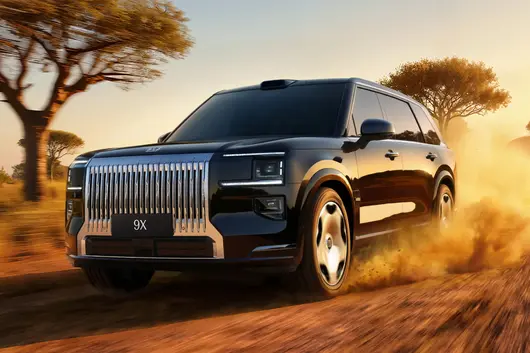
例如,極氪已經進入50多個國家同地區,極氪7X全球累計交付量超過16萬輛;吉利銀河星艦7 EM-i ,3-4月蟬聯哈薩克斯坦新能源插混SUV銷量冠軍;吉利銀河E5,一季度蟬聯澳洲、阿根廷、阿聯酋、摩洛哥、烏拉圭純電SUV-C市場銷量冠軍,穩居巴西、烏茲別克斯坦、印尼新能源純電SUV-C車型前三!

硬核實力鑄就輝煌
好明顯,無論係迅猛嘅銷量增長態勢,定係喺新能源、高端市場同海外市場嘅熱銷,都離唔開硬實力作為支撐。我哋就拿作為中國汽車運動第一品牌嘅領克汽車嚟講,佢甚至頂尖技術唔可以只停留喺宣傳層面,而係要去賽道上拚先至證明實力,因此佢喺唔久前就宣佈攜03+TCR賽車、03++賽車、03CUP EVO三款賽車,同步參與TCR China、CTCC中國杯同領克杯三大赛事。

擁有硬實力嘅領克汽車,自然都唔怕高難度嘅檢驗,03+ TCR賽車喺TCR China兩回合正賽中,憑藉硬核嘅性能實力斬獲4冠1亞2季嘅成績;喺CTCC中國杯中,領克縱橫車隊更加斬獲2冠2亞1季嘅成績。同時,喺2026賽季FIA TCR世界巡迴賽揭幕戰中,吉利中國星車隊(Geely Cyan Racing)嘅星瑞TCR賽車,亦喺正賽強勢奪冠並帶回歷史上頭一次勝利,這唔單只意味著星瑞TCR已具備世界級競爭力,仲標誌住吉利中國星車隊正式完成咗吉利汽車運動新時代嘅第一篇章。

同時,喺智能化同安全等技術層面,傳承吉利同沃爾沃安全底蘊嘅千里浩瀚,一年輔助駕駛里程增長215%,以增速第一實現領跑全行業。喺唔久前嘅Euro NCAP官方測試中,吉利銀河星艦7 EM-i(Geely STARRAY EM-i),更加喺法國UTAC試驗室成功完成咗超標雙側連環極限碰撞測試,這既直觀印證咗吉利領先嘅整車安全技術同成熟嘅體系化安全實力,又為中國汽車安全技術走向國際、參與全球行業標準,打下咗堅實嘅根基!

大俠車談:相信好多人睇完吉利汽車嘅銷量數據後,腦海中就會浮現「佢都太全面嘅」嘅讚賞,畢竟能夠同時喺新能源、高端化、海外出口,仲有喺賽道上皆斬獲亮眼成績嘅車企,唔好話喺自主品牌呢個圈子內,就算係全球汽車行業中,都搵唔幾間車企能夠同時做到這些!

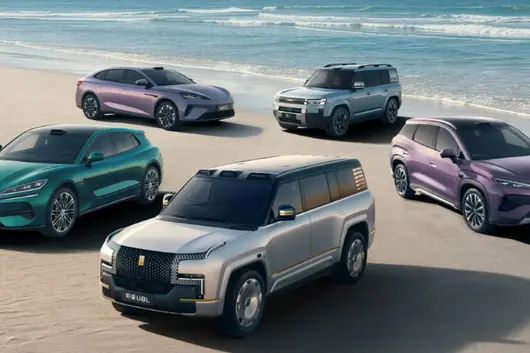
BYD officially released the May 2026 production and sales flash report, with new energy vehicles from all brands reaching a monthly sales volume of 383,453 vehicles, a slight increase of 0.26% year-on-year, achieving year-on-year positive growth in monthly sales after ten months; among them, passenger car deliveries reached 376,990 units, surging 19.4% month-on-month, wiping out the pain of previous model iterations, presenting a new pattern where the domestic base is stable, overseas sales are soaring, and high-end brands are scaling up across the board. Amidst the market environment of intensified competition in the domestic new energy sector, Tesla FSD entering China, and an intense launch of independent new products, it has forged a unique structural growth path.

The Dynasty and Ocean main brands combined sold 330,215 vehicles in May, accounting for over 80% of the group's total sales, remaining the stabilizer for BYD's sales volume. The full series had 8 models exceeding 20,000 units in monthly sales, covering products from 50,000 entry-level commuter to 200,000 home SUV.

Inside the Dynasty Network, the Yuan family sold 56,691 units, and the Song family 51,370 units. Both crossed the 50,000 threshold, becoming two major sales pillars for the brand, catering to home commuter and urban-rural travel needs; the Qin family followed closely with a stable performance of 28,360 units. The Han and Tang series maintained a volume in the six-thousand range, deeply cultivating the mid-to-large home sedan and SUV niche markets; the brand new model Xia is in the market cultivation phase, delivering 1,810 units monthly, with potential for steady volume growth as channels expand.
The Ocean Network's growth momentum is even more rapid, with 5 models entering the 20,000 club across the series: Sealion 42,615 units, Seal 34,117 units, Seagull 39,919 units, Dolphin 22,260 units, and Song PLUS 27,755 units. Among them, Seagull remains the best-selling entry-level commuter model thanks to its affordable pricing of 60,000-80,000. Sealion, as a new volume model, stands firm at the 40,000 level upon launch, filling the mid-size SUV product gap in the Ocean Network and perfecting the Ocean product tier layout. From commuter small cars to compact SUVs, the two main brands rely on DM-i hybrid and pure electric dual-line technologies to牢牢锁住 the mainstream home market share within 150,000 domestically.
Fang Cheng Bao Year-on-Year Surges 139.7%, Brand Upward Positioning Takes EffectThe high-end matrix of Denza, Fang Cheng Bao, and Yangwang sold a combined 46,489 vehicles in May, officially breaking away from the niche positioning to become a new pivot for BYD's brand premium and profit growth, breaking the industry curse of difficulty in high-end breakthrough for domestic brands.

The off-road brand Fang Cheng Bao sold 30,186 units monthly, surging 139.7% year-on-year, creating a new high in monthly sales since the brand launched. Its Titanium 7 model sold 18,280 units monthly, while Leopard 5 and Leopard 8 output remained stable, continuously squeezing the survival space for joint venture and imported models in the 250,000-400,000 hardcore off-road niche market.

Denza delivered 16,303 units in May, with the MPV benchmark D9 selling 6,721 units, and the Z9 series close to 6,000 units. MPV and mid-to-large sedan dual-line efforts helped them stand firm in the luxury new energy track; the million-level ultra-luxury brand Yangwang continued its steady climb, delivering 286 units that month, a year-on-year increase of 105.8%, completing market verification of the domestic brand ceiling product and forming a full price range product layout from 100,000+ home, 300,000-400,000 off-road, 500,000 luxury MPV to million-level flagship.

In May, BYD's overseas sales of passenger cars and pickup trucks reached 160,177 units, surging 80.7% year-on-year. Exports accounted for over 42% of the full series total sales, setting a new historical high for brand export and becoming the core driving force to stabilize May overall sales and achieve year-on-year positive growth.
Southeast Asia, Europe, and Latin America became the main incremental markets. Seagull, Song PLUS, and Yuan series continued to top new energy best-seller lists in multiple countries; the SHARK pickup truck exceeded 4,000 units in monthly exports for two consecutive months. Relying on the completion of localization production in Thailand, Brazil, Hungary, and Uzbekistan with four overseas vehicle factories, localized production continues to land, avoiding tariffs while rapidly penetrating terminal channels. Against the background of stock market competition in the domestic auto industry and normalized price wars, the rapidly expanding overseas market effectively counteracts sales volatility brought by domestic model iterations, officially upgrading from a supplementary market to BYD's core growth engine. As of now, BYD's global cumulative new energy vehicle sales have exceeded 16.5 million units, with the globalization map continuously broadening.
Intelligent Driving Empowers Product Iteration, H2 New Products Prepare to Surge VolumeMay marked a key node in BYD's intelligent driving landing, with the God's Eye intelligent driving system becoming a core bonus point for models: the number of vehicles with advanced intelligent driving across all brands exceeded 3.15 million, with daily road test data exceeding 200 million kilometers; that month, BYD implemented City Pilot and Smart Parking dual safety backup services, becoming the world's first auto manufacturer to achieve dual intelligent driving backups. Three days after policy implementation, the activation rate of models equipped with the God's Eye system in cities surged 50%. Intelligent driving experience upgrades directly drove in-store order conversion, solidifying product competitiveness for subsequent models to continue volume sales, and facing the intelligent driving market shock brought by FSD entering China.
From data details, BYD's cumulative sales from January to May 2026 were 1,405,039 units, down 20.32% year-on-year. The core reason is that the full series of main models were concentratedly iterated, and the capacity ramp-up of the 2nd Gen Fast Charge Blade Battery was restricted. The new Flash Charge Battery upgraded fast charging and low-temperature performance. Full series iteration models prioritized installing new batteries, but production line retrofitting dragged down capacity release. Order backlogs on popular models and delayed deliveries compressed the May delivery volume to a certain extent.
As the end of the second quarter approaches and the 2nd Gen Blade Battery capacity continues to release, coupled with new models such as Denza N8L, Fang Cheng Bao Titanium 7 Pure Electric Version, Sealion 05, and Xia L landing the market, the industry generally predicts that BYD's full brand sales in June are expected to exceed 400,000 vehicles. Relying on the four-dimension development logic of low-end volume locking share, high-end raising profit, overseas pushing volume, and intelligence improving product power, amidst the intensified new energy elimination round in the domestic market, BYD's full category layout advantage continues to amplify, securing its status as the domestic new energy leader, accelerating steadily towards global top auto manufacturers.

比亞迪正式發布 2026 年 5 月產銷快報,全品牌新能源汽車單月銷量 383453 輛,同比微增 0.26%,時隔十個月實現單月銷量同比轉正;其中乘用車交付 376990 輛,環比大漲 19.4%,一掃前期車型換代陣痛,呈現國內基本盤穩固、海外銷量狂飆、高端品牌全線放量的全新格局,在國內新能源內捲加劇、特斯拉 FSD 入華、自主新品密集上市的市場環境中,走出獨有的結構性增長路線。
王朝 + 海洋兩大主力品牌 5 月合計售出 330215 輛,佔據集團總銷量超八成,仍是比亞迪銷量壓艙石,全系列共 8 款車型單月銷量突破 2 萬台,產品從 5 萬入門代步到 20 萬家用 SUV 實現全覆蓋。
王朝網內部,元家族 56691 輛、宋家族 51370 輛。雙雙跨過五萬門檻,成為品牌兩大銷量支柱,兼顧家用代步與城鄉出行需求;秦家族緊隨其後交出 28360 台穩定表現,漢、唐系列月銷維持六千級體量,深耕中大型家用轎車、SUV 細分市場;全新車型夏處於市場培育期,單月交付 1810 台,後續隨渠道鋪開有望穩步上量。
海洋網增長勢頭更為迅猛,全系五款車型跨入兩萬俱樂部:海獅 42615 台、海豹 34117 台、海鷗 39919 台、海豚 22260 台、宋 PLUS 27755 台。其中海鷗憑藉 6-8 萬親民定價穩居入門代步銷冠,海獅作為全新走量車型上市即站穩四萬量級,補齊海洋網中型 SUV 產品空白,完善海洋產品梯隊佈局。從代步小車到緊湊 SUV,兩大主品牌依托 DM-i 混動與純電雙線技術,牢牢鎖住 15 萬以內國內主流家用市場份額。
方程豹同比暴漲 139.7% 品牌向上落地見效騰勢、方程豹、仰望組成的高端矩陣 5 月合計銷售 46489 輛,正式擺脫小眾定位,成為比亞迪品牌溢價與利潤增長新支點,打破自主品牌高端化難破局的行業魔咒。
越野品牌方程豹單月 30186 輛,同比暴漲 139.7%,創下品牌上市以來月度銷量新高,旗下鎦 7 單月 18280 台,豹 5、豹 8 穩定輸出,在 25-40 萬硬派越野細分市場持續擠壓合資、進口車型生存空間。
騰勢 5 月交付 16303 台,MPV 標桿 D9 售出 6721 台,Z9 系列近 6000 台,MPV、中大型轎車雙線發力,站穩豪華新能源賽道;百萬元級超豪華品牌仰望穩步爬坡,當月交付 286 台,同比增幅 105.8%,完成自主品牌天花板產品的市場驗證,形成從十幾萬家用、三四十萬越野、五十萬豪華 MPV 到百萬元級旗艦的全價格帶產品佈局。
5 月比亞迪乘用車和皮卡海外銷量 160177 輛,同比大漲 80.7%,出口佔全系總銷量突破 42%,創下品牌出海歷史新高,成為穩住 5 月整體銷量、實現同比轉正的核心驅動力。
東南亞、歐洲、拉美成為主力增量市場,海鷗、宋 PLUS、元系列持續登頂多國新能源熱銷榜單,SHARK 皮卡連續兩月單月出口突破 4000 台;依托泰國、巴西、匈牙利、烏茲別克斯坦四大海外整車工廠落地投產,本地化生產持續落地,規避關稅同時快速下沉終端渠道。在國內車市存量競爭、價格戰常態化背景下,高速擴容的海外市場有效對沖國內車型換代帶來的銷量波動,正式從補充市場升級為比亞迪核心增長引擎。截至當前,比亞迪新能源汽車全球累計銷量已經突破 1650 萬輛,全球化版圖持續拓寬。
智駕賦能產品迭代 下半年新品蓄力衝量5 月比亞迪智能化落地迎來關鍵節點,天神之眼智駕系統成為車型核心加分項:全品牌搭載高級智駕車型保有量突破 315 萬輛,日均路測數據超 2 億公里;當月比亞迪落地城市領航、智能泊車雙安全兜底服務,成為全球首家實現兩項智駕兜底的車企,政策落地三天後,搭載天神之眼系統車型的城市 NOA 激活率暴漲 50%,智能化體驗升級直接拉動終端到店訂單轉化,為後續車型持續走量築牢產品競爭力,直面 FSD 入華帶來的智駕市場衝擊。
從數據細節來看,2026 年 1-5 月比亞迪累計銷量 1405039 輛,同比下滑 20.32%,核心誘因是全系主力車型集中換代、第二代閃充刀片電池產能爬坡受限。新款閃充電池升級快充與低溫性能,全系換代車型優先換裝新電池,但產線改造拖累產能釋放,熱門車型訂單積壓、交付延後,一定程度壓縮 5 月交付體量。
隨著二季度末二代刀片電池產能持續釋放,疊加騰勢 N8L、方程豹鎦 7 純電版、海獅 05、夏 L 等多款新車陸續登陸市場,業內普遍預判比亞迪 6 月全品牌銷量有望突破 40 萬輛。依托低端走量鎖份額、高端提利潤、海外衝增量、智能化提產品力的四維發展邏輯,在國內新能源淘汰賽加劇的當下,比亞迪全品類佈局優勢持續放大,坐穩國內新能源龍頭,加速向著全球頭部車企穩步邁進。

兄弟姐妹們,今日講一個出海嘅大新聞——唔係賣車,係賣「司機」。6 月 2 號,文遠知行同 Uber 聯合宣佈咗一件事:計劃喺西班牙馬德里推出該國首個商業化 Robotaxi 試點服務。意思就係:西班牙人好快就可以用 Uber 叫到一台冇司機嘅出租車。呢次係文遠知行同 Uber 第一次一齊進入歐洲市場。馬德里亦成為文遠知行 Robotaxi 駛入嘅全球第十二個城市。
官方消息話,喺馬德里自治區政府嘅支持下,呢項服務今年內就會正式啟動。到嗰陣,馬德里嘅朋友哋打開 Uber App,就有一鍵呼叫文遠知行嘅 Robotaxi。同叫普通網約車一樣,分別係嚟嘅車冇駕駛員——至少喺初期,仲係有分別嘅。運營初期,車入面會配備經過專業培訓嘅安全員,終究係剛上線,穩妥第一。
文遠知行呢間公司,你可能聽過,也可能冇聽過。簡單介紹下:2017 年成立,一直埋頭搞 Robotaxi 技術研發同商業化。而家佢嘅 Robotaxi 已經覆蓋咗廣州、北京、新加坡、阿布達比、迪拜、利雅得、蘇黎世……加埋而家嘅馬德里,一共 12 個城市。西班牙亦係文遠知行進入嘅第五個歐洲市場——之前已經入咗瑞士、法國、比利時、斯洛伐克。按照文遠知行同 Uber 喺 2025 年 5 月達成嘅規劃,佢哋要喺五年內新增 15 個國際城市部署 Robotaxi 服務,全球部署數萬輛 Robotaxi。隨著馬德里落地,目前已經完成咗 4 個城市嘅佈局,仲有 11 個會喺 2030 年前陸續覆蓋。
講真嘅,中國自動駕駛公司出海唔係頭一回,但中國技術 + 全球出行平台 + 歐洲市場呢個組合,定係好有意思。馬德里係歐洲最具商業潛力嘅 Robotaxi 市場之一,人口多、出行需求大,當地政策都好友善。喺呢個市場站穩腳根,對文遠知行嚟講係個唔小嘅里程碑。對 Uber 嚟講,引進 Robotaxi 都係為咗降低成本——終究司機唔使發人工。對馬德里市民嚟講,以後打車可能更平。

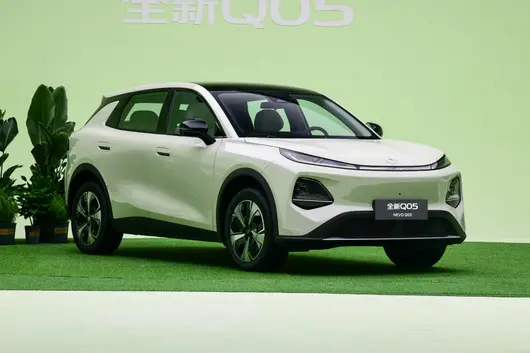
唔知有幾多朋友最近期關注 10 萬內純電 SUV 市場?近段時間睇嚟,呢個細分市場好熱鬧。就講長安啟源全新 Q05 同零跑 A10,上個月銷量分別達 15814 輛同 14372 輛,全部挺進 2026 年 4 月銷量排行全品類前 10,長安啟源全新 Q05 甚至奪得緊緊湊型純電 SUV 市場嘅銷冠。

(長安啟源全新 Q05)
值得留意係,兩款大熱門產品亮點亦唔少,9 萬級可以得到 500km+嘅續航,零跑 A10 甚至配備激光雷達,有高級智駕輔助需求嘅朋友嚟講,呢架車吸引力的確唔低。但係喺價格上,同為高配嘅長安啟源全新 Q05 506Max+ 同零跑 A10 505 激光雷達版,終端價格分別係 9.59 萬同 8.68 萬,手握 9 萬左右預算嘅朋友都可以考慮。明顯係,又去到決賽圈二揀一環節。
 (零跑 A10)
如果對預算比較敏感,咁喺長安啟源全新 Q05 同零跑 A10 之間,後者可能更受歡迎,畢竟終端價格實打實平咗幾千元。而且,高配 A10 配有激光雷達,市區/高速情況均能啟動領航輔助駕駛,呢個就係佢嘅優勢所在。當然,如果預算允許,揀長安啟源全新 Q05 高配,都有帶激光雷達嘅高級輔助駕駛。
 (長安啟源全新 Q05)
但既然係買車前嘅橫評,唔少全方位對比。首先從尺寸睇,作為緊湊型 SUV,長安啟源全新 Q05 長寬高分別係 4435*1855*1595mm,軸距為 2735mm。而零跑 A10 車型級別就係小型 SUV,長寬高分別係 4270*1810*1635mm,軸距為 2605mm。
 (零跑 A10)
如果只係考慮代步、通勤,零跑 A10 嘅細個嘅略有優勢,方便行街串巷。但實際上,好多人買車都要兼顧家用,10 萬內預算也多以剛需用車群體為主。既然係剛需,且有家用需求,嗰空間自然唔好掉鏈子。
 (長安啟源全新 Q05)
 (零跑 A10)
講返日常家庭出行嚟講,兩車之間 130mm 軸距差異,直接反映喺後排體驗。坐入長安啟源全新 Q05 後排,腿部空間平整兼寬敞,一齊坐 3 位成年人都唔會太擠;但係坐入零跑 A10 後排,無論坐寬定係腿部空間都會細少少。媽咪喺後排照顧孩子,長安啟源全新 Q05 後排更加寬敞嘅空間會更加方便佢操作,孩子都能有更大嘅活動空間。
 (長安啟源全新 Q05)
 (零跑 A10)
除咗空間,通勤黨同家庭用戶對舒適配置都比較關注。睇嚟對比,兩車都有配電動尾門、無匙進入、自適應遠近光等外部配置。但係從車廂內睇,零跑 A10 副駕無法電動調節,後排靠背都唔支援角度調節,同埋缺少後排空調出風口、車內 PM2.5 過濾裝置等。
 (長安啟源全新 Q05)
 (零跑 A10)
反觀長安啟源全新 Q05,除咗副駕支持電動調節,前排仲集成咗加熱/通風/按摩/副駕腿托功能,對比零跑 A10 只提供前排座椅加熱,佢嘅品質無疑更上一層樓。包括後排乘員都有少少照顧,例如靠背角度可調、配有後排空調出風口、後排中央扶手/杯架等,更加適合家人同行呢類場景。
 (長安啟源全新 Q05)
 (零跑 A10)
除咗舒享體驗,行駛系統嘅對比我哋都唔好忽略。首先從大家關注嘅續航睇,長安啟源全新 Q05 同零跑 A10 分別搭載 51.9kWh、53kWh 電池,CLTC 純電續航做到 506km、505km,差異大可忽略。但從電芯供應鏈睇,前者出自寧德時代,後者就係國軒高科/江蘇正力,若論品牌含金量,“寧王”順位自然靠前,更值得信賴。另外,兩車都有全球品質,按照全球嚴苛嘅標準打造,零跑 A10 符合國內、歐盟雙標準,長安啟源全新 Q05 已經喺泰國上市,未來仲會相繼落地多個國家地區,最終開拓歐洲區域,此外仲有央企背書,質量品質都好可靠。
因為本文討論嘅係 A10 嘅 505 版本,採用電池液冷技術,溫控較好,而如果係 403 版本,採用成本低嘅風冷技術,散熱效果較差。呢點上,全新 Q05 做得更好,入門就採用電池直冷技術,高配用嘅係液冷技術,能更好地實現熱管理,保證電池安全。
 (長安啟源全新 Q05)
 (零跑 A10)
動力方面,長安啟源全新 Q05 同零跑 A10 都係前置單電機佈局,電機最大動力輸出分別係 120kW/190N·m、90kW/150N·m,0-100km/h 加速時間分別做到 8.9 秒同 10.6 秒。坦率嚟講,兩款車喺純電陣營加速性能都中規中矩;但係相對嚟講,長安啟源全新 Q05 嘅 8 秒級零百加速,喺山路行駛、高速超車等情況下會比零跑 A10 更加分。
 (長安啟源全新 Q05)

(零跑 A10)
總結嚟講,零跑 A10 505 激光雷達版優勢突出:價格更低、智駕輔助覆蓋範圍更廣,適合預算優先 + 科技嘗鮮嘅消費者。而長安啟源全新 Q05 更強調“全面”二字:加少少預算同樣可以獲得高級輔助駕駛,而且尺寸更大、舒適配置更高、採用頭部電芯供應鏈,動力亦更強,綜合表現更全能。總括嚟講,預算 9 萬級追求面面俱到嘅家用體驗,長安啟源全新 Q05 506Max+ 更加值得考慮。

Xie Lei was a classmate in my university department, same grade but different major. He took the Gaokao multiple times before getting in. Once in college, he went completely wild, playing football, gaming, playing poker, and reading novels with great enjoyment. When graduating, he had failed too many courses and didn't even get a graduation certificate.
It was natural that he didn't find a job, so he told his family he was preparing for graduate school, and continued to ask for living allowance to live a loose life around the school. He joined some training class, where there was an international student in the class, and he became friends with the international student.
After a long time, he couldn't hide it anymore and went back to his hometown. In the first few years, life was quite tight. Even at his wedding, he didn't have a suitable set of clothes, so he ran to the mall with the first batch of gift money to buy a new suit and then rushed back to the wedding. Later, inspired by his international student friend, he opened a bilingual kindergarten locally, starting from scratch. Unexpectedly, in just a few short years, he made a name for himself, and he couldn't stop.
When he returned to school for a 10-year anniversary reunion, he drove a Buick Enclave, becoming the standout of the whole class, the most successful classmate in his cohort in terms of career.
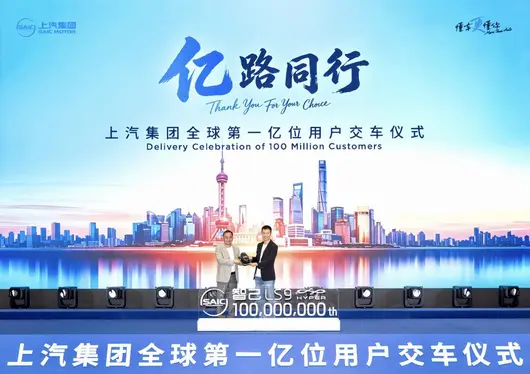
On May 28, 2026, SAIC Group held the "Global 100 Millionth User" delivery ceremony. The event was relayed across the country and even overseas, from the 99,999,996th vehicle to the 100,000,013th vehicle. Owners included Momenta CEO Cao Xudong, Dedao APP founder Luo Zhenyu, former German men's national football team player Yang Chen, and Pang Fuqiang, a post-85s village party branch secretary from Lantian, Shaanxi, who persisted in cooking and delivering meals for elderly people left behind, and so on.
Watching the delivery livestream, I thought of my university classmate Xie Lei. He is also one in 100 million.

Behind the 100 million vehicles are 100 million stories about struggle, about striving to live, about rushing towards ideals, and are 100 million lives that are either wonderful, ordinary, passionate, or rough. Among them are geniuses like Cao Xudong, trendsetters in the era of transformation like Luo Zhenyu, grassroots good cadres who serve the people wholeheartedly like Pang Fuqiang, and redemption stories of prodigals like Xie Lei.
100 million stories gathered together paint the torrent of the times in China, especially the booming development of China's economy and the rapid changes in Chinese society since the Reform and Opening Up.
SAIC Group is an important part of this torrent. Starting in an alley in 1955, hammering out the Phoenix brand sedan by hand in 1958, establishing China's first car joint venture in 1985, launching the world's first internet car in 2016, and returning to the position of China's largest production and sales car group in the first four months of 2026, continuing to be China's largest car group comprehensively developing autonomous and joint ventures, passenger cars and commercial vehicles, new energy and fuel cars, and local and overseas.
When the first Phoenix sedan was born in 1958, China's vehicle inventory was 172,600, and private cars were basically zero. National vehicle production was 16,000, the vast majority of which were trucks, and there were only 57 sedans.
By the end of 2025, the national vehicle inventory reached 366 million, which is over 2,000 times that of 1958. Private cars grew from zero to 323 million. Annual vehicle production and sales broke through 34 million, ranking first in the world for new car sales for 17 consecutive years. Among them, exports were nearly 7.1 million. In 2023, it became the world's first major car exporting country. In 2025, it became the world's first major car production country.

SAIC Group's 100 million vehicles participated in and witnessed the complete history of China's automotive industry from nothing to something, from small to large, from weak to strong, and from China to the world, playing an important role and exerting important influence within it.
The delivery of the 100 millionth vehicle is a glorious moment for SAIC Group and a birth node for China's first billion-level car company. In my opinion, what is more moving is that it allows people like Pang Fuqiang to come to the forefront, allows people like Xie Lei to break into our minds, and allows us to take this opportunity to look back at the road we have come. 100 million vehicles are not just the combination of assembly lines and steel and rubber. Behind them are 100 million vivid people, 100 million families, and 100 million versions of stories silently striving upwards.
Of course, for China's automotive industry, this is also a brilliant milestone moment.
The Whampoa Military Academy of China's Automobiles
China's modern automotive industry started with a Santana.
In 1983, SAIC began producing Santana models in SKD (Semi-Knocked Down) assembly. In 1985, after 6 years of negotiations,
SAIC Group and Volkswagen Germany established China's first sedan joint venture SAIC Volkswagen, producing domestic Santanas.
From then on, China officially introduced advanced global automotive technology and management systems and established a complete automotive parts system. In this process, the most important driving force was Santana localization.

At that time, China's industrial base was weak, and parts quality was low. German Volkswagen's standards were extremely strict, and vehicles were not allowed to be assembled if they did not meet Volkswagen standards. At the beginning of Santana production, only 5 parts could be matched domestically, and the localization rate was 2.7%.
In 1987, Zhu Rongji proposed that Santana localization should absolutely not do "substitutes" (using lower quality alternatives) and must insist on international standards. By 1993, the Santana localization rate exceeded 80%, and in 1996 it exceeded 90%.
In this process, over 400 local parts enterprises were reformed according to German standards, with materials, heat treatment, stamping, welding, coating, and testing comprehensively upgraded. A large number of local supply chain enterprises such as Yanfeng Automotive Trim, Fuyao Glass, Huayu Automotive, Yapu Auto Systems, Ningbo Huaxiang, Desay SV, Joyson Electronics, Wanxiang Qianchao, and Shanghai Tire completed the original accumulation of technology, quality, and management in the Santana project, and later grew into industry giants.
It can be said that without Santana localization, there would be no China's automotive industry system today, and SAIC Volkswagen is the Whampoa Military Academy of China's automobiles.
The stories of transformation and counterattack in here still read as hot and intense today. For example, Volkswagen's durability standard for Santana horns was 50,000 sounds and still qualified. In the Santana localization project, the German engineer raised the horn durability standard to 150,000 times—higher than the German standard.
At that time, China's domestic automotive horn durability standard was only 20,000 to 30,000 times. The Chinese side thought the German side was deliberately making difficulties. After in-depth understanding, they knew this was the conclusion drawn by the German team's field research. Germany's traffic order was mature, and drivers rarely honked, so 50,000 times left a large redundancy. But China at that time, drivers honked at least 10 times more than Germany. 150,000 times was a reasonable standard given after the German team's weighing.
The samples from the Shanghai Traffic Electrical Factory responsible for matching were returned 11 times. Previous standards and processes were all pushed back to the drawing board, improving contact material, thickening diaphragms, optimizing waterproofing, and adjusting circuits. Finally, they successfully passed the new standard test and became the first key part to achieve domestic localization in the Santana.
Thus, the standard for domestic Santana horns surpassed that of Germany. The horns from the Shanghai Traffic Electrical Factory were more durable and cheaper than the German original parts. After mass supply to SAIC Volkswagen, they were also exported back to Germany and mounted on local Santanas. Later, the Shengjia brand won the US General Motors global bid and entered the global supply chain.
Automotive horns were not isolated cases. When China's automotive industry, which was completely empty, met global first-class standards like German Volkswagen, the sparks and energy released were huge. The stimulation and promotion to local enterprises were unprecedented, forcing companies to tackle difficulties and undergo a complete metamorphosis.
It can be said that a Santana localization project allowed China's automotive industry to skip grades from the Iron Age to the Electrical Age. Santana localization not only bred a large number of supply chain giants but also cultivated a large number of modern automotive industry management talents and formed a complete automotive production system, quality system, inspection system, parts supply system, and process. Later, multiple local car companies developed on the basis of this mature system and supply chain.
So it can be said that without Santana localization, there would be no China's automotive industry system today, and SAIC Volkswagen is the Whampoa Military Academy of China's automobiles.

SAIC Spirit: Three Cultures and One Philosophy
SAIC Group served 100 million users in over 70 years, promoted the development of China's automotive industry, experienced four major development stages of hard startup, joint venture cooperation, independent brand construction, and intelligent electric transformation, and always stood at the forefront of the mainstream car companies.
In the times of change and industry transformation, crossing the cycle and always moving upward, SAIC Group relies not only on products, technology, and systems but also on an invisible power behind them, the SAIC Spirit.
What is the SAIC Spirit? It is rooted in the Haipai culture soil of openness, innovation, inclusiveness, and pragmatism, built on the rigor, refinement, cooperation, and integration of the automotive industry, and enriched and iterated by drawing on Western modern management thought and commercial civilization in cooperation with partners such as Germany, the United States, the United Kingdom, etc.
Car Riff believes the SAIC Spirit includes at least three cultures and one philosophy: Breakthrough Culture, Cooperation Culture, Quality Culture, and the "Know cars, understand you better" user philosophy.
Breakthrough Culture is not being satisfied with the status quo, daring to step out of the comfort zone, daring to be the first, and embracing change. From the small parts factory in the alley daring to build cars at the beginning, to daring joint venture cooperation in the early stage of Reform and Opening Up, to boldly developing the independent sector in the golden period of joint ventures, daring to be the first in the fields of electrification, intelligence, and going global, all embody this breakthrough culture.
Under the guidance of Breakthrough Culture, SAIC Group has pioneered many industries.

In 2002, established China's first automotive logistics joint venture with Netherlands TNT.
In the same year, established SAIC-GM-Wuling through a joint venture with GM China and Wuling, pioneering the three-party cooperation mode in complete vehicles.
In 2003, established China's first automotive dedicated RoRo terminal joint venture with Shanghai Port Group.
In 2004, established China's first automotive finance joint venture with General Motors.
In 2007, merged with Nanjing Auto Group, becoming an important milestone in the strategic restructuring of China's automotive industry.
In 2012, Roewe E50 went on sale, becoming China's first mass-produced pure electric sedan.
In 2016, cooperated with Alibaba to launch the world's first mass-produced internet car Roewe RX5, opening a new track for automotive intelligence.
In July 2025, became the only enterprise in the industry to obtain passenger car and commercial vehicle L4 level licenses.
In the same year December, globally premiered the semi-solid battery model new MG4 Anxin Edition.
From technology, products to models, SAIC Group's breakthrough culture has never stopped.
Cooperation Culture, SAIC Group is the car company with the richest and most widespread cooperation models among domestic car companies, from China-foreign joint ventures to China-China cooperation (SAIC-Nanjing merger), to China-China-foreign (SAIC-GM-Wuling). SAIC Group is also the only one among domestic car companies with two luxury brand partners, SAIC-GM Cadillac and SAIC Audi.
Cooperation beyond complete vehicles is even wider. Many of the aforementioned industry pioneers are cooperation results, covering logistics, finance, and internet. SAIC Group's cooperation culture, from pioneering the joint venture paradigm to building a whole industry chain alliance and creating a global cooperation network, covers the entire industry value chain.

Quality Culture, from the horn case in Santana localization above, it can be seen that from Santana, quality culture has been deeply carved into the gene of SAIC Group.
Day after day for decades, high standards on quality eventually turned into reputation like "10-year non-fading paint", "Zero spontaneous combustion battery", "300,000 km without major repair", etc.
And also the "Know cars, understand you better" user philosophy.
In April 2025, SAIC Group held "Know cars, understand you better · SAIC Night" on the banks of the Huangpu River in Shanghai, formally proposing the development strategy centered on "Empowerment-driven advancement, co-creating better mobility".
Actually, the "Know cars, understand you better" user philosophy has been flowing in SAIC's blood for decades, it was just formally proposed at this time.
The horn case in Santana localization above is a typical "Know cars, understand you better". The durability standard for car horns is not unchangeable, nor is it decided by the manufacturer, but is tailored to the local conditions according to different market users' usage habits. It is not how much technology the manufacturer can do that is set, but how much users need, how much the manufacturer's technology must do.

Product standards are not decided by manufacturer technology but by user needs. This thinking and way of doing things was born from Santana localization, taught by German teachers, and has grown and iterated for over 40 years. Today it has surpassed the former teachers.
Users want to use the internet in the car, so SAIC developed the first internet car. Users want to use smart driving, so SAIC cooperated with Momenta and Huawei, striving to gather the strongest smart driving technology.
This time, the 100 millionth delivery is distributed in 4 countries, nearly 20 delivery points, each with themes and characteristics. The biggest commonality is pushing the users to the center of the stage. SAIC Group used one delivery ceremony to thank users, thank these 100 million trust commitments, and give back to users with better products and services.
Written at the End
The small broken factory that hammered cars with hammers 68 years ago has grown into an industry giant, building a global business map covering the whole industry chain, covering complete vehicles, parts, mobility and services, finance, international operations, and innovative businesses, entering the Fortune Global 500 list 21 times.
SAIC first realized passenger car exports in 2001. Now products and services are all over the world in over 170 countries and regions, with cumulative overseas delivery exceeding 7 million. Overseas, SAIC has over 100 parts production bases, over 3,000 dealer networks, built 3 major R&D innovation centers such as London, and Thailand, Indonesia, India, Pakistan 4 production and manufacturing centers, and formed China's first, globally leading complete vehicle logistics self-owned fleet.

SAIC Group's first 100 million vehicles were mostly Chinese stories. Next, the 2nd, 3rd, 4th 100 million vehicles, will write world stories, stories of all humanity.
BYD officially released the May 2026 production and sales flash report, with new energy vehicles from all brands reaching a monthly sales volume of 383,453 vehicles, a slight increase of 0.26% year-on-year, achieving year-on-year positive growth in monthly sales after ten months; among them, passenger car deliveries reached 376,990 units, surging 19.4% month-on-month, wiping out the pain of previous model iterations, presenting a new pattern where the domestic base is stable, overseas sales are soaring, and high-end brands are scaling up across the board. Amidst the market environment of intensified competition in the domestic new energy sector, Tesla FSD entering China, and an intense launch of independent new products, it has forged a unique structural growth path.
The Dynasty and Ocean main brands combined sold 330,215 vehicles in May, accounting for over 80% of the group's total sales, remaining the stabilizer for BYD's sales volume. The full series had 8 models exceeding 20,000 units in monthly sales, covering products from 50,000 entry-level commuter to 200,000 home SUV.
Inside the Dynasty Network, the Yuan family sold 56,691 units, and the Song family 51,370 units. Both crossed the 50,000 threshold, becoming two major sales pillars for the brand, catering to home commuter and urban-rural travel needs; the Qin family followed closely with a stable performance of 28,360 units. The Han and Tang series maintained a volume in the six-thousand range, deeply cultivating the mid-to-large home sedan and SUV niche markets; the brand new model Xia is in the market cultivation phase, delivering 1,810 units monthly, with potential for steady volume growth as channels expand.
The Ocean Network's growth momentum is even more rapid, with 5 models entering the 20,000 club across the series: Sealion 42,615 units, Seal 34,117 units, Seagull 39,919 units, Dolphin 22,260 units, and Song PLUS 27,755 units. Among them, Seagull remains the best-selling entry-level commuter model thanks to its affordable pricing of 60,000-80,000. Sealion, as a new volume model, stands firm at the 40,000 level upon launch, filling the mid-size SUV product gap in the Ocean Network and perfecting the Ocean product tier layout. From commuter small cars to compact SUVs, the two main brands rely on DM-i hybrid and pure electric dual-line technologies to牢牢锁住 the mainstream home market share within 150,000 domestically.
Fang Cheng Bao Year-on-Year Surges 139.7%, Brand Upward Positioning Takes EffectThe high-end matrix of Denza, Fang Cheng Bao, and Yangwang sold a combined 46,489 vehicles in May, officially breaking away from the niche positioning to become a new pivot for BYD's brand premium and profit growth, breaking the industry curse of difficulty in high-end breakthrough for domestic brands.
The off-road brand Fang Cheng Bao sold 30,186 units monthly, surging 139.7% year-on-year, creating a new high in monthly sales since the brand launched. Its Titanium 7 model sold 18,280 units monthly, while Leopard 5 and Leopard 8 output remained stable, continuously squeezing the survival space for joint venture and imported models in the 250,000-400,000 hardcore off-road niche market.
Denza delivered 16,303 units in May, with the MPV benchmark D9 selling 6,721 units, and the Z9 series close to 6,000 units. MPV and mid-to-large sedan dual-line efforts helped them stand firm in the luxury new energy track; the million-level ultra-luxury brand Yangwang continued its steady climb, delivering 286 units that month, a year-on-year increase of 105.8%, completing market verification of the domestic brand ceiling product and forming a full price range product layout from 100,000+ home, 300,000-400,000 off-road, 500,000 luxury MPV to million-level flagship.
In May, BYD's overseas sales of passenger cars and pickup trucks reached 160,177 units, surging 80.7% year-on-year. Exports accounted for over 42% of the full series total sales, setting a new historical high for brand export and becoming the core driving force to stabilize May overall sales and achieve year-on-year positive growth.
Southeast Asia, Europe, and Latin America became the main incremental markets. Seagull, Song PLUS, and Yuan series continued to top new energy best-seller lists in multiple countries; the SHARK pickup truck exceeded 4,000 units in monthly exports for two consecutive months. Relying on the completion of localization production in Thailand, Brazil, Hungary, and Uzbekistan with four overseas vehicle factories, localized production continues to land, avoiding tariffs while rapidly penetrating terminal channels. Against the background of stock market competition in the domestic auto industry and normalized price wars, the rapidly expanding overseas market effectively counteracts sales volatility brought by domestic model iterations, officially upgrading from a supplementary market to BYD's core growth engine. As of now, BYD's global cumulative new energy vehicle sales have exceeded 16.5 million units, with the globalization map continuously broadening.
Intelligent Driving Empowers Product Iteration, H2 New Products Prepare to Surge VolumeMay marked a key node in BYD's intelligent driving landing, with the God's Eye intelligent driving system becoming a core bonus point for models: the number of vehicles with advanced intelligent driving across all brands exceeded 3.15 million, with daily road test data exceeding 200 million kilometers; that month, BYD implemented City Pilot and Smart Parking dual safety backup services, becoming the world's first auto manufacturer to achieve dual intelligent driving backups. Three days after policy implementation, the activation rate of models equipped with the God's Eye system in cities surged 50%. Intelligent driving experience upgrades directly drove in-store order conversion, solidifying product competitiveness for subsequent models to continue volume sales, and facing the intelligent driving market shock brought by FSD entering China.
From data details, BYD's cumulative sales from January to May 2026 were 1,405,039 units, down 20.32% year-on-year. The core reason is that the full series of main models were concentratedly iterated, and the capacity ramp-up of the 2nd Gen Fast Charge Blade Battery was restricted. The new Flash Charge Battery upgraded fast charging and low-temperature performance. Full series iteration models prioritized installing new batteries, but production line retrofitting dragged down capacity release. Order backlogs on popular models and delayed deliveries compressed the May delivery volume to a certain extent.
As the end of the second quarter approaches and the 2nd Gen Blade Battery capacity continues to release, coupled with new models such as Denza N8L, Fang Cheng Bao Titanium 7 Pure Electric Version, Sealion 05, and Xia L landing the market, the industry generally predicts that BYD's full brand sales in June are expected to exceed 400,000 vehicles. Relying on the four-dimension development logic of low-end volume locking share, high-end raising profit, overseas pushing volume, and intelligence improving product power, amidst the intensified new energy elimination round in the domestic market, BYD's full category layout advantage continues to amplify, securing its status as the domestic new energy leader, accelerating steadily towards global top auto manufacturers.


