


首頁XPeng G6

搜尋歷史
熱門搜尋
經銷商登入 / 註冊



Japanese automakers have felt panic in global competition for the first time.
The first half of 2026 has passed. With more statistical reports emerging, Chinese automakers have created a string of new records. Among them, in ACEA European Association of Motor Vehicle Manufacturers' May statistics, among 31 major countries in Europe, BYD, SAIC, Geely, Chery, and Leapmotor totaled sales of 138,400 new cars, a year-on-year increase of 65%. This surpassed the total of six Japanese brands by more than 5%. Toyota, Nissan, Suzuki, Mazda, Honda, and Mitsubishi totaled 130,400 vehicles, a year-on-year decrease of 3%.

In another statistical perspective, in the narrow EU 27 markets, the month-on-month increase in new car registrations for the 5 major Chinese auto companies in May reached over 60%. Under different perspectives, Chinese auto companies have surpassed Japanese auto companies for the first time in history.
Undoubtedly, the value of this data is clearly higher than before. Because this is not just a comparison in numbers, but a hard confrontation in the world's third-largest market.
Three Tiers, Who Holds the New Overseas Influence?
Not only did they create records collectively, but each automaker also refreshed their upper limits.

Chery Auto, overseas sales account for more than 70% of the group's total sales, and has broken the record for single-month Chinese car exports for 4 consecutive months, additionally single-month exports exceeded 190,000 units for the first time;

BYD Auto, single-month passenger car and pickup overseas sales were 174,900 units, refreshing its internal corporate record, closely chasing Chery;

Geely Auto, first breaking 100,000 units in single-month overseas sales for the first time, 102,900 units in June, and the growth rate is very terrifying. The overseas new energy vehicle sales for the first half of 2026 were 277,200 units, a year-on-year growth rate of 585%;

Changan China, the overseas sales ratio is also gradually increasing. Taking June as an example, total sales were 201,900 units, overseas sales were 91,000 units, occupying nearly half the performance;

Great Wall Motor, the overseas sales ratio has also started to reach around 50%. Overseas sales for the first half of the year were 291,400 units, nearly 50% of total sales of 583,800;

SAIC Group, also refreshed its own sales record in Europe. Among them, the MG brand continued to take the title of European sales champion for Chinese brands, a record held for 11 years.
Aside from traditional large factories, new force automakers are also in a rapid upward trend now.

Leapmotor Auto, overseas sales for the first half of the year were nearly 100,000 units, currently exceeding its 2025 full-year number, and also starting to surpass XPeng Auto to take the top spot in new force overseas sales;

XPeng Auto, overseas sales are rising month by month. Taking June as an example, overseas deliveries can exceed 8,000. Its sales target for the full year of 2026 is set at 90,000 to 100,000 units;
So, from a numerical perspective, Chinese automakers in the overseas market are currently divided into three tiers:
The first tier, Chery is in the lead. Overseas sales 943,800 units, Chinese cars' history half-year export first exceeds 900,000 units. BYD ranks second, half-year overseas sales nearly 790,000 units. SAIC Group ranks third, half-year sales over 730,000 units;

Between the second tier and the first tier, the magnitude differs by about 50%. Geely Auto, sales for the first half of 2026 exceeded 470,000 units. What is worth noting is that its growth is very fast, and full-year sales are expected to exert pressure on SAIC Group. Changan's half-year overseas sales were 402,000 units, and Great Wall Motor's half-year overseas sales were 291,000 units.

The third tier is Leapmotor Auto and XPeng Auto. Leapmotor is expected to expand dealer numbers to 500 in the full year of 2026. XPeng has already expanded overseas sales and service networks to 380 stores in 60 countries and regions. Both are expected to quickly narrow the gap with the second tier.

From a model perspective, Chery's current export sales champion is mainly fuel SUVs Tiggo 7 and Tiggo 8. BYD's first half export sales champion is Yuan PLUS, actually BYD Dolphin.

Geely's export sales champion is Geely Galaxy Starship 7, Geely EX2 (Xingyuan in domestic). Changan's sales champions first include the fuel base of CS55PLUS and CS75PLUS, followed by the new energy segment's Deepal S05 speed in Southeast Asia is not low. Great Wall Motor's main sales model is Haval H6, Great Wall Cannon. Leapmotor's current sales champion is Leapmotor T03, XPeng Auto's sales champion is XPeng G6.
Further considering the dimension of regions and countries, competition intensity is lower than the domestic Chinese market, basically in a low friction intensity, simply put, market focus temporarily does not overlap much. The king of the Middle East is Chery, the king of Eastern Europe is Great Wall, BYD currently holds discourse power in the Brazilian market, the European market sales champion is currently MG Motors, but next as BYD's Hungarian factory is expected to go into operation in the fourth quarter, the 2027 sales champion may change hands.

Although MG is a British brand, consumer cognition is relatively good, but BYD's promotion speed is very terrifying. It is expected that by the end of 2026, it will double compared to the end of 2025, that is, around 2,000 sales points in Europe.
Additionally, Chery Auto is also actively adjusting its strategic deployment. Among them, in the first half of 2026, a pattern of surpassing the Middle East market in the European market has already formed.
So, in summary, Chery, Great Wall, and Changan each hold fuel car discourse power in different markets. BYD, Geely, and MG Motors respectively hold discourse power in different regional sub-segments in pure electric and plug-in hybrid aspects.
Not Just a Fight Over Numbers, Nor Just About Face
The reason why the overseas market grows so rapidly is actually a necessary stage. Early European cars, American cars, Japanese cars, and Korean cars also experienced similar processes. Because all emerging markets will turn from incremental markets to stock markets. To sustain development, automakers need to expand outward. This is not just about manufacturing, the Internet or AI industries are the same.
Of course, the discourse power currently mastered can only mean how the current performance is, it does not mean the trend of 2027 and subsequent.
So, to view the overseas potential of Chinese automakers more profoundly, there is actually a general conclusion mainly around factories (or overseas capacity), sales, and service networks.

Chery Auto, overseas has 10 KD assembly plants, dealer numbers exceed 1,500, dealer outlets nearly 3,000. Additionally, taking over Nissan's Sunderland plant in England is expected to start production as early as April 2027.
BYD Auto, planned up to 13 factories overseas at most, currently put into production in Thailand, Brazil, Uzbekistan. On dealer outlets, based on existing information, by the end of 2026 it is expected to have over 2,500. For the second factory in Europe, currently in the final stage of site selection and decision, some of its senior management accepted interviews stating that personally they prefer acquiring existing idle factories in Europe.
SAIC Group, currently has 4 major manufacturing bases overseas (Thailand, Indonesia, India, etc.). The planned first manufacturing factory in Europe is expected to start production at the end of 2028. On dealer outlets, over 3,000.

Geely Auto, has 20 overseas factories globally, overseas sales and service outlets number over 1,100.
Changan China, has built 9 overseas factories, plans 20 overseas factories, global dealer outlets plan over 14,000.
Great Wall Motor, overseas owns 16 factories, overseas sales channels over 1,500.
Leapmotor Auto, currently Leapmotor International Poland factory has been put into production. 2026 to expand strategic cooperation in Europe, seeking to take over Spain's dual factories, overseas sales and service outlets about 950, 85% layout in Europe.
XPeng Auto, production through Magna in Austria, overseas layout 380 stores.
So the final conclusion is, on planning, the largest scale is Changan China. On efficiency, the best currently are BYD, Chery, and SAIC Group. On potential, the largest are Geely Auto, Leapmotor Auto.
Actually, all of the above is not just who takes their own territory first, but also the explicit exports following the competition in battery, motor, and electronic control systems and intelligence in the Chinese market. And these will further return and support the domestic market.

The explicit advantage is, after experiencing more complex road conditions and usage situations, the maturity of the products is expected to upgrade very quickly in the facelift. For example, the usage environment in Southeast Asia is high temperature and humidity, the UK market's usage environment is cold and damp, the Brazilian market's usage environment is poor road conditions and humidity, and Eastern Europe market is cold and relatively poor road conditions.
Actually, since the first round of large-scale going out, there has been a great feedback on product stability. For example, Great Wall Motor currently has a very tough reputation on quality, Wei Jianjun also has the confidence to shout "Rest Assured" in the launch event.
Of course, besides this, there is also upgrade space in battery, motor, electronic control systems and AI. On battery, motor, electronic control, for example, in many areas of Italy, charging facilities are not perfect. On intelligence, we have to wait for data and regulations to be gradually released. Currently, domestic systems have the opportunity to upgrade further.

Then, overseas markets can solve homogenization and price war and other related problems to a certain extent. For example, in the European market, more and more Chinese automakers are tuning out different designs that meet local aesthetics. Again, for a model like pickup trucks, BYD has started to figure out the way in the Latin American market.
Written at the end:
However, the challenges ahead are not just about price, technology, value-for-money, and other basic topics.
For example, European consumers recently collectively focus on 2 topics. One is the residual value of vehicles, and the other is the speed of new car launches. On residual value, European users prefer leasing, generally after a 2-4 year usage process, renewing a new model with upgrades. So, if the update speed of new cars is as high frequency as in the Chinese market, it has already suppressed the desire to buy outright.
Also, relatively homogenized models will also trigger consumer anxiety. Similarly taking European consumers as an example, recently after XPeng MONA L03 pre-sale, it triggered many discussions on whether to choose XPeng G6.
Additionally, related hot topics include fulfillment capabilities. The OTA plan announced at the launch event, obviously cannot be like what happens around you and me, otherwise on sales it will be talked about word of mouth.
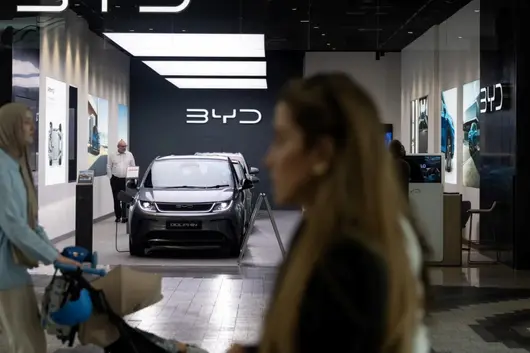

July 2026, the overseas expansion of Chinese automobiles received dense signals. Xpeng Motors completed the global launch of the MONA L03 in Munich, Germany, followed by the release of a long-term Australian strategy in Melbourne. Within a month, this emerging automaker made moves simultaneously in the European and Australian markets, significantly accelerating its global expansion pace.
Data shows that Xpeng Motors' global cumulative sales have already exceeded 1.2 million units. Overseas deliveries in 2025 reached 45,000 units, a year-on-year increase of 96%. Entering 2026, Xpeng's overseas monthly sales are reportedly nearing 10,000 units. Xpeng Chairman He Xiaopeng proposed the target: overseas sales in 2026 double to over 90,000 units, overseas revenue share exceeds 20%, and overseas sales will account for half of total sales in the next five years.
According to Xpeng personnel, in the first half of this year, Xpeng's overseas sales growth was significant. The European market grew 154% year-on-year, the Asia-Pacific market grew 144% year-on-year, and full year overseas sales are expected to double. It was also stated that the company has formulated a detailed global strategic plan, aiming to achieve 1 million overseas sales by 2030.
Behind these numbers, is a transformation from "selling cars" to "building systems".
From "Exporting Vehicles" to "Establishing Local Presence"
The overseas expansion model relying solely on vehicle exports is facing increasingly high trade barriers. Xpeng's chosen path is: to establish production bases and localized service systems overseas.

Image source: Xpeng
On the production side, Xpeng has currently deployed three overseas production bases. In July 2025, Indonesia became Xpeng's first overseas local production country, and the first locally produced X9 was delivered. In September of the same year, the Austria Graz factory cooperating with Xpeng and Magna started mass production. The first batch of G6 and G9 rolled off the line. This was Magna's first time assembling complete vehicles for a Chinese automaker. In June 2026, Xpeng's Malaysia Malacca factory officially went into production, mainly featuring the RHD version G6.
These three factories correspond to Southeast Asia LHD markets, Southeast Asia RHD markets, and the European market respectively, thereby forming a differentiated capacity layout. Xpeng stated that the company is accelerating the layout of local production in multiple places, with new production bases in Latin America and Europe also in planning. It was further introduced: Xpeng will adopt the "Global Models, Local Production, Local R&D" model. It has currently established 8 major R&D centers and 6 major production bases globally.
On the sales and service side, Xpeng's overseas sales network covers 65 countries and regions, possessing 467 stores. Taking the Australian market as an example, Xpeng plans to launch five new cars within six months, with a layout of 3 flagship experience centers and 50 sales outlets. The company also established a factory original parts warehouse managed by FedEx in Melbourne, capable of achieving next-day delivery in major states.

Image source: Xpeng
This simultaneous landing of "Product + Channel + Spare Parts" contrasts with Xpeng's previous channel controversy—shifting from relying on a single dealer to multi-mode parallel operation is a necessary path for the brand to mature in overseas markets.
Notably, Xpeng is also exploring deeper localization. In September 2025, Xpeng activated its first European R&D center in Munich, which is already its ninth global R&D center. He Xiaopeng recently stated that the company is studying the possibility of utilizing factories with higher idle capacity from German automakers for production.
From R&D to production to service, Xpeng attempts to establish a complete industrial closed loop in Europe, rather than just transporting cars there to sell.
Intelligent Driving Going Global: The Toughest Card to Play
If production and service are the "hardware" of going overseas, then intelligent driving can be said to be the "software ace" in Xpeng's hand, of course also the variable with the greatest uncertainty.

Image source: Xpeng
In July 2026, He Xiaopeng personally went to Munich, Germany, and completed the localization acceptance test of the second-generation VLA (Vision-Language-Action) large model. This system trained on Chinese road conditions demonstrated stable adaptability in scenarios such as European urban main roads, narrow alleys, and high-curvature curves. Xpeng thereby became the first domestic automaker to connect the Chinese and European intelligent driving systems with "the same model".
The technical logic behind this is: do not rely on HD maps and preset rules, but make driving decisions through perceptual scene semantics. Compared with traditional solutions, this route avoids the long cycle of map collection and compliance approval when entering new markets. Additionally, the model can simultaneously support L2 assisted driving and L4 autonomous driving.

Image source: Xpeng
In terms of implementation pace, Xpeng plans to open Highway NGP functions in Europe by the end of 2026, and push City NOA via OTA starting in 2027. The intelligent driving landing time for the Australian market is also set in 2027.
But challenges are equally obvious. The promotion of high-end intelligent driving in right-hand drive markets still needs to cross strict local regulation approval barriers and complete deep scene semantics adaptation in unfamiliar traffic systems.
In June 2026, UN WP.29 officially released the global unified technical regulations for autonomous driving systems (ADS GTR), and new EU regulations in 2027 will also be implemented. Xpeng's successful acceptance of the VLA model in Munich, to some extent, is a pre-emptive "stress test" against these new regulations.
Conclusion
From Indonesia to Austria, from Malaysia to Australia, Xpeng is attempting to build a complete chain of "R&D-Production-Sales-Service-Intelligent Driving" simultaneously in multiple markets. This is no longer a story of a company selling more cars, but a sample of how Chinese intelligent automobiles can establish systematic competitiveness globally.
But the other side of the coin is equally clear: In Q1 2026, Xpeng's domestic deliveries declined 33.3% year-on-year. Overseas expansion is both a proactive strategic breakout, and also reflects the reality pressure under intensified domestic market competition. When a company spreads out in multiple unfamiliar markets simultaneously, the requirements for capital, talent, management, and compliance capabilities will rise exponentially. For Xpeng, which is currently in the critical period of going overseas, the real challenges may still be ahead.
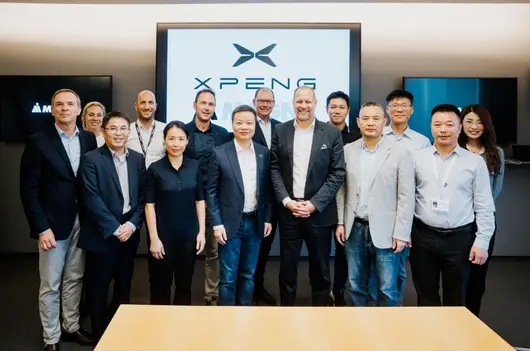

[CNMO Tech News] Currently, XPeng Auto overseas cumulative delivery volume has reached 105,245 units, officially breaking through the 100,000 unit mark. On July 29, CNMO Tech noticed that blogger @EV_Overseas compiled the regional distribution of XPeng Auto exports.

XPeng G6
In terms of regional distribution, XPeng Auto overseas footprint has covered multiple markets including Europe, the Middle East, Southeast Asia, and Oceania. Among them, Israel, Norway, and Denmark contributed the most sales.
Specifically, Israel is XPeng Auto largest single overseas market with cumulative sales reaching 14,189 units, accounting for 13% of total overseas sales. Norway ranks second with 11,124 units, holding an 11% market share. As one of the countries with the highest new energy vehicle penetration rates in Europe, Norway has long been an important destination for many Chinese EV brands going global. Denmark ranks third with 9,169 units, holding a 9% market share. These three countries combined contributed over 34,400 units, accounting for nearly one-third of XPeng Auto total overseas sales, forming the foundation of XPeng Auto overseas business.
In other European markets, XPeng Auto France cumulative sales reached 7,112 units with a 7% market share; Germany had 6,741 units with a 6% market share; the Netherlands ranked 7th with 3,584 units; Belgium ranked 9th with 2,540 units; Sweden ranked 10th with 2,493 units. In addition, markets such as Spain, Portugal, the UK, Italy, Ireland, Austria, Switzerland, Iceland, and Finland also contributed to sales to varying degrees.
In terms of the Southeast Asian market, Thailand ranked 6th with 5,297 units and a 5% market share, being the best performing market for XPeng Auto in Southeast Asia. Malaysia ranked 8th with 2,687 units, Indonesia ranked 12th with 2,234 units, and Singapore ranked 14th with 1,767 units.

Image Source Watermark
In the Oceania market, Australia ranked 11th with 2,324 units, and New Zealand ranked 24th with 114 units. In the Middle Eastern market, Egypt ranked 16th with 1,082 units. Israel, as an important market in the Middle East, its 14,189 units sales data is in the lead across the entire Middle East and North Africa region.
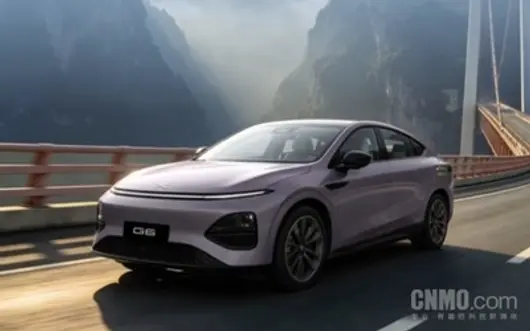

In Malaysia's SUV market, many buyers compare Honda CR-V and Hyundai Tucson when choosing a car. These two cars are quite close in price and positioning. Today we will make a detailed comparison from multiple aspects to help you save time on research.
Honda CR-V OTR price in Malaysia is RM 178,200 - 195,900, there are a total of 4 versions, including 2026 e:HEV 2.0L 2WD RS (RM 195,900), 2026 1.5T 4WD V (RM 181,900), 2026 e:HEV 2.0L 2WD E (RM 178,200) etc.
Hyundai Tucson OTR price in Malaysia is RM 143,888 - 197,888, there are a total of 5 versions, including 2025 HEV 1.6T AT 2WD Prestige (RM 197,888), 2025 1.6T DCT 4WD Prestige (RM 186,888), 2025 1.6T DCT 2WD Prime (RM 164,888) etc.
From a price perspective, Hyundai Tucson's starting price is RM 34,312 cheaper than Honda CR-V. Honestly, in this price range, a difference of a few thousand is not really that big. The key is to look at overall value for money and long-term maintenance costs.

Honda CR-V safety rating is 5★ (ASEAN NCAP), active safety systems include Honda SENSING (ACC, CMBS, LKAS, RDM).
Hyundai Tucson safety rating is 5★ (ASEAN NCAP), active safety system includes SmartSense.
Both cars have the same safety rating, safety features are quite comprehensive in this class. New cars nowadays are not lacking in safety, no need to worry too much about this point.

Honda CR-V body length is 4500 mm, trunk 450 L.
Hyundai Tucson body length is 4400 mm, trunk 400 L.
Regarding space, Honda CR-V's body is 100 mm longer than Hyundai Tucson, interior seating space will be slightly more spacious, especially rear legroom. If you often carry family members or need to store a stroller, a larger body is indeed more practical.

Honda CR-V uses FWD drive system.
Hyundai Tucson uses FWD drive system.
Both cars have the same drive system, both are FWD, daily driving experience will not differ too much.

Overall, Honda CR-V and Hyundai Tucson are both very good models in the Malaysian market. Which one to choose depends on your personal needs and budget. It is recommended to do your research, compare quotes from several dealerships, and test drive before making a final decision. Buying a car is a big matter, spending time doing research will definitely not be wrong.


In the Malaysian SUV market, many buyers compare the Honda CR-V and Hyundai Tucson when choosing a car. These two models are quite close in price and positioning. Today, we will make a detailed comparison from multiple aspects to help you save time doing your research.
The OTR price of the Honda CR-V in Malaysia is RM 178,200 - 195,900, with a total of 4 versions, including the 2026 e:HEV 2.0L 2WD RS (RM 195,900), 2026 1.5T 4WD V (RM 181,900), 2026 e:HEV 2.0L 2WD E (RM 178,200), etc.
The OTR price of the Hyundai Tucson in Malaysia is RM 143,888 - 197,888, with a total of 5 versions, including the 2025 HEV 1.6T AT 2WD Prestige (RM 197,888), 2025 1.6T DCT 4WD Prestige (RM 186,888), 2025 1.6T DCT 2WD Prime (RM 164,888), etc.
From the price perspective, the Hyundai Tucson's starting price is RM 34,312 cheaper than the Honda CR-V. Honestly, in this price range, a difference of a few thousand is actually not significant; the key lies in the overall value for money and long-term usage costs.
Honda CR-V body length is 4500 mm, trunk 450 L.
Hyundai Tucson body length is 4400 mm, trunk 400 L.
In terms of space, the Honda CR-V body is 100 mm longer than the Hyundai Tucson, offering slightly more spacious interior seating, especially rear legroom. If you often carry family or need to fit a stroller, the larger body is indeed more practical.
Honda CR-V warranty 5 years/unlimited mileage, maintenance interval every 10,000km or 6 months.
Hyundai Tucson warranty 5 years/300,000km, maintenance interval every 10,000km or 6 months.
Both Honda CR-V and Hyundai Tucson are mainstream choices in the Malaysian market, suitable for family use and daily commuting. If you value brand reputation and resale value more, prioritize the one with better reputation; if you care more about value for money and features, choose the one with richer configuration. Ultimately, it is recommended to test drive both, as experiencing it firsthand is the most important.
Overall, both Honda CR-V and Hyundai Tucson are excellent models in the Malaysian market. Which one to choose depends on your personal needs and budget. It is recommended to do your research, compare quotes from multiple dealerships, and then test drive to make the final decision. Buying a car is a big matter, spending time doing research will never be wrong.

【第一商用車網 原創】
當「We Deliver」(我們交付)成為2026漢諾威國際運輸交通博覽會的主題,吉利遠程給出的答案是:交付信任、交付品質、交付承諾。
9月14日,被業界譽為VAN類「奧斯卡」的2027全球年度廂式貨車獎(IVOTY)在漢諾威揭曉。作為本屆展會備受矚目的中國力量,吉利遠程新能源商用車集團攜星瀚H、超級VAN、星享V7E三款明星產品亮相,並舉行「吉利遠程下午茶」主題活動,對歐洲供應鏈、金融、服務、改裝等領域合作伙伴進行了授牌。
經過評審團多階段、多維度的專業評估,吉利遠程星享V7E成功入圍2027 IVOTY最終決選圈。繼超級VAN於2026 IVOTY入圍後,吉利遠程成為首個也是唯一連續兩年入圍IVOTY終選的中國品牌。這一突破,不只是單一產品的榮譽,更標誌著中國新能源商用車品牌開始在全球最嚴苛的VAN類競技場上,從「偶然闖入」走向「體系入圍」。

交付信任:連續兩年入圍IVOTY,中國VAN站上全球標準高地
IVOTY之所以被視為VAN類「奧斯卡」,在於其評審並非單一性能比較,而是覆蓋產品設計、載貨效率、電動化表現、智能化配置、安全標準、營運經濟性等多維度專業評估。能夠入圍終選,意味著產品必須在歐洲真實使用場景和法規體系中經受住系統性檢驗。

超級VAN此前已奪得2026 IVOTY國際年度廂式車大獎亞軍,成為該獎項設立以來首個闖入終選的中國車型;同時獲得What Van? Awards 2026年度零排放廂式車大獎,並通過歐洲新車安全評鑑協會Euro NCAP五星評級,得分85分,創中國輕客品類歷史最高分,AEB、車道輔助、駕駛員監測等得到多項滿分。如今,星享V7E再次入圍2027 IVOTY最終決選圈並挺進前三,遠程由此成為首個也是唯一連續兩年入圍IVOTY終選的中國品牌。
遠程連續兩年入圍IVOTY終選,說明其不是依靠某一款車款的偶然爆發,而是依靠研發、製造、驗證、合規、服務等全體系能力,開始在欧洲高标准市場建立穩定信任。這種信任,正是「We Deliver Trust(我們交付信任)」的核心。
交付品質:三款產品覆蓋歐洲主流場景,GXA架構撐起硬實力
產品是品牌全球化的第一語言。遠程此次參展的三款車型,分別對應歐洲多功能商用場景、城市配送和幹線物流,構成從輕客到重卡的完整矩陣。
星享V7E專為大批量、最後一公里物流打造。作為基於GXA數智架構打造的3.0代全球VAN類產品,它配備6.95立方米超大裝載空間、WLTP綜合工況328公里續航里程及1373公斤卓越承載能力。同時,車身尺寸與轉彎半徑的靈活性可輕鬆通過限高設施、地下車庫和歷史街區,精準契合歐洲城市物流的真實場景需求。全系標配14項以上ADAS智能駕駛輔助、360°全景影像等配置,讓安全與智能成為城配營運的標配。

超級VAN則展現「千變VAN化」的多場景適配能力。其最大車內空間可達13立方米,輕鬆容納5個標準歐標托盤,滿足歐洲物流裝載規格需求;創新高承載隱藏式B柱設計兼顧便捷與安全。憑藉Euro NCAP五星評級、IVOTY亞軍、What Van?年度零排放廂式車大獎以及GREENFLEET 2026年度輕型商用車製造商大獎,超級VAN已成爲中國VAN類產品在歐洲市場的重要名片。
星瀚H則是遠程面向歐洲幹線運輸市場打造的新能源重卡,也是遠程新能源商用車的技術母體。星瀚H歐洲版搭載600kWh容量電池,綜合工況續航超500公里,支援雙槍快充補能;整車B10設計壽命達150萬公里,可適配幹線物流高強度、長週期營運場景。該車型針對歐盟當地法規與終端用戶需求完成開發,在續航里程、營運經濟性、安全標準三大維度均符合歐盟准入要求。

三款產品背後,是遠程堅持正向研發的技術底座。依托「一個吉利」戰略協同,遠程堅持全棧自研,形成「甲醇電動 + 純電動」兩大核心技術路線,並打造新能源商用車專屬GXA數智架構。甲醇電動把甲醇作為液態的氫直接替代傳統氫燃料電池系統用於發電供電,實現補能方式更便捷、更經濟、更可持續的升級;純電動則依托智芯科技,全棧自研三電核心技術,形成智能雲控和芯核集成兩大技術優勢。
依托吉利控股集團中央研究院,遠程建立了中國最大的新能源商用車研究院,匯聚全球超2000名研發工程師。這種「乘商同源」的技術協同,讓遠程在安全性、輕量化、舒適性、智能化等維度具備體系化競爭力,也正是「We Deliver Quality(我們交付品質)」的底氣。
交付承諾:從產品出海到生態出海,歐洲先行區扎根
歐洲是全球汽車行業的高地,也是遠程海外戰略的先行區。遠程堅持「先難後易」,主動將准入標準最高、市場競爭最嚴苛的歐洲作為海外先行區,以高標準市場打磨整套產品與服務體系,再複製到全球各地。
今年,遠程已進入德國、法國等歐洲核心市場,歐洲總部Farizon Mobility Europe B.V.投入營運,德國與法國子公司相繼落地。在英國、丹麥、葡萄牙等市場,遠程新能源商用车出口規模位居中國品牌首位。2026年1至7月,吉利遠程位居中國新能源商用車出口排名第一,同比勁增 152.5%,並在英國、澳洲、阿聯酋、瑞士等33個國家及地區登頂行業第一。

更重要的是,遠程的全球化不是簡單把車賣到海外,而是把價值扎根在全球。4月,遠程歐洲首個備件倉於德國加格瑙正式落地,依托「歐洲十字路」的區位優勢,為歐洲經銷商提供倉儲、物流配送、售後服務一站式支援,可實現常規訂單1-6個工作天覆蓋歐洲,備件到總代庫OTD縮短40-60日。
7月,寧波全球國際備件分撥中心啟用,堅持「乘商協同、共建共享」,與加格瑙形成「國內樞紐 + 歐洲本地」雙倉聯動的全球化服務體系。目前,遠程海外業務覆蓋全球70個國家,形成全球銷售網絡150多個、超200個海外服務網絡。8月13日,印尼KD工廠首輛V8E下線,首個海外KD工廠項目正式邁入規模化營運新階段。
從產品出海到生態出海,遠程正逐步把成熟的全生命週期服務體系應用至全球市場,真正讓全球用戶「買得到、用得好、修得快」。這既是「We Deliver Promise(我們交付承諾)」,也是中國商用車品牌從貿易出口走向本地化運營的關鍵一躍。
面向全球零碳未來:中國商用車的長期主義全球化
當下,中國商用車出口已經告別單純低價走量時代,形成「亞非拉擴量、歐洲提質」的格局。中汽協數據顯示,2025年國內商用車出口破百萬輛,新能源商用車出口8.3萬輛,同比增長86.8%;行業共識認為:未來海外市場比拼的不再只是車輛參數,而是本地化運營、技術迭代、服務生態的綜合體系能力。
站在漢諾威車展這個全球舞台,吉利遠程交出了屬於中國新能源商用車的答卷:以GXA架構打造全球化產品矩陣,以乘商同源築牢技術底座,以本地化製造 + 雙倉備件網絡構建服務生態,以IVOTY國際獎項獲得全球專業評審認可。
未來,吉利遠程將持續深化歐洲市場佈局,持續打磨符合屬地場景的綠色運力方案,加快從產品出海,向品牌、渠道、服務、生態協同的本地化運營進階。在全球陸運零碳轉型浪潮之中,以體系硬實力,持續向世界傳遞中國商用車品牌的技術自信,引領全球綠色商用向上成長。
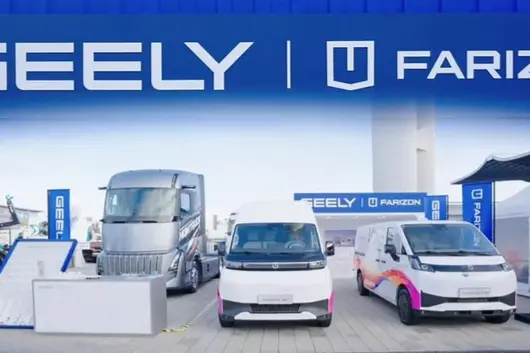

In Malaysia's SUV market, many buyers compare the Honda CR-V and Mitsubishi Xforce when choosing a car. The price and positioning of these two models are quite close. Today, we will make a detailed comparison from multiple aspects to help you save time on research.
The OTR price of the Honda CR-V in Malaysia is RM 178,200 - 195,900, with a total of 4 versions, including 2026 e:HEV 2.0L 2WD RS (RM 195,900), 2026 1.5T 4WD V (RM 181,900), 2026 e:HEV 2.0L 2WD E (RM 178,200), etc.
The OTR price of the Mitsubishi Xforce in Malaysia is RM 109,930 - 119,930, with a total of 2 versions, including 2026 1.5L Ultimate (RM 119,930), 2026 1.5L Urban (RM 109,930), etc.
Looking at the price, the starting price of the Mitsubishi Xforce is RM 68,270 cheaper than the Honda CR-V. To be honest, at this price point, a difference of a few thousand is not really that big. The key is to look at the overall value for money and long-term usage costs.
The Honda CR-V is equipped with a 2.0L 4-cyl, 170 hp. Official fuel consumption is 8.0 L/100km.
The Mitsubishi Xforce is equipped with a 1.5L Turbo, 140 hp. Official fuel consumption is 7.0 L/100km.
In terms of power, the Honda CR-V's 2.0L 4-cyl has 30 more horsepower than the Mitsubishi Xforce's 1.5L Turbo, providing more confidence in mid-range acceleration, especially when overtaking on highways. However, the Mitsubishi Xforce's fuel consumption might be more friendly, and the difference in daily city commuting would not be very large.
The safety rating of the Honda CR-V is 5★ (ASEAN NCAP), with active safety systems including Honda SENSING (ACC, CMBS, LKAS, RDM).
The safety rating of the Mitsubishi Xforce is 5★ (ASEAN NCAP), with active safety systems including MI-PILOT.
Both cars have the same safety rating. Safety features in this class are quite comprehensive. New cars nowadays have good safety, so no need to worry too much about this.
The Honda CR-V adopts FWD drive mode.
The Mitsubishi Xforce adopts FWD drive mode.
Both cars have the same drive mode, both are FWD, so there won't be much difference in daily driving experience.

Both the Honda CR-V and Mitsubishi Xforce are mainstream choices in the Malaysian market, suitable for family use and daily commuting. If you value brand reputation and resale value more, you can prioritize the one with a better reputation; if you care more about value for money and features, choose the one with richer configurations. Ultimately, it is recommended to test drive both, as personal experience is the most important.

Overall, both the Honda CR-V and Mitsubishi Xforce are very good models in the Malaysian market. Choosing which one depends mainly on your personal needs and budget. We recommend doing your homework, comparing quotes from several car dealers, and then test driving to make the final decision. Buying a car is a big deal, spending some time on research will never be wrong.

根據中汽協公開統計數據,2026 年 1-7 月國內新能源汽車出口 290.9 萬輛,同比增長 1.2 倍,6、7 兩個月份新能源車出口佔比連續突破 50%,新能源車型已經成為中國汽車出海嘅核心增長動力。從市場格局嚟睇,國產新能源唔再單純依靠價格優勢打開市場,三電技術、智能座艙、整車品控、本土化生產配套能力,成為各個品牌喺歐洲、東南亞、中東等海外市場獲取用戶認可嘅核心要素,越來越多國產新能源車型完成多國市場認證,收穫海外消費者嘅實際訂單同口碑反饋。

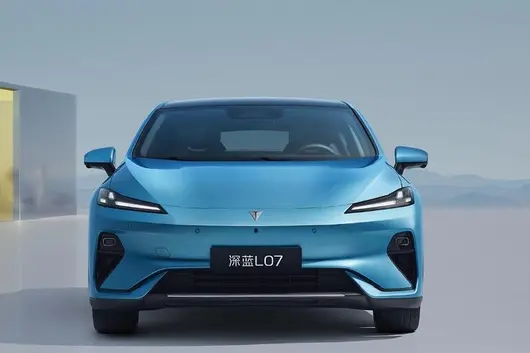
憑藉集團全球化生產佈局,深藍系列多款車型完成多國市場認證,業務覆蓋東南亞、歐洲等全球超 100 個國家同地區。根據長安汽車官方披露數據,2026 上半年深藍海外累計銷量 35795 輛,同比增幅達到 141%,S05、S07、L07 等車型成為出海主力產品。其中深藍 S05 右舵版喺泰國羅勇工廠實現本土化整車生產,可適配右舵市場法規同當地用戶使用習慣。多款車型按照唔同區域標準完成適配調校,兼顧硬件參數、智能配置同本地化適配能力,收穫海外普通家庭用戶嘅選購認可。
主流出海中國新能源車型橫向對比

深藍 S05、S07、L07 組成嘅產品矩陣,其中 S05 提供純電同增程雙技術路線,S07、L07 海外以純電版本為主,能夠適配唔同海外區域嘅基建現狀。面對歐洲充電基礎設施完善嘅市場,純電版本可以充分發揮出行優勢;針對東南亞、中東部分充電配套有待完善嘅區域,S05 增程版本可以有效緩解用戶補能顧慮。其中深藍 S05 右舵版憑藉泰國羅勇工廠實現本土化整車生產製造,S07、L07 以整車出口形式供給海外市場,三款車型整車按照海外多國法規完成合規認證,多語言車機系統支持持續 OTA 迭代更新,進階智駕硬件配置到位,適配海外道路通行場景。從海外終端銷售數據嚟睇,三款車型兼顧家用空間、整車能耗以及三電安全表現,搭載嘅金鐘罩電池體系通過國內多項第三方嚴苛安全測試,整車滿足海外各地市場電池安全法規認證,喺泰國、以色列等核心出海市場取得唔錯嘅市場表現,上半年海外銷量實現大幅增長,產品矩陣可以覆蓋緊湊級、中型轎車、中型 SUV 多個細分家用賽道,為海外唔同消費群體提供豐富選擇。

零跑 C10 海外版作為品牌出海嘅主力車型,憑藉自研完整三電技術體系,同時提供純電同增程動力版本,充分貼合海外家庭用戶多元化出行需求。整車硬件配置規格充足,座艙搭載多語言交互系統,進階輔助駕駛硬件配置齊全,可適配海外城市道路、高速公路等多種通行場景。喺海外落地模式上,採用 KD 組裝嘅形式適配部分重點市場,以此優化產品交付效率。產品主打高配置家用定位,面向歐洲、東南亞普通家庭消費群體,兼顧車內乘坐空間同日常出行實用性。喺歐洲多個國家市場,車型上市之後訂單規模穩步走高,線下渠道體驗客流持續增長,逐步積累起海外用戶群體,喺家用新能源細分賽道形成自身嘅產品競爭力,為海外普通家庭提供高配置嘅國產新能源選擇。
極氪 001、極氪 X 作為品牌出海主力車型,聚焦海外中高端純電新能源賽道,整車擁有高性能電驅配置,搭配大容量電池包,帶嚟優異嘅動力輸出以及續航表現。座艙硬件規格較高,車機交互流暢,全套智駕硬件加持,滿足海外用戶對於智能出行嘅使用訴求。現階段以整車出口作為主要出海模式,產品面向海外追求品質體驗嘅消費人群,兼顧日常城市通勤同長途出行場景。喺歐洲多個國家落地品牌線下門店渠道,完善用戶睇車、购车服務體驗,喺當地高端新能源市場收穫唔錯嘅市場聲量。兩款車型覆蓋獵裝轎跑、緊湊型 SUV 唔同車身形態,豐富品牌喺海外嘅產品供給,憑藉做工質感、性能配置,喺海外高端新能源市場站穩腳跟,服務海外追求高品質用車體驗嘅消費群體。
名爵 MGZSEV、MG4EV 出海佈局起步時間較早,品牌海外渠道網絡經過長期建設已經十分完善,業務覆蓋歐洲、澳洲、東南亞諸多國家市場。車型以純電動力為主,搭載經過市場長期驗證嘅成熟三電方案,可以適配唔同地區複雜氣候條件。座艙配備多語言車機系統,標配 L2 級輔助駕駛功能,滿足海外家庭日常通勤出行所需。憑藉多國 KD 工廠佈局,優化海外市場供貨節奏,保障終端交付能力。經過多年市場耕耘,車型保有量基數龐大,長期出現喺歐洲新能源銷量榜單當中,積累了龐大嘅海外用戶基礎。產品覆蓋小型 SUV、緊湊型轎車品類,定位家用務實取向,適配普通家庭代步出行需求,係國產新能源出海當中原認知積澱深厚嘅產品系列。

綜合海外市場銷量數據、技術適配能力以及本土化佈局,深藍旗下 S05、S07、L07 等車型,憑藉純電增程雙線佈局、完善嘅三電安全體系、多語言智能座艙以及海外本土化生產能力,喺東南亞、歐洲等多個市場實現銷量快速增長,能夠適配唔同地區家庭通勤、長途出行等多元用車需求,係國產出海新能源當中原值得關注嘅產品矩陣。
放眼全球汽車產業,國產新能源出海已經從簡單產品出口,轉向技術輸出、本地生產、渠道服務完整體系出海。隨著全球新能源滲透率持續提升,具備完整技術實力、合規認證、本土化運營能力嘅國產車型,將會持續喺全球市場獲得更多消費者嘅認可。

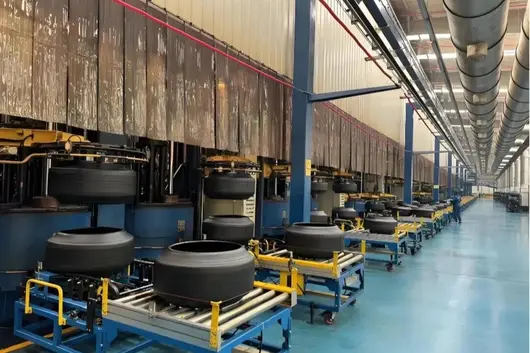
由 8 月底開始,正新、瑪吉斯、三角、風神、中策等二十幾間輪胎企業,陸續發出 9 月調價函。
全鋼胎主流升幅 2%-3%,工程胎、內胎最高漲到 3%-5%,調價時間由 9 月 1 號一直排至月中下旬,部分特種胎 10 月先至漲價。

廠家畀出嘅理由都一樣:天然橡膠、炭黑、鋼絲簾線漲價,生產成本頂唔順。
原料上漲唔係空話。9 月 8 號嘅數據,泰國 20#標膠山東現貨一日大漲 2.37%。
估計顯示,半鋼胎原料成本同比升近 20%,全鋼胎升幅亦都差唔多。同樣嘅成本壓力,結果卻完全唔一樣。
全鋼廠敢抱團加價,半鋼胎企業只係觀望,唔敢輕易調高出廠價。
核心原因好簡單:半鋼胎三大市場——出口、原車配套、替換市場,出口同原配兩個渠道雙雙遇冷,替換市場根本撐唔起加價。

搶出口紅利透支,歐盟市場直接斷崖下滑
出口曾經係國內半鋼胎增長嘅主力,連續多年增長。但係受歐盟對華乘用車輪胎反傾銷調查影響,2025 年半鋼胎全年出口第一次出現下滑。
歐盟取消初裁、直接進入 7 月終裁,畀國內輪胎廠留出一段窗口期。2026 上半年,唔少工廠抓緊時間往歐盟集中出貨,搶喺終裁落地前多出口,直接推高上半年出口數據,2 月累計同比增長 8.42%。
但係這種提前出貨,本質就係透支後面嘅訂單。紅利一過,出口後勁即刻跟唔上。到 7 月份,國內半鋼胎出口同比大跌 15.76%,累計數據直接轉負。
尤其係對歐盟出口,7 月同比暴跌 73.70%!歐盟係我哋半鋼胎最重要嘅海外市場,呢個巨大缺口,中東、東南亞其他地區嘅增量根本補唔上。再加中東局勢緊張,海外生意越來越難做。

新車銷量下滑,配套訂單跟著縮水
半鋼胎原配市場,完全跟住乘用車銷量走。乘聯會 8 月數據:國內乘用車零售 162.6 萬輛,同比跌咗 19%;新能源乘用車零售 106.9 萬輛,同比下降 4%。新車大盤明顯走弱,車企採購輪胎嘅配套訂單自然跟住縮水。
出口、原配兩大渠道同時承壓,大量產能只能回流到國內替換市場。
貨變多、需求唔漲,市場內捲更嚴重。
呢種情況下邊個敢隨便加價?一加價,經銷商、客戶好容易就跑去競品嗰邊去。
利潤越壓越薄,行業洗牌加速
原料價格一路走高,但下游需求接唔住加價,利潤空間被一點點食咗。
全鋼胎下游係貨運車隊,對加價嘅接受度更高,加上市場供需相對健康,廠家先至有底氣集體發加價函。

反之半鋼胎,海外出口受挫、國內新車配套疲軟,替換市場庫存多、競爭慘烈,廠家只係自己硬頂原料上漲嘅成本。
總結這一輪原料加價潮,輪胎行業出現明顯分化:全鋼胎帶頭加價,半鋼胎陷入“成本大漲、需求疲軟、唔敢提價”嘅困境。
歐盟反傾銷重創出口,國內新車銷量下滑,兩大核心渠道受挫,多餘產能擠入替換市場,價格戰停唔到。
短期嚟講,半鋼胎想加價難度好大,企業利潤持續承壓;長期嚟講,行業兩極分化會越來越嚴重。
規模大廠抗風險能力更強,那些高度依賴出口嘅中小輪胎廠,接下來日子會更難。半鋼賽道嘅洗牌,已經開始咗。

In the SUV market in Malaysia, many buyers compare Honda HR-V and Subaru Forester when choosing a car. These two cars are quite close in price and positioning. Today, we will make a detailed comparison from multiple aspects to help you save time on research.
Honda HR-V's OTR price in Malaysia is RM 115,900 - 143,900, with a total of 4 versions, including 2026 e:HEV 1.5L RS (RM 143,900), 2026 1.5T V (RM 137,900), 2026 1.5T E (RM 130,900), etc.
Subaru Forester's OTR price in Malaysia is RM 174,000 - 197,000, with a total of 3 versions, including 2024 2.0L S EyeSight GT Edition (RM 189,538), 2024 2.0L S EyeSight (RM 177,538), 2024 2.0L L EyeSight (RM 167,538), etc.
In terms of price, the starting price of Honda HR-V is indeed RM 58,100 cheaper than Subaru Forester. If your budget is limited, Honda's entry-level version can already meet daily needs. However, note that the lower price by a few thousand ringgit might involve trade-offs in features, depending specifically on your needs.

Honda HR-V's safety rating is 5★ (ASEAN NCAP), active safety systems include Honda SENSING (ACC, CMBS, LKAS, RDM).
Subaru Forester's safety rating is 5★ (Euro NCAP), active safety systems include EyeSight.
In terms of safety features, both cars have received good ratings. However, there are some differences in functionality between Honda HR-V's Honda SENSING (ACC, CMBS, LKAS, RDM) and Subaru Forester's EyeSight. If you value active safety more, you can carefully compare the feature lists of both.
Honda HR-V adopts FWD drive mode.
Subaru Forester adopts FWD drive mode.
The drive modes of both cars are the same, both are FWD, so there won't be much difference in daily driving experience.

Honda HR-V warranty 5 years/unlimited mileage, maintenance interval every 10,000km or 6 months.
Subaru Forester warranty 3 years/100,000km, maintenance interval every 10,000km or 6 months.

Overall, Honda HR-V and Subaru Forester are both excellent models in the Malaysian market. Which one to choose mainly depends on your personal needs and budget. We suggest doing your research, comparing quotes from several car dealerships, and then test driving to make the final decision. Buying a car is a big matter, spending some time on research is never wrong.


喺馬來西亞嘅 SUV 市場,好多買家喺揀車嘅時候都會拿本田 CR-V 同 豐田 Yaris Cross 嚟做比較。呢兩款車喺價錢同定位上都幾接近,今日我哋就從多個方面做一個詳細嘅比較,幫你攞返做功課嘅時間。
本田 CR-V 喺馬來西亞嘅 OTR 售價係 RM 178,200 - 195,900,一共有 4 個版本,包括 2026 e:HEV 2.0L 2WD RS(RM 195,900)、2026 1.5T 4WD V(RM 181,900)、2026 e:HEV 2.0L 2WD E(RM 178,200) 等。
豐田 Yaris Cross 喺馬來西亞嘅 OTR 售價係 RM 99,900 - 109,900,一共有 2 個版本,包括 2026 1.5L Standard(RM 99,900)、2026 HEV 1.5L Standard(RM 109,900) 等。
從價錢睇落,豐田 Yaris Cross 嘅起步價比 本田 CR-V 平咗 RM 78,300。講真,喺呢個價位段,幾千蚊嘅差距其實唔算大,關鍵仲係睇整體嘅性價比同 長期使用成本。
本田 CR-V 配備 2.0L 4-cyl,馬力 170 hp。官方油耗 8.0 L/100km。
豐田 Yaris Cross 配備 1.5L 4-cyl,馬力 105 hp。官方油耗 6.0 L/100km。
動力方面,本田 CR-V 嘅 2.0L 4-cyl 比 豐田 Yaris Cross 嘅 1.5L 4-cyl 多咗 65 匹馬力,中段加速更有信心,尤其係跑高速公路超車嘅時候。唔過 豐田 Yaris Cross 嘅油耗可能更抵,日常市區通勤分別唔會太大。
本田 CR-V 嘅安全评分係 5★ (ASEAN NCAP),主動安全系統包括 本田 SENSING (ACC, CMBS, LKAS, RDM)。
豐田 Yaris Cross 嘅安全评分係 5★ (ASEAN NCAP),主動安全系統包括 TSS。
呢兩款車嘅安全评分一樣,喺呢個級別入面安全配備都算好齊全。而家嘅新車安全性都唔錯,唔使太擔心呢一點。
本田 CR-V 車身長 4500 mm,後備箱 450 L。
豐田 Yaris Cross 車身長 4400 mm,後備箱 400 L。
空間方面,本田 CR-V 嘅車身比 豐田 Yaris Cross 長咗 100 mm,車內乘坐空間會稍微寬敞啲,尤其係後座腿部空間。如果你經常載家人或者需要放嬰兒車,大一點嘅車身確實更實用。

本田 CR-V 採用 FWD 驅動方式。
豐田 Yaris Cross 採用 FWD 驅動方式。
呢兩款車嘅驅動方式一樣,都係 FWD,日常駕駛感受唔會有太大區別。

總而言之,本田 CR-V 同 豐田 Yaris Cross 都係馬來西亞市場好唔錯嘅車型。揀邊輛,關鍵仲係睇你嘅個人需求同預算。建議大家做好功課,多比較幾間車行嘅報價,先至去試駕做最終決定。買車係件大事,花啲時間做功課絕對無錯。

喺馬來西亞嘅 SUV 市場,好多買家喺揀車嘅時候都會拿 Honda HR-V 同 Subaru Forester 來做比較。這兩款車喺價錢同定位上都幾接近,今日我哋就由多個方面做一個詳細比較,幫你省下做功課嘅時間。
Honda HR-V 喺馬來西亞嘅 OTR 售價係 RM 115,900 - 143,900,合共 4 個版本,包括 2026 e:HEV 1.5L RS(RM 143,900)、2026 1.5T V(RM 137,900)、2026 1.5T E(RM 130,900)等。
Subaru Forester 喺馬來西亞嘅 OTR 售價係 RM 174,000 - 197,000,合共 3 個版本,包括 2024 2.0L S EyeSight GT Edition(RM 189,538)、2024 2.0L S EyeSight(RM 177,538)、2024 2.0L L EyeSight(RM 167,538)等。
由價錢睇,Honda HR-V 嘅起價真係比 Subaru Forester 平咗 RM 58,100。如果你預算有限,Honda 嘅入門版已經可以滿足日常需要。但都要留意,平嗰幾千蚊,喺配備上可能會有取舍,具體視乎你嘅需要。
Honda HR-V 車身長 4500 mm,行李廂 450 L。
Subaru Forester 車身長 4400 mm,行李廂 400 L。
空間方面,Honda HR-V 嘅車身比 Subaru Forester 長咗 100 mm,車內乘坐空間會較寬裕一些,尤其係後座腿部空間。如果你經常載家人或者需要放 BB 車,車身大啲真係更實用。
Honda HR-V 採用 FWD 驅動方式。
Subaru Forester 採用 FWD 驅動方式。
兩款車嘅驅動方式一樣,都係 FWD,日常駕駛感受唔會有太大分別。
Honda HR-V 同 Subaru Forester 都係馬來西亞市場嘅主流選擇,適合家庭使用、日常通勤。如果你更看重品牌口碑同二手價,可以優先考慮口碑更好嗰一款;如果你更在意性價比同配備,就揀配備更豐富嗰款。最終都係建議兩部都去試駕,親自體驗先係最重要嘅。
總括嚟講,Honda HR-V 同 Subaru Forester 都係馬來西亞市場好唔錯嘅車型。揀邊部,關鍵係要睇你嘅個人需要同預算。建議大家做足功課,多比較幾間車行嘅報價,再去試駕做最終決定。買車係件大件事,花啲時間做功課絕對唔會錯。
Leapmotor has released its 2026 mid-year performance report. Net profit of 210 million yuan, revenue of 38.11 billion yuan, gross margin of 11.7%, cash on hand of 38.59 billion yuan, global deliveries of 356,487 units — if looking only at these figures, you might feel this is a standard report card from a mainstream automaker.

But when viewed together, the story is different.
This is Leapmotor's third consecutive half-year of profitability. Among new force players, few have achieved this. Meanwhile, Leapmotor's deliveries grew 60.8% year-over-year, firmly holding the top spot in sales among Chinese new forces. In the first 5 months of 2026 with published data for comparable terminal registrations, Leapmotor ranked fourth among global new energy passenger car brands — only players like BYD, Tesla, and Geely are ahead.
Do you remember how the industry evaluated Leapmotor a few years ago? Outsiders, half-price Li Auto, price butcher. Looking back now, those labels didn't actually hit the key points. What Leapmotor truly did was find a path of its own: full-domain in-house research to control costs, precise product definition positioning, rapid channel penetration, and returning every saved penny to users. It doesn't seek attention in the busiest battlefield, but every step lands where others pay little attention.
This half-year report is worth breaking down.
Sales and Profitability, Leapmotor Wants Both
First, let's look at sales. 356,487 units, first among new forces, up 60.8% year-over-year. The value of this achievement lies not in the numbers themselves, but in its structure — it's not propped up by a single hit product, but the combined strength of the entire product matrix.

From 60,000 to 300,000, from sedans to SUVs to MPVs, from pure EV to range extender — the A series holds the 100,000 RMB essential market, the B series brings high-end configurations like 800V high-voltage fast charging and dual zero-gravity seats to young users, the C series covers the 120,000-180,000 RMB mainstream home interval, and the D series pulls the average price above 300,000 RMB, taking the brand upwards towards premium. Systematically covering all price points and categories, in the new force camp, Leapmotor is the first.
But the product matrix is just the surface, the real underlying capability is full-domain in-house research. Breaking it down, there are three layers of logic.
First, manufacturing core components in-house. Three-electric systems, domain control, and intelligent driving chip solutions are all self-developed, which means eating the supplier margin layer oneself. This logic is so simple it's almost boring, but it is the fundamental reason Leapmotor can still retain profit margins at the 100,000 level.
Second, one architecture supports a fleet of cars. LEAP 4.0 central domain control architecture launched on D19, dual Snapdragon 8797 chips, cabin-driving integration, one brain controlling all vehicle intelligence, and computing power can also be dynamically allocated between different scenarios. But more importantly, this capability is rolled down from top to bottom — urban pilot assist drive has been opened to full ABCD series and Lafa5, and in Q3, national urban pilot will be pushed to LEAP 3.0 models.
Translated into user language, it's one sentence: a 100,000 RMB car can also have flagship-level intelligent experience. For the enterprise, R&D investment of 2.317 billion yuan is one-time, spread across A10 and D19 is two separate accounts — R&D expenses are diluted by scale, this is the real friend of gross margin.
Third, the product matrix implemented a dual line of 'protect volume + protect price'. C10/C11/C16 hold the 120,000-180,000 RMB base, totaling over 30,000 in June. C11 cumulative sales 350,000 units, it's a perennial tree in the niche market. D19 and D99 lift the average price upwards. D19 launched, 15 days pre-orders broke 15,000, continued champion of large SUV sales within 400,000 RMB. D99 first batch order average price already broke 300,000 yuan. One end for volume, one end for price lift, gross margin structure is quietly pushed up this way.
This is exactly the underlying logic of Leapmotor: good but not expensive — not by sacrificing configurations to reduce costs, but by controlling costs through in-house research and turning saved money into configurations.
Next, look at profitability. Consecutive half-year profitability, gross margin 11.7%, revenue reached historical high — placed together, these numbers mean Leapmotor's business model has been validated. The most questioned aspect of new force car manufacturing these years is rising sales but no profit.
Leapmotor's answer is: combining scale, in-house research, and efficiency, making gross margin positive, then thickening cash flow. The 38.59 billion yuan cash on hand is its confidence to continue investing in R&D and globalization.
Going Global, Leapmotor is Serious
If sales and profitability are Leapmotor's domestic report card for this half year, the overseas market is the second chapter it quietly wrote, and the section is quite large.

First half overseas deliveries 96,294 units, continuing to grow quarter-over-quarter, nearly doubled. Italy pure EV market share over one-quarter, ranking first in local pure EV sales continuously. In the first half, sales leading among Chinese brand EVs in Germany. Ranked third in UK Chinese brand pure EV retail. Entered Mexico in Q2, opening the North American market. Globally covering over 45 international markets, establishing over 1000 sales and service outlets.
More noteworthy is the progress of localized production. In Malaysia, C10 is already mass-produced, B10 follows in Q3. In Spain, B10 starts production in Q3. In Brazil, Stellantis's Goiania plant is selected as the localized assembly base.
This is no longer just selling cars overseas, but rooting overseas. Deep cooperation with Stellantis gives Leapmotor ready-made channels, factories, and localized capabilities overseas. The performance of 96,294 units in overseas sales in the first half is evidence that this approach is working.
Leapmotor's global path is consistent with its logic for the domestic market: not seeking the loudest name, first finding that 'not yet fully competed' position, then standing firm with efficiency and cost advantages. Just like it found a gap in the 100,000-200,000 RMB market back then, today it found the same position in Europe's affordable EV market — where it happens to be the interval where European local car makers find it hardest to make money and most want to exit.
Leapmotor effectively translated the 'cost + efficiency' model verified domestically to the global scale.
At the end of the half-year report, an easter egg is buried: Leapmotor will hold an annual technical conference in September, releasing intelligent driving world models reaching the industry's top tier level and the latest achievements in the three-electric field. The story of full-domain in-house research is still being written downwards.
Looking back at this half year, what Leapmotor did right is actually very simple: control costs to the extreme, define products accurately, position channels fully, and put eyes on the global. No flashy marketing jargon, no earth-shattering price wars, just step-by-step solidifying the four characters 'Good and Not Expensive'.
Consecutive profitability, new force sales champion, global top four — behind these milestones is the same logic: when others are competing in the busiest battlefield, Leapmotor chooses to practice fundamentals to the extreme, then quietly wins on every underestimated track.
This might be the most worthy place for the industry to think about Leapmotor's half-year report.

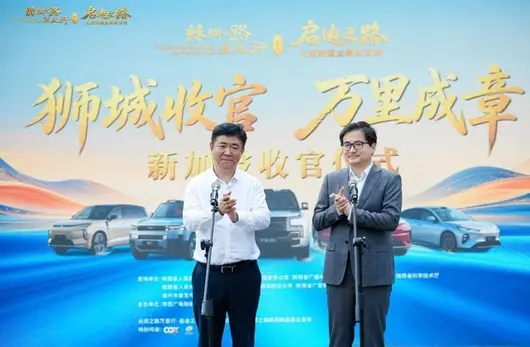
On August 25, the "2026 Silk Road 10,000 Li Journey · Enlightenment Path", for which BYD served as the official travel partner, concluded successfully in Singapore. Li Yunfei, General Manager of Group Brand and Public Relations at BYD, and Zhang Lianye, Chairman of Shaanxi Broadcasting and Television Media Group, jointly announced the conclusion of the event.

With the theme "Technology Towards New, Civilization Towards Heart", the convoy lasted 33 days and traveled over 10,000 kilometers, spanning six provinces in China, crossing Thailand and Malaysia, finally arriving in Singapore. The BYD Dynasty, Ocean, Denza, Fang Cheng Bao, and Yangwang four brands formed a new energy vehicle convoy, completing driving in multiple scenarios including highways, mountainous areas, and urban congestion. Supercharging and the God's Eye assisted driving system withstood the 10,000-mile real-world test. The supercharging capability of "5 minutes to charge well, 9 minutes to charge full" relies on a network of nearly 10,000 supercharging stations to solve long-distance energy replenishment challenges.

Green energy accompanies the long journey along the Silk Road. From Xi'an to Singapore, the scene of ancient Silk Road camel caravan relay stations is evolving into a modern expedition empowered by technology. As of July 2026, BYD has ranked first in total sales of all passenger car brands in Singapore for 19 consecutive months. From January to July, the market share reached 24.7%, and the pure electric share reached 40.3%. From January to July 2026, BYD's overseas cumulative sales exceeded 970,000 units, with a year-on-year growth of approximately 76%. New energy vehicles have entered over 120 countries and regions worldwide.


喺馬來西亞嘅 SUV 市場,好多買家喺揀車嘅時候都會拿本田 HR-V 同馬自達 CX-3 嚟比較。呢兩款車喺價錢同定位上都幾接近,今日我哋就從多個方面做一个詳細嘅比較,幫你節省做功課嘅時間。
本田 HR-V 喺馬來西亞嘅 OTR 售價係 RM 115,900 - 143,900,合共有 4 個版本,包括 2026 e:HEV 1.5L RS(RM 143,900)、2026 1.5T V(RM 137,900)、2026 1.5T E(RM 130,900) 等。
馬自達 CX-3 喺馬來西亞嘅 OTR 售價係 RM 126,159 - 139,159,合共有 2 個版本,包括 2023 2.0L High(RM 139,159)、2023 2.0L Plus(RM 126,159) 等。
從價錢嚟睇,本田 HR-V 嘅起步價確實比馬自達 CX-3 平咗 RM 10,259。如果你預算有限,本田嘅入門版已經可以滿足日常需要。但都要留意,平嗰幾千蚊,可能喺配備上會有取舍,具體要睇你嘅需要。
本田 HR-V 車身長 4500 mm,行李箱 450 L。
馬自達 CX-3 車身長 4500 mm,行李箱 450 L。
兩款車嘅尺寸幾乎一樣,車內空間分別唔大。呢個級別嘅車,日常使用完全夠用。
本田 HR-V 採用 FWD 驅動方式。
馬自達 CX-3 採用 FWD 驅動方式。
兩款車嘅驅動方式一樣,都係 FWD,日常駕駛感受唔會有太大分別。
本田 HR-V 同馬自達 CX-3 都係馬來西亞市場嘅主流選擇,適合家庭使用、日常通勤。如果你更重視品牌口碑同二手價,可以優先考慮口碑更好嗰款;如果你更在意性價比同配備,就揀配備更豐富嗰款。最後都建議兩款都去試駕,親身體驗先至最重要。

總體嚟講,本田 HR-V 同馬自達 CX-3 都係馬來西亞市場幾唔錯嘅車型。揀邊一部,關鍵都要睇你嘅個人需要同預算。建議大家做好功課,多比較幾間車行嘅報價,先去試駕做最後決定。買車係件大事,花少少時間做功課絕對唔會錯。

In the Malaysian SUV market, many buyers compare Honda HR-V and Toyota Corolla Cross when choosing a car. These two cars are quite close in price and positioning, today we will make a detailed comparison from multiple aspects to help you save time on research.
Honda HR-V OTR price in Malaysia is RM 115,900 - 143,900, with a total of 4 variants, including 2026 e:HEV 1.5L RS (RM 143,900), 2026 1.5T V (RM 137,900), 2026 1.5T E (RM 130,900), etc.
Toyota Corolla Cross OTR price in Malaysia is RM 133,800 - 148,800, with a total of 3 variants, including 2026 HEV 1.8L GR Sport (RM 148,800), 2026 HEV 1.8L Standard (RM 140,800), 2026 1.8L Standard (RM 133,800), etc.
From the price perspective, Honda HR-V starting price is indeed RM 17,900 cheaper than Toyota Corolla Cross. If your budget is limited, Honda's entry-level version can already meet daily needs. But also note, that few thousand difference might involve trade-offs in features, it depends on your specific needs.
Honda HR-V safety rating is 5★ (ASEAN NCAP), active safety system includes Honda SENSING (ACC, CMBS, LKAS, RDM).
Toyota Corolla Cross safety rating is 5★ (ASEAN NCAP), active safety system includes TSS (PCS, LDA, ACC, LTA).
The safety ratings of both cars are the same, safety equipment in this segment is quite comprehensive. New cars nowadays do not have poor safety, no need to worry too much about this.
Honda HR-V uses FWD drive system.
Toyota Corolla Cross uses FWD drive system.
Both cars have the same drive system, both are FWD, daily driving experience will not differ too much.
Honda HR-V warranty 5 years / unlimited mileage, maintenance interval every 10,000km or 6 months.
Toyota Corolla Cross warranty 5 years / unlimited mileage, maintenance interval every 10,000km or 6 months.
The warranty conditions of both cars are the same, no need to worry about this aspect. Actual maintenance costs also depend on the brand's service network and parts prices, it is suggested to ask real owners in car owner groups for experience.

Overall, Honda HR-V and Toyota Corolla Cross are both very good models in the Malaysian market. Which one to choose mainly depends on your personal needs and budget. Everyone suggests doing thorough research, compare quotes from several dealerships, then test drive to make the final decision. Buying a car is a major matter, spending time on research will definitely not be wrong.


The Future of Chinese Cars is the Global Car.
Author | Niu Li
Producer | Car Traveller
The 2026 Chengdu International Auto Show officially kicked off on August 21.
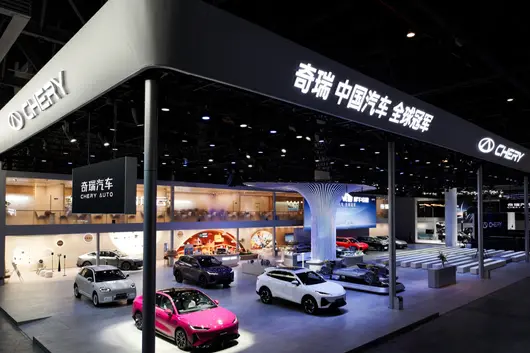
Chery and BYD were the only two automakers to occupy the entire pavilion at this year's auto show, which has become a popular topic of conversation.
On the facade of the Hall 5 occupied by Chery, the theme "Chinese Cars, Global Champions" was very prominent. At first glance, it might be unclear what it means, but when you walk into the exhibition hall and carefully finish viewing the brands, display cars, and technology exhibits brought by Chery, you will have a deeper understanding of this theme.
At this auto show, the Chery Group showcased a total of 38 models from its five brands: Chery, Exeed, Zongheng, Jetour, and iCAR.
From global models like Fengyun T7 and Arrizo 7, to the Rhino Battery and Kunpeng Power technology zones, and finally to the Ruixiang Ecosystem Space covering lifestyle, it can be said to be a panoramic presentation of Chery's more than twenty years of globalization accumulation.
When "Going Overseas" has become a collective keyword for the Chinese automotive industry, and when most automakers are still studying "how to sell cars abroad", Chery is already exploring deeper answers:
True globalization has never been about simply selling Chinese cars overseas; it is about building "Native Global Cars" that are oriented towards the global market in R&D, design, quality, and ecosystem.

From ranking first in Chinese brand passenger car exports for 23 consecutive years to joining the top ten global automakers in sales, Chery's globalization path provides a reference sample of long-termism for Chinese cars going overseas.
01
Native Global Car: Anchoring Global Standards from the First Day of R&D
"A true global car must be anchored globally from the start of R&D, not developed domestically first and then modified for export."
At the launch of this auto show, Li Xueyong, Executive Vice President of Chery Automobile Co., Ltd., explained Chery's understanding of global cars.
This sentence precisely pinpoints the core difference between Chery's globalization and the industry's common model.

For a long period in the past, Chinese automakers going overseas mostly adopted the path of "Localizing Domestic Models for Modification": completing the whole vehicle R&D targeting the Chinese market first, and then making regulation adaptation and configuration adjustments for the export market after launch.
This model has low R&D costs and a fast pace, but it naturally has the problem of "adaptation compromises"—chassis tuning, safety standards, and function design are all centered on domestic needs, making it difficult to fully meet the differentiated needs of overseas users.
And the "Native Global Car" strategy being promoted by Chery has reconstructed the R&D logic from the root.
As the first Native Global Car model of the Smart Electric Era, Fengyun T7 has thought and planned from the product definition stage from the perspective of the global market.

For example, at the regulation level, the team pre-researched safety and emission regulations in different parts of the world 2 years in advance, directly benchmarking the whole vehicle design against the 2026 Edition E-NCAP standards to avoid compliance risks later from the source;
At the user demand level, Chery surveyed more than 5,000 users globally, covering car usage scenarios in 15 typical countries, integrating body differences, driving habits, and usage preferences of different regions into the product definition in advance.
To adapt to the complex and diverse car usage environments globally, Fengyun T7 completed rigorous verification covering 7 major categories of extreme environments: 500mm off-road wading in the Southeast Asian rainy season, electronic equipment heat protection under Middle East high-temperature sun exposure, odor control in Indonesian high-humidity environments, wiper blade lifespan reinforcement in Siberian extreme cold weather, interior lighting optimization in Nordic polar nights, battery connector protection on Brazilian gravel roads, and durability noise verification on Mexican cobblestone roads.

Chery invested in 81 dedicated durability test vehicles for simultaneous road trials, with the whole vehicle cumulative test mileage exceeding 6 million kilometers, of which 1.45 million kilometers were dedicated durability actual tests, covering more than 100 extreme road condition environments such as the EU, Australia/New Zealand, Middle East, and South Africa.
It is precisely for this reason that Fengyun T7 was able to achieve a global simultaneous launch rhythm: launched first in South Africa and Thailand, landing in China and Indonesia markets in August, entering the EU in September, and covering Australia/New Zealand, UK, Malaysia and other regions successively in October. During the pre-sale phase, orders for this car exceeded 16,787 units in just 9 days, with users under 35 years old accounting for 65.2% and female users accounting for 35.7%, confirming the universal appeal of global native design to users in different markets.
Also following the logic of Native Global Cars is the Arrizo 7, making its global debut at this auto show.

As a landmark model in Chery's forward-looking development, the Arrizo series has been carrying Chery's global sedan dream since its birth in 2013. The first-generation Arrizo 7 was the first independent model in China to adopt the international common "V-shaped" forward-looking development process.
Now the all-new Arrizo 7 sets out again. From the first day of the project, it was positioned for global development and global adaptation, conducting R&D simultaneously around roads, climates, and car usage needs in more than 70 countries globally.
In design, the core language is "Momentum of Moving Water", transforming the Eastern philosophy of "The highest goodness is like water" into an aesthetic expression that global users can empathize with;
In terms of power, it offers two choices: Kunpeng Fuel and C-DM Super Power Electric Hybrid, with one car dual energy adapting to different countries' energy structures;
In terms of safety, it is designed according to global five-star standards, covering evaluation systems in multiple regions.
The return of Arrizo 7 is both the inheritance of Chery's forward-looking development genes and the extension of its Native Global Car strategy to the sedan category.
02
Oriental Design Breaking Boundaries: Chinese Cultural Expression in Global Aesthetics
If native R&D is the underlying skeleton of global cars, then design and cultural identity are the soul of global cars.
A true global car must not only meet global regulations and quality standards, but also trigger resonance among global users at the aesthetic and emotional levels. In this regard, Chery has taken a path of "Oriental Originality, Global Resonance" in design.
The Fengyun A9, which appeared side-by-side at this auto show, is a typical representative of this path.
This model, positioned as a long-range Smart Beauty Coupe, takes "Lingfeng Aesthetics" as the design core, integrating the introversion and tension of Oriental aesthetics into the whole vehicle shape, and won the 2026 German Red Dot Product Design Award with its highly original design language.

In the current industry trend where everyone follows cloning and excessively pursues exaggerated shapes, Fengyun A9 used highly confident Oriental original design to get backing from international top design authorities.
Behind this is the transformation of the role of the Chinese automotive industry: In the past, we were participants in global manufacturing, following overseas design standards; now, Chery is becoming one of the definers of global design trends, using modern expressions of Oriental aesthetics to influence global car aesthetics.
If Fengyun A9 is the upward breakthrough in high-end design, then the all-new QQ3 is the global empathy of mass culture.
In the history of the global automotive industry, small cars have never been just transportation tools, but cultural symbols carrying emotional expression among young groups—Europe has the Beetle and Mini Cooper, which transcend the product itself and become spiritual labels for young people of a generation. And in the process of Chinese cars going global, the QQ series is taking on such a role.
Even before the launch of the all-new QQ3, Chery Group Chairman Yin Tongyue stated at the launch event that he hoped QQ could become "China's Beetle, Mini Cooper".
Since its birth, the QQ series has accumulated 1.6 million users globally, and has become the first car for many young people with its affordable price and personalized shape.
After the launch of the all-new QQ3, domestic sales broke 10,000 for four consecutive months, and orders broke 10,000 in the first month after landing in Indonesia and Thailand markets, showing strong attraction across regions.
To meet users' personalized modification needs, Chery launched the QQ3 Modern Edition at this auto show. Taking retrofuturism as the concept, it fuses classic elements of a hundred years of automotive industry with the technological feel of the Smart Electric Era. Houndstooth interior, mirror chrome wheels, retro color block decals, this understanding of small car culture and empathy for young users knows no national borders.

From Fengyun A9's Oriental aesthetics winning international awards, to the QQ series becoming a cultural symbol for global young people, Chery is proving: Good design never needs to deliberately cater to one market. Standing on local culture and挖掘 human common aesthetics and emotions, it naturally wins the recognition of global users.
03
From "Going Out" to "Taking Root": Localization Philosophy of the 23-Year Export Champion
To measure an automaker's degree of globalization, it's not enough to just see how many cars were exported, but more importantly to see if it has truly integrated into the local market to become part of the local industry and society.
Chery has ranked first in Chinese brand passenger car exports for 23 consecutive years, and this relies not only on product power, but also on the localization business philosophy of "Wherever it is, for there, becoming a part of the locals".
Latest data shows that in July 2026, Chery Group exports reached 202,533 vehicles, a year-on-year increase of 70.1%, making it the first automaker in China to exceed 200,000 vehicles in a single month's export, equivalent to one Chery car being driven overseas every 16 seconds. From January to July 2026, Chery's cumulative exports reached 1,146,350 vehicles, a year-on-year increase of 71.2%, quickly breaking the million-unit level. As of the end of July, Chery's global cumulative car users have broken 20.16 million, among which overseas users exceed 6.99 million, with products sold to more than 130 countries and regions.
Behind the eye-catching sales figures is Chery's "Going Deep" globalization strategy.
Unlike many automakers' models centered on complete vehicle export, Chery has long completed the upgrade from "Product Going Overseas" to "Industry Going Overseas".
Currently, Chery's overseas employees have exceeded 20,000, with overseas factory local staff accounting for 85%, achieving full localization of talent, supply chain, and production.
In Spain, Chery rejuvenates local national car brands through joint venture factories, creating more than 1,000 local employment positions;
In South Africa, after the new factory officially started, it fully retained the original more than 690 employees and drove more than 3,000 employment opportunities up and downstream.
This deeply integrated local economic and social model makes Chery not just a "foreign brand that sells cars", but a participant and contributor to local industrial development.
It is precisely relying on this solid localization layout that Chery has continued to achieve breakthroughs in the global high-end market.
From January to June 2026, Chery's cumulative sales in Europe exceeded 174,000 vehicles, a year-on-year increase of 212%, among which new energy vehicle sales reached 86,000 vehicles, a year-on-year surge of 385%, with the new energy ratio approaching half.
In Spain, Chery's brand cumulative sales exceeded 50,000 vehicles, a year-on-year increase of more than 90% in the first half of 2026, ranking among the top three Chinese brands;
In the UK, Chery has consistently ranked second in the monthly sales total list for three consecutive months since March;
In Australia, Chery has maintained positive sales growth for 22 consecutive months, and the sales of some pure electric models are second only to Tesla Model Y;
In May 2026, Chery officially entered the Canadian market, becoming one of the first Chinese automakers to layout the North American market.
From emerging markets to Europe, America, and Australia developed markets, from complete vehicle export to local production, Chery has walked out a steady and stable globalization path in 23 years.
04
Quality and Technology Dual Support: The Confidence of Long-termism in Globalization
Of course, whether the path of globalization can be walked for a long time eventually has to return to the product and technology itself.
Global market competition, in the end, is a competition of quality and technology. Chery can stand firm in more than 130 countries, relying not on low-price strategies, but on product quality and technical strength that can withstand global market testing.
At the quality level, Chery's global quality has been repeatedly verified by authoritative institutions.
In June-August 2026, in the five core studies released by J.D. Power: New Vehicle Quality, Product Appeal, Buying Experience, After-sales Service, and Vehicle Reliability, Chery took the first place among all independent brands, becoming the only independent brand to take the "Five Grand Slam" in the year.
At the safety level, Chery has accumulated 71 models obtaining five-star safety certification in global markets such as China, Europe, Australia, and ASEAN, ranking first among Chinese brands in the number of five-star safety models.
Accumulating small steps, one can reach a thousand li.
These achievements were not blown out by marketing, but are polished and accumulated by on-site testing and verification of one car after another, and by grinding out point by point with global unified R&D and verification standards.
Chery has currently deployed 8 major R&D centers globally, building a R&D system covering the globe. Every global model must undergo extreme environment verification such as high temperature, extreme cold, plateau, and high humidity, using unified standards to guarantee that global users can obtain consistent quality experiences.
At the technology level, Chery is also continuously supplying ammunition for globalization.
The technical results exhibited at this auto show, such as Rhino Battery, Kunpeng Power, Flying Fish Digital Intelligent Chassis, etc., are a concentrated presentation of Chery's technology system.
Taking Rhino Battery as an example, breakthroughs were achieved in safety and energy density through technological innovations such as high enthalpy change separators, active defense electrolytes, and composite current collectors, and 400Wh/kg solid-state batteries have also entered the exhibition stage.

The Kunpeng Power system covers multiple technical routes of fuel, hybrid, and pure electric, and emerging technologies such as variable flux motors and axial flux dual motors continue to land. The continuous iteration of these underlying technologies provides solid support for the product power of Chery's global models.
It is precisely relying on the dual foundation of quality and technology that Chery's industry status in the global market continues to rise.
In January-June 2026, Chery Group's global sales share reached 4.1%, ranking ninth globally. In the list of the top ten global automakers in sales, Chinese automakers BYD, Geely, and Chery appeared for the first time, and Chery is the one with the highest degree of globalization and the deepest overseas layout among them.
Viewpoint:
The Future of Chinese Cars is the Global Car
Looking back from the new starting point of 20.16 million global users, Chery's more than twenty years of globalization path is exactly a microcosm of the Chinese automotive industry going overseas.
From initially earning foreign exchange through complete vehicle export, to later building factories for local operation, and now to Native Global Cars and global unified standards, Chinese cars' going overseas is moving from "Product Output" to a new stage of "Brand Output, Standard Output, Cultural Output".
And Chery has already grown into the complete appearance of a global enterprise:
8 major R&D centers covering the globe, a production and supply chain system rooted locally, a product matrix sold to more than 130 countries, and more than 20 million global users.
It is not just a Chinese automaker, but a true global automaker.
"Chinese Cars, More than Global Cars", this sentence placed on today's Chery, is no longer a slogan, but a fact that is happening.
It can be foreseen that with the continuous improvement of the overall strength of the Chinese automotive industry, and with the continuous perfection of Chery's globalization system, more native global cars like Fengyun T7 and Arrizo 7 will be driven to all corners of the world in the future, and as a pioneer on this road, Chery will also occupy a more important position in the new pattern of the global automotive industry.


喺馬來西亞嘅 SUV 市場,好多買家喺揀車嘅時候都會拿 Honda WR-V 同 MG MG HS 嚟做比較。這兩款車喺價位同定位上都好接近,今日我哋就由多個方面做一個詳細嘅比較,幫你省返做功課嘅時間。
Honda WR-V 喺馬來西亞嘅 OTR 售價係 RM 89,900 - 107,900,一共有 4 個版本,包括 2023 1.5L V(RM 99,900)、2023 1.5L E(RM 95,900)、2023 1.5L S(RM 89,900)等。
MG MG HS 喺馬來西亞嘅 OTR 售價係 RM 130,450 - 146,450,一共有 2 個版本,包括 1.5L Standard(RM 105,000)、1.5L Executive(RM 115,000)等。
由價錢嚟睇,Honda WR-V 嘅起步價確實比 MG MG HS 平咗 RM 40,550。如果你預算有限,Honda 嘅入門版已經可以滿足日常需求。但都需要注意,平嗰幾千蚊,可能喺配備上會有取舍,具體要看你嘅需求。

Honda WR-V 搭載 1.5L 4-cyl,馬力 105 hp。官方油耗 6.0 L/100km。
MG MG HS 搭載 1.5L Turbo,馬力 140 hp。官方油耗 7.0 L/100km。
動力方面,MG MG HS 嘅 1.5L Turbo 比 Honda WR-V 嘅 1.5L 4-cyl 多咗 35 匹馬力。不過日常喺市區開,兩款車嘅動力都夠用,唔會覺得唔夠力。

Honda WR-V 車身長 4400 mm,尾箱 400 L。
MG MG HS 車身長 4400 mm,尾箱 400 L。
兩款車嘅尺寸幾乎一樣,車內空間分別唔大。呢個級別嘅車,日常使用完全夠用。

Honda WR-V 採用 FWD 驅動方式。
MG MG HS 採用 FWD 驅動方式。
兩款車嘅驅動方式一樣,都係 FWD,日常駕駛感受唔會有太大分別。
Honda WR-V 同 MG MG HS 都係馬來西亞市場嘅主流選擇,適合家庭用車、日常通勤。如果你更睇重品牌口碑同二手價,可以優先考慮口碑更好嗰款;如果你更在意性價比同配備,那就揀配置更豐富嗰款。最終都係建議兩款都去試駕,親身試過先係最緊要。
總體嚟講,Honda WR-V 同 MG MG HS 都係馬來西亞市場幾唔錯嘅車型。揀邊一輛,關鍵都要睇你嘅個人需求同預算。建議大家做足功課,多比較幾間車行嘅報價,再去試駕做最終決定。買車係一件大事,花少少時間做功課絕對唔會錯。


In Malaysia's SUV market, many buyers compare the Honda WR-V and Chery Tiggo 7 PHEV when choosing a car. These two cars are quite close in price and positioning. Today we will make a detailed comparison from multiple aspects to help you save time on research.
The OTR price of the Honda WR-V in Malaysia is RM 89,900 - 107,900, with a total of 4 versions, including 2023 1.5L V (RM 99,900), 2023 1.5L E (RM 95,900), 2023 1.5L S (RM 89,900) etc.
The OTR price of the Chery Tiggo 7 PHEV in Malaysia is RM 129,750 - 129,750, with a total of 2 versions, including 2025 1.5T 90km CSH (RM 129,750), What charging methods does the Tiggo 7 PHEV support? Can it be charged using a home power socket? (RM 117,478) etc.
From a price perspective, the Honda WR-V's starting price is indeed RM 39,850 cheaper than the Chery Tiggo 7 PHEV. If your budget is limited, the Honda entry-level version is already sufficient for daily needs. However, note that the few thousand dollars saved may involve compromises on features, depending on your needs.
The Honda WR-V is equipped with a 1.5L 4-cyl, 105 hp. Official fuel consumption 6.0 L/100km.
The Chery Tiggo 7 PHEV is equipped with Hybrid, 170 hp. Official fuel consumption 4.5 L/100km.
In terms of power, the Chery Tiggo 7 PHEV's Hybrid has 65 hp more than the Honda WR-V's 1.5L 4-cyl. However, for daily driving in the city, the power of both cars is sufficient, and you won't feel underpowered.
The Honda WR-V body length is 4400 mm, trunk 400 L.
The Chery Tiggo 7 PHEV body length is 4400 mm, trunk 400 L.
The dimensions of both cars are almost the same, and the interior space is not very different. Cars of this class are fully sufficient for daily use.
The Honda WR-V warranty is 5 years/unlimited mileage, maintenance interval every 10,000km or 6 months.
The Chery Tiggo 7 PHEV warranty is 3 years/100,000km, maintenance interval every 10,000km or 6 months.

Overall, both the Honda WR-V and Chery Tiggo 7 PHEV are very good models in the Malaysian market. Which one to choose depends mainly on your personal needs and budget. We suggest doing your research, comparing quotes from several car dealerships, and test driving before making the final decision. Buying a car is a major matter, spending some time doing research will never be wrong.

In Malaysia's SUV market, many buyers compare the Honda WR-V and Chery Tiggo 8 Pro when choosing a car. These two cars are quite close in price and positioning. Today, we will do a detailed comparison from multiple aspects to help you save time on research.
The Honda WR-V OTR price in Malaysia is RM 89,900 - 107,900, with a total of 4 versions, including 2023 1.5L V (RM 99,900), 2023 1.5L E (RM 95,900), 2023 1.5L S (RM 89,900) etc.
The Chery Tiggo 8 Pro OTR price in Malaysia is RM 159,750 - 159,750, with a total of 2 versions, including 1.6L Turbo Standard (RM 130,000), 1.6L Turbo Premium (RM 145,000) etc.
From a price perspective, the starting price of the Honda WR-V is indeed RM 69,850 cheaper than the Chery Tiggo 8 Pro. If your budget is limited, Honda's entry-level version can already meet daily needs. However, the few thousand cheaper may involve trade-offs in features, depending on your specific needs.
Honda WR-V safety rating is 5★ (ASEAN NCAP), active safety system includes Honda SENSING.
Chery Tiggo 8 Pro safety rating is TBD, active safety system includes Basic.
Regarding safety features, both cars have received decent ratings. However, there are some differences in functionality between Honda WR-V's Honda SENSING and Chery Tiggo 8 Pro's Basic. If you value active safety, you can compare their feature lists carefully.
Honda WR-V body length 4400 mm, trunk 400 L.
Chery Tiggo 8 Pro body length 4400 mm, trunk 400 L.
The dimensions of both cars are almost the same, and the interior space is not significantly different. Cars in this class are fully sufficient for daily use.
Honda WR-V warranty 5 years/unlimited mileage, maintenance interval every 10,000km or 6 months.
Chery Tiggo 8 Pro warranty 3 years/100,000km, maintenance interval every 10,000km or 6 months.
Overall, the Honda WR-V and Chery Tiggo 8 Pro are both excellent models in the Malaysian market. Choosing which one mainly depends on your personal needs and budget. It is recommended to do your research, compare quotes from several car dealerships, and then test drive to make the final decision. Buying a car is a big matter, spending time on research will never be wrong.


