首頁XPeng G6

搜尋歷史
熱門搜尋
經銷商登入 / 註冊

喺馬來西亞嘅 SUV 市場,好多買家喺揀車嘅時候都會拿 Honda WR-V 同 Chery Tiggo 9 嚟做比較。這兩款車喺價位同定位上都幾接近,今日我哋就從多個方面做一個詳細嘅比較,幫你省下做功課嘅時間。
Honda WR-V 喺馬來西亞嘅 OTR 售價係 RM 89,900 - 107,900,一共有 4 個版本,包括 2023 1.5L V(RM 99,900)、2023 1.5L E(RM 95,900)、2023 1.5L S(RM 89,900) 等。
Chery Tiggo 9 喺馬來西亞嘅 OTR 售價係 RM 166,800 - 179,800,一共有 1 個版本,包括 2026 2.0T Standard(RM 179,750) 等。
由價錢睇落嚟,Honda WR-V 嘅起步價確實比 Chery Tiggo 9 平咗 RM 76,900。如果你預算有限,Honda 嘅入門版已經可以滿足日常需求。但都要留意,平嘅嗰幾千蚊,可能在配備上會有所取捨,具體就要睇你嘅需求。

Honda WR-V 配備 1.5L 4-cyl,馬力 105 hp。官方油耗 6.0 L/100km。
Chery Tiggo 9 配備 2.0L 4-cyl,馬力 170 hp。官方油耗 8.0 L/100km。
動力方面,Chery Tiggo 9 嘅 2.0L 4-cyl 比 Honda WR-V 嘅 1.5L 4-cyl 多咗 65 匹馬力。不過日常喺市區開,兩款車嘅動力都夠用,唔會覺得唔夠力。

Honda WR-V 保修 5 年/無限制里程,保養間隔 每 10,000km 或 6 個月。
Chery Tiggo 9 保修 3 年/100,000km,保養間隔 每 10,000km 或 6 個月。

Honda WR-V 同 Chery Tiggo 9 都係馬來西亞市場嘅主流選擇,適合家庭用途、日常通勤。如果你更看重品牌口碑同二手價,可以優先考慮口碑更好嗰一款;如果你更在意性價比同配備,就揀配置更豐富嗰款。最終都建議兩款都去試駕,親自體驗先至最緊要。

總體嚟講,Honda WR-V 同 Chery Tiggo 9 都係馬來西亞市場幾不錯嘅車型。揀邊一輛,關鍵都係睇你嘅個人需求同預算。建議大家做好功課,多比較幾間車行嘅報價,先至去試駕做最終決定。買車係一件大事,花少少時間做功課絕對唔會錯。


That August 1st sales quick report, I read it over and over again. Geely's total July sales reached 250,161 units, nothing unexpected; what really made me pause in front of my computer was the overseas data: exports of 106,663 units, up 202% year-on-year, rising month-on-month and year-on-month for 7 consecutive months, and reaching the 100,000 unit mark for two consecutive months.

Working in this industry for so long, you develop a feel for numbers. Previously when we talked about exports, it was assumed we just pull domestic surplus inventory to the Middle East or Africa to get blood back. But of Geely's 106,000 units this month, new energy vehicles accounted for 62,604 units, a proportion as high as 59%. What does this show? It shows what Geely sends overseas is no longer "surplus stock", but the "elite forces" currently fighting the main battle domestically.
The logic behind this deserves to be broken down and discussed thoroughly.
Model Matrix: No longer single-point explosions, but carpet-style deploymentI see many peers focusing on total sales volume. Actually, break it down by model dimension, you will find Geely's approach has changed. Previously relying on one car to rule the world, now it is rising simultaneously in various sub-segments.

Taking Star Wish (EX2) as an example, it took first place in Thailand's pure electric market in June, pushing BYD Atto 3 aside. This car looks unremarkable domestically, but in Southeast Asia's congested, high-temperature, cost-performance-focused markets, it is simply a dimensional strike. Even more incredibly, this car entered the top two in Brazil and Mexico. An A0-level small car can gain volume simultaneously in Southeast Asia and Latin America with completely different usage scenarios. This is definitely not luck, but right product definition.
Look at Starship 7 EM-i (EX5 EM-i), this car took C-level PHEV first place in Poland. Europeans are shrewd, high fuel prices, inconvenient charging, PHEV is indeed the optimal solution at this stage. Geely taking the domestic Thor Electric Hybrid technology over there, just cut right into the pain points.
Lynk & Co 08 and Zeekr need not be mentioned. Lynk & Co 08 entering the top three in premium plug-in hybrids in a place like Mexico, which is the "heartland of American cars", Zeekr pressing BBA down in right-hand drive markets like Australia, Malaysia. This is no longer explainable by "cost-performance", this is substantive breakthrough in brand elevation. Previously we said Chinese cars going overseas is "encircle the cities from the countryside", now it looks like Geely wants to directly enter "the city" to open stores.
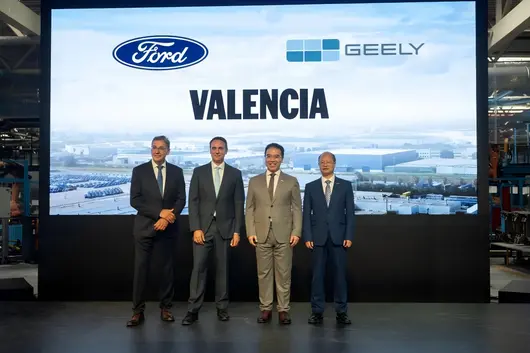
Valencia: This Move Carries More Weight Than 100,000 UnitsTo tell the truth, July sales volume is just the result, that big move Geely and Ford pulled off in Spain at the end of July is the key to deciding the pattern of the next three years.

Geely spent 221 million euros to buy 34% stake of Ford's Spanish Valencia factory. This money looks a lot, but in the background of building factories in Europe costing billions of euros, this is simply "rock-bottom price".
Why is this move so clever? We who work in industry all understand, the European market has always had a "glass door", that is that anti-subsidy tariff. Previously we made cars and sent them over, tariffs were so high it was shocking, price advantage instantly disappeared. Now Geely directly builds a joint venture factory in Spain, using Ford's idle capacity to make Geely cars. This trick of "borrowing a boat to go out", directly bypasses the tariff barriers.
More importantly, this factory was built in 1976, Ford has run it there for decades, supply chain, workers, union relations are all sorted out. Geely spending small money to do big things, not only gained capacity, but also gained the "ticket" to enter the EU market and "compliance credentials". Afterward, Europeans buying Geely cars, packaging might print "Made in Spain". This is not only a business victory, but survival wisdom under geopolitical games.
System Capability: From "Selling Cars" to "Outputting Systems"Having done auto reporting for so many years, I have seen too many companies fail miserably when going overseas. Previously many car manufacturers going overseas, just find an agent, send cars over, whether they sell well depends entirely on heaven. But Geely's current gameplay is "system overseas".
What is a system? It is "One Geely" strategic coordination. Geely, Lynk & Co, Zeekr three brands, positioning clearly divided, fighting each other not at all. Geely focuses on volume, Lynk & Co on quality, Zeekr on high-end. This multi-brand synergy is even more important overseas than domestically, because overseas dealers fear OEM left-right mutual fighting.

Looking deeper, it is technical foundation sharing. CMA, SEA these architectures, plus Thor Electric Hybrid, Shield Battery, all globally universal. This is like building blocks, base is universal, above can according to different country regulations, road conditions, consumer habits change shells. This development efficiency is what those still "one car one car redesign" competitors cannot compare with.
Past decade smashed in 250 billion R&D fees, now look, time for harvest has arrived.
Written at last: Don't just look at the spectacle, look at the essenceOf course, we also must be calm. Although Geely's momentum is fierce, challenges are still ahead. Before Valencia factory first car rolls out in 2028, union negotiations, production line renovation, EU certification, every gate is not easy. Moreover, Lynk & Co and Zeekr really entering Western Europe, facing Mercedes, BMW, Tesla these "local heavyweights", hard battles are still ahead.
But for us spectators, Geely's July 106,000 units, signal meaning already very clear. Chinese cars going overseas, already passed that "selling cars out is enough" untamed era, entered "manufacture locally, sell locally, service locally" system competition stage.
Later you see Zeekr on Sydney streets, or Starship 7 in Warsaw, likely not from Ningbo Port crossing ocean transported over, but European local factory roll-out products. This is true globalization, also Geely this wave operation most makes me feel "sophisticated" place.
This game of chess, Geely has only just started placing stones.

喺馬來西亞嘅 SUV 市場,好多買家喺揀車嘅時候都會拿 Honda WR-V 同 Chery Tiggo 7 PHEV 嚟做比較。這兩款車喺價位同定位上都好接近,而家我哋就從多方面做一個詳細嘅對比,幫你節省咗做功課嘅時間。
Honda WR-V 喺馬來西亞嘅 OTR 售價係 RM 89,900 - 107,900,一共有 4 個版本,包括 2023 1.5L V(RM 99,900)、2023 1.5L E(RM 95,900)、2023 1.5L S(RM 89,900)等。
Chery Tiggo 7 PHEV 喺馬來西亞嘅 OTR 售價係 RM 129,750 - 129,750,一共有 2 個版本,包括 2025 1.5T 90km CSH(RM 129,750)、支援邊種充電方法?可唔可以用家用電源插座充電?(RM 117,478)等。
從價錢嚟睇,Honda WR-V 嘅起步價確實比 Chery Tiggo 7 PHEV 平咗 RM 39,850。如果你預算有限,Honda 嘅入門版已經可以滿足日常需求。但都要注意,平嗰啲幾千蚊,可能喺配備上有取舍,具體要看你嘅需求。
Honda WR-V 嘅安全評級係 5★ (ASEAN NCAP),主動安全系統包括 Honda SENSING。
Chery Tiggo 7 PHEV 嘅安全評級係 TBD,主動安全系統包括 Basic。
安全配備方面,兩款車都拿到唔錯嘅評級。不過 Honda WR-V 嘅 Honda SENSING 同 Chery Tiggo 7 PHEV 嘅 Basic 喺功能上有少少差異,如果你比較重視主動安全嘅話,可以仔細對比下兩者嘅功能列表。
Honda WR-V 車身長 4400 mm,行李廂 400 L。
Chery Tiggo 7 PHEV 車身長 4400 mm,行李廂 400 L。
兩款車嘅尺寸幾乎一樣,車內空間差別唔大。呢個級別嘅車,日常使用完全夠用。
Honda WR-V 同 Chery Tiggo 7 PHEV 都係馬來西亞市場嘅主流選擇,適合家庭使用、日常通勤。如果你更看重品牌口碑同二手價,可以優先考慮口碑更好嗰款;如果你更在意性價比同配備,就揀配置更豐富嗰款。最終都係建議兩款都去試駕,親身體驗先係最重要嘅。

總體嚟講,Honda WR-V 同 Chery Tiggo 7 PHEV 都係馬來西亞市場幾唔錯嘅車型。揀邊一輛,關鍵都係睇你嘅個人需求同預算。建议大家做好功課,多比較幾間車行嘅報價,再去試駕做最終決定。買車係一件大事,花少少時間做功課絕對唔會錯。

In Malaysia's SUV market, many buyers compare Honda WR-V and Chery Tiggo 8 Pro when choosing a car. These two cars are quite close in price and positioning. Today we will do a detailed comparison from multiple aspects to help you save time on research.
Honda WR-V OTR selling price in Malaysia is RM 89,900 - 107,900, there are 4 versions in total, including 2023 1.5L V (RM 99,900), 2023 1.5L E (RM 95,900), 2023 1.5L S (RM 89,900) etc.
Chery Tiggo 8 Pro OTR selling price in Malaysia is RM 159,750 - 159,750, there are 2 versions in total, including 1.6L Turbo Standard (RM 130,000), 1.6L Turbo Premium (RM 145,000) etc.
From a price perspective, the starting price of Honda WR-V is indeed RM 69,850 cheaper than Chery Tiggo 8 Pro. If your budget is limited, Honda's entry-level version can already meet daily needs. But also note, those few thousand dollars difference might have trade-offs in features, it depends on your specific needs.
Honda WR-V safety rating is 5★ (ASEAN NCAP), active safety systems include Honda SENSING.
Chery Tiggo 8 Pro safety rating is TBD, active safety systems include Basic.
Regarding safety features, both cars received good ratings. However, Honda WR-V's Honda SENSING and Chery Tiggo 8 Pro's Basic differ in functions. If you value active safety, you can compare the function lists of both carefully.
Honda WR-V uses FWD drive mode.
Chery Tiggo 8 Pro uses FWD drive mode.
Both cars have the same drive mode, both are FWD, daily driving experience will not have too much difference.
Honda WR-V warranty 5 years/unlimited mileage, maintenance interval every 10,000km or 6 months.
Chery Tiggo 8 Pro warranty 3 years/100,000km, maintenance interval every 10,000km or 6 months.
Overall, Honda WR-V and Chery Tiggo 8 Pro are both very good car models in the Malaysia market. Choosing which one depends mainly on your personal needs and budget. It is recommended to do research, compare quotes from several car dealerships, then go for a test drive to make a final decision. Buying a car is a big matter, spending some time on research will definitely not be wrong.

In the Malaysian SUV market, many buyers compare the Honda WR-V and Chery Tiggo 8 when choosing a car. These two cars are quite close in price and positioning. Today we will make a detailed comparison from multiple aspects to help you save time on research.
The OTR price for Honda WR-V in Malaysia is RM 89,900 - 107,900, with a total of 4 versions, including 2023 1.5L V (RM 99,900), 2023 1.5L E (RM 95,900), 2023 1.5L S (RM 89,900), etc.
The OTR price for Chery Tiggo 8 in Malaysia is RM 129,750 - 129,750, with a total of 1 version, including 2026 1.6T Standard (RM 129,750), etc.
From the price perspective, the Honda WR-V's starting price is indeed RM 39,850 cheaper than the Chery Tiggo 8. If your budget is limited, Honda's entry-level version can already meet daily needs. However, be aware that the lower price might come with trade-offs in features; it ultimately depends on your needs.
Honda WR-V's safety rating is 5★ (ASEAN NCAP), active safety systems include Honda SENSING.
Chery Tiggo 8's safety rating is TBD, active safety systems include Basic.
Regarding safety features, both cars have received good ratings. However, there are some differences in function between Honda WR-V's Honda SENSING and Chery Tiggo 8's Basic. If you value active safety highly, you can compare the feature lists of both carefully.
Honda WR-V body length 4400 mm, trunk 400 L.
Chery Tiggo 8 body length 4400 mm, trunk 400 L.
The dimensions of both cars are almost the same, with little difference in interior space. Cars of this class are more than enough for daily use.
Honda WR-V warranty 5 years/unlimited mileage, service interval every 10,000km or 6 months.
Chery Tiggo 8 warranty 3 years/100,000km, service interval every 10,000km or 6 months.

Overall, the Honda WR-V and Chery Tiggo 8 are both very good models in the Malaysian market. Which one to choose depends mainly on your personal needs and budget. It is recommended to do your research, compare quotes from several car dealers, and then test drive to make a final decision. Buying a car is a big deal, spending some time researching will never be wrong.

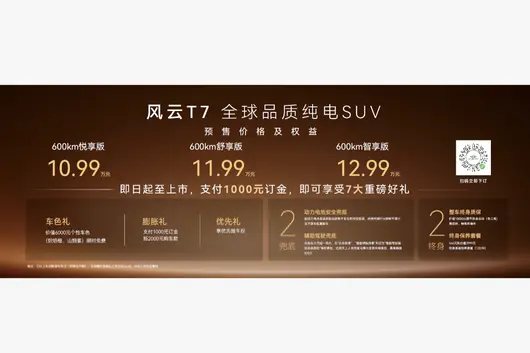
8 月 12 日,奇瑞風雲 T7 正式展開預售。發布會以"慢工造好車,久等咗"為主題,傳遞風雲 T7 秉持長期主義嘅造車理念,將一台面向全球家庭打造嘅安心純電 SUV,篤定地呈現在用戶面前。新車共推出 600km 悅享版、舒享版、智享版三款车型,預售指導價 10.99 萬—12.99 萬元,由即日起至上市期間支付 1000 元訂金,可享包含整車終身質保、1000 抵 2000 購車膨脹、500 萬智駕保障等喺內嘅 7 重預售權益。

全球品質,先出海再回國嘅硬核底氣
喺行業普遍追求"速成造車、快速迭代"嘅當下,風雲 T7 選擇咗一條截然不同嘅路徑:先出海,再回國。其同源車型 Lepas L6 已在南非預售發布、泰國正式上市,亮相米蘭設計周獲國際好評,後續仲會陸續登陸歐盟、澳新、英國、以色列等全球核心市場。這意味著風雲 T7 並非國內特供車型嘅簡單改款,而是從研發之初就錨定全球標準、全球實測、全球用戶、全球耐久、全球質造五大體系嘅真正全球車。

呢份底氣源自奇瑞深厚嘅全球化積澱。連續 23 年位居中國品牌乘用車出口第一,全球用戶突破 2000 萬,產品銷往 130 多個海外市場——奇瑞完整搭建咗全球研發、全球標準、全球驗證、全球品質一体化嘅造車體系。風雲 T7 正係呢套體系嘅最新成果,佢同步適配全球 210 個國家同地區嘅用車需求。

慢工細活,長期主義造車邏輯嘅生動注腳
"慢"係風雲 T7 最硬嘅底色。2 年策劃、3 年研發,按照 2026 版 E-NCAP 五星安全標準設計,功能安全達到 ASIL D 高等級;完成 5000+ 全球用戶調研、15 個典型國家深度走訪;81 台專屬耐久車同步路試,整車累計測試里程超 600 萬公里,耐久專項實測 145 萬公里,覆蓋 100 多種極限路況環境。

從 -40℃北歐極寒到 55℃中東酷暑,從巴西高減速坎到墨西哥鵝卵石路,從德國高速大曲率彎道到南非非鋪裝泥路——風雲 T7 幾乎跑遍咗地球上所有難走嘅路。北歐極寒工況下,雙源寬溫域熱泵+PTC 系統保障 -30℃穩定運轉;熱帶多雨地帶,涉水深度做到 500mm 越野級防水,遠超國標 150mm 嘅標準。呢啲睇唔到嘅投入,構成為風雲 T7"全球車快唔到一點"嘅真實原因。
六大剛需一次滿足,重塑家用電車價值標尺
風雲 T7 打破咗家用純電市場"長續航、高安全、大空間、強智駕、舒適操控"往往割裂分佈嘅行業慣例,用一台車完整覆蓋出行、安全、智能、舒享、駕控、顏值六大核心剛需。

全系標配 65.05kWh 犀牛電池,CLTC 續航 600km,實測可達 667km,反向虛標;30%—80% 快充僅需 22 分鐘,電池循環壽命超過 2500 次,整車 15 年無需更換電池。安全方面,80% 高強度鋼車身配合 18.84% 熱成型鋼,九橫五縱籠式車身結構,同級最多 9 個安全氣囊,犀牛電池採用 6D 鎖子甲 31 層防護,IP68 防水達國標 96 倍。智能方面,同級首發 4nm 製程 8775 艙駕一體芯片,72TOPS NPU 算力,獵鷹 500 智駕配備 22 顆高精度傳感器,支持 200+ 全場景自動泊車。舒享方面,4570×1852×1694mm 車身配合 2700mm 軸距,車內得房率高達 84%;9 層複合雲感座椅帶三檔加熱同通風,同級最大純平大床模式達 1955×1310mm,尾箱可擴展至 1550L。顏值方面,全球 8 大研發設計中心協同打造,6 款東方雅韻車漆搭配豪車級噴塗工藝,雲翼環抱簡約內飾通透高級。

寫喺最後
10.99 萬元起嘅預售價,疊加整車終身質保、500 萬智駕保障等 7 重權益,放喺"全球研發 +145 萬公里驗證 + 全系 600km 續航+4nm 8775 芯片 +9 氣囊"嘅組合入面,顯得克制而凶猛。風雲 T7 嘅正式預售,標誌住奇瑞喺全球純電市場嘅戰略布局進入新階段——喺純電競爭從堆料上半場走向品質下半場嘅今天,真正經得起全球千錘百煉嘅車,先配得上"家用"二字。慢工造好車,今次唔使再等太久。

Chery's automotive R&D and manufacturing system, built over the years, continues to yield results. The multi-brand strategy and the continuous launch of new energy vehicles have played an important role in its expansion of market share. Fengyun T7 has launched pre-sales. This pure electric SUV aimed at ordinary families has started a brand new market adventure with solid substance and attractive prices.

Fengyun T7 launches 3 models, the officially announced pre-sale price range is 109,900 yuan to 129,900 yuan. Chery simultaneously launched corresponding consumer benefits. From now until launch, paying a 1,000 yuan deposit allows enjoying 7 benefits, including car color gift, expansion gift, priority gift, etc., as well as power battery safety backstop, assisted driving backstop commitment. In addition, the whole vehicle lifetime warranty and lifetime maintenance package also enhance the product value of the life cycle.

Chery stated that the same-origin model Lepas L6 of this car has been launched in South Africa and Thailand, receiving recognition from overseas users. The car went through 2 years of planning and 3 years of R&D, developed according to the 2026 version E-NCAP five-star safety standard, endured tests of various complex road conditions overseas, and has distinct international characteristics.

Fengyun T7 provides 6 body colors and two-style interiors. Body dimensions are 4570x1852x1694 mm, wheelbase 2700 mm, compact stature, but high internal space efficiency, its trunk volume is 450 liters, containing 19 liters of privacy layer and 99 liters of sunken storage space. The vehicle provides 9-layer composite cloud-feel seats with heating and ventilation functions.
Fengyun T7 standard equip all series with 65.05kWh Rhinoceros Battery, CLTC range is 600 km, under fast charging mode, charging power from 30% to 80% takes 22 minutes. To meet strict domestic and international safety standards, the new car body uses 80% high-strength steel body + 18.84% hot-formed steel, equipped with 9 airbags. Rhinoceros Battery has 31 layers of protection, reaching IP68 waterproof rating.

Vehicle smart cockpit introduces 4nm 8775 chip, reaching 72TOPS NPU computing power. The new car is equipped with 15.6-inch 2.5K 1000nit anti-glare big screen, equipped with Lingxi Cockpit 2.0×Doubao large model, and provides scenario modes such as short nap, wake up, sentinel, baby, pet, camping, etc.
The new car's Falcon 500 intelligent driving is based on 22 high-precision sensors, can realize all-scenario automatic parking function, supports remote parking, car-off parking, 100-meter trace reverse, etc.

Relative to consumer's payment, Fengyun T7's return is quite considerable, at least on paper, it has a certain attraction in the same level market. In fact, in terms of product quality, Chery has never relaxed, in the process of core technology gradually maturing, its product strength improvement has been reflected in the comprehensive market performance.

8 月 12 日,全球品質純電 SUV 風雲 T7 正式開啟預售,本次預售發布會以“慢工造好車,久等了”為主題,傳遞風雲 T7 秉持長期主義嘅造車理念,以全球標準打磨產品、紮實造品質全球車嘅堅持,亦道出品牌對用戶長久期待嘅真誠感恩。新車共推出 3 款版型,預售指導價格為 10.99 萬元至 12.99 萬元,且享受 7 重購車權益。
當下全球汽車產業邁入“中國時間”,中國新能源智造持續領跑海外市場。依托奇瑞 23 年全球化技術積澱,風雲 T7 走出反向出海試煉路徑,拒絕行業速成造車思路,以全鏈路全球嚴苛標準打磨整車實力。圍繞品質生活六大核心新剛需,將顏值剛需、安全剛需、出行剛需、智能剛需、舒享剛需、安心剛需融為一體,打造全球品質純電 SUV,適配通勤、遠途、戶外、多人出行等多元場景。

顏值剛需丨全球審美融合東方雅韻,長效質感在線
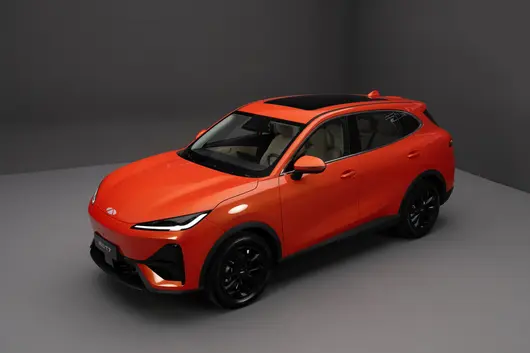
依托奇瑞 10 大全球設計中心,5000 余名海内外用戶全程共創,同源車型 Lepas L6 亮相米蘭設計周收獲國際認可,風雲 T7 融匯全球審美,顏值持久在線。馭風前臉、風塑緞帶車身、天際霞光尾門,平衡國際簡約審美與東方雅致氣韻。整車漆面標準同步海外嚴苛耐候要求,提供熾焰橙、山煙紫、雲粉米、流光銀、青竹灰、墨石黑 6 款配色。

內飾分溫暖黑棕、極夜黑曜兩種風格,雲翼環抱座艙搭配大面積軟包覆,鵝卵石懸浮揚聲器、菱格縫細節精緻;所有內飾皮革、密封條、塑料件唔易硬化褪色,常年使用依舊嶄新耐看,兼顧顏值同質感。

安全剛需 | 全域五星防護體系,全球路況全維度兜底
風雲 T7 對標 2026 版 E-NCAP 五星安全標準設計、功能安全 ASILD 最高等級。2 年策劃,3 年研發,共投入 81 台專屬耐久車同步路試,整車累計測試里程超 600 萬公里,耐久專項實測 145 萬公里,同時針對東南亞雨季、中東高溫暴曬、印尼高濕等多種全球多地域進行極限實車試煉。
車身採用 80% 高強度鋼、18.84% 熱成型鋼打造九橫五縱籠式車身,採用 Shotgun 結構、雙框副車架+Pack 防撞梁,鋼筋鐵骨保障乘員艙安全,前面 9 條 + 側面 6 條碰撞傳力路徑最大化分散碰撞能量,留存乘員生存空間;除此之外,仲搭載咗 9 個安全氣囊,包含 48L 雙腔遠端氣囊同後排側氣囊,360°全方位保護乘員安全。風雲 T7 全系搭載犀牛電池,超強 6D 防護構筑電池安全堡壘全方位抵禦擠壓、穿刺、衝擊,為動力電池構建多層立體安全屏障。面對夏季暴雨頻發,犀牛電池 IP68 防水為國標 96 倍,無懼雨季內澇、路面積水、戶外涉水,有效防止電池进水短路隱患。
出行剛需 | 全系 600km 續航平權,適配全球多元氣候工況
基於全球多地域能源與氣候需求,風雲 T7 實現續航配置全系平權,全系標配大容量犀牛電池 65.05kWh,CLTC 600km 續航,實測續航 667+km,“反向虛標”解決焦慮。電池 30% 充到 80% 只需 20 分鐘,一杯咖啡時間即可再次出發。

風雲 T7 搭載全域一體化熱管理雙源寬熱泵空調 + 高壓 PTC,北方用戶冬季都能放心開。-30°C-55°C 超寬溫域穩定運轉,低溫環境製熱更省電、高溫環境散熱更高效。配合全系標配嘅 AGS 智能進氣格柵與 14 項低風阻優化,高低速能耗更穩定。
智能剛需 | 艙駕一體 8775 晶片 一半懂你一半護你
新能源時代,無智能唔有品質。風雲 T7 搭載艙駕一體 8775 晶片,做到艙駕雙優,兩大域無縫協同,一半懂你,一半護你。該晶片具備 4nm 製程,72TOPS 高運算,響應僅需 80ms,開機提速 33%,開機速度更快、螢幕操作更滑順,智能交互響應更迅捷。
智能座艙方面,15.6 吋 2.5K 高清大屏畫面細膩真實,防眩光、抗反射、抗指紋,CarPlay、HUAWEI HiCar、CarLink 無線連接,覆蓋市面 99% 以上手機投屏,上車即可實現無縫互聯。靈犀智艙 2.0 帶來全能陪伴嘅夥伴,擁有小奇同學、東北老姨、抬杠大師、口語老師、故事大王、職業辯手六大真人感陪伴體驗。內置小憩、露營、寵物、醒神等六大場景模式,讓車真正成为懂你嘅移動空間。
風雲 T7 搭載獵鷹 500 駕駛輔助系統,集成 3 顆毫米波雷達、7 個高性能攝像頭、12 個超聲波雷達,總計 22 顆高精度傳感器(3R7V12U),看得遠、看得清、測得準。能夠 300+ 全場景自動泊車,行業覆蓋最全。斷頭路泊車、一鍵循跡倒車、跨樓層泊車等都能實現,從此告別“泊車難”,實現泊車自由。
舒享剛需 | 超大座艙空間 大師級底盤調校穩穩出行
整車尺寸 4570×1852×1694mm,軸距 2700mm,車內得房率 84%,後排純平地台,同級領先嘅 911mm 腿部空間,後排放倒拓展 1955mm 純平大床,常規後備箱 450L、拓展至 1550L,充足載物空間適配戶外穿越、多人結伴出行。

9 層雲感座椅,軟而不塌,久坐唔會累,另外座椅仲有通風加熱功能。加熱方面,實現 3 檔溫控調節,-20℃環境下,5 分鐘速加熱至 30℃,快速溫暖全身;座椅通風採用吸風設計,夏天後背唔會悶汗,滿足用戶嘅舒適需求。細節方面,風雲 T7 同樣可圈可點。全車 38 處巧思儲物空間,收納有序,盡享精緻生活。四個最大承重 300kg 嘅鉚環同兩個最大承重 3kg 嘅掛鉤,露營裝備、大件貨物都能牢牢固定。

舒適駕駛乘,唔離不開出色底盤嘅加持。風雲 T7 底盤由由瑪莎拉蒂前底盤調校專家領銜嘅國際化底盤團隊傾力打磨,50.8:49.2 黃金軸荷比能夠有效抑制轉向推頭、甩尾現象,提升過彎穩定性與直線行駛循跡性。早在 2009 年,奇瑞就自主設計咗中國第一台地面移動型雙軸 K&C 試驗台。26 年嘅設計功底賦能底盤性能,帶嚟更卓越嘅駕駛質感體驗。
從全球標準研發、全球審美設計、全球工藝製造,到全球路況驗證,風雲 T7 以全鏈路全球品質,樹立起純電 SUV 嘅價值標竿。它經歷世界淬煉,最終奔赴中國用戶,以顏值、出行、安全、智能、舒享、安心六大剛需嘅全滿足,回應品質家庭嘅所有期待。
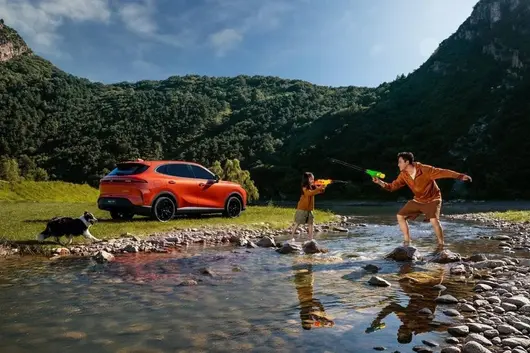

【車媒體丨新車】慢工出好車,久等咗!奇瑞風雲 T7 預售發布會嘅呢句口號,恰好擊中當下新能源行業最核心嘅矛盾:行業瘋狂內捲、速成造車氾濫,而奇瑞選擇沉住氣做一台真正經得住全球考驗嘅家用純電 SUV。當全球新能源賽道陷入「速產內捲」,唔少品牌追求快速上新、配置堆砌,卻忽略一台車跨越地域、歷盡時光考驗嘅底層質素。8 月 12 日,全球品質純電 SUV 風雲 T7 正式開啟預售,3 個版本預售指導價 10.99 萬 -12.99 萬,並推出 7 重購車權益。

倚靠奇瑞 23 年全球化技術積累,風雲 T7 走出一條唔同嘅反向出海試煉之路:先以全球標準研發,奔赴多元地域極限驗證,歷盡世界淬煉之後回歸國內市場。佢跳出單純參數競賽,圍繞當代家庭品質生活六大剛需,將全球造車標準落地家用場景,印證咗咩係「生而全球,淬煉而歸」。

長期主義造車:摒棄速成邏輯,以全球全鏈路標準打磨一台好車
如今,全球汽車產業邁入「中國時間」,中國新能源智造持續走向世界,但「出海」唔能只係停喺產品輸出,真正嘅全球車,要從研發源頭匹配全球嚴苛要求。唔同於行業短期快速迭代嘅思路,風雲 T7 堅守長期主義,歷時 2 年策劃、3 年研發,構建起一套覆蓋設計、試驗、製造、驗證嘅全鏈路全球標準體系。

項目投入 81 台專屬耐久試驗車同步展開路試,整車累計測試里程突破 600 萬公里,耐久專項測試達到 145 萬公里。研發團隊奔赴全球多地开展極限試煉,直面東南亞雨季潮濕、中東持續高溫暴曬、印尼高濕環境等複雜工況,喺多樣氣候與路況中持續優化整車穩定性。

倚靠奇瑞 10 大全球設計中心資源,聯合 5000 餘名海内外用戶共創,同源車型 Lepas L6 登陸米蘭設計周斬獲國際認可,印證設計實力經得住全球審美審視。從御風車頭、風塑緞身,到天際霞光尾門,風雲 T7 融合國際簡約風尚與東方雅韻;6 款車身配色同步海外耐候漆面標準,內飾用料嚴控老化褪色難題,做到顏值長效在線。
一台面向全球嘅車型,從來唔只係滿足單一市場需求。風雲 T7 從誕生之初就錨定全球用戶共性訴求,將漫長嘅測試、嚴苛嘅標準前置,拒絕倉促上市,呢正正係「慢工造好車」最直觀嘅體現。
六大剛需落地:全球技術下沉家用,直指中國家庭出行痛點
全球化研發最終要服務真實用戶。風雲 T7 冇盲目堆砌高端配置,而是將全球試煉沉淀下嘅技術,精準轉化咗普通家庭可感知嘅六大核心剛需,涵蓋通勤、遠途、露營、多人出行等全場景。

安全剛需上,對標 2026 版 E-NCAP 五星標準打造全域防護體系。整車採用 80% 高強度鋼、18.84% 熱成型鋼構建九橫五縱籠式車身,搭配 Shotgun 結構與雙框副車架,多條碰撞傳力路徑最大程度保護乘員艙。全系 9 氣囊、犀牛電池 6D 立體防護加持,電池達到 IP68 防水等級,無懼涉水、內澇隱患,多重屏障化解用戶最關心嘅安全焦慮。
全系標配 65.05kWh 犀牛電池,CLTC 續航 600km,實測續航突破 667km,實現行業少見嘅「反向虛標」;30%-80% 快充僅需 20 分鐘。搭載雙源寬熱泵空調,-30℃至 55℃超寬溫域穩定工作,兼顧北方冬季續航與南方高溫散熱,適配全球多元氣候,令出行剛需實現續航平權,打破高低配續航歧視。

智能剛需做到咗極致,搭載艙駕一體 4nm 8775 高算力芯片,72TOPS 算力、80ms 極速響應,兼顧座艙交互與行車輔助。15.6 吋 2.5K 防眩光大屏支援多品牌手機無線互聯,靈犀智艙 2.0 帶來擬人化交互;獵鷹 500 駕駛輔助搭載 22 顆高精度傳感器,300+ 場景自動泊車、循跡倒車、跨樓層泊車一應俱全。

同時,倚靠 2700mm 軸距實現 84% 車內得房率,後排純平地台、可拓展 1955mm 純平大床,搭配 9 層雲感通風加熱座椅;由馬莎拉蒂前底盤專家領銜嘅國際化團隊調校底盤,50.8:49.2 黃金軸荷比,兼顧城市通勤平順與彎道穩定性。
從顏值、安全、續航、智能到空間舒適,風雲 T7 將全球驗證成熟嘅技術,轉化畀十萬級家庭用戶能夠實實在在享受嘅產品力,實現全球技術平民化。
打破價值天花板:以全週期安心保障,樹立全球純電 SUV 價值新標杆
一台合格嘅全球車,比拼嘅唔止係硬件實力,更考驗品牌面向用戶長期用車週期嘅責任與誠意。當今唔少新能源車型重售前、輕售後,用車隱患、維修成本、輔助駕駛爭議持續困擾消費者。風雲 T7 跳出「只賣產品」嘅傳統思維,推出兩大終身權益 + 兩大兜底保障,重構家用純電嘅服務底線。

權益方案極具誠意:整車終身質保(含三電)、666 元即可選購終身基礎保養套餐;兩大兜底政策直指行業痛點——動力電池因自身原因引發熱失控損毀,可賠償同款新車;一年內智能駕駛輔助系統原因引發事故,最高 500 萬理賠保障。呢套保障體系,唔僅面向國內用戶,同樣源於奇瑞多年海外市場運營積累嘅服務思維,用長期承諾打消購車後顧之憂。
放眼十萬級純電 SUV 市場,好多產品局限於國內工況開發,難以兼顧長期可靠性。風雲 T7 走出「先試煉全球,再回歸本土」嘅獨特路徑:以國際安全標準、全球極限路況錘煉產品,再結合中國家庭出行習慣完成本土化打磨。10.99 萬元起預售價格,令普通消費者無需付出高昂成本,就能買到一台按照全球標準打造、經過嚴苛試煉嘅純電 SUV。
編輯點評:
所謂「生而全球,淬煉而歸」,本質係一套全新嘅造車價值觀:產品研發立足全球視野,品質接受世界考驗,最終回歸本土用戶。喺中國新能源汽車從規模擴張邁向高質量發展嘅當下,風雲 T7 用行動證明,自主品牌唔需要依靠低價內捲取勝。
堅持長期主義、堅守全球品質標準、聚焦用戶真實剛需,風雲 T7 唔止係一台純電 SUV,更加係奇瑞全球化技術沉淀面向家用市場嘅一次集中釋放。隨住預售正式開啟,呢台歷盡山海試煉嘅全球品質 SUV,即刻接受國內市場全面檢驗,我哋一起期待。
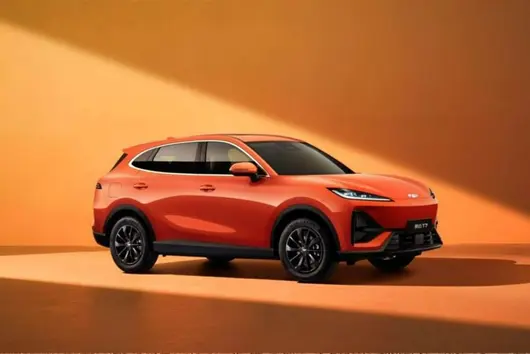


Three years "polishing" one car, slow work yields fine products! On August 12, Chery Fengyun T7 officially opened pre-sales, with a price range of 109,900 - 129,900 RMB, paired with the theme "Slow work builds good cars, you've waited long enough." To be honest, in today's industry pace where new cars are pushed every three months, there are few brands daring to shout out the word "slow".

But "slow" does not mean backward. Fengyun T7's "slow" is because it took a completely different path. First undergo global market testing, then launch domestically.

Its sibling model Lepas L6 is already on the market in South Africa, Thailand, and will subsequently enter the EU, Australia & New Zealand, UK, and other markets. This reverse input product rhythm is not common among local automakers. Supporting this rhythm is Chery's 23 consecutive years of ranking first in Chinese brand passenger car exports and the foundation of 20 million global users.
Global Standards, Not a Slogan but a Checklist
Fengyun T7 has targeted global standards from the beginning of R&D. 2 years of planning, 3 years of R&D, developed according to the 2026 version E-NCAP 5-star safety standards, functional safety reaches ASILD highest level. Completed 5,000+ global user surveys, deep visits to 15 typical countries, covering 95% of global road type tests.

To verify the reliability of this set of standards, Chery simultaneously invested 81 durability vehicles for road tests, the whole vehicle cumulative test mileage exceeds 6 million km, durability specific actual test reaches 1.45 million km. From Nordic extreme cold to Middle East high temperatures, from Southeast Asia rainy season to Brazilian gravel roads, before this car went on the market, it has already "ran" through the globe for users.


Three Hardcore Configurations, Full Series No Compromise
What is most worth paying attention to for Fengyun T7 are three items standard across the entire series.

First is range of charge. The entire series is equipped with 65.05kWh Rhinoceros battery, CLTC 600km range, actual test can reach 667km+, 30%-80% fast charging takes only 22 minutes. Entry version and high-spec version make no distinction in range, this is "range equality".

Second is safety. 80% high-strength steel + 18.84% hot-formed steel nine-horizontal five-vertical cage body, 9 airbags (including 48L dual-chamber remote airbags) most in class, Rhinoceros battery IP68 waterproofing reaches 96 times the national standard. Entry level means full spec, safety not shrunk.
Third is intelligence. First in class 4nm process 8775 cockpit driving integrated chip, 72TOPS NPU computing power, response as low as 80ms. Falcon 500 intelligent driving equipped with 22 high-precision sensors, supports 300+ full-scenario automatic parking and cross-floor memory parking.
Slow Work Yields Fine Results, Effort in the Unseen Places
Beyond parameters, Fengyun T7 also reflects "slow work" in some details. 70mm large size bushings filter road noise, One-Box wire controlled braking 136ms fast pressure build-up, 50.8:49.2 golden axle load ratio improves cornering stability, these indicators point not to parameter competition, but to real driving texture.

For interior, Fengyun T7's leather, seals, plastic parts have all undergone plateau strong UV and high-low temperature alternating extreme tests, anti-fading, anti-hardening, anti-cracking. Looking good when buying a car is not rare, keeping original texture after driving for a few years is real skill.

Wrapping Up
Chery itself says Fengyun T7 comes "slow". Indeed, from planning to launch, it took a full 5 years. But what do these 5 years buy? It is 81 durability cars "run" out 1.45 million km verification mileage under 100+ global extreme road conditions; it is whole vehicle 15 years without battery replacement 2,500 cycle life; it is anti-aging paint and interior materials guaranteeing "like new all year round"; it is 9 airbags, Bedrock body and global E-NCAP 5-star standards jointly guarding every trip.
Fengyun T7 uses five years slow work to exchange for your ten years peace of mind. Quick-fix cars need replacement after three years, but a car truly refined globally dares to accompany you through the next decade.
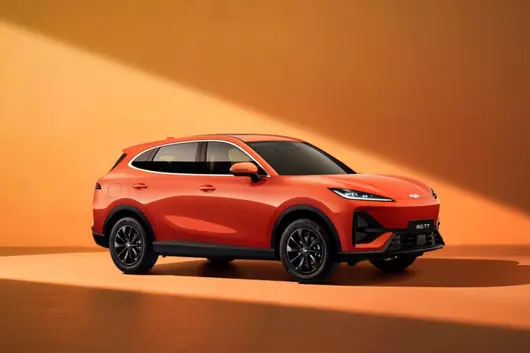

喺馬來西亞嘅 SUV 市場,好多買家喺揀車嘅時候都會拿 Proton X90 同 Mazda CX-3 嚟做比較。這兩款車喺價格同定位上都幾接近,今日我哋就從多個方面做一個詳細嘅對比,幫你省返做功課嘅時間。
Proton X90 喺馬來西亞嘅 OTR 售價係 RM 106,800 - 122,800,一共有 4 個版本,包括 2026 1.5T Prime X(RM 122,800)、2026 1.5T Prime(RM 116,800)、2026 1.5T Lite(RM 106,800) 等。
Mazda CX-3 喺馬來西亞嘅 OTR 售價係 RM 126,159 - 139,159,一共有 2 個版本,包括 2023 2.0L High(RM 139,159)、2023 2.0L Plus(RM 126,159) 等。
從價錢嚟睇,Proton X90 嘅起點價確實比 Mazda CX-3 平咗 RM 19,359。如果你預算有限,Proton 嘅入門版已經可以滿足日常需求。但都要留意,平嗰啲幾千蚊,喺配備上可能會有取捨,具體要睇你嘅需要。

Proton X90 嘅安全評級係 5★ (ASEAN NCAP),主動安全系統包括 ADAS (ACC, AEB, LKA, LDA, BSM, RCTA)。
Mazda CX-3 嘅安全評級係 5★ (ASEAN NCAP),主動安全系統包括 i-Activsense。
兩款車嘅安全評級一樣,喺呢個級別入面安全配備都算畀得好齊全啦。而家嘅新車安全性都唔差,唔使太擔心這一點。

Proton X90 採用 FWD 驅動方式。
Mazda CX-3 採用 FWD 驅動方式。
兩款車嘅驅動方式一樣,都係 FWD,日常駕駛感受唔會有太大區別。

Proton X90 同 Mazda CX-3 都係馬來西亞市場嘅主流選擇,適合家庭使用、日常通勤。如果你更睇重品牌口碑同二手價,可以優先考慮口碑更好嗰一款;如果你更重視性價比同配備,那就揀配置更豐富嗰款。最終都係建議兩款都去試駕,親身體驗先係最重要嘅。

總體嚟講,Proton X90 同 Mazda CX-3 都係馬來西亞市場幾好嘅車型。揀邊一輛,關鍵係要睇你嘅個人需要同預算。建議大家做足功課,多比較幾間車行嘅報價,再去試駕做最終決定。買車係件大事,花啲時間做功課絕對唔會錯。


喺馬來西亞嘅 SUV 市場,好多買家揀車嗰陣都會將 Proton X90 同 Toyota Fortuner 去做比較。呢兩部車喺價位同定位上都幾接近,而家我哋就從多個方面做一個詳細嘅比較,幫你省返做功課嘅時間。
Proton X90 喺馬來西亞嘅 OTR 售價係 RM 106,800 - 122,800,總共有 4 個版本,包括 2026 1.5T Prime X(RM 122,800)、2026 1.5T Prime(RM 116,800)、2026 1.5T Lite(RM 106,800)等。
Toyota Fortuner 喺馬來西亞嘅 OTR 售價係 RM 195,880 - 241,880,總共有 3 個版本,包括 2024 2.8T VRZ Diesel(RM 241,880)、2024 2.7L SRZ Petrol(RM 202,880)、2024 2.4L Standard Diesel(RM 195,880)等。
由價錢睇,Proton X90 嘅起價確實比 Toyota Fortuner 平咗 RM 89,080。如果你預算有限,Proton 嘅入門版已經可以滿足日常需要。但亦要留意,平嘅嗰幾千蚊,可能喺配備上有取捨,具體要睇你嘅需要。
Proton X90 嘅安全評級係 5★ (ASEAN NCAP),主動安全系統包括 ADAS (ACC, AEB, LKA, LDA, BSM, RCTA)。
Toyota Fortuner 嘅安全評級係 5★ (ASEAN NCAP),主動安全系統包括。
兩部車嘅安全評級一樣,喺呢個級別入面安全配備都算好齊全。而家嘅新車安全性都唔錯,唔使太擔心呢一點。
Proton X90 車身長 4400 mm,行李廂 400 L。
Toyota Fortuner 車身長 4400 mm,行李廂 400 L。
兩部車嘅尺寸幾乎一樣,車內空間分別唔大。呢個級別嘅車,日常使用完全夠用。
Proton X90 同 Toyota Fortuner 都係馬來西亞市場嘅主流選擇,適合家庭使用、日常通勤。如果你更睇重品牌口碑同二手價,可以優先考慮口碑更好嗰一部;如果你更在意性價比同配備,就揀配置更豐富嗰款。最終都建議兩部車都去試駕,親自體驗先至係最重要。

總體嚟講,Proton X90 同 Toyota Fortuner 都係馬來西亞市場幾唔錯嘅車型。揀邊一部,關鍵始終係睇返你個人需要同預算。建議大家做好功課,多比較幾間車行嘅報價,再去試駕先做最終決定。買車係件大事,花少少時間做功課絕對無錯。

喺馬來西亞嘅 SUV 市場,好多買家喺揀車嘅時候都會拿 Proton X90 同 Toyota Fortuner 嚟做比較。兩款車喺價位同定位上都好接近,今日我就由多個方面做一個詳細嘅對比,幫你攞返做功課嘅時間。
Proton X90 喺馬來西亞嘅 OTR 售價係 RM 106,800 - 122,800,一共有 4 個版本,包括 2026 1.5T Prime X(RM 122,800)、2026 1.5T Prime(RM 116,800)、2026 1.5T Lite(RM 106,800)等。
Toyota Fortuner 喺馬來西亞嘅 OTR 售價係 RM 195,880 - 241,880,一共有 3 個版本,包括 2024 2.8T VRZ Diesel(RM 241,880)、2024 2.7L SRZ Petrol(RM 202,880)、2024 2.4L Standard Diesel(RM 195,880)等。
從價錢來看,Proton X90 嘅起步價確實比 Toyota Fortuner 平咗 RM 89,080。如果你預算有限,Proton 嘅入門版已經可以滿足日常需求。但都要注意,平嗰幾千塊,可能喺配備上面會有取捨,具體要看你嘅需求。
Proton X90 嘅安全評級係 5★ (ASEAN NCAP),主動安全系統包括 ADAS (ACC, AEB, LKA, LDA, BSM, RCTA)。
Toyota Fortuner 嘅安全評級係 5★ (ASEAN NCAP),主動安全系統包括。
兩款車嘅安全評級一樣,喺呢個級別入面安全配備都算好齊全咗。而家嘅新車安全性都唔錯,唔使太擔心呢一點。
Proton X90 採用 FWD 驅動方式。
Toyota Fortuner 採用 FWD 驅動方式。
兩款車嘅驅動方式一樣,都係 FWD,日常駕駛感受唔會有太大分別。
Proton X90 保用 5 年/150,000km,保養間隔 每 10,000km 或 6 個月。
Toyota Fortuner 保用 5 年/無限里程,保養間隔 每 10,000km 或 6 個月。
總體嚟講,Proton X90 同 Toyota Fortuner 都係馬來西亞市場幾唔錯嘅車型。揀邊架,關鍵仲要睇你嘅個人需求同預算。建議大家做好功課,多比較幾間車行嘅報價,再去試駕做最後決定。買車係件大事,花少少時間做功課絕對唔會錯。

喺馬來西亞嘅 SUV 市場,好多買家喺揀車嘅時候都會拿寶騰 X90 同豐田 Corolla Cross 做比較。呢兩款車喺價位同定位上都幾相近,而家我就從多個方面做一個詳細嘅比較,幫你省返做功課嘅時間。
寶騰 X90 喺馬來西亞嘅 OTR 售價係 RM 106,800 - 122,800,合共 4 個版本,包括 2026 1.5T Prime X(RM 122,800)、2026 1.5T Prime(RM 116,800)、2026 1.5T Lite(RM 106,800)等。
豐田 Corolla Cross 喺馬來西亞嘅 OTR 售價係 RM 133,800 - 148,800,合共 3 個版本,包括 2026 HEV 1.8L GR Sport(RM 148,800)、2026 HEV 1.8L Standard(RM 140,800)、2026 1.8L Standard(RM 133,800)等。
由價錢睇,寶騰 X90 嘅起價確實比豐田 Corolla Cross 平咗 RM 27,000。如果你預算有限,寶騰嘅入門版已經可以滿足日常需要。但亦要注意,平嗰幾千蚊,可能喺配備上可能要犧牲,具體睇你嘅需要。
寶騰 X90 配備 1.5L Turbo,馬力 140 匹。官方油耗 7.0 L/100km。
豐田 Corolla Cross 配備 1.5L Turbo,馬力 140 匹。官方油耗 7.0 L/100km。
兩款車用咗同一套動力系統,日常開落去嘅感覺基本冇分別。油耗方面都差不多,唔使太糾結這一點。
寶騰 X90 嘅安全評級係 5★ (ASEAN NCAP),主動安全系統包括 ADAS (ACC, AEB, LKA, LDA, BSM, RCTA)。
豐田 Corolla Cross 嘅安全評級係 5★ (ASEAN NCAP),主動安全系統包括 TSS (PCS, LDA, ACC, LTA)。
兩款車嘅安全評級一樣,喺呢個級別入面安全配備都算好齊全。而家嘅新車安全性都好,唔使太擔心這一點。
寶騰 X90 採用 FWD 驅動方式。
豐田 Corolla Cross 採用 FWD 驅動方式。
兩款車嘅驅動方式一樣,都係 FWD,日常駕駛感覺唔會有太大分別。

寶騰 X90 同豐田 Corolla Cross 都係馬來西亞市場嘅主流選擇,適合家庭使用、日常通勤。如果你更看重品牌口碑同二手價,可以優先考慮口碑更好嗰款;如果你更在意性價比同配備,那就揀配置更豐富嗰款。始終都建議兩款都去試駕,親身體驗先係最重要。

總體嚟講,寶騰 X90 同豐田 Corolla Cross 都係馬來西亞市場幾唔錯嘅車型。揀邊一部,關鍵仲係要睇你嘅個人需求同預算。建議大家做好功課,多比較幾間車行嘅報價,再去試駕做最終決定。買車係件大事,花少少時間做功課絕對唔會錯。

喺馬來西亞嘅 SUV 市場,好多買家喺揀車嗰陣都愛拿 Proton X90 同 Toyota Corolla Cross 去做比較。這兩款車喺價位同定位上都好貼近,今日我哋就由多個方面做一个詳細嘅比較,幫你節省做功課嘅時間。
Proton X90 喺馬來西亞嘅 OTR 售價係 RM 106,800 - 122,800,一共有 4 個版本,包括 2026 1.5T Prime X(RM 122,800)、2026 1.5T Prime(RM 116,800)、2026 1.5T Lite(RM 106,800) 等。
Toyota Corolla Cross 喺馬來西亞嘅 OTR 售價係 RM 133,800 - 148,800,一共有 3 個版本,包括 2026 HEV 1.8L GR Sport(RM 148,800)、2026 HEV 1.8L Standard(RM 140,800)、2026 1.8L Standard(RM 133,800) 等。
由價錢睇落,Proton X90 嘅入門價確實比 Toyota Corolla Cross 平咗 RM 27,000。如果你預算有限,Proton 嘅入門版已經可以滿足日常需要。但都要留意,平嗰幾千塊,喺配備上可能會有取舍,具體睇你嘅需要。
Proton X90 配備 1.5L Turbo,馬力 140 hp。官方油耗 7.0 L/100km。
Toyota Corolla Cross 配備 1.5L Turbo,馬力 140 hp。官方油耗 7.0 L/100km。
兩款車用嘅係同一套動力系統,日常開起嚟嘅感覺基本冇分別。油耗方面都差唔多,唔使太糾結呢一點。
Proton X90 嘅安全評級係 5★ (ASEAN NCAP),主動安全系統包括 ADAS (ACC, AEB, LKA, LDA, BSM, RCTA)。
Toyota Corolla Cross 嘅安全評級係 5★ (ASEAN NCAP),主動安全系統包括 TSS (PCS, LDA, ACC, LTA)。
兩款車嘅安全評級一樣,喺呢個級別入面安全配備都算畀得好齊全。依家嘅新車安全性都唔差,唔使太擔心呢一點。
Proton X90 保修 5 年/150,000km,保養間隔 每 10,000km 或 6 個月。
Toyota Corolla Cross 保修 5 年/無限制里程,保養間隔 每 10,000km 或 6 個月。
Proton X90 同 Toyota Corolla Cross 都係馬來西亞市場嘅主流選擇,適合家庭使用、日常通勤。如果你更睇重品牌口碑同二手價,可以優先考慮口碑更好嗰款;如果你更在意性價比同配備,就揀配置更豐富嗰款。最後始終建議兩款都去試駕,親身體驗先至最緊要。
總括嚟講,Proton X90 同 Toyota Corolla Cross 都係馬來西亞市場好唔錯嘅車型。揀邊一輛,關鍵都要睇你嘅個人需要同預算。建議大家做好功課,多比較幾間車行嘅報價,再去試駕先做最終決定。買車係一件大事,花點時間做功課絕對唔會錯。

"The boss told me, you need to push reliability forward." At the recent 2026 China Auto Forum, Wang Yan, Director of Quality at Great Wall Technology Center, recalled saying this when taking charge of the reliability system construction.
But this task has no ready-made answer.
When Wang Yan first took on the task, he discovered, that understanding of "reliability" within the R&D system was not fully consistent. Engineers know how to solve problems that have already occurred, but it is difficult to answer, how to identify potential risks in advance before the product launches.
This confusion is becoming a common problem faced by many car companies in the new energy vehicle era.
With the rapid development of electrification and intelligence, cars have changed from traditional mechanical products into complex systems with high integration of hardware and software. A software issue, a battery risk, a functional failure under complex scenarios, may all come from the combined effect of multiple links.
The quality management method formed relying on experience accumulation is facing new challenges.
Therefore, Chinese car companies are starting to rebuild quality capabilities: moving risk identification forward, expanding the verification scope, and constantly extending the boundaries of reliability.
And when Chinese brands go to the global market, this capability will face even more complex tests. Whether a car can adapt to roads, climate, and usage environments in different countries, will become the key to deciding whether a brand can develop long-term.

Image Source: IC Photo
Redefining Reliability
For a long time in the past, car quality relied more on manufacturing experience accumulation. Whether a car is reliable depends largely on the engineer's understanding of mechanical structure, component performance, and production processes. After years of accumulation, the Chinese automotive industry has gradually established a mature manufacturing system and formed a set of methods to solve quality problems.
But the development of new energy vehicles is changing this logic. With the deepening of electrification and intelligent technology, cars are no longer just mechanical products in the traditional sense. New technologies such as power batteries, electric drive systems, smart cockpits, intelligent driving are continuously added, the complexity of the whole vehicle system is rapidly increasing.
In the past, if a component had a problem, it could often be solved by replacing the part or optimizing the process. Nowadays, a fault may involve hardware design, software logic, material performance, and even supply chain coordination. The mechanism of quality problem generation is changing, also requiring companies to rethink quality management methods.
Chinese car companies are moving from "meeting standards" to "defining standards". Companies like Great Wall Motor, Geely, Changan no longer wait for external standards to answer "what is reliable", but establish a baseline themselves.
Great Wall Motor promoting reliability system construction is an embodiment of this change. Wang Yan mentioned that a practical problem Great Wall faced during reliability system construction was, how to identify risks in advance during the product development stage. And this requires a new set of methods and systems support.
Therefore, Great Wall began to build a reliability system from 0 to 1. In this process, enterprises built around reliability standards, analysis methods, and toolchains, integrating FMEA (Failure Mode and Effects Analysis), risk identification, verification methods, etc., into the product development process. The core idea of this system is: moving the starting point of quality management from "repairing after finding problems" forward to "preventive measures in the design phase".
In actual quality problem analysis, some seemingly simple problems often involve deeper system factors. For example, some vehicles experienced multimedia black screen problems, after inspection, it was found not to be a single component damage, but related to chip design, temperature and humidity environment, material changes, and other factors. If similar problems only stay at the after-sales maintenance level, it is hard to solve from the root.
This also shows that the quality competition in the new energy vehicle era has extended from pure manufacturing links to more underlying capabilities such as R&D, materials, electronic systems.
Geely's practice verifies the same logic. At the end of 2025, Geely launched the Global All-Domain Safety Center, with Phase I investment exceeding 2 billion yuan, covering multiple dimensions such as passive safety, active safety, battery safety, information security, health safety. Starting from the product definition phase, Geely decomposed safety goals to each subsystem, each component, forming a complete chain from goal setting to solution design, to verification confirmation.

Image Source: Geely
Geely has cumulatively applied for more than 150,000 patents in the safety field, among which 1,562 safety-related patents have been made public to the industry. This set of data shows that Chinese car companies are moving "safety" from a regulatory compliance requirement, into an actively built capability.
Meanwhile, the boundary of quality management is also extending from vehicle enterprises to the supply chain. The new energy vehicle industry chain is longer and more complex, any weak link in any link may affect the final product performance. Like Changan Motor, is trying to use AI tools to assist in auditing 8D reports submitted by suppliers, judging problem description, root cause analysis, and rectification measures, improving the efficiency of quality problem closure.
This is because many software reliability problems are not entirely caused by code quality, but because the identification of usage scenarios during the development phase is not complete enough. If these scenarios are not defined completely, the software design itself has blind spots. This is also the core challenge faced by traditional quality management methods: reliability is not something that can be "tested out", it must be "defined in" during the design phase.
From risk identification at the R&D end, to verification system construction, to supply chain coordination, Chinese automotive enterprises are gradually building a quality management system adapted to the new energy vehicle era.
For Chinese car companies moving towards the global market, the significance of this capability has gone beyond the domestic market. The challenges faced by Chinese automotive enterprises overseas are no longer simple geographical expansion, but need to establish quality assurance capabilities covering the product lifecycle in a more complex market environment.
The Threshold is Going Overseas
Gou Bin, Deputy General Manager and Technical Head of China Auto Safety Research Institute, said a sentence at the forum: "The domestic new energy vehicle market is already very competitive, profits are very thin. But when everyone talks about overseas, their eyes are shining."
Overseas is incremental growth, but incremental growth must be built on the basis of products adapting to the local environment. Currently, there is a phenomenon that many enterprises have completed product verification in China, and all indicators meet requirements. But after entering the overseas market, they will still encounter some unexpected problems.
Some problems almost never appear in China. For example, in winter in Russia, de-icing agents are used in large quantities, and body anti-corrosion requirements are far higher than in China. Cars built according to domestic standards going there, corrosion speed may be much faster than expected; In the Middle East, high summer temperatures last for half a year, and user requirements for air conditioning performance are extremely high. If cooling is not fast enough, users may directly give up choosing; In Europe, roundabout road conditions are dense, and traffic sign rules differ significantly from domestic ones.
The root cause of these problems is that the vehicle verification system is designed based on domestic usage environment, with a large difference from overseas users' actual usage scenarios. Road conditions, climate environments, and user habits of different countries and regions are all different. Different road conditions and traffic rules will also affect the actual performance of vehicle chassis durability and intelligent driving functions.
Only after vehicles enter specific markets and undergo real usage will the above problems gradually be exposed. Some enterprises' exploration direction is to convert overseas complex usage environments into reproducible verification conditions at the R&D stage.
They collect road data, climate information, regulatory requirements, and user usage scenarios from different countries and regions, build an overseas automotive scenario database, convert problems in the real market into test cases, helping enterprises identify risks in advance during the domestic R&D stage.
Gou Bin's team has sorted out typical problems in major markets such as Southeast Asia, Middle East, Russia, Europe. For example, speed bumps in the Middle East region are higher and wider than in China, and chassis interference or underbody scraping is easy to occur when vehicles pass through. This type of scenario can be reproduced in domestic test sites, no need to wait until vehicles are shipped overseas to discover. Charging pile standards in different countries also have differences, and charging compatibility issues also need to be tested in advance during the development stage.
Shang Jiao, Director of Industry Development Department of China Association of Automobile Manufacturers, pointed out that laws and regulations and entry requirements in overseas markets are becoming more complex. Euro 7 emission standards, Battery Act, etc., regional regulations, propose differentiated requirements for export product development.

Image Source: Huaban
This trend means that completing overseas adaptation verification in advance is changing from an "extra item" to an "entry threshold". This change also pushes the verification logic of automotive overseas to change. Now enterprises hope to consider scenarios that might be encountered in the global market during the product definition stage through data accumulation and scenario analysis.
From this perspective, going overseas is not simply copying domestic mature models to overseas markets, but a re-calibration of the R&D system. The questions enterprises need to answer have expanded from "whether this car can be sold" to "whether it can adapt to different climates, roads, and regulatory environments, and maintain stable performance in long-term use".
Localization is one of the means. Shen Xinghua, General Manager of Changan Quality Department, mentioned the localization practice of the Thailand factory, local employee ratio has reached 90%. In his view, going overseas cannot rely only on trade thinking, the R&D, manufacturing, and quality systems must be built locally.
This move echoes the view that "verification needs to be front-loaded". Because only after truly entering the local market and understanding the local environment will enterprises discover problems that cannot be seen in China. After all, the endpoint of going overseas is not shipping cars to the port, but making products, manufacturing, and talent operate locally.
The Bottom Line is Safety
When a car enters a real usage scenario, the most extreme tests often come from those unpredictable situations.
China Merchants Vehicle Research Institute found in electric vehicle fire safety research that new energy vehicle risks are often not caused by a single factor, but the result of multiple links acting together. A battery pack performs well in component level testing, but after being installed on the whole vehicle, may expose completely different risks.

Image Source: IC Photo
Chen Bin, Senior Expert at China Merchants Vehicle Research Institute, shared some cases encountered in actual testing at the forum. One car, after triggering battery thermal runaway, the battery itself did not catch fire, but the carpet at the driver's seat caught fire. Post-analysis found that the heat insulation design of the battery pack was insufficient, high-temperature smoke generated by thermal runaway was not discharged in time, heat conducted into the cabin, igniting a carpet with insufficient flame retardant performance.
Another case is, three cells thermal runaway simultaneously, the battery pack controlled the fire, but the sprayed high-temperature smoke accumulated at the bottom of the front engine compartment, igniting flammable materials on the protection plate. The battery itself did not catch fire, but the car burned.
There is also a case, after battery thermal runaway, the vehicle did not issue any alarm, car doors did not automatically unlock either. The reason is the sensor harness was arranged on the smoke flow path, high-temperature smoke directly burned the harness, the signal was not sent out at all.
The common characteristic of these cases is: the battery itself has no problem, component testing is also qualified, but after being installed on the car, the interaction between systems produced new risks.
China Merchants Vehicle Research Institute's conclusion is, new energy vehicle safety cannot look only at components. No matter how well a battery pack is made, if heat conducts into the cabin through the vehicle body structure, if high-temperature smoke will accumulate in some corner, if sensor harness will be burned at critical moments, then the safety of the entire system is incomplete.

Image Source: IC Photo
This explains why the automotive industry is shifting from component testing to whole vehicle system-level evaluation. Because, components made well does not equal whole vehicle safety, single item indicator qualified does not equal system reliability. This is exactly the core proposition of quality management in the new energy vehicle era: when vehicle complexity far exceeds traditional cars, safety must be defined and verified from the perspective of the whole vehicle.
Some enterprises insight into demand, established Electric Vehicle Fire Safety Index, can view whole vehicle overall performance in extreme conditions.
For Chinese car companies moving towards the global market, the importance of this capability is more prominent. Laws, climate, usage habits of overseas markets differ hugely, if quality management stays only at the component level, those unexpected risks after vehicles arrive overseas are hard to discover in advance.
You should know, a car's true safety bottom line, is not how many tests it can pass in the lab, but after experiencing extreme scenarios in the real world, still able to protect personnel inside the vehicle.
Conclusion
Overall, Chinese automotive industry is experiencing a transformation from "made" to "made stably, made for long".
In the past 30+ years, the Chinese automotive industry solved the manufacturing capability problem. This road went very fast, and also very successful. Engine, transmission, body, chassis... Every link has formed a mature supply chain and production system.
But new energy vehicles changed the dimension of competition. When hardware convergence, technology convergence becomes an irreversible trend, the difference of a car starts to be reflected in lower-level places:
Is its reliability defined in during the design phase, or relying on user feedback to patch up slowly after launch? Can its verification system cover usage scenarios of different global markets, or is it only applicable to domestic familiar environments? Its safety performance in extreme situations, is it the result of system design, or a patchwork of various components fighting their own battles?
Great Wall Motor, Geely, Changan, China Auto Safety Research Institute, China Merchants Vehicle Research Institute, etc. enterprises and service institutions, are doing the same thing: pushing the quality standard of Chinese cars from "meeting requirements" to "defining baseline". This change is more profound than many imagine.
It is not repairing past loopholes, but redefining the competition dimension of Chinese cars going overseas. When the advantage of price and configuration is gradually leveled, the true moat is the stable performance of products after long-term operation in the global market.
The endpoint of going overseas is not to sell more cars, but to establish long-term trust on "Made in China" in the world market.
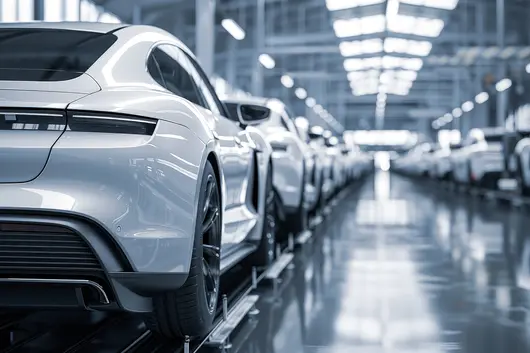

喺馬來西亞嘅 SUV 市場,好多買家喺揀車嘅時候都會拿 Proton X70 同 GWM Haval H6 嚟做比較。呢兩款車喺價位同定位上都幾接近,今日我哋就從多個方面做一個詳細嘅比較,幫你省下做功課嘅時間。
Proton X70 喺馬來西亞嘅 OTR 售價係 RM 106,800 - 122,300,一共有 3 個版本,包括 1.5L Standard 2WD(RM 106,800)、1.5L Executive 2WD(RM 115,800)、1.5L Premium 2WD(RM 122,300)等。
GWM Haval H6 喺馬來西亞嘅 OTR 售價係 RM 139,750 - 139,750,一共有 2 個版本,包括 1.5L Turbo Standard(RM 140,000)、1.5L Turbo Premium(RM 155,000)等。
從價錢睇落,Proton X70 嘅起步價確實比 GWM Haval H6 平咗 RM 32,950。如果你預算有限,Proton 嘅入門版已經可以滿足日常需要。但都係要注意,平嗰幾千蚊,可能喺配備上會有取捨,具體睇你嘅需要。
Proton X70 嘅安全評級係 5★ (ASEAN NCAP),主動安全系統包括 ADAS (ACC, AEB, LKA, LDA, BSM, RCTA)。
GWM Haval H6 嘅安全評級係 TBD,主動安全系統包括 Basic。
安全配備方面,兩款車都拿到唔錯嘅評級。不過 Proton X70 嘅 ADAS (ACC, AEB, LKA, LDA, BSM, RCTA) 同 GWM Haval H6 嘅 Basic 喺功能上有少少分別,如果你比較重視主動安全嘅話,可以仔細對比吓兩邊嘅功能列表。
Proton X70 車身長 4400 mm,行李廂 400 L。
GWM Haval H6 車身長 4400 mm,行李廂 400 L。
兩款車嘅尺寸幾乎一樣,車內空間分別唔大。呢個級別嘅車,日常使用完全夠用。
Proton X70 同 GWM Haval H6 都係馬來西亞市場嘅主流選擇,適合家庭使用、日常通勤。如果你更重視品牌口碑同二手價,可以優先考慮口碑更好嗰款;如果你更在意性價比同配備,就揀配置更豐富嗰款。最終都係建議兩邊都去試駕,親身體驗先最重要。
總嘅嚟講,Proton X70 同 GWM Haval H6 都係馬來西亞市場好唔錯嘅車型。揀邊部,關鍵始終係睇你嘅個人需求同預算。建議大家做好功課,多比較幾間車行嘅報價,再去試駕做最終決定。買車係件大事,花啲時間做功課絕對唔會錯。

喺馬來西亞嘅 SUV 市場,好多買家喺揀車嗰陣都會拿 Proton X70 同 MG MG HS 嚟做比較。
Proton X70 喺馬來西亞嘅 OTR 售價係 RM 106,800 至 122,300,一共有 3 個版本,包括 1.5L Standard 2WD(RM 106,800)、1.5L Executive 2WD(RM 115,800)、1.5L Premium 2WD(RM 122,300) 等等。
MG MG HS 喺馬來西亞嘅 OTR 售價係 RM 130,450 至 146,450,一共有 2 個版本,包括 1.5L Standard(RM 105,000)、1.5L Executive(RM 115,000) 等等。
睇番價錢,Proton X70 嘅起步價確實比 MG MG HS 便宜咗 RM 23,650。如果你預算有限,Proton 嘅入門版已經可以滿足日常需要。但都要留意,便宜嘅嗰幾千塊,可能喺配備上有取舍,具體要睇你嘅需求。
Proton X70 配備 1.5L Turbo,馬力 140 hp。官方油耗 7.0 L/100km。
MG MG HS 配備 1.5L Turbo,馬力 140 hp。官方油耗 7.0 L/100km。
兩部車用緊同一套動力系統,日常開起嚟嘅感受基本冇分別。油耗方面都差唔多,唔使太糾結呢一點。
Proton X70 車身長 4400 mm,後備箱 400 L。
MG MG HS 車身長 4400 mm,後備箱 400 L。
兩部車嘅尺寸幾乎一樣,車內空間差別唔大。呢個級別嘅車,日常使用完全夠用。
Proton X70 採用 FWD 驅動方式。
MG MG HS 採用 FWD 驅動方式。
兩部車嘅驅動方式一樣,都係 FWD,日常駕駛感受唔會有太大分別。
Proton X70 保修 5 年/150,000km,保養間隔 每 10,000km 或 6 個月。
MG MG HS 保修 7 年/150,000km,保養間隔 每 10,000km 或 6 個月。
總體嚟講,Proton X70 同 MG MG HS 都係馬來西亞市場幾唔錯嘅車型。揀邊一部,關鍵係睇返你嘅個人需求同預算。建議大家做足功課,多比較幾間車行嘅報價,先至去試駕先做最終決定。買車係件大件事,花少少時間做功課絕對唔會錯。

喺馬來西亞嘅 SUV 市場,好買家喺揀車嘅時候都會拿 寶騰 X70 同 名爵 HS 嚟做比較。呢兩款車喺價位同 定位上都幾接近,今日我哋就從多個方面做一個詳細嘅比較,幫您節省做功課嘅時間。
寶騰 X70 喺馬來西亞嘅 OTR 售價係 RM 106,800 - 122,300,一共有 3 個版本,包括 1.5L Standard 2WD(RM 106,800)、1.5L Executive 2WD(RM 115,800)、1.5L Premium 2WD(RM 122,300)等。
名爵 HS 喺馬來西亞嘅 OTR 售價係 RM 130,450 - 146,450,一共有 2 個版本,包括 1.5L Standard(RM 105,000)、1.5L Executive(RM 115,000)等。
由價錢睇,寶騰 X70 嘅起步價確係比 名爵 HS 平咗 RM 23,650。如果你預算有限,寶騰嘅入門版已經可以滿足日常需要。但要小心,平嗰幾千蚊,可能喺配備上面會有取舍,具體就要睇你嘅需要。
寶騰 X70 搭載 1.5L Turbo,馬力 140 hp。官方油耗 7.0 L/100km。
名爵 HS 搭載 1.5L Turbo,馬力 140 hp。官方油耗 7.0 L/100km。
呢兩款車用嘅係同一套動力系統,日常開起來嘅感受基本冇差別。油耗方面亦都係差不多,唔使太糾結這一點。
寶騰 X70 嘅安全評級係 5★ (ASEAN NCAP),主動安全系統包括 ADAS (ACC, AEB, LKA, LDA, BSM, RCTA)。
名爵 HS 嘅安全評級係 TBD,主動安全系統包括 Basic。
安全配備方面,呢兩款車都拿到唔錯嘅評級。不過寶騰 X70 嘅 ADAS (ACC, AEB, LKA, LDA, BSM, RCTA) 同 名爵 HS 嘅 Basic 喺功能上面有些差異,如果你比較睇重主動安全嘅話,可以仔細比較一下兩者嘅功能列表。
寶騰 X70 採用 FWD 驅動方式。
名爵 HS 採用 FWD 驅動方式。
呢兩款車嘅驅動方式一樣,都係 FWD,日常駕駛感受唔會有太大區別。
總而言之,寶騰 X70 同 名爵 HS 都係馬來西亞市場好唔錯嘅車款。揀邊一輛,關鍵就係睇你嘅個人需求同 預算。建議大家做好功課,多比較幾間車行嘅報價,再去試駕先至做最終決定。買車係一件大事,花啲時間做功課絕對唔會錯。

By the midway point of 2026, the commercial vehicle market is in turmoil. As the "fuel-to-electric transition" moves from consensus to the deep water zone, testing the execution capability of every enterprise, as a domestic established light commercial vehicle enterprise, Dongfeng Shares is giving its own answer with a report card of comprehensive success.
In the first half of this year, Dongfeng Shares showed explosive growth trends on multiple business routes: New Energy Light Trucks year-on-year surged 573.4%, Dongfeng Freeton jumped 153.9% year-on-year, overseas exports grew 81.4% year-on-year, Dongfeng Travel Cars grew 40.6% year-on-year, and the Casting Factory grew 68% year-on-year. In addition, as a strategic unmanned logistics vehicle product, Dongfeng OpenVAN is also about to join this matrix, further strengthening the company's market competitiveness...
 Numbers are silent, but arranged together, they have the power to tell a story. Running 573.4% against a 65% industry new energy growth rate, and 81.4% against an approximate 10% export market growth rate. This is not following the trend, but leading against it. From the near-vertical rise of new energy products, to the rapid expansion of overseas footprint, to the emergence of a new brand, this report card reflects a clear path of a traditional car enterprise completing strategic restructuring and energy switch during the period of major industrial changes.
Breaking down Dongfeng Shares' performance in the first half of the year, new energy light trucks are the biggest highlight. The year-on-year growth of 573.4% can be called "phenomenal" data. It means Dongfeng Shares' growth in this track is not linear climbing, but jumping explosion.
 From Dongfeng Qiankun "Wide-body Pure Electric Light Truck K6E" range breaking 350 km, to Dongfeng Dolicar "D6E Battery Swap Light Truck" supporting 3-minute ultra-fast battery swap and reducing 30% purchase cost through "Vehicle-Battery Separation" mode, paired with high-capacity, 2C fast-charging batteries cooperating with CATL, the rapidly advancing product matrix is fully covering core scenarios such as urban distribution, cold chain, and sanitation. This is not simple "fuel-to-electric conversion" piecing together, but forward development starting from user value.
On March 28, Dongfeng Qiankun series positioned as "Pioneer of China's Efficient Fresh Food Transportation" officially launched, staging the scene of "selling well upon listing". On the launch day, it received 128 vehicle orders. Added to lifetime warranty on ten core components, three-year replacement policy (no repair) and other service policies, it quickly established a foothold in high-value markets such as Green Channel and cold chain.
 Integration requires more wisdom than fragmentation. Merging two rivers into one torrent requires not only courage but also unshakable certainty about the direction. Still in March, the original two VAN vehicle brands "Ruidida" and "Yufeng" were integrated and upgraded into a new brand "Dongfeng Freeton" to quickly release integration dividends.
Year-on-year growth of 153.9% in the first half, with May single month soaring 442.1% year-on-year. The V8E of the New Energy Camp has a maximum range of 400 km, power consumption as low as 13.8 degrees per 100 km, cargo box capacity 7.3 cubic meters, starting from 91,500 yuan; the V10 of the Fuel Camp has fuel consumption as low as 5.7 liters per 100 km, starting from 101,000 yuan. The brand plans to launch 36 new models within the year, fully covering various niche markets.
 The greatness of a river does not lie in where it originates, but whether it can reach a farther sea. Currently, for Chinese commercial vehicle enterprises, going overseas is no longer an optional question, but a mandatory one. In the first half of this year, Dongfeng Shares overseas exports entered the fast lane. Behind the 81.4% export performance growth year-on-year, is the deepening of the enterprise's global layout.
In Africa, the Egyptian dealer flagship store opened; in Southeast Asia, Malaysia received 200 commercial vehicle orders; in Oceania, it landed in the Australian right-hand drive market for the first time; in Latin America, it won 108 orders for Dongfeng Freeton pure electric VANs. By the end of 2025, the global sales and service network has exceeded 1,000, truly moving from "going global" to "taking root".
Behind the bright performance is the dual drive of external opportunities and internal transformation.
From a national level perspective, in the first half of the year, our country continued to implement preferential tax policies for new energy vehicles, and a package of policies such as the "2026 Car Trade-in Subsidy Implementation Rules" accelerated the elimination of old fuel trucks, making new energy light trucks change from "optional" to "mandatory option" in some scenarios. From a local level perspective, more and more cities give new energy trucks right-of-way advantages such as no driving restrictions. For urban distribution, express delivery, and fresh food delivery industries, right-of-way is order-taking capability, which constitutes the hardest driving force for "fuel replacement with electricity".
From a market level perspective, domestic new energy light trucks accumulated year-on-year growth of more than 30%, and the overall market prosperity provided a solid base for growth.
The direction of the tide is certainly important, but whether to ride the wind and waves ultimately depends on the firmness of the ship itself and the helmsman's decision. If policy and market are "Heavenly timing and geographical advantage", then Dongfeng Shares' own transformation is "Harmony among people".
 Strategically, the company firmly promoted "Fuel and Electricity Simultaneously", not passively waiting for market transition, but actively arranging dual-line products. From Dongfeng Qiankun to Dongfeng Freeton, both adopted "Fuel and Electricity Dual Line" strategy, both taking over the fuel vehicle existing market and seizing the new energy incremental cake.
Hard power of products is the underlying logic supporting all growth. Technically, years of accumulation began to release in concentrated form. Whether it is K6E's 350 km range, D6E's 3-minute battery swap, or V8E's 400 km range and 13.8 degrees power consumption per 100 km, behind it are results of long-term coordination with core partners such as CATL and Dongfeng Cummins. It is worth mentioning that in the first half of this year, not only did Dongfeng Shares see a surge in sales of light vehicle products, but other business segments also showed good development trends. Dongfeng Qingfa sales surged 89% year-on-year, Dongfeng Cummins sales grew 18% year-on-year, Dongfeng Castrol grew 10.6% year-on-year...
 On channels and organization, the Marketing Headquarters subdivided by customer groups into Light Truck, Small Truck, VAN vehicle divisions, achieving "Integrated Fuel and Electric Sales", letting those who hear the gunfire command the battle. It is worth noting that in just the first half of this year, Dongfeng Shares attracted over 100 quality new partners to join the network, greatly improving channel density.
On brand, moves were decisive. In March, the two VAN vehicle brands were integrated into Dongfeng Freeton to avoid internal horse racing, allowing R&D and marketing resources to form a combined force, and unifiedly attacking the strategic goal of "Top two in total sales in the light commercial vehicle industry, Number one in new energy sales in the industry". At the same time, a new high-end light truck brand Dongfeng Qiankun was launched, precisely cutting into high-value niche markets such as Green Channel and cold chain. Dual brands each performing their duties, the brand matrix is clearer.
The perspective of observing Dongfeng Shares is not only about how many cars it sold, but also how it tells its own story. Such changes at the perception level started from narrative method...
 Sinking to the front line, the new PR department team plucked those vivid "Moments of Trust" from the full value chain, weaving wealth creation stories of customers into brand testimonials, making cold hard industrial products have human warmth. A "Central Kitchen + All-station Positions" content team not only records every aspect of the company but also deeply explores new ways of play for AI technology and IP matrix. From "Dongfeng Freeton" brand integration launch to overseas export long voyage, from "Dongfeng Tuye" launch to "Guo Jing and Huang Rong" themed float parade, to appearing at "China Brand Global Tour", what we see is no longer the taciturn vehicle-building craftsman of the past, but a game breaker who knows how to converse with the era.
Looking back at Dongfeng Shares' first half of 2026, a clear main line is visible: this enterprise is undergoing a systematic transformation from inside to out. It firmly embraces the new energy explosion window, using 573.4% growth rate to prove transformation can have both speed and texture; it dares to break the old pattern, letting the integrated brand emit new life; it accelerates going overseas, moving from product trade to deep diving into the value chain. When the industry enters the new cycle of "Incremental Competition turning into Stock Game + Structural Transformation", the systematic combat capability it demonstrates may be the true confidence to through the cycle and continuous evolution.