首頁Stream RN

搜尋歷史
熱門搜尋
經銷商登入 / 註冊

喺馬來西亞嘅 SUV 市場,好多買家喺揀車嘅時候都會拿寶騰 X50 同豐田 Corolla Cross 嚟做比較。這兩款車喺價位同定位上都好相近,今日我哋就從多個方面做個詳細比較,幫你省下做功課嘅時間。
寶騰 X50 喺馬來西亞嘅 OTR 售價係 RM 89,800 - 113,300,一共有 4 個版本,包括 1.5T Executive(RM 89,800)、1.5T Premium(RM 101,800)、1.5T Flagship(RM 113,300)等。
豐田 Corolla Cross 喺馬來西亞嘅 OTR 售價係 RM 133,800 - 148,800,一共有 3 個版本,包括 2026 HEV 1.8L GR Sport(RM 148,800)、2026 HEV 1.8L Standard(RM 140,800)、2026 1.8L Standard(RM 133,800)等。
從價錢嚟睇,寶騰 X50 嘅起價真係比豐田 Corolla Cross 平咗 RM 44,000。如果你預算有限,寶騰嘅入門版已經可以滿足日常需求。但都要注意,平嗰啲幾千蚊,可能喺配備上面會有取舍,具體要睇你嘅需求。

寶騰 X50 嘅安全評級係 5★ (ASEAN NCAP),主動安全系統包括 ADAS (ACC, AEB, LKA, LDA, BSM, RCTA)。
豐田 Corolla Cross 嘅安全評級係 5★ (ASEAN NCAP),主動安全系統包括 TSS (PCS, LDA, ACC, LTA)。
兩款車嘅安全評級一樣,喺呢個級別入面安全配備都算好齊全。而家嘅新車安全性都幾唔錯,唔使太擔心呢一點。

寶騰 X50 採用 4WD 驅動方式。
豐田 Corolla Cross 採用 FWD 驅動方式。
寶騰嘅 4WD 同豐田嘅 FWD 喺操控上面會有唔同感受,建議試駕比較。

寶騰 X50 同豐田 Corolla Cross 都係馬來西亞市場嘅主流選擇,適合家庭用途、日常通勤。如果你更重視品牌口碑同二手價,可以優先考慮口碑更好嗰款;如果你更在意性價比同配備,那就揀配置更豐富嗰款。最後始終建議兩款都去試駕,親身體驗先係最重要。

總括嚟講,寶騰 X50 同豐田 Corolla Cross 都係馬來西亞市場幾唔錯嘅車型。揀邊架,關鍵仲係要睇你嘅個人需求同預算。建議大家做好功課,多比較幾間車行嘅報價,再去試駕做最後決定。買車係件大事,花啲時間做功課絕對唔會錯。


July 14, General Rubber (601500) released the 2026 semi-annual performance forecast increase announcement. Against the headwind of intensifying global tariff games, the company achieved a major breakthrough in performance with strong 'overseas resilience'. According to preliminary calculations, the company expects net profit attributable to shareholders of the parent company to reach 138 million to 178 million yuan, a year-on-year increase of 114.66% to 176.88%; non-recurring net profit is expected to be 137 million to 177 million yuan, a year-on-year surge of 176.51% to 257.24%.

Leveraging dual bases in Thailand and Cambodia to hedge foreign trade barriers
Facing stacked tariffs on semi-steel tires on China-US trade up to 188.76% and EU order transfers, General Rubber's forward-looking overseas base layout has become a profit engine. In the first half, the Thailand base's single-month shipments in May broke 1 million tires, setting a new record high, mass production of the first ultra-high performance 28-inch tire in June; Cambodia base sales volume increased by 20% year-on-year, Phase II project achieved production and increased efficiency. Meanwhile, the company is steadily advancing the site selection for the third overseas base, a global layout with diverse growth points effectively diversified trade risks and increased the share of high gross margin markets globally.

Material breakthrough and AI efficiency improvement, optimize profit structure
Focusing closely on 'new quality productive forces', General Rubber is exerting efforts in both materials and intelligent manufacturing. On the material end, released the 'Super Eucommia Tire' in March to enter the new energy replacement market, proportion of high-value-added products climbed; on the intelligent manufacturing end, the company fully accelerated AI penetration, landed the 'All-Steel X-ray Defect Detection' project with Lenovo, and jointly built the 'General Artificial Intelligence Application Innovation Laboratory' with Nanjing CAS, significantly improving yield rates and compressing manufacturing costs with algorithms and computing power.

Cross-boundary marketing breakthrough, brand elevation and channel deepening
On the marketing end, the company launched a combination of 'integration of brand and effect'. In the domestic market, Qianlima tires leveraged the 2026 'Jiangsu Super League' to explore 'Technology + Sports' breakthrough, Chitu Ma raced in the Ring of Tarim Rally to solidify its professional image; channels empowered terminal stores relying on the 'Far Voyage Action'. Internationally, the company appeared at the Canton Fair and Cologne Tire Show, for the first time pushing Eucommia tires overseas.


喺馬來西亞嘅 SUV 市場,好多買家喺揀車嗰陣都會拎 Perodua Aruz 同 Chery Tiggo Cross 嚟做比較。這兩款車喺價位同定位上都幾接近,今就從多個角度做一個詳細對比,幫你攞咗做功課嘅時間。
Perodua Aruz 喺馬來西亞嘅 OTR 售價係 RM 72,900 - 77,900,一共有 2 個版本,包括 1.5L X(RM 72,900)、1.5L AV(RM 77,900) 等。
Chery Tiggo Cross 喺馬來西亞嘅 OTR 售價係 RM 88,750 - 99,750,一共有 2 個版本,包括 2025 HEV 1.5L CSH(RM 99,750)、2025 1.5T Standard(RM 88,750) 等。
從價錢嚟睇,Perodua Aruz 嘅起步價確實比 Chery Tiggo Cross 平咗 RM 15,850。如果你預算有限,Perodua 嘅入門版已經可以滿足日常需要。但要注意,便宜嗰幾千塊,可能在配備上會有取捨,具體要看你嘅需要。

Perodua Aruz 嘅安全評級係 5★ (ASEAN NCAP),主動安全系統包括。
Chery Tiggo Cross 嘅安全評級係 TBD,主動安全系統包括 Basic。
Perodua Aruz 車身長 4400 mm,行李廂 400 L。
Chery Tiggo Cross 車身長 4400 mm,行李廂 400 L。
兩款車嘅尺寸幾乎一樣,車內空間分別唔大。呢個級別嘅車,日常使用完全夠用。

Perodua Aruz 採用 FWD 驅動方式。
Chery Tiggo Cross 採用 FWD 驅動方式。
兩款車嘅驅動方式一樣,都係 FWD,日常駕駛感受唔會有太大分別。

總嘅嚟講,Perodua Aruz 同 Chery Tiggo Cross 都係馬來西亞市場幾唔錯嘅車款。揀邊一部,關鍵係睇你嘅個人需要同預算。建議大家做好功課,多比較幾間車行嘅報價,再去試駕先做最終決定。買車係件大事,花啲時間做功課絕對無誤。


喺馬來西亞嘅 SUV 市場,好多買家喺揀車嘅時候都會拿 Perodua Aruz 同 Honda WR-V 嚟做比較。呢兩款車喺價位同定位上都幾相近,而家我哋就從多個方面嚟做一個詳細嘅對比,幫你慳啲做功課嘅時間。
Perodua Aruz 喺馬來西亞嘅 OTR 售價係 RM 72,900 - 77,900,一共有 2 個版本,包括 1.5L X(RM 72,900)、1.5L AV(RM 77,900) 等。
Honda WR-V 喺馬來西亞嘅 OTR 售價係 RM 89,900 - 107,900,一共有 4 個版本,包括 2023 1.5L V(RM 99,900)、2023 1.5L E(RM 95,900)、2023 1.5L S(RM 89,900) 等。
睇返價錢,Perodua Aruz 嘅起價的確比 Honda WR-V 平咗 RM 17,000。如果你預算有限,Perodua 嘅入門版已經滿足到日常需要。不過都係要注意,平少少嘅幾千蚊,可能喺配備上有取舍,具體睇返你嘅需要。
Perodua Aruz 嘅安全評級係 5★ (ASEAN NCAP),主動安全系統包括 。
Honda WR-V 嘅安全評級係 5★ (ASEAN NCAP),主動安全系統包括 Honda SENSING。
兩款車嘅安全評級一樣,喺呢個級別裡面安全配備都算好齊全。而家嘅新車安全性都唔差,唔使太擔心呢一點。
Perodua Aruz 車身長 4400 mm,行李廂 400 L。
Honda WR-V 車身長 4400 mm,行李廂 400 L。
兩款車嘅尺寸幾乎一樣,車內空間差別唔大。呢個級別嘅車,日常使用完全夠用。
Perodua Aruz 同 Honda WR-V 都係馬來西亞市場嘅主流選擇,適合家庭用、日常通勤。如果你更睇重品牌口碑同二手價,可以首選口碑好嗰一款;如果你更在意性價比同配備,那就揀配置更豐富嗰款。總之最後都建議兩款都去試駕,親身體驗先係最重要嘅。

總體嚟講,Perodua Aruz 同 Honda WR-V 都係馬來西亞市場幾唔錯嘅車型。揀邊一個,關鍵都係睇你嘅個人需求同預算。建議大家做足功課,多比較幾間車行嘅報價,再去試駕做最終決定。買車係件大事,花費啲時間做功課絕對唔會錯。

喺馬來西亞嘅 SUV 市場,好多買家喺揀車嘅時候都會拿本田 WR-V 同豐田 Corolla Cross 做比較。呢兩款車喺價位同定位上都幾接近嘅,今日我哋就從多個方面做一個詳細嘅比較,幫你節省做功課嘅時間。
本田 WR-V 喺馬來西亞嘅 OTR 售價係 RM 89,900 - 107,900,合共 4 個版本,包括 2023 1.5L V(RM 99,900)、2023 1.5L E(RM 95,900)、2023 1.5L S(RM 89,900) 等。
豐田 Corolla Cross 喺馬來西亞嘅 OTR 售價係 RM 133,800 - 148,800,合共 3 個版本,包括 2026 HEV 1.8L GR Sport(RM 148,800)、2026 HEV 1.8L Standard(RM 140,800)、2026 1.8L Standard(RM 133,800) 等。
睇下價錢,本田 WR-V 嘅起步價確實比豐田 Corolla Cross 平咗 RM 43,900。如果你預算有限,本田嘅入門版已經可以滿足日常需要。但都要留意,平嘅嗰幾千蚊,可能喺配備上會有取舍,具體要睇你嘅需要。
本田 WR-V 搭載 1.5L 4-cyl,馬力 105 hp。官方油耗 6.0 L/100km。
豐田 Corolla Cross 搭載 1.5L Turbo,馬力 140 hp。官方油耗 7.0 L/100km。
动力方面,豐田 Corolla Cross 嘅 1.5L Turbo 比本田 WR-V 嘅 1.5L 4-cyl 多咗 35 匹馬力。不過日常喺市區開,兩款車嘅動力都夠用,唔會覺得唔夠力。
本田 WR-V 採用 FWD 驅動方式。
豐田 Corolla Cross 採用 FWD 驅動方式。
兩款車嘅驅動方式一樣,都係 FWD,日常駕駛感受唔會有太大區別。
本田 WR-V 保修 5 年/無限制里程,保養間隔 每 10,000km 或 6 個月。
豐田 Corolla Cross 保修 5 年/無限制里程,保養間隔 每 10,000km 或 6 個月。
兩款車嘅保修條件一樣,呢方面唔使糾結。實際保養成本仲要睇品牌嘅服務網絡同零件價格,建議去車友群問下真正車主嘅經驗。
本田 WR-V 同豐田 Corolla Cross 都係馬來西亞市場嘅主流揀法,適合家庭使用、日常通勤。如果你更睇重品牌口碑同二手價,可以優先考慮口碑更好嗰一款;如果你更在意性價比同配備,就揀配置更豐富嗰款。最終都係建議兩款都去試駕,親身體驗先係最緊要。

總括嚟講,本田 WR-V 同豐田 Corolla Cross 都係馬來西亞市場幾好嘅車型。揀邊一輛,關鍵仲要睇你嘅個人需求同預算。建議大家做好功課,多比較幾間車行嘅報價,再去試駕先做最終決定。買車係件大事,花少少時間做功課絕對唔會錯。


喺馬來西亞嘅SUV市場,好多買家喺揀車嘅時候都會揾 馬自達 CX-80 同現代 Palisade 嚟做比較。呢兩款車喺價錢同定位上都幾接近嘅,而家我哋就由多個方面做一次詳細嘅比較,幫你節省做功課嘅時間。
馬自達 CX-80 喺馬來西亞嘅 OTR 售價係 RM 296,610 - 296,610,總共有 1 個版本,包括 2025 2.5L 65km High Plus(RM 296,610) 等。
現代 Palisade 喺馬來西亞嘅 OTR 售價係 RM 368,838 - 399,838,總共有 4 個版本,包括 2023 3.8L 2WD Luxe 7 座位 汽油(RM 399,838)、2023 2.2T 4WD Executive 7 座位 柴油(RM 389,838)、2023 3.8L 2WD Luxe 8 座位 汽油(RM 378,838) 等。
從價錢睇落,馬自達 CX-80 嘅起步價真係比現代 Palisade 平咗 RM 72,228。如果你預算有限,馬自達嘅入門版已經可以滿足日常需要。但亦都要注意,平嗰幾千蚊,可能喺配備上會有取捨,具體就要睇你嘅需要。

馬自達 CX-80 搭載 2.0L 渦輪,馬力 220 hp。官方油耗 9.5 L/100km。
現代 Palisade 搭載 2.0L 渦輪,馬力 220 hp。官方油耗 9.5 L/100km。
兩款車用嘅係同一套動力系統,日常開落嚟嘅感覺基本冇乜分別。油耗方面都幾相近,唔使太糾結呢一點。

馬自達 CX-80 車身長 4500 mm,後備箱 450 L。
現代 Palisade 車身長 4400 mm,後備箱 400 L。
空間方面,馬自達 CX-80 嘅車身比現代 Palisade 長咗 100 mm,車內乘坐空間會稍為寬裕啲,尤其係後座腿部空間。如果你經常載家人或者需要放手推車,大少少嘅車身真係更實用。

馬自達 CX-80 保修 5 年/150,000km,保養間隔 每 10,000km 或 6 個月。
現代 Palisade 保修 5 年/300,000km,保養間隔 每 10,000km 或 6 個月。

總體嚟講,馬自達 CX-80 同現代 Palisade 都係馬來西亞市場好唔錯嘅車型。揀邊一輛,關鍵都係要睇你嘅個人需要同預算。建議大家做好功課,多比較幾間車行嘅報價,再去試駕做最終決定。買車係件大事,花少少時間做功課絕對唔會錯。


喺馬來西亞嘅 SUV 市場,好多買家喺揀車嘅時候都會拿 Chery Tiggo 8 Pro 同 Mitsubishi Xforce 嚟比較。呢兩款車喺價錢同定位上都好接近,今日我哋就從多個方面做一個詳細嘅比較,幫你省去做功課嘅時間。
Chery Tiggo 8 Pro 喺馬來西亞嘅 OTR 售價係 RM 159,750 - 159,750,一共有 2 個版本,包括 1.6L Turbo Standard(RM 130,000)、1.6L Turbo Premium(RM 145,000)等。
Mitsubishi Xforce 喺馬來西亞嘅 OTR 售價係 RM 109,930 - 119,930,一共有 2 個版本,包括 2026 1.5L Ultimate(RM 119,930)、2026 1.5L Urban(RM 109,930)等。
由價錢嚟睇,Mitsubishi Xforce 嘅起步價比 Chery Tiggo 8 Pro 平咗 RM 49,820。老實講,喺呢個價位段,幾千蚊嘅差距其實唔算大,關鍵仲係睇整體嘅性價比同長期使用成本。

Chery Tiggo 8 Pro 搭載 2.0L 4-cyl,馬力 170 hp。官方油耗 8.0 L/100km。
Mitsubishi Xforce 搭載 1.5L Turbo,馬力 140 hp。官方油耗 7.0 L/100km。
動力方面,Chery Tiggo 8 Pro 嘅 2.0L 4-cyl 比 Mitsubishi Xforce 嘅 1.5L Turbo 多咗 30 匹馬力,中段加速更有信心,尤其係行高速公路超車嘅時候。不過 Mitsubishi Xforce 嘅油耗可能更慳,日常市區通勤分別唔會太大。

Chery Tiggo 8 Pro 嘅安全評級係 TBD,主動安全系統包括 Basic。
Mitsubishi Xforce 嘅安全評級係 5★ (ASEAN NCAP),主動安全系統包括 MI-PILOT。
安全配備方面,兩款車都拿到唔錯嘅評級。不過 Chery Tiggo 8 Pro 嘅 Basic 同 Mitsubishi Xforce 嘅 MI-PILOT 喺功能上有少少差異,如果你比較重視主動安全嘅話,可以仔細比較下兩者嘅功能列表。
Chery Tiggo 8 Pro 採用 FWD 驅動方式。
Mitsubishi Xforce 採用 FWD 驅動方式。
兩款車嘅驅動方式一樣,都係 FWD,日常駕駛感覺唔會有太大分別。
Chery Tiggo 8 Pro 同 Mitsubishi Xforce 都係馬來西亞市場嘅主流選擇,適合家庭使用、日常通勤。如果你更加重視品牌口碑同二手價,可以優先考慮口碑更好嗰一款;如果你更加在意性價比同配備,就揀配備更豐富嗰款。最終都係建議兩款都去試駕,親身體驗先係最重要嘅。
總嚟講,Chery Tiggo 8 Pro 同 Mitsubishi Xforce 都係馬來西亞市場好唔錯嘅車型。揀邊一輛,關鍵仲係睇你嘅個人需求同預算。建議大家做好功課,多比較幾間車行嘅報價,先去試駕先做最終決定。買車係件大事,花少少時間做功課絕對唔會錯。


喺馬來西亞嘅 SUV 市場,好多買家喺揀車嗰陣都會拎 Kia Sportage 同 BMW X1 比較。這兩款車喺價位同定位上都幾接近,今日我哋就從多個方面做一個詳細對比,幫你省做功課嘅時間。
Kia Sportage 喺馬來西亞嘅 OTR 售價係 RM 129,639 - 179,320,總共 4 個版本,包括 2025 1.6T DCT 4WD High(RM 179,320)、2025 1.6T DCT 2WD High(RM 159,320)、2025 2.0L AT 2WD High(RM 139,639)等。
BMW X1 喺馬來西亞嘅 OTR 售價係 RM 252,800 - 252,800,總共 2 個版本,包括 sDrive18i(RM 220,000)、sDrive20i(RM 250,000)等。
由價錢睇,Kia Sportage 嘅起步價的確比 BMW X1 平咗 RM 123,161。如果你預算有限,Kia 嘅入門版已經可以滿足日常需要。不過都要留意,平嗰幾千蚊,可能喺配備上有取捨,具體睇你嘅需要。

Kia Sportage 搭載 1.5L Turbo,馬力 140 hp。官方油耗 7.0 L/100km。
BMW X1 搭載 2.0L Turbo,馬力 220 hp。官方油耗 9.5 L/100km。
動力方面,BMW X1 嘅 2.0L Turbo 比 Kia Sportage 嘅 1.5L Turbo 多咗 80 匹馬力。不過日常喺市區開,兩款車嘅動力都夠用,唔會覺得唔夠力。
Kia Sportage 嘅安全評級係 5★ (ASEAN NCAP),主動安全系統包括 Drive Wise。
BMW X1 嘅安全評級係 5★ (Euro NCAP),主動安全系統包括 Premium ADAS。
安全配備方面,兩款車都得到不錯嘅評級。不過 Kia Sportage 嘅 Drive Wise 同 BMW X1 嘅 Premium ADAS 喺功能上有啲分別,如果你比較重視主動安全嘅話,可以仔細對比下兩者嘅功能列表。

Kia Sportage 車身長 4400 mm,行李廂 400 L。
BMW X1 車身長 4400 mm,行李廂 400 L。
兩款車嘅尺寸幾乎一樣,車內空間差別唔大。呢個級別嘅車,日常使用完全夠用。

Kia Sportage 保養 5 年/300,000km,保養間隔 每 10,000km 或 6 個月。
BMW X1 保養 5 年/無限里程,保養間隔 每 10,000km 或 6 個月。

總體嚟講,Kia Sportage 同 BMW X1 都係馬來西亞市場幾不錯嘅車型。揀邊一輛,關鍵都要睇你嘅個人需要同預算。建議大家做好功課,多比較間間車行嘅報價,先去試駕先做最終決定。買車係件大事,花少少時間做功課絕對唔會錯。

喺馬來西亞嘅 SUV 市場,好多買家喺揀車嘅時候都會拿 Subaru Outback 同 Audi Q7 嚟比較。這兩款車喺價格同定位上都相當接近,今日我哋就由多個角度做個詳細比較,幫你節省做功課嘅時間。
Subaru Outback 喺馬來西亞嘅 OTR 售價係 RM 260,000 - 280,000,一共有 2 個版本,包括 2025 2.4T R-Touring EyeSight(RM 310,340)、2025 2.5L Touring EyeSight(RM 280,340) 等等。
Audi Q7 喺馬來西亞嘅 OTR 售價係 RM 462,222 - 462,222,一共有 1 個版本,包括 Standard(RM 462,222) 等等。
從價錢睇落,Subaru Outback 嘅入門價真係比 Audi Q7 平咗 RM 202,222。如果你預算唔多,Subaru 嘅入門版已經可以滿足日常需要。但都要注意,平嗰幾千蚊,可能喺配備上會有取捨,具體要睇你嘅需求。

Subaru Outback 配搭 2.0L Turbo,馬力 220 hp。官方油耗 9.5 L/100km。
Audi Q7 配搭 3.0L Turbo,馬力 350 hp。官方油耗 12.0 L/100km。
動力方面,Audi Q7 嘅 3.0L Turbo 比 Subaru Outback 嘅 2.0L Turbo 多咗 130 匹馬力。不過日常喺市區開,兩款車嘅動力都夠用,唔會覺得唔夠力。

Subaru Outback 採用 FWD 驅動方式。
Audi Q7 採用 FWD 驅動方式。
兩款車嘅驅動方式一樣,都係 FWD,日常駕駛感受唔會有太大分別。
Subaru Outback 保修 3 年/100,000km,保養間隔 每 10,000km 或 6 個月。
Audi Q7 保修 5 年/150,000km,保養間隔 每 10,000km 或 6 個月。

Subaru Outback 同 Audi Q7 都係馬來西亞市場嘅主流選擇,適合家庭使用、日常上落。如果你更重視品牌口碑同二手價,可以優先考慮口碑更好嗰一款;如果你更在意性價比同配備,那就揀配備更豐富嗰款。最終都建議兩款都去試駕,親身體驗先係最重要嘅。

總體嚟講,Subaru Outback 同 Audi Q7 都係馬來西亞市場好唔錯嘅車型。揀邊輛,關鍵都係睇你嘅個人需要同預算。建議大家做足功課,多比較幾間車行嘅報價,再去試駕做最終決定。買車係件大事,花少少時間做功課絕對唔會錯。


喺馬來西亞嘅汽車市場,好多買家喺選車嘅時候都會拎 Proton X70 同 MG MG HS 嚟做比較。而家我哋由多個方面做一個詳細嘅比較,幫你省返做功課嘅時間。
Proton X70 喺馬來西亞嘅 OTR 售價係 RM 106,800 - 122,300,一齊有 3 個版本,包括 1.5L Standard 2WD(RM 106,800)、1.5L Executive 2WD(RM 115,800)、1.5L Premium 2WD(RM 122,300) 等等。
MG MG HS 喺馬來西亞嘅 OTR 售價係 RM 130,450 - 146,450,一齊有 2 個版本,包括 1.5L Standard(RM 105,000)、1.5L Executive(RM 115,000) 等等。
由價錢嚟睇,Proton X70 嘅起步價確實比 MG MG HS 平咗 RM 23,650。如果你預算有限,Proton 嘅入門版已經可以滿足日常需要。但都要注意,平嗰幾千蚊,可能喺配備上會有取捨,具體要睇你嘅需要。
Proton X70 搭載 1.5L Turbo,馬力 140 hp。官方油耗 7.0 L/100km。
MG MG HS 搭載 1.5L Turbo,馬力 140 hp。官方油耗 7.0 L/100km。
兩款車用嘅係同一套動力系統,所以日常開起嚟嘅感受基本冇咩分別。油耗方面都差唔多,唔使太糾結這一點。
Proton X70 車身長 4400 mm,後備箱 400 L。
MG MG HS 車身長 4400 mm,後備箱 400 L。
兩款車嘅尺寸差唔多一樣,車內空間分別唔大。呢個級別嘅車,日常使用完全夠用。
Proton X70 保養 5 年/150,000km,保養間隔 每 10,000km 或 6 個月。
MG MG HS 保養 7 年/150,000km,保養間隔 每 10,000km 或 6 個月。
總括嚟講,Proton X70 同 MG MG HS 都係馬來西亞市場幾好嘅車型。揀邊一輛,關鍵仲係要睇你嘅個人需要同預算。建議大家做好功課,多比較幾間車行嘅報價,再去做試駕做最終決定。買車係件大事,花啲時間做功課絕對唔會錯。

比亞迪正式發布 2026 年 5 月產銷快報,全品牌新能源汽車單月銷量 383453 輛,同比微增 0.26%,時隔十個月實現單月銷量同比轉正;其中乘用車交付 376990 輛,環比大漲 19.4%,一掃前期車型換代陣痛,呈現國內基本盤穩固、海外銷量狂飆、高端品牌全線放量的全新格局,在國內新能源內捲加劇、特斯拉 FSD 入華、自主新品密集上市的市場環境中,走出獨有的結構性增長路線。

王朝 + 海洋兩大主力品牌 5 月合計售出 330215 輛,佔據集團總銷量超八成,仍是比亞迪銷量壓艙石,全系列共 8 款車型單月銷量突破 2 萬台,產品從 5 萬入門代步到 20 萬家用 SUV 實現全覆蓋。

王朝網內部,元家族 56691 輛、宋家族 51370 輛。雙雙跨過五萬門檻,成為品牌兩大銷量支柱,兼顧家用代步與城鄉出行需求;秦家族緊隨其後交出 28360 台穩定表現,漢、唐系列月銷維持六千級體量,深耕中大型家用轎車、SUV 細分市場;全新車型夏處於市場培育期,單月交付 1810 台,後續隨渠道鋪開有望穩步上量。
海洋網增長勢頭更為迅猛,全系五款車型跨入兩萬俱樂部:海獅 42615 台、海豹 34117 台、海鷗 39919 台、海豚 22260 台、宋 PLUS 27755 台。其中海鷗憑藉 6-8 萬親民定價穩居入門代步銷冠,海獅作為全新走量車型上市即站穩四萬量級,補齊海洋網中型 SUV 產品空白,完善海洋產品梯隊佈局。從代步小車到緊湊 SUV,兩大主品牌依托 DM-i 混動與純電雙線技術,牢牢鎖住 15 萬以內國內主流家用市場份額。
方程豹同比暴漲 139.7% 品牌向上落地見效騰勢、方程豹、仰望組成的高端矩陣 5 月合計銷售 46489 輛,正式擺脫小眾定位,成為比亞迪品牌溢價與利潤增長新支點,打破自主品牌高端化難破局的行業魔咒。

越野品牌方程豹單月 30186 輛,同比暴漲 139.7%,創下品牌上市以來月度銷量新高,旗下鎦 7 單月 18280 台,豹 5、豹 8 穩定輸出,在 25-40 萬硬派越野細分市場持續擠壓合資、進口車型生存空間。

騰勢 5 月交付 16303 台,MPV 標桿 D9 售出 6721 台,Z9 系列近 6000 台,MPV、中大型轎車雙線發力,站穩豪華新能源賽道;百萬元級超豪華品牌仰望穩步爬坡,當月交付 286 台,同比增幅 105.8%,完成自主品牌天花板產品的市場驗證,形成從十幾萬家用、三四十萬越野、五十萬豪華 MPV 到百萬元級旗艦的全價格帶產品佈局。

5 月比亞迪乘用車和皮卡海外銷量 160177 輛,同比大漲 80.7%,出口佔全系總銷量突破 42%,創下品牌出海歷史新高,成為穩住 5 月整體銷量、實現同比轉正的核心驅動力。
東南亞、歐洲、拉美成為主力增量市場,海鷗、宋 PLUS、元系列持續登頂多國新能源熱銷榜單,SHARK 皮卡連續兩月單月出口突破 4000 台;依托泰國、巴西、匈牙利、烏茲別克斯坦四大海外整車工廠落地投產,本地化生產持續落地,規避關稅同時快速下沉終端渠道。在國內車市存量競爭、價格戰常態化背景下,高速擴容的海外市場有效對沖國內車型換代帶來的銷量波動,正式從補充市場升級為比亞迪核心增長引擎。截至當前,比亞迪新能源汽車全球累計銷量已經突破 1650 萬輛,全球化版圖持續拓寬。
智駕賦能產品迭代 下半年新品蓄力衝量5 月比亞迪智能化落地迎來關鍵節點,天神之眼智駕系統成為車型核心加分項:全品牌搭載高級智駕車型保有量突破 315 萬輛,日均路測數據超 2 億公里;當月比亞迪落地城市領航、智能泊車雙安全兜底服務,成為全球首家實現兩項智駕兜底的車企,政策落地三天後,搭載天神之眼系統車型的城市 NOA 激活率暴漲 50%,智能化體驗升級直接拉動終端到店訂單轉化,為後續車型持續走量築牢產品競爭力,直面 FSD 入華帶來的智駕市場衝擊。
從數據細節來看,2026 年 1-5 月比亞迪累計銷量 1405039 輛,同比下滑 20.32%,核心誘因是全系主力車型集中換代、第二代閃充刀片電池產能爬坡受限。新款閃充電池升級快充與低溫性能,全系換代車型優先換裝新電池,但產線改造拖累產能釋放,熱門車型訂單積壓、交付延後,一定程度壓縮 5 月交付體量。
隨著二季度末二代刀片電池產能持續釋放,疊加騰勢 N8L、方程豹鎦 7 純電版、海獅 05、夏 L 等多款新車陸續登陸市場,業內普遍預判比亞迪 6 月全品牌銷量有望突破 40 萬輛。依托低端走量鎖份額、高端提利潤、海外衝增量、智能化提產品力的四維發展邏輯,在國內新能源淘汰賽加劇的當下,比亞迪全品類佈局優勢持續放大,坐穩國內新能源龍頭,加速向著全球頭部車企穩步邁進。
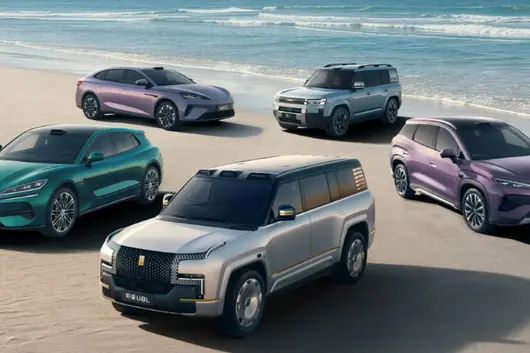

比亞迪正式發布 2026 年 5 月產銷快報,全品牌新能源汽車單月銷量 383453 輛,同比微增 0.26%,時隔十個月實現單月銷量同比轉正;其中乘用車交付 376990 輛,環比大漲 19.4%,一掃前期車型換代陣痛,呈現國內基本盤穩固、海外銷量狂飆、高端品牌全線放量的全新格局,在國內新能源內捲加劇、特斯拉 FSD 入華、自主新品密集上市的市場環境中,走出獨有的結構性增長路線。
王朝 + 海洋兩大主力品牌 5 月合計售出 330215 輛,佔據集團總銷量超八成,仍是比亞迪銷量壓艙石,全系列共 8 款車型單月銷量突破 2 萬台,產品從 5 萬入門代步到 20 萬家用 SUV 實現全覆蓋。
王朝網內部,元家族 56691 輛、宋家族 51370 輛。雙雙跨過五萬門檻,成為品牌兩大銷量支柱,兼顧家用代步與城鄉出行需求;秦家族緊隨其後交出 28360 台穩定表現,漢、唐系列月銷維持六千級體量,深耕中大型家用轎車、SUV 細分市場;全新車型夏處於市場培育期,單月交付 1810 台,後續隨渠道鋪開有望穩步上量。
海洋網增長勢頭更為迅猛,全系五款車型跨入兩萬俱樂部:海獅 42615 台、海豹 34117 台、海鷗 39919 台、海豚 22260 台、宋 PLUS 27755 台。其中海鷗憑藉 6-8 萬親民定價穩居入門代步銷冠,海獅作為全新走量車型上市即站穩四萬量級,補齊海洋網中型 SUV 產品空白,完善海洋產品梯隊佈局。從代步小車到緊湊 SUV,兩大主品牌依托 DM-i 混動與純電雙線技術,牢牢鎖住 15 萬以內國內主流家用市場份額。
方程豹同比暴漲 139.7% 品牌向上落地見效騰勢、方程豹、仰望組成的高端矩陣 5 月合計銷售 46489 輛,正式擺脫小眾定位,成為比亞迪品牌溢價與利潤增長新支點,打破自主品牌高端化難破局的行業魔咒。
越野品牌方程豹單月 30186 輛,同比暴漲 139.7%,創下品牌上市以來月度銷量新高,旗下鎦 7 單月 18280 台,豹 5、豹 8 穩定輸出,在 25-40 萬硬派越野細分市場持續擠壓合資、進口車型生存空間。
騰勢 5 月交付 16303 台,MPV 標桿 D9 售出 6721 台,Z9 系列近 6000 台,MPV、中大型轎車雙線發力,站穩豪華新能源賽道;百萬元級超豪華品牌仰望穩步爬坡,當月交付 286 台,同比增幅 105.8%,完成自主品牌天花板產品的市場驗證,形成從十幾萬家用、三四十萬越野、五十萬豪華 MPV 到百萬元級旗艦的全價格帶產品佈局。
5 月比亞迪乘用車和皮卡海外銷量 160177 輛,同比大漲 80.7%,出口佔全系總銷量突破 42%,創下品牌出海歷史新高,成為穩住 5 月整體銷量、實現同比轉正的核心驅動力。
東南亞、歐洲、拉美成為主力增量市場,海鷗、宋 PLUS、元系列持續登頂多國新能源熱銷榜單,SHARK 皮卡連續兩月單月出口突破 4000 台;依托泰國、巴西、匈牙利、烏茲別克斯坦四大海外整車工廠落地投產,本地化生產持續落地,規避關稅同時快速下沉終端渠道。在國內車市存量競爭、價格戰常態化背景下,高速擴容的海外市場有效對沖國內車型換代帶來的銷量波動,正式從補充市場升級為比亞迪核心增長引擎。截至當前,比亞迪新能源汽車全球累計銷量已經突破 1650 萬輛,全球化版圖持續拓寬。
智駕賦能產品迭代 下半年新品蓄力衝量5 月比亞迪智能化落地迎來關鍵節點,天神之眼智駕系統成為車型核心加分項:全品牌搭載高級智駕車型保有量突破 315 萬輛,日均路測數據超 2 億公里;當月比亞迪落地城市領航、智能泊車雙安全兜底服務,成為全球首家實現兩項智駕兜底的車企,政策落地三天後,搭載天神之眼系統車型的城市 NOA 激活率暴漲 50%,智能化體驗升級直接拉動終端到店訂單轉化,為後續車型持續走量築牢產品競爭力,直面 FSD 入華帶來的智駕市場衝擊。
從數據細節來看,2026 年 1-5 月比亞迪累計銷量 1405039 輛,同比下滑 20.32%,核心誘因是全系主力車型集中換代、第二代閃充刀片電池產能爬坡受限。新款閃充電池升級快充與低溫性能,全系換代車型優先換裝新電池,但產線改造拖累產能釋放,熱門車型訂單積壓、交付延後,一定程度壓縮 5 月交付體量。
隨著二季度末二代刀片電池產能持續釋放,疊加騰勢 N8L、方程豹鎦 7 純電版、海獅 05、夏 L 等多款新車陸續登陸市場,業內普遍預判比亞迪 6 月全品牌銷量有望突破 40 萬輛。依托低端走量鎖份額、高端提利潤、海外衝增量、智能化提產品力的四維發展邏輯,在國內新能源淘汰賽加劇的當下,比亞迪全品類佈局優勢持續放大,坐穩國內新能源龍頭,加速向著全球頭部車企穩步邁進。

比亞迪正式發布 2026 年 5 月產銷快報,全品牌新能源汽車單月銷量 383453 輛,同比微增 0.26%,時隔十個月實現單月銷量同比轉正;其中乘用車交付 376990 輛,環比大漲 19.4%,一掃前期車型換代陣痛,呈現國內基本盤穩固、海外銷量狂飆、高端品牌全線放量的全新格局,在國內新能源內捲加劇、特斯拉 FSD 入華、自主新品密集上市的市場環境中,走出獨有的結構性增長路線。
王朝 + 海洋兩大主力品牌 5 月合計售出 330215 輛,佔據集團總銷量超八成,仍是比亞迪銷量壓艙石,全系列共 8 款車型單月銷量突破 2 萬台,產品從 5 萬入門代步到 20 萬家用 SUV 實現全覆蓋。
王朝網內部,元家族 56691 輛、宋家族 51370 輛。雙雙跨過五萬門檻,成為品牌兩大銷量支柱,兼顧家用代步與城鄉出行需求;秦家族緊隨其後交出 28360 台穩定表現,漢、唐系列月銷維持六千級體量,深耕中大型家用轎車、SUV 細分市場;全新車型夏處於市場培育期,單月交付 1810 台,後續隨渠道鋪開有望穩步上量。
海洋網增長勢頭更為迅猛,全系五款車型跨入兩萬俱樂部:海獅 42615 台、海豹 34117 台、海鷗 39919 台、海豚 22260 台、宋 PLUS 27755 台。其中海鷗憑藉 6-8 萬親民定價穩居入門代步銷冠,海獅作為全新走量車型上市即站穩四萬量級,補齊海洋網中型 SUV 產品空白,完善海洋產品梯隊佈局。從代步小車到緊湊 SUV,兩大主品牌依托 DM-i 混動與純電雙線技術,牢牢鎖住 15 萬以內國內主流家用市場份額。
方程豹同比暴漲 139.7% 品牌向上落地見效騰勢、方程豹、仰望組成的高端矩陣 5 月合計銷售 46489 輛,正式擺脫小眾定位,成為比亞迪品牌溢價與利潤增長新支點,打破自主品牌高端化難破局的行業魔咒。
越野品牌方程豹單月 30186 輛,同比暴漲 139.7%,創下品牌上市以來月度銷量新高,旗下鎦 7 單月 18280 台,豹 5、豹 8 穩定輸出,在 25-40 萬硬派越野細分市場持續擠壓合資、進口車型生存空間。
騰勢 5 月交付 16303 台,MPV 標桿 D9 售出 6721 台,Z9 系列近 6000 台,MPV、中大型轎車雙線發力,站穩豪華新能源賽道;百萬元級超豪華品牌仰望穩步爬坡,當月交付 286 台,同比增幅 105.8%,完成自主品牌天花板產品的市場驗證,形成從十幾萬家用、三四十萬越野、五十萬豪華 MPV 到百萬元級旗艦的全價格帶產品佈局。
5 月比亞迪乘用車和皮卡海外銷量 160177 輛,同比大漲 80.7%,出口佔全系總銷量突破 42%,創下品牌出海歷史新高,成為穩住 5 月整體銷量、實現同比轉正的核心驅動力。
東南亞、歐洲、拉美成為主力增量市場,海鷗、宋 PLUS、元系列持續登頂多國新能源熱銷榜單,SHARK 皮卡連續兩月單月出口突破 4000 台;依托泰國、巴西、匈牙利、烏茲別克斯坦四大海外整車工廠落地投產,本地化生產持續落地,規避關稅同時快速下沉終端渠道。在國內車市存量競爭、價格戰常態化背景下,高速擴容的海外市場有效對沖國內車型換代帶來的銷量波動,正式從補充市場升級為比亞迪核心增長引擎。截至當前,比亞迪新能源汽車全球累計銷量已經突破 1650 萬輛,全球化版圖持續拓寬。
智駕賦能產品迭代 下半年新品蓄力衝量5 月比亞迪智能化落地迎來關鍵節點,天神之眼智駕系統成為車型核心加分項:全品牌搭載高級智駕車型保有量突破 315 萬輛,日均路測數據超 2 億公里;當月比亞迪落地城市領航、智能泊車雙安全兜底服務,成為全球首家實現兩項智駕兜底的車企,政策落地三天後,搭載天神之眼系統車型的城市 NOA 激活率暴漲 50%,智能化體驗升級直接拉動終端到店訂單轉化,為後續車型持續走量築牢產品競爭力,直面 FSD 入華帶來的智駕市場衝擊。
從數據細節來看,2026 年 1-5 月比亞迪累計銷量 1405039 輛,同比下滑 20.32%,核心誘因是全系主力車型集中換代、第二代閃充刀片電池產能爬坡受限。新款閃充電池升級快充與低溫性能,全系換代車型優先換裝新電池,但產線改造拖累產能釋放,熱門車型訂單積壓、交付延後,一定程度壓縮 5 月交付體量。
隨著二季度末二代刀片電池產能持續釋放,疊加騰勢 N8L、方程豹鎦 7 純電版、海獅 05、夏 L 等多款新車陸續登陸市場,業內普遍預判比亞迪 6 月全品牌銷量有望突破 40 萬輛。依托低端走量鎖份額、高端提利潤、海外衝增量、智能化提產品力的四維發展邏輯,在國內新能源淘汰賽加劇的當下,比亞迪全品類佈局優勢持續放大,坐穩國內新能源龍頭,加速向著全球頭部車企穩步邁進。

BYD officially released the May 2026 production and sales flash report, with new energy vehicles from all brands reaching a monthly sales volume of 383,453 vehicles, a slight increase of 0.26% year-on-year, achieving year-on-year positive growth in monthly sales after ten months; among them, passenger car deliveries reached 376,990 units, surging 19.4% month-on-month, wiping out the pain of previous model iterations, presenting a new pattern where the domestic base is stable, overseas sales are soaring, and high-end brands are scaling up across the board. Amidst the market environment of intensified competition in the domestic new energy sector, Tesla FSD entering China, and an intense launch of independent new products, it has forged a unique structural growth path.
The Dynasty and Ocean main brands combined sold 330,215 vehicles in May, accounting for over 80% of the group's total sales, remaining the stabilizer for BYD's sales volume. The full series had 8 models exceeding 20,000 units in monthly sales, covering products from 50,000 entry-level commuter to 200,000 home SUV.
Inside the Dynasty Network, the Yuan family sold 56,691 units, and the Song family 51,370 units. Both crossed the 50,000 threshold, becoming two major sales pillars for the brand, catering to home commuter and urban-rural travel needs; the Qin family followed closely with a stable performance of 28,360 units. The Han and Tang series maintained a volume in the six-thousand range, deeply cultivating the mid-to-large home sedan and SUV niche markets; the brand new model Xia is in the market cultivation phase, delivering 1,810 units monthly, with potential for steady volume growth as channels expand.
The Ocean Network's growth momentum is even more rapid, with 5 models entering the 20,000 club across the series: Sealion 42,615 units, Seal 34,117 units, Seagull 39,919 units, Dolphin 22,260 units, and Song PLUS 27,755 units. Among them, Seagull remains the best-selling entry-level commuter model thanks to its affordable pricing of 60,000-80,000. Sealion, as a new volume model, stands firm at the 40,000 level upon launch, filling the mid-size SUV product gap in the Ocean Network and perfecting the Ocean product tier layout. From commuter small cars to compact SUVs, the two main brands rely on DM-i hybrid and pure electric dual-line technologies to牢牢锁住 the mainstream home market share within 150,000 domestically.
Fang Cheng Bao Year-on-Year Surges 139.7%, Brand Upward Positioning Takes EffectThe high-end matrix of Denza, Fang Cheng Bao, and Yangwang sold a combined 46,489 vehicles in May, officially breaking away from the niche positioning to become a new pivot for BYD's brand premium and profit growth, breaking the industry curse of difficulty in high-end breakthrough for domestic brands.
The off-road brand Fang Cheng Bao sold 30,186 units monthly, surging 139.7% year-on-year, creating a new high in monthly sales since the brand launched. Its Titanium 7 model sold 18,280 units monthly, while Leopard 5 and Leopard 8 output remained stable, continuously squeezing the survival space for joint venture and imported models in the 250,000-400,000 hardcore off-road niche market.
Denza delivered 16,303 units in May, with the MPV benchmark D9 selling 6,721 units, and the Z9 series close to 6,000 units. MPV and mid-to-large sedan dual-line efforts helped them stand firm in the luxury new energy track; the million-level ultra-luxury brand Yangwang continued its steady climb, delivering 286 units that month, a year-on-year increase of 105.8%, completing market verification of the domestic brand ceiling product and forming a full price range product layout from 100,000+ home, 300,000-400,000 off-road, 500,000 luxury MPV to million-level flagship.
In May, BYD's overseas sales of passenger cars and pickup trucks reached 160,177 units, surging 80.7% year-on-year. Exports accounted for over 42% of the full series total sales, setting a new historical high for brand export and becoming the core driving force to stabilize May overall sales and achieve year-on-year positive growth.
Southeast Asia, Europe, and Latin America became the main incremental markets. Seagull, Song PLUS, and Yuan series continued to top new energy best-seller lists in multiple countries; the SHARK pickup truck exceeded 4,000 units in monthly exports for two consecutive months. Relying on the completion of localization production in Thailand, Brazil, Hungary, and Uzbekistan with four overseas vehicle factories, localized production continues to land, avoiding tariffs while rapidly penetrating terminal channels. Against the background of stock market competition in the domestic auto industry and normalized price wars, the rapidly expanding overseas market effectively counteracts sales volatility brought by domestic model iterations, officially upgrading from a supplementary market to BYD's core growth engine. As of now, BYD's global cumulative new energy vehicle sales have exceeded 16.5 million units, with the globalization map continuously broadening.
Intelligent Driving Empowers Product Iteration, H2 New Products Prepare to Surge VolumeMay marked a key node in BYD's intelligent driving landing, with the God's Eye intelligent driving system becoming a core bonus point for models: the number of vehicles with advanced intelligent driving across all brands exceeded 3.15 million, with daily road test data exceeding 200 million kilometers; that month, BYD implemented City Pilot and Smart Parking dual safety backup services, becoming the world's first auto manufacturer to achieve dual intelligent driving backups. Three days after policy implementation, the activation rate of models equipped with the God's Eye system in cities surged 50%. Intelligent driving experience upgrades directly drove in-store order conversion, solidifying product competitiveness for subsequent models to continue volume sales, and facing the intelligent driving market shock brought by FSD entering China.
From data details, BYD's cumulative sales from January to May 2026 were 1,405,039 units, down 20.32% year-on-year. The core reason is that the full series of main models were concentratedly iterated, and the capacity ramp-up of the 2nd Gen Fast Charge Blade Battery was restricted. The new Flash Charge Battery upgraded fast charging and low-temperature performance. Full series iteration models prioritized installing new batteries, but production line retrofitting dragged down capacity release. Order backlogs on popular models and delayed deliveries compressed the May delivery volume to a certain extent.
As the end of the second quarter approaches and the 2nd Gen Blade Battery capacity continues to release, coupled with new models such as Denza N8L, Fang Cheng Bao Titanium 7 Pure Electric Version, Sealion 05, and Xia L landing the market, the industry generally predicts that BYD's full brand sales in June are expected to exceed 400,000 vehicles. Relying on the four-dimension development logic of low-end volume locking share, high-end raising profit, overseas pushing volume, and intelligence improving product power, amidst the intensified new energy elimination round in the domestic market, BYD's full category layout advantage continues to amplify, securing its status as the domestic new energy leader, accelerating steadily towards global top auto manufacturers.


The international energy situation continues to fluctuate, oil prices continue to rise, prompting Europeans to accept electric vehicles, and giving Chinese new energy vehicle brands new hope in Europe. According to foreign media reports, in April 2026, overall sales of Chinese automakers in the European market increased by 114% year-on-year, with SAIC Motor, BYD, and Chery emerging as the big winners.
While products are selling well, facing EU trade barriers and the global reality of excess capacity, Chinese top new and old automakers are also accelerating the layout of overseas production bases, landing localized production by acquiring and renovating idle capacity of traditional automakers in the US and Europe.
From export to sales to production, Chinese new energy vehicle brands going global are accelerating their advancement, expected to enter a new stage of reshaping the European automotive industry landscape.
SAIC Steady, Chery Aggressive, Chinese Cars Selling Big in Europe
On May 22, 2026, European automotive media cited the latest data from local market research firm Dataforce, stating April overall new car sales in Europe continued to recover, up 6.4% year-on-year, with the regional car market maintaining a steady recovery trend overall.
Due to the ongoing conflict in the Middle East, European oil prices have risen by about 20% since 2026, therefore, new energy models became the core driver pulling April growth in the European car market. Among them, pure electric vehicles performed the most prominently, with April sales increasing by 38% year-on-year, setting the highest single-month growth rate since 2026; Plug-in hybrid vehicle sales growth was 21%, and Hybrid vehicle sales growth also reached 15%.
European car users are accelerating their shift to new energy vehicles, which also created a perfect growth opportunity for Chinese car brands to accelerate expanding sales in the European market.

Data shows, in April 2026, overall sales of Chinese automakers in the European market doubled, surging 114% year-on-year. Among them, SAIC Motor sales in April were 30,074 vehicles, stably at the top of the Chinese automaker sales list, BYD single month sales were 28,186 vehicles ranking second, Chery April sales were 25,656 vehicles, ranking third. From a single-month performance perspective, the sales gap between the three Chinese automakers in the European market is also continuously narrowing.
In terms of sales growth rate, April European car market growth rate list was almost dominated by Chinese brands, Leapmotor growth rate was as high as 423%, Chery and BYD followed with year-on-year growth rates of 344% and 125% respectively, overall growth momentum was strong.
Among them, Chery became the Chinese automaker with the strongest growth explosiveness in the European market in April. Compared to April 2025, Chery sales increased by nearly 20,000 vehicles. Dataforce data shows, Chery brand April 2025 sales in Europe were only 4 vehicles, this April reached 5,446 vehicles; In addition, two sub-brands under Chery, Omoda and Jaecoo, both exerted force synchronously, all ranked in the forefront of European market sales growth, among them, Omoda growth ranked third in Europe, Jaecoo ranked sixth. Terminal market performance indicates Chery's layout in Europe has entered a stage of full-force exertion.
Because contrasting sharply with the high growth of Chinese brands is that some European local automakers and traditional car giants encountered sales decline in April. For example, Toyota dipped slightly 1% year-on-year, Renault declined 3%, Ford fell 11%, Hyundai decline reached 12%, Premium brand Porsche also surprisingly declined year-on-year to 17%, Mitsubishi decline was most prominent, reaching 51%.
European local giant Stellantis, which maintains close relations with Chinese automakers Leapmotor and Dongfeng, April sales achieved 4.3% year-on-year growth, but growth rate was lower than the overall European car market performance. Brand performance division within the group was significant, Leapmotor, Fiat, Opel/Vauxhall, Citroen maintained positive sales growth, while Peugeot and Alfa Romeo showed obvious sales decline.
If Chinese new energy vehicle new and old brands can continue this upward momentum, they will be expected to reshape the European market competition landscape.
Chinese Automakers on a Crazy Buying Spree, But Still Must Clear Union Hurdles
On one hand, multiple factors such as oil price hikes and new energy vehicle market transition overlap, leading to weak sales of traditional car giants in the European market. On the other hand, the manufacturing system left over from the fuel vehicle era is also gradually falling into the dilemma of idleness or excess capacity.
Consulting agencies predict, large numbers of low-utilization car factories in the US and Europe will face shutdown or transfer in the future, and the EU's measure of imposing additional import tariffs on Chinese electric vehicles, will further promote Chinese automakers to accelerate the layout of European localized production.
In this context, taking over and renovating traditional automaker factories has become a core method for many Chinese automakers laying out overseas localized production. This phenomenon has also attracted foreign media attention, recently a European automotive media reported that BYD is currently negotiating with Stellantis and other European automakers to take over idle factories in the region. In fact, BYD announced building a factory in Hungary as early as the end of 2023, becoming the first Chinese automaker to build a passenger car factory in the EU.
BYD Hungary factory planned annual capacity is 300,000 vehicles, in 2025 BYD sales in the European market exceeded 187,000 vehicles, year-on-year increase of over 260% compared to 2024. Predicting according to the growth rate, BYD relying solely on one Hungary factory will be difficult to satisfy car sales needs in Europe, therefore rumors about negotiating factory purchase with local car makers are reasonable.
Chinese automakers full of ambition for the European market are not just BYD. Just in one month of May 2026, news has spread about multiple Chinese automakers negotiating European capacity cooperation projects. For example, on May 20, Stellantis Group announced cooperation negotiation with Dongfeng Group, planning to rely on France Rennes factory to achieve local production of Dongfeng new energy models. In addition, Leapmotor also revealed that Leapmotor International established as a joint venture with Stellantis, is expected to acquire Stellantis factory located in Madrid, Spain, quickly build a European local production base.
There is also news that Geely is also actively accelerating the acquisition of Ford Spain Valencia factory partial assembly production line; Xpeng was also exposed to be negotiating with Volkswagen Group, seeking to acquire its European idle capacity. There is also Chery cooperating with Spain Ebro Group to activate former Nissan old factory, currently production has been resumed, Chery models are about to be imported and landed.
Taking over and renovating European automakers' idle capacity, the benefit is avoiding industry duplicate construction, increase local European employment opportunities, conforming to industrial policy orientation, also can save more time and improve efficiency compared to completely self-building factories.
However, what needs to be reminded to Chinese automakers is, buying spree does not mean permanent security, behind it also hides great risks.

Also recently, after news spread about Volkswagen Group and Xpeng negotiating idle capacity sales, Volkswagen Group union head (Daniela Cavallo) stood before tens of thousands of workers, heatedly criticized group management, and strongly opposed management negotiating with Chinese automakers etc. third parties to yield idle capacity.
Under this pressure, Volkswagen Group CEO (Oliver Blume) publicly stated, currently, Volkswagen has not had any negotiations with Chinese manufacturers regarding using European factory capacity, in the future there are absolutely no related cooperation plans.
Compared to emerging markets such as Southeast Asia, Middle East, Africa with high inclusivity to Chinese automakers, mature European car market regulations, unions, environmental protection, employment commitments etc. constraints conditions are more severe, Chinese automakers landing localization through the method of acquiring factories, besides renovating production lines, adapting supply chains, more need to adapt to local rules, adapt to local culture to survive better.
Of course, self-built factories can fully fit the automaker's own manufacturing standards, supply chain systems, and production concepts, autonomy control is stronger, but this also suits fund-adequate, layout pace controllable automakers to go for long-term layout. From this level, currently BYD's capacity layout in Europe fits long-term + short-term coordination better, globally, besides negotiating qualified old factories in major markets for renovation, BYD has landed at least 4 self-built complete vehicle factories in places like Thailand, Hungary, Turkey.
European new energy vehicle sales significantly increased, brought development opportunities to Chinese automakers eager to go global, however European complex emotions on Chinese automaker acquiring factories, again makes Chinese automakers' Europe road full of difficulties. Actually, this round of global automotive capacity restructuring led by Chinese automakers, reflects structural transfer of industry discourse power in the new energy vehicle era.
Fuel vehicle era, US/EU/Japan/Korea automakers dominated global car technical routes, capacity configuration and industry rules, under the wave of smart electrification, relying on complete new energy supply chain, mature three-electric and intelligent technology, efficient capacity system, Chinese automakers are upgrading from product export to full-scale overseas presence of capacity, technology, standards, expected to reshape the European and even global automotive industry landscape.
(Source: autonews.com, reuters.com, bloomberg.com)


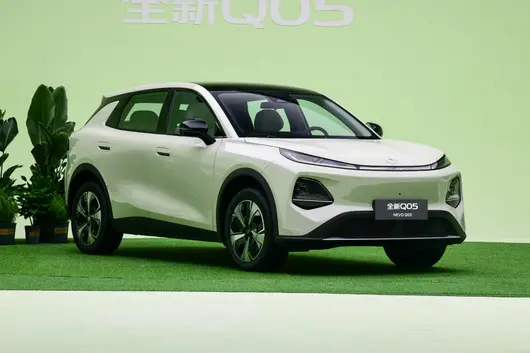
唔知有幾多朋友最近期關注 10 萬內純電 SUV 市場?近段時間睇嚟,呢個細分市場好熱鬧。就講長安啟源全新 Q05 同零跑 A10,上個月銷量分別達 15814 輛同 14372 輛,全部挺進 2026 年 4 月銷量排行全品類前 10,長安啟源全新 Q05 甚至奪得緊緊湊型純電 SUV 市場嘅銷冠。

(長安啟源全新 Q05)
值得留意係,兩款大熱門產品亮點亦唔少,9 萬級可以得到 500km+嘅續航,零跑 A10 甚至配備激光雷達,有高級智駕輔助需求嘅朋友嚟講,呢架車吸引力的確唔低。但係喺價格上,同為高配嘅長安啟源全新 Q05 506Max+ 同零跑 A10 505 激光雷達版,終端價格分別係 9.59 萬同 8.68 萬,手握 9 萬左右預算嘅朋友都可以考慮。明顯係,又去到決賽圈二揀一環節。
 (零跑 A10)
如果對預算比較敏感,咁喺長安啟源全新 Q05 同零跑 A10 之間,後者可能更受歡迎,畢竟終端價格實打實平咗幾千元。而且,高配 A10 配有激光雷達,市區/高速情況均能啟動領航輔助駕駛,呢個就係佢嘅優勢所在。當然,如果預算允許,揀長安啟源全新 Q05 高配,都有帶激光雷達嘅高級輔助駕駛。
 (長安啟源全新 Q05)
但既然係買車前嘅橫評,唔少全方位對比。首先從尺寸睇,作為緊湊型 SUV,長安啟源全新 Q05 長寬高分別係 4435*1855*1595mm,軸距為 2735mm。而零跑 A10 車型級別就係小型 SUV,長寬高分別係 4270*1810*1635mm,軸距為 2605mm。
 (零跑 A10)
如果只係考慮代步、通勤,零跑 A10 嘅細個嘅略有優勢,方便行街串巷。但實際上,好多人買車都要兼顧家用,10 萬內預算也多以剛需用車群體為主。既然係剛需,且有家用需求,嗰空間自然唔好掉鏈子。
 (長安啟源全新 Q05)
 (零跑 A10)
講返日常家庭出行嚟講,兩車之間 130mm 軸距差異,直接反映喺後排體驗。坐入長安啟源全新 Q05 後排,腿部空間平整兼寬敞,一齊坐 3 位成年人都唔會太擠;但係坐入零跑 A10 後排,無論坐寬定係腿部空間都會細少少。媽咪喺後排照顧孩子,長安啟源全新 Q05 後排更加寬敞嘅空間會更加方便佢操作,孩子都能有更大嘅活動空間。
 (長安啟源全新 Q05)
 (零跑 A10)
除咗空間,通勤黨同家庭用戶對舒適配置都比較關注。睇嚟對比,兩車都有配電動尾門、無匙進入、自適應遠近光等外部配置。但係從車廂內睇,零跑 A10 副駕無法電動調節,後排靠背都唔支援角度調節,同埋缺少後排空調出風口、車內 PM2.5 過濾裝置等。
 (長安啟源全新 Q05)
 (零跑 A10)
反觀長安啟源全新 Q05,除咗副駕支持電動調節,前排仲集成咗加熱/通風/按摩/副駕腿托功能,對比零跑 A10 只提供前排座椅加熱,佢嘅品質無疑更上一層樓。包括後排乘員都有少少照顧,例如靠背角度可調、配有後排空調出風口、後排中央扶手/杯架等,更加適合家人同行呢類場景。
 (長安啟源全新 Q05)
 (零跑 A10)
除咗舒享體驗,行駛系統嘅對比我哋都唔好忽略。首先從大家關注嘅續航睇,長安啟源全新 Q05 同零跑 A10 分別搭載 51.9kWh、53kWh 電池,CLTC 純電續航做到 506km、505km,差異大可忽略。但從電芯供應鏈睇,前者出自寧德時代,後者就係國軒高科/江蘇正力,若論品牌含金量,“寧王”順位自然靠前,更值得信賴。另外,兩車都有全球品質,按照全球嚴苛嘅標準打造,零跑 A10 符合國內、歐盟雙標準,長安啟源全新 Q05 已經喺泰國上市,未來仲會相繼落地多個國家地區,最終開拓歐洲區域,此外仲有央企背書,質量品質都好可靠。
因為本文討論嘅係 A10 嘅 505 版本,採用電池液冷技術,溫控較好,而如果係 403 版本,採用成本低嘅風冷技術,散熱效果較差。呢點上,全新 Q05 做得更好,入門就採用電池直冷技術,高配用嘅係液冷技術,能更好地實現熱管理,保證電池安全。
 (長安啟源全新 Q05)
 (零跑 A10)
動力方面,長安啟源全新 Q05 同零跑 A10 都係前置單電機佈局,電機最大動力輸出分別係 120kW/190N·m、90kW/150N·m,0-100km/h 加速時間分別做到 8.9 秒同 10.6 秒。坦率嚟講,兩款車喺純電陣營加速性能都中規中矩;但係相對嚟講,長安啟源全新 Q05 嘅 8 秒級零百加速,喺山路行駛、高速超車等情況下會比零跑 A10 更加分。
 (長安啟源全新 Q05)

(零跑 A10)
總結嚟講,零跑 A10 505 激光雷達版優勢突出:價格更低、智駕輔助覆蓋範圍更廣,適合預算優先 + 科技嘗鮮嘅消費者。而長安啟源全新 Q05 更強調“全面”二字:加少少預算同樣可以獲得高級輔助駕駛,而且尺寸更大、舒適配置更高、採用頭部電芯供應鏈,動力亦更強,綜合表現更全能。總括嚟講,預算 9 萬級追求面面俱到嘅家用體驗,長安啟源全新 Q05 506Max+ 更加值得考慮。

兄弟姐妹們,今日講一個出海嘅大新聞——唔係賣車,係賣「司機」。6 月 2 號,文遠知行同 Uber 聯合宣佈咗一件事:計劃喺西班牙馬德里推出該國首個商業化 Robotaxi 試點服務。意思就係:西班牙人好快就可以用 Uber 叫到一台冇司機嘅出租車。呢次係文遠知行同 Uber 第一次一齊進入歐洲市場。馬德里亦成為文遠知行 Robotaxi 駛入嘅全球第十二個城市。
官方消息話,喺馬德里自治區政府嘅支持下,呢項服務今年內就會正式啟動。到嗰陣,馬德里嘅朋友哋打開 Uber App,就有一鍵呼叫文遠知行嘅 Robotaxi。同叫普通網約車一樣,分別係嚟嘅車冇駕駛員——至少喺初期,仲係有分別嘅。運營初期,車入面會配備經過專業培訓嘅安全員,終究係剛上線,穩妥第一。
文遠知行呢間公司,你可能聽過,也可能冇聽過。簡單介紹下:2017 年成立,一直埋頭搞 Robotaxi 技術研發同商業化。而家佢嘅 Robotaxi 已經覆蓋咗廣州、北京、新加坡、阿布達比、迪拜、利雅得、蘇黎世……加埋而家嘅馬德里,一共 12 個城市。西班牙亦係文遠知行進入嘅第五個歐洲市場——之前已經入咗瑞士、法國、比利時、斯洛伐克。按照文遠知行同 Uber 喺 2025 年 5 月達成嘅規劃,佢哋要喺五年內新增 15 個國際城市部署 Robotaxi 服務,全球部署數萬輛 Robotaxi。隨著馬德里落地,目前已經完成咗 4 個城市嘅佈局,仲有 11 個會喺 2030 年前陸續覆蓋。
講真嘅,中國自動駕駛公司出海唔係頭一回,但中國技術 + 全球出行平台 + 歐洲市場呢個組合,定係好有意思。馬德里係歐洲最具商業潛力嘅 Robotaxi 市場之一,人口多、出行需求大,當地政策都好友善。喺呢個市場站穩腳根,對文遠知行嚟講係個唔小嘅里程碑。對 Uber 嚟講,引進 Robotaxi 都係為咗降低成本——終究司機唔使發人工。對馬德里市民嚟講,以後打車可能更平。