首頁Sprinter Trueno

搜尋歷史
熱門搜尋
經銷商登入 / 註冊

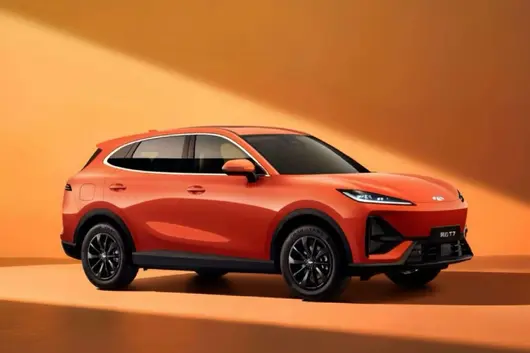
August 12, Chery Fengyun T7 officially opened pre-sale with the theme "Taking time to build a good car, you've waited long enough". The new car offers 3 trims, pre-sale price 109,900 - 129,900 Yuan. The new car is positioned as a global quality pure electric SUV, expected to officially launch at the end of August.

Vehicle dimensions 4570×1852×1694mm, wheelbase 2700mm, space efficiency 84%. Trunk standard 450L, forms 1955mm flat large bed after folding down. 38 storage spaces throughout the vehicle.


This vehicle's sibling model Lepas L6 has launched first in overseas markets such as Thailand, South Africa, and will subsequently land in EU, Australia/New Zealand markets, adopting the "go global first, then return home" reverse market entry path. The new car is developed strictly according to 2026 version E-NCAP 5-star safety standard, cumulatively completed over 6 million km whole vehicle durability testing.

All Fengyun T7 trims standard equipped with 65.05kWh Rhino Lithium Iron Phosphate battery, CLTC range unified at 600km, actual testing reaches 667km. 30%-80% fast charge takes only 20-22 minutes. Supports 6.6kW external discharge. In terms of power, equipped with 178kW single motor, peak torque 275N·m. Chassis is Front MacPherson + Rear Multi-link Independent Suspension.

In terms of intelligence, the new car is powered by 4nm process Qualcomm SA8775 Cockpit-Driving Integrated Chip, NPU computing power 72TOPS. Equipped with 15.6-inch 2.5K floating center screen, built-in Doubao Large Model Lingxi Smart Cockpit 2.0. 22 high-precision sensors throughout the vehicle, high trim supports Highway NOA, 200+ scenario automatic parking, 100-meter trajectory reversing.

Regarding safety, body uses 80% High-strength steel + 18.84% Hot-formed steel, 9 transverse, 5 longitudinal cage body structure. Standard 9 airbags, includes 48L dual-chamber far-end airbags. Rhino Battery passed 2026 version new national standard certification, cycle life over 2500 times.

DaDa Review:
Fengyun T7's core strategy is very direct: all trims 600km range without high/low trim differentiation, starting at 109,900 Yuan giving rear multi-link suspension and 8775 chip, this combination is indeed rare in the 100,000-level pure electric SUV market. Run through global markets first, then sell back home, verification cycle extended to four years, in terms of quality control compared to rivals with fast-paced launches has an extra layer of guarantee. All trims standard with 9 airbags and 80% high-strength steel body, safety configurations are not compromised. For users with a budget of 100,000-120,000 Yuan, prioritizing range authenticity and whole vehicle durability, family users, this vehicle counts as raising the passing standard of competitors at the same price point by a notch.

喺馬來西亞嘅 SUV 市場,好多買家喺揀車嗰陣都會拿 寶騰 X90 同 馬自達 CX-60 來比較。呢兩款車喺價位同定位上都幾接近,今日我哋就從多個方面做個詳細比較,幫你省下做功課嘅時間。
寶騰 X90 喺馬來西亞嘅 OTR 售價係 RM 106,800 - 122,800,一共有 4 個型號,包括 2026 1.5T Prime X(RM 122,800)、2026 1.5T Prime(RM 116,800)、2026 1.5T Lite(RM 106,800) 等。
馬自達 CX-60 喺馬來西亞嘅 OTR 售價係 RM 200,510 - 252,873,一共有 2 個型號,包括 2026 3.3T 4WD High Plus(RM 252,873)、2025 2.5L 2WD High(RM 200,510) 等。
由價錢睇,寶騰 X90 嘅起步價確實比 馬自達 CX-60 平咗 RM 93,710。如果你預算有限,寶騰嘅入門版已經可以滿足日常需求。但都要留意,平嗰幾千蚊,可能喺配備上有取捨,具體就要睇你嘅需求。

寶騰 X90 嘅安全評級係 5★ (ASEAN NCAP),主動安全系統包括 ADAS (ACC, AEB, LKA, LDA, BSM, RCTA)。
馬自達 CX-60 嘅安全評級係 5★ (Euro NCAP),主動安全系統包括 i-Activsense Pro。
安全配備方面,兩款車都拿到唔錯嘅評級。不過 寶騰 X90 嘅 ADAS (ACC, AEB, LKA, LDA, BSM, RCTA) 同 馬自達 CX-60 嘅 i-Activsense Pro 喺功能上有啲差異,如果你比較重視主動安全嘅話,可以仔細對比吓兩者嘅功能列表。

寶騰 X90 採用 FWD 驅動方式。
馬自達 CX-60 採用 FWD 驅動方式。
兩款車嘅驅動方式一樣,都係 FWD,日常駕駛感覺唔會有太大分別。

寶騰 X90 保養期 5 年/150,000km,保養間隔 每 10,000km 或 6 個月。
馬自達 CX-60 保養期 5 年/150,000km,保養間隔 每 10,000km 或 6 個月。
兩款車嘅保養條件一樣,呢方面唔使糾結。實際保養成本仲要睇品牌嘅服務網絡同零件價格,建議去車友群問吓真實車主嘅經驗。

總嚟講,寶騰 X90 同 馬自達 CX-60 都係馬來西亞市場幾唔錯嘅車型。揀邊部車,關鍵都要睇你個人需求同預算。建議大家做好功課,多比較幾間車行嘅報價,先去試駕先做最終決定。買車係件大事,花少少時間做功課絕對唔會錯。


In Malaysia's SUV market, many buyers compare the Proton X70 and Subaru Crosstrek when choosing a car. These two models are quite close in price and positioning. Today, we will make a detailed comparison from multiple aspects to help you save time on research.
The OTR price of the Proton X70 in Malaysia is RM 106,800 - 122,300. There are 3 versions in total, including 1.5L Standard 2WD (RM 106,800), 1.5L Executive 2WD (RM 115,800), 1.5L Premium 2WD (RM 122,300), etc.
The OTR price of the Subaru Crosstrek in Malaysia is RM 145,000 - 160,000. There is 1 version in total, including 2.0L e-Boxer (RM 150,000), etc.
In terms of price, the starting price of the Proton X70 is indeed RM 38,200 cheaper than the Subaru Crosstrek. If your budget is limited, the entry-level version of Proton is already enough for daily needs. But be aware that the few thousand dollars cheaper might involve trade-offs in features, depending on your needs.

The Proton X70 body length is 4400 mm, trunk 400 L.
The Subaru Crosstrek body length is 4400 mm, trunk 400 L.
The dimensions of both cars are almost the same, with little difference in interior space. For cars in this class, daily use is completely sufficient.

The Proton X70 warranty is 5 years / 150,000 km, maintenance interval every 10,000 km or 6 months.
The Subaru Crosstrek warranty is 3 years / 100,000 km, maintenance interval every 10,000 km or 6 months.

Both the Proton X70 and Subaru Crosstrek are mainstream choices in the Malaysia market, suitable for family use and daily commuting. If you value brand reputation and resale price more, consider the one with better reputation first; if you care more about value for money and features, choose the model with richer configuration. Ultimately, it is recommended to test drive both models, as personal experience is the most important.
In general, both the Proton X70 and Subaru Crosstrek are very good models in the Malaysia market. Which one to choose depends on your personal needs and budget. It is recommended to do your homework, compare quotes from multiple dealerships, and then test drive to make a final decision. Buying a car is a big deal, spending time on research will never go wrong.


In Malaysia's SUV market, many buyers compare the Proton X70 and Chery Tiggo Cross when choosing a car. These two models are quite close in price and positioning. Today, we will do a detailed comparison from multiple aspects to save you time on research.
The Proton X70 OTR price in Malaysia is RM 106,800 - 122,300, with a total of 3 versions, including 1.5L Standard 2WD (RM 106,800), 1.5L Executive 2WD (RM 115,800), 1.5L Premium 2WD (RM 122,300), etc.
The Chery Tiggo Cross OTR price in Malaysia is RM 88,750 - 99,750, with a total of 2 versions, including 2025 HEV 1.5L CSH (RM 99,750), 2025 1.5T Standard (RM 88,750), etc.
Looking at the price, the starting price of the Chery Tiggo Cross is RM 18,050 cheaper than the Proton X70. To be honest, in this price range, a difference of a few thousand is actually not significant; the key is to look at the overall value for money and long-term running costs.

The Proton X70 safety rating is 5★ (ASEAN NCAP), with active safety systems including ADAS (ACC, AEB, LKA, LDA, BSM, RCTA).
The Chery Tiggo Cross safety rating is TBD, with active safety systems including Basic.
In terms of safety features, both cars have received good ratings. However, there are some differences in function between the Proton X70's ADAS (ACC, AEB, LKA, LDA, BSM, RCTA) and the Chery Tiggo Cross's Basic. If you value active safety more, you can compare the feature lists of both in detail.

The Proton X70 adopts FWD drive configuration.
The Chery Tiggo Cross adopts FWD drive configuration.
Both cars have the same drive configuration, which is FWD, so there will not be much difference in the daily driving experience.

Both the Proton X70 and Chery Tiggo Cross are mainstream choices in the Malaysian market, suitable for family use and daily commuting. If you value brand reputation and resale value more, you can prioritize the one with better reputation; if you care more about value for money and features, choose the one with richer configuration. Ultimately, we suggest test driving both; personal experience is the most important.
Overall, both the Proton X70 and Chery Tiggo Cross are excellent models in the Malaysian market. Which one to choose depends on your personal needs and budget. We suggest doing your research, comparing quotes from several dealerships, and then test driving to make the final decision. Buying a car is a major decision; spending time on research will never go wrong.


In the Malaysian SUV market, many buyers compare Proton X70 and Mazda CX-5 when choosing a car. These two models are quite close in price and positioning. Today we compare them in detail from multiple aspects to save you time on research.
The OTR price for Proton X70 in Malaysia is RM 106,800 - 122,300. There are 3 versions in total, including 1.5L Standard 2WD (RM 106,800), 1.5L Executive 2WD (RM 115,800), 1.5L Premium 2WD (RM 122,300), etc.
The OTR price for Mazda CX-5 in Malaysia is RM 135,469 - 166,760. There are 3 versions in total, including 2025 2.0L AT 35th Anniversary (RM 316,154), 2025 2.0L AT (RM 296,154), 2025 2.0L MT (RM 294,154), etc.
From a price perspective, Proton X70's starting price is indeed RM 28,669 cheaper than Mazda CX-5. If your budget is limited, Proton's entry-level model can meet daily needs. But note that the few thousand difference might involve trade-offs in features, it depends on your specific needs.

Proton X70 is powered by a 1.5L Turbo, 140 hp. Official fuel consumption 7.0 L/100km.
Mazda CX-5 is powered by a 1.5L Turbo, 140 hp. Official fuel consumption 7.0 L/100km.
Both cars use the same powertrain, the driving experience is basically the same. Fuel consumption is also similar, no need to worry too much about this point.

Proton X70 body length 4400 mm, Trunk 400 L.
Mazda CX-5 body length 4500 mm, Trunk 450 L.
Regarding space, Mazda CX-5's body is 100 mm longer than Proton X70, offering an advantage in seating space. However, Proton X70 is more flexible for parking in the city, each has trade-offs.

Proton X70 adopts FWD drive system.
Mazda CX-5 adopts FWD drive system.
Both cars have the same drive system, both FWD, no major difference in daily driving experience.
Proton X70 and Mazda CX-5 are both mainstream choices in the Malaysian market, suitable for family use and daily commuting. If you value brand reputation and resale value more, prioritize the one with better reputation; if you care more about value for money and features, choose the one with richer configurations. Ultimately, it is recommended to test drive both, personal experience is the most important.
Overall, Proton X70 and Mazda CX-5 are both very good models in the Malaysian market. Which one to choose depends on your personal needs and budget. It is recommended to do your homework, compare quotes from several dealers, and test drive before making the final decision. Buying a car is a major matter, spending time on research will definitely not be wrong.

In Malaysia's SUV market, many buyers compare Proton X70 and Mazda CX-5 when choosing a car. These two cars are quite close in price and positioning. Today, we will do a detailed comparison from multiple aspects to help you save time on research.
Proton X70 OTR price in Malaysia is RM 106,800 - 122,300, there are 3 versions in total, including 1.5L Standard 2WD (RM 106,800), 1.5L Executive 2WD (RM 115,800), 1.5L Premium 2WD (RM 122,300), etc.
Mazda CX-5 OTR price in Malaysia is RM 135,469 - 166,760, there are 3 versions in total, including 2025 2.0L AT 35th Anniversary (RM 316,154), 2025 2.0L AT (RM 296,154), 2025 2.0L MT (RM 294,154), etc.
In terms of price, the starting price of Proton X70 is indeed RM 28,669 cheaper than Mazda CX-5. If your budget is limited, Proton's entry-level version can already meet daily needs. But also note that the difference of a few thousand RM might involve trade-offs in features, it depends on your specific needs.
Proton X70 safety rating is 5★ (ASEAN NCAP), active safety system includes ADAS (ACC, AEB, LKA, LDA, BSM, RCTA).
Mazda CX-5 safety rating is 5★ (ASEAN NCAP), active safety system includes .
Both cars have the same safety rating, safety features are quite complete in this class. New car safety nowadays is not bad, no need to worry too much about this point.
Proton X70 adopts FWD drive method.
Mazda CX-5 adopts FWD drive method.
Both cars have the same drive method, both are FWD, daily driving experience will not be very different.
Proton X70 and Mazda CX-5 are both mainstream choices in the Malaysian market, suitable for family use and daily commuting. If you value brand reputation and resale value more, you can prioritize the one with better reputation; if you care more about cost-performance and features, then choose the one with richer configuration. Ultimately, it is recommended to test drive both, personal experience is the most important.
Overall, Proton X70 and Mazda CX-5 are both quite good models in the Malaysian market. Which one to choose, the key is still to look at your personal needs and budget. It is recommended to do your research well, compare quotes from several dealerships, then test drive to make the final decision. Buying a car is a big matter, spending time doing research will never be wrong.

喺馬來西亞嘅 SUV 市場,好多買家喺揀車嗰陣都會拿寶騰 X70 同豐田 Corolla Cross 嚟做比較。呢兩款車喺價位同定位上都幾接近,今日我哋就從多個方面做一個詳細嘅對比,幫你省咗做功課嘅時間。
寶騰 X70 喺馬來西亞嘅 OTR 售價係 RM 106,800 - 122,300,一共有 3 個版本,包括 1.5L Standard 2WD(RM 106,800)、1.5L Executive 2WD(RM 115,800)、1.5L Premium 2WD(RM 122,300) 等。
豐田 Corolla Cross 喺馬來西亞嘅 OTR 售價係 RM 133,800 - 148,800,一共有 3 個版本,包括 2026 HEV 1.8L GR Sport(RM 148,800)、2026 HEV 1.8L Standard(RM 140,800)、2026 1.8L Standard(RM 133,800) 等。
從價錢嚟睇,寶騰 X70 嘅起步價確實比豐田 Corolla Cross 便宜咗 RM 27,000。如果你預算有限,寶騰嘅入門版已經可以滿足日常需求。但亦要注意,便宜嗰幾千蚊,可能喺配備上會有取舍,具體要看你嘅需求。

寶騰 X70 搭載 1.5L Turbo,馬力 140 hp。官方油耗 7.0 L/100km。
豐田 Corolla Cross 搭載 1.5L Turbo,馬力 140 hp。官方油耗 7.0 L/100km。
兩款車用嘅係同一套動力系統,日常開起嚟嘅感覺基本冇差別。油耗方面都差不多,唔使太糾結這一點。
寶騰 X70 嘅安全評級係 5★ (ASEAN NCAP),主動安全系統包括 ADAS (ACC, AEB, LKA, LDA, BSM, RCTA)。
豐田 Corolla Cross 嘅安全評級係 5★ (ASEAN NCAP),主動安全系統包括 TSS (PCS, LDA, ACC, LTA)。
兩款車嘅安全評級一樣,喺呢個級別里面安全配備都算好齊全。而家嘅新車安全性都唔錯,唔使太擔心這一點。

寶騰 X70 保修 5 年/150,000km,保養間隔 每 10,000km 或 6 個月。
豐田 Corolla Cross 保修 5 年/無限制里程,保養間隔 每 10,000km 或 6 個月。
寶騰 X70 同豐田 Corolla Cross 都係馬來西亞市場嘅主流選擇,適合家庭使用、日常通勤。如果你更睇重品牌口碑同二手價,可以優先考慮口碑更好嗰一款;如果你更在意性價比同配備,就選配置更豐富嗰款。最終都係建議兩款都去試駕,親身體驗先係最重要嘅。
總而言之,寶騰 X70 同豐田 Corolla Cross 都係馬來西亞市場幾唔錯嘅車型。揀邊一個,關鍵仲要睇你嘅個人需求同預算。建議大家做足功課,多比較幾間車行嘅報價,先去試駕做最終決定。買車係件大事,花少少時間做功課絕對唔會錯。


喺馬來西亞嘅 SUV 市場,好多買家喺揀車嗰陣都會拿 寶騰 X70 同 本田 WR-V 做比較。這兩款車喺價位同定位上都幾接近,今日我哋就從多個方面做一個詳細嘅比較,幫你省咗做功課嘅時間。
寶騰 X70 喺馬來西亞嘅 OTR 售價係 RM 106,800 - 122,300,總共有 3 個版本,包括 1.5L Standard 2WD(RM 106,800)、1.5L Executive 2WD(RM 115,800)、1.5L Premium 2WD(RM 122,300) 等。
本田 WR-V 喺馬來西亞嘅 OTR 售價係 RM 89,900 - 107,900,總共有 4 個版本,包括 2023 1.5L V(RM 99,900)、2023 1.5L E(RM 95,900)、2023 1.5L S(RM 89,900) 等。
由價錢睇落,本田 WR-V 嘅起步價比 寶騰 X70 平咗 RM 16,900。老實講,喺呢個價位段,幾千塊嘅差別其實唔算大,關鍵仲係睇整體嘅性價比同長期使用成本。

寶騰 X70 用緊 1.5L Turbo,馬力 140 hp。官方油耗 7.0 L/100km。
本田 WR-V 用緊 1.5L 4-cyl,馬力 105 hp。官方油耗 6.0 L/100km。
動力方面,寶騰 X70 嘅 1.5L Turbo 比 本田 WR-V 嘅 1.5L 4-cyl 多咗 35 匹馬力,中段加速更有信心,尤其係行高速超車嗰陣。不過本田 WR-V 嘅油耗可能更省油,日常市區通勤差別唔會太大。
寶騰 X70 嘅安全評級係 5★ (ASEAN NCAP),主動安全系統包括 ADAS (ACC, AEB, LKA, LDA, BSM, RCTA)。
本田 WR-V 嘅安全評級係 5★ (ASEAN NCAP),主動安全系統包括 本田 SENSING。
兩款車嘅安全評級一樣,喺呢個級別入面安全配備都算好齊全。而家嘅新車安全性都唔錯,唔使太擔心這一點。
寶騰 X70 保修 5 年/150,000km,保養間隔 每 10,000km 或 6 個月。
本田 WR-V 保修 5 年/無限里程,保養間隔 每 10,000km 或 6 個月。
總嚟講,寶騰 X70 同 本田 WR-V 都係馬來西亞市場幾唔錯嘅車型。揀邊一輛,關鍵都係要睇你嘅個人需求同預算。建議大家做好功課,多比較幾間車行嘅報價,先去試駕做最終決定。買車係件大事,花啲時間做功課絕對唔會錯。


[Car Insight Industry] Let's review the major events that occurred in the automotive sector on July 23, 2026.
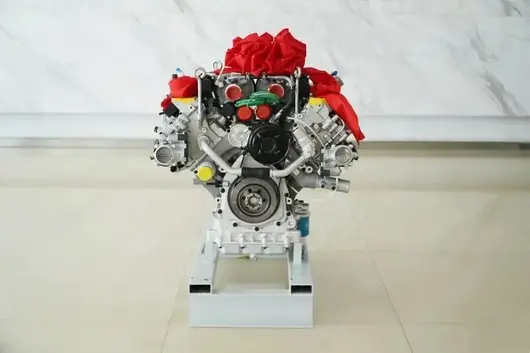
Automotive Event One: Horse Power V6 Engine Prototype Successfully Ignited

Recently, the first prototype of Horse Power HORSE W30 successfully ignited. This model is expected to be paired with the Lotus sports car product line, further perfecting its full-spectrum product matrix from home efficient power to high-end performance power.
As a core product designed for the high-performance hybrid market, HORSE W30 balances ultimate performance, multi-scenario adaptation, and platform expansion capabilities. It can meet the demand for continuous power output in track scenarios and adapt to diverse scenarios such as complex terrain and daily commuting thanks to its flexible hybrid architecture, providing a new technical choice for high-performance hybrid vehicles.
Automotive Event Two: Tesla Releases Q2 Financial Report

On July 23, Tesla released its Q2 2026 financial report. Tesla produced over 451,000 pure electric vehicles globally this quarter, a year-over-year increase of about 10%; deliveries exceeded 480,000, a year-over-year increase of about 25%. The Shanghai Super Factory delivered over 89,000 electric vehicles in June, up 24.4% year-over-year, setting a new high for the year; deliveries in the first half of the year totaled nearly 468,000, up 28.4% year-over-year. Tesla's total revenue for the second quarter increased by 26% year-over-year, reaching $28.2 billion.
As of the second quarter, Tesla's global paid assisted driving users have reached 1.48 million, with the assisted driving option rate in the North American market reaching a historic high, and over half of new vehicles subscribed to assisted driving upon delivery.
Automotive Event Three: The First iCAR V23 Officially Rolls Off the Line in Malaysia

On July 22, ICAR Automotive officially announced that the first iCAR V23 in Malaysia officially rolled off the line, and the new car will arrive at dealerships by the end of July. According to previous reports, in November 2025, the sub-brand iCaur under Chery Automobile Group officially launched the iCaur V23 in Malaysia (domestically iCAR V23), launching a total of 2 models, priced at 119,800-132,800 Malaysian Ringgit (approximately 205,300-227,600 RMB).
'Daily Car News', here you have the latest daily car news, please continue to follow 'Car Insight'

喺馬來西亞嘅 SUV 市場,好多買家喺揀車嘅時候都會用 Proton X50 同 Chery Tiggo 8 PHEV 黎做比較。這兩部車喺價錢同定位上都幾接近,今日我哋就從多個方面做一個詳細比較,幫你省返做功課嘅時間。
Proton X50 喺馬來西亞嘅 OTR 售價係 RM 89,800 - 113,300,合共 4 個版本,包括 1.5T Executive(RM 89,800)、1.5T Premium(RM 101,800)、1.5T Flagship(RM 113,300) 等等。
Chery Tiggo 8 PHEV 喺馬來西亞嘅 OTR 售價係 RM 159,750 - 159,750,合共 2 個版本,包括 1.6L Turbo Standard(RM 130,000)、1.6L Turbo Premium(RM 145,000) 等等。
由價錢睇,Proton X50 嘅起步價確實比 Chery Tiggo 8 PHEV 平咗 RM 69,950。如果你預算有限,Proton 嘅入門版已經可以滿足日常需要。但都要注意,平嘅嗰幾千蚊,可能喺配備上有取捨,具體要睇你嘅需求。

Proton X50 嘅安全評級係 5★ (ASEAN NCAP),主動安全系統包括 ADAS (ACC, AEB, LKA, LDA, BSM, RCTA)。
Chery Tiggo 8 PHEV 嘅安全評級係 TBD,主動安全系統包括 Basic。
安全配備方面,兩部車都拿到唔錯嘅評級。不過 Proton X50 嘅 ADAS (ACC, AEB, LKA, LDA, BSM, RCTA) 同 Chery Tiggo 8 PHEV 嘅 Basic 喺功能上有啲差異,如果你比較重視主動安全嘅話,可以仔細比較下兩者嘅功能列表。
Proton X50 採用 4WD 驅動方式。
Chery Tiggo 8 PHEV 採用 FWD 驅動方式。
Proton 嘅 4WD 同 Chery 嘅 FWD 喺操控上會有唔同感受,建議試駕比較。
Proton X50 同 Chery Tiggo 8 PHEV 都係馬來西亞市場嘅主流選擇,適合家庭使用、日常通勤。如果你更看重品牌口碑同二手價,可以優先考慮口碑更好嗰款;如果你更介意性價比同配備,就揀配置更豐富嗰款。最終仍然建議兩部車都去試駕,親身體驗先係最重要嘅。
總括嚟講,Proton X50 同 Chery Tiggo 8 PHEV 都係馬來西亞市場好唔錯嘅車款。揀邊部車,關鍵依然係睇你嘅個人需求同預算。建議大家做好功課,多比較幾間車行嘅報價,再去試駕做最終決定。買車係件大事,花少少時間做功課絕對唔會錯。


In Malaysia's SUV market, many buyers compare the Proton X50 and Toyota Corolla Cross when choosing a car. These two cars are quite close in price and positioning. Today, we will make a detailed comparison from multiple aspects to help you save time on research.
The OTR price of the Proton X50 in Malaysia is RM 89,800 - 113,300, with a total of 4 versions, including 1.5T Executive (RM 89,800), 1.5T Premium (RM 101,800), 1.5T Flagship (RM 113,300), etc.
The OTR price of the Toyota Corolla Cross in Malaysia is RM 133,800 - 148,800, with a total of 3 versions, including 2026 HEV 1.8L GR Sport (RM 148,800), 2026 HEV 1.8L Standard (RM 140,800), 2026 1.8L Standard (RM 133,800), etc.
From a price perspective, the starting price of the Proton X50 is indeed RM 44,000 cheaper than the Toyota Corolla Cross. If your budget is limited, Proton's entry-level version can already meet daily needs. However, keep in mind that the few thousand cheaper might involve trade-offs in features, it depends on your specific needs.
Proton X50 is equipped with 1.5L 4-cyl, 105 hp. Official fuel consumption 6.0 L/100km.
Toyota Corolla Cross is equipped with 1.5L Turbo, 140 hp. Official fuel consumption 7.0 L/100km.
In terms of power, the 1.5L Turbo of Toyota Corolla Cross has 35 hp more than the 1.5L 4-cyl of Proton X50. However, for daily city driving, both cars have enough power, you won't feel lacking.
Proton X50 uses 4WD drive system.
Toyota Corolla Cross uses FWD drive system.
Proton's 4WD and Toyota's FWD will feel different in handling, test drive comparison is recommended.
Proton X50 warranty 5 years/150,000km, maintenance interval every 10,000km or 6 months.
Toyota Corolla Cross warranty 5 years/unlimited mileage, maintenance interval every 10,000km or 6 months.
Proton X50 and Toyota Corolla Cross are both mainstream choices in the Malaysia market, suitable for family use and daily commuting. If you value brand reputation and resale value more, you can prioritize the one with better reputation; if you care more about value for money and features, choose the one with richer configuration. Ultimately, it is recommended to test drive both, personal experience is the most important.
Overall, Proton X50 and Toyota Corolla Cross are both quite good models in the Malaysia market. Which one to choose depends on your personal needs and budget. It is recommended to do your research, compare quotes from several car dealers, and then test drive to make a final decision. Buying a car is a big matter, spending some time on research will never be wrong.

In the Malaysian SUV market, many buyers tend to compare the Proton X50 and the Honda HR-V when choosing a car. These two cars are quite close in price and positioning, so today we will make a detailed comparison from multiple aspects to help you save time on research.
The Proton X50 OTR price in Malaysia is RM 89,800 - 113,300, with a total of 4 versions, including 1.5T Executive (RM 89,800), 1.5T Premium (RM 101,800), 1.5T Flagship (RM 113,300), etc.
The Honda HR-V OTR price in Malaysia is RM 115,900 - 143,900, with a total of 4 versions, including 2026 e:HEV 1.5L RS (RM 143,900), 2026 1.5T V (RM 137,900), 2026 1.5T E (RM 130,900), etc.
From a price perspective, the Proton X50's starting price is indeed RM 26,100 cheaper than the Honda HR-V. If your budget is limited, the Proton's entry-level version is already enough to meet daily needs. But note that that few thousand cheaper might involve trade-offs in features, depending on your specific needs.
The Proton X50 is equipped with a 1.5L 4-cylinder, 105 hp. Official fuel consumption 6.0 L/100km.
The Honda HR-V is equipped with a 1.5L Turbo, 140 hp. Official fuel consumption 7.0 L/100km.
In terms of power, the Honda HR-V's 1.5L Turbo has 35 more horsepower than the Proton X50's 1.5L 4-cylinder. However, for daily city driving, both cars have enough power, you won't feel it's underpowered.
The Proton X50 body length is 4400 mm, trunk 400 L.
The Honda HR-V body length is 4500 mm, trunk 450 L.
In terms of space, the Honda HR-V's body is 100 mm longer than the Proton X50, giving it an advantage in passenger space. However, the Proton X50 is more flexible for parking in the city, each has its trade-offs.
Both the Proton X50 and Honda HR-V are mainstream choices in the Malaysian market, suitable for family use and daily commuting. If you value brand reputation and resale value more, you can prioritize the one with better reputation first; if you care more about value for money and features, then choose the one with richer configuration. Ultimately, we suggest test driving both, as personal experience is the most important.

Overall, both the Proton X50 and Honda HR-V are very good models in the Malaysian market. Which one to choose depends mainly on your personal needs and budget. We suggest doing your homework, comparing quotes from several dealerships, then test driving to make a final decision. Buying a car is a big matter, spending time doing research will never be wrong.

喺馬來西亞嘅 SUV 市場,好多買家喺揀車嗰陣都會拿 Proton X50 同 Toyota Corolla Cross 嚟做比較。這兩款車喺價位同定位上都相當接近,今日我哋就從多個方面做一個詳細嘅比較,幫你節省咗做功課嘅時間。
Proton X50 喺馬來西亞嘅 OTR 售價係 RM 89,800 - 113,300,一共有 4 個版本,包括 1.5T Executive(RM 89,800)、1.5T Premium(RM 101,800)、1.5T Flagship(RM 113,300) 等。
Toyota Corolla Cross 喺馬來西亞嘅 OTR 售價係 RM 133,800 - 148,800,一共有 3 個版本,包括 2026 HEV 1.8L GR Sport(RM 148,800)、2026 HEV 1.8L Standard(RM 140,800)、2026 1.8L Standard(RM 133,800) 等。
從價錢睇,Proton X50 嘅起步價確實比 Toyota Corolla Cross 平咗 RM 44,000。如果你預算有限,Proton 嘅入門版已經可以滿足日常需求。但都要注意,平嘅那幾千塊,可能喺配備上會有取舍,具體要看你嘅需求。
Proton X50 嘅安全評級係 5★ (ASEAN NCAP),主動安全系統包括 ADAS (ACC, AEB, LKA, LDA, BSM, RCTA)。
Toyota Corolla Cross 嘅安全評級係 5★ (ASEAN NCAP),主動安全系統包括 TSS (PCS, LDA, ACC, LTA)。
兩款車嘅安全評級一樣,喺呢個級別入面安全配備都算給得好齊全。而家嘅新車安全性都不差,唔使太擔心這一點。
Proton X50 車身長 4400 mm,後備箱 400 L。
Toyota Corolla Cross 車身長 4400 mm,後備箱 400 L。
兩款車嘅尺寸幾乎一樣,車內空間差別唔大。呢個級別嘅車,日常使用完全夠用。
Proton X50 採用 4WD 驅動方式。
Toyota Corolla Cross 採用 FWD 驅動方式。
Proton 嘅 4WD 同 Toyota 嘅 FWD 喺操控上會有唔同感受,建議試駕對比。
總嘅嚟講,Proton X50 同 Toyota Corolla Cross 都係馬來西亞市場好唔錯嘅車型。揀邊一輛,關鍵都要睇你嘅個人需求同預算。建議大家做足功課,多比較幾間車行嘅報價,再去試駕做最終決定。買車係件大事,花少少時間做功課絕對唔會錯。

In Malaysia's SUV market, many buyers compare the Perodua Aruz and Toyota Corolla Cross when choosing a car. These two models are quite close in terms of price and positioning. Today, we will make a detailed comparison from multiple aspects to save you time doing your research.
The Perodua Aruz OTR price in Malaysia is RM 72,900 - 77,900, with a total of 2 versions, including 1.5L X (RM 72,900), 1.5L AV (RM 77,900), etc.
The Toyota Corolla Cross OTR price in Malaysia is RM 133,800 - 148,800, with a total of 3 versions, including 2026 HEV 1.8L GR Sport (RM 148,800), 2026 HEV 1.8L Standard (RM 140,800), 2026 1.8L Standard (RM 133,800), etc.
From a price perspective, the starting price of the Perodua Aruz is indeed RM 60,900 cheaper than the Toyota Corolla Cross. If your budget is limited, the entry-level Perodua is already sufficient for daily needs. However, be aware that the price difference might involve trade-offs in features, depending on your specific needs.

The Perodua Aruz safety rating is 5★ (ASEAN NCAP), active safety systems include .
The Toyota Corolla Cross safety rating is 5★ (ASEAN NCAP), active safety systems include TSS (PCS, LDA, ACC, LTA).
Both cars have the same safety rating; safety features in this class are quite comprehensive. New cars nowadays generally have good safety, so there is no need to worry too much about this.
The Perodua Aruz uses FWD drive mode.
The Toyota Corolla Cross uses FWD drive mode.
Both cars have the same drive mode, both are FWD, so there won't be much difference in daily driving experience.

Perodua Aruz warranty 5 years/150,000km, service interval every 10,000km or 6 months.
Toyota Corolla Cross warranty 5 years/unlimited mileage, service interval every 10,000km or 6 months.
Both the Perodua Aruz and Toyota Corolla Cross are mainstream choices in the Malaysian market, suitable for family use and daily commuting. If you value brand reputation and resale value more, you should prioritize the one with better reputation; if you care more about cost-performance ratio and features, then choose the one with richer configuration. Ultimately, it is recommended to test drive both models; experiencing it personally is the most important thing.
Overall, both the Perodua Aruz and Toyota Corolla Cross are very good models in the Malaysian market. Which one to choose depends on your personal needs and budget. It is recommended that you do your research, compare quotes from several dealerships, and then test drive to make a final decision. Buying a car is a big matter, spending some time researching will definitely not go to waste.


喺馬來西亞嘅 SUV 市場,好多買家喺揀車嘅時候都會拎 Perodua Aruz 同 馬自達 CX-3 去做比較。這兩款車喺價錢同定位上都幾接近,今日我哋就由多個方面做一個詳細比較,幫你省翻做功課嘅時間。
Perodua Aruz 喺馬來西亞嘅 OTR 售價係 RM 72,900 - 77,900,總共 2 個型號,包括 1.5L X(RM 72,900)、1.5L AV(RM 77,900)等。
馬自達 CX-3 喺馬來西亞嘅 OTR 售價係 RM 126,159 - 139,159,總共 2 個型號,包括 2023 2.0L High(RM 139,159)、2023 2.0L Plus(RM 126,159)等。
由價錢睇落,Perodua Aruz 嘅起跳價確實比 馬自達 CX-3 平咗 RM 53,259。如果你預算有限,Perodua 嘅入門版已經可以滿足日常需要。但要留意,平嗰幾千蚊,可能喺配備上會有取捨,具體要看你嘅需要。
Perodua Aruz 配備 1.5L 4 氣缸,匹馬 105。官方油耗 6.0 L/100km。
馬自達 CX-3 配備 1.5L 渦輪增壓,匹馬 140。官方油耗 7.0 L/100km。
動力方面,馬自達 CX-3 嘅 1.5L 渦輪增壓比 Perodua Aruz 嘅 1.5L 4 氣缸多咗 35 匹馬力。不過日常喺市區開,兩款車嘅動力都夠用,唔會覺得冇力。
Perodua Aruz 車身長 4400 mm,行李廂 400 L。
馬自達 CX-3 車身長 4500 mm,行李廂 450 L。
空間方面,馬自達 CX-3 嘅車身比 Perodua Aruz 長咗 100 mm,乘坐空間更有優勢。不過 Perodua Aruz 喺城市裡泊車會靈活啲,各有取捨。
Perodua Aruz 採用 FWD 驅動方式。
馬自達 CX-3 採用 FWD 驅動方式。
兩款車嘅驅動方式一樣,都係 FWD,日常駕駛感受唔會有太大分別。

Perodua Aruz 保修 5 年/150,000km,保養間隔 每 10,000km 或 6 個月。
馬自達 CX-3 保修 5 年/150,000km,保養間隔 每 10,000km 或 6 個月。
兩款車嘅保修條件一樣,呢方面唔使糾結。實際保養成本仲要睇品牌嘅服務網絡同零件價格,建議去車友群問下真實車主嘅經驗。
總而言之,Perodua Aruz 同 馬自達 CX-3 都係馬來西亞市場幾唔錯嘅車型。揀邊架,關鍵始終係睇你嘅個人需要同預算。建議各位做好功課,多比較幾間車行嘅報價,先至試駕做最終決定。買車係件大事,花少少時間做功課絕對唔會錯。

In the Malaysian SUV market, many buyers compare Perodua Aruz and Proton X90 when choosing a car. Both cars are quite close in price and positioning, today we will make a detailed comparison from multiple aspects to help you save time on research.
Perodua Aruz's OTR price in Malaysia is RM 72,900 - 77,900, with a total of 2 versions, including 1.5L X (RM 72,900), 1.5L AV (RM 77,900) etc.
Proton X90's OTR price in Malaysia is RM 106,800 - 122,800, with a total of 4 versions, including 2026 1.5T Prime X (RM 122,800), 2026 1.5T Prime (RM 116,800), 2026 1.5T Lite (RM 106,800) etc.
Looking at the price, Perodua Aruz's starting price is indeed RM 33,900 cheaper than Proton X90. If your budget is limited, Perodua's entry version can already meet daily needs. However, keep in mind, the few thousand dollars cheaper, might involve trade-offs in features, depending on your specific needs.
Perodua Aruz is equipped with a 1.5L 4-cyl, 105 hp. Official fuel consumption 6.0 L/100km.
Proton X90 is equipped with a 1.5L Turbo, 140 hp. Official fuel consumption 7.0 L/100km.
In terms of power, Proton X90's 1.5L Turbo has 35 more hp than Perodua Aruz's 1.5L 4-cyl. However, for daily city driving, both cars have enough power, you won't feel it's underpowered.
Perodua Aruz body length 4400 mm, trunk 400 L.
Proton X90 body length 4400 mm, trunk 400 L.
Both cars' dimensions are almost the same, interior space difference is not significant. Cars in this class are fully sufficient for daily use.
Perodua Aruz adopts FWD drive mode.
Proton X90 adopts FWD drive mode.
Both cars have the same drive mode, both are FWD, daily driving feel will not be too different.
Perodua Aruz and Proton X90 are both mainstream choices in the Malaysian market, suitable for family use, daily commuting. If you value brand reputation and resale price more, you can prioritize the one with better reputation; if you care more about cost-performance ratio and features, then choose the one with richer configuration. Ultimately, it is recommended to test drive both, personal experience is the most important.
Overall, Perodua Aruz and Proton X90 are both very good models in the Malaysian market. Which one to choose, mainly depends on your personal needs and budget. We suggest doing your homework, comparing quotes from several dealerships, then test driving to make a final decision. Buying a car is a big matter, spending some time on research is never wrong.
In the Malaysia SUV market, many buyers compare Perodua Aruz and Proton X50 when choosing a car. These two models are quite close in price and positioning. Today we will make a detailed comparison from multiple aspects to help you save time on research.
Perodua Aruz's OTR selling price in Malaysia is RM 72,900 - 77,900, with a total of 2 versions, including 1.5L X (RM 72,900), 1.5L AV (RM 77,900), etc.
Proton X50's OTR selling price in Malaysia is RM 89,800 - 113,300, with a total of 4 versions, including 1.5T Executive (RM 89,800), 1.5T Premium (RM 101,800), 1.5T Flagship (RM 113,300), etc.
From a price perspective, Perodua Aruz's starting price is indeed RM 16,900 cheaper than Proton X50. If your budget is limited, Perodua's entry-level version can already meet daily needs. However, be aware that the few thousand difference might involve compromises in features, depending on your specific needs.
Perodua Aruz comes with a 1.5L 4-cyl, 105 hp. Official fuel consumption 6.0 L/100km.
Proton X50 comes with a 1.5L 4-cyl, 105 hp. Official fuel consumption 6.0 L/100km.
Both cars use the same powertrain, the driving experience feels basically the same in daily use. Fuel consumption is also similar, no need to worry too much about this.
Perodua Aruz safety rating is 5★ (ASEAN NCAP), active safety systems include.
Proton X50 safety rating is 5★ (ASEAN NCAP), active safety systems include ADAS (ACC, AEB, LKA, LDA, BSM, RCTA).
Both cars have the same safety rating, safety features are quite comprehensive in this class. New cars nowadays are not lacking in safety, no need to worry too much about this.
Perodua Aruz warranty 5 years/150,000km, maintenance interval every 10,000km or 6 months.
Proton X50 warranty 5 years/150,000km, maintenance interval every 10,000km or 6 months.
Both cars have the same warranty conditions, no need to worry about this. Actual maintenance costs also depend on the brand's service network and part prices, suggest asking real owners in car groups for experience.
Overall, Perodua Aruz and Proton X50 are both excellent models in the Malaysia market. Which one to choose depends mainly on your personal needs and budget. We recommend doing research, compare quotes from several dealerships, and then test drive to make the final decision. Buying a car is a big deal, taking time to do research is never wrong.

In Malaysia's SUV market, many buyers compare Perodua Ativa and Toyota Yaris Cross when selecting a car. These two models are quite close in price and positioning. Today we will make a detailed comparison from multiple aspects to save you the time of doing research.
Perodua Ativa's OTR price in Malaysia is RM 62,500 - 73,400, with a total of 3 variants, including 1.0L Turbo X (RM 62,500), 1.0L Turbo H (RM 67,300), 1.0L Turbo AV (RM 73,400), etc.
Toyota Yaris Cross's OTR price in Malaysia is RM 99,900 - 109,900, with a total of 2 variants, including 2026 1.5L Standard (RM 99,900), 2026 HEV 1.5L Standard (RM 109,900), etc.
In terms of price, the Perodua Ativa's starting price is indeed RM 37,400 cheaper than the Toyota Yaris Cross. If your budget is limited, Perodua's entry-level version can already meet daily needs. But note that the savings of a few thousand might involve trade-offs in features, depending on your specific requirements.

Perodua Ativa is equipped with a 1.5L 4-cyl, 105 hp. Official fuel consumption 6.0 L/100km.
Toyota Yaris Cross is equipped with a 1.5L 4-cyl, 105 hp. Official fuel consumption 6.0 L/100km.
Both cars use the same powertrain system, with basically no difference in driving feel during daily use. Fuel consumption is also similar, no need to worry too much about this.
Perodua Ativa body length 4400 mm, trunk 400 L.
Toyota Yaris Cross body length 4400 mm, trunk 400 L.
The dimensions of both cars are almost identical, with little difference in interior space. For vehicles in this class, it is more than sufficient for daily use.
Perodua Ativa warranty 5 years/150,000km, service interval every 10,000km or 6 months.
Toyota Yaris Cross warranty 5 years/unlimited mileage, service interval every 10,000km or 6 months.

Overall, both Perodua Ativa and Toyota Yaris Cross are excellent models in the Malaysian market. Which one to choose ultimately depends on your personal needs and budget. We suggest doing your homework, comparing quotes from multiple dealerships, and then test driving to make the final decision. Buying a car is a major decision, spending time doing research will never be wrong.


2026 年 7 月 9 日,新加坡,阿維塔門市,一把車匙交咗俾一位著襯衫、留鬍鬚嘅學者手入——康斯坦丁·諾沃肖洛夫,2010 年諾貝爾物理學獎得主,石墨烯發現者之一。佢正式成為阿維塔 07 第十萬位車主。

呢件事有意思。一個靠「用膠帶撕出單層石墨烯」拿諾獎嘅頂尖物理學家,唔揀矽谷明星車,反而將票投咗畀一個中國品牌。點解?
兩個月前,諾沃肖洛夫去重慶出差,順路試咗試阿維塔。佢原話係:「設計獨特、優雅,充滿未來感;座艙好有科技感,智能交互好似有情緒一樣。」佢仲補咗一句:「呢係我第一台中國車,創新實力同豪華質感都令我好驚訝。」
要知道,新加坡市場賣嘅車,係冇「平」呢回事。阿維塔 07 喺當地起售價超過 100 萬人民幣,直接硬撼傳統豪華品牌。而 2026 年第一季度,新加坡純電動車喺新註冊車入面已佔 57.6% —— 呢樣意思係,能夠喺呢個成熟嘅高端市場立足,靠嘅唔係價格標籤,而係實打實嘅產品力。

阿維塔 07 身上有華為乾崑智駕 ADS 4 同鴻蒙座艙 5,智能駕駛、底盤調校、安全配置都堆到行業前列。由第 7 萬輛到第 10 萬輛下線,唔夠一年時間,側面說明市場喺用腳投票。
不過更值得琢磨嘅,係今次選擇背後嘅含義。
過去我哋習慣講「中國車出海」,潛台詞往往係「用性價比換市場」。但係當一個諾獎得主、世界頂級嘅材料科學家,將中國車放進自己日常生活,呢個敘事就俾顛覆咗 —— 佢揀嘅唔係「夠用」,而係「好到值得」。
目前阿維塔已經進入 43 個國家同地區,計劃 2030 年覆蓋 110 個以上。而像泰國副總理、不丹國王、卡塔爾王室成員等,亦早已成為佢嘅用戶。
所以,回到開頭嗰個問題:諾獎得主唔買特斯拉,卻揀咗台中國電車,憑乜?
答案可能唔複雜 —— 憑佢夠好。好到令一位日日同「未來材料」打交嗰人,願意佢當做今日嘅日常出行工具。呢個比任何廣告詞都更有說服力。

In June, automakers mass-announced impressive production and sales data. BYD, Leapmotor, NIO, and XPeng all submitted growth reports, with single-brand sales figures rising steadily, creating a boom-like scene. However, data shows domestic passenger car retail sales dropped 21% year-on-year. Since the end of last year, the domestic auto market has been stuck in a double-digit decline range, with the drop in February touching 25.3% at one point.

On one side, brands are constantly releasing good news to the outside world; on the other, the overall market continues to shrink. Behind this seemingly contradictory collective carnival lies a picture of industry segmentation woven together by the struggle for existing market share and breakthroughs in overseas markets.
Domestic Auto Market Slows Down
Looking solely at the delivery speed reports released by various automakers to the public, the domestic auto industry in June still seemed to be on an upward trajectory, with head-brand sales figures showing red across the board. However, after terminal retail data was finalized, the 21% year-on-year decline indicates that the contraction of overall industry demand is already a set fact.

Many people interpret the positive growth of head brands as breaking the situation against the trend brought by the company's product power breakthrough. In the current market environment, this judgment is incomplete. With overall domestic terminal demand continuously shrinking and the total market volume continuously falling, the reason head automakers can achieve growth against the trend is partly due to incremental offset from overseas exports, and partly due to grabbing shares in the domestic existing stock market. The extra sales volume of head brands mostly comes from stock orders diverted from weak brands, which also leads to SME automakers lacking capital, technology, and channel support having actual decline rates far higher than the industry average of 21%.
Factors such as capital chains, R&D reserves, offline channels, and many others determine whether an automaker can survive this downturn cycle. This year, many marginal automakers have stopped planning annual facelifts and new models, and dealer stores in various places have successively closed down and withdrawn networks. Consumers naturally avoid these risky brands when purchasing new cars, so customer sources naturally tilt towards enterprises with scale advantages such as BYD and Geely. All global mature auto markets have gone through a brand clearance stage; the domestic auto market has simply compressed the time of this process. The more depressed the market is, the more solid the barriers of scale advantages for head enterprises become.

The 150,000 to 250,000 RMB price range, which is the main interval, is becoming the most brutal battleground in this entire stock war, and the collapse of the intermediate market is hard to reverse. This range was once the foundation for joint-venture fuel vehicles and the core battlefield for independent brands to achieve scale. Currently, user willingness to upgrade has weakened significantly, and hesitation has surged. To save sales, joint ventures rely heavily on deep price cuts to clear stock; discounts for classic family cars like Accord and Passat keep widening, completely loosening traditional pricing systems. Independent automakers, on the other hand, are densely launching hybrid and BEV models in this segment. LiDAR and advanced intelligent driving features are trickling down. Highly homogenized products combined with endless price wars compress the profit margins across the entire market.
Consumer hesitation is strongest in this price segment. Most potential car buyers worry about receiving a new model replacement or a new round of price cuts shortly after getting their cars, so they hesitate to finalize orders. The recent pressure on orders for the BYD Qin and Song pillars exactly proves the congestion level of this red sea track.
Head Automakers Profit Overseas
Domestic competition is cutthroat, while overseas markets have become a panacea for head automakers.
For a long time, the model for domestic automakers going overseas was simple and direct: assemble complete vehicles domestically, ship them in containers, and rely on low prices to open up sales channels in markets like Southeast Asia and Latin America. Essentially, it was just digesting excess capacity. This unidirectional commodity export method has a very low error tolerance. Once the target market implements tariff restrictions or import quota policies, the entire export sales chain will be directly blocked. Not long ago, the new policy introduced by Malaysia was an example.

Now, head automakers are starting to land complete manufacturing, supply chain, and service ecosystems overseas, thereby breaking away from the fragile model that relies solely on exporting complete vehicles, and establishing a long-term stable operational foundation in overseas markets.
From a technological development perspective, over the past few years, basic electrification hardware such as battery packs, drive motors, and hybrid architectures have become highly mature, with solutions converging. Head automakers have basically leveled out the generation gap at the hardware level, making it hard to gain a long-term advantage based on single hardware parameters alone. True differentiation is gradually shifting to intelligent driving algorithms, vehicle architecture tuning, global thermal management, and other soft capabilities. Under the premise of hardware homogenization, scale-based cost control has become the core decisive factor for automakers. BYD reduces manufacturing expenses through its vertical industrial chain, CATL has become a top player in power batteries. New entrant brands find it difficult to bridge the software system gap and replicate scale cost advantages. Achieving a curve overtaking on the hardware side is extremely difficult.
Speaking of this, everyone should be able to see clearly: the overseas expansion of an automaker's supply chain is essentially the outward extension of its own industrial chain capabilities. Against the backdrop of domestic technological homogenization and intensified market involution, what truly widens the final gap between automakers is the control over the core supply chain.
If an automaker only retains body manufacturing and complete vehicle assembly business, it is essentially just an assembly OEM for the upstream supply chain. If upstream raw materials or core parts prices fluctuate slightly, the pricing and profit margin of the terminal model will be directly squeezed. It cannot create unique configurations distinct from competitors, nor does it have the confidence for autonomous pricing.

The industry has gradually differentiated into two response modes. Some automakers go deep internally in self-research, keeping key parts in their own hands; others actively bind with top supply chain enterprises, locking in priority supply qualifications to avoid supply disruption and price hike risks. Those SME automakers that cannot land on either side have neither the capital to invest in upstream R&D nor stable parts orders. Not to mention participating in overseas market layouts, they can hardly withstand the price involution in the domestic market either.
Global layout and deepening of the upstream supply chain are essentially two sides of the same coin. Opening up incremental markets outwardly and safeguarding the profit foundation inwardly; missing either one makes it difficult for an automaker to stabilize its position in the upcoming industry reshuffling.
Public Car Review
In the future, electrification hardware will tend towards homogenization, and the competitive barriers of automakers will shift from parameter stacking to cost control, software capability, and supply chain control. Head enterprises will guard the domestic foundation relying on the full-chain system while overseas expanding with localized ecosystems to hedge risks. In the future, industry victory and defeat will no longer depend on the explosive power of a single product, but on the system showdown of supply chain barriers superimposed with global capabilities. The polarized pattern will continue to solidify.