


首頁Nissan Skyline R32

搜尋歷史
熱門搜尋
經銷商登入 / 註冊

In Malaysia's SUV market, many buyers compare Honda WR-V and Chery Tiggo 8 when choosing a car. These two cars are quite close in price and positioning. Today we will make a detailed comparison on multiple aspects to help you save time on research.
Honda WR-V OTR price in Malaysia is RM 89,900 - 107,900, with a total of 4 versions, including 2023 1.5L V (RM 99,900), 2023 1.5L E (RM 95,900), 2023 1.5L S (RM 89,900), etc.
Chery Tiggo 8 OTR price in Malaysia is RM 129,750 - 129,750, with a total of 1 version, including 2026 1.6T Standard (RM 129,750), etc.
In terms of price, the starting price of Honda WR-V is indeed RM 39,850 cheaper than Chery Tiggo 8. If your budget is limited, Honda's entry-level version is already sufficient for daily needs. However, note that the few thousand difference might involve compromises on features, which depends on your specific needs.

Honda WR-V is equipped with 1.5L 4-cyl, 105 hp. Official fuel consumption 6.0 L/100km.
Chery Tiggo 8 features 1.5L Turbo, 140 hp. Official fuel consumption 7.0 L/100km.
Regarding power, Chery Tiggo 8's 1.5L Turbo has 35 more horsepower than Honda WR-V's 1.5L 4-cyl. However, for daily city driving, both cars have sufficient power and won't feel underpowered.

Honda WR-V safety rating is 5★ (ASEAN NCAP), active safety systems include Honda SENSING.
Chery Tiggo 8 safety rating is TBD, active safety systems include Basic.
In terms of safety features, both cars have received good ratings. However, Honda WR-V's Honda SENSING and Chery Tiggo 8's Basic have some differences in functionality. If you value active safety, you can compare their feature lists closely.

Honda WR-V warranty 5 years/unlimited mileage, service interval every 10,000km or 6 months.
Chery Tiggo 8 warranty 3 years/100,000km, service interval every 10,000km or 6 months.

Overall, Honda WR-V and Chery Tiggo 8 are both quite good models in the Malaysian market. Which one to choose mainly depends on your personal needs and budget. It is recommended to do your research, compare quotes from several dealerships, and then test drive before making a final decision. Buying a car is a big matter, spending time doing research will never go wrong.


作者 | 张睿
编辑 | 志豪
卢伟冰:澎程车型用户群和现有车型重叠度很小,海外经销商对小米汽车关注度很高。
车东西8月18日消息,就在刚刚,小米集团合伙人、总裁卢伟冰,小米集团副总裁兼首席财务官林世伟在电话会议上回应了有关小米集团2026年第二季度业务和财务表现方面相关的问题。
在智能电动车业务部分,卢伟冰和林世伟主要回答了5个有关的问题。
1、澎程车型的用户群和现有车型重叠度很小。
2、小米澎程N90 Max和澎程N70 Max还没有最后定价,对毛利率的影响还不明确。
3、今年已经去了多个国家考察,海外的汽车经销商合作伙伴对小米汽车的关注度非常高,非常想做小米汽车的产品。
4、增程车型和纯电车型目前很难给出具体的销量比例。
5、单车平均售价的波动是由于产品组合的变化。
结合财报来看,2026年第二季度,小米集团总营收1089亿元,经调整净利润62亿元。小米集团智能电动汽车及AI等创新业务分部收入为249亿元,其中智能电动汽车收入为239亿元,同比增长15.9%。
亏损方面,2026年第二季度小米集团智能电动汽车及AI等创新业务分部经营亏损为26亿元,同比扩大约766.67%。
毛利率方面,在2026年第二季度,小米集团智能电动汽车及AI等创新业务分部毛利率为19.2%,同比下降了7.2个百分点,环比下降了0.9个百分点。

▲小米集团智能电动汽车及AI等创新业务分部财务表现
销量方面,小米汽车在2026年第二季度交付量达10.42万辆,同比增加28.2%。
本文福利:小米集团公布2026年第二季度财报,智能电动汽车及AI等创新业务收入同比增长17.1%。财报文件车东西已经帮你准备好了,回复【车东西0992】下载。
01.
澎程用户群和现有车型重叠度小
海外经销商对小米汽车关注度高
在财报会上,卢伟冰和林世伟主要回答了5个与汽车业务有关的问题。
1、从目前小订的情况来看,小米澎程车型的用户画像有哪些特点和变化?相比友商的增程式SUV,哪些是这些抢先预定的车主特别青睐的地方?
卢伟冰:我们在规划澎程这个系列的时候就非常明确,一定要和我们现有的SU7、YU7产品定位不同,用户也是不同的,否则就会产生很大的内部用户抢夺。

▲小米澎程系列车型预售价
从目前来看,这个目标基本上非常好的达成了。澎程车型的用户群和SU7的用户重叠度非常小,和同样是SUV的YU7重叠度也非常小,我们估计可能也就百分之十几的重叠度。
我觉得澎程系列和SU7、YU7重叠度非常小的原因是定位不太一样。SU7、YU7定位是驾驶者之车,我们非常强调它的驾驶感,而澎程这个系列我觉得是为空间而做的。

▲小米YU7与小米SU7
为空间来而做的同时,我们和传统的SUV不一样,我们做的是一个百变的空间,可以去拓展非常多的场景。
小米澎程系列预售发布之后,获得了非常多小订订单,我们也对用户做了分析。
首先一个特点是家庭购车或多人乘车这个场景比SU7、YU7多很多,SU7、YU7可能是个人驾车或者两个人驾车,这是完全不一样的,也导致用户的年龄比SU7、YU7的平均年龄大好几岁。
并且我觉得大家对我们澎程系列的百变空间关注度非常高,虽然用户现在还不能进行实车体验,但是用户已经想到了非常多的场景,甚至很多场景都是我们在设计车的时候,没有想到的场景。
澎程系列将在九月份正式发布,它的订单的预期我们还是比较乐观的。
2、第二季度汽车业务的毛利率同比环比都有一些波动,具体原因有哪些?澎程车型在后续会对毛利率有影响吗?
林世伟:同比来看,我们去年Q2的毛利率数据是因为SU7 Ultra的毛利率相对来说会比较理想,所以我们去年Q2的毛利率相对比较高,这个季度我们SU7 Ultra的交付量同比还是差了不少。
环比来看,我们相对来说交付了更多的新一代SU7,这是我们三月发布的产品,我们第二季度SU7和YU7的交付比例和第一季度不一样。
雷总(小米创办人,董事长兼CEO雷军)在发布会上也说了,其实我们新一代SU7的成本增长了不少,所以我们在新一代SU7交付占比相对比较多的时候,环比毛利率会有一定的下降。
第三个原因就是因为我们的大模型业务收入刚开始起步,对我们整个板块的毛利率有一些负面的影响。
至于小米澎程N90 Max和澎程N70 Max,我们还没有最后定价,所以我觉得毛利率可能还是要在最终定价后,才能看到对毛利率的影响。
3、关于汽车业务在海外市场的布局,是否有一些准备?例如在海外场地方面?
卢伟冰:我们一直说我们会在2027年的下半年出海。今年我们跑了好多个国家,跑下来后看,海外的汽车经销商合作伙伴对我们的关注度非常高,非常想做我们的产品,千方百计希望未来能够做小米的dealer(经销商),热情度还是非常高的。
热情高的原因是因为我觉得大家有很重要的判断。第一个判断是中国的智能电动汽车出海将成为未来的主流,这个趋势已经势不可挡,是一个确定性的趋势。
第二个是在这么多的中国品牌出海里面,经销商到底要选择跟谁合作?这是一个非常重要的判断标准。我觉得首先因为小米在人车家全生态定位是全球独一家的,其次是小米是中国少有的能够做高端品牌的品牌。
第三点就是经销商看到了小米是一家科技公司做汽车,而不是一家传统的汽车厂商。
我们在各个国家目前接触下来的dealer我觉得几乎都是top dealer(顶级经销商),基本上在一个国家里面前十名的top dealer可能至少有七八家会主动找到我们。
我们的香港董事会之后也会到欧洲再去跑很多的国家,来做这方面的市场调研和客户考察。
4、增程车型会占小米汽车销量比例的多少?
卢伟冰:目前很难披露具体的比例,SU7、YU7是基于摩德纳平台去做的,澎程系列是基于昆仑平台去做的,这两个平台在未来来说,我们的目标肯定是齐头并进。
5、第二季度小米电动汽车的单价有下滑的情况,但成本可能会持续的增加,毛利率或利润率的前景如何?
林世伟:ASP(单车平均售价)的波动其实是基于我们的产品组合,第一季度交付更多的是YU7,第二季度交付更多的是SU7,大家知道SU7的价格是比YU7低的,所以就会造成ASP的一些波动。
在去年的第二季度,我们的SU7 Ultra交付比例相对比今年高很多,而SU7 Ultra的ASP比平均高很多。所以我觉得ASP对我们来说是结果,不是目标。ASP相对来说和毛利率也没什么关系,ASP低不代表我们的毛利率就低。
02.
业务分部第二季度收入同比增长17.1%
亏损26亿人民币
2026年上半年,车圈竞争异常激烈,小米汽车业务的财务表现究竟如何?
根据小米集团发布的2026年第二季度业绩公告,小米集团智能电动汽车及AI等创新业务在2026年第二季度收入为249亿元人民币,较去年同期的213亿元人民币同比增长17.1%;占2026年第二季度小米集团总收入的22.9%,较去年同期提升了4.6个百分点。

▲2026年第二季度小米集团各业务营收占比
其中智能电动汽车收入为人民币239亿元,较2025年第二季度的人民币206亿元同比增长15.9%,小米方面表示主要是由于汽车交付量增加所致,部分被汽车ASP(单车平均售价)下降所抵消。

▲2026年第二季度小米智能电动汽车收入
经营亏损方面,2026年第二季度小米集团智能电动汽车及AI等创新业务分部经营亏损为人民币26亿元,较2025年第二季度的3亿元扩大了大约766.67%。

▲2026年第二季度小米集团智能电动汽车及AI等创新业务分部经营亏损
而在2026年第一季度,小米集团智能电动汽车及AI等创新业务分部经营亏损为人民币31亿元,计算后可以得出2026年上半年小米集团智能电动汽车及AI等创新业务分部的经营亏损为人民币57亿元。
毛利率方面,在2026年第二季度,小米集团智能电动汽车及AI等创新业务毛利率为19.2%,较2025年第二季度的26.4%下降了7.2个百分点,较2026年第一季度的20.1%下降了0.9个百分点,小米方面解释为主要是由于小米SU7 Ultra交付量占比下降,核心零部件价格上涨以及AI业务相关成本增加所致。

▲2026年第二季度小米集团各业务毛利及毛利率
单车平均售价(ASP)方面,小米智能电动汽车2026年第二季度的ASP为每辆人民币22.93万元,较2025年第二季度的每辆人民币25.37万元减少了9.6%。小米方面解释为主要是由于Xiaomi SU7 Ultra的交付量占比下降所致。

▲小米智能电动汽车2026年第二季度单车平均售价
经营开支方面,2026年第二季度小米集团智能电动汽车及AI等创新业务分部的经营开支为人民币74亿元,2025年第二季度为人民币59亿元,同比增加了25.7%。

▲2026年第二季度小米集团智能电动汽车及AI等创新业务分部经营开支
销量上,小米本季度共交付10.42万辆新车,较2025年第二季度的8.13万辆同比增长28.2%,小米方面解释为主要是由于新一代小米SU7系列交付量增加所致。

▲2026年第二季度小米汽车交付量
03.
结语:小米汽车即将迎接新挑战
整体上看,小米汽车的2026年第二季度的成绩单喜忧参半。
销量方面,在2026年第二季度小米汽车交付量同比增加28.2%,在智能电动汽车收入方面同比增长15.9%,但小米集团智能电动汽车及AI等创新业务分部仍有26亿人民币的经营亏损。
而接下来,小米汽车的增程SUV澎程系列车型将于9月上市,在中国车市激烈的竞争中,小米汽车接下来会带来什么样的表现,我们拭目以待。
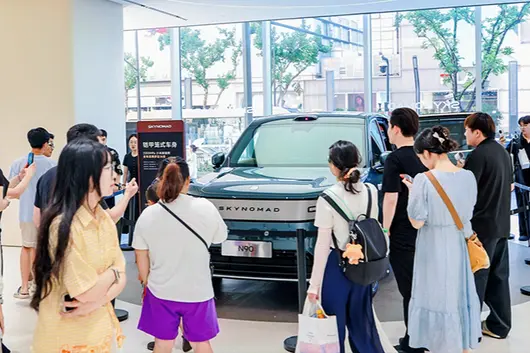


好多消費者買車時都會陷入兩難:市面上新車更新速度越來越快,外觀參數睇住好靚眼,小廠家嘅車實際開兩三年就暴露各種小毛病;想揾一台靠得住耐用、全家人出街都安心嘅家用純電 SUV,揀嚟揀去始終搵唔到兼顧品質、實用、性價比嘅選擇。

8 月 12 日,奇瑞風雲 T7 正式開啟預售,預售價:10.99 萬 -12.99 萬元,本次發布會以“慢功造好車,久等了”為核心主題,徹底跳出行業“速成造車”嘅浮躁節奏。呢台車歷經 2 年項目策劃、3 年深度研發,依托奇瑞全球質造體系打造,係一台行遍全球市場驗證,再回歸國內服務家庭用戶嘅原生全球純電 SUV。今日同大家一齊,拆解呢台車嘅底層實力,同你講點解追求長期耐用、全家出行需要嘅家庭,值得耐心等呢台打磨五年嘅精品車。

唔走出口特供老路,真係先闖全球考場,再回饋國內用戶
市面上唔少國產車型,全部係針對國內市場打造,簡單調整配置後賣去海外,適應性同品質標準大打折扣。風雲 T7 完全反向研發,由項目之初就錨定全球 130 多個國家、唔同地區用戶嘅出行需要,依托奇瑞"1+7+N"全球協同研發網絡,聯動全球八大造型中心、上千名真實用戶一齊參與產品共創,海外同源車型命名 Lepas L6,早已登陸泰國、南非市場熱賣,仲登上米蘭設計周收獲海外媒體認可,被海外車友稱作平價“小 Macan”。

佢喺海外市場站穩腳跟,核心在於整車統一全球嚴苛製造標準,海內外版本無簡配、無縮水。研發階段奇瑞投入 963 台專屬試驗車,累計完成 145 萬公里全域耐久測試,相當於繞地球 36 圈,行遍北歐極寒、中東高溫沙漠、東南亞高濕沿海、南非非鋪裝爛路、高原強紫外線等各類極端路況,將用戶未來十年可能遇到嘅用車難題,全部喺上市前完成優化驗證。

比較好多競爭對手只有幾萬公里測試流程,風雲 T7 呢套漫長嘅驗證週期,正正係對家庭用戶最大嘅誠意。對於普通車主嚟講,買車唔係短期消費品,一台車至少陪伴家庭五到十五年,經過全球各種氣候、路況試煉嘅車型,底盤、三電、車身密封性嘅穩定性,遠高過只係喺城市路況測試嘅車型,北方冬季續航衰減、南方雨季車身生鏽、長途爛路底盤異響等常見痛點,都好早做好針對性優化,一台車南北通用,長期用車故障率更低。

同時奇瑞擁有連續 23 年中國品牌乘用車出口第一嘅底蘊,全球累計 2000 萬車主口碑背書,風雲 T7 相當於讓全球幾十萬海外用戶提前替國內消費者完成品質實測,我哋唔使當“初代小白鼠”,就能拿到一套經過市場檢驗、成熟穩定嘅整車方案,這都係呢台全球車獨有嘅核心優勢。

六大剛需一步拉滿,精準解決家庭用戶全場景用車痛點
作為面向品質家庭打造嘅純電 SUV,風雲 T7 一站式覆蓋顏值、出行、安全、智能、舒享、安心六大核心需求,每一處設計都貼合普通家庭日常通勤、週末露營、長途自駕嘅真實用車場景,冇華而不實嘅噱頭配置,全部落地實用價值。

第一,全系統統一 600km 長續航,告別行業低配續航縮水套路。同級好多車型入門版續航僅 400km 左右,想要長續航只能加預算上高配,風雲 T7 全系標準配備 65kWh 犀牛磷酸鋰鐵電池,CLTC 工況續航穩定 600 公里,百公里電耗低至 12.9 度。日常上班族每日通勤三四十公里,一週只需要充一次電;週末帶埋長輩孩子跨省短途出遊,唔使中途頻密補能。快充 30%-80% 僅需 20 分鐘,服務區休息一陣就能恢復大半電量,仲支持 6.6kW 外放電,露營、野餐用電完全冇壓力。

電池安全更係家用核心關注點,犀牛電池通過針刺、擠壓、燒火多重極限測試,擠壓變形 50% 依然唔會熱失控,電池包抗撞擊能力達到國標十倍,官方仲推出熱失控賠新車嘅兜底政策。搭配熱泵+PTC 雙源制熱系統,零下 25 度低溫環境依然穩定運作,北方冬季續航達成率提升 30%,徹底解決北方電車冬天續航大打折扣嘅難題,電芯 2500 次超長循環壽命,正常家用穩定使用十五年冇壓力。

第二,2700mm 越級空間,兼顧乘坐舒適同載貨靈活。車身尺寸 4570×1852×1694mm,短前後懸設計,城市穿梭靈活好泊車,車內空間卻完全唔輸大一号 SUV。後排純平地台設計,坐滿三位成年人中間乘客唔使蜷腿,全系標準配備零重力運動座椅,支持通風、加熱功能,長途久坐腰背唔酸痛;全車 38 處儲物空間,尾箱常規 422L,搭配 99L 下沉乾濕分離儲物格,小朋友玩具、露營裝備、漁具、髒鞋子可以分開存放,後排座椅放倒後載貨能力直接拉滿,二胎家庭、多人口全家出行完全夠用。

內飾保留人性化物理按鈕,搭配 15.6 吋豎向懸浮中控屏,搭載高通 8155 智能座艙芯片,車機操作流暢無滯住,行車途中唔使喺屏幕上反覆滑動,盲操作就能調節空調、音量,兼顧科技感同行車安全,搭配索尼 8 喇叭音響,日常通勤路上聽歌、帶孩子出行播放動畫,駕乘氛圍感直接提升。

第三,拉滿全域安全配置,守護全家出行。整車按照 2026 版 E-NCAP 全球嚴苛安全標準打造,九橫五縱籠式高強度鋼車身,全系標準配備 7 個安全氣囊,搭載 17 項 ADAS 智能駕駛輔助功能。無論係城市擁堵跟車、高速長途巡航,定係鄉村窄路會車,系統可以主動規避碰撞風險;涉水深度達到 500 毫米,雨季城市積水路段、郊外小溪路段都能從容通行,對於經常帶家人自駕出遊嘅車主,全方位降低出行隱患。

三、慢功夫造車,打破行業浮躁,畀家用車主更長久嘅用車價值
而家新能源行業內卷嚴重,唔少品牌壓縮研發、測試週期,快速推出新車搶佔市場,看似參數亮眼,實則好多細節冇打磨到位,後期電池衰減、底盤異響、車機卡滯問題層出不窮,最後買單嘅仲係普通消費者。奇瑞風雲 T7“2 年策劃、3 年研發”嘅慢節奏,正正係站喺車主長期用車成本角度諗。

對於普通家庭嚟講,買車要兼顧首期、日常電費、後期維修保養三大開支。風雲 T7 低能耗優勢,折算落嚟每公里電費唔到 5 分,對比燃油車每年能夠節省上萬元油費;成熟穩定嘅三電系統、經過百萬公里測試嘅底盤,後期維修保養頻密大幅降低,省去頻密修車嘅時間同金錢成本。同時車型創新模組化選裝方案,預算有限可以選擇基礎實用版本,追求進階體驗可以選裝智駕、全景天窗,唔強制綁定無用配置,車主只為自己需要嘅功能買單,性價比十分突出。

好多人會疑惑,一台打磨五年、全球驗證嘅車型,定價唔會高高在上?從奇瑞風雲系列一貫嘅定價邏輯嚟睇,品牌始終堅持技術平權,將高端全球車標準下放至家用市場,讓普通工薪家庭,唔使花費高額預算,就能擁有一台兼顧顏值、續航、安全、舒適嘅全球品質純電 SUV。

汽車療癒結語
“慢功造好車,久等了”呢句話,唔只係一句發布會主題,更係奇瑞風雲 T7 嘅產品內核。佢冇跟風行業快速迭代嘅浮躁,而是花費五年時間,行遍全球一百多個國家,收集千千萬萬用戶嘅真實用車反饋,一點點打磨三電、底盤、空間、安全每一處細節。

對於需要一台兼顧日常通勤、全家長途出遊,追求長期穩定、低用車成本嘅家庭用戶嚟講,風雲 T7 係少數兼顧全球品質、全方位實用需求嘅選擇。唔使為速成車嘅隱患妥協,唔使為縮水配置妥協,一台經過全球市場認可、五大極端環境試煉嘅家用純電 SUV,終於回到國內,滿足每一個普通家庭對安心出行嘅全部期待。
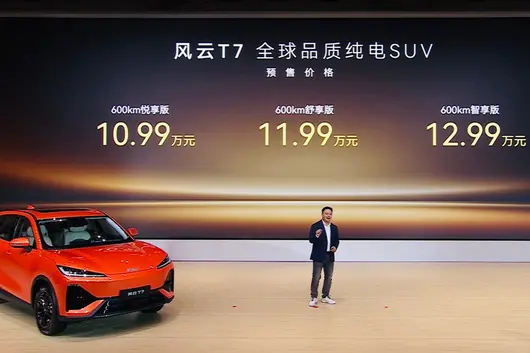

2026 年國內 10-13 萬純電緊湊型 SUV 賽道已進入白熱化競爭階段,比亞迪、長安、埃安、零跑等品牌持續以價格、配置拉鋸市場,多數車型依靠低配減配、續航分級控制成本,行業普遍存在“入門版續航縮水、高階安全配置選擇性下放、售後保障權責模糊”嘅共性問題。8 月 12 日,奇瑞風雲 T7 正式開啓預售,10.99 萬 -12.99 萬元定價、全系 600km 嘅 CLTC 續航、對標 E-NCAP 五星嘅全域安全體系、疊加雙兜底 + 雙終身權益,以“全球標準國民定價”嘅差異化思路,為內捲嘅十萬級純電市場提供全新解題思路。倚靠奇瑞 23 年全球化技術積澱與反向出海研發路徑,風雲 T7 跳出短期價格戰,用全鏈路全球驗證、六大剛需均衡產品力,重新定義家用純電 SUV 嘅價值標尺。

一、行業痛點凸顯:十萬級純電陷入“成本妥協”怪圈
當前主流十萬級純電 SUV 競爭邏輯高度趨同:以低價入門車型搶佔流量,但入門版本普遍壓縮續航、簡化車身鋼材、削減智駕傳感器,形成“高低配割裂”嘅產品分層策略。數據顯示,2026 年 8-12 萬純電 SUV 零售榜單中,多數車型入門版 CLTC 續航集中喺 430-510km 區間,想要 600km 長續航需加價 2 萬元以上,形成天然嘅續航門檻。安全層面,同價位車型高強度鋼佔比普遍 70%-75%,氣囊數量多為 6-7 個,電池防水、低溫熱管理等隱形配置大幅縮水;售後端,行業電池質保多限定非外力損壞,智能駕駛事故責任劃分模糊,用戶長期用車焦慮未能根本化解。


與此同時,新能源市場“速成造車”現象突出,唔少新品研發週期不足兩年,僅針對國內路況完成基礎測試,缺乏高溫、高濕、極寒等全球極限工況驗證,車輛耐久性、氣候適配性存在短板。反觀海外市場,歐盟 E-NCAP、東盟嚴苛法規對車身結構、電池防護、低溫續航提出硬性要求,國內外車型執行雙重標準,亦令到國內家庭用戶難享受到同步全球嘅造車品質。喺此行業背景下,風雲 T7“慢功造好車”嘅研發理念,恰好擊中市場長期存在嘅品質與平權雙重痛點。
二、全球同源研發:反向出海試煉,打造無內外雙標嘅家用純電
區別於行業“先國內上市、再適應海外”嘅常規流程,風雲 T7 採用生而全球嘅反向出海研發路徑,整車同步適應中國、東南亞、中東、歐洲多地區法規,海內外統一製造、驗證、用料標準,拒絕內外雙標。研發週期長達 5 年,2 年策劃、3 年整車研發,投入 81 台專屬耐久車,整車累計測試里程超 600 萬公里,145 萬公里專項耐久實測,針對中東高溫暴曬、印尼雨季高濕、北歐零下 30℃極寒、南美陡坡路況完成全場景極限試煉,呢套嚴苛驗證體系,係多數同價位競品唔具備嘅投入力度。

安全架構上,風雲 T7 直接對標 2026 版 E-NCAP 五星標準,整車 80% 高強度鋼、18.84% 熱成型鋼打造九橫五縱籠式車身,9 個氣囊包含高端車型先配備嘅 48L 雙腔遠端氣囊;犀牛電池搭載 6D 立體防護,IP68 防水等級達到國標 96 倍,可從容應對城市內澇、戶外涉水場景,完美適應國內多雨、多涉水路況。對比同級車型普遍 70% 左右高強度鋼佔比、6 氣囊配置,風雲 T7 喺十萬價位段實現安全硬件無差別下放,打破“低價低配安全”嘅行業潛規則。
底盤層面由瑪莎拉蒂前底盤調校專家領軍國際化團隊打磨,50.8:49.2 黃金軸荷比兼顧城市通勤與長途高速穩定性,倚靠奇瑞自主研發雙軸 K&C 試驗台 26 年技術積累,解決家用純電普遍存在嘅轉向發飄、過彎側傾過大问题。呢套全球化底盤調校能力,係奇瑞多年海外市場技術沉澱嘅直接落地,亦令到風雲 T7 喺駕控質感上形成差異化優勢。

三、六大剛需均衡落地,以配置平權打破行業分級套路
風雲 T7 核心差異化競爭力,喺於全系配置平權,唔倚靠高低配割裂製造價差,圍繞家庭用戶六大核心剛需實現無縮水交付,直指當下家用純電“入門版減配嚴重”嘅行業通病。
出行剛需維度,全系統一搭載 65.05kWh 犀牛電池,CLTC 標準 600km 續航,實測續航突破 667km,實現“反向虛標”,30%-80% 快充只需 20 分鐘;全域一體化雙源寬熱泵空調支援 -30℃至 55℃穩定運轉,北方冬季低溫續航衰減控制優於同級,全系標配 AGS 智能進氣格柵優化能耗,唔再出現“低配無熱泵、續航縮水”嘅情況。喺 10.99 萬入門價位直接俾到 600km 長續航,對比元 PLUS、零跑 B10 等同級車型入門 430km 左右續航,形成鮮明產品優勢。

智能剛需上,全系標配 4nm 製程 8775 艙駕一體晶片,72TOPS 算力、80ms 極速響應,15.6 英寸 2.5K 高清大螢幕、無線全平台手機互通、靈犀智艙 2.0 六大場景模式全部下放;獵鷹 500 智駕系統搭載 22 顆高精度傳感器,支援 300+ 全場景自動泊車,斷頭路、跨樓層、循跡倒車等實用功能全系標配,唔將高階智駕功能捆綁中高配車型。
舒享剛需兼顧家用與戶外場景,4570×1852×1694mm 車身搭配 2700mm 軸距,車內得房率 84%,後排純平地台、911mm 腿部空間,後備箱拓展至 1550L 可形成 1955mm 純平大床;9 層雲感座椅通風加熱全系標配,全車 38 處儲物空間、車頂重載鉚環,適應露營、多人出行多元家庭需求,兼顧日常通勤與戶外拓展雙重場景。

靚靚、安心兩大剛需同樣做到全線統一:6 款原廠車漆同步海外耐候標準,兩種環保內飾面料抗老化褪色;行業稀缺嘅“兩大兜底 + 兩大終身權益”唔設版本門檻,支付千元訂金即可享受。動力電池熱失控賠付同款新車、智駕事故最高 500 萬賠付兩大兜底,搭配整車終身質保、666 元終身基礎保養套餐,由購車、用車到故障理賠形成完整保障閉環,將行業零散嘅售後承諾系統化落地,緩解用戶電池、維修、智駕三大核心焦慮。
四、市場價值啟示:十萬級純電競爭由價格戰轉向價值戰
風雲 T7 嘅 10.99 萬起嘅預售定價,疊加全球標準、全系平權、全週期兜底保障,傳達出清晰嘅行業信號:10-15 萬家用純電市場嘅競爭,即將從單純價格廝殺,轉向技術、品質、售後綜合價值嘅比拼。

此前行業價格戰多以削減安全、續航、智能硬件為代價,短期拉動銷量,但長期透支用戶信任;而風雲 T7 倚靠奇瑞全球化供應鏈、整車自研技術、海外市場規模化攤薄研發成本,實現“高端標準下探主流價位”,證明車企唔需透過減配換取低價,依靠全棧自研與全球化體系,能夠平衡成本與產品力。
對於奇瑞風雲品牌而言,風雲 T7 係佢純電賽道嘅關鍵佈局,倚靠風雲系列混動車型積累嘅家庭用戶基礎,補齊十萬級純電 SUV 細分空白,同時憑藉全球同源產品力支撐海外同步上市節奏,強化奇瑞新能源反向出海嘅產品矩陣。放眼行業,風雲 T7 嘅出現或將倒逼同級競品調整產品策略,減少高低配配置割裂,加大安全、續航、售後保障嘅基礎投入,推動家用純電市場整體品質升級。
結語
喺新能源產業全面進入“中國時間”嘅當下,十萬級家用純電 SUV 係市場容量最大、用戶需求最務實嘅細分賽道。風雲 T7 以長期主義造車思路,摒棄行業速成套路,用全球統一研發驗證標準、全系無差別嘅六大剛需配置、完整兜底式用車保障,重新校準 10 萬級純電 SUV 嘅價值底線。呢場預售唔只係一款新車嘅市場亮相,更加係自主品牌喺主流家用賽道,以全球化技術沉澱回饋國內消費者嘅一次行業示範,亦為同質化內捲嘅純電市場,開闢出一條品質平權嘅嶄新发展路徑。
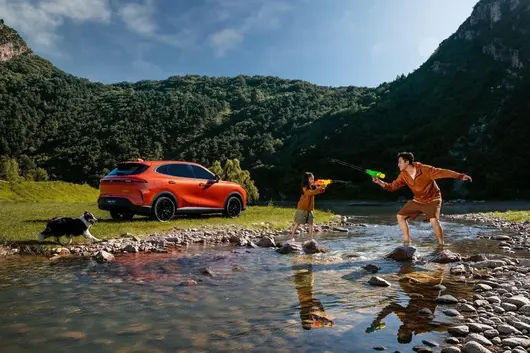

In the Malaysian SUV market, many buyers compare the Proton X90 and Mazda CX-3 when choosing a car. These two models are quite close in price and positioning. Today, we will make a detailed comparison from multiple aspects to help you save time on research.
The OTR price for the Proton X90 in Malaysia is RM 106,800 - 122,800. There are 4 versions in total, including 2026 1.5T Prime X (RM 122,800), 2026 1.5T Prime (RM 116,800), 2026 1.5T Lite (RM 106,800), etc.
The OTR price for the Mazda CX-3 in Malaysia is RM 126,159 - 139,159. There are 2 versions in total, including 2023 2.0L High (RM 139,159), 2023 2.0L Plus (RM 126,159), etc.
In terms of price, the Proton X90's starting price is indeed RM 19,359 cheaper than the Mazda CX-3. If your budget is limited, the Proton entry-level model is sufficient for daily needs. But keep in mind, the few thousand ringgit savings, there might be compromises on specs, it depends on your specific needs.

The Proton X90 is equipped with a 1.5L Turbo engine, 140 hp. Official fuel consumption is 7.0 L/100km.
The Mazda CX-3 is equipped with a 1.5L Turbo engine, 140 hp. Official fuel consumption is 7.0 L/100km.
Both cars use the same powertrain system, the feeling when driving daily is basically the same. Fuel consumption is also similar, no need to worry too much about this.

Proton X90 body length 4400 mm, trunk 400 L.
Mazda CX-3 body length 4500 mm, trunk 450 L.
In terms of space, the Mazda CX-3 body is 100 mm longer than the Proton X90, offering better passenger space. However, the Proton X90 is a bit more flexible for parking in the city, each has its trade-offs.

Proton X90 warranty 5 years/150,000km, maintenance interval every 10,000km or 6 months.
Mazda CX-3 warranty 5 years/150,000km, maintenance interval every 10,000km or 6 months.
Both cars have the same warranty conditions, no need to worry about this aspect. Actual maintenance costs also depend on the brand's service network and part prices, it is recommended to ask real owners in car owner groups for experience.

Overall, both the Proton X90 and Mazda CX-3 are very good models in the Malaysian market. Which one to choose depends on your personal needs and budget. It is recommended to do your homework, compare quotes from several car dealers, and then go for a test drive to make a final decision. Buying a car is a big matter, spending some time on research will definitely not be wrong.


In Malaysia's SUV market, many buyers compare the Proton X90 and Toyota Fortuner when choosing a car. These two cars are quite close in price and positioning. Today, we will make a detailed comparison from multiple aspects to help you save time doing your homework.
The OTR price of the Proton X90 in Malaysia is RM 106,800 - 122,800, with a total of 4 versions, including 2026 1.5T Prime X (RM 122,800), 2026 1.5T Prime (RM 116,800), 2026 1.5T Lite (RM 106,800), etc.
The OTR price of the Toyota Fortuner in Malaysia is RM 195,880 - 241,880, with a total of 3 versions, including 2024 2.8T VRZ Diesel (RM 241,880), 2024 2.7L SRZ Petrol (RM 202,880), 2024 2.4L Standard Diesel (RM 195,880), etc.
In terms of price, the starting price of the Proton X90 is indeed RM 89,080 cheaper than the Toyota Fortuner. If your budget is limited, Proton's entry-level version can already meet daily needs. But also note that the few thousand difference in price might involve compromises on features, depending on your specific needs.
The Proton X90 is equipped with a 1.5L Turbo, 140 hp. Official fuel consumption is 7.0 L/100km.
The Toyota Fortuner is equipped with a 2.5L Diesel, 187 hp. Official fuel consumption is 8.5 L/100km.
In terms of power, the Toyota Fortuner's 2.5L Diesel has 47 more horsepower than the Proton X90's 1.5L Turbo. However, for daily driving in the city, the power of both cars is sufficient, you won't feel lacking in power.
The Proton X90 body length is 4400 mm, trunk 400 L.
The Toyota Fortuner body length is 4400 mm, trunk 400 L.
The dimensions of both cars are almost the same, with little difference in interior space. For cars of this class, it is completely sufficient for daily use.
Both the Proton X90 and Toyota Fortuner are mainstream choices in the Malaysian market, suitable for family use and daily commuting. If you value brand reputation and resale value more, you can prioritize the one with better reputation; if you care more about cost-performance ratio and features, then choose the one with richer configuration. Ultimately, it is recommended to test drive both, as personal experience is the most important.

Overall, both the Proton X90 and Toyota Fortuner are very good models in the Malaysian market. Choosing which one depends mainly on your personal needs and budget. It is recommended to do your homework, compare quotes from several dealerships, and then test drive to make the final decision. Buying a car is a big matter, spending time doing homework will never be wrong.

喺馬來西亞嘅 SUV 市場,好買家在揀車嘅時候都會拿 Proton X70 同 Subaru Forester 來做比較。這兩款車喺價位同定位上都幾近,而家我們就從多個方面做一個詳細比較,幫你省返做功課嘅時間。
Proton X70 喺馬來西亞嘅 OTR 售價係 RM 106,800 - 122,300,一共有 3 個版本,包括 1.5L Standard 2WD(RM 106,800)、1.5L Executive 2WD(RM 115,800)、1.5L Premium 2WD(RM 122,300) 等。
Subaru Forester 喺馬來西亞嘅 OTR 售價係 RM 174,000 - 197,000,一共有 3 個版本,包括 2024 2.0L S EyeSight GT Edition(RM 189,538)、2024 2.0L S EyeSight(RM 177,538)、2024 2.0L L EyeSight(RM 167,538) 等。
從價錢嚟睇,Proton X70 嘅起步價確實比 Subaru Forester 平咗 RM 67,200。如果你預算有限,Proton 嘅入門版已經可以滿足日常需要。但都要留意,平嗰幾千蚊,可能喺配備上會有取捨,具體要睇你嘅需求。

Proton X70 搭載 1.5L Turbo,馬力 140 hp。官方油耗 7.0 L/100km。
Subaru Forester 搭載 2.0L 4-cyl,馬力 170 hp。官方油耗 8.0 L/100km。
動力方面,Subaru Forester 嘅 2.0L 4-cyl 比 Proton X70 嘅 1.5L Turbo 多咗 30 匹馬力。不過日常喺市區開,兩款車嘅動力都夠用,唔會覺得唔夠力。

Proton X70 車身長 4400 mm,行李廂 400 L。
Subaru Forester 車身長 4400 mm,行李廂 400 L。
兩款車嘅尺寸幾乎一樣,車內空間分別唔大。呢個級別嘅車,日常使用完全夠用。

Proton X70 採用 FWD 驅動方式。
Subaru Forester 採用 FWD 驅動方式。
兩款車嘅驅動方式一樣,都係 FWD,日常駕駛感覺唔會有太大區別。
Proton X70 同 Subaru Forester 都係馬來西亞市場嘅主流選擇,適合家庭使用、日常通勤。如果你更睇重品牌口碑同二手價,可以優先考慮口碑更好嗰一款;如果你更在意性價比同配備,那就揀配置更豐富嗰款。最終都係建議兩款都去試駕,親身體驗先至最重要嘅。
總嚟講,Proton X70 同 Subaru Forester 都係馬來西亞市場好唔錯嘅車型。揀邊一輛,關鍵都要睇你嘅個人需要同預算。建議大家做好功課,多比較間車行嘅報價,再去試駕做最終決定。買車係件大事,花少少時間做功課絕對唔會錯。

前几天看到曼城和国际米兰在香港踢了一场比赛,才发现这场欧洲豪门对决背后,还有我们熟知的中国品牌——比亚迪。
它不仅是赛事赞助商,也是曼城和国米的官方合作伙伴,还为两支球队提供了出行保障。现在的中国品牌出海,早就不只是把车卖到海外,而是开始真正走进全球主流文化和顶级体育舞台。
现场还有一群很特别的观众,他们是比亚迪邀请来的中国足球少年,其中不少来自偏远地区。能坐在现场看一场世界级比赛,对这些孩子来说,可能就是一次很难忘的经历,也可能会让他们更坚定自己的足球梦想。
一边和世界顶级俱乐部合作,一边也在把这样的机会带给中国孩子,比亚迪这样的出海,不只是品牌影响力越来越大,也在一点点彰显中国品牌的全球格局。




喺馬來西亞嘅 SUV 市場,好多買家喺揀車嗰陣都會拿 Proton X70 同 Chery Tiggo 7 PHEV 做比較。呢兩款車喺價位同定位上都好接近,今日我哋就從多個方面做一個詳細嘅比較,幫你省下做功課嘅時間。
Proton X70 喺馬來西亞嘅 OTR 售價係 RM 106,800 - 122,300,一共有 3 個版本,包括 1.5L Standard 2WD(RM 106,800)、1.5L Executive 2WD(RM 115,800)、1.5L Premium 2WD(RM 122,300) 等。
Chery Tiggo 7 PHEV 喺馬來西亞嘅 OTR 售價係 RM 129,750 - 129,750,一共有 2 個版本,包括 2025 1.5T 90km CSH(RM 129,750)、Tiggo 7 PHEV 支援邊種充電方法?可以用家用電源插座充電咩?(RM 117,478) 等。
從價錢嚟睇,Proton X70 嘅起步價確實比 Chery Tiggo 7 PHEV 平咗 RM 22,950。如果你預算有限,Proton 嘅入門版已經可以滿足日常需求。但亦要注意,平嗰幾千蚊,可能喺配備上有取捨,具體要睇你嘅需求。

Proton X70 配備 1.5L Turbo,馬力 140 hp。官方油耗 7.0 L/100km。
Chery Tiggo 7 PHEV 配備 Hybrid,馬力 170 hp。官方油耗 4.5 L/100km。
動力方面,Chery Tiggo 7 PHEV 嘅 Hybrid 比 Proton X70 嘅 1.5L Turbo 多咗 30 匹馬力。不過日常喺市區開,兩款車嘅動力都夠用,唔會覺得唔夠力。

Proton X70 車身長 4400 mm,車尾箱 400 L。
Chery Tiggo 7 PHEV 車身長 4400 mm,車尾箱 400 L。
兩款車嘅尺寸幾乎一樣,車內空間差別唔大。呢個級別嘅車,日常使用完全夠用。

Proton X70 同 Chery Tiggo 7 PHEV 都係馬來西亞市場嘅主流選擇,適合家庭使用、日常通勤。如果你更睇重品牌口碑同二手價,可以優先考慮口碑更好嗰一款;如果你更介意性價比同配備,嗰就揀配置更豐富嗰款。最終都建議兩款都去試駕,親身體驗先係最重要嘅。
總體嚟講,Proton X70 同 Chery Tiggo 7 PHEV 都係馬來西亞市場好唔錯嘅車型。揀邊一部,關鍵都係要睇你嘅個人需求同預算。建議大家做好功課,多比較幾間車行嘅報價,再去試駕做最終決定。買車係件大事,花啲時間做功課絕對唔會錯。


In the just passed July, Deepal Auto's production and sales report showed global year-over-year growth of 7.52%. In the context of the price war in the first half of the year being extremely intense, this data is not stunning, even a bit tepid. But the more such a climb appears to lack explosive power, the more it tests a car manufacturer's cardiovascular stamina. Deepal's current cumulative sales base sits at 910,000 units, and to that repeatedly mentioned million-mile milestone, there remains less than 100,000 units.

Checking details, overseas month-over-month growth was 22.87%. Deepal S07 went to Eurasia, S05 landed in Indonesia and Greece. Domestic competition focuses on specs, while overseas competition focuses on systems. Being able to wedge channels bit by bit into mature European markets and complex Southeast Asian markets, this slow work of gnawing on hard bones cannot show splashes in the short term, but is the lifeline for resisting risks in the future.

July's abnormality lies in quietness. There were no widespread promotional posters seen, instead news came out about adjusting product structure. This is called "withdrawing the fist" in the auto circle. People with eyes can see clearly, this is making space for August and September, and also a prelude to Deepal Chairman Deng Chenghao's June "All Series LiDAR" announcement at the Chongqing Auto Show. Channel store efficiency doubling, don't always think about exploiting customers, you must learn to cultivate crops. Jointly launched with JD.com National Good Car 2.0, betting on the Portuguese National Team, actually all point to the same goal: mining the value of the user's full lifecycle.

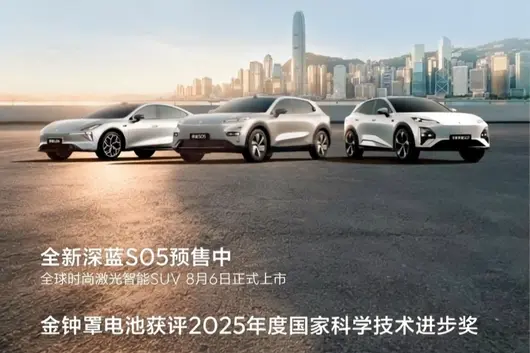
Look again at the technical foundation. Deepal Power Drive production passed 1 million units, this is not only a scale effect, but an endorsement of reliability. The Golden Bell Battery won the National Science and Technology Progress Award, the backend monitored 600,000 km degradation data, which is harder than any adjective. The 800V high-voltage platform and 6C super-fast charging coming in the second half, 10 minutes to replenish 50%, these are the hard currency supporting the 150,000 yuan segment market.
The goal is right in front. But anyone who has played soccer knows, the few steps of approach and adjustment before kicking often consume more energy than the moment of shooting, and decide success or failure more. How to finish running the remaining 90,000 units, Deepal's chosen rhythm is shifting gears rather than accelerating. Perhaps, for the current Chinese new energy car market, this approach of daring to adjust breathing during the sprint phase is more worth waiting for than that million number itself.

July 2026, the overseas expansion of Chinese automobiles received dense signals. Xpeng Motors completed the global launch of the MONA L03 in Munich, Germany, followed by the release of a long-term Australian strategy in Melbourne. Within a month, this emerging automaker made moves simultaneously in the European and Australian markets, significantly accelerating its global expansion pace.
Data shows that Xpeng Motors' global cumulative sales have already exceeded 1.2 million units. Overseas deliveries in 2025 reached 45,000 units, a year-on-year increase of 96%. Entering 2026, Xpeng's overseas monthly sales are reportedly nearing 10,000 units. Xpeng Chairman He Xiaopeng proposed the target: overseas sales in 2026 double to over 90,000 units, overseas revenue share exceeds 20%, and overseas sales will account for half of total sales in the next five years.
According to Xpeng personnel, in the first half of this year, Xpeng's overseas sales growth was significant. The European market grew 154% year-on-year, the Asia-Pacific market grew 144% year-on-year, and full year overseas sales are expected to double. It was also stated that the company has formulated a detailed global strategic plan, aiming to achieve 1 million overseas sales by 2030.
Behind these numbers, is a transformation from "selling cars" to "building systems".
From "Exporting Vehicles" to "Establishing Local Presence"
The overseas expansion model relying solely on vehicle exports is facing increasingly high trade barriers. Xpeng's chosen path is: to establish production bases and localized service systems overseas.

Image source: Xpeng
On the production side, Xpeng has currently deployed three overseas production bases. In July 2025, Indonesia became Xpeng's first overseas local production country, and the first locally produced X9 was delivered. In September of the same year, the Austria Graz factory cooperating with Xpeng and Magna started mass production. The first batch of G6 and G9 rolled off the line. This was Magna's first time assembling complete vehicles for a Chinese automaker. In June 2026, Xpeng's Malaysia Malacca factory officially went into production, mainly featuring the RHD version G6.
These three factories correspond to Southeast Asia LHD markets, Southeast Asia RHD markets, and the European market respectively, thereby forming a differentiated capacity layout. Xpeng stated that the company is accelerating the layout of local production in multiple places, with new production bases in Latin America and Europe also in planning. It was further introduced: Xpeng will adopt the "Global Models, Local Production, Local R&D" model. It has currently established 8 major R&D centers and 6 major production bases globally.
On the sales and service side, Xpeng's overseas sales network covers 65 countries and regions, possessing 467 stores. Taking the Australian market as an example, Xpeng plans to launch five new cars within six months, with a layout of 3 flagship experience centers and 50 sales outlets. The company also established a factory original parts warehouse managed by FedEx in Melbourne, capable of achieving next-day delivery in major states.

Image source: Xpeng
This simultaneous landing of "Product + Channel + Spare Parts" contrasts with Xpeng's previous channel controversy—shifting from relying on a single dealer to multi-mode parallel operation is a necessary path for the brand to mature in overseas markets.
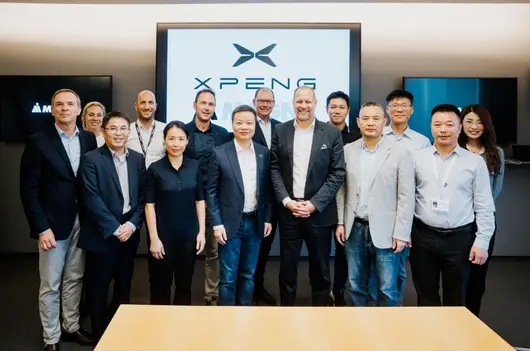
Notably, Xpeng is also exploring deeper localization. In September 2025, Xpeng activated its first European R&D center in Munich, which is already its ninth global R&D center. He Xiaopeng recently stated that the company is studying the possibility of utilizing factories with higher idle capacity from German automakers for production.
From R&D to production to service, Xpeng attempts to establish a complete industrial closed loop in Europe, rather than just transporting cars there to sell.
Intelligent Driving Going Global: The Toughest Card to Play
If production and service are the "hardware" of going overseas, then intelligent driving can be said to be the "software ace" in Xpeng's hand, of course also the variable with the greatest uncertainty.

Image source: Xpeng
In July 2026, He Xiaopeng personally went to Munich, Germany, and completed the localization acceptance test of the second-generation VLA (Vision-Language-Action) large model. This system trained on Chinese road conditions demonstrated stable adaptability in scenarios such as European urban main roads, narrow alleys, and high-curvature curves. Xpeng thereby became the first domestic automaker to connect the Chinese and European intelligent driving systems with "the same model".
The technical logic behind this is: do not rely on HD maps and preset rules, but make driving decisions through perceptual scene semantics. Compared with traditional solutions, this route avoids the long cycle of map collection and compliance approval when entering new markets. Additionally, the model can simultaneously support L2 assisted driving and L4 autonomous driving.

Image source: Xpeng
In terms of implementation pace, Xpeng plans to open Highway NGP functions in Europe by the end of 2026, and push City NOA via OTA starting in 2027. The intelligent driving landing time for the Australian market is also set in 2027.
But challenges are equally obvious. The promotion of high-end intelligent driving in right-hand drive markets still needs to cross strict local regulation approval barriers and complete deep scene semantics adaptation in unfamiliar traffic systems.
In June 2026, UN WP.29 officially released the global unified technical regulations for autonomous driving systems (ADS GTR), and new EU regulations in 2027 will also be implemented. Xpeng's successful acceptance of the VLA model in Munich, to some extent, is a pre-emptive "stress test" against these new regulations.
Conclusion
From Indonesia to Austria, from Malaysia to Australia, Xpeng is attempting to build a complete chain of "R&D-Production-Sales-Service-Intelligent Driving" simultaneously in multiple markets. This is no longer a story of a company selling more cars, but a sample of how Chinese intelligent automobiles can establish systematic competitiveness globally.
But the other side of the coin is equally clear: In Q1 2026, Xpeng's domestic deliveries declined 33.3% year-on-year. Overseas expansion is both a proactive strategic breakout, and also reflects the reality pressure under intensified domestic market competition. When a company spreads out in multiple unfamiliar markets simultaneously, the requirements for capital, talent, management, and compliance capabilities will rise exponentially. For Xpeng, which is currently in the critical period of going overseas, the real challenges may still be ahead.

喺馬來西亞嘅 SUV 市場,好多買家喺揀車嘅時候都會用 Proton X70 同 Mazda CX-5 嚟做比較。呢兩款車喺價位同定位上都好接近,今日我哋就從多個方面做個詳細比較,幫你節省做功課嘅時間。
Proton X70 喺馬來西亞嘅 OTR 售價係 RM 106,800 - 122,300,合共 3 個版本,包括 1.5L Standard 2WD(RM 106,800)、1.5L Executive 2WD(RM 115,800)、1.5L Premium 2WD(RM 122,300) 等。
Mazda CX-5 喺馬來西亞嘅 OTR 售價係 RM 135,469 - 166,760,合共 3 個版本,包括 2025 2.0L AT 35th Anniversary(RM 316,154)、2025 2.0L AT(RM 296,154)、2025 2.0L MT(RM 294,154) 等。
由價錢睇,Proton X70 嘅起步價確實比 Mazda CX-5 平咗 RM 28,669。如果你預算有限,Proton 嘅入門版已經可以滿足日常需求。但都要注意,平嗰幾千蚊,可能喺配備上會有取捨,具體就要睇你嘅需求。

Proton X70 搭載 1.5L Turbo,馬力 140 hp。官方油耗 7.0 L/100km。
Mazda CX-5 搭載 1.5L Turbo,馬力 140 hp。官方油耗 7.0 L/100km。
兩款車用緊同一套動力系統,日常駕駛嘅感受根本冇分別。油耗方面都差唔多,唔使太糾結呢點。

Proton X70 嘅安全評級係 5★ (ASEAN NCAP),主動安全系統包括 ADAS (ACC, AEB, LKA, LDA, BSM, RCTA)。
Mazda CX-5 嘅安全評級係 5★ (ASEAN NCAP),主動安全系統包括 。
兩款車嘅安全評級一樣,喺呢個級別入面安全配備都算好齊全。而家嘅新車安全性都唔差,唔使太擔心呢點。

Proton X70 採用 FWD 驅動方式。
Mazda CX-5 採用 FWD 驅動方式。
兩款車嘅驅動方式一樣,都係 FWD,日常駕駛感受唔會有太大分別。
Proton X70 同 Mazda CX-5 都係馬來西亞市場嘅主流選擇,適合家庭使用、日常通勤。如果你更睇重品牌口碑同二手價,可以優先考慮口碑更好嗰款;如果你更在意性價比同配備,就揀配置更豐富嗰款。最後都建議兩款都去試駕,親身體驗先係最重要。
總體嚟講,Proton X70 同 Mazda CX-5 都係馬來西亞市場幾唔錯嘅車型。揀邊一輛,關鍵始終係睇你嘅個人需求同預算。建議大家做足功課,多比較幾間車行嘅報價,再去試駕做最終決定。買車係件大事,花啲時間做功課絕對唔會錯。


In Malaysia's SUV market, many buyers compare Proton X50 and Mitsubishi Xforce when choosing a car. Both models are quite close in price and positioning, so today we will do a detailed comparison from multiple aspects to help you save time on research.
The Proton X50's OTR price in Malaysia is RM 89,800 - 113,300, with a total of 4 versions, including 1.5T Executive (RM 89,800), 1.5T Premium (RM 101,800), 1.5T Flagship (RM 113,300), etc.
The Mitsubishi Xforce's OTR price in Malaysia is RM 109,930 - 119,930, with a total of 2 versions, including 2026 1.5L Ultimate (RM 119,930), 2026 1.5L Urban (RM 109,930), etc.
In terms of price, the starting price of Proton X50 is indeed RM 20,130 cheaper than Mitsubishi Xforce. If your budget is limited, Proton's entry-level version can already meet daily needs. However, also note that the savings of a few thousand might involve trade-offs in equipment, depending on your needs.

Proton X50's safety rating is 5★ (ASEAN NCAP), active safety systems include ADAS (ACC, AEB, LKA, LDA, BSM, RCTA).
Mitsubishi Xforce's safety rating is 5★ (ASEAN NCAP), active safety systems include MI-PILOT.
Both cars have the same safety rating, and safety features are quite comprehensive within this class. New cars nowadays have good safety, so there is no need to worry too much about this.
Proton X50 uses a 4WD drive system.
Mitsubishi Xforce uses a FWD drive system.
Proton's 4WD and Mitsubishi's FWD will feel different in handling, a test drive comparison is recommended.
Proton X50 warranty is 5 years/150,000km, maintenance interval every 10,000km or 6 months.
Mitsubishi Xforce warranty is 3 years/100,000km, maintenance interval every 10,000km or 6 months.

Both Proton X50 and Mitsubishi Xforce are mainstream choices in the Malaysian market, suitable for family use and daily commuting. If you value brand reputation and resale value more, prioritize the one with better reputation; if you care more about cost-performance ratio and features, choose the one with richer configuration. Ultimately, it is recommended to test drive both, personal experience is the most important.
Overall, both Proton X50 and Mitsubishi Xforce are very good models in the Malaysian market. Which one to choose depends mainly on your personal needs and budget. It is recommended to do your homework, compare quotes from several car dealerships, and then test drive to make a final decision. Buying a car is a big matter, spending time on homework will never be wrong.


喺馬來西亞嘅 SUV 市場,好多買家喺揀車嘅時候都會用 寶騰 X50 同 現代 Tucson 做比較。呢兩款車喺價位同定位上都好接近,今日我就從多個方面做一次詳細嘅比較,幫到你省返做功課嘅時間。
寶騰 X50 喺馬來西亞嘅 OTR 售價係 RM 89,800 - 113,300,合共有 4 個版本,包括 1.5T Executive(RM 89,800)、1.5T Premium(RM 101,800)、1.5T Flagship(RM 113,300) 等。
現代 Tucson 喺馬來西亞嘅 OTR 售價係 RM 143,888 - 197,888,合共有 5 個版本,包括 2025 HEV 1.6T AT 2WD Prestige(RM 197,888)、2025 1.6T DCT 4WD Prestige(RM 186,888)、2025 1.6T DCT 2WD Prime(RM 164,888) 等。
單睇價錢嚟講,寶騰 X50 嘅起價真係比 現代 Tucson 平咗 RM 54,088。如果你預算有限,寶騰嘅入門版已經可以滿足日常需要。但都要留意,平嗰幾千蚊,喺配備上面會有取舍,具體睇你嘅需要。
寶騰 X50 裝載 1.5L 4 缸,馬力 105 hp。官方油耗 6.0 L/100km。
現代 Tucson 裝載 1.5L Turbo,馬力 140 hp。官方油耗 7.0 L/100km。
單睇動力方面,現代 Tucson 嘅 1.5L Turbo 比 寶騰 X50 嘅 1.5L 4 缸多咗 35 匹馬力。不過日常喺市內開,兩款車嘅動力都夠用,唔會覺得唔夠力。
寶騰 X50 嘅安全評級係 5★ (ASEAN NCAP),主動安全系統包括 ADAS (ACC, AEB, LKA, LDA, BSM, RCTA)。
現代 Tucson 嘅安全評級係 5★ (ASEAN NCAP),主動安全系統包括 SmartSense。
兩款車嘅安全評級一樣,喺呢個級數入面安全配備都算好齊全。而家嘅新車安全性都唔差,唔使太擔心呢一點。
寶騰 X50 保修 5 年/150,000km,保養間隔 每 10,000km 或 6 個月。
現代 Tucson 保修 5 年/300,000km,保養間隔 每 10,000km 或 6 個月。

總括嚟講,寶騰 X50 同 現代 Tucson 都係馬來西亞市場好唔錯嘅車型。揀邊一輛,關鍵仲係要睇你嘅個人需要同預算。建議大家做足功課,多比較幾間車行嘅報價,先至去試駕做最終決定。買車係件大事情,花少少時間做功課絕對唔會錯。

In the Malaysian SUV market, many buyers compare the Proton X50 and Chery Tiggo 7 PHEV when choosing a car. Both cars are quite close in price range and positioning. Today, we will make a detailed comparison from multiple aspects to save you time doing research.
Proton X50 in Malaysia's OTR price is RM 89,800 - 113,300, there are a total of 4 versions, including 1.5T Executive (RM 89,800), 1.5T Premium (RM 101,800), 1.5T Flagship (RM 113,300), etc.
Chery Tiggo 7 PHEV in Malaysia's OTR price is RM 129,750 - 129,750, there are a total of 2 versions, including 2025 1.5T 90km CSH (RM 129,750), What charging methods does the Tiggo 7 PHEV support? Can it be charged using a home power socket? (RM 117,478), etc.
From the price perspective, Proton X50's starting price is indeed RM 39,950 cheaper than Chery Tiggo 7 PHEV. If your budget is limited, Proton's entry-level version can already meet daily needs. But also note, the cheaper few thousand, might have trade-offs in features, it depends on your specific needs.
Proton X50 is equipped with 1.5L 4-cyl, 105 hp. Official fuel consumption 6.0 L/100km.
Chery Tiggo 7 PHEV is equipped with Hybrid, 170 hp. Official fuel consumption 4.5 L/100km.
In terms of power, Chery Tiggo 7 PHEV's Hybrid has 65 hp more than Proton X50's 1.5L 4-cyl. However, for daily city driving, both cars' power is sufficient, you won't feel underpowered.
Proton X50's safety rating is 5★ (ASEAN NCAP), active safety systems include ADAS (ACC, AEB, LKA, LDA, BSM, RCTA).
Chery Tiggo 7 PHEV's safety rating is TBD, active safety system includes Basic.
Regarding safety features, both cars have received decent ratings. However, Proton X50's ADAS (ACC, AEB, LKA, LDA, BSM, RCTA) and Chery Tiggo 7 PHEV's Basic differ somewhat in functionality. If you value active safety more, you can compare the feature lists of both carefully.
Proton X50 body length 4400 mm, trunk 400 L.
Chery Tiggo 7 PHEV body length 4400 mm, trunk 400 L.
The dimensions of both cars are almost the same, interior space difference is not significant. For this class of cars, daily use is completely sufficient.
Proton X50 and Chery Tiggo 7 PHEV are both mainstream choices in the Malaysian market, suitable for family use, daily commute. If you value brand reputation and resale value more, you can prioritize the one with better reputation; if you care more about value for money and features, then choose the one with richer configuration. Ultimately, it is recommended to test drive both, personal experience is the most important.
Overall, Proton X50 and Chery Tiggo 7 PHEV are both very good car models in the Malaysian market. Which one to choose depends on your personal needs and budget. It is recommended to do your homework, compare quotes from several car dealerships, then test drive to make a final decision. Buying a car is a major event, spending time doing homework will never be wrong.

喺馬來西亞嘅 SUV 市場,好多人揀車嗰陣都將 Proton X50 同 Chery Tiggo 9 比較下。呢兩款車喺價位同定位都好接近,今日我哋就從多個方面做個詳細比較,幫你省咗做功課嘅時間。
Proton X50 喺馬來西亞嘅 OTR 售價係 RM 89,800 - 113,300,一共有 4 個版本,包括 1.5T Executive(RM 89,800)、1.5T Premium(RM 101,800)、1.5T Flagship(RM 113,300) 等。
Chery Tiggo 9 喺馬來西亞嘅 OTR 售價係 RM 166,800 - 179,800,一共有 1 個版本,包括 2026 2.0T Standard(RM 179,750) 等。
由價錢睇落,Proton X50 嘅起步價真係比 Chery Tiggo 9 平咗 RM 77,000。如果你預算有限,Proton 嘅入門版已經可以滿足日常需要。但都要注意,平嗰幾千蚊,可能喺配備上有取捨,具體睇你嘅需求。
Proton X50 搭載 1.5L 4-cyl,馬力 105 hp。官方油耗 6.0 L/100km。
Chery Tiggo 9 搭載 2.0L 4-cyl,馬力 170 hp。官方油耗 8.0 L/100km。
動力方面,Chery Tiggo 9 嘅 2.0L 4-cyl 比 Proton X50 嘅 1.5L 4-cyl 多咗 65 匹馬力。不過日常喺市區開,兩款車嘅動力都夠用,唔會覺得唔夠力。
Proton X50 車身長 4400 mm,行李廂 400 L。
Chery Tiggo 9 車身長 4400 mm,行李廂 400 L。
兩款車嘅尺寸幾乎一樣,車內空間差別唔大。呢個級別嘅車,日常使用完全夠用。
Proton X50 同 Chery Tiggo 9 都係馬來西亞市場嘅主流選擇,啱家庭用途、日常通勤。如果你更重視品牌口碑同二手價,可以優先考慮口碑更好嗰款;如果你更在意性價比同配備,就揀配備更豐富嗰款。最終都係建議兩款都去試駕,親身試先係最重要。

總嘅嚟講,Proton X50 同 Chery Tiggo 9 都係馬來西亞市場好靚嘅車款。揀邊輛,關鍵仲係睇你嘅個人需求同預算。建議大家做好功課,多比較幾間車行嘅報價,再去試駕做最後決定。買車係件大事,花少少時間做功課絕對無錯。

In the previous article, we discussed that the consumption tax on lithium batteries will formally begin to be levied starting from September 2026. It starts at 2%, rising to 4% after one year. Calculated out, the cost of a car increases by a few hundred yuan, at most about a thousand yuan, having a negligible impact on the final selling price.

I left a question at the end of the article: "What Remains for Car Manufacturers When Privileges Are Gone?" Over the past decade, new energy vehicles developed like the sun in the sky with the support of various policy benefits, such as tax exemption on purchase and unrestricted green license plates, making fuel car owners extremely envious. In such an environment, it was relatively easy for a new energy car manufacturer to survive.
Therefore, various industries and sectors all wanted to get a share, thus creating a strange scene. In the early years, there were cumulative hundreds of companies declaring they would start making cars, phone makers making cars, real estate developers making cars, appliance manufacturers making cars, as if making cars suddenly had no threshold.
Making cars is not easy. Only after Xiaomi Auto's Lei Jun started making cars did he exclaim "Making cars is too hard", and that was when there was still policy support. Now, the truly surviving new force car manufacturers can be counted on the fingers of two hands, let alone the fact that the policy support is being withdrawn step by step now, making the survival of new energy car manufacturers even more difficult.
So what is left? Rather than saying what is left, perhaps it's about how to survive?
Those with confidence and ability to survive are those car manufacturers that still poured money into R&D and quality during the policy bonus period, focusing solely on product strength.
Take BYD as an example. Many see it selling millions of units a year, the global new energy sales champion. But looking back more than ten years, when others were lying on the "credit book" of fuel cars to make money, BYD was self-developing batteries, chips, and DM hybrid systems. These things seemed hard, tiring, and unappreciable at the time, but when battery costs became the deciding factor of competition, Blade Batteries became the ace in hand.

Therefore, when privileges are gone, what car manufacturers are left with is product strength. The three words "Product Strength" look light, but they are actually a combination of technology, cost, efficiency, quality control, etc. Each item requires time and real money to accumulate.
Some brands, established for three to five years, have iterated seven or eight models. But look closely, the tri-electric system is bought, the smart driving solution is from suppliers, the chassis is tuned by others, the only self-developed capability lies in the UI design of the vehicle system. Tell them what to compete with BYD, when BYD becomes a price butcher, who isn't gritting their teeth to follow? Everything is from others, so the cost cannot be reduced.
Previously, policy support could offer some relief, but what about after fuel and electricity truly have equal rights? Those car manufacturers without core technology, relying on low prices to stay alive, will fall one after another. Competition among top brands will shift from "who discounts more" to "who has stronger technology". The new energy vehicle industry is shifting from "policy-driven" to "technology-driven". You see, lithium batteries are taxed starting September 1st this year, but solid-state batteries and sodium-ion batteries don't require this. CPCA's Cui Dongshu said clearly, lithium battery policy adjustments mean the new energy vehicle tax "protection period" is exiting in phases and rhythmically.
Tesla's Q2 financial report shows that the reason they almost incurred losses was that they invested all the money earned from selling cars into future technologies, AI infrastructure, Robotaxi, Humanoid Robot Optimus, all hard-core high-tech work. Back then, no one was optimistic about FSD, but now aren't some car manufacturers taking it as a benchmark?

Technical barriers are the real moat.
Besides product strength, there is another dimension where a real gap has emerged in recent years — going overseas. No matter how big the domestic new energy market is, it's a bowl of over 20 million vehicles a year, and it has already become so competitive that profit margins are thin as cicada wings. If you want to break out of the internal competition and really make money, you still have to go overseas.

But going overseas is two completely different logics compared to selling cars domestically. Domestically, if the product is passable, prices are in place, and channels are spread, the basic foundation is set. Going overseas? Just the market access standards in various markets can strip a team's skin. The EU's WVTA certification, the US's FMVSS standards, tax policies of various Southeast Asian countries, every link is a hard bone to chew. Not to mention how to build after-sales networks, how to solve spare parts supply cycles, how to eliminate the natural distrust local consumers have for Chinese brands.
To be honest, these things are much harder than discounting 20,000 yuan domestically. And for enterprises that can chew through these things one by one, the gap with those who only compete on price domestically will only grow larger.
BYD exported over 400,000 units last year, being the pure electric sales champion in Thailand, Brazil, and Israel. Do you think it was sold cheap? The BYD factory in Thailand went from start to production in less than a year and a half, the factory in Uzbekistan is also running, overseas dealer networks spread to over 70 countries. This landing speed, behind it is the joint action of supply chain management capabilities, localization operation capabilities, and various comprehensive strengths.
MG sold well in Europe, last month's sales in Europe were 38,640 units, ranking high among Chinese brands, not relying on the price card. Besides the inherent European local brand awareness, a large part is also local operation. Great Wall in Russia, Chery in Brazil, also can only stand firm after rooting down.

Going overseas is like a magnifying glass. However strong your comprehensive capabilities are domestically, when put overseas, they are either amplified or reduced to their original state. What car manufacturers ultimately compete on is actually comprehensive strength.
Why is BYD dare to shout "Electricity is cheaper than Oil"? Not because of subsidies, but because it makes its own batteries, makes its own chips, vertically integrated down to the teeth. This cost capability, whether policies are opened or not, it's not afraid. Why does Tesla dare to repeatedly adjust prices in the global market? Because its manufacturing efficiency and supply chain management can support profit margins. These are the real trump cards.
Weaning is certainly unpleasant, but truly solid enterprises actually don't need that milk. Policy privileges are a crutch, leaning on it walking is naturally less effort, but there will always be the day to throw it away. And those enterprises that spent their energy polishing products, accumulating technology, and building brands during the protection period will instead thank that day for coming early enough. Because once privileges are gone, those insubstantial things will scatter. What remains are all real things.



In Malaysia's SUV market, many buyers compare Proton X50 and Chery Tiggo 8 Pro when choosing a car. These two cars are quite close in price and positioning. Today we will make a detailed comparison from multiple aspects to help you save time doing research.
Proton X50's OTR price in Malaysia is RM 89,800 - 113,300, with 4 versions in total, including 1.5T Executive (RM 89,800), 1.5T Premium (RM 101,800), 1.5T Flagship (RM 113,300), etc.
Chery Tiggo 8 Pro's OTR price in Malaysia is RM 159,750 - 159,750, with 2 versions in total, including 1.6L Turbo Standard (RM 130,000), 1.6L Turbo Premium (RM 145,000), etc.
In terms of price, Proton X50's starting price is indeed RM 69,950 cheaper than Chery Tiggo 8 Pro. If your budget is limited, Proton's entry-level version can already meet daily needs. However, also note that the few thousand cheaper might have trade-offs in features, depending on your specific needs.
Proton X50's safety rating is 5★ (ASEAN NCAP), active safety system includes ADAS (ACC, AEB, LKA, LDA, BSM, RCTA).
Chery Tiggo 8 Pro's safety rating is TBD, active safety system includes Basic.
Regarding safety features, both cars received good ratings. However, Proton X50's ADAS (ACC, AEB, LKA, LDA, BSM, RCTA) and Chery Tiggo 8 Pro's Basic differ in functionality. If you value active safety, you can compare the feature lists of both closely.
Proton X50 uses 4WD drive system.
Chery Tiggo 8 Pro uses FWD drive system.
Proton's 4WD and Chery's FWD will have different handling experiences, test drive comparison is recommended.
Proton X50 and Chery Tiggo 8 Pro are both mainstream choices in the Malaysian market, suitable for family use and daily commuting. If you value brand reputation and resale value more, prioritize the one with better reputation; if you care more about cost-performance and features, choose the one with richer configuration. Ultimately, it is recommended to test drive both, as personal experience is the most important.
Overall, Proton X50 and Chery Tiggo 8 Pro are both very good car models in the Malaysian market. Which one to choose depends mainly on your personal needs and budget. We suggest doing your research, comparing quotes from multiple dealerships, then test driving to make a final decision. Buying a car is a major matter, spending time doing research will never be wrong.

In the Malaysian SUV market, many buyers compare the Proton X50 and Chery Tiggo 7 Pro when choosing a car. Both cars are quite close in terms of price and positioning. Today we will make a detailed comparison from multiple aspects to help you save time on research.
The Proton X50 OTR price in Malaysia is RM 89,800 - 113,300, with a total of 4 versions, including 1.5T Executive (RM 89,800), 1.5T Premium (RM 101,800), 1.5T Flagship (RM 113,300), etc.
The Chery Tiggo 7 Pro OTR price in Malaysia is RM 123,750 - 123,750, with a total of 2 versions, including 1.6L Turbo Standard (RM 125,000), 1.6L Turbo Premium (RM 140,000), etc.
From a price perspective, the starting price of the Proton X50 is indeed RM 33,950 cheaper than the Chery Tiggo 7 Pro. If your budget is limited, the Proton's entry-level version can already meet daily needs. However, also note that the few thousand cheaper may involve trade-offs in features, which depends on your specific needs.
The Proton X50 safety rating is 5★ (ASEAN NCAP), active safety systems include ADAS (ACC, AEB, LKA, LDA, BSM, RCTA).
The Chery Tiggo 7 Pro safety rating is TBD, active safety systems include Basic.
In terms of safety features, both cars have received good ratings. However, there are some differences in functionality between the Proton X50's ADAS (ACC, AEB, LKA, LDA, BSM, RCTA) and the Chery Tiggo 7 Pro's Basic. If you value active safety highly, you can compare the feature lists of both carefully.
The Proton X50 adopts a 4WD drive mode.
The Chery Tiggo 7 Pro adopts a FWD drive mode.
Proton's 4WD and Chery's FWD will feel different in handling, test driving and comparing is recommended.
The Proton X50 warranty is 5 years/150,000km, service interval every 10,000km or 6 months.
The Chery Tiggo 7 Pro warranty is 3 years/100,000km, service interval every 10,000km or 6 months.
Overall, the Proton X50 and Chery Tiggo 7 Pro are both very good models in the Malaysian market. Choosing which one depends mainly on your personal needs and budget. It is recommended to do your homework, compare quotes from multiple car dealerships, and then test drive to make the final decision. Buying a car is a major matter, spending time on research is definitely not a mistake.

In the Malaysian SUV market, many buyers compare the Proton X50 and Mazda CX-3 when choosing a car.
The OTR price for Proton X50 in Malaysia is RM 89,800 - 113,300, with a total of 4 variants, including 1.5T Executive (RM 89,800), 1.5T Premium (RM 101,800), 1.5T Flagship (RM 113,300), etc.
The OTR price for Mazda CX-3 in Malaysia is RM 126,159 - 139,159, with a total of 2 variants, including 2023 2.0L High (RM 139,159), 2023 2.0L Plus (RM 126,159), etc.
In terms of price, the starting price of Proton X50 is indeed RM 36,359 cheaper than Mazda CX-3. If your budget is limited, Proton's entry-level version can already meet daily needs. However, be aware that the few thousand difference may involve trade-offs in features, depending on your specific needs.
The safety rating for Proton X50 is 5★ (ASEAN NCAP), and the active safety system includes ADAS (ACC, AEB, LKA, LDA, BSM, RCTA).
The safety rating for Mazda CX-3 is 5★ (ASEAN NCAP), and the active safety system includes i-Activsense.
Both cars have the same safety rating, and safety features are quite comprehensive for this level. New cars nowadays are generally safe, so there is no need to worry too much about this.
Proton X50 has a body length of 4400 mm and a trunk capacity of 400 L.
Mazda CX-3 has a body length of 4500 mm and a trunk capacity of 450 L.
Regarding space, the Mazda CX-3 body is 100 mm longer than the Proton X50, offering an advantage in seating space. However, the Proton X50 is more flexible for parking in the city, each has trade-offs.
Proton X50 adopts 4WD drive system.
Mazda CX-3 adopts FWD drive system.
There will be different handling experiences between Proton's 4WD and Mazda's FWD, a test drive comparison is recommended.
In general, both Proton X50 and Mazda CX-3 are excellent models in the Malaysian market. Which one to choose mainly depends on your personal needs and budget. It is recommended to do your homework, compare quotes from multiple dealerships, and then test drive to make a final decision. Buying a car is a big matter, spending some time doing research will definitely not go wrong.


