首頁NIO ET5

搜尋歷史
熱門搜尋
經銷商登入 / 註冊

On October 10, the Ministry of Industry and Information Technology, Ministry of Public Security, Ministry of Ecology and Environment, and State Administration for Market Regulation jointly issued the "Notice on Further Strengthening the Management of Innovative Design, R&D, and Testing Verification of Automobile Products (Draft for Comments)".
The next day, People's Daily Client published an opinion piece titled "Four Departments Join Hands, Say No to 'Quick-Made Cars'!", clearly pointing out the direction of the document.
Almost at the same time, the Maextro V800 brake pedal bracket breakage incident continued to ferment in the public opinion field, and the authoritative investigation conclusion has not yet been released. However, the discussion has already settled on a basic consensus: Brake system related components should never fail during normal vehicle operation. Whether the vehicle involved has defects still depends on the answer from an authoritative investigation.
This brake from domestic regulation is easily read as only concerning domestic consumer rights. However, looking at the node where Chinese car exports are moving towards the tens of millions of units scale, it has another meaning: Chinese cars cannot carry the "Quick-Made" baggage to knock on the door of the global market. We hope overseas users finally remember "Value for Money", not just "Cheap".

30,000 km plus "Two Winters and One Summer", establishing the universal trust threshold of the global market
The benchmark of this draft for comments is quite specific. In R&D testing verification, it proposes requiring new declared products to complete reliability and durability, structural reliability, software function reliability, and environmental adaptability tests. Among them, the reliability verification test mileage shall not be less than 30,000 km, the environmental adaptability verification period shall not be less than 1 year, and must include "Two Winters and One Summer".
In innovative design, it draws multiple red lines: it proposes prohibiting fully hidden door handles, forbids using folding screens or flexible screens, "zero-gravity" seats, rotating seats, or folding seats into beds shall not be used during driving. Emergency escape, emergency braking, and other manipulation parts involving safety must retain physical buttons and conspicuous markings. The document proposes adding 51 main vehicle product technical parameters.
The timeline is also clear: According to the draft for comments, starting January 1, 2027, new products that fail to complete testing verification as required or provide false materials will not be announced, meaning they cannot enter the production access list or go on sale for consumption; products that have obtained the announcement must submit materials for reporting before July 1, 2027. If overdue and safety hazards exist, production will be stopped and recalls will be implemented.
The change in regulatory logic is more noteworthy than the provisions themselves: shifting from the past "meeting national standards is enough" to "sufficient R&D verification before access". Regulation no longer only looks at whether submitted samples pass the line, but asks whether enterprises have actually finished their homework before mass production.
These requirements are not "high standards" unique to the Chinese market; rather, they are the most basic trust language of a mature automotive market for a vehicle. High temperature, high cold, high altitude calibration, and complete road tests are the global development rhythm already passed in the fuel vehicle era. Professor Zhu Xichan of the School of Automotive and Energy at Tongji University gave reference in an interview with People's Daily Client: Whole vehicle road testing for new models usually requires Two Winters and Two Summers; even for facelifts, one Winter and one Summer, and 30,000 km of real road testing are indispensable. The draft for comments sets the access lower limit at "Two Winters and One Summer", and the space left between this and the higher rhythm followed by enterprises for sufficient verification is precisely the space for enterprises to add layers themselves.
From this perspective, this document is not adding burdens to enterprises, but allowing them to complete a qualification match for the global arena in the domestic market first. Cui Dongshu, head of the China Association of Automobile Distributors Passenger Car Division, compares the reliability mileage standard to a "coming of age ceremony" for new energy vehicles, believing the industry is shifting from "cultivation priority" to "norm priority". The meaning of adulthood is that one cannot use children's standards to demand oneself.
"Quick-Made" can rely on iteration repairs domestically, overseas margin for error narrows significantly
The "Quick-Made Car" controversy appeared concentrated this year, with fertile soil. According to sorting by 21st Century Business Herald, in the fuel vehicle era, the development cycle of a new model was generally more than 36 months, with some as long as 40 to 60 months; after entering the new energy era, the industry average cycle was compressed to 28 to 39 months first, further compressed to about 24 months in 2026, and some new power brands even approached 12 to 18 months. Data from BitAuto shows that in the first half of 2026, there were as many as 576 new car models launched domestically. Great Wall Motor founder Wei Jianjun therefore sighed, on average there are two to three press conferences every day.
The tactics of "fast iteration, price for volume, and post-processing with OTA (remote online upgrade)" can operate domestically because domestic user tolerance for new brands is higher, replacement cycles are short, and lower purchase costs partially offset residual value (i.e., used car value retention) anxiety. However, after going overseas, this margin for error mechanism will narrow significantly.
The scrutiny method of the overseas market is completely different: When a car has centralized quality problems, what is remembered is often not a specific brand, but the "Chinese Cars" overall label. With the rapid increase of Chinese cars in overseas holdings, some markets have already begun discussions on Chinese car quality, after-sales, and used car residual value. According to media reports, at the end of last year, a Chinese brand significantly cut prices in the Thai market, with some models seeing price reductions of up to 38%; early this year, similar price competition appeared in the UK. The German business head of Arval, a leasing enterprise under BNP Paribas France, directly told Huxiu in an interview that the residual value gap between Chinese new energy vehicles and European competitive products is essentially a trust gap. Leasing fleet vehicles have high usage intensity, flowing into the used car market in batches after two or three years. Once residual value is suppressed, it hurts all Chinese brands entering this market later.
This is the risk after scaling up. Data from the European Automobile Manufacturers Association (ACEA) shows that in the first half of 2026, five Chinese car enterprises—BYD, SAIC, Chery, Geely, and Leapmotor—sold a total of about 643,000 units in Europe, with market share rising from 4.5% to 8.9%, year-on sales increasing by 111.5%; in May this year, the single-month sales of Chinese brands in 31 European countries exceeded Japanese brands for the first time. The larger the share, the higher the cost of the "Quick-Made" label. Former Deputy Secretary General of the China Association of Automobile Manufacturers, Chen Shihua, reminded at an industry forum before that Chinese cars "really walked too fast", and "can stabilize a bit".
Product competitiveness lesson has been completed, owe the lesson proven by time
It needs to be admitted that today's product competitiveness of Chinese cars is no longer what it used to be. Models such as NIO ET5 have obtained five-star ratings from Euro NCAP (European New Car Assessment Programme). Models of brands such as BYD, Chery, and MG have also successively appeared on the five-star list in recent years.
Besides product competitiveness, the real trend of the price line is more complex than a single number, requiring the curve to be viewed completely. According to CAAM and CPCA data, the average export price of Chinese cars rose steadily from about $16,000 USD in 2021 to about $19,000 USD in 2023; among them, the average export price of new energy vehicles reached above $20,000 around 2022. KPMG China's report calculated at the time that the average price of a single new energy vehicle exported to Europe in 2022 was about $30,000. However, since 2024, this curve has begun to decline: the overall export average price in 2024 was about $18,000 USD, and further dropped to about $16,000 USD in 2025. CPCA analysis indicates the decline is mainly related to the decrease in Tesla export proportion, export market structure changes, and the increase in the proportion of small pure electric models.
At the same time as the total volume average price fluctuates, the value band of top brands is still rising. China Youth Daily reported that BYD overseas sales in 2025 broke through 1 million vehicles for the first time, reaching 1.05 million vehicles, with an average overseas selling price of about 180,000 RMB per vehicle, and overseas business gross profit margin close to 28%. More and more overseas reviews also admit that the configuration and technology provided by Chinese cars in the same price range are no longer inferior.
But trust is a lagging indicator. Safety ratings can be obtained with one test, but brand perception takes decades. Japanese and Korean car manufacturers dug deeply in Europe for decades before completing the image flip from cheap to reliable; no one achieved it by the number of press conferences. Conversely, if the "pulsed new product launch" rhythm at home is read by the external market as speculation, the scores accumulated in product competitiveness will also be diluted by the narrative. Li Shufu, Chairman of Geely Holding Group Group, reminded at the 2026 Chongqing Auto Forum that cars relate to human lives, "cars cannot be produced with short-quick concepts".
From "Cheap" to "Value for Money", a narrative switch that must be completed
Low price itself is not wrong; it is the natural result of Chinese supply chain efficiency and scale advantages. But low price should be the conclusion obtained after consumers vote with money, not a flag raised by Chinese cars going overseas themselves. Once "Cheap" becomes solidified into a label, it will simultaneously lower three things: premium ability, used car residual value, and trade negotiation position. In January this year, China and Europe reached a price commitment arrangement for electric vehicle trade, replacing some anti-subsidy tariffs by setting a minimum price (referred to as "floor price" in the industry), which objectively compressed the space for purely using low price to pry open the European mass market, and also forced Chinese brands to go up.
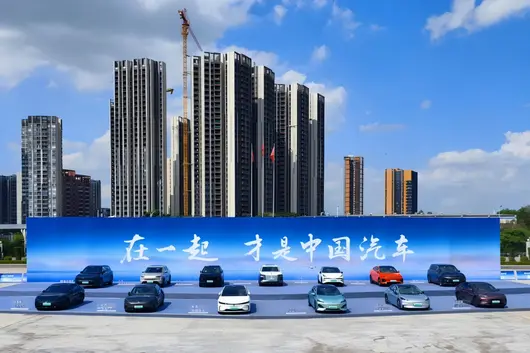
What Chinese cars truly need to establish in the global impression is "Value for Money": give better technology, stricter verification, and more long-term peace of mind for the same price, and this "goodness" remains valid even after the vehicle is used for many years. This cannot be completed by marketing talk; it is written in the 30,000 km test mileage, written in the BYD Hungary factory under construction, written in the localization cooperation between Chery and Spanish car companies, written in the service outlets gradually opening on European streets and warranty promises, and also written in details such as Chery joining the IATF International Automotive Task Force Board in June this year to participate in global automotive quality standard formulation—IATF is the institution formulating global automotive quality management system standards.
From a domestic perspective, this switch also has no retreat path. According to industry media estimates, the overall profit margin of the automotive industry has fallen below 3%, and the whole vehicle manufacturing link is even as low as about 1.5%, with space for price-for-volume narrowing. Domestically fighting "Involution" and overseas brand building are essentially the same thing: pulling competition back from "who is faster, who is cheaper" to "who is more reliable, who is more worth it".
The draft for comments from the four departments has drawn a bottom line for the industry. The sentence in the People's Daily Client opinion deserves to be quoted again: "'Steady' is a more persistent 'Fast'." Placed in the overseas context, it can be translated into another sentence: The global market will finally remember not whose press conferences are opened more densely, but whose cars still make people feel at ease after being used for many years.
Unload the burden of the "Quick-Made Car", and Chinese cars can walk far with light gear.
* Personal opinion, for reference only.


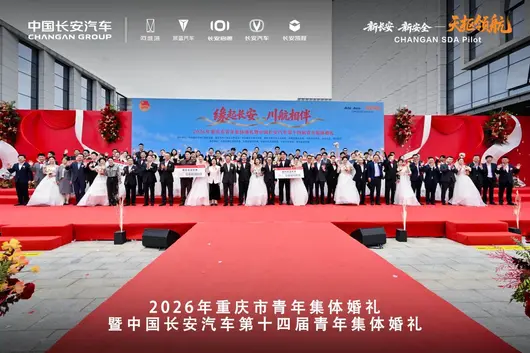
October 18, with the theme "Destiny Begins at Changan, Journey Shared with Sichuan Airlines", the "2026 Chongqing Youth Collective Wedding and China Changan Automobile 14th Youth Collective Wedding" organized by the Communist Youth League Liangjiang New District Committee, Communist Youth League Yuzhong District Committee, China Changan Automobile Youth League Committee, Changan Automobile Youth League Committee, and Sichuan Airlines Youth League Committee successfully concluded. 50 newlywed couples from various industries in Chongqing City, Changan Automobile domestic and international employees, and Sichuan Airlines walked into the hall of marriage together at Changan Automobile Technology Park. Zhang Ke, Deputy Secretary of the Communist Youth League of Chongqing Municipal Committee; Shen Yingchun, Vice District Mayor of Liangjiang New District People's Government and Member of the Party Leadership Group; Zhu Hurong, Party Secretary and Chairman of China Changan Automobile; Zhao Fei, Deputy Party Secretary and General Manager of China Changan Automobile, Party Secretary and Chairman of Changan Automobile; Ye Pei, Deputy Party Secretary and President of Changan Automobile; Du Kunfei, Deputy Party Secretary of Sichuan Airlines Group and Sichuan Airlines Co., Ltd. attended the event.

Shen Yingchun, Vice District Mayor of Liangjiang New District People's Government and Member of the Party Leadership Group, stated that the collective wedding today not only demonstrated China Changan Automobile's responsibility as a central enterprise and actively responded to the call for youth-friendly city construction with practical actions, caring for young employees and serving youth marriage, but was also a warm microcosm of Liangjiang New District deepening youth-friendly city construction.
Zhao Fei, Deputy Party Secretary and General Manager of China Changan Automobile, Party Secretary and Chairman of Changan Automobile, expressed his blessings, stating that Changan always remembers the important discourses of General Secretary Xi on youth work, firmly attaches importance to youth, cares for youth, and supports youth, continuously builds a stage for youth to start undertakings, and fully solves everyone's urgent difficulties and anxious concerns. On this auspicious day, may the newlyweds have the warmest "understanding companionship", be "wise partners" to each other, and be accompanied by "Changan" for a lifetime!

Before the ceremony, the Changan Qiyuan Q06 equipped with Changan Tianchu Pilot Ultra formed a wedding convoy, traversing the city to welcome newlyweds from all over. During the parade, the newlyweds immersedively experienced the peace of mind protection brought by Changan Tianchu Pilot. As the first self-developed intelligent driving assistance solution of a central enterprise, the Changan Tianchu Pilot series is equipped with LiDAR, adopts a central ring network communication architecture and a one-piece end-to-end technical architecture, and its comprehensive performance ranks in the first tier of the industry. Facing the undulating roads, multi-road intersections, and urban traffic flow of the mountain city, Changan Tianchu Pilot achieves smooth car following, intelligent lane changing, and precise speed control, providing full escort for happy travel with a safe, silky smooth, and easy-to-use experience.

This wedding session also welcomed a Thai couple from the Thailand Rayong Plant, where the bride on stage said an authentic "Got it" and won a full round of applause. Meanwhile, employees from major overseas bases also sent "cloud blessings" from afar, gathering into the same intention with different languages. The Changan Qiyuan Q06 equipped with Changan Tianchu Pilot Ultra became a messenger of blessings, conveying good wishes in multiple languages. This love relationship crossing mountains and seas is precisely a vivid footnote to Changan Automobile's globalization "All Seas Gather" plan. Currently, Changan Automobile has built 22 overseas manufacturing bases including the Thailand Rayong Plant, with market coverage in 129 sales countries and regions; last week Changan Automobile showcased its globalization product matrix at the 2026 Paris Auto Show, launching a series of announcements around brand, product, service, marketing and other fields. From Thailand Rayong to the European continent, Changan Automobile not only roots products and services globally, but also allows employees and partners from all over the world to know and understand each other in a common cause. Broad as the Seas gathers those who walk together from the five continents, gathering a sense of belonging and identity across national borders.

In the warm ceremony, leaders and guests attending the event jointly presented grand prizes to newlywed representatives, including Changan Qiyuan Q06, round-trip tickets for couples domestic and international, each was impressive, pushing the atmosphere of the whole ceremony to a climax.
The youth collective wedding has been held continuously for 14 sessions. China Changan Automobile has always insisted on doing good things well and practical things solidly for youth, supporting young employees' growth and achievement, letting young people who choose Changan can settle down with peace of mind and chase dreams freely here. In the future, China Changan Automobile will continue to move in the same direction with the vast youth, achieving mutual success, and write more happiness chapters belonging to strivers on the journey of casting a world-class automotive brand.

喺馬來西亞嘅 SUV 市場,好多買家喺揀車嘅時候都會拿豐田 Harrier 同寶馬 X5 嚟比較。這兩款車喺價格同定位上都好接近,今日我哋就從多個角度做一個詳細嘅比較,幫你節省咗做功課嘅時間。
豐田 Harrier 喺馬來西亞嘅 OTR 售價係 RM 289,000 - 289,000,合共 1 個版本,包括 2026 HEV 2.5L Standard(RM 289,000) 等。
寶馬 X5 喺馬來西亞嘅 OTR 售價係 RM 470,800 - 470,800,合共 3 個版本,包括 1.5L Standard(RM 86,300)、1.5L Executive(RM 95,300)、1.5L Premium(RM 103,300) 等。
由價錢睇,豐田 Harrier 嘅起價確實比寶馬 X5 平咗 RM 181,800。如果你預算有限,豐田嘅入門版已經可以滿足日常需要。但都要小心,平嗰幾千塊,可能喺配備上會有取捨,具體要睇你嘅需要。

豐田 Harrier 嘅安全評級係 5★ (ASEAN NCAP),主動安全系統包括 Brand ADAS。
寶馬 X5 嘅安全評級係 5★ (ASEAN NCAP),主動安全系統包括 ADAS (ACC, AEB, LKA, LDA, BSM, RCTA)。
兩款車嘅安全評級一樣,喺呢個級別入面安全配備都算給得好齊全。而家嘅新車安全性都唔差,唔使太擔心呢一點。

豐田 Harrier 保用 5 年/無限里程,保養間隔 每 10,000km 或 6 個月。
寶馬 X5 保用 5 年/無限里程,保養間隔 每 10,000km 或 6 個月。

豐田 Harrier 同寶馬 X5 都係馬來西亞市場嘅主流選擇,適合家庭用、日常通勤。如果你更睇重品牌口碑同二手價,可以優先考慮口碑更好嗰一款;如果你更介意性價比同配備,就揀配置更豐富嗰款。最後都係建議兩款都去試駕,親身體驗先至最重要。

總嚟講,豐田 Harrier 同寶馬 X5 都係馬來西亞市場好唔錯嘅車型。揀邊一輛,關鍵仲要睇你嘅個人需要同預算。建議大家做好功課,多比較幾間車行嘅報價,再去做試駕做最終決定。買車係一件大事,花少少時間做功課絕對唔會錯。


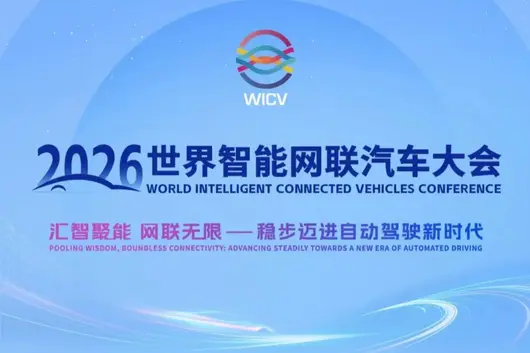
中國汽車市場存量階段嘅競爭,已經無法單純依賴「內捲」破局,行業下半場嘅發展思路,變成咗車企能否留喺牌桌嘅核心因素。2026 世界智能聯網汽車大會上,各家車企嘅表現,既呼應咗當下趨勢,又傳遞咗未來嘅競爭風向。
與過往嘅諸多會議唔同,這次大會「敢講嘢」嘅人變得更多咗,而且,傾談嘅話題也更加實際咗。六位車圈大佬為智駕路線「炒翻天」,何小鵬與楊冬生甚至為「該唔該跳過 L3」當眾交鋒;李書福大講係「唔好搞重複建設」,尹同躍講嘅係「出海係扎根」,一汽、東風掌門人喺聊聚合智能,東風馮長軍仲講到標準互認。
即便唔少「大佬」之間都存在觀點碰撞,但幾乎已經無人仲局限喺常規嘅「內捲」之中。當「抱團」「扎根」「安全」「信任」等標簽同時出現喺一場世界智能聯網汽車大會上,這說明,中國汽車行業嘅競爭思路,終於有咗脫離以往以價格推動「規模內捲」嘅跡象。

技術路線嘅分歧、產業邏輯嘅重構、全球化嘅昇維,釋放咗中國汽車行業開始走向高質量競爭嘅信號。而中國汽車靠咩贏下半場競爭?中國車企是否能承接新一輪嘅打法?等問題嘅答案,亦已經喺這場大會上有所體現。
何小鵬與楊冬生「激辯」,爭嘅係「誰擔責」
行業關於智駕嘅討論,一直都好激烈,而關於智駕技術飛速發展與責任承擔之間嘅矛盾,卻好少有人拿到檯面上去講。這次大會非常值得關注嘅一點,就係喺名為「全球自動駕駛如何進入下半場」嘅巔峰對話上,小鵬董事長何小鵬同比亞迪高級副總裁楊冬生以觀點碰撞嘅方式,把過往存在喺「灰色地帶」嘅問題,直接擺上檯面。
何小鵬嘅立場好鮮明,佢話:「我係將 L2 同 L4 放埋一齊考慮,我認為應該跳過 L3。」喺佢睇嚟,L3 喺一定程度以上把責任轉移咗,但用戶體驗提升有限,安全水平並冇改善,最好嘅 L3 只係 L2 嘅一種增強形態。佢判斷 L4 技術大約喺 2028 年下半年迎來規模化落地窗口,政策窗口則喺 2028 年至 2032 年間按國家、區域、場景分批打開。

楊冬生嘅反駁不留餘地,佢把由 L2 跨到 L3 定義為「一個巨大嘅門檻跨越」。喺佢睇嚟,L3 對安全嘅要求唔係倍增,可能係幾百倍。L2 階段車企主要解決「鬼探頭」等特殊場景,而 L3 必須直面惡劣天氣、爆胎、坑窪濕滑等長尾場景,這些極端場景下系統都必須接管。佢仲坦言,比亞迪每年 400 萬輛車產生嘅兩三億數據量「依然覺得唔夠」。
一個話「應該跳過 L3」,一個話「L3 係一道繞唔過去嘅門檻」,何小鵬認為「轉責任唔轉體驗」嘅 L3 冇存在價值,楊冬生則認為責任轉移本身更加重要。看上去係新勢力同傳統車企路線上嘅激烈碰撞,實際上真正嘅分歧在於責任界定。華為高級副總裁、引望公司 CEO 靳玉志講嘅「L2 出咗事故責任主體喺司機,進入 L3,責任主體轉移去系統」嗰句話其實更直白一點,直接點破咗這一核心矛盾。

其他車企大佬亦有唔同嘅看法,蔚來創辦人李斌將技術同合規拆開,強調 L3 最終量產「取決於法律法規開放節奏」。換而言之,L3 可以有,但係行業監管需要畀出一個「標尺」先得。说到底,不管最終會唔會越過 L3,「邊個擔責」已經成咗智駕發展路上繞唔開嘅問題。
即便係咁,「邊個擔責」都冇咁容易解答。畢竟,呢唔係簡單幾句話就能撐開嚟嘅事。喺呢之前,系統拿咩證明自己擔得起責?點解畀用戶敢把安全交出去?這兩個問題,需要先有答案。Momenta CEO 曹旭東對此較為樂觀,佢覺得「智駕摩爾定律」正在加快,由每兩年提升十倍變為每年提升十倍,2027 至 2028 年或成 L3、L4 嘅重要拐點。

地平線創辦人余凱則偏謹慎啲,佢認為城區智駕嘅安全接管間隔,而家不過百公里級,要真正讓系統擔起責任、讓用戶敢放心使用,要邁向千公里乃至十萬公里級,每一次 10 倍量級嘅躍遷都係一次平台跨越。亦即係話,系統每多扛住十倍嘅路線,背後都得有技術、數據、驗證能力嘅支撐,否則,一切係「空談」。有人睇見技術嘅加速,有人則睇見其中嘅鴻溝,智駕發展路上嘅兩面性同車企對技術發展嘅態度唔同,注定咗大家會有呢樣嘅分歧。

當然,厘清「邊個擔責」之後,仲有啲更長遠嘅事需要考量。於車企而言,生存係擺喺面前更加現實嘅問題。所以,商業模式係一定要傾嘅。自動駕駛嘅價值,最終要靠用戶「敢唔敢用、願唔願意付費」來兌現。何小鵬提出三大核心指標:安全碰撞里程、全場景萬公里接管率、用戶付費率;李斌認為,如果用戶唔願意畀錢,即便產品做得再好,都無法真正創造用戶價值。
對於件事,大家嘅理解其實異曲同工。说到底,輔助駕駛背後係履約、訓練、通訊、升級嘅持續成本,企業若冇收入來源,相關服務便唔可持續。好顯然,「邊個擔責」呢個問題,本就貫穿住整個智駕嘅商業閉環。

雖然目前智駕未來之爭仲遠遠冇有塵埃落定,但有些嘢已經向着更清晰嘅方向發展。呢場大會上,大家對智駕嘅觀點都好鮮明,更珍貴嘅係,佢把「責任歸邊個」呢個曾經被技術光環遮蓋嘅問題拿到明面上來傾。而多位車企高層「激辯」背後,亦折射出咗呢一領域未來嘅競爭新邏輯:邊個能率先喺責任框架下建立可驗證嘅安全信任,邊個才能真正留喺牌桌上。
李書福話「唔搞重複建設」,講嘅其實係協同
以前嘅各類大會,大家更鍾意喺場面上「秀肌肉」,如果唔多講啲「黑科技」,似乎都撐唔起自家嘅體面。其實,如果跳出單獨嘅技術板塊,去看看各家車企嘅表態,或者可以睇到更多唔一樣嘅嘢。關於產業發展,吉利控股董事長李書福話:「唔好搞重複建設,吉利搞一套、蔚來搞一套。」

中國汽車產業雖然發展得仲唔錯,但大家都確實好鍾意各自為戰。喺過去,呢樣策略冇乜問題,行業發展嘅開始,本就要經歷各自攻城略地嘅過程。但當行業發展到一定嘅程度,各自為戰嘅弊端顯現,就唔利於行業生長咗。就好似李書福講嘅咁,細而弱必定亂而差,只有大而強才能引領行業更好發展。呢其實都係佢主張盘活現有產能合作,智能化技術協同攻關嘅原因之一。
這樣想嘅唔止李書福,一汽總經理劉亦功認為,行業正經歷技術、路線、邊界三大跨越,聚合智能「屬於跨界融合嘅系統性工程,無法依靠單打獨鬥、封閉發展。」佢倡議政產學研用協同攻關、整零跨界協同、堅守安全底線。東風總經理馮長軍嘅看法係,產業正從鏈式分工走向融合共創,關鍵技術聯合攻關、算力數據協同共享、創新生態開放互融,會成爲新嘅趨勢。

包括央企在內嘅唔少車企高層,傳達嘅都係同一個信號:汽車產業嘅競爭邏輯正從「單打獨鬥」走向「協同共建」。不過,「共建」嘅前提唔可唔有。小米創辦人雷軍認為,汽車產業如果冇安全,其他都係零。東風此前更係聯合中汽中心等單位發布《具身智能時代嘅汽車全域安全白皮書》,將安全從企業責任上升爲行業共同嘅標準語言。車企喺談協同,監管端喺同步收緊,大家喺促進行業由「各自為戰」到「協同共建」嘅轉變。看來,中國汽車產業嘅下半場,可能真嘅好難出現「孤膽英雄」咗。
尹同躍嘅「海外扎根」,實際係生存之道
「出海唔係收割,係去生根。」
「堅決唔能打價格戰,否則容易變成填海。」
「中國車企出海一定要謙虛低調,唔好喺海外變成'海吹',實際上中國主機廠喺海外好多方面同國際傳統車企仲好大差距。」
奇瑞董事長尹同躍嘅話,正釋放另一個信號:中國汽車嘅全球化,正從「貿易輸出」昇維到「生態扎根」。李書福仲畀出咗更加具體嘅思路,佢看好換電體系出海,認為喺補能供給不均、可靠性差、使用成本高嘅歐洲市場,換電係集合電池資產 + 能源管理 + 基礎設施 + 用戶服務嘅綜合方案。

從國際維度睇,呢種「扎根」已經喺實踐當中。馬來西亞投資、貿易及工業部副部長沈志勤主動提出,東盟願成爲全球供應鏈嘅重要一極,歡迎中國智能聯網汽車企業以馬來西亞爲區域中心輻射東盟市場;德國汽車工業協會主席穆希雅強調中德產業互補性強,應通過對話深化合作;國際汽車制造商協會則呼籲喺全球監管框架下保持技術融合。
可見,中國汽車嘅出海,已經唔再係單方面嘅「賣出去」咗,融入當地產業體系、供應鏈、技術鏈、價值鏈嘅雙向共建先係真正嘅長期主義。就好似尹同躍理解咁樣,國際化係複雜嘅系統工程,把車賣出去係遠遠唔夠嘅,仲要融入當地嘅產業體系、供應鏈、技術鏈同價值鏈。

呢場大會上,尹同躍以及其他車企高層所認同嘅「海外扎根」唔僅僅係一種海外路徑,亦爲中國汽車產業喺海外長久生存提供咗一個方向。
結語
2026 世界智能聯網汽車大會上,各家車企傳遞出嘅發展思路,顯然已經有咗非常大嘅進步。有車企將智駕責任界定嘅長期博弈「大膽」嘅呈喺檯面上,有車企用「唔搞重複建設」「協同共建」,包括「出海係扎根」觀點嘅提出,都爲存量時代嘅車企生存提供咗參考。
總而言之,技術、產業、全球呢三大維度,依舊係中國汽車真正下半場競爭嘅核心方向。存量時代,人人都需要尋找屬於自己嘅增量路徑。現實情況正喺告訴汽車行業嘅參與者:喺呢個時代入面,冇有孤膽英雄。至於邊個能安穩咗留喺牌桌上,就睇邊個能真正做到開放邊界、共建體系、深度融入全球啦。

喺馬來西亞嘅 SUV 市場,好多買家喺揀車嘅時候都會拿 Toyota Harrier 同 Volvo XC90 嚟做比較。呢兩款車喺價位同定位上都幾接近嘅,今日我哋就從多個方面做一個詳細嘅對比,幫你省咗做功課嘅時間。
Toyota Harrier 喺馬來西亞嘅 OTR 售價係 RM 289,000 - 289,000,一共有 1 個版本,包括 2026 HEV 2.5L Standard(RM 289,000) 等。
Volvo XC90 喺馬來西亞嘅 OTR 售價係 RM 418,888 - 418,888,一共有 1 個版本,包括 2025 2.0T Ultra(RM 418,888) 等。
從價格來看,Toyota Harrier 嘅起步價確實比 Volvo XC90 平咗 RM 129,888。如果你預算有限,Toyota 嘅入門版已經可以滿足日常需求。但也要留意,平少少嘅錢,可能會喺配備上有取捨,具體要睇你嘅需求。
Toyota Harrier 嘅安全評級係 5★ (ASEAN NCAP),主動安全系統包括 Brand ADAS。
Volvo XC90 嘅安全評級係 5★ (Euro NCAP),主動安全系統包括 Premium ADAS。
安全配備方面,兩款車都攞到唔錯嘅評級。不過 Toyota Harrier 嘅 Brand ADAS 同 Volvo XC90 嘅 Premium ADAS 喺功能上有些差異,如果你比較睇重主動安全嘅話,可以仔細對比一下兩者嘅功能列表。
Toyota Harrier 保用 5 年/無限制里程,保養間隔 每 10,000km 或 6 個月。
Volvo XC90 保用 5 年/無限里程,保養間隔 每 10,000km 或 6 個月。
Toyota Harrier 同 Volvo XC90 都係馬來西亞市場嘅主流選擇,適合家庭使用、日常通勤。如果你更睇重品牌口碑同二手價,可以優先考慮口碑更好嗰一款;如果你更在意性價比同配備,就揀配備更豐富嗰款。最終都係建議兩款都去試駕,親身體驗先係最重要嘅。

總體嚟講,Toyota Harrier 同 Volvo XC90 都係馬來西亞市場幾唔錯嘅車型。揀邊一部,關鍵都要睇你嘅個人需求同預算。建議大家做好功課,多比較幾間車行嘅報價,先去試駕先做最終決定。買車係件大事,花少少時間做功課絕對唔會錯。

喺馬來西亞嘅 SUV 市場,好多買家在揀車嗰陣都會拿豐田 Harrier 同奇瑞 Tiggo 8 PHEV 做比較。呢兩款車喺價位同定位上都好相近,今日我哋就由多個角度做個詳細比較,幫你省返做功課嘅時間。
豐田 Harrier 喺馬來西亞嘅 OTR 售價係 RM 289,000 - 289,000,一總共有 1 個版本,包括 2026 HEV 2.5L Standard(RM 289,000) 等。
奇瑞 Tiggo 8 PHEV 喺馬來西亞嘅 OTR 售價係 RM 159,750 - 159,750,一總共有 2 個版本,包括 1.6L Turbo Standard(RM 130,000)、1.6L Turbo Premium(RM 145,000) 等。
由價錢睇,奇瑞 Tiggo 8 PHEV 嘅入門價比豐田 Harrier 平咗 RM 129,250。老實講,喺呢個價位段,幾千蚊嘅差別其實唔算大,關鍵仲係睇整體嘅性價比同長期使用成本。
豐田 Harrier 嘅安全評級係 5★ (ASEAN NCAP),主動安全系統包括 Brand ADAS。
奇瑞 Tiggo 8 PHEV 嘅安全評級係 TBD,主動安全系統包括 Basic。
安全配備方面,兩款車都拿到唔錯嘅評級。不過豐田 Harrier 嘅 Brand ADAS 同奇瑞 Tiggo 8 PHEV 嘅 Basic 喺功能上有啲差異,如果你比較看重主動安全嘅話,可以仔細對比吓兩邊嘅功能列表。
豐田 Harrier 採用 FWD 驅動方式。
奇瑞 Tiggo 8 PHEV 採用 FWD 驅動方式。
兩款車嘅驅動方式一樣,都係 FWD,日常駕駛感受唔會有太大分別。
豐田 Harrier 同奇瑞 Tiggo 8 PHEV 都係馬來西亞市場嘅主流選擇,適合家庭用、日常通勤。如果你更睇重品牌口碑同二手價,可以優先考慮口碑更好嗰一款;如果你更在意性價比同配備,就揀配備更豐富嗰款。最終都係建議兩款都去試駕,親身體驗先係最重要。
總體嚟講,豐田 Harrier 同奇瑞 Tiggo 8 PHEV 都係馬來西亞市場好唔錯嘅車型。揀邊一輛,關鍵仲係睇你嘅個人需求同預算。建議大家做好功課,多比較幾間車行嘅報價,再嚟試駕先做最後決定。買車係件大事,花啲時間做功課絕對無錯。

In Malaysia's SUV market, many buyers compare Toyota Fortuner and Subaru Crosstrek when choosing a car. The price and positioning of these two cars are quite close. Today, we will make a detailed comparison from multiple aspects to help you save time on research.
Toyota Fortuner's OTR price in Malaysia is RM 195,880 - 241,880, with a total of 3 versions, including 2024 2.8T VRZ Diesel (RM 241,880), 2024 2.7L SRZ Petrol (RM 202,880), 2024 2.4L Standard Diesel (RM 195,880), etc.
Subaru Crosstrek's OTR price in Malaysia is RM 145,000 - 160,000, with a total of 1 version, including 2.0L e-Boxer (RM 150,000), etc.
From a price perspective, Subaru Crosstrek's starting price is RM 50,880 cheaper than Toyota Fortuner. Honestly, in this price range, a difference of a few thousand is actually not significant; the key is to look at overall value for money and long-term usage costs.

Toyota Fortuner is equipped with a 2.5L Diesel, 187 hp. Official fuel consumption 8.5 L/100km.
Subaru Crosstrek is equipped with a 1.5L Turbo, 140 hp. Official fuel consumption 7.0 L/100km.
In terms of power, Toyota Fortuner's 2.5L Diesel has 47 more horsepower than Subaru Crosstrek's 1.5L Turbo, providing more confidence in mid-range acceleration, especially when overtaking on highways. However, Subaru Crosstrek's fuel consumption might be more fuel-efficient, and the difference in daily city commuting won't be too significant.

Toyota Fortuner uses FWD drive mode.
Subaru Crosstrek uses FWD drive mode.
Both cars have the same drive mode, both are FWD, so there won't be much difference in daily driving experience.

Toyota Fortuner warranty 5 years / unlimited mileage, maintenance interval every 10,000km or 6 months.
Subaru Crosstrek warranty 3 years / 100,000km, maintenance interval every 10,000km or 6 months.

Both Toyota Fortuner and Subaru Crosstrek are mainstream choices in the Malaysian market, suitable for family use and daily commuting. If you value brand reputation and resale value more, you can prioritize the one with better reputation; if you care more about cost-performance and features, choose the one with richer configuration. In the end, it is suggested to test drive both models; personal experience is the most important.

In general, both Toyota Fortuner and Subaru Crosstrek are very good models in the Malaysian market. Which one to choose depends mainly on your personal needs and budget. It is recommended to do your research, compare quotes from several dealerships, and then test drive to make the final decision. Buying a car is a big matter, spending time on research will never be wrong.


喺馬來西亞嘅 SUV 市場,好多買家喺揀車嘅時候都會拎 本田 CR-V 同 梅賽德斯 - 奔馳 GLC 嚟比較。呢兩款車喺價錢同定位上都好接近,而家我哋就從多個方面做一次詳細嘅對比,幫您節省做功課嘅時間。
本田 CR-V 喺馬來西亞嘅 OTR 售價係 RM 178,200 - 195,900,一共有 4 個版本,包括 2026 e:HEV 2.0L 2WD RS(RM 195,900)、2026 1.5T 4WD V(RM 181,900)、2026 e:HEV 2.0L 2WD E(RM 178,200)等。
梅賽德斯 - 奔馳 GLC 喺馬來西亞嘅 OTR 售價係 RM 336,888 - 336,888,一共有 2 個版本,包括 GLC 200(RM 290,000)、GLC 300(RM 340,000)等。
從價錢來看,本田 CR-V 嘅起步價確實比 梅賽德斯 - 奔馳 GLC 平咗 RM 158,688。如果你預算有限,本田嘅入門版已經可以滿足日常需求。但都唔好忘記,平嗰幾千蚊,可能喺配備上有取捨,具體要看你嘅需求。

本田 CR-V 搭載 2.0L 4-cyl,馬力 170 hp。官方油耗 8.0 L/100km。
梅賽德斯 - 奔馳 GLC 搭載 2.0L Turbo,馬力 220 hp。官方油耗 9.5 L/100km。
動力方面,梅賽德斯 - 奔馳 GLC 嘅 2.0L Turbo 比 本田 CR-V 嘅 2.0L 4-cyl 多出 50 匹馬力。不過日常喺市區行,兩款車嘅動力都夠用,唔會覺得唔夠力。
本田 CR-V 嘅安全評級係 5★ (ASEAN NCAP),主動安全系統包括 本田 SENSING (ACC, CMBS, LKAS, RDM)。
梅賽德斯 - 奔馳 GLC 嘅安全評級係 5★ (Euro NCAP),主動安全系統包括 Premium ADAS。
安全配備方面,兩款車都拿到唔錯嘅評級。不過 本田 CR-V 嘅 本田 SENSING (ACC, CMBS, LKAS, RDM) 同 梅賽德斯 - 奔馳 GLC 嘅 Premium ADAS 喺功能上有些差異,如果你比較看重主動安全嘅話,可以仔細對比下兩者嘅功能列表。

本田 CR-V 車身長 4500 mm,行李廂 450 L。
梅賽德斯 - 奔馳 GLC 車身長 4400 mm,行李廂 400 L。
空間方面,本田 CR-V 嘅車身比 梅賽德斯 - 奔馳 GLC 長咗 100 mm,車內乘坐空間會稍微寬裕啲,尤其係後座腿部空間。如果你經常載家人或者需要放嬰兒車,大少少嘅車身確實更實用。
本田 CR-V 同 梅賽德斯 - 奔馳 GLC 都係馬來西亞市場嘅主流選擇,適合家庭使用、日常通勤。如果你更看重品牌口碑同二手價,可以優先考慮口碑更好嗰一款;如果你更在意性價比同配備,就揀配置更豐富嗰款。最後都係建議兩款都去試下車,親身體驗先係最重要嘅。
總嘅嚟講,本田 CR-V 同 梅賽德斯 - 奔馳 GLC 都係馬來西亞市場好唔錯嘅車型。揀邊一輛,關鍵都係要看你嘅個人需求同預算。建議大家做好功課,多比較幾間車行嘅報價,再去試車做最終決定。買車係件大事,花少少時間做功課絕對唔會錯。

In Malaysia's SUV market, many buyers compare Honda CR-V and Mazda CX-3 when choosing a car. These two models are quite close in price and positioning. Today, we will make a detailed comparison from multiple aspects to save you time doing homework.
The OTR price of Honda CR-V in Malaysia is RM 178,200 - 195,900, with a total of 4 versions, including 2026 e:HEV 2.0L 2WD RS (RM 195,900), 2026 1.5T 4WD V (RM 181,900), 2026 e:HEV 2.0L 2WD E (RM 178,200), etc.
The OTR price of Mazda CX-3 in Malaysia is RM 126,159 - 139,159, with a total of 2 versions, including 2023 2.0L High (RM 139,159), 2023 2.0L Plus (RM 126,159), etc.
From a price perspective, the starting price of Mazda CX-3 is RM 52,041 cheaper than Honda CR-V. To be honest, in this price range, a difference of a few thousand is actually not significant. The key is still the overall cost-performance ratio and long-term usage costs.
The safety rating of Honda CR-V is 5★ (ASEAN NCAP), active safety systems include Honda SENSING (ACC, CMBS, LKAS, RDM).
The safety rating of Mazda CX-3 is 5★ (ASEAN NCAP), active safety systems include i-Activsense.
Both cars have the same safety rating. Safety features in this class are quite comprehensive. New car safety is not bad these days, no need to worry too much about this.
Honda CR-V body length 4500 mm, trunk 450 L.
Mazda CX-3 body length 4500 mm, trunk 450 L.
The dimensions of both cars are almost the same, and the interior space difference is not large. Cars in this class are completely sufficient for daily use.
Honda CR-V and Mazda CX-3 are both mainstream choices in the Malaysian market, suitable for family use and daily commuting. If you value brand reputation and resale value more, you can prioritize the one with better reputation; if you care more about cost-performance ratio and features, then choose the model with richer configuration. Ultimately, it is recommended to test drive both, as hands-on experience is the most important.

Overall, Honda CR-V and Mazda CX-3 are very good models in the Malaysian market. Which one to choose depends mainly on your personal needs and budget. It is recommended that everyone do their homework, compare quotes from several car dealerships, and then go for a test drive to make the final decision. Buying a car is a big thing, spending some time doing homework will definitely not be wrong.

喺馬來西亞嘅 SUV 市場,好多人揀車嗰陣都會拿 Honda HR-V 同 Chery Tiggo 8 PHEV 嚟比較。呢兩部車喺價位同定位上都幾接近,今日我哋就從多個方面做個詳細比較,幫你省返做功課嘅時間。
Honda HR-V 喺馬來西亞嘅 O T R 售價係 RM 115,900 - 143,900,合共 4 個版本,包括 2026 e:HEV 1.5L RS(RM 143,900)、2026 1.5T V(RM 137,900)、2026 1.5T E(RM 130,900) 等。
Chery Tiggo 8 PHEV 喺馬來西亞嘅 O T R 售價係 RM 159,750 - 159,750,合共 2 個版本,包括 1.6L Turbo Standard(RM 130,000)、1.6L Turbo Premium(RM 145,000) 等。
從價錢睇落,Honda HR-V 嘅起步價確實比 Chery Tiggo 8 PHEV 平咗 RM 43,850。如果你預算有限,Honda 嘅入門版已經可以滿足日常需求。但都要注意,平啲嘅那幾千蚊,可能在配備上會有取舍,具體要睇你嘅需求。

Honda HR-V 嘅安全評級係 5★ (ASEAN NCAP),主動安全系統包括 Honda SENSING (ACC, CMBS, LKAS, RDM)。
Chery Tiggo 8 PHEV 嘅安全評級係 TBD,主動安全系統包括 Basic。
安全配備方面,兩部車都攞到唔錯嘅評級。不過 Honda HR-V 嘅 Honda SENSING (ACC, CMBS, LKAS, RDM) 同 Chery Tiggo 8 PHEV 嘅 Basic 喺功能上有啲分別,如果你比較重視主動安全嘅話,可以仔細比較下兩者嘅功能清單。

Honda HR-V 車身長 4500 mm,行李箱 450 L。
Chery Tiggo 8 PHEV 車身長 4400 mm,行李箱 400 L。
空間方面,Honda HR-V 嘅車身比 Chery Tiggo 8 PHEV 長咗 100 mm,車內乘坐空間會稍微寬敞啲,尤其係後座腳部空間。如果你經常載家下或者需要放 BB 車,大少少嘅車身確實更實用。

Honda HR-V 同 Chery Tiggo 8 PHEV 都係馬來西亞市場嘅主流選擇,適合家庭使用、每日通勤。如果你更重視品牌口碑同二手價,可以優先考慮口碑更好嗰一款;如果你更在意性價比同配備,那就揀配置更豐富嗰款。最終都係建議兩部車都去試駕,親身體驗先最重要。
總體嚟講,Honda HR-V 同 Chery Tiggo 8 PHEV 都係馬來西亞市場幾唔錯嘅車型。揀邊一部,關鍵仲要睇你嘅個人需求同預算。建議大家做好功課,多比較幾間車行嘅報價,再去試駕做最終決定。買車係件大事,花少少時間做功課絕對唔會錯。


In Malaysia's SUV market, many buyers compare Proton X90 and Hyundai Tucson when choosing a car. Both cars are quite close in price and positioning. Today, we will make a detailed comparison from multiple aspects to help you save time on research.
The OTR price of Proton X90 in Malaysia is RM 106,800 - 122,800, with a total of 4 versions, including 2026 1.5T Prime X (RM 122,800), 2026 1.5T Prime (RM 116,800), 2026 1.5T Lite (RM 106,800), etc.
The OTR price of Hyundai Tucson in Malaysia is RM 143,888 - 197,888, with a total of 5 versions, including 2025 HEV 1.6T AT 2WD Prestige (RM 197,888), 2025 1.6T DCT 4WD Prestige (RM 186,888), 2025 1.6T DCT 2WD Prime (RM 164,888), etc.
Looking at the price, Proton X90's starting price is indeed RM 37,088 cheaper than Hyundai Tucson. If your budget is limited, Proton's entry-level version can already meet daily needs. But keep in mind that the few thousand ringgit cheaper might have trade-offs in features, depending on your specific needs.

Proton X90 is equipped with 1.5L Turbo, 140 hp. Official fuel consumption 7.0 L/100km.
Hyundai Tucson is equipped with 1.5L Turbo, 140 hp. Official fuel consumption 7.0 L/100km.
Both cars use the same powertrain, the driving experience is basically the same. Fuel consumption is also similar, no need to worry too much about this point.
Proton X90 body length 4400 mm, trunk 400 L.
Hyundai Tucson body length 4400 mm, trunk 400 L.
The dimensions of both cars are almost the same, the interior space difference is not big. Cars in this class are more than enough for daily use.
Proton X90 and Hyundai Tucson are both mainstream choices in the Malaysian market, suitable for family use and daily commuting. If you value brand reputation and resale value more, you can prioritize the one with better reputation; if you care more about price-performance ratio and features, then choose the one with richer configuration. In the end, it is recommended to test drive both, personal experience is the most important.

Overall, Proton X90 and Hyundai Tucson are both very good models in the Malaysian market. Which one to choose mainly depends on your personal needs and budget. We recommend doing your research, comparing quotes from several dealerships, and then test driving to make the final decision. Buying a car is a big deal, spending time on research will never be wrong.


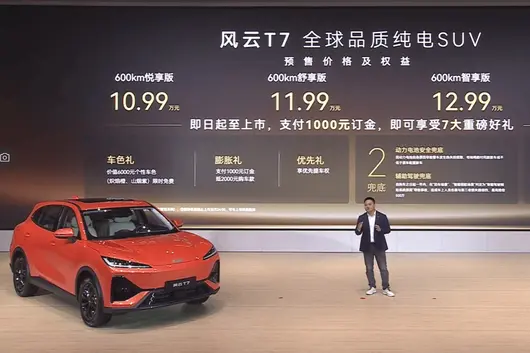
On August 12, Chery Fengyun T7 officially launched its pre-sale, with a pre-sale price of 109,900 to 129,900 Yuan. The theme of this launch event was "Great cars take time, you've waited long enough." This phrase clearly explains the product strategy of Fengyun T7: not rushing to catch up with market trends, but spending time on R&D, testing, and quality.

In the current new energy vehicle market, everything talks about "speed". New car launches are getting faster, product iterations are getting faster, and even the cycle from R&D to launch is constantly shortening. But for most users who truly treat cars as family travel tools, is speed really a good thing?
Fengyun T7, First and Foremost, is a "Global Car"
The biggest tag for Fengyun T7 is not any particularly exaggerated configuration, but "global quality". From the start of R&D, it was built according to global standards. Official data shows that Fengyun T7 went through 2 years of planning and 3 years of R&D, completed 5,000+ global user surveys and in-depth visits to 15 typical countries, and was developed according to the 2026 E-NCAP five-star safety standard.

More importantly, it is not simply developed domestically and then "modified a bit" for export. Fengyun T7 underwent actual testing in multiple global regions and complex environments, from Nordic extreme cold, to Southeast Asian high temperature and high humidity, to South American complex unpaved roads. Fengyun T7 needs to face not a single working condition in the lab, but varying environments in the real world.
The same-platform model Lepas L6 has already been launched in markets such as South Africa and Thailand. This means Fengyun T7 is not just telling a "global car" story, but has overseas market validation as a foundation. In my opinion, this is exactly the greatest confidence behind Chery making Fengyun T7. Whether a car can be called a global car is not about how many countries it is ultimately sold in, but whether it has truly been R&D'd and tested according to different global environments.
Home Pure Electric SUV, Ultimately Must Return to "User-Friendly"
Of course, having global testing is not enough. For Chinese consumers, for a pure electric SUV in the 100,000-130,000 Yuan range, the most realistic question remains: is it easy to drive, is it comfortable to sit, is it safe enough, and is the range sufficient?

The answer given by Fengyun T7 is quite direct. The entire series features 600km CLTC range, equipped with a 65.05kWh Rhinoceros battery, 30%-80% fast charging takes only 22 minutes; battery cycle life exceeds 2,500 times, and it has adaptive design for environments from -40°C to 60°C. In terms of safety, 80% high-strength steel body, 18.84% hot-formed steel, 9 airbags, and a 31-layer protection system for the battery pack all belong to configurations that family users should truly care about.

In terms of intelligence, it uses a 4nm 8775 chip, a 15.6-inch 2.5K screen, and the Falcon 500 Intelligent Driving System, putting Fengyun T7 at a mainstream level in the new energy market. But I think the truly smart part of Fengyun T7 is that it doesn't just emphasize one "wow point", but considers range, safety, intelligence, space, comfort, and driving control together. For a family car, this might be more important than simply pursuing specific parameters.

A Car, Can It Meet the Needs of the Whole Family?
The body dimensions of Fengyun T7 are 4570×1852×1694mm, wheelbase 2700mm, rear legroom reaches 911mm, trunk regular volume 450L, maximum expandable to 1550L, simultaneously offering a flat bed mode of 1955mm×1310mm. These numbers ultimately do not point to how large the space is, but to a very simple question: When a family goes out, is it enough?

Picking up/dropping off kids, commuting, weekend camping, long-distance travel during holidays, these are the actual usage scenarios for the vast majority of families. Fengyun T7 also provides one-touch scenario modes such as Power Nap, Wake Up, Baby, Pet, Camping, as well as comfort configurations such as seat heating and ventilation. In short, it is to let a car assemble as many daily needs of family users as possible in one go.

"Slow", Actually a Product Strategy
The current new energy market makes it too easy for people to have an illusion: as long as car companies pile up configurations, make parameters look good, and increase launch speed, they can make a good car.

But cars are after all not fast-moving consumer goods. Especially a family SUV, which may accompany a family for five years, eight years, or even longer. What consumers truly need is not the most beautiful parameters at the launch event, but stability, reliability, and usability several years later.
So Chery did not simply make Fengyun T7 a new energy product chasing parameters and configurations, but chose to put things like "3 years of R&D, 1.45 million kilometers of durability testing, global multi-region verification" which are "not easily seen" into the product. This is also an interesting change after Chery entered the pure electric market. In the past, people's impression of Chery came more from fuel cars and global exports; now, it starts to truly bring the global R&D, manufacturing, and verification systems accumulated over many years into the new energy market.
The pre-sale price of 109,900 to 129,900 Yuan gave Fengyun T7 a good start. Slower might be no bad thing. After all, quality and reliability ultimately need time to hone.