首頁Model 3

搜尋歷史
熱門搜尋
經銷商登入 / 註冊

知嘹汽车/陈壹

前段时间,特斯拉中国发布了新的限时购车政策:
9月30日前提走的,Model 3、Model Y(含Model YL)分别减5000元、10000元,而且都可以叠加“5年0息”。
截止日期设计得非常巧妙,正好是三季度的最后一天。

▲变相降价也算特斯拉的常规操作了
更早之前,特斯拉在香港和澳门推出了平价版Model 3,起售价20.5万港元,差不多17.6万人民币,真皮座椅、氛围灯、电动调节、后排娱乐屏之类的舒适性配置都砍掉了,但核心的三电系统、底盘和15.4英寸中控屏予以保留。
网友戏称这台车是“毛坯版Model 3”(虽然特斯拉已经被叫“毛坯”很多年了)。
值得注意的是,“毛坯版Model 3”暂时没有引入内地的计划,至于原因,官方没有多做解释。

▲“毛坯版Model 3”引进内地未必是好事
去年12月31日的工信部减免车辆购置税目录里,出现过一款Model3标准续航升级版,52.9kWh电池、CLTC续航480km,核心配置和港澳的“毛坯版Model 3”高度同源。
说明什么?说明国产化的准备工作早就开始了,但大半年过去,特斯拉就是没有把它放上内地的官网。
为啥?因为“毛坯版Model 3”所处的价格带,能打的国产品牌很多,比亚迪、小鹏、乐道......反正这个价位不缺既有高阶智驾、又有完整座舱的国产车型。

▲比亚迪如今是实至名归的“一哥”
同样的钱,国产品牌给的就是更多,特斯拉不服不行。
另一个原因是软件。特斯拉的商业模式是,先压低一次性购车门槛,然后再靠选装和订阅收钱,但是FSD在内地至今没有完整落地,6.4万元的选装价格在大多数情况下≈人傻钱多,结果自然是没有太多用户肯真金白银地支持。
所以,如果特斯拉真的在内地推出“毛坯版Model 3”,基本上只能起到压低价格的作用,但本质上你出一个降价公告也能达到同样的效果,关键是产线还不用动。

▲论成本控制,还是特斯拉内行
有一点要特别说明,毛坯和我们常说的丐版,并不一样。
丐版通常降低的是安全、三电或者智能方面的配置,而特斯拉的毛坯减掉的只是一些舒适性配置,车子的电子底子和高配仍然保持一致。
说得直观点:丐版砍的是“底子”,毛坯砍的是“面子”。

▲“毛坯”才是是特斯拉的特色
关于毛坯砍掉的“面子”值多少钱,网上有很多人讨论,知嘹汽车认为这没有什么意义,毕竟你挂的是特斯拉的车标,本身就自带光环,无论品牌溢价、软件回收能力、单品规模还是渠道,都有独特优势。
为什么很多人会觉得“低配”才是特斯拉的精髓,因为三电技术、自动驾驶、极简设计本来就是特斯拉的核心价值,而这些东西,即便毛坯版也有。
换句话来说,买毛坯版,你也能享受特斯拉的核心价值。

▲只有特斯拉的“毛坯”才能叫“毛坯”,其他品牌都是丐版
反观国产品牌,这两年“遥遥领先”的口号喊得太多,品牌溢价主要是靠各种高配置堆积起来的,用户默认冰箱、彩电、沙发、智驾就是标配,一旦你把这些东西拿掉,他们只会觉得“你缩水了”。
这当然不是什么好事,不过国产品牌也大可不必慌,Model 3本来就是末期产品,已经三年没大改了,何况按照网传的信息,它的单车净利润只有百元级,如果要打配置战,特斯拉其实跟不起。
另外,毛坯逻辑在低价格带基本很难成立,比如10 万级市场,这个价位的国产车卖的是规模和垂直整合,不靠减法挣钱。

▲比如秦PLUS,物美价廉
知嘹汽车觉得,靠各种高配置堆积起来的品牌溢价,也是一种特斯拉抄不走的优势,把“以后可以加钱补”直接改成“一开始就不用选”,情绪价值肯定是更高的,甚至还能一定程度上降低特斯拉“后期靠软件回收”模式的优势。
不过话又说回来,特斯拉的规模、超充网络和 Model 3 依然扎实的机械素质,还是能让它在 20 万级市场稳住一批用户,毛坯版进不进内地,短期内都改变不了这个格局。
只能说风水轮流转吧,早几年国产车学特斯拉“怎么做减法”,现在该轮到特斯拉防国产车了。
知嘹汽车原创文章,如需转载请联系我们
*图片来源于网络,如侵权请联系作者删除*

According to the latest sales data statistics by overseas blogger @piloly, as of August 2026, Tesla's cumulative sales in 14 countries globally this year have all exceeded the full year of 2025.
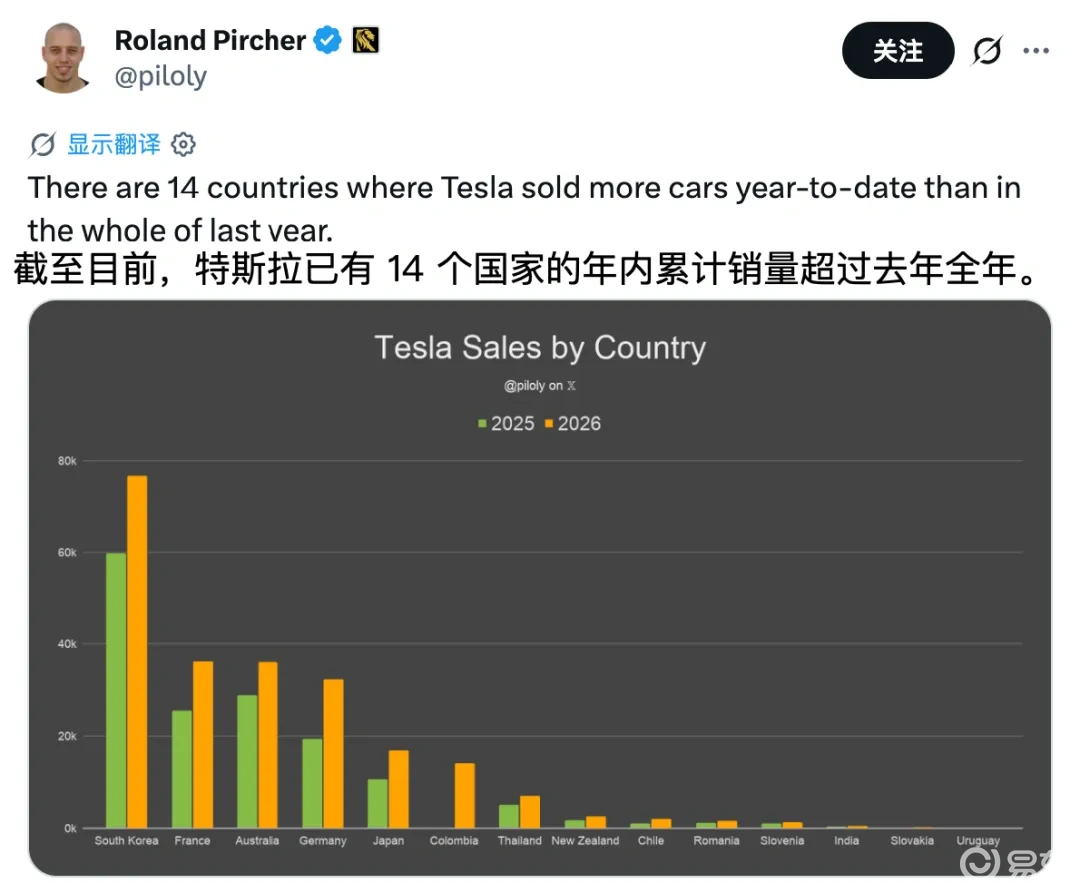
Specifically, these 14 countries include South Korea, France, Australia, Germany, Japan, Colombia, Thailand, New Zealand, etc., covering multiple regions such as Asia, Europe, Oceania, and South America.
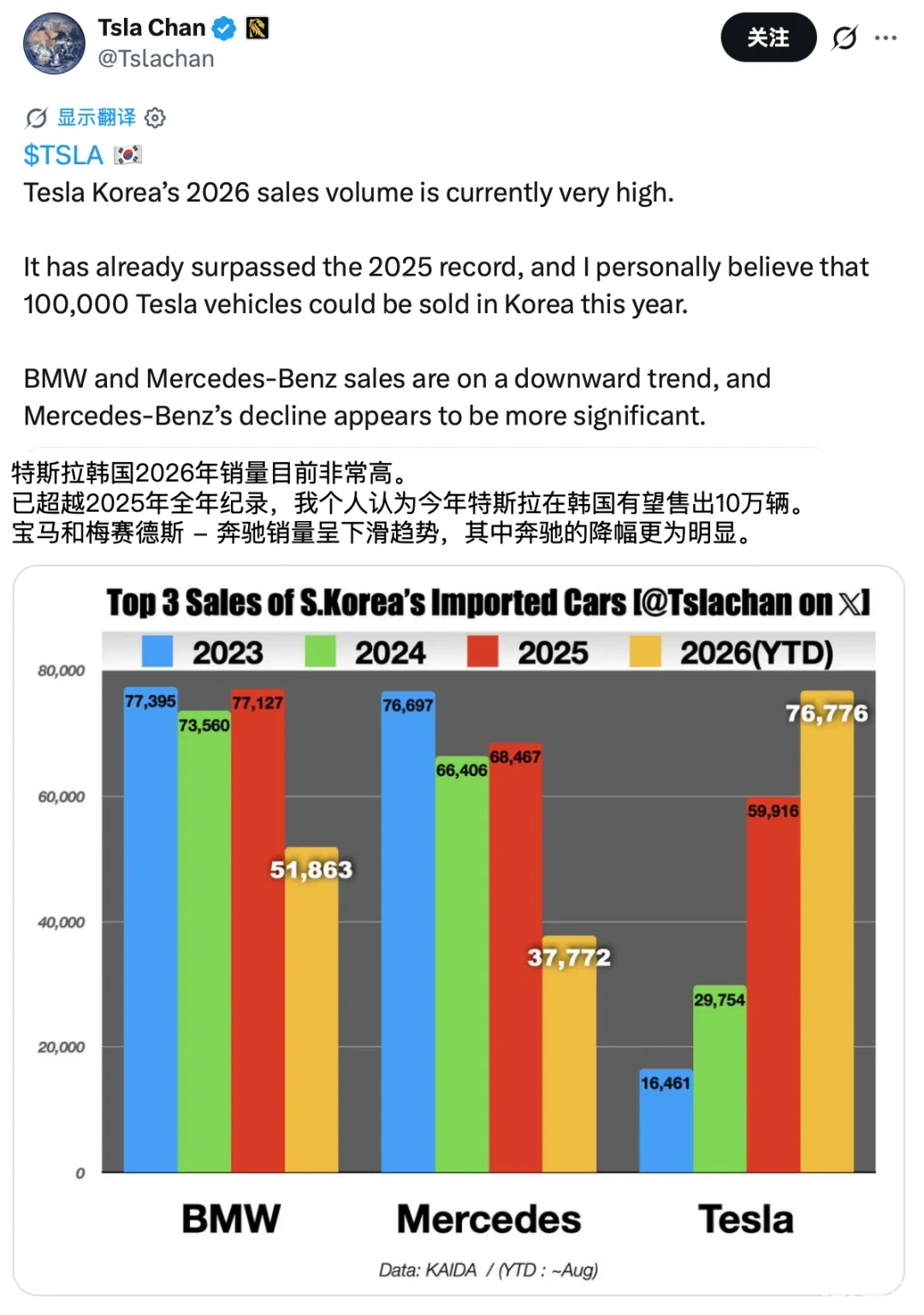
Among them, as of August this year, Tesla's cumulative sales in the South Korean market have surpassed 76,000 units, with monthly sales again breaking 10,000, and ranking first in South Korean imported car sales for 7 consecutive months starting from February this year. In August, the Model Y also surpassed multiple popular local South Korean models, becoming the best-selling passenger car locally.
Similar to the South Korean market, the French market was previously dominated for a long time by French local brands such as Renault. Tesla has achieved rapid sales growth with strong product capabilities. From January to August 2026, Tesla's cumulative sales in France reached 36,000 units, a year-on-year growth of 148%. The Model Y became the best-selling model across all categories in France twice in June and August this year.

In the Australian market, Tesla's total delivery volume in August increased by 163% compared to the same period last year. This year, the Model Y became the best-selling model across all categories in the Australian market three times in May, June, and August successively.

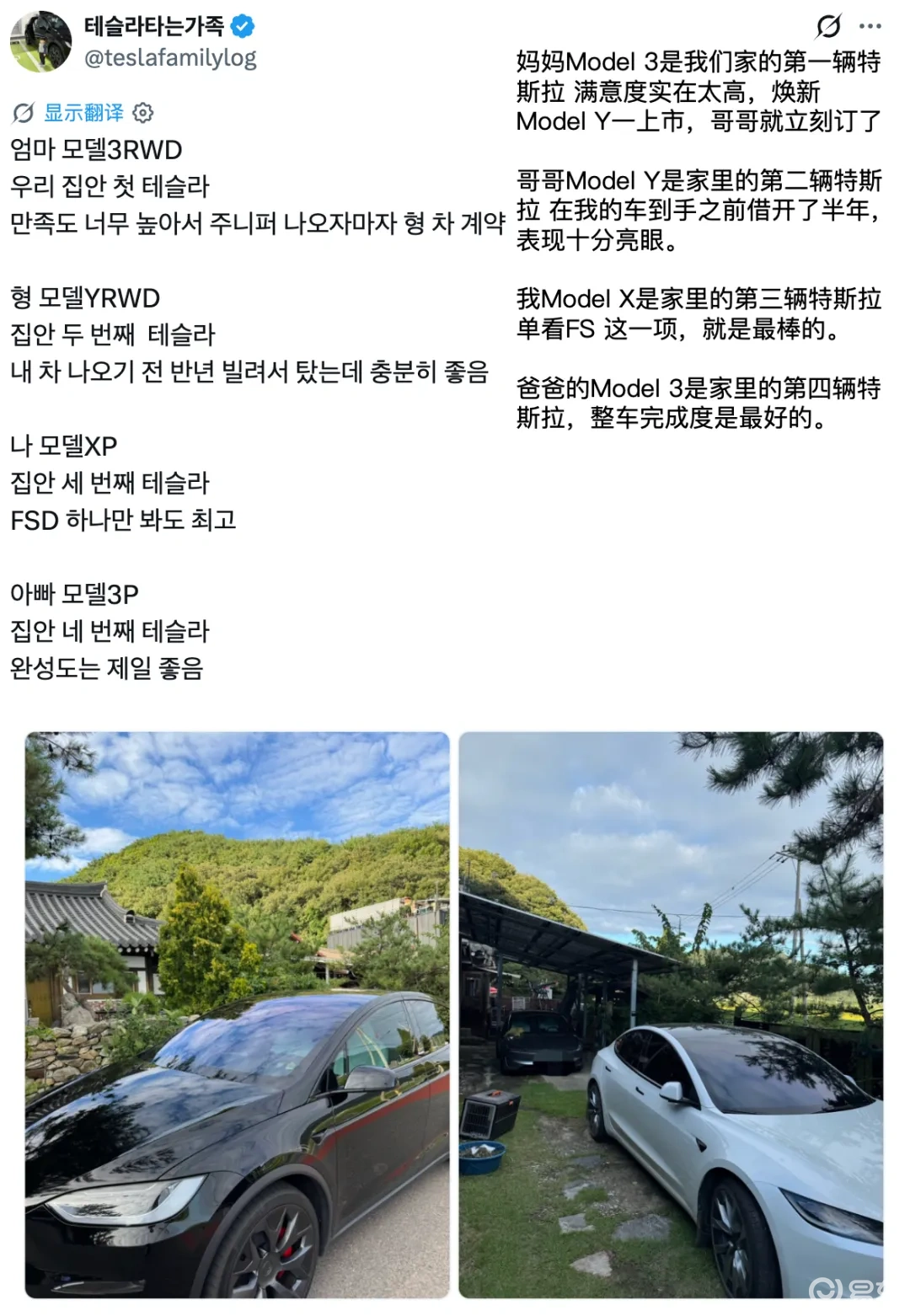
Apart from solid sales data, the real choices of owners also continue to prove Tesla's hot-selling strength. Owner @teslafamilylog shared their family experience: Since mom bought the first Model 3, the whole family quickly became fans of Tesla. He and his brother and dad then purchased 3 more cars successively, and the four cars directly covered the whole family's travel.
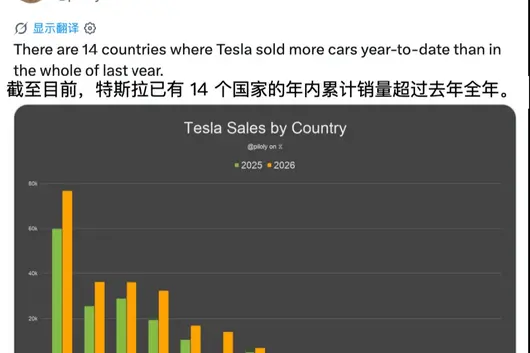

據海外博主@piloly 最新統計銷量數據顯示,截至2026 年 8 月,特斯拉今年在全球14 個國家的累計銷量均已超過2025 年全年。
具體來看,這 14 個國家包括韓國、法國、澳洲、德國、日本、哥倫比亞、泰國、新西蘭等,涵蓋亞洲、歐洲、大洋洲及南美洲等多個區域。
其中,截至今年 8 月,特斯拉在韓國市場累計銷量已突破 7.6 萬輛,單月銷量再度破萬,並自今年 2 月起連續7 個月穩居韓國進口車銷量榜首。8 月 Model Y 亦超越多款韓國本土熱門車型,成為當地最暢銷乘用車。
與韓國市場類似,法國市場此前長期由雷諾等法國本土品牌主導,特斯拉憑藉強大的產品實力迎來銷量快速增長。2026 年 1~8 月,特斯拉法國累計銷量達 3.6 萬輛,同比增長148%。Model Y 在今年 6 月、8 月,兩次成為法國全品類最暢銷車型。
在澳洲市場,特斯拉 8 月總交付量較去年同期增長 163%。今年 Model Y 在 5 月、6 月、8 月先後三次成為澳洲市場全品類最暢銷車型。
實打實的銷量數據之外,車主的真實選擇也持續印證著特斯拉的熱銷實力。車主@teslafamilylog 分享出自家嘅經歷:自從媽媽買下第一台 Model 3,全家人很快被特斯拉圈粉,佢同哥哥、爸爸又先後購入 3 台,四台車直接承包咗全家嘅出行。


特斯拉已经很久没有放出新产品了。Model 3和Model Y推出焕新版之后销量依然强势,也使得特斯拉没有太多的压力。但最近,特斯拉却接连推出了Cybercab和Model 3平价版。这次在香港,我们就率先体验了这两款产品。
01
Cybercab:两座剪刀门的未来出行
特斯拉 Cybercab 的亚洲首秀放在了香港,说明特斯拉对于香港地区的重视,也可能正好拉动 Model 3 平价版的上市预定。
产品层面,首先特斯拉 Cybercab 实车确实不大,而且是一款两座车型。数据上,车长只有4.44米,车宽也只有1.6米,所以整车显得非常紧凑,再加上溜背造型也可以有效控制电池组大小,实现小电池、长续航。

不过Cybercab的颜色非常引人注目。有且仅有金色的外观,配合涂鸦体车型名称,典型的美国风格——而且马斯克表示,之所以用金色,是因为这款车预示着人类的交通进入了“黄金时代”。
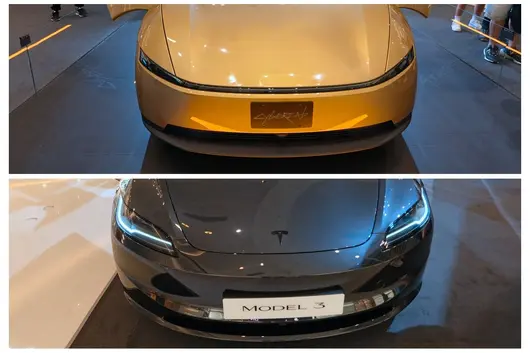
Cybercab的前脸造型延续了Model Y焕新版设计,弧线轮廓加上硬朗线条,中间虽然是贯穿式灯组,但不再采用分离式前大灯,制造和维修上更经济。不过贯穿式日行灯其实是可以彩色显示的——当Cybercab开到打车的人面前,灯带会和手机上显示同样的彩色灯带,方便用户分辨自己打到的是哪辆车。展区地面专门设置了三条黄色灯带,个人猜测可能真车会投影出警示线,告知行人安全距离。

Cybercab 侧面设计就保持了非常流畅的侧面造型,而最为重要的是采用了剪刀门设计——这种设计一是可以实现电动开启,二是开启距离更小,和周围环境碰撞概率更低,另外向上开启在道路上的适用性也更好。可以看到,剪刀门的液压撑杆很粗壮,可以很好地支撑车门开启,预计开启速度也足够快。

另外可以注意到,Cybercab的车门非常大——接近整车长度的一半,而且依然是无边框车门设计,科技感很强。同时车门内部采用悬浮式车门扶手,车门内部型面非常简洁,和日常轿车不一样。

车辆后部采用溜背造型的楔形设计,到车尾就是一个直切的垂直设计,这也是因为这种与普锐斯类似的造型已被证明是低风阻造型,可以有效降低电耗。而且车顶也没有天幕,整个车尾应该是一个掀背尾门,成本控制到位。值得注意的是 B 柱有一个侧面摄像头,这个和 Model 3 是一样的,但外面没有玻璃覆盖,是裸露的,不知道是节省成本还是更便于清洗。


车尾设计也很简单,包括贯穿式熏黑大灯,中间是摄像头,底部保险杠都是黑色塑料,设计得非常规整硬朗。
特斯拉Cybercab的轮胎设计很有“迷惑性”,看上去金色的封闭式轮毂很大,但实际上采用的是前18、后21英寸轮毂而已。而特斯拉把轮胎胎面涂了一半车身同色,这使得你还以为车毂特别大。其实前轮是 215/60 R18、后轮是 225/60 R21,都是厚胎,而且胎宽都属于比较窄的,考虑到只是城市通勤、没有激烈驾驶需求,这样的轮胎规格也足够了。

Cybercab的内饰设计很简单,宽大的双座设计,中间应该是一块17英寸大屏,没有方向盘、没有任何踏板,地板也是纯平。可以注意到,Cybercab的两个座椅非常宽大,很适合美国人那种更宽的体型,而且车辆也没有中央操纵台,中间是连通的设计,方便上下车。另外设计师在座椅中间加了扶手,坐垫中间是杯架。


关于Cybercab的动力续航参数,目前的信息是这辆车只会搭载48度电的4680电池组,电机功率163kW,但续航里程可以做到280-300英里,也就是500公里左右,对于城市通勤来说也足够了。而且Cybercab是没有在车身上布置充电接口的,目前看应该是在后保险杠左边有一个盖板,可能是充电口,而且它只有直流电充电口。
当然,Cybercab将采用特斯拉FSD纯视觉方案,但计算平台依然是AI4,并非AI5,意味着这辆车在硬件能力上其实和现款特斯拉Model Y保持了一致,也足以看出特斯拉对FSD进展的乐观态度。

目前特斯拉Cybercab在奥斯汀只投放了45辆,预计投放规模是1000辆。但特斯拉Cybercab显然是激进派,这次投放甚至采用了“自我认证”模式——一旦FSD的L4级自动驾驶方案出现任何问题都是直接召回车辆。
02
Model 3 平价版:简配不减三电
这次在香港拍摄Cybercab后,我们也率先体验了港版的特斯拉 Model 3 平价版。这款车型的正式名称为“Model 3后轮驱动”,起售价20.5 万港元,但含税价是 32.13 万港元,还是挺贵的,并非网上传的17.5 万元人民币买Model 3。这个价格其实仅比Model 3 后轮驱动Premium版便宜1.91万元,算上税费的落地价便宜3.3万元左右。

Model 3后轮驱动版既然更便宜,车辆也自然做了一些减配,比如轮胎换成佳通的 18 英寸轮胎,轮毂低风阻盖板也是更廉价的黑色塑料件。在外观颜色上平价版也只提供灰白黑三种,而且白色和黑色都要加9600港元,而Premium版本则是会多出蓝色、银色和红色三种颜色,但内饰也只有黑色。

车窗玻璃变成了单层,车门内衬变成了织物,座椅也变成织物和皮革双拼,没有了氛围灯,后排屏幕也取消了,质感肉眼可见的下降,但可能就是有些人喜欢这种质朴风。另外第一排座椅保留了加热功能,第二排则没有任何额外功能,座椅放倒也是手动。同时平价版的悬挂取消了可变阻尼减振器,变为了被动悬挂。


没有减掉的地方包括:全景天幕还留着,中控台盖板的阻尼还是很顺滑,大屏有,Grok AI 有,电动后备箱也有,最关键的是自动辅助驾驶得以保留。


三电系统方面,Model 3平价版基本没有降级,极速依然是201公里/小时,百公里加速6.2秒。虽然电池容量变为 52.9 度电,是WLTP续航里程依然达到了572公里,这就有点强得可怕了,感觉能耗又进行了优化,这对于香港这座城市来说完全够用了。

总之,特斯拉在香港地区的销量表现非常抢眼,这也让特斯拉推出Model 3平价版有更大的信心。那么特斯拉在香港地区卖得有多好呢?Model 3是香港地区1-8月轿车市场的销量冠军,新车上牌量达到2587辆,为第二名广汽埃安UT的两倍。
而Model Y则是1-8月香港地区SUV销量冠军,卖了3344辆,超过比亚迪海狮07接近1000辆。同时特斯拉Model Y L是8月40万元以上完税价销量第一名的车型,比Model Y还卖得好。当然,Model Y也是前八个月完税价40万元以上卖得最好的车。

随着特斯拉Model 3平价版的推出,虽然只是便宜了3万多港元,但是相比于国内品牌电动车,特斯拉在品牌号召力方面的优势十分明显,对于收入比较高的香港居民来说还是更愿意选择特斯拉。
(END)

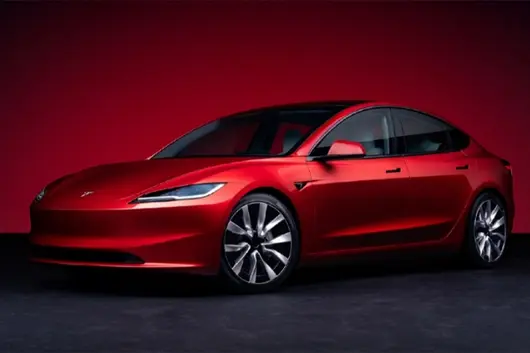
不鸣则已,一鸣惊人,说的就是特斯拉。最近特斯拉公布了9月份最新的优惠购车政策,消费者如果选择购买现车,并在9月底前完成提车,就可以获得现金激励:Model 3全系现车可享现金激励5000元,Model Y全系现车可享现金激励10000元。同时,Model 3部分车型还可申请享受8000元保险补贴。对于消费者而言,现金激励实际上就等于车价直降了,Model 3实际售价为22.25万元起,Model Y实际价格为25.35万元起。与此同时,消费者还能在5年0息、部分车漆免费选装以及特享充电权益中选择一项进行叠加,实际购车成本更低。

激励政策立竿见影,单日订单新增4000+
据悉,特斯拉开启现金激励活动首日,当天全国订单就新增4000台,甚至有门店单店单日订出60多台,这个成绩是相当优秀的,毕竟按照单天4000台的效率来算,月销量是不是都要超过零跑汽车了?而且相比于友商新车上市订单破万的情况,特斯拉的这些订单都是现车,消费者想要获得现金激励,就必须在本月完成提车,因此特斯拉的新增订单数量就是实实在在的本月新增交付成绩,这和友商新车订单破万但是需要产能爬坡、通过几个月的时间慢慢交付是完全不一样的。

有人说特斯拉的风头已经被自主新势力盖下去了,毕竟特斯拉在冰箱彩电大沙发等配置方面不够丰富,FSD落地中国市场的时间依然尚未明确,其在电动车领域的先发优势正在减弱,但事实证明,特斯拉的市场号召力依然强大,简简单单一个现金激励政策,就能收获单日4000+订单,证明特斯拉的潜在客户们依然不少,只要价格调整到他们的心理预期价位,就会果断下单。

简单透明,特斯拉价格模式受年轻消费者认可
事实上,特斯拉在促销政策上一直都是简单粗暴的态度,比如全国统一不讲价的模式,原材料价格波动直接体现在官方车价调整上,掀起5年0息的潮流,这些都让消费者看到了特斯拉产品本身以外,和其他品牌不一样的地方:价格没有弯弯绕绕,消费者不必跑不同门店砍价,也不必费心研究不同标价的权益内容,这对于现在很多年轻消费者来说,是很受欢迎的一种模式。

但也正是这种一言不合就调价、现金优惠的风格,会让刚刚提车的新车主觉得亏了几个亿。这个确实可以理解,不知道特斯拉后期会不会专门针对这种情况,给到老车主们一定的关怀补偿?

促销清库存?现在下手还是再等等?
至于特斯拉为什么突然要推出现金激励政策,其实不难发现,应对当下中国市场越来越激烈的竞争,特斯拉的先发技术优势和品牌光环吸引力是在减弱的,唯有将价格匹配到消费者的心理预期,才能保证产销平衡。另一方面,廉价版Model 3已经在中国香港、中国澳门地区开售,价格门槛降到17.5万元,因此也有人认为特斯拉此时推出现金激励政策,是为了清库存。

因此对于我们消费者而言,如果近期有购车刚需,现金优惠5000元、10000元后价格已经达到预期,那么直接选现车就行了,车子是用来开的,不是用来升值、保值的,当下能够为你带来更多便利就是值得的,心态放平即可;如果还不着急购车,那么可以继续关注车市动向,看看特斯拉廉价版车型登场后会不会影响现有的价格体系,看看各大友商在金九银十有什么新的优惠政策,你说呢?


不少新晋特斯拉车主刚提新车,短暂的喜悦便被突如其来的价格变动打破,仅一日之隔,便凭空产生数千元至上万元的购车差价,落差感十足。

9月7日,特斯拉正式上线限时购车激励政策,活动有效期至9月30日,仅限现车车型参与,优惠可直接抵扣尾款。其中Model 3全系现车立减5000元,Model Y全系现车直降10000元,同时可叠加五年零息金融、车漆升级等权益,部分车型还享有专属保险补贴,综合优惠力度创下近期新高。


本次特斯拉Model 3降价的核心诱因,是20–30万纯电轿车赛道的白热化内卷,国产竞品强势冲击,持续挤压其国内市场份额。由于国产Model 3每季度初会优先供给海外市场,所以每季度后两月的销量数据更有参考性。通过正常销售月份的销量表现可以看出Model 3增长动能持续乏力,整体市场增长疲软。

当下小米SU7、比亚迪海豹08、尚界Z7等国产主流轿车,普遍搭载800V高压快充、激光雷达、高阶智驾等前沿配置,内饰用料、座舱智能化与驾乘舒适性全面占优。

反观Model 3,内饰简约朴素、基础配置精简,舒适性短板突出,仅依靠品牌口碑与成熟的三电技术支撑产品力,性价比优势彻底丧失,大量潜在客源被国产竞品持续分流。

结合1-7月销量数据不难看出,特斯拉Model Y销量同样起伏明显,走势不算稳定。当下纯电SUV赛道竞争白热化,理想i6、小米YU7、问界M6等新势力车型定价更低、配置更全面,给到了高阶智能辅助驾驶、座椅通风/加热/按摩等实用功能,精准贴合家庭用车需求,持续挤压其市场份额,彻底打破了特斯拉以往一家独大的行业格局,也直接造成其月度销量波动疲软。

除了外部市场竞争之外,本次限时激励也是特斯拉季度运营与产能调配的市场化核心操作。特斯拉上海超级工厂采用柔性生产模式,可根据经营需求动态平衡国内销售与海外出口产能,这也是其终端销量、价格周期性波动的底层逻辑。

季度前期,工厂优先保障海外出口订单,国内现车供给紧张、车源稀缺。进入三季度末业绩考核关键期,为冲刺交付指标,稳定资本市场预期,工厂大幅缩减出口产能,向国内集中投放现车,形成阶段性库存积压。
为快速去化库存、拉升季度交付总量,特斯拉推出限时现车专属补贴,且不调整官方指导价。该模式既能激活终端消费,完成季度业绩目标,又能规避常规官降带来的品牌定价受损、二手车残值下跌等问题,是特斯拉平衡销量与品牌价值的成熟运营策略。

当然,特斯拉的经营压力从财报数据也能窥知一二。比如2026年第二季度,特斯拉营收282亿美元,同比增长26%,但营业利润仅为3.98亿美元,同比暴跌57%,呈现出增收不增利的现象。
虽然以价换量可能会加剧增收不增利的情况,但是更大的产量没准能够在供应链端获得更大的议价权,反而会对利润有所贡献。


首先我认为,现款Model 3和Model Y短时间内继续降价的可能性不高。虽然特斯拉终端价格时常存在波动,但其凭借差异化核心竞争力,持续维持市场吸引力,主要离不开三点因素:
其一,技术积淀深厚,自研三电系统能耗表现稳定,底盘调校成熟,整车品控与行驶稳定性经过市场长期验证,机械素质具备行业优势;
其二,补能生态壁垒突出,依托全国高密度超级充电网络,有效解决纯电车长途补能难题,用车便利性行业领先;
其三,智能化体系完善,支持整车全域OTA远程迭代,可持续优化驾乘体验,延长车辆使用周期,提升残值。同时,品牌直营模式定价透明、无消费捆绑,车辆保值率稳居行业高位。

不过,廉价版Model 3和Model Y可能已经“箭在弦上”。目前中国港澳市场已上市减配版Model 3,其中香港地区的新车折合人民币约17.59万元,入门售价大幅下探。
虽然受一些外部条件约束,这类极致“减配”车型短期进入大陆的可能性较低,且其极简配置与国内用户驾乘需求存在偏差,但是长期来看,特斯拉大概率会推出适配国内标准与用车场景的“轻减配”专属车型,让售价进一步下探。

所以总的来说,特斯拉当前至高1万元的现车限时优惠,可以理解为是季度交付冲刺的短期营销手段,并非永久性调价。不过结合行业格局与经营逻辑判断,车型价格后续仍有下探空间,可能会以“轻减配”版本的形式出现。
那么最后问题来了,你们会在这个月直接下手现款车型,还是继续做“等等党”呢?
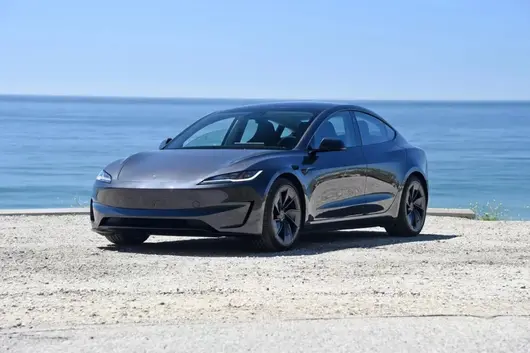

《车矩阵》行业导购:车市“金九银十”旺季到来,车企之间的竞争更为激烈,降价促销成为常态化竞争手段,对于热销的特斯拉来说极少出现大幅降价的政策,突然而来的现金直降让许多已经打算入手特斯拉的准车主“喜极而泣”,省下来的钱可以购买保险,非常划算。

日前特斯拉发布最新购车现金激励优惠政策,针对上海超级工厂生产的特斯拉Model 3和Y直接给到车价现金立减,即日起至9月30日前下单并提车,特斯拉Model 3全系现金立减5000元、Model Y现金立减10000元。且享受5年0利息、8000元保险补贴(Model 3)、8000元限时车漆选装福利、三种特享充电权益任你选等同步限时现车激励政策。


经过此轮优惠后特斯拉Model 3售价22.25万元起,首付7.99万元,月供低至约2377元;Model Y售价25.35万元起,首付7.99万元,月供低至约2894元;Model Y L售价32.90万元起,首付9.99万元,月供低至约3819元。

已在中国香港和中国澳门开售的廉价版特斯拉Model 3起售价不到18万元,这款车对于国内消费者的吸引力较大,虽然减少了不少配置,但关键的三电部位仍保留特斯拉纯正血统,因此对于不太追求舒适配置的用户而言才是最划算的。

摆在特斯拉面前的一个比较“棘手”的问题是如何处理已经在9月前刚刚提车的Model 3和Y的车主,虽然新的激励政策刚刚发布,但这对于新车主的问题若处理不好或会引发公关危机,不过目前尚不明确特斯拉会针对这部分车主做出如何补偿。此轮优惠或极大拉动特斯拉9月的销量,对于一些持币观望的准车主会产生下定决心!

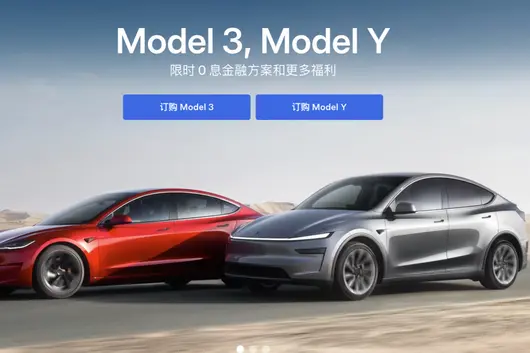
9月7日,特斯拉中国一纸限时购车政策,把Model 3、Model Y的入手门槛压到了低处。
即日起至9月30日,Model 3全系现车直降5000元、Model Y全系直降1万元,叠加5年0息、8000元车漆选装等权益后,Model 3起售价降至22.25万元,Model Y降至25.35万元。政策只面向现车资源,官方指导价分文未动。消息一出,一边是门店“爆单”,一边是老车主“维权”。
同一天,两副面孔
政策落地当天,“特斯拉降价”冲上微博热搜。有消息称,湖北多地门店新增订单增幅超50%。北京多家门店同样出现爆单,有销售人员反馈手机被打爆了。特斯拉网上门店直播间也涌进很多询问优惠信息的潜在客户。
但另一头的情绪截然相反。盖世汽车了解到,有车主9月6日下午才提车,次日就错过了万元优惠。多位车主反映,购车过程中销售从未提醒短期内会降价。
还有车主7月底下定Model Y,等了20余天才提车。他选择特斯拉,图的正是”全国统一定价、透明购车“。如今眼看着新车到手没几天就赶上直降1万元,他直言希望特斯拉至少给短期购车消费者充电、服务类的补偿。
降价的直接背景,是特斯拉中国销量持续下滑。乘联分会数据显示,2026 年7月,Model 3在华零售仅2091辆,同比下降78.8%;Model Y零售25158辆,同比下降18.2%。1-7月累计,Model 3零售 68533辆,同比下降32.7%;Model Y零售197671辆,同比下降2.3%。

图片来源:特斯拉
从这可以看出,Model 3掉队已经很严重。月销不足2100 辆,意味着它已经退出了主流轿车销量榜单。
8月数据看似回暖,实则藏着更危险的信号。乘联分会初步统计显示,特斯拉上海超级工厂8月批发销量86166辆,同比增长3.6%,连续第10个月正增长。但这一增速低于同期全国新能源市场整体批发增速逾12个百分点。特斯拉不是不涨,而是涨得比大盘慢。
考虑到批发量还包含出口,国内零售端的真实压力只会更重。
与之相对的是,还有工厂产量的持续走高。2026年上半年,特斯拉上海超级工厂产量创下近三年同期新高,在全球总产量中占比超过54%。产量涨、销量跌,中间的落差直接变成了现车库存的压力。要知道,此次降价明确标注“仅面向现车资源”。
更值得玩味的是,特斯拉平价版Model 3已在中国香港、澳门开售,香港税前裸车起售价折合人民币低至17.59万元(不含当地登记税)。市场有观点认为,此次现金激励可能在为该平价版Model 3进入内地市场 “打前哨”,不过特斯拉客服表示,暂未收到该车型引进内地的相关计划。
对手直插Model Y腹地
价格战的压力,不只来自存量对手,还有国内车企。
比如,就在9月7日晚,小米第二产品系列“澎程”的首款增程SUV——N70正式上市,N70 Pro售价20.99万元起,N70 Max售价23.99万元起,直接切入Model Y的价格腹地。小米汽车创始人雷军直言不讳,N70系列的竞争对手就是特斯拉Model Y。
一个值得注意的细节是:N70是增程车型,与Model Y的纯电路线不同,但它全系标配激光雷达、英伟达Thor-U智驾芯片和高阶智驾系统,在智能化硬件配置上压了Model Y一头。它的打法是“用增程解决里程焦虑、用智驾对标智能化”,两条腿一起抢Model Y的用户。除了N70系列,其竞争对手还有小米YU7、极氪7X、小鹏G9等。

图片来源:特斯拉
Model 3的处境同样逼仄。降价后22.25万元的起售价,正面对小米SU7、小鹏P7i、极氪001的夹击。
这只是国内新能源汽车激烈价格竞争的缩影。乘联分会秘书长崔东树指出,8月乘用车降价车型共10款,较去年同期减少13款,但新能源车降价力度并未收敛;8月新能源降价新车均价25.6万元,算术平均降价力度达4.5万元,降幅17.8%。
在此大背景下,特斯拉这一轮限时直降,只是行业 “以价换量” 浪潮中又一块倒下的多米诺骨牌。
小结:
回顾历史,降价对特斯拉短期销量确实具备拉动效果。前几年国内一轮最高4.8万元的大幅调价,就曾带动当月订单明显走高。但降价的副作用同样突出:老车主维权风波、品牌溢价承压,更重要的是不断强化消费者持币观望、等待降价的心理预期。
持续价格战的代价,已经体现在财报之上。特斯拉二季度财报显示,公司综合毛利率回落至 16.8%,不及市场预期,营业利润同比下滑 57%,依靠以价换量换来的规模增长,盈利能力正在被持续稀释。
面对盈利压力,特斯拉也在向外寻找第二增长曲线。日前,无方向盘、无踏板的Robotaxi车型Cybercab于奥斯汀发布,已经开启商业运营;FSD V5版本也在整合迭代,计划落地24小时Robotaxi服务。不过这些前沿新业务尚处在早期阶段,距离大规模贡献营收还有较长周期,短期内难以对冲中国市场的竞争压力。
回到国内市场,中国新能源价格战已经步入深水区。特斯拉本次限时降价,既是三季度末冲量的战术操作,也是面对销量持续走弱下的被动应对。短期来看,Model 3能否扭转颓势,取决于竞品是否跟进调价、消费者是否愿意为所谓“历史最低价”买单;而长远来看,特斯拉真正需要补齐的,是产品迭代节奏与中国市场本土化能力,而非反复依靠降价换取市场空间。

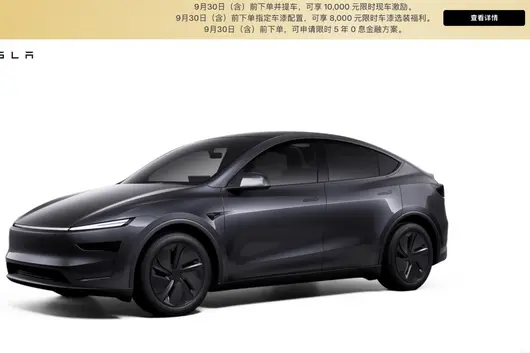
时隔一年半,特斯拉中国市场终于又降价了,和每次降价一样,都是悄无声息的上线。现在官网选购Model Y和Model 3,会提示:9月30日(含)前下单并提走现车,Model 3全系现金激励5000元,Model Y全系现金激励1万元。官方指导价没有变,现金直接抵扣尾款;叠加5年0息、保险补贴等福利后,两款车的起售价分别降至22.25万元和25.35万元,创下全系历史最低。两款车的交付周期都是1-3周。

这轮优惠不是传统意义上的官降,注意一下两个限定词:一是“现车”,二是“期限”。只有现车能享受,且必须在9月30日(含)前下单并提车。

上一次特斯拉在中国推出同类现车现金优惠,是2024年11月25日:部分Model Y现车尾款立减1万元,活动延续至2025年1月31日。这一轮距上一轮结束约19个月,适用范围从部分Model Y现车,扩大到Model 3和Model Y全系现车。
过去一年多,特斯拉在中国更依赖金融政策调整:零息、低息贷款降低月供门槛,同时维持公开售价、保住品牌调性。现金减免对短期订单的刺激更直接,但也意味着单车收入减少。
为什么特斯拉要在9月突然降价?首先是季度交付的压力。优惠窗口精准卡在9月30日——三季度最后一天,距离季末收官不足四周。上海工厂有鲜明的季度节奏:季度首月优先出口,进入季度后段,产能才转向国内交付。
所以这轮优惠的主要任务就是冲刺三季度交付——国庆假期前后门店无法办理交付,上海工厂下一季度将优先安排出口,国内能集中交付的时间窗口主要就落在9月。
当然还有国内零售的增长压力。乘联会数据显示,2026年1至7月,特斯拉中国累计零售约26.6万辆,同比下降12.44%;其中Model 3下滑32.66%,Model Y微跌2.27%,两款主力车型明显分化。

当然还有竞争的加剧,20万到30万纯电赛道已经极其拥挤:宝马新世代iX3以26.99万元开启预订,上汽奥迪AUDI E7X限时起售价26.98万元,直接进入Model Y的价格区间;小米、理想、问界、极氪、乐道用更高配置、更强座舱、更快的新车节奏,持续动摇特斯拉“默认选项”的地位。
现在心里最不爽的就是刚提车的车主,自己的车一夜之间“账面贬值”数千到上万元。社交媒体上“提车一天就被背刺”的声音此起彼伏,部分车主表示是被销售引导着提前提了车。但是即便维权,按照过去几年的经验来看,买定离手,车主没有胜算,特斯拉更不会主动补偿车主。
还有一个大家关心的问题,特斯拉降价了,其他自主品牌会不会跟进呢?目前来看,国产新能源车企反应平淡,一方面真的是没有让利空间了,另一方面,降价也并不会真正刺激销量,所以大家还是观望为主,即便有所动作也要下个月再看了。
而且特斯拉这次降价就截止到9月底,国产品牌扛一下就行,没必要跟进。如果9月30日之后政策延续或加码,可能重新点燃价格战预期;如果如期收官,则证明这只是季度冲量的常规动作。
接下来,就看特斯拉9月的交付数据了,这次现金激励能把多少观望订单转化为当季交付,直接决定三季报的成色。还有一个值得关注的点,看廉价版Model 3的动向。中国香港、中国澳门已经开售,最低起售价不到18万元。这款车何时进入内地市场,可能重新定义特斯拉在中国市场的价格带。

9月7日,特斯拉中国发布消息:9月30日前下单提现车,Model 3减5000块,Model Y减1万。这些年特斯拉搞过的优惠多了去了——保险补贴、车漆减免、免息贷款,花样翻新。但这次直接减免尾款这事,特斯拉已经三年多没干过了。上一次这么玩还是2022年底和2023年初,那时给的还是6000块。此后几年,特斯拉的促销手段基本绕着弯子走——保险补贴、低息金融、选装福利,就是不碰尾款。因为直接降价伤品牌,还容易惹怒刚提车的车主。

数字不会骗人。今年1到7月,特斯拉在中国卖了约26.6万辆车,比去年同期少了12.44%。Model 3尤其惨,累计零售同比下降超过三成。7月份的单月数据更扎眼——Model 3在国内只卖了2091辆。两千出头,对于一个曾经月销过万的车型来说,基本等于躺平了。Model Y稍微好点,7月卖了25158辆,但也比去年同期少了18%。巅峰时期这车单月能冲到5万台以上。更麻烦的是增速在掉队。8月份特斯拉中国批发销量同比增长3.6%,但整个新能源市场大盘涨了16%。跑不赢大盘,说明不是市场不行,是你不行。
特斯拉上海工厂出货量不是挺高的吗?7月份批发了93579辆呢。但里面66330辆运出国了。七成车子卖到海外,国内只有27249辆。出口撑起了工厂的产能,却撑不起中国市场的零售。这就是特斯拉眼下面临的尴尬——上海工厂开足马力,但中国消费者掏钱的速度跟不上了。20到30万这个价位,现在挤满了比亚迪、小米、理想、问界、零跑。特斯拉在中国新能源市场的份额已经从15%以上掉到了不足5%。Model 3面对的是一整排对手——小米SU7、极氪007、小鹏P7,一个比一个配置新、智能强。Model 3除了品牌和电耗,能拿出来的新东西确实不多了。

这次优惠只针对现车。定制排产的订单不参与。可能是仓库里堆着车,得赶紧清掉。生产计划和实际订单对不上号了。车企最怕库存积压,资金压在那儿转不动,每多放一天都是成本。时间节点也卡得很死——9月30日。三季度最后一天。特斯拉的季度业绩按交付量算,9月30日之前提的车才算进这个季度的账里。这波操作就是赶在财报截止前,把库存车塞进交付数字里,让三季度报表好看一点。
在几天前,特斯拉的Cybercab更新活动没达到投资者预期,股价跌了近6%,市值一夜没了将近6000亿。资本市场那边刚挨了一闷棍,另外,特斯拉在香港和澳门已经上了廉价版Model 3,起售价折合人民币不到18万。这次现金激励是不是为这款车进入内地市场铺路需要观察:先清一波库存,再推低价新车,逻辑上说得通。(注:本文提及优惠信息、具体政策请以特斯拉官方最新公告为准。)#特斯拉 #新车优惠
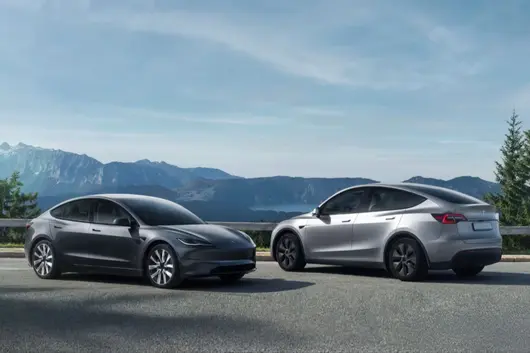

日前,特斯拉正式在香港、澳门地区推出平价版Model 3,有多平价呢?
香港地区起售价20.5万港元,约人民币17.59万元;澳门地区起售价25.2万澳元,约人民币20.98万元。

不到18万的特斯拉Model 3,我知道很多人听到这个价格之后都会心动。但我劝你先别心动,虽然平价版Model 3价格确实低,比内地在售的25款改款后轮驱动版低了整整5万,但是它的配置也不高啊。
不到18万的Model 3就是靠砍配置砍出来的,当然大部分主要砍在内饰和舒适性配置方面。
具体来看,内饰方面全仿皮座椅换成了织物和人造革拼接,去掉了256色氛围灯,内饰塑料件也变多了。

舒适性方面,去掉前排通风和后排加热,去掉双无线充电和自动泊车,去掉后排出风口以及8英寸触控屏,后视镜和方向盘调节由电动改为手动。接着就是外观调整,比如矩阵式LED大灯变为普通LED,轮毂样式变换等等。不过令人诧异的是,天窗居然还在。
然后核心三电方面基本得以保留,HW4.0的智驾芯片也还在,可选FSD。因为换装了低滚阻轮胎,平价版Model 3的WLTP续航达到了572km,换算成CLTC的话大概是680km。

可以说,平价版Model 3为了拉低售价,几乎是把能砍的配置都砍了。那么问题来了,平价版Model 3会进内地吗?我觉得可能性不大。
因为如今内地市场的消费者,早已经被新势力的堆料式打法把嘴巴喂刁了。以前有个座椅加热就很不错了,现在要有通风、要零重力座椅;以前有个辅助驾驶就行,现在要激光雷达;以前中控台上有块屏幕就算高科技,现在副驾驶都得有块屏,不然你都不好意思卖。甚至都卷到往车里塞制氧机了,就怕你少呼吸了一口新鲜空气而少活几年。
况且现在内地在售的特斯拉在配置方面对比国产就不占优势,内饰长期被诟病简陋,如今再来个更简陋的,有几个人能瞧得上?
而且内地的特斯拉本来就要比香港地区的卖得贵,内地Model 3后轮驱动版卖23.55万,而香港地区和它配置差不多的版本仅需不到20万。那么我们反过来大概可以估计一下,在香港卖17万多的平价版Model 3到内地也得要20万。
20万买一台要啥啥没有的毛坯Model 3,还是买一台配置高、内饰精致的国产,我相信大部分人都会选择后者吧。

那平价版Model 3就真的不适合内地了吗?
我觉得特斯拉如果真的有心在内地推出平价版的话,不如更狠一点,把HW4.0智驾芯片也砍掉,反正内地现在没法用FSD。天窗也去掉,甚至电池度数、续航都可以往下再砍一砍,看看能不能把价格砍到15万,搞个纯粹版Model 3。

这个版本就专门为那些喜欢驾驶、热爱驾驶,然后对智能化不感冒,也不过分追求舒适的人准备。因为Model 3的底盘底子足够好,驾控水准在一众纯电轿车当中也是出类拔萃的,再加上优秀的三电系统,平时就用来上下班代步,周末就开去跑跑山享受驾驶乐趣,我相信这样的Model 3还是会有不少人喜欢的,你们觉得呢?
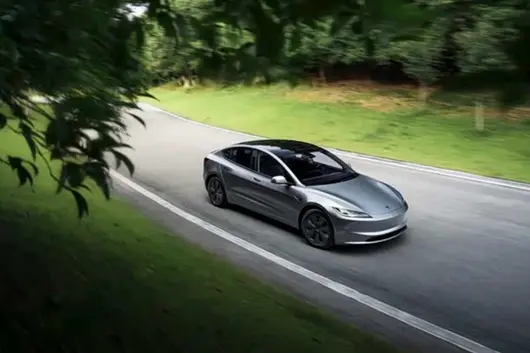

不知道大家发现没有,最近数码圈的新机一款接一款,但价格也一家比一家贵,不少手机机型都悄悄涨价了。
就在这一片“涨声”里,汽车圈的特斯拉倒是来了波反向操作。
今天一大早,特斯拉中国发了条新政:只要在9月30号之前下单并提走现车,Model 3全系直接减5000块,Model Y全系(包括新出的Model Y L)直接砍掉一万块。而且这钱不是给什么积分、权益,而是实打实的现金折扣。

除了现金激励之外呢,像五年0利息、8000块的车漆免费选装、充电权益三选一这些福利也都可以叠加上去。
如果你买的是Model 3部分版本的话,还可以再薅一个8000块的保险补贴。
整体算下来,Model 3起售价拉到22万出头,首付不到8万,月供2300多块;Model Y也就25万起步。
说实话,这个价格放在当下的纯电市场,的确有点“不讲武德”的意思了。

不过要注意的是,这次优惠只针对现车,你要是想定制个特殊颜色或者轮毂,那就享受不到了。
所以很多人猜,特斯拉这是在集中清一波现车库存,顺便在季度末冲一波交付量。
其实也不难理解,上周五特斯拉美股刚跌了一波,市值一晚上蒸发了近6000亿,Cybercab那个新车的发布会效果也没达到市场预期。在这个时候推出现金优惠,就很说的过去了。

而且之前廉价版Model 3已经在香港、澳门开卖了,起步不到18万,不少网友就在猜测,这次降价是为新车进入内地预热,不过特斯拉官方暂时没有对此作出回应。
眼下正好赶上车市传统的“金九银十”,各家都有冲业绩的压力,优惠政策会陆续变多。
小编觉得,对持币观望的消费者来说,这波优惠是还蛮香的。
当然了,最终要不要“上车”,还是得看你手里的预算和需求,咱主打一个理性消费,不要冲动下单。
你会借着这波政策入手特斯拉吗?
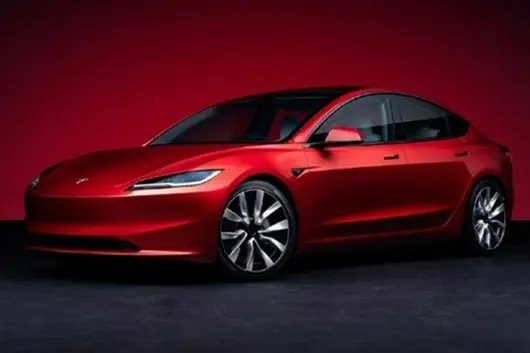

9月7日,特斯拉中国放出了一个限时优惠,9月30日前下单并提走现车,Model 3全系现金直减5000元,Model Y全系现金直减1万元。

这不是官宣的“降价”,但效果跟降价没区别。门店销售说得挺直白:“就是为了季度末冲量。”
单看5000和1万,数字确实不算炸。但特斯拉把几项优惠叠在了一起,现金直减之外,还能叠加5年0息金融方案,Model 3部分车型额外有8000元保险补贴。

全部算下来,Model 3后驱版起售价22.25万元,Model Y起售价25.35万元。首付7.99万起,Model 3月供不到2400元,一天80块钱。
特斯拉的销售体系是直营模式,每个季度末都要交一份漂亮的交付数据给资本市场看。所以3月、6月、9月、12月底,大概率会有优惠。这次也不例外,三季度只剩最后三周多,现金直减的目标很明确:把Q3的交付量再往上推一把。

另外,廉价版Model 3已经在中国香港和澳门开售,不到18万的价格吸引了不少关注。业内猜测,这次清库存,有可能是在为廉价版Model 3进入内地市场腾出价格空间。如果它以18万级别入市,压力会直接传导到同价位的国产车型上。
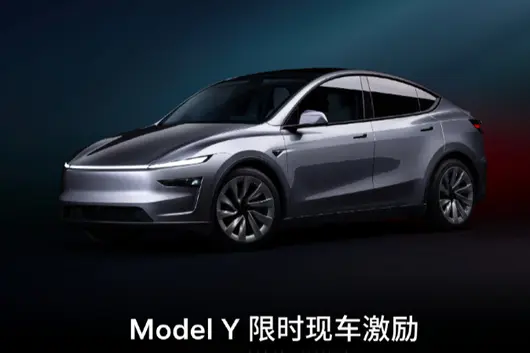

平价版Model 3登陆港澳市场,等于把特斯拉的产品分层逻辑赤裸裸摆到了台面上。很多人第一眼扫完减配清单,张口就是“丐版也好意思拿出来卖”,但顺着配置表仔细捋一遍就会发现,特斯拉的刀法精准到近乎苛刻——所有刀子全落在舒适性配置上,核心技术半分没动,甚至续航表现还往上涨了一截。

氛围灯、后排娱乐屏、前排座椅通风、后排加热、电动座椅调节、多扬声器音响、双层隔音玻璃、电控减振系统,这些日常感知极强、也是国产车企最擅长堆的舒适项,被悉数拿掉,换成了织物座椅、手动调节、机械悬架、基础款音响。单看内饰配置,确实寒酸得不像这个价位的车,可转头看保留的部分:HW4.0智驾硬件全套保留,AMD车机芯片没有缩水,核心三电系统和底盘结构原封不动,连WLTP工况续航都从此前的534公里提升到了572公里。
这就是特斯拉一以贯之的产品哲学:技术底线寸步不让,舒适体验可以按需取舍。和国内车企习惯把入门款也堆满舒适配置的打法完全是两条路,在特斯拉的逻辑里,汽车的核心价值是三电、智驾和底盘调校,这些东西不能打折扣;至于座椅是皮的还是布的、有没有氛围灯、调节是手动还是电动,都属于锦上添花的体验项,预算不够就先砍掉。说白了,它是把“买特斯拉”的门槛,从“买一台配置齐全的特斯拉”,拉低到了“买一套特斯拉核心技术”。
香港折合人民币约17.6万的起售价,确实把入门门槛拉到了新的低点。对比国内在售的后轮驱动版23.55万元的定价,差价接近六万。业内普遍预测如果这款车引进内地,定价大概率会卡在20万元以内,而这个价位刚好是国产电车厮杀最激烈的红海地带。特斯拉这一手,相当于攥着自己的技术招牌,直接扎进了中端市场的价格战中心。
更耐人寻味的是它没有选择直接官降,而是用减配版的方式下探价格。直接全线降价会拉低整个产品线的价值感,也容易引发老车主的反弹;用配置换价格,既守住了高配车型的品牌定位和利润空间,又开出了更低的价格带,进可攻退可守。追求舒适体验的消费者加钱上高配,预算有限、认准技术体系的用户选入门版,选择权交给用户,品牌也不用背“降价减配”的骂名。
市场对这款车的评价也天然分裂成两派。有人觉得这才是电车该有的样子,钱都花在了三电和智驾这些刀刃上,织物座椅、手动调节根本不影响日常开车,真想要后期加装也花不了多少钱;也有人吐槽二十万级的车连座椅通风、电动调节都没有,堪称丐版天花板,买这个纯粹是为车标买单,性价比低得离谱。其实两种看法都没有错,只是需求底层逻辑不同——有人买车买的是移动生活空间的体验,有人买车买的是一套成熟的技术底座。
至于内地市场会不会引进、什么时候引进,目前还没有官方明确说法,但工信部目录里早已出现过同款车型的申报信息,52.9kWh磷酸铁锂电池、CLTC续航480公里,基本对得上这款产品的参数。一旦正式落地,20万以内的定价配上特斯拉的品牌效应和三电口碑,对整个中端纯电市场的冲击不会小。
说到底,这款平价版Model 3从诞生起就不是给追求满配体验的消费者准备的。它精准瞄准的,是那些预算有限、又认准特斯拉技术体系的人群。把核心技术做成入门门槛,把舒适体验做成付费选项,这种打法很特斯拉,也很考验国内市场的接受度。至于这张牌打出来能不能搅动20万级市场的格局,答案应该不用等太久。
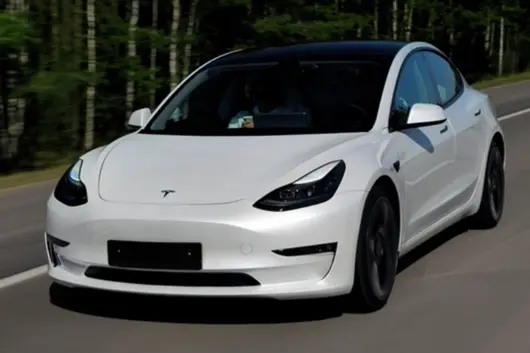


特斯拉在香港和澳门地区悄悄上架了Model 3平(Lián)价(Jià)版,香港官方售价20.5万港元起(折合17.57万RMB),澳门官方售价25.2万澳门元(折合20.96万RMB)。
好家伙,新能源时代最著名的「官降鼻祖」,又开始研究起新一轮史诗级降价?还得是全球首富艾隆·马斯克!看到咱中国这么多百姓还没开上特斯拉,准备再次把Model 3的价格打下来!
就在我兴高采烈准备研究下港版Model 3究竟是如何「良心未泯」时,配置单再次把我整沉默了——原来不是降价,是「家徒四壁版」正式上线了。
Model 3的内饰就被全网吐槽了好多年「毛坯房」,合着马总觉得毛坯还不够卷,直接给还原成「内饰和配置全靠车主自己DIY」,把「降本增效销」玩出了新境界。

Model 3的内饰一直被民间认证「毛坯房」:一块大屏、两把椅子、四面白墙,高级感靠车主自行脑补。
现在,为了让你买上特斯拉,马总真的拼了。


根据官方信息,这台「配置简化版」Model 3主要对部分内外饰配置进行了删减和降级,调整范围涵盖氛围灯、内饰纺织面料、轮毂等部件。说人话就是:
- 256色氛围灯:没了,想要氛围感?可自行打开手机电筒;
- 座椅材质和功能:织物。省去真皮座椅的保养烦恼,直接给你公交车同款透气织物。前排通风、后排加热直接取消;
- 内饰:软性材料换成硬塑材料,减少镀铬装饰,取消无线充电;
- 后视镜+方向盘:取消电动调节,纯手动调节;
- 音响系统:7个扬声器。从「音乐厅音效」降本「收音机音效」;
- 轮毂轮胎:好消息,没上钢圈轮毂,依然18英寸塑料盖板基础轮毂。轮胎从静音胎换成普通胎;
- 后排:取消后排8英寸屏+后排独立空调调节;
- Autopilot青春版:从「完整Autopilot+全套传感器」→「基础Autopilot+减配部分雷达」,并取消自动泊车;
- 大灯:矩阵式LED大灯降级成普通简化版。

好家伙,原来20万级别的车还能这么玩。国产车在20万级已经卷到冰箱、彩电、大沙发、激光雷达、800V平台、5C快充、高速/城市智驾全给你塞满;特斯拉在20万级卷的是「如何把一台车做得更像一间只通了水电的毛坯房」。
唯一提升的是续航里程,官方标称单次充电最大续航里程提升至572km。这很好理解,毕竟少了一堆配置,车更轻了,续航自然就上去了。
我建议特斯拉下次直接出「车架版」,四个轮子+车壳+电池,剩下的座椅、屏幕、内饰板消费者自行选装,完美适配改装爱好者。

很多人问,有这么「便宜」的特斯拉,你为什么不早点告诉我什么时候进内地市场?我觉得大概率不会太快,主要因为:
第一,不敢自己卷自己。中国区现在在售的2025款Model 3后驱版,卖23.55w,62.5kWh电池,CLTC续航634km,全仿皮座椅、通风加热、氛围灯、矩阵大灯全给你配齐。要是突然整个18万级的减配版进来,消费者一看:同样是Model3,便宜5万,不就是少点舒适配置吗?那谁还买高配?特斯拉总不能自己打自己的价格体系吧。所以先拿港澳市场试水,地方小、试错成本低,就像游戏先开个港服测试,数据好了再开国服。
第二,中国市场太卷,这配置过来根本不够打。现在国内20万级的新能源车是什么卷度?冰箱彩电大沙发,智驾激光雷达,800V+超快充,智驾底盘空气悬架,车里面都快能当家住了。你特斯拉整个「毛坯Ultra」版,除了个车标,全是劣势可进步空间。国产品牌要是敢这么减配,早就被骂上热搜了,也就特斯拉光环强大,还能试试消费者的接受程度。

很多人一看香港起售价20.5万港元,折人民币大概17.6万,但在香港买车,裸车价和落地价不像国内再多加保险、购置税......等几万块钱,想在香港购车,必须缴纳「首次登记税」。
我们来算一笔账,假设你没有任何旧车置换(PS:且香港电动私家车的首次登记税宽减政策以及香港的“一换一”计划,均在2026年3月31日就正式到期结束了),就纯新购一台廉价版Model 3:
1. 裸车价:205,000港元;
2. 首次登记税(FRT)
香港私家车首次登记税是阶梯税率:
- 首150,000港元:40% = 60,000港元
- 剩余55,000港元:75% = 41,250港元
合计税款:101,250港元
3. 牌照费+首年保险+杂费
牌照费大约1,200港元;首年全险按特斯拉车型行情约10,000-13,000港元,取个中间值约12,000港元;运输署登记杂费约1,000港元。合计:1,200+12,000+ 1,000=14,200港元
4. 落地总价
205,000+101,250+14,200 = 320,450港元(折合274,718RMB)
也就是说,你以为花17.6万RMB就能开走Model 3,实际出门右转要掏27.5万RMB。而且这还没算安装家用充电桩的费用,香港装个充电桩动辄1.5万到2万港元。
香港的首次登记税是出了名的高,电动车补贴取消之后,买车成本直接暴涨,真要比落地价,中国版才是真的性价比本比。

总的来说,这台Model3廉价版,更像是特斯拉的一次「接受度测试」:看看大家对「毛坯反向Ultra」版的容忍度到底有多高。
至于中国内地市场,大家也不用急。按照特斯拉的风格,只要想打价格战,减配版迟早会进到国内来。但问题是,当特斯拉放下身段卖到18万,却只有毛坯配置的时候,你是愿意继续相信特斯拉,还是愿意在自主品牌「车山价海」里选一台配置拉满的「移动大house」?
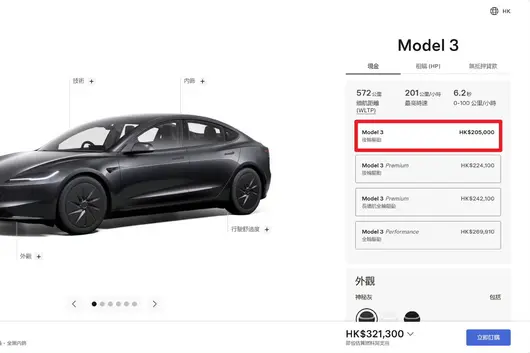

早在特斯拉在海外市场推出“标准版”车型的时候,不少网友就开始期盼,希望在国内也能买到便宜的Model 3、Model Y。如今17万多的Model 3来了,虽然是在香港地区上市,但离咱们也是更近了一步。不过,这辆车也被大家称为“丐中丐”版车型,原因就是标准版Model 3的配置大幅下调了。讲真,看过之后你真的会考虑买吗?

从不同媒体传出的消息来看,新车将原本的皮质座椅被换成织物与皮质拼接材质,同时取消了座椅通风,只保留加热功能;扬声器也从17个缩减到7个,并且取消了低音炮和额外的功放;还取消车窗双层隔音玻璃、前排座椅电动调节、外后视镜改为手动调节……
其中部分配置可能有一定的误差,但整体来说应该差别不大了。反正能从20多万人名币变成20.5万港元(折合人民币约17.59万元),还是有原因的。

很多网友可能会说,此次在香港推出的“标准版” Model 3只是舒适性配置降低,三电等核心配置并没有减弱。但我想说的是,即便是如此,就算在国内卖17万,特斯拉Model 3依旧赢不了国产车。不服气?不妨看我下面说的对不对。

首先,自主品牌目前产品力不差。我不说同价位的国产新能源汽车都比特斯拉Model 3好开,但是对于大多数买车代步的消费者而言,国产新能源汽车开起来并不差。比如我之前开过的比亚迪、深蓝、MG旗下新能源汽车,硬件、操控都不逊色。而且,这些同价位国产新能源汽车的空间更大、配置更高、舒适性更强。

值得一提的是,一辆特斯拉Model 3和一辆国产新能源汽车的用车年限基本上差不多吧,那有更舒适、更豪华、更贴心的产品,为什么还要选择一辆“毛坯”产品呢?
在我个人看来,除非你是特斯拉的粉丝,除非你身边的朋友都只认特斯拉,除非你就是不相信国产车,不然这个价位的国产新能源汽车所带给你和你家人的舒适体验,都是特斯拉给不到的。

其次,“满血”FSD何时能用还是未知数。在国产新能源汽车深耕驾驶辅助系统的今天,“满血”FSD什么时候能用,真的影响销量和用车体验。要知道目前搭载华为、Momenta驾驶辅助系统的新能源汽车已经将价格打到10万级,用起来也是足够流畅,功能也够全面。而特斯拉则是花钱都不能用,这就让人有些无语了,重点是何时能用,依旧不知道。

文末,几年前你可以说特斯拉的三电给力,但如今不论是比亚迪、吉利,还是长安、长城在三电技术等方面似乎都不弱。我不否认特斯拉Model 3、Model Y的优秀,但是目前同价位的国产车真的更适合普通家庭一些。毕竟对于大多数普通人来说,想买的只是一辆可以舒舒服服带全家人出行或者代步的工具。最后问一句,如果以后17万多的特斯拉Model 3真的进入国内,你会选择它,还是会选择同价位的国产车呢?
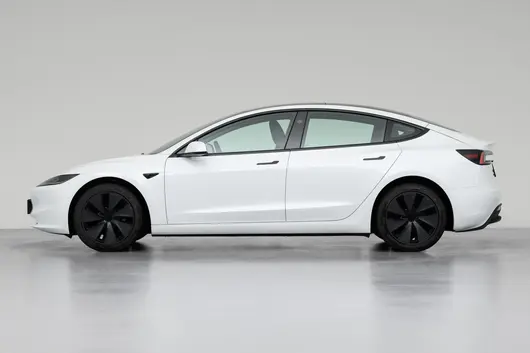

早在2025年10月,特斯拉在北美地区就推出了Model 3 Standard版本,起售价仅36990美元,相较原有的入门版便宜5500美元。8月底,这款车型终于在香港和澳门正式上市,香港起售价折合人民币17.6万,相较此前基础版降价约8.5%。值得一提的是,这是特斯拉首次使用“官方减配”的方式实现降价,那这款“配置优化”的车型是否值得选择呢?

我们先来看看这次平价版Model 3到底在哪些配置上进行了优化,从新车的配置清单来看,整车内部首先对车内的配置和用料进行了精简。首先真皮座椅换成了织物与人造革的拼接材质,并取消了前排座椅通风和后排座椅的加热功能,方向盘由电动调节改为手动。其他配置上,后排娱乐屏被移除,并取消了车内氛围灯,音响也从15个扬声器缩减到7个,同时后排车窗由双层隔音玻璃换成单层,这些配置的缩减并不会影响日常的实际使用,仅会对一些舒适性带来影响。

而在一些大件配置方面,悬架和三电系统进行了部分微调,悬架也从高级阻尼系统改为了传统结构,同时标配的轮毂也降至18英寸。在三电系统方面,整车电池组换成了容量更小的磷酸铁锂电池组,北美版车型的续航约517km,完成零百加速约5.8秒,比高配版慢了近一秒,但并不影响日常家用代步需求。

除此之外我们需要注意的是,平价版车型在一些核心配置上并没有进行减配。15.4英寸的中控屏、全景玻璃天幕、热泵空调、225kW的峰值快充接口、HW4自动驾驶硬件全部保留,同时车身结构与安全设计也没有缩水。综合来看,凡是构成特斯拉品牌护城河的配置并没有任何缩减,但一些锦上添花的舒适性配置则大刀阔斧地砍掉了,可以称之为精准的减法。

之所以特斯拉要采用这样的减法,主要与这些年新能源汽车行业竞争加剧有关,目前大部分车企的降价主要依靠电池核心零部件降本或牺牲利润换规模的方式进行,而特斯拉则采用了配置再分配换价格空间的方式,不过这个做法很容易被诟病为“变相减配”,就在特斯拉发布这款平价版新车当天,其股价大跌4.45%,也反映出资本市场对这款车型的前景并不看好。

而在中国市场,这款车型上市后的处境也较为微妙,目前中国大陆在售的2026款Model 3后驱版起售价23.55万元,CLTC续航700km,目前特斯拉虽然尚未确认会引入平价版车型入内地,但如果参考香港和澳门的定价水平,这款车型未来会落在20万以内的区间,但值得注意的是,在国内20万内的车型中,小米SU7、小鹏P7和极氪007等车型均是强有力的竞争对手,这些车型配置拉满、续航客观,平价版车型在这个区间内并没有优势,这也为其未来销量表现蒙上了阴影。

那这款车型到底值得选择吗?其实还是应该从你的自身需求出发。如果预算有限,但看重特斯拉的三电效率、超充网络、保值率和智能驾驶硬件,同时对座椅材质这类的舒适配置不敏感,那么平价版车型有着较高的性价比。反过来,如果你追求同等价位下更长的续航、更丰富的配置和更高级的行驶质感,同价位的国产纯电车型在数据上几乎全面占优。

总结:
综合来看,平价版Model 3并非一款新车型,而是一次配置精简后的产品。它标志着电动车的成本战开始进入“配置精算”的新阶段,谁能更准确地判断消费者愿意为哪些配置付钱,谁就能在价格战中保留更多利润。对消费者而言,这未必是坏事,车型的增多让选择权也变多了,不过到底选不选择这款车型,还应根据你的自身需求来综合判断。
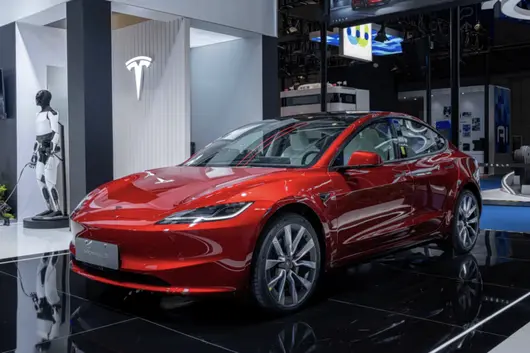


近日,特斯拉在港澳地区正式上线Model 3标准版车型(即大家常说的廉价版),香港地区起步价20.5万港元,折合人民币约17.6万元,澳门版本售价 25.2万澳门元,折合人民币约21万元,给当地消费者带来全新选择。

本次港澳市场一共推出四个版本车型,包含后轮驱动标准版、后轮驱动Premium、长续航全轮驱动 Premium以及高性能全轮驱动Performance。以香港市场为例,其完整价格区间折合人民币约17.6 万~23.1万元。

作为入门版本,Model 3标准版在配置上做了取舍。外观提供神秘灰、珍珠白、星钻黑三种车漆,其中只有神秘灰无需额外付费。配备专属 18 英寸轮圈、黑色车标,电动后备厢、隔音玻璃、电动后视镜这些实用配置全部保留,兼顾日常使用体验。

该版本内饰走简约实用路线,仅提供全黑配色,座椅采用织物 + 皮革拼接材质,只保留前排座椅加热;音响为 7 扬声器系统。当然,15.4 英寸中控大屏、全景天窗、无线充电面板继续标配,但取消氛围灯与后排屏幕,以此控制购车成本。

港版起售价
标准版动力搭载后置单电机,WLTP工况续航 572km,零百加速 6.2 秒,最高车速 201km/h。,目前这套动力参数完全能够满足城市通勤以及中短途出行,续航表现处于主流家用电动车水准。可以看出,这款入门Model3 的思路很清晰,就是砍掉非必要的豪华装饰配置,守住续航、三电、大屏、基础舒适装备,主打高性价比家用纯电轿车定位。

内地起售价
特斯拉港澳市场全新Model 3标准版一经发布,17.6 万人民币的折合起售价,和内地版本形成巨大价差,价格差去到近6万元(内地最便宜版本23.35万元),让很多内地消费者都心痒痒(毕竟此前廉价版Model 3只在海外售卖,这是第一次在国内正式出现)。

不过值得注意的是,港澳版思路就是:保留三电与智驾底子,砍掉豪华舒适配置换取低价。其一部分差价来自配置缩减,另一部分来自两地税制、关税、法规成本差异,不能直接把港币汇率换算价等同于内地上市预期价。
但即便是在这种情况下,如果国内推出同样配置的版本,我们预计落地价格也会在20万内,对于许多用户来说,也是一个性价比价高的选择。
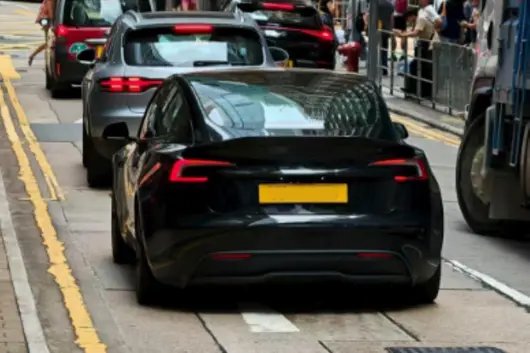

8月30日,特斯拉悄没声地在港澳上线了一台Model 3 Standard,香港起售价20.5万港元折合人民币17.59万,澳门25.2万澳门元折合约21万。比大陆在售的Model 3后驱版23.55万便宜了将近6万块,相当于打了个七五折。消息一出全网都热议,“17万的特斯拉”这个标题确实够刺激,但你仔细看完配置表就会发现,这6万块钱不是白省的——特斯拉砍掉了差不多20项配置,能不影响你把车从A点开到B点的东西,基本都被拆了。这台车由上海超级工厂生产,目前港澳交付周期1到3个月,国内虽然3月份官方说过“暂无引入计划”,但工信部目录1月份就已经出现了一款“Model 3标准续航升级版”,52.9kWh电池、CLTC续航480公里,所以国内上不上只是时间问题。

外观底盘先动刀,NVH和颜值双双降级
先从最显眼的地方说起。频率响应阻尼减震器换成了最普通的被动式减震器,这一代焕新版最大的卖点之一就是NVH安静舒适,现在直接打回原形。双层夹胶隔音玻璃换成单层普通玻璃,高速上风噪胎噪的体感差异你自己品。轮毂从铝合金变成了铁轮毂外加一个全封闭的塑料盖子,拆开来看就是一套“复古”铁圈,颜值这块就别指望了。车漆从6种颜色缩减到只有黑白灰3种免费色,想换个拉风的颜色?加钱或者放弃。

内饰座椅全面降级,皮质变织物通风全取消
座椅和内饰的缩水同样不手软。全皮质座椅换成织物加皮质拼接,手感差距一坐就知道。前排座椅通风直接取消只保留加热,后排座椅加热也砍了,夏天开车后背捂汗只能靠自己扛。后排中央扶手也没了,变成一个硬邦邦的大通铺。车门板和中控台的皮质包覆全换成塑料和织物裸露,摸着就知道跟原版不是一个档次。方向盘从电动四向调节变成纯手动,外后视镜改成手动折叠,前排座椅也从电动变成手动调节,2026年了手动调节座椅这事儿说出去多少有点丢人。
电子舒适配置腰斩,后排娱乐屏直接没了
电子和舒适配置的砍法更夸张。贯穿仪表台的LED氛围灯全部砍掉,只保留脚部和门格的基础照明,晚上开车氛围感直接归零。后排8英寸娱乐屏取消,换成储物格和手动空调出风口,后排乘客想刷个视频只能掏出手机。HEPA高效空气过滤也没了,对花粉过敏的人可能要提前备好口罩。音响从17个扬声器加低音炮加独立功放,直接降到7个扬声器,之前听歌是环绕立体声,现在变成“能响就行”的物理降级。超充功率从250kW限制到175kW,充电速度打了个七折,物理胎压传感器也换成了间接监测,精准度打了折扣。最后连电动后备厢都变成手动的了,尾门上多了一个拉把手,说好的“未来出行”呢?

好消息:核心的三电和智驾一个没砍
好在这台廉价版Model 3的核心硬件没有缩水。单电机后驱、6.2秒破百、15.4英寸中控屏、HW4.0智驾硬件加AMD Ryzen芯片、全景天幕、WLTP续航572公里,这些一个没动。换句话说,特斯拉把“能跑能开能智能驾驶”的骨架保留了,但把“坐得舒服听得爽”的血肉全拆了。这种减配逻辑很清晰:保核心保智能,砍舒适砍享受,成本省下来了但日常体验确实打了折扣。
6万差价到底值不值?算一笔减配成本账
把砍掉的20项配置按市场价格估一下:双层玻璃换单层大概3000到5000块,减震器降级5000到8000块,音响从17降到7加上取消低音炮功放大概4000到6000块,皮质换织物加取消座椅通风3000到5000块,三处电动调节改手动3000到5000块,后排娱乐屏加中央扶手3000到4000块,氛围灯加HEPA空滤加电动尾门加铁轮毂等杂项加起来5000到8000块,合计减配的物料成本大概在2.5万到4万之间。也就是说6万的差价里,有2到3.5万是特斯拉在品牌溢价上让了步。从成本角度看降价幅度大于减配成本,确实让了一部分利,但从消费者体验角度这20项配置的缺失是每天用车都要面对的。

同价位国产车的配置表会教你做人
再看同价位的国产车给你什么。深蓝L06的670Ultra+激光版终端价才14.99万,670公里续航、3C超充、18个扬声器、256色氛围灯、座椅通风加热按摩、50英寸AR-HUD、激光雷达加L2++智驾、4830mm的车身,这些配置放在17万的廉价版Model 3上想都不敢想。比亚迪汉EV闪充版17.98万,705公里续航、800V闪充5分钟补能到70%、云辇-C智能底盘、12个丹拿扬声器、后排座椅通风加热、10点式SPA按摩。说实话,14.99万的深蓝L06在配置上已经把17万的廉价版Model 3碾压了,这不是差一档两档的问题,是代际差距。特斯拉的超充网络、FSD未来预期、极简驾驶质感确实是国产车短期难以完全替代的,但当一台17万的车连座椅通风和双层玻璃都没有的时候,光靠一个标还能撑起多少溢价?

总结:
廉价版Model 3的三电确实没有缩水,动力、续航、智驾硬件全部保留,这点特斯拉做得还算厚道。但20项舒适性配置的砍法,在2026年中国新能源市场是站不住脚的——这个价位的国产车已经把配置表塞满了,消费者早就被惯坏了。如果国内定价19万多只比现款便宜3到4万,消费者不会为减配版买单;如果定价杀到16到17万进入主流价格带,品牌号召力还在,但必须和深蓝L06、汉EV闪充版这些狠角色贴身肉搏,配置差距太大了。港澳用户17.59万港元闭眼可入,国内用户现阶段建议先看看国产车再说。

1.官方回应“建议取消ETC”

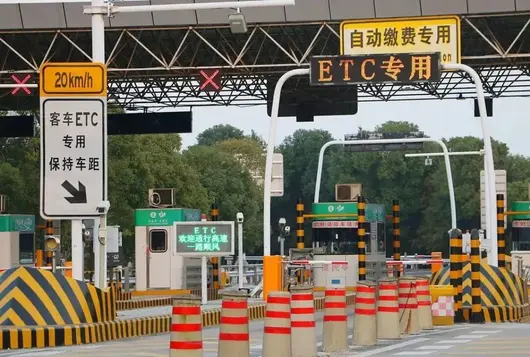
近日,一篇标题为“建议取消ETC设备使用,建议车牌感应支付”的交通运输部问答对外流传,引发网友热议。交通运输部公路局相关负责人表示,当前设置ETC车道的目的在于提升高速公路通行效率、优化公众高速出行体验,同时促进物流业降本增效。通行频次高的车主,可根据个人需求自愿选择办理ETC设备,通过合作银行线下网点、ETC官方服务小程序、支付宝相关服务入口等多种正规线上线下渠道便捷申领ETC设备。
同时,为进一步提升高速公路通行效率、便利群众出行,交通运输部当前已印发《高速公路“手机+”无卡便捷通行实施方案(2026-2028年)》,积极稳妥推广“手机+”无卡便捷通行模式。该模式以手机为载体,主要通过车牌识别技术还原车辆全程行驶轨迹并核算通行费用,用户可通过现行MTC(人工收费)车道的电子支付方式付款,后续将根据试点情况逐步拓展到ETC专用车道,并作为当前ETC、MTC等收费模式的有益补充。2026年底,成渝、长三角区域高速公路入口MTC车道与全网出口MTC车道可实现九座及以下小型载客汽车“手机+”无卡便捷停车通行全覆盖。
2.固态电池全球标准来了

由我国提出的国际标准提案《电动汽车驱动用二次锂离子电池 固态电池应用指南、测试项目及条件》近日在国际电工委员会(IEC)成功立项,成为固态电池领域首个立项的国际标准。该标准由我国牵头提出,法国、韩国、日本等多国专家参与研制,依托我国固态电池研发积累,将清晰界定固态电池的应用指南与测试规范。
固态电池以固态电解质替代传统液态电解质,被视为下一代锂离子电池的重要发展方向,相较传统液态电池具有续航更长、安全性更高、性能更稳定等优势。该标准实施后,未来全球车企在研发和生产固态电池时将拥有统一的“标尺”,有助于加速更安全、长续航的电动车落地,推动新能源产业快速发展。
3.起售价不到18万,特斯拉在港澳推出更便宜的Model 3

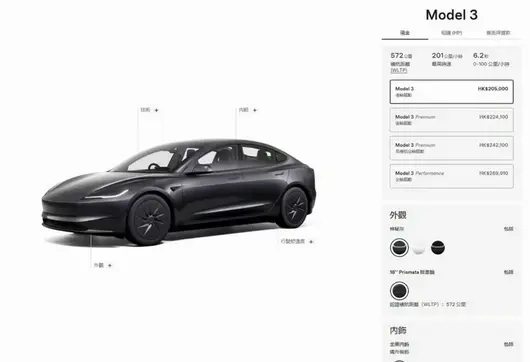
特斯拉已正式在中国香港、中国澳门市场推出配置简化、售价更低的Model 3。根据特斯拉官网信息,这款新车型在中国香港的起售价为20.5万港元(约合人民币17.59万元),在中国澳门的起售价为25.2万澳门元(约合人民币20.98万元)。该版本对部分内外饰配置进行了删减或降级,调整范围涵盖氛围灯、内饰纺织面料、轮毂等部件,同时官方标称WLTP工况下单次充电最大续航里程提升至572公里。
目前该版本仅在港澳官网开放订购,内地市场暂未释放引进信号。不过今年1月,一款疑似“廉价版”Model 3已进入工信部车型目录,该车搭载52.9千瓦时电池,CLTC工况下的续航里程为480公里。如果该车以“标准版”身份引入内地市场,按港澳定价倒推,将对小米SU7、比亚迪海豹、极氪007等构成直接压力。价格战的下一刀,或许就在路上。
4.神龙科技要打翻身仗

“现在这个时间点,神龙科技进入全球新能源市场不晚,但是进入中国新能源市场压力很大。”日前,神龙汽车党委书记、副总经理程军在接受第一财经采访时表示,合资品牌在中国的使命不仅是覆盖市场,还要做好其他生态布局和产品价值,所以神龙科技不可能打价格战,也不会做“速成车”,这是公司不能接受的。
8月20日,神龙科技正式成立,神龙汽车、东风汽车、Stellantis集团等6方持股,底色仍是法系合资品牌。但神龙科技的业务着力点从原本的燃油车转型成新能源车;车型从外资导入为主,转向从中国向全球输出。首批规划的4款新能源车,包括Jeep品牌和标致品牌,计划2027年起陆续销往全球。
尽管刚刚成立不久,但这个法系品牌正在加大攻势参与市场竞争。程军透露,神龙科技已经在接洽自动驾驶解决方案供应商、智能座舱供应商,加入汽车智能化竞争。预计两个月后,外界能看到新的动作。另外,神龙科技仍在中国市场保证使用车机大屏幕,而非小屏幕。程军表示:“新车会做差异化造型设计,设计师对独特性把握不一样,成本很高,我们压力也大,但我们会延续法式文化的基调。”
5.一汽-大众ID.AURA T6开启预售

一汽-大众ID.AURA T6正式开启预售,这款从北京车展首秀就已经进入宣发期的车型着实把战线拉得足够长。该车是一汽-大众油电混共进全智战略下,ID.AURA全新系列的首款车型,4款配置的预售价为13.59-16.99万元。新车定位为中型纯电SUV,540km续航的入门版卖13.59万元,660km版本不到15万元,带城区NOA的版本只要15.99万元。一汽-大众没有再把希望寄托在品牌光环上,而是直接进入中国纯电SUV竞争最激烈的价格区间。
按照官方信息,该车是首款搭载CEA电子电气架构的一汽-大众车型,“云栖智舱”采用4nm智舱芯片,配有15.6英寸2.5K中控屏和10.25英寸仪表,支持四音区语音交互还加入了大语言模型。智能驾驶辅助也有很大突破,采用大众与地平线成立的酷睿程方案,搭载征程6H芯片,支持全场景城市NOA、高速NOA及智能泊车辅助。据说,这车在预售前就已经收获了2.5万个盲订订单。一汽-大众前所未见地把一台车长超4.8米的A+级纯电SUV打入13万元价格区间,它能否成为真正的新能源爆款,市场很快就会给出答案。
6.小鹏MONA L05实车曝光

除了小鹏MONA L03外,小鹏还将推出小鹏MONA L05的消息早已不是秘密。日前,网上就传出了一组该车的无伪实拍图,新车定位为中型SUV,尺寸比小鹏MONA L03更大。
从图片来看,其前脸延续小鹏MONA L03的设计,高饱和度的亮眼车漆也能看出它的潜在用户依旧是年轻群体。车尾依旧配备贯穿式尾灯,但尾部造型更偏向传统SUV的样式,给人的感觉更饱满、立体。内饰同样向小鹏MONA L03看齐,依旧没有仪表,大概率也是HUD;下中央岛台造型独特,并提供无线充电面板。动力大概率也会提供纯电、增程可选,其中纯电版最大续航660km;增程版搭载1.5L增程器,最大纯电续航253km。
7.吉利星越L PLUS官图出炉

再来关注吉利星越L PLUS的车型官图,实车将在9月5日正式亮相,定位为中大型SUV,车身尺寸大于现款星越L。其外观在延续星越L家族设计语言的基础上,换装更加宽大立体的直瀑式镀铬前格栅,格栅和前保险杠大量使用镀铬装饰件烘托豪华感。
车身侧面提供双拼色涂装,侧窗边框、外后视镜底座及侧裙位置也使用镀铬饰条点缀,D柱还镶嵌了造型精致的专属几何徽标来彰显旗舰身份。车尾配备贯穿式灯组,灯带下方镶嵌“GEELY”英文标识与“星越L PLUS”铭牌,整体层次感分明且辨识度极高。尺寸方面,车长4955mm,轴距2900mm,采用五座布局。动力提供2.0T燃油、油电混动两种版本可选。
8.“山寨车鼻祖”7年来首次盈利

众泰汽车发布2026年半年报,营收1.90亿元,同比下降32.08%。但归母净利润暴涨154.08%,从去年同期亏损1.48亿元,实现7年来首次扭亏为盈,盈利达0.80亿元。值得一提的是,众泰汽车的营收主要来源仍然是汽车配件和门业,两项合计占总营收的85%。目前,众泰汽车的整车业务仍未复产,2026年上半年整车销量仅完成少量海外订单整车发运,未开展规模化整车生产。但众泰汽车仍在投入汽车研发,上半年研发投入超千万,同比增长近800%。
众泰汽车称,新车型已于今年6月底完成造型冻结,工程数据发布及大部分供应商定点工作同步完成,零部件及整车试验有序开展,项目整体进展符合预期。尽管7年来首次扭亏,但众泰汽车的盈利存在偶然性。财报显示,众泰汽车今年上半年的扣非归母净利润仍亏损1.52亿元,同比下降40%。而扭亏主因是战略收缩,注销低效、无实际运营的分子公司及生产地址,获得了2亿元的补偿款。今年4月、6月,众泰汽车先后发布了注销全资二级子公司大冶经创、注销全资三级子公司江南制造生产地址的公告,靠卖公司、卖地输血。