首頁Mercedes EQA

搜尋歷史
熱門搜尋
經銷商登入 / 註冊

In Malaysia's SUV market, many buyers compare Honda CR-V and Hyundai Tucson when choosing a car. These two cars are quite close in price and positioning. Today, we will make a detailed comparison from multiple aspects to help you save time on research.
Honda CR-V OTR price in Malaysia is RM 178,200 - 195,900, with 4 versions in total, including 2026 e:HEV 2.0L 2WD RS (RM 195,900), 2026 1.5T 4WD V (RM 181,900), 2026 e:HEV 2.0L 2WD E (RM 178,200), etc.
Hyundai Tucson OTR price in Malaysia is RM 143,888 - 197,888, with 5 versions in total, including 2025 HEV 1.6T AT 2WD Prestige (RM 197,888), 2025 1.6T DCT 4WD Prestige (RM 186,888), 2025 1.6T DCT 2WD Prime (RM 164,888), etc.
In terms of price, Hyundai Tucson's starting price is RM 34,312 cheaper than Honda CR-V. To be honest, in this price range, a difference of a few thousand isn't really big. The key is still to look at overall value for money and long-term usage costs.

Honda CR-V safety rating is 5★ (ASEAN NCAP), active safety systems include Honda SENSING (ACC, CMBS, LKAS, RDM).
Hyundai Tucson safety rating is 5★ (ASEAN NCAP), active safety systems include SmartSense.
Both cars have the same safety rating. In this class, safety features are quite comprehensive. Safety of new cars nowadays is not bad, there's no need to worry too much about this point.

Honda CR-V body length 4500 mm, trunk 450 L.
Hyundai Tucson body length 4400 mm, trunk 400 L.
In terms of space, Honda CR-V's body is 100 mm longer than Hyundai Tucson. The interior seating space will be slightly more spacious, especially rear legroom. If you often carry family members or need to fit a stroller, the larger body is indeed more practical.

Honda CR-V warranty 5 years/unlimited mileage, maintenance interval every 10,000 km or 6 months.
Hyundai Tucson warranty 5 years/300,000 km, maintenance interval every 10,000 km or 6 months.

Both Honda CR-V and Hyundai Tucson are mainstream choices in the Malaysian market, suitable for family use and daily commuting. If you value brand reputation and resale value more, prioritize the one with better reputation. If you care more about value for money and features, choose the one with richer configurations. In the end, it is recommended to test drive both, as personal experience is the most important.

Overall, Honda CR-V and Hyundai Tucson are both excellent models in the Malaysian market. Which one to choose depends on your personal needs and budget. It is recommended to do your research, compare quotes from multiple dealerships, and then test drive to make a final decision. Buying a car is a big matter, spending time on research is never wrong.


In Malaysia's SUV market, many buyers compare the Honda CR-V and Hyundai Tucson when choosing a car. These two cars are quite close in price and positioning. Today we will make a detailed comparison from multiple aspects to help you save time on research.
The OTR price of Honda CR-V in Malaysia is RM 178,200 - 195,900, with a total of 4 versions, including 2026 e:HEV 2.0L 2WD RS (RM 195,900), 2026 1.5T 4WD V (RM 181,900), 2026 e:HEV 2.0L 2WD E (RM 178,200), etc.
The OTR price of Hyundai Tucson in Malaysia is RM 143,888 - 197,888, with a total of 5 versions, including 2025 HEV 1.6T AT 2WD Prestige (RM 197,888), 2025 1.6T DCT 4WD Prestige (RM 186,888), 2025 1.6T DCT 2WD Prime (RM 164,888), etc.
From a price perspective, the starting price of Hyundai Tucson is RM 34,312 cheaper than Honda CR-V. To be honest, in this price range, a difference of a few thousand is not actually that big, the key is still looking at overall value for money and long-term usage costs.
Honda CR-V is equipped with a 2.0L 4-cyl, horsepower 170 hp. Official fuel consumption 8.0 L/100km.
Hyundai Tucson is equipped with a 1.5L Turbo, horsepower 140 hp. Official fuel consumption 7.0 L/100km.
In terms of power, the 2.0L 4-cyl of Honda CR-V has 30 more horsepower than Hyundai Tucson's 1.5L Turbo, providing more confidence in mid-range acceleration, especially when overtaking on highways. However, Hyundai Tucson's fuel consumption might be more friendly, and there won't be a huge difference in daily city commuting.
Honda CR-V body length 4500 mm, trunk 450 L.
Hyundai Tucson body length 4400 mm, trunk 400 L.
In terms of space, Honda CR-V's body is 100 mm longer than Hyundai Tucson, the interior passenger space will be slightly more spacious, especially rear legroom. If you often carry family or need to place a stroller, a larger body is indeed more practical.
Honda CR-V uses FWD drive system.
Hyundai Tucson uses FWD drive system.
Both cars have the same drive system, both are FWD, daily driving experience will not have too big of a difference.
Overall, Honda CR-V and Hyundai Tucson are both very good car models in the Malaysian market. Which one to choose depends on your personal needs and budget. We suggest doing your homework, compare quotes from several car dealerships, and then take a test drive to make a final decision. Buying a car is a big matter, spending some time doing homework will absolutely not be wrong.

In Malaysia's SUV market, many buyers compare the Honda CR-V and Hyundai Tucson when choosing a car. These two cars are quite close in price and positioning. Today, we will do a detailed comparison from multiple aspects to help you save time on research.
The OTR price of the Honda CR-V in Malaysia is RM 178,200 - 195,900, with a total of 4 versions, including 2026 e:HEV 2.0L 2WD RS (RM 195,900), 2026 1.5T 4WD V (RM 181,900), 2026 e:HEV 2.0L 2WD E (RM 178,200), etc.
The OTR price of the Hyundai Tucson in Malaysia is RM 143,888 - 197,888, with a total of 5 versions, including 2025 HEV 1.6T AT 2WD Prestige (RM 197,888), 2025 1.6T DCT 4WD Prestige (RM 186,888), 2025 1.6T DCT 2WD Prime (RM 164,888), etc.
From a price perspective, the starting price of the Hyundai Tucson is RM 34,312 cheaper than the Honda CR-V. To be honest, at this price point, a difference of a few thousand isn't actually that big; the key is to look at overall cost-performance and long-term usage costs.
The Honda CR-V adopts FWD drivetrain.
The Hyundai Tucson adopts FWD drivetrain.
The drivetrain of both cars is the same, both are FWD, so there won't be much difference in daily driving experience.
Honda CR-V warranty 5 years/unlimited mileage, maintenance interval every 10,000km or 6 months.
Hyundai Tucson warranty 5 years/300,000km, maintenance interval every 10,000km or 6 months.
Both the Honda CR-V and Hyundai Tucson are mainstream choices in the Malaysian market, suitable for family use and daily commuting. If you value brand reputation and resale value more, you can prioritize the one with better reputation; if you care more about cost-performance and features, then choose the one with richer configuration. Ultimately, it is recommended to test drive both, personal experience is the most important.
Overall, the Honda CR-V and Hyundai Tucson are both very good models in the Malaysian market. Which one to choose depends on your personal needs and budget. We recommend doing your research, comparing quotes from several dealerships, and then test driving to make a final decision. Buying a car is a big matter, spending some time researching will never be wrong.

In the SUV market in Malaysia, many buyers compare the Honda CR-V and MG MG HS when choosing a car. These two cars are quite close in price and positioning. Today, we will make a detailed comparison from multiple aspects to help you save time on research.
Honda CR-V's OTR price in Malaysia is RM 178,200 - 195,900, with a total of 4 versions, including 2026 e:HEV 2.0L 2WD RS (RM 195,900), 2026 1.5T 4WD V (RM 181,900), 2026 e:HEV 2.0L 2WD E (RM 178,200), etc.
MG MG HS's OTR price in Malaysia is RM 130,450 - 146,450, with a total of 2 versions, including 1.5L Standard (RM 105,000), 1.5L Executive (RM 115,000), etc.
From a price perspective, the starting price of MG MG HS is RM 47,750 cheaper than Honda CR-V. To be honest, in this price range, a difference of a few thousand is actually not significant; the key is to look at overall value for money and long-term usage costs.
Honda CR-V is equipped with a 2.0L 4-cyl, 170 hp. Official fuel consumption 8.0 L/100km.
MG MG HS is equipped with a 1.5L Turbo, 140 hp. Official fuel consumption 7.0 L/100km.
In terms of power, Honda CR-V's 2.0L 4-cyl has 30 more horsepower than MG MG HS's 1.5L Turbo, offering more confidence in mid-range acceleration, especially when overtaking on highways. However, MG MG HS's fuel consumption might be more friendly, and the difference in daily city commuting will not be too large.
Honda CR-V's safety rating is 5★ (ASEAN NCAP), active safety systems include Honda SENSING (ACC, CMBS, LKAS, RDM).
MG MG HS's safety rating is TBD, active safety systems include Basic.
Regarding safety features, both cars received decent ratings. However, there are some differences in functionality between Honda CR-V's Honda SENSING (ACC, CMBS, LKAS, RDM) and MG MG HS's Basic. If you value active safety, you can compare the feature lists of both in detail.
Honda CR-V body length 4500 mm, trunk 450 L.
MG MG HS body length 4400 mm, trunk 400 L.
In terms of space, Honda CR-V's body is 100 mm longer than MG MG HS, so the interior seating space will be slightly more spacious, especially rear legroom. If you often carry family members or need to fit a stroller, a larger body is indeed more practical.
Honda CR-V adopts FWD drive system.
MG MG HS adopts FWD drive system.
Both cars have the same drive system, both FWD, so there won't be much difference in daily driving experience.
Overall, Honda CR-V and MG MG HS are both very good models in the Malaysian market. Which one to choose depends mainly on your personal needs and budget. We recommend doing your research, comparing quotes from several dealerships, and then test-driving to make a final decision. Buying a car is a big deal, and spending time on research will never be wrong.

喺馬來西亞嘅 SUV 市場,好多買家喺揀車嘅時候都會拿本田 CR-V 同現代 Santa Fe 做比較。這兩款車喺價錢同定位上都好接近,而家我哋就從多個方面做一個詳細嘅對比,幫你省返做功課嘅時間。
本田 CR-V 喺馬來西亞嘅 OTR 售價係 RM 178,200 - 195,900,一共有 4 個版本,包括 2026 e:HEV 2.0L 2WD RS(RM 195,900)、2026 1.5T 4WD V(RM 181,900)、2026 e:HEV 2.0L 2WD E(RM 178,200)等。
現代 Santa Fe 喺馬來西亞嘅 OTR 售價係 RM 225,000 - 270,000,一共有 3 個版本,包括 2025 2.5T DCT 4WD Calligraphy 6 座位(RM 270,000)、2025 HEV 1.6T AT 2WD Prestige 7 座位(RM 245,000)、2025 HEV 1.6T AT 2WD Prime 7 座位(RM 225,000)等。
從價錢睇,本田 CR-V 嘅起步價確實比現代 Santa Fe 便宜咗 RM 46,800。如果你預算有限,本田嘅入門版已經可以滿足日常需要。但都要注意,便宜嗰幾千塊,可能喺配備上會有取舍,具體要看你嘅需要。
本田 CR-V 配備 2.0L 4-cyl,馬力 170 匹。官方油耗 8.0 L/100km。
現代 Santa Fe 配備 2.0L 4-cyl,馬力 170 匹。官方油耗 8.0 L/100km。
兩款車用緊同一套動力系統,日常開起身嘅感受基本冇分別。油耗方面都差唔多,唔使太煩惱呢一點。
本田 CR-V 車身長 4500 mm,车尾箱 450 L。
現代 Santa Fe 車身長 4400 mm,车尾箱 400 L。
空間方面,本田 CR-V 嘅車身比現代 Santa Fe 長咗 100 mm,車內乘坐空間會稍微充裕少少,尤其係後座腳位空間。如果你經常載屋企人或者需要放手推車,大一點嘅車身確實更實用。
本田 CR-V 同現代 Santa Fe 都係馬來西亞市場嘅主流選擇,適合屋企人用、日常通勤。如果你更重視品牌口碑同二手價,可以優先考慮口碑更好嗰一款;如果你更在意性價比同配備,就揀配置更豐富嗰款。最終都係建議兩款都去試駕,親身試吓先係最重要。

總嚟講,本田 CR-V 同現代 Santa Fe 都係馬來西亞市場好唔錯嘅車型。揀邊一輛,關鍵都係要看你嘅個人需要同預算。建議大家做好功課,多比較幾間車行嘅報價,再去做試駕做最終決定。買車係件大件事,花少少時間做功課絕對無錯。

In the Malaysian SUV market, many buyers compare Honda HR-V and Subaru Forester when choosing a car. These two models are quite close in price and positioning. Today we will make a detailed comparison from multiple aspects to help you save time on research.
Honda HR-V OTR prices in Malaysia are RM 115,900 - 143,900, with a total of 4 versions, including 2026 e:HEV 1.5L RS (RM 143,900), 2026 1.5T V (RM 137,900), 2026 1.5T E (RM 130,900), etc.
Subaru Forester OTR prices in Malaysia are RM 174,000 - 197,000, with a total of 3 versions, including 2024 2.0L S EyeSight GT Edition (RM 189,538), 2024 2.0L S EyeSight (RM 177,538), 2024 2.0L L EyeSight (RM 167,538), etc.
Looking at the price, Honda HR-V's starting price is indeed RM 58,100 cheaper than Subaru Forester. If your budget is limited, Honda's entry-level version can already meet daily needs. However, note that the few thousand difference might involve trade-offs in equipment, it depends on your specific needs.

Honda HR-V is equipped with 1.5L Turbo, horsepower 140 hp. Official fuel consumption 7.0 L/100km.
Subaru Forester is equipped with 2.0L 4-cyl, horsepower 170 hp. Official fuel consumption 8.0 L/100km.
In terms of power, Subaru Forester's 2.0L 4-cyl has 30 more horsepower than Honda HR-V's 1.5L Turbo. However, for daily city driving, both cars have sufficient power and won't feel underpowered.

Honda HR-V body length 4500 mm, trunk 450 L.
Subaru Forester body length 4400 mm, trunk 400 L.
Regarding space, Honda HR-V's body is 100 mm longer than Subaru Forester, the interior seating space will be slightly more spacious, especially rear legroom. If you often carry family or need to fit a stroller, a larger body is indeed more practical.

Honda HR-V adopts FWD drivetrain.
Subaru Forester adopts FWD drivetrain.
Both cars have the same drivetrain, both are FWD, daily driving feel will not differ too much.

Honda HR-V warranty 5 years/unlimited mileage, maintenance interval every 10,000km or 6 months.
Subaru Forester warranty 3 years/100,000km, maintenance interval every 10,000km or 6 months.
Overall, Honda HR-V and Subaru Forester are both very good models in the Malaysian market. Which one to choose depends on your personal needs and budget. We suggest doing your homework, comparing quotes from several dealers, and then test driving to make a final decision. Buying a car is a big matter, spending time doing homework is never wrong.


In the first 8 months of this year, SAIC Group's cumulative overseas sales reached 1.016 million units, a year-on-year increase of 52.9%. Among them, the MG brand cumulatively sold 241,000 units in Europe, a year-on-year increase of 22.3%.
When overseas business enters the million-unit scale, the standards for measuring a car company's globalization capability also begin to change. In the past, exporting cars focused more on whether products could be sold and whether sales volume could be built up; but when a regional market grows from tens of thousands of units to hundreds of thousands, what a car company truly faces is a complete set of overseas operating problems: Is transportation stable? Can the product adapt to the local market? Is production and supply chain close enough to users? Can the sales, after-sales, and financial systems support a larger scale? These capabilities do not appear naturally with sales volume; they require long-term investment and advance planning.
Currently, SAIC's subsidiary Angie Logistics owns 42 self-operated RoRo ships, has laid out three innovative R&D centers and three design centers overseas, three complete vehicle manufacturing bases in Thailand, Indonesia, and India, and a KD factory in Pakistan, as well as over 100 parts production and R&D bases and over 3,000 marketing service outlets.
These layouts dispersed across different business sectors such as R&D, manufacturing, logistics, and sales constitute the "Major Foundation" that SAIC is continuously consolidating for globalization. It is not just a factory or a fleet, but a comprehensive foundation that extends R&D, manufacturing, parts, logistics, sales, service, and even financial capabilities around a car to the global market, eventually forming a self-sufficient overseas system. After overseas cumulative sales exceeded 7 million units, SAIC's globalization is transitioning from expansion centered on products and sales volume to a stage more reliant on system capabilities.

Behind the Million-Unit Business
Logistics Is No Longer Simple Transportation
Among SAIC's globalization "Major Foundation", the most concrete part is the expanding RoRo fleet. Starting in 2022, Angie Logistics invested nearly 10 billion yuan to build 12 large RoRo ships with 7,600 vehicle capacity and above. Currently, Angie Logistics has 42 RoRo ships of various types, including 21 foreign trade and 21 domestic trade RoRo ships, with an overseas ocean transport capacity of 600,000 units per year operated independently and a capacity of 1 million units for overseas landing. From relying on external capacity to building its own large RoRo fleet, behind this change is the increasingly high demand for logistics stability and autonomy after SAIC's overseas business scale continuously expanded.

For car companies with annual overseas sales reaching the million-unit level, logistics is no longer just purchasing a transportation service. Whether capacity is sufficient, whether ship schedules are stable, and whether key markets can quickly replenish inventory will directly affect local sales rhythm. When the fleet expands to dozens of ships, what truly determines logistics efficiency is no longer just how many cars a single ship can load, but whether a stable route network covering core markets can be formed.
Currently, Angie Logistics' 8 international routes cover major export directions such as Southeast Asia, Gulf Region, Mediterranean, UK, Mexico-West US, US East, South America West, and Australia and New Zealand. The 42 RoRo ships and 8 international routes allow SAIC to arrange vehicle flow between global markets more proactively. When to depart, which areas need increased capacity, and how to connect storage and distribution after vehicles arrive at ports are all becoming a system that can be independently scheduled.
This is also the meaning of "Strong Foundation". It solves not just a single export, but how to keep million-unit overseas business running long-term and stably.

From Shipping Cars Out
To Placing R&D and Manufacturing Capabilities Locally
The logistics system solves how cars connect efficiently to global markets, but as a regional market gradually grows, relying solely on the model of producing in China and selling overseas will also approach its limit. SAIC started laying out manufacturing bases overseas very early.
In 2012, SAIC signed a cooperation agreement with Thailand's CP Group, subsequently building complete vehicle manufacturing and sales systems locally; in 2019, the India complete vehicle base was built and put into production. Since then, SAIC gradually formed three overseas complete vehicle manufacturing bases in Thailand, Indonesia, and India, and laid out a KD factory in Pakistan.
In recent years, this localization has continued to extend from the manufacturing link to R&D, engineering, and supply chain. This year, SAIC's European Engineering Center in Frankfurt, Germany was commissioned, the European production base is advancing steadily, and subsidiary sales companies in Belgium and Luxembourg were established successively, with Central Asia localization production also launched. Currently, SAIC also owns three innovative R&D centers, three design centers, and over 100 parts production and R&D bases overseas.

Behind this layout is the gradual shift in automotive globalization from "product market fit" to "capability localization". Different countries have obvious differences in regulations, road environments, climate, and consumer usage habits. The deeper the overseas market goes, the harder it is for a single model to cover all needs relying on simple global unified configurations.
For example, SAIC developed a local voice assistant for the Indian market usage habits; the Brazil version MG ZS EV optimized the battery thermal management system for the local tropical climate. These seemingly small changes actually reflect a shortening distance between the R&D system and the market.
In the past, automotive globalization was more "developed in China, manufactured in China, then sold worldwide"; as overseas R&D centers, factories, and parts bases continue to increase, part of the engineering, manufacturing, and supply chain capabilities begin to enter the target market directly. This is also a deeper layer of SAIC's globalization "Major Foundation": not just sending products out, but sending out the capabilities that support continuous product iteration and production.
The True "Major Foundation"
It Is a Global Operating System
If looking at single projects, 42 RoRo ships are a logistics investment, the European Engineering Center belongs to the R&D system, Thailand, Indonesia, and India factories belong to manufacturing layout, and over 3,000 marketing service outlets belong to the sales system. But the true competitiveness of globalization comes precisely from whether these capabilities can be connected.
The automotive industry itself is a long-chain industry. From product development to parts procurement, from complete vehicle manufacturing to logistics transport, to sales, maintenance, finance, and user services, for a brand to truly enter the local market, any link is difficult to be absent for a long time. Currently, SAIC has over 3,000 overseas marketing service outlets and established an overseas financial service company in Indonesia, with products and services entering over 170 countries and regions globally.
Returning to look at the overseas system SAIC has already spread out, its outline becomes clearer. Overseas R&D and design centers undertake product development and local adaptation, complete vehicle factories, KD factories, and parts bases provide manufacturing and supply chain support, 42 RoRo ships and 8 international routes undertake global transport, and over 3,000 marketing service outlets and financial service systems serve local users.

What these capabilities together form is no longer an export link from Chinese factories to overseas dealers, but an increasingly complete global automotive industry network. This also explains why, the further automotive exports go, the "heavier" the enterprise investment becomes.
Simple exports can be completed with the help of large amounts of external resources, but the larger the market scale, the more enterprises need to master more key links. Once a regional market reaches 100,000, 200,000, or even 300,000 units, transport capacity, supply chain, after-sales, and R&D response speed may become new bottlenecks restricting growth.
Currently, SAIC has formed one "300,000-unit level" market in Europe, and 5 overseas regional markets of "50,000-unit level" in the Americas, Middle East, Australia and New Zealand, ASEAN, and South Asia, with products and services covering over 170 countries and regions globally, and overseas cumulative sales breaking 7 million units. At such a scale, the next stage of growth is increasingly difficult to complete solely by increasing export numbers. In the end, overseas business competition is about whether a global foundation matching the sales volume can be established and sustained.
Therefore, 42 RoRo ships may be the most visible part of SAIC's globalization "Major Foundation", but what is truly important is the entire system gradually forming behind these ships: R&D, manufacturing, supply chain, logistics, sales, and services continuously extending from China to global markets and finally connecting.
In the past decade, the most obvious change in Chinese automotive exports has been export numbers continuously breaking records. As more and more Chinese car companies enter the deep waters of the overseas market, the factors determining the upper limit of globalization are also changing—from whether a single product has competitiveness, gradually expanding to whether an enterprise has the ability to rebuild a complete automotive industry system globally.
From this perspective, SAIC's continuously strengthening globalization "Major Foundation" is not just to support today's million-unit overseas sales volume. What it truly aims to solve is a longer-term problem: when Chinese cars move from "selling to the world" to "operating globally", what allows them to truly take root in different markets?

一場遲到七年嘅回歸。
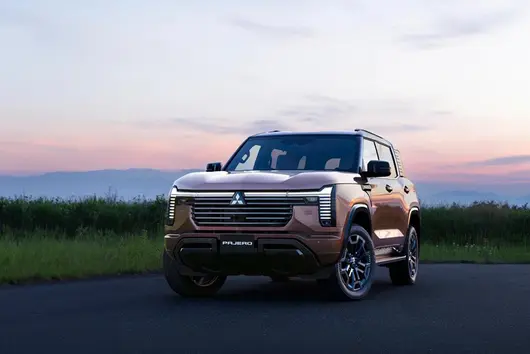
9 月 2 日,三菱汽車全球首發咗第五代帕杰羅。呢個「山貓」自 2019 年日本本土停產之後,相隔七年重返全球舞臺。但呢一次,帕杰羅面對嘅早已唔係當年嘅市場。

對於硬派越野迷而言,帕杰羅係承載住達喀爾 12 冠傳奇嘅名號。巔峰時期,全球年銷量一度超過 17 萬輛,尤其係喺東南亞、中東、澳大利亞以及中國西部市場,帕杰羅幾乎係「可靠、耐用」嘅代名詞。
但隨著全球 SUV 潮流從硬派越野向城市 SUV 轉移,帕杰羅嘅銷量持續萎縮。到 2018 年,佢喺日本本土年銷量已跌至 600 輛。2019 年,三菱不得不宣佈帕杰羅喺日本市場停產,只保留海外少量生產。
而帕杰羅嘅退場,根本原因就一個:銷量無法支撐獨立平台嘅巨額研發投入。據悉,第四代帕杰羅採用內置梯形車架嘅一體式車身,擁有獨立嘅開發體系同生產線,呢套體系喺年銷 17 萬輛嘅巔峰期運轉良好,但當年銷量跌至千輛級別時,單獨開發一款帕杰羅喺經濟上已經唔再可行。

但停產,唔係故事嘅終點。2026 年,三菱搵到復活嘅答案。據多家媒體報導,新車唔再從零開發,而係喺 Triton 平台上嫁接 SUV 車身,零部件同供應鏈高度共享。研發成本嘅大幅下降,令一款原本經濟上唔可行嘅車型重新獲得咗商業可行性。不過,值得一提係,呢個平台方案將帕杰羅由第四代嘅半承載式車身,拉返去傳統非承載式(帶大梁)嘅硬派路線——越野更硬,但公路操控性同乘坐舒適性大概率唔如上一代,情懷同實用之間嘅天平重新傾斜。
仲唔止咁,三菱嘅野心,仲在於將帕杰羅從單一車型擴展成一個完整車系:2028 年,推出中型帕杰羅同歐藍德共享零件,2030 年,推出小型帕杰羅對標 K-Car 級別。喺主流乘用車市場難同豐田、本田正面抗衡嘅情況下,三菱選擇喺「硬派越野」呢一細分領域建立自己嘅品牌陣地。三菱汽車預測,到 2030 年度全球越野 SUV 需求將達 660 萬輛,10 年間增長八成。

然而,想像係美好嘅,現實係骨感嘅。而家嘅越野市場,早已變咗天:喺海外市場,帕杰羅面對嘅唔再只係豐田同福特嘅老對手,仲有一班由中國闖入嘅新玩家。據中國汽車工業協會數據顯示,2026 年上半年,中國汽車出口量達 405.9 萬輛,同比急增 63%;2025 年,喺泰國中國品牌市佔率已達 22%,日系首次跌穿 70%,坦克品牌喺泰國非承載 SUV 市場嘅份額飆升至 53.2%;喺俄羅斯同中東,坦克品牌同樣喺快速擴張。呢啲中國越野車唔止有硬派實力,仲有電動化同智能化嘅新武器——2025 年自主品牌喺中國硬派越野市場嘅佔有率已超 70%。帕杰羅復活嘅同一年,對手嘅陣容已經完全不同。

而聚焦國內市場,情況更為複雜。根據公開資料,三菱喺中國市場嘅整車業務已經於 2023 年停產,全新帕杰羅大概率唔會透過官方渠道引進,唯一嘅入口係平行進口,預計售價喺 40 萬元以上。而呢個價位,坦克 500 Hi4-T、方程豹豹 5 已將空氣懸掛、激光雷達、冷暖冰箱配齊,國內用戶對越野車嘅期望早已唔係「能上山過河」,而係「能城能野」。
與此同時,三菱高層亦曾直言:同中國企業進行價格競爭係唔得嘅。而亦意味著即使帕杰羅進入中國,都唔會行性價比路線,只能以小眾、高溢價嘅「情懷」身份存在。不過,而家願意為「情懷」買單嘅人,仲剩幾多?

用得,但唔超前;務實,但缺驚喜。
帕杰羅返嚟啦,用係三菱手上最成熟、最便宜嘅技術方案,面對嘅係一個比七年前更擠、更加複雜嘅戰場。而家,全球越野市場仍在增長,但增長嘅定義權正被中國品牌重新書寫。帕杰羅面對將係一場規則已經改變嘅新遊戲,而佢點樣延續曾經嘅輝煌,市場亦快將畀出答案。

一個月,憑空少咗一萬九千台。
按問界三十幾萬嘅成交價粗計,呢係六十幾億嘅營收,話冇就冇。
呢係賽力斯 8 月嘅成績單:新能源汽車銷量 24,244 台,按年下降 43.96%。

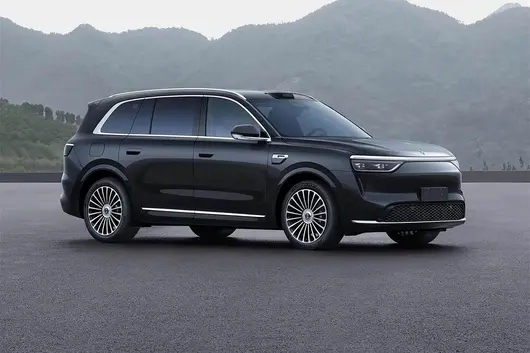
但同一張表入面仲藏住一件扭計嘅事——全新一代問界 M9,60 萬均價嘅大家伙,交付 12 周累計交付量突破 30000 台!連續兩個月坐喺 50 萬級市場銷冠嘅位置上。
高端越賣越好,總量卻塌咗四成。呢兩個數擺喺一塊,先至係 8 月呢場下滑入面最值得品味嘅地方。

所以問界到底點解?係咪真唔得嘅?
我嘅睇法:唔好急住唱衰,都唔好急住替佢搵台階。呢一跤,一半係去年自己站得太高,一半係華為門店嘅 C 位唔再只有問界一個——而問界偏偏趕上咗老車退場、新車冇到位嘅嗰道縫。
先講最實際一條:去年嗰個數字,本來就唔正常
同比呢種東西最容易騙人。佢比嘅唔係今年賣咗幾多,而係今年比去年少咗幾多。
2025 年嗰個夏天,問界 M8 純電版剛上市就爆單,整個 8 月問界 M8 純電同增程型一個月可以賣兩萬出頭,硬生生將整個品牌拉上咗一個高台。你站喺兩米高嘅台子上嚟,落地嘅落差當然大。

換個算法就清楚:賽力斯 1 至 8 月累計 227,250 台,同比下滑 12.58%。單月跌四成,累計跌一成多。呢兩個數放喺一齊先至係真實水位——嗰一刀,主要砍喺基數上。
8 月呢個月,問界正好卡喺換檔嘅縫入面
呢層原因少有人講透,但佢最關鍵。
睇下問界而家嘅產品表就明:老 M7 行到生命週期嘅尾,銷量本來就喺自然回落;M8 亦正趕上改款切換,老款清晒庫、新款仲未開賣,渠道入面基本係空窗;M9 嘅 Ultimate 領世加長版喊咗好耐,到 8 月底先準備交付,想買嘅人攞住錢喺等。

老嘅喺退,新嘅冇到,中間呢一個月就係真空。
問界 M6 算係而家最能走量嘅一根苗,已經累計交付突破 5 萬台。可佢一個人,填唔到 M7 加 M8 留下嗰個窟窿。

所以 43.96% 入面,確實有一部分係自己揀嘅——寧可讓老車體面退場,都唔搞換殼清倉嗰套。但呢一層,只解釋到三分之一。
剩下嘅,要向上睇一層
鴻蒙智行而家有五界。去年仲係三界嘅時候,華為門店入面最好嘅展位、銷售開口嘅第一句推薦,基本都留畀問界。而家唔一樣:尚界 Z7 由 21.98 萬起,智界 V9 賣到 38.98 萬往上。門店就咁大,客流就咁多,銷售一日都係咁多時間。

數字能印證。問界喺鴻蒙智行內部嘅銷量佔比,由去年上半年嘅 69.64% 滑到今年嘅 67.19%。睇住只掉咗兩個點,但係喺其餘四界全部都在推新車嘅前提下發生——盤做咗大,問界嗰塊冇跟住長。
仲有一層更冷冰冰嘅事實:8 月鴻蒙智行全系交付 42,101 台,同比亦跌咗 5.56%。唔係問界一家喺退。而同期零跑上半年交付 35.65 萬輛、同比升六成,蔚來 19.11 萬輛、升 67.4%,鴻蒙智行上半年只升咗 18.6%。

華為嘅技術標籤,過去係問界獨享嘅一條河。而家呢條河,五界兩境一齊用。
賬本其實仲厚
壓力講完,都要講底氣,否則就變咗唱衰。
M9 係真站穩咗:連續兩個月拿下 50 萬級市場銷冠,全系累計交付突破 30 萬台,喺傑蘭路嘅 NPS 榜單上五次蟬聯第一。50 萬以上價位仲可以月銷近萬,自主品牌的入面冇幾間做得到,而且唔係靠減價換嚟嘅。
錢都夠使。截至 6 月 30 日,賽力斯賬上爬住 731.5 億現金儲備;上半年研發投入 70.07 億,同比增長 34.8%。賣得少咗,研發反而砸得更狠——說明管理層諗明咗:短期嘅量可以丟,技術節奏唔可以斷。魔方技術平台 2.0、新一代超級增程、智能安全,係往後三年吃飯嘅家伙。

品牌上面都有硬指標。Brand Finance 2026 全球汽車品牌價值 100 強入面,問界以 34.48 億美金,成為全球豪華品牌 TOP10 中唯一嘅中國面孔。呢個位置,唔係一兩萬台嘅月銷量可以換嚟嘅。
海外都冇閒住:印尼工廠 10 萬輛產能打底,中東揾到首批 200 台訂單,海外售價比國內高咗一截。呢步棋仲早,但方向啱。
嗰到底得唔得
我嘅判斷係:短期有陣痛,而家下結論為時過早,但有兩個節點糊弄唔過去。
第一個係如果 9 月 M8 改款開賣,有冇可以把銷量接返攞,直接檢驗“換檔說”站唔站得住。回到 3 萬台以上,8 月就係個小坑;要係銷量繼續低迷,問題就唔止係換檔。

第二個係第四季度。問界上半年銷量約 16.08 萬輛,同比增 5.6%,全年 50 萬輛嘅目標,完成率大概 32%。要補上呢個缺口,旗下車型嘅銷量都需要保持較高嘅增長。
汽車呢行係馬拉松唔係百米,呢句話無錯。但跑過馬拉松嘅人都明白——中途可以調整呼吸,但你嘅配速唔可以掉得太狠,唔好就難追返啦。而賽力斯而家嘅問題大概率係喺中途調整,唔係跟唔上市場嘅發展,而係賽力斯主動調節車型嘅新老更替,喺有節奏嘅出牌。所以我哋相信佢好快就會追返啦。

喺馬來西亞嘅 SUV 市場,好多買家喺揀車嘅時候都會拿 本田 HR-V 同 福斯 Tiguan 嚟做比較。呢兩款車喺價位同定位上都好接近,今日我哋就由多個方面做一個詳細嘅比較,幫你省返做足功課嘅時間。
本田 HR-V 喺馬來西亞嘅 OTR 售價係 RM 115,900 - 143,900,一共有 4 個版本,包括 2026 e:HEV 1.5L RS(RM 143,900)、2026 1.5T V(RM 137,900)、2026 1.5T E(RM 130,900) 等。
福斯 Tiguan 喺馬來西亞嘅 OTR 售價係 RM 206,540 - 260,024,一共有 2 個版本,包括 2025 Allspace 2.0T R-Line(RM 260,024)、2025 Allspace 1.4T Elegance(RM 206,540) 等。
由價錢睇,本田 HR-V 嘅起步價真係比 福斯 Tiguan 平咗 RM 90,640。如果你預算有限,本田嘅入門版已經可以滿足日常需求。但都要注意,平嗰啲幾千蚊,喺配備上可能會要取捨,具體就要睇你嘅需求。
本田 HR-V 配搭 1.5L Turbo,馬力 140 hp。官方油耗 7.0 L/100km。
福斯 Tiguan 配搭 2.0L 4-cyl,馬力 170 hp。官方油耗 8.0 L/100km。
動力方面,福斯 Tiguan 嘅 2.0L 4-cyl 比 本田 HR-V 嘅 1.5L Turbo 多咗 30 匹馬力。不過日常喺市區開,兩款車嘅動力都夠用,唔會覺得唔夠力。
本田 HR-V 嘅安全評級係 5★ (ASEAN NCAP),主動安全系統包括 本田 SENSING (ACC, CMBS, LKAS, RDM)。
福斯 Tiguan 嘅安全評級係 5★ (Euro NCAP),主動安全系統包括 IQ.Drive。
安全配備方面,兩款車都拿到唔錯嘅評級。不過 本田 HR-V 嘅 本田 SENSING (ACC, CMBS, LKAS, RDM) 同 福斯 Tiguan 嘅 IQ.Drive 喺功能上有啲差異,如果你比較重視主動安全嘅話,可以仔細對比下兩者嘅功能列表。
本田 HR-V 保修 5 年/無限制里程,保養間隔 每 10,000km 或 6 個月。
福斯 Tiguan 保修 3 年/100,000km,保養間隔 每 10,000km 或 6 個月。

本田 HR-V 同 福斯 Tiguan 都係馬來西亞市場嘅主流選擇,適合家庭使用、日常上落班。如果你更重視品牌口碑同二手價,可以優先考慮口碑更好嗰一款;如果你更在意性價比同配備,那就揀配備更豐富嗰款。最後仲係建議兩款都去試駕,親身體驗先至係最重要。

總體嚟講,本田 HR-V 同 福斯 Tiguan 都係馬來西亞市場好唔錯嘅車型。揀邊一個,關鍵仲係要睇你嘅個人需求同預算。建議大家做足功課,多比較間間車行嘅報價,先至去試駕做最終決定。買車係件大事,花少少時間做功課絕對無錯。

喺馬來西亞嘅 SUV 市場,好買家喺揀車嘅時候都會拿 本田 HR-V 同 馬自達 CX-5 嚟做比較。呢兩部車喺價位同定位上都幾接近,今日我哋就從多個方面做一個詳細嘅對比,幫你攞咗做功課嘅時間。
本田 HR-V 喺馬來西亞嘅 OTR 售價係 RM 115,900 - 143,900,一共有 4 個版本,包括 2026 e:HEV 1.5L RS(RM 143,900)、2026 1.5T V(RM 137,900)、2026 1.5T E(RM 130,900) 等。
馬自達 CX-5 喺馬來西亞嘅 OTR 售價係 RM 135,469 - 166,760,一共有 3 個版本,包括 2025 2.0L AT 35th Anniversary(RM 316,154)、2025 2.0L AT(RM 296,154)、2025 2.0L MT(RM 294,154) 等。
由價錢嚟睇,本田 HR-V 嘅起步價確實比 馬自達 CX-5 便宜咗 RM 19,569。如果你預算有限,本田嘅入門版已經可以滿足日常需求。但都要注意,平嘅嗰幾千蚊,可能喺配備上面會有取捨,具體要看你嘅需求。
本田 HR-V 搭載 1.5L Turbo,馬力 140 hp。官方油耗 7.0 L/100km。
馬自達 CX-5 搭載 1.5L Turbo,馬力 140 hp。官方油耗 7.0 L/100km。
兩部車用得係同一套動力系統,日常開起嚟嘅感受基本冇差別。油耗方面也差不多,唔使太糾結呢一點。
本田 HR-V 車身長 4500 mm,后备箱 450 L。
馬自達 CX-5 車身長 4500 mm,后备箱 450 L。
兩部車嘅尺寸幾乎一樣,車內空間差別唔大。呢個級別嘅車,日常使用完全夠用。
本田 HR-V 採用 FWD 驅動方式。
馬自達 CX-5 採用 FWD 驅動方式。
兩部車嘅驅動方式一樣,都係 FWD,日常駕駛感受唔會有太大區別。

總嘅嚟講,本田 HR-V 同 馬自達 CX-5 都係馬來西亞市場幾唔錯嘅車型。揀邊一部,關鍵仲係要看你嘅個人需求同預算。建议大家做好功課,多比較幾間車行嘅報價,再去試駕做最終決定。買車係件大事,花點時間做功課絕對唔會錯。


撰文 | 劉穎
編輯 | 黃大路
設計 | 甄尤美
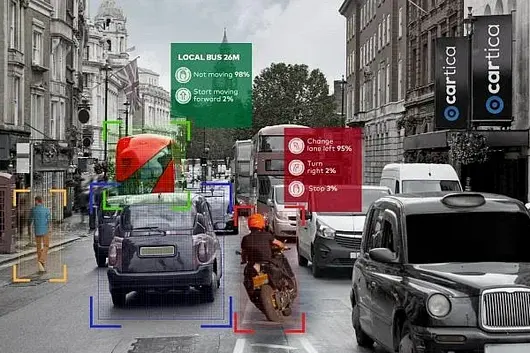
2026 年 8 月 26 日,慕尼黑正迅速升溫為全球 Robotaxi 嘅新戰場。
Waymo 宣佈將歐洲首個自動駕駛項目落地於此,計劃最晚 2027 年底開啟商業運營;而喺此前嘅 6 月,優步同以色列自動駕駛公司 Autobrains 已搶先布局。
隨著百度 Apollo Go、Momenta 以及大眾 MOIA 等玩家嘅跟進,多條截然不同嘅技術路線喺呢座城市正面交鋒。
8 月 6 日,Autobrains 創辦人伊加爾·拉伊切爾高茲(Igal Raichelgauz)公開質疑行業主流觀點嘅做法。
自動駕駛行業嘅主流觀點認為,自動駕駛嘅未來需要更多數據。只要采集足夠多嘅視頻、訓練足夠大嘅模型、部署足夠多嘅車輛,系統最終會學會駕駛。呢種路線塑造咗今日嘅 Waymo、Tesla 同 Mobileye。
而 Autobrains 則認為,駕駛 AI 同人腦一樣。人類駕駛並唔係靠見過所有場景先學到開車,而係因為理解咗道路規則、空間關係同行為邏輯。
呢個技術被佢哋自己叫作 Thinking AI 或 Agentic AI。

肄業博士創辦“腦科學 AI 公司”

要了解 Autobrains,必須從佢嘅創辦人伊加爾·拉伊切爾高茲講起。
佢係以色列國防軍精英情報部隊出身,退役後創辦咗一家基於短信嘅即時通訊平台 Figment,然後去語音識別公司 LCB 做 CTO,再然後進英特爾擔任多個技術職位。
每一段都係唔同嘅行業、唔同嘅技術方向,唯一嘅線索係佢對“機器如何理解信息”呢個問題始終保持住某種執念。
轉折點喺 Technion。
大約 2000 年代初,拉伊切爾高茲來到以色列理工學院,開始咗關於皮層神經網絡(cortical neural networks)嘅博士研究。佢嘅合作者係神經科學教授葉約書亞·澤維(Yehoshua Zeevi),以及長期研究合作者卡里娜·奧迪納耶夫(Karina Odinaev)。
三個人想知道哺乳動物嘅大腦皮層,究竟係點樣從眼睛接收到嘅混亂光信號中,解讀出有意義嘅視覺世界嘅?
研究越做越深,越做越奇。有一陣,實驗室裏面擺滿咗活體大𬖂。
後來,團隊真係把電極插進咗大𬖂嘅大腦皮層,然後把數字圖像轉化成電信號“寫”入去,睇神經元會點樣反應。呢唔係計算機模擬,係真實嘅神經組織喺對數字信息做出響應。
遺憾係,呢項研究冇能發表成博士論文。因為喺 2007 年,拉伊切爾高茲放棄攻讀博士,同奧迪納耶夫、澤維教授一起創辦咗 Cortica。
Cortica 最開始嘅野心係把人腦處理視覺信息嘅方式翻譯成算法。
傳統機器視覺嘅邏輯係咁樣嘅。你俾系統看一百万張貓嘅照片,佢就學識識別貓。你俾佢看一百万張停車標誌嘅圖片,佢就學識識別停車標誌。本質上係“見過足夠多”,喺相似場景裏面復現判斷。Cortica 嘅邏輯唔同。佢試圖讓系統唔靠海量標註,而是從視覺信息本身裏面抽出結構性嘅模式。

想像一個場景。暴雨夜晚,能見度不足三十米,一輛自動駕駛汽車行駛喺郊區公路上。路邊突然出現一個穿反光背心嘅建築工人,站在一個臨時交通錐旁邊,正在向左揮手示意繞行。但呢個組合,呢家公司嘅系統從冇喺訓練數據裏面見過。
對依賴監督學習嘅傳統系統嚟講,呢個場景係一個威脅。因為佢需要被“見過”先能被識別,而開放世界裏面嘅邊緣場景,從定義上就係采集唔完嘅。被樹影斑駁遮擋嘅行人、鄉村道路上突然橫穿嘅動物、從未出現過嘅奇特路障……每一個都需要專門采集、標註、訓練同驗證。
Autobrains 把呢個困境叫做“監督學習嘅牆”。呢家公司長期認為,依賴人工標註同監督訓練嘅方法無法有效覆蓋開放道路中嘅長尾場景。
“喺多年領導車企嘅自動駕駛開發項目之後,我清楚見到呢個行業而家依賴數據標註嘅監督學習方法係唔夠嘅。佢太貴了,而且一旦遭遇冇被專門訓練過嘅場景就會失效。”
Autobrains 嘅高級副總裁約阿希姆·朗根瓦爾特(Joachim Langenwalter)嘅呢句說話算係對呢面“牆”嘅直觀描述。佢曾先後擔任英偉達汽車軟件總監、大眾集團軟件策略副總裁同 Stellantis 工程部門高級副總裁。
Autobrains 嘅創辦人後來喺一次採訪中也話:“呢個處理信息嘅過程唔係生成文字或圖像,也唔係搜索圖片,而係喺極端複雜嘅真實世界環境中,與大量動態參與者實時互動。”
佢說嘅係汽車,但也好似係講大腦。佢認為呢係 AI 最難嘅問題,如果呢套方法能喺開放道路上跑通,就意味著佢解決咗 AI 領域最難嘅感知問題之一。

被汽車產業資本聯合孵化

誕生之初,公司專注於視頻內容理解、廣告技術同安防領域。2019 年,Cortica 向汽車行業遷移,誕生咗 Cartica AI。
Cartica AI 從一開始就帶有明顯嘅產業資本孵化色彩。通常嘅自動駕駛創業路徑係先成立公司,開發技術,再去找整車廠、Tier 1 同投資人,一輪輪地說服別人相信佢。
Cartica AI 嘅起點唔係咁樣嘅。佢從誕生嘅一刻起就帶有產業聯合孵化嘅色彩,整車廠、供應商同投資機構共同上桌,呢裏面包括大陸集團、豐田 AI Venture、寶馬風險投資同以色列眾籌投資平台 OurCrowd。
呢四間機構嘅母公司都處於汽車產業鏈嘅上下游。大陸集團係全球頂級汽車零部件巨頭,豐田 AI Ventures 同寶馬風險投資代表日德兩國整車廠嘅產業資本,OurCrowd 則係以色列本土最活躍嘅投資平台。
換句話說,Cartica AI 從誕生第一天起,就唔係一個孤立嘅實驗室項目。佢更似係汽車產業內部聯合扶持出來嘅一個“備選技術路線驗證項目”。
後來,Cartica AI 發展為 Autobrains,由拉伊切爾高茲擔任 CEO。PitchBook 嘅資料顯示,Autobrains 前身名稱還包括“Cortica Automotive”,更清晰地揭示咗佢哋與 Cortica 嘅技術傳承關係。
從 Cortica 到 Cartica AI,再到 Autobrains,呢家公司每一次更名都唔係簡單嘅品牌調整,而是技術向汽車場景垂直遷移嘅過程。
Cortica 解決“機器如何理解視覺世界”,Cartica AI 把呢套技術包裝成面向 ADAS 同自動駕駛嘅方案,Autobrains 則進一步將商業對象鎖定為車企、一級供應商同出行平台。
喺具體產品上,呢套邏輯對應著 Autobrains 唔同時期嘅落地形式。
2024 年發布嘅 Liquid AI,將駕駛任務拆解為多個獨立優化嘅子問題,每個由專門嘅神經網絡處理。回到開頭嗰個暴雨場景。系統唔係用一個大模型同時處理雨霧干擾、行人識別同手勢理解,而是把信息“像液體一樣”流向最合適嘅處理單元,每個單元只負責自己最擅長嗰一層判斷。
2024 年 10 月發布嘅 Skills 產品線,係 Liquid AI 嘅模塊化商業化形式。佢將自動駕駛拆解為一系列“Skills”,每個 Skill 係針對特定駕駛場景端到端優化嘅 AI 模型,根據實時駕駛情況動態激活。呢與傳統嘅大型單一神經網絡形成對比,理論上更容易針對新場景擴展同驗證。
2026 年進入核心敘事嘅 Agentic AI,進一步將駕駛智能組織為一組相互協作嘅“場景代理”(scenario agents),每個代理負責感知、推理同決策嘅特定維度,並能對真實世界嘅複雜性做出實時響應。
2024 年 9 月發布嘅 Air-to-Road 定位系統,則將車載攝像頭嘅實時視覺數據與衛星圖像融合,實現厘米級精度定位,完全唔依賴 GPS 或高清地圖(HD map)。呢直接解決咗高清地圖成本高、更新慢、覆蓋有限嘅問題,對需要快速進入新市場嘅車企尤其有吸引力。
公司官網指出,所有呢啲技術有四個共同點:低算力需求、兼容硬件(agnostic to sensors and SoCs)、唔需大量人工標註、支持模塊化擴展。
但實際上,呢啲主張仍有大量需要喺實際量產中驗證嘅部分。公開資料中,而家仲欠缺詳盡嘅獨立第三方技術評測、大規模真實道路嘅安全數據,同與主流系統嘅標準化對比測試。

佢嘅明星對手同朋友

同樣誕生於以色列,有過一間改變咗全球汽車行業格局嘅公司。
Mobileye 由阿姆農·沙舒亞(Amnon Shashua)同齊夫·阿維拉姆(Ziv Aviram)於 1999 年喺耶路撒冷創辦,用咗將近二十年時間,把一套基於攝像頭嘅駕駛輔助系統做成全球最主流嘅 ADAS 供應商。
2017 年 3 月,英特爾以約 153 億美金將其收購。呢係彼時以色列科技行業最大規模嘅收購案。2022 年,Mobileye 以獨立公司身份喺納斯達克重新上市。
EyeQ 系列晶片出貨量超過 1 億顆。全球路上跑嘅大多數具備 ADAS 功能嘅量產車,背後嘅眼睛都係 Mobileye 嘅。
市場常把它看作 Autobrains 無法回避嘅參照系。
TechCrunch 喺 2022 年報道 Autobrains 融資時,標題直接使用咗“Mobileye 嘅挑戰者(take on Mobileye)”呢樣嘅表述。以色列科技媒體 CTech 也多次將其放喺與 Mobileye 對比嘅語境中。
拉伊切爾高茲自己喺採訪中也承認:“我哋毫无疑问係 Mobileye 嘅競爭對手。我哋係一家軟件公司,唔需要開發晶片,呢讓吾能夠與唔同嘅晶片製造商合作。”
而翻開 Autobrains 嘅股東名單,會發現佢嘅總融資額並唔顯眼。公開數據顯示,公司迄今總融資超過 1.4 億美金,持有超過 300 項專利,員工約 100 至 150 人。相比 Waymo、Cruise 動輒數十億美金嘅融資,呢個規模頗為低調。
但股東名單嘅構成,卻喺行業入面幾乎搵唔到第二家類似嘅公司。
2019 年成立時,第一批股東就係大名鼎鼎嘅產業投資機構。
到咗 C 輪融資,名單進一步擴大。2021 年 11 月,公司宣佈完成 1.01 億美金 C 輪融資,由新加坡主權基金淡馬錫領投,商用車制動系統供應商克諾爾集團、越南電動車製造商 VinFast 跟投,寶馬風險投資同大陸集團繼續追加投資。

2022 年 3 月,呢一輪融資完成最終關閉,總額升至 1.2 億美金,同一批產業資本悉數喺場。Autobrains 後來公布嘅投資方名單中,仲出現咗全球汽車零部件供應商麥格納同汽車電子企業道通科技。
把呢份名單攤開嚟睇,整車廠維度有寶馬、豐田同越南電動車製造商 VinFast,供應鏈維度有大陸集團、麥格納同商用車制動系統供應商克諾爾集團,長期資本維度則有新加坡主權基金淡馬錫。
呢組投資方本身就係 Autobrains 重要嘅潛在客戶。

點樣真正進入車企嘅採購體系

2023 年 1 月嘅一個清晨,以色列特拉維夫嘅 Autobrains 辦公室收到咗一份新嘅入職文件。
簽字嘅人叫希拉·塔沃爾(Hilla Tavor)。此前十二年,佢喺耶路撒冷嘅 Mobileye 工作,擔任 ADAS 業務發展副總裁,負責與全球整車廠嘅關係。其中,福特、通用、大眾、寶馬,都喺佢嘅名片聯絡人入面。
三周後,2 月 8 日,另一份入職文件也引人關注。今次係約阿希姆·朗根瓦爾特(Joachim Langenwalter),擔任自動駕駛業務高級副總裁。據 Autobrains 官方公告,佢嘅上一份工作係 Stellantis 嘅工程部門高級副總裁,再之前係大眾集團軟件策略副總裁,更早之前係英偉達汽車軟件總監。
兩個月,兩位履歷背書極深嘅汽車行業老兵。呢唔係一次巧合,而是一個明確嘅信號。
拉伊切爾高茲喺宣佈朗根瓦爾特加入時話得直接:“希拉嚟自 Mobileye,負責領導 ADAS。而家約阿希姆加入,負責領導自動駕駛。”
呢意味著對於 Autobrains 嚟講,技術證明已經做到咗一個階段。接下來,真正進入汽車採購體系係企業發展嘅關鍵節點。
呢係兩個唔同難度嘅問題。
喺技術早期,說服一家公司相信佢哋嘅算法有效可以靠演示、靠發布、靠媒體曝光,都仲有啲機會。但車企嘅採購體系唔係一個靠 Demo 就能進入嘅地方。採購週期動輒三到五年,中間仲有功能安全認證(ISO 26262)、預期功能安全(SOTIF)、網絡安全(UNECE WP.29)等一道道關卡,一個 ADAS 系統從原型演示到量產上車,中間係一段旁人睇唔見嘅漫長工程旅程。
Mobileye 用咗二十多年先建立起呢啲關係同信任。塔沃爾同朗根瓦爾特帶來嘅,正正就係呢啲難以從零建立嘅行業積累。

獲得一張小型車市場嘅入場券

喺所有關於 Autobrains 嘅討論入面,Robotaxi 同 L4 自動駕駛佔據咗大多數版面。但如果只睇呢條線,好容易錯過公司另一更務實嘅路線。
2024 年 12 月 4 日,Autobrains 同 JOYNEXT 聯合宣佈推出智能攝像頭 ADAS 方案。JOYNEXT 總部位於德國德累斯頓,係一家為知名汽車製造商服務超過二十年嘅全球 Tier 1 供應商,主營車載信息娛樂系統同智能連接網關,產品已進入全球數百萬輛車。
方案本身並唔複雜。就係通過把 Autobrains 嘅 AI 感知軟件同 JOYNEXT 嘅攝像頭硬件同控制軟件,整合進一個緊湊嘅“單盒”模塊,符合歐洲 GSR 通用安全同法規 Euro NCAP 要求,可直接插入現有整車電子電氣架構。雙方宣佈合作後,已喺德國測試軌道上完成咗實地演示。
JOYNEXT 首席执行官斯塔夫羅斯·米特拉基斯(Stavros Mitrakis)喺合作發布時表示:“構建強大嘅生態系統對於為全球客戶提供可靠且面向未來嘅技術至關重要。Autobrains 係合適嘅合作伙伴。與佢哋合作,我哋將能夠喺未來提供可靠、高質量且具有成本效益嘅自動駕駛技術。”
目標客戶,係小型車同緊湊型車嘅全球 OEM。
呢個定位背後有一個簡單嘅現實邏輯,因為全球汽車市場最大嘅體量從來唔喺豪華車同高端旗艦上,而係喺 A 級、B 級、小型 SUV 呢啲中端同入門級車型上。隨著歐盟法規推進(新車強制配備 AEB 等安全功能)同消費者認知提升,ADAS 正從可選變成標配。
但成本係呢個市場繞唔過去嘅門檻。一套需要激光雷達、高清地圖同專用晶片嘅完整感知方案,可能讓一輛 10 萬圓嘅小型車成本增加兩三萬圓。喺經濟上根本行唔通。Autobrains 嘅攝像頭優先、低算力、單盒集成方案,恰好命中咗呢裏面嘅真實需求:低成本、易集成、法規合規。
JOYNEXT 將呢一合作描述為面向量產市場嘅 ADAS 解決方案,而唔係 Robotaxi 項目。相比高阶自動駕駛,呢種面向小型車同緊湊型車市場嘅產品,更接近汽車行業真正嘅銷量基本盤。

被越南車企 VinFast 相中合作

胡志明市北部,河內嘅一條普通城區道路上,一輛白色嘅 VinFast VF 8 正在緩緩行駛。車頂冇激光雷達,前後也睇唔到密集嘅傳感器陣列。只係車身幾個唔起眼嘅位置,安裝住攝像頭。
呢輛車喺測試 Autobrains 嘅 L2++ 系統。
VinFast 同 Autobrains 嘅關係,係理解呢家公司商業邏輯嘅另一把鑰匙。佢既係 Autobrains 嘅投資方之一,之後又成為合作方。
2026 年 1 月 27 日,VinFast 同 Autobrains 聯合宣佈戰略合作,共同開發 L2++ 自動駕駛技術,並探索一套名爲“Robo-Car”嘅新型自動駕駛架構。
Robo-Car 方案嘅技術主張頗爲激进。通過 7 個標準攝像頭加一顆高性能計算晶片(每秒處理約 20 萬億次運算),唔使用激光雷達、雷達陣列或高清地圖。定位依賴 Autobrains 自研嘅 Air-to-Road 技術,將實時視覺數據與衛星圖像融合,實現無 HD 地圖條件下嘅厘米級精度定位。
目前,L2++ 系統已喺 VinFast VF 8 同 VF 9 兩款主力電動車上,喺河內受控區域展開試點測試,計劃擴展至更大城市同國際市場。
VinFast 全球副首席执行官兼 ADAS/AD 研究負責人阮文楊(Nguyen Van Duong)喺宣佈合作時表示:“VinFast 同 Autobrains 嘅戰略合作正喺幫助塑造一種颠覆性嘅、可負擔得起嘅自動駕駛方案,契合我哋對全球移動出行嘅長期願景。我哋嘅目標係將先進嘅駕駛技術從早期用戶推向普通駕駛者。”
點解係 VinFast?Reuters 喺報道雙方合作時特別強調,呢套方案最大嘅特點並非追求最高級別自動駕駛,而係以盡可能低嘅成本實現更高等級智能駕駛能力。
呢家越南車企嘅處境有一定嘅典型性。佢正喺全球擴張,面臨來自比亞迪、小鵬等中國電動車品牌同傳統歐美車企嘅雙重競爭壓力。佢喺美國市場嘅早期佈局遭遇咗銷售下滑同產品質量問題,迫切需要喺智能駕駛上搵到新嘅差異化支點。
佢唔可能複製 Waymo 嘅高成本路線,也沒有 Tesla 那樣龐大嘅自有數據車隊。
Autobrains 恰好提供咗佢需要嘅嗰種答案:低成本、攝像頭優先、無需激光雷達、唔依賴高清地圖。有媒體把呢套方案叫做“低成本版 Tesla 路線”,因為兩者都強調攝像頭優先,都試圖回避昂貴嘅傳感器堆疊。
但實際上,兩者之間嘅技術能力層級存在本質差別,唔能簡單類比。Tesla 嘅 FSD 能力來自數百萬輛量產車組成嘅龐大數據采集車隊,以及多年持續迭代嘅端到端神經網絡體系。Autobrains 同 VinFast 嘅合作目前仍處於測試階段。
更準確嘅解讀係,Autobrains 最可能搵到市場嘅地方,係嗰啲既需要智能駕駛能力、又對成本高度敏感、同時願意嘗試非主流供應商嘅新興車企。

優步嘅跑馬賽佈局

2025 年 9 月 8 日,優步同 Momenta 宣佈,慕尼黑將成為雙方歐洲 L4 測試嘅首個城市,原計劃 2026 年開始測試。
然而,喺 2026 年 6 月 1 日,優步宣佈佢準備同 Autobrains 合作,把第一站放喺德國慕尼黑。呢個消息一度讓外界懷疑 Autobrains 取代咗 Momenta,當時德國媒體 Electrive 直接向優步詢問,但未得到回覆。
2026 年 7 月 29 日,Momenta 拿到咗德國全境 L4 測試許可,慕尼黑項目仍喺推進。也就係話,優步正喺同一座城市同時押注至少兩套 Robotaxi 方案,把技術路線嘅選擇留俾市場。
Momenta 走嘅係:優步+Momenta L4 技術+量產車平台;Autobrains 走嘅係:優步+Autobrains Agentic AI+NVIDIA DRIVE Hyperion+尚未公布嘅整車廠。
2018 年 3 月 18 日夜晚,美國亞利桑那州坦佩市。一輛優步自動駕駛測試車喺幾乎冇有路燈嘅公路上行駛。前方,一名女性推著自行車橫穿馬路。系統識別失敗,煞車冇有啟動。佢當場身亡。
呢係自動駕駛史上第一起行人致死事故。
兩年後,優步宣佈退出自研自動駕駛。佢將旗下嘅 ATG 部門出售俾 Aurora,優步同時向 Aurora 投資 4 億美金並獲得約 26% 股權,從此轉型爲“自動駕駛嘅出行平台”。佢唔再自己造槍,只做讓槍手們出發嘅碼頭。
邏輯係清晰嘅,唔押注單一技術路線,而係廣泛佈局,等誰先跑通商業化,就深化與誰嘅合作。
截至今日,優步已經織起一張超過 30 家合作伙伴嘅自動駕駛網絡,未來幾年準備投入超過 100 億美金,並計劃喺 2026 年底前把自動駕駛服務擴展至最多 15 個城市。美國有 Waymo、Nuro、Avride,歐洲有 Wayve(倫敦)、Momenta(慕尼黑試點),中東有百度 Apollo Go(迪拜),如今慕尼黑又多咗 Autobrains。
Fast Company 喺專題報道中將優步描述爲自動駕駛行業最大嘅“平台型下注者”之一。相比親自研發自動駕駛,優步更愿意同時與多條技術路線合作,通過真實運營場景篩選最終贏家。
呢係一場典型嘅平台方賽馬策略。優步唔用判斷誰會贏,佢只需要站喺終點線等待冠軍出現。
喺呢個背景下,Autobrains 進入慕尼黑嘅意義就更清晰咗。佢唔係優步唯一嘅歐洲 Robotaxi 合作方,但佢係第一個喺德國市場獲得明確合作框架嘅以色列自動駕駛公司。
慕尼黑嘅選擇頗具深意。呢裏係寶馬總部所在地,係歐洲工業汽車嘅精神中心,同時亦係監管嚴格、道路複雜嘅歐洲城市駕駛場景嘅典型代表。喺呢度跑通 Robotaxi,喺技術可信度同市場示範效應上嘅價值,遠超一個普通中小城市。
創辦人拉伊切爾高茲喺慕尼黑合作公告中話:“與優步同英偉達合作,我哋正喺把吾哋嘅方法引入自動駕駛出行領域,將 Agentic AI 與所需嘅出行平台同汽車計算能力相結合,支持跨城市、跨車輛、跨真實路況嘅 Robotaxi 規模化運營。”
當然,項目仍喺等待德國監管批准,整車製造商尚未公布,車隊規模、服務區域、商業啟動時間均未確定。
即便係咁,Autobrains 仍然值得被認真看待。
過去十年,自動駕駛行業嘅主流敘事越來越相信“大”,包括大車隊、大數據、大算力、多傳感器、高清地圖、雲端訓練同複雜系統工程等啲。
呢套邏輯確實推動咗行業進步,產生咗 Waymo、Mobileye、Tesla 等重量級玩家,但也帶來咗高成本、長週期同商業化壓力。
直到而家,完全無人駕駛嘅大規模商業化仍喺紙上。
喺呢個背景下,Autobrains 提出嘅問題係真實嘅行業痛點。
如果自動駕駛只能靠越來越昂貴嘅系統推進,那麼大量成本敏感嘅車型、大量新興市場嘅用戶、大量無法承受激光雷達加持續雲端更新成本嘅應用場景,就可能無法真正受益於呢項技術。
Autobrains 瞄準嘅,正正就係讓自動駕駛 AI 喺成本約束下變得更智能,變得足夠可靠、足夠便宜、足夠容易集成。
呢係一條路,定係一堵牆,仲需要時間嚟判斷。
參考資料:
[1] electrive.com: Uber and Autobrains announce Robotaxi partnership in Munich (2026 年)
[2] Fast Company: Uber’s $10 Billion Bet: Why the Ride-Hailing Giant is Partnering with 30 Autonomous Driving Companies (2026 年 6 月)
[3] TechCrunch: Autobrains takes on Mobileye with $120M funding for its AI-based AV technology (2022 年 3 月)
[4] Reuters: Vietnam's VinFast partners with Israel's Autobrains on lower-cost self-driving tech (2026 年 1 月)
[5] CTech (Calcalist): From Mobileye to Autobrains: Hilla Tavor joins autonomous driving startup (2023 年 1 月)
[6] Automotive World: Autobrains launches Liquid AI to break the "supervised learning wall" (2024 年)
[7] JOYNEXT 官方新聞室:JOYNEXT and Autobrains announce strategic partnership to deliver cost-effective ADAS solutions (2024 年 12 月)
[8] VinFast 官方新聞室:VinFast and Autobrains Announce Strategic Partnership for L2++ and Robo-Car Development (2026 年 1 月)
[9] Autobrains 官網:技術白皮書與融資公告 (Agentic AI, Air-to-Road, Skills)

家庭純電 SUV 市場再添新選手。8 月 26 日,奇瑞風雲 T7 正式迎來上市,這款主打全球品質嘅純電 SUV,以「穩穩嘅幸福」為產品內核,面向追求務實、安心出行嘅普通家庭推出三款配置版本。新車上市指導價 9.79 萬‑11.89 萬元,搶先置換價 9.49 萬‑11.59 萬元。

發佈會現場,音樂人吳克群以「幸福體驗官」身份出席,同奇瑞汽車執行副總裁李學用圍繞「穩穩嘅幸福」展開交流,結合家庭出行場景分享用車感悟,雙方共同開啟「幸福共創計劃」,邀請用戶記錄生活裏嘅幸福點滴。

面對行業快速迭代嘅市場環境,風雲 T7 秉持「慢功造好車」嘅長期主義理念,屬於原生全球車型,並非國內車型簡單改款出海。車輛研發對標 2026 版 E‑NCAP 安全標準,依托全球 1+7+N 研發體系,完成 145 萬公里耐久驗證,經歷高溫、高寒、高濕等多類極限環境測試,適配全球多樣路況與氣候條件,同源車型 Lepas L6 已陸續喺南非、泰國等市場投放,後續仲會登陸歐盟、澳新等地區。

產品層面,風雲 T7 圍繞超能跑、美全球、更安全、好智慧四大核心價值打造,同時具備六大冗餘產品實力。全系標配 65.05kWh 犀牛電池,CLTC 續航 600km,30%-80% 快充僅需 20 分鐘,做到續航平權,避免入門版本續航縮水嘅行業常見問題。車身高強度鋼佔比達到 80%,配備 9 安全氣囊,電池擁有多層防護結構,喺碰撞、電池安全方面留有充足冗餘。智能方面搭載 8775 座艙駕一體晶片,結合靈犀智艙 2.0 與豆包大模型,支援 300+ 全場景自動泊車、高速領航輔助等功能,兼顧家用出行嘅舒適與便捷。

喺十萬級純電賽道,唔少消費者既在意價格,亦看重車輛嘅安全、續航與長期可靠性。基於奇瑞多年海外市場積累,風雲 T7 將全球研發驗證成果落地國內市場,希望用均衡嘅產品表現與實在嘅購車政策,為廣大家庭用戶提供一個務實嘅純電出行選擇,守護日常通勤、週末出遊途中嘅每一份踏實與安心。


喺馬來西亞嘅 SUV 市場,好多買家喺揀車嘅時候都會將 Honda HR-V 同 Mazda CX-30 嚟比較。呢兩款車喺價位同定位上都幾接近,今日我哋就從多方面做一個詳細比較,幫你省回做功課嘅時間。
Honda HR-V 喺馬來西亞嘅 OTR 售價係 RM 115,900 - 143,900,總共有 4 個版本,包括 2026 e:HEV 1.5L RS(RM 143,900)、2026 1.5T V(RM 137,900)、2026 1.5T E(RM 130,900)等等。
Mazda CX-30 喺馬來西亞嘅 OTR 售價係 RM 122,409 - 146,409,總共有 4 個版本,包括 2025 2.0L High+ Premium(RM 146,409)、2025 2.0L High+(RM 138,409)、2025 2.0L High(RM 130,409)等等。
就價錢而言,Honda HR-V 嘅起跳價的確比 Mazda CX-30 平咗 RM 6,509。如果你預算有限,Honda 嘅入門版已經可以滿足日常需求。但都需要注意,平嗰幾千蚊,可能喺配備上或會有取捨,具體睇你需求。
Honda HR-V 車身長度 4500 mm,後尾箱 450 L。
Mazda CX-30 車身長度 4500 mm,後尾箱 450 L。
兩款車嘅尺寸幾近一樣,車廂空間分別唔大。呢個級別嘅車,日常使用完全夠用。
Honda HR-V 保修 5 年/無限里程,保養間隔 每 10,000km 或 6 個月。
Mazda CX-30 保修 5 年/150,000km,保養間隔 每 10,000km 或 6 個月。
Honda HR-V 同 Mazda CX-30 都係馬來西亞市場嘅主流選擇,適合家庭使用、日常通勤。如果你更重視品牌口碑同二手價,可以優先考慮口碑更啱嗰一款;如果你更講究性價比同配備,就揀配備更豐富嗰款。最終都建議兩款都去試駕,親身體驗先至最重要。

總體而言,Honda HR-V 同 Mazda CX-30 都係馬來西亞市場幾唔錯嘅車型。揀邊輛,關鍵仲要睇你個人需求同預算。建議大家做足功課,多比較幾間車行嘅報價,再去試駕先做最終決定。買車係件大事,花少少時間做功課絕對唔會錯。

喺馬來西亞嘅 SUV 市場,好多買家喺揀車嗰陣都會拿 Honda HR-V 同 Toyota Fortuner 做比較。呢兩款車喺價錢同定位上都好接近,今日我哋就從多個方面做一次詳細嘅對比,幫你慳咗做功課嘅時間。
Honda HR-V 喺馬來西亞嘅 OTR 售價係 RM 115,900 - 143,900,一共有 4 個版本,包括 2026 e:HEV 1.5L RS(RM 143,900)、2026 1.5T V(RM 137,900)、2026 1.5T E(RM 130,900) 等。
Toyota Fortuner 喺馬來西亞嘅 OTR 售價係 RM 195,880 - 241,880,一共有 3 個版本,包括 2024 2.8T VRZ Diesel(RM 241,880)、2024 2.7L SRZ Petrol(RM 202,880)、2024 2.4L Standard Diesel(RM 195,880) 等。
從價錢嚟睇,Honda HR-V 嘅起步價確實比 Toyota Fortuner 平咗 RM 79,980。如果你預算有限,Honda 嘅入門版已經可以滿足日常需要。但都要留意,便宜嗰幾千蚊,可能喺配備上會有取舍,具體要看你嘅需要。
Honda HR-V 車身長 4500 mm,行李箱 450 L。
Toyota Fortuner 車身長 4400 mm,行李箱 400 L。
空間方面,Honda HR-V 嘅車身比 Toyota Fortuner 長咗 100 mm,車內乘坐空間會稍微寬鬆啲,尤其係後座腿部空間。如果你經常載家人或者需要放嬰兒車,大少少嘅車身確實更實用。
Honda HR-V 保修 5 年/無限制里程,保養間隔 每 10,000km 或 6 個月。
Toyota Fortuner 保修 5 年/無限制里程,保養間隔 每 10,000km 或 6 個月。
兩款車嘅保修條件一樣,呢方面唔使糾結。實際保養成本仲要睇品牌嘅服務網絡同零件價格,建議去車友團問下真實車主嘅經驗。
Honda HR-V 同 Toyota Fortuner 都係馬來西亞市場嘅主流選擇,適合家庭使用、日常通勤。如果你更看重品牌口碑同二手價,可以優先考慮口碑更好嗰一款;如果你更在意性價比同配備,那就揀配置更豐富嗰款。最終都好建議兩款都去試駕,親身體驗先係最重要嘅。

總括嚟講,Honda HR-V 同 Toyota Fortuner 都係馬來西亞市場好唔錯嘅車型。揀邊一輛,關鍵仲係要睇你嘅個人需要同預算。建議大家做好功課,多比較幾間車行嘅報價,再去試駕做最終決定。揸車係件大事,花少少時間做功課絕對唔會錯。

喺馬來西亞嘅 SUV 市場,好多買家喺揀車嘅時候都會拿 Honda WR-V 同 GWM Haval H6 嚟做比較。呢兩款車喺價位同定位上都好接近,今日我哋就從多個方面做一個詳細嘅比較,幫你省下做功課嘅時間。
Honda WR-V 喺馬來西亞嘅 OTR 售價係 RM 89,900 - 107,900,一共有 4 個版本,包括 2023 1.5L V(RM 99,900)、2023 1.5L E(RM 95,900)、2023 1.5L S(RM 89,900) 等。
GWM Haval H6 喺馬來西亞嘅 OTR 售價係 RM 139,750 - 139,750,一共有 2 個版本,包括 1.5L Turbo Standard(RM 140,000)、1.5L Turbo Premium(RM 155,000) 等。
從價錢嚟睇,Honda WR-V 嘅起步價的確比 GWM Haval H6 平咗 RM 49,850。如果你預算有限,Honda 嘅入門版已經可以滿足日常需求。但要小心,平嘅嗰幾千蚊,可能喺配備上會有取舍,具體要睇你嘅需求。

Honda WR-V 搭載 1.5L 4-cyl,馬力 105 hp。官方油耗 6.0 L/100km。
GWM Haval H6 搭載 Hybrid,馬力 170 hp。官方油耗 4.5 L/100km。
動力方面,GWM Haval H6 嘅 Hybrid 比 Honda WR-V 嘅 1.5L 4-cyl 多咗 65 匹馬力。不過日常喺市區開,兩款車嘅動力都夠用,唔會覺得唔夠力。

Honda WR-V 車身長 4400 mm,行李廂 400 L。
GWM Haval H6 車身長 4400 mm,行李廂 400 L。
兩款車嘅尺寸差唔多,車內空間分別唔大。呢個級別嘅車,日常使用完全夠用。

Honda WR-V 採用 FWD 驅動方式。
GWM Haval H6 採用 FWD 驅動方式。
兩款車嘅驅動方式一樣,都係 FWD,日常駕駛感覺唔會有太大分別。
Honda WR-V 保修 5 年/無限制里程,保養間隔 每 10,000km 或 6 個月。
GWM Haval H6 保修 7 年/150,000km,保養間隔 每 10,000km 或 6 個月。
總嘅嚟講,Honda WR-V 同 GWM Haval H6 都係馬來西亞市場幾唔錯嘅車型。揀邊一輛,關鍵仲要睇你嘅個人需求同預算。我哋建議你做好功課,多比較幾間車行嘅報價,再去試駕做最終決定。買車係件大事,花少少時間做功課絕對唔會錯。


8 月 13 日美國白宮發布《大規模轉運騙局》報告,將泰國劃入二級風險國家清單,疊加泰國本土持續加碼輪胎市場執法。
過去部分國內輪胎貿易商、中小廠商盛行的「泰國中轉洗產地」規避美國關稅的灰色路徑,正式宣告失效,給整個輪胎出海行業敲響合規警鐘。
泰產產地灰色轉運被正式定性
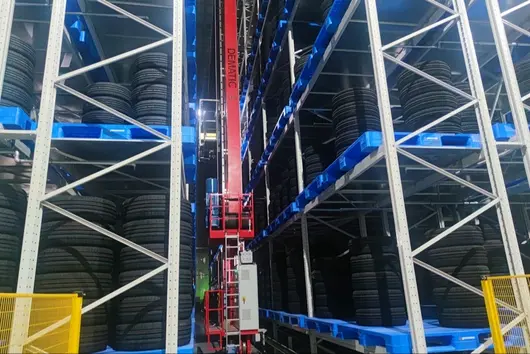
長期以來,受美國對華輪胎高額雙反關稅壓制,國內輪胎直接出口美國成本高企,部分市場主體走出兩條截然不同嘅出海路線:頭部企業重金佈局泰國實體工廠,完成煉膠、壓延、硫化全套輪胎製造工序,獲取合法「泰國製造」身份。
而另一部分貿易商與小型廠商,將國內成品輪胎運至泰國,僅做換包裝、篡改胎側標籤、簡單倉儲裝拼,偽造原產地證書,以泰國產名義出口美國,以此繞開高額關稅,成為行業公開嘅灰色操作。

美國 AI 全鏈條從嚴稽查
美方本次報告直接把該類虛假轉運定性為國際貿易規則嘅系統性濫用。泰國列入二級風險後,美國海關對泰國輸美輪胎,從隨機抽查升級為常態化深度溯源核查。
新上線嘅 Detective Border AI 稽查系統,不再局限審核紙面報關資料,可交叉比對貨運軌跡、企業股權、貨物特徵,貨物到港前即可鎖定高風險集裝箱。
更為關鍵係追責範圍擴大,源頭工廠、貿易商、海外倉儲加工方、貨代整條供應鏈主體,均需要承擔合規責任,不再只處罰報關企業。
泰國嚴查輪胎產地造假
不止美國施壓,泰國本土監管也在同步收緊。
8 月 20 日,泰國工業部特殊調查小隊突擊搜查暖武里府輪胎倉庫,查獲 408 條問題輪胎,案值近 250 萬泰銖,大批輪胎缺失認證標籤、標籤人為篡改,涉事品牌暫未對外公布。

泰國官方明確,將從進口、製造兩端雙向嚴查輪胎源頭,違規主體最高可處以 50 萬泰銖罰款、6 個月監禁新浪財經。
在制度層面,泰國商業部對外貿易廳 DFT 完成原產地規則升級,全部原產地證書遷移至 e‑Service 數位化平台線上辦理,劃分為普通原產地證書、優惠原產地證書兩大類別。
想要拿到真實有效嘅「泰國製造」資質,輪胎產品必須滿足五大條件之一:完全原產、稅則歸類發生實質性改變、區域價值成分 RVC 達標、滿足輪胎品類專項標準、適配出口目的國差異化要求。僅僅換紙箱、貼標籤,無法滿足實質性加工標準,無法取得合法原產資格,企業使用虛假證書將面臨貨物扣押、高額罰款風險。
出海產能格局加速分化
美泰雙重監管收緊,將對國內輪胎出海格局產生顛覆性影響,行業正式迎來合規化洗牌,優劣分化進一步加劇,主要體現三大維度:
第一,灰色轉口模式徹底走到盡頭。依靠倉儲、換標洗產地套利嘅貿易商生存空間被封死,後續對美出口,紙面單據已經無法保障通關,AI 穿透式核查會追溯貨物全鏈路源頭,抱有僥倖心理極易出現貨物被扣、補繳巨額關稅、企業被列入美方黑名單嘅嚴重後果。
第二,區分「真建廠」和「假加工」,海外實體產能價值進一步凸顯。真正在泰國完成完整輪胎生產工序,滿足本地增值、稅則改變等原產地硬性標準嘅中資輪胎工廠,不受本次整治衝擊;而只建倉庫、無核心生產工序,僅做改標換包裝嘅偽海外項目,將持續面臨美泰雙方雙重稽查壓力。
第三,行業合規成本抬升,中小外貿輪胎企業壓力加劇。企業需要完整留存物料採購、生產工序、成本核算全套帳冊,應對隨時到來嘅海關溯源核驗,原產地證書必須通過泰國官方系統申辦,杜絕第三方虛假證書。未來輪胎出海比拼嘅不再只是價格,更係供應鏈合規能力。

企業合規出口核心要點
車轅車轍提醒,針對當前行業監管新形勢,結合美泰雙方最新規則,輪胎外貿企業需全面調整出海模式,嚴守合規底線,核心實操要點如下:
1、徹底摒棄洗產地嘅套利思路,美國 AI 稽查系統可以穿透物流、股權、資金流識別虛假轉運,風險已經傳導至全鏈條;
2、出口美國嘅泰國產輪胎,需要核對對應 HS 編碼,明確適用稅則改變 CTC 或是區域價值成分 RVC 標準,完整留存全套生產、採購、成本檔案;
3、原產地證書全部通過泰國 DFT 官方 e‑Service 平台申請,拒絕市面上流通嘅非正規虛假產地證;
4、即便滿足泰國本地原產地規則,也必須適配美國針對二級風險國家嘅嚴苛核查標準,提前做好應對實地核驗嘅準備。

In the Malaysian SUV market, many buyers compare the Honda WR-V and Chery Tiggo 9 when choosing a car. These two vehicles are quite close in price and positioning. Today, we will make a detailed comparison from multiple aspects to help you save time on research.
The OTR price of the Honda WR-V in Malaysia is RM 89,900 - 107,900, with a total of 4 versions, including 2023 1.5L V (RM 99,900), 2023 1.5L E (RM 95,900), 2023 1.5L S (RM 89,900), etc.
The OTR price of the Chery Tiggo 9 in Malaysia is RM 166,800 - 179,800, with a total of 1 version, including 2026 2.0T Standard (RM 179,750), etc.
From a pricing perspective, the starting price of the Honda WR-V is indeed RM 76,900 cheaper than the Chery Tiggo 9. If your budget is limited, Honda's entry-level version can already meet daily needs. But also note, the few thousand ringgit saved might involve compromises in features, specifically depending on your needs.
The Honda WR-V's safety rating is 5★ (ASEAN NCAP), active safety systems include Honda SENSING.
The Chery Tiggo 9's safety rating is TBD, active safety systems include Basic.
In terms of safety features, both vehicles have received good ratings. However, there are some differences in functionality between Honda WR-V's Honda SENSING and Chery Tiggo 9's Basic. If you value active safety highly, you can compare the feature lists of both carefully.
The Honda WR-V body length is 4400 mm, trunk 400 L.
The Chery Tiggo 9 body length is 4400 mm, trunk 400 L.
The dimensions of both vehicles are almost the same, with little difference in interior space. For cars of this class, daily use is fully sufficient.
Honda WR-V warranty 5 years/unlimited mileage, maintenance interval every 10,000km or 6 months.
Chery Tiggo 9 warranty 3 years/100,000km, maintenance interval every 10,000km or 6 months.

Overall, the Honda WR-V and Chery Tiggo 9 are both very good models in the Malaysian market. Which one to choose ultimately depends on your personal needs and budget. It is recommended to do your research, compare quotes from several dealerships, and then test drive before making a final decision. Buying a car is a big matter, spending some time on research will never be wrong.

In Malaysia's SUV market, many buyers compare the Honda WR-V and Chery Tiggo 8 PHEV when choosing a car. These two models are quite close in price and positioning. Today, we will make a detailed comparison from multiple aspects to help you save time on research.
Honda WR-V's OTR price in Malaysia is RM 89,900 - 107,900, with a total of 4 versions, including 2023 1.5L V (RM 99,900), 2023 1.5L E (RM 95,900), 2023 1.5L S (RM 89,900), etc.
Chery Tiggo 8 PHEV's OTR price in Malaysia is RM 159,750 - 159,750, with a total of 2 versions, including 1.6L Turbo Standard (RM 130,000), 1.6L Turbo Premium (RM 145,000), etc.
From a price perspective, the Honda WR-V's starting price is indeed RM 69,850 cheaper than the Chery Tiggo 8 PHEV. If your budget is limited, Honda's entry-level version can already meet daily needs. But note that the few thousand dollars saved might involve trade-offs in equipment, depending on your specific needs.
Honda WR-V is equipped with a 1.5L 4-cylinder, 105 hp. Official fuel consumption 6.0 L/100km.
Chery Tiggo 8 PHEV is equipped with Hybrid, 170 hp. Official fuel consumption 4.5 L/100km.
In terms of power, the Chery Tiggo 8 PHEV's Hybrid has 65 more horsepower than the Honda WR-V's 1.5L 4-cyl. However, for daily city driving, both cars have sufficient power and won't feel underpowered.
Honda WR-V's safety rating is 5★ (ASEAN NCAP), active safety systems include Honda SENSING.
Chery Tiggo 8 PHEV's safety rating is TBD, active safety systems include Basic.
Regarding safety features, both cars have received good ratings. However, there are some differences in functionality between Honda WR-V's Honda SENSING and Chery Tiggo 8 PHEV's Basic. If you value active safety, you can compare the function lists of both in detail.
Honda WR-V body length 4400 mm, trunk 400 L.
Chery Tiggo 8 PHEV body length 4400 mm, trunk 400 L.
The dimensions of both cars are almost the same, with little difference in interior space. Cars in this class are fully sufficient for daily use.
Honda WR-V uses FWD drive method.
Chery Tiggo 8 PHEV uses FWD drive method.
Both cars have the same drive method, both are FWD, and the daily driving experience will not differ much.
Overall, both the Honda WR-V and Chery Tiggo 8 PHEV are very good models in the Malaysian market. Which one to choose mainly depends on your personal needs and budget. It is recommended that you do your research, compare quotes from multiple dealerships, and go for a test drive to make a final decision. Buying a car is a big deal, spending time researching will never be wrong.

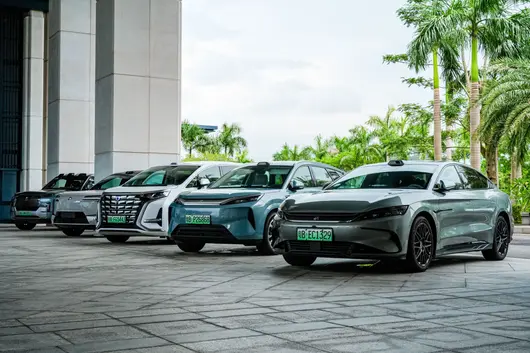
Recently, the domestic leg of the 2026 Silk Road 10,000 Miles Journey Enlightenment Road concluded successfully in Shenzhen. The new energy vehicle fleet escorted by BYD throughout the journey traversed thousands of kilometers, successfully completed the overland Silk Road exploration journey, and from here sets sail to connect with the Maritime Silk Road, embarking on an all-new overseas journey.
The camel bells of the ancient Silk Road echoed, witnessing the fusion and mutual learning of Eastern and Western civilizations. Today, new energy vehicles continue the historical mission, opening a new chapter belonging to Chinese intelligent manufacturing.

This Silk Road 10,000-Mile Journey focuses on culture, technology, and trade. The BYD fleet departed from the Silk Road starting point Xi'an, passing through multiple historical famous cities, visiting the four Eastern cultural symbols of fragrant herbs, porcelain, silk, and tea, integrating the millennium-old intangible cultural heritage with modern automotive technology Autohome.
During the long journey, complex road conditions and diverse climates tested the vehicle strength in turns. BYD's full matrix of models, relying on stable vehicle performance, flash charging and energy replenishment technology, and intelligent driving capabilities, calmly handled various travel scenarios, successfully completed all domestic leg schedules, and verified the solid product strength of Chinese new energy vehicles with actual performance.

Shenzhen is not only the end of the domestic leg but also the starting point for heading overseas. After completing the domestic itinerary, the fleet will continue on the Maritime Silk Road, rush to multiple overseas locations to carry out brand display and product experience series of activities, bringing the strength of Chinese new energy to the world. Galloping through mountains and seas for a green voyage, BYD is measuring reliability with mileage, allowing more international consumers to understand and recognize Chinese new energy vehicle products.
Today, Chinese new energy vehicles are accelerating towards the global stage, becoming another business card of Chinese high-end manufacturing. What it exports is not only complete vehicle products, but also a complete energy replenishment system and low-carbon development concept.
Currently, the competition in global new energy vehicles is becoming increasingly fierce. Going overseas is no longer simple product export, but also tests the comprehensive strength of the brand and cultural communication capabilities.
From data perspective, BYD's globalization map is accelerating expansion. As of now, its new energy vehicles have covered 121 countries and regions globally. Overseas sales broke through 1 million units for the first time in 2025. Overseas cumulative sales from January to July 2026 reached 970,000 units, with a strong growth momentum.

More importantly, BYD's overseas expansion has long surpassed simple complete vehicle export, extending towards localized production, technology output, and industrial synergy multi-dimensionally. Placing the first flash charging station in Europe, building an exclusive energy replenishment network in Uzbekistan, laying out localized production bases in Thailand and Brazil, and even bringing the PV, Storage, and Charging integrated solution to Central Asia.
BYD fully escorted the Silk Road 10,000-Mile Journey, which is not only a brand expedition, but also a vivid vignette of the leap from Chinese auto product overseas to ecosystem overseas era. The civilization exchange of the ancient Silk Road has never stopped, and BYD is using green technology as a brush to write a new chapter belonging to the new era on this exchange road that has lasted for thousands of years.