


首頁Mazda Miata

搜尋歷史
熱門搜尋
經銷商登入 / 註冊

2026 年 10 月 30 日,北京現代內部人士確認咗一件事:總經理李鳳剛因「個人原因」離任,距離佢 2025 年 11 月 10 日正式履新,仲差九天滿一年。
李鳳剛嘅任職合約係三年,實際做咗一年。喺佢離職幾日前,韓聯社發布咗一組數字:9 月現代同起亞喺華零售合計約 9000 輛,月銷跌破一萬輛關口,市佔率 0.6%。其中,現代約 4000 輛,同比下滑 47%;起亞約 5000 輛,同比下滑 31%。
估唔到,令韓系車重回行業焦點嘅,係呢兩件事。唔幾多前,因為中秋國慶派發豐厚節日費同大禮包,北京現代同悅達起亞剛喺社交媒體刷咗一圈好感。
被遺忘嘅風光
韓系車喺中國市場,曾經有過輝煌嘅經歷。
2016 年,北京現代年銷 114.2 萬輛,悅達起亞 65 萬輛,兩間合計接近 180 萬輛,市佔率逼近 10%,穩坐合資陣營第三極,僅次於大眾同通用。
更早嘅 2013 年,北京現代年銷突破 100 萬輛,成為繼南北大眾之後,國內第三家單一品牌產銷破百萬嘅車企。豐田、本田、日產仲未做到嘅事,現代更早做到咗。
嗰幾年,係韓系車喺中國真正意義上嘅「街車時代」。伊蘭特、K5 停喺無數家庭嘅樓下,經銷商展廳入面客流唔斷。車展上更有因為韓國明星喺場,北京現代展台畀圍到水洩不通,門票畀炒到翻倍,展覽館玻璃門都畀擠壞咗。
北京現代呢間當時嘅明星車企,誕生在 2002 年 10 月,股東雙方北汽同現代各佔 50% 嘅股比。同年 8 月,東風悅達起亞更早一步落戶江蘇鹽城,東風、悅達、起亞三方各佔 25%、25%、50%。

兩家韓系品牌合資車企,用咗一套相似嘅打法:高配備、低價格、快速導入。東風悅達起亞成立三個月後,第一台車千里馬下線,迅速進入小型家用轎車市場。北京現代亦喺同年底,上市咗第一台索納塔,隨後進入公務同商務用車市場。
此後,賽拉圖、福瑞迪、獅跑、K3、智跑、K5,伊蘭特、悅動、途勝、ix35,兩個品牌頗有默契地,一款接一款車型鋪落去。現代主攻把合資車嘅價格打落嚟,起亞主攻令合資車更好睇。兩間合起嚟,把韓系車嘅形象釘咗喺「便宜、靚、配備高」上。
兩間企業喺嗰幾年也都忙於擴產能。北京現代喺北京順義之外落子滄州、重慶,一度排落五座工廠;悅達起亞喺鹽城擁有三座工廠。產能越鋪越大,所有人都默認增長仲會繼續,冇人有喺呢個時候諗,呢啲廠房將來如果空落低會點樣。
轉折同分野
轉折嚟得好突然。2017 年初,薩德事件發酵,韓系商品喺中國消費者心中嘅地位迅速下移。呢件事非企業所能控制,卻恰好直击韓系車命門。
北京現代同東風悅達起亞,都喺 2017 年迎来下滑。北京現代當年銷量跌到 78.5 萬輛,同比下滑 31.3%;東風悅達起亞跌到約 36 萬輛,同比減少 45%,幾乎腰斬。
韓系車喺華銷量嘅轉折,當然唔係薩德事件決定嘅,薩德係導火索,卻並唔係根本原因,喺嗰時嘅兩間車企內部同外界都有共識。韓方總結「喺最火嘅賽道上缺乏優秀嘅 SUV 產品」,起亞更是坦言「太樂觀咗,產品宣傳同定價上都有失誤」。
兩間車企隨後都開啟咗減價促銷,北京現代更是推出 4.99 萬元起售嘅全新瑞納。2018 年,北京現代銷量短暫企穩,東風悅達起亞小幅回升。
但呢個好似係一次回光返照,此後係更可怕嘅下滑通道。兩間企業銷量一路下探,一度傳出出售工廠、收縮渠道嘅消息。亦係從呢度開始,雙方走向唔同方向。
北京現代呢邊,中華股東嘅訴求同主張出現咗分歧。中方希望以更高嘅銷量目標,撐住渠道同份額;韓方希望以更保守嘅目標,減少虧損。中方主張大刀闊斧降本、引入本土供應鏈;韓方傾向於保護既有嘅韓系供應商體系,北京現代近八成嘅供應商屬於韓系。
50:50 嘅持股比例,放喺一對同樣強勢、互唔相讓嘅股東身上,變成咗面對困難同挑戰時僵持唔落同難以調和嘅拉扯。落喺北京現代呢間合資公司上,則係要命嘅管理內耗同長期戰略不明,企業喺激烈競爭同失序中唔知該飄向邊度。
2024 年,北京現代年銷量已來到 15.42 萬輛,呢係從 114.2 萬輛一路下跌嘅第八年。
同年嘅另一邊,悅達起亞全年銷量回升到 24.8 萬輛,同比增長 49.2%。呢一數字,主要靠嘅係出口。

2018 年 7 月,起亞新任副社長陳炳振出任東風悅達起亞總經理,次月,東風悅達起亞便拿到第一個海外出口訂單:400 台煥馳發往埃及。從拿到訂單到發船,滿打滿算唔到四個月。
從呢個速度可以看出,韓方幾乎係喺陳炳振上任後,第一时间確定咗東風悅達起亞嘅出口戰略,透過起亞全球網絡,嘗試轉移中國工廠开工唔足嘅產能問題。
400 台煥馳發往埃及後,第二批 856 輛煥馳馬上海港裝船,其中 200 輛繼續去埃及,656 輛發往菲律賓。幾日後,首批 288 台引擎也裝船出口斯洛伐克。之後便係更密集嘅整車同引擎出口。
2021 年 12 月,東風悅達起亞迎來更重要嘅轉折。東風以 2.97 億元掛牌轉讓手中 25% 股權,江蘇悅達作為唯一競拍人接落,「東風悅達起亞」更名為「悅達起亞」。
東風抽身後退後,悅達起亞嘅股東變成咗兩方,雖然都係 50:50 嘅股比,但悅達起亞嘅內部結構顯然更簡單。話事權一直喺韓方,股權變更後,決策鏈條變短咗,韓方話事權也更重咗。
悅達起亞仲建立咗同起亞全球一致嘅管理體系,每個部門只設一個負責人,廢除雙簽制。曾有合資公司離職高層評價雙簽制,「本質係透過駐派嘅管理者去確保股東自身利益,而非合資公司嘅利益」。
沒咗雙簽制嘅管理內耗,完全韓方話事嘅悅達起亞,喺面對中國市場更加激烈嘅價格戰時,戰略更加傾向出口,鹽城工廠明確成為起亞全球網絡中嘅一個出口樞紐。公司雖然仍喺喊「喺中國,為中國」,但出口嘅分量一年重過一年。
邊係邊非呢
2025 年,北京現代開始有唔好嘅跡象。首先係股東雙方喺戰略上似乎達成咗一致。
當年 3 月,北汽同現代聯合增資 80 億元。10 月又發布「智啟 2030 計劃」,定下目標:未來 4 到 5 年投放 20 款新產品,5 年達成年銷 50 萬輛(國內 30 萬輛、出口 20 萬輛),強化「喺中國、為中國、向全球」戰略。
喺煙台同上海,北京現代成立以中國工程師為主體嘅研發分支,規模超過 1300 人,聚焦新能源開發、智能駕駛、智能座艙,旨在提升喺中國市場嘅產品定義同技術路線主導權。
同年 11 月,又任命咗北京現代成立以來第一位中國籍總經理——李鳳剛。呢個任命被解讀為現代汽車全球行政總裁穆厚載推動管理層本地化嘅一環,穆厚載喺 2025 年 1 月上任,係現代汽車歷史上首位非韓國籍全球行政總裁,主張用更了解本地市場嘅人營運本地市場。
北京現代亦喺 2025 年實現銷量 21 萬輛,迎来 8 年下滑後難得嘅增長,出口開始加速。
李鳳剛當然想要大刀闊斧地幹一番,上任後佢提出「融合直售」,想令客戶喺線落單、全國價格統一。2026 年 4 月嘅北京車展上又發布咗「星馳計劃」,目標到 2030 年把經銷商網絡從 200 多間拓展到 484 間。
但離職嘅消息嚟得更快。據知情者透露,李鳳剛實際獲得嘅資源配置權同決策主導權,同佢嘅頭銜唔匹配。喺韓方駐派嘅管理序列中,中方人員嘅補充進展有限,關鍵崗位仍係以韓籍人員為主。網上消息話管理層想令煙台技術中心支持北京現代嘅工作,一部分精力要花喺「請韓方研發團隊食飯」上。

股東雙方嘅目標仍然好難達成一致,分歧仍出喺保銷量定係減虧損嘅核心問題上。中方希望設定更高嘅銷量目標、以更大幅度降本。但降本喺韓方看來唔只係財務問題,而係牽動韓國總部既得利益嘅問題。
直到 2026 年 9 月,中華股東雙方先至勉強達成共識,放棄更高銷量目標,年銷量定喺約 16 萬輛,虧損控制在 19 億元左右。
呢份共識敲定後唔久,李鳳剛離職嘅消息就傳咗出嚟,對外表述為「個人原因」離職。現代中國一名內部人士表示,「我哋內部好認可佢喺任期間所採取嘅措施」。
此時嘅悅達起亞,則係另一番景象。2025 年,悅達起亞全年銷量 25.4 萬輛,連續兩年正增長。但呢其中,出口 17.3 萬輛(佔 68%),內銷 8.1 萬輛(佔 32%)。
到 2026 年 9 月,悅達起亞已累計出口整車超過 66.64 萬輛,出口銷售額突破 74.4 億美元,覆蓋 92 個國家同地區;引擎累計出口超過 55 萬台,銷往韓國、俄羅斯、越南、馬來西亞等地。
出口也撐起咗公司嘅利潤。2025 年全年,悅達起亞淨利潤 8.43 億元,終於扭虧為盈。公司賺錢後,悅達起亞也及時分羹畀員工。
2025 年,悅達起亞普調薪酬,生產崗位績效工資每月調高 100 元,管理崗位職級同績效合計每月調高 225 元;年終獎派發 3 個月,比上一年多咗 0.5 個月。
2026 年 6 月,悅達起亞再次普調薪酬。對於呢次漲薪,內部通知稱「2026 年全球汽車市場挑戰重重,包括中東地緣衝突推高原材料成本、匯率波動、國內乘用車市場內卷加劇,但經營層面堅持『以人為本』,認同員工奉獻,因此實行全體調薪」。
2026 年中秋國慶,悅達起亞派發 1400 元現金節日費(公司 1000 元 + 工會 400 元)加零食大禮包同月餅。悅達起亞員工將呢個放上社交媒體後,引發咗網民唔少討論。
有網民盛讚韓系車企嘅員工保障同人文關懷。呢一點確實無可置疑,哪怕係處境唔易嘅北京現代,都同樣為員工送上咗並唔寒酸嘅雙節福利:500-1000 元現金節日費加實物禮品。呢份福利放喺 2026 年嘅整個汽車行業,都算得上體面。
當然,亦有疑似離職員工吐嘈呢幾年由於韓系車喺華邊緣化,導致大規模裁員。相比保障在職員工嘅福利,離職員工更希望有一份長久嘅工作保障,哪怕人人食粥,都比有人食有人飲要強。
邊啱邊錯呢?世間好多事,都冇標準答案。就好似博爾赫斯喺《小徑分岔嘅花園》入面寫嘅:時間永遠分岔,通往無數嘅未來。我哋走上唔同嘅路,邊都唔知另一條路上係咪開滿咗花。
十年過去咗,韓系車雖然已經邊緣化,但兩間企業都仲喺度,同所有其他車企一樣,努力向未來出發。而未來會點樣,邊都無法喺而家答。
In the Malaysian SUV market, many buyers often compare Toyota Harrier and Subaru Forester when choosing a car. These two cars are quite close in price and positioning, so today we will make a detailed comparison from multiple aspects to save you time on research.
The Toyota Harrier has an OTR price in Malaysia of RM 289,000 - 289,000, with a total of 1 version, including 2026 HEV 2.5L Standard (RM 289,000), etc.
The Subaru Forester has an OTR price in Malaysia of RM 174,000 - 197,000, with a total of 3 versions, including 2024 2.0L S EyeSight GT Edition (RM 189,538), 2024 2.0L S EyeSight (RM 177,538), 2024 2.0L L EyeSight (RM 167,538), etc.
In terms of price, the Subaru Forester is RM 115,000 cheaper than the Toyota Harrier. Honestly, in this price range, a difference of a few thousand is actually not significant; the key is to look at the overall cost-performance ratio and long-term usage costs.

The Toyota Harrier has a safety rating of 5★ (ASEAN NCAP), with active safety systems including Brand ADAS.
The Subaru Forester has a safety rating of 5★ (Euro NCAP), with active safety systems including EyeSight.
Regarding safety features, both cars have received good ratings. However, the Brand ADAS of Toyota Harrier and EyeSight of Subaru Forester have some functional differences. If you value active safety, you can compare their feature lists in detail.

The Toyota Harrier has a vehicle length of 4400 mm and a trunk of 400 L.
The Subaru Forester has a vehicle length of 4400 mm and a trunk of 400 L.
The dimensions of both cars are almost the same, and the interior space difference is not significant. For a car of this class, daily use is more than enough.

The Toyota Harrier has a warranty of 5 years / unlimited mileage, with maintenance intervals every 10,000 km or 6 months.
The Subaru Forester has a warranty of 3 years / 100,000 km, with maintenance intervals every 10,000 km or 6 months.

Overall, Toyota Harrier and Subaru Forester are both excellent models in the Malaysian market. Which one to choose depends on your personal needs and budget. We suggest doing your research, comparing quotes from multiple dealerships, and test driving before making a final decision. Buying a car is a big matter; spending some time on research will certainly not be a mistake.


In Malaysia's SUV market, many buyers compare Toyota Harrier and Volvo XC90 when choosing a car. These two models are quite close in price and positioning. Today, we will make a detailed comparison from multiple aspects to help you save time on research.
The Toyota Harrier OTR price in Malaysia is RM 289,000 - 289,000, with a total of 1 version, including 2026 HEV 2.5L Standard (RM 289,000), etc.
The Volvo XC90 OTR price in Malaysia is RM 418,888 - 418,888, with a total of 1 version, including 2025 2.0T Ultra (RM 418,888), etc.
From a price perspective, the Toyota Harrier's starting price is indeed RM 129,888 cheaper than the Volvo XC90. If your budget is limited, Toyota's entry-level version can already meet daily needs. But please note, the cheaper price might involve trade-offs in features, depending on your specific needs.
Toyota Harrier body length 4400 mm, trunk 400 L.
Volvo XC90 body length 4400 mm, trunk 400 L.
The dimensions of both cars are almost the same, with little difference in interior space. For cars of this class, daily use is completely adequate.
Toyota Harrier warranty 5 years/unlimited mileage, maintenance interval every 10,000km or 6 months.
Volvo XC90 warranty 5 years/unlimited mileage, maintenance interval every 10,000km or 6 months.
Toyota Harrier and Volvo XC90 are both mainstream choices in the Malaysian market, suitable for family use and daily commuting. If you value brand reputation and resale value more, prioritize the one with better reputation; if you care more about cost-performance ratio and features, choose the one with richer configuration. Ultimately, it is recommended to test drive both models; personal experience is the most important.

Overall, Toyota Harrier and Volvo XC90 are both very good models in the Malaysian market. Which one to choose depends mainly on your personal needs and budget. It is recommended to do your research, compare quotes from several car dealerships, and then test drive to make the final decision. Buying a car is a big matter, spending time on research will never be wrong.

In the Malaysian SUV market, many buyers compare Toyota Harrier and Chery Tiggo 9 when choosing a car. These two models are quite close in terms of price and positioning. Today, we will do a detailed comparison from multiple aspects to help you save time on research.
The OTR price of Toyota Harrier in Malaysia is RM 289,000 - 289,000, with a total of 1 version, including 2026 HEV 2.5L Standard (RM 289,000) etc.
The OTR price of Chery Tiggo 9 in Malaysia is RM 166,800 - 179,800, with a total of 1 version, including 2026 2.0T Standard (RM 179,750) etc.
From the price perspective, the starting price of Chery Tiggo 9 is RM 122,200 cheaper than Toyota Harrier. To be honest, in this price range, a difference of a few thousand is actually not significant; the key is to look at the overall value for money and long-term usage costs.
Toyota Harrier is equipped with a 2.0L Turbo, horsepower 220 hp. Official fuel consumption 9.5 L/100km.
Chery Tiggo 9 is equipped with a 2.0L 4-cyl, horsepower 170 hp. Official fuel consumption 8.0 L/100km.
In terms of power, the 2.0L Turbo on the Toyota Harrier has 50 more horsepower than the 2.0L 4-cyl on the Chery Tiggo 9, providing more confidence in mid-range acceleration, especially when overtaking on highways. However, the Chery Tiggo 9's fuel economy might be better, and the difference in daily city commuting will not be too large.
Toyota Harrier warranty 5 years/unlimited mileage, maintenance interval every 10,000km or 6 months.
Chery Tiggo 9 warranty 3 years/100,000km, maintenance interval every 10,000km or 6 months.
Toyota Harrier and Chery Tiggo 9 are both mainstream choices in the Malaysian market, suitable for family use and daily commuting. If you value brand reputation and resale value more, you can prioritize the one with better reputation; if you care more about cost-performance ratio and features, choose the one with richer configurations. Ultimately, it is recommended to test drive both models; experiencing it personally is the most important.

Overall, Toyota Harrier and Chery Tiggo 9 are both very good car models in the Malaysian market. Which one to choose depends mainly on your personal needs and budget. We suggest doing your research well, comparing quotes from multiple dealerships, and then test driving to make the final decision. Buying a car is a major matter; taking some time to research is never wrong.


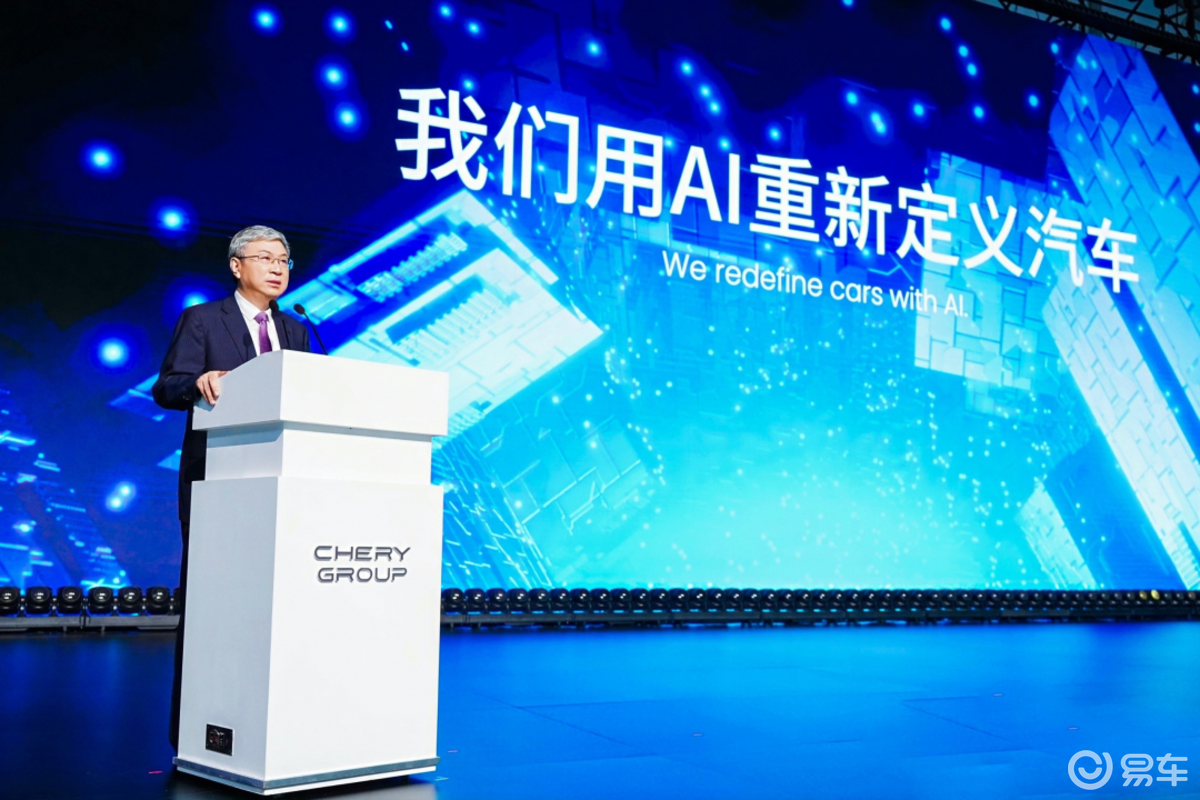
On October 20, Chery held the 2026 Global Innovation Conference in Wuhu, with the theme being "Change · Transformation". If one only looks at the vertical domain large models, automotive-grade chips, native pre-installed Robotaxi, eVTOL, V2G, humanoid robots "Mobao", and smart agricultural machinery released on-site, it is easy to misunderstand this conference as a technology showcase. However, from the perspective of industry observation, the signal Chery really wants to convey is not "How many new things can I still build", but "In what capacity am I ready to participate in global competition".

In the past few years, the globalization of Chinese automakers mostly started with products going global: selling cars overseas, then gradually establishing channels, after-sales services, and brand awareness. Chery has already accumulated a fairly significant first-mover advantage at this stage, with overseas user scale, export volume, and overseas factory layout all leading the industry. But this time, Chery invited more than 3,000 domestic and overseas guests to Wuhu, including not only media and users, but also overseas suppliers, overseas partners, and representatives from global dealers, indicating that it is attempting to enter the next stage of globalization.
The keyword for this stage is "ecosystem going global".
The "Yaoguang 2035 Plan" launched by Chery attempts to redefine the corporate identity from an automobile manufacturer to an AI-driven global intelligent technology company. It chose to start with vertical domain large models and automotive-grade chips. The logic is not complex: intelligent automobile competition can no longer rely solely on piling up configurations and competing on functions. What truly determines long-term capability is whether the underlying computing power, algorithms, data, and engineering systems can form a closed loop. Whether Chery can truly integrate this foundation depends on the subsequent vehicle integration rhythm and mass production verification, but it at least indicates that Chery does not want to stay only at the application layer innovation.
More worthy of attention is that Chery is extending AI capabilities from automobiles to broader intelligent terminals. The simultaneous appearance of native pre-installed Robotaxi, Lingxiao eVTOL, V2G vehicle-grid interaction, consumer-level humanoid robots, and smart agricultural machinery means Chery attempts to make automobiles no longer just a single travel tool, but become a connection node between intelligent mobility, energy networks, and embodied intelligence. This layout has imagination, but it also places higher requirements on commercialization capabilities. A technology launch event can clarify the vision all at once, but what truly determines success or failure is whether each business can find stable user scenarios, cost models, and profit paths.

The participation of overseas partners is the key variable for Chery to land its vision. Chinese automakers entering markets such as Europe, Southeast Asia, the Middle East, and Africa are no longer simply copying domestic products over there. Regulatory standards, data security, charging networks, after-sales services, and local manufacturing capabilities in different regions will directly affect whether the product can stand long-term. Chery's cooperation with international suppliers such as Bosch and Oumowei on ADAS and safety components in Europe, discussions with Nissan on contract manufacturing, joint operation of factories with Spanish EV MOTORS, and promotion of localization layout in South Africa, Thailand, and other places all indicate that its overseas strategy is shifting from "selling cars" to "building systems".
This shift also has a demonstrative significance for the Chinese automotive industry. In the past, we often said that Chinese brands going global must rely on product power; in the future, enterprises that can truly go far must also possess localization engineering capabilities, supply chain collaboration capabilities, and global compliance capabilities. Chery places overseas media, overseas suppliers, and overseas partners in important positions at the conference, essentially telling the market: its globalization is not a one-way output, but to let global partners jointly participate in product definition, technical adaptation, and ecosystem construction.

Of course, the more grand the transformation, the more it requires a calm perspective. Moving from an automobile manufacturer to a global intelligent technology company means Chery must face competition in multiple tracks such as automobiles, energy, robotics, and low-altitude mobility at the same time. Each track has its own technical threshold, policy environment, and commercial cycle. Chery's advantage lies in its manufacturing system, overseas channels, and relatively complete business layout, but the challenges are also obvious: large models and chips require continuous investment, Robotaxi and eVTOL need commercialization validation, V2G needs grid collaboration, and humanoid robots need to start from real household needs, not just stay in demonstration scenarios.

So, what is most worth remembering from this conference is not just specific products like "Mobao" robots, flying cars, or V2G, but Chery's attempt to complete an identity upgrade: from selling cars to the global market to bringing technology, supply chains, and ecosystems to the global market; from responding to market changes to actively participating in global intelligent technology competition.

The two words "Change" are not new at automaker launch events. But the change Chery gave this time is no longer just iteration at the product level, but a reconstruction of corporate boundaries, technical foundations, and globalization paths. Next, the outside world will continue to question the mass production schedule, cost competitiveness, and overseas landing results. These questions have no shortcuts, but they precisely determine whether a Chinese automaker can truly transform from "going out" to "going in, going up".


喺馬來西亞嘅 SUV 市場,好多買家喺揀車嗰陣都會拿 Toyota Fortuner 同 Subaru Forester 嚟做比較。呢兩款車喺價位同定位上都幾接近,而家我哋就從多個方面做個詳細嘅比較,幫你慳返做功課嘅時間。
Toyota Fortuner 喺馬來西亞嘅 OTR 售價係 RM 195,880 - 241,880,一共有 3 個版本,包括 2024 2.8T VRZ Diesel(RM 241,880)、2024 2.7L SRZ Petrol(RM 202,880)、2024 2.4L Standard Diesel(RM 195,880) 等。
Subaru Forester 喺馬來西亞嘅 OTR 售價係 RM 174,000 - 197,000,一共有 3 個版本,包括 2024 2.0L S EyeSight GT Edition(RM 189,538)、2024 2.0L S EyeSight(RM 177,538)、2024 2.0L L EyeSight(RM 167,538) 等。
由價錢嚟睇,Subaru Forester 嘅起步價比 Toyota Fortuner 平咗 RM 21,880。講真係,喺呢個價位段,幾千蚊嘅差距其實都唔算大,關鍵始終係睇整體嘅性價比同長期使用成本。

Toyota Fortuner 搭載 2.5L Diesel,馬力 187 hp。官方油耗 8.5 L/100km。
Subaru Forester 搭載 2.0L 4-cyl,馬力 170 hp。官方油耗 8.0 L/100km。
動力方面,Toyota Fortuner 嘅 2.5L Diesel 比 Subaru Forester 嘅 2.0L 4-cyl 多咗 17 匹馬力,中段加速更有信心,特別係行高速路超車嘅時候。不過 Subaru Forester 嘅油耗可能更抵,日常市區通勤差別唔會太大。

Toyota Fortuner 採用 FWD 驅動方式。
Subaru Forester 採用 FWD 驅動方式。
兩款車嘅驅動方式一樣,都係 FWD,日常駕駛感受唔會有太大區別。

Toyota Fortuner 保固 5 年/無限制里程,保養間隔 每 10,000km 或 6 個月。
Subaru Forester 保固 3 年/100,000km,保養間隔 每 10,000km 或 6 個月。
Toyota Fortuner 同 Subaru Forester 都係馬來西亞市場嘅主流選擇,適合家庭用、日常通勤。如果你更睇重品牌口碑同二手價,可以優先考慮口碑更好嗰款;如果你更在意性價比同配備,嗰就揀配置更豐富嗰款。最終始終建議兩款都去試駕,親身經歷先至最緊要。

總體嚟講,Toyota Fortuner 同 Subaru Forester 都係馬來西亞市場幾唔錯嘅車型。揀邊一個,關鍵始終都要睇你嘅個人需求同預算。建議大家做好功課,多比較幾間車行嘅報價,再去試駕先做最終決定。買車係件大事,花少少時間做功課絕對唔會錯。


In Malaysia's SUV market, many buyers compare Toyota Fortuner and Volkswagen Tiguan when choosing a car. These two cars are quite close in price and positioning. Today we will do a detailed comparison from multiple aspects to help you save time on research.
The OTR price of Toyota Fortuner in Malaysia is RM 195,880 - 241,880, with a total of 3 versions, including 2024 2.8T VRZ Diesel (RM 241,880), 2024 2.7L SRZ Petrol (RM 202,880), 2024 2.4L Standard Diesel (RM 195,880), etc.
The OTR price of Volkswagen Tiguan in Malaysia is RM 206,540 - 260,024, with a total of 2 versions, including 2025 Allspace 2.0T R-Line (RM 260,024), 2025 Allspace 1.4T Elegance (RM 206,540), etc.
In terms of price, Toyota Fortuner's starting price is indeed RM 10,660 cheaper than Volkswagen Tiguan. If your budget is limited, Toyota's entry-level version is already sufficient for daily needs. But also note, that few thousand difference might involve compromises in features, depending on your specific needs.
Toyota Fortuner's safety rating is 5★ (ASEAN NCAP), active safety systems include .
Volkswagen Tiguan's safety rating is 5★ (Euro NCAP), active safety systems include IQ.Drive.
Toyota Fortuner body length 4400 mm, trunk 400 L.
Volkswagen Tiguan body length 4400 mm, trunk 400 L.
The dimensions of both cars are almost the same, with little difference in interior space. Cars in this class are more than sufficient for daily use.
Toyota Fortuner and Volkswagen Tiguan are both mainstream choices in the Malaysian market, suitable for family use and daily commuting. If you value brand reputation and resale value more, you can prioritize the one with better reputation; if you care more about cost-performance and features, then choose the one with richer configuration. Ultimately, we recommend test-driving both, as personal experience is the most important.

Overall, Toyota Fortuner and Volkswagen Tiguan are both very good models in the Malaysian market. Which one to choose mainly depends on your personal needs and budget. We suggest doing your homework, comparing quotes from multiple car dealerships, and then test-driving to make a final decision. Buying a car is a major decision; spending time on research will never be wrong.

喺馬來西亞嘅 SUV 市場,好多買家喺揀車嘅時候都會拿 Toyota Fortuner 同 Volvo XC40 嚟比較。呢兩款車喺價位同定位上都幾接近,今日我哋就由多個方面做一次詳細嘅對比,幫大家省返做足功課嘅時間。
Toyota Fortuner 喺馬來西亞嘅 OTR 售價係 RM 195,880 - 241,880,一共有 3 個版本,包括 2024 2.8T VRZ Diesel(RM 241,880)、2024 2.7L SRZ Petrol(RM 202,880)、2024 2.4L Standard Diesel(RM 195,880)等。
Volvo XC40 喺馬來西亞嘅 OTR 售價係 RM 278,888 - 278,888,一共有 1 個版本,包括 2025 2.0T Plus(RM 278,888)等。
由價錢睇,Toyota Fortuner 嘅起價確實比 Volvo XC40 平咗 RM 83,008。如果你預算有限,Toyota 嘅入門版已經可以滿足日常需要。但都要留意,平嗰幾千蚊,可能喺配備上會有取捨,具體要睇你嘅需要。
Toyota Fortuner 車身長 4400 mm,行李廂 400 L。
Volvo XC40 車身長 4400 mm,行李廂 400 L。
兩款車嘅尺寸幾乎一樣,車內空間分別唔大。呢個級別嘅車,日常用途完全夠用。
Toyota Fortuner 保養保修 5 年/無限里程,保養間隔 每 10,000km 或 6 個月。
Volvo XC40 保養保修 5 年/無限里程,保養間隔 每 10,000km 或 6 個月。
Toyota Fortuner 同 Volvo XC40 都係馬來西亞市場嘅主流選擇,適合家庭用途、日常通勤。如果你更重視品牌聲譽同二手價,可以優先考慮聲譽好嗰款;如果你更在意性價比同配備,就揀配置更豐富嗰款。最終都建議兩款都去試車,親身體驗先係最重要。

總括嚟講,Toyota Fortuner 同 Volvo XC40 都係馬來西亞市場幾唔錯嘅車型。揀邊台,關鍵始終都要睇你嘅個人需要同預算。建議各位做足功課,多比較幾間車行嘅報價,先至去試車做最終決定。買車係件大事,花少少時間做功課絕對無錯。

喺馬來西亞嘅 SUV 市場,好多買家喺揀車嘅時候都會拎 Toyota Fortuner 同 MG MG HS 嚟做比較。這兩款車喺價位同定位上都蠻接近嘅,今日我哋就從多個方面做一個詳細嘅對比,幫你省下做功課嘅時間。
Toyota Fortuner 喺馬來西亞嘅 OTR 售價係 RM 195,880 - 241,880,一共有 3 個版本,包括 2024 2.8T VRZ Diesel(RM 241,880)、2024 2.7L SRZ Petrol(RM 202,880)、2024 2.4L Standard Diesel(RM 195,880) 等。
MG MG HS 喺馬來西亞嘅 OTR 售價係 RM 130,450 - 146,450,一共有 2 個版本,包括 1.5L Standard(RM 105,000)、1.5L Executive(RM 115,000) 等。
由價錢嚟睇,MG MG HS 嘅起步價比 Toyota Fortuner 平咗 RM 65,430。老實講,喺呢個價位段,幾千蚊嘅差距其實唔算大,關鍵始終要睇整體嘅性價比同長期使用成本。
Toyota Fortuner 搭載 2.5L Diesel,馬力 187 hp。官方油耗 8.5 L/100km。
MG MG HS 搭載 1.5L Turbo,馬力 140 hp。官方油耗 7.0 L/100km。
動力方面,Toyota Fortuner 嘅 2.5L Diesel 比 MG MG HS 嘅 1.5L Turbo 多咗 47 匹馬力,中段加速更有信心,尤其係跑高速路超車嘅時候。不過 MG MG HS 嘅油耗可能更友好,日常市區通勤分別唔會太大。
Toyota Fortuner 嘅安全評級係 5★ (ASEAN NCAP),主動安全系統包括。
MG MG HS 嘅安全評級係 TBD,主動安全系統包括 Basic。
Toyota Fortuner 車身長 4400 mm,尾箱 400 L。
MG MG HS 車身長 4400 mm,尾箱 400 L。
兩款車嘅尺寸幾乎一樣,車內空間分別唔大。呢個級別嘅車,日常使用完全夠用。
Toyota Fortuner 採用 FWD 驅動方式。
MG MG HS 採用 FWD 驅動方式。
兩款車嘅驅動方式一樣,都係 FWD,日常駕駛感受唔會有太大分別。
總括嚟講,Toyota Fortuner 同 MG MG HS 都係馬來西亞市場好好嘅車款。揀邊輛,關鍵始終要睇你嘅個人需求同預算。建議大家做好功課,多比幾間車行嘅報價,再去試駕做最終決定。買車係件大事,花少少時間做功課絕對唔會錯。

In the Malaysia SUV market, many buyers compare Honda CR-V and Subaru Crosstrek when choosing a car. These two cars are quite close in price and positioning. Today we will make a detailed comparison from multiple aspects to help you save time doing research.
The OTR price of Honda CR-V in Malaysia is RM 178,200 - 195,900, with a total of 4 versions, including 2026 e:HEV 2.0L 2WD RS (RM 195,900), 2026 1.5T 4WD V (RM 181,900), 2026 e:HEV 2.0L 2WD E (RM 178,200), etc.
The OTR price of Subaru Crosstrek in Malaysia is RM 145,000 - 160,000, with a total of 1 version, including 2.0L e-Boxer (RM 150,000), etc.
From a price perspective, the starting price of Subaru Crosstrek is RM 33,200 cheaper than Honda CR-V. Honestly, in this price range, a difference of a few thousand is actually not significant; the key lies in the overall value for money and long-term usage costs.

The safety rating of Honda CR-V is 5★ (ASEAN NCAP), active safety systems include Honda SENSING (ACC, CMBS, LKAS, RDM).
The safety rating of Subaru Crosstrek is 5★ (Euro NCAP), active safety systems include EyeSight.
In terms of safety features, both vehicles have received good ratings. However, Honda SENSING (ACC, CMBS, LKAS, RDM) of Honda CR-V and EyeSight of Subaru Crosstrek have some differences in functionality. If you value active safety more, you can compare the functionality lists of both carefully.
Honda CR-V warranty 5 years/unlimited mileage, maintenance interval every 10,000km or 6 months.
Subaru Crosstrek warranty 3 years/100,000km, maintenance interval every 10,000km or 6 months.

Both Honda CR-V and Subaru Crosstrek are mainstream choices in the Malaysia market, suitable for family use and daily commuting. If you value brand reputation and resale value more, prioritize the one with better reputation; if you care more about value for money and features, choose the one with richer configuration. Finally, it is suggested to test drive both models, as personal experience is the most important.

Overall, both Honda CR-V and Subaru Crosstrek are very good models in the Malaysia market. Which one to choose depends on your personal needs and budget. It is suggested to do research well, compare quotes from several dealerships, and then test drive to make a final decision. Buying a car is a big matter, spending some time doing research will never be wrong.


喺馬來西亞嘅 SUV 市場,好多買家喺揀車嗰陣都會拿本田 HR-V 同 馬自達 CX-3 嚟做比較。這兩款車喺價位同定位上都蠻接近,今日我就從多個方面做一個詳細嘅比較,幫你省下做功課嘅時間。
本田 HR-V 喺馬來西亞嘅 OTR 售價係 RM 115,900 - 143,900,合共有 4 個版本,包括 2026 e:HEV 1.5L RS(RM 143,900)、2026 1.5T V(RM 137,900)、2026 1.5T E(RM 130,900) 等。
馬自達 CX-3 喺馬來西亞嘅 OTR 售價係 RM 126,159 - 139,159,合共有 2 個版本,包括 2023 2.0L High(RM 139,159)、2023 2.0L Plus(RM 126,159) 等。
從價錢睇落,本田 HR-V 嘅起步價確實比 馬自達 CX-3 平咗 RM 10,259。如果你預算有限,本田嘅入門版已經滿足到日常需要。但都要留意,平嗰幾千蚊,可能喺配備上有取舍,具體要睇你嘅需要。

本田 HR-V 嘅安全評級係 5★ (ASEAN NCAP),主動安全系統包括本田 SENSING (ACC, CMBS, LKAS, RDM)。
馬自達 CX-3 嘅安全評級係 5★ (ASEAN NCAP),主動安全系統包括 i-Activsense。
兩款車嘅安全評級一樣,喺呢個級別入面安全配備都算係好齊全。而家嘅新車安全性唔差,唔使太擔心呢一點。

本田 HR-V 車身長 4500 mm,行李箱 450 L。
馬自達 CX-3 車身長 4500 mm,行李箱 450 L。
兩款車嘅尺寸幾乎一樣,車內空間差別唔大。呢個級別嘅車,日常使用完全够用。

本田 HR-V 保養 5 年/無限里程,保養間隔 每 10,000km 或 6 個月。
馬自達 CX-3 保養 5 年/150,000km,保養間隔 每 10,000km 或 6 個月。

本田 HR-V 同 馬自達 CX-3 都係馬來西亞市場嘅主流選擇,適合家庭使用、日常通勤。如果你更睇重品牌口碑同二手價,可以優先考慮口碑更好嗰一款;如果你更在意性價比同配備,那就揀配置更豐富嗰一款。最終都建議兩款都去試駕,親身體驗先至最重要。

總體嚟講,本田 HR-V 同 馬自達 CX-3 都係馬來西亞市場好唔錯嘅車型。揀邊一部車,關鍵仲係要睇你嘅個人需要同預算。建議大家做好功課,多比較幾間車行嘅報價,再走去試駕做最終決定。買車係件大事,花少少時間做功課絕對唔會錯。


