


首頁Lexus UX

搜尋歷史
熱門搜尋
經銷商登入 / 註冊

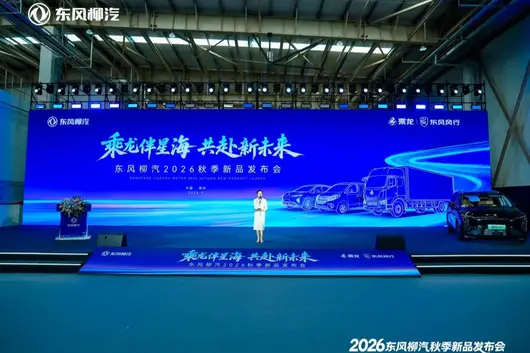
9 月 19 日,以「乘龍伴星海,共赴新未來」為主題嘅東風柳汽 2026 秋季新產品發佈會喺廣西柳州·東風柳汽試驗中心舉行。選擇喺產品上市前必經嘅試驗中心舉辦發佈會,東風柳汽意喺傳遞「從驗證之路走向用戶」嘅品質自信。時值「十五五」開局之年,東風柳汽喺唔到半年嘅時間裏再交出重磅答卷:風行星海 V6、菱智家族、乘龍翼威 5 超能版、超輕版 3.0、乘龍 H5 PRO、海外五款新品及全新右舵平台密集發佈。商用車、乘用車、海外三大板塊全面出擊,標誌住東風柳汽「商乘並舉、雙輪驅動」戰略進入加速落地新階段。

逆勢增長,
東風柳汽把藍圖變咗成實績
今年 1 至 8 月,東風柳汽實現累計銷售 89,439 輛,同比增長 26%,商用車、乘用車、海外三大板塊齊向向上,跑贏行業大勢。
東風柳州汽車有限公司總經理林長波喺辭職中表示,面對新能源從「政策驅動」轉向「市場驅動」、智能化從「高端選配」走向「大眾標配」、全球化從「產品出口」走向「生態出海」嘅三重變革,林長波表示,東風柳汽不追逐短期規模,而係將資源壓喺商用車「一多三化」同乘用車「一新三極致」上。

戰略定力最終要落喺用戶價值上。林長波將柳汽對用戶嘅承諾歸結為三句話:令用戶嘅車更好開,將智能、安全同品質做入每一台家用车;令用戶嘅車更賺錢,將出勤率同營運賬本做入每一台商用車;令用戶嘅車更懂生活,將場景同定制做入每一次出行。


風行星海 V6 正式上市,
華為乾崑智駕首次進入 10 萬元以內
作為本次發佈會嘅乘用車重磅新品,風行星海 V6 正式上市。新車定位「智慧亲民大六座」,搭載華為乾崑智駕 ADS SE 版,推出三款配置,上市期間超級置換價低至 9.99 萬元起——意味著華為乾崑智駕首次進入 10 萬元以內價格區間。星海 V6 同步推出「智駕普惠禮」,666 元下定即享六重購車權益。

東風風行家用 MPV 營銷總監陳正宇喺發佈中表示,星海 V6 嘅研發源於對家庭用戶真實痛點嘅深刻洞察。從 8 月 8 日開啟全國分站預售以來,星海 V6 憑藉可四可六嘅百變大空間同華為乾崑智駕,贏得咗家庭用戶嘅廣泛關注。

圍繞「智慧、寬敞、舒適、安全」四個家,星海 V6 以 14 項同級唯一、17 項同級領先嘅產品實力,回應中國家庭多元化出行期盼。新車搭載高通驍龍 8295 芯片同 15.6 英寸 2.5K 高清大屏,支持城區 LCC+、高速 NCA 及 100 多種泊車場景;2900mm 超長軸距,第三排隱藏式下沉收納,可喺大四座同大六座之間自由切換;全車高強鋼佔比 76%,聯合中汽研完成四項電安全極限挑戰。

發佈會上,東風風行仲透露,星海 V6 未來將推出探索版露營車,让更多家庭擁有一台可以奔赴山野嘅移動之家。

菱智家族全維煥新,
25 年 118 萬用戶再啟創富新征程
作為東風風行 MPV 基盤嘅菱智品牌,亦喺本次發佈會上迎來家族全維煥新。東風風行商用 MPV 營銷總監覃昌穩回顧咗菱智 25 年嘅發展歷程:從 2001 年推出中國首款自主商務車,到 2025 年推出 9 萬級 420 公里續航嘅新能源商務車,菱智歷經五次產品革新、五次商務車普及,累計贏得 118 萬用戶信賴。

發佈會上,小菱智、菱智大 V、2027 款菱智三款新車同台亮相,構建起「全尺寸、全動力、全場景」嘅菱智家族產品矩陣。小菱智定位「宜商宜家之選」,全系標配兩側側滑門;菱智大 V 定位「城配物流之選」,擁有超 8 立方米貨箱,搭載寧德時代電池,CLTC 續航可達 475 公里;2027 款菱智定位「經典創富之選」,提供 5-9 座多種座椅佈局,可油、可氣、可電,適配不同區域嘅能源環境。

覃昌穩宣佈,小菱智、菱智大 V 將喺年底開啟預售,2027 款菱智將喺明年正式上市。菱智家族同步推出「創富煥新禮」:購買菱智新能源可享至高 3 萬元置換補貼,限時 7.98 萬元起;即日起至 10 月 31 日,購買菱智家族在售車型,可參與百分百中獎購車抽獎,至高 8888 元。
乘龍三款新品齊發,
全品系矩陣助力物流創富
商用車板塊同樣亮點紛呈。東風柳汽商用車銷售公司副總經理尹東俊發布咗乘龍翼威 5 超能版、乘龍翼威 5 超輕版 3.0、乘龍 H5 PRO 三款新品,涵蓋新能源牽引車、超輕量化牽引車及全新平台載貨車三大系列。

乘龍翼威 5 超能版基於東風集團 T1 架構平台打造,係該平台首款量產車型。整車自重僅 8.8 噸,綜合電耗低至每公里 1 度電,支持兆瓦級超充,SOC 從 20% 到 80% 僅需 20 分鐘。駕駛室採用乘龍第三代龍骨框架,電池採用納米阻燃技術,安全管控標準遠超國標。
乘龍翼威 5 超輕版 3.0 系列,各電量版本均比友商輕 700 公斤以上,每年可為用戶增收 2.7 萬元至 3.7 萬元。尹東俊仲透露咗超輕版技術路線圖:超輕版 3.0 已實現氣電同重,超輕版 4.0 將實現油電同重,超輕版 5.0 將實現電比油輕。

乘龍 H5 Pro 定位「為高效物流而生嘅創富先鋒」,底盤自重輕至 5.18 噸,領先行業同級車型 200 公斤;搭載玉柴 390 馬力發動機,同工況下百公里較友商省 1.5L。新車採用乘用化座艙理念,配備 LED 熏黑「龍眼」大燈、一鍵啟動等配置,讓卡友「開得好、開得舒服、開得安全」。
發佈會上,乘龍仲推出「運營無憂禮」:678 元定金享專屬增值優惠;定金用戶可參與幸運抽獎,抽取 6000 元創富金;訂單順序尾號逢 6、7、8、67 可獲定制好禮。
海外四款新品 + 全新右舵平台首發,
從產品輸出走向平台輸出
海外板塊係本次發佈會嘅重要看點。東風柳汽總經理助理王文勇發布咗 FORTHING X5E、FORTHING V6E、CHENGLONG H5 PRO LNG、CHENGLONG H5V 增程版四款海外新品,以及 CHENGLONG 全新右舵平台。

FORTHING X5E 定位「為全球新生代而造」,搭載 800V 高壓快充平台,全系通過 WVTA 歐盟整車認證,覆蓋 BEV 同 PHEV 雙動力版本。FORTHING V6E 定位「為全球大家庭而生」,提供 5-8 座靈活座椅佈局,搭載 6.6 千瓦外放電功能。

CHENGLONG H5 PRO LNG 面向中亞、拉美、非洲等 LNG 富集區域定向開發,綜合氣耗達到行業領先水平。CHENGLONG H5V 增程版採用「大電量、小增程、可油可電」設計思路,滿油滿電綜合續航超過 1000 公里,為充電設施薄弱市場提供現實可行嘅新能源商用車方案。CHENGLONG 全新右舵平台嘅發布,標誌住柳汽喺右舵市場從產品輸出走向平台輸出,平台完整覆蓋燃油、天然氣、純電、增程四大能源路線。

王文勇仲回顧咗「乘風雙擎」海外戰略發布以來嘅四大躍升成果:產品躍升方面,搭載集團 T1 平台嘅 CHENGLONG 氫能卡車於 9 月 14 日喺漢諾威車展完成全球首秀;本地化方面,海外 KD 工廠已達 9 家;渠道方面,新增 40 家海外經銷商、30 家服務網點;服務方面,全球用戶平均服務半徑由 120 公里縮短至 103 公里。目前,CHENGLONG 重卡喺越南公路物流領域市佔率穩居第一梯隊,FORTHING 已進入泰國、柬埔寨、菲律賓等市場,埃及 KD 工廠全面投產。
從「翼啟新程」到「共赴新未來」,
東風柳汽加速邁向「十五五」
發佈會現場,東風柳汽員工同用戶代表仲帶合唱《好風起》,以激昂旋律傳遞商乘並舉、奮楫向前嘅品牌精神。活動期間,現場 96 款展品集中亮相,發佈會結束後,與會嘉賓走進工廠參觀,近距離感受東風柳汽嘅智造實力。

從 67 品牌日嘅「翼啟新程」,到今日嘅「共赴新未來」,節奏越來越快,承諾始終如一。 國內外全品系新車 + 右舵平台密集亮相,東風柳汽用唔到四個月時間,完成咗從戰略定調到產品落地嘅關鍵跨越。乘龍與星海並肩同行,共同托舉起千萬家庭嘅美好出行同無數創業者嘅創富夢想。面向「十五五」,「725」目標就喺前方,一個商乘並舉、全球佈局嘅東風柳汽,正與全球合作伙伴及每一位用戶一起,乘龍伴星海,共赴新未來。

In Malaysia's SUV market, many buyers compare Honda CR-V and Kia Sportage when choosing a car. These two models are quite close in price and positioning. Today, we will make a detailed comparison from multiple aspects to help you save time on research.
The OTR price of Honda CR-V in Malaysia is RM 178,200 - 195,900, with a total of 4 versions, including 2026 e:HEV 2.0L 2WD RS (RM 195,900), 2026 1.5T 4WD V (RM 181,900), 2026 e:HEV 2.0L 2WD E (RM 178,200), etc.
The OTR price of Kia Sportage in Malaysia is RM 129,639 - 179,320, with a total of 4 versions, including 2025 1.6T DCT 4WD High (RM 179,320), 2025 1.6T DCT 2WD High (RM 159,320), 2025 2.0L AT 2WD High (RM 139,639), etc.
From a price perspective, the starting price of Kia Sportage is RM 48,561 cheaper than Honda CR-V. Honestly, in this price segment, a difference of a few thousand doesn't count as much, the key is still looking at overall value for money and long-term maintenance costs.

Honda CR-V is equipped with a 2.0L 4-cyl, 170 hp. Official fuel consumption 8.0 L/100km.
Kia Sportage is equipped with a 1.5L Turbo, 140 hp. Official fuel consumption 7.0 L/100km.
In terms of performance, Honda CR-V's 2.0L 4-cyl has 30 more horsepower than Kia Sportage's 1.5L Turbo, providing more confidence in mid-range acceleration, especially when overtaking on highways. However, Kia Sportage's fuel consumption might be better, and the difference in daily city commuting won't be too large.

Honda CR-V's safety rating is 5★ (ASEAN NCAP), active safety systems include Honda SENSING (ACC, CMBS, LKAS, RDM).
Kia Sportage's safety rating is 5★ (ASEAN NCAP), active safety systems include Drive Wise.
Both cars have the same safety rating, and safety features are quite comprehensive within this class. New car safety is generally not bad these days, no need to worry too much about this.

Honda CR-V body length 4500 mm, trunk 450 L.
Kia Sportage body length 4400 mm, trunk 400 L.
In terms of space, Honda CR-V's body is 100 mm longer than Kia Sportage, the interior seating space will be slightly more spacious, especially rear legroom. If you often carry family members or need to fit a stroller, a larger body is indeed more practical.

Honda CR-V uses FWD drivetrain.
Kia Sportage uses FWD drivetrain.
Both cars have the same drivetrain, both are FWD, there won't be a big difference in daily driving feel.

In summary, Honda CR-V and Kia Sportage are both very good models in the Malaysian market. Which one to choose ultimately depends on your personal needs and budget. We recommend doing your research, comparing quotes from multiple car dealerships, and then test driving to make the final decision. Buying a car is a big matter, spending time on research will never go wrong.


喺馬來西亞嘅 SUV 市場,好多買家喺揀車嘅時候都會將本田 HR-V 同奇瑞 Tiggo 9 嚟做比較。呢兩款車喺價位同定位上都幾接近,今日我哋就從多個方面做一個詳細嘅對比,幫你慳返做功課嘅時間。
本田 HR-V 喺馬來西亞嘅 OTR 售價係 RM 115,900 - 143,900,總共有 4 個版本,包括 2026 e:HEV 1.5L RS(RM 143,900)、2026 1.5T V(RM 137,900)、2026 1.5T E(RM 130,900) 等。
奇瑞 Tiggo 9 喺馬來西亞嘅 OTR 售價係 RM 166,800 - 179,800,總共有 1 個版本,包括 2026 2.0T Standard(RM 179,750) 等。
由價錢嚟睇,本田 HR-V 嘅起步價確實比奇瑞 Tiggo 9 平咗 RM 50,900。如果你預算有限,本田嘅入門版已經可以滿足日常需求。但亦都要注意,平嗰幾千蚊,可能喺配備上會有取舍,具體要睇你嘅需求。

本田 HR-V 採用 FWD 驅動方式。
奇瑞 Tiggo 9 採用 FWD 驅動方式。
兩款車嘅驅動方式一樣,都係 FWD,日常駕駛感受唔會有太大區別。

本田 HR-V 保修 5 年/無限制里程,保養間隔 每 10,000km 或 6 個月。
奇瑞 Tiggo 9 保修 3 年/100,000km,保養間隔 每 10,000km 或 6 個月。
本田 HR-V 同奇瑞 Tiggo 9 都係馬來西亞市場嘅主流選擇,適合家庭使用、日常通勤。如果你更重視品牌口碑同二手價,可以優先考慮口碑更好嗰一款;如果你更在意性價比同配備,就揀配備更豐富嗰款。最終都係建議兩款都去試駕,親自體驗先係最重要嘅。

總括嚟講,本田 HR-V 同奇瑞 Tiggo 9 都係馬來西亞市場幾唔錯嘅車款。揀邊一輛,關鍵都係要睇你嘅個人需求同預算。建議大家做穩功課,多比較幾間車行嘅報價,先去試駕做最終決定。買車係件大事,費少啲時間做功課絕對唔會錯。


In the Malaysian SUV market, many buyers compare Proton X90 and Chery Tiggo 9 when selecting a car. These two vehicles are quite close in price and positioning. Today, we will make a detailed comparison from multiple aspects to help you save time on research.
The OTR price for Proton X90 in Malaysia is RM 106,800 - 122,800, with a total of 4 versions, including 2026 1.5T Prime X (RM 122,800), 2026 1.5T Prime (RM 116,800), 2026 1.5T Lite (RM 106,800), etc.
The OTR price for Chery Tiggo 9 in Malaysia is RM 166,800 - 179,800, with a total of 1 version, including 2026 2.0T Standard (RM 179,750), etc.
From a price perspective, the entry price of Proton X90 is indeed RM 60,000 cheaper than Chery Tiggo 9. If your budget is limited, Proton's entry-level version already meets daily needs. However, keep in mind that the lower price of a few thousand might involve trade-offs in equipment, depending on your specific needs.

Proton X90 is equipped with a 1.5L Turbo, 140 hp. Official fuel consumption 7.0 L/100km.
Chery Tiggo 9 is equipped with a 2.0L 4-cyl, 170 hp. Official fuel consumption 8.0 L/100km.
Regarding power, the 2.0L 4-cyl of Chery Tiggo 9 has 30 more horsepower than the 1.5L Turbo of Proton X90. However, for daily city driving, the power of both cars is sufficient, and you won't feel underpowered.
Proton X90 safety rating is 5★ (ASEAN NCAP), active safety systems include ADAS (ACC, AEB, LKA, LDA, BSM, RCTA).
Chery Tiggo 9 safety rating is TBD, active safety systems include Basic.
Regarding safety features, both cars have received good ratings. However, Proton X90's ADAS (ACC, AEB, LKA, LDA, BSM, RCTA) and Chery Tiggo 9's Basic differ somewhat in functionality. If you prioritize active safety, you can carefully compare the feature lists of both.
Proton X90 uses FWD drive system.
Chery Tiggo 9 uses FWD drive system.
Both cars have the same drive system, both are FWD, so there won't be much difference in daily driving experience.
Overall, Proton X90 and Chery Tiggo 9 are both excellent models in the Malaysian market. Which one to choose depends on your personal needs and budget. We recommend doing your research, comparing quotes from multiple dealerships, and then test driving to make a final decision. Buying a car is a big deal, spending time on research is never wrong.


喺馬來西亞嘅 SUV 市場,好多買家喺揀車嘅時候都會用 Proton X90 同 Chery Tiggo 8 Pro 嚟比較。呢兩款車喺價位同定位上都幾接近嘅,今日我哋就從多個方面做一次詳細嘅對比,幫你省返做功課嘅時間。
Proton X90 喺馬來西亞嘅 OTR 售價係 RM 106,800 - 122,800,一共有 4 個版本,包括 2026 1.5T Prime X(RM 122,800)、2026 1.5T Prime(RM 116,800)、2026 1.5T Lite(RM 106,800)等。
Chery Tiggo 8 Pro 喺馬來西亞嘅 OTR 售價係 RM 159,750 - 159,750,一共有 2 個版本,包括 1.6L Turbo Standard(RM 130,000)、1.6L Turbo Premium(RM 145,000)等。
由價錢睇落去,Proton X90 嘅入門價確實比 Chery Tiggo 8 Pro 平咗 RM 52,950。如果你預算有限,Proton 嘅入門版已經可以滿足日常需要。不過都要注意,平嗰幾千蚊,可能在配備上會有取捨,具體睇你嘅需求。
Proton X90 嘅安全評級係 5★ (ASEAN NCAP),主動安全系統包括 ADAS (ACC, AEB, LKA, LDA, BSM, RCTA)。
Chery Tiggo 8 Pro 嘅安全評級係 TBD,主動安全系統包括 Basic。
安全配備方面,兩款車都攞到唔錯嘅評級。不過 Proton X90 嘅 ADAS (ACC, AEB, LKA, LDA, BSM, RCTA) 同 Chery Tiggo 8 Pro 嘅 Basic 喺功能上有些差異,如果你比較看重主動安全嘅話,可以仔細對比吓兩者嘅功能列表。
Proton X90 車身長 4400 mm,行李箱 400 L。
Chery Tiggo 8 Pro 車身長 4400 mm,行李箱 400 L。
兩款車嘅尺寸幾乎一樣,車內空間差別唔大。呢個級別嘅車,日常使用完全夠用。
Proton X90 保修 5 年/150,000km,保養間隔 每 10,000km 或 6 個月。
Chery Tiggo 8 Pro 保修 3 年/100,000km,保養間隔 每 10,000km 或 6 個月。
Proton X90 同 Chery Tiggo 8 Pro 都係馬來西亞市場嘅主流選擇,適合家庭使用、日常通勤。如果你更加看重品牌口碑同二手價,可以優先考慮口碑好嗰款;如果你更加在意性價比同配備,就揀配備更豐富嗰款。最終始終建議兩款都去試駕,親身體驗先至最重要。
總體嚟講,Proton X90 同 Chery Tiggo 8 Pro 都係馬來西亞市場幾唔錯嘅車型。揀邊輛,關鍵始終睇你嘅個人需要同預算。建議大家做好功課,多比較幾間車行嘅報價,再去試駕先至做最終決定。買車係件大事,花少少時間做功課絕對唔會錯。

喺馬來西亞嘅 SUV 市場,好多買家揀車時都會拿 Proton X90 同 Mazda CX-8 來比較。呢兩款車喺價位同定位上都幾接近,而家我就從多個方面做個詳細比較,幫你省下做功課嘅時間。
Proton X90 喺馬來西亞嘅 OTR 售價係 RM 106,800 - 122,800,一總共有 4 個版本,包括 2026 1.5T Prime X(RM 122,800)、2026 1.5T Prime(RM 116,800)、2026 1.5T Lite(RM 106,800) 等。
Mazda CX-8 喺馬來西亞嘅 OTR 售價係 RM 165,360 - 201,360,一總共有 5 個版本,包括 2025 2.5T 4WD High Plus Petrol(RM 201,360)、2025 2.2L 2WD High Plus Diesel(RM 193,123)、2025 2.5L 2WD High Plus Petrol(RM 186,360) 等。
從價錢睇,Proton X90 嘅起步價確實比 Mazda CX-8 平咗 RM 58,560。如果你預算有限,Proton 嘅入門版已經可以滿足日常需要。但都要留意,平嗰幾千蚊,可能喺配備上會有取捨,具體就要睇你嘅需要。
Proton X90 搭載 1.5L Turbo,馬力 140 hp。官方油耗 7.0 L/100km。
Mazda CX-8 搭載 2.0L 4-cyl,馬力 170 hp。官方油耗 8.0 L/100km。
動力方面,Mazda CX-8 嘅 2.0L 4-cyl 比 Proton X90 嘅 1.5L Turbo 多咗 30 匹馬力。不過日常喺市區開,兩款車嘅動力都夠用,唔會覺得唔夠力。
Proton X90 車身長 4400 mm,後備箱 400 L。
Mazda CX-8 車身長 4500 mm,後備箱 450 L。
空間方面,Mazda CX-8 嘅車身比 Proton X90 長咗 100 mm,乘坐空間更有優勢。不過 Proton X90 喺城入面停車會靈活啲,各有取捨。
Proton X90 採用 FWD 驅動方式。
Mazda CX-8 採用 FWD 驅動方式。
兩款車嘅驅動方式一樣,都係 FWD,日常駕駛感受唔會有太大分別。

總括嚟講,Proton X90 同 Mazda CX-8 都係馬來西亞市場幾唔錯嘅車型。揀邊一輛,關鍵仲係要睇你個人需求同預算。建議大家做好功課,多比較幾間車行嘅報價,先至去試駕做最後決定。買車係件大事,花少少時間做功課絕對無錯。

In Malaysia's SUV market, many buyers compare the Proton X90 and Honda CR-V when choosing a car. The pricing and positioning of these two vehicles are quite close. Today, we will make a detailed comparison from multiple aspects to help you save time on research.
The OTR price of the Proton X90 in Malaysia is RM 106,800 - 122,800, with a total of 4 versions, including the 2026 1.5T Prime X (RM 122,800), 2026 1.5T Prime (RM 116,800), 2026 1.5T Lite (RM 106,800), etc.
The OTR price of the Honda CR-V in Malaysia is RM 178,200 - 195,900, with a total of 4 versions, including the 2026 e:HEV 2.0L 2WD RS (RM 195,900), 2026 1.5T 4WD V (RM 181,900), 2026 e:HEV 2.0L 2WD E (RM 178,200), etc.
From a price perspective, the starting price of the Proton X90 is indeed RM 71,400 cheaper than the Honda CR-V. If your budget is limited, Proton's entry-level version can already meet daily needs. However, be aware that the few thousand difference may involve compromises on features, depending on your specific needs.
The Proton X90 is equipped with a 1.5L Turbo, 140 hp. Official fuel consumption is 7.0 L/100km.
The Honda CR-V is equipped with a 2.0L 4-cyl, 170 hp. Official fuel consumption is 8.0 L/100km.
In terms of power, the Honda CR-V's 2.0L 4-cyl has 30 more horsepower than the Proton X90's 1.5L Turbo. However, for daily city driving, the power of both vehicles is sufficient, and you won't feel underpowered.
The Proton X90's safety rating is 5★ (ASEAN NCAP), with active safety systems including ADAS (ACC, AEB, LKA, LDA, BSM, RCTA).
The Honda CR-V's safety rating is 5★ (ASEAN NCAP), with active safety systems including Honda SENSING (ACC, CMBS, LKAS, RDM).
Both vehicles have the same safety rating, and safety features are quite comprehensive in this class. New cars nowadays are generally safe, so there is no need to worry too much about this.
The Proton X90 uses FWD drive configuration.
The Honda CR-V uses FWD drive configuration.
Both vehicles use the same drive configuration, both are FWD, and there won't be much difference in the daily driving experience.
Both the Proton X90 and Honda CR-V are mainstream choices in the Malaysian market, suitable for family use and daily commuting. If you value brand reputation and resale value more, you can prioritize the one with better reputation. If you care more about cost-performance ratio and features, choose the one with richer configuration. Ultimately, it is recommended to test drive both, as firsthand experience is most important.
Overall, both the Proton X90 and Honda CR-V are excellent models in the Malaysian market. Which one to choose mainly depends on your personal needs and budget. It is recommended to do your research, compare quotes from several car dealerships, and then test drive to make a final decision. Buying a car is a major decision; spending time doing research will never go wrong.

喺馬來西亞嘅 SUV 市場,好買家喺選車嗰陣都會拿 Proton X90 同 Toyota Yaris Cross 做比較。這兩款車喺價位同定位上都幾接近,今日我哋就由多個方面做一個詳細嘅對比,幫你省晒做功課嘅時間。
Proton X90 喺馬來西亞嘅 OTR 售價係 RM 106,800 - 122,800,一共有 4 個版本,包括 2026 1.5T Prime X(RM 122,800)、2026 1.5T Prime(RM 116,800)、2026 1.5T Lite(RM 106,800)等。
Toyota Yaris Cross 喺馬來西亞嘅 OTR 售價係 RM 99,900 - 109,900,一共有 2 個版本,包括 2026 1.5L Standard(RM 99,900)、2026 HEV 1.5L Standard(RM 109,900)等。
從價錢睇,Toyota Yaris Cross 嘅起步價比 Proton X90 平咗 RM 6,900。老實講,喺呢個價位段,幾千塊嘅差距其實唔算大,關鍵仲係睇整體嘅性價比同長期使用成本。
Proton X90 嘅安全評級係 5★ (ASEAN NCAP),主動安全系統包括 ADAS (ACC, AEB, LKA, LDA, BSM, RCTA)。
Toyota Yaris Cross 嘅安全評級係 5★ (ASEAN NCAP),主動安全系統包括 TSS。
兩款車嘅安全評級一樣,喺呢個級別入面安全配備都算好齊全。而家嘅新車安全性都唔差,唔使太擔心這一點。
Proton X90 車身長 4400 mm,行李廂 400 L。
Toyota Yaris Cross 車身長 4400 mm,行李廂 400 L。
兩款車嘅尺寸幾乎一樣,車內空間分別唔大。呢個級別嘅車,日常使用完全夠用。
Proton X90 保養 5 年/150,000km,保養間隔 每 10,000km 或 6 個月。
Toyota Yaris Cross 保養 5 年/無限制里程,保養間隔 每 10,000km 或 6 個月。

Proton X90 同 Toyota Yaris Cross 都係馬來西亞市場嘅主流選擇,適合家庭使用、日常通勤。如果你更睇重品牌口碑同二手價,可以優先考慮口碑更好嗰一款;如果你更在意性價比同配備,那就揀配置更豐富嗰款。最後都係建議兩款都去試駕,親身體驗先係最緊要。

總體嚟講,Proton X90 同 Toyota Yaris Cross 都係馬來西亞市場幾唔錯嘅車型。揀邊一輛,關鍵仲係要睇你嘅個人需求同預算。建議大家做足功課,多比較幾間車行嘅報價,再去試駕做最終決定。買車係件大事,花少少時間做功課絕對唔會錯。

In Malaysia's SUV market, many buyers compare Proton X70 and Chery Tiggo 8 PHEV when choosing a car. The price and positioning of these two cars are quite close. Today, we will conduct a detailed comparison from multiple aspects to help you save time on research.
Proton X70 OTR price in Malaysia is RM 106,800 - 122,300. There are 3 versions in total, including 1.5L Standard 2WD (RM 106,800), 1.5L Executive 2WD (RM 115,800), 1.5L Premium 2WD (RM 122,300), etc.
Chery Tiggo 8 PHEV OTR price in Malaysia is RM 159,750 - 159,750. There are 2 versions in total, including 1.6L Turbo Standard (RM 130,000), 1.6L Turbo Premium (RM 145,000), etc.
In terms of price, Proton X70's starting price is indeed RM 52,950 cheaper than Chery Tiggo 8 PHEV. If your budget is limited, Proton's entry-level version can already meet daily needs. However, also note that the cheaper few thousand might have trade-offs in specifications, depending on your specific needs.
Proton X70 comes with 1.5L Turbo, 140 hp. Official fuel consumption 7.0 L/100km.
Chery Tiggo 8 PHEV comes with Hybrid, 170 hp. Official fuel consumption 4.5 L/100km.
In terms of power, Chery Tiggo 8 PHEV's Hybrid has 30 more horsepower than Proton X70's 1.5L Turbo. However, for daily city driving, the power of both cars is sufficient, you won't feel it lacks power.
Proton X70 body length 4400 mm, trunk 400 L.
Chery Tiggo 8 PHEV body length 4400 mm, trunk 400 L.
The dimensions of the two cars are almost the same, the difference in interior space is not significant. Cars of this class, daily use is completely sufficient.
Proton X70 and Chery Tiggo 8 PHEV are both mainstream choices in the Malaysian market, suitable for family use and daily commuting. If you value brand reputation and resale price more, you can prioritize the one with better reputation; if you care more about cost-performance and specifications, then choose the one with richer configuration. Ultimately, it is recommended to test drive both models, personal experience is the most important.
Overall, Proton X70 and Chery Tiggo 8 PHEV are both very good car models in the Malaysian market. Choosing which one depends mainly on your personal needs and budget. It is recommended that everyone do research, compare quotes from several dealers, and then test drive to make the final decision. Buying a car is a big matter, spending some time doing research will definitely not go wrong.


