首頁Lancia Delta

搜尋歷史
熱門搜尋
經銷商登入 / 註冊

[First Commercial Vehicle Network Original]
Currently, the commercial vehicle industry is at a critical stage of new energy transformation and global development, the space for relying solely on scale expansion and price competition is narrowing, and the market needs more systematic solutions adapted to green transformation. Facing industry changes, Foton Motor is continuously promoting the strategy of "Comprehensive Internationalization, Comprehensive New Energy, and Comprehensive Intelligence", and new energy and overseas businesses have become important support for enterprise growth.
According to the latest data mastered by First Commercial Vehicle Network, in October 2026, Foton Motor sales exceeded 56,000 vehicles, a month-on-month growth of 2.5%; from January to October 2026, sales exceeded 574,000 vehicles, a year-on-year increase of 7.0%. In the context of rapid industry development, Foton Motor's sales performance in October has become an important window to observe its new energy transformation and global operation quality.

Sales Continue to Grow; New Energy and Overseas Businesses Become Important Support
In October, Foton Motor continued the growth trend since this year. Specifically, in October, Foton Motor's new energy sector sales exceeded 15,000 vehicles, a year-on-year increase of 91.3%; among them, Auman new energy sales grew 79.6% year-on-year, Ouman and Oumac new energy sales grew 241.5% year-on-year, Aumil new energy sales grew 137.7% year-on-year, View new energy sales grew 117.2% year-on-year, Pickup new energy sales grew 215.6% year-on-year, Kawei new energy sales grew 119.5% year-on-year, and overseas new energy sales grew 836.4% year-on-year. The new energy business grew across the board in October, becoming a part of this month's sales performance worth attention. Unlike the traditional commercial vehicle market which mainly relies on product updates and release of existing demand, the new energy market is opening up new application spaces, while the overseas market provides companies with broader incremental sources. The combined action of both has also made Foton Motor's growth power show more diversified characteristics, and it also indicates that its growth does not rely solely on the scale restoration of traditional fuel vehicles, but is driven by new business sectors.

Looking at the cumulative trend, from January to October 2026, Foton Motor's cumulative new energy sales exceeded 110,000 vehicles, a year-on-year increase of 34.2%, and overseas exports grew in sync by 43.4%. Among them, overseas new energy sales grew 171.3% year-on-year. The growth formed in the first three quarters did not weaken in October. This continuity of increments is more valuable than a single month's surge and can better reflect the synergistic effects of product structure, channel capabilities, and service systems.
From the sector performance, heavy trucks, light trucks, buses, and special vehicles formed multiple points of support in October. The heavy truck sector focused on detailed scenarios such as trunk logistics and engineering transportation. The light truck sector continued to consolidate the basic compliance transportation of city distribution and cold chain. Special vehicles relied on mature chassis to maintain stable advantages in sanitation, municipal, cold chain, and other scenarios. Buses and light buses cover passenger transport, freight transport, and modification needs. Foton Motor can cover operation conditions with significantly different characteristics using different product lines. This growth structure also means business development can break free from the impact of a single market cycle, and operational resilience is further enhanced.
Of course, sales growth is just one side of market competition. Viewed at the industry level, the divergence of commercial vehicle demand continues. Scenarios such as city distribution, cold chain, trunk lines, ports, and mining areas have obvious differences in requirements for energy replenishment efficiency, load capacity, and operating costs. The reason Foton Motor's October data is valuable for analysis is not because of the volume increase of a single sector, but because new energy and overseas simultaneously became incremental sources, making the sales structure continue to tilt towards high-value, high-tech content products.
Autonomous Technology Builds Product Competitiveness
The new energy sector is the most direct growth pole in the October data. Foton Motor is continuously promoting the "Comprehensive New Energy" strategy, laying out around pure electric, hybrid, hydrogen fuel, and other technical routes. Products cover heavy trucks, light trucks, VANS, pickups, buses, and other categories. This matrix advantage is naturally reflected in October's data. Unlike electric conversion of a single vehicle model, multiple categories and multiple technical routes running in parallel help Foton Motor target different application scenarios such as city delivery, trunk logistics, engineering transportation, and public transportation to provide more targeted product choices. Product combinations with multiple platforms and multiple power routes are also easier to form scale delivery.

While the product matrix continues to improve, core technology independent research and development have also become an important support for Foton Motor's new energy business. Its all-domain smart ecosystem brand Aiyike continuously carries out technology research and development around three core modules: power battery, electronic control, and electric drive axle, focusing on solving practical usage difficulties for commercial vehicles in high-frequency operations, complex road conditions, and extreme climate conditions. Compared with passenger cars, commercial vehicles have higher requirements for the reliability, durability, and economy of power systems. The independent R&D ability of core parts not only relates to product performance but also affects the control ability of the whole vehicle enterprise on product costs and the supply chain.
Taking power batteries as an example, Aiyike improves battery safety capabilities through a multiple protection system. Battery packs reach IP68 and IP69K protection levels and pass NESTA power battery safety verification. In low-temperature environments, capacity attenuation is improved through dedicated electrolytes and active temperature control. Electric drive axles and electronic control systems optimize efficiency and reliability around heavy-load trunks, city distribution high-frequency turnover, and other conditions. These technical capabilities ultimately point to the safety, availability rate, and operating costs that new energy commercial vehicle users care about most.

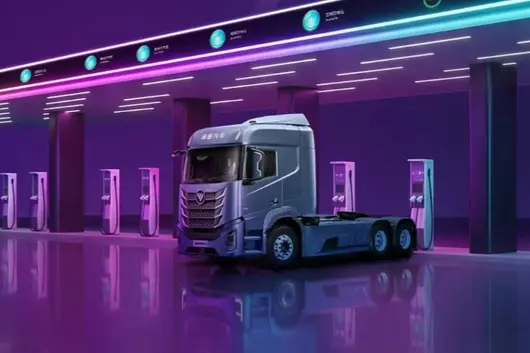
Worth noting is that Foton Motor's new energy layout is also extending from the vehicles themselves to the energy replenishment ecosystem. With the continuous expansion of new energy commercial vehicle application scenarios, relying solely on vehicle range improvement has already failed to completely solve the energy replenishment efficiency problem in high-frequency transportation scenarios. Foton Motor is continuously promoting ultra-fast charging technology and energy management system construction. For example, the Kawei Xinghai new generation new energy heavy truck is equipped with an 800V high-voltage architecture and supports dual-gun 1.44 megawatt liquid-cooled ultra-fast charging.
In addition, Foton Motor also released the ultra-fast charging strategy on November 6, including Aiyike ultra-fast charging power batteries, high-power charging stations, megawatt-level ultra-fast charging piles, and V2G piles, etc., and promotes the "battery module + whole vehicle + ultra-fast charging station + cloud platform" integrated solution. Thus, Foton Motor's energy replenishment ecosystem has entered the stage of product, site, and alliance collaborative implementation from technical planning. It not only provides efficient energy replenishment support for high-frequency scenarios such as city distribution cold chain and trunk logistics but also adds an ecosystem link for the continuous volume of new energy whole vehicles and overseas systematic overseas expansion.
Exports Surge Year-on-Year by Over Eight Times; Systematic Overseas Expansion Shows Results
October overseas new energy sales grew 836.4% year-on-year, making the overseas market another sector that needs to be observed in depth. From Foton Motor's layout perspective, its overseas business has formed a market network covering multiple countries and regions and is continuously promoting the construction of localized manufacturing and operation systems. Previously, the Brazil factory went into production, the Thailand factory realized heavy truck production, and the South Africa factory completed AMT heavy truck and pickup CKD production, all reflecting the trend of Foton Motor extending from product export to localized production in the overseas market. By moving manufacturing resources closer to key markets, enterprises can better adapt to local regulations, market demands, and supply chain environments, and it also helps improve product delivery and market response efficiency.

Taking the African market as an example, on October 29, at the Foton Motor Africa regional partner conference with the theme "Drive to Great", Foton Motor centrally released two heavy trucks: GALAXUS R5 and GALAXUS C5, and the TUNLAND V PHEV plug-in hybrid pickup. Among them, the plug-in hybrid pickup further expanded the application space of new energy products in local multi-purpose travel and production operations. African different countries and regions have obvious differences in road conditions, climate environments, energy infrastructure, and transport requirements. The TUNLAND V PHEV achieves a balance between pure electric driving and long-distance range through plug-in hybrid technology, reducing the vehicle's dependence on charging facilities along the way.
At the same time, the competition in the overseas market is also extending from the product side to the service side. Foton Motor's Africa regional training center was officially completed and put into use in South Africa. The center is centered on South Africa, radiating to the entire African market, carrying out specialized training around vehicles, engines, gearboxes, electronics, and new energy fields to provide support for the training of local sales and service talent. For commercial vehicle users, whether a vehicle can operate stably in the long term depends not only on product performance but also on parts supply, maintenance efficiency, and technical support. The landing of the training center is an important step for Foton Motor to improve the overseas service network and enhance localized operational capabilities.
Conclusion
October sales data shows that Foton Motor's growth power is concentrating on both new energy and overseas ends, and neither is a simple quantity expansion, but is accompanied by a synchronous adjustment of product structure, technical system, and localized services. For a commercial vehicle company in the starting period of the "15th Five-Year" strategy, this structural change is more worth attention than the single-month growth rate. Next, whether the new energy energy replenishment ecosystem can form a closed loop and whether the overseas localized system can be transformed into stable profitability will decide whether the dual-wheel drive is a stage performance or a long-term capability.

In the Malaysian SUV market, many buyers compare the Mazda CX-30 and Chery Tiggo 8 when choosing a car. These two models are quite close in price and positioning. Today, we will conduct a detailed comparison from multiple angles to help you save time on research.
The OTR price for Mazda CX-30 in Malaysia is RM 122,409 - 146,409, with 4 versions in total, including 2025 2.0L High+ Premium (RM 146,409), 2025 2.0L High+ (RM 138,409), 2025 2.0L High (RM 130,409), etc.
The OTR price for Chery Tiggo 8 in Malaysia is RM 129,750 - 129,750, with 1 version in total, including 2026 1.6T Standard (RM 129,750), etc.
In terms of price, the starting price of the Mazda CX-30 is indeed RM 7,341 cheaper than the Chery Tiggo 8. If your budget is limited, the Mazda entry-level version can already meet daily needs. However, note that a price difference of a few thousand ringgit might involve trade-offs in features, depending on your specific needs.

The safety rating of Mazda CX-30 is 5★ (ASEAN NCAP), with active safety systems including i-Activsense.
The safety rating of Chery Tiggo 8 is TBD, with active safety systems including Basic.
Regarding safety features, both cars received good ratings. However, there are some functional differences between Mazda CX-30's i-Activsense and Chery Tiggo 8's Basic. If you value active safety highly, you can compare the feature lists of both in detail.

Mazda CX-30 adopts FWD drive mode.
Chery Tiggo 8 adopts FWD drive mode.
Both cars have the same drive mode, FWD, so there won't be a big difference in daily driving experience.

Both Mazda CX-30 and Chery Tiggo 8 are mainstream choices in the Malaysian market, suitable for family use and daily commuting. If you value brand reputation and resale value more, you can prioritize the one with better reputation. If you care more about value for money and features, choose the model with richer specifications. Ultimately, we suggest test-driving both, as personal experience is most important.

Overall, both Mazda CX-30 and Chery Tiggo 8 are excellent car models in the Malaysian market. Which one to choose depends on your personal needs and budget. We recommend doing your homework, comparing quotes from multiple dealers, and then test-driving before making a final decision. Buying a car is a major decision; spending some time on research will never go wrong.


In the Malaysian SUV market, many buyers compare Toyota Harrier and Chery Tiggo 8 PHEV when choosing a car. These two cars are quite close in price and positioning. Today we will make a detailed comparison from multiple aspects to help you save time on research.
Toyota Harrier's OTR selling price in Malaysia is RM 289,000 - 289,000, with 1 version in total, including 2026 HEV 2.5L Standard (RM 289,000), etc.
Chery Tiggo 8 PHEV's OTR selling price in Malaysia is RM 159,750 - 159,750, with 2 versions in total, including 1.6L Turbo Standard (RM 130,000), 1.6L Turbo Premium (RM 145,000), etc.
From the price perspective, the starting price of Chery Tiggo 8 PHEV is RM 129,250 cheaper than Toyota Harrier. Honestly, in this price segment, a difference of a few thousand is not actually that big. The key is to look at overall cost-performance ratio and long-term usage costs.

Toyota Harrier body length 4400 mm, trunk 400 L.
Chery Tiggo 8 PHEV body length 4400 mm, trunk 400 L.
The dimensions of both cars are almost the same, with little difference in interior space. Cars at this level are fully sufficient for daily use.

Toyota Harrier adopts FWD drive mode.
Chery Tiggo 8 PHEV adopts FWD drive mode.
Both cars have the same drive mode, both are FWD. There won't be much difference in daily driving experience.

Toyota Harrier and Chery Tiggo 8 PHEV are both mainstream choices in the Malaysian market, suitable for family use and daily commuting. If you value brand reputation and resale value more, you can prioritize the one with better reputation; if you care more about cost-performance ratio and features, choose the one with richer configuration. Finally, it is recommended to test drive both, as personal experience is the most important.
Overall, Toyota Harrier and Chery Tiggo 8 PHEV are both very good car models in the Malaysian market. Which one to choose depends mainly on your personal needs and budget. It is recommended to do your homework, compare quotes from several car dealers, and then test drive to make the final decision. Buying a car is a big matter, spending some time on research will never be wrong.


喺馬來西亞嘅 SUV 市場,好多買家喺揀車嘅時候都會拿豐田 Harrier 同馬自達 CX-60 做比較。呢兩款車喺價位同定位上都幾接近嘅,今日我哋就從多個方面做個詳細對比,幫你省咗做功課嘅時間。
豐田 Harrier 喺馬來西亞嘅 OTR 售價係 RM 289,000 - 289,000,一共有 1 個版本,包括 2026 HEV 2.5L Standard(RM 289,000) 等。
馬自達 CX-60 喺馬來西亞嘅 OTR 售價係 RM 200,510 - 252,873,一共有 2 個版本,包括 2026 3.3T 4WD High Plus(RM 252,873)、2025 2.5L 2WD High(RM 200,510) 等。
從價錢嚟睇,馬自達 CX-60 嘅起步價比豐田 Harrier 平咗 RM 88,490。老實講,喺呢個價位段,幾千蚊嘅差距其實唔算大,關鍵仲係睇整體嘅性價比同長期使用成本。
豐田 Harrier 嘅安全評級係 5★ (ASEAN NCAP),主動安全系統包括 Brand ADAS。
馬自達 CX-60 嘅安全評級係 5★ (Euro NCAP),主動安全系統包括 i-Activsense Pro。
安全配備方面,兩款車都拿到唔錯嘅評級。不過豐田 Harrier 嘅 Brand ADAS 同馬自達 CX-60 嘅 i-Activsense Pro 喺功能上有啲差異,如果你比較重視主動安全嘅話,可以仔細對比下兩者嘅功能列表。
豐田 Harrier 車身長 4400 mm,尾箱 400 L。
馬自達 CX-60 車身長 4500 mm,尾箱 450 L。
空間方面,馬自達 CX-60 嘅車身比豐田 Harrier 長咗 100 mm,乘坐空間更有優勢。不過豐田 Harrier 喺市區泊車會靈活啲,各有取捨。
豐田 Harrier 同馬自達 CX-60 都係馬來西亞市場嘅主流選擇,適合家庭使用、日常通勤。如果你更重視品牌口碑同二手價,可以優先考慮口碑更好嗰一款;如果你更在意性價比同配備,那就揀配備更豐富嗰款。最終都係建議兩款都去試駕,親身體驗先至係最重要。

總嘅嚟講,豐田 Harrier 同馬自達 CX-60 都係馬來西亞市場好唔錯嘅車型。揀邊一輛,關鍵仲係要睇你嘅個人需求同預算。建議大家做好功課,多比較幾間車行嘅報價,再去試駕做最終決定。買車係一件大事,花少少時間做功課絕對唔會錯。

喺馬來西亞嘅 SUV 市場,好多買家在揀車嘅時候都會拿 Toyota Harrier 同 Mazda CX-60 做比較。這兩款車喺價位同定位上都幾接近,今日我哋就從多個方面做一個詳細嘅對比,幫你節省做功課嘅時間。
Toyota Harrier 喺馬來西亞嘅 OTR 售價係 RM 289,000 - 289,000,合共 1 個版本,包括 2026 HEV 2.5L Standard(RM 289,000) 等。
Mazda CX-60 喺馬來西亞嘅 OTR 售價係 RM 200,510 - 252,873,合共 2 個版本,包括 2026 3.3T 4WD High Plus(RM 252,873)、2025 2.5L 2WD High(RM 200,510) 等。
由價錢睇,Mazda CX-60 嘅起步價比 Toyota Harrier 平咗 RM 88,490。坦白講,喺呢個價位段,幾千蚊嘅差距其實唔算大,關鍵仲係睇整體嘅性價比同長期使用成本。
Toyota Harrier 配備 2.0L Turbo,馬力 220 hp。官方油耗 9.5 L/100km。
Mazda CX-60 配備 2.0L 4-cyl,馬力 170 hp。官方油耗 8.0 L/100km。
動力方面,Toyota Harrier 嘅 2.0L Turbo 比 Mazda CX-60 嘅 2.0L 4-cyl 多咗 50 匹馬力,中段加速更有信心,尤其係行高速路超車嘅時候。不過 Mazda CX-60 嘅油耗可能更經濟,日常市區通勤唔會太大分別。
Toyota Harrier 車身長 4400 mm,尾箱 400 L。
Mazda CX-60 車身長 4500 mm,尾箱 450 L。
空間方面,Mazda CX-60 嘅車身比 Toyota Harrier 長咗 100 mm,乘坐空間更有優勢。不過 Toyota Harrier 喺城市入面泊車會靈活啲,各有取捨。
Toyota Harrier 採用 FWD 驅動方式。
Mazda CX-60 採用 FWD 驅動方式。
兩款車嘅驅動方式一樣,都係 FWD,日常駕駛感受唔會太大分別。
總括嚟講,Toyota Harrier 同 Mazda CX-60 都係馬來西亞市場幾唔錯嘅車款。揀邊一輛,關鍵仲係要睇你嘅個人需求同預算。建議大家做足功課,多比較幾間車行嘅報價,再上車試駕先做最終決定。買車係件大事,花少少時間做功課絕對唔會錯。

October 16, BYD officially became the 2026 APEC conference official partner, with multiple high-end models from its Denza, Yangwang, Fang Cheng Bao, and Dynasty and Ocean series becoming official designated vehicles. Headquarters in Shenzhen Pingshan, conference held in Shenzhen, "local enterprises serving local grand events" seems natural. But understanding this merely as "home court convenience" will miss the real signal.

APEC Partner is "Chosen", not "Arranged"
APEC official partner is not an identity you can buy with money. Multiple models from Denza, Yangwang, and Fang Cheng Bao collectively passed the audit to become designated vehicles, meaning the products underwent strict inspection regarding quality, safety, comfort, and service support tailored for international conference scenarios.
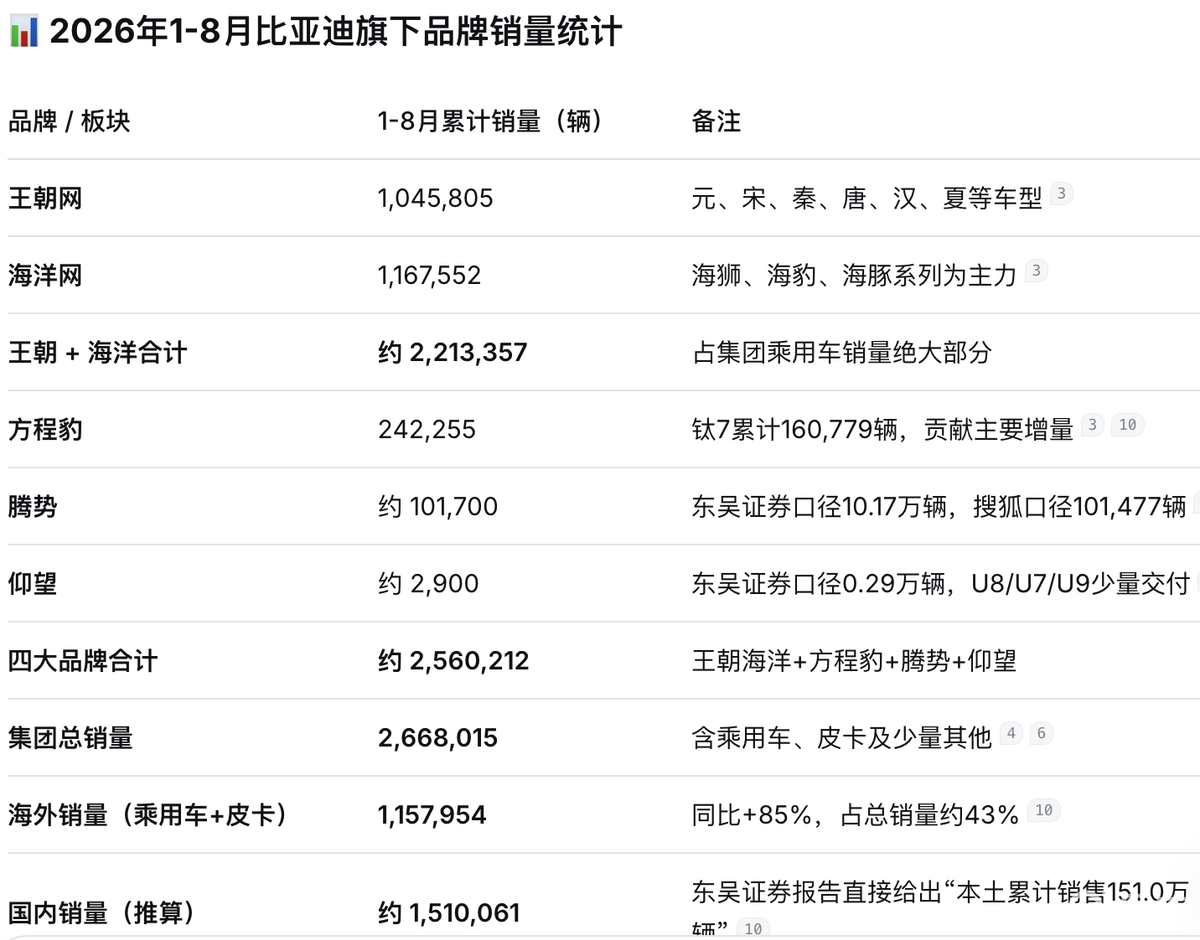
A more notable structural change is: In the first half of 2026, combined sales of Denza, Fang Cheng Bao, and Yangwang increased by 61% year-on-year, rising to 12.8% of total passenger car sales, with Fang Cheng Bao's average transaction price exceeding 220,000 yuan. BYD brought not just a "cost-effective model", but a complete high-end product line with an average price above 200,000 yuan. From "Being Seen" to "Being Chosen", what separates them is the actual realization of product capability, not geographical distance.
BYD's Overseas Reputation: Switched from "Cheap" to "Mainstream Option"
What best explains the situation is not brand research, but the sales ranking.
February 2026, Chinese electric vehicles topped the local retail sales ranking for the first time in Brazil, BYD's pure electric vehicle market share reached 78%, far surpassing Japanese, Korean, and European and American brands.
In Singapore, BYD's new car sales exceeded Toyota for the first time in 2025, rising to first place.

In the South Korean imported passenger car market, BYD ranked fourth in only one and a half years, surpassing Lexus.
In September 2025, UK single-month sales were 11,271 units, with a year-on-year growth rate of 880%, entering the top ten monthly rankings for the first time.
These markets were previously Toyota and European brands' home court. BYD's entry method was not low-price dumping, but forcing its way in on the pure electric track using product rhythm and localized channels.
The Real Focus of BYD's Export Review: Structure, not Total Volume
2021 exports 15,000 units, 2022 about 50,000, 2023 broke 200,000, 2024 exceeded 500,000, 2025 broke 1 million for the first time reaching 1.046 million — nearly 70-fold growth in five years.
But more critical than total volume is the structural jump in 2026: Overseas sales for the first three quarters were 1.3378 million units, rising from 21% of the same period last year to 43%. Nearly half the cars were sold overseas, the average overseas price per vehicle was about 190,000 yuan, nearly 50% higher than domestic, and overseas revenue share exceeded 50% for the first time.

Even among APEC member economies, Mexico ranked first in exports with 130,500 units in 2025, Brazil followed with 119,900 units, Indonesia 81,000 units, and Thailand has built a factory and entered the top 5 new energy brands.
APEC's 21 economies cover the most important automotive markets in Asia-Pacific. BYD is not "here to exhibit" in these markets, but already selling cars. The remaining cake is not about increasing coverage in a few more countries, but about turning markets already entered from "having sales" to "having share" — Europe's pure electric penetration rate is still only around 20%, most ASEAN and Latin American markets are in the early stage of pure electric introduction, and the window for plug-in hybrid products has just opened.
BYD's Overseas Factory Construction: Eight Countries Eight Factories are a Must-Under-Tariff-Pressure Choice
Whole vehicle exports are hitting a tariff wall: The EU imposes up to 35.3% anti-subsidy tariffs on Chinese EVs, Mexico 50%, Vietnam 35%. Localized manufacturing is not "icing on the cake", it is the ticket to enter mainstream markets.
Overseas passenger car factories already in production include Thailand (production started July 2024), Brazil (production started July 2025), Uzbekistan (CKD started June 2024), Hungary Szeged factory planned for Q4 2026 production, Indonesia Subang factory production started H1 2026, Turkey Manisa factory production end of 2026, Cambodia and Malaysia factories also landing in 2026.

The first phase of eight countries eight factories has a combined capacity exceeding 1 million units, with a planned upper limit exceeding 2 million units. The direction for incremental growth in the next five years is very clear: If overseas reaches 4-5 million units, "relying solely on exports is not enough, it must be achieved through local factory construction". This means after Southeast Asia, Latin America, Central and Eastern Europe, more production nodes will continue to expand according to market demand, but the pace depends on tariff policies and local supply chain maturity, not necessarily faster is better.
Can BYD Surpass Toyota? The five-year slogan is grand, but the gap needs to be acknowledged
Toyota's global sales in 2025 were about 11.32 million units, BYD about 4.6 million units, a gap of 6.72 million units; In the first half of 2026, Toyota 5.39 million units, BYD 1.81 million units, the gap is still close to 3 times.
Li Ke reiterated "Surpass Toyota and Volkswagen within five years" in Singapore in October, Wang Chuanfu has also anchored this goal multiple times since June, emphasizing "not relying on the US market". The direction is no problem — overseas growth rate is far higher than Toyota, and the product iteration pace on the new energy track is also superior.

But erasing nearly three times the volume difference in five years means BYD needs to sell an additional volume of over 1 million units overseas annually, while Toyota will not stay in place. A more realistic path is not "sudden turnaround in a certain year", but first establishing overwhelming advantage on the new energy single track, then gradually approaching the total sales metric.

APEC partner status will not directly shorten this distance, but it did something more fundamental: letting the most purchasing power business people and policymakers in the Asia-Pacific region, when sitting in the rear of a Denza or Yangwang, no longer treat "Chinese cars" as an option that needs to be convinced, but as a default reference system. Switching brand cognition often comes earlier and deeper than chasing sales numbers.


編輯導語:奇瑞 OMODA 5 海外再次出現重複質量隱患並大規模召回,喺海外市場佔比較高且全球化推進嘅情況下,今次事件衝擊品牌同市場,考驗奇瑞品質管控同全球化佈局嘅真正實力。
奇瑞 OMODA 5 斷軸事件
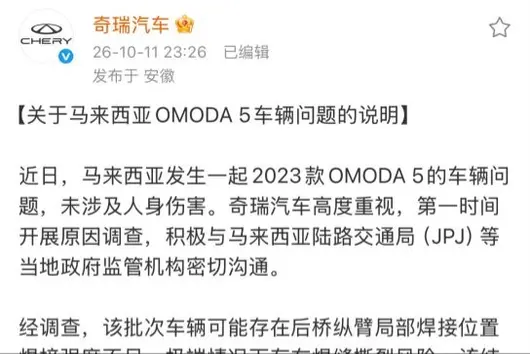
10 月 11 日,奇瑞汽車發佈聲明稱,馬來西亞市場在售嘅一批 2023 款 OMODA 5 車輛存在後橋縱臂局部焊接位置焊接強度不足,存在隱患。奇瑞將配合 JPJ 嘅相關安排,已對受影響嘅 8878 輛車啟動召回,對相關零部件檢查,視情況免費更換。
對此奇瑞公司表示:本着審慎原則,公司已啟動國內同相關市場同批次 OMODA 5 車型嘅風險專項排查,同監管機構保持積極溝通。今次排查為預防性主動安排,奇瑞將依據排查結果,以負責任嘅態度,及時向社會公布。

該事件發生喺奇瑞汽車海外銷量持續走高嘅節點,並且同款式車型喺馬來西亞出現過同類故障。2024 年當地曾爆出 OMODA 5 後軸斷裂案例。彼時奇瑞方面調查結論為後軸焊接設備校準不當,對 600 臺車輛進行篩查。相隔兩年多,同款式車型喺同一市場再現相關隱患。今次事件仲觸發當地對該車型認證、註冊嘅暫停同製造質量體系審核,亦令市場聚焦該車型底盤焊接工序嘅生產一致性管控水平。並且海外同國內監管體系有所區別,唔少海外市場機動車監管機構針對批量製造缺陷嘅處置方式更為剛性:除常規召回外,監管方有權暫停甚至凍結車型認證,直接從准入端限制新車登記銷售。這意味著,中國車企出海,除咗比拼產品競爭力同出口規模,都必須適應各地監管規則。持續走高嘅海外銷量,規模擴張需要穩定嘅質量管控體系作為支撐。
前三季度出口同比增長 65.6%
要知道,奇瑞 OMODA 5 係奇瑞面向全球打造嘅 SUV 車型,目前已喺全球 40 多個國家銷售,累計銷量超過 25 萬輛。奇瑞官方數據顯示,2026 年前三季度出口銷量 1551178 輛,同比增長 65.6%,超越去年全年出口總量。今次斷軸事件發生後馬來西亞暫停該車型嘅認證同註冊,衝擊咗該車喺當地嘅銷售節奏,並且大規模嘅召回亦增加咗大量成本。

中國企業資本聯盟副理事長柏文喜向財聞表示:奇瑞今次召回反應唔算慢。態度上「主動致歉 + 跨國同步排查」比好多出海車企體面,但信任成本已經翻倍。這對 OMODA 產品以及奇瑞喺東南亞區域嘅品牌形象帶來考驗。
奇瑞全球化 3.0 戰略落地
近期奇瑞全球化動作不斷,10 月 7 日奇瑞汽車發佈嘅公告提出,要全面推進奇瑞汽車全球化 3.0 戰略落地,強化國內外一體化經營。主品牌整體納入全球市場體系。呢個戰略調整同當前嘅銷售結構亦契合。根據奇瑞發佈嘅 2026 年前三季度銷量,奇瑞累計銷售汽車 2206789 輛,出口 1551178 輛。出口佔總銷量比重接近七成,海外市場係銷售核心基本盤。並且 2026 年前三季度,奇瑞集團海外出口達 155.12 萬輛,高於比亞迪 133.78 萬輛、上汽 116.60 萬輛、吉利 79.77 萬輛,位居國內自主車企出海首位。以上唔難睇出,奇瑞海外業務佔比較高,而隨著海外規模嘅擴張,對產品品質、本地化適配、配套服務體系嘅同步升級,亦提出更高要求。

隨著奇瑞全球化 3.0 戰略推進,海外業務喺整體銷量中嘅佔比持續走高。OMODA 5 作為其全球車型,今次喺馬來西亞觸發大規模召回以及當地監管限制,疊加此前同市場同類故障記錄,相關排查、整改以及後續市場變化,將持續受到行業關注。

In Malaysia's SUV market, many buyers compare Toyota Fortuner and Chery Tiggo 8 PHEV when choosing a car. These two cars are quite close in price and positioning. Today, we will make a detailed comparison from multiple aspects to help you save time on research.
The OTR price of Toyota Fortuner in Malaysia is RM 195,880 - 241,880, with a total of 3 versions, including 2024 2.8T VRZ Diesel (RM 241,880), 2024 2.7L SRZ Petrol (RM 202,880), 2024 2.4L Standard Diesel (RM 195,880), etc.
The OTR price of Chery Tiggo 8 PHEV in Malaysia is RM 159,750 - 159,750, with a total of 2 versions, including 1.6L Turbo Standard (RM 130,000), 1.6L Turbo Premium (RM 145,000), etc.
From a price perspective, the starting price of Chery Tiggo 8 PHEV is RM 36,130 cheaper than Toyota Fortuner. Honestly, in this price range, a difference of a few thousand is not actually that big, the key is to look at the overall value for money and long-term usage cost.

The safety rating of Toyota Fortuner is 5★ (ASEAN NCAP), active safety systems include .
The safety rating of Chery Tiggo 8 PHEV is TBD, active safety systems include Basic.

Toyota Fortuner body length is 4400 mm, trunk 400 L.
Chery Tiggo 8 PHEV body length is 4400 mm, trunk 400 L.
The dimensions of both cars are almost the same, interior space is not much different. Cars in this class are completely sufficient for daily use.

Toyota Fortuner warranty 5 years/ unlimited mileage, maintenance interval every 10,000km or 6 months.
Chery Tiggo 8 PHEV warranty 3 years/100,000km, maintenance interval every 10,000km or 6 months.
Toyota Fortuner and Chery Tiggo 8 PHEV are both mainstream choices in the Malaysian market, suitable for family use and daily commuting. If you value brand reputation and resale value more, you can prioritize the one with better reputation; if you care more about value for money and features, then choose the one with richer configurations. In the end, it is recommended to test drive both, personal experience is the most important.
In general, Toyota Fortuner and Chery Tiggo 8 PHEV are both very good models in the Malaysian market. Which one to choose, the key is to look at your personal needs and budget. It is recommended to do your research, compare quotes from several car dealerships, and then test drive to make the final decision. Buying a car is a big matter, spending some time doing research will never be wrong.

In the Malaysian SUV market, many buyers often compare Toyota Corolla Cross and MG MG HS when choosing a car. These two cars are quite close in price and positioning. Today we will make a detailed comparison from multiple aspects to help you save time on research.
Toyota Corolla Cross OTR price in Malaysia is RM 133,800 - 148,800, with a total of 3 versions, including 2026 HEV 1.8L GR Sport (RM 148,800), 2026 HEV 1.8L Standard (RM 140,800), 2026 1.8L Standard (RM 133,800) etc.
MG MG HS OTR price in Malaysia is RM 130,450 - 146,450, with a total of 2 versions, including 1.5L Standard (RM 105,000), 1.5L Executive (RM 115,000) etc.
From the price perspective, the starting price of MG MG HS is RM 3,350 cheaper than Toyota Corolla Cross. Honestly, in this price segment, a difference of a few thousand is not really big, the key is still looking at overall cost-performance and long-term usage costs.

Toyota Corolla Cross body length 4400 mm, trunk 400 L.
MG MG HS body length 4400 mm, trunk 400 L.
The dimensions of the two cars are almost the same, the interior space difference is not large. For this class of cars, daily use is completely sufficient.
Toyota Corolla Cross adopts FWD drive mode.
MG MG HS adopts FWD drive mode.
The drive mode of the two cars is the same, both are FWD, daily driving experience will not have too much difference.

Toyota Corolla Cross and MG MG HS are both mainstream choices in the Malaysian market, suitable for family use and daily commuting. If you value brand reputation and resale price more, you can prioritize the one with better reputation; if you value cost-performance and configuration more, then choose the one with richer configuration. Ultimately, it is recommended to test drive both, experiencing personally is the most important.
Overall, Toyota Corolla Cross and MG MG HS are both very good models in the Malaysian market. Which one to choose, the key still depends on your personal needs and budget. It is recommended that everyone do their homework, compare quotes from more car dealerships, and then test drive to make the final decision. Buying a car is a big thing, spending some time doing homework will definitely not be wrong.


In Malaysia's SUV market, many buyers often compare the Toyota Corolla Cross and the Chery Tiggo 8 PHEV when choosing a car. Both cars are quite close in price and positioning, so today we will make a detailed comparison from multiple aspects to help you save time on research.
The Toyota Corolla Cross in Malaysia has an OTR price of RM 133,800 - 148,800, with a total of 3 versions, including the 2026 HEV 1.8L GR Sport (RM 148,800), 2026 HEV 1.8L Standard (RM 140,800), 2026 1.8L Standard (RM 133,800), etc.
The Chery Tiggo 8 PHEV in Malaysia has an OTR price of RM 159,750 - 159,750, with a total of 2 versions, including the 1.6L Turbo Standard (RM 130,000), 1.6L Turbo Premium (RM 145,000), etc.
In terms of price, the starting price of the Toyota Corolla Cross is indeed RM 25,950 cheaper than the Chery Tiggo 8 PHEV. If your budget is limited, Toyota's entry-level version can already meet daily needs. But also note, those few thousand dollars cheaper might mean compromises on features, it depends on your specific needs.
The Toyota Corolla Cross is equipped with a 1.5L Turbo, 140 hp. Official fuel consumption is 7.0 L/100km.
The Chery Tiggo 8 PHEV is equipped with a Hybrid system, 170 hp. Official fuel consumption is 4.5 L/100km.
In terms of power, the Hybrid of the Chery Tiggo 8 PHEV has 30 more horsepower than the 1.5L Turbo of the Toyota Corolla Cross. However, for daily city driving, the power of both cars is sufficient, you won't feel it lacks power.
The safety rating of the Toyota Corolla Cross is 5★ (ASEAN NCAP), active safety systems include TSS (PCS, LDA, ACC, LTA).
The Chery Tiggo 8 PHEV safety rating is TBD, active safety systems include Basic.
Regarding safety features, both cars received good ratings. However, there are some differences in functions between the TSS (PCS, LDA, ACC, LTA) of the Toyota Corolla Cross and the Basic of the Chery Tiggo 8 PHEV. If you value active safety more, you can compare their feature lists carefully.
The Toyota Corolla Cross body length is 4400 mm, trunk 400 L.
The Chery Tiggo 8 PHEV body length is 4400 mm, trunk 400 L.
The dimensions of both cars are almost the same, and the interior space difference is not significant. Cars in this class are more than enough for daily use.
The Toyota Corolla Cross and Chery Tiggo 8 PHEV are both mainstream choices in the Malaysian market, suitable for family use and daily commuting. If you value brand reputation and resale value more, you can prioritize the one with the better reputation; if you care more about cost-performance and features, then choose the one with richer configurations. In the end, it is still recommended to test drive both, as experiencing it yourself is the most important.
Overall, both the Toyota Corolla Cross and the Chery Tiggo 8 PHEV are very good car models in the Malaysian market. Which one to choose depends on your personal needs and budget. We suggest you do your research, compare quotes from several dealerships, then test drive to make the final decision. Buying a car is a big matter, spending some time on research is never a mistake.

9 月歷來是汽車消費的傳統旺季,今年市場的表現則呈現出與往年不同的特徵:環比有所回升,同比仍面臨壓力。據行業數據預測,當月狹義乘用車零售市場規模約 169 萬輛,環比增長 9.7%;受去年同期的 224.1 萬輛高基數影響,同比下滑 24.6%,旺季未見往年的爆發式行情。在存量競爭的環境下,只有經過市場打磨、產品持續迭代的車企,才能獲得屬於自己的增長份額。

在這樣的背景下,昊鉑埃安公布 9 月成績:終端銷量 35494 臺,同比增長 21.91%,實現連續 7 個月逆市正增長。這一表現被認為與其 BU 體制改革釋放的體系勢能有關。與依賴短期價格衝量的做法不同,其增長依托大單品持續進化、全新車型接力以及海外市場增量的多維驅動。
在高端市場方面,昊鉑品牌同步穩步拓寬。昊鉑 S600 作為昊鉑品牌首款運動 SUV,搭載 20 萬內唯一的四驅雙腔空氣懸掛,配備鷹爪系統 2.0,全系標配激光雷達與 ADiGO GSD 3.0 智駕輔助系統,標配超 140 項配置。廣汽昊鉑表示,將繼續堅持“智享生活”的主張。

主力車型方面,埃安 i60 迎來里程碑節點:上市不到一年累計用戶突破 10 萬,9 月 2027 款正式煥新上市,訂單量突破 20000 輛。新車基於車主真實反饋完成多項實用優化,包括充電口改為後置、新增 66L 前驅前備箱等。同時帶來“科技三大件”煥新,分別搭載寧德時代電池與彈匣電池,以及非晶合金電驅與華為電驅,並引入 L4 同源高級智駕。
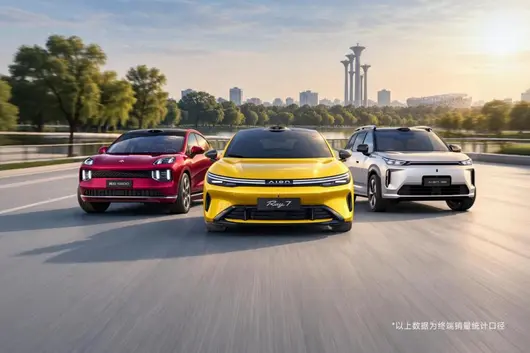
面向追求駕控與個性表達的年輕群體,Ray 系列首款車型 Ray7 迎來內飾首發,並同步開啟先享計劃。用戶支付 299 元意向金可鎖定合計 8999 元全套先享權益,品牌同時成立 RC Club(Ray Racing Club),並限量送出飄移體驗課程。該車型搭載超級底盤、超級三電、超級智能與外觀設計,配備華為 DriveONE 全套驅製融合架構、鋁混前雙叉臂加後五連桿懸掛打造的純血後驅,以及文遠知行 L4 級同源智駕。

同為"60 雙子星”的埃安 N60 繼續在國民智駕賽道發力。其在貴陽智駕大賽拿下預賽、決賽雙料冠軍後,又在瀋陽站賽事奪冠。作為面向年輕人的車型,該車上市不足 5 個月用戶突破 2 萬,累計 5 個月奪得 10 萬至 13 萬激光雷達銷量冠軍,將激光雷達與 L4 級同源智駕技術帶入主流價位。
在技術層面,2027 款埃安 RT 依托廣汽自研非晶合金電驅,以 8.571kWh/100km 的電耗成績創下吉尼斯紀錄。該電驅核心採用厚度僅 0.025mm 的非晶合金薄帶,由中國科學院東莞材料科學與技術研究所與廣汽集團聯合攻關,突破量產製造壁壘並率先實現規模化落地應用,相關製造工藝列入國家《禁止出口限制出口技術目錄》,並獲得 2025 年度全球新能源汽車唯一動力系統創新技術獎項。目前該技術已同步應用於埃安 N60、2027 款 i60 等主力車型。

國內市場多點開花同時,海外市場已成為昊鉑埃安的重要增長極。產品持續登陸新加坡、泰國、哥倫比亞、沙烏地、阿聯酋等市場,排名穩居當地前列。在希臘市場,其 7 月位列純電細分市場第二名,8 月位列第三名,形成國內與海外雙向拉動增長格局。
面對當前新車發布節奏加快、部分車型開發週期縮短所引發的討論,對消費者而言,選車更關注的是品質穩定性與品牌的長期性。昊鉑埃安依托廣汽集團體系,具備售後網點較多、配件供應穩定等特點,核心三電為自研自產,並有科技企業共同參與生態建設。

國慶假期是家庭看車、換車的窗口期,昊鉑埃安也推出相應購車政策。廣汽埃安開啟“好時好節購好車,十全十美來埃安”活動,涵蓋 i60、N60、RT、UT 及 V Home 等多款車型,至高可享十重禮遇,包括至高 8000 元置換補貼;國慶期間下訂還可參與萬份交強險與購物卡抽獎。10 月 1 日至 7 日,廣汽昊鉑開啟“國慶購昊鉑 Duo 款好禮抽不停”活動,送大額購車現金券或 iPhone Duo。此外,10 月到店試駕可領取“好柿成雙”柿餅禮盒,數量有限。

#全新 QQ3 摩登版上市
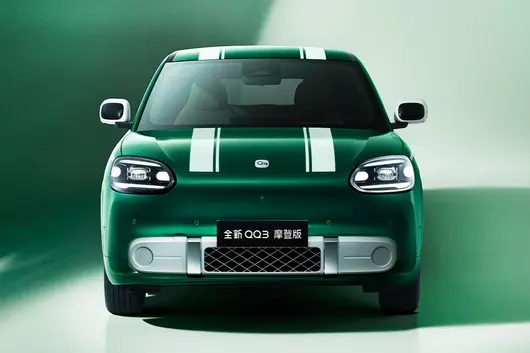
蕪湖鳩茲廣場嘅秋夜,一輛復古綠嘅小車靜靜地停在聚光燈下,身後係六臺風格迥異嘅改裝作品。9 月 22 日,“QQ Show 同 TA 嘅朋友們暨 QQ3 摩登版上市發布會”以一場“快樂秀場”嘅形式揭開咗新車面紗。全新 QQ3 摩登版正式上市,官方指導價 8.89 萬元,增購價 8.69 萬元,限時置換價 8.39 萬元。奇瑞品牌全球代言人孫俪同脫口秀演員馮子豪、步驚雲、島主到場助陣,將脫口秀嘅鬆弛感注入呢場發布。

如果話 QQ 係一代人嘅國民記憶,咁全新 QQ3 摩登版試圖回答嘅,係一個更當下嘅問題:當 A0 級純電市場從藍海變成紅海,一臺小車點解令年輕人願意多看佢一眼?


從“有車”到“有型”,摩登唔只係配色嘅事
全新 QQ3 摩登版畀出嘅答案,藏喺細節入面。新車以 Neo Retro 設計理念為核心,喺全新 QQ3 方圓美學基礎上融入復古未來主義語言。外觀方面,摩登版提供“摩登時代”同“安妮珍珠”兩款專屬配色,前者以復古綠呈現膠片電影般嘅顆粒質感,後者則以奶杏同珍珠光澤交織出溫潤嘅視覺效果。車漆採用豪車同款供應商嘅 6 層 2K 高質感車漆,老化光澤損失控制喺 5% 以內,遠低於行業 20% 嘅標準。時光徽章輪轂、風跡競速拉花、復古白前後槓等專屬套件,令整車辨識度同現款車款拉開咗明顯距離。

真正令人意外嘅係座艙嘅變化。車內頂棚、A/B 柱及主副駕遮陽板升級為天鵝絨包覆,觸感柔軟細膩;中控面板與門內嵌飾板融入千鳥格高定紋理,座椅同中央扶手箱以摩登撞色織帶點綴。雲絨米內飾鋪開柔和明亮嘅基調,配合千鳥格紋理同天鵝絨材質,呢種過去多見於合資品牌高配車款嘅處理手法,出現在一台 8 萬級小車上,多少有些越級嘅意思。

呢套設計語言並非憑空而來。2025 年至 2026 年,奇瑞全新 QQ 連續四次獲得紅點設計大獎,涵蓋概念、產品、品牌同傳達設計等領域,摩登版正係出自呢個設計團隊之手。四獲紅點加持,令“中國原創精品小車”呢個定位有咗更具說服力嘅注腳。
8155 芯片上車,小車嘅智能標準被重新劃定
喺智能化層面,全新 QQ3 摩登版嘅配置清單放出來嘅時候,唔少人嘅第一反應係“呢個價位嘅車真畀咗這些?”
車機搭載高通 8155 車規級芯片同 15.6 英寸 2.5K 超高清中控屏,極窄邊框設計配合 88% 屏佔比,視覺沉浸感喺同級中處於領先位置。Carmind AI 智能體支持自然語言暢聊、車況實時獲取同智能車控,令車機從功能入口轉變為更懂用戶嘅交互夥伴。個性化 HMI 提供 3D 桌面、時光壁紙、寵物壁紙及自定義喚醒詞,手車互連則涵蓋 CarPlay、HiCar、CarLink 三種主流協議,降低咗唔同手機用戶嘅上手門檻。


泊車同輔助駕駛同樣超出呢個價位嘅常規預期。540°全景影像、12 顆超聲波雷達、100+ 全場景自動泊車及 L2 級輔助駕駛,涵蓋巡航、碰撞預警、車道輔助、盲區監測、開門預警等 15 項功能。70L 智能電動前備箱支持 8 種開啟方式,配合 6.6kW 外放電,把收納、戶外、露營等場景一併納入小車嘅生活半徑。10 層雲舒座椅支持前排電動調節同加熱,主駕坐墊及靠背通風、方向盤加熱、雙智能柔光化妝鏡等配置一併到位。


呢啲配置單拎出嚟或許唔算顛覆,但當佢哋集中出現在一台 8.89 萬元嘅 A0 級小車上,呢台車嘅“好搭子”屬性唔再只係營銷話術
高強度鋼與六維電安全,小車唔應該只係“夠用”
小車談安全,往往容易被“夠用就好”四個字糊弄過去。全新 QQ3 摩登版顯然唔打算走呢條路。
車身採用五縱八橫籠式結構,高強度鋼佔比 82%,熱成型鋼佔比 16%,1300MPa 一體式熱成型門環通過激光拼焊技術將 A 柱、B 柱、門檻等部件整合為一個完整嘅環形結構,強度達到普通鋼嘅 3 倍以上,顯著提升側面碰撞安全性。電池方面,犀牛電池搭載寧德時代電芯,從結構防護、密封防水、熱安全管理與寬溫域性能四個層面強化安全體系——電池箱體採用 DP780 高強度鋼打造,密封等級達到 IP68 最高防水標準,每塊電芯均配備單獨防爆閥以確保單電芯失控時唔發生熱蔓延。整車通過中汽中心 NESTA 六維電安全認證,涵蓋充電安全、電磁安全、功能安全、高壓安全、電池安全同消防安全六大維度。6 安全气囊、AEB 主動煞車、BSD 盲區監測等配置一併标配。


喺駕控層面,全新 QQ3 摩登版基於原生智能純電平台打造,後置後驅佈局搭配四輪獨立懸架同 50:50 前後軸荷比,形成精品小車中少見嘅操控底子。十合一電驅系統體積減少 10%、功率提升 8%,C-EPS 無刷電機轉向系統助力效率超過 90%,5.2 米轉彎半徑令城市掉頭同泊車都足夠輕鬆。
8 萬級市場嘅“含金量”之爭
把全新 QQ3 摩登版放進當前 A0 級純電市場嚟睇,佢嘅競爭力需要放喺一個更具體嘅坐標入面衡量。
比亞迪海豚智駕版售價 9.98 萬至 12.58 萬元,全系标配高階智駕,品牌勢能同渠道覆蓋係佢最大優勢。歐拉好貓限時換新價 7.98 萬起,喺入門價格上更具吸引力。吉利星願 8 月銷量超過 6 萬輛,以規模優勢穩居頭部。全新 QQ3 摩登版以 8.39 萬元嘅置換價切入,價格上介乎好貓同海豚之間,配置層面畀出咗 8155 芯片、六維電安全認證、後置後驅獨立懸架等通常出現喺更高價位車款上嘅硬件。

全新 QQ3 上市至今連續 5 個月銷量過萬,8 月銷量達 19103 輛,環比增長 64.07%,目前海内外訂單突破 10 萬輛。海外市場方面,泰國、印尼預售後累計訂單量快速突破 2 萬輛,QQ 系列累計銷量超過 160 萬輛,暢銷 100 多個國家同地區。呢啲數據說明,市場對全新 QQ3 嘅產品力已經畀出咗初步認可。摩登版嘅推出,係喺呢個基礎上完成嘅一次“價值上探”——透過官方改裝嘅形式,把用戶嘅個性化需求從“自己動手”變做“原廠畀出”,降低咗自行改裝可能帶嚟嘅品質同適配風險。

奇瑞汽車副總裁、QQ 品牌主理人章紅玉喺發布會上話:“外在,經典颜值,內在,不變嘅堅守。原生智能純電平台、大師級底盤調校、全維安全守護、全球質量驗證——呢份硬核托底,成就全新 QQ3 摩登版。”呢段話點出咗摩登版嘅邏輯:颜值係入口,硬核產品力係底座,而“快樂”呢個 QQ 品牌一脈相承嘅基因,先係令用戶願意留下嘅理由。

從第一代 QQ 把汽車從奢侈品變做普通家庭觸手可及嘅代步工具,到而家全新 QQ3 摩登版以 8 萬級嘅價格提供天鵝絨頂棚、8155 芯片同六維電安全認證,QQ 品牌始終喺做同一件事——把超出期待嘅嘢,裝進一個唔貴嘅盒入面。摩登版嘅特別之處在於,佢唔再只滿足於“有車”嘅實用需求,而是開始回應“呢車懂我”嘅情感訴求。當一台小車能令人在打開車門時感到愉悅,能喺停好車後回頭多看一眼,佢就唔單單係一台代步工具啦。 諸葛易行

In the Malaysian SUV market, many buyers compare the Honda CR-V and MG MG HS when choosing a car. These two models are quite close in price and positioning. Today, we will make a detailed comparison from multiple aspects to help you save time on research.
The OTR price of the Honda CR-V in Malaysia is RM 178,200 - 195,900, with a total of 4 versions, including 2026 e:HEV 2.0L 2WD RS (RM 195,900), 2026 1.5T 4WD V (RM 181,900), 2026 e:HEV 2.0L 2WD E (RM 178,200), etc.
The OTR price of the MG MG HS in Malaysia is RM 130,450 - 146,450, with a total of 2 versions, including 1.5L Standard (RM 105,000), 1.5L Executive (RM 115,000), etc.
Looking at the price, the starting price of the MG MG HS is RM 47,750 cheaper than the Honda CR-V. To be honest, in this price segment, a difference of a few thousand doesn't really count as much; the key is to look at the overall cost-performance ratio and long-term usage costs.

The Honda CR-V is equipped with a 2.0L 4-cyl, with 170 hp. Official fuel consumption is 8.0 L/100km.
The MG MG HS is equipped with a 1.5L Turbo, with 140 hp. Official fuel consumption is 7.0 L/100km.
Regarding power, the Honda CR-V's 2.0L 4-cyl has 30 more horsepower than the MG MG HS's 1.5L Turbo, giving more confidence in mid-range acceleration, especially when overtaking on highways. However, the MG MG HS might have friendlier fuel consumption, and the difference in daily city commuting won't be significant.

The Honda CR-V body length is 4,500 mm, trunk 450 L.
The MG MG HS body length is 4,400 mm, trunk 400 L.
In terms of space, the Honda CR-V's body is 100 mm longer than the MG MG HS, and the interior seating space will be slightly more spacious, especially the rear legroom. If you often carry family members or need to fit a stroller, a larger body is indeed more practical.

Both the Honda CR-V and MG MG HS are mainstream choices in the Malaysian market, suitable for family use and daily commuting. If you value brand reputation and resale price more, you can prioritize the one with better reputation; if you care more about cost-performance ratio and features, then choose the one with richer configurations. Ultimately, it is recommended to test drive both, as firsthand experience is the most important.
Overall, both the Honda CR-V and MG MG HS are very good models in the Malaysian market. Which one to choose depends mainly on your personal needs and budget. It is recommended to do your research, compare quotes from several dealerships, and then test drive to make the final decision. Buying a car is a big matter; spending time on research will definitely not go wrong.


喺馬來西亞嘅 SUV 市場,好多買家在揀車嗰陣都會拿本田 WR-V 同奇瑞 Tiggo 8 Pro 嚟做比較。呢兩款車喺價位同定位上都幾接近,而家我哋就從多個方面做一個詳細嘅比較,幫你省下做功課嘅時間。
本田 WR-V 喺馬來西亞嘅 OTR 售價係 RM 89,900 - 107,900,一共有 4 個版本,包括 2023 1.5L V(RM 99,900)、2023 1.5L E(RM 95,900)、2023 1.5L S(RM 89,900) 等等。
奇瑞 Tiggo 8 Pro 喺馬來西亞嘅 OTR 售價係 RM 159,750 - 159,750,一共有 2 個版本,包括 1.6L Turbo Standard(RM 130,000)、1.6L Turbo Premium(RM 145,000) 等等。
由價錢嚟睇,本田 WR-V 嘅起價確實比奇瑞 Tiggo 8 Pro 平咗 RM 69,850。如果你預算有限,本田嘅入門版已經可以滿足日常需求。但都要注意,平嘅嗰幾千蚊,可能喺配備上會有取捨,具體要睇你嘅需求。

本田 WR-V 車身長 4400 mm,尾箱 400 L。
奇瑞 Tiggo 8 Pro 車身長 4400 mm,尾箱 400 L。
兩款車嘅尺寸幾乎一樣,車內空間分別唔大。呢個級別嘅車,日常使用完全夠用。

本田 WR-V 採用 FWD 驅動方式。
奇瑞 Tiggo 8 Pro 採用 FWD 驅動方式。
兩款車嘅驅動方式一樣,都係 FWD,日常駕駛感受唔會有太大分別。

本田 WR-V 同奇瑞 Tiggo 8 Pro 都係馬來西亞市場嘅主流選擇,適合家庭用途、日常通勤。如果你更看重品牌口碑同二手價,可以優先揀口碑好嗰款;如果你更在意性價比同配備,嗰就揀配備更豐富嗰款。最終都係建議兩款都去試駕,親自體驗先係最緊要嘅。
總括嚟講,本田 WR-V 同奇瑞 Tiggo 8 Pro 都係馬來西亞市場好唔錯嘅車型。揀邊一輛,關鍵都係要睇你嘅個人需求同預算。建議大家做好功課,多比較幾間車行嘅報價,再去試駕做最終決定。買車係件大事,花點時間做功課絕對唔會錯。


In Malaysia's SUV market, many buyers compare Proton X90 and Chery Tiggo 7 PHEV when choosing a car. Both cars are quite close in price and positioning. Today we will make a detailed comparison from multiple aspects to save you time doing research.
The OTR price for Proton X90 in Malaysia is RM 106,800 - 122,800, with a total of 4 versions, including 2026 1.5T Prime X (RM 122,800), 2026 1.5T Prime (RM 116,800), 2026 1.5T Lite (RM 106,800) etc.
The OTR price for Chery Tiggo 7 PHEV in Malaysia is RM 129,750 - 129,750, with a total of 2 versions, including 2025 1.5T 90km CSH (RM 129,750), What charging methods does the Tiggo 7 PHEV support? Can it be charged using a home power socket? (RM 117,478) etc.
From the price perspective, Proton X90's starting price is indeed RM 22,950 cheaper than Chery Tiggo 7 PHEV. If your budget is limited, Proton's entry-level version can already meet daily needs. But also note, the difference of a few thousand might involve trade-offs in features, it depends on your specific needs.

Proton X90 is equipped with 1.5L Turbo, 140 hp. Official fuel consumption 7.0 L/100km.
Chery Tiggo 7 PHEV is equipped with Hybrid, 170 hp. Official fuel consumption 4.5 L/100km.
In terms of power, Chery Tiggo 7 PHEV's Hybrid has 30 more horsepower than Proton X90's 1.5L Turbo. However, for daily driving in the city, both cars' power is sufficient, you won't feel lack of power.
Proton X90 body length 4400 mm, trunk 400 L.
Chery Tiggo 7 PHEV body length 4400 mm, trunk 400 L.
The dimensions of both cars are almost the same, interior space difference is not significant. Cars of this class are more than enough for daily use.
Proton X90 adopts FWD drive method.
Chery Tiggo 7 PHEV adopts FWD drive method.
Both cars have the same drive method, both are FWD, daily driving experience will not have much difference.

Overall, Proton X90 and Chery Tiggo 7 PHEV are both very good car models in the Malaysian market. Which one to choose depends mainly on your personal needs and budget. We recommend you do your homework, compare quotes from multiple dealerships, then test drive to make the final decision. Buying a car is a big matter, spending some time doing research is never wrong.



文丨陳偉東
當新能源賽道陷入參數內捲、迭代提速的浮躁週期,真正沉下心打磨產品的車企愈來愈稀缺。
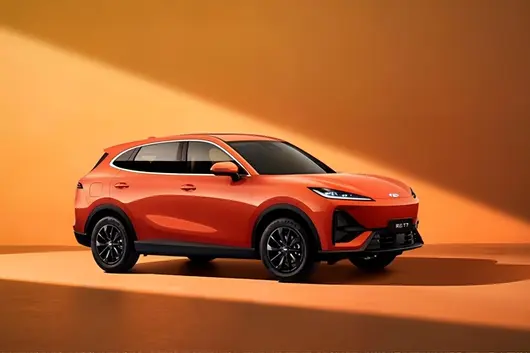
8 月 12 日,奇瑞風雲 T7 正式開啟預售。不同於行業「快速上新、快速迭代」的節奏,風雲 T7 以長期主義造車理念歷經多年深度打磨,依托奇瑞全球化研發、測試、製造體系,完成多地域、全工況嚴苛驗證,以經過全球市場驗證的成熟品質,回歸家用純電最本真的產品價值。
拒絕速成造車
作為奇瑞面向全球家庭打造的高品質純電 SUV,風雲 T7 從研發之初便立足全球統一標準,不做「特供版」、不搞區域差異化減配。整車對標 2026 版 E-NCAP 五星安全體系打造,功能安全達到行業頂級 ASIL-D 等級,從車身結構、電池防護到智能安全配置,全部按照全球最嚴苛法規前置設計。
為適配全球多元路況與氣候環境,風雲 T7 完成跨大洲全場景極限試煉:從北歐零下極寒、中東高溫暴曬,到東南亞濕熱雨淋、海外非鋪裝爛路,覆蓋全球 95% 典型路況與 -40℃至 55℃極限溫域。針對不同地區用車痛點,整車完成防水、抗老化、防腐、底盤防護、熱泵溫控等上千項專項優化,確保無論南方雨季、北方寒冬、高原強紫外環境,都能保持穩定可靠的整車狀態。

在耐久驗證層面,風雲 T7 投入數十台專屬測試車輛,累計完成超 600 萬公里全域路試、145 萬公里專項耐久測試。超長週期、高強度實測,提前篩除量產隱患,讓車輛耐用性、穩定性遠超行業常規標準。
依托奇瑞 23 年出口領跑、2000 萬全球用戶的製造積澱,風雲 T7 同源海外車型已率先登陸泰國、南非等市場,憑藉穩定品質收穫海外用戶口碑。此番國內預售,是全球成熟品質反向回饋中國家庭。
全系真配置平權
當下家用純電市場普遍存在「入門減配、高配溢價」的現象,消費者往往需要在續航、安全、空間、舒適之間取捨。風雲 T7 徹底打破配置分層套路,以全系標配的全能實力,實現家用純電六大核心需求一步到位。
續航層面,風雲 T7 全系搭載高規格犀牛電池,CLTC 純電續航 600km,實測續航實現反向虛標。依托先進熱管理系統與低風阻車身設計,有效解決冬季續航縮水痛點;22 分鐘即可完成 30%-80% 快充,日常通勤、長途出行無需電量焦慮,電池超長壽命更保障十年用車無憂。

安全層面,風雲 T7 把頂配安全下放全系。整車採用高占比高強度鋼籠式車身,搭配專屬副車架結構、貫穿式加強門檻,車身抗撞能力全面拉滿。全車標配 9 安全氣囊,包含大體積雙腔遠端氣囊與超長側氣簾,配合電池 6D 鎖子甲級防護、IP68 頂級防水防撞能力,經過多重極限碰撞測試驗證,全方位守護家庭出行安全。
智能體驗上,車型搭載 4nm 高階車規芯片,算力充足、交互流暢,搭載升級靈犀智艙與豆包大模型,語音識別精準、場景邏輯貼合家用習慣。同時配備全場景智能泊車、高速領航、循跡倒車等實用智駕功能,弱化花哨功能、強化真實好用,降低家庭用戶駕駛負擔。
空間與舒適性是風雲 T7 的核心優勢。憑藉高效空間佈局,新車實現超高車內得房率,後排寬敞純平,乘坐舒展不局促。座椅支持通風、加熱等舒適功能,後排可一鍵放倒形成超大純平空間,兼顧日常載人、休憩午休、戶外露營多重場景。

底盤由國際團隊專業調校,實現前後均衡軸荷與超低車身重心,兼顧城市代步的平順靜謐與高速行駛的穩定質感,爛路濾震、高速操控表現全面優於同級家用 SUV。
設計上,風雲 T7 延續風雲序列東方美學理念,線條剋制簡約、造型大氣耐看,拒絕過度誇張的潮流化設計,實現久看不膩的高級質感。多款專屬車漆配色適配家庭審美,全車細節兼顧空氣動力學、隔音性能與耐久抗老化能力,顏值與實用性雙向平衡。
為家庭用戶打造「經得起時間考驗」的電車
新能源行業高速迭代,不少新品追求快速落地、快速出圈,犧牲了驗證週期與耐久品質。而奇瑞風雲 T7 堅持好車快不了點的研發理念:不趕短期熱度、不湊參數噱頭,把時間花在測試、驗證、優化上。

從用戶調研、全球工況適配,到百萬公里耐久路試、海外市場先行驗證,風雲 T7 把所有不確定性解決在上市之前。不盲目堆料,不製造配置焦慮,只為交付一台安全、耐用、省心、全能的家用純電 SUV。
此次正式開啟預售,意味著歷經千錘百煉的奇瑞風雲 T7 正式登陸家庭主流市場。以全球標準、全域實力、全系真配置,風雲 T7 將重塑 15 萬級家用純電 SUV 價值標杆,讓普通家庭也能買到經過全球驗證、十年不過時、省心耐用的高品質純電車。