首頁BMW X5

搜尋歷史
熱門搜尋
經銷商登入 / 註冊

In the Malaysian SUV market, many buyers compare Mazda CX-3 and Subaru Crosstrek when choosing a car. These two models are quite close in price and positioning. Today, we will make a detailed comparison from multiple aspects to save you time on research.
The OTR price for Mazda CX-3 in Malaysia ranges from RM 126,159 to RM 139,159, with a total of 2 versions, including the 2023 2.0L High (RM 139,159) and 2023 2.0L Plus (RM 126,159), etc.
The OTR price for Subaru Crosstrek in Malaysia ranges from RM 145,000 to RM 160,000, with a total of 1 version, including the 2.0L e-Boxer (RM 150,000), etc.
From a price perspective, the starting price of Mazda CX-3 is indeed RM 18,841 cheaper than Subaru Crosstrek. If your budget is limited, Mazda's entry-level version can already meet daily needs. However, be aware that the few thousand Ringgit difference might involve trade-offs in features, depending on your specific requirements.

Mazda CX-3 body length is 4500 mm, trunk 450 L.
Subaru Crosstrek body length is 4400 mm, trunk 400 L.
In terms of space, the Mazda CX-3 body is 100 mm longer than Subaru Crosstrek, providing slightly more interior seating space, especially rear legroom. If you frequently carry family members or need to fit a stroller, the larger body is indeed more practical.

Mazda CX-3 warranty is 5 years/150,000km, maintenance interval every 10,000km or 6 months.
Subaru Crosstrek warranty is 3 years/100,000km, maintenance interval every 10,000km or 6 months.

Both Mazda CX-3 and Subaru Crosstrek are mainstream choices in the Malaysian market, suitable for family use and daily commuting. If you value brand reputation and resale value more, you can prioritize the one with better reputation; if you care more about cost-performance and features, then choose the one with richer configuration. Ultimately, it is recommended to test drive both, as personal experience is the most important.

Overall, both Mazda CX-3 and Subaru Crosstrek are very good car models in the Malaysian market. Which one to choose, the key is to look at your personal needs and budget. It is recommended to do your research, compare quotes from several dealerships, and then test drive to make a final decision. Buying a car is a major matter, spending time on research will never go wrong.


I am Auto Market Storyteller Li Ming, welcome to continue liking and following "Li Ming Car Reviews".

A ranking list, half of the industry story.

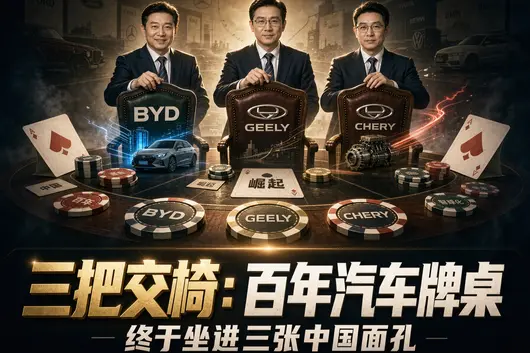
Once the first-half 2026 global car manufacturer sales ranking is out, Li Ming, the Auto Market Storyteller, counts the chairs for car enthusiasts first: The ranking shows that among the top ten key seats, three belong to Chinese car manufacturers. BYD is sixth, Geely is seventh, Chery is ninth. The three combined capture 13.5% of the global market share.
This is not "shortlisting", it is "taking a seat".
The century-old auto industry has traditionally seen Europe, America, and Japan taking turns leading. Today, for the first time on one side of the card table, three Chinese faces sit side by side. Toyota remains the top spot at 11%; Volkswagen is second at 8.1%. Looking down further, the sixth chair is carved with three Chinese characters: BYD.
I. Three Chairs, Not Just to Fill the Count, But Hard-fought In
Let's present the numbers first, no beating around the bush:
Combined, the three reach 4.589 million units, exceeding 13% of the global pie. Their volume already surpasses Volkswagen Group's individual share.
What's even more striking is "who was pushed out" - Honda fell out of the top ten, Suzuki became marginalized, Japanese brands only have Toyota guarding the basic market alone. Volkswagen and Stellantis each dropped about 3 points compared to 2019.
Li Ming, the Auto Market Storyteller, has been commenting on cars for so many years, seen domestic brands roll from "cheap and durable" all the way to "technological counterattack". But having all three break into the global top ten at the same time is unprecedented. This is not luck, it is the result of three layers of foundations stacking up.

II. Getting in relied on more than just a shout
First layer foundation: A complete new energy industry chain.
Batteries, motors, electronic controls, chips, smart cockpits, whole vehicle manufacturing, one chain domestically can run by itself. Others lacking battery cells wait for sea freight, we directly roll off the line in our workshops. Once scale grows, costs dilute; once costs drop, pricing can be aggressive.
Second layer foundation: Domestic competition is hell-level.
Domestic new energy penetration is already over half, price wars have lasted for over two years. Those who survive and move up in the Chinese market, viewed globally, won't be weak on fundamentals. Win the struggle domestically first, then take this skillset overseas, equivalent to playing in the CSL then the AFC Champions League.
Third layer foundation: Going overseas from "supporting role" to "main force".
In the first half of 2026, China's car exports reached 5.31 million units, a 53% year-on-year increase. In the first half alone, BYD sold 789,400 units overseas, a year-on-year increase of over 70%. Cars are no longer just "shipped out from China", but "manufactured locally, sold locally, and repaired locally overseas".
With these three layers stacked, only then did the three chairs finally sit securely.

III. Three Strategies, Each Has a "Unique Wrench"
Similarly entering the top ten, the paths are completely different. Don't believe it? Li Ming will disassemble and show car enthusiasts:
BYD: Holding the supply chain firmly in own hands.
Batteries made themselves, chips researched themselves, whole vehicles assembled themselves. Vertical integration to the extreme, cost control became a hard skill. DM-i, Blade Battery, Megawast Super Charging, technology is not just displaying parameters, but directly exchanging for overseas orders.
Nearly 790,000 units overseas in the first half, Europe, Southeast Asia, South America, Australia blooming in multiple points. Hungarian factory strikes straight into the European heartland, Thailand and Brazil bases start production one after another. This is "Technology + Manufacturing" attacking with two fists.
Geely: Multi-brand matrix, leveraging strength.
Volvo, Lynk & Co, Zeekr, Geely itself, a set of "055 Destroyer Fleet" strategy. Home use, premium, performance, intelligent, each running its own channel. Not fighting single-handedly, relying on the whole formation going overseas.
Average price per vehicle continues to rise, in the first half Geely's average price per vehicle rose year-on-year by 16%. What does this mean? Not only selling cheap cars, but solidifying brand tiers step by step.
Chery: Deepening "localization" into the soil.
Chery's voice is not the loudest domestically, but has the earliest layout overseas. Southeast Asia, Middle East, Latin America, Russia, wherever there is essential demand, there is its network.
Not just shipping cars boat by boat, but building factories locally, channels locally, adaptation locally. In the first half Chery's overseas share approached 70%, July 2026 single-month exports over 200,000 units. This is "fast growth brewed from slow work".
The three paths are different, but the underlying color is the same: no longer "moving boxes", but driving system capabilities and even management onto global highways.

IV. Once the chair is sat on securely, the next challenge is the hardest
But Li Ming must speak a word of fairness:
Sales ranking is not equal to the profit statement.
In the first 8 months of 2026, the auto industry revenue increased by 2.9%, but profits instead dropped by 16%, total vehicle profit margin is only 3.6%, lower by a margin than the average level of downstream industry. BYD first-half revenue 344.8 billion, net profit attributable to parents dropped two-tenths; Chery overseas income accounts for nearly 70% of total revenue, profit also under pressure.
Why? Three holes need to be filled:
First, per-vehicle profit is still thin. Toyota earns from selling one vehicle, more than we earn from selling one or two. Brand premium is not something you get by pasting a logo, it is accumulated bit by bit from ten years of reputation, used car residual value, and user trust.
Second, overseas service account is not finished. Transporting cars is easy, but parts warehouses, repair points, technician training, three-electric warranty, financial insurance, which one doesn't require throwing money and time. In the Middle East waiting for a part needs two months, reputation reverts overnight to before the Iran-Iraq War.
Third, price wars cannot be fought forever. Relying on price cuts to exchange for sales volume, selling more might lose more fiercely. Must turn from "volume" to "heart" - technology iteration, quality stability, service in place, making users willing to pay for the brand itself.
This word is indeed not pleasant, but must speak the truth. Top ten is a milestone, not the finish line.
V. From "Made in China" to "Globally Trusted", still lacking the last step
Li Ming has run on many domestic mountain roads, also seen many cars. Whether a car is good or not is not decided by a flash of news conference lights.
Take Guizhou's mountain roads as an example, when rain falls, when fog rises, when turns are sharp - battery stability, chassis alignment, brake trust, all shown underfoot. What car enthusiasts want has never been "cheapest", it is "least worry".
What Chinese cars lack now is not scale, it is the confidence to "make people buy with eyes closed".
Sales are the entry ticket, profit is the range battery, brand is the chassis. When all three are present, the car can run far, run steady, run solid.

VI. "Li Ming Car Reviews" Closing Statement
A global ranking list, three Chinese chairs.
From "Can Make", to "Can Sell", then to "Profit Long-term, Trustworthy" - Chinese cars are stepping on the second turning point.
First half, we relied on industry chain and scale, kicked the door open.
Second half, must rely on technology, profit and brand, to guard the door firmly.
Li Ming's "Solid" One-Sentence Review:
The seats are occupied, next is to turn the seats into a brand.
I am Auto Market Storyteller Li Ming, welcome to continue liking and commenting "Li Ming Car Reviews". Li Ming Car Reviews --- Reasonable and evidenced, emotional and warm.


On November 6, the Geely Galaxy Global User Music Carnival and Geely Star Wish Million Sales Milestone Fan Benefit Launch Event was held in Hangzhou. Within 24 months of launch, Geely Star Wish cumulative sales exceeded 1 million units, becoming the fastest new energy vehicle globally to reach million sales. Two limited versions, STAR Ace and STAR Chill, were launched on site with a limited-time benefit price of 88,800 yuan, simultaneously releasing million-sales fan benefits.

Since its launch in October 2024, Geely Star Wish sales have remained steadily high, taking the sales champion title among all vehicle categories in China. In 2026, market momentum continues to rise, with October sales exceeding 70,000 units, breaking the monthly record. Meanwhile, the model accelerated overseas expansion, now launching in over 30 countries globally, winning sales champion in sub-segments in multiple places such as Thailand, Egypt, and Australia, becoming the representative of Chinese new energy small cars going global.

The two newly launched STAR limited models focus on personalized experience. STAR Ace offers Worry-Free Green, Pepsi Orange, and Flowing Light Silver color options, while STAR Chill is equipped with exclusive Milk Salt Rice paint and a new interior. Both cars are equipped with an electric front trunk and EVA Robot, rare in its class. Buyers can enjoy a 3,000 yuan trade-in subsidy and a 4,099 yuan exclusive gift pack. Users can also participate in a lottery on the Geely Galaxy App to unlock milk tea vouchers, commemorative badges, IP merchandise, and other fan gifts. Behind the million sales is solid and reliable product quality. Geely Star Wish joined the China Automotive Technology and Research Center to conduct a real-world test on a user vehicle driven 220,000 kilometers. The vehicle's range achievement rate was 99.7%, and battery health was 91.19%, far exceeding national standard requirements; the rear-wheel-drive chassis tuned by Lotus retains good handling stability even after long-term use, and the God Shield Battery System also passed multiple extreme safety tests.

Beyond products, Geely Star Wish continues to advance the "Our Star Wish" public welfare project. The third season landed in Pu'er, Yunnan, donating and building a music classroom for the local Little Sparrow Choir. Children came to Hangzhou to perform on stage with Lang Lang and received masterclass guidance, continuing the owners' public welfare wishes. Standing at the new starting point of one million units, Geely Star Wish will continue to iterate products, uphold quality, balance user experience and social responsibility, continuing towards the next million goal, and presenting the strength and warmth of Chinese new energy to the world.


Zotye has been out of the public eye for six or seven years. It can be said that in any article about failed Chinese car companies, the name Zotye can be seen. However, Zotye is not only alive, it actually made a profit of 16.81 million yuan in the first three quarters of this year. Don't you find it infuriating.

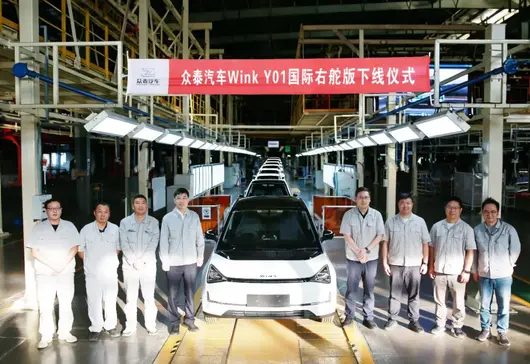
On November 5th, Zotye announced that the Wink Y01 International Right-Hand Drive version, a small pure electric car developed specifically for the overseas market, has officially rolled off the production line, with mass production and delivery planned for early 2027. The former pioneer of copycat cars, now surprisingly going overseas to sell electric cars.

How prosperous was Zotye back then? In 2016, it sold 330,000 units, relying on imitating the appearances of brands like Porsche, Audi, Volkswagen, etc., sales surged continuously. In 2018, sales dropped to 154,800 units. In 2019, it dropped again to 116,600 units. In 2020, production basically stopped.

In 2021, Jiangsu Shenshang participated in Zotye's bankruptcy reorganization, investing about 2 billion yuan. In October 2022, the Zotye T300 rolled off the production line again in Yongkang, Zhejiang. In 2023, the Jiangnan U2 pure electric car was launched. Unfortunately, although production resumed, sales never recovered.

In 2024, Zotye's complete vehicle business still did not pick up, and in 2025 it basically stopped work. But Zotye was not idle; under its umbrella are Hefei Yiheng, Jinma Technology, and Jinmen Door Industry. These companies have been operating automobile body panels, instrument panels, wiring harnesses, and security doors.

That's right, Zotye Automotive has mainly relied on selling automobile parts and security doors to maintain income these years. Revenue in 2025 was 521 million yuan. Although there was an annual loss of 367 million yuan, at least the company is still operating, and production bases and complete vehicle manufacturing qualifications have not all been lost.
More interestingly was 2026. In the first three quarters of this year, Zotye's revenue was 296 million yuan, net profit attributable to shareholders was 16.81 million yuan, and it actually turned losses into profits.
It turns out Zotye shrank its business in the first half of the year, cancelled some inefficient companies and production sites, and obtained about 200 million yuan in compensation benefits, plus about 30 million yuan in non-operating income from litigation settlements. In other words, although the cars were not sold, they first made the book profit positive by handling historical legacy assets.

However, this new car is really not just casually drawn in an effect diagram. The Wink Y01 is developed based on the Zotye S pure electric small car platform. Length 3,912 mm, width 1,745 mm, height 1,545 mm, wheelbase 2,520 mm. Size is between BYD Seagull and Dolphin.

This car adopts a four-wheel four-corner layout, closed front fascia, triangular headlights, through-type LED light strip, and flush door handles. Power, battery capacity, range, and price are not yet announced, but the appearance has absolute unique distinctiveness, copying no one.

Zotye targets the Indian and Indonesian markets with this car. In July of this year, a KD cooperation agreement was signed with India's Kaly Emotors, planning to build a local assembly project with an annual production capacity of 30,000 sets. At the same time, a strategic cooperation agreement was signed with Indonesia's BPKN, preparing to expand to Southeast Asia.
Zotye's goals are not small. By the end of 2026, it aims to sign agents in 25 countries, and in the long term, enter 55 countries globally. However, currently this car has not formed sales, and whether funds can be secured is also an issue. The cars have indeed been built, whether they can be sold depends on next year.

喺馬來西亞嘅 SUV 市場,好多買家在揀車嘅時候都會拿 Mazda CX-3 同 Subaru Forester 做比較。呢兩款車喺價位同定位上都好接近,今日我哋就從多個方面做一個詳細嘅比較,幫你節省做功課嘅時間。
Mazda CX-3 喺馬來西亞嘅 OTR 售價係 RM 126,159 - 139,159,一共有 2 個版本,包括 2023 2.0L High(RM 139,159)、2023 2.0L Plus(RM 126,159)等等。
Subaru Forester 喺馬來西亞嘅 OTR 售價係 RM 174,000 - 197,000,一共有 3 個版本,包括 2024 2.0L S EyeSight GT Edition(RM 189,538)、2024 2.0L S EyeSight(RM 177,538)、2024 2.0L L EyeSight(RM 167,538)等等。
由價錢睇,Mazda CX-3 嘅起步價確實比 Subaru Forester 平咗 RM 47,841。如果你預算有限,Mazda 嘅入門版已經可以滿足日常需要。但都要留意,平嗰幾千蚊,可能喺配備上會有取舍,具體要睇你嘅需要。
Mazda CX-3 車身長 4500 mm,後廂 450 L。
Subaru Forester 車身長 4400 mm,後廂 400 L。
空間方面,Mazda CX-3 嘅車身比 Subaru Forester 長咗 100 mm,車內乘坐空間會稍微闊少少,尤其係後座腳位空間。如果你經常載家下或者需要放手推車,大少少嘅車身確實更實用。
Mazda CX-3 採用 FWD 驅動方式。
Subaru Forester 採用 FWD 驅動方式。
兩款車嘅驅動方式一樣,都係 FWD,日常駕駛感受唔會有太大分別。
Mazda CX-3 同 Subaru Forester 都係馬來西亞市場嘅主流選擇,適合家庭使用、日常通勤。如果你更睇重品牌口碑同二手價,可以優先考慮口碑更好嗰一款;如果你更在意性價比同配備,那就揀配置更豐富嗰款。最終都係建議兩款都去試駕,親自體驗先至最重要。

總體嚟講,Mazda CX-3 同 Subaru Forester 都係馬來西亞市場好唔錯嘅車型。揀邊一輛,關鍵都係要睇你嘅個人需要同預算。建議大家做好功課,多比較幾間車行嘅報價,再去試駕做最終決定。買車係件大件事,花啲時間做功課絕對唔會錯。

喺馬來西亞嘅 SUV 市場,好多買家喺揀車嘅時候都會拿馬自達 CX-3 同斯巴魯 Forester 嚟做比較。呢兩部車喺價位同定位上都幾接近,今日我哋就從多個方面做一个詳細嘅比較,幫你省做足功課嘅時間。
馬自達 CX-3 喺馬來西亞嘅 OTR 售價係 RM 126,159 - 139,159,一總共有 2 個版本,包括 2023 2.0L High(RM 139,159)、2023 2.0L Plus(RM 126,159) 等。
斯巴魯 Forester 喺馬來西亞嘅 OTR 售價係 RM 174,000 - 197,000,一總共有 3 個版本,包括 2024 2.0L S EyeSight GT Edition(RM 189,538)、2024 2.0L S EyeSight(RM 177,538)、2024 2.0L L EyeSight(RM 167,538) 等。
從價錢睇,馬自達 CX-3 嘅起價確實比斯巴魯 Forester 平咗 RM 47,841。如果你預算有限,馬自達嘅入門版已經可以滿足日常需要。不過都要注意,平嗰幾千蚊,可能喺配備方面要取舍,具體要睇你嘅需求。
馬自達 CX-3 搭載 1.5L Turbo,馬力 140 hp。官方油耗 7.0 L/100km。
斯巴魯 Forester 搭載 2.0L 4-cyl,馬力 170 hp。官方油耗 8.0 L/100km。
動力方面,斯巴魯 Forester 嘅 2.0L 4-cyl 比馬自達 CX-3 嘅 1.5L Turbo 多咗 30 匹馬力。不過日常喺市區行,兩部車嘅動力都夠用,唔會覺得唔夠力。
馬自達 CX-3 車身長 4500 mm,後尾箱 450 L。
斯巴魯 Forester 車身長 4400 mm,後尾箱 400 L。
空間方面,馬自達 CX-3 嘅車身比斯巴魯 Forester 長咗 100 mm,車內乘坐空間會啲寬鬆,尤其係後座腳位空間。如果你經常載住家人或者要放嬰兒車,大少少嘅車身確實更抵用。
馬自達 CX-3 保養保修 5 年/150,000km,保養間隔 每 10,000km 或 6 個月。
斯巴魯 Forester 保養保修 3 年/100,000km,保養間隔 每 10,000km 或 6 個月。
總括嚟講,馬自達 CX-3 同斯巴魯 Forester 都係馬來西亞市場幾唔錯嘅車型。揀邊一部,關鍵仲要睇你嘅個人需要同預算。建議大家做足功課,多比較幾間車行嘅報價,再去試駕先做最後決定。買車係件大事,花少少時間做功課絕對唔錯。

In Malaysia's SUV market, many buyers compare Mazda CX-3 and Mitsubishi Xforce when choosing a car. These two cars are quite close in price and positioning. Today, we will make a detailed comparison from multiple aspects to help you save time on research.
The OTR price of Mazda CX-3 in Malaysia is RM 126,159 - 139,159, with a total of 2 versions, including 2023 2.0L High (RM 139,159), 2023 2.0L Plus (RM 126,159), etc.
The OTR price of Mitsubishi Xforce in Malaysia is RM 109,930 - 119,930, with a total of 2 versions, including 2026 1.5L Ultimate (RM 119,930), 2026 1.5L Urban (RM 109,930), etc.
Looking at the price, the starting price of Mitsubishi Xforce is RM 16,229 cheaper than Mazda CX-3. Honestly, in this price range, a difference of a few thousand is not really that big. The key is to look at the overall value for money and long-term usage costs.
Mazda CX-3 has a safety rating of 5★ (ASEAN NCAP), active safety systems include i-Activsense.
Mitsubishi Xforce has a safety rating of 5★ (ASEAN NCAP), active safety systems include MI-PILOT.
Both cars have the same safety rating, and safety equipment in this class is quite complete. The safety of new cars nowadays is not bad, no need to worry too much about this.
Mazda CX-3 adopts FWD drive mode.
Mitsubishi Xforce adopts FWD drive mode.
Both cars have the same drive mode, both are FWD, there won't be much difference in daily driving experience.
Mazda CX-3 and Mitsubishi Xforce are both mainstream choices in the Malaysian market, suitable for family use and daily commuting. If you value brand reputation and resale value more, you can prioritize the one with better reputation; if you care more about value for money and features, then choose the one with richer configurations. Ultimately, it is recommended to test drive both models, as personal experience is the most important.

Overall, Mazda CX-3 and Mitsubishi Xforce are both very good models in the Malaysian market. Which one to choose depends on your personal needs and budget. It is recommended that everyone do their research, compare quotes from several dealers, and then test drive to make a final decision. Buying a car is a big deal, spending time doing research will never be wrong.

喺馬來西亞嘅 SUV 市場,好多買家喺揀車嘅時候都會拿馬自達 CX-3 同起亞 Sportage 嚟做比較。這兩款車喺價位同埋定位上都好接近,今日我哋就從多個方面做一個詳細嘅對比,幫你節省做功課嘅時間。
馬自達 CX-3 喺馬來西亞嘅 OTR 售價係 RM 126,159 - 139,159,合共有 2 個版本,包括 2023 2.0L High(RM 139,159)、2023 2.0L Plus(RM 126,159)等。
起亞 Sportage 喺馬來西亞嘅 OTR 售價係 RM 129,639 - 179,320,合共有 4 個版本,包括 2025 1.6T DCT 4WD High(RM 179,320)、2025 1.6T DCT 2WD High(RM 159,320)、2025 2.0L AT 2WD High(RM 139,639)等。
從價錢來看,馬自達 CX-3 嘅起步價確實比起亞 Sportage 平咗 RM 3,480。如果你預算有限,馬自達嘅入門版已經可以滿足日常需求。但亦都要留意,平嗰幾千塊,可能喺配備上會有取舍,具體要睇你嘅需求。
馬自達 CX-3 採用 FWD 驅動方式。
起亞 Sportage 採用 FWD 驅動方式。
兩款車嘅驅動方式一樣,都係 FWD,日常駕駛感受唔會有太大分別。
馬自達 CX-3 保修 5 年/150,000km,保養間隔 每 10,000km 或 6 個月。
起亞 Sportage 保修 5 年/300,000km,保養間隔 每 10,000km 或 6 個月。
馬自達 CX-3 同起亞 Sportage 都係馬來西亞市場嘅主流選擇,適合家庭用途、日常通勤。如果你更看重品牌口碑同二手價,可以優先考慮口碑更好嗰一款;如果你更在意性價比同配備,嗰就揀配置更豐富嗰款。最後始終建議兩款都去試駕,親身體驗先係最重要嘅。

總體嚟講,馬自達 CX-3 同起亞 Sportage 都係馬來西亞市場幾唔錯嘅車型。揀邊一輛,關鍵都要睇你嘅個人需求同預算。建议大家做好功課,多比較幾間車行嘅報價,再去試駕做最終決定。買車係件大事,花啲時間做功課絕對唔會錯。

In the Malaysian SUV market, many buyers compare the Mazda CX-3 and MG MG HS when choosing a car. These two cars are quite close in price and positioning. Today we will make a detailed comparison from multiple aspects to help you save time on research.
The OTR price of Mazda CX-3 in Malaysia is RM 126,159 - 139,159, with a total of 2 versions, including 2023 2.0L High (RM 139,159), 2023 2.0L Plus (RM 126,159), etc.
The OTR price of MG MG HS in Malaysia is RM 130,450 - 146,450, with a total of 2 versions, including 1.5L Standard (RM 105,000), 1.5L Executive (RM 115,000), etc.
Looking at the price, the starting price of Mazda CX-3 is indeed RM 4,291 cheaper than MG MG HS. If your budget is limited, the entry-level version of Mazda can already meet daily needs. But be aware, the few thousand cheaper might have trade-offs in features, depending on your needs.
Mazda CX-3 is equipped with 1.5L Turbo, 140 hp. Official fuel consumption 7.0 L/100km.
MG MG HS is equipped with 1.5L Turbo, 140 hp. Official fuel consumption 7.0 L/100km.
Both cars use the same powertrain, the driving feel in daily use is basically no difference. Fuel consumption is also similar, no need to worry too much about this point.
The safety rating of Mazda CX-3 is 5★ (ASEAN NCAP), active safety systems include i-Activsense.
The safety rating of MG MG HS is TBD, active safety systems include Basic.
Regarding safety features, both cars have received good ratings. However, there are some differences in function between Mazda CX-3's i-Activsense and MG MG HS's Basic. If you value active safety more, you can compare the feature lists of both.
Mazda CX-3 warranty 5 years/150,000km, maintenance interval every 10,000km or 6 months.
MG MG HS warranty 7 years/150,000km, maintenance interval every 10,000km or 6 months.
Mazda CX-3 and MG MG HS are both mainstream choices in the Malaysian market, suitable for family use and daily commuting. If you value brand reputation and resale value more, prioritize the one with better reputation; if you care more about cost-performance and features, choose the one with richer configuration. Finally, it is recommended to test drive both, personal experience is the most important.
In general, Mazda CX-3 and MG MG HS are both very good models in the Malaysian market. Choosing which one depends mainly on your personal needs and budget. It is recommended to do research, compare quotes from a few car dealers, and then test drive to make a final decision. Buying a car is a big matter, spending some time doing research will never be wrong.
In the Malaysia SUV market, many buyers compare Mazda CX-3 and Chery Tiggo 9 when choosing a car. These two cars are quite close in price and positioning. Today we will make a detailed comparison from multiple aspects to save you the time of doing research.
The Mazda CX-3 OTR price in Malaysia is RM 126,159 - 139,159, with a total of 2 versions, including 2023 2.0L High (RM 139,159), 2023 2.0L Plus (RM 126,159), etc.
The Chery Tiggo 9 OTR price in Malaysia is RM 166,800 - 179,800, with a total of 1 version, including 2026 2.0T Standard (RM 179,750), etc.
In terms of price, the Mazda CX-3 starting price is indeed RM 40,641 cheaper than the Chery Tiggo 9. If your budget is limited, the Mazda entry-level version can already meet daily needs. However, also note, the cheaper few thousand might involve trade-offs in specifications, it depends on your needs.
Mazda CX-3 comes with 1.5L Turbo, 140 hp. Official fuel consumption 7.0 L/100km.
Chery Tiggo 9 comes with 2.0L 4-cyl, 170 hp. Official fuel consumption 8.0 L/100km.
In terms of power, the Chery Tiggo 9's 2.0L 4-cyl has 30 hp more than the Mazda CX-3's 1.5L Turbo. However, for daily city driving, both cars' power is sufficient, you won't feel underpowered.
Mazda CX-3 body length 4500 mm, trunk 450 L.
Chery Tiggo 9 body length 4400 mm, trunk 400 L.
In terms of space, the Mazda CX-3 body is 100 mm longer than the Chery Tiggo 9, the interior passenger space is slightly more spacious, especially the rear legroom. If you frequently carry family or need to fit a stroller, the larger body is indeed more practical.
Mazda CX-3 adopts FWD drive method.
Chery Tiggo 9 adopts FWD drive method.
Both cars have the same drive method, both are FWD, daily driving feel won't have too much difference.

Mazda CX-3 warranty 5 years/150,000km, maintenance interval every 10,000km or 6 months.
Chery Tiggo 9 warranty 3 years/100,000km, maintenance interval every 10,000km or 6 months.

Overall, Mazda CX-3 and Chery Tiggo 9 are both very good models in the Malaysia market. Which one to choose, the key is to see your personal needs and budget. We suggest everyone do their homework, compare quotes from several dealerships, then go for a test drive to make a final decision. Buying a car is a major matter, spending some time doing homework will definitely not be wrong.

In the Malaysian SUV market, many buyers compare Mazda CX-3 and Chery Tiggo 7 PHEV when choosing a car. These two models are quite close in price and positioning. Today, we will make a detailed comparison from multiple aspects to help you save time on research.
The OTR price of Mazda CX-3 in Malaysia is RM 126,159 - 139,159, with a total of 2 versions, including 2023 2.0L High (RM 139,159), 2023 2.0L Plus (RM 126,159), etc.
The OTR price of Chery Tiggo 7 PHEV in Malaysia is RM 129,750 - 129,750, with a total of 2 versions, including 2025 1.5T 90km CSH (RM 129,750), What charging methods does the Tiggo 7 PHEV support? Can it be charged using a home power socket? (RM 117,478), etc.
From the price perspective, the starting price of Mazda CX-3 is indeed RM 3,591 cheaper than Chery Tiggo 7 PHEV. If your budget is limited, Mazda's entry-level version can already meet daily needs. But also note, the few thousand RM difference might involve trade-offs in equipment, specifically depending on your needs.
Mazda CX-3 comes with 1.5L Turbo, 140 hp. Official fuel consumption 7.0 L/100km.
Chery Tiggo 7 PHEV comes with Hybrid, 170 hp. Official fuel consumption 4.5 L/100km.
In terms of power, Chery Tiggo 7 PHEV's Hybrid has 30 more hp than Mazda CX-3's 1.5L Turbo. However, for daily city driving, the power of both cars is sufficient, you won't feel it's underpowered.
Mazda CX-3 safety rating is 5★ (ASEAN NCAP), active safety system includes i-Activsense.
Chery Tiggo 7 PHEV safety rating is TBD, active safety system includes Basic.
Regarding safety equipment, both cars have received good ratings. However, Mazda CX-3's i-Activsense and Chery Tiggo 7 PHEV's Basic have some differences in functionality. If you value active safety, you can compare the function lists of both in detail.
Mazda CX-3 body length 4500 mm, trunk 450 L.
Chery Tiggo 7 PHEV body length 4400 mm, trunk 400 L.
In terms of space, Mazda CX-3's body is 100 mm longer than Chery Tiggo 7 PHEV, the interior seating space will be slightly more spacious, especially the rear legroom. If you often carry family members or need to fit a stroller, a larger body is indeed more practical.

Mazda CX-3 uses FWD drive mode.
Chery Tiggo 7 PHEV uses FWD drive mode.
The drive mode of both cars is the same, both are FWD, daily driving experience will not differ much.

Overall, Mazda CX-3 and Chery Tiggo 7 PHEV are both very good models in the Malaysian market. Which one to choose, the key is still your personal needs and budget. We suggest you do your research, compare quotes from several car dealers, then go for a test drive to make the final decision. Buying a car is a big matter, spending time on research will definitely not be wrong.


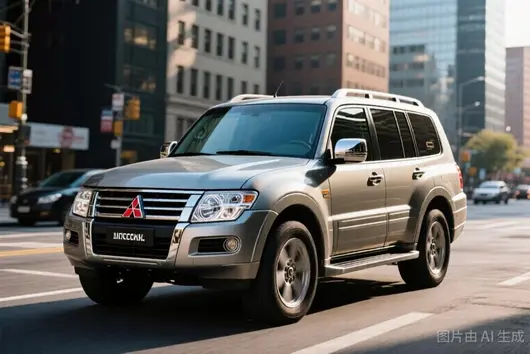
貓頭鷹車志(ID:owlauto)訊,三菱汽車 10 月 29 日宣佈,新款帕傑羅將於 12 月 17 日在日本國內正式發售,起售價 619 萬日圓,按當前匯率約合人民幣 26.19 萬元。這是帕傑羅自 2019 年停止日本本土生產後,時隔 6 年重新回歸日本市場,並成為三菱在日本國內在售車型中售價最高的一款。三菱將這款招牌車型的回歸,視為帶動品牌整體業績復甦的重要一步。
日本市場共提供四個配置等級(GLS、GSR、Exceed、Super Exceed),價格區間從 619 萬至 795 萬日圓,折合人民幣約 26.19 萬至 33.64 萬元。其中頂配 Super Exceed 起售價 795 萬日圓(約 33.64 萬元),GSR 起售價 676 萬日圓(約 28.60 萬元),這兩款將在 12 月率先交付;最廉價版本等其他車型則要等到 2027 年 4 月才進入生產。
這一定價直接對標豐田蘭德酷路澤。帕傑羅起售價比蘭德酷路澤主力車型”250″高出約 40 萬日圓(約 1.68 萬人民幣),整體落在蘭德酷路澤 250 與更大尺寸的旗艦車型”300″之間。三菱並沒有選擇以低價切入,而是把差異化放在行駛性能與內飾的高檔感上:車身比蘭德酷路澤更窄,轉向更為靈活,並可在鋪裝路面切換為後輪驅動以提升燃油經濟性;內飾方面,座椅與駕駛座周圍採用真皮包覆,全車配備隔音玻璃,隔音材料經過針對性設計,以求在崎嶇路面保持車廂安靜。
動力系統上,新款帕傑羅搭載 2.4 升雙渦輪增壓柴油發動機,最大功率 201 馬力,峰值扭矩 470 牛米,匹配 6AT 或 8AT 變速箱。新車基於 Triton 皮卡平台開發,在泰國工廠生產,採用梯形車架的非承載式底盤結構,回歸硬派越野的本源定位。非承載式車身結構,使它更偏向傳統越野而非城市 SUV 的定位。
市場反饋超出預期。自 10 月展開預訂以來,帕傑羅在日本國內的訂單已達 5500 輛,其中 7 成客戶選擇了頂配 Super Exceed,8 成客戶來自其他品牌轉投。三菱為這款車設定的日本國內月銷目標為 1000 輛。
帕傑羅的回歸處於日本越野 SUV 市場整體回潮的背景之下。在戶外出行需求持續走強的帶動下,豐田蘭德酷路澤系列 2025 年在日本銷量達到 4.5 萬輛,呈現一家獨大的格局。面對需求,日產計劃於 2027 年上半年推出途樂 Patrol,本田則計劃從 2026 年下半年起由美國逆向進口 Passport。在這一輪越野 SUV 新品中,帕傑羅是率先落地的一款,能否把預訂熱度轉化為持續銷量,是三菱面臨的下一道考題。
帕傑羅是三菱的招牌車型,自 1982 年誕生以來歷經四代演進,曾 12 次於達喀爾拉力賽中奪冠,在越野圈積累了長期的口碑。第一代車型於 1982 年推出,1985 年便在巴黎 - 達喀爾拉力賽中奪得總冠軍,由此打開知名度。2019 年,受銷量下滑與排放法規壓力,三菱停止了帕傑羅在日本本土的生產。時隔 6 年,這款傳奇越野車以新一代身份重新回到日本市場,在蘭德酷路澤主導的格局中,它能否切分屬於自己的份額,將是接下來市場關注的焦點。

喺馬來西亞嘅 SUV 市場,好多買家在揀車嗰陣都會拿馬自達 CX-3 同 MG MG HS 嚟做比較。這兩款車喺價位同定位上都幾接近,今日我哋就從多個方面做一个詳細嘅對比,幫你省咗做功課嘅時間。
馬自達 CX-3 喺馬來西亞嘅 OTR 售價係 RM 126,159 - 139,159,合共 2 個版本,包括 2023 2.0L High(RM 139,159)、2023 2.0L Plus(RM 126,159) 等。
MG MG HS 喺馬來西亞嘅 OTR 售價係 RM 130,450 - 146,450,合共 2 個版本,包括 1.5L Standard(RM 105,000)、1.5L Executive(RM 115,000) 等。
從價錢睇,馬自達 CX-3 嘅起價的確比 MG MG HS 平咗 RM 4,291。如果你預算唔夠,馬自達嘅入門版已經可以滿足日常需要。但都要留意,平啲嗰幾千蚊,可能喺配備上有取捨,具體要睇你嘅需要。
馬自達 CX-3 搭載 1.5L Turbo,馬力 140 hp。官方油耗 7.0 L/100km。
MG MG HS 搭載 1.5L Turbo,馬力 140 hp。官方油耗 7.0 L/100km。
兩款車用緊同一套動力系統,日常開落嘅感覺基本冇分別。油耗方面都差唔多,唔使太糾結這一點。
馬自達 CX-3 車身長 4500 mm,車尾箱 450 L。
MG MG HS 車身長 4400 mm,車尾箱 400 L。
空間方面,馬自達 CX-3 嘅車身比 MG MG HS 長咗 100 mm,車內乘坐空間會稍微寬少少,尤其係後座腿部空間。如果你經常載家人或者需要放嬰兒車,大少少嘅車身的確更實用。
馬自達 CX-3 同 MG MG HS 都係馬來西亞市場嘅主流選擇,適合家庭用、日常通勤。如果你更睇重品牌口碑同二手價,可以優先考慮口碑更好嗰款;如果你更在意性價比同配備,嗰就揀配置更豐富嗰款。最後都係建議兩款都去試駕,親身體驗先係最重要嘅。
總體嚟講,馬自達 CX-3 同 MG MG HS 都係馬來西亞市場唔錯嘅車型。揀邊輛,關鍵都係要睇你嘅個人需求同預算。建議大家做好功課,多比較下幾間車行嘅報價,再去試駕做最終決定。買車係件大事情,花少少時間做功課絕對唔會錯。

In Malaysia's SUV market, many buyers compare Mazda CX-3 and Chery Tiggo 8 Pro when choosing a car. These two cars are quite close in price and positioning. Today, we will make a detailed comparison from multiple aspects to help you save time on research.
Mazda CX-3 OTR price in Malaysia is RM 126,159 - 139,159, there are 2 variants in total, including 2023 2.0L High (RM 139,159), 2023 2.0L Plus (RM 126,159), etc.
Chery Tiggo 8 Pro OTR price in Malaysia is RM 159,750 - 159,750, there are 2 variants in total, including 1.6L Turbo Standard (RM 130,000), 1.6L Turbo Premium (RM 145,000), etc.
From the price perspective, Mazda CX-3's starting price is indeed RM 33,591 cheaper than Chery Tiggo 8 Pro. If your budget is limited, Mazda's entry-level version can already meet daily needs. But also note, the few thousand difference might involve trade-offs in features, depending on your needs.
Mazda CX-3 is equipped with 1.5L Turbo, 140 hp. Official fuel consumption 7.0 L/100km.
Chery Tiggo 8 Pro is equipped with 2.0L 4-cyl, 170 hp. Official fuel consumption 8.0 L/100km.
In terms of power, Chery Tiggo 8 Pro's 2.0L 4-cyl has 30 more horsepower than Mazda CX-3's 1.5L Turbo. However, for daily city driving, both cars have enough power and won't feel underpowered.
Mazda CX-3 body length 4500 mm, trunk 450 L.
Chery Tiggo 8 Pro body length 4400 mm, trunk 400 L.
In terms of space, Mazda CX-3's body is 100 mm longer than Chery Tiggo 8 Pro, the interior seating space will be slightly more spacious, especially rear legroom. If you often carry family or need to put in a stroller, the larger body is indeed more practical.
Mazda CX-3 adopts FWD drive mode.
Chery Tiggo 8 Pro adopts FWD drive mode.
Both cars have the same drive mode, both are FWD, daily driving experience won't differ much.
Overall, Mazda CX-3 and Chery Tiggo 8 Pro are both very good car models in the Malaysian market. Choosing which one depends mainly on your personal needs and budget. It is recommended to do your homework, compare quotes from several dealerships, and then test drive to make the final decision. Buying a car is a big matter, spending time on research will never go wrong.

In Malaysia's SUV market, many buyers compare the Mazda CX-3 and Chery Tiggo 7 Pro when choosing a car. These two cars are quite close in price and positioning. Today, we will make a detailed comparison from multiple aspects to help you save time on research.
The Mazda CX-3 OTR price in Malaysia is RM 126,159 - 139,159, with a total of 2 versions, including 2023 2.0L High (RM 139,159), 2023 2.0L Plus (RM 126,159), etc.
The Chery Tiggo 7 Pro OTR price in Malaysia is RM 123,750 - 123,750, with a total of 2 versions, including 1.6L Turbo Standard (RM 125,000), 1.6L Turbo Premium (RM 140,000), etc.
Looking at the price, the starting price of the Chery Tiggo 7 Pro is RM 2,409 cheaper than the Mazda CX-3. Honestly, in this price segment, a difference of a few thousand is not really that big. The key is to look at the overall value for money and long-term usage costs.
The Mazda CX-3 is equipped with a 1.5L Turbo engine, 140 hp. Official fuel consumption 7.0 L/100km.
The Chery Tiggo 7 Pro is equipped with a 1.5L Turbo engine, 140 hp. Official fuel consumption 7.0 L/100km.
Both cars use the same powertrain system, and the driving feel is basically the same in daily use. Fuel consumption is also similar, no need to worry too much about this point.
The safety rating of the Mazda CX-3 is 5★ (ASEAN NCAP), active safety systems include i-Activsense.
The safety rating of the Chery Tiggo 7 Pro is TBD, active safety systems include Basic.
In terms of safety equipment, both cars have received good ratings. However, the i-Activsense of the Mazda CX-3 and the Basic of the Chery Tiggo 7 Pro have some differences in function. If you value active safety, you can compare the function lists of the two carefully.
Mazda CX-3 warranty 5 years/150,000 km, maintenance interval every 10,000 km or 6 months.
Chery Tiggo 7 Pro warranty 3 years/100,000 km, maintenance interval every 10,000 km or 6 months.
Overall, both the Mazda CX-3 and Chery Tiggo 7 Pro are very good models in the Malaysian market. Choosing which one mainly depends on your personal needs and budget. It is recommended to do research, compare quotes from several dealers, and then test drive before making a final decision. Buying a car is a big matter, spending some time researching will never be wrong.

喺馬來西亞嘅 SUV 市場,好多買家喺揀車嘅時候都會用 Mazda CX-3 同 Chery Tiggo 8 PHEV 嚟做比較。呢兩部車喺價位同定位上都幾接近,今日我哋就從多個方面做一個詳細比較,幫你省咗做功課嘅時間。
Mazda CX-3 喺馬來西亞嘅 OTR 售價係 RM 126,159 - 139,159,總共有 2 個版本,包括 2023 2.0L High(RM 139,159)、2023 2.0L Plus(RM 126,159)等。
Chery Tiggo 8 PHEV 喺馬來西亞嘅 OTR 售價係 RM 159,750 - 159,750,總共有 2 個版本,包括 1.6L Turbo Standard(RM 130,000)、1.6L Turbo Premium(RM 145,000)等。
從價錢嚟睇,Mazda CX-3 嘅起步價確實比 Chery Tiggo 8 PHEV 平咗 RM 33,591。如果你預算有限,Mazda 嘅入門版已經可以滿足日常需要。但都要注意,平嗰幾千蚊,喺配備上會有取舍,具體要看你嘅需要。
Mazda CX-3 裝有 1.5L Turbo,馬力 140 hp。官方油耗 7.0 L/100km。
Chery Tiggo 8 PHEV 裝有 Hybrid,馬力 170 hp。官方油耗 4.5 L/100km。
動力方面,Chery Tiggo 8 PHEV 嘅 Hybrid 比 Mazda CX-3 嘅 1.5L Turbo 多咗 30 匹馬力。不過日常喺市區開,兩部車嘅動力都夠用,唔會覺得唔夠力。
Mazda CX-3 嘅安全評級係 5★ (ASEAN NCAP),主動安全系統包括 i-Activsense。
Chery Tiggo 8 PHEV 嘅安全評級係 TBD,主動安全系統包括 Basic。
安全配備方面,兩部車都拿到唔錯嘅評級。不過 Mazda CX-3 嘅 i-Activsense 同 Chery Tiggo 8 PHEV 嘅 Basic 喺功能上有少少差異,如果你比較睇重主動安全嘅話,可以仔細比較下兩者嘅功能列表。
Mazda CX-3 採用 FWD 驅動方式。
Chery Tiggo 8 PHEV 採用 FWD 驅動方式。
兩部車嘅驅動方式一樣,都係 FWD,日常駕駛感受唔會有太大分別。
Mazda CX-3 同 Chery Tiggo 8 PHEV 都係馬來西亞市場嘅主流選擇,適合家庭用車、日常通勤。如果你更睇重品牌口碑同二手價,可以優先考慮口碑更好嗰一款;如果你更在意性價比同配備,就揀配備更豐富嗰款。最終都係建議兩部都去試駕,親身體驗先係最緊要嘅。
總體嚟講,Mazda CX-3 同 Chery Tiggo 8 PHEV 都係馬來西亞市場唔錯嘅車型。揀邊一部,關鍵都係睇你嘅個人需要同預算。建議大家做好功課,多比較幾間車行嘅報價,再去做試駕做最終決定。買車係件大事,花少少時間做功課絕對唔會錯。

喺馬來西亞嘅 SUV 市場,好多買家揀車嗰陣都會拿 Mazda CX-3 同 Chery Tiggo 8 PHEV 嚟比較。這兩款車喺價錢同定位上都幾接近,今日我就喺多個方面做個詳細比較,幫你省下做功課嘅時間。
Mazda CX-3 喺馬來西亞嘅 OTR 售價係 RM 126,159 - 139,159,合共有 2 個版本,包括 2023 2.0L High(RM 139,159)、2023 2.0L Plus(RM 126,159) 等。
Chery Tiggo 8 PHEV 喺馬來西亞嘅 OTR 售價係 RM 159,750 - 159,750,合共有 2 個版本,包括 1.6L Turbo Standard(RM 130,000)、1.6L Turbo Premium(RM 145,000) 等。
講到價錢,Mazda CX-3 嘅起價真係比 Chery Tiggo 8 PHEV 平咗 RM 33,591。如果你預算有限,Mazda 嘅入門版已經可以滿足日常需求。但都要留意,便宜嘅幾千蚊,喺配備上可能有取捨,具體睇你嘅需求。
Mazda CX-3 車身長 4500 mm,尾箱 450 L。
Chery Tiggo 8 PHEV 車身長 4400 mm,尾箱 400 L。
空間方面,Mazda CX-3 嘅車身比 Chery Tiggo 8 PHEV 長咗 100 mm,車內坐位空間會稍微闊啲,尤其係後座腿部空間。如果你經常載家人或者需要放嬰兒車,大啲嘅車身真係更實用。
Mazda CX-3 保養 5 年/150,000km,保養間隔 每 10,000km 或 6 個月。
Chery Tiggo 8 PHEV 保養 3 年/100,000km,保養間隔 每 10,000km 或 6 個月。
Mazda CX-3 同 Chery Tiggo 8 PHEV 都係馬來西亞市場嘅主流選擇,適合家庭用、日常通勤。如果你更重視品牌口碑同二手價,可以優先考慮口碑好嗰款;如果你更在意性價比同配備,就揀配置豐富嗰款。最終仲係建議兩款都去試駕,親自體驗先係最重要嘅。
總體嚟講,Mazda CX-3 同 Chery Tiggo 8 PHEV 都係馬來西亞市場好唔錯嘅車型。揀邊輛,關鍵仲係睇你嘅個人需求同預算。建議大家做好功課,多比較幾間車行嘅報價,先去試駕做最終決定。買車係件大事,花少少時間做功課絕對唔會錯。

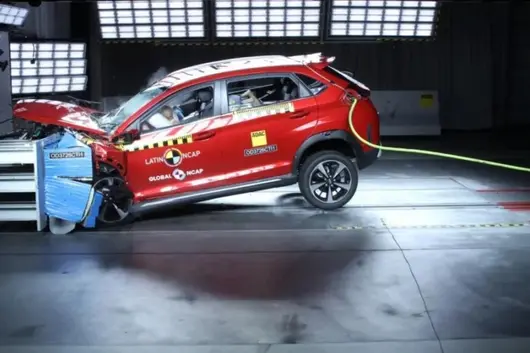
As a leading domestic automotive export enterprise, Chery has recently been deeply scrutinized by public opinion regarding quality and safety standards. The trigger was the poor performance of its models in the crash tests of the latest Latin America New Car Assessment Program (Latin NCAP).

Latin NCAP: Tiggo 2 Receives Zero-Star Rating
On October 28, 2026, the Latin America and Caribbean New Car Assessment Program (Latin NCAP) released the first batch of crash test reports adopting the 2026 version of the new testing protocol. Chery Tiggo 2 (corresponding to the Chery Tiggo 3x in the domestic market, named Tiggo 2 Pro, Tiggo 2 Pro Max, and Chery Tiggo 2 in the Mexican market) received a zero-star (0 star) rating.

The vehicle comes standard with four airbags and an Electronic Stability Control System (ESC), but still failed to meet basic safety requirements. The report shows that Tiggo 2 scored 0% for adult occupant protection, 0% for child occupant protection; pedestrian protection scored 49%, and safety assistance system scored 45%.

Latin NCAP pointed out several key safety defects:
Body structure instability: During the frontal collision, the vehicle body and footwell area deformed and became unstable, causing severe crushing injury to the driver's chest;

Fire risk: Fire hazards were detected during the frontal collision test, posing a major threat to occupants inside the vehicle and rescuers;
Lack of safety features: The vehicle does not come standard with side curtain airbags for head protection; rear seat belts are not equipped with pretensioners and load limiters; simultaneously, the vehicle is not equipped with any Advanced Driver Assistance Systems (ADAS).

Latin NCAP Secretary-General Alejandro Fulas stated that the test results have pushed Chery into the spotlight — the safety performance of products launched by the brand for hot-segment markets is worrisome.
Another quality incident occurred in Malaysia: On October 6, a Chery Omoda 5 suffered an accident where the entire rear suspension assembly detached while driving. The Malaysian Land Transport Authority (JPJ) immediately suspended the model certification (VTA) for this model and stopped new vehicle registration and licensing services.

In response, Chery initiated a recall, involving 8,878 Omoda 5 C and H version vehicles. On October 21, Chery Chairman and General Manager Yin Tongyue publicly apologized at the World Intelligent Connected Vehicles Conference (WICV) regarding this quality incident. Yin Tongyue emphasized that Chery is committed to "deeply rooted" in overseas markets, rather than pursuing short-term windfall profits; at the same time, he called on Chinese automakers going overseas to maintain humility and respect local regulations and systems.

Since the Chery Tiggo series was launched in 2005, products have been exported to more than 80 countries and regions. The Tiggo 2 series is the entry-level model with the lowest price threshold in this product line, focusing on practicality and high cost-performance ratio. In the first half of 2026 alone, Chery exported more than 115,028 vehicles to the Central and South American market.

喺馬來西亞嘅 SUV 市場,好唔少買家在揀車嘅時候都會拿豐田 Harrier 同賓士 GLC 做比較。這兩款車喺價錢同定位上都幾接近,今日我就從多個方面做一個詳細對比,幫你省返做功課嘅時間。
豐田 Harrier 喺馬來西亞嘅 OTR 售價係 RM 289,000 - 289,000,一共有 1 個版本,包括 2026 HEV 2.5L Standard(RM 289,000) 等。
賓士 GLC 喺馬來西亞嘅 OTR 售價係 RM 336,888 - 336,888,一共有 2 個版本,包括 GLC 200(RM 290,000)、GLC 300(RM 340,000) 等。
從價錢嚟睇,豐田 Harrier 嘅入門價的確比賓士 GLC 便宜咗 RM 47,888。如果你預算有限,豐田嘅入門版已經可以滿足日常需求。但都要記住,平嗰幾千蚊,可能喺配備上有取舍,具體要睇你嘅需求。

豐田 Harrier 搭載 2.0L Turbo,馬力 220 匹。官方油耗 9.5 公升/100 公里。
賓士 GLC 搭載 2.0L Turbo,馬力 220 匹。官方油耗 9.5 公升/100 公里。
兩款車用緊同一套動力系統,日常行起嚟嘅感受基本無差別。油耗方面都幾差唔多,唔使太糾結這一點。

豐田 Harrier 嘅安全評級係 5★ (ASEAN NCAP),主動安全系統包括 Brand ADAS。
賓士 GLC 嘅安全評級係 5★ (Euro NCAP),主動安全系統包括 Premium ADAS。
安全配備方面,兩款車都拿到唔錯嘅評級。不過豐田 Harrier 嘅 Brand ADAS 同賓士 GLC 嘅 Premium ADAS 喺功能上有啲差異,如果你比較看重主動安全嘅話,可以仔細對比一下兩者嘅功能清單。

豐田 Harrier 採用 FWD 驅動方式。
賓士 GLC 採用 FWD 驅動方式。
兩款車嘅驅動方式一樣,都係 FWD,日常駕駛感受唔會有太大區別。
總體嚟講,豐田 Harrier 同賓士 GLC 都係馬來西亞市場好唔錯嘅車型。揀邊一輛,關鍵仲係要睇你嘅個人需求同預算。建議大家做好功課,多比較幾間車行嘅報價,先去試駕做最終決定。買車係件大事,花點時間做功課絕對無錯。

The 15th Five-Year Plan outline explicitly lists intelligent connected new energy vehicles as the core track of new quality productive forces, pointing the direction for the transformation of the automotive industry. However, new quality productive forces are not merely a concept at the industrial planning level; they need to eventually land as verifiable industrial achievements.
As the first domestic automotive group to break through cumulative sales and production of 100 million vehicles, SAIC Group has created a mature model for the implementation of new quality productive forces in the automotive industry through comprehensive systematic practice.
From independent breakthroughs in core bottom-level technologies to synergistic progress across the entire industry chain, from the continuous construction of intelligent manufacturing talent echelons to the steady output of value in the global market, SAIC has transformed new quality productive forces into a real driving force for industrial upgrading.
Tech Breakthroughs, Leading the Track
The core of new quality productive forces is autonomous and controllable technology. Chinese automakers must break free from reliance on foreign technology paths and forge their own innovation routes.
In the past few decades, China's automotive industry has long been in a following state in traditional fields such as engines, gearboxes, and chassis; however, on the new track of smart electric vehicles, Chinese automakers have achieved a leap from following to leading, with SAIC being a core representative in this regard.
High-efficiency thermal management technology is a highly representative microcosm of this.
The thermal management system of new energy vehicles involves multiple links such as batteries, motors, and cockpits, directly affecting vehicle energy consumption, comfort, and performance under different temperature environments.
Around relevant technologies, SAIC led and jointly launched industry-academia-research collaborative innovation with Shanghai Jiao Tong University, Jiangsu University, and Tongji University, promoting independent R&D in aspects such as system architecture, intelligent control, and material processes.
In 2026, the project "Key Technologies and Whole Vehicle Integrated Application of High-Efficiency All-Temperature Integrated Thermal Management", completed under the leadership of SAIC, was awarded the Second Prize for Science and Technology Progress by the China Society of Automotive Engineers.

This technology allows the heat pump operating temperature to drop from -15°C to -35°C, improving winter heating efficiency by 30%, and, using self-developed Aluminum-Lanthanum-Cerium Rare Earth Alloy materials, breaks through the patent barriers of foreign enterprises in flow channel plate materials.
Now this technology has long entered mass production application, equipped on models such as MG4, Roewe Pure Electric D6, MG 07, and Shangjie Z7, with cumulative assembly exceeding 420,000 sets in the past three years.
In more frontier fields, SAIC's technology layout has also entered the mass production harvest period: semi-solid-state batteries achieve the first batch of mass production in the world, steer-by-wire technology achieves scale landing first, and AI large model native cockpit officially launches to the market.

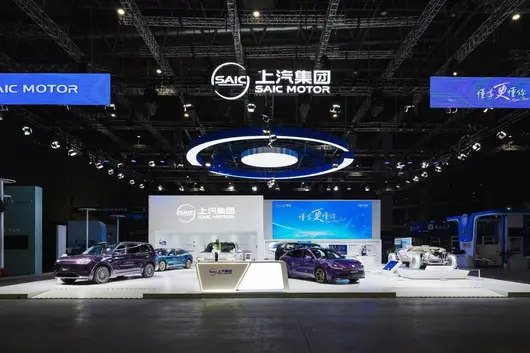
At the scene of the 2026 World Intelligent Connected Vehicle Conference in late October, the SAIC exhibition booth brought three mass production vehicles: the 150,000 yuan range Roewe Jiayue 07 debuted with AI-native cockpit and high-level intelligent driving, achieving atomic scheduling of whole vehicle hardware by large models for the first time; MG 07 packed the 800V high-voltage platform and 5C super charging into a 150,000 yuan range new energy coupe; the 200,000 yuan range brand new IM LS6 brought aviation-grade standards of full steer-by-wire chassis to the mainstream family SUV market.
Decades of continuous R&D investment in the fields of electrification and intelligence, tens of thousands of valid patents, SAIC has already built a complete innovation chain from basic research, engineering development to mass production verification.
When key technologies move from the laboratory to the production line, from high-end models to the mainstream market, independent innovation truly transforms into sustainable industrial competitiveness.
Ecosystem Synergy, Industrial Prosperity
The value amplification of technological innovation cannot do without the support of the industrial ecosystem. The growth of new quality productive forces has never been the solitary fight of a single enterprise, but the synergistic upgrading of the entire industry chain.
As a leading enterprise in the automotive industry, SAIC's role has long been upgraded from a complete vehicle manufacturer to the "Chain Master" of the industrial ecosystem, driving the upstream and downstream industry chains to advance together through the integration of industry and investment, and whole vehicle and parts synergy, spreading the dividends of new quality productive forces to the entire industry.
Different from the investment logic of pursuing financial returns alone, SAIC's industrial investment always anchors on one core standard: whether the invested enterprise can form deep synergy with the main business, whether it can strengthen the shortcomings of the supply chain, and whether it can accumulate technical potential for long-term transformation.
Along this line of thought, on one hand, SAIC lays out related technologies and key components around core businesses such as cockpits, chassis, and power; on the other hand, invests in frontier directions such as artificial intelligence and robots, while paying attention to basic links such as chips, materials, processes, and equipment, attempting to connect external innovation capabilities with the existing industrial system.
To date, SAIC's industrial investment has yielded more than 90 listed enterprises, and since 2026, a number of tech enterprises such as Momenta, Changxin Technology, and YueXin Semiconductor have successively landed on the capital market.
These enterprises are not only investment targets for SAIC but also deep partners for technology implementation.
In the fields of AI and intelligent driving, SAIC's deep synergy with Momenta not only allowed high-level intelligent driving to be quickly rolled down to mainstream price points, but also promoted the iterative maturity of intelligent driving algorithms under China's complex road conditions.
In the semiconductor field, investment in Changxin Technology and YueXin Semiconductor not only helped domestic memory chips and analog chips break through technical bottlenecks, but also provided stable supply chain support for its own intelligent cockpits and intelligent driving domain controllers.
At the 2026 World Artificial Intelligence Conference, dozens of AI enterprises invested by SAIC made a centralized appearance, covering the full chain from underlying computing power to application scenarios, and a real industrial synergy network has already formed.

This ecosystem effect has also extended to the manufacturing end. The embodied intelligence humanoid robot "Nengzai 1" invested and researched by SAIC has officially taken on duty on the battery mass production line of Buick Zhijing E7, becoming one of the first humanoid robots in the Chinese automotive industry to be put into mass production line application.
From production line automation to embodied intelligence, the upgrading of the manufacturing end not only improved SAIC's own production efficiency, but also drove the domestic humanoid robot industry from prototypes to the landing of real industrial scenarios.
This is exactly the core value of leading enterprises, not limited to their own sales and profit growth, but able to drive the entire industrial chain to break through upwards.
Talent Foundation, Intelligent Manufacturing Empowerment
The implementation of new quality productive forces ultimately depends on people to achieve it.
The process of manufacturing upgrading to "intelligent manufacturing" is also the process of skilled talent iteration and upgrading. If technology is the skeleton of new quality productive forces, then high-skilled talents are the foundation supporting the skeleton.

The twelve-year relationship between SAIC and the WorldSkills Competition is a microcosm of its talent strategy. In the vehicle body repair project, competitors trained by SAIC in collaboration with institutions have cumulatively won "Four Golds and One Silver": from Luo Liang achieving the breakthrough of zero medals for China in this project in 2015, to Yang Shanwei, Xu Aomen, and Zhu Junfeng climbing the top one after another, to Jiao Jiao winning gold again in 2026, the spirit of craftsmanship is inherited and continued in successive generations of contestants.
Beyond medals and honors, what is more valuable is the entire talent growth system settled by SAIC over many years.
To date, SAIC has cumulatively invested 650 million yuan to build four major training bases, creating a skilled talent team of over 80,000 people, of which high-skilled talents are about 30,000 people, accounting for more than 35%; 16 national-level skill master studios and 83 national and Shanghai technical experts have been born.
From traditional vehicle body repair and complete vehicle assembly to emerging AI operations and maintenance, software testing, and intelligent production line debugging, the training direction of skilled talents has always kept pace with the rhythm of industrial upgrading for iterative evolution.
Now, former WorldSkills champions have grown into technical experts and coaches, and new generations of contestants are replenishing the industry teams continuously, forming a virtuous cycle of skill inheritance.
In the current situation where the automotive industry is upgrading and transforming from "manufacturing" to "intelligent manufacturing", this long-term investment in skilled talents is the most solid confidence for new quality productive forces.
Global Layout, Value Export
The quality of new quality productive forces ultimately needs to be tested in a broader market.
The upgrading of China's automotive industry cannot stop at the domestic market, but must export Chinese technology, Chinese standards, and Chinese solutions to the world, participate in international rule-making and high-end market competition.
SAIC's globalization has long passed the primary stage of抢占 market share by cost-effectiveness. Under the Glocal 3.0 strategy, SAIC's outbound market has been upgraded from simple product export to the value chain of technology, brand, service, and standards going overseas across the whole chain.
In the first three quarters of 2026, SAIC Group's overseas cumulative sales reached 1.166 million vehicles, a year-on-year increase of 52.4%, exceeding the level of the full year of 2025, with growth speed and scale quality improving simultaneously.
As the largest overseas regional market for SAIC, the growth of the European market combines scale and worthiness. In the first three quarters, the MG brand's cumulative sales in Europe exceeded 280,000 vehicles, a year-on-year increase of 23%, ranking as the sales champion of Chinese brands in Europe for 11 consecutive years.

While deepening in Europe, SAIC's globalization network is accelerating extension to more regions. In the first three quarters, MG's sales in 18 markets in Central America and the Caribbean region increased by 86% year-on-year.
While passenger cars are steadily expanding, the commercial vehicle sector has become another important fulcrum for SAIC system's overseas launch. In September, SAIC Commercial Vehicles' overseas sales reached 18,395 vehicles, a year-on-year increase of 120%, creating a historical high.
Currently, SAIC ranks first among Chinese light commercial vehicle exports to Europe, and SAIC Commercial Vehicles have achieved counter-trend breakthroughs in multiple regions such as Australia, Argentina, Singapore, and Egypt, and the globalization operation system is becoming increasingly mature.
Supporting this achievement is not only product power, but also the synchronous output of technological power and brand power.
From Frankfurt to London, MG has continuously held technology conferences to showcase semi-solid-state batteries, hybrid technology, and intelligent driving solutions to the global market; from Goodwood Festival of Speed to Hannover Show, SAIC has debuted the full matrix of passenger vehicles to commercial vehicles, outputting complete solutions for different scenarios.
The vehicle models equipped with the aforementioned thermal management solutions have been exported to over 170 countries and regions, with overseas application ratio exceeding 50%, and gradually outputting to joint venture brands and commercial vehicle brands, becoming a vivid case of Chinese technology going overseas.
This is true globalization, not only selling Chinese brand cars overseas, but also transforming the systemic capabilities formed by Chinese automobiles in the fields of electrification, intelligence, and advanced manufacturing into products, services, and solutions that can adapt to the global market.
This full-chain outbound capability allows the results of China's new quality productive forces to truly take root in the global market.
Conclusion
The curtain of the "15th Five-Year Plan" has been drawn, and intelligent connected vehicles as the core track of new quality productive forces, their competition has long extended from the contest of single products or technologies to the comprehensive comparison of innovation systems, industry chain synergy, talent reserves, and global operation capabilities.
SAIC's practice is not only a breakthrough in single-point technology, nor is it a single model innovation, but a systematic capability upgrade covering technology, ecology, talent, and globalization, which is the active undertaking of the leading enterprise for the responsibility of industrial upgrading.
SAIC has proved with actual results: new quality productive forces are not a slogan, but the ability to implement strategies in the industry, to convert technology into user value. The high-quality development of China's automotive industry still needs more such systematic practice to build a benchmark for manufacturing transformation and forge a path.