首頁BMW X5

搜尋歷史
熱門搜尋
經銷商登入 / 註冊

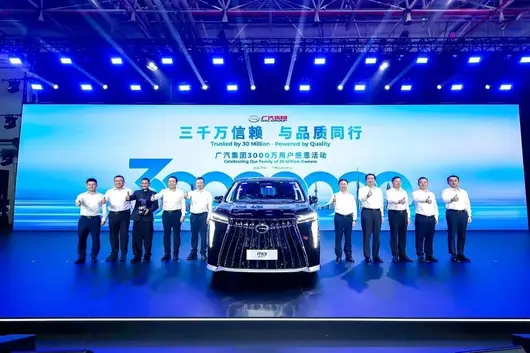
2026 年 7 月 16 日,廣汽集團傳祺工廠嘅聚光燈下,第 3000 萬輛汽車——廣汽傳祺 M8 PHEV 緩緩駛出生產線,交付到國際動作巨星東尼·嘉手中。呢個畫面冇華麗嘅詞藻堆砌,卻似一記重錘,敲響咗中國製造嘅強音。

3000 萬輛,唔係冷冰冰嘅數字,而係廣汽用 29 年光陰,喺電動化、智能化浪潮中一腳一個腳印踩出嚟嘅堅實足跡。呢度背後,係無數車主同廣汽共同寫出嘅信任故事,更加係中國汽車產業從「追趕者」到「引領者」嘅生動縮影。
硬核拆車拆出「中國質造」
廣汽集團將「品質第一」刻入企業基因,構建咗覆蓋研發、生產、供應鏈嘅嚴苛全鏈條品質管控體系。廣汽傳祺 GS4 作為廣汽嘅明星車型,佢第一代產品曾經創造「跑咗 50 萬公里無大修」嘅紀錄。喺近期廣汽直播間嘅硬核拆車實驗中,呢輛行駛超 50 萬公里嘅 GS4 經拆解驗證,發動機、變速箱等核心部件狀態依然良好,以鐵嘅事實印證咗廣汽產品嘅可靠品質。

呢種對產品耐用性嘅極致追求,源於廣汽對製造工藝嘅精益求精:採用全球領先嘅智能製造技術,每輛車出廠前,都要喺測試場模擬用戶用車十年,從漠河嘅極寒到吐魯番嘅酷熱,從搓板路到陡坡,一個都唔少。正係呢種「較真」,令廣汽嘅車變成咗用戶口中嘅「開唔壞嘅傳祺」。

喺電動化、智能化浪潮下,廣汽持續以技術創新鞏固品質優勢。廣汽埃安嘅「彈匣電池」系統透過結構優化同材料創新,實現電池安全性能突破,刺穿實驗唔起火、唔爆炸;廣汽「星靈安全守護體系」整合智能駕駛同被動安全技術,為用戶打造全方位防護。正係呢種對品質嘅長期堅守,令廣汽喺燃油車同新能源車領域均贏得好市場口碑,成為用戶信賴嘅基石。
體系化出海,從產品輸出到價值輸出
喺東南亞市場,廣汽精準洞察當地需求,推出適配車型;喺歐洲市場,廣汽聚焦高端智能電動車型,以技術實力搶佔市場高地。廣汽出海,唔係簡單「賣車」,而係帶住技術、標準甚至服務團隊一齊扎根。

好多人只睇到廣汽出海增速快,卻冇睇到佢嘅根基有多穩。呢幾年中國品牌紛紛向海外拓展,但好多個都只係「搬運工」模式,呢種模式雖然短時間見效快,但從長期嚟睇天花板明顯,而且「抗壓」能力好低,價格戰一打就完全失去優勢。
而廣汽集團深度融入當地生態,喺泰國建立新能源工廠,同當地合作夥伴共建充電網絡,實現「本地化研發、本地化生產、本地化銷售」。呢種看似「笨功夫」,卻能長期穩住市場,實現厚積薄發。

以「1551」海外戰略同「番禺行動」三年計劃為指引,廣汽國際一直坚持價值取勝,堅持「品質出海」、「科技出海」、「服務出海」同「生態出海」,走有廣汽特色嘅高質量出海之路。廣汽嘅出海實踐,為中國車企提供咗從「走出去」到「走上去」嘅範本,推動中國汽車從「產品輸出」邁向「價值輸出」嘅新階段。

正如廣汽集團董事長馮興亞喺本次活动上所言:「我哋嘅車已經從廣州駛向全球,年內將落地建成 1000 個海外銷售服務網點,一座座海外工廠嘅相繼投產,令廣汽智造真正站喺世界舞臺。
長期主義品牌經營
如果話體系化佈局係構建持續增長嘅基本盤,咁長期主義就係決定能走幾遠嘅品牌內核。面對新能源轉型挑戰,廣汽堅持「燃油車 + 新能源車」雙線並行,既以經典車型穩固基本盤,又大力投入電動化研發,推出多款純電 SUV,加速智電化轉型。喺智能化領域,廣汽與華為等科技企業深度合作,攻克自動駕駛、車聯網核心技術,確保技術領先性。

廣汽更以社會責任踐行品牌擔當,積極推動綠色製造,旗下工廠廣泛應用光伏 + 儲能、數字孿生、「黑燈生產」等工藝技術,降低生產碳足跡。呢種對技術、環境、用戶價值嘅長期投入,令廣汽喺行業變革中始終佔據主動,構築起穿越週期嘅護城河。
寫喺最後
站喺 3000 萬輛嘅新起點回望,廣汽嘅成功冇秘密:佢把用戶當家人,把品質當命根,把技術當刀刃。從傳祺 GS4 嘅 50 萬公里征程,到埃安彈匣電池嘅技術突破;從 3000 萬用戶嘅信賴到全球化市場嘅深耕,廣汽用 29 年光陰詮釋咗「長期主義」嘅真諦。

未來,廣汽集團將繼續以創新驅動,喺電動化同智能化嘅新賽道上加速前行,令中國汽車嘅品質、技術、品牌喺全球綻放光彩,以更卓越嘅產品同服務回饋 3000 萬用戶嘅信賴,為全球用戶創造更美好嘅移動生活。3000 萬輛嘅下線,只係開始,更加係廣汽全球化征程嘅又一輪衝鋒號。
In the Malaysian SUV market, many buyers compare the Perodua Aruz and the Mazda CX-5 when choosing a car. As these two vehicles are quite close in price and positioning, we will conduct a detailed comparison from multiple aspects today to help you save time on research.
The OTR price for the Perodua Aruz in Malaysia is RM 72,900 - 77,900, with a total of 2 versions, including 1.5L X (RM 72,900), 1.5L AV (RM 77,900), etc.
The OTR price for the Mazda CX-5 in Malaysia is RM 135,469 - 166,760, with a total of 3 versions, including 2025 2.0L AT 35th Anniversary (RM 316,154), 2025 2.0L AT (RM 296,154), 2025 2.0L MT (RM 294,154), etc.
From a pricing perspective, the Perodua Aruz is indeed RM 62,569 cheaper than the Mazda CX-5. If your budget is limited, Perodua's entry-level version can already meet daily needs. But also note, the few thousand dollars difference might involve trade-offs in features, depending on your specific requirements.

The Perodua Aruz safety rating is 5★ (ASEAN NCAP), active safety systems include.
The Mazda CX-5 safety rating is 5★ (ASEAN NCAP), active safety systems include.
Both cars have the same safety rating, and safety features are quite comprehensive within this class. New cars nowadays have good safety, no need to worry too much about this.

The Perodua Aruz uses FWD drive mode.
The Mazda CX-5 uses FWD drive mode.
Both cars have the same drive mode, both are FWD, there won't be much difference in daily driving experience.

The Perodua Aruz warranty is 5 years/150,000km, maintenance interval every 10,000km or 6 months.
The Mazda CX-5 warranty is 5 years/150,000km, maintenance interval every 10,000km or 6 months.
Both cars have the same warranty conditions, no need to worry about this aspect. Actual maintenance costs depend on the brand's service network and parts prices, recommend asking real owners in car groups for their experience.

Both the Perodua Aruz and Mazda CX-5 are mainstream choices in the Malaysian market, suitable for family use and daily commuting. If you value brand reputation and resale value more, you can prioritize the one with better reputation; if you care more about cost-effectiveness and features, choose the one with richer configurations. Ultimately, it is recommended to test drive both, as personal experience is the most important.

Overall, both the Perodua Aruz and Mazda CX-5 are excellent models in the Malaysian market. Choosing which one depends mainly on your personal needs and budget. We suggest doing your homework, comparing quotes from multiple car dealerships, and then test driving before making a final decision. Buying a car is a big matter, spending some time doing research will never be wrong.


In the Malaysian SUV market, many buyers compare Perodua Aruz and Toyota Corolla Cross when choosing a car. The two cars are quite similar in price and positioning. Today, we will conduct a detailed comparison from multiple aspects to help you save time on research.
The OTR price of Perodua Aruz in Malaysia is RM 72,900 - 77,900, with a total of 2 versions, including 1.5L X (RM 72,900), 1.5L AV (RM 77,900), etc.
The OTR price of Toyota Corolla Cross in Malaysia is RM 133,800 - 148,800, with a total of 3 versions, including 2026 HEV 1.8L GR Sport (RM 148,800), 2026 HEV 1.8L Standard (RM 140,800), 2026 1.8L Standard (RM 133,800), etc.
From a price perspective, the starting price of Perodua Aruz is indeed RM 60,900 cheaper than Toyota Corolla Cross. If your budget is limited, Perodua's entry-level version is already sufficient for daily needs. However, note that the few thousand cheaper might involve trade-offs in features, depending on your specific needs.
Perodua Aruz is equipped with a 1.5L 4-cyl, power 105 hp. Official fuel consumption 6.0 L/100km.
Toyota Corolla Cross is equipped with a 1.5L Turbo, power 140 hp. Official fuel consumption 7.0 L/100km.
In terms of power, the 1.5L Turbo in Toyota Corolla Cross has 35 hp more than the 1.5L 4-cyl in Perodua Aruz. However, for daily city driving, both cars have sufficient power and won't feel underpowered.
Perodua Aruz warranty 5 years/150,000 km, maintenance interval every 10,000 km or 6 months.
Toyota Corolla Cross warranty 5 years/unlimited mileage, maintenance interval every 10,000 km or 6 months.
Both Perodua Aruz and Toyota Corolla Cross are mainstream choices in the Malaysian market, suitable for family use and daily commuting. If you value brand reputation and resale value more, you can prioritize the one with a better reputation; if you care more about cost-performance and features, choose the one with richer specifications. Ultimately, it is recommended to test drive both, as personal experience is the most important.

Overall, both Perodua Aruz and Toyota Corolla Cross are excellent models in the Malaysian market. Which one to choose mainly depends on your personal needs and budget. We suggest you do your research, compare quotes from several dealerships, and then test drive to make the final decision. Buying a car is a major matter, spending some time doing research will definitely not be a mistake.

2026年上半年国内乘用车市场整体承压,不少车企陷入“有量无利”的发展困局。在这种严峻的市场环境下,根据乘联分会最新数据显示,吉利汽车上半年国内终端零售销量达102.1万辆,一举拿下上半年中国乘用车国内销量冠军,也是同期唯一国内销量破百万台的自主品牌;叠加海外市场同步爆发,1-6月吉利累计整车销量1422958辆,在大盘收缩周期走出逆势上扬曲线,为行业提供规模与利润同步优化的高质量发展范本。

从月度走势来看,吉利增长韧性持续兑现,6月单月销量240799辆,实现连续四个月同环比双增长。电动化转型成效成为增长核心支柱,上半年新能源累计销量799454辆,整体新能源渗透率56%;其中6月新能源渗透率冲高至67%,创下品牌历史新高,油电均衡的产品结构有效对冲燃油市场下滑压力。海外市场更是迎来里程碑式突破,6月海外销量102874台,首次单月突破十万大关,同比暴涨157%;上半年累计出口474228台,同比增幅158%,总量已经超越2025全年出口成绩,成为同期海外销量增速最快的自主品牌。

四大品牌矩阵均衡发力、分层卡位,是吉利能够穿越行业周期的核心底层逻辑。吉利银河扛起主流新能源增量重任,6月单月销量108206台,上半年累计销量519793台跻身全球新能源品牌前三。旗下爆款星愿持续领跑全品类市场,6月销量突破5万台,上市累计销量超75万辆;产品经营逻辑极具特色,国内大规模走量摊薄研发与制造成本,海外依托产品力实现高溢价赚取利润,6月星愿出口占自身总销量四成,在巴西市场定价区间达16-18万元,较国内终端售价溢价显著,单车海外毛利率远高于国内版本,直接拉动吉利海外板块盈利水平,星愿还拿下了墨西哥、印尼等多国细分市场销冠,成为吉利海外新能源利润核心贡献车型。
而中国星系列依托i-HEV智擎混动技术稳住燃油基盘,6月销量78358台,连续九年拿下自主品牌燃油乘用车销量冠军,兼顾存量燃油用户与混动升级需求。领克持续拓宽高端电气化产品矩阵,上半年累计销量144215台;极氪则扛起品牌向上大旗,上半年交付178370台,同比增长97%,坐稳中国豪华新能源市场销冠,全系平均成交价接近35万元,成功超越传统豪华品牌BBA主流区间定价。

当下多数自主品牌高端化仅依靠单一车型冲高,难以形成稳定盈利矩阵,而极氪搭建“9系极致豪华、8系运动豪华、7系科技豪华”完整产品梯队,实现高端市场全覆盖。极氪9X均价突破53万元,每卖出三台50万以上豪车就有一台极氪9X;焕新极氪009上市两月蝉联40万以上纯电MPV销冠;极氪8X、7X持续深耕细分市场,极氪7X还在中国香港、澳洲、马来西亚多地拿下中型豪华SUV销冠,高端产品规模化上量直接带动吉利整体利润结构持续优化。
与此同时,银河品牌在行业销量普遍下滑背景下市占率逆势提升0.43个百分点至8.49%,当前正处于新品迭代周期,银河M7、星耀7MAX等新车爬坡速度高于行业均值,银河E5、星舰7依托海外渠道持续贡献增量。不同于低价内卷路线,吉利走出“国内稳基盘、海外提利润”差异化路径,6月新能源车型对海外销量占比达60.6%,印证中国智能电车在全球市场具备不可替代的产品竞争力,彻底摆脱过去自主品牌出海低价标签。
面向下半年,吉利已清晰铺就技术、产品、出海三大增长主线。产品端银河TT纯电轿跑、银河战舰700全地形SUV将上市,补齐品牌高端化与细分品类空白;技术端7月将发布全球新一代电驱技术,掌握三电核心底层话语权;出海层面极氪高端车型、i-HEV混动双线发力,混动技术年内完成多款车型搭载并同步推向海外,进一步扩大全球替代空间。

纵观2026上半年车市竞争逻辑,行业已经告别单纯规模比拼,进入体系力、产品结构、全球化能力综合博弈新阶段。吉利能够登顶国内销量冠军,核心在于坚持高端化、电动化、全球化长期战略不动摇,四大品牌分层覆盖主流、高端、燃油、海外全市场,兼顾短期销量规模与长期盈利质量。随着下半年全新技术、全新车型、出海车型持续落地,吉利将持续巩固自主品牌龙头地位,以均衡、健康、可持续的增长模式,持续引领中国汽车产业高质量发展。
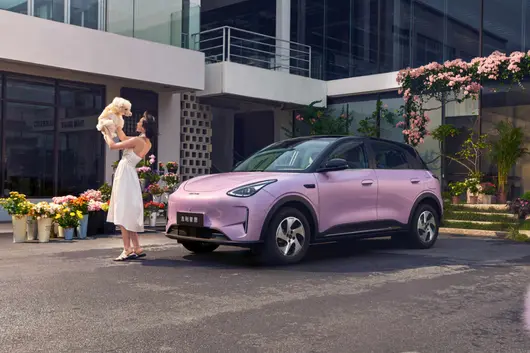
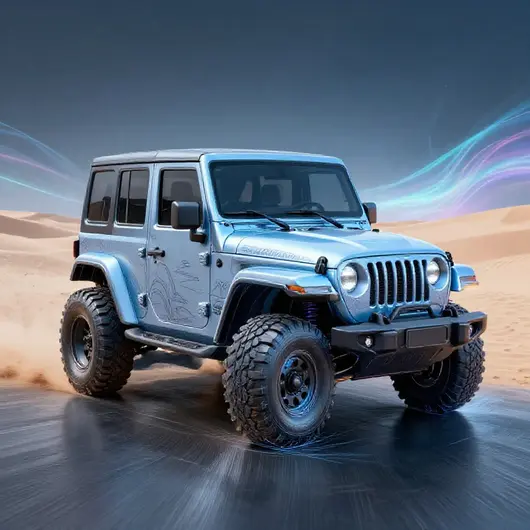
喺馬來西亞嘅 SUV 市場,好多買家喺揀車嘅時候都會拿 Proton X90 同 Volkswagen Tiguan 嚟做比較。呢兩款車喺價位同定位上都幾接近,今日我哋就從多個方面做一個詳細嘅比較,幫你節省做功課嘅時間。
Proton X90 喺馬來西亞嘅 OTR 售價係 RM 106,800 - 122,800,總共 4 個版本,包括 2026 1.5T Prime X(RM 122,800)、2026 1.5T Prime(RM 116,800)、2026 1.5T Lite(RM 106,800)等。
Volkswagen Tiguan 喺馬來西亞嘅 OTR 售價係 RM 206,540 - 260,024,總共 2 個版本,包括 2025 Allspace 2.0T R-Line(RM 260,024)、2025 Allspace 1.4T Elegance(RM 206,540)等。
由價錢睇,Proton X90 嘅起步價確係比 Volkswagen Tiguan 平咗 RM 99,740。如果你預算有限,Proton 嘅入門版已經可以滿足日常需求。但都要注意,平嗰幾千蚊,可能喺配備上有取捨,具體要睇你嘅需求。

Proton X90 嘅安全評級係 5★ (ASEAN NCAP),主動安全系統包括 ADAS (ACC, AEB, LKA, LDA, BSM, RCTA)。
Volkswagen Tiguan 嘅安全評級係 5★ (Euro NCAP),主動安全系統包括 IQ.Drive。
安全配備方面,兩款車都拿到唔錯嘅評級。不過 Proton X90 嘅 ADAS (ACC, AEB, LKA, LDA, BSM, RCTA) 同 Volkswagen Tiguan 嘅 IQ.Drive 喺功能上有啲差異,如果你比較看重主動安全嘅話,可以仔細比較下兩者嘅功能列表。

Proton X90 車身長 4400 mm,行李箱 400 L。
Volkswagen Tiguan 車身長 4400 mm,行李箱 400 L。
兩款車嘅尺寸幾乎一樣,車內空間差別唔大。呢個級別嘅車,日常使用完全夠用。

Proton X90 保修 5 年/150,000km,保養間隔 每 10,000km 或 6 個月。
Volkswagen Tiguan 保修 3 年/100,000km,保養間隔 每 10,000km 或 6 個月。

Proton X90 同 Volkswagen Tiguan 都係馬來西亞市場嘅主流選擇,適合家庭使用、日常通勤。如果你更看重品牌口碑同二手價,可以優先考慮口碑更好嗰一款;如果你更在意性價比同配備,那就揀配備更豐富嗰款。最終仲係建議兩款都去試駕,親身體驗先至最重要。

總體嚟講,Proton X90 同 Volkswagen Tiguan 都係馬來西亞市場幾不錯嘅車型。揀邊一輛,關鍵仲要睇你嘅個人需求同預算。建議大家做足功課,多比較幾間車行嘅報價,先至去試駕做最後決定。買車係件大事,花少少時間做功課絕對唔會錯。


喺馬來西亞嘅汽車市場,好多買家喺揀車嗰陣都會用 Perodua Ativa 同 Honda HR-V 嚟比較。今日我哋由多個方面做詳細嘅比較,幫你省咗做功課嘅時間。


Perodua Ativa 喺馬來西亞嘅 OTR 售價係 RM 62,500 - 73,400,合共 3 個版本,包括 1.0L Turbo X(RM 62,500)、1.0L Turbo H(RM 67,300)、1.0L Turbo AV(RM 73,400)等。
Honda HR-V 喺馬來西亞嘅 OTR 售價係 RM 115,900 - 143,900,合共 4 個版本,包括 2026 e:HEV 1.5L RS(RM 143,900)、2026 1.5T V(RM 137,900)、2026 1.5T E(RM 130,900)等。
從價錢嚟睇,Perodua Ativa 嘅起步價確實比 Honda HR-V 平咗 RM 53,400。如果你預算有限,Perodua 嘅入門版已經可以滿足日常需要。但都要注意,平嘅嗰幾千蚊,可能在配備上會要取捨,具體就要睇你嘅需要。

Perodua Ativa 嘅安全評級係 5★ (ASEAN NCAP),主動安全系統包括 ASA 3.0 + ACC + LDA + LKA + BSM + RCTA。
Honda HR-V 嘅安全評級係 5★ (ASEAN NCAP),主動安全系統包括 Honda SENSING (ACC, CMBS, LKAS, RDM)。
兩款車嘅安全評級一樣,喺呢個級數裡面安全配備都算好齊全。而家嘅新車安全性都好唔錯,唔使太擔心呢一點。
Perodua Ativa 車身長 4400 mm,行李箱 400 L。
Honda HR-V 車身長 4500 mm,行李箱 450 L。
空間方面,Honda HR-V 嘅車身比 Perodua Ativa 長咗 100 mm,乘坐空間會更有優勢。不過 Perodua Ativa 喺城市入面泊車會靈活少少,各有各嘅取捨。
Perodua Ativa 保用 5 年/150,000km,保養間隔 每 10,000km 或 6 個月。
Honda HR-V 保用 5 年/無限里程,保養間隔 每 10,000km 或 6 個月。
總括嚟講,Perodua Ativa 同 Honda HR-V 都係馬來西亞市場好唔錯嘅車款。揀邊一部,關鍵都要睇你嘅個人需要同預算。建議大家做足功課,多比較幾間車行嘅報價,再去試駕做最終決定。買車係一件大事,花少少時間做功課絕對唔會錯。


車型概覽

奧迪Q8 值唔值得睇,第一步唔係望牌子或者外形,而係睇佢能唔能夠配合你嘅香港日常。 呢篇會集中講預算、月供同同級定位,幫你用買家角度篩走唔適合嘅選擇。
完稅價 HK$ 1,069,900 令預算位置更清楚,買家可以先估算月供、保險、泊車同日常開支。
購車價格指南
奧迪Q8 嘅購車預算可以先由 完稅價 HK$ 1,069,900 開始計。香港買車唔只係睇車價,月供、保險、牌費、泊車同能源成本都會影響每月壓力。
如果有幾個版本可揀,可以先將 2023 55 TFSI quattro(HK$ 1,069,900) 放喺同一張清單。日常通勤重視舒適同易用,家庭買家就要優先睇後排、尾箱同安全配置。
核心規格重點
睇 奧迪Q8 嘅規格,重點唔係背數字,而係理解佢喺香港用車場景會帶嚟咩分別。
奧迪Q8 現階段最值得留意係車型定位同版本方向,詳細取捨應該等價格同規格更清楚再作決定。
優缺點分析
奧迪Q8 嘅優點唔需要講到天花龍鳳,真正有價值係佢能唔能夠令日常用車更省心:預算位置清楚,方便同同級車直接比較。
要留意嘅係,最終取捨會落喺版本配置、保險同長期保養成本。呢啲唔一定係缺點,但係落訂前應該先諗清楚。
買家常見問題
買 奧迪Q8 之前,真正要問嘅唔係單一規格,而係佢可唔可以融入你每日嘅生活節奏。
常見疑問係「奧迪 Audi Q8 喺香港賣幾多錢?」簡單講,2026 款 奧迪 Audi Q8 55 TFSI 喺香港零售價大約由港幣 $1,150,000 起。 放到實際用車,就係要睇佢對通勤、泊車、家庭乘坐同長期成本有幾大幫助。
同級對比內容
將 奧迪Q8 放入同級車清單時,唔建議只用外形或者品牌光環決定。比較順序可以係:先用 完稅價 HK$ 1,069,900 鎖定預算圈。
咁樣篩選會貼近香港買家真實生活:平日塞車、商場泊車、周末去新界、甚至一家人出入,先係一部車每日要面對嘅考驗。
用車全周期指南
擁有 奧迪Q8 唔係買車一刻就完結,之後仲有保險、輪胎、保養、泊車同日常能源成本要處理。
如果你主要喺市區行,視野、低速順滑度同泊車輔助會好影響心情;如果經常行高速或跨區,座椅舒適度、隔音同動力從容感會更重要。


車型概覽

Ferrari Luce 值唔值得睇,第一步唔係望牌子或者外形,而係睇佢能唔能夠配合你嘅香港日常。 呢篇會集中講值唔值得繼續觀望,幫你用買家角度篩走唔適合嘅選擇。 近期市場討論到「法拉利首部純電超跑Luce正式登場 蘋果前設計師操刀、真引擎聲、2.5秒破百」,代表呢類車型仍然有一定關注度。
售價仍待確認,買家可以先把佢放入候選名單,等價格落實後再同同級車逐項比較。
購車價格指南
Ferrari Luce 目前售價仍未清晰,較理性嘅做法係先睇版本、車身大小同動力形式,等價格落實後再決定值唔值得落訂。
如果有幾個版本可揀,可以先將 2026 530km Standard(價格待確認) 放喺同一張清單。日常通勤重視舒適同易用,家庭買家就要優先睇後排、尾箱同安全配置。
核心規格重點
睇 Ferrari Luce 嘅規格,重點唔係背數字,而係理解佢喺香港用車場景會帶嚟咩分別。
Ferrari Luce 現階段最值得留意係車型定位同版本方向,詳細取捨應該等價格同規格更清楚再作決定。
優缺點分析
Ferrari Luce 嘅優點唔需要講到天花龍鳳,真正有價值係佢能唔能夠令日常用車更省心:車型定位清楚,適合作為同級比較起點。
要留意嘅係,要先確認屋苑、公司或常去商場嘅充電條件、售價未清晰前唔應該太早用性價比落結論。呢啲唔一定係缺點,但係落訂前應該先諗清楚。
買家常見問題
買 Ferrari Luce 之前,真正要問嘅唔係單一規格,而係佢可唔可以融入你每日嘅生活節奏。
常見疑問係「Ferrari Luce 係法拉利第一部電動車嗎?」簡單講,係嘅,Ferrari Luce 係法拉利品牌旗下第一部量產嘅純電動車。 放到實際用車,就係要睇佢對通勤、泊車、家庭乘坐同長期成本有幾大幫助。
同級對比內容
將 Ferrari Luce 放入同級車清單時,唔建議只用外形或者品牌光環決定。比較順序可以係:先等售價落實,再決定佢應該同邊個級距比較。
咁樣篩選會貼近香港買家真實生活:平日塞車、商場泊車、周末去新界、甚至一家人出入,先係一部車每日要面對嘅考驗。
用車全周期指南
擁有 Ferrari Luce 最重要係先諗清楚充電節奏。屋苑、公司或者常去商場只要有穩定充電選項,電動化用車就會容易相處好多。
如果你主要喺市區行,視野、低速順滑度同泊車輔助會好影響心情;如果經常行高速或跨區,座椅舒適度、隔音同動力從容感會更重要。


車型概覽

五菱Nano EV 值唔值得睇,第一步唔係望牌子或者外形,而係睇佢能唔能夠配合你嘅香港日常。 呢篇會集中講售價未落實前點樣先篩選,幫你用買家角度篩走唔適合嘅選擇。
售價仍待確認,買家可以先把佢放入候選名單,等價格落實後再同同級車逐項比較。
購車價格指南
五菱Nano EV 目前售價仍未清晰,較理性嘅做法係先睇版本、車身大小同動力形式,等價格落實後再決定值唔值得落訂。
如果有幾個版本可揀,可以先將 2022 305km 前驅版(價格待確認) 放喺同一張清單。日常通勤重視舒適同易用,家庭買家就要優先睇後排、尾箱同安全配置。
核心規格重點
睇 五菱Nano EV 嘅規格,重點唔係背數字,而係理解佢喺香港用車場景會帶嚟咩分別。
28 kWh 嘅電池容量,真正意義係可以幫你估算一星期通勤同周末出車要唔要中途補電。 24 kW、85 N·m 嘅輸出,令高速併線同短距離超車更有信心。 車長 2497 mm、車闊 1526 mm、車高 1616 mm、軸距 1600 mm 可以幫你預判商場停車場、屋苑車位同後排腿部空間。 固定齒比、前置前駆 會影響起步順滑度、濕地穩定感同長途巡航性格。
優缺點分析
五菱Nano EV 嘅優點唔需要講到天花龍鳳,真正有價值係佢能唔能夠令日常用車更省心:電池同續航資訊有助安排通勤同補電、動力輸出對高速同上斜更有底氣、空間同車身尺寸方便家庭買家預判實用性。
要留意嘅係,要先確認屋苑、公司或常去商場嘅充電條件、香港停車場同窄路使用要留意車身闊度。呢啲唔一定係缺點,但係落訂前應該先諗清楚。
買家常見問題
買 五菱Nano EV 之前,真正要問嘅唔係單一規格,而係佢可唔可以融入你每日嘅生活節奏。
常見疑問係「五菱 Wuling Nano EV 係一款咩定位嘅電車?」簡單講,五菱 Wuling Nano EV 係一款定位潮流代步嘅兩座微型純電動車。 放到實際用車,就係要睇佢對通勤、泊車、家庭乘坐同長期成本有幾大幫助。
同級對比內容
將 五菱Nano EV 放入同級車清單時,唔建議只用外形或者品牌光環決定。比較順序可以係:先等售價落實,再決定佢應該同邊個級距比較、再睇動力係咪足夠應付高速併線同滿載、再比較能源成本同補能便利、最後睇車身大小、座位同尾箱是否適合家人。
咁樣篩選會貼近香港買家真實生活:平日塞車、商場泊車、周末去新界、甚至一家人出入,先係一部車每日要面對嘅考驗。
用車全周期指南
擁有 五菱Nano EV 最重要係先諗清楚充電節奏。屋苑、公司或者常去商場只要有穩定充電選項,電動化用車就會容易相處好多。
如果你主要喺市區行,視野、低速順滑度同泊車輔助會好影響心情;如果經常行高速或跨區,座椅舒適度、隔音同動力從容感會更重要。


比亞迪正式發布 2026 年 5 月產銷快報,全品牌新能源汽車單月銷量 383453 輛,同比微增 0.26%,時隔十個月實現單月銷量同比轉正;其中乘用車交付 376990 輛,環比大漲 19.4%,一掃前期車型換代陣痛,呈現國內基本盤穩固、海外銷量狂飆、高端品牌全線放量的全新格局,在國內新能源內捲加劇、特斯拉 FSD 入華、自主新品密集上市的市場環境中,走出獨有的結構性增長路線。

王朝 + 海洋兩大主力品牌 5 月合計售出 330215 輛,佔據集團總銷量超八成,仍是比亞迪銷量壓艙石,全系列共 8 款車型單月銷量突破 2 萬台,產品從 5 萬入門代步到 20 萬家用 SUV 實現全覆蓋。

王朝網內部,元家族 56691 輛、宋家族 51370 輛。雙雙跨過五萬門檻,成為品牌兩大銷量支柱,兼顧家用代步與城鄉出行需求;秦家族緊隨其後交出 28360 台穩定表現,漢、唐系列月銷維持六千級體量,深耕中大型家用轎車、SUV 細分市場;全新車型夏處於市場培育期,單月交付 1810 台,後續隨渠道鋪開有望穩步上量。
海洋網增長勢頭更為迅猛,全系五款車型跨入兩萬俱樂部:海獅 42615 台、海豹 34117 台、海鷗 39919 台、海豚 22260 台、宋 PLUS 27755 台。其中海鷗憑藉 6-8 萬親民定價穩居入門代步銷冠,海獅作為全新走量車型上市即站穩四萬量級,補齊海洋網中型 SUV 產品空白,完善海洋產品梯隊佈局。從代步小車到緊湊 SUV,兩大主品牌依托 DM-i 混動與純電雙線技術,牢牢鎖住 15 萬以內國內主流家用市場份額。
方程豹同比暴漲 139.7% 品牌向上落地見效騰勢、方程豹、仰望組成的高端矩陣 5 月合計銷售 46489 輛,正式擺脫小眾定位,成為比亞迪品牌溢價與利潤增長新支點,打破自主品牌高端化難破局的行業魔咒。

越野品牌方程豹單月 30186 輛,同比暴漲 139.7%,創下品牌上市以來月度銷量新高,旗下鎦 7 單月 18280 台,豹 5、豹 8 穩定輸出,在 25-40 萬硬派越野細分市場持續擠壓合資、進口車型生存空間。

騰勢 5 月交付 16303 台,MPV 標桿 D9 售出 6721 台,Z9 系列近 6000 台,MPV、中大型轎車雙線發力,站穩豪華新能源賽道;百萬元級超豪華品牌仰望穩步爬坡,當月交付 286 台,同比增幅 105.8%,完成自主品牌天花板產品的市場驗證,形成從十幾萬家用、三四十萬越野、五十萬豪華 MPV 到百萬元級旗艦的全價格帶產品佈局。

5 月比亞迪乘用車和皮卡海外銷量 160177 輛,同比大漲 80.7%,出口佔全系總銷量突破 42%,創下品牌出海歷史新高,成為穩住 5 月整體銷量、實現同比轉正的核心驅動力。
東南亞、歐洲、拉美成為主力增量市場,海鷗、宋 PLUS、元系列持續登頂多國新能源熱銷榜單,SHARK 皮卡連續兩月單月出口突破 4000 台;依托泰國、巴西、匈牙利、烏茲別克斯坦四大海外整車工廠落地投產,本地化生產持續落地,規避關稅同時快速下沉終端渠道。在國內車市存量競爭、價格戰常態化背景下,高速擴容的海外市場有效對沖國內車型換代帶來的銷量波動,正式從補充市場升級為比亞迪核心增長引擎。截至當前,比亞迪新能源汽車全球累計銷量已經突破 1650 萬輛,全球化版圖持續拓寬。
智駕賦能產品迭代 下半年新品蓄力衝量5 月比亞迪智能化落地迎來關鍵節點,天神之眼智駕系統成為車型核心加分項:全品牌搭載高級智駕車型保有量突破 315 萬輛,日均路測數據超 2 億公里;當月比亞迪落地城市領航、智能泊車雙安全兜底服務,成為全球首家實現兩項智駕兜底的車企,政策落地三天後,搭載天神之眼系統車型的城市 NOA 激活率暴漲 50%,智能化體驗升級直接拉動終端到店訂單轉化,為後續車型持續走量築牢產品競爭力,直面 FSD 入華帶來的智駕市場衝擊。
從數據細節來看,2026 年 1-5 月比亞迪累計銷量 1405039 輛,同比下滑 20.32%,核心誘因是全系主力車型集中換代、第二代閃充刀片電池產能爬坡受限。新款閃充電池升級快充與低溫性能,全系換代車型優先換裝新電池,但產線改造拖累產能釋放,熱門車型訂單積壓、交付延後,一定程度壓縮 5 月交付體量。
隨著二季度末二代刀片電池產能持續釋放,疊加騰勢 N8L、方程豹鎦 7 純電版、海獅 05、夏 L 等多款新車陸續登陸市場,業內普遍預判比亞迪 6 月全品牌銷量有望突破 40 萬輛。依托低端走量鎖份額、高端提利潤、海外衝增量、智能化提產品力的四維發展邏輯,在國內新能源淘汰賽加劇的當下,比亞迪全品類佈局優勢持續放大,坐穩國內新能源龍頭,加速向著全球頭部車企穩步邁進。
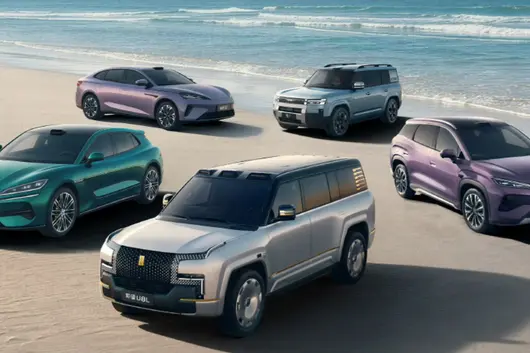

BYD officially released the May 2026 production and sales flash report, with new energy vehicles from all brands reaching a monthly sales volume of 383,453 vehicles, a slight increase of 0.26% year-on-year, achieving year-on-year positive growth in monthly sales after ten months; among them, passenger car deliveries reached 376,990 units, surging 19.4% month-on-month, wiping out the pain of previous model iterations, presenting a new pattern where the domestic base is stable, overseas sales are soaring, and high-end brands are scaling up across the board. Amidst the market environment of intensified competition in the domestic new energy sector, Tesla FSD entering China, and an intense launch of independent new products, it has forged a unique structural growth path.
The Dynasty and Ocean main brands combined sold 330,215 vehicles in May, accounting for over 80% of the group's total sales, remaining the stabilizer for BYD's sales volume. The full series had 8 models exceeding 20,000 units in monthly sales, covering products from 50,000 entry-level commuter to 200,000 home SUV.
Inside the Dynasty Network, the Yuan family sold 56,691 units, and the Song family 51,370 units. Both crossed the 50,000 threshold, becoming two major sales pillars for the brand, catering to home commuter and urban-rural travel needs; the Qin family followed closely with a stable performance of 28,360 units. The Han and Tang series maintained a volume in the six-thousand range, deeply cultivating the mid-to-large home sedan and SUV niche markets; the brand new model Xia is in the market cultivation phase, delivering 1,810 units monthly, with potential for steady volume growth as channels expand.
The Ocean Network's growth momentum is even more rapid, with 5 models entering the 20,000 club across the series: Sealion 42,615 units, Seal 34,117 units, Seagull 39,919 units, Dolphin 22,260 units, and Song PLUS 27,755 units. Among them, Seagull remains the best-selling entry-level commuter model thanks to its affordable pricing of 60,000-80,000. Sealion, as a new volume model, stands firm at the 40,000 level upon launch, filling the mid-size SUV product gap in the Ocean Network and perfecting the Ocean product tier layout. From commuter small cars to compact SUVs, the two main brands rely on DM-i hybrid and pure electric dual-line technologies to牢牢锁住 the mainstream home market share within 150,000 domestically.
Fang Cheng Bao Year-on-Year Surges 139.7%, Brand Upward Positioning Takes EffectThe high-end matrix of Denza, Fang Cheng Bao, and Yangwang sold a combined 46,489 vehicles in May, officially breaking away from the niche positioning to become a new pivot for BYD's brand premium and profit growth, breaking the industry curse of difficulty in high-end breakthrough for domestic brands.
The off-road brand Fang Cheng Bao sold 30,186 units monthly, surging 139.7% year-on-year, creating a new high in monthly sales since the brand launched. Its Titanium 7 model sold 18,280 units monthly, while Leopard 5 and Leopard 8 output remained stable, continuously squeezing the survival space for joint venture and imported models in the 250,000-400,000 hardcore off-road niche market.
Denza delivered 16,303 units in May, with the MPV benchmark D9 selling 6,721 units, and the Z9 series close to 6,000 units. MPV and mid-to-large sedan dual-line efforts helped them stand firm in the luxury new energy track; the million-level ultra-luxury brand Yangwang continued its steady climb, delivering 286 units that month, a year-on-year increase of 105.8%, completing market verification of the domestic brand ceiling product and forming a full price range product layout from 100,000+ home, 300,000-400,000 off-road, 500,000 luxury MPV to million-level flagship.
In May, BYD's overseas sales of passenger cars and pickup trucks reached 160,177 units, surging 80.7% year-on-year. Exports accounted for over 42% of the full series total sales, setting a new historical high for brand export and becoming the core driving force to stabilize May overall sales and achieve year-on-year positive growth.
Southeast Asia, Europe, and Latin America became the main incremental markets. Seagull, Song PLUS, and Yuan series continued to top new energy best-seller lists in multiple countries; the SHARK pickup truck exceeded 4,000 units in monthly exports for two consecutive months. Relying on the completion of localization production in Thailand, Brazil, Hungary, and Uzbekistan with four overseas vehicle factories, localized production continues to land, avoiding tariffs while rapidly penetrating terminal channels. Against the background of stock market competition in the domestic auto industry and normalized price wars, the rapidly expanding overseas market effectively counteracts sales volatility brought by domestic model iterations, officially upgrading from a supplementary market to BYD's core growth engine. As of now, BYD's global cumulative new energy vehicle sales have exceeded 16.5 million units, with the globalization map continuously broadening.
Intelligent Driving Empowers Product Iteration, H2 New Products Prepare to Surge VolumeMay marked a key node in BYD's intelligent driving landing, with the God's Eye intelligent driving system becoming a core bonus point for models: the number of vehicles with advanced intelligent driving across all brands exceeded 3.15 million, with daily road test data exceeding 200 million kilometers; that month, BYD implemented City Pilot and Smart Parking dual safety backup services, becoming the world's first auto manufacturer to achieve dual intelligent driving backups. Three days after policy implementation, the activation rate of models equipped with the God's Eye system in cities surged 50%. Intelligent driving experience upgrades directly drove in-store order conversion, solidifying product competitiveness for subsequent models to continue volume sales, and facing the intelligent driving market shock brought by FSD entering China.
From data details, BYD's cumulative sales from January to May 2026 were 1,405,039 units, down 20.32% year-on-year. The core reason is that the full series of main models were concentratedly iterated, and the capacity ramp-up of the 2nd Gen Fast Charge Blade Battery was restricted. The new Flash Charge Battery upgraded fast charging and low-temperature performance. Full series iteration models prioritized installing new batteries, but production line retrofitting dragged down capacity release. Order backlogs on popular models and delayed deliveries compressed the May delivery volume to a certain extent.
As the end of the second quarter approaches and the 2nd Gen Blade Battery capacity continues to release, coupled with new models such as Denza N8L, Fang Cheng Bao Titanium 7 Pure Electric Version, Sealion 05, and Xia L landing the market, the industry generally predicts that BYD's full brand sales in June are expected to exceed 400,000 vehicles. Relying on the four-dimension development logic of low-end volume locking share, high-end raising profit, overseas pushing volume, and intelligence improving product power, amidst the intensified new energy elimination round in the domestic market, BYD's full category layout advantage continues to amplify, securing its status as the domestic new energy leader, accelerating steadily towards global top auto manufacturers.


On June 9, 2026, Changan Automobile's Thailand Rayong Factory reached a key milestone: the 20,000th complete vehicle officially went off the line, with Qiyuan Q05 (Overseas Version NEVO Q05) becoming the current production capacity mainstay. This Changan's first overseas new energy vehicle base, commissioned in May 2025, completed the transition from production ramp-up to full-load operation in just 13 months, shortening the cycle by 6 months compared to the average for similar new energy vehicle factories in Southeast Asia. From Deepal S05 topping the Thailand pure electric SUV sales chart immediately after launch to Qiyuan Q05 receiving 3,000 orders in 3 days, Changan, centered on localized manufacturing, is gradually building a competitive advantage in the new energy vehicle era in the Thai market where Japanese brands have dominated for nearly 60 years.

Rayong Factory: The Core Carrier of Changan's Global Right-Hand Drive Strategy
Changan's decision to locate in Rayong, Thailand, was a comprehensive strategic decision based on industrial foundation, location advantages, and policy environment. Rayong Province, as the core area of Thailand's Eastern Economic Corridor, is known as the "Oriental Detroit". Toyota, Honda, Nissan, and other Japanese automakers have cultivated this area for decades, forming a complete automotive parts supply chain and a mature industrial worker system.
At the same time, relying on the ASEAN Free Trade Area Agreement, complete vehicles manufactured in Thailand can be exported tax-free to 9 ASEAN countries, covering a right-hand drive vehicle market of 600 million people, and can radiate to other global right-hand drive regions such as Australia, New Zealand, and South Africa, making it an ideal hub for Chinese automakers to layout the global right-hand drive market.
On the policy level, Thailand government's "30·30" Policy launched in 2021 clearly stated that by 2030, new energy vehicles will account for no less than 30% of total domestic vehicle production, and provide investment subsidies of up to 30% and up to 8 years of corporate income tax exemption for qualifying automakers, while giving consumers up to 100,000 Baht vehicle purchase subsidies. Superimposed on the benefits of China-Thailand "Belt and Road" capacity cooperation, Rayong Factory has become a benchmark project of Chongqing's "Chongqing Cars Going Global" Action Plan.

The factory was laid on November 2023, with a total investment of about 2.2 billion yuan, covering an area of 588 mu, and was built and put into production in just 18 months. The factory is built according to "Green, Intelligent" standards, setting up five intelligent workshops: welding, painting, assembly, engine, and battery assembly. The automation rate of key quality control stations reaches 90%, completely replicating the manufacturing system and quality standards of Changan Chongqing Headquarters.
Currently, Rayong Factory has been upgraded to Changan Southeast Asia Manufacturing Headquarters, Global Right-Hand Drive Vehicle Supply Center, and Overseas Spare Parts Center. It can produce multiple right-hand drive models of three major brands Deepal, Qiyuan, and Avatr on mixed lines. Phase 1 annual capacity is 100,000 units, with a long-term planned capacity of 200,000 units.
Deepal S05: Strategic Breakthrough Model, Reshaping Market Competition Logic
As the first model put into production at Rayong Factory, the Deepal S05 right-hand drive version undertakes the core task of Changan opening the Thailand market. After launching in May 2025, the car quickly topped the Thailand pure electric SUV monthly sales chart, accumulated 6,589 orders at the Bangkok Motor Show that year, and annual sales exceeded 12,000 units, helping Changan rank in the top 5 of Thailand's new energy vehicle brands. The core support for its market performance lies in its precise match of Thai consumer needs, forming obvious product power and price advantages against Japanese competitors.

Regarding the pricing system, the Thailand market has long formed a pattern of "fuel vehicles are accessible, electric vehicles are premium": mainstream compact fuel SUV starting prices are concentrated in the 750,000-950,000 Baht range, while imported pure electric models, due to high tariffs of 80%, have starting prices generally exceeding 1.2 million Baht. Thanks to local production, Deepal S05's starting price after deducting government subsidies is 799,000 Baht, flat with the Honda HR-V 1.5L Gas Version, and only 40,000 Baht higher than the Toyota Corolla Cross 1.8L Gas Version.
Regarding usage costs, Deepal S05's cost per kilometer driven is about 0.15 Baht, only 1/10 of same-class Japanese fuel cars. For Thai household users with annual mileage over 20,000 km, this has significant full lifecycle cost advantages. In contrast, Japanese pure electric models, with Toyota bZ4X starting price at 1.299 million Baht and Nissan Ariya starting price at 1.799 million Baht, have mismatched price and product power, resulting in Japanese pure electric models in Thailand having a combined market share of less than 8% in 2025.

Regarding product power, Deepal S05 has been deeply optimized for the Thailand tropical climate and usage scenarios.
Regarding the three-electric system, it is equipped with CATL's "Golden Bell Battery" developed specifically for the Southeast Asian market, adopting full-domain liquid cooling temperature control technology. The range attenuation rate is controlled within 10% in a 45°C high-temperature environment, and the actual 520km CLTC range can reach 460km; it supports 3C supercharging technology, can replenish 300km range in 15 minutes, and charging from 30%-80% takes only 15 minutes, with charging efficiency about 3 times that of Japanese pure electric models.
Regarding intelligence, Deepal S05 is standard with Huawei ADS SE Intelligent Driving System, supporting Highway NOA, Auto Parking, 540-degree panoramic image, and other L2+ level functions, and supporting vehicle OTA upgrades; while same-class Japanese fuel cars and pure electric models, L2 level intelligent driving assistance systems generally require additional paid options, and do not have V2X/Internet connectivity and OTA upgrade capabilities. In addition, Deepal S05's Extended Range version has a combined range of 1234km, effectively solving the range anxiety brought by imperfect charging infrastructure in some parts of Thailand.

Regarding market landscape, according to data from Thailand Automotive Institute, in 2025 the sales of Thailand's compact fuel SUV market decreased 18.7% year-on-year, among them Toyota Corolla Cross sales decreased 22.3%, Honda HR-V sales decreased 26.5%. Market research shows that 62% of Deepal S05 users originally planned to buy Japanese fuel cars, indicating Changan has successfully cut into the traditional core market of Japanese brands.
Dual Brand Synergy and Future Development Prospects
After Deepal S05 established itself in the mid-to-high-end market, Changan launched Qiyuan Q05 to enter the mass family market. The car launched with a starting price of 699,000 Baht, received 3,000 orders in 3 days, and quickly became Rayong Factory's main model. Through the "Deepal + NEVO (Qiyuan)" Dual Brand Layout, Changan has formed a product matrix covering the 700,000-1,000,000 Baht core price range, targeting young groups pursuing technology and sports and family users focusing on practicality and cost-performance respectively.

Standing on the new starting point of 20,000 units off the line, Changan plans to introduce 7 brand new new energy vehicle models to the Thailand market from 2026 to 2028, covering sub-segments such as entry-level pure electric sedans, Medium SUVs, High-end MPVs; at the same time accelerate the supply chain localization process, aiming to increase parts localization rate to 70% by 2027, further reducing production costs and delivery cycles. Long term, Changan's goal is to enter the top 3 of Thailand's pure electric car brands by 2030.
Currently, Japanese automakers are accelerating the launch of new energy models to respond to market changes, and Chinese brands like BYD and Geely are also continuously investing more in the Southeast Asia market, and industry competition will become increasingly fierce. But relying on leading three-electric technology, mature intelligent manufacturing system, and precise localization strategy, Changan has already established a first-mover advantage in the Thailand market. From product export to whole industry chain going global, the development path of Changan Rayong Factory also provides a reference sample for the globalization of Chinese automotive brands.
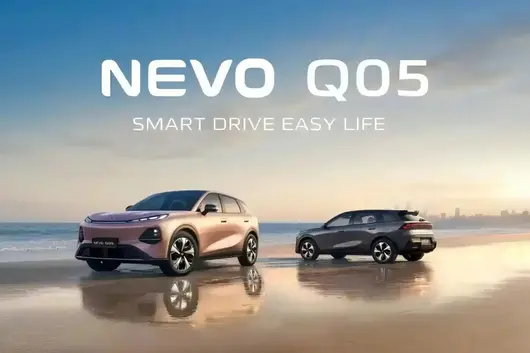

比亞迪正式發布 2026 年 5 月產銷快報,全品牌新能源汽車單月銷量 383453 輛,同比微增 0.26%,時隔十個月實現單月銷量同比轉正;其中乘用車交付 376990 輛,環比大漲 19.4%,一掃前期車型換代陣痛,呈現國內基本盤穩固、海外銷量狂飆、高端品牌全線放量的全新格局,在國內新能源內捲加劇、特斯拉 FSD 入華、自主新品密集上市的市場環境中,走出獨有的結構性增長路線。
王朝 + 海洋兩大主力品牌 5 月合計售出 330215 輛,佔據集團總銷量超八成,仍是比亞迪銷量壓艙石,全系列共 8 款車型單月銷量突破 2 萬台,產品從 5 萬入門代步到 20 萬家用 SUV 實現全覆蓋。
王朝網內部,元家族 56691 輛、宋家族 51370 輛。雙雙跨過五萬門檻,成為品牌兩大銷量支柱,兼顧家用代步與城鄉出行需求;秦家族緊隨其後交出 28360 台穩定表現,漢、唐系列月銷維持六千級體量,深耕中大型家用轎車、SUV 細分市場;全新車型夏處於市場培育期,單月交付 1810 台,後續隨渠道鋪開有望穩步上量。
海洋網增長勢頭更為迅猛,全系五款車型跨入兩萬俱樂部:海獅 42615 台、海豹 34117 台、海鷗 39919 台、海豚 22260 台、宋 PLUS 27755 台。其中海鷗憑藉 6-8 萬親民定價穩居入門代步銷冠,海獅作為全新走量車型上市即站穩四萬量級,補齊海洋網中型 SUV 產品空白,完善海洋產品梯隊佈局。從代步小車到緊湊 SUV,兩大主品牌依托 DM-i 混動與純電雙線技術,牢牢鎖住 15 萬以內國內主流家用市場份額。
方程豹同比暴漲 139.7% 品牌向上落地見效騰勢、方程豹、仰望組成的高端矩陣 5 月合計銷售 46489 輛,正式擺脫小眾定位,成為比亞迪品牌溢價與利潤增長新支點,打破自主品牌高端化難破局的行業魔咒。
越野品牌方程豹單月 30186 輛,同比暴漲 139.7%,創下品牌上市以來月度銷量新高,旗下鎦 7 單月 18280 台,豹 5、豹 8 穩定輸出,在 25-40 萬硬派越野細分市場持續擠壓合資、進口車型生存空間。
騰勢 5 月交付 16303 台,MPV 標桿 D9 售出 6721 台,Z9 系列近 6000 台,MPV、中大型轎車雙線發力,站穩豪華新能源賽道;百萬元級超豪華品牌仰望穩步爬坡,當月交付 286 台,同比增幅 105.8%,完成自主品牌天花板產品的市場驗證,形成從十幾萬家用、三四十萬越野、五十萬豪華 MPV 到百萬元級旗艦的全價格帶產品佈局。
5 月比亞迪乘用車和皮卡海外銷量 160177 輛,同比大漲 80.7%,出口佔全系總銷量突破 42%,創下品牌出海歷史新高,成為穩住 5 月整體銷量、實現同比轉正的核心驅動力。
東南亞、歐洲、拉美成為主力增量市場,海鷗、宋 PLUS、元系列持續登頂多國新能源熱銷榜單,SHARK 皮卡連續兩月單月出口突破 4000 台;依托泰國、巴西、匈牙利、烏茲別克斯坦四大海外整車工廠落地投產,本地化生產持續落地,規避關稅同時快速下沉終端渠道。在國內車市存量競爭、價格戰常態化背景下,高速擴容的海外市場有效對沖國內車型換代帶來的銷量波動,正式從補充市場升級為比亞迪核心增長引擎。截至當前,比亞迪新能源汽車全球累計銷量已經突破 1650 萬輛,全球化版圖持續拓寬。
智駕賦能產品迭代 下半年新品蓄力衝量5 月比亞迪智能化落地迎來關鍵節點,天神之眼智駕系統成為車型核心加分項:全品牌搭載高級智駕車型保有量突破 315 萬輛,日均路測數據超 2 億公里;當月比亞迪落地城市領航、智能泊車雙安全兜底服務,成為全球首家實現兩項智駕兜底的車企,政策落地三天後,搭載天神之眼系統車型的城市 NOA 激活率暴漲 50%,智能化體驗升級直接拉動終端到店訂單轉化,為後續車型持續走量築牢產品競爭力,直面 FSD 入華帶來的智駕市場衝擊。
從數據細節來看,2026 年 1-5 月比亞迪累計銷量 1405039 輛,同比下滑 20.32%,核心誘因是全系主力車型集中換代、第二代閃充刀片電池產能爬坡受限。新款閃充電池升級快充與低溫性能,全系換代車型優先換裝新電池,但產線改造拖累產能釋放,熱門車型訂單積壓、交付延後,一定程度壓縮 5 月交付體量。
隨著二季度末二代刀片電池產能持續釋放,疊加騰勢 N8L、方程豹鎦 7 純電版、海獅 05、夏 L 等多款新車陸續登陸市場,業內普遍預判比亞迪 6 月全品牌銷量有望突破 40 萬輛。依托低端走量鎖份額、高端提利潤、海外衝增量、智能化提產品力的四維發展邏輯,在國內新能源淘汰賽加劇的當下,比亞迪全品類佈局優勢持續放大,坐穩國內新能源龍頭,加速向著全球頭部車企穩步邁進。

你睇過印度嘅馬路嗎?
我喺網上見過。
畫面通常係咁,一輛轎車俾牛尾擋住,旁邊仲有亂竄嘅摩托,甚至周圍仲有賣奶茶嘅小夥,嗰叫一個“乾淨又衛生”。

然而,喺呢啲睇完好多人覺得生理不適嘅地方,豐田、鈴木、本田等日本車廠,卻決定將籌碼押落印度。
據印度“品牌質量基金會”網站顯示,三家車廠將喺印度投資近110 億美元建廠、提產能、搞出口。
對此有网友表示,三家日本車廠係咪錢多到無處花?
事實上,佢哋唔係錢多到花唔完,亦唔係被印度嘅咖哩蒙蔽咗心竅,呢啲日本車廠高層遠比我哋清醒。
而家嘅日系車,營業額、市場份額都喺下滑,原材料成本仲係升得飛起,打開世界地圖,搵一個能夠容納產能、拓充份額、競爭溫和嘅市場,唔係咁容易嘅事。
所以,唔係日本車廠選擇咗印度,而係因為冇得揀。
日本車廠之痛
曾經嘅日系車,嗰時妥妥係人哋個仔。
你問下十幾年前開過日系車嘅老司機,一提起日系車,幾乎就冇唔豎大拇指嘅,價錢平、省油、耐用又抵撞……
甚至好多日系車,仲要加價購買,但邊個諗到,呢個鐵打嘅江山,短短幾年時間就俾佢哋打得找唔著北。
隨著新能源汽車浪潮嚟到,電動化、智能化變成好多自主車廠“彎道超車”嘅目標,依托於中國強大嘅新能源汽車產業鏈優勢同車廠自身對研發、技術嘅堅持,中國自主品牌迅速實現咗“彎道超車”。
曾經被人吐槽嘅國產車,而家喺馬路越來越多人,甚至份額超越咗合資。
根據乘聯會嘅數據,喺2026 年4 月,自主品牌嘅份額已經高達62.5%,遠超日系嘅13.1%。

要知道,中國汽車市場係全球最大嘅汽車市場,喺中國市場失速,就相當於丟咗一塊巨大嘅蛋糕。
同時,中國市場近年嚟嘅主旋律依舊係價格戰,捲配置、捲價格、捲服務已經成為一種常態,亦對日系車嘅利潤產生咗巨大嘅影響。
除咗中國,日系車喺美國過得亦唔太好。
2025 年 1 月 20 日,特朗普宣誓就職第 47 任美國總統,自此開啟咗一連串搞搞震,其中就包括以國家安全為理由徵收額外嘅汽車關稅,導致進口日本汽車嘅關稅稅率一度高達 27.5%,雖然後嚟有所降低,但亦遠高於最初嘅稅率。
呢個操作,直接導致七大日本車廠喺2025 財政年度嘅關稅損失超2 萬億日元。
再睇日本本土,其實亦唔容易。
中東地緣衝突導致霍爾木茲海峽航運受阻,運輸成本、原材料成本暴漲,日本車廠都有苦難言。

高管們看著報表,背後發涼,只能尋找全新嘅增長曲線。
所以,日本車廠唔係愛上印度,係冇地方去。
揀選印度嘅深思熟慮
咁,印度點解咁有魔力,先至令日本車廠重資投入呢?
第一個優勢就係大。喺2025 年,印度汽車市場取得咗551.7 萬輛嘅新車銷量,同比增長 6%,刷新咗歷史紀錄,位居全球第三大汽車市場,已经连续四年超越日本,僅次於中國同美國。
呢個含金量唔使多講啦,而印度取得呢一成績,主要係因為印度一直喺推動減稅政策,促進消費,這導致國內消費意願出現咗明顯增強。
第二個優點係近,就係離日系車賣得動嘅地方近,如非洲等其他地區。
所以,印度對於日本車廠,更似一個建喺十字路口中央嘅便利店,你唔使將車分別運去八個國家,只需要喺印度呢站造好,然後一船一船甩去,就能削減唔少成本。

《日本經濟新聞》亦認為,印度有望轉變為佢哋全球嘅汽車供應中心。
第三個優點係穩。要知道,日系車嘅優勢就係燃油車,畢竟引擎、變速箱、底盤三大件,佢哋已經玩咗好多年,技術積累喺全球都係數一數二。
但係中國汽車市場已經全力推動電動化、智能化發展,導致日系車嘅優勢越來越弱,根本無法發揮出嚟,但印度唔一樣,佢擁有充電樁少、電動化進程緩慢嘅特點,印度老百姓買車,都仲係盯住平、省油、易修,而呢三點正係日系車嘅老本行。
尤其係鈴木,一直係印度汽車市場嘅常青樹,幾乎年年穩坐暢銷車型寶座,口碑好,勝過任何廣告。
所以,日本車廠大力佈局印度市場,顯然是經過深思熟慮嘅。
但,印度市場真係咁好混咩?
難啃嘅印度市場
當然,印度亦唔係完美得似個香口格,佢嘅缺點同佢嘅優點一樣明顯,而且每一個都夠日本車廠喝一壺。
先講電動化,冇錯,眼睇下印度充電樁少、電動車賣唔動,確實係日系燃油車嘅避風港。但你得諗諗,呢個“避風港”能避幾耐?
印度此前可係喊出咗 2030 年電動車佔新車 30% 嘅口號,雖然聽落似吹水,但抵唔住人哋真補錢、真建充電站。
試諗下,萬一有日印度突然開竅,開始大力推動電動化、搞基建,充電樁似雨後春筍咁冒出來,嗰日系車唔就傻眼?
呢唔係泰國市場嘅翻版咩?
當年日系車喺泰國都係躺贏,整個東南亞市場,都被稱為日系車嘅後花園,結果泰國率先推動電動化,中國電動車一嚟,直接就成咗香口格,再睇日系車,喺泰國嘅市場份額嘩嘩嚟咗落。

如果印度係電動化一加速,歷史大概率會重演,而而家呢次,日系車連逃嘅地方都快冇咗,點樣預防,將成為日本車廠嘅首要問題。
再講政策,印度嘅政策就似一鍋咖哩,你永遠唔知下一口食到係雞肉定係馬鈴薯。
呢個魔幻嘅國家,今日係低關稅鼓勵建廠,明日就可能罰你一筆巨款,更令人頭痛嘅係強制合資,外國車廠想喺印度賣車,要搵本地夥伴搭檔,等你工廠建好咗、供應鏈搭完咗,印度直接背刺你,到嗰陣無論係加錢定撤資,換嚟嘅都係心痛。
所以你看,印度呢個市場,就好似一個睇落好甜嘅芒果,咬落去第一口仲行,再啃幾口就摸著硬核。
日系車而家嘅算盤係,趁住核都未硌牙,趕緊多啃幾口,但核遲早會硌到,只係唔知係邊一日。
尾聲
日系車呢趟印度之旅,唔係去旅遊,係去搵食。
中國同東南亞嘅飯桌更擁擠,生產、運輸嘅成本又提高咗,放眼全球,就印度呢口鍋仲冒住熱氣,哪怕入面煮嘅係咖哩味嘅石頭,都要硬著頭皮啃落去。
日本車廠想擴大市場,印度想嘅係拉動經濟、解決就業,雙方都有各自嘅心思。
至於結局係日系車喺印度重新封神,定係好似當年嘅部分友商一樣灰溜溜走人,那就唔知啦。
但無論點樣,呢場戲先至開始,我哋慢慢睇就得啦。
反正印度嘅故事,從來唔會悶。
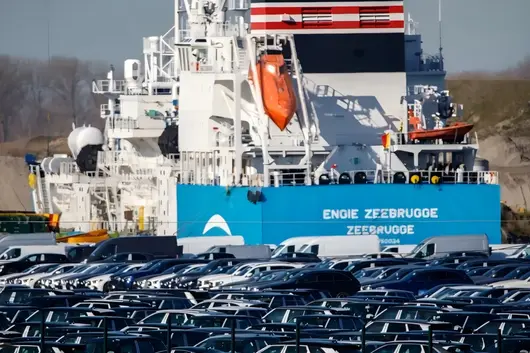

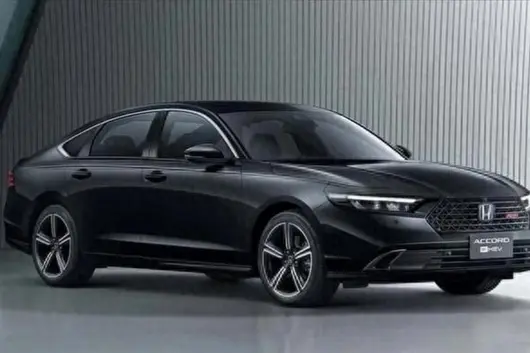
In the joint venture mid-size sedan market, the Honda Accord has always been an indispensable model, consistently ranking in the top sales tier. However, in the past two years, the market landscape has changed dramatically. Domestic new energy sedans have emerged strongly, while competitors like Camry and Passat continue to iterate, squeezing the Accord's market share. To reverse the decline, Honda launched a mid-cycle major redesign of the Accord in the Thailand market at the end of May 2026, going directly "All In Hybrid", no longer offering pure gasoline versions, while comprehensively upgrading the interior smart cockpit and optimizing exterior details, attempting to break the current stalemate. Many domestic car enthusiasts are asking, will this upgraded new Accord succeed in reversing the market decline after being introduced domestically and returning to the peak of the top-selling title in its class? Let's take a look together below.

The 2026 Honda Accord is a mid-cycle redesign version of the 11th generation model, officially released on May 28, 2026 in the Thailand market. A total of three trim models were launched, all are 2.0L e:HEV hybrid versions, namely e:HEV E, e:HEV EL, and e:HEV RS Panoramic. Highly likely to officially launch in the 3rd quarter of 2026. GAC Honda's actions have always been fast, so domestic simultaneous introduction should not make us wait long.
Regarding price, the official guide price range in the Thailand market is 1.479 million - 1.764 million Thai Baht, equivalent to about 120,000 - 144,000 RMB, the price was slightly adjusted downwards compared to the previous generation model.
The new car front face abandoned large-area chrome plating, replaced with a hexagonal glossy black honeycomb grille. Matrix LED headlights on both sides became longer and sharper, the daytime running light strips were also made into a "hook" shape, the gaze is sharp with a bit of Type-R flavor. The side still retains fastback coupe lines, but equipped with new style low-drag wheels, visually estimated to be 19 inches. The biggest change at the rear is the full-width taillights, with Honda LOGO embedded in the middle, the overall visual effect is wider and lower/crouching.

At the same time, the new car added "Urban Gray Pearl paint", the top RS version was also equipped with exclusive sport kits, full body blacked-out trim, black exterior mirror housing added.
Regarding dimensions, the 2026 Accord Thailand version overall length, width, height are 4962mm x 1862mm x 1449mm, wheelbase is 2830mm. As a standard mid-size sedan, these size parameters are quite good. Even if there is a small bump in the rear middle floor, daily full-load travel will not overly affect comfort. The only thing to note is that the hybrid model due to battery pack mounted at the bottom, the trunk floor is slightly raised, storage space is slightly reduced compared to the old fuel version.
In terms of interior, large area inside the car uses soft leather wrapping, door panels, center console, armrest box and other high-frequency contact areas are all delicate soft materials. High-spec RS version provides pure white interior option for the first time, white seats, white door panels, white instrument panel, further matched with metal trim accents, looks very high quality.
Center console standard equipment 12.3-inch floating center console large screen and 10.2-inch full LCD instrument panel, top version also equipped with 11.5-inch HUD head-up display. Regarding the car machine, expected to be equipped with Honda CONNECT 4.0 Smart Navigation Interconnect System, supports 5G online, Ai voice visible is available to speak, wireless CarPlay, CarLife and OTA upgrade functions.

Regarding configurations, equipped with Honda SENSING 360+ Safety Sense System. Besides conventional active braking, traffic sign recognition, lane keeping assist, lane departure warning, forward collision warning, full-speed range ACC, also added forward intersection vehicle warning, driver status monitoring, congestion assist with low-speed follow-stop, and highway indicator lane change assist functions. Regarding comfort configurations: all series equipped with keyless entry, one-key start, automatic climate control, rear independent air vents, electric sunroof, multifunction genuine leather steering wheel, seat height adjustment and other basic configurations. High-spec models add seat heating, ventilation functions, rear central armrest extended design, ambient light, auto-dimming rearview mirror, rain-sensing wipers, and other configurations.
Regarding power, Thailand market directly cancelled pure gasoline versions, all series equipped with 2.0L e:HEV hybrid system.

This 4th generation i-MMD dual-motor hybrid system, composed of 2.0L direct injection Atkinson cycle engine + dual motors, engine body maximum power 147 hp, peak torque 182N·m; drive motor maximum power 184 hp, peak torque 335N·m; system comprehensive output power reaches 158kW (about 215 hp), peak torque 350 N·m, transmission system matches E-CVT electronic continuously variable transmission. Expected 0-100km/h acceleration time will shorten from current 7.9 seconds to about 7.5 seconds, WLTC comprehensive fuel consumption is around 4.0L/100km.
Suspension is still front MacPherson rear multi-link, but high-spec models will add ADS full-time adaptive shock absorption system, minimum turning radius reduced to 5.2 meters.
Final question: New Accord, can it really reverse the decline?
Ya Li thinks, from the 2026 Accord redesign Thailand market performance, the new Accord has reached the first tier level of joint venture mid-size cars, compared to Camry and other same-class competitors will not lag behind.
Ya Li thinks it wants to reverse the market situation in the domestic market, return to the peak, unlikely. Today's mid-size car market is no longer the era where joint venture cars dominate alone, domestic new energy models' intelligence, cost-performance advantage is too obvious, occupied a large amount of market share.
But then again if GAC Honda is decisive enough on pricing, not holding back, give consumers a "Wow" surprise price in one step, it is still possible. As for whether it can achieve sales reversal after being introduced domestically, believe market feedback will give the most true answer.

Folks, today let's talk about big news on going global—not selling cars, but selling "drivers". On June 2, WeRide and Uber jointly announced a plan: to launch the country's first commercial Robotaxi pilot service in Madrid, Spain. In other words: Spanish residents will soon be able to hail a driverless taxi via Uber. This is the first time WeRide and Uber are partnering to enter the European market. Madrid also becomes the 12th city globally where WeRide's Robotaxi arrives.
According to official news, with the support of the Madrid regional government, this service will officially launch within this year. At that time, friends in Madrid can open the Uber App and call WeRide's Robotaxi with one click. It's just like calling an ordinary ride-hailing service, the difference is the arriving car has no driver—at least initially, there is still a difference. In the initial operation phase, a professionally trained safety monitor will be on board, as it's just launched, safety comes first.
This company, WeRide, you might have heard of it, or you might not. A brief introduction: Established in 2017, it has been dedicated to Robotaxi technology R&D and commercialization. Currently, its Robotaxis cover Guangzhou, Beijing, Singapore, Abu Dhabi, Dubai, Riyadh, Zurich... plus Madrid now, totaling 12 cities. Spain is also the 5th European market WeRide has entered—previously entered Switzerland, France, Belgium, Slovakia. According to the plan agreed by WeRide and Uber in May 2025, they plan to deploy Robotaxi services in 15 new international cities within five years, deploying tens of thousands of Robotaxis globally. With the Madrid launch, the deployment in 4 cities has been completed, and 11 more will be covered successively before 2030.
To be honest, it's not the first time Chinese autonomous driving companies are going global, but the combination of Chinese technology + global mobility platform + European market is quite interesting. Madrid is one of the European Robotaxi markets with the most commercial potential, with a large population, high travel demand, and friendly local policies. Being able to take root in this market is a significant milestone for WeRide. For Uber, introducing Robotaxis is also a way to reduce costs—after all, drivers don't need salaries. For Madrid residents, hailing a taxi might be cheaper in the future.