


首頁香港

搜尋歷史
熱門搜尋
經銷商登入 / 註冊

喺馬來西亞嘅 SUV 市場,好多買家喺揀車嘅時候都係拿 Proton X70 同 Toyota Fortuner 去做比較。這兩款車喺價錢同定位上都好接近,今日我哋就從多個方面做一個詳細比較,幫你攞低做功課嘅時間。
Proton X70 喺馬來西亞嘅 OTR 售價係 RM 106,800 - 122,300,合共 3 個版本,包括 1.5L Standard 2WD(RM 106,800)、1.5L Executive 2WD(RM 115,800)、1.5L Premium 2WD(RM 122,300)等。
Toyota Fortuner 喺馬來西亞嘅 OTR 售價係 RM 195,880 - 241,880,合共 3 個版本,包括 2024 2.8T VRZ Diesel(RM 241,880)、2024 2.7L SRZ Petrol(RM 202,880)、2024 2.4L Standard Diesel(RM 195,880)等。
由價睇,Proton X70 嘅入場價的確比 Toyota Fortuner 平咗 RM 89,080。如果你預算有限,Proton 嘅入門版已經可以滿足日常需要。不過亦要留意,平少少嘅嗰幾千蚊,喺配備上或要取捨,具體要睇你嘅需要。

Proton X70 嘅安全評級係 5★ (ASEAN NCAP),主動安全系統包括 ADAS (ACC, AEB, LKA, LDA, BSM, RCTA)。
Toyota Fortuner 嘅安全評級係 5★ (ASEAN NCAP),主動安全系統包括。
兩款車嘅安全評級一樣,喺呢個級別入面安全配備都算配得好齊全。依家嘅新車安全性都唔差,唔使太擔心這一點。

Proton X70 採用 FWD 驅動方式。
Toyota Fortuner 採用 FWD 驅動方式。
兩款車嘅驅動方式一樣,都係 FWD,日常駕駛感受唔會有太大分別。

Proton X70 保養 5 年/150,000km,保養間隔 每 10,000km 或 6 個月。
Toyota Fortuner 保養 5 年/無限制里數,保養間隔 每 10,000km 或 6 個月。
總括嚟講,Proton X70 同 Toyota Fortuner 都係馬來西亞市場幾幾好嘅車型。揀邊架,關鍵都係要睇你嘅個人需要同預算。建議大家做好功課,多比較幾間車行嘅報價,再去試駕先做最終決定。買車係一件大事,花少少時間做功課絕對唔會錯。


喺馬來西亞嘅 SUV 市場,好多買家喺揀車嘅時候都會拿寶騰 X70 同豐田 Fortuner 嚟做比較。呢兩款車喺價位同定位上都幾接近,而家我哋由多個方面做個詳細比較,幫你節省做功課嘅時間。
寶騰 X70 喺馬來西亞嘅 OTR 售價係 RM 106,800 - 122,300,總共 3 個版本,包括 1.5L Standard 2WD(RM 106,800)、1.5L Executive 2WD(RM 115,800)、1.5L Premium 2WD(RM 122,300) 等。
豐田 Fortuner 喺馬來西亞嘅 OTR 售價係 RM 195,880 - 241,880,總共 3 個版本,包括 2024 2.8T VRZ Diesel(RM 241,880)、2024 2.7L SRZ Petrol(RM 202,880)、2024 2.4L Standard Diesel(RM 195,880) 等。
由價錢睇落,寶騰 X70 嘅起價確係比豐田 Fortuner 平咗 RM 89,080。如果你預算有限,寶騰嘅入門版已經可以滿足日常需求。但都要留意,便宜嗰幾千蚊,可能喺配備上會有取舍,具體要睇你嘅需求。
寶騰 X70 嘅安全評級係 5★ (ASEAN NCAP),主動安全系統包括 ADAS (ACC, AEB, LKA, LDA, BSM, RCTA)。
豐田 Fortuner 嘅安全評級係 5★ (ASEAN NCAP),主動安全系統包括 。
兩款車嘅安全評級一樣,喺呢個級別入面安全配備都算畀到好齊全。而家嘅新車安全性都唔差,唔使太擔心呢一點。
寶騰 X70 採用 FWD 驅動方式。
豐田 Fortuner 採用 FWD 驅動方式。
兩款車嘅驅動方式一樣,都係 FWD,日常駕駛感受唔會有太大分別。
寶騰 X70 同豐田 Fortuner 都係馬來西亞市場嘅主流選擇,適合家庭使用、日常通勤。如果你更睇重品牌口碑同二手價,可以優先考慮口碑更好嗰款;如果你更在意性價比同配備,那就揀配備更豐富嗰款。最後都建議兩款都去試駕,親身體驗先至係最重要嘅。
總體嚟講,寶騰 X70 同豐田 Fortuner 都係馬來西亞市場好唔錯嘅車型。揀邊一輛,關鍵都係要睇你嘅個人需求同預算。建議大家做好功課,多比較幾間車行嘅報價,先至去試駕做最後決定。買車係件大事,花少少時間做功課絕對唔會錯。

喺馬來西亞嘅 SUV 市場,好多買家揀車嗰陣都會拎 Proton X70 同 Toyota Fortuner 嚟比較。呢兩部車喺價位同定位上都好接近,今日我哋就由多個方面嚟做詳細對比,幫你慳晒做功課嘅時間。
Proton X70 喺馬來西亞嘅 OTR 售價係 RM 106,800 - 122,300,合共 3 個版本,包括 1.5L Standard 2WD(RM 106,800)、1.5L Executive 2WD(RM 115,800)、1.5L Premium 2WD(RM 122,300) 等。
Toyota Fortuner 喺馬來西亞嘅 OTR 售價係 RM 195,880 - 241,880,合共 3 個版本,包括 2024 2.8T VRZ Diesel(RM 241,880)、2024 2.7L SRZ Petrol(RM 202,880)、2024 2.4L Standard Diesel(RM 195,880) 等。
睇過價錢之後,Proton X70 嘅起步價確實比 Toyota Fortuner 平咗 RM 89,080。如果你預算有限,Proton 嘅入門版已經可以滿足日常需要。但都要留意,平嗰幾千塊,喺配備上或有取捨,具體要看你嘅需要。
Proton X70 配備 1.5L Turbo,馬力 140 hp。官方油耗 7.0 L/100km。
Toyota Fortuner 配備 2.5L Diesel,馬力 187 hp。官方油耗 8.5 L/100km。
動力方面,Toyota Fortuner 嘅 2.5L Diesel 比 Proton X70 嘅 1.5L Turbo 多咗 47 匹馬力。不過日常喺市區行,兩部車嘅動力都夠用,唔會覺得唔夠力。
Proton X70 車身長 4400 mm,行李箱 400 L。
Toyota Fortuner 車身長 4400 mm,行李箱 400 L。
兩部車嘅尺寸幾乎一樣,車內空間分別唔大。呢個級別嘅車,日常使用完全夠用。
Proton X70 採用 FWD 驅動方式。
Toyota Fortuner 採用 FWD 驅動方式。
兩部車嘅驅動方式一樣,都係 FWD,日常駕駛感受唔會有太大分別。
總體嚟講,Proton X70 同 Toyota Fortuner 都係馬來西亞市場好唔錯嘅車型。揀邊一部,關鍵都要睇你嘅個人需要同預算。建議大家做好功課,多比較幾間車行嘅報價,再去試駕做最終決定。買車係件大事,花少少時間做功課絕對唔會錯。

July 28, 2026 Fortune Global 500 List officially released, BYD listed for the fifth consecutive year, ranking 91st.
Reviewing ranking changes over recent years, this upward trajectory is clear: 2022 first entry ranked 436th, 2023 leaped to 212th, 2024 reached 143rd, 2025 successfully joined top 100, 2026 held steady at 91st. Completed a leap from over 400th to global top 100 in four years, continuing to secure top 100 status this year, fully confirming BYD has established a core position in the global automotive industry landscape.
Total 10 Chinese automotive enterprises listed this year, BYD is the only one among them entering the top 100, the leading position of Chinese car companies is becoming more solid.

Revenue and R&D: Dual Focus, Strong Potential
In 2025, BYD's full-year revenue reached 804 billion yuan. More noteworthy is R&D investment — full-year R&D expenditure 63.4 billion yuan, year-on-year growth 17%, ranking first in R&D expenditure among A-share listed companies for two consecutive years. As of Q1 2026, cumulative R&D investment has exceeded 250 billion yuan.
High-intensity R&D investment is continuously converting into technical achievements. In March 2026, BYD launched the second-generation Blade Battery and Flash Charge technology. The Ministry of Industry and Information Technology specifically affirmed in its mid-year summary that this technology "breaks the technical bottleneck where fast charging, high range, long lifespan, and low-temperature performance cannot be simultaneously achieved". Under normal temperature conditions, full charge in 5 minutes, fully charged in 9 minutes, only needs 3 additional minutes at minus 30 degrees Celsius. Flash Charge network spreading simultaneously, plan to build 20,000 Flash Charge stations nationwide by year-end, and deploy 6,000 Flash Charge stations overseas, providing users with convenient and efficient recharging experiences.
In May, BYD announced that all models can be equipped with the Eye of Heaven B Assist Driving Laser version, and was the first to promise a 1-year safety net for City Pilot navigation, further lowering the entry threshold for advanced intelligent driving, accelerating the arrival of the era of City-wide pilot navigation. From battery to recharging network to intelligent driving, BYD's technical landscape is becoming increasingly complete, every landed result is the best return on long-term R&D investment.
Globalization Accelerates: Multiple Breakthroughs, Blooming Everywhere
In 2025, BYD's overseas sales broke 1 million units for the first time, year-on-year growth 145%; H1 2026 overseas sales exceeded 780,000 units, continuing strong growth momentum. Overseas market has become an important engine for BYD's growth.
What is more worth noting is the simultaneous expansion of depth and breadth of overseas layout. This year, BYD's first overseas SkyRail officially opened in Sao Paulo, Brazil; the Brazil factory welcomed the 100,000th new energy vehicle off the line; Latin America market entered the integrated production-sales-service operation stage; DENZA brand entered Europe with Z, Z9GT, and D9 three models, exploring the high-end market with a positioning of technological new luxury; the first overseas dedicated research model Sea Otter (BYD RACCO) accurately landed in Japan, fully complying with local market demand; Thailand factory two years since production, Southeast Asian market foundation further consolidated.
The "Leading in Latin America, Breaking Through in Europe, Blooming in Multiple Points in Asia-Pacific" globalization pattern has been formed. To date, BYD's business covers 121 countries and regions worldwide, from product sales to localized production to technology standard output, BYD's internationalization process is moving towards a higher stage.
Green Mission and Social Responsibility
At the level of sustainable development, as of June 30, 2025, compared to traditional fuel vehicles, BYD new energy vehicles have cumulatively achieved carbon emission reduction of approximately 149 million tons in energy production and usage links, equivalent to planting 2.48 billion trees. This set of data intuitively presents the tangible contribution of new energy vehicles to global carbon emission reduction.
In terms of giving back to society, BYD launched a 3 billion yuan education charity fund, reached donation agreements with 127 universities nationwide, having incentivized over 6,000 students. Long-term investment in education public welfare is consistent with the company's concept of insisting on technological innovation and focusing on long-term development.
Steady in Top 100, Promising Future
Listed for five consecutive years, holding steady in the top 100 camp, ranking first among Chinese car companies — behind these achievements is the result of BYD's continuous deep cultivation on the new energy track for more than 20 years. From starting with batteries to becoming a global new energy vehicle leader, BYD walked a solid upward path with technical accumulation and strategic focus.
Facing the future, battery technology continuous iteration, overseas map accelerating expansion, Flash Charge network fully spreading, intelligent driving accelerating popularization, every field is steadily advancing. Standing on the new starting point of 91st place, BYD will continue to uphold the development concept of "Technology is King, Innovation is Fundamental", leading the global new energy vehicle industry towards new heights with a more mature posture.
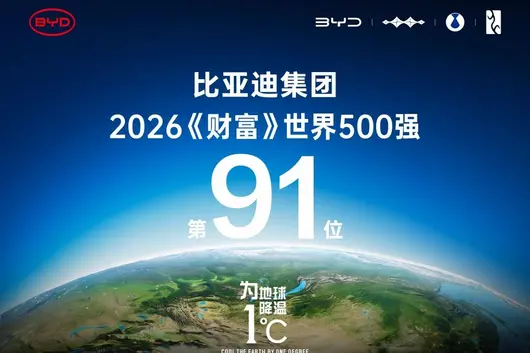

7 月 28 日,2026 年《財富》世界 500 強榜單揭曉,比亞迪連續第 5 年上榜,位列第 91 位,穩居全球百強陣營。呢個排名不僅係對其過往成績嘅肯定,更標誌著中國新能源汽車企業已具備同世界級巨頭同台競技嘅硬實力。

回望 2025 年,比亞迪交出了一份亮眼嘅成績單:全年營收 8040 億元,淨利潤 326 億元,新能源汽車銷量達 460 萬輛,蟬聯全球銷冠。進入 2026 年,其勢頭不減,上半年銷量已超 180 萬輛,並喺 7 月正式達成全球第 1700 萬輛新能源汽車下線嘅里程碑。

亮眼嘅市場表現,根植於對技術創新嘅執著。2025 年,比亞迪研發投入高達 634 億元,穩居 A 股上市公司首位。高投入帶嚟高回報:今年 3 月發布嘅第二代刀片電池同閃充技術,直擊補能效率痛點;5 月率先承諾為城市領航安全兜底,並推動全民城市領航時代嘅到來,展現咗佢作為行業領軍者嘅技術自信與責任擔當。

全球化戰略亦喺今年迎嚟收穫期。2025 年海外銷量首破百萬輛後,2026 年上半年即達到 78 萬輛,增長迅猛。從巴西雲軌開通、工廠達成十萬輛下線,到歐洲市場開啟科技新豪華篇章,再到日本、泰國市場嘅本土化深耕,比亞迪已形成「拉美領跑、歐洲突破、亞太多點開花」嘅全球化新格局,業務遍佈全球 121 個國家同地區。

喺高速發展嘅同時,比亞迪始終踐行可持續發展與社會責任。截至今日,其新能源汽車累計實現碳減排 1.49 億噸,並啟動 30 億元教育慈善基金,惠及數千名學生。
從百強新貴到穩居陣營,比亞迪正憑藉技術同全球化嘅雙輪驅動,朝著「為地球降溫 1℃」嘅願景穩步邁進。

In Malaysia's SUV market, many buyers compare the Proton X70 and Honda HR-V when choosing a car. These two cars are quite close in price and positioning. Today, we will do a detailed comparison from multiple aspects to help you save time on research.
The Proton X70 OTR price in Malaysia is RM 106,800 - 122,300, with a total of 3 versions, including 1.5L Standard 2WD (RM 106,800), 1.5L Executive 2WD (RM 115,800), 1.5L Premium 2WD (RM 122,300), etc.
The Honda HR-V OTR price in Malaysia is RM 115,900 - 143,900, with a total of 4 versions, including 2026 e:HEV 1.5L RS (RM 143,900), 2026 1.5T V (RM 137,900), 2026 1.5T E (RM 130,900), etc.
From a price perspective, the Proton X70's starting price is indeed RM 9,100 cheaper than the Honda HR-V. If your budget is limited, Proton's entry-level version can already meet daily needs. However, also note that the few thousand cheaper may involve trade-offs in features, depending on your specific needs.

Proton X70 safety rating is 5★ (ASEAN NCAP), active safety systems include ADAS (ACC, AEB, LKA, LDA, BSM, RCTA).
Honda HR-V safety rating is 5★ (ASEAN NCAP), active safety systems include Honda SENSING (ACC, CMBS, LKAS, RDM).
Both cars have the same safety rating, safety features are quite complete in this class. New car safety is generally not lacking nowadays, no need to worry too much about this.

Proton X70 body length 4400 mm, trunk 400 L.
Honda HR-V body length 4500 mm, trunk 450 L.
In terms of space, Honda HR-V's body is 100 mm longer than Proton X70, passenger space has an advantage. However, Proton X70 is slightly more flexible for parking in the city, each has its trade-offs.

Proton X70 warranty 5 years/150,000km, maintenance interval every 10,000km or 6 months.
Honda HR-V warranty 5 years/unlimited mileage, maintenance interval every 10,000km or 6 months.
Proton X70 and Honda HR-V are both mainstream choices in the Malaysian market, suitable for family use, daily commuting. If you value brand reputation and resale price more, you can prioritize the one with better reputation; if you care more about cost-performance and features, choose the one with richer configuration. In the end, it is recommended to test drive both, personal experience is the most important.
Overall, Proton X70 and Honda HR-V are both very good models in the Malaysian market. Which one to choose mainly depends on your personal needs and budget. It is recommended to do your homework, compare quotes from multiple car dealerships, and then test drive to make the final decision. Buying a car is a major event, spending time on research will definitely not be wrong.


In the Malaysian SUV market, many buyers compare the Proton X70 and Honda HR-V when choosing a vehicle. These two models are quite close in price and positioning. Today, we will make a detailed comparison from multiple aspects to help you save time on research.
The Proton X70 OTR price in Malaysia is RM 106,800 - 122,300, with a total of 3 versions, including 1.5L Standard 2WD (RM 106,800), 1.5L Executive 2WD (RM 115,800), and 1.5L Premium 2WD (RM 122,300), among others.
The Honda HR-V OTR price in Malaysia is RM 115,900 - 143,900, with a total of 4 versions, including 2026 e:HEV 1.5L RS (RM 143,900), 2026 1.5T V (RM 137,900), and 2026 1.5T E (RM 130,900), among others.
Looking at the price, the Proton X70's starting price is indeed RM 9,100 cheaper than the Honda HR-V. If your budget is limited, Proton's entry-level version can already meet daily needs. However, keep in mind that the few thousand less in price may involve trade-offs in features, which depends on your specific needs.
The Proton X70 is equipped with a 1.5L Turbo, 140 hp. Official fuel consumption 7.0 L/100km.
The Honda HR-V is equipped with a 1.5L Turbo, 140 hp. Official fuel consumption 7.0 L/100km.
Both cars use the same powertrain, and the driving feel is basically the same in daily use. Fuel consumption is also similar, so there is no need to worry too much about this.
The Proton X70 safety rating is 5★ (ASEAN NCAP), with active safety systems including ADAS (ACC, AEB, LKA, LDA, BSM, RCTA).
The Honda HR-V safety rating is 5★ (ASEAN NCAP), with active safety systems including Honda SENSING (ACC, CMBS, LKAS, RDM).
Both cars have the same safety rating, and safety features are quite comprehensive within this class. Safety of new cars nowadays is not poor, so there is no need to worry too much about this.
Proton X70 warranty 5 years/150,000km, maintenance interval every 10,000km or 6 months.
Honda HR-V warranty 5 years/unlimited mileage, maintenance interval every 10,000km or 6 months.
Overall, both the Proton X70 and Honda HR-V are excellent models in the Malaysian market. Choosing which one depends on your personal needs and budget. We recommend doing thorough research, comparing quotes from several dealerships, and then test driving to make a final decision. Buying a car is a major matter; spending some time doing research will never be wrong.

In Malaysia's SUV market, many buyers compare the Proton X70 and Honda HR-V when choosing a car. These two cars are quite close in price and positioning. Today, we will make a detailed comparison from multiple aspects to help you save time on research.
The Proton X70 OTR price in Malaysia is RM 106,800 - 122,300, with a total of 3 versions, including 1.5L Standard 2WD (RM 106,800), 1.5L Executive 2WD (RM 115,800), 1.5L Premium 2WD (RM 122,300), etc.
The Honda HR-V OTR price in Malaysia is RM 115,900 - 143,900, with a total of 4 versions, including 2026 e:HEV 1.5L RS (RM 143,900), 2026 1.5T V (RM 137,900), 2026 1.5T E (RM 130,900), etc.
In terms of price, the starting price of Proton X70 is indeed RM 9,100 cheaper than Honda HR-V. If your budget is limited, Proton's entry-level version can already meet daily needs. However, note that the few thousand cheaper might involve trade-offs in equipment, it depends on your needs.
Proton X70's safety rating is 5★ (ASEAN NCAP), active safety systems include ADAS (ACC, AEB, LKA, LDA, BSM, RCTA).
Honda HR-V's safety rating is 5★ (ASEAN NCAP), active safety systems include Honda SENSING (ACC, CMBS, LKAS, RDM).
Both cars have the same safety rating, safety equipment is quite complete in this class. New cars nowadays do not have poor safety, no need to worry too much about this point.
Proton X70 body length 4400 mm, trunk 400 L.
Honda HR-V body length 4500 mm, trunk 450 L.
Regarding space, Honda HR-V's body is 100 mm longer than Proton X70, offering better passenger space. However, Proton X70 is slightly more flexible for parking in the city, each has trade-offs.
Proton X70 and Honda HR-V are both mainstream choices in the Malaysian market, suitable for family use and daily commuting. If you value brand reputation and resale value more, you can prioritize the one with better reputation; if you care more about price-performance ratio and equipment, choose the one with richer configuration. Ultimately, it is recommended to test drive both, personal experience is the most important.
Overall, Proton X70 and Honda HR-V are both very good car models in the Malaysian market. Which one to choose depends mainly on your personal needs and budget. It is recommended to do research, compare quotes from several car dealerships, and then test drive to make the final decision. Buying a car is a big matter, spending some time on research will never be wrong.

Under the combined pull of new energy transition and growth in overseas demand, pickup market sales grew steadily. Wholesale data from China Passenger Car Association (CPCA) shows (including exports), from January to June 2026, cumulative pickup sales in China reached 343,000 units, a year-on-year increase of 11.9%, among which exports were 188,000 units, up 34% year-on-year. The overseas sales share rose to 55%, becoming an important engine driving overall growth; cumulative new energy pickup sales reached 45,000 units, a slight increase of 8% year-on-year.

In terms of corporate performance, the top 10 pickup manufacturers in the first half of 2026 showed distinct differentiation. Great Wall Motor sold a total of 92,512 pickups, a slight year-on-year decline of 3.9%, but remained number one in the industry. SAIC Maxus accumulated 36,804 units, up 28.1% year-on-year, rising from third place last year to second. Changan Automobile totaled 35,734 units, up 43.9% year-on-year, ranking rising to third in the industry. JAC and Zhengzhou Nissan had similar sales volumes, ranking fourth and fifth respectively. Among them, Zhengzhou Nissan led the top ten industry enterprises with a 51% year-on-year increase.
JMC ranked sixth with 28,704 units, and Foton ranked seventh with 23,288 units; BYD sales were 20,037 units, ranking eighth; Radar New Energy sales were 11,111 units, up 40.5% year-on-year, surpassing Jiangxi Isuzu to take ninth and tenth seats respectively.
Compared to the list from the same period last year, market positions showed significant adjustments. Companies that expanded overseas early and had complete new energy products achieved rapid growth. Brands focusing mainly on the domestic fuel market and with lagging transformation progress faced sales pressure. The pickup industry competitive landscape is undergoing a structural adjustment.
In the first half of 2026, pickup wholesale sales in China generally rose. As the industry leader, Great Wall Motor sold a total of 92,512 pickups in the first half. Despite a 3.9% year-on-year decline, it still ranks first in the industry with absolute advantage. As a leading domestic pickup brand, Great Wall Motor relies on a full series product layout in the 70,000-300,000 price range, advancing together in commercial, passenger, off-road, new energy, and export fields, building a systemic advantage.

SAIC Maxus, ranked second, sold a total of 36,804 pickups in the first half, up 28.1% year-on-year, rising from third place in the industry last year to second. The continuous expansion of export advantages was key to SAIC Maxus's ranking leap. In May, the pickup export scale reached first place in the industry. The monthly sales in June reached 7,871 units, up 83% year-on-year, leading the growth speed in the domestic pickup sub-sectors.
Changan Automobile's market performance was equally bright. Cumulative pickup sales in the first half reached 35,734 units, up 43.9% year-on-year, jumping from sixth place in the industry last year to third. In March, Changan pickup monthly sales exceeded 10,000 units, up 112.4% year-on-year; June sales reached 6,595 units, up 42.7%. The launch of new products such as Changan Hunter K50, combined with continuous expansion of the export market, jointly drove the rebound of Changan pickups.
JAC Pickup, ranked fourth, sold 33,188 units in the first half, a slight increase of 0.8% year-on-year. Long-term deep dive into agriculture, forestry, engineering, and commercial sub-sectors, stable existing customers, but new energy model iteration speed is relatively slow, insufficient new volume support, exiting the top three in the industry.
Zhengzhou Nissan ranks fifth in the industry. Sales were 32,987 units in the first half, up 51% year-on-year. The brand concurrently advanced off-road, new energy, and internationalization layouts. Updated King Ray and Navara fuel models within the year; launched Fengtian plug-in hybrid and Ruiqi pure electric pickups to perfect the power matrix; new energy model sales increase was prominent, Fengtian series went overseas in batches and secured orders from multiple South American countries. Products and overseas channels jointly drove sales growth.

JMC sold 28,704 pickups in the first half, up 1.0% year-on-year. Ranking dropped from fourth place last year to sixth. In the first half, JMC launched two core models: the brand new Baodian and Dadao. But it did not reverse the market landscape. The brand new Baodian faces intense price competition in the commercial tool vehicle market; although the Dadao series saw obvious product capability upgrades, the launch time was late, combined with poor export performance, overall sales faced pressure.
Foton Motor sold 23,288 pickups in the first half, up 21.6% year-on-year, ranking seventh. Exports became the main driver of Foton pickup growth. Public data shows that from January to May 2026, pickup exports exceeded 15,000 units, growing rapidly year-on-year, focusing on deepening regional markets such as Latin America, Africa, and Oceania.
BYD sold 20,037 pickups in the first half, down 25.8% year-on-year. Ranking dropped from fifth place last year to eighth. As a new entrant in the pickup industry, BYD previously relied mainly on overseas exports to drive sales, but since 2026, competition in export markets has intensified. Combined with its "Shark" pickup not yet scaling up domestically, overall sales faced pressure. However, from a new energy dimension, BYD remains an important force in the pickup market. In June, new energy pickup overseas sales reached 4,000 units, maintaining leadership in the new energy pickup sub-sector.

Radar New Energy, under Geely, sold 11,111 pickups in the first half, up 40.5% year-on-year, surpassing Jiangxi Isuzu to rise to ninth place in the industry. This year, Geely Radar launched the King Kong EV pure electric pickup, supplying nationwide markets for commercial scenarios such as agriculture, forestry, and urban-rural distribution. It simultaneously laid out Thailand and Philippines overseas markets, achieving continuous rise in sub-sector market share.
Jiangxi Isuzu sold 11,008 pickups in the first half, a slight decrease of 0.8% year-on-year, falling back to tenth place in the industry. Jiangxi Isuzu relies on diesel hard-core pickups to stabilize engineering and off-road fixed customers, but development has multiple constraints: vehicle iteration update rhythm is relatively slow, new energy model implementation progress lags behind peers, meanwhile product pricing lacks competitiveness, lacking effective volume support, overall growth space is hard to open.

In Malaysia's SUV market, many buyers compare the Proton X50 and Hyundai Tucson when choosing a car. These two cars are quite close in price and positioning. Today, we will make a detailed comparison from multiple aspects to help you save time doing homework.
The Proton X50 OTR price in Malaysia is RM 89,800 - 113,300, with a total of 4 versions, including 1.5T Executive (RM 89,800), 1.5T Premium (RM 101,800), 1.5T Flagship (RM 113,300), etc.
The Hyundai Tucson OTR price in Malaysia is RM 143,888 - 197,888, with a total of 5 versions, including 2025 HEV 1.6T AT 2WD Prestige (RM 197,888), 2025 1.6T DCT 4WD Prestige (RM 186,888), 2025 1.6T DCT 2WD Prime (RM 164,888), etc.
From a pricing perspective, the Proton X50 starting price is indeed RM 54,088 cheaper than the Hyundai Tucson. If you have a limited budget, the Proton entry-level version can already satisfy daily needs. However, be aware that the cheaper price of a few thousand might involve trade-offs in equipment, depending on your specific requirements.

The Proton X50 is powered by a 1.5L 4-cyl engine, with 105 hp. Official fuel consumption is 6.0 L/100km.
The Hyundai Tucson is powered by a 1.5L Turbo engine, with 140 hp. Official fuel consumption is 7.0 L/100km.
Regarding power, the Hyundai Tucson's 1.5L Turbo has 35 more horsepower than the Proton X50's 1.5L 4-cyl. However, for daily city driving, the power of both cars is sufficient and you won't feel it's lacking.

The Proton X50 safety rating is 5★ (ASEAN NCAP), active safety systems include ADAS (ACC, AEB, LKA, LDA, BSM, RCTA).
The Hyundai Tucson safety rating is 5★ (ASEAN NCAP), active safety systems include SmartSense.
Both cars have the same safety rating, safety features in this class are quite comprehensive. New cars today generally have good safety, no need to worry too much about this point.

The Proton X50 adopts 4WD drive mode.
The Hyundai Tucson adopts FWD drive mode.
Proton's 4WD and Hyundai's FWD will feel different in handling, test drive comparison is recommended.

Both Proton X50 and Hyundai Tucson are mainstream choices in the Malaysia market, suitable for family use and daily commuting. If you value brand reputation and resale value more, you can prioritize the one with better reputation; if you care more about cost-performance and equipment, choose the one with richer configuration. Ultimately, it is recommended to test drive both, personal experience is the most important.

Overall, both Proton X50 and Hyundai Tucson are very good car models in the Malaysia market. Which one to choose depends mainly on your personal needs and budget. It is recommended to do homework, compare quotes from multiple dealerships, and then test drive to make the final decision. Buying a car is a major matter, spending some time doing homework will definitely not be wrong.


In the Malaysian SUV market, many buyers compare Proton X50 and Hyundai Tucson when selecting a car. These two cars are quite close in price and positioning. Today, we will make a detailed comparison from multiple aspects to help you save time on research.
The Proton X50 OTR price in Malaysia is RM 89,800 - 113,300, with a total of 4 versions, including 1.5T Executive (RM 89,800), 1.5T Premium (RM 101,800), 1.5T Flagship (RM 113,300), etc.
The Hyundai Tucson OTR price in Malaysia is RM 143,888 - 197,888, with a total of 5 versions, including 2025 HEV 1.6T AT 2WD Prestige (RM 197,888), 2025 1.6T DCT 4WD Prestige (RM 186,888), 2025 1.6T DCT 2WD Prime (RM 164,888), etc.
From the price perspective, the starting price of Proton X50 is indeed RM 54,088 cheaper than Hyundai Tucson. If your budget is limited, the entry-level version of Proton can already meet daily needs. But also note, the savings of a few thousand may involve trade-offs in features, specifically depending on your needs.
The safety rating of Proton X50 is 5★ (ASEAN NCAP). Active safety systems include ADAS (ACC, AEB, LKA, LDA, BSM, RCTA).
The safety rating of Hyundai Tucson is 5★ (ASEAN NCAP). Active safety systems include SmartSense.
Both cars have the same safety rating, and safety features are quite comprehensive in this class. New car safety is generally not poor, so there is no need to worry too much about this.
Proton X50 uses 4WD drive mode.
Hyundai Tucson uses FWD drive mode.
Proton's 4WD and Hyundai's FWD will feel different in handling. Test drive comparison is recommended.
Proton X50 and Hyundai Tucson are both mainstream choices in the Malaysian market, suitable for family use and daily commuting. If you value brand reputation and resale value more, you can prioritize the one with a better reputation. If you care more about value for money and features, then choose the model with richer configuration. Ultimately, it is suggested to test drive both, as personal experience is the most important.
Overall, Proton X50 and Hyundai Tucson are both very good models in the Malaysian market. Which one to choose ultimately depends on your personal needs and budget. We suggest everyone do their homework, compare quotes from multiple dealerships, and then test drive before making a final decision. Buying a car is a major event; spending some time doing research will definitely not be wrong.

In the SUV market in Malaysia, many buyers compare Proton X50 and Mitsubishi Xforce when choosing a car. These two cars are quite close in price and positioning. Today, we will make a detailed comparison from multiple aspects to help you save time doing research.
The OTR price for Proton X50 in Malaysia is RM 89,800 - 113,300, with a total of 4 versions, including 1.5T Executive (RM 89,800), 1.5T Premium (RM 101,800), 1.5T Flagship (RM 113,300), etc.
The OTR price for Mitsubishi Xforce in Malaysia is RM 109,930 - 119,930, with a total of 2 versions, including 2026 1.5L Ultimate (RM 119,930), 2026 1.5L Urban (RM 109,930), etc.
From the price perspective, Proton X50's starting price is indeed RM 20,130 cheaper than Mitsubishi Xforce. If your budget is limited, Proton's entry-level version can already meet daily needs. But be aware, the few thousand cheaper cost might involve trade-offs in features, depending on your specific needs.
Proton X50 comes with a 1.5L 4-cylinder engine, 105 hp. Official fuel consumption 6.0 L/100km.
Mitsubishi Xforce comes with a 1.5L Turbo engine, 140 hp. Official fuel consumption 7.0 L/100km.
In terms of power, Mitsubishi Xforce's 1.5L Turbo has 35 more horsepower than Proton X50's 1.5L 4-cylinder. However, for daily city driving, the power of both cars is sufficient, you won't feel underpowered.
Proton X50 body length 4400 mm, trunk 400 L.
Mitsubishi Xforce body length 4400 mm, trunk 400 L.
The dimensions of the two cars are almost the same, and the interior space does not differ much. For cars of this level, it is fully sufficient for daily use.
Proton X50 and Mitsubishi Xforce are both mainstream choices in the Malaysia market, suitable for family use and daily commuting. If you value brand reputation and resale value more, consider the one with better reputation first; if you care more about value for money and features, choose the one with richer specifications. Ultimately, it is recommended to test drive both, personal experience is the most important.

Overall, Proton X50 and Mitsubishi Xforce are both quite good car models in the Malaysia market. Which one to choose depends mainly on your personal needs and budget. It is recommended to do your research, compare quotes from several dealerships, and then test drive to make a final decision. Buying a car is a big matter, spending time on research is never wrong.

In Malaysia's SUV market, many buyers compare Proton X50 and Mitsubishi Xforce when choosing a car. These two cars are quite close in price and positioning. Today, we will make a detailed comparison from multiple aspects to help you save time on research.
Proton X50 has an OTR price of RM 89,800 - 113,300 in Malaysia, with a total of 4 versions, including 1.5T Executive (RM 89,800), 1.5T Premium (RM 101,800), 1.5T Flagship (RM 113,300), etc.
Mitsubishi Xforce has an OTR price of RM 109,930 - 119,930 in Malaysia, with a total of 2 versions, including 2026 1.5L Ultimate (RM 119,930), 2026 1.5L Urban (RM 109,930), etc.
From a price perspective, the starting price of Proton X50 is indeed RM 20,130 cheaper than Mitsubishi Xforce. If your budget is limited, Proton's entry-level version can already meet daily needs. But note, the few thousand cheaper might involve trade-offs in features, depending on your specific needs.
Proton X50 safety rating is 5★ (ASEAN NCAP), active safety systems include ADAS (ACC, AEB, LKA, LDA, BSM, RCTA).
Mitsubishi Xforce safety rating is 5★ (ASEAN NCAP), active safety systems include MI-PILOT.
The safety ratings for both cars are the same, and safety features are quite comprehensive at this level. New cars nowadays are generally safe, no need to worry too much about this.
Proton X50 uses 4WD drive system.
Mitsubishi Xforce uses FWD drive system.
Proton's 4WD and Mitsubishi's FWD will feel different in handling, a test drive comparison is recommended.
Proton X50 warranty 5 years/150,000km, service interval every 10,000km or 6 months.
Mitsubishi Xforce warranty 3 years/100,000km, service interval every 10,000km or 6 months.
Overall, Proton X50 and Mitsubishi Xforce are both excellent car models in the Malaysian market. Which one to choose mainly depends on your personal needs and budget. We suggest doing research, comparing quotes from several dealerships, and then test driving to make a final decision. Buying a car is a big matter, spending time on research will definitely not go wrong.

In Malaysia's SUV market, many buyers compare Proton X50 and GWM Haval H6 when choosing a car. Both cars are quite close in price and positioning. Today we will make a detailed comparison from multiple aspects to help you save time on research.
The OTR selling price of Proton X50 in Malaysia is RM 89,800 - 113,300, with a total of 4 versions, including 1.5T Executive (RM 89,800), 1.5T Premium (RM 101,800), 1.5T Flagship (RM 113,300), etc.
The OTR selling price of GWM Haval H6 in Malaysia is RM 139,750 - 139,750, with a total of 2 versions, including 1.5L Turbo Standard (RM 140,000), 1.5L Turbo Premium (RM 155,000), etc.
From the price perspective, the starting price of Proton X50 is indeed RM 49,950 cheaper than GWM Haval H6. If your budget is limited, Proton's entry-level version can already meet daily needs. But also note, for that few thousand savings, there might be trade-offs in equipment, it depends on your specific needs.
Proton X50 safety rating is 5★ (ASEAN NCAP), active safety systems include ADAS (ACC, AEB, LKA, LDA, BSM, RCTA).
GWM Haval H6 safety rating is TBD, active safety systems include Basic.
Regarding safety features, both cars have received good ratings. However, there are some differences in functionality between Proton X50's ADAS (ACC, AEB, LKA, LDA, BSM, RCTA) and GWM Haval H6's Basic. If you value active safety, you can carefully compare the feature lists of both.
Proton X50 warranty 5 years/150,000km, maintenance interval every 10,000km or 6 months.
GWM Haval H6 warranty 7 years/150,000km, maintenance interval every 10,000km or 6 months.
Proton X50 and GWM Haval H6 are both mainstream choices in the Malaysia market, suitable for family use and daily commuting. If you value brand reputation and resale value more, you can prioritize the one with better reputation; if you care more about value for money and equipment, then choose the one with richer configuration. Ultimately, it is suggested to test drive both models, as personal experience is the most important.
Overall, Proton X50 and GWM Haval H6 are both very good models in the Malaysia market. Choosing which one depends mainly on your personal needs and budget. We suggest doing your research, compare quotes from multiple car dealers, and then test drive to make the final decision. Buying a car is a big matter, spending time on research will never be wrong.

喺馬來西亞嘅 SUV 市場,好多買家喺揀車嘅時候都會拿 Proton X50 同 Hyundai Tucson 嚟做比較。呢兩款車喺售價同定位上都好接近,而家我哋就從多個方面做一個詳細嘅對比,幫你節省做功課嘅時間。
Proton X50 喺馬來西亞嘅 OTR 售價係 RM 89,800 - 113,300,一共有 4 個版本,包括 1.5T Executive(RM 89,800)、1.5T Premium(RM 101,800)、1.5T Flagship(RM 113,300)等。
Hyundai Tucson 喺馬來西亞嘅 OTR 售價係 RM 143,888 - 197,888,一共有 5 個版本,包括 2025 HEV 1.6T AT 2WD Prestige(RM 197,888)、2025 1.6T DCT 4WD Prestige(RM 186,888)、2025 1.6T DCT 2WD Prime(RM 164,888)等。
從價錢嚟睇,Proton X50 嘅起點價真係比 Hyundai Tucson 平咗 RM 54,088。如果你預算有限,Proton 嘅入門版已經可以滿足日常需要。但都係要注意,平嗰幾千蚊,可能喺配備上會有取舍,具體睇你嘅需要。
Proton X50 配備 1.5L 4-cyl,馬力 105 hp。官方油耗 6.0 L/100km。
Hyundai Tucson 配備 1.5L Turbo,馬力 140 hp。官方油耗 7.0 L/100km。
動力方面,Hyundai Tucson 嘅 1.5L Turbo 比 Proton X50 嘅 1.5L 4-cyl 多咗 35 匹馬力。不過平日喺市區行,兩款車嘅動力都夠用,唔會覺得唔夠力。
Proton X50 車身長 4400 mm,後尾箱 400 L。
Hyundai Tucson 車身長 4400 mm,後尾箱 400 L。
兩款車嘅尺寸幾乎一樣,車內空間分別唔大。呢個級別嘅車,日常使用完全夠用。
Proton X50 採用 4WD 驅動方式。
Hyundai Tucson 採用 FWD 驅動方式。
Proton 嘅 4WD 同 Hyundai 嘅 FWD 喺操控上會有唔同嘅感受,建議試駕對比。
Proton X50 保用 5 年/150,000km,保養間隔 每 10,000km 或 6 個月。
Hyundai Tucson 保用 5 年/300,000km,保養間隔 每 10,000km 或 6 個月。
總體嚟講,Proton X50 同 Hyundai Tucson 都係馬來西亞市場幾唔錯嘅車型。揀邊一輛,關鍵係要睇你嘅個人需要同預算。建議大家做好功課,多比較幾間車行之嘅報價,再去試駕做最終決定。買車係件大事,花啲時間做功課絕對唔會錯。

喺馬來西亞嘅 SUV 市場,好多買家喺揀車嘅時候都會拿 寶騰 X50 同 三菱 Xforce 嚟做比較。呢兩部車喺價位同定位上都幾接近,今日我哋就從多個方面做一次詳細嘅對比,幫你去咗做功課嘅時間。
寶騰 X50 喺馬來西亞嘅 OTR 售價係 RM 89,800 - 113,300,一係有 4 個版本,包括 1.5T 行政(RM 89,800)、1.5T 尊貴(RM 101,800)、1.5T 旗艦(RM 113,300) 等等。
三菱 Xforce 喺馬來西亞嘅 OTR 售價係 RM 109,930 - 119,930,一係有 2 個版本,包括 2026 1.5L 巔峰(RM 119,930)、2026 1.5L 都會(RM 109,930) 等等。
由價錢睇,寶騰 X50 嘅起步價確實比 三菱 Xforce 平咗 RM 20,130。如果你預算有限,寶騰嘅入門版已經可以滿足日常需求。但都要記住,平嗰幾千蚊,可能喺配備上會有取舍,具體睇你嘅需求。
寶騰 X50 搭載 1.5L 4-cyl,馬力 105 hp。官方油耗 6.0 公升/100 公里。
三菱 Xforce 搭載 1.5L Turbo,馬力 140 hp。官方油耗 7.0 公升/100 公里。
動力方面,三菱 Xforce 嘅 1.5L Turbo 比 寶騰 X50 嘅 1.5L 4-cyl 多咗 35 匹馬力。不過日常喺市區開,兩部車嘅動力都夠用,唔會覺得唔夠力。
寶騰 X50 車身長 4400 mm,尾箱 400 L。
三菱 Xforce 車身長 4400 mm,尾箱 400 L。
兩部車嘅尺寸幾近一樣,車內空間差別唔大。呢個級別嘅車,日常使用完全夠用。
寶騰 X50 採用 4WD 四驅驅動方式。
三菱 Xforce 採用 FWD 前驅驅動方式。
寶騰嘅 4WD 同 三菱嘅 FWD 喺操控上會有唔同感受,建議試駕對比。
寶騰 X50 保修 5 年/150,000km,保養間隔 每 10,000km 或 6 個月。
三菱 Xforce 保修 3 年/100,000km,保養間隔 每 10,000km 或 6 個月。
總嘅嚟講,寶騰 X50 同 三菱 Xforce 都係馬來西亞市場好唔錯嘅車型。揀邊一部,關鍵仲係要睇你嘅個人需求同預算。建議大家做好功課,多比較幾間車行嘅報價,再去試駕先做最後決定。買車係件大事,花少少時間做功課絕對唔會錯。

喺馬來西亞嘅 SUV 市場,好多買家喺揀車嘅時候都會拿 Proton X50 同 GWM Haval H6 做比較。呢兩款車喺價位同定位上都幾接近,今日我哋就從多個方面做一個詳細嘅對比,幫你省返做功課嘅時間。
Proton X50 喺馬來西亞嘅 OTR 售價係 RM 89,800 - 113,300,一共有 4 個版本,包括 1.5T Executive(RM 89,800)、1.5T Premium(RM 101,800)、1.5T Flagship(RM 113,300) 等。
GWM Haval H6 喺馬來西亞嘅 OTR 售價係 RM 139,750 - 139,750,一共有 2 個版本,包括 1.5L Turbo Standard(RM 140,000)、1.5L Turbo Premium(RM 155,000) 等。
由價錢睇,Proton X50 嘅起步價的確比 GWM Haval H6 平咗 RM 49,950。如果你預算有限,Proton 嘅入門版已經可以滿足日常需要。但都要留意,平嗰幾千蚊,可能喺配備上會有取舍,具體要看你嘅需要。
Proton X50 搭載 1.5L 4-cyl,馬力 105 hp。官方油耗 6.0 L/100km。
GWM Haval H6 搭載 Hybrid,馬力 170 hp。官方油耗 4.5 L/100km。
動力方面,GWM Haval H6 嘅 Hybrid 比 Proton X50 嘅 1.5L 4-cyl 多咗 65 匹馬力。不過日常喺市區開,兩款車嘅動力都夠用,唔會覺得唔夠力。
Proton X50 車身長 4400 mm,尾箱 400 L。
GWM Haval H6 車身長 4400 mm,尾箱 400 L。
兩款車嘅尺寸差唔多,車內空間分別唔大。呢個級別嘅車,日常使用完全夠用。
Proton X50 採用 4WD 驅動方式。
GWM Haval H6 採用 FWD 驅動方式。
Proton 嘅 4WD 同 GWM 嘅 FWD 喺操控上會有唔同嘅感覺,建議試駕對比。
Proton X50 同 GWM Haval H6 都係馬來西亞市場嘅主流選擇,適合家庭使用、日常通勤。如果你更睇重品牌口碑同二手價,可以優先考慮口碑更好嗰一款;如果你更在意性價比同配備,那就選配置更豐富嗰款。始終都係建議兩款都去試駕,親身體驗先係最重要。
總而言之,Proton X50 同 GWM Haval H6 都係馬來西亞市場好唔錯嘅車型。揀邊一輛,關鍵都係睇你嘅個人需求同預算。建議大家做好功課,多比較幾間車行嘅報價,再去試駕做最終決定。買車係件大事,花啲時間做功課絕對唔會錯。

喺馬來西亞嘅 SUV 市場,好多買家喺揀車嘅時候都會拿 Proton X50 同 GWM Haval H6 嚟比較。呢兩款車喺價位同定位上都幾接近,今下我哋就從多個方面做一個詳細嘅比較,幫你慳返做功課嘅時間。
Proton X50 喺馬來西亞嘅 OTR 售價係 RM 89,800 - 113,300,一共有 4 個版本,包括 1.5T Executive(RM 89,800)、1.5T Premium(RM 101,800)、1.5T Flagship(RM 113,300)等。
GWM Haval H6 喺馬來西亞嘅 OTR 售價係 RM 139,750 - 139,750,一共有 2 個版本,包括 1.5L Turbo Standard(RM 140,000)、1.5L Turbo Premium(RM 155,000)等。
由價錢嚟睇,Proton X50 嘅起步價的確比 GWM Haval H6 便宜咗 RM 49,950。如果你預算有限,Proton 嘅入門版已經可以滿足日常需求。但係都要留意,便宜嗰幾千蚊,可能喺配備上要有取捨,具體要睇你嘅需求。
Proton X50 搭載 1.5L 4-cyl,馬力 105 hp。官方油耗 6.0 L/100km。
GWM Haval H6 搭載 Hybrid,馬力 170 hp。官方油耗 4.5 L/100km。
動力方面,GWM Haval H6 嘅 Hybrid 比 Proton X50 嘅 1.5L 4-cyl 多咗 65 匹馬力。不過日常喺市區行,兩款車嘅動力都夠用,唔會覺得唔夠力。
Proton X50 嘅安全評級係 5★ (ASEAN NCAP),主動安全系統包括 ADAS (ACC, AEB, LKA, LDA, BSM, RCTA)。
GWM Haval H6 嘅安全評級係 TBD,主動安全系統包括 Basic。
安全配備方面,兩款車都拿到咗唔錯嘅評級。不過 Proton X50 嘅 ADAS (ACC, AEB, LKA, LDA, BSM, RCTA) 同 GWM Haval H6 嘅 Basic 喺功能上有啲差異,如果你比較睇重主動安全嘅話,可以仔細對比下佢哋兩邊嘅功能列表。
Proton X50 採用 4WD 驅動方式。
GWM Haval H6 採用 FWD 驅動方式。
Proton 嘅 4WD 同 GWM 嘅 FWD 喺操控上好唔同嘅感受,建議試駕對比。
總括嚟讲,Proton X50 同 GWM Haval H6 都係馬來西亞市場幾唔錯嘅車型。揀邊一輛,關鍵始終要睇你嘅個人需求同預算。建議大家做好功課,多比較幾間車行嘅報價,再嚟試駕做最終決定。買車係件大事,花少少時間做功課絕對唔會錯。

In the SUV market in Malaysia, many buyers compare Proton X50 and MG MG HS when choosing a car. The price and positioning of these two cars are quite close. Today we will do a detailed comparison from multiple aspects to help you save time on research.
The OTR price of Proton X50 in Malaysia is RM 89,800 - 113,300. There are 4 versions in total, including 1.5T Executive (RM 89,800), 1.5T Premium (RM 101,800), 1.5T Flagship (RM 113,300), etc.
The OTR price of MG MG HS in Malaysia is RM 130,450 - 146,450. There are 2 versions in total, including 1.5L Standard (RM 105,000), 1.5L Executive (RM 115,000), etc.
From the price perspective, the starting price of Proton X50 is indeed RM 40,650 cheaper than MG MG HS. If your budget is limited, Proton's entry-level version can already meet daily needs. But also note, the difference of a few thousand might involve trade-offs in features. It depends on your specific needs.
Proton X50 is equipped with 1.5L 4-cyl, horsepower 105 hp. Official fuel consumption 6.0 L/100km.
MG MG HS is equipped with 1.5L Turbo, horsepower 140 hp. Official fuel consumption 7.0 L/100km.
In terms of performance, MG MG HS's 1.5L Turbo has 35 more horsepower than Proton X50's 1.5L 4-cyl. However, for daily city driving, the power of both cars is sufficient, you won't feel underpowered.
The safety rating of Proton X50 is 5★ (ASEAN NCAP). Active safety systems include ADAS (ACC, AEB, LKA, LDA, BSM, RCTA).
The safety rating of MG MG HS is TBD. Active safety systems include Basic.
Regarding safety features, both cars have received good ratings. However, there are some differences in function between Proton X50's ADAS (ACC, AEB, LKA, LDA, BSM, RCTA) and MG MG HS's Basic. If you value active safety, you can carefully compare the feature lists of both.
Proton X50 body length 4400 mm, trunk 400 L.
MG MG HS body length 4400 mm, trunk 400 L.
The dimensions of both cars are almost the same, the interior space difference is not significant. Cars in this class are fully sufficient for daily use.
Proton X50 warranty 5 years/150,000km, maintenance interval every 10,000km or 6 months.
MG MG HS warranty 7 years/150,000km, maintenance interval every 10,000km or 6 months.
Overall, Proton X50 and MG MG HS are both very good models in the Malaysian market. Which one to choose depends on your personal needs and budget. We recommend doing your research, comparing quotes from a few dealerships, and then test driving to make a final decision. Buying a car is a big thing, spending time doing research will definitely not be wrong.

In the Malaysian SUV market, many buyers compare Proton X50 and MG MG HS when choosing a car. Both cars are quite close in price and positioning. Today we will do a detailed comparison from multiple aspects to save you time on research.
The OTR price for Proton X50 in Malaysia is RM 89,800 - 113,300, with a total of 4 versions, including 1.5T Executive (RM 89,800), 1.5T Premium (RM 101,800), 1.5T Flagship (RM 113,300), etc.
The OTR price for MG MG HS in Malaysia is RM 130,450 - 146,450, with a total of 2 versions, including 1.5L Standard (RM 105,000), 1.5L Executive (RM 115,000), etc.
Looking at the price, Proton X50's starting price is indeed RM 40,650 cheaper than MG MG HS. If you have a limited budget, Proton's entry-level version can meet daily needs. But note, the few thousand dollars cheaper might involve trade-offs in features, which depends on your needs.
Proton X50 is equipped with 1.5L 4-cyl, horsepower 105 hp. Official fuel consumption 6.0 L/100km.
MG MG HS is equipped with 1.5L Turbo, horsepower 140 hp. Official fuel consumption 7.0 L/100km.
Regarding power, MG MG HS's 1.5L Turbo has 35 more horsepower than Proton X50's 1.5L 4-cyl. However, for daily city driving, both cars have enough power and won't feel weak.
Proton X50's safety rating is 5★ (ASEAN NCAP), active safety systems include ADAS (ACC, AEB, LKA, LDA, BSM, RCTA).
MG MG HS's safety rating is TBD, active safety systems include Basic.
Regarding safety features, both cars have received good ratings. However, there are some differences between Proton X50's ADAS (ACC, AEB, LKA, LDA, BSM, RCTA) and MG MG HS's Basic. If you value active safety, you can compare their feature lists in detail.
Proton X50 body length 4400 mm, trunk 400 L.
MG MG HS body length 4400 mm, trunk 400 L.
The dimensions of both cars are almost the same, interior space difference is not large. For cars in this class, daily use is completely sufficient.
Proton X50 uses 4WD drive system.
MG MG HS uses FWD drive system.
Proton's 4WD and MG's FWD will feel different in handling, test drive comparison is recommended.
Overall, Proton X50 and MG MG HS are both very good models in the Malaysian market. Which one to choose depends on your personal needs and budget. We recommend doing your research, comparing quotes from several dealerships, and then test driving to make the final decision. Buying a car is a big matter, spending time on research will never be wrong.


