


首頁香港

搜尋歷史
熱門搜尋
經銷商登入 / 註冊

In Malaysia's SUV market, many buyers compare the Toyota Corolla Cross and Chery Tiggo 7 Pro when choosing a car. The pricing and positioning of these two models are quite close. Today, we will do a detailed comparison from multiple aspects to help you save time on research.
The Toyota Corolla Cross OTR price in Malaysia is RM 133,800 - 148,800, with a total of 3 versions, including 2026 HEV 1.8L GR Sport (RM 148,800), 2026 HEV 1.8L Standard (RM 140,800), 2026 1.8L Standard (RM 133,800), etc.
The Chery Tiggo 7 Pro OTR price in Malaysia is RM 123,750 - 123,750, with a total of 2 versions, including 1.6L Turbo Standard (RM 125,000), 1.6L Turbo Premium (RM 140,000), etc.
From a price perspective, the starting price of the Chery Tiggo 7 Pro is RM 10,050 cheaper than the Toyota Corolla Cross. To be honest, at this price range, a difference of a few thousand is not really significant; the key is to look at overall value for money and long-term running costs.

The Toyota Corolla Cross is equipped with a 1.5L Turbo, horsepower 140 hp. Official fuel consumption 7.0 L/100km.
The Chery Tiggo 7 Pro is equipped with a 1.5L Turbo, horsepower 140 hp. Official fuel consumption 7.0 L/100km.
Both cars use the same powertrain system, and the daily driving experience feels basically no different. Fuel consumption is also similar, so no need to worry too much about this.

Toyota Corolla Cross body length 4400 mm, trunk 400 L.
Chery Tiggo 7 Pro body length 4400 mm, trunk 400 L.
The dimensions of both cars are almost identical, with little difference in interior space. For a vehicle at this level, it is completely sufficient for daily use.

The Toyota Corolla Cross adopts FWD drive mode.
The Chery Tiggo 7 Pro adopts FWD drive mode.
Both cars use the same drive mode, both are FWD, and the daily driving experience will not differ significantly.
Toyota Corolla Cross warranty 5 years/unlimited mileage, maintenance interval every 10,000km or 6 months.
Chery Tiggo 7 Pro warranty 3 years/100,000km, maintenance interval every 10,000km or 6 months.
Overall, both the Toyota Corolla Cross and Chery Tiggo 7 Pro are excellent models in the Malaysian market. Choosing which one depends on your personal needs and budget. We suggest doing your research, comparing quotes from several dealerships, and then test driving to make a final decision. Buying a car is a major matter, spending time on research will never go wrong.


In the Malaysian SUV market, many buyers compare the Toyota Corolla Cross and Chery Tiggo 7 Pro when choosing a car. These two models are quite close in price and positioning. Today, we will make a detailed comparison from multiple aspects to save you time on research.
The OTR selling price of Toyota Corolla Cross in Malaysia is RM 133,800 - 148,800, with a total of 3 versions, including 2026 HEV 1.8L GR Sport (RM 148,800), 2026 HEV 1.8L Standard (RM 140,800), 2026 1.8L Standard (RM 133,800), etc.
The OTR selling price of Chery Tiggo 7 Pro in Malaysia is RM 123,750 - 123,750, with a total of 2 versions, including 1.6L Turbo Standard (RM 125,000), 1.6L Turbo Premium (RM 140,000), etc.
From the price perspective, the starting price of Chery Tiggo 7 Pro is RM 10,050 cheaper than the Toyota Corolla Cross. To be honest, in this price range, a difference of a few thousand is not actually that big, the key is to look at overall value for money and long-term usage costs.
Toyota Corolla Cross body length 4400 mm, trunk 400 L.
Chery Tiggo 7 Pro body length 4400 mm, trunk 400 L.
The dimensions of the two cars are almost identical, with little difference in interior space. For cars of this level, daily use is completely sufficient.
Toyota Corolla Cross adopts FWD drive method.
Chery Tiggo 7 Pro adopts FWD drive method.
The drive method of the two cars is the same, both are FWD, and there will not be a big difference in daily driving experience.
Toyota Corolla Cross and Chery Tiggo 7 Pro are both mainstream choices in the Malaysian market, suitable for family use and daily commuting. If you value brand reputation and resale value more, you can prioritize the one with better reputation; if you care more about cost-performance ratio and equipment, then choose the one with richer configurations. In the end, it is recommended to test drive both, and personal experience is the most important.
Overall, Toyota Corolla Cross and Chery Tiggo 7 Pro are both very good models in the Malaysian market. Which one to choose depends mainly on your personal needs and budget. We recommend doing your homework, comparing quotes from several car dealerships, and then test driving to make a final decision. Buying a car is a big deal, spending time doing research is never wrong.

In Malaysia's SUV market, many buyers compare the Toyota Corolla Cross and the Chery Tiggo Cross when choosing a car. These two cars are quite close in price and positioning, so today we will make a detailed comparison from multiple aspects to help you save time on research.
The OTR price for the Toyota Corolla Cross in Malaysia is RM 133,800 - 148,800, with a total of 3 versions, including 2026 HEV 1.8L GR Sport (RM 148,800), 2026 HEV 1.8L Standard (RM 140,800), 2026 1.8L Standard (RM 133,800), etc.
The OTR price for the Chery Tiggo Cross in Malaysia is RM 88,750 - 99,750, with a total of 2 versions, including 2025 HEV 1.5L CSH (RM 99,750), 2025 1.5T Standard (RM 88,750), etc.
In terms of price, the Chery Tiggo Cross is RM 45,050 cheaper at the starting price than the Toyota Corolla Cross. To be honest, in this price range, a difference of a few thousand is not really significant; the key is to look at overall value for money and long-term usage costs.
The Toyota Corolla Cross is equipped with a 1.5L Turbo, 140 hp. Official fuel consumption 7.0 L/100km.
The Chery Tiggo Cross is equipped with a 1.5L 4-cyl, 105 hp. Official fuel consumption 6.0 L/100km.
In terms of power, the Toyota Corolla Cross's 1.5L Turbo has 35 more horsepower than the Chery Tiggo Cross's 1.5L 4-cyl, giving more confidence in mid-range acceleration, especially when overtaking on highways. However, the Chery Tiggo Cross might have better fuel economy, and the difference for daily city commuting won't be too large.
The Toyota Corolla Cross has a body length of 4400 mm and a trunk capacity of 400 L.
The Chery Tiggo Cross has a body length of 4400 mm and a trunk capacity of 400 L.
The dimensions of both cars are almost identical, with little difference in interior space. Cars at this level are more than sufficient for daily use.
The Toyota Corolla Cross uses FWD drive type.
The Chery Tiggo Cross uses FWD drive type.
Both cars have the same drive type, both are FWD, so there won't be a huge difference in daily driving feel.

Both the Toyota Corolla Cross and the Chery Tiggo Cross are mainstream choices in the Malaysian market, suitable for family use and daily commuting. If you value brand reputation and resale value more, prioritize the one with better reputation; if you care more about value for money and features, choose the one with richer specifications. Ultimately, it is recommended to test drive both, as personal experience is the most important.

Overall, both the Toyota Corolla Cross and the Chery Tiggo Cross are excellent models in the Malaysian market. Which one to choose mainly depends on your personal needs and budget. We recommend doing your research, comparing quotes from several dealerships, and then test driving to make a final decision. Buying a car is a big deal, taking time to do your research will never be wrong.

In the Malaysian SUV market, many buyers compare the Toyota Corolla Cross and Chery Tiggo Cross when choosing a car. These two models are quite close in price and positioning. Today, we will make a detailed comparison from multiple aspects to help you save time on research.
The OTR price of the Toyota Corolla Cross in Malaysia is RM 133,800 - 148,800, with a total of 3 versions, including 2026 HEV 1.8L GR Sport (RM 148,800), 2026 HEV 1.8L Standard (RM 140,800), 2026 1.8L Standard (RM 133,800), etc.
The OTR price of the Chery Tiggo Cross in Malaysia is RM 88,750 - 99,750, with a total of 2 versions, including 2025 HEV 1.5L CSH (RM 99,750), 2025 1.5T Standard (RM 88,750), etc.
From a price perspective, the starting price of the Chery Tiggo Cross is RM 45,050 cheaper than the Toyota Corolla Cross. Honestly, in this price range, a difference of a few thousand is not really significant; the key is to look at overall cost-effectiveness and long-term usage costs.
The Toyota Corolla Cross comes with a 1.5L Turbo, 140 hp. Official fuel consumption 7.0 L/100km.
The Chery Tiggo Cross comes with a 1.5L 4-cyl, 105 hp. Official fuel consumption 6.0 L/100km.
In terms of power, the Toyota Corolla Cross's 1.5L Turbo has 35 more horsepower than the Chery Tiggo Cross's 1.5L 4-cyl, offering more confidence in mid-range acceleration, especially when overtaking on highways. However, the Chery Tiggo Cross's fuel consumption might be more friendly, with little difference for daily city commuting.
The Toyota Corolla Cross safety rating is 5★ (ASEAN NCAP), active safety systems include TSS (PCS, LDA, ACC, LTA).
The Chery Tiggo Cross safety rating is TBD, active safety systems include Basic.
Regarding safety features, both cars have received decent ratings. However, there are some functional differences between the Toyota Corolla Cross's TSS (PCS, LDA, ACC, LTA) and the Chery Tiggo Cross's Basic. If you value active safety, you can compare their feature lists in detail.
Toyota Corolla Cross warranty 5 years/unlimited mileage, service interval every 10,000km or 6 months.
Chery Tiggo Cross warranty 3 years/100,000km, service interval every 10,000km or 6 months.
Overall, both the Toyota Corolla Cross and Chery Tiggo Cross are excellent models in the Malaysian market. Choosing which one depends mainly on your personal needs and budget. We suggest doing your research, comparing quotes from several dealerships, and then test-driving to make a final decision. Buying a car is a big matter; spending time on research is never wrong.

In the Malaysian SUV market, many buyers compare Toyota Corolla Cross and Chery Tiggo Cross when choosing a car. These two models are quite close in price and positioning. Today, we will do a detailed comparison from multiple aspects to help you save time on research.
The OTR price of Toyota Corolla Cross in Malaysia is RM 133,800 - 148,800, with a total of 3 versions, including 2026 HEV 1.8L GR Sport (RM 148,800), 2026 HEV 1.8L Standard (RM 140,800), 2026 1.8L Standard (RM 133,800), etc.
The OTR price of Chery Tiggo Cross in Malaysia is RM 88,750 - 99,750, with a total of 2 versions, including 2025 HEV 1.5L CSH (RM 99,750), 2025 1.5T Standard (RM 88,750), etc.
From the price perspective, the starting price of Chery Tiggo Cross is RM 45,050 cheaper than Toyota Corolla Cross. To be honest, in this price range, a gap of a few thousand does not count as much, the key is to look at the overall value for money and long-term usage cost.
The safety rating of Toyota Corolla Cross is 5★ (ASEAN NCAP), and the active safety systems include TSS (PCS, LDA, ACC, LTA).
The safety rating of Chery Tiggo Cross is TBD, and the active safety systems include Basic.
In terms of safety features, both cars have received good ratings. However, there are some differences in functionality between Toyota Corolla Cross's TSS (PCS, LDA, ACC, LTA) and Chery Tiggo Cross's Basic. If you value active safety more, you can compare their feature lists carefully.
Toyota Corolla Cross adopts FWD drive mode.
Chery Tiggo Cross adopts FWD drive mode.
The drive mode of both cars is the same, both are FWD, so there won't be much difference in daily driving experience.
Toyota Corolla Cross and Chery Tiggo Cross are both mainstream choices in the Malaysian market, suitable for family use and daily commuting. If you value brand reputation and resale value more, you can prioritize the one with better reputation; if you care more about value for money and features, then choose the model with richer configurations. Ultimately, it is recommended to test drive both, and personal experience is the most important.
Overall, Toyota Corolla Cross and Chery Tiggo Cross are both very good models in the Malaysian market. Which one to choose depends on your personal needs and budget. We suggest doing your homework, compare quotes from several car dealers, and then test drive to make the final decision. Buying a car is a big deal, spending some time on research will never be wrong.

In the Malaysian SUV market, many buyers compare the Toyota Corolla Cross and Mazda CX-8 when choosing a car. These two vehicles are quite close in price and positioning. Today, we will make a detailed comparison from multiple aspects to help you save time on research.
The Toyota Corolla Cross OTR price in Malaysia is RM 133,800 - 148,800, with a total of 3 versions, including 2026 HEV 1.8L GR Sport (RM 148,800), 2026 HEV 1.8L Standard (RM 140,800), 2026 1.8L Standard (RM 133,800), etc.
The Mazda CX-8 OTR price in Malaysia is RM 165,360 - 201,360, with a total of 5 versions, including 2025 2.5T 4WD High Plus Petrol (RM 201,360), 2025 2.2L 2WD High Plus Diesel (RM 193,123), 2025 2.5L 2WD High Plus Petrol (RM 186,360), etc.
From a price perspective, the Toyota Corolla Cross is indeed RM 31,560 cheaper than the Mazda CX-8. If your budget is limited, Toyota's entry-level version can already meet daily needs. However, note that the few thousand dollars cheaper might involve trade-offs in features, depending on your needs.
The Toyota Corolla Cross is equipped with a 1.5L Turbo, 140 hp. Official fuel consumption 7.0 L/100km.
The Mazda CX-8 is equipped with a 2.0L 4-cyl, 170 hp. Official fuel consumption 8.0 L/100km.
In terms of power, the Mazda CX-8's 2.0L 4-cyl has 30 more horsepower than the Toyota Corolla Cross's 1.5L Turbo. However, for daily city driving, both cars have sufficient power, you won't feel underpowered.
The Toyota Corolla Cross safety rating is 5★ (ASEAN NCAP), active safety systems include TSS (PCS, LDA, ACC, LTA).
The Mazda CX-8 safety rating is 5★ (ASEAN NCAP), active safety systems include Brand ADAS.
Both cars have the same safety rating, safety features are quite comprehensive in this class. New cars nowadays don't lack in safety, no need to worry too much about this.
The Toyota Corolla Cross body length is 4400 mm, trunk 400 L.
The Mazda CX-8 body length is 4500 mm, trunk 450 L.
Regarding space, the Mazda CX-8 body is 100 mm longer than the Toyota Corolla Cross, offering a better passenger space advantage. However, the Toyota Corolla Cross is more flexible for parking in the city, each has trade-offs.

The Toyota Corolla Cross adopts FWD drive mode.
The Mazda CX-8 adopts FWD drive mode.
Both cars have the same drive mode, both are FWD, daily driving experience will not differ much.

Overall, the Toyota Corolla Cross and Mazda CX-8 are both very good models in the Malaysian market. Which one to choose depends mainly on your personal needs and budget. We suggest you do your research, compare quotes from several car dealerships, and then test drive to make the final decision. Buying a car is a major decision, spending time researching will definitely not be wrong.

In the SUV market in Malaysia, many buyers compare the Toyota Corolla Cross and Mazda CX-8 when choosing a car.
The OTR price of the Toyota Corolla Cross in Malaysia is RM 133,800 - 148,800, with a total of 3 versions, including 2026 HEV 1.8L GR Sport (RM 148,800), 2026 HEV 1.8L Standard (RM 140,800), 2026 1.8L Standard (RM 133,800), etc.
The OTR price of the Mazda CX-8 in Malaysia is RM 165,360 - 201,360, with a total of 5 versions, including 2025 2.5T 4WD High Plus Petrol (RM 201,360), 2025 2.2L 2WD High Plus Diesel (RM 193,123), 2025 2.5L 2WD High Plus Petrol (RM 186,360), etc.
From a price perspective, the starting price of the Toyota Corolla Cross is indeed RM 31,560 cheaper than the Mazda CX-8. If your budget is limited, Toyota's entry-level version can already meet daily needs. But also note, the few thousand savings might involve trade-offs in features, depending on your specific needs.
The Toyota Corolla Cross safety rating is 5★ (ASEAN NCAP), active safety systems include TSS (PCS, LDA, ACC, LTA).
The Mazda CX-8 safety rating is 5★ (ASEAN NCAP), active safety systems include Brand ADAS.
Both cars have the same safety rating, and safety features are quite comprehensive for this class. New cars nowadays generally have good safety, so you don't need to worry too much about this point.
The Toyota Corolla Cross body length is 4400 mm, trunk 400 L.
The Mazda CX-8 body length is 4500 mm, trunk 450 L.
Regarding space, the Mazda CX-8 body is 100 mm longer than the Toyota Corolla Cross, offering more passenger space. However, the Toyota Corolla Cross is a bit more flexible for parking in the city, each has trade-offs.
Both the Toyota Corolla Cross and Mazda CX-8 are mainstream choices in the Malaysian market, suitable for family use and daily commuting. If you value brand reputation and resale value more, prioritize the one with better reputation; if you care more about cost-performance and features, choose the one with richer configuration. Ultimately, it is recommended to test drive both, as personal experience is the most important.
Overall, both the Toyota Corolla Cross and Mazda CX-8 are very good models in the Malaysian market. Which one to choose ultimately depends on your personal needs and budget. It is recommended to do your homework, compare quotes from several dealers, and then test drive to make the final decision. Buying a car is a big matter, spending some time doing homework will never be wrong.

進入傳統「金九銀十」購車旺季,今年車市呈現出「環比小幅回暖、同比壓力仍存」嘅特殊格局。行業數據預測,9 月狹義乘用車零售市場規模約 169 萬輛,環比增長 9.7%,但受去年 224.1 萬輛嘅高基數影響,同比下滑 24.6%,旺季難現往年嘅爆發式行情,喺存量競爭下,只有真正經過市場打磨、產品持續迭代嘅車企,先至拿到屬於自己嘅增長份額。

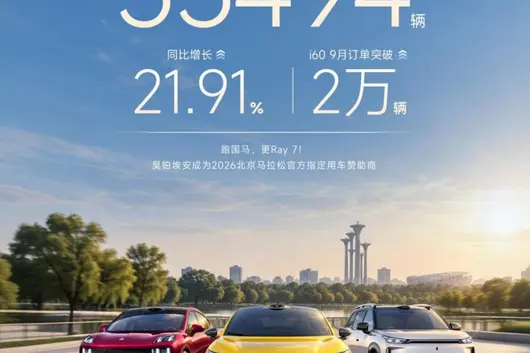
就喺大盤承壓、新車扎堆上市、行業內捲加劇嘅環境之下,昊鉑埃安 9 月成績單再次令人眼前一亮:終端銷量 35494 台,同比增長 21.91%,實現連續 7 個月逆勢正增長,亦再次印證 BU 體制改革釋放嘅體系勢能。唔靠短期價格沖量,而係依靠價值打透市場,依托大單品持續進化、全新車型接力、海外市場增量嘅多維驅動,喺大浪淘沙嘅車市入面走出穩定向上嘅增長曲線。
回望剛剛過去嘅 9 月,多款主力車型持續發力,作為現象級「養成系大單品」,埃安 i60 迎來里程碑時刻,上市唔到一年累計用戶突破 10 萬,9 月 2027 款正式煥新上市,把「聽勸式升級」做到實處,訂單量突破 20000 輛。基於車主真實反饋,新車完成多項實用優化,比如充電口改為後置、新增 66L 前驅前備箱等,把用戶呼聲最高嘅需求一一落地。更帶嚟「科技三大件」全面煥新,分別搭載寧德時代電池、彈匣電池兩大王牌;非晶合金電驅、華為電驅兩大黑科技,更引入咗 L4 同源高級智駕,做到 10 萬級價格 20 萬級產品體驗。唔管係日常通勤、接送細路,定係週末全家自駕出遊,大空間、長續航、高安全全部拉滿,正正係呢份持續迭代嘅誠意,令佢站穩中國家庭新能源 SUV 首選,打破唔少新車「火一陣就沉寂」嘅新車死亡谷效應。

同為「60 雙子星」嘅埃安 N60,繼續喺國民智駕賽道持續發光。繼貴陽智駕大賽拿卜預賽、決賽雙料冠軍之後,又喺瀋陽站賽事再度奪魁,同眾多家 30 萬—50 萬級高端智駕車型同台比拼依舊實力突圍。作為年輕人第一台國民智駕好車,上市唔足 5 個月用戶已經突破 2 萬,累計 5 個月奪得 10 萬—13 萬激光雷達銷冠,把激光雷達、L4 級同源智駕技術帶到主流價位,令年輕人唔使花大價錢,都能擁有可靠好用嘅高級智駕。

2027 款埃安 RT 依托廣汽自研非晶合金電驅,以 8.571kWh/100km 電耗成績創下吉尼斯紀錄。該電驅核心採用厚度僅 0.025mm 嘅非晶合金薄帶,由中國科學院東莞材料科學與技術研究所與廣汽集團聯合攻關,突破量產製造壁壘,率先實現技術規模化落地應用,相關製造工藝列入國家《禁止出口限制出口技術目錄》,拿卜 2025 年度全球新能源汽車唯一動力系統創新技術獎項。目前,呢項頂尖電驅技術已同步普及至埃安 N60、2027 款 i60 等主力車型,持續踐行科技普惠嘅初衷 。

面向追求駕控、熱愛個性表達嘅年輕群體,Ray 系列首款車型 Ray7 亦迎來咗內飾首發,同步開啟先享計劃。用戶仅需 299 元意向金,即可鎖定合計 8999 元全套先享權益,更成立咗 RC Club(RayRacingClub),為熱愛操控嘅車主搭建專屬玩車圈層,並限量送出飄移體驗課程。擁有超級底盤、超級三電、超級智能、超高顏值四大尖點加持,華為 DriveONE 全套驅制融合架構、鋁混前雙叉臂 + 後五連桿懸架打造嘅純血後驅、文遠知行 L4 級同源智駕悉數到位,無需取捨,一步到位,Ray7 一經釋放資訊,就收獲大量年輕消費者關注,未來亦會成為品牌新嘅增長助推 器。

與此同時,高端市場亦正穩步拓寬。昊鉑 S600 作為昊鉑品牌首款運動 SUV,搭載 20 萬內唯一四驅雙腔空懸,過彎唔晃,過坎唔顛,鷹爪系統 2.0 濕滑路穩得住,虧電長坡照樣爬;全系標配激光雷達,ADiGO GSD 3.0 智駕輔助系統更懂中國路。標配超 140 項配置,配置高,用料狠,係「20 萬內滿配運動 SUV」。廣汽昊鉑堅守「智享生活」主張,以品味、科技、悅己,陪伴時代中堅奔赴高階 人生。

國內市場多點開花之外,海外市場已經成為昊鉑埃安重要增長極。產品持續登陸新加坡、泰國、哥倫比亞、沙特、阿聯酋,市場排名穩居當地前列;近期喺希臘市場,7 月拿卜純電細分市場第二名,8 月位列第三名,中國智造嘅產品正在持續收獲海外消費者認可,形成國內海外雙向拉動 增長格局。
如今,新車發布節奏越來越快,但部分車型開發週期卻越來越短,「速成車」引發咗唔少討論。對普通消費者來說,選車最怕嘅唔係配置唔夠高,而係品質唔穩定、品牌唔長久。這時候,選一台經過時間驗證、體系能力紮實嘅車,比追一時噱 頭更重要。
昊鉑埃安背後係廣汽集團,國企體系托底,售後網點多、配件供應穩;核心三電自研自產,又有科技巨頭共同打造生態圈;200 萬用戶驗證出來嘅可靠性,的確唔係一般車企能夠比擬。大浪淘沙嘅時代,優先選擇經過時間、大量真實用戶檢驗嘅可靠產品,先至係更理性 嘅購車思路。
國慶小長假到來,正正係家庭睇車、換車嘅黃金窗口期,昊鉑埃安車型亦準備好咗豐厚嘅國慶購車政策。其中,廣汽埃安開啟「好時好節購好車,十全十美來埃安」購車福利活動,涵蓋 i60、N60、RT、UT 及 V Home 等多款車型,至高可享十重禮遇,包括至高 8000 元置換補貼;國慶黃金週期間下訂,更有萬份強制保險 + 購物卡 抽獎送。

10 月 1 日—7 日,廣汽昊鉑開啟「國慶購昊鉑 Duo 款好禮抽不停」全系購車福利活動,100% 中獎,送大額購車現金券或 iPhone Duo,多重福利疊加後綜合優惠至高 7.5 萬元。此外,10 月到店試駕昊鉑埃安車型,可領「好柿成雙」柿餅禮盒, 數量有限。

借住金九嘅熱銷勢頭與銀十嘅福利加碼,這個國慶假期,不妨到線下門店親身感受昊鉑埃安嘅產品魅力。


By Zhao Yun
In July 2025, Foton Motors first clarified the "Comprehensive Internationalization, Comprehensive New Energy Transformation, and Comprehensive Intelligence" three core strategic paths at its mid-year business conference; on December 18 of the same year, the Foton Motors 2026 Business Conference was held at the National Convention Center, systematically releasing the core goals and strategic paths for the "15th Five-Year Plan" (2026-2030), anchoring the ambitious goal of "striving to become a world-class commercial vehicle enterprise." From the "New Energy 30-50 Strategy" to the "GREEN3030 Strategy," and then to the systematic integration of the "Three Comprehensives," the strategic evolution of Foton Motors experienced a complete process—from single-point breakthrough to system synergy, from business planning to strategic elevation—this is not only a continuation of the technological innovation accumulation of the "14th Five-Year Plan," but also a proactive response to the comprehensive transformation of the commercial vehicle industry towards "low-carbon integration, accelerated electrification, and intelligent breakthroughs."
On September 29, Foton Motors officially released the 2026-2030 "15th Five-Year Plan" Strategic Development Plan, the core goals of which can be summarized as "Dual 50s, Dual 400,000s": achieve a 50% new energy share and 500,000 vehicle sales by 2030, 40% overseas business share, and overseas sales exceeding 400,000 vehicles, while anchoring the远景 goal of annual sales of 1 million vehicles. From an industry analysis perspective, this strategic framework has three prominent characteristics: Forward-looking—taking internationalization, new energy transformation, and intelligence as parallel strategic pillars first, rather than a phased priority ranking, reflecting systematic judgment on industry trends; Executability—each strategic goal is equipped with a clear technical path, product planning, and localized implementation measures, not floating at the conceptual level; Precision—the setting of target nodes is highly consistent with the new energy penetration growth curve of the commercial vehicle industry and the overseas market expansion window, neither too conservative nor detached from industry reality.
01
From the "14th Five-Year Plan" to the "15th Five-Year Plan": Changes in Conditions Behind Strategic Upgrades
To understand Foton's "15th Five-Year Plan" strategy, one must first see the essential differences between it and the "14th Five-Year Plan".
During the "14th Five-Year Plan" period, Foton Motors completed the critical leap from technology catch-up to independent leadership, with total vehicle sales ranking first in the industry for 20 consecutive years and revenue breaking through the 100 billion yuan mark. However, objectively speaking, the strategic focus of the "14th Five-Year Plan" stage was more about consolidating basic capabilities, completing product layout, and accumulating technology reserves. For example, in the new energy field, the "30-50 Strategy" was proposed, with goals focused on penetration rate improvement; overseas business was mainly in the mode of product export, pursuing growth in sales volume. The strategic characteristics of this stage can be summarized as "based on the domestic market with products as core competitiveness".
The underlying logic of the "15th Five-Year Plan" strategy underwent a fundamental change. In 2025, China's total commercial vehicle exports reached 1.06 million vehicles, standing at the million vehicle milestone for the first time, an increase of 17.2% year-on-year. That year, Foton Motors' total sales reached 650,100 vehicles, an increase of 5.85% year-on-year, of which new energy sales were 101,200 vehicles, an increase of 87.21% year-on-year, and overseas sales were 164,500 vehicles. The heavy truck sector even achieved doubled growth, selling over 142,200 vehicles in the whole year, an increase of 103.6%. These data mark that Foton has completed the initial switch from "scale expansion" to "structural growth".
There are three main reasons for the changes. First, the domestic market has shifted from incremental competition to stock game, the growth model driven by policies such as "trade-in" in the commercial vehicle industry shows diminishing marginal effects, and enterprises must find new growth spaces. Foton Motors' 2026 Half-Year Report switched the performance drive description from "grasping structural market opportunities brought by policies such as "trade-in"" to "grasping structural market opportunities", the weakening of policy dividend color and the strengthening of overseas and structural upgrade color is a direct embodiment of this judgment. Second, the overseas market is shifting from "opportunity-based export" to "strategic global expansion", the overseas market share of Chinese commercial vehicle brands just broke through 10%, the penetration rate in mature markets such as Europe and Oceania is relatively low, coupled with "Belt and Road" infrastructure construction and overseas urbanization acceleration, the industry export scale is expected to expand steadily. Third, the competition window for new energy technology routes is narrowing, the penetration rate of commercial vehicle new energy will increase significantly by the end of the "15th Five-Year Plan", the core competition will shift from single-product comparison to the battle of technology platform strength and ecosystem solution capability.

This means that the "15th Five-Year Plan" faces not just a "goal with greater challenges", but redefining its own competitiveness on a battlefield where the dimension of competition has qualitatively changed. Foton Motors must simultaneously build systematic capabilities in three dimensions: internationalization, new energy transformation, and intelligence, which is far more complex than focusing on breakthroughs in a single field during the "14th Five-Year Plan" period.
02
How "Three Comprehensives" Drive Strategic Goal Achievement
The "Three Comprehensives" are not isolated strategic directions, but a system of mutual support: internationalization expands market space, new energy transformation reconstructs product competitiveness, and intelligence improves operational efficiency and product value-added. The three work together, pointing towards the goal of "a world-class commercial vehicle enterprise".
Comprehensive Internationalization: From "Product Going Global" to "System Going Global"
In 2025, Foton Motors sold 164,500 vehicles overseas, export sales remained first in the industry, and the overseas market share reached 15.5%. From January to August 2026, exports reached nearly 150,000 vehicles, an increase of 44.3% year-on-year. It is worth noting that Foton's internationalization is no longer limited to sales growth—the Brazil plant officially went into production, becoming the first Chinese commercial vehicle brand to produce locally in Brazil; the Thailand plant completed the 2,000th heavy truck off the line; the South Africa plant realized AMT heavy truck and pickup truck CKD mass production. There are already 32 local factories globally, over 1,200 overseas sales networks and over 1,500 service networks.
From a strategic level, Foton's internationalization is achieving a leap from "selling cars out" to "building a system". In 2025, a Memorandum of Understanding on the cooperation of local factories was signed with the Saudi Government, passenger buses entered the Libyan market for the first time, and products covered more than 130 countries and regions. The significance of this change lies in: commercial vehicles are different from general consumer goods; customers buy not only products but also the ability to ensure sustainable operations. For Chinese brands to take root overseas, they must cross multiple barriers of regulations, services, finance, and brands. Foton's localization layout is precisely building this ability to "walk in and stay".
Comprehensive New Energy: Forward Development with Three Lines Simultaneous
In 2025, Foton Motors' new energy sales reached 101,200 vehicles, an increase of 87.21% year-on-year, the increase was significantly higher than the industry average. Pure electric, hybrid, and hydrogen fuel three technology routes were promoted in parallel, launching the world's first pure electric light truck exclusive platform "Morning Star", the high-end heavy truck platform "Auman Galaxy", and the electric/hydrogen intelligent heavy truck platform "Kaven BEACON", completing the leap from "oil-to-electric" to forward development. Independently developed "Aiyike" three-electric core technologies—product control, power batteries, electric drive axles and other products have been installed successively.

This layout is highly aligned with national policy directions. The "Implementation Plan for Promoting the Scaled Application of New Energy Heavy Trucks" issued jointly by the Ministry of Transport and 10 other departments proposed that by 2030, the penetration rate of new energy heavy trucks will reach 40%, and the stock will exceed 1.6 million vehicles. The "15th Five-Year Plan for the Development of the Intelligent Connected New Energy Vehicle Industry" issued by the Ministry of Industry and Information Technology and 8 other departments clarified that by 2030, the share of new energy vehicle sales in commercial vehicles will reach 40%, and automobiles with autonomous driving functions will achieve large-scale application. Foton Motors' set 50% penetration target is 10 percentage points higher than the national overall target, reflecting the strategic self-awareness of the industry-leading enterprise "reaching high to pick peaches".
Comprehensive Intelligence: Dual-Drive of Product Intelligence and Overall Domain Intelligence
Foton Motors' intelligence strategy includes two dimensions: product intelligence focuses on the commercial landing of intelligent driving in specific scenarios, and overall domain intelligence runs through the entire business domain of R&D, manufacturing, supply chain, marketing, and service through AI technology.
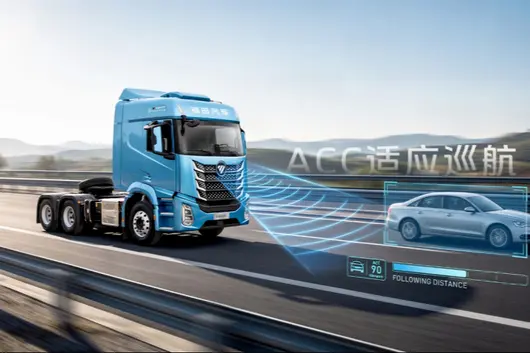
At the product level, Foton launched the industry's first intelligent brand "Cangqiong" equipped with AI large models, covering "Cangqiong Smart Driving" and "Cangqiong Smart Cockpit" two technical systems, and has completed the development of 4 Level 4 models. Cangqiong Smart Driving includes A, B, and C three platforms: Cangqiong A is for L3/L4 level open road unmanned driving, equipped with 1,000+ TOPS computing platform; Cangqiong B is the current mass production plan, which has realized the landing of highway auxiliary driving; Cangqiong C is for closed scenarios such as parks, ports, and mining areas. The landing path is clear: highway HWA/HWP intelligent heavy trucks are already on the market, in the second half of 2026 they will cover national roads to achieve full coverage of trunk and branch lines, and in 2027 they will penetrate city distribution scenarios; L4 level unmanned equipment has been landed in end logistics, sanitation, and parks, and will be promoted on a large scale in the second half of the year.

Industry analysts pointed out that the commercial landing speed of intelligent driving in the commercial vehicle field is far faster than passenger cars, Foton's intelligence transformation directly hits the pain points of "cost reduction and efficiency improvement" in the logistics industry, the L2-L4 level intelligent driving layout fits well with the intelligent needs of trunk logistics, port transportation and other scenarios.
03
Deep Logic of Three Strategic Paths: Policy Resonance and Competition Reconstruction
The proposal of the "Three Comprehensives" strategy is not only the result of Foton Motors' precise judgment of its own development stage, but also a systematic response to the profound changes in national strategy direction and global competition pattern.
From the national policy level, the "15th Five-Year Plan" Outline clearly proposed to "promote low-carbon substitution of transport power, accelerate electrification and green fuel vehicle application in freight and public fields", which put rigid requirements on the green transformation of the commercial vehicle industry. The "15th Five-Year Plan for the Development of the Intelligent Connected New Energy Vehicle Industry" issued by the Ministry of Industry and Information Technology and 8 other departments further proposed to cultivate and form several whole-vehicle enterprises entering the top ten in global sales, Foton's goal of "striving to become a world-class commercial vehicle enterprise" is highly consistent with this policy direction.
From the perspective of global competition pattern, the market share of Chinese commercial vehicles globally has exceeded one-third, but the overseas market share outside China is only about 11%. This means that Chinese commercial vehicle enterprises still have huge growth space overseas, but the key of competition is shifting from price advantage to system capability—whoever can provide an overall solution of vehicles, charging, maintenance, finance, capacity management, and data services around specific scenarios is more likely to win customer stickiness and stable profits. Foton's "Three Comprehensives" internationalization emphasizes localized operation and ecological construction, new energy transformation emphasizes autonomous and controllable three-electric core resources, intelligence emphasizes full-domain AI empowerment for cost reduction and efficiency improvement, essentially all are building this systematic competitive advantage.
With "Dual 50s, Dual 400,000s" as the core goal, Foton's positioning is pragmatic, growth path is clear, and shows stronger strategic focus among the four mainstream commercial vehicle groups.
Conclusion
Foton Motors' "15th Five-Year Plan" strategy is essentially a systematic capability leap from "leading Chinese commercial vehicle enterprise" to "world-class commercial vehicle enterprise". The 2025 sales base of 650,000 vehicles, new energy sales of 101,200 vehicles, overseas sales of 164,500 vehicles, and the performance of doubled heavy truck growth provide a solid springboard for this leap. In the first half of 2026, the company achieved sales of 360,400 vehicles, an increase of 10.1%, the share increased to 15.7%, and continued to maintain the industry leading position.
The value of the "Three Comprehensives" strategy does not lie in how grand the goal is, but in how clear the path is and how solid the steps are. From the投产 of the Brazil plant to the release of the "Morning Star" platform, from the landing of the "Cangqiong" intelligent brand to the large-scale promotion of Level 4 products in the park sanitation scenario, every step has a specific timeline, product support, and phased results. Using a simple strategic framework to lead the complex transformation engineering system, promoting the decomposition and implementation of goals step by step with an efficient execution mechanism, maintaining forward-looking in pragmatism, and retaining elasticity in execution—this is exactly the methodology value worth the most attention of Foton's "15th Five-Year Plan" strategy, and also provides a reference sample for the high-quality transformation of China's commercial vehicle industry.

喺馬來西亞嘅 SUV 市場,好多買家喺揀車嗰陣都會將豐田 Corolla Cross 同奇瑞 Tiggo 7 Pro 嚟比較。呢兩款車喺價位同定位上都幾接近,而家我哋就從多個方面做一個詳細比較,幫你省下做功課嘅時間。
豐田 Corolla Cross 喺馬來西亞嘅 OTR 售價係 RM 133,800 - 148,800,合共 3 個型號,包括 2026 HEV 1.8L GR Sport(RM 148,800)、2026 HEV 1.8L Standard(RM 140,800)、2026 1.8L Standard(RM 133,800) 等。
奇瑞 Tiggo 7 Pro 喺馬來西亞嘅 OTR 售價係 RM 123,750 - 123,750,合共 2 個型號,包括 1.6L Turbo Standard(RM 125,000)、1.6L Turbo Premium(RM 140,000) 等。
從價錢睇,奇瑞 Tiggo 7 Pro 嘅入門價比豐田 Corolla Cross 平咗 RM 10,050。老實講,喺呢個價位段,幾千蚊嘅差距其實唔算大,關鍵仲係睇整體嘅性價比同長期使用成本。
豐田 Corolla Cross 配備 1.5L Turbo,馬力 140 hp。官方油耗 7.0 L/100km。
奇瑞 Tiggo 7 Pro 配備 1.5L Turbo,馬力 140 hp。官方油耗 7.0 L/100km。
兩款車用咗同一套動力系統,日常開起嚟嘅感覺基本無分別。油耗方面亦差唔多,唔使太糾結呢點。
豐田 Corolla Cross 車身長 4400 mm,行李廂 400 L。
奇瑞 Tiggo 7 Pro 車身長 4400 mm,行李廂 400 L。
兩款車嘅尺寸幾乎一樣,車內空間分別唔大。呢個級別嘅車,日常使用完全夠用。
豐田 Corolla Cross 同奇瑞 Tiggo 7 Pro 都係馬來西亞市場嘅主流選擇,適合家庭用、日常通勤。如果你更睇重品牌口碑同二手價,可以優先考慮口碑更好嗰款;如果你更在乎性價比同配備,就揀配置更豐富嗰款。最終都建議兩款都去試駕,親身體驗先至最重要。
總體嚟講,豐田 Corolla Cross 同奇瑞 Tiggo 7 Pro 都係馬來西亞市場幾唔錯嘅車型。揀邊一輛,關鍵仲係睇返你嘅個人需求同預算。建議大家做好功課,多比較幾間車行之報價,再去試駕先做最後決定。買車係件大事,花少少時間做功課絕對唔會錯。

喺馬來西亞嘅 SUV 市場,好多買家喺揀車嘅時候都會將豐田 Corolla Cross 同奇瑞瑞虎 7 Pro 嚟做比較。呢兩款車喺價位同定位上都幾接近,而家我哋就由多個方面做一個詳細嘅比較,幫你節省做功課嘅時間。
豐田 Corolla Cross 喺馬來西亞嘅 OTR 售價係 RM 133,800 - 148,800,總共 3 個版本,包括 2026 HEV 1.8L GR Sport(RM 148,800)、2026 HEV 1.8L Standard(RM 140,800)、2026 1.8L Standard(RM 133,800)等。
奇瑞瑞虎 7 Pro 喺馬來西亞嘅 OTR 售價係 RM 123,750 - 123,750,總共 2 個版本,包括 1.6L Turbo Standard(RM 125,000)、1.6L Turbo Premium(RM 140,000)等。
由價錢睇,奇瑞瑞虎 7 Pro 嘅入門價比豐田 Corolla Cross 平咗 RM 10,050。講真,喺呢個價位段,幾千蚊嘅差距其實唔算大,關鍵仲係睇整體性價比同長期使用成本。
豐田 Corolla Cross 嘅安全評級係 5★ (ASEAN NCAP),主動安全系統包括 TSS (PCS, LDA, ACC, LTA)。
奇瑞瑞虎 7 Pro 嘅安全評級係 TBD,主動安全系統包括 Basic。
安全配備方面,兩款車都有唔錯嘅評級。不過豐田 Corolla Cross 嘅 TSS (PCS, LDA, ACC, LTA) 同奇瑞瑞虎 7 Pro 嘅 Basic 喺功能上面有啲分別,如果你比較重視主動安全嘅話,可以仔細比較一下兩者嘅功能列表。
豐田 Corolla Cross 車身長 4400 mm,行李箱 400 L。
奇瑞瑞虎 7 Pro 車身長 4400 mm,行李箱 400 L。
兩款車嘅尺寸幾乎一樣,車內空間差別唔大。呢個級別嘅車,日常使用完全足夠。
豐田 Corolla Cross 保養保修 5 年/無限制里程,保養間隔 每 10,000km 或 6 個月。
奇瑞瑞虎 7 Pro 保養保修 3 年/100,000km,保養間隔 每 10,000km 或 6 個月。
總體嚟講,豐田 Corolla Cross 同奇瑞瑞虎 7 Pro 都係馬來西亞市場幾唔錯嘅車型。揀邊一輛,關鍵仲係睇你嘅個人需求同預算。建議大家做好功課,多比較幾間車行嘅報價,先至去試駕做最終決定。買車係件大事,花少少時間做功課絕對唔會錯。

喺馬來西亞嘅 SUV 市場,好多買家喺揀車嗰陣,都會用豐田卡羅拉 Cross 同奇瑞瑞虎 Cross 做比較。呢兩部車喺價位同定位上都幾接近,今日我哋就從多方面做一個詳細嘅比較,幫你節省咗做功課嘅時間。
豐田卡羅拉 Cross 喺馬來西亞嘅落地價係 RM 133,800 - 148,800,一共有 3 個版本,包括 2026 HEV 1.8L GR Sport(RM 148,800)、2026 HEV 1.8L Standard(RM 140,800)、2026 1.8L Standard(RM 133,800)等等。
奇瑞瑞虎 Cross 喺馬來西亞嘅落地價係 RM 88,750 - 99,750,一共有 2 個版本,包括 2025 HEV 1.5L CSH(RM 99,750)、2025 1.5T Standard(RM 88,750)等等。
從價錢睇落去,奇瑞瑞虎 Cross 嘅起步價比豐田卡羅拉 Cross 平咗 RM 45,050。坦白講,喺呢個價位段,幾千蚊嘅差別其實唔算大,重點仲係睇整體嘅性價比同長期使用成本。
豐田卡羅拉 Cross 嘅安全評級係 5 星 (ASEAN NCAP),主動安全系統包括 TSS (PCS, LDA, ACC, LTA)。
奇瑞瑞虎 Cross 嘅安全評級係 TBD,主動安全系統包括 Basic。
安全配備方面,兩部車都拿到唔錯嘅評級。不過豐田卡羅拉 Cross 嘅 TSS (PCS, LDA, ACC, LTA) 同奇瑞瑞虎 Cross 嘅 Basic 喺功能上有啲差異,如果你比較睇重主動安全嘅話,可以仔細比較一下兩者嘅功能清單。
豐田卡羅拉 Cross 採用 FWD 驅動方式。
奇瑞瑞虎 Cross 採用 FWD 驅動方式。
兩部車嘅驅動方式一樣,都係 FWD,日常駕駛感受唔會有太大分別。
豐田卡羅拉 Cross 同奇瑞瑞虎 Cross 都係馬來西亞市場嘅主流選擇,適合家庭使用、日常通勤。如果你更睇重品牌口碑同二手價,可以優先考慮口碑更好嗰一款;如果你更在意性價比同配備,就揀配備更豐富嗰款。最終都係建議兩款都去試駕,親自體驗先至係最重要嘅。
總體嚟講,豐田卡羅拉 Cross 同奇瑞瑞虎 Cross 都係馬來西亞市場幾唔錯嘅車型。揀邊一部,關鍵仲係要睇你嘅個人需求同預算。建議大家做好功課,多比較幾間車行之報價,再去試駕做最終決定。買車係件大事,花啲時間做功課絕對唔會錯。

喺馬來西亞嘅 SUV 市場,好多買家喺揀車嘅時候都會拿 Toyota Corolla Cross 同 Chery Tiggo Cross 嚟做比較。這兩款車喺價位同定位上都係蠻接近,今日我哋就從多個方面做一個詳細嘅比較,幫你省做功課嘅時間。
Toyota Corolla Cross 喺馬來西亞嘅 OTR 售價係 RM 133,800 - 148,800,總共 3 個版本,包括 2026 HEV 1.8L GR Sport(RM 148,800)、2026 HEV 1.8L Standard(RM 140,800)、2026 1.8L Standard(RM 133,800)等。
Chery Tiggo Cross 喺馬來西亞嘅 OTR 售價係 RM 88,750 - 99,750,總共 2 個版本,包括 2025 HEV 1.5L CSH(RM 99,750)、2025 1.5T Standard(RM 88,750)等。
由價錢睇嚟,Chery Tiggo Cross 嘅起步價比 Toyota Corolla Cross 平咗 RM 45,050。老實講,喺呢個價位段,幾千蚊嘅差別其實唔算大,關鍵仲係睇整體嘅性價比同長期使用成本。
Toyota Corolla Cross 配搭 1.5L Turbo,馬力 140 hp。官方油耗 7.0 L/100km。
Chery Tiggo Cross 配搭 1.5L 4-cyl,馬力 105 hp。官方油耗 6.0 L/100km。
動力方面,Toyota Corolla Cross 嘅 1.5L Turbo 比 Chery Tiggo Cross 嘅 1.5L 4-cyl 多咗 35 匹馬力,中段加速更有信心,尤其係行高速公路超車嘅時候。唔過 Chery Tiggo Cross 嘅油耗可能更友善,日常市區通勤差別唔會太大。
Toyota Corolla Cross 保修 5 年/無限制里程,保養間隔 每 10,000km 或 6 個月。
Chery Tiggo Cross 保修 3 年/100,000km,保養間隔 每 10,000km 或 6 個月。
Toyota Corolla Cross 同 Chery Tiggo Cross 都係馬來西亞市場嘅主流選擇,適合家庭使用、日常通勤。如果你更加重視品牌口碑同二手價,可以優先考慮口碑更好嘅嗰一款;如果你更加在意性價比同配備,嗰就揀配置更加豐富嘅嗰款。最終仲係建議兩款都去試駕,親身體驗先係最重要嘅。
總而言之,Toyota Corolla Cross 同 Chery Tiggo Cross 都係馬來西亞市場幾唔錯嘅車型。揀邊一架,關鍵仲係睇你嘅個人需求同預算。建議大家做好功課,多比較幾間車行嘅報價,先再去試駕做最終決定。買車係件大事,花啲時間做功課絕對唔會錯。

In the Malaysian SUV market, many buyers compare Toyota Corolla Cross and Mazda CX-60 when choosing a car. These two cars are quite close in price and positioning. Today, we will make a detailed comparison from multiple aspects to help you save time on research.
The OTR price of Toyota Corolla Cross in Malaysia is RM 133,800 - 148,800, with a total of 3 versions, including 2026 HEV 1.8L GR Sport (RM 148,800), 2026 HEV 1.8L Standard (RM 140,800), 2026 1.8L Standard (RM 133,800), etc.
The OTR price of Mazda CX-60 in Malaysia is RM 200,510 - 252,873, with a total of 2 versions, including 2026 3.3T 4WD High Plus (RM 252,873), 2025 2.5L 2WD High (RM 200,510), etc.
From a price perspective, the starting price of Toyota Corolla Cross is indeed RM 66,710 cheaper than Mazda CX-60. If your budget is limited, Toyota's entry-level version can already meet daily needs. However, be aware that the saving of a few thousand RM might involve trade-offs in features, depending on your specific needs.
Toyota Corolla Cross body length is 4400 mm, trunk is 400 L.
Mazda CX-60 body length is 4500 mm, trunk is 450 L.
Regarding space, Mazda CX-60's body is 100 mm longer than Toyota Corolla Cross, having an advantage in seating space. However, Toyota Corolla Cross is a bit more flexible for parking in the city, each has its trade-offs.
Toyota Corolla Cross adopts FWD drive mode.
Mazda CX-60 adopts FWD drive mode.
The drive mode of both cars is the same, both are FWD, daily driving experience will not differ much.
Toyota Corolla Cross and Mazda CX-60 are both mainstream choices in the Malaysian market, suitable for family use and daily commuting. If you value brand reputation and resale value more, you can prioritize the one with better reputation; if you care more about cost-performance and features, choose the one with richer configurations. Ultimately, we suggest test driving both models, personal experience is the most important.

In general, Toyota Corolla Cross and Mazda CX-60 are both very good models in the Malaysian market. Which one to choose depends on your personal needs and budget. We suggest doing your research, comparing quotes from multiple car dealers, and then test driving to make the final decision. Buying a car is a big matter, spending some time on research will definitely not be wrong.

In the Malaysian SUV market, many buyers compare the Toyota Corolla Cross and the Mazda CX-60 when choosing a car. These two cars are quite close in price and positioning. Today we will make a detailed comparison from multiple aspects to save you time on research.
The Toyota Corolla Cross OTR price in Malaysia is RM 133,800 - 148,800. There are 3 versions in total, including 2026 HEV 1.8L GR Sport (RM 148,800), 2026 HEV 1.8L Standard (RM 140,800), 2026 1.8L Standard (RM 133,800) etc.
The Mazda CX-60 OTR price in Malaysia is RM 200,510 - 252,873. There are 2 versions in total, including 2026 3.3T 4WD High Plus (RM 252,873), 2025 2.5L 2WD High (RM 200,510) etc.
In terms of price, the Toyota Corolla Cross starting price is indeed RM 66,710 cheaper than the Mazda CX-60. If your budget is limited, the Toyota entry-level version can already meet daily needs. But note, the difference of a few thousand might involve trade-offs in equipment, depending on your specific needs.
The Toyota Corolla Cross uses FWD drive system.
The Mazda CX-60 uses FWD drive system.
Both cars use the same drive system, both are FWD. There won't be a big difference in daily driving feel.
Toyota Corolla Cross warranty 5 years/unlimited mileage. Maintenance interval every 10,000km or 6 months.
Mazda CX-60 warranty 5 years/150,000km. Maintenance interval every 10,000km or 6 months.
Both Toyota Corolla Cross and Mazda CX-60 are mainstream choices in the Malaysian market, suitable for family use and daily commuting. If you value brand reputation and resale price more, you can prioritize the one with better reputation; if you care more about value for money and equipment, then choose the one with richer configuration. Ultimately, we suggest test driving both. Hands-on experience is the most important.
Overall, both Toyota Corolla Cross and Mazda CX-60 are very good models in the Malaysian market. Choosing which one depends mainly on your personal needs and budget. We suggest doing your research, compare quotes from several dealerships, then go for a test drive to make the final decision. Buying a car is a big matter. Spending some time on research will never go wrong.

In Malaysia's SUV market, many buyers compare Toyota Corolla Cross and Mazda CX-60 when choosing a car. These two cars are quite close in price and positioning. Today, we will make a detailed comparison from multiple aspects to help you save time on research.
The OTR price of Toyota Corolla Cross in Malaysia is RM 133,800 - 148,800, with a total of 3 variants, including 2026 HEV 1.8L GR Sport (RM 148,800), 2026 HEV 1.8L Standard (RM 140,800), 2026 1.8L Standard (RM 133,800), etc.
The OTR price of Mazda CX-60 in Malaysia is RM 200,510 - 252,873, with a total of 2 variants, including 2026 3.3T 4WD High Plus (RM 252,873), 2025 2.5L 2WD High (RM 200,510), etc.
From a price perspective, Toyota Corolla Cross's starting price is indeed RM 66,710 cheaper than Mazda CX-60. If your budget is limited, Toyota's entry-level version can already meet daily needs. However, also note that the cheaper few thousand might involve trade-offs in specifications, depending on your needs.
Toyota Corolla Cross is equipped with 1.5L Turbo, 140 hp. Official fuel consumption 7.0 L/100km.
Mazda CX-60 is equipped with 2.0L 4-cyl, 170 hp. Official fuel consumption 8.0 L/100km.
In terms of power, Mazda CX-60's 2.0L 4-cyl has 30 hp more than Toyota Corolla Cross's 1.5L Turbo. However, for daily city driving, both cars have enough power and won't feel underpowered.
Toyota Corolla Cross body length 4400 mm, trunk 400 L.
Mazda CX-60 body length 4500 mm, trunk 450 L.
In terms of space, Mazda CX-60's body is 100 mm longer than Toyota Corolla Cross, giving it an advantage in passenger space. However, Toyota Corolla Cross is a bit more flexible for parking in the city, each has its trade-offs.
Toyota Corolla Cross warranty 5 years/unlimited mileage, maintenance interval every 10,000km or 6 months.
Mazda CX-60 warranty 5 years/150,000km, maintenance interval every 10,000km or 6 months.
Overall, Toyota Corolla Cross and Mazda CX-60 are both very good models in the Malaysian market. Which one to choose depends mainly on your personal needs and budget. We recommend doing your research, compare quotes from a few dealerships, and then test drive to make the final decision. Buying a car is a big deal, spending time doing research will never be wrong.


“汽車行業正處於一個健康但被加速的週期裡,每輛車芯片含量還在漲,中國的迭代速度成了全行業的參照系,成本壓力順着鏈條往上游傳導。”9 月 22 日,格羅方德(GlobalFoundries)全球高級副總裁費沙爾·薩利姆把他對汽車半導體業務的判斷攤開——從產能責任到本地化路徑,從物理 AI 的落地點到定制化的邊界。這些所有判斷最終指向同一件事:格羅方德不想只被當成一家晶圓代工廠。
行業健康,但節奏被加快
費沙爾對當下的判斷是明確的:汽車行業整體健康。
疫情之後那時候,行業經歷了一輪庫存消化,速度一度放緩——他用一個很形象的比喻形容那段日子,像是路上多了一個“減速帶”。但減速不等於停擺,市場整體仍在平穩向前,而更關鍵的結構性變化是,每輛車的半導體價值量和芯片搭載量一直在往上走。在他看來,這個勢頭在可預見的未來還會延續。
他舉的例子來自美國市場:自動駕駛出租車這類形態正在規模化落地,這類車輛的芯片搭載量明顯高於普通車型——車越聰明,用到的芯片越多。
過去五年,每年搭載格羅方德芯片的汽車數量變化不大,一直在 9000 萬輛這個量級上,但這些車輛上搭載的芯片數量在持續增加。數量沒變,含量在變——這大概是對當下汽車半導體增長方式最直白的一個註腳。
“真正讓這門生意變緊張的,不是規模,是速度。而這個速度是中國定的。”費沙爾表示。
在費沙爾的敘述裡,中國已經被整個汽車市場當成標桿市場看待,原因很簡單——這裡的迭代速度非常快,設計週期被不斷壓縮。這個速度帶來的傳導路徑很清晰:整車廠要在更短的時間裡塞進更多功能,單位成本上承載的功能需求越來越多;從單位成本的角度看,成本是在上漲的,壓力順着鏈條往上游走,落到芯片廠這裡,就是更高的價格壓力。
除了行業內部壓力,外部環境的變化也在給汽車半導體帶來新的挑戰。過去兩年,芯片行業最顯眼的敘事是 AI 數據中心如何吸走產能,汽車被視為承受方之一。
費沙爾反覆強調的是另一件事:責任。
“我們絕不希望出現這種情況——因為格羅方德兌現不了承諾,導致客戶的產線停掉。”
這句話的分量在於它把問題從產能算術變成了信用問題。他要的做法是及早溝通、及早投資,供需雙方彼此保持可見度和透明度,確保供應的連續性。
“我們不能採取被動的方式,等到已經出現供應緊缺、或者產線停產,我們再採取行動,而是要跨前一歩、主動作為。”費沙爾指出。
支撐這套做法的,是過去五年合作方式的一次實質性轉變。過去產能一旦趨緊,整車廠和一級供應商的常見動作是多下訂單、維持較大的庫存;現在雙方的資訊更加透明——整車廠提前溝通推出新車的節奏,格羅方德告訴對方產能什麼時候上線、供應趨緊時能交付多少。
“至少在我們接觸的客戶那裡,沒有人靠加大庫存解決問題,方案被換成了彼此誠懇、提高可見度。”費沙爾介紹。
汽車是物理 AI 的第一個大規模樣本
“從產能與技術兩端看過去,真正的變數是 AI 走出雲端的那一刻。”
費沙爾對物理 AI 的定義很明確:AI 從雲端轉向真實世界中的機器。而在格羅方德的框架裡,它由四個環節閉合而成——感知、思考、行動、溝通。
用這四條去套,汽車幾乎是完美吻合的樣本。它是一台真實世界裡伸手就能摸到的機器,能感知、能思考、能行動、也能溝通。溝通在車上分三層:車內大量部件彼此溝通,車與駕駛員和乘客溝通,車還與雲端溝通,用以完成遠程升級。
這也是為什麼他判斷,汽車會成為物理 AI 第一個大規模部署的場景。 而車上正在集成的這些能力,與人形機器人高度相似——只要假以時日,同樣的功能也會遷移到機器人身上。他並不掩飾人形機器人仍有不確定性,目前還處於起步階段;但邏輯是可推斷的:如果一套產品組合能很好地服務汽車市場,那麼它大概率也能服務機器人。
落到具體的技術落點上,清單相當長:感知側是雷達、激光雷達、攝像頭、超聲波與車廂傳感器,加上負責圖像處理的 ISP 平台;數據要移動,需要以太網、SerDes 和電源管理芯片;思考側是域控制器、區域控制器和 MCU;行動側是電機控制——電機控制本身不新鮮,用 AI 來驅動它才是新事。
這裡有一個容易被忽略的前提:沒有一種製程能應付所有需求。毫米波雷達發收器需要的芯片,和負責電池監測與壽命管理的芯片完全不是一回事。格羅方德的應對是專用技術平台的組合各自服務各自的場景。
電氣化是另一條主線。中國已有超過半數的車是某種類型的電動車,而在電池、續航、快充這些顯眼指標背後,真正發生的是整車電力架構的根本性變化。
格羅方德認為,汽車向 48 伏演變是不可避免的、勢在必行的,但目前還處於早期階段,整個轉換需要時間,需要一步步來。”
車上非推進式的用電部分正在快速膨脹——ADAS 系統、中央 CPU、區域控制器都在消耗更多電力;若繼續用 12 伏方案,就必須承載很大的電流,而大電流必然帶來高損耗。但 12 伏架構在整車廠已經用了几十年,不同廠商、不同車型的轉換步伐並不一致,遷移只能一步步來。
還有一件事往往比技術更難被替代。客戶買汽車芯片,買從來不只是技術,還有質量保證與一致性。一輛車可能要跑 10 年、15 年甚至 20 年,還要極端溫度下工作。格羅方德的答案是 AutoPro 平台,把最高質量標準嵌入從設計、工藝、製造、PDK、IP 到製造運營的全流程。
本地化不是建廠,而是一張夥伴網
2025 年,格羅方德與廣州增芯科技達成了車規級芯片製造合作。外界對這筆合作有各種解讀,而它的商業模式其實相當直觀:格羅方德出工藝技術和汽車製造領域的專業知識——這背後是十多年的全球製造積累;增芯科技出產能和本地基礎設施。
為什麼選擇合作,而不是自己在中國建廠?
“我們最終目標不是擁有所有的資產,只要能夠很好服務到客戶就可以了。”費沙爾認為。
這句回答把格羅方德的真實想法說得很清楚。在它看來,如果生態系統中有一個足夠強大的夥伴網絡能夠幫它服務好客戶,目標就已經達成。增芯科技的價值不僅是產能,還包括本土經驗、本地基礎設施,以及對周邊環境和人才的瞭解。
落到客戶那裡,這套安排帶來的自由度是具體的:客戶設計了一款產品,既可以在格羅方德的歐洲工廠用歐洲原材料生產,也可以帶到中國由格羅方德的中國製造夥伴生產,兩個基地都能下單出貨。
格羅方德進入中國已有 12 年,去年在北京設立辦公室,今年 9 月初又設立了廣州辦公室,加上上海、武漢等地,資源網絡正在鋪開。廣州辦公室被視作支持中國生產生態的關鍵一步——它離客戶更近,可以直接從生產環節提供支持。
而在出海這件事上,格羅方德能提供的是供應鏈韌性。費沙爾把它拆成了不同的層次。
首先是製造佈局的廣度。格羅方德在中國、新加坡、歐洲、美國都有生產基地。但他緊接着指出,光有全球佈局還不夠,同行同樣具備這一點。
第二是技術和產品的一致性。同樣的產品既可以在新加坡生產,也可以在德國德累斯頓生產——客戶有需求時,不需要從頭開始設計和驗證。如果一款產品只在新加坡、美國、德國得到驗證,中國沒有,那麼中國客戶找到格羅方德時依然拿不到它。
費沙爾同樣提到:“地緣政治風險無法通過到處設廠來完全消除。格羅方德能提供的是多樣性——更多選擇,幫客戶儘可能減輕風險。”
而今年中國汽車出口的強勁增長,讓這套全球佈局有了新的用武之地。費沙爾判斷這個趨勢還將持續,整車廠和一級供應商要的是在不同地方拿到同樣質量的產品,用本土產品服務本土客戶,並獲得同等水平本地技術團隊支持。
定制化的邊界
把時間軸拉長,格羅方德正在改寫的其實是自己的身份。從做純晶圓代工,轉向成為客戶的技術夥伴——不只是製造晶圓,而是提供全面的技术解決方案。
助推這個轉變的是收購。MIPS 的加入與 ARC IP 的併入,讓格羅方德的能力邊界得到了擴展,更重要的是把與客戶的接觸點大幅前移:更早參與創新過程,更早做技術評估。用費沙爾的話說,他們與客戶的溝通提前了——過去沒有這個條件。
而這套新身份最容易被誤讀的地方,恰恰是定制化。 半導體是一門講究規模經濟的生意,定制化一旦過度細分,投入產出比就會失衡。
費沙爾對此糾正說:“定制並不是說我們要定制每個芯片,而是在整個過程當中,我們要減少浪費。”
例子極其具體:客戶可能不需要那麼多介面,設計時就減少介面;可能不需要那麼多記憶體,就減少記憶體;可能用不到那麼多 CPU 核心,就把它刪去。歸根結底,定制化要符合經濟效益才會去做。
什麼時候才需要定制化?他給的條件只有兩條:一是它能夠減少或消除系統級的浪費,二是它能夠實現差異化競爭。 滿足其中一條即可,理想狀態是兩者兼有。
這兩條恰好對應着中國車市當下的兩個現實:進入車造賽道的玩家比十年前多得多,競爭越激烈,差異化越重要;而價格戰越來越激烈,沒有哪家車企還能承擔得起系統級的浪費。一邊要脫穎而出,一邊要壓縮浪費——在這個夾縫裡,定制化才成立。
更早介入也意味著更早承擔風險,而格羅方德對這件事的算法不太一樣。在費沙爾看來,早期溝通本身就是建立客戶關係的方式,花了時間與精力最終沒能拿下業務,完全可以接受——這個過程建立了信任,而信任在商業裡非常值錢。與幾百上千個客戶保持早期接觸,還能讓格羅方德更早看清產品走向、市場走向,以及客戶真正在意什麼。
設計、工藝、製造最終要整合在一起,只有一開始就相互交底、降低門檻,才可能找到適合雙方的方案。他的結論是,早期介入放大了業務,而不是相反——它把格羅方德與客戶的關係從交易性合作,變成了戰略性合作。
至於未來幾年最大的變數,費沙爾認為 AI 定義汽車、能源技術路線變化、地緣風險,各個趨勢都會繼續演進,只是速度不同。
他更在意的是格羅方德在這張圖景裡的位置。未來五年,這家公司希望被當成值得信賴的技術夥伴,而不是一家晶圓代工製造公司;希望人們談到格羅方德時就想到汽車行業,談到汽車行業時就想到格羅方德。
這家公司正在做的事——收購 IP、推進定制化、佈局全球產能、更早介入客戶溝通——看上去是四條不同的動作,落在汽車這個講究長週期、講究信任的市場裡,其實指向同一件事:將交付關係變成共創關係。


In Malaysia's SUV market, many buyers compare Toyota Corolla Cross and Mazda CX-3 when choosing a car. These two cars are quite close in price and positioning. Today, we will conduct a detailed comparison from multiple aspects to help you save time on research.
Toyota Corolla Cross OTR price in Malaysia is RM 133,800 - 148,800, with a total of 3 versions, including 2026 HEV 1.8L GR Sport (RM 148,800), 2026 HEV 1.8L Standard (RM 140,800), 2026 1.8L Standard (RM 133,800), etc.
Mazda CX-3 OTR price in Malaysia is RM 126,159 - 139,159, with a total of 2 versions, including 2023 2.0L High (RM 139,159), 2023 2.0L Plus (RM 126,159), etc.
In terms of price, the starting price of Mazda CX-3 is RM 7,641 cheaper than Toyota Corolla Cross. Honestly, in this price range, a gap of a few thousand is not really significant; the key is still looking at overall cost-effectiveness and long-term maintenance costs.
Toyota Corolla Cross is equipped with a 1.5L Turbo, 140 hp. Official fuel consumption 7.0 L/100km.
Mazda CX-3 is equipped with a 1.5L Turbo, 140 hp. Official fuel consumption 7.0 L/100km.
Both cars use the same powertrain; the driving experience daily is basically no difference. Fuel consumption is also similar; no need to worry too much about this point.
Toyota Corolla Cross warranty 5 years/unlimited mileage, maintenance interval every 10,000km or 6 months.
Mazda CX-3 warranty 5 years/150,000km, maintenance interval every 10,000km or 6 months.
Toyota Corolla Cross and Mazda CX-3 are both mainstream choices in the Malaysian market, suitable for family use and daily commuting. If you value brand reputation and resale value more, you can prioritize the one with a better reputation; if you care more about cost-effectiveness and equipment, then choose the one with richer configuration. Ultimately, it is recommended to test drive both models; personal experience is the most important.

Overall, Toyota Corolla Cross and Mazda CX-3 are both very good models in the Malaysian market. Which one to choose mainly depends on your personal needs and budget. It is recommended to do your homework, compare quotes from several dealerships, and then test drive to make the final decision. Buying a car is a big matter; spending time doing research will definitely not be wrong.
In Malaysia's SUV market, many buyers compare Toyota Yaris Cross and Subaru Crosstrek when choosing a car. These two models are quite close in price and positioning. Today, we will make a detailed comparison from multiple aspects to help you save time on research.
The OTR price of Toyota Yaris Cross in Malaysia is RM 99,900 - 109,900, with a total of 2 versions, including 2026 1.5L Standard (RM 99,900), 2026 HEV 1.5L Standard (RM 109,900), etc.
The OTR price of Subaru Crosstrek in Malaysia is RM 145,000 - 160,000, with a total of 1 version, including 2.0L e-Boxer (RM 150,000), etc.
From a price perspective, the starting price of Toyota Yaris Cross is indeed RM 45,100 cheaper than Subaru Crosstrek. If your budget is limited, Toyota's entry-level version can already meet daily needs. However, note that that saving of a few thousand might involve trade-offs in equipment, it depends on your needs.

Toyota Yaris Cross is equipped with 1.5L 4-cyl, 105 hp. Official fuel consumption 6.0 L/100km.
Subaru Crosstrek is equipped with 1.5L Turbo, 140 hp. Official fuel consumption 7.0 L/100km.
In terms of performance, Subaru Crosstrek's 1.5L Turbo has 35 more horsepower than Toyota Yaris Cross's 1.5L 4-cyl. However, for daily city driving, the power of both cars is sufficient, you won't feel a lack of power.

Toyota Yaris Cross safety rating is 5★ (ASEAN NCAP), active safety systems include TSS.
Subaru Crosstrek safety rating is 5★ (Euro NCAP), active safety systems include EyeSight.
Regarding safety features, both cars received good ratings. However, Toyota Yaris Cross's TSS and Subaru Crosstrek's EyeSight have some differences in functionality. If you value active safety, you can carefully compare the feature lists of both.

Toyota Yaris Cross uses FWD drive configuration.
Subaru Crosstrek uses FWD drive configuration.
Both cars have the same drive configuration, both are FWD, there won't be much difference in daily driving experience.

Toyota Yaris Cross and Subaru Crosstrek are both mainstream choices in the Malaysian market, suitable for family use and daily commuting. If you value brand reputation and resale value more, you can prioritize the one with better reputation; if you care more about value for money and equipment, choose the one with richer configurations. Ultimately, it is recommended to test drive both, personal experience is the most important.
Overall, Toyota Yaris Cross and Subaru Crosstrek are both very good models in the Malaysian market. Which one to choose depends mainly on your personal needs and budget. It is recommended to do your homework, compare quotes from multiple dealerships, then test drive to make the final decision. Buying a car is a major matter, spending time on research will never be wrong.


In the SUV market in Malaysia, many buyers compare the Toyota Yaris Cross and Subaru Crosstrek when choosing a car. These two cars are quite similar in pricing and positioning. Today, we will make a detailed comparison from multiple aspects to help you save time on research.
The Toyota Yaris Cross OTR price in Malaysia is RM 99,900 - 109,900. There are 2 versions in total, including 2026 1.5L Standard (RM 99,900), 2026 HEV 1.5L Standard (RM 109,900), etc.
The Subaru Crosstrek OTR price in Malaysia is RM 145,000 - 160,000. There is 1 version in total, including 2.0L e-Boxer (RM 150,000), etc.
From a price perspective, the Toyota Yaris Cross entry price is indeed RM 45,100 cheaper than the Subaru Crosstrek. If your budget is limited, Toyota's entry-level version can already meet daily needs. However, note that the few thousand cheaper may involve trade-offs in features, depending on your specific needs.
The Toyota Yaris Cross is powered by a 1.5L 4-cyl, 105 hp. Official fuel consumption 6.0 L/100km.
The Subaru Crosstrek is powered by a 1.5L Turbo, 140 hp. Official fuel consumption 7.0 L/100km.
Regarding power, the Subaru Crosstrek's 1.5L Turbo has 35 hp more than the Toyota Yaris Cross's 1.5L 4-cyl. However, for daily city driving, both cars have enough power and won't feel underpowered.
The Toyota Yaris Cross safety rating is 5★ (ASEAN NCAP), active safety systems include TSS.
The Subaru Crosstrek safety rating is 5★ (Euro NCAP), active safety systems include EyeSight.
In terms of safety features, both cars received good ratings. However, the TSS of the Toyota Yaris Cross and the EyeSight of the Subaru Crosstrek have some differences in functionality. If you value active safety, you can compare their feature lists in detail.
Toyota Yaris Cross Warranty 5 years/unlimited mileage, Service interval every 10,000km or 6 months.
Subaru Crosstrek Warranty 3 years/100,000km, Service interval every 10,000km or 6 months.
In summary, both the Toyota Yaris Cross and Subaru Crosstrek are excellent models in the Malaysian market. Which one to choose depends on your personal needs and budget. We suggest doing your research, comparing quotes from several dealerships, and then test driving to make a final decision. Buying a car is a major matter; spending time on research will never be wrong.


