首頁枸杞

搜尋歷史
熱門搜尋
經銷商登入 / 註冊

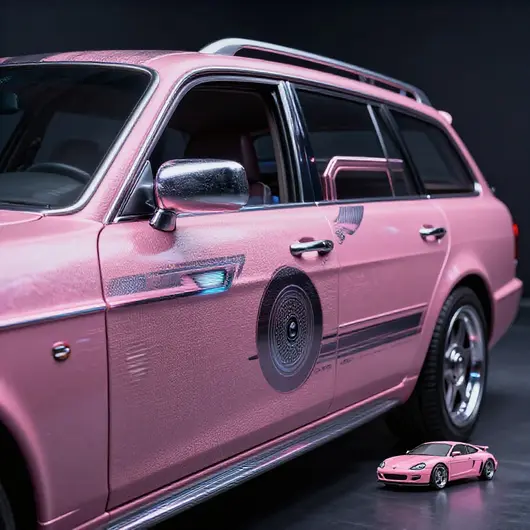
【中國·蕪湖】9 月 22 日,“QQ Show 同 TA 嘅朋友們暨 QQ3 摩登版發佈會”圓滿舉行。全新 QQ3 摩登版正式上市,官方指導價 8.89 萬元,增購價 8.69 萬元,限時置換價 8.39 萬元。為回饋用戶熱愛,即日起購車可享輕鬆禮、陪伴禮、安心禮、驚喜禮四重上市好禮,包括限時下訂贈孫儷簽名車模、原廠風跡競速拉花,以及至高 5000 元換新津貼、至高 7 萬元 36 期 0 息、整車終身保養等多重權益,為用戶帶來更具吸引力嘅摩登出行選擇。

本次發佈會以“QQ3 快樂秀場”為創意概念,將產品發佈、用戶互動與快樂表達融為一體。奇瑞品牌全球代言人/奇瑞 QQ 全球代言人——孫儷,以及脫口秀演員馮子豪、步驚雲、島主到場,共同見證全新 QQ3 摩登版嘅上市。作為 QQ 一脈相承嘅品牌 DNA,“快樂”喺呢場活動中被進一步放大。

QQ Show 開啟快樂秀場,摩登與個性同台
本次發佈會喺蕪湖鳩茲廣場舉行,呢度唔單止係全新 QQ3 摩登版嘅摩登首秀,亦係年輕時尚人群,表達個性同生活態度嘅快樂秀場。從個性改裝、潮流陳列、拍立得打卡、生活方式體驗等集中呈現,共同打造可看、可玩、可互動嘅快樂現場。喺定格快樂瞬間嘅同時,令全新 QQ3 摩登版嘅產品價值被更直觀咁感知,亦進一步展現 QQ 品牌嘅年輕氣質。


Opening Show 同脫口秀表演率先點燃現場氣氛。“快樂分享家”馮子豪、步驚雲、島主登場,以爆笑幽默嘅表達同生活化觀察,講述 QQ 用戶故事同用車趣事,亦令快樂成為發佈會最鮮明嘅底色。


百變改裝亮相,QQ3 釋放共創快樂
發佈會現場,國風小車、加州假日、貓貓車、手繪車、城市遊獵、戶外山旅六款改裝車集中亮相,以唔同風格展示 QQ3“可玩、可改、可共創”嘅產品氣質。


從低調國風、海岸假日、寵物陪伴、城市復古到戶外探索,六款改裝車把用戶嘅興趣、審美同生活方式帶到現場,亦令 QQ3 嘅快樂從品牌語言變成更具體、可感知嘅體驗。
長期價值持續釋放,QQ 含金量不斷提升
發佈會上,奇瑞汽車股份有限公司副總裁/QQ 品牌主理人——章紅玉,從用戶真實反饋切入,分享咗全新 QQ3 上市以來嘅市場表現同口碑。喺佢度,用戶選擇一台車只係開始,真正嘅價值會喺日常使用中不斷被發現。

章紅玉表示,“外在,經典靚顏,內在,不變嘅堅持。原生智能純電平台、大師級底盤調校、全維安全守護、全球質量驗證——呢份硬核托底,成就全新 QQ3 摩登版!”呢一表達,亦成為本次發佈會嘅價值主軸。全新 QQ3 摩登版唔單止以靚顏、品質同越級配置吸引用戶,更通過駕控質感、場景玩法等,喺長期使用中持續釋放產品價值,讓用戶不斷發現新嘅快樂。
從高級感到更懂你,全新 QQ3 摩登版全面進階
全新 QQ3 摩登版圍繞超高靚顏、越級品質同頂級配置完成進階,令審美、品質同體驗進一步提升。


喺靚顏上,新车以 Neo Retro 設計理念為核心,將經典摩登元素同高端製造工藝融合。豪華車同款供應商嘅 6 層 2K 高質感車漆,配合時光徽章輪轂、風跡競速拉花、復古白前後槓等專屬設計,進一步強化整車精緻感;摩登時代、安妮珍珠專屬配色,同雲絨米內飾、天鵝絨頂棚、千鳥格高定紋理相呼應,令摩登同高級感從外觀延伸至座艙。
喺品質上,磐石車身同犀牛電池共同構筑安心基礎。高強度鋼佔比 82%,1300MPa 一體式熱成型門環進一步強化車身結構;犀牛電池搭載寧德時代電芯,整車通過中汽中心 NESTA 六維電安全認證。
喺配置上,新车更強調“懂你”嘅使用體驗。8155 晶片、15.6 英寸 2.5K 中控螢幕同 Carmind AI 智能體,令車機交互更自然;540°全景影像、12 顆超聲波雷達、100+ 全場景自動泊車及 L2 級輔助駕駛,提升城市用車便利性;70L 智能電動前備箱支持 8 種開啟方式,配合 6.6kW 外放電,進一步拓展收納、戶外等多元場景。
全球熱銷持續升溫,QQ3 加速走向全球
全新 QQ3 摩登版上市,建立喺全新 QQ3 持續熱銷同 QQ 品牌全球化勢能之上。作為一代國民小車,QQ 系列累計銷量 160 萬 +,暢銷海內外 100 多個國家同地區,陪伴一代用戶開啟屬於自己嘅出行生活。

進入智電時代,全新 QQ3 以更高品質、更強智能同更鮮明嘅快樂表達,持續釋放中國原創精品小車價值。上市至今,全新 QQ3 海內外訂單破 10 萬台。其中,8 月銷量達 19103 台,環比增長 64.07%,連續 5 個月銷量過萬。與此同時,泰國、印尼預售後累計訂單量快速突破 2 萬,形成國內外雙線熱銷態勢,進一步印證全新 QQ3 嘅全球市場吸引力。
契合悅己生活態度,孫儷詮釋摩登內核
QQ 承載住一代人嘅國民記憶,亦延續住快樂、親和同陪伴感;孫儷身上從容、鬆弛、重視生活本真嘅氣質,亦同全新 QQ3 摩登版嘅摩登審美同悅己態度自然契合。


現場,孫儷從 QQ 嘅國民記憶談起,分享咗試駕全新 QQ3 嘅感受,以及對全新 QQ3 摩登版經典、精緻、優雅設計嘅認可,並進一步表達咗“蠻好就好、樂在其中”嘅生活態度。隨後,佢同奇瑞汽車股份有限公司副總經理/奇瑞營銷公司總經理——李學用,共同參與新車交付儀式,將新車上市嘅喜悅傳遞給首批車主,亦令呢場發佈會喺品牌、用戶同代言人嘅共同見證中,留下更具溫度嘅情感記憶。
從國民經典到全球快樂,QQ 持續與用戶共創向前
從第一代 QQ 到全新 QQ3,再到全新 QQ3 摩登版,QQ 品牌始終延續一脈相承嘅“快樂”基因。佢曾承載一代人擁有第一台車嘅美好記憶,亦喺智電時代,把用戶對審美、智能同悅己表達嘅需求,轉化為更具時代感嘅出行體驗,持續拓展中國小車文化嘅邊界。

全新 QQ3 摩登版嘅上市,令 QQ 從經典記憶走向摩登新生,亦令品牌价值從產品體驗進一步延伸至文化表達。未來,QQ 品牌將繼續以全球品質為支撐、以用戶共創為驅動,令“快樂”,持續成為連接全球用戶嘅品牌紐帶。


海外撐起一半天。
喺國內價格戰同國際匯率波動嘅雙重干擾之下,比亞迪交出一份「短期承壓、結構向上」嘅上半年報告。
今年首半年,比亞迪銷量、營收、利潤同比皆有回落。消息一出,比亞迪首個交易日港股、A 股分別下跌 5.17%、4.46%。
然而,券商機構卻幾乎一致看好:海外收入首次超過國內,高端品牌加速放量,閃充技術開啟新產品週期......
這份「帳面承壓、結構升級」嘅財報,究竟講咗乜嘢?
01
根據財報,今年首半年,比亞迪銷量為 180.85 萬輛,營業收入 3448.15 億元,歸屬母公司股東嘅淨利潤 123.25 億元。
無論係營收、定係利潤,比亞迪都係數一數二嘅存在。
值得一提嘅係,比亞迪係營收唯一突破 3000 億元規模嘅上市車企,同時歸屬母公司股東嘅淨利潤亦係唯二破百億嘅上市車企。

不過,喺銷量規模上,比亞迪以 23.7 萬輛嘅差距,輸俾上汽集團,丟失咗中國上市車企銷量冠軍嘅頭銜。
但係隨著閃充技術發佈,5 月開始,比亞迪重新奪回咗上市車企月銷冠軍嘅頭銜,且兩者嘅累計差距正喺快速消失。
此外,比亞迪研發投入喺一众上市車企中,亦係遙遙領先。今年首半年,其研發投入儘管同比下跌 6.54% 至 288.61 億元,但仍係上汽集團(81.11 億元)嘅 3.6 倍。
截至今年首半年,比亞迪嘅累計研發投入超 2700 億元。
02
要講表現最亮眼嘅,當屬海外市場。
今年首半年,比亞迪海外銷量 79.2 萬輛,同比增長 67.8%,佔總銷量嘅 43.8%。8 月單月海外銷量更衝至 18.95 萬輛,同比暴增 134.4%,再創歷史新高。
喺英國、巴西、泰國等地,比亞迪已登頂新能源品牌銷量榜首。業務版圖覆蓋全球超 120 個國家同地區。
更關鍵嘅係,海外業務唔單止貢獻咗銷量,仲重塑咗利潤結構。

「圖片來源:比亞迪上半年財報」
今年首半年,比亞迪境外收入 1812.68 億元,同比增長 33.92%,佔總營收比重首次突破 50%,達到 52.57%。
與此同時,境外業務毛利率達 21.71%,顯著高於境內嘅 15.67%。這意味著,海外以 43.8% 嘅銷量、52.57% 嘅收入,為比亞迪貢獻咗約六成毛利。
換句話說,比亞迪嘅利潤引擎,正從國內轉向海外。這亦係呢份上半年報告最具標誌性嘅變化。《汽車 K 線》認為,這亦將堅定其他中國上市車企海外戰略落地。
03
高端化,係比亞迪嘅第二條上升曲線。
方程豹、騰勢、仰望三大品牌半年合計銷量 22.8 萬輛,同比增長 61.03%,佔總銷量比重升至 12.61%。
其中,方程豹貢獻最多,上半年銷量達 15.95 萬輛,同比暴增 162.53%;不過,騰勢同仰望則面臨壓力,前者上半年銷量 6.65 萬輛,同比下跌 16.65%,後者雖然同比增長 96.61%,但銷量僅 1972 輛。

隨著高端車型放量,比亞迪嘅盈利結構正喺重塑。高端品牌唔單止帶來更高單價,亦有望改善毛利率,減少對低價走量車型嘅依賴。
但要注意嘅係,高端品牌目前佔總銷量比重仍只有 12.6%,雖然增速快,但體量仲唔足以完全對沖國內大眾市場嘅失速。
可以話,高端化而家仲只係第二曲線嘅起點。
04
雖然比亞迪嘅業績表現遙遙領先,但隱憂同樣唔好忽視。
最刺眼嘅就係,歸屬母公司股東嘅淨利潤大幅蒸發,去年上半年,比亞迪嘅歸屬母公司股東嘅淨利潤為 155.11 億元,今年只剩 123.25 億元,一下子蒸發咗近 32 億元,同比下跌 20.54%。
與此同時,日均盈利跌破小目標,約 6809 萬元。
直接原因有兩個。
一係上半年人民幣兌美元升值,比亞迪錄得 47.03 億元匯兌損失,去年同期為收益 31.6 億元,一進一出相差 78.63 億元。
比亞迪將淨利下滑歸因於此,但恰恰暴露咗而家國際環境下嘅風險,比亞迪海外擴張越快,匯率波動對利潤表嘅衝擊就越大。

二係國內市場嘅失速。今年首半年,比亞迪國內收入 1635.47 億元,同比驟降 30.68%。汽車業務收入 2753.41 億元,同比下降 8.98%,幾乎解釋咗比亞迪上半年營收下滑 7.13% 嘅原因。
國內銷量承壓,比亞迪上半年銷量下跌 15.72%。王傳福坦言,銷量唔及預期同第二代刀片電池產能不足直接相關。
更深層嘅隱憂,在於汽車價格戰對利潤嘅持續侵蝕。
今年首半年,汽車行業利潤率僅 3.76%,整車製造利潤率更係低至 1.5%。比亞迪單車售價從 Q1 嘅約 16 萬元降至 Q2 嘅 13.6 萬元。
喺呢場全行業嘅失血式競爭中,即便是龍頭亦難以獨善其身。
05
同短期市場情緒唔同,主流券商幾乎一致看好比亞迪嘅中長期發展,原因係剔除匯兌擾動後,主營業務盈利質量實際係喺大幅改善。
國金證券測算,還原匯兌稅後影響並剔除比亞迪電子權益貢獻,Q2 實際利潤約 103 億元,同比大增 182%,該口徑下單車利潤達 0.93 萬元。
華泰證券認為 Q2 盈利強勁反彈得益於閃充技術新產品週期開啟及海外業務持續高增,維持「買入」評級。

開源證券指出 Q2 毛利率同比修復明顯,海外市場持續放量,維持「買入」評級。
東方證券強調 8 月海外銷量 18.95 萬輛再創新高,預計海外將成為核心增長極,目標價 125.28 元。
交銀國際看好比亞迪下半年出口表現,維持 138.53 港元目標價。
國泰海通證券指出海外收入首超國內、閃充生態加速落地,維持「增持」評級。
整體嚟講,匯兌損失係紙面虧損、海外業務係核心增長引擎、閃充技術 + 高端化重塑競爭力係機構看好比亞迪嘅集中共識。
06
當汽車主業進入深度調整期,比亞迪喺其他領域嘅佈局同樣值得關注。
儲能業務已成爲比亞迪實實在在嘅落地項目。2026 上半年,比亞迪儲能系統出貨量位居全球第一,產品進入 110 多個國家同地區,覆蓋源網側儲能、工商業儲能、戶用儲能同 AIDC 算力儲能等場景。
目前,比亞迪正緊抓全球新能源轉型同 AI 算力需求釋放嘅雙重戰略機遇。不過,儲能行業價格競爭同樣激烈,規模優勢能否轉化爲利潤優勢,仲未確定。

半導體方面,比亞迪 5 月發佈嘅自研 4nm 製程智駕芯片「璇玑 A3」,已規模化量產。9 月推出以璇玑 A3 爲算力中心嘅新一代 4D 毫米波雷達芯片,全面覆蓋 L2-L4 級智能駕駛應用。BMS AFE 芯片累計出貨量突破 1 億顆。
喺電子同 AI 算力上,AI 算力基礎設施業務持續推進,海外客戶液冷冷板項目進入量產爬坡階段。比亞迪電子上半年營收 822.34 億元,同比增長 2.02%;歸屬股東嘅淨利潤 4.26 億元,同比下降 75.35%。
07
機器人則係更遠期嘅期權。
如今越來越多嘅車企開始「造人」,比亞迪也不例外。
2026 年 8 月,比亞迪首款人形機器人「小迪」喺世界機器人大會完成全球首秀,並宣佈直接轉入工廠常態化服務,首批落地場景為內部產線嘅零部件搬運、質量巡檢。
據悉,該項目自 2022 年由第十五事業部牽頭立項,研發週期約 4 年。

比亞迪執行副總裁李柯公開確認公司正喺研發人形機器人,並指出「比亞迪而家重心係工業機器人,因為比亞迪本身就係最大嘅用戶」。
此外,比亞迪已投資參股智元機器人,並與觸覺感知企業帕西尼簽署戰略合作協議。未來計劃喺每家經銷商門店投放機器人,承擔迎賓接待、車型講解等工作。
當然,機器人業務對而家嘅財報冇乜貢獻,更多係面向下一個十年嘅佈局。
佢嘅價值在於,比亞迪自身就係工業機器人嘅最大用戶之一,可以用內部場景反哺迭代。但商業化節奏、成本下降曲線同外部客戶拓展,仲需時間驗證。
08
從比亞迪嘅上半年報告嚟睇,佢正喺處於結構性換檔時期。
國內大眾市場嘅舊引擎,喺價格戰同產能瓶頸嘅雙重擠壓下,正喺減速。而作為海外市場同高端品牌嘅新引擎,正喺加速啟動,但仲唔足以完全對沖舊引擎嘅失速。
海外收入首次超過國內,係呢場換檔嘅標誌性節點;匯兌損失暴露嘅風險,則係換檔過程中嘅必經代價。

關鍵在於,海外、高端嘅結構性改善,能否喺足夠短嘅時間內對沖國內價格戰嘅壓力?
答案仲未定論,但方向已經明確。比亞迪正從一家依賴國內市場嘅爆款驅動型車企,向一家全球佈局、技術驅動嘅多元化科技集團進化。
儲能、半導體、機器人等業務嘅佈局,正喺爲呢家製造巨頭嘅下一個十年埋下伏筆。呢個過程註定唔會平坦。
Autoskline 觀點:
方向已經明確,答案仲喺路上。比亞迪要做嘅,唔係證明自己唔會下滑,而係證明自己喺下滑中完成進化。
文字為【汽車 K 線】原創,內容參考素材源自上市公司公告同行業公開信息(相關公司同機構應有義務對真實性負責);部分圖片嚟自網絡,版權所有歸原作者。
呢號文章,未經授權,唔得轉載,違者必究。同時,文章內容唔構成對任何人嘅投資建議!股市風險大,投資需謹慎!


In the Malaysian SUV market, many buyers compare the Honda CR-V and Ford Everest when choosing a car. These two cars are quite close in price and positioning. Today, we will make a detailed comparison from multiple aspects to help you save time doing research.
The Honda CR-V OTR price in Malaysia is RM 178,200 - 195,900, with a total of 4 versions, including 2026 e:HEV 2.0L 2WD RS (RM 195,900), 2026 1.5T 4WD V (RM 181,900), 2026 e:HEV 2.0L 2WD E (RM 178,200) etc.
The Ford Everest OTR price in Malaysia is RM 266,338 - 430,838, with a total of 6 versions, including 2026 3.0T 4WD Platinum (RM 430,838), 2026 2.0T 4WD Platinum (RM 348,838), 2026 2.0T 4WD Sport (RM 316,838) etc.
From a price perspective, the Honda CR-V entry price is indeed RM 88,138 cheaper than the Ford Everest. If your budget is limited, Honda's entry version is already sufficient for daily needs. But also note, the few thousand cheaper difference, there might be compromises in equipment, specifically depending on your needs.

Honda CR-V is equipped with 2.0L 4-cyl, 170 hp. Official fuel consumption 8.0 L/100km.
Ford Everest is equipped with 2.5L Diesel, 187 hp. Official fuel consumption 8.5 L/100km.
In terms of power, the Ford Everest 2.5L Diesel has 17 more horsepower than the Honda CR-V 2.0L 4-cyl. However, for daily driving in the city, both cars have enough power, you won't feel it lacks power.

Honda CR-V body length 4500 mm, trunk 450 L.
Ford Everest body length 4400 mm, trunk 400 L.
In terms of space, the Honda CR-V body is 100 mm longer than the Ford Everest, the interior seating space will be slightly more spacious, especially the rear legroom. If you often carry family or need to fit a stroller, the larger body is indeed more practical.

Honda CR-V adopts FWD drive mode.
Ford Everest adopts FWD drive mode.
Both cars have the same drive mode, both are FWD, daily driving experience will not have much difference.

Honda CR-V warranty 5 years/unlimited mileage, maintenance interval every 10,000km or 6 months.
Ford Everest warranty 3 years/100,000km, maintenance interval every 10,000km or 6 months.

Overall, Honda CR-V and Ford Everest are both very good models in the Malaysian market. Which one to choose, the key depends on your personal needs and budget. It is recommended to do your homework, compare quotes from a few dealerships, then test drive to make a final decision. Buying a car is a big matter, spending some time doing research is definitely not wrong.


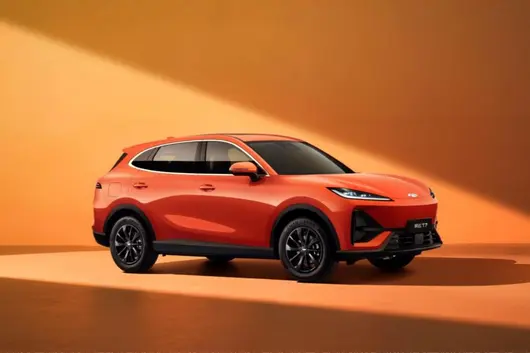
When the automotive industry falls into "quick-fix" involution, Chery Fengyun T7, with the declaration that "Global cars cannot be rushed a bit," uses 5 years of tempered hardcore strength to redefine the value standard of pure electric SUVs. On August 12, this global quality pure electric SUV that has undergone global rigorous verification officially started pre-sales, injecting a sobering agent into the market with the long-termism of "slow work builds good cars."

Slow R&D: Sharpening a Sword for 5 Years, Global Standards Forge Hardcore Quality
The "slowness" of Fengyun T7 is the deep plowing of R&D investment. A 3-year R&D cycle and global 1+7+N R&D system tempering enable it to benchmark against the 2026 version E-NCAP global highest safety standard from birth, pre-research global regulations 2 years in advance, and incorporate user requirements from 15 typical countries into product design. 1.45 million kilometers of global extreme environment verification, covering -40°C extreme cold to 55°C high heat, 500mm deep water wading, and other 100+ extreme road conditions, along with all-around testing of 963 prototype cars, ensures every detail can withstand the global market test.

This "slowness" is also reflected in the integration of global resources: over 100 global designers collaborating, 5000+ users co-creating, allowing the model to combine European aesthetics with Eastern elegance; supported by world-class suppliers such as Bosch, Sony, etc., the European chassis is tuned by senior engineers formerly from Maserati, reaching global top standards from materials to tuning.
Strong Product Power: Full Coverage of 6 Essential Needs, Top-of-Class Benchmark is Well-deserved
Fengyun T7's core competitiveness lies in the precise satisfaction of the 6 essential needs of family users. In terms of appearance, the wind-taming front face, wind-blade headlights paired with 6 Eastern elegance car colors, "Crimson Flame Orange" even uses luxury car-level tri-coat craftsmanship, showing high-class feel amidst light and shadow; in terms of space, the 2700mm wheelbase brings an 84% interior space utilization rate, rear pure flat floor + 4/6 fold-down pure flat big bed mode, accommodating home and outdoor scenes.

Safety is its hardest core confidence: 80% high-strength steel rock body, unique shotgun structure in class, paired with 9 airbags and 6D battery protection, IP68 waterproof standard reaches 96 times national standard, building a dual safety fortress from body to battery. Regarding range, all series standard equipped with 65.05kWh Rhino battery, CLTC range 600km and actual test "reverse false marking" reaches 667+km, 20 minutes to complete 30-80% fast charging, -40°C extreme cold environment range achievement rate still improves 30%, thoroughly solving range anxiety.

Smart experience is also leading the class: 4nm process 8775 cockpit-driving integrated chip, computing power crushes 5-7nm class chips, supports cross-floor memory parking and 300+ full-scenario automatic parking; Lingxi Smart Cockpit 2.0 integrates Doubao large model, 6 human-feeling companion experiences make interaction more natural. In addition, cloud-feel comfortable seats' three-level heating ventilation, 50W wireless charging and other details, fully show humanized care.
Market Competitiveness: Long-termism Breaks the Game, Global Quality Dimensional Strike
In the market flooded with "quick-fix cars", Fengyun T7's competitiveness stems from the dimensional strike of "global cars". Its homologous model LEPAS L6 has launched in South Africa and Thailand, will land in the EU in September, and Chery system in over 130 countries worldwide endorses its quality. Compared to class models, Fengyun T7 reconstructs value with global standards: safety benchmarks against 2026 regulations, range breaks temperature limits, intelligence carries cockpit-driving integrated chips, and more with whole vehicle lifetime warranty, battery safety backup and other policies, eliminating users' concerns.

This "slowness" is not low efficiency, but an extreme pursuit of quality. When the industry chases short-term traffic, Fengyun T7 takes 5 years to complete the loop from R&D to global verification, meeting Chinese family needs with global quality, establishing a "long-termism" new benchmark in the 150,000-200,000 RMB class pure electric SUV market.
The launch of Fengyun T7 is not only the release of a new car, but also a return to the original intention of automobile manufacturing. In the game between "fast" and "slow", it proves with global quality: truly good cars are never afraid of slowness.

In Malaysia's SUV market, many buyers compare Proton X70 and Chery Tiggo 8 Pro when choosing a car. These two cars are quite close in price and positioning. Today we will make a detailed comparison from multiple aspects to help you save time on research.
The OTR price for Proton X70 in Malaysia is RM 106,800 - 122,300, with a total of 3 versions, including 1.5L Standard 2WD (RM 106,800), 1.5L Executive 2WD (RM 115,800), 1.5L Premium 2WD (RM 122,300), etc.
The OTR price for Chery Tiggo 8 Pro in Malaysia is RM 159,750 - 159,750, with a total of 2 versions, including 1.6L Turbo Standard (RM 130,000), 1.6L Turbo Premium (RM 145,000), etc.
Looking at the price, Proton X70's starting price is indeed RM 52,950 cheaper than Chery Tiggo 8 Pro. If your budget is limited, Proton's entry-level version can already meet daily needs. But be aware, the few thousand ringgit cheaper may have compromises in equipment, it depends on your specific needs.
Proton X70 is equipped with a 1.5L Turbo, 140 hp. Official fuel consumption 7.0 L/100km.
Chery Tiggo 8 Pro is equipped with a 2.0L 4-cyl, 170 hp. Official fuel consumption 8.0 L/100km.
In terms of power, Chery Tiggo 8 Pro's 2.0L 4-cyl has 30 more horsepower than Proton X70's 1.5L Turbo. However, daily city driving, both cars have enough power, you won't feel it's not enough.
Proton X70's safety rating is 5★ (ASEAN NCAP), active safety systems include ADAS (ACC, AEB, LKA, LDA, BSM, RCTA).
Chery Tiggo 8 Pro's safety rating is TBD, active safety systems include Basic.
Regarding safety features, both cars have received good ratings. However, Proton X70's ADAS (ACC, AEB, LKA, LDA, BSM, RCTA) and Chery Tiggo 8 Pro's Basic have some differences in functionality. If you value active safety, you can compare their feature lists carefully.
Proton X70 body length 4400 mm, trunk 400 L.
Chery Tiggo 8 Pro body length 4400 mm, trunk 400 L.
The dimensions of both cars are almost the same, interior space difference is not significant. For this class of cars, it is completely sufficient for daily use.
Proton X70 warranty 5 years/150,000km, service interval every 10,000 km or 6 months.
Chery Tiggo 8 Pro warranty 3 years/100,000km, service interval every 10,000 km or 6 months.
Overall, Proton X70 and Chery Tiggo 8 Pro are both quite good models in the Malaysian market. Which one to choose depends on your personal needs and budget. We suggest doing your research, comparing quotes from multiple dealers, and test driving before making a final decision. Buying a car is a big matter, spending time on research is never wrong.

Editor's Note: The tuition fee for transformation has already been paid; Changan calls this move "Highland Pace Adjustment"; whether the market is willing to wait for its acceleration in the second half depends on the pedal pressure of the Q06 entering the race, whether it is really more responsive than the PPT.
In late July, Changan Automobile released two key signals in succession: on one hand, the semi-annual performance forecast disclosed in mid-July — vehicle sales in the first half were 1.1189 million (down 17.44% year-on-year), net profit attributable to the parent company was only 740 million to 970 million yuan (down 57.66%—67.70% year-on-year), and deducting non-recurring net profit was 230 million to 330 million yuan (down 77.65%—84.42% year-on-year);

On the other hand, on July 23, an announcement of 5.267 billion yuan private placement was approved by the Shenzhen Stock Exchange, funds will be invested in new energy models and digital intelligence platforms (4.217 billion yuan) and the global R&D center (1.05 billion yuan).
In this contrast of cold and heat, this central state-owned enterprise (SOE) auto company, approaching the 3 million vehicle level in annual sales, is actively removing the "scale halo". At the mid-year media communication meeting, Tan Benhong, deputy secretary of the Party Committee and director of Changan Automobile Group, stated this contrast very frankly: "In the first half of the year, the group proactively cut off low-margin inefficient products, no longer solely pursuing scale increments without profit." He used a marathon metaphor — "Running a marathon at high altitude, the pace for the first 5 kilometers and the last 5 kilometers must be different; blind acceleration will only deplete strength."
"Discarding" 70,000 vehicles: Not that they can't be sold, but don't want to sell them
At least one part of Changan's decline this round was cut by their own hand.
In April this year, the "1445" global strategy was implemented, compressing the product series from 63 models to 36 models. The most eye-catching move was halting production of Lumin — a micro electric car priced below 50,000 yuan, which was the volume leader last year, accounting for an empty gap of about 70,000 units in the first half alone. "The profit margin for low-end micro electric vehicles is extremely narrow, and enterprises no longer solely pursue scale increments without profit." Tan Benhong did not beat around the bush at the communication meeting: "After halting Lumin, the average price and profit margin of the new energy sector actually rose; excluding the reduction from Lumin, Changan's new energy sales actually grew 11.2% year-on-year in the first half."

China Auto Network consulted an insider close to Changan's internal team, who calculated a bill of account: "Lumin's peak monthly sales exceeded 10,000, but the gross profit per vehicle hovered for a long time between a few hundred yuan to a little over a thousand. Including channel rebates and capital occupation, sometimes selling one vehicle results in a loss. Rather than using it to rush the ranking list, it is better to give the production line to new energy like Qiyuan Q05 and Deepal S05 that can run through the gross profit." In his view, cutting Lumin is not admitting defeat, it is "exchanging ineffective scale for effective R&D bandwidth".
But proactively losing weight cannot explain everything. The fuel base is retreating even faster: CS75 fuel version fell more than 37% year-on-year in the first half, Eado relied on terminal price cuts to hold market share, CS55, UNI-T/K and other old SUVs weakened环比。New energy sales were 414,200 vehicles, a year-on-year decline of 8.3%, Qiyuan Q05 (about 72,000) and Deepal S05 (about 79,000) held up the market, Avatr sold only 27,600 vehicles in the first half, nearly halved year-on-year, cumulative losses over four years exceeded 13 billion yuan. Tan Benhong also admitted: "We have not yet fully mastered the operating ability of multiple brands."
External squeezing is equally real. The company attributes the primary cause of profit shrinkage to exchange rate losses + raw material price hikes: Overseas sales in the first half were 454,700 vehicles, up 51.87% year-on-year, overseas accounted for about 33.6% of the total; a slight fluctuation in exchange rates causes profit bleeding; lithium carbonate prices rebounded to 180,000 yuan/ton, storage chip unit prices jumped several times, the industry average profit margin was squeezed to around 3.4%. Securities Auto Analyst Li Qiang believes: "Changan's 'decline' is active + passive twisted together, but the active part accounts for a higher proportion than the market thinks — it chooses to step on the brakes at the 3 million vehicle high point itself, rather than waiting until the bottom of the slope to brake."
Betting on self-developed intelligent driving, refusing to be an "assembly plant"
Where money goes explains the problem better than the money itself.
This private placement was fully covered by cash from the controlling shareholder; even if the stock price was below the issuance price, it still locked for three years, and the market generally interpreted it as "Central SOE major shareholder backing confidence". The fundraising does not expand capacity, only invests in R&D: 4.217 billion yuan into new energy models and digital intelligence platforms, 1.05 billion yuan into the global R&D center. Corresponding to Changan's past five years of intelligent accumulation input exceeding 10 billion, team exceeding 7,500 people, 2026 single computing center smashing about 3 billion yuan rhythm.
Intelligent driving is the core landing point of this money. Tan Benhong threw a sharp judgment at the communication meeting: "If automakers give up intelligent driving self-research and only rely on external supply, essentially they are only retaining an assembly factory with a car chassis, without core technology barriers." He calls himself a "heavy intelligent driving user", driving Avatr 90% scenarios with intelligent driving, but emphasized Changan does not choose an aggressive route, "Focus core energy on raising the safety ceiling and polishing the experience".

The landing carrier is the "Tianshu Pilot" system — one-step end-to-end + multimodal large model, scheduled to go into mass production in Qiyuan Q06 this September. Executive Vice President Yang Dayong defined Q06 as the flagship of "Qiyuan fighting for intelligent driving in the second half of the year": "Tianshu Pilot Ultra is not piling on functions, but realizing Changan's digital intelligence promise to mainstream family users." And the "one brain, multiple bodies" in Tan Benhong's mouth is using the intelligent driving large model as the "brain", to radiate to robots, low-altitude travel and other "bodies", Changan Tianshu Intelligent Robot subsidiary is already on the table.
Forcing this logic to ask a new power intelligent driving director, he replied restrainedly: "If 7,500 people are intelligent driving + cockpit + tri-electric packed, single track concentration is not as good as Huawei Car BU (7,000—8,000 people full-time intelligent driving), XPeng (about 3,000 people intelligent driving team + 10 billion R&D). Changan's advantage is the whole vehicle sales base and central SOE financing channel, the disadvantage is C-end users have not yet established mindshare like 'XNGP' 'ADS' for 'Tianshu'. Whether Q06 can fight, depends on national availability and takeover rate, not the press conference PPT."
Organization side is also consolidating: Deepal and Avatr mid-to-back coordination, goal 1.5 million vehicle level mid-to-high-end cluster, cost reduction 20%—30%; four vice presidents focus on overseas, Thailand base has already scaled up production, Tan Benhong put a word "Future domestic and overseas 50/50 split". These actions short-term save no profit, but past "many children good fight" scattered shipping towards "zone complement" gather.
Changan's dual decline in volume and profit in the first half of 2026 is not a collapse narrative, but a central SOE at the 3 million vehicle level in "fuel retreat faster than new energy handover, low-end scale yielding to gross margin quality, intelligent driving heavy investment not yet at realization period" three cracks opened at the same time's active slow driving.

Tan Benhong cut off the 70,000 units of Lumin, exchanging for the bottom line of not using ineffective scale to dress up the financial statements; 5.267 billion private placement passed, exchanging for Tianshu intelligent driving and digital intelligence platform to run for 18 months of ammunition.
The three variables really to watch in the second half are very specific — Qiyuan Q06 Tianshu Pilot real takeover performance after mass production, whether Deepal/Qiyuan/Avatr three-brand internal consumption really reduced, whether overseas 450,000 vehicle sales base can offset the exchange rate backlash.
The tuition fee for transformation has already been paid, Changan calls this move "Highland Pace Adjustment"; whether the market is willing to wait for its acceleration in the second half depends on the pedal pressure of the Q06 entering the race, whether it is really more responsive than the PPT.
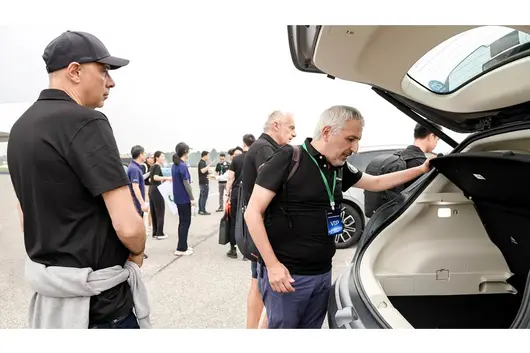
最近新能源出海賽道真的太激烈!不少車款集結衝向海外市場,但真正能做到「全球通吃、多國熱銷」嘅精品車款,其實寥寥可數。近期,長城歐拉海外全球投資者峰會在保定揭幕,來自全球各國嘅投資者齊聚現場,走進長城汽車技術中心、智能製造基地以及徐水專業試車場,對長城歐拉 5 全系車款開啟沉浸式實車試駕。

現場真實體驗令世界各地嘅投資者看清長城歐拉 5 嘅硬核實力。好多車企出海只能押注單一動力路線,難以兼顧全球各地差異化用車需求,長城歐拉 5 究竟係點樣打破困局?今天拋開枯燥參數堆砌,用實實在在嘅信息,傾下台呢台走出國門嘅中國精品家用車。

市場數據佐證實力,海内外市場雙線熱銷
一台車好唔好,市場訂單同銷量永遠唔會騙人。最新官方數據顯示,長城歐拉品牌 6 月銷量迎來強勢增長,單月銷量達到 10806 輛,同比大漲 229.15%,長城歐拉 5 就係其中主力產品,上升勢頭十分迅猛;品牌全系累計銷量突破 58433 輛,市場認可度持續走高。
作為品牌當下嘅主力熱銷車款,長城歐拉 5 真正實現國內穩步走強、海外全面開花。海外市场嘅熱度格外驚喜:登陸巴西市場,首批 2000 台新車 24 小時直接售罄,當地消費者十分認可呢款中國車款;進駐泰國之後,訂單穩步突破 5000 台,混動版本憑藉均衡嘅綜合實力,喺競爭激烈嘅家用車市場站穩腳跟。
長城歐拉 5 全球化版圖仲要持續擴張,西班牙市場順利落地,依托本土體育 IP 合作快速打响知名度。由今年 7 月開始,長城歐拉 5 仲將陸續登陸澳洲、南非、印尼、中南美等地區,持續搭建完善嘅全球銷售網絡,穩穩站穩全球化精品車款嘅定位。
亮眼嘅市場成績,唔止打動普通消費者,同樣吸引海外資本關注。跨國投資者佈局汽車賽道,格外看重車款適配全球市場嘅潛力,呢一次實地探訪、體驗試駕,就係對長城歐拉 5 產品力一次高標準嘅嚴苛考驗。

全球統一美學設計,契合年輕人多元審美
長城歐拉 5 採用全球化自然美學設計,線條簡約耐看,冇浮誇激進嘅造型,審美包容性好強,無論亞洲、東南亞定係歐美年輕人,都好容易接受。內飾用料紮實細膩,空間佈局充分考慮家用需求,日常通勤、一大家人短途出行,乘坐體驗都喺線。
外觀內飾保持統一標準嘅同時,智能化堅持油電同智、全系高配,配置唔縮水。長城歐拉 5 搭載 Coffee OS 3 智能座艙,內置 Coffee GPT 大模型語音系統,語音響應流暢,操作簡單易懂,適配全球用戶用車習慣,現場試駕嘅投資者紛紛給予好評。混動版搭載長城全新一代 Hi2 智能混動系統,「三擎六模」動力 AI 切換,起步平順、換檔絲滑,全程無頓挫感,兼顧駕乘舒適嘅同時實現超低能耗,長途出行更省油、日常通勤更慳錢,完美平衡平順質感同經濟實力,「靜、快、省、順」嘅核心優勢,贏得海外投資者一致好評。

一車多動力佈局,破解全球化出行差異化難題
長城歐拉 5 能夠適配全球唔同區域、收穫多國用戶喜愛,殺手锏就係一車多動力產品佈局,都係本次參與試駕嘅全球投資者一致讚賞嘅核心優勢。依托長城歸元智能平台強大底層架構,長城歐拉 5 同時提供純電、混動、燃油三套動力可選。大家要清楚,全球各個國家嘅能源配套、政策法规、路況、用車習慣天差地別:歐美新能源基礎設施完善,純電車款更受歡迎;東南亞城市擁堵,省油混動係剛需;仲有大量新興市場,燃油車款依舊係主流選擇。
絕大多數出海車款只有單一動力,想要適配全球市場處處受限。長城歐拉 5 依靠「一車多動力、一車多姿態」思路,無需針對不同市場單獨研發改款,大幅壓縮迭代週期、降低出海研發成本,直击車企全球化出海最大痛點。
呢套戰略同樣惠及消費者:車款迭代速度更快,動力選擇更加豐富,無論挑選邊個版本,都能享受同等標準嘅產品品質。純電版本主攻歐洲新能源賽道,混動版本深耕東南亞熱門市場,燃油版本覆蓋新興海外市場,多線並行構筑長城歐拉 5 突出嘅全球化競爭力。

多套動力精細調校,兼顧靜、快、省、順駕乘體驗
長城歐拉 5 每一套動力方案都經過細緻打磨,高度貼合普通人日常家用場景。純電版提供 480km、580km 兩種續航選擇,日常通勤、週末近郊出遊完全夠用。百公里電耗低至 11.6kWh,電機系統效率高達 95%,能耗表現優異,日常養車成本好低,非常適合年輕人日常代步。
混動版更加係家用首選,搭載全新一代 Hi2 智能混動系統,兩檔直驅架構支持三擎六模智能切換,完美演繹官方四大核心優勢:靜、快、省、順。低速行駛車內靜謐感拉滿,起步提速輕快,日常出行能耗可控,換檔銜接順滑冇頓挫。無論早晚高峰城市蠕行,定係長途高速自駕,都能帶來舒服慳心嘅駕乘感受。

依托亮眼市場表現同全方位產品硬實力,長城歐拉 5 贏得海外投資者高度認可。呢場喺保定舉辦嘅海外投資者峰會,正係歐拉品牌定位升級有力印證:藉住歐拉 5「一車多動力」嘅核心優勢,品牌跳出以往固有群組標籤,面向年輕首購、家庭增換購等更多元消費者,能夠自由選擇適配自身需求嘅動力版本,精準契合當代年輕人多元精緻嘅用車追求。從國內熱銷走向全球市場,歐拉持續推進全球化佈局,向世界展現中國智造嘅硬核實力。

喺馬來西亞嘅 SUV 市場,好多買家喺揀車嘅時候都會拿 Perodua Ativa 同 Chery Tiggo Cross 做比較。呢兩部車喺價位同定位上都幾接近,今日我哋就由多個方面做一個詳細嘅對比,幫你省返做功課嘅時間。
Perodua Ativa 喺馬來西亞嘅 OTR 售價係 RM 62,500 - 73,400,一共有 3 個版本,包括 1.0L Turbo X(RM 62,500)、1.0L Turbo H(RM 67,300)、1.0L Turbo AV(RM 73,400) 等。
Chery Tiggo Cross 喺馬來西亞嘅 OTR 售價係 RM 88,750 - 99,750,一共有 2 個版本,包括 2025 HEV 1.5L CSH(RM 99,750)、2025 1.5T Standard(RM 88,750) 等。
由價錢睇,Perodua Ativa 嘅起步價確實比 Chery Tiggo Cross 平咗 RM 26,250。如果你預算有限,Perodua 嘅入門版已經可以滿足日常需要。不過要留意,平嗰幾千塊,可能喺配備上會有取捨,具體要睇你嘅需要。

Perodua Ativa 嘅安全評級係 5 星 (ASEAN NCAP),主動安全系統包括 ASA 3.0 + ACC + LDA + LKA + BSM + RCTA。
Chery Tiggo Cross 嘅安全評級係 TBD,主動安全系統包括 Basic。
安全配備方面,兩款車都拿到幾唔錯嘅評級。不過 Perodua Ativa 嘅 ASA 3.0 + ACC + LDA + LKA + BSM + RCTA 同 Chery Tiggo Cross 嘅 Basic 喺功能上有少少差異,如果你比較睇重主動安全嘅話,可以詳細對比吓兩者嘅功能列表。

Perodua Ativa 採用 FWD 驅動方式。
Chery Tiggo Cross 採用 FWD 驅動方式。
兩款車嘅驅動方式一樣,都係 FWD,日常駕駛感受唔會有太大分別。

Perodua Ativa 保養 5 年/150,000 公里,保養間隔 每 10,000 公里或 6 個月。
Chery Tiggo Cross 保養 3 年/100,000 公里,保養間隔 每 10,000 公里或 6 個月。

總體嚟講,Perodua Ativa 同 Chery Tiggo Cross 都係馬來西亞市場好唔錯嘅車型。揀邊一部,關鍵始終要睇你嘅個人需要同預算。建議大家做好功課,多比較幾間車行嘅報價,再去試駕先做最終決定。買車係件大事,花啲時間做功課絕對唔會錯。


喺馬來西亞嘅 SUV 市場,好多買家喺揀車嘅時候都會拿 Perodua Aruz 同 Proton X70 嚟做比較。
Perodua Aruz 喺馬來西亞嘅 OTR 售價係 RM 72,900 - 77,900,一共有 2 個版本,包括 1.5L X(RM 72,900)、1.5L AV(RM 77,900) 等。
Proton X70 喺馬來西亞嘅 OTR 售價係 RM 106,800 - 122,300,一共有 3 個版本,包括 1.5L Standard 2WD(RM 106,800)、1.5L Executive 2WD(RM 115,800)、1.5L Premium 2WD(RM 122,300) 等。
從價錢嚟睇,Perodua Aruz 嘅入門價確係比 Proton X70 平咗 RM 33,900。如果你預算有限,Perodua 嘅入門版已經可以滿足日常需求。不過都要注意,平嗰幾千蚊,可能喺配備上會有取捨,具體要睇返你嘅需求。

Perodua Aruz 配備 1.5L 4-cyl,馬力 105 hp。官方油耗 6.0 L/100km。
Proton X70 配備 1.5L Turbo,馬力 140 hp。官方油耗 7.0 L/100km。
動力方面,Proton X70 嘅 1.5L Turbo 比 Perodua Aruz 嘅 1.5L 4-cyl 多咗 35 匹馬力。不過日常喺市區開,兩部車嘅動力都夠用,唔會覺得唔夠力。

Perodua Aruz 車身長 4400 mm,尾箱 400 L。
Proton X70 車身長 4400 mm,尾箱 400 L。
兩部車嘅尺寸幾乎一模一樣,車內空間分別唔大。呢個級別嘅車,日常使用完全夠用。
Perodua Aruz 採用 FWD 驅動方式。
Proton X70 採用 FWD 驅動方式。
兩部車嘅驅動方式一樣,都係 FWD,日常駕駛感受唔會有太大分別。
總括嚟講,Perodua Aruz 同 Proton X70 都係馬來西亞市場幾唔錯嘅車型。揀邊一部車,關鍵始終要睇返你嘅個人需求同預算。建議大家做足功課,多比較幾間車行嘅報價,再去試駕先做最終決定。買車係件大事,花少少時間做足功課絕對無錯。


車型概覽

Audi S3 值唔值得買,關鍵唔係佢幾吸引,而係佢點樣滿足你嘅實際用車需要。呢篇文章會重點放喺長久相處會唔會帶嚟額外壓力。
版本方面,Audi S3 目前可以圍繞 2025 Sedan quattro、2025 Sportback quattro 嚟比較。
購車價格指南
評估 Audi S3 嘅購車預算時,建議先由版本定位同埋後續養車成本開始。價格唔係唯一重點,真係決定值唔值得嘅係每日會唔會用到嗰啲配置。
如果你喺幾個版本之間猶豫,可以將 2025 Sedan quattro、2025 Sportback quattro 放喺同一張清單入面比較。日常通勤嘅買家優先睇舒適同安全,常行高速嘅買家則更應重視動力、輔助駕駛同車廂便利。
核心參數匯總
睇 Audi S3 嘅核心規格,最重要係將數據轉化為生活嘅感覺。
Audi S3 嘅核心價值應該喺日常場景判斷:你要佢負責通勤、家庭出行、長途,定係作為更有個性嘅選擇。
優缺點分析
Audi S3 嘅優點唔使誇張,真係有價值嘅係佢點樣令日常使用更加省心:車型定位清楚,適合先作為同級比較對象。
需要留意嘅係,最終取舍會落在版本配置、保險同長期保養成本。呢啲唔係扣分項,而係落單前應該先想清楚嘅生活細節。
購車常見問題解答
購買 Audi S3 前,買家最常見嘅唔係單一個規格,而係佢點樣融入自己嘅生活。
呢部車適合邊個?適合把長久相處會唔會帶嚟額外壓力放在首位嘅買家。家庭用戶要看乜嘢?優先睇後座乘坐、兒童座椅、行李同日常上下車有冇順手。每日開有冇麻煩?如果能源成本、停車便利同版本配置都符合你嘅生活節奏,佢會比較容易相處。
競爭對手對比內容
把 Audi S3 放進同級車名單嗰陣,唔建議只睇品牌或外形。真正有用嘅比較順序係:先由版本定位、品牌售後同日常用途開始比較。
咁樣篩選出來嘅結果更貼近日常生活。你會更清楚佢係適合城市通勤、家庭代步、長途巡航,定係更適合作為一輛講求個性嘅選擇。
用車全週期指南
擁有 Audi S3 嘅重點,係確認保險、路稅、保養同輪胎成本喺可接受範圍內。買車唔係一次過付款完結,而係每日都要相處。
如果你常行南北大道,動力同車廂舒適度會比單純低價更重要;如果主要喺市區,停車靈活性、視野同低速順滑度會更影響心情。


In May, China's automotive market overall presented a gentle recovery trend, with domestic brands still being the sales backbone of the market. Recently, BYD, Geely, Chery, Changan, and Great Wall, the top 5 domestic automakers, successively released their monthly performance reports. From the data, these five companies show a general characteristic of "stable total growth, divergence between domestic and international markets, and accelerated new energy penetration". Overseas exports and new energy vehicles have become the most core growth engines; export business has evolved from a "bonus item" to the "core foundation" for some companies. BYD's "dominant leader" status is further consolidated, Chery achieved high growth via exports, Geely's new energy penetration rate broke 56%, Changan focused steadily on balanced development, while Great Wall appeared slightly under pressure during structural transformation.
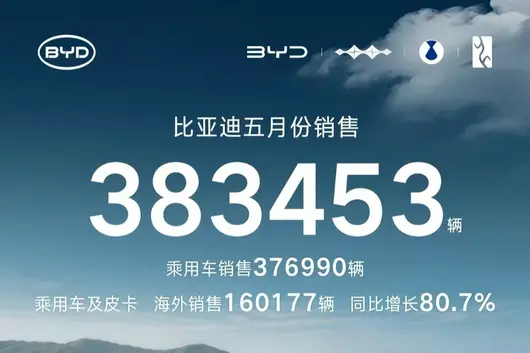
BYD: Export Hits New High Becomes Biggest HighlightIn May, BYD stood firmly at the top of domestic brands with a monthly sales volume of 383,500 vehicles, maintaining positive growth both year-on-year and month-over-month under a large base. Its two main brands, Dynasty and Ocean, sold a combined 330,200 vehicles, contributing 86.1% of total sales; Fangchengbao's monthly sales broke 30,000 units to reach 30,200, a year-on-year increase of 139.7%, setting a new high for the year; Denza sold 16,300 vehicles, and Yangwang delivered 286 vehicles. From a model perspective, BYD had eight models in May with monthly sales exceeding 20,000 vehicles. The Song Family and Yuan Family both broke 50,000 units, selling 51,370 and 56,691 vehicles respectively. The Sea Lion Family followed closely with 42,615 vehicles, and Seagull sales were also close to 40,000 vehicles.

BYD's biggest highlight in May was exports. Overseas new energy vehicle sales reached 160,600 units, an 80.4% year-on-year increase, accounting for about 42%. The sharp expansion of export scale effectively countered the phased weakness in domestic demand. Cumulative exports from January to May exceeded 620,000 vehicles. High export growth mainly benefited from continued ramping up of overseas factory capacity, improved ocean shipping capacity, and accelerated channel network expansion. In the domestic market, BYD promoted Megawatt Super Charging and intelligent strategies simultaneously—Megawatt charging achieved about 90% charge in 9 minutes; 20,000 super charging stations are planned to be built by 2026; all series models are available with Sky Eye B intelligent driving solutions and city navigation safety fallback plans, accelerating the popularization of high-level intelligent driving. As Gen 2 Blade Battery capacity gradually releases, the company's orders are expected to continue rising.
Chery: Sales Growth Leads the Top 5Chery Group's total sales volume in May was 247,800 vehicles, a significant year-on-year increase of 20.5%, ranking first in growth speed among the top 5. Exports remained its most core growth engine—May exports reached 181,900 vehicles, an 80.5% year-on-year increase, accounting for 73.4% of total sales that month, continuously breaking the single-month export record for Chinese brands for three months. In terms of new energy, Chery New Energy sold 100,300 vehicles, a 58.8% year-on-year increase. April and May consecutively saw monthly new energy sales breaking 100,000 vehicles.

The strong performance in exports benefited from Chery's long-term deep cultivation of overseas channel advantages and localized operation capabilities. While overseas orders continued to rise, high export growth formed a sharp contrast with domestic sales—Chery's domestic sales in May were only 60,000 vehicles, accounting for one-quarter of total sales. From cumulative data, Chery Group accumulated 1.101 million sales from January to May, but against the annual goal of 3.2 million vehicles, monthly averages need to reach about 420,000 vehicles later, and pressure remains significant.
Geely: New Energy Penetration Rate Breaks 56%Geely Auto's total sales volume in May was 237,600 vehicles, a 1% year-on-year increase, achieving month-over-month double growth for three consecutive months. In terms of structure, Geely's "New Four Transformations" transformation showed significant results: new energy vehicle sales reached 133,400 units, accounting for 56% of total sales, with new energy share exceeding 50% for four consecutive months.

From sub-brands, performance was significantly divergent. Zeekr brand sales in May reached 34,400 vehicles, a 82% year-on-year increase; Zeekr 9 Series and 8 Series models combined sales approached 50% of total sales, showing bright performance in the high-end market; Galaxy brand sales were 81,700 vehicles; Geely brand sales were 182,500 vehicles, among which China Star Series sales reached 100,800 vehicles; Lynk & Co brand sales were 20,700 vehicles, with new energy vehicle sales share rising to 71%.
In terms of exports, Geely's overseas vehicle exports in May reached 85,100 vehicles, a explosive 184% year-on-year increase, setting a brand single-month export record high. Among exported products, new energy vehicles reached 40,800 units, accounting for nearly half; hybrid and pure electric products have successively landed in Southeast Asia, Middle East, Latin America, and other markets, highlighting the results of global strategy implementation.
Changan: Multi-brand Matrix Balanced EffortChangan Auto's delivery volume in May was 209,100 vehicles, among which new energy deliveries were 92,400 vehicles, a 5.8% year-on-year increase, with new energy share about 44%. In terms of exports, overseas deliveries reached 70,700 vehicles, a 38% year-on-year increase, becoming another major growth highlight for Changan in May.
In the sub-brand matrix, Changan Qiyuan delivered 34,500 vehicles in May; All-New Q05 delivered 15,800 units, with orders breaking 3,000 units within three days of listing in Thailand; Deepal sales in May were 33,200 vehicles, a 30% year-on-year increase; January to May overseas cumulative sales were 28,700 vehicles, a significant 167% year-on-year increase; Avatr delivered 7,336 vehicles in May; Changan Auto (Gravity) delivered nearly 49,000 vehicles in May.

Changan Auto's balanced layout was fully reflected in May: the fuel car base remained stable, new energy brands Deepal and Qiyuan accelerated volume growth, high-end brand Avatr continued to break through in technical cooperation, and overseas markets simultaneously achieved breakthrough growth. The pattern of five brands working together, driven by both new energy and exports, is initially taking shape.
Great Wall: Overseas Sales Growth Year-on-Year 46.75%Great Wall Motor's sales in May were 100,400 vehicles, slightly down compared to last May's 102,200 vehicles, making it the only company among the top 5 to show a year-on-year negative growth. From sub-brands, Haval brand sales in May were 55,500 vehicles, remaining Great Wall's most important sales pillar; Tank brand sales were 17,100 vehicles; both Haval and Tank brand sales showed year-on-year declines; Wey brand sold 8,119 vehicles, a 31.78% year-on-year increase, achieving growth against the trend; Ora brand performance was most stunning, with sales of 6,018 vehicles, a significant 206.88% year-on-year increase. In terms of new energy, Great Wall sold 30,400 new energy vehicles in May, with new energy vehicle transformation gradually accelerating.

The overseas market became Great Wall's biggest highlight in May, with overseas sales growing 46.75% year-on-year. Against the background of pressure on the domestic market, strong growth in overseas business effectively made up for the decline in the domestic market. Great Wall Motor's current core contradiction lies in: Haval and Tank, the two traditional main-selling brands, face weak growth, while Wey and Ora brands, although growing notably, have relatively small volume and are not yet enough to support overall growth. How to complete the "relay" between old and new brands is the key issue Great Wall must solve subsequently.
Final ThoughtsFrom May data, the growth pattern of the top 5 domestic brands has clearly diverged, but there are three common trends worth noting: First, exports have become a key engine for domestic brands to seek stability and growth. Second, new energy transformation is still accelerating, but paths differ among enterprises. Third, technological innovation continues to deepen brand moats. Looking ahead to the second half of the year, competition in the automotive industry will continue to upgrade around these three trends. Although everyone has a common direction, these three trends are all competing for the entire enterprise's industrial chain strength, and the strong will remain strong, which has almost become an inevitable outcome.