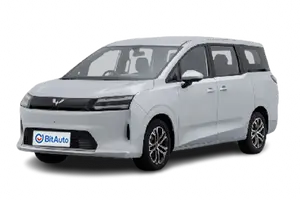
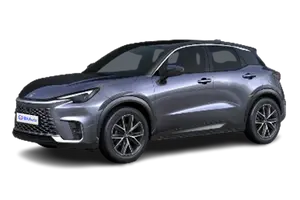
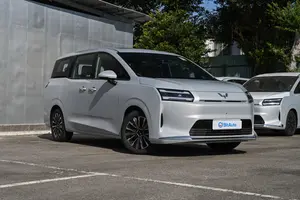
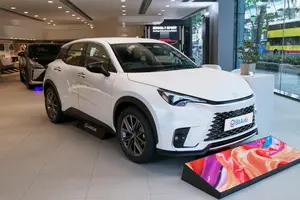
One is a pure electric, the other a non-plug-in hybrid — only one needs charging at all, which matters in a city where home charging is rare. The Darion EV is the cheaper way in at HK$ 268,800, undercutting the LBX by HK$ 130,620 on-the-road. With no clear hardware advantage to justify the difference, the LBX is harder to recommend.
a compact body that's easy to thread through Hong Kong traffic and car parks
refuels anywhere in minutes
a 360-degree camera as standard
Which car suits your lifestyle best?
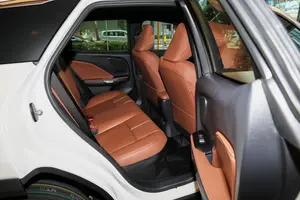
Family buyers: Darion EV — 7 seats suits family duty better
Daily commuters: Darion EV — the lower list price makes it an easy car to live with in the city
Cross-border drivers: LBX — refuels anywhere without hunting for a charger
Performance seekers: Darion EV — 201 hp beats the LBX's 91 hp
Price & Ownership Costs
ParameterWuling Darion EVLexus LBX
PriceHK$ 268,800 ✓HK$ 399,420
Body Type / Seats5 door MPV · 7 seats5 door SUV · 5 seats
Energy & Consumption
ParameterWuling Darion EVLexus LBX
Fuel TypeBEVHEV
Max Range (Full Tank/Charge)540 km · CLTC-
The Darion EV runs on electricity alone; the LBX pairs a petrol engine with a battery that recovers braking energy, so it never needs plugging in.
Power & Performance
ParameterWuling Darion EVLexus LBX
MotorFrontFront
Max Power-91 Ps
Max Torque-120 N·m
DrivetrainFWDFWD
TransmissionFixed Gear RatioE-CVT
Dimensions
ParameterWuling Darion EVLexus LBX
Length4,910 mm ✓4,190 mm
Width1,870 mm ✓1,825 mm
Height1,770 mm ✓1,560 mm
Wheelbase2,910 mm ✓2,580 mm
The Darion EV is the longer car — 720 mm up at 4910 mm versus 4190 mm. The Darion EV also leads on wheelbase, 2910 mm versus 2580 mm. The Darion EV seats 7.
Comfort & Technology
Darion EV
12.8" central touchscreen + 8.8" digital cluster
Automatic climate control
LBX
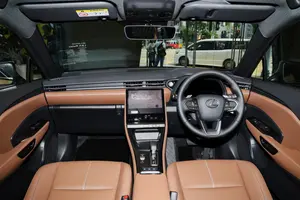
9.8" central touchscreen + 12.3" digital cluster
Dual-zone automatic climate control
Heated front seats
Wireless phone charging
Power tailgate
Sales Comparison
Monthly new car sales in Hong Kong SAR China, with data for the past 6 or 12 months, or the full sales history since launch.
Monthly Sales Trend (Hong Kong SAR China)
Loading sales data…
Monthly Registrations
Monthly Registrations
Data from Hong Kong Transport Department, updated monthly on the 10th. Check Hong Kong car sales, brand ranking, model sales & EV sales.
The Darion EV is the cheaper pick at HK$ 268,800 and also adds power. The LBX has to justify its premium elsewhere.
What is the price difference between the Darion EV and LBX?
The Darion EV starts at HK$ 268,800, the LBX at HK$ 399,420 — about HK$ 130,620 in favour of the Darion EV.
Which one is more powerful?
The Darion EV is more powerful — 201 hp against 91 hp.
Which is bigger?
The Darion EV is longer, at 4910 mm against 4190 mm.
Do both cars come with advanced driver assistance?
The LBX lists autonomous emergency braking, lane-keeping assist and adaptive cruise control; the other car's equipment list does not confirm these items.





 MG M9 EV
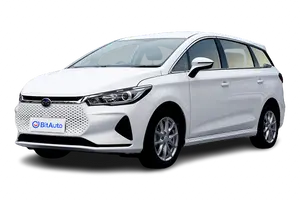 BYD e6
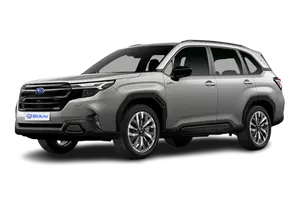 Subaru Forester
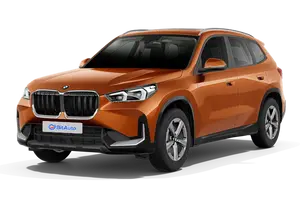 BMW X1
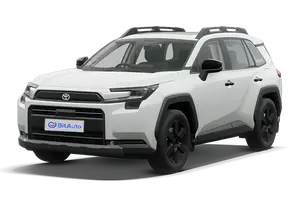 Toyota RAV4

