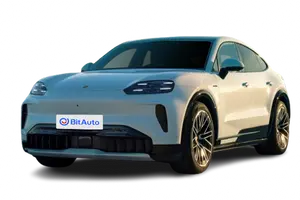
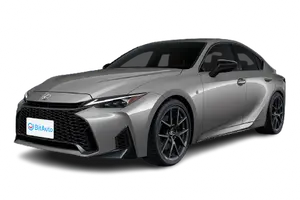
One is a pure electric, the other a non-plug-in hybrid — only one needs charging at all, which matters in a city where home charging is rare. The IS is the cheaper way in at HK$ 549,815, undercutting the Cayenne Electric by HK$ 848,185 on-the-road. The Cayenne Electric earns its premium on boot space, size and power.
Key Differences
Price (on-the-road, incl. first-registration tax):Cayenne Electric HK$ 1,398,000; IS HK$ 549,815
Power:Cayenne Electric 436 hp; IS 181 hp
Boot space:Cayenne Electric 781 L; IS 450 L
Length:Cayenne Electric 4985 mm; IS 4720 mm
Pros & Cons
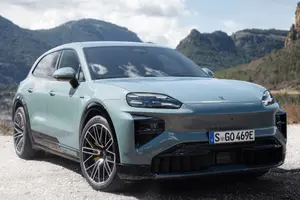
Porsche Cayenne Electric BEV Cayenne (2027)
Pros
Stronger 436 hp
781 L boot
Cons
Higher on-the-road price
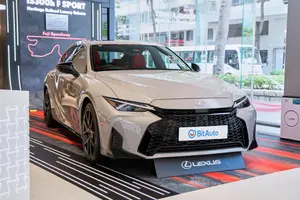
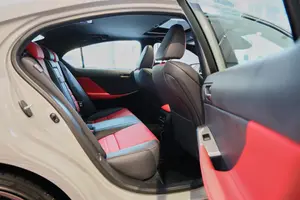
Lexus IS 300h F Sport (2026)
Pros
Lower list price at HK$ 549,815
Cons
Less power
Smaller boot
Find the Right Car
Choose the Cayenne Electric if you want...
5 seats and 781 L of boot space
stronger 436 hp performance and a 4.8 s sprint
low running cost where you can charge
a 360-degree camera as standard
Choose the IS if you want...
the lowest list price (HK$ 549,815)
a compact body that's easy to thread through Hong Kong traffic and car parks
refuels anywhere in minutes
Which car suits your lifestyle best?
Family buyers: Cayenne Electric — a larger 781 L boot suits family duty better
Daily commuters: IS — the lower list price and compact dimensions that are easy to park make it a frugal city car
Cross-border drivers: IS — refuels anywhere without hunting for a charger
Performance seekers: Cayenne Electric — 436 hp beats the IS's 181 hp
Price & Ownership Costs
ParameterPorsche Cayenne ElectricLexus IS
PriceHK$ 1,398,000HK$ 549,815 ✓
Body Type / Seats5 door SUV · 5 seats4 door Sedan · 5 seats
Energy & Consumption
ParameterPorsche Cayenne ElectricLexus IS
Fuel TypeBEVHEV
Consumption-6.9 L/100km
The Cayenne Electric runs on electricity alone; the IS pairs a petrol engine with a battery that recovers braking energy, so it never needs plugging in. The IS is rated at 6.9 L/100km, which is the main thing an EV cannot match on a long run.
Power & Performance
ParameterPorsche Cayenne ElectricLexus IS
MotorFront+RearFront
Max Power-181 Ps
Max Torque-221 N·m
Drivetrain4WDRWD
TransmissionFixed Gear RatioE-CVT
Dimensions
ParameterPorsche Cayenne ElectricLexus IS
Length4,985 mm ✓4,720 mm
Width1,980 mm ✓1,840 mm
Height1,674 mm ✓1,435 mm
Wheelbase3,023 mm ✓2,800 mm
Boot Capacity781-1588 L ✓450 L
The Cayenne Electric is the longer car — 265 mm up at 4985 mm versus 4720 mm. The Cayenne Electric has the much larger boot, 781 L against 450 L. The Cayenne Electric also leads on wheelbase, 3023 mm versus 2800 mm.
Comfort & Technology
Cayenne Electric
14.9" central touchscreen + 14.25" digital cluster
Dual-zone automatic climate control
Ventilated front seats
Panoramic sunroof
10-speaker sound system
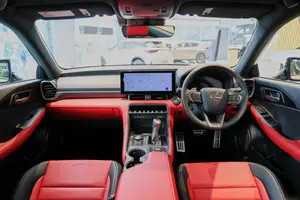
IS
12.3" central touchscreen + 12.3" digital cluster
Dual-zone automatic climate control
17-speaker Mark Levinson system
Heated and power-folding door mirrors
Sales Comparison
Monthly new car sales in Hong Kong SAR China, with data for the past 6 or 12 months, or the full sales history since launch.
Monthly Sales Trend (Hong Kong SAR China)
Loading sales data…
Monthly Registrations
Monthly Registrations
Data from Hong Kong Transport Department, updated monthly on the 10th. Check Hong Kong car sales, brand ranking, model sales & EV sales.





 Lamborghini Urus SE
 Lotus Eletre
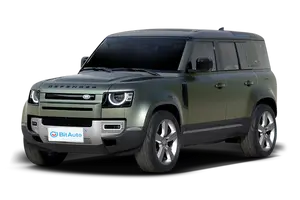 Land Rover Defender PHEV
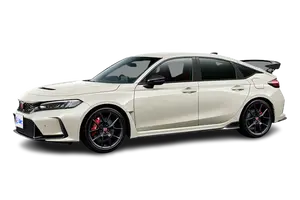 Honda Civic
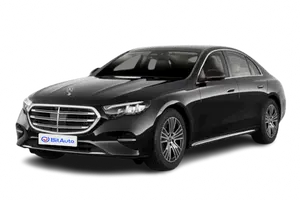 Mercedes-Benz E-Class
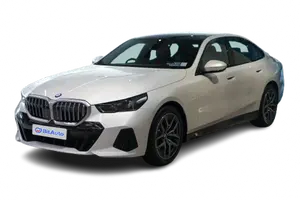 BMW 5 Series

