

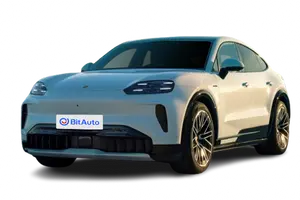
Porsche Cayenne Electric
HK$ 1,398,000
Last updated: 21 Nov 2026 · Hong Kong SAR China Market
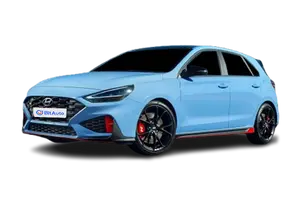
One is electric and one runs on petrol — in Hong Kong the split usually comes down to charging access rather than distance. The i30 N is the cheaper way in at HK$ 348,800, undercutting the Cayenne Electric by HK$ 1,049,200 on-the-road. The Cayenne Electric earns its premium on boot space, size and power.
The Cayenne Electric runs on electricity alone; the i30 N burns petrol.
The Cayenne Electric is the longer car — 645 mm up at 4985 mm versus 4340 mm. The Cayenne Electric has the much larger boot, 781 L against 395 L. The Cayenne Electric also leads on wheelbase, 3023 mm versus 2650 mm.
Monthly new car sales in Hong Kong SAR China, with data for the past 6 or 12 months, or the full sales history since launch.
Loading sales data…
Data from Hong Kong Transport Department, updated monthly on the 10th. Check Hong Kong car sales, brand ranking, model sales & EV sales.
The i30 N is the cheaper of the two at HK$ 348,800, but the Cayenne Electric answers back with more equipment for the money.
The i30 N starts at HK$ 348,800, the Cayenne Electric at HK$ 1,398,000 — about HK$ 1,049,200 in favour of the i30 N.
The Cayenne Electric is more powerful — 436 hp against 280 hp.
The Cayenne Electric hits 100 km/h in 4.8 s versus 5.9 s.
The Cayenne Electric has the larger boot at 781 L against 395 L.
The Cayenne Electric is longer, at 4985 mm against 4340 mm.
Both list adaptive cruise control; the Cayenne Electric adds autonomous emergency braking and lane-keeping assist.

© 2024 Bitauto.com. All Rights Reserved.
Bitauto (www.yiche.com and www.bitauto.com) is one of the most visited automotive websites in China. We provide detailed info on Chinese car brands available in your area. Please note that the information provided on this website is based on publicly available data and is for reference only. It may not be fully updated or accurate at all times.

Help us improve our website

 Lamborghini Urus SE
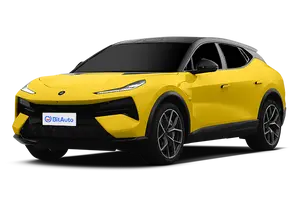 Lotus Eletre
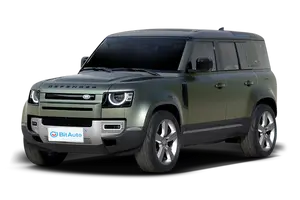 Land Rover Defender PHEV
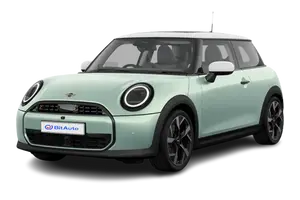 MINI Cooper
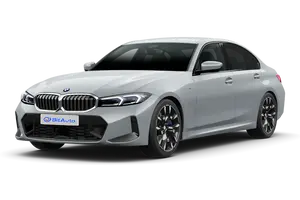 BMW 3 Series
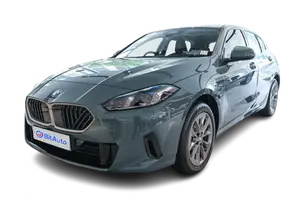 BMW 1 Series

