首頁smart #1

搜尋歷史
熱門搜尋
經銷商登入 / 註冊

8 月 24 日,青島森麒麟輪胎股份有限公司發布 2026 年半年度報告。喺面對地緣政治、原材料價格波動同匯率波動等多重挑戰下,森麒麟憑藉強大嘅經營韌性,上半年實現營業收入 44.22 億元,同比增長 7.33%;歸屬於上市股東嘅淨利潤為 4.2 億元,整體淨利率維持喺 9.5% 嘅優異水平,喺以半鋼胎為主嘅輪胎企業入面,盈利能力穩居行業第一梯隊。

高端產品結構係森麒麟維持高盈利嘅關鍵。公司聚焦 17 寸及以上大尺寸高性能輪胎,呢類產品附加值高、溢價能力強。數據顯示,森麒麟 17 寸及以上、18 寸及以上大尺寸高性能輪胎銷售金額佔比分別維持喺 65% 同 40% 左右。高端產品佔比嘅持續提升,有效對沖咗成本壓力,為公司盈利水平提供咗堅實支撐。

喺產銷方面,森麒麟上半年產量達 1713.14 萬條,同比增長 10.03%;銷量達 1663.89 萬條,同比增長 11.89%,實現咗產銷兩旺。其中,第二季營收同比增長 13.4%,回升勢頭顯著。

面對複雜嘅國際貿易環境,公司加速全球化佈局。作為中國輪胎企業北非產能落地嘅先驅,森麒麟摩洛哥智造基地建設進展顯著,正逐步進入產能釋放階段。倚靠該工廠,公司已獲得雷諾、Stellantis(斯特蘭蒂斯)集團嘅全球供應商資格,預計 2027 年可实现本地化配套。中國、泰國、摩洛哥全球產能「黃金三角」嘅協同效應,正成為森麒麟應對貿易壁壘、提升全球競爭力嘅堅強後盾。未來,公司將繼續推進「833 Plus」戰略,向世界一流輪胎企業邁進。

In the SUV market in Malaysia, many buyers compare the Honda WR-V and the Chery Tiggo 9 when choosing a car. These two cars are quite close in price and positioning. Today, we will make a detailed comparison from multiple aspects to save you time doing research.
The OTR price of the Honda WR-V in Malaysia is RM 89,900 - 107,900, with a total of 4 versions, including 2023 1.5L V (RM 99,900), 2023 1.5L E (RM 95,900), 2023 1.5L S (RM 89,900) etc.
The OTR price of the Chery Tiggo 9 in Malaysia is RM 166,800 - 179,800, with a total of 1 version, including 2026 2.0T Standard (RM 179,750) etc.
From a price perspective, the Honda WR-V's starting price is indeed RM 76,900 cheaper than the Chery Tiggo 9. If your budget is limited, Honda's entry-level version can already meet daily needs. However, please note that the difference of a few thousand might involve compromises on features, depending on your specific requirements.

The Honda WR-V is equipped with a 1.5L 4-cylinder engine, 105 hp. Official fuel consumption is 6.0 L/100km.
The Chery Tiggo 9 is equipped with a 2.0L 4-cylinder engine, 170 hp. Official fuel consumption is 8.0 L/100km.
In terms of power, the Chery Tiggo 9's 2.0L 4-cylinder has 65 more horsepower than the Honda WR-V's 1.5L 4-cylinder. However, for daily city driving, both cars have sufficient power, you won't feel it lacks power.

Honda WR-V warranty 5 years/unlimited mileage, service interval every 10,000km or 6 months.
Chery Tiggo 9 warranty 3 years/100,000km, service interval every 10,000km or 6 months.

Both the Honda WR-V and the Chery Tiggo 9 are mainstream choices in the Malaysian market, suitable for family use and daily commuting. If you value brand reputation and resale price more, you can prioritize the one with a better reputation; if you care more about value for money and features, then choose the one with richer specifications. Ultimately, it is recommended to test drive both, as personal experience is the most important.

Overall, the Honda WR-V and the Chery Tiggo 9 are both very good models in the Malaysian market. Which one to choose depends mainly on your personal needs and budget. We suggest doing your research, comparing quotes from several dealerships, and then test driving to make a final decision. Buying a car is a big decision, spending some time doing research will never be wrong.


In the Malaysian SUV market, many buyers compare the Honda WR-V and the Chery Tiggo 8 Pro when choosing a car. Both cars are quite close in price and positioning. Today, we will make a detailed comparison from multiple aspects to save you time doing research.
The Honda WR-V OTR price in Malaysia is RM 89,900 - 107,900, with a total of 4 versions, including 2023 1.5L V (RM 99,900), 2023 1.5L E (RM 95,900), 2023 1.5L S (RM 89,900), etc.
The Chery Tiggo 8 Pro OTR price in Malaysia is RM 159,750 - 159,750, with a total of 2 versions, including 1.6L Turbo Standard (RM 130,000), 1.6L Turbo Premium (RM 145,000), etc.
In terms of price, the starting price of the Honda WR-V is indeed RM 69,850 cheaper than the Chery Tiggo 8 Pro. If your budget is limited, Honda's entry-level version can already meet daily needs. However, also note that the price difference of a few thousand ringgit might involve trade-offs in features, depending on your specific requirements.
The Honda WR-V is equipped with a 1.5L 4-cyl, 105 hp. Official fuel consumption 6.0 L/100km.
The Chery Tiggo 8 Pro is equipped with a 2.0L 4-cyl, 170 hp. Official fuel consumption 8.0 L/100km.
In terms of power, the Chery Tiggo 8 Pro's 2.0L 4-cyl has 65 more horsepower than the Honda WR-V's 1.5L 4-cyl. However, for daily city driving, both cars have sufficient power and won't feel underpowered.
The Honda WR-V's safety rating is 5★ (ASEAN NCAP), with active safety system including Honda SENSING.
The Chery Tiggo 8 Pro's safety rating is TBD, with active safety system including Basic.
Regarding safety features, both cars have received good ratings. However, there are some differences in functionality between the Honda WR-V's Honda SENSING and the Chery Tiggo 8 Pro's Basic. If you value active safety, you can compare the feature lists of both in detail.
The Honda WR-V uses an FWD drive configuration.
The Chery Tiggo 8 Pro uses an FWD drive configuration.
Both cars have the same drive configuration, both are FWD, so there won't be a significant difference in daily driving feel.
Overall, the Honda WR-V and Chery Tiggo 8 Pro are both quite good models in the Malaysian market. Which one to choose mainly depends on your personal needs and budget. We suggest you do your research well, compare quotes from multiple dealerships, and then go for a test drive to make a final decision. Buying a car is a major decision, spending some time doing research will never be wrong.

喺馬來西亞嘅 SUV 市場,好幾位買家喺揀車嘅時候都喜歡拿 本田 WR-V 同 奇瑞 Tiggo 7 PHEV 嚟比較。呢兩部車喺價位同定位上都幾接近,我哋今日就從多個角度做個詳細比較,幫你節省咗做功課嘅時間。
本田 WR-V 喺馬來西亞嘅 OTR 售價係 RM 89,900 - 107,900,合共有 4 個版本,包括 2023 1.5L V(RM 99,900)、2023 1.5L E(RM 95,900)、2023 1.5L S(RM 89,900)等等。
奇瑞 Tiggo 7 PHEV 喺馬來西亞嘅 OTR 售價係 RM 129,750 - 129,750,合共有 2 個版本,包括 2025 1.5T 90km CSH(RM 129,750)、Tiggo 7 PHEV 支援咩充電方法?可唔可以用家用電源插座充電?(RM 117,478)等等。
睇返價錢,本田 WR-V 嘅起價確實比 奇瑞 Tiggo 7 PHEV 平咗 RM 39,850。如果你預算有限,本田嘅入門版已經滿足日常需要。不過都要留意,平嗰幾千蚊,可能喺配備上要有取舍,具體要睇你嘅需求。
本田 WR-V 搭載 1.5L 4-cyl,馬力 105 hp。官方油耗 6.0 L/100km。
奇瑞 Tiggo 7 PHEV 搭載 Hybrid,馬力 170 hp。官方油耗 4.5 L/100km。
動力方面,奇瑞 Tiggo 7 PHEV 嘅 Hybrid 比 本田 WR-V 嘅 1.5L 4-cyl 多出 65 匹馬力。不過日常喺市區開,兩部車嘅動力都夠用,唔會覺得唔夠力。
本田 WR-V 嘅安全評級係 5★ (ASEAN NCAP),主動安全系統包括 本田 SENSING。
奇瑞 Tiggo 7 PHEV 嘅安全評級係 TBD,主動安全系統包括 Basic。
安全配備方面,兩部車都拿到唔錯嘅評級。不過 本田 WR-V 嘅 本田 SENSING 同 奇瑞 Tiggo 7 PHEV 嘅 Basic 功能上有少少分別,如果你比較重視主動安全嘅話,可以仔細比對下兩者嘅功能列表。
本田 WR-V 保修 5 年/無限制里程,保養間隔 每 10,000km 或 6 個月。
奇瑞 Tiggo 7 PHEV 保修 3 年/100,000km,保養間隔 每 10,000km 或 6 個月。

本田 WR-V 同 奇瑞 Tiggo 7 PHEV 都係馬來西亞市場嘅主流選擇,適合家庭使用、日常通勤。如果你更重視品牌口碑同二手價,可以優先考慮口碑更好嗰一款;如果你更在意性價比同配備,就揀配置更豐富嗰款。最終都建議兩部車都去試駕,親身體驗先係最重要。

總體嚟講,本田 WR-V 同 奇瑞 Tiggo 7 PHEV 都係馬來西亞市場好唔錯嘅車型。揀邊一輛,關鍵仲係睇你嘅個人需求同預算。建議大家做好功課,多比較幾間車行嘅報價,先至試駕做最終決定。買車係件大事,花少少時間做功課絕對唔會錯。

In the Malaysian SUV market, many buyers compare Honda WR-V and Chery Tiggo 7 Pro when choosing a car. These two cars are quite close in price and positioning, so today we will conduct a detailed comparison from multiple aspects to help you save time on research.
Honda WR-V's OTR price in Malaysia is RM 89,900 - 107,900, with a total of 4 versions, including 2023 1.5L V (RM 99,900), 2023 1.5L E (RM 95,900), 2023 1.5L S (RM 89,900), etc.
Chery Tiggo 7 Pro's OTR price in Malaysia is RM 123,750 - 123,750, with a total of 2 versions, including 1.6L Turbo Standard (RM 125,000), 1.6L Turbo Premium (RM 140,000), etc.
From a price perspective, Honda WR-V's starting price is indeed RM 33,850 cheaper than Chery Tiggo 7 Pro. If your budget is limited, Honda's entry-level version can already meet daily needs. But also note, the few thousand cheaper price might involve trade-offs in features, depending on your specific needs.
Honda WR-V is equipped with 1.5L 4-cyl, 105 hp. Official fuel consumption is 6.0 L/100km.
Chery Tiggo 7 Pro is equipped with 1.5L Turbo, 140 hp. Official fuel consumption is 7.0 L/100km.
In terms of power, Chery Tiggo 7 Pro's 1.5L Turbo has 35 more horsepower than Honda WR-V's 1.5L 4-cyl. However, for daily city driving, the power of both cars is sufficient and you won't feel lacking.
Honda WR-V adopts FWD drive mode.
Chery Tiggo 7 Pro adopts FWD drive mode.
The drive mode of both cars is the same, both are FWD, so there won't be much difference in daily driving experience.
Honda WR-V warranty is 5 years / unlimited mileage, service interval every 10,000 km or 6 months.
Chery Tiggo 7 Pro warranty is 3 years / 100,000 km, service interval every 10,000 km or 6 months.
Honda WR-V and Chery Tiggo 7 Pro are both mainstream choices in the Malaysian market, suitable for family use, daily commuting. If you value brand reputation and resale value more, you can prioritize the one with better reputation; if you value value for money and features more, then choose the one with richer configurations. Ultimately, it is recommended to test drive both cars, personal experience is the most important.
Overall, Honda WR-V and Chery Tiggo 7 Pro are both very good models in the Malaysian market. Choosing which one depends mainly on your personal needs and budget. It is recommended to do your research, compare quotes from a few dealerships, and then test drive to make the final decision. Buying a car is a big deal, spending time on research will never be wrong.

In Malaysia's SUV market, many buyers compare Proton X90 and Mitsubishi Xforce when choosing a car.
The OTR price for Proton X90 in Malaysia is RM 106,800 - 122,800, with a total of 4 versions, including 2026 1.5T Prime X (RM 122,800), 2026 1.5T Prime (RM 116,800), 2026 1.5T Lite (RM 106,800), etc.
The OTR price for Mitsubishi Xforce in Malaysia is RM 109,930 - 119,930, with a total of 2 versions, including 2026 1.5L Ultimate (RM 119,930), 2026 1.5L Urban (RM 109,930), etc.
From a price perspective, the entry price of Proton X90 is indeed RM 3,130 cheaper than Mitsubishi Xforce. If your budget is limited, Proton's entry-level version can already meet daily needs. However, note that the cheaper thousands might involve trade-offs in features, depending on your specific needs.

Proton X90 features a 1.5L Turbo, with 140 hp. Official fuel consumption is 7.0 L/100km.
Mitsubishi Xforce features a 1.5L Turbo, with 140 hp. Official fuel consumption is 7.0 L/100km.
Both cars use the same powertrain system, so the driving feel in daily use is basically no difference. Fuel consumption is also similar, no need to worry too much about this.

Proton X90's safety rating is 5★ (ASEAN NCAP), active safety systems include ADAS (ACC, AEB, LKA, LDA, BSM, RCTA).
Mitsubishi Xforce's safety rating is 5★ (ASEAN NCAP), active safety systems include MI-PILOT.
Both cars have the same safety rating, and safety features in this class are quite comprehensive. New car safety nowadays is not bad, no need to worry too much about this.

Proton X90 body length is 4400 mm, trunk is 400 L.
Mitsubishi Xforce body length is 4400 mm, trunk is 400 L.
Both cars are almost the same size, interior space difference is not big. For cars in this class, it is completely enough for daily use.

Proton X90 warranty is 5 years/150,000km, maintenance interval every 10,000km or 6 months.
Mitsubishi Xforce warranty is 3 years/100,000km, maintenance interval every 10,000km or 6 months.
Overall, Proton X90 and Mitsubishi Xforce are both very good car models in the Malaysia market. Which one to choose, the key still depends on your personal needs and budget. It is recommended to do your homework, compare quotes from multiple dealers, and then test drive to make a final decision. Buying a car is a big matter, spending time doing homework will definitely not be wrong.


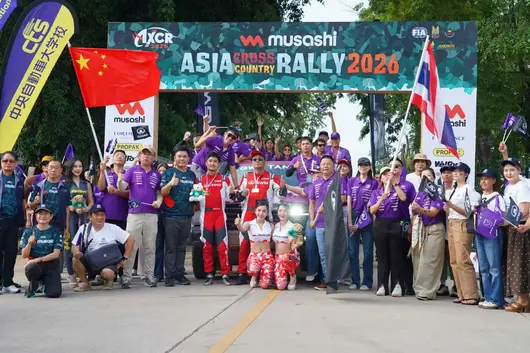
2026 FIA 亞洲越野拉力賽(Asia Cross Country Rally,簡稱 AXCR)正式落下帷幕。經過多個賽段、近 2000 公里複雜路況的連續考驗,黑曼巴避震器(Mamba Racing Shocks)再次完成了一次高強度國際賽事的實戰檢驗。
本屆賽事中,黑曼巴避震器不僅聯手長城汽車泰國 EK Group Racing 車隊征戰 T2 量產組,同時還為印度尼西亞拉力車手麥蒙的 T1 賽車提供避震器支持。不同賽車、不同組別以及不同駕駛風格的實戰應用,讓黑曼巴 3.0 管徑可調避震器的性能、可靠性以及適應複雜越野環境的能力得到進一步驗證。

值得一提的是,這已經是黑曼巴避震器連續第三年征戰 FIA 亞洲越野拉力賽。從持續參與國際越野賽事,到與廠商車隊以及海外車手展開合作,黑曼巴正通過真實比賽不斷積累數據和經驗,並將其轉化為面向普通越野用戶的產品技術儲備。
聯手長城汽車坦克 300,完成 T2 量產組嚴苛考驗
作為本屆 AXCR 備受關注的中國越野力量之一,長城汽車泰國 EK Group Racing 車隊派出坦克 300 賽車參加 T2 量產組競爭,並搭載黑曼巴避震器征戰多個賽段。
最終,在黑曼巴避震器的助力下,車隊兩位車手歐蘭(Olan Sornsirirat)和索瓦爾(Thovald Thovaldsen)分別獲得 T2 量產組第四名和第六名,順利完成本屆賽事。

與擁有更大改裝自由度的 T1 賽車相比,T2 組賽車以量產車型為基礎,對於原車平台性能、耐久性以及懸掛系統與整車之間的匹配提出了不同要求。

AXCR 比賽環境尤其複雜。連續多日的長距離比賽中,賽車需要面對高速碎石路、泥濘道路、連續坑洞、交叉軸以及不同硬度路面的反覆衝擊。避震器不僅要承擔單次大衝擊,更重要的是在長時間、高頻率工作狀態下保持相對穩定的阻尼表現。

對於以坦克 300 為基礎打造的 T2 賽車而言,懸掛既需要在高速行駛中控制車身姿態,也需要在複雜越野路況中保證車輪盡可能保持有效接地。因此,一套避震器真正的價值,並不僅僅體現於「硬」或者「大行程」,更體現於阻尼控制、熱衰減控制、連續工作穩定性以及不同路況適應能力等多個維度。
而能夠完成 AXCR 這樣長距離、多賽段的國際越野拉力賽,本身就係對避震器綜合性能的一次系統性驗證。

前五賽段持續領跑 T1 汽油組,印尼車手認可黑曼巴 3.0 避震器
除了長城汽車泰國 EK Group Racing 車隊之外,本屆賽事黑曼巴避震器還與印度尼西亞拉力車手麥蒙(Memen Harianto)展開合作,為其 T1 組賽車提供避震器支持。
相比 T2 量產組,T1 組賽車擁有更高程度的專業化改裝,同時意味著賽車速度更快、懸掛承受的衝擊載荷更大,對避震器的調校和持續工作能力也提出了更高要求。

比賽過程中,麥蒙表現搶眼,在前五個賽段持續領跑 T1 汽油組,充分展現了賽車在複雜越野環境中的競爭力。遺憾的是,在最後一個賽段中,麥蒙的賽車因引擎過熱被迫退出比賽,未能將此前積累的領先優勢轉化為最終成績。但引擎故障並沒有影響他對於賽車懸掛系統表現的評價。
經過多個賽段的實際使用,麥蒙對於本次比賽搭載的黑曼巴 3.0 管徑可調避震器給予了積極評價和認可。

這對於黑曼巴而言具有特別嘅意義。因為與單一車隊測試相比,不同國家車手、不同賽車平台以及不同組別的比賽使用,可以帶來更多維除嘅數據回饋。尤其是職業拉力車手對於懸掛支撐、回彈反應、連續顛簸控制以及高速穩定性的感知更加敏銳,這些回饋也能够帮助黑曼巴進一步優化產品調校。
點解越野拉力賽如此考驗避震器?
對於越野賽車而言,避震器唔係簡單的舒適性部件,而係直接影響車輛速度、操控和可靠性嘅核心底盤部件之一。
喺 AXCR 呢樣嘅長距離越野拉力賽中,一套高性能避震器往往需要同時面對三方面嘅挑戰。
首先係高頻連續衝擊。賽車高速通過碎石、坑洞同破損道路時,避震器需要快速完成壓縮同回彈。如果阻尼反應唔夠穩定,車輛就好容易出現多餘彈跳,影響輪胎接地以及車手對賽車嘅控制。

其次係長時間工作產生嘅熱量。越野避震器持續高速運動會產生大量熱量,而溫度變化可能會進一步影響阻尼油以及內部工作狀態。因此,散熱能力同高溫狀態下嘅阻尼穩定性,係衡量專業越野避震器性能嘅重要指標之一。
第三則係不同路況之間嘅適應能力。AXCR 並非單一嘅路況賽事,同一個比賽日中可能會出現高速土路、泥濘、坑洞以及技術型越野路段,這意味著賽車懸掛必須喺不同工況之間搵到更加合理嘅平衡。
所以話,黑曼巴揀選將賽事作為產品開發同驗證嘅重要場景。

3.0 管徑可調避震器,以賽場驗證性能同可靠性
本屆 AXCR 比賽中,黑曼巴重點投入使用嘅 3.0 管徑可調避震器,正係針對高強度越野使用環境開發嘅產品。
更大嘅避震器管徑能夠為內部工作提供更充分嘅空間,並為長時間、高強度工況下嘅熱管理提供基礎;與此同時,可調阻尼設計能夠根據賽車重量、路面特徵、駕駛風格以及不同賽段需求進行針對性調校。
對於專業越野賽車而言,避震器並不存在一套參數適用於所有環境嘅簡單答案。
高速碎石路需要車輛擁有良好嘅車身控制能力,連續坑洞路面更加考驗懸掛對於高頻衝擊嘅處理,而面對大落差以及較大嘅瞬間衝擊時,又需要足夠嘅支撐同緩衝能力。
因此,可調、穩定、耐高溫以及能夠承受持續高強度工作,成為專業越野避震器非常重要嘅產品能力。
從坦克 300 T2 賽車順利完成比賽,到麥蒙在前五個賽段領跑 T1 汽油組,黑曼巴 3.0 管徑可調避震器喺不同賽車平台上的表現,亦都進一步驗證咗產品應對國際越野拉力賽複雜環境嘅能力。

連續三年征戰 AXCR,比賽唔係終點而係研發現場
對於黑曼巴避震器而言,2026 FIA 亞洲越野拉力賽仲有另外一層意義——呢個係品牌連續第三年參與 AXCR 賽事。
連續參賽與一次性嘅賽事曝光有着本質區別。
越野賽事對於黑曼巴而言,唔只係品牌傳播嘅平台,更係產品測試、技術驗證同數據積累嘅重要研發現場。賽車喺極端工況下暴露出嚟嘅問題、車手對於不同阻尼設定嘅回饋,以及避震器喺長距離連續工作之後嘅數據,都可以成為後續產品研發同升級嘅重要參考。
今年,無論係攜手長城汽車坦克 300 征戰 T2 量產組,定係同印度尼西亞車手合作挑戰 T1 組,黑曼巴都進一步擴大咗產品喺不同賽車、不同組別以及唔同使用環境中的驗證範圍。

與此同時,隨著賽事推進,黑曼巴避震器亦都受到咗賽事組織方以及其他參賽車手的關注。
對於正走向海外市場的中國汽車零部件品牌而言,呢種來自真實國際賽事環境的驗證特別重要。相比單純通過參數展示產品,持續參加高強度比賽,可以讓海外車隊、車手以及越野用戶更加直觀地解產品實際表現。

由賽道到用戶,賽事數據回饋黑曼巴全系產品
參加比賽最終並唔係為咗打造少數只能用於賽車的産品。
黑曼巴避震器持續參與國內外越野賽事,一個更加重要的目標,係通過極端環境加速產品驗證,並把賽事中積累嘅經驗同數據回饋至全系產品開發。
專業賽車同普通越野用戶的使用場景並不完全相同,但對於避震器的核心需求存在共通之處:面對長途穿越、非鋪裝道路、高溫環境以及持續顛簸時,都需要可靠的支撐、穩定的阻尼以及足夠嘅耐久性。
賽場可以把呢啲工況進一步放大。
一場持續數日嘅國際越野拉力賽,相當於讓產品喺高度集中的極限環境中經歷連續測試。因此,從賽車阻尼設定、溫度變化,到不同路況下嘅工作表現,再到賽後拆解檢查獲得嘅數據,都夠為民用產品進一步優化提供參考。
呢個就形成咗黑曼巴正堅持嘅一條產品發展路徑:
以賽事驗證技術,以數據推動研發,再以研發成果回饋民用產品。

隨著 2026 FIA 亞洲越野拉力賽結束,黑曼巴避震器連續第三年嘅 AXCR 征程亦都暫時告一段落。但對於品牌而言,這並唔係終點。
未來,黑曼巴避震器(Mamba Racing Shocks)將繼續參與更多國內及國際汽車賽事,通過更豐富嘅車型、更複雜嘅比賽環境同更高強度嘅實戰持續驗證產品。同時,品牌亦會把來自賽場嘅數據、車手回饋以及調校經驗持續應用到產品研發同升級之中。
從中國越野賽場到 FIA 國際賽事,從坦克 300 到不同國家車手駕駛嘅專業賽車,黑曼巴正通過一次次真實比賽建立屬於自己嘅技術數據庫。
賽場,係檢驗性能嘅地方,亦係下一代產品研發嘅起點。
對於越來越多熱愛越野、長途穿越以及性能駕駛嘅用戶而言,黑曼巴希望將國際賽場上經歷嚴苛考驗嘅技術經驗,最終轉化為更加可靠、更加成熟,也更符合真實越野需求嘅避震器產品。


In Malaysia's SUV market, many buyers compare the Proton X90 and GWM Haval H6 when choosing a car. These two cars are quite close in price and positioning. Today, we will make a detailed comparison from multiple aspects to save you the time of research.
The OTR price of Proton X90 in Malaysia is RM 106,800 - 122,800. There are 4 versions in total, including 2026 1.5T Prime X (RM 122,800), 2026 1.5T Prime (RM 116,800), 2026 1.5T Lite (RM 106,800), etc.
The OTR price of GWM Haval H6 in Malaysia is RM 139,750 - 139,750. There are 2 versions in total, including 1.5L Turbo Standard (RM 140,000), 1.5L Turbo Premium (RM 155,000), etc.
In terms of price, the starting price of Proton X90 is indeed RM 32,950 cheaper than GWM Haval H6. If your budget is limited, Proton's entry-level version can already meet daily needs. However, note that the few thousand RM cheaper price might involve trade-offs in features, depending on your specific needs.
Proton X90 safety rating is 5★ (ASEAN NCAP), active safety systems include ADAS (ACC, AEB, LKA, LDA, BSM, RCTA).
GWM Haval H6 safety rating is TBD, active safety systems include Basic.
Regarding safety equipment, both cars have received good ratings. However, there are some differences in function between Proton X90's ADAS (ACC, AEB, LKA, LDA, BSM, RCTA) and GWM Haval H6's Basic. If you value active safety, you can carefully compare their feature lists.
Proton X90 uses FWD drive method.
GWM Haval H6 uses FWD drive method.
Both cars have the same drive method, both FWD, there will not be a significant difference in daily driving experience.
Proton X90 warranty 5 years/150,000km, service interval every 10,000km or 6 months.
GWM Haval H6 warranty 7 years/150,000km, service interval every 10,000km or 6 months.
Overall, both Proton X90 and GWM Haval H6 are very good models in the Malaysia market. Which one to choose ultimately depends on your personal needs and budget. We suggest doing your research, comparing quotes from several dealerships, and then going for a test drive to make the final decision. Buying a car is a major matter; spending time on research will never be wrong.

In Malaysia's SUV market, many buyers compare Proton X90 and Chery Tiggo 8 PHEV when choosing a car. These two cars are quite close in price and positioning, today we will do a detailed comparison from multiple aspects to help you save time on research.
Proton X90's OTR price in Malaysia is RM 106,800 - 122,800, with a total of 4 versions, including 2026 1.5T Prime X (RM 122,800), 2026 1.5T Prime (RM 116,800), 2026 1.5T Lite (RM 106,800), etc.
Chery Tiggo 8 PHEV's OTR price in Malaysia is RM 159,750 - 159,750, with a total of 2 versions, including 1.6L Turbo Standard (RM 130,000), 1.6L Turbo Premium (RM 145,000), etc.
Looking at the price, the starting price of Proton X90 is indeed RM 52,950 cheaper than Chery Tiggo 8 PHEV. If your budget is limited, Proton's entry-level version can already meet daily needs. But note also, those few thousand cheaper may have trade-offs in equipment, depending on your needs.
Proton X90 is equipped with a 1.5L Turbo, 140 hp. Official fuel consumption 7.0 L/100km.
Chery Tiggo 8 PHEV is equipped with Hybrid, 170 hp. Official fuel consumption 4.5 L/100km.
In terms of power, Chery Tiggo 8 PHEV's Hybrid has 30 more hp than Proton X90's 1.5L Turbo. However, for daily city driving, both cars have enough power, you won't feel it's lacking power.
Proton X90's safety rating is 5★ (ASEAN NCAP), active safety systems include ADAS (ACC, AEB, LKA, LDA, BSM, RCTA).
Chery Tiggo 8 PHEV's safety rating is TBD, active safety systems include Basic.
Regarding safety features, both cars have received good ratings. However, there are some differences in function between Proton X90's ADAS (ACC, AEB, LKA, LDA, BSM, RCTA) and Chery Tiggo 8 PHEV's Basic. If you value active safety highly, you can compare the feature lists of both carefully.
Proton X90 body length 4400 mm, trunk 400 L.
Chery Tiggo 8 PHEV body length 4400 mm, trunk 400 L.
The dimensions of the two cars are almost the same, interior space is not much different. Cars of this level are more than enough for daily use.
Proton X90 and Chery Tiggo 8 PHEV are both mainstream choices in the Malaysia market, suitable for family use, daily commuting. If you value brand reputation and resale value more, you can prioritize the one with better reputation; if you care more about value for money and features, choose the one with richer configuration. In the end, it is recommended to test drive both, personal experience is the most important.
Overall, Proton X90 and Chery Tiggo 8 PHEV are both very good car models in the Malaysia market. Choosing which one depends on your personal needs and budget. It is recommended to do your homework, compare quotes from several dealerships, then test drive to make a final decision. Buying a car is a big matter, spending some time doing homework will never be wrong.

In the Malaysian SUV market, many buyers compare Proton X90 and Chery Tiggo 8 when choosing a car. The pricing and positioning of these two cars are quite close. Today, let's do a detailed comparison from multiple aspects to help you save time on research.
Proton X90's OTR price in Malaysia is RM 106,800 - 122,800, with a total of 4 versions, including 2026 1.5T Prime X (RM 122,800), 2026 1.5T Prime (RM 116,800), 2026 1.5T Lite (RM 106,800), etc.
Chery Tiggo 8's OTR price in Malaysia is RM 129,750 - 129,750, with a total of 1 version, including 2026 1.6T Standard (RM 129,750), etc.
From a price perspective, Proton X90's starting price is indeed RM 22,950 cheaper than Chery Tiggo 8. If your budget is limited, Proton's entry-level version can already meet daily needs. However, keep in mind that the few thousand difference might involve compromises in features, depending on your needs.
Proton X90 uses FWD drive mode.
Chery Tiggo 8 uses FWD drive mode.
Both cars have the same drive mode, both are FWD, there won't be much difference in daily driving experience.
Proton X90 warranty 5 years/150,000km, maintenance interval every 10,000km or 6 months.
Chery Tiggo 8 warranty 3 years/100,000km, maintenance interval every 10,000km or 6 months.
Proton X90 and Chery Tiggo 8 are both mainstream choices in the Malaysian market, suitable for family use and daily commuting. If you value brand reputation and resale value more, prioritize the one with better reputation; if you care more about cost-performance and features, choose the one with richer configurations. Ultimately, we recommend test driving both, personal experience is most important.

Overall, Proton X90 and Chery Tiggo 8 are both very good car models in the Malaysian market. Which one to choose mainly depends on your personal needs and budget. We suggest doing your research, comparing quotes from multiple dealerships, and test driving before making the final decision. Buying a car is a big matter, spending time on research is never wrong.
In the Malaysian SUV market, many buyers compare the Proton X90 and Mazda CX-30 when choosing a car. These two models are quite close in price and positioning. Today, we will do a detailed comparison from multiple aspects to save you the time of doing your research.
The Proton X90 OTR price in Malaysia is RM 106,800 - 122,800, with a total of 4 versions, including 2026 1.5T Prime X (RM 122,800), 2026 1.5T Prime (RM 116,800), 2026 1.5T Lite (RM 106,800), etc.
The Mazda CX-30 OTR price in Malaysia is RM 122,409 - 146,409, with a total of 4 versions, including 2025 2.0L High+ Premium (RM 146,409), 2025 2.0L High+ (RM 138,409), 2025 2.0L High (RM 130,409), etc.
From a price perspective, the Proton X90's starting price is indeed RM 15,609 cheaper than the Mazda CX-30. If your budget is limited, Proton's entry-level version can already meet daily needs. But note that the few thousand cheaper might involve trade-offs in features, depending on your specific needs.
Proton X90 safety rating is 5★ (ASEAN NCAP), active safety systems include ADAS (ACC, AEB, LKA, LDA, BSM, RCTA).
Mazda CX-30 safety rating is 5★ (ASEAN NCAP), active safety systems include i-Activsense.
Both cars have the same safety rating; safety features in this class are quite comprehensive. New cars nowadays generally don't have poor safety, so there is no need to worry too much about this point.
Proton X90 body length is 4400 mm, trunk 400 L.
Mazda CX-30 body length is 4500 mm, trunk 450 L.
In terms of space, the Mazda CX-30 body is 100 mm longer than the Proton X90, giving it an advantage in seating space. However, the Proton X90 is slightly more flexible for parking in the city; each has its trade-offs.
Proton X90 warranty is 5 years/150,000km, maintenance interval every 10,000km or 6 months.
Mazda CX-30 warranty is 5 years/150,000km, maintenance interval every 10,000km or 6 months.
The warranty conditions for both cars are the same, no need to worry about this aspect. Actual maintenance costs also depend on the brand's service network and part prices; it is recommended to ask real owners in car owner groups for their experience.

Overall, the Proton X90 and Mazda CX-30 are both very good models in the Malaysian market. Which one to choose mainly depends on your personal needs and budget. It is recommended to do your research, compare quotes from several dealers, and test drive before making a final decision. Buying a car is a big matter; spending time researching is never a mistake.

In Malaysia's SUV market, many buyers compare Proton X90 and Toyota Corolla Cross when choosing a car. These two cars are quite close in price and positioning. Today, we will make a detailed comparison from multiple aspects to help you save time on research.
Proton X90 OTR price in Malaysia is RM 106,800 - 122,800, with a total of 4 versions, including 2026 1.5T Prime X (RM 122,800), 2026 1.5T Prime (RM 116,800), 2026 1.5T Lite (RM 106,800), etc.
Toyota Corolla Cross OTR price in Malaysia is RM 133,800 - 148,800, with a total of 3 versions, including 2026 HEV 1.8L GR Sport (RM 148,800), 2026 HEV 1.8L Standard (RM 140,800), 2026 1.8L Standard (RM 133,800), etc.
From a price perspective, Proton X90's starting price is indeed RM 27,000 cheaper than Toyota Corolla Cross. If your budget is limited, Proton's entry-level version can already meet daily needs. However, be aware that the savings of a few thousand might involve trade-offs in features, depending on your specific requirements.
Proton X90 safety rating is 5★ (ASEAN NCAP), active safety systems include ADAS (ACC, AEB, LKA, LDA, BSM, RCTA).
Toyota Corolla Cross safety rating is 5★ (ASEAN NCAP), active safety systems include TSS (PCS, LDA, ACC, LTA).
Both cars have the same safety rating, and safety features are quite comprehensive for this class. New cars nowadays generally offer good safety, so there is no need to worry too much about this.
Proton X90 body length is 4400 mm, trunk 400 L.
Toyota Corolla Cross body length is 4400 mm, trunk 400 L.
The dimensions of both cars are almost the same, interior space differences are not significant. Cars in this class are more than enough for daily use.
Proton X90 uses FWD drive mode.
Toyota Corolla Cross uses FWD drive mode.
Both cars use the same drive mode, both are FWD, so the daily driving experience will not differ much.

Overall, Proton X90 and Toyota Corolla Cross are both quite good models in the Malaysian market. Which one to choose depends on your personal needs and budget. It is recommended to do research, compare quotes from multiple dealerships, and then go for a test drive to make a final decision. Buying a car is a big deal, taking time to research will never be wrong.

而家汽車圈有個話題幾有意思——「速成車正係被叫停」。
事情嘅起因係 2026 年中國汽車論壇上,有車企高管公開批評部分品牌為咗加快上市節奏刪減必要測試環節,令消費者變相擔任「試車員」,埋下安全隱患。幾乎同一時間,全國汽車標準化技術委員會擬將新能源車型嘅可靠性行駛試驗總里程提升至 3 萬公里。從行業自省到標準升級,「速成車」被叫停嘅齒輪,正喺加速轉動。
講白啲,就係一啲品牌為咗搶市場,把本應幾年做完嘅研發測試硬生生壓縮到 18 個月甚至更短。燃油車時代一款新車由設計到上市普遍要 36 個月以上,而家唔少品牌直接砍半。有網民評論得好扎心:「QQ 飛車新車都得喺測試服測半年先至正式上線。」遊戲入面嘅虛擬賽車都要測半年,現實中十幾萬嘅真車,有啲品牌只畀半年時間。

喺呢股「唯快不破」嘅風氣入面,奇瑞風雲 T7 顯得有點格格不入。
8 月 9 日,「汽車人老徐」喺微博上公開質疑:人哋三代車全部都改款完咗,風雲 T7 仲喺「即將上市」,呢到底係研發效率唔得,定係另有原因?問題拋出後,奇瑞汽車執行副總裁李學用畀出三份「快唔到」嘅回應——研發快唔到、測試快唔到、共創快唔到。
實話實說,呢個回應聽落幾官方。但如果你睇風雲 T7 呢幾年到頭來喺做乜,可能可以幾分明白。

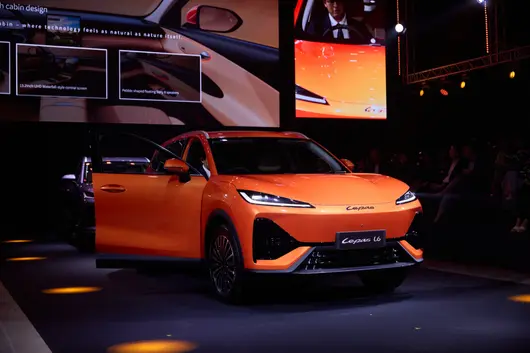
風雲 T7 唔係一臺「中國特供車」——佢喺海外叫 LEPAS L6,南非已經預售、泰國已經上市,後續仲要進入歐盟、澳新、英國等 130 多個國家同地區。一台車要同時滿足咁多國家嘅法規標準,光是法規適配呢一項,就唔係 18 個月搞掂嘅。
再睇測試。風雲 T7 累計投入咗 963 台試驗車,全球耐久性測試里程達到 145 萬公里。測試路線覆蓋歐盟、澳洲、南美、中東、東南亞、俄羅斯,經歷高溫、高寒、高濕、高鹽鹼各種極端環境。唔係喺實驗室跑出嚟嘅靚數據,係喺真實極端路況下一寸一寸磨出嚟嘅。安全方面對標嘅係 2026 版 E-NCAP 五星標準,涵蓋安全駕駛、碰撞規避、碰撞保護、碰撞後安全四個維度。呢啲測試環節,一個都唔可以省,亦都一個都快唔到。

此外仲有全球十大研發設計中心、一百幾名設計師協作,1000+ 全球用戶深度共創。一台車由設計到驗證再到用戶反饋打磨,各個環節都需要時間。
當然,喺消費者嘅角度,呢啲慢嘅理由係咪立得住,係一個值得討論嘅問題。始終市場唔等人——當喺你花五年打磨一台車嘅時候,競爭對手可能已經完成咗兩代產品嘅迭代。技術更新咁快,長週期研發會唔會導致一上市就過時?呢個問題,恐怕無人畀得出標準答案。

但換個角度諗,造車終究唔係造手機。手機出 Bug 重啟一下就得,汽車喺高速出問題,嗰就係要命嘅事。與其上市後用用戶當「試車員」去發現問題,唔如喺上市前把所有問題都解決晒。風雲 T7 行緊一條「先出海、再歸國」嘅路徑——先喺全球跑咗一圈驗證品質,再回嚟國內市場。呢條路比「速成」多花幾倍時間,但每一步都避唔開。
講到底,呢場「快與慢」嘅爭議,折射出係兩種造車邏輯嘅碰撞:一種係當汽車係快消品,追求速度同流量;另一種係當汽車係耐用品,死磕品質同安全。「速成車」被叫停,針對嘅從來都唔係快速迭代嘅能力,而係對安全嘅輕視、對品質嘅敷衍。

風雲 T7 嘅慢,究竟係研發效率嘅短板,定係一款全球車必須付出嘅時間代價?呢個問題,也許只有等到佢真正上市、經得住市場同時間嘅檢驗之後,先至有一個清晰嘅答案。
你覺得,造車呢件事,係快定係慢?
In the Malaysian SUV market, many buyers compare Proton X90 and Toyota Yaris Cross when choosing a car. These two cars are quite close in price and positioning. Today, we will make a detailed comparison from multiple aspects to help you save time on research.
Proton X90's OTR price in Malaysia is RM 106,800 - 122,800, with a total of 4 versions, including 2026 1.5T Prime X (RM 122,800), 2026 1.5T Prime (RM 116,800), 2026 1.5T Lite (RM 106,800), etc.
Toyota Yaris Cross's OTR price in Malaysia is RM 99,900 - 109,900, with a total of 2 versions, including 2026 1.5L Standard (RM 99,900), 2026 HEV 1.5L Standard (RM 109,900), etc.
From a price perspective, the starting price of Toyota Yaris Cross is RM 6,900 cheaper than Proton X90. Honestly, in this price segment, a difference of a few thousand isn't that big; the key is to look at overall value for money and long-term usage costs.
Proton X90 is equipped with a 1.5L Turbo, 140 hp. Official fuel consumption 7.0 L/100km.
Toyota Yaris Cross is equipped with a 1.5L 4-cyl, 105 hp. Official fuel consumption 6.0 L/100km.
In terms of performance, Proton X90's 1.5L Turbo has 35 more horsepower than Toyota Yaris Cross's 1.5L 4-cyl, providing more confidence in mid-range acceleration, especially when overtaking on highways. However, Toyota Yaris Cross's fuel consumption might be friendlier, and the difference in daily city commuting won't be too big.
Proton X90's safety rating is 5★ (ASEAN NCAP), active safety systems include ADAS (ACC, AEB, LKA, LDA, BSM, RCTA).
Toyota Yaris Cross's safety rating is 5★ (ASEAN NCAP), active safety systems include TSS.
Both cars have the same safety rating. Safety features are quite comprehensive in this class. New cars nowadays generally have good safety, so don't worry too much about this.
Proton X90 warranty 5 years/150,000km, maintenance interval every 10,000km or 6 months.
Toyota Yaris Cross warranty 5 years/unlimited mileage, maintenance interval every 10,000km or 6 months.

Proton X90 and Toyota Yaris Cross are both mainstream choices in the Malaysian market, suitable for family use and daily commuting. If you value brand reputation and resale value more, consider the one with better reputation first; if you care more about value for money and features, choose the one with more configurations. Ultimately, it is recommended to test drive both, personal experience is the most important.

Overall, Proton X90 and Toyota Yaris Cross are both quite good models in the Malaysian market. Which one to choose depends on your personal needs and budget. We recommend doing your research, compare quotes from several dealerships, and then test drive to make the final decision. Buying a car is a big matter, spending time researching will never go wrong.

喺馬來西亞嘅 SUV 市場,好多買家喺揀車嗰陣都會將 Proton X90 同 Toyota Corolla Cross 嚟比較。呢兩部車喺價位同定位上都幾相近,而家我哋就由多個角度做一個詳細嘅比較,幫大家節省咗做功課嘅時間。
Proton X90 喺馬來西亞嘅 OTR 售價係 RM 106,800 - 122,800,一總共有 4 款型號,包括 2026 1.5T Prime X(RM 122,800)、2026 1.5T Prime(RM 116,800)、2026 1.5T Lite(RM 106,800) 等。
Toyota Corolla Cross 喺馬來西亞嘅 OTR 售價係 RM 133,800 - 148,800,一總共有 3 款型號,包括 2026 HEV 1.8L GR Sport(RM 148,800)、2026 HEV 1.8L Standard(RM 140,800)、2026 1.8L Standard(RM 133,800) 等。
從價錢睇落,Proton X90 嘅起步價確實比 Toyota Corolla Cross 平咗 RM 27,000。如果你預算有限,Proton 嘅入門版已經可以满足日常需要。但都要注意,平嗰幾千蚊,可能喺配備上面會有所取捨,具體要看你嘅需求。
Proton X90 搭載 1.5L Turbo,馬力 140 hp。官方油耗 7.0 L/100km。
Toyota Corolla Cross 搭載 1.5L Turbo,馬力 140 hp。官方油耗 7.0 L/100km。
兩部車用嘅係同一套動力系統,日常開落嚟嘅感覺基本冇分別。油耗方面都差唔多,唔使太糾結這一點。
Proton X90 嘅安全評級係 5★ (ASEAN NCAP),主動安全系統包括 ADAS (ACC, AEB, LKA, LDA, BSM, RCTA)。
Toyota Corolla Cross 嘅安全評級係 5★ (ASEAN NCAP),主動安全系統包括 TSS (PCS, LDA, ACC, LTA)。
兩部車嘅安全評級一樣,喺呢個級距裡面安全配備都算好齊全。現在嘅新車安全性都唔差,唔使太擔心這一點。
Proton X90 車身長 4400 mm,後尾箱 400 L。
Toyota Corolla Cross 車身長 4400 mm,後尾箱 400 L。
兩部車嘅尺寸幾乎一樣,車內空間差別唔大。呢個級距嘅車,日常使用完全夠用。
Proton X90 同 Toyota Corolla Cross 都係馬來西亞市場嘅主流選擇,適合家庭使用、日常通勤。如果你更看重品牌口碑同二手價,可以優先考慮口碑更好嗰一款;如果你更在意性價比同配備,那就揀配置更豐富嗰款。最終都係建議兩款都去試駕,親身體驗先係最重要。

總體嚟講,Proton X90 同 Toyota Corolla Cross 都係馬來西亞市場好唔錯嘅車型。揀邊一部,關鍵始終係睇你嘅個人需要同預算。建議大家做好功課,多比較幾間車行嘅報價,先去試駕做最終決定。買車係件大事,花少少時間做功課絕對唔會錯。

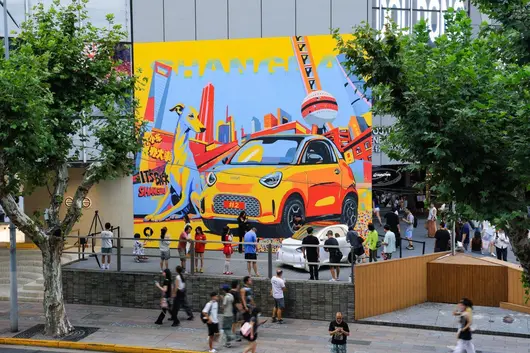
近日,一场横跨上海、柏林、巴黎、香港、布宜诺斯艾利斯、墨尔本六大都市的街头涂鸦艺术席卷全网,全新smart精灵2号借着城市艺术浪潮揭开设计面纱;紧随其后,工信部新车申报信息正式公示,量产外观与全套硬核参数同步曝光。一柔一刚双重曝光之下,这款沉寂许久的两门两座经典小车正式宣告回归, 新车将于2026年10月巴黎车展迎来全球首秀,勾起无数都市出行爱好者的期待。

作为两门两座城市小车的开创者,1998年诞生的smartfortwo曾风靡全球,是刻在几代都市年轻人记忆里的潮流符号。时隔28年,微型代步市场充斥同质化低价车型,全新smart精灵2号以品类鼻祖身份回归,不走廉价代步路线,依托奔驰设计背书与专属原生纯电架构,重新定义高端两座纯电出行新标准。
不同于车企常规官图发布模式,smart选择用街头艺术完成新车感性预热。依托品牌“Swatch+梅赛德斯-奔驰+艺术”的原生基因,六座城市分别邀请本土先锋艺术家创作专属巨型涂鸦,将新车线条与当地城市风貌、人文气质相融。上海涂鸦结合魔都地标与灵动灵缇意象,巴黎壁画融合欧式复古浪漫,每一面墙绘都是独一份的城市对话。无需封闭展厅,城市街道就是开放展台,路人、潮流博主、老车主纷纷打卡拍照,#smart涂鸦刷屏全球6城街头#等话题迅速登上社交平台热搜,跨时区掀起怀旧与种草热潮。
艺术热度未消,工信部申报公示带来实打实的产品硬实力,彻底区分全新smart精灵2号与普通A00级代步车的代差优势。新车提供2751mm、2764mm两种车身长度,宽1669mm、高1555mm,轴距达到1875mm。标志性四轮四角布局搭配仅475mm前悬、401mm后悬,相比市面主流微型车550mm以上冗余前后悬,把绝大部分车身空间留给座舱,真正做到“紧凑于外,宽适于内”,狭窄街巷穿梭、小型车位泊车轻松自如。
底盘操控更是同级独一份亮点,新车配备两套轮胎可选,高配采用前185/50R16、后205/45R16“鸳鸯胎”,搭配后置后驱布局。窄前轮降低转向阻力,窄巷掉头更顺滑;宽后轮提升起步、过弯抓地力,高速抗侧倾表现远超同尺寸车型。最高车速可达140km/h,打破“小车只能低速代步”刻板印象,城市快速路、近郊高速巡航都有充足动力储备。同时27°接近角、43°离去角,轻松应对地库坡道、路肩、老旧小区陡坡,减少日常剐蹭烦恼。
安全与电池配置同样拉满豪华标准。新车搭载宁德时代磷酸铁锂电芯,电芯一致性、低温稳定性领先同级;基于TridionCell笼式高强度座舱打造全新安全体系,依托专属ECA电动紧凑型架构开发,并非油改电或通用平台套娃,是专为两座都市出行从零研发的原生纯电平台,在极小车身内守住豪华级安全底线。整车整备质量1130kg,兼顾轻量化与车身刚性,兼顾灵活代步与驾乘安全感。
从街头涂鸦释放潮流设计信号,到工信部参数曝光硬核实力,全新smart精灵2号完成情怀与产品力的双重铺垫。目前申报信息中两种车身长度,也预示新车将提供丰富个性化选装套件,延续品牌“天生爱不同”的潮流主张。不过内饰细节、智能座舱交互、续航等核心信息仍处于保密状态,全部悬念将在10月巴黎车展全球首秀逐一揭晓。

In the Malaysian SUV market, many buyers compare the Proton X70 and Hyundai Tucson when choosing a car. These two cars are quite close in price and positioning. Today, we will make a detailed comparison from multiple aspects to save you time doing your research.
Proton X70's OTR price in Malaysia is RM 106,800 - 122,300, with a total of 3 versions, including 1.5L Standard 2WD (RM 106,800), 1.5L Executive 2WD (RM 115,800), 1.5L Premium 2WD (RM 122,300) etc.
Hyundai Tucson's OTR price in Malaysia is RM 143,888 - 197,888, with a total of 5 versions, including 2025 HEV 1.6T AT 2WD Prestige (RM 197,888), 2025 1.6T DCT 4WD Prestige (RM 186,888), 2025 1.6T DCT 2WD Prime (RM 164,888) etc.
From a price perspective, the starting price of Proton X70 is indeed RM 37,088 cheaper than Hyundai Tucson. If your budget is limited, Proton's entry-level version can already meet daily needs. But also note, the few thousand difference might involve compromises in specifications, depending on your specific requirements.

Proton X70 is equipped with 1.5L Turbo, horsepower 140 hp. Official fuel consumption 7.0 L/100km.
Hyundai Tucson is equipped with 1.5L Turbo, horsepower 140 hp. Official fuel consumption 7.0 L/100km.
Both cars use the same powertrain, and the driving experience is basically the same for daily use. Fuel consumption is also similar, so there is no need to worry too much about this.

Proton X70 body length 4400 mm, trunk 400 L.
Hyundai Tucson body length 4400 mm, trunk 400 L.
The dimensions of the two cars are almost the same, and the interior space is not much different. For cars in this class, daily use is fully sufficient.

Proton X70 warranty 5 years/150,000km, maintenance interval every 10,000km or 6 months.
Hyundai Tucson warranty 5 years/300,000km, maintenance interval every 10,000km or 6 months.
In general, Proton X70 and Hyundai Tucson are both quite good models in the Malaysian market. Which one to choose depends mainly on your personal needs and budget. It is recommended to do your homework, compare quotes from several car dealerships, and test drive before making a final decision. Buying a car is a major thing, spending some time doing research will definitely not be a mistake.


In the Malaysian SUV market, many buyers compare Proton X70 and MG MG HS when choosing a car. These two cars are quite close in price and positioning. Today we will make a detailed comparison from multiple aspects to help you save time on research.
The OTR price of Proton X70 in Malaysia is RM 106,800 - 122,300. There are 3 versions in total, including 1.5L Standard 2WD (RM 106,800), 1.5L Executive 2WD (RM 115,800), 1.5L Premium 2WD (RM 122,300), etc.
The OTR price of MG MG HS in Malaysia is RM 130,450 - 146,450. There are 2 versions in total, including 1.5L Standard (RM 105,000), 1.5L Executive (RM 115,000), etc.
From a price perspective, the starting price of Proton X70 is indeed RM 23,650 cheaper than MG MG HS. If your budget is limited, Proton's entry-level version can already meet daily needs. But also note, those few thousand RM saved might involve trade-offs in features, depending on your specific needs.
Proton X70 is equipped with a 1.5L Turbo, 140 hp. Official fuel consumption 7.0 L/100km.
MG MG HS is equipped with a 1.5L Turbo, 140 hp. Official fuel consumption 7.0 L/100km.
Both cars use the same powertrain, the driving feel is basically no difference. Fuel consumption is also similar, no need to stress too much about this.
Proton X70 body length 4400 mm, trunk 400 L.
MG MG HS body length 4400 mm, trunk 400 L.
The dimensions of both cars are almost the same, interior space difference is not big. Cars in this class are completely sufficient for daily use.
Proton X70 adopts FWD drive mode.
MG MG HS adopts FWD drive mode.
Both cars have the same drive mode, both are FWD, daily driving experience will not have too much difference.
Proton X70 and MG MG HS are both mainstream choices in the Malaysian market, suitable for family use, daily commute. If you value brand reputation and second-hand price more, you can prioritize the one with better reputation; if you care more about cost-performance ratio and features, then choose the one with richer configuration. Finally, it is recommended to test drive both, personal experience is the most important.
Overall, Proton X70 and MG MG HS are both very good models in the Malaysian market. Which one to choose, it depends on your personal needs and budget. It is recommended to do homework, compare quotes from several car dealers, then test drive to make a final decision. Buying a car is a big matter, spending some time doing homework will definitely not be wrong.

Recently, South Korean automaker KG Mobility (KGM) announced a strategic investment agreement with Chery Automobile. According to the agreement, Chery will invest 75 million US dollars into KGM and carry out or expand cooperation in areas such as accelerating new vehicle development, autonomous driving, and advanced electronic and electrical architecture.
If the transaction is completed and all bonds are converted to equity, Chery is expected to hold approximately 10% of KGM's shares and is expected to become its second-largest shareholder.

Chery's partnership with a South Korean automaker this time easily brings to mind the recent cooperation between Geely and Ford. Geely acquired 34% equity in the joint venture for 221 million euros and shares Ford's factory resources located in Valencia, Spain.
On the surface, in both collaborations, Chinese enterprises did not obtain absolute controlling equity, nor did they directly control daily operation management, but this precisely embodies the strategic wisdom of China's deep cultivation in the global market.
In the past, Chinese automakers going global relied more on product exports; however, nowadays, with changing competitive environments, Chinese automobiles are moving from pure "product output" to "global operation" covering technology, supply chain, manufacturing capabilities, brand value, and industrial ecosystems. For Chinese automakers, carrying out deep cooperation with local enterprises can faster utilize existing manufacturing, channels, and industrial resources to enter overseas markets with lower cost thresholds and achieve long-term rooting.
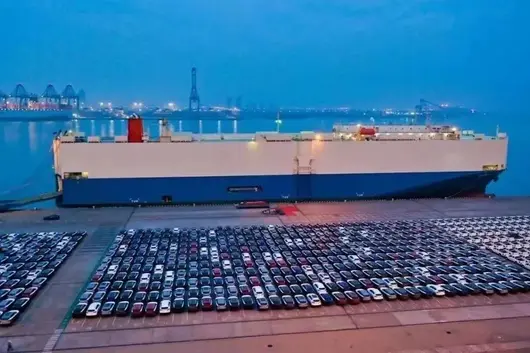
Currently, the globalization of Chinese automakers is entering a brand new stage. According to data from the General Administration of Customs, China's auto exports reached 5.31 million units in the first half of this year, a year-on-year increase of 53%, achieving continuous growth for 5 years. At the same time, consulting firms predict that China's auto export volume in 2026 will approach 10 million units, and China is expected to become the first country in the world to break through the 10 million unit auto export scale.
However, it needs to be seen that export volume growth does not equal the formation of globalization capabilities. For Chinese automakers, going global still faces multiple challenges such as trade barriers, policy differences, local operations, and brand awareness. How to move from "selling out" to "staying in" is the proposition that must be answered in the next stage.
True globalization still requires automakers to answer three core questions: Why are locals willing to accept the enterprise staying? Why are partners willing to walk alongside the enterprise for the long term? Can the enterprise achieve sustainable profitability locally?
These three questions correspond to industrial value, cooperation value, and commercial value respectively. Only when the three form a closed loop does going global become not just a short-term sales growth, but a long-term business capable of crossing cycles and continuously creating value.
"Behind the 'Global Expansion Fever', Chinese Automakers Still Need to Find Long-term Growth Solutions"
In recent years, "going global" has become a mandatory course that Chinese automakers cannot bypass. Besides Chery, enterprises such as Geely, Changan, Leapmotor, and Xpeng are also accelerating the promotion of global layout.
On the surface, this is a natural spillover after the improvement of Chinese automobile technology, product strength, and complete industrial chain capabilities; but from a more realistic perspective, it is also a strategic choice forced by market competition.

In the past few years, China's new energy vehicle market grew rapidly, with new brands, new models, and a large amount of capacity flooding in, and market competition gradually moved from incremental competition to stock game phase. Against the backdrop of domestic market "involution to death", many automakers face the dilemma of "increasing revenue but not profit". Therefore, the overseas market has become an important direction for enterprises to digest capacity, expand scale, and improve profit space.
However, when more and more enterprises regard going global as the answer for growth, a new question also appears: Will the overseas market become the next competitive red sea?
From the demand side, the global new energy vehicle market indeed still exists a large growth space. In the first half of 2026, the cumulative sales of new energy vehicles in the European market were about 2.378 million units, a year-on-year increase of 32.7%, penetration rate reached 29.2%, an increase of about 6 percentage points compared to the same period last year, accounting for 20.3% of global new energy vehicle sales. At the same time, new energy sales in emerging markets such as India and the Philippines also grew rapidly, among which India increased by 83.8% year-on-year, and the Philippines increased by 149.6% year-on-year.
However, it needs to be seen that different countries exist huge differences in consumption habits, regulatory standards, infrastructure, channel systems, and brand awareness, etc. The overseas market is not simply copying the Chinese market's "second battlefield", nor is it as simple as moving domestic mature models overseas for sales.
In fact, the export growth in the first half of this year not only comes from the improvement of the competitiveness of Chinese automakers themselves, but is also affected by multiple factors such as changes in international energy prices and adjustment of the electrification rhythm of overseas traditional automakers. With more Chinese brands entering the overseas market, competition is also gradually upgrading, and the dividends of going global are also gradually decreasing.
If enterprises only rely on price advantages, short-term sales, and channel deployment for expansion, then Chinese automobiles overseas may also fall into the cycle of "low-price competition" and "scale involution".
"Overseas is not a 'Safe Haven', Chinese Automakers Welcome Higher Cost Battlefields"
As is well known, the selling price of many Chinese automobile brands in the overseas market is often higher than the domestic market. Taking Chery Tiggo 8 as an example, the market price in China is around 100,000 yuan, but after entering the Russian market, the starting price is converted to about 220,000 yuan RMB, and in some markets in the Middle East, the landed price of the top configuration model is even close to 400,000 yuan.

This also makes many people in the past believe: going global means "China production, overseas sales", utilizing China's mature supply chain system and cost advantages to obtain higher premiums in the overseas market. But in fact, as Chinese automakers' globalization enters the deep water zone, this simple sales model is facing more and more challenges.
Even, a higher overseas selling price does not necessarily mean higher overseas profits. And a series of factors such as tariff barriers, local production requirements, environmental policies, distribution networks, after-sales service, etc., will directly affect the enterprise's final profitability.
Especially against the background of intensified competition in the global automobile industry, the overseas market is raising entry barriers. For example, the EU "Industrial Accelerator Act" proposes to implement "conditional market access" for countries with global key industry manufacturing capacity share exceeding 40%; the EU "New Battery Act" stipulates that starting from February 2027, power batteries must provide full life cycle carbon footprint data.
At the same time, European local automakers are also strengthening defense. Volkswagen, Stellantis, Renault and other European automotive enterprises have called for the EU to take more measures to protect the local electric vehicle industry; some European enterprises and unions also have concerns about cooperating with Chinese automakers, and even some overseas media described Chinese new energy vehicles as "Trojan horses".
It can be seen that Chinese automobile going global is experiencing a change in underlying logic, the past relied on product quality-price ratio, the future competes on system capabilities. Whoever can transform complex costs in global operations into brand, technology and industrial chain advantages, can truly realize the leap from "exporting products" to "global operations".
"Going Global is Not a Zero-Sum Game, But a Competitive Cooperation Game"
Chinese automakers' going global has never been standing on the opposite side of overseas enterprises.
Previously, Chairman Yin Tongyue of Chery Automobile Co., Ltd. pointed out: "Going to a (emerging) market is not just about pushing Chinese products out, must comply with local regulations, fit local user habits, at the same time we cannot keep all for themselves." He further emphasized that Chery going global is not to "grab" others' territory. "Do not be a plunderer, but be a fertilizer provider, increase fertility; do not go to their (place) to plunder markets, plunder talent."
Because true sustainable globalization is not about selling a car to the overseas market, but forming industrial connections locally, truly rooting in the local market.
Nowadays, the overseas layout methods of Chinese automakers have become more and more diversified, covering whole vehicle exports, CKD assembly, local production, dealer cooperation, technology licensing, platform output, capital cooperation, and joint operation and other models. And different models are essentially all for improving the enterprise's adaptability to the global market.

For example, SAIC-GM-Wuling planned production bases in Indonesia through the industrial chain synergy mode, built 120,000 units of whole vehicle capacity, while leading 16 domestic three-electric enterprises to go out together, and cultivated more than 100 local suppliers, achieving transition from product entry to industrial chain integration; Great Wall Motors through acquiring and transforming Brazil Daimler factory, officially started production in August 2025, created about 2,000 direct employment positions, and drove local supply chain system development; Chery and Spain EV MOTORS established a joint venture company, took over the Nissan closed Barcelona factory, with "Chery Technology + EBRO Brand" method to re-activate local manufacturing capability
In addition, Changan Thailand Rayong Factory welcomed the 20,000th whole vehicle off the line in June 2026, the factory total investment about 2.2 billion yuan, phase one annual capacity 100,000 units, key quality control workstation automation rate reached 90%; Geely relied on Proton brand deep plowing in Malaysia market, its Tanjung Malim electric vehicle factory has started production, phase one annual capacity reached 20,000 units.
It is worth noting that new power brands are also accelerating the output of technical systems and infrastructure capabilities. For example, Nio has deployed 93 battery swap stations overseas, and participated in research and formulation of Singapore electric vehicle charging and swapping standards "Singapore Standard SS 722"; Leapmotor, through establishing a joint venture company with Stellantis, promotes internationalization with the help of global channel resources, its main model C10 has also started local assembly production at Kulim Factory, Kedah, Malaysia; Xpeng not only has strategic cooperation with Volkswagen, but also acquired 90.1% equity of Indonesian listed company EIDO, planning its first overseas production base, and adopted CKD model to promote localized manufacturing.
From the perspective of industry insiders, different going global paths do not exist absolute superiority or inferiority, the key lies in whether it matches the enterprise's own capabilities and development stages. Whole vehicle export speed is fast, investment is relatively light, but easy to be affected by trade policy changes; local factory construction can enhance industrial integration, but needs continuous capital investment and scale support; channel cooperation can quickly open the market, but user relationships and brand assets may be constrained by partners; technology licensing and capital cooperation are lighter, but test whether the enterprise can transform technical advantages into long-term commercial value.
And judging whether an enterprise's going global is successful, cannot look only at export volume, how many countries and regions entered, or even cannot look only at overseas sales growth, but need to see whether it can answer several more core questions.
First, can it make money. Whether overseas business can form stable and sustainable profit-making ability, rather than relying on domestic market blood transfusion, financing support or short-term price advantages.
Secondly, can it take root. Whether it establishes local R&D, manufacturing, channel, service and supply chain systems, rather than staying at one-time product sales.
Thirdly, can it achieve win-win. Whether it can create employment, tax and industrial value for the locality, making government, partners, suppliers and consumers all become beneficiaries in the globalization process.
In addition, it also needs to see if the enterprise can resist risks. Facing tariff changes, policy adjustments, exchange rate fluctuations and geopolitical uncertainties, whether overseas business has sufficient resilience.
More importantly, whether the enterprise can build true brand value. What consumers buy, is it just a lower price Chinese automobile product, or recognize a global automobile brand that can exist for a long time and continuously provide value.
From the perspective of industry insiders, the highest standard of going global is not how much Chinese automakers took away from the overseas market, but how much value was left for the local while obtaining commercial returns. The overseas market does not reject Chinese automobiles, but no market will long-term welcome an "outsider" who only sells products, fights for share, but does not bear industrial responsibility and does not create local value.
Truly viable globalization is not a short-term surprise battle won relying on cost advantages, but finding the greatest common divisor of enterprise interests and local interests in different markets. Only from "entering overseas market" to "integrating into local industry", Chinese automobiles can truly complete the transformation from export powerhouse to important participant in the global automobile industry.

「老闆話我,你要將可靠性往前做。」日前嘅2026中國汽車論壇上,長城技術中心質量部部長王岩回憶起自己接手可靠性體系建設時,講咗咁一句說話。
但係呢個任務並冇現成答案。
王岩剛開始接手任務時發現,研發體系內部對於「可靠性」嘅理解並唔完全一致。工程師知道點樣解決已經發生嘅問題,卻好難回答,點樣喺產品仲未上市之前,就提前發現潛在風險。
呢種困惑,正喺成新能源車時代好多車企共同面對嘅問題。
隨著電動化、智能化快速發展,汽車已經從傳統機械產品變成軟件硬件高度融合嘅複雜系統。一個軟件問題、一項電池風險、一次複雜場景下嘅功能失效,都可能來自多個環節嘅共同作用。
過去依靠經驗累積形成嘅質量管理方式,正喺面臨全新挑戰。
因此,中國車企開始重新建立質量能力:將風險識別前移,將驗證範圍擴大,將可靠性嘅邊界不斷延伸。
而當中國品牌走向全球市場,呢套能力仲要面對更複雜嘅考驗。一輛車能否適應唔同國家嘅道路、氣候同使用環境,將喺決定品牌能否長期發展嘅關鍵。

圖片來源:攝圖網
重新定義可靠
過去好長一段時間裏,汽車質量更多依靠製造經驗累積。一款車是否可靠,很大程度取決於工程師對機械結構、零部件性能同生產工藝嘅理解。經過多年累積,中國汽車產業逐漸建立起成熟嘅製造體系,亦形成咗一套解決質量問題嘅方法。
但係新能源汽車嘅發展,正喺改變呢種邏輯。隨著電動化、智能化技術不斷深入,汽車已經唔再只係傳統意義上嘅機械產品。動力電池、電驅系統、智能座艙、智能駕駛等新技術不斷加入,整車系統複雜度快速提升。
過去,一個零部件出現問題,往往可以透過更換零件或者優化工藝解決。如今,一次故障可能涉及硬件設計、軟件邏輯、材料性能甚至供應鏈協同。質量問題嘅產生機制正喺發生變化,亦要求企業重新思考質量管理方式。
中國車企正喺由「滿足標準」走向「定義標準」。長城、吉利、長安等企業唔再等待外部標準來回答「咩係可靠嘅」,而係自己建立一套基準。
長城汽車推進可靠性體系建設,就係呢一變化嘅體現。王岩提到,長城喺建設可靠性體系過程中,面對嘅一個現實問題係,點樣喺產品開發階段提前識別風險。而呢樣就需要一套新方法同體系支撐。
因此,長城開始由0到1搭建可靠性體系。喺呢一過程中,企業圍繞可靠性標準、分析方法同工具鏈進行建設,將 FMEA(失效模式與影響分析)、風險識別、驗證方法等融入產品開發流程。呢套體系嘅核心思路係:將質量管理嘅起點從「發現問題後修補」前移喺「設計階段預防」。
喺實際質量問題分析中,一些看似簡單嘅問題,往往涉及更深層嘅系統因素。例如,某些車輛出現多媒體黑屏問題,檢查後發現並唔係單一零部件損壞,而係與晶片設計、溫度濕度環境以及材料變化等因素有關。類似問題如果只停留喺售後維修層面,好難從根本上解決。
呢樣亦說明,新能源車時代嘅質量競爭,已經從單純製造環節延伸咗研發、材料、電子系統等更底層嘅能力。
吉利嘅做法印證咗同樣嘅邏輯。2025 年底,吉利發布咗全球全域安全中心,一期投資超過 20 億元,覆蓋被動安全、主動安全、電池安全、信息安全、健康安全等多個維度。從產品定義階段開始,吉利就咁將安全目標分解到每個子系統、每個零部件,形成一套由目標設定到方案設計、再到驗證確認嘅完整鏈條。

圖片來源:吉利
吉利喺安全領域已累計申請專利超過 15 萬項,其中 1562 件安全相關專利已向行業公開。呢組數據說明,中國車企正喺將「安全」從一項滿足法規嘅要求,轉化咗一種主動建構嘅能力。
與此同時,質量管理嘅邊界亦喺由整車企業向供應鏈延伸。新能源汽車產業鏈更長、更複雜,任何一個環節嘅短板,都可能影響最終產品表現。好似長安汽車,正喺嘗試利用 AI 工具輔助審核供應商提交嘅 8D 報告,對問題描述、原因分析同整改措施進行判斷,提高質量問題閉環嘅效率。
呢係因為,好多軟件可靠性問題,並唔完全係代碼質量造成嘅,而係開發階段對使用場景嘅識別唔夠完整。如果呢啲場景冇被完整定義,軟件設計本身就存在盲區。呢樣亦係傳統質量管理方式面臨嘅核心挑戰:可靠性唔係一個可以被「測試出嚟」嘅嘢,佢必須喺設計階段就被「定義入去」。
從研發端嘅風險識別,到驗證體系建設,再到供應鏈協同,中國汽車企業正喺逐步建立適應新能源車時代嘅質量管理體系。
對於正喺走向全球市場嘅中國車企而言,呢套能力嘅意義已經超出咗國內市場。中國汽車企業喺海外面臨嘅考驗,已唔再係簡單嘅地理擴張,而係需要喺更複雜嘅市場環境中,建立起覆蓋產品全生命週期嘅質量保證能力。
門檻喺出海
中安智研副總經理、技術負責人苟斌喺論壇上講咗一句說話:「國內新能源汽車市場已經好卷,利潤都好薄。但大家聊到海外嘅時候,眼係發光。」
海外係增量,但增量必須建立在產品適應當地環境嘅基礎上。當前有一個現象係,唔少企業喺國內完成咗產品驗證,各項指標都符合規定。但進入海外市場後,仍然會遇到一些意想不到嘅問題。
有些問題喺國內幾乎唔會出現。好似俄羅斯冬季大量使用融雪劑,車身防腐要求遠高於國內。喺國內標準打造嘅車到咗嗰邊,腐蝕速度可能比預期快好多;中東夏季高溫持續半年,用戶對空調性能嘅要求極高。如果降溫唔夠快,用戶可能直接放棄選擇;歐洲環狀路況密集,交通標誌規則與國內差異明顯。
呢啲問題嘅根源喺於,車輛嘅驗證體系係基於國內使用環境設計嘅,與海外用戶嘅實際使用場景差異好大。唔同同國家地區嘅道路條件、氣候環境、用戶習慣都唔一樣。唔同道路條件同交通規則,亦會影響車輛底盤耐久性同智駕功能嘅實際表現。
只有車輛進入特定市場、經歷真實使用之後,上述問題才會逐漸暴露出嚟。有企業嘅探索方向,就係將海外複雜使用環境轉化咗研發階段可以復現嘅驗證條件。
佢哋收集唔同同國家地區嘅道路數據、氣候資訊、法規要求同用戶使用場景,建立海外汽車場景數據庫,將真實市場中嘅問題轉化做測試用例,幫助企業喺國內研發階段提前識別風險。
苟斌團隊已經梳理咗東南亞、中東、俄羅斯、歐洲等主要市場嘅典型問題。比如,中東地區嘅減速帶比國內更高更闊,車輛通過時容易发生底盤干涉或托底。呢類場景喺國內試驗場就能復現,唔需要等到車輛運到海外先至發現。唔同國家嘅充電樁標準都有差異,充電兼容問題同樣需要喺開發階段提前測試。
中國汽車工業協會行業發展部總監尚蛟指出,海外市場嘅法規同准入要求正喺變得更加複雜。歐七排放標準、電池法案等區域性法規,對出口產品嘅開發提出咗差異化要求。

圖片來源:花瓣網
呢一趨勢意味著,提前完成海外適應驗證,正喺從「加分項」變成「準入門檻」。呢種變化亦推動住汽車出海嘅驗證邏輯發生轉變。而家企業希望透過數據累積同場景分析,喺產品定義階段就將全球市場可能遇到嘅場景考慮入去。
從呢個角度睇,出海唔係簡單咁將國內成熟車型複製到海外市場,而係一次研發體系嘅重新校準。企業需要回答嘅問題,已經從「呢輛車賣唔賣得出去」擴展到「佢能否適應唔同氣候、道路同法規環境,並喺長期使用中保持穩定表現」。
本地化係手段之一。長安質量部總經理沈興華提到咗泰國工廠嘅本地化實踐,本地員工佔比已經達到 90%。喺佢心目中,出海唔能只靠貿易思維,要將研發、製造同質量體系建喺當地。
呢一舉呼應咗「驗證需要前置」嘅觀點。因為只有真正進入當地市場、理解當地環境之後,企業先會發現嗰啲喺國內睇唔到嘅問題。畢竟,出海嘅終點唔係將車運到港口,而係令產品、製造同人才都能喺當地運轉起嚟。
底線喺安全
當一輛車進入真實使用場景後,最極端嘅考驗往往來自嗰啲難以預測嘅情況。
招商車研喺電動車火災安全研究入面發現,新能源汽車嘅風險往往唔係單一因素造成嘅,而係多個環節共同作用嘅結果。一個電池包喺零部件層級測試中表現良好,但裝喺整車上面之後,可能暴露出完全唔一樣嘅風險。

圖片來源:攝圖網
招商車研高級專家陳斌喺論壇上分享咗一些實際測試中遇到嘅案例。有款車,觸發咗電池熱失控之後,電池本身冇起火,但駕駛位嘅地毯燒咗起嚟。事後分析發現,電池包嘅隔熱設計存在不足,熱失控產生嘅高溫煙氣冇及時排出,熱量傳導到車廂內部,引燃咗阻燃性能唔夠好嘅地毯。
另一個案例係,三顆電芯同時熱失控,電池包控制咗火勢,但噴出嘅高溫煙氣喺前引擎艙底部積聚,引燃咗防護板上嘅可燃材料。電池本身冇起火,但車燒咗。
仲有一個案例,電池熱失控之後,車輛冇發出任何報警,車門亦冇自動解鎖。原因係傳感器線束布置喺煙氣流動路徑上,高溫煙氣直接將線束燒斷,信號根本冇送出去。
呢啲案例嘅共同特徵係:電池本身冇問題,零部件檢測都合格,但裝喺車上面之後,系統之間嘅相互作用產生咗新風險。
招商車研嘅結論係,新能源車嘅安全唔係只睇零部件。一個電池包做得多好,如果熱量會透過車身結構傳導到車內,如果高溫煙氣會喺某個角落積聚,如果傳感器線束會喺關鍵時刻被燒斷,咁個系統嘅安全就係唔完整。

圖片來源:攝圖網
呢樣解釋咗,點解汽車行業正喺由零部件檢測轉向整車系統級評價。因為,零部件做得好唔等於整車安全,單項指標合格唔等於系統可靠。正係新能源車時代質量管理嘅核心命題:當車輛嘅複雜度遠超傳統汽車,安全必須從整車嘅角度去定義同驗證。
有企業洞察需求,建立咗電動車火災安全指數,可睇到整車喺極端情況下嘅整體表現。
對於正喺走向全球市場嘅中國車企來說,呢種能力嘅重要性更加突出。海外市場嘅法規、氣候、使用習慣差異巨大,如果質量管理只停留喺零部件層面,車輛到咗海外之後嗰啲意想不到嘅風險就好難被提前發現。
要知道,一輛車真正嘅安全底線,唔係佢喺實驗室入面通過幾多項檢測,而係喺真實世界中經歷極端場景之後,依然能夠保護車內人員。
結語
整體睇嚟,中國汽車工業正喺經歷一場由「造出嚟」到「造得穩、造得久」嘅轉變。
過去三十幾年,中國汽車產業解決嘅係製造能力問題。呢條路行得好快,亦好成功。發動機、變速箱、車身、底盤……每一個環節都形成咗成熟嘅供應鏈同生產體系。
但係新能源汽車改變咗競爭嘅維度。當硬件趨同、技術趨同成為唔可逆轉嘅趨勢,一輛車嘅差異開始體現喺更底層嘅地方:
佢嘅可靠性係喺設計階段就被定義入去嘅,定係上市之後靠用戶反饋慢慢修補嘅?佢嘅驗證體系能否覆蓋全球唔同市場嘅使用場景,定係只適用於國內熟悉嘅環境?佢喺極端情況下嘅安全表現,係系統設計嘅結果,定係各種零部件各自為戰嘅拼湊?
長城、吉利、長安、中安智研、招商車研等企業同服務機構,正喺做同一樣嘅嘢:將中國汽車嘅質量標準由「滿足要求」推向「定義基準」。呢個變化比好多人諗像嘅更深遠。
佢唔係喺修補過去嘅漏洞,而係喺重新定義中國汽車出海嘅競爭維度。當價格同配置嘅優勢逐漸被拉平,真正嘅護城河係產品喺全球市場長期運行後嘅穩定表現。
出海嘅終點唔係將更多車賣出去,而係喺世界市場建立對「中國製造」嘅長期信任。