首頁shrimp

搜尋歷史
熱門搜尋
經銷商登入 / 註冊

[CNMO Technology News] Recently, "Electric Vehicles Going Global" announced the overseas cumulative sales market share of Xpeng Motors from 2020 to the first half of 2026 and the China's New Energy Brands overseas pure electric cumulative sales list. Xpeng Motors firmly ranked first with a cumulative sales volume of 105,245 units. In the first half of 2026, Xpeng Motors' sales in 21 European countries surged by 154% year-on-year.

Xpeng
From the perspective of overseas market share, Xpeng Motors' overseas cumulative sales from 2020 to the first half of 2026 reached 105,245 units. Israel ranked first in sales with 14,189 units, accounting for a 13% share; Norway and Denmark ranked second and third respectively with 11,124 and 9,169 units, with shares of 11% and 9%. France, Germany and other mainstream European automotive markets also contributed considerable sales. Thailand, with 5,297 units, became Xpeng's important foothold in Southeast Asia. Overall, the European market is the focus of Xpeng's overseas expansion, with five of the top six being European countries.

From the perspective of China's New Energy Brands overseas pure electric cumulative sales list, Xpeng Motors firmly ranked first with 105,245 units, significantly leading other brands. Following closely was Leapmotor, with cumulative sales of 77,279 units, ranking second; ORA ranked third with 51,653 units. Cumulative sales for other brands were all under 50,000 units, with specific rankings as follows: AION (44,047 units), ZEEKR (39,899 units), Deepal (31,588 units), Denza (15,427 units), NIO (7,502 units), IM Motors (7,049 units), and Voyah (3,247 units).

According to CNMO Technology, currently, Xpeng's global cumulative sales have exceeded 1.2 million units, with a sales network covering 65 countries and regions, and more than 1,200 stores.


In Malaysia's SUV market, many buyers compare Proton X70 and MG MG HS when choosing a car. These two cars are quite close in price and positioning. Today, we will make a detailed comparison from multiple aspects to help you save time on research.
The OTR price of Proton X70 in Malaysia is RM 106,800 - 122,300. There are 3 versions in total, including 1.5L Standard 2WD (RM 106,800), 1.5L Executive 2WD (RM 115,800), 1.5L Premium 2WD (RM 122,300), etc.
The OTR price of MG MG HS in Malaysia is RM 130,450 - 146,450. There are 2 versions in total, including 1.5L Standard (RM 105,000), 1.5L Executive (RM 115,000), etc.
From a price perspective, the entry price of Proton X70 is indeed RM 23,650 cheaper than MG MG HS. If your budget is limited, Proton's entry-level version can already meet daily needs. However, be aware that the savings of a few thousand Ringgit might involve trade-offs in features, depending on your specific needs.
Proton X70 has a safety rating of 5★ (ASEAN NCAP). Active safety systems include ADAS (ACC, AEB, LKA, LDA, BSM, RCTA).
MG MG HS has a safety rating of TBD. Active safety systems include Basic.
Regarding safety features, both cars have received good ratings. However, there are some differences in functionality between Proton X70's ADAS (ACC, AEB, LKA, LDA, BSM, RCTA) and MG MG HS's Basic. If you value active safety, you can compare the feature lists of both carefully.
Proton X70 uses FWD drive mode.
MG MG HS uses FWD drive mode.
The drive mode of both cars is the same, both are FWD, daily driving experience will not be significantly different.
Both Proton X70 and MG MG HS are mainstream choices in the Malaysian market, suitable for family use and daily commuting. If you value brand reputation and resale value more, you can prioritize the one with better reputation; if you care more about cost-performance ratio and features, then choose the one with richer configuration. Ultimately, it is recommended to test drive both, as personal experience is the most important.
Overall, both Proton X70 and MG MG HS are very good models in the Malaysian market. Which one to choose depends on your personal needs and budget. It is recommended to do your homework, compare quotes from several dealerships, and then test drive to make a final decision. Buying a car is a big matter, taking time to do homework will definitely not be wrong.

July 2026, the overseas expansion of Chinese automobiles received dense signals. Xpeng Motors completed the global launch of the MONA L03 in Munich, Germany, followed by the release of a long-term Australian strategy in Melbourne. Within a month, this emerging automaker made moves simultaneously in the European and Australian markets, significantly accelerating its global expansion pace.
Data shows that Xpeng Motors' global cumulative sales have already exceeded 1.2 million units. Overseas deliveries in 2025 reached 45,000 units, a year-on-year increase of 96%. Entering 2026, Xpeng's overseas monthly sales are reportedly nearing 10,000 units. Xpeng Chairman He Xiaopeng proposed the target: overseas sales in 2026 double to over 90,000 units, overseas revenue share exceeds 20%, and overseas sales will account for half of total sales in the next five years.
According to Xpeng personnel, in the first half of this year, Xpeng's overseas sales growth was significant. The European market grew 154% year-on-year, the Asia-Pacific market grew 144% year-on-year, and full year overseas sales are expected to double. It was also stated that the company has formulated a detailed global strategic plan, aiming to achieve 1 million overseas sales by 2030.
Behind these numbers, is a transformation from "selling cars" to "building systems".
From "Exporting Vehicles" to "Establishing Local Presence"
The overseas expansion model relying solely on vehicle exports is facing increasingly high trade barriers. Xpeng's chosen path is: to establish production bases and localized service systems overseas.

Image source: Xpeng
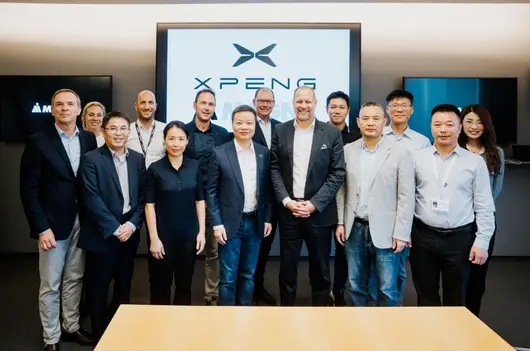
On the production side, Xpeng has currently deployed three overseas production bases. In July 2025, Indonesia became Xpeng's first overseas local production country, and the first locally produced X9 was delivered. In September of the same year, the Austria Graz factory cooperating with Xpeng and Magna started mass production. The first batch of G6 and G9 rolled off the line. This was Magna's first time assembling complete vehicles for a Chinese automaker. In June 2026, Xpeng's Malaysia Malacca factory officially went into production, mainly featuring the RHD version G6.
These three factories correspond to Southeast Asia LHD markets, Southeast Asia RHD markets, and the European market respectively, thereby forming a differentiated capacity layout. Xpeng stated that the company is accelerating the layout of local production in multiple places, with new production bases in Latin America and Europe also in planning. It was further introduced: Xpeng will adopt the "Global Models, Local Production, Local R&D" model. It has currently established 8 major R&D centers and 6 major production bases globally.
On the sales and service side, Xpeng's overseas sales network covers 65 countries and regions, possessing 467 stores. Taking the Australian market as an example, Xpeng plans to launch five new cars within six months, with a layout of 3 flagship experience centers and 50 sales outlets. The company also established a factory original parts warehouse managed by FedEx in Melbourne, capable of achieving next-day delivery in major states.

Image source: Xpeng
This simultaneous landing of "Product + Channel + Spare Parts" contrasts with Xpeng's previous channel controversy—shifting from relying on a single dealer to multi-mode parallel operation is a necessary path for the brand to mature in overseas markets.
Notably, Xpeng is also exploring deeper localization. In September 2025, Xpeng activated its first European R&D center in Munich, which is already its ninth global R&D center. He Xiaopeng recently stated that the company is studying the possibility of utilizing factories with higher idle capacity from German automakers for production.
From R&D to production to service, Xpeng attempts to establish a complete industrial closed loop in Europe, rather than just transporting cars there to sell.
Intelligent Driving Going Global: The Toughest Card to Play
If production and service are the "hardware" of going overseas, then intelligent driving can be said to be the "software ace" in Xpeng's hand, of course also the variable with the greatest uncertainty.

Image source: Xpeng
In July 2026, He Xiaopeng personally went to Munich, Germany, and completed the localization acceptance test of the second-generation VLA (Vision-Language-Action) large model. This system trained on Chinese road conditions demonstrated stable adaptability in scenarios such as European urban main roads, narrow alleys, and high-curvature curves. Xpeng thereby became the first domestic automaker to connect the Chinese and European intelligent driving systems with "the same model".
The technical logic behind this is: do not rely on HD maps and preset rules, but make driving decisions through perceptual scene semantics. Compared with traditional solutions, this route avoids the long cycle of map collection and compliance approval when entering new markets. Additionally, the model can simultaneously support L2 assisted driving and L4 autonomous driving.

Image source: Xpeng
In terms of implementation pace, Xpeng plans to open Highway NGP functions in Europe by the end of 2026, and push City NOA via OTA starting in 2027. The intelligent driving landing time for the Australian market is also set in 2027.
But challenges are equally obvious. The promotion of high-end intelligent driving in right-hand drive markets still needs to cross strict local regulation approval barriers and complete deep scene semantics adaptation in unfamiliar traffic systems.
In June 2026, UN WP.29 officially released the global unified technical regulations for autonomous driving systems (ADS GTR), and new EU regulations in 2027 will also be implemented. Xpeng's successful acceptance of the VLA model in Munich, to some extent, is a pre-emptive "stress test" against these new regulations.
Conclusion
From Indonesia to Austria, from Malaysia to Australia, Xpeng is attempting to build a complete chain of "R&D-Production-Sales-Service-Intelligent Driving" simultaneously in multiple markets. This is no longer a story of a company selling more cars, but a sample of how Chinese intelligent automobiles can establish systematic competitiveness globally.
But the other side of the coin is equally clear: In Q1 2026, Xpeng's domestic deliveries declined 33.3% year-on-year. Overseas expansion is both a proactive strategic breakout, and also reflects the reality pressure under intensified domestic market competition. When a company spreads out in multiple unfamiliar markets simultaneously, the requirements for capital, talent, management, and compliance capabilities will rise exponentially. For Xpeng, which is currently in the critical period of going overseas, the real challenges may still be ahead.
In Malaysia's SUV market, many buyers compare Proton X70 and Toyota Fortuner when choosing a car. Both cars are quite close in price and positioning. Today, we will make a detailed comparison from multiple aspects to help you save time on research.
The OTR price of Proton X70 in Malaysia is RM 106,800 - 122,300, there are 3 versions in total, including 1.5L Standard 2WD (RM 106,800), 1.5L Executive 2WD (RM 115,800), 1.5L Premium 2WD (RM 122,300) etc.
The OTR price of Toyota Fortuner in Malaysia is RM 195,880 - 241,880, there are 3 versions in total, including 2024 2.8T VRZ Diesel (RM 241,880), 2024 2.7L SRZ Petrol (RM 202,880), 2024 2.4L Standard Diesel (RM 195,880) etc.
From a price perspective, Proton X70's starting price is indeed RM 89,080 cheaper than Toyota Fortuner. If your budget is limited, Proton's entry-level version can already meet daily needs. But be aware, the cheaper few thousand, may involve trade-offs in features, it depends on your needs.

Proton X70 is powered by 1.5L Turbo, 140 hp. Official fuel consumption 7.0 L/100km.
Toyota Fortuner is powered by 2.5L Diesel, 187 hp. Official fuel consumption 8.5 L/100km.
In terms of power, Toyota Fortuner's 2.5L Diesel has 47 more horsepower than Proton X70's 1.5L Turbo. However, for daily driving in the city, the power of both cars is sufficient, do not feel weak.

Proton X70's safety rating is 5★ (ASEAN NCAP), active safety systems include ADAS (ACC, AEB, LKA, LDA, BSM, RCTA).
Toyota Fortuner's safety rating is 5★ (ASEAN NCAP), active safety systems include.
Both cars have the same safety rating, safety features are quite comprehensive in this class. Safety of new cars nowadays is not poor, no need to worry too much about this.

Proton X70 body length 4400 mm, trunk 400 L.
Toyota Fortuner body length 4400 mm, trunk 400 L.
Dimensions of both cars are almost identical, interior space difference is small. Cars in this class are fully sufficient for daily use.
Proton X70 adopts FWD drive system.
Toyota Fortuner adopts FWD drive system.
Both cars have the same drive system, both are FWD, daily driving experience will not differ much.
In general, Proton X70 and Toyota Fortuner are both very good models in the Malaysia market. Which one to choose, the key is still to look at your personal needs and budget. It is recommended to do research, compare quotes from multiple dealerships, then test drive to make the final decision. Buying a car is a big matter, spending time on research will definitely not be wrong.


喺馬來西亞嘅 SUV 市場,好多買家喺揀車嘅時候都會拿 寶騰 X70 同 豐田 Fortuner 嚟做比較。呢兩款車喺價位同定位上都幾接近,今日我哋就從多個方面做一個詳細嘅比較,幫你節省做功課嘅時間。
寶騰 X70 喺馬來西亞嘅 OTR 售價係 RM 106,800 - 122,300,一共有 3 個版本,包括 1.5L 標準 2WD(RM 106,800)、1.5L Executive 2WD(RM 115,800)、1.5L Premium 2WD(RM 122,300) 等。
豐田 Fortuner 喺馬來西亞嘅 OTR 售價係 RM 195,880 - 241,880,一共有 3 個版本,包括 2024 2.8T VRZ Diesel(RM 241,880)、2024 2.7L SRZ Petrol(RM 202,880)、2024 2.4L 標準 Diesel(RM 195,880) 等。
從價錢睇落,寶騰 X70 嘅入門價確實比 豐田 Fortuner 平咗 RM 89,080。如果你預算有限,寶騰嘅入門版已經可以滿足日常需求。但都要留意,平嗰幾千蚊,可能在配備上會有取舍,具體就要睇你嘅需求。
寶騰 X70 嘅安全評級係 5★ (ASEAN NCAP),主動安全系統包括 ADAS (ACC, AEB, LKA, LDA, BSM, RCTA)。
豐田 Fortuner 嘅安全評級係 5★ (ASEAN NCAP),主動安全系統包括 。
兩款車嘅安全評級一樣,喺呢個級別入面安全配備都算好齊全。而家嘅新車安全性都唔差,唔使太擔心呢一點。
寶騰 X70 車身長 4400 mm,車尾箱 400 L。
豐田 Fortuner 車身長 4400 mm,車尾箱 400 L。
兩款車嘅尺寸幾乎一樣,車內空間差別唔大。呢個級別嘅車,日常使用完全夠用。
寶騰 X70 保養 5 年/150,000km,保養間隔 每 10,000km 或 6 個月。
豐田 Fortuner 保養 5 年/無限制里程,保養間隔 每 10,000km 或 6 個月。
總體嚟講,寶騰 X70 同 豐田 Fortuner 都係馬來西亞市場幾唔錯嘅車款。揀邊一部,關鍵仲係要睇你嘅個人需求同預算。建議大家做好功課,多比較幾間車行嘅報價,再去試駕做最終決定。買車係大件事,花少少時間做功課絕對無錯。

喺馬來西亞嘅 SUV 市場,好多買家喺揀車嗰陣都會拿寶騰 X70 同豐田 Corolla Cross 嚟做比較。呢兩款車喺價位同定位上都幾接近,今日我哋就從多個方面做一個詳細嘅對比,幫你省咗做功課嘅時間。
寶騰 X70 喺馬來西亞嘅 OTR 售價係 RM 106,800 - 122,300,一共有 3 個版本,包括 1.5L Standard 2WD(RM 106,800)、1.5L Executive 2WD(RM 115,800)、1.5L Premium 2WD(RM 122,300) 等。
豐田 Corolla Cross 喺馬來西亞嘅 OTR 售價係 RM 133,800 - 148,800,一共有 3 個版本,包括 2026 HEV 1.8L GR Sport(RM 148,800)、2026 HEV 1.8L Standard(RM 140,800)、2026 1.8L Standard(RM 133,800) 等。
從價錢嚟睇,寶騰 X70 嘅起步價確實比豐田 Corolla Cross 便宜咗 RM 27,000。如果你預算有限,寶騰嘅入門版已經可以滿足日常需求。但亦要注意,便宜嗰幾千蚊,可能喺配備上會有取舍,具體要看你嘅需求。

寶騰 X70 搭載 1.5L Turbo,馬力 140 hp。官方油耗 7.0 L/100km。
豐田 Corolla Cross 搭載 1.5L Turbo,馬力 140 hp。官方油耗 7.0 L/100km。
兩款車用嘅係同一套動力系統,日常開起嚟嘅感覺基本冇差別。油耗方面都差不多,唔使太糾結這一點。

寶騰 X70 嘅安全評級係 5★ (ASEAN NCAP),主動安全系統包括 ADAS (ACC, AEB, LKA, LDA, BSM, RCTA)。
豐田 Corolla Cross 嘅安全評級係 5★ (ASEAN NCAP),主動安全系統包括 TSS (PCS, LDA, ACC, LTA)。
兩款車嘅安全評級一樣,喺呢個級別里面安全配備都算好齊全。而家嘅新車安全性都唔錯,唔使太擔心這一點。

寶騰 X70 保修 5 年/150,000km,保養間隔 每 10,000km 或 6 個月。
豐田 Corolla Cross 保修 5 年/無限制里程,保養間隔 每 10,000km 或 6 個月。
寶騰 X70 同豐田 Corolla Cross 都係馬來西亞市場嘅主流選擇,適合家庭使用、日常通勤。如果你更睇重品牌口碑同二手價,可以優先考慮口碑更好嗰一款;如果你更在意性價比同配備,就選配置更豐富嗰款。最終都係建議兩款都去試駕,親身體驗先係最重要嘅。
總而言之,寶騰 X70 同豐田 Corolla Cross 都係馬來西亞市場幾唔錯嘅車型。揀邊一個,關鍵仲要睇你嘅個人需求同預算。建議大家做足功課,多比較幾間車行嘅報價,先去試駕做最終決定。買車係件大事,花少少時間做功課絕對唔會錯。


喺馬來西亞嘅 SUV 市場,好多買家喺揀車嘅時候都會拿 Proton X50 同 Hyundai Tucson 嚟作比較。這兩款車喺價錢同定位上都幾接近,今日我哋就由多個方面做一個詳細對比,幫你節省做功課嘅時間。
Proton X50 喺馬來西亞嘅 OTR 售價係 RM 89,800 - 113,300,一共有 4 個版本,包括 1.5T Executive(RM 89,800)、1.5T Premium(RM 101,800)、1.5T Flagship(RM 113,300)等。
Hyundai Tucson 喺馬來西亞嘅 OTR 售價係 RM 143,888 - 197,888,一共有 5 個版本,包括 2025 HEV 1.6T AT 2WD Prestige(RM 197,888)、2025 1.6T DCT 4WD Prestige(RM 186,888)、2025 1.6T DCT 2WD Prime(RM 164,888)等。
從價錢嚟睇,Proton X50 嘅起步價確實比 Hyundai Tucson 平咗 RM 54,088。如果你預算有限,Proton 嘅入門版已經可以滿足日常需求。但亦要留意,平嗰幾千蚊,可能喺配備上會有取捨,具體要睇你嘅需求。

Proton X50 嘅安全評級係 5★ (ASEAN NCAP),主動安全系統包括 ADAS (ACC, AEB, LKA, LDA, BSM, RCTA)。
Hyundai Tucson 嘅安全評級係 5★ (ASEAN NCAP),主動安全系統包括 SmartSense。
兩款車嘅安全評級一樣,喺呢個級數入面安全配備都算好齊全。而家嘅新車安全性都唔錯,唔使太擔心這一點。

Proton X50 採用 4WD 驅動方式。
Hyundai Tucson 採用 FWD 驅動方式。
Proton 嘅 4WD 同 Hyundai 嘅 FWD 喺操控上會有唔同感覺,建議試駕對比。

Proton X50 同 Hyundai Tucson 都係馬來西亞市場嘅主流選擇,適合家庭使用、日常通勤。如果你更重視品牌口碑同二手價,可以優先考慮口碑更好嗰一款;如果你更在意性價比同配備,就揀配備更豐富嗰款。最終都係建議兩款都去試駕,親身體驗先係最緊要。

總的嚟講,Proton X50 同 Hyundai Tucson 都係馬來西亞市場好唔錯嘅車型。揀邊一輛,關鍵仲要睇你嘅個人需求同預算。建議大家做好功課,多比較幾間車行嘅報價,再去試駕做最後決定。買車係件大事,花少少時間做功課絕對唔會錯。


近日,中國巴士資訊網發布 2026 上半年新能源巴士出口統計數據,比亞迪以 2233 輛出口量位居榜首,市場份額達 22.15%,是上半年行業唯一出口量突破兩千輛的企業。在全球綠色交通轉型浪潮下,比亞迪保持穩健增長,已連續三年斬獲新能源巴士年度出口冠軍。

比亞迪電動巴士實現全球多洲、高端與新興市場同步深耕的全域開花格局。截至 6 月底,在高標準的歐洲市場,比亞迪累計交付超 7000 台純電動巴士。其中,在英國已投入運營的巴士超 2700 台,佔英國零排放巴士 45% 的市場份額。

比亞迪巴士在英國
在美洲地區,比亞迪持續多點突破,保持領跑態勢。在哥倫比亞,比亞迪累計運營巴士超 1500 台,市佔率位列第一;巴西市場自 2015 年啟動電動巴士底盤本地化生產以來,不斷深耕拓展。今年 6 月,比亞迪向聖保羅一次性交付 265 台電動巴士,創下巴西重型電動巴士單批交付規模新紀錄。憑藉本地化戰略和技術積累,比亞迪長期穩居巴西進口電動巴士品牌市佔率榜首。此外,中東與非洲市場穩步推進,摩洛哥、阿聯酋等地正陸續交付訂單。
亞太地區,業務覆蓋新加坡、泰國、馬來西亞、澳大利亞等多國,成為當地公共交通電動化主力車款。目前,比亞迪電動巴士在日本訂單超 500 台,市佔率超 50%,位列行業第一。

比亞迪巴士在新加坡
比亞迪電動巴士持續領跑的核心根基,來自全棧自研核心技術體系,依托 e-BUS 平台 3.0、刀片電池等技術,可適配高溫、高寒、山地等全球複雜營運狀況,在安全性能、全生命週期成本上優勢突出,順利通過歐美日韓等嚴苛市場認證,獲全球客戶認可。

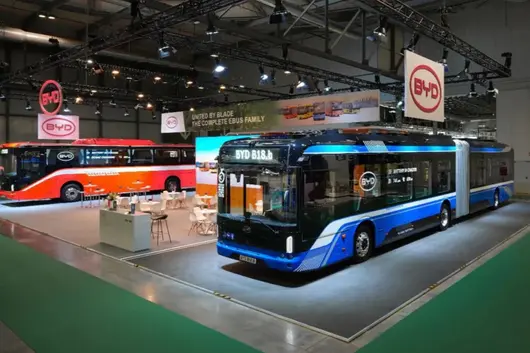
亮相米蘭 NME 展會
未來,比亞迪將持續以領先技術、可靠品質、優質服務輸出,助力全球公共交通綠色發展。

喺馬來西亞嘅 SUV 市場,好買家喺揀車嘅時候都會拎 Proton X50 同 Chery Tiggo 7 Pro 嚟做比較。呢兩款車喺價位同定位上都幾接近,今日我哋就從多個方面做一個詳細嘅對比,幫你慳做功課嘅時間。
Proton X50 喺馬來西亞嘅 OTR 售價係 RM 89,800 - 113,300,一共有 4 個版本,包括 1.5T Executive(RM 89,800)、1.5T Premium(RM 101,800)、1.5T Flagship(RM 113,300) 等。
Chery Tiggo 7 Pro 喺馬來西亞嘅 OTR 售價係 RM 123,750 - 123,750,一共有 2 個版本,包括 1.6L Turbo Standard(RM 125,000)、1.6L Turbo Premium(RM 140,000) 等。
從價錢嚟睇,Proton X50 嘅起步價確實比 Chery Tiggo 7 Pro 平咗 RM 33,950。如果你預算有限,Proton 嘅入門版已經可以滿足日常需求。但都要留意,平嘅嗰幾千蚊,可能喺配備上有取舍,具體要睇你嘅需求。
Proton X50 搭載 1.5L 4-cyl,馬力 105 hp。官方油耗 6.0 L/100km。
Chery Tiggo 7 Pro 搭載 1.5L Turbo,馬力 140 hp。官方油耗 7.0 L/100km。
動力方面,Chery Tiggo 7 Pro 嘅 1.5L Turbo 比 Proton X50 嘅 1.5L 4-cyl 多咗 35 匹馬力。不過日常喺市區開,兩款車嘅動力都夠用,唔會覺得唔夠力。
Proton X50 嘅安全評級係 5★ (ASEAN NCAP),主動安全系統包括 ADAS (ACC, AEB, LKA, LDA, BSM, RCTA)。
Chery Tiggo 7 Pro 嘅安全評級係 TBD,主動安全系統包括 Basic。
安全配備方面,兩款車都拿到唔錯嘅評級。不過 Proton X50 嘅 ADAS (ACC, AEB, LKA, LDA, BSM, RCTA) 同 Chery Tiggo 7 Pro 嘅 Basic 喺功能上有啲差異,如果你比較看重主動安全嘅話,可以仔細對比下兩者嘅功能列表。
Proton X50 車身長 4400 mm,尾箱 400 L。
Chery Tiggo 7 Pro 車身長 4400 mm,尾箱 400 L。
兩款車嘅尺寸差唔多,車內空間分別唔大。呢個級別嘅車,日常使用完全夠用。
Proton X50 採用 4WD 驅動方式。
Chery Tiggo 7 Pro 採用 FWD 驅動方式。
Proton 嘅 4WD 同 Chery 嘅 FWD 喺操控上有唔同感受,建議試駕對比。
總括嚟講,Proton X50 同 Chery Tiggo 7 Pro 都係馬來西亞市場好唔錯嘅車款。揀邊一輛,關鍵都要睇你個人需求同預算。建議大家做好功課,多比較間車行嘅報價,再去試駕做最終決定。買車係件大事,花少少時間做功課絕對唔會錯。

In the Malaysian SUV market, many buyers compare Proton X50 and Honda CR-V when choosing a car. These two cars are quite close in price and positioning. Today, we will make a detailed comparison from multiple aspects to save you time on research.
The OTR price of Proton X50 in Malaysia is RM 89,800 - 113,300, with a total of 4 versions, including 1.5T Executive (RM 89,800), 1.5T Premium (RM 101,800), 1.5T Flagship (RM 113,300), etc.
The OTR price of Honda CR-V in Malaysia is RM 178,200 - 195,900, with a total of 4 versions, including 2026 e:HEV 2.0L 2WD RS (RM 195,900), 2026 1.5T 4WD V (RM 181,900), 2026 e:HEV 2.0L 2WD E (RM 178,200), etc.
From a price perspective, the starting price of Proton X50 is indeed RM 88,400 cheaper than Honda CR-V. If your budget is limited, Proton's entry-level version can already meet daily needs. However, note that the few thousand ringgit saved may involve trade-offs in features, depending on your specific needs.
The Proton X50 is equipped with a 1.5L 4-cyl, 105 hp. Official fuel consumption is 6.0 L/100km.
Honda CR-V is equipped with a 2.0L 4-cyl, 170 hp. Official fuel consumption is 8.0 L/100km.
In terms of power, Honda CR-V's 2.0L 4-cyl has 65 hp more than Proton X50's 1.5L 4-cyl. However, for daily city driving, the power of both cars is sufficient, and you won't feel a lack of power.
The safety rating of Proton X50 is 5★ (ASEAN NCAP). Active safety systems include ADAS (ACC, AEB, LKA, LDA, BSM, RCTA).
The safety rating of Honda CR-V is 5★ (ASEAN NCAP). Active safety systems include Honda SENSING (ACC, CMBS, LKAS, RDM).
Both cars have the same safety rating, and safety features are quite comprehensive in this class. New cars nowadays are generally safe, so there is no need to worry too much about this.
Proton X50 warranty is 5 years/150,000km, maintenance interval every 10,000km or 6 months.
Honda CR-V warranty is 5 years/unlimited mileage, maintenance interval every 10,000km or 6 months.

Both Proton X50 and Honda CR-V are popular choices in the Malaysian market, suitable for family use and daily commuting. If you value brand reputation and resale value more, prioritize the one with better reputation; if you care more about value for money and features, choose the one with richer configurations. Ultimately, it is recommended to test drive both, as personal experience is most important.

Overall, both Proton X50 and Honda CR-V are very good car models in the Malaysian market. Which one to choose depends on your personal needs and budget. We recommend doing your research, comparing quotes from several dealerships, and then test driving to make a final decision. Buying a car is a major event; spending some time on research will never be wrong.

In the Malaysian SUV market, many buyers compare Proton X50 and Honda HR-V when choosing a car. These two models are quite close in price and positioning. Today we will do a detailed comparison from multiple aspects to help you save time on research.
The OTR price of Proton X50 in Malaysia is RM 89,800 - 113,300, with 4 variants in total, including 1.5T Executive (RM 89,800), 1.5T Premium (RM 101,800), 1.5T Flagship (RM 113,300), etc.
The OTR price of Honda HR-V in Malaysia is RM 115,900 - 143,900, with 4 variants in total, including 2026 e:HEV 1.5L RS (RM 143,900), 2026 1.5T V (RM 137,900), 2026 1.5T E (RM 130,900), etc.
In terms of price, the starting price of Proton X50 is indeed RM 26,100 cheaper than Honda HR-V. If your budget is limited, Proton's entry-level version is sufficient for daily needs. However, you should also note that the difference of a few thousand may involve trade-offs in features, depending on your needs.
Proton X50 is equipped with a 1.5L 4-cyl engine, 105 hp. Official fuel consumption is 6.0 L/100km.
Honda HR-V is equipped with a 1.5L Turbo engine, 140 hp. Official fuel consumption is 7.0 L/100km.
In terms of power, Honda HR-V's 1.5L Turbo has 35 more horsepower than Proton X50's 1.5L 4-cyl. However, for daily city driving, the power of both cars is sufficient and will not feel underpowered.
Proton X50's safety rating is 5★ (ASEAN NCAP), with active safety systems including ADAS (ACC, AEB, LKA, LDA, BSM, RCTA).
Honda HR-V's safety rating is 5★ (ASEAN NCAP), with active safety systems including Honda SENSING (ACC, CMBS, LKAS, RDM).
Both cars have the same safety rating, and safety features are quite comprehensive for this class. New cars these days generally have good safety, so there is no need to worry too much about this.
Proton X50 warranty 5 years/150,000km, maintenance interval every 10,000km or 6 months.
Honda HR-V warranty 5 years/unlimited mileage, maintenance interval every 10,000km or 6 months.

Both Proton X50 and Honda HR-V are mainstream choices in the Malaysian market, suitable for family use and daily commuting. If you value brand reputation and resale value more, you can prioritize the one with the better reputation; if you care more about value for money and features, choose the one with richer specifications. Ultimately, it is recommended to test drive both models; personal experience is the most important.

Overall, Proton X50 and Honda HR-V are both very good models in the Malaysian market. Which one to choose depends mainly on your personal needs and budget. It is recommended to do your research, compare quotes from several dealerships, and then test drive to make a final decision. Buying a car is a big matter; taking some time to research is never wrong.

In the Malaysian SUV market, many buyers tend to compare Perodua Aruz and Mazda CX-30 when selecting a car. These two models are quite close in price and positioning. Today, we will make a detailed comparison from multiple aspects to save you time on research.
Perodua Aruz's OTR price in Malaysia is RM 72,900 - 77,900. There are 2 versions in total, including 1.5L X (RM 72,900) and 1.5L AV (RM 77,900).
Mazda CX-30's OTR price in Malaysia is RM 122,409 - 146,409. There are 4 versions in total, including 2025 2.0L High+ Premium (RM 146,409), 2025 2.0L High+ (RM 138,409), 2025 2.0L High (RM 130,409), etc.
From a price perspective, Perodua Aruz's starting price is indeed RM 49,509 cheaper than Mazda CX-30. If your budget is limited, Perodua's entry-level version can meet daily needs. However, be aware that the few thousand difference might involve compromises in features, depending on your specific needs.

Perodua Aruz is equipped with 1.5L 4-cyl, 105 hp. Official fuel consumption 6.0 L/100km.
Mazda CX-30 is equipped with 1.5L Turbo, 140 hp. Official fuel consumption 7.0 L/100km.
In terms of power, Mazda CX-30's 1.5L Turbo has 35 more horsepower than Perodua Aruz's 1.5L 4-cyl. However, for daily city driving, the power of both cars is sufficient, and you won't feel underpowered.
Perodua Aruz Warranty 5 years/150,000km, Maintenance Interval every 10,000km or 6 months.
Mazda CX-30 Warranty 5 years/150,000km, Maintenance Interval every 10,000km or 6 months.
The warranty conditions for both cars are the same, no need to fret about this. Actual maintenance costs depend on the brand's service network and part prices. We suggest asking real owners in car owner groups for experience.

Perodua Aruz and Mazda CX-30 are both mainstream choices in the Malaysian market, suitable for family use and daily commuting. If you value brand reputation and resale value more, prioritize the one with better reputation. If you care more about value for money and features, choose the one with richer configuration. Ultimately, we recommend test driving both, as personal experience is most important.

In general, Perodua Aruz and Mazda CX-30 are both very good models in the Malaysian market. Which one to choose depends on your personal needs and budget. We suggest doing research, comparing quotes from multiple dealerships, and then test driving to make a final decision. Buying a car is a big matter, spending time on research will never be wrong.


2026 年嘅中國汽車市場,用「殘酷」二字形容都唔為過。
新車上市之密集令人咋舌——上半年全國新車投放超過 600 款,平均每日就有 3 款新車湧入市面。然而同產品井噴形成鮮明對比嘅係,大市持續收縮。據乘聯會統計,上半年國內乘用車零售 1031.8 萬輛,同比下滑 6.2%;另有數據顯示累計零售約 875 萬輛,同比跌幅高達 20%。蔚來李斌喺重慶論壇上直言,行業需做好全年零售量按年下跌 15% 至 20% 嘅準備。大市下行、價格戰白熱化、淘汰賽加速——這就係 2026 年上半年嘅真實底色。
然而正係喺呢種逆風局之中,真正具備體系能力嘅車企反而脫穎而出。相比新勢力喺輿論場上嘅高調廝殺,老牌車企嘅打法更穩、戰績更紮實。吉利汽車便係最典型嘅代表。

乘聯會數據顯示,2026 年上半年吉利汽車喺國內狹義乘用車市場嘅終端零售銷量達 102.1 萬輛,一舉登頂中國乘用車國內銷量冠軍,亦係唯一銷量突破百萬輛嘅自主品牌。加上海外市場,1 至 6 月吉利累計整車銷量達 142.3 萬輛,創同期歷史新高。
呢一項成績嘅含金量,在於佢唔係靠單一爆款硬撐出嚟嘅,而係四個品牌矩陣均衡發力、分層卡位嘅結果。

首先睇下新能源主陣地吉利銀河。上半年累計銷量近 52 萬輛,6 月單月突破 10.8 萬輛。其中吉利星願 6 月銷量超 5 萬輛,蟬聯中國全品牌全品類車型銷量冠軍。咩概念?一款 10 萬級家用新能源車,月銷 5 萬+,放喺整個乘用車市場入面都係天花板級別嘅存在。更值得留意嘅係星願嘅全球化打法——國內走量攤薄成本,海外靠產品力實現高溢價,喺巴西市場定價達 16 至 18 萬元,6 月出口已佔自身總銷量四成。星願唔單止喺國內封神,喺墨西哥、印尼等多國市場同樣拿下細分銷冠。呢種「國內走量 + 海外溢價」嘅雙輪驅動,係吉利新能源板塊能夠持續盈利嘅關鍵。

再睇高端品牌極氪。上半年交付超 17.8 萬輛,同比大增 97%。其豪華 9 系旗艦車款累計交付近 15 萬輛——每賣出 3 輛 50 萬元以上嘅中國豪華車,就有 1 輛係極氪 9X。極氪全係平均成交價已接近 35 萬元,喺 BBA 長期盤踞嘅豪華車市場撕開了一道口子。呢唔係靠低價換來嘅份額,而係實打實嘅產品力喺高端市場完成咗品牌卡位。

領克上半年銷量超 14.4 萬輛,持續向寬發展。喺 15 萬至 30 萬元嘅運動化、全球化細分賽道持續拓寬佈局。而中國星系列上半年銷量超 58 萬輛,連續 9 年蟬聯中國品牌燃油乘用車銷量冠軍。喺幾乎所有車企都喺「棄油轉電」嘅而家,吉利唔單止冇令燃油車基盤崩塌,反而令中國星系列成為自主品牌燃油車嘅一面旗幟。
燃油同新能源兩條腿都喺跑,喺而家嘅中國車企入面極之罕見。絕大多數品牌面對嘅問題係:新能源增長咗,但燃油車塌咗。而吉利冇為咗新能源轉型而犧牲現金流同基本盤——銀河負責走量擴張,極氪負責品牌向上,領克負責高端電氣化,中國星負責穩住燃油基盤。四個品牌各司其職、互唔打架,共同構成咗吉利 102.1 萬輛銷量嘅底層支撐。
從更大格局嘅維度嚟睇,吉利嘅增長邏輯更加清晰。上半年新能源累計銷量 79.95 萬輛,滲透率達 56%,6 月單月滲透率更加衝高至 67%。海外市場成為最大變數——6 月出口 10.29 萬輛,首次突破單月 10 萬輛大關,按年暴漲 157%;上半年累計出口 47.42 萬輛,按年增幅 158%,已超 2025 年全年出口總量。喺國內大市收縮嘅背景下,海外增量有效對沖咗本土地區嘅下行壓力。
更值得一提嘅係,吉利並非靠「以價換量」衝出嚟嘅冠軍。102.1 萬輛嘅終端零售數據反映嘅係真實嘅市場需求,而非壓庫式嘅批發數字。產品結構上,10 萬至 20 萬元嘅主流價位產品構成咗銷量主體;品牌結構上,銀河、極氪、領克、中國星四大板塊全部實現正增長或穩中有進。呢種「量價齊升」嘅增長質量,遠比單純嘅銷量數字更有說服力。

展望下半年,銀河 TT 同銀河戰艦 700 即將上市,i-HEV 混動車型產能亦會提升。尤其係銀河戰艦 700——基於吉利原生新能源越野架構開發,搭載三電機四驅系統同 AI 智能四驅技術——呢款硬派插混 SUV 有望喺方興未艾嘅越野新能源賽道再添一把火。而 i-HEV 智能雙擎作為全球首個應用「AI 雲動力」嘅油電混動系統,可將 HEV 車型百公里油耗降低至 3L,這將進一步鞏固吉利喺混動領域嘅技術護城河。
2026 年上半年,吉利用 102.1 萬輛嘅終端零售數據證明咗一件事:喺行業大洗牌嘅週期入面,真正能夠穿越週期嘅從來都唔係靠一兩款網紅產品,而係靠一個成熟、均衡、可持續嘅產品矩陣同品牌體系。
吉利汽車集團 CEO 淦家閱曾經系統闡述過吉利喺 AI 時代堅持「長期主義」嘅戰略定力;李書福更加明確提出要「從戰略上鍛造出能夠打持久戰嘅管理層及能夠打持久戰嘅企業文化」。由「量嘅擴張」到「質嘅飛躍」,由多品牌戰術到「一個吉利」嘅體系整合——這家走過四十年嘅車企,正喺用最務實方式證明:堅持長期主義嘅企業,往往行得更遠、更踏實。

In the Malaysian SUV market, many buyers compare the Perodua Ativa and Toyota Yaris Cross when choosing a car. These two cars are quite close in price and positioning. Today we will make a detailed comparison from multiple aspects to help you save time on research.
Perodua Ativa's OTR price in Malaysia ranges from RM 62,500 to 73,400, with a total of 3 versions, including 1.0L Turbo X (RM 62,500), 1.0L Turbo H (RM 67,300), 1.0L Turbo AV (RM 73,400), etc.
Toyota Yaris Cross's OTR price in Malaysia ranges from RM 99,900 to 109,900, with a total of 2 versions, including 2026 1.5L Standard (RM 99,900), 2026 HEV 1.5L Standard (RM 109,900), etc.
In terms of price, the starting price of the Perodua Ativa is indeed RM 37,400 cheaper than the Toyota Yaris Cross. If your budget is limited, Perodua's entry-level version can already meet daily needs. However, note that the difference of a few thousand ringgit might involve trade-offs in features, depending on your specific requirements.

Perodua Ativa's safety rating is 5★ (ASEAN NCAP), active safety systems include ASA 3.0 + ACC + LDA + LKA + BSM + RCTA.
Toyota Yaris Cross's safety rating is 5★ (ASEAN NCAP), active safety systems include TSS.
Both cars have the same safety rating, and safety features are quite comprehensive in this class. New cars nowadays generally do not have poor safety, so there is no need to worry too much about this.
Perodua Ativa warranty is 5 years/150,000km, servicing interval every 10,000km or 6 months.
Toyota Yaris Cross warranty is 5 years/unlimited mileage, servicing interval every 10,000km or 6 months.
Both Perodua Ativa and Toyota Yaris Cross are mainstream choices in the Malaysian market, suitable for family use and daily commuting. If you value brand reputation and resale price more, prioritize the one with the better reputation; if you care more about value for money and features, choose the one with richer configuration. Ultimately, it is recommended to test drive both, as personal experience is the most important.

Overall, both Perodua Ativa and Toyota Yaris Cross are excellent models in the Malaysian market. Which one to choose depends mainly on your personal needs and budget. It is suggested to do your research, compare quotes from several dealerships, and then test drive to make the final decision. Buying a car is a major matter, spending some time doing research will never be wrong.


喺馬來西亞嘅 SUV 市場,好多買家喺揀車嗰陣都會拿 Proton X50 同 Honda HR-V 嚟比較。呢兩款車喺價位同定位上都幾接近,今日我哋就由多個角度做一次詳細嘅對比,幫你節省做功課嘅時間。
Proton X50 喺馬來西亞嘅 OTR 售價係 RM 89,800 - 113,300,合共有 4 個版本,包括 1.5T Executive(RM 89,800)、1.5T Premium(RM 101,800)、1.5T Flagship(RM 113,300) 等。
Honda HR-V 喺馬來西亞嘅 OTR 售價係 RM 115,900 - 143,900,合共有 4 個版本,包括 2026 e:HEV 1.5L RS(RM 143,900)、2026 1.5T V(RM 137,900)、2026 1.5T E(RM 130,900) 等。
由價錢睇,Proton X50 嘅起步價確實比 Honda HR-V 便宜咗 RM 26,100。如果你預算有限,Proton 嘅入門版已經足夠應付日常需要。不過都要留意,便宜嗰幾千塊,喺配備上可能有取捨,具體要睇你嘅需求。
Proton X50 嘅安全評級係 5★ (ASEAN NCAP),主動安全系統包括 ADAS (ACC, AEB, LKA, LDA, BSM, RCTA)。
Honda HR-V 嘅安全評級係 5★ (ASEAN NCAP),主動安全系統包括 Honda SENSING (ACC, CMBS, LKAS, RDM)。
兩款車嘅安全評級一樣,喺呢個級別入面安全配備都算給得好齊全。而家嘅新車安全性都不錯,唔使太擔心呢一點。
Proton X50 採用 4WD 驅動方式。
Honda HR-V 採用 FWD 驅動方式。
Proton 嘅 4WD 同 Honda 嘅 FWD 喺操控上會有唔同感受,建議試駕比較。
Proton X50 同 Honda HR-V 都係馬來西亞市場嘅主流選擇,適合家庭使用、日常通勤。如果你更加看重品牌口碑同二手價,可以優先考慮口碑更好嗰一款;如果你更加在意性價比同配備,嗰就揀配置更豐富嗰款。最後始終都建議兩款都去試駕,親身體驗先最重要。
總體嚟講,Proton X50 同 Honda HR-V 都係馬來西亞市場好唔錯嘅車型。揀邊一輛,關鍵始終要睇你嘅個人需求同預算。建議大家做功課做足,多比較間間車行嘅報價,先去試駕先做最終決定。買車係件大事,花少少時間做功課絕對唔會錯。

喺馬來西亞嘅汽車市場,好多買家喺揀車嘅時候都會拿 Toyota Fortuner 同 Volvo XC40 來比較。今日我哋由多個方面做一個詳細嘅對比,幫你省咗做功課嘅時間。

Toyota Fortuner 喺馬來西亞嘅 OTR 售價係 RM 195,880 - 241,880,總共有 3 個版本,包括 2024 2.8T VRZ Diesel(RM 241,880)、2024 2.7L SRZ Petrol(RM 202,880)、2024 2.4L Standard Diesel(RM 195,880) 等等。
Volvo XC40 喺馬來西亞嘅 OTR 售價係 RM 278,888 - 278,888,總共有 1 個版本,包括 2025 2.0T Plus(RM 278,888) 等等。
從價錢來看,Toyota Fortuner 嘅起步價確實比 Volvo XC40 平咗 RM 83,008。如果你預算有限,Toyota 嘅入門版已經可以满足日常需要。但都要留意,便宜嗰啲幾千蚊,可能喺配備上會有所取捨,具體要看你嘅需求。
Toyota Fortuner 嘅安全評級係 5★ (ASEAN NCAP),主動安全系統包括 。
Volvo XC40 嘅安全評級係 5★ (Euro NCAP),主動安全系統包括 Pilot Assist, City Safety (標準)。
Toyota Fortuner 保用 5 年/無限里程,保養間隔 每 10,000km 或 6 個月。
Volvo XC40 保用 5 年/無限里程,保養間隔 每 10,000km 或 6 個月。

Toyota Fortuner 同 Volvo XC40 都係馬來西亞市場嘅主流選擇,適合家庭用途、日常通勤。如果你更睇重品牌聲譽同二手價,可以優先考慮聲譽更好嗰一款;如果你更在意性價比同配備,那就揀配備更豐富嗰款。最終都係建議兩款都去試駕,親身體驗先係最重要嘅。

總體嚟講,Toyota Fortuner 同 Volvo XC40 都係馬來西亞市場唔錯嘅車型。揀邊一輛,關鍵仲係要睇你嘅個人需求同預算。建議大家做好功課,多比較幾間車行嘅報價,再去試駕做最終決定。買車係件大事,花少少時間做功課絕對唔會錯。

喺馬來西亞嘅汽車市場,好多買家喺揀車嘅時候都會拿 Mazda CX-80 同 Volvo XC40 做比較。今日我哋由多個方面做一個詳細嘅比較,幫你省咗做功課嘅時間。

Mazda CX-80 喺馬來西亞嘅 OTR 售價係 RM 296,610 - 296,610,總共就 1 個版本,包括 2025 2.5L 65km High Plus(RM 296,610) 等。
Volvo XC40 喺馬來西亞嘅 OTR 售價係 RM 278,888 - 278,888,總共就 1 個版本,包括 2025 2.0T Plus(RM 278,888) 等。
從價錢睇,Volvo XC40 嘅起價比 Mazda CX-80 平咗 RM 17,722。實講,喺呢個價位段,幾千塊嘅差距其實唔算大,關鍵仲要睇整體嘅性價比同長期使用成本。
Mazda CX-80 嘅安全評級係 5★ (ASEAN NCAP),主動安全系統包括 Brand ADAS。
Volvo XC40 嘅安全評級係 5★ (Euro NCAP),主動安全系統包括 Pilot Assist, City Safety(標準)。
喺安全配備方面,兩款車都拿到唔錯嘅評級。不過 Mazda CX-80 嘅 Brand ADAS 同 Volvo XC40 嘅 Pilot Assist, City Safety(標準)喺功能上有少少差異,如果你比較重視主動安全嘅話,可以仔細比較下兩者嘅功能列表。

Mazda CX-80 車身長 4500 mm,後備箱 450 L。
Volvo XC40 車身長 4400 mm,後備箱 400 L。
喺空間方面,Mazda CX-80 嘅車身比 Volvo XC40 長咗 100 mm,車內乘坐空間會寬鬆少少,尤其係後座腿部空間。如果你經常載家人或者要放嬰兒車,大啲嘅車身確實更加實用。
Mazda CX-80 同 Volvo XC40 都係馬來西亞市場嘅主流選擇,適合家庭使用、日常通勤。如果你更重視品牌口碑同二手價,可以优先考虑口碑更好嗰款;如果你更在意性價比同配備,那就揀配備更豐富嗰款。最終仲係建議兩款都去試駕,親身體驗先至最重要。
總括嚟講,Mazda CX-80 同 Volvo XC40 都係馬來西亞市場好唔錯嘅車型。揀邊一部,關鍵仲要睇你嘅個人需求同預算。建議大家做好功課,多比較幾間車行嘅報價,先至去試駕做最終決定。買車係件大事,花少少時間做功課絕對唔會錯。


Folks, today let's talk about big news on going global—not selling cars, but selling "drivers". On June 2, WeRide and Uber jointly announced a plan: to launch the country's first commercial Robotaxi pilot service in Madrid, Spain. In other words: Spanish residents will soon be able to hail a driverless taxi via Uber. This is the first time WeRide and Uber are partnering to enter the European market. Madrid also becomes the 12th city globally where WeRide's Robotaxi arrives.
According to official news, with the support of the Madrid regional government, this service will officially launch within this year. At that time, friends in Madrid can open the Uber App and call WeRide's Robotaxi with one click. It's just like calling an ordinary ride-hailing service, the difference is the arriving car has no driver—at least initially, there is still a difference. In the initial operation phase, a professionally trained safety monitor will be on board, as it's just launched, safety comes first.
This company, WeRide, you might have heard of it, or you might not. A brief introduction: Established in 2017, it has been dedicated to Robotaxi technology R&D and commercialization. Currently, its Robotaxis cover Guangzhou, Beijing, Singapore, Abu Dhabi, Dubai, Riyadh, Zurich... plus Madrid now, totaling 12 cities. Spain is also the 5th European market WeRide has entered—previously entered Switzerland, France, Belgium, Slovakia. According to the plan agreed by WeRide and Uber in May 2025, they plan to deploy Robotaxi services in 15 new international cities within five years, deploying tens of thousands of Robotaxis globally. With the Madrid launch, the deployment in 4 cities has been completed, and 11 more will be covered successively before 2030.
To be honest, it's not the first time Chinese autonomous driving companies are going global, but the combination of Chinese technology + global mobility platform + European market is quite interesting. Madrid is one of the European Robotaxi markets with the most commercial potential, with a large population, high travel demand, and friendly local policies. Being able to take root in this market is a significant milestone for WeRide. For Uber, introducing Robotaxis is also a way to reduce costs—after all, drivers don't need salaries. For Madrid residents, hailing a taxi might be cheaper in the future.


比亞迪正式發布 2026 年 5 月產銷快報,全品牌新能源汽車單月銷量 383453 輛,同比微增 0.26%,時隔十個月實現單月銷量同比轉正;其中乘用車交付 376990 輛,環比大漲 19.4%,一掃前期車型換代陣痛,呈現國內基本盤穩固、海外銷量狂飆、高端品牌全線放量的全新格局,在國內新能源內捲加劇、特斯拉 FSD 入華、自主新品密集上市的市場環境中,走出獨有的結構性增長路線。

王朝 + 海洋兩大主力品牌 5 月合計售出 330215 輛,佔據集團總銷量超八成,仍是比亞迪銷量壓艙石,全系列共 8 款車型單月銷量突破 2 萬台,產品從 5 萬入門代步到 20 萬家用 SUV 實現全覆蓋。

王朝網內部,元家族 56691 輛、宋家族 51370 輛。雙雙跨過五萬門檻,成為品牌兩大銷量支柱,兼顧家用代步與城鄉出行需求;秦家族緊隨其後交出 28360 台穩定表現,漢、唐系列月銷維持六千級體量,深耕中大型家用轎車、SUV 細分市場;全新車型夏處於市場培育期,單月交付 1810 台,後續隨渠道鋪開有望穩步上量。
海洋網增長勢頭更為迅猛,全系五款車型跨入兩萬俱樂部:海獅 42615 台、海豹 34117 台、海鷗 39919 台、海豚 22260 台、宋 PLUS 27755 台。其中海鷗憑藉 6-8 萬親民定價穩居入門代步銷冠,海獅作為全新走量車型上市即站穩四萬量級,補齊海洋網中型 SUV 產品空白,完善海洋產品梯隊佈局。從代步小車到緊湊 SUV,兩大主品牌依托 DM-i 混動與純電雙線技術,牢牢鎖住 15 萬以內國內主流家用市場份額。
方程豹同比暴漲 139.7% 品牌向上落地見效騰勢、方程豹、仰望組成的高端矩陣 5 月合計銷售 46489 輛,正式擺脫小眾定位,成為比亞迪品牌溢價與利潤增長新支點,打破自主品牌高端化難破局的行業魔咒。

越野品牌方程豹單月 30186 輛,同比暴漲 139.7%,創下品牌上市以來月度銷量新高,旗下鎦 7 單月 18280 台,豹 5、豹 8 穩定輸出,在 25-40 萬硬派越野細分市場持續擠壓合資、進口車型生存空間。

騰勢 5 月交付 16303 台,MPV 標桿 D9 售出 6721 台,Z9 系列近 6000 台,MPV、中大型轎車雙線發力,站穩豪華新能源賽道;百萬元級超豪華品牌仰望穩步爬坡,當月交付 286 台,同比增幅 105.8%,完成自主品牌天花板產品的市場驗證,形成從十幾萬家用、三四十萬越野、五十萬豪華 MPV 到百萬元級旗艦的全價格帶產品佈局。

5 月比亞迪乘用車和皮卡海外銷量 160177 輛,同比大漲 80.7%,出口佔全系總銷量突破 42%,創下品牌出海歷史新高,成為穩住 5 月整體銷量、實現同比轉正的核心驅動力。
東南亞、歐洲、拉美成為主力增量市場,海鷗、宋 PLUS、元系列持續登頂多國新能源熱銷榜單,SHARK 皮卡連續兩月單月出口突破 4000 台;依托泰國、巴西、匈牙利、烏茲別克斯坦四大海外整車工廠落地投產,本地化生產持續落地,規避關稅同時快速下沉終端渠道。在國內車市存量競爭、價格戰常態化背景下,高速擴容的海外市場有效對沖國內車型換代帶來的銷量波動,正式從補充市場升級為比亞迪核心增長引擎。截至當前,比亞迪新能源汽車全球累計銷量已經突破 1650 萬輛,全球化版圖持續拓寬。
智駕賦能產品迭代 下半年新品蓄力衝量5 月比亞迪智能化落地迎來關鍵節點,天神之眼智駕系統成為車型核心加分項:全品牌搭載高級智駕車型保有量突破 315 萬輛,日均路測數據超 2 億公里;當月比亞迪落地城市領航、智能泊車雙安全兜底服務,成為全球首家實現兩項智駕兜底的車企,政策落地三天後,搭載天神之眼系統車型的城市 NOA 激活率暴漲 50%,智能化體驗升級直接拉動終端到店訂單轉化,為後續車型持續走量築牢產品競爭力,直面 FSD 入華帶來的智駕市場衝擊。
從數據細節來看,2026 年 1-5 月比亞迪累計銷量 1405039 輛,同比下滑 20.32%,核心誘因是全系主力車型集中換代、第二代閃充刀片電池產能爬坡受限。新款閃充電池升級快充與低溫性能,全系換代車型優先換裝新電池,但產線改造拖累產能釋放,熱門車型訂單積壓、交付延後,一定程度壓縮 5 月交付體量。
隨著二季度末二代刀片電池產能持續釋放,疊加騰勢 N8L、方程豹鎦 7 純電版、海獅 05、夏 L 等多款新車陸續登陸市場,業內普遍預判比亞迪 6 月全品牌銷量有望突破 40 萬輛。依托低端走量鎖份額、高端提利潤、海外衝增量、智能化提產品力的四維發展邏輯,在國內新能源淘汰賽加劇的當下,比亞迪全品類佈局優勢持續放大,坐穩國內新能源龍頭,加速向著全球頭部車企穩步邁進。

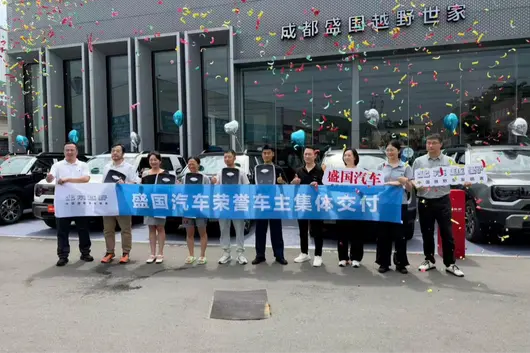
Recently, the Beijing Off-road Chengdu Shenguo store welcomed the delivery of its 31,800th complete vehicle. This warm vehicle delivery ceremony is both a microcosm of the store's 15-year deep dive into the southwestern market and reflects the rising market heat of Beijing Off-road's mainstay models. Looking at the national market, the BJ30 Traveler has already submitted an even more impressive report card – as the fastest model among China's light off-road SUVs to reach 150,000 units in sales, it has demonstrated the major trend of current automotive consumption shifting from "single transportation" to "all-scenario travel" through its steadily growing market volume and comprehensive product power that balances home use and off-roading.

The current domestic SUV market has long bid farewell to homogenized competition. Box-shaped light off-road vehicles, once exclusive to niche off-road enthusiasts, have gradually entered thousands of ordinary families, becoming one of the fastest-growing sub-segments of the automotive market. Data shows that the sales of domestic box-shaped SUVs have risen year after year, and user demand has undergone fundamental changes: most consumers no longer pursue extreme off-road capabilities but desire an all-around vehicle that is "worry-free for city commuting, relaxed for family trips, and sufficient for weekend short off-roading". Against this market backdrop, vehicles relying solely on eye-catching appearance and stacked hardcore configurations are gradually losing strength. Those that can truly take root must be products that precisely meet the core demands of family users. The popularity of the BJ30 Traveler hits this market trend exactly.
The store has cumulatively delivered 31,800 units, and the complete vehicle sales quickly surpassed 150,000 units. Behind these two figures lies the vote of trust cast by users through actual choices. Chengdu Shenguo Auto, as an established store for Beijing Off-road's layout of the southwestern market, has persisted in taking service as the core for 15 years, abandoned the traditional transaction-based car buying mode, and accumulated a large number of loyal users through refined services. This milestone car owner is a repeat purchase customer. In the current era of increasingly rational car consumption, repeat purchase rates and cumulative store sales are important yardsticks for measuring model reputation. The scene of new and old owners gathering at the delivery site shows that this model has not only gained sales but also built a cohesive user circle. The continued fermentation of reputation, in turn, drives steady growth in sales, forming a virtuous cycle.
If sales volume is a direct manifestation of market recognition, then solid product power is the core foundation that supports long-term sales. Addressing the three core pain points of family users – "fuel efficiency, large space, and sufficient passability" – the BJ30 Traveler has created three core advantages of "Super Off-road, Super Large, Super Fuel-efficient", breaking the inherent shortcomings of traditional box-shaped SUVs: "high looks, high fuel consumption, and cramped space".

In terms of power and passability, as the first domestic box-shaped SUV equipped with a HEV hybrid architecture, it features an industry-leading three-motor four-wheel drive six-mode hybrid system, composed of a hybrid dedicated engine and front/rear dual motors. It balances long-distance energy saving, instantaneous power bursts, and real-time recharging needs. The intelligent four-wheel drive with 30ms response, combined with four-wheel electronic limited slip and intelligent electric ATS all-terrain control system, is enough to easily handle unpaved roads such as mud and sand, meeting users' light off-road needs for weekend camping and suburban trips, allowing outdoor travel that is "ready to go" without being restricted by road conditions. This hybrid architecture differs from plug-in hybrid models, does not rely on charging piles, completely dispels concerns about inconvenient recharging for urban users, avoids performance degradation after battery depletion, and achieves a balance between off-road performance and daily practicality.
In terms of space performance, the BJ30 Traveler precisely fits the travel needs of multi-person families. The 2820mm extra-long wheelbase combined with a three-row seven-seat layout achieves a 66% high space utilization rate. Even adults 1.8 meters tall won't feel cramped in the third row. With the rear seats folded flat, it forms a 1.92-meter flat space. The 1496-liter large-capacity trunk combined with 38 storage spaces in the whole vehicle can properly accommodate strollers, camping gear, and personal sundries. For family users, spacious and flexible space means the vehicle can calmly handle multiple passengers and large cargo loading, adapting to diverse scenarios such as daily commuting, family travel, and short-term travel, breaking out of the limitation of traditional SUV space singularity.
Vehicle ownership cost and reliability are the top priorities for ordinary families choosing a car, which is also a major highlight of the BJ30 Traveler. Previously, automotive bloggers from five countries – South Africa, Indonesia, UAE, Poland, and Mexico – conducted cross-regional actual tests. The vehicle's fuel consumption per 100 kilometers was controlled within 5 liters, and the range per tank can exceed 1000 kilometers, completely reversing the public stereotype that "box-shaped models must have high fuel consumption". Low fuel consumption greatly reduces daily commuting costs. The first owner's lifetime warranty for the whole vehicle, sufficient parts supply, and simple maintenance process further reduce concerns about later use. Additionally, the official department once disassembled and tested a vehicle that had driven 150,000 kilometers. Core components such as the engine, transmission, chassis, and battery pack were still in good condition. True data proved the vehicle's durability quality and responded to consumers' concerns about the long-term reliability of domestic cars.
In terms of pricing strategy, the BJ30 Traveler also fits the spending power of mainstream families. The entire series launched a 30,000 yuan trade-in policy, with a super trade-in price starting from 69,900 yuan, promoting "off-road equality" with an approachable threshold, allowing more ordinary families to access and own light off-road models. Looking at the current light off-road market, the audience for hardcore box-shaped models above 200,000 yuan is relatively narrow, while the 70,000-100,000 yuan range is the main battlefield for family car buying. The BJ30 Traveler is rooted in this price band, creating differentiated competitive advantages with superior configurations and comprehensive performance. This is also an important reason for its sales quickly breaking through 150,000 units.

The growth trajectory of the BJ30 Traveler is also a microcosm of the development of domestic light off-road SUVs. Nowadays, domestic box-shaped models have completely dominated the sub-segment, and joint venture brand advantages are no longer existing. Market competition has shifted from early "looks competitions" to "comprehensive strength contests" – fuel consumption, space, reliability, cost-performance ratio, and after-sales service. Each has become an important standard for user car selection. Relying on more than 60 years of off-road technology accumulation, Beijing Off-road has not blindly stacked hardcore configurations but returned to the users themselves, bringing professional off-road technology down to home models to create "urban and off-road capable, economical and practical" products. This idea of "technical inclusiveness" perfectly aligns with the current consumption trend of the public aspiring to outdoor life and pursuing diverse travel.
The 31,800-unit delivery milestone of the Chengdu store is the result of deep cultivation in the regional market; 150,000 complete vehicles off the line are the witness of the national market blooming across the board. For the BJ30 Traveler, sales figures are not the end point but the market's recognition of product power and brand philosophy. In the current situation where the light off-road track is becoming increasingly crowded, only by adhering to user needs, continuously refining products, and optimizing services can one take root firmly in the market. With the continuous improvement of the public's outdoor travel needs, light off-road SUVs that balance practicality and fun will inevitably welcome a broader development space.